

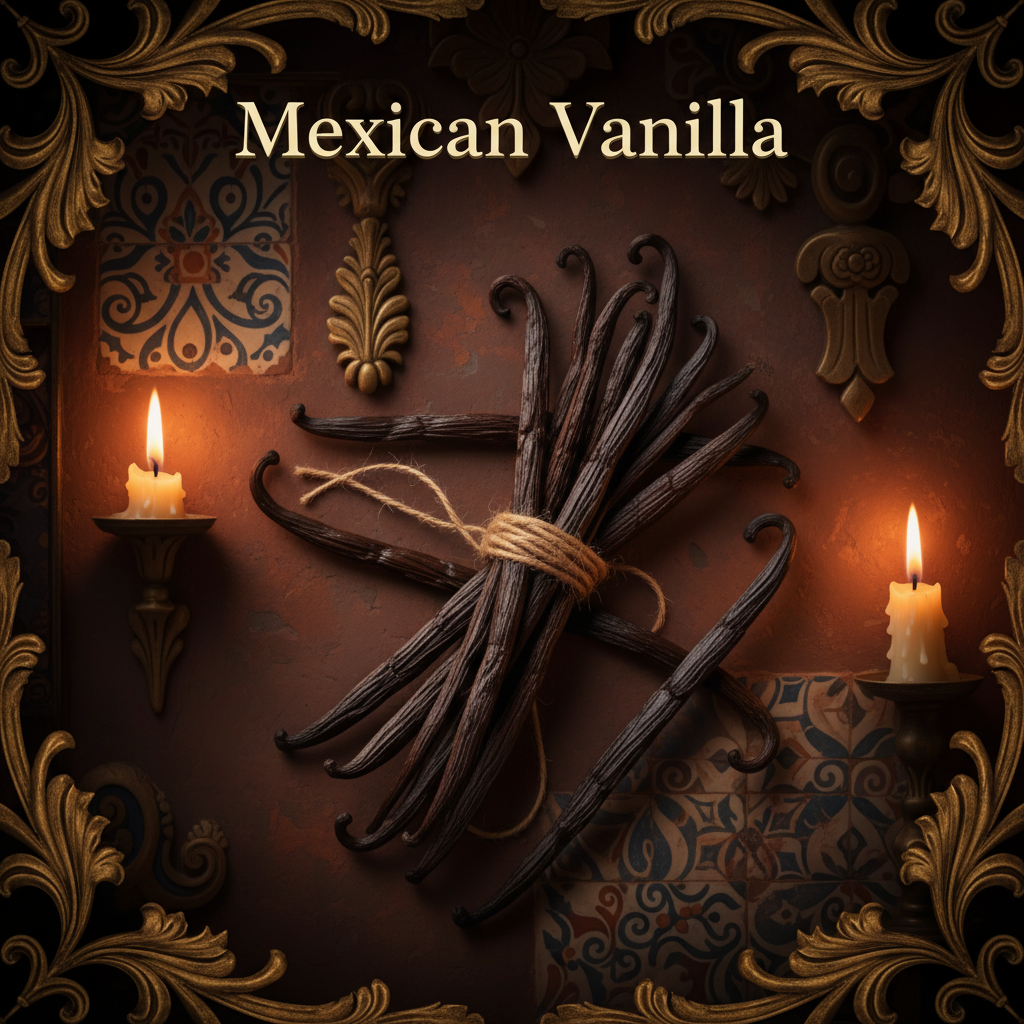
Mexico holds a unique distinction in the world of vanilla: it is the birthplace of this precious orchid and one of just a few countries that cultivates at least two distinct vanilla species commercially. This article explores two of them —Vanilla planifolia and Vanilla pompona. While both thrive in Mexico's tropical climate and share the same terroir, these two species produce remarkably different flavor profiles that reflect their distinct botanical characteristics. Understanding what sets them apart opens up a world of culinary possibilities and deepens appreciation for vanilla's extraordinary complexity.
The Botanical Distinction
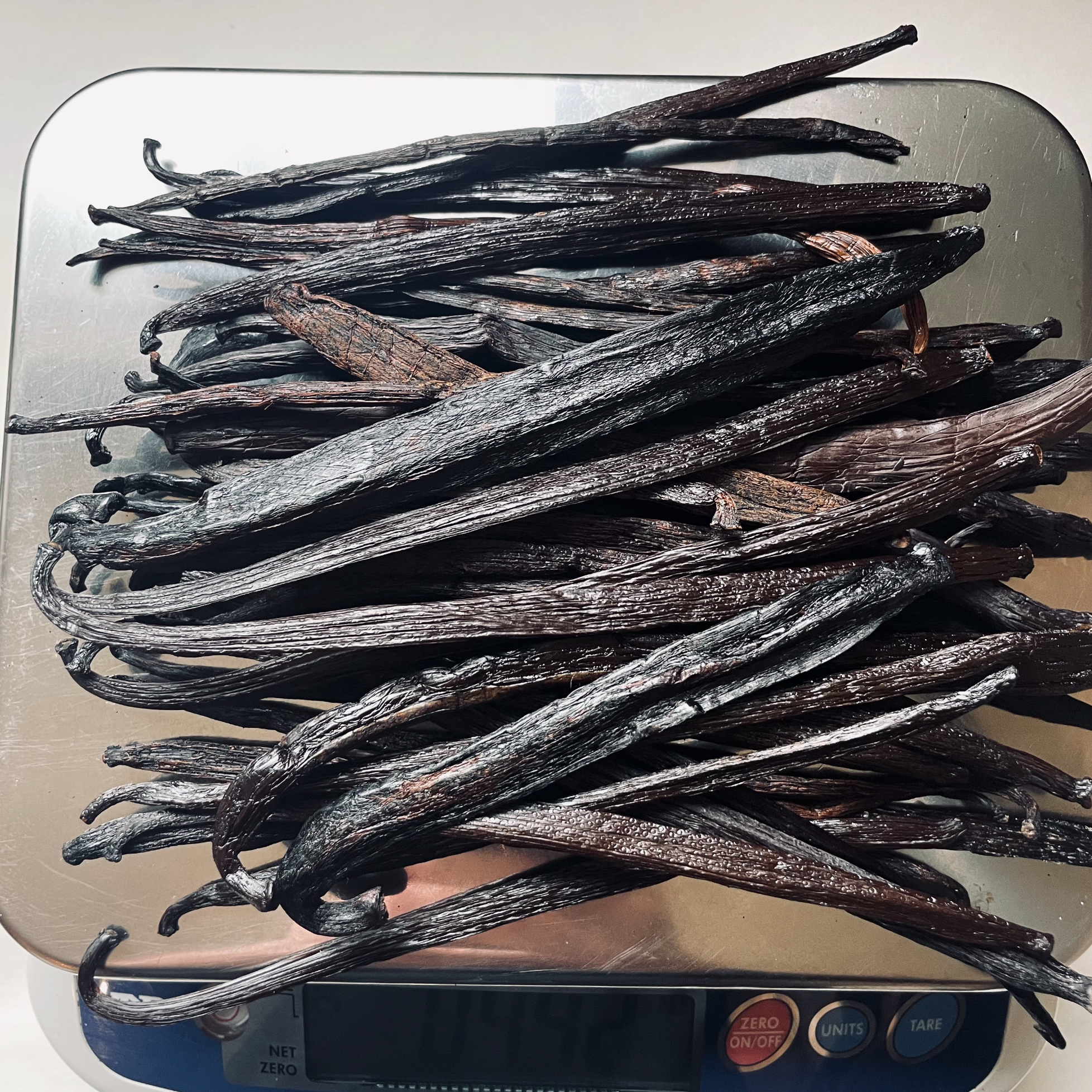
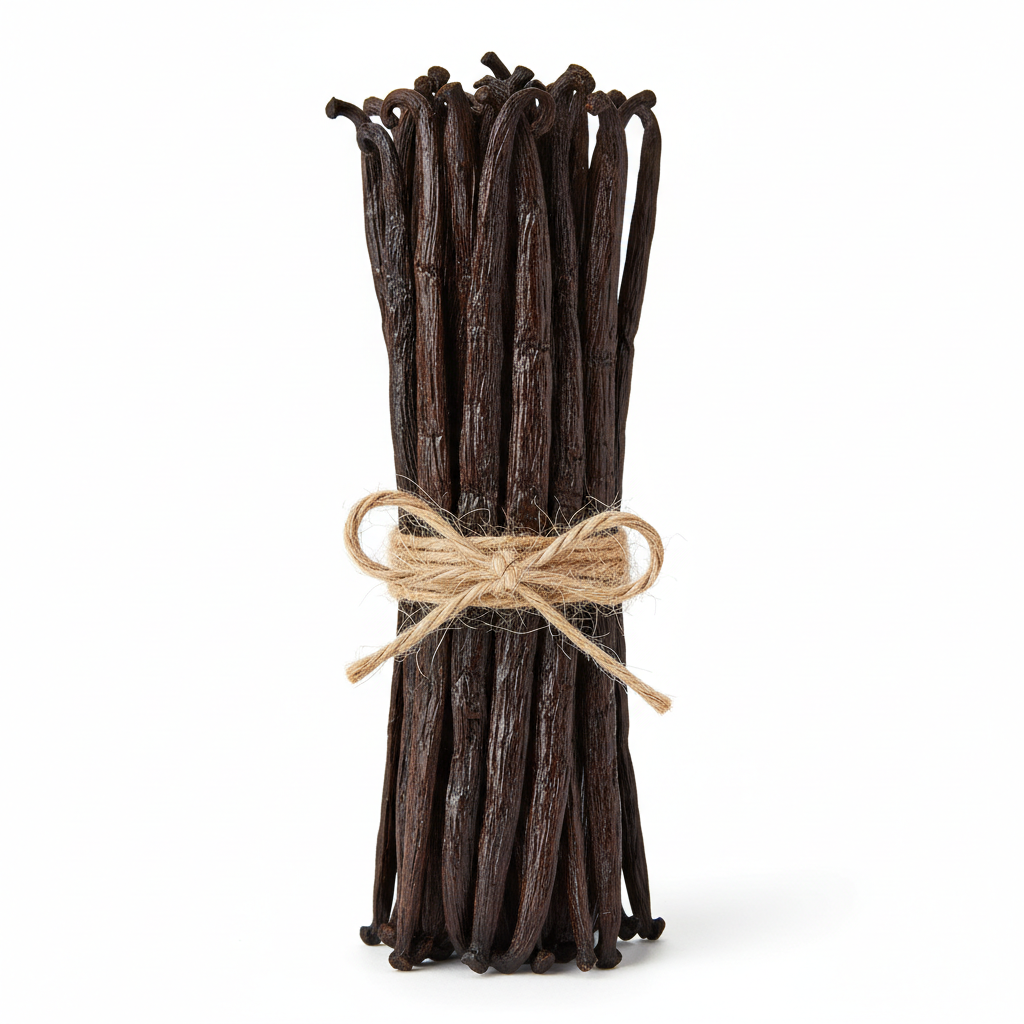
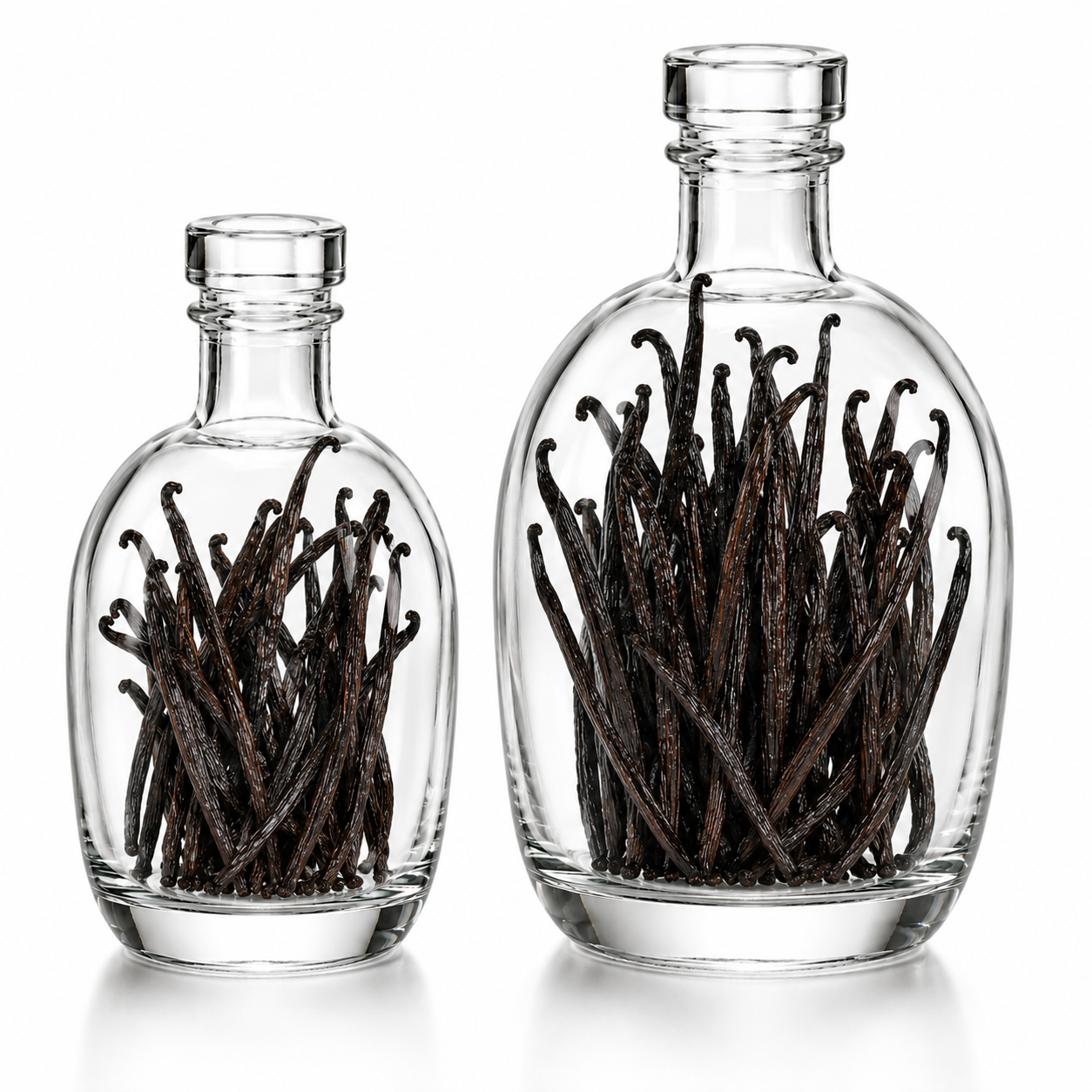
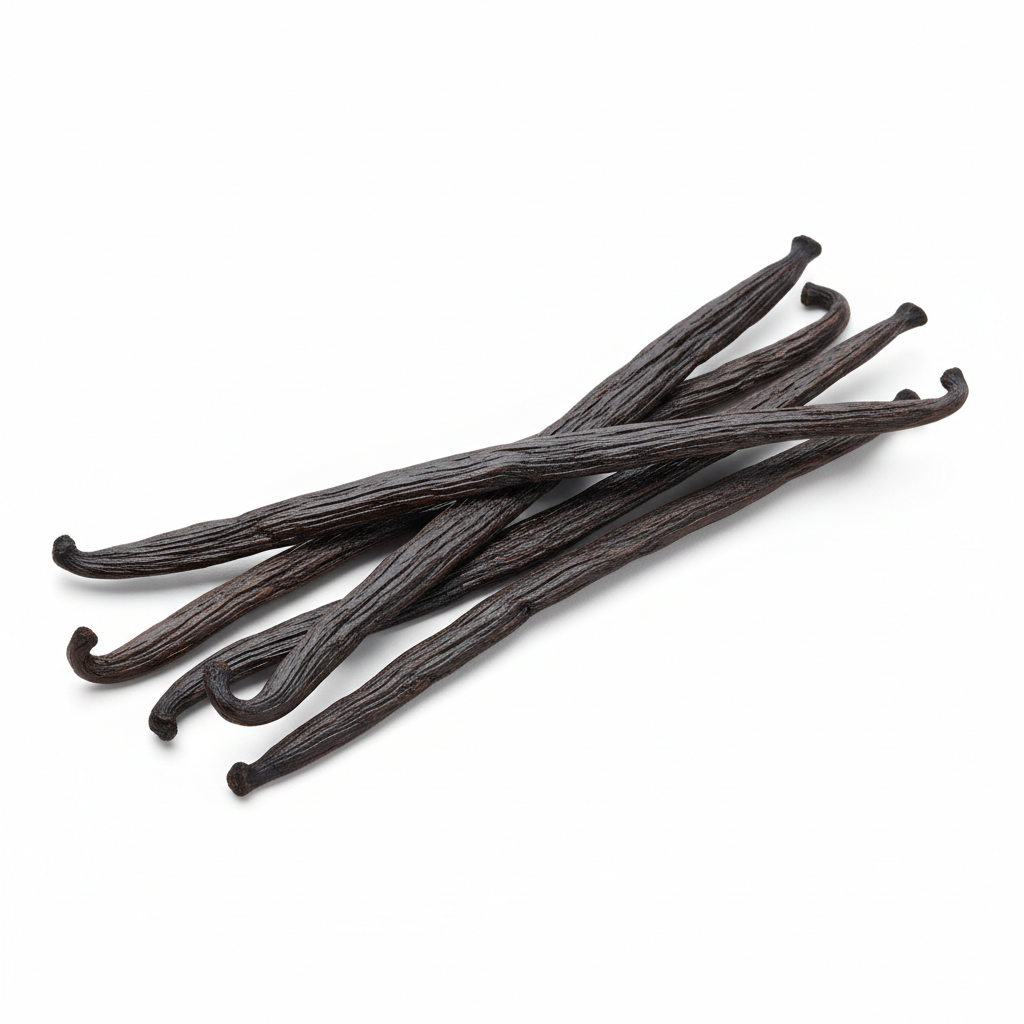
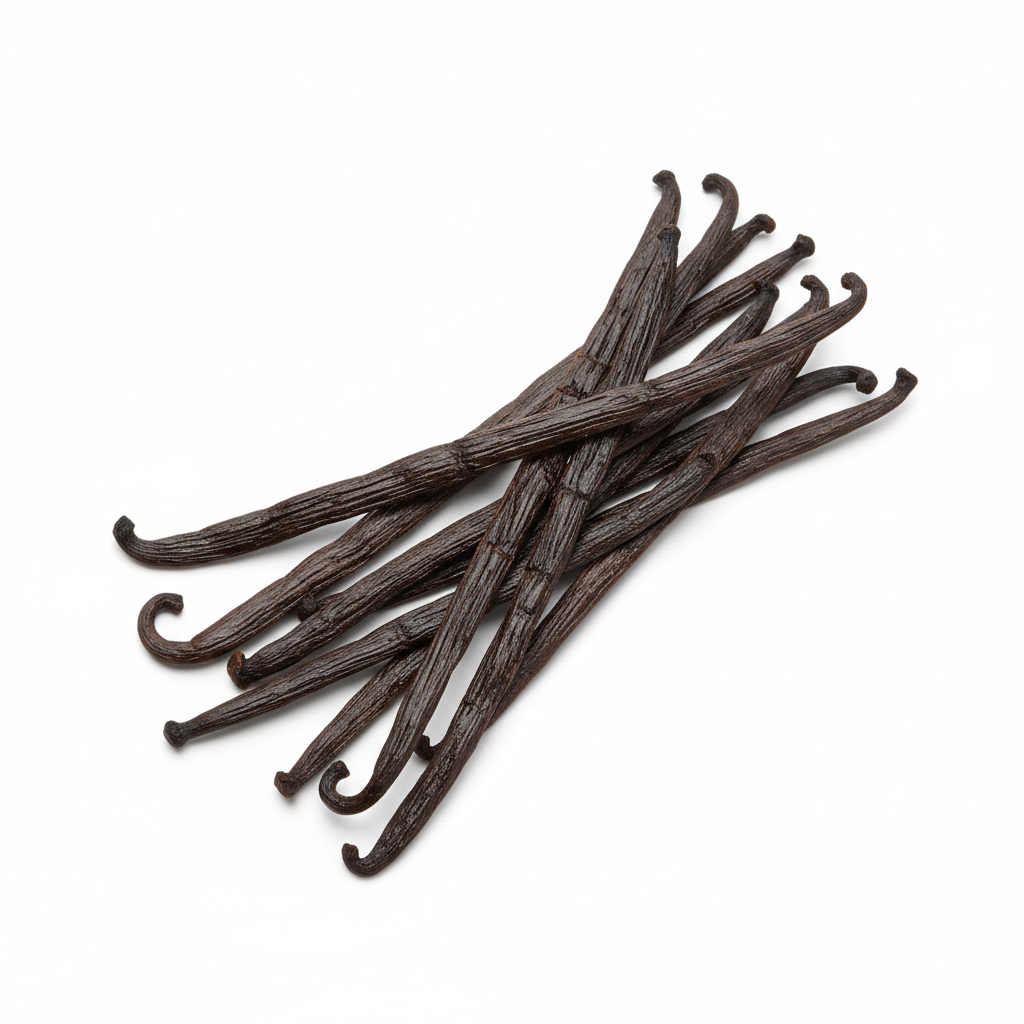
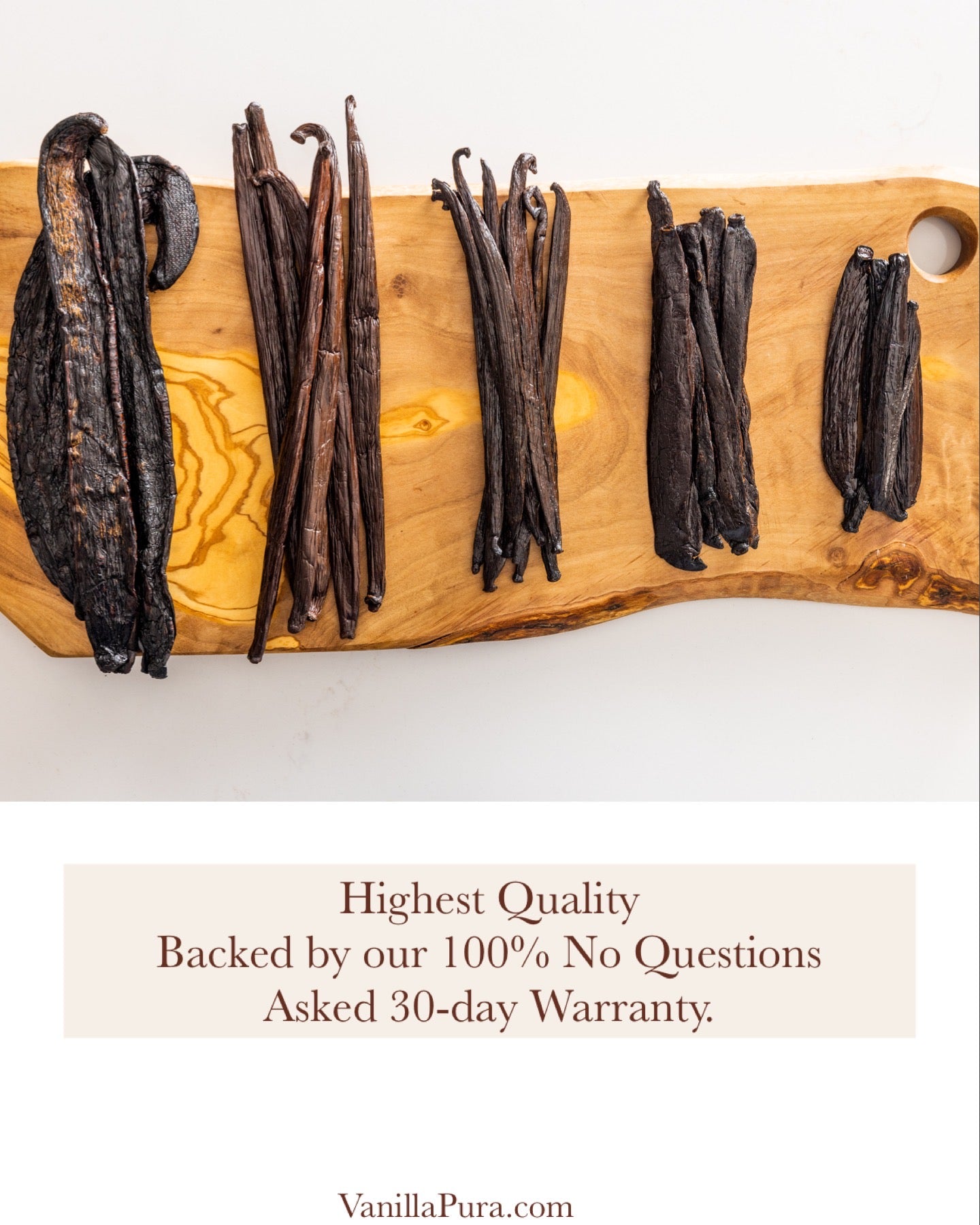
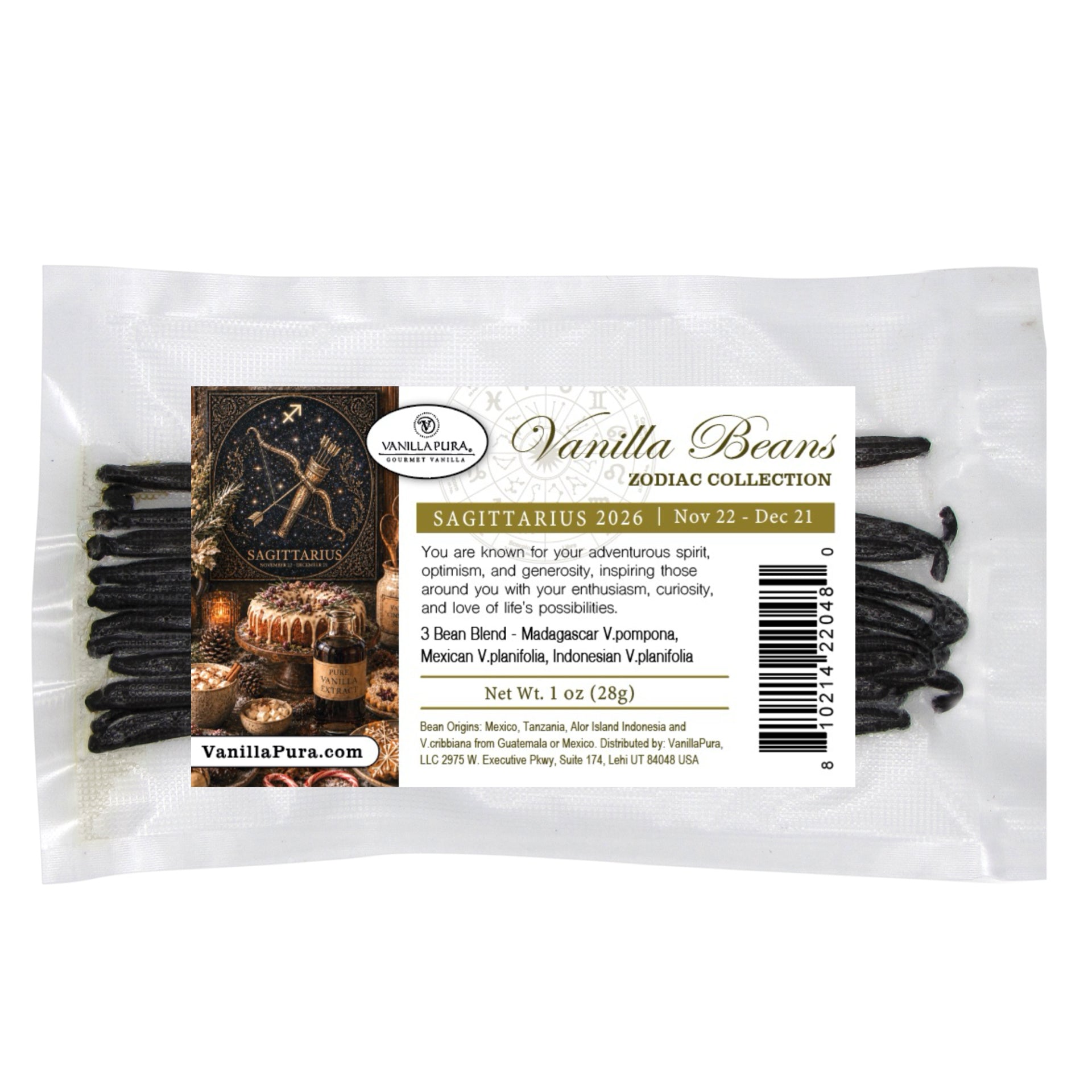
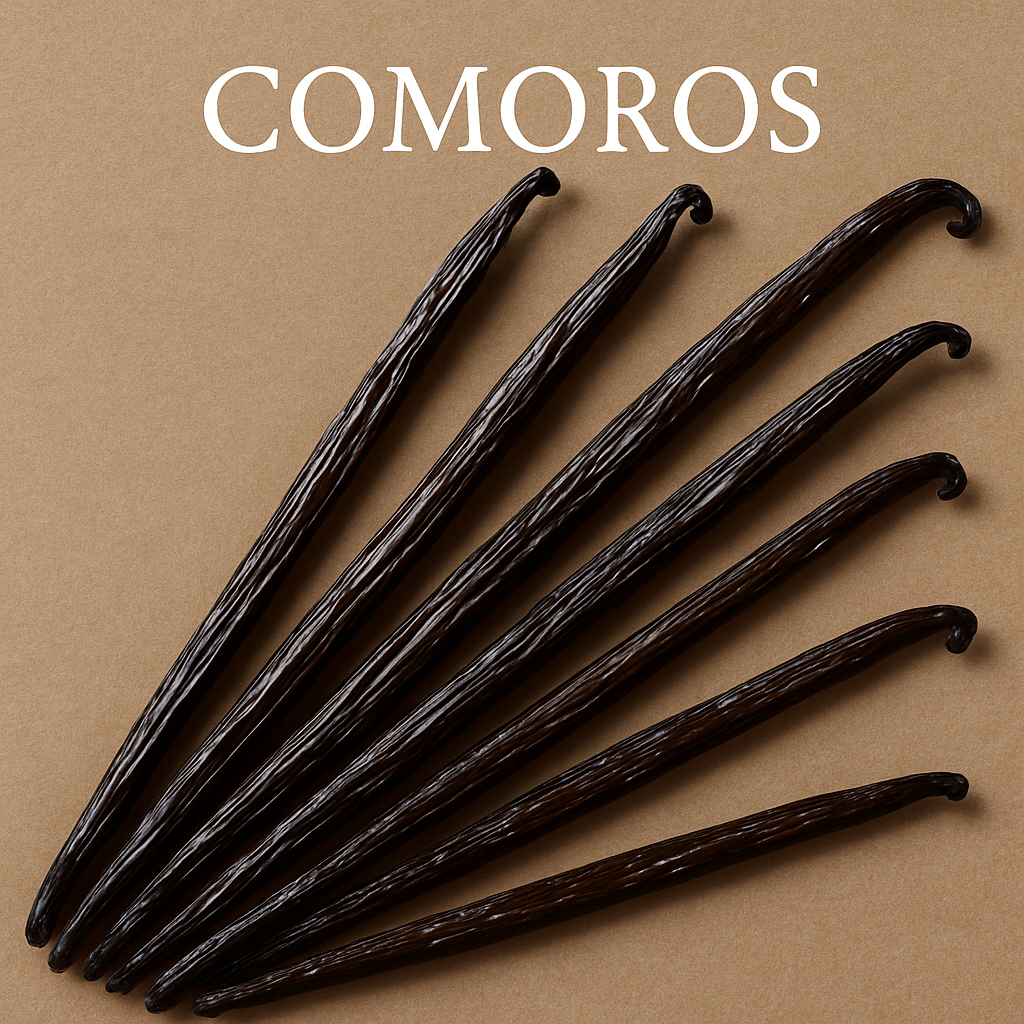
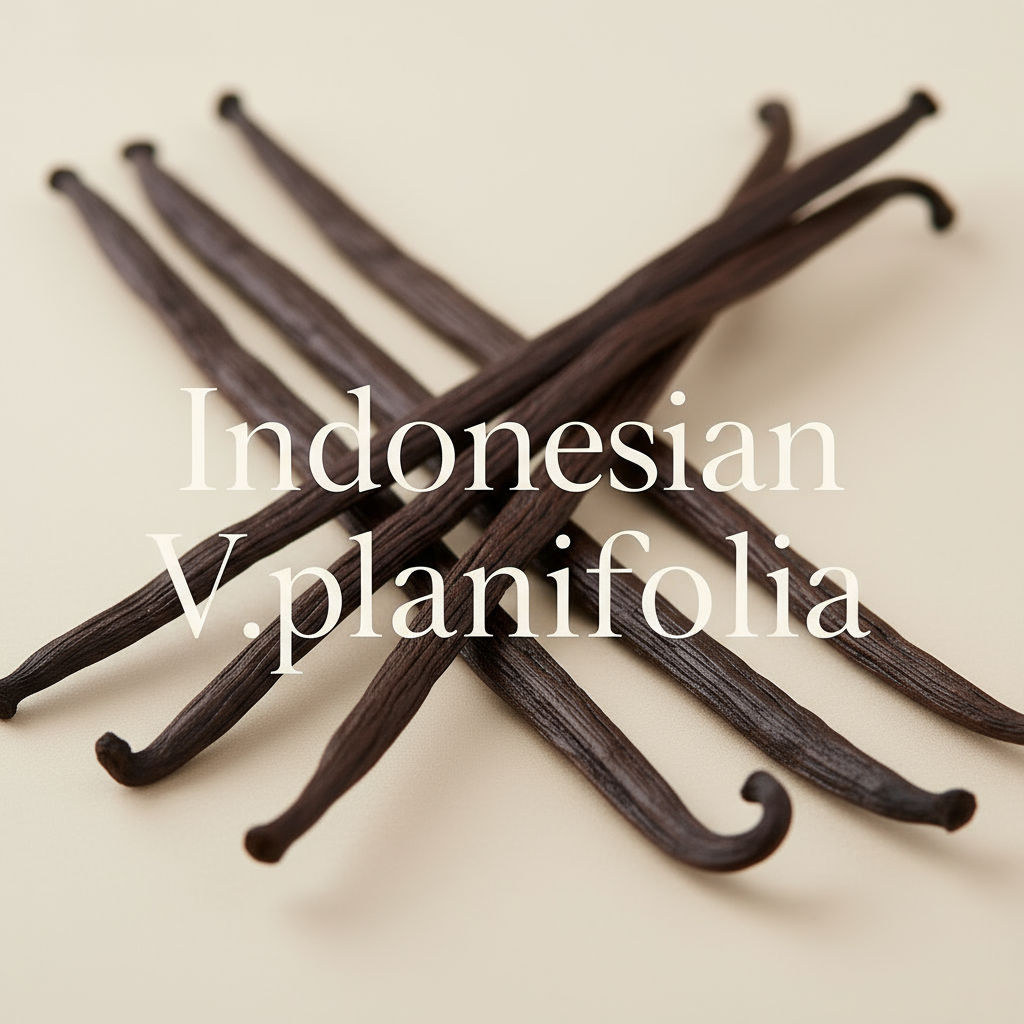
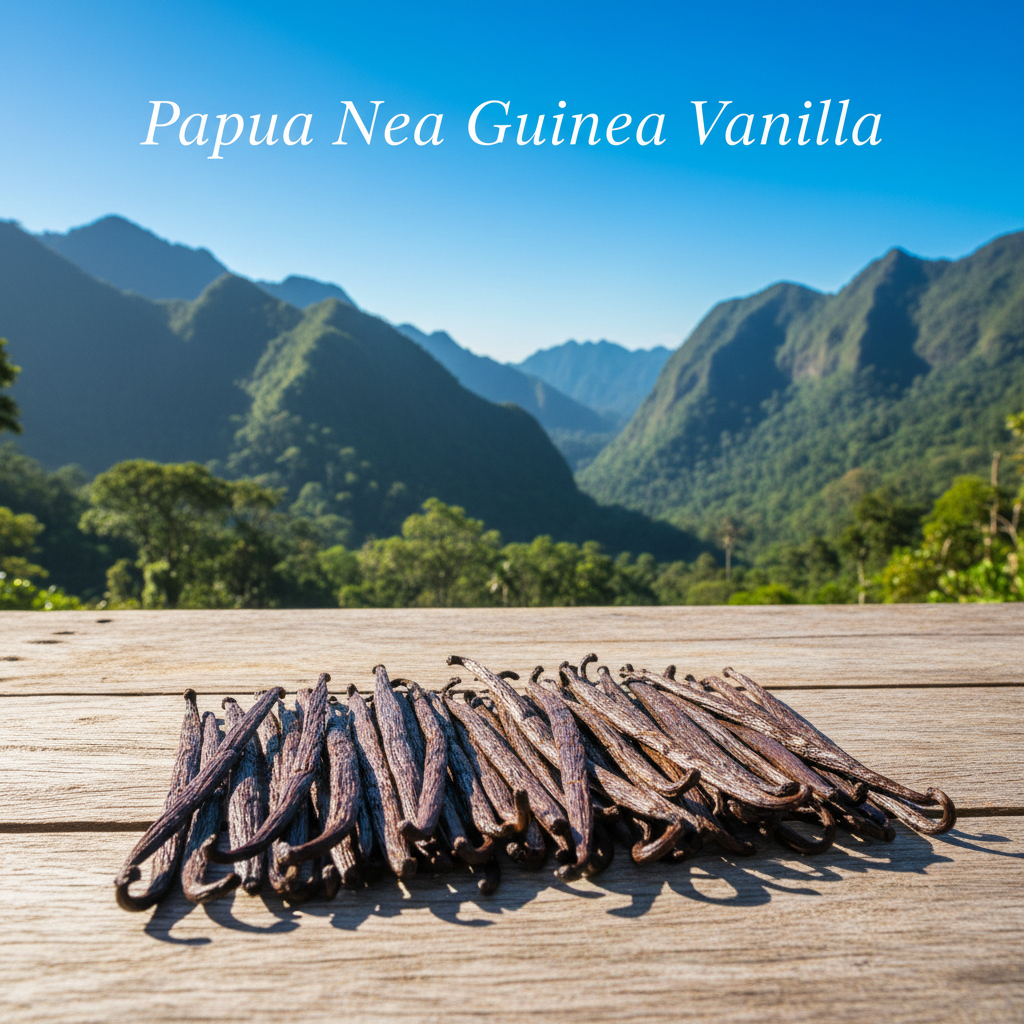
Though both species belong to the Vanilla genus and grow as climbing orchids in Mexico's humid forests, V. planifolia and V. pompona are genetically distinct plants with notable physical differences. Vanilla planifolia—often called Bourbon vanilla when grown in Madagascar or other Indian Ocean islands—produces the slender, elegant beans most familiar to vanilla enthusiasts worldwide. The pods typically measure 15-22 cm in length with a circumference of about 1 cm, featuring a dark brown to black color when properly cured.
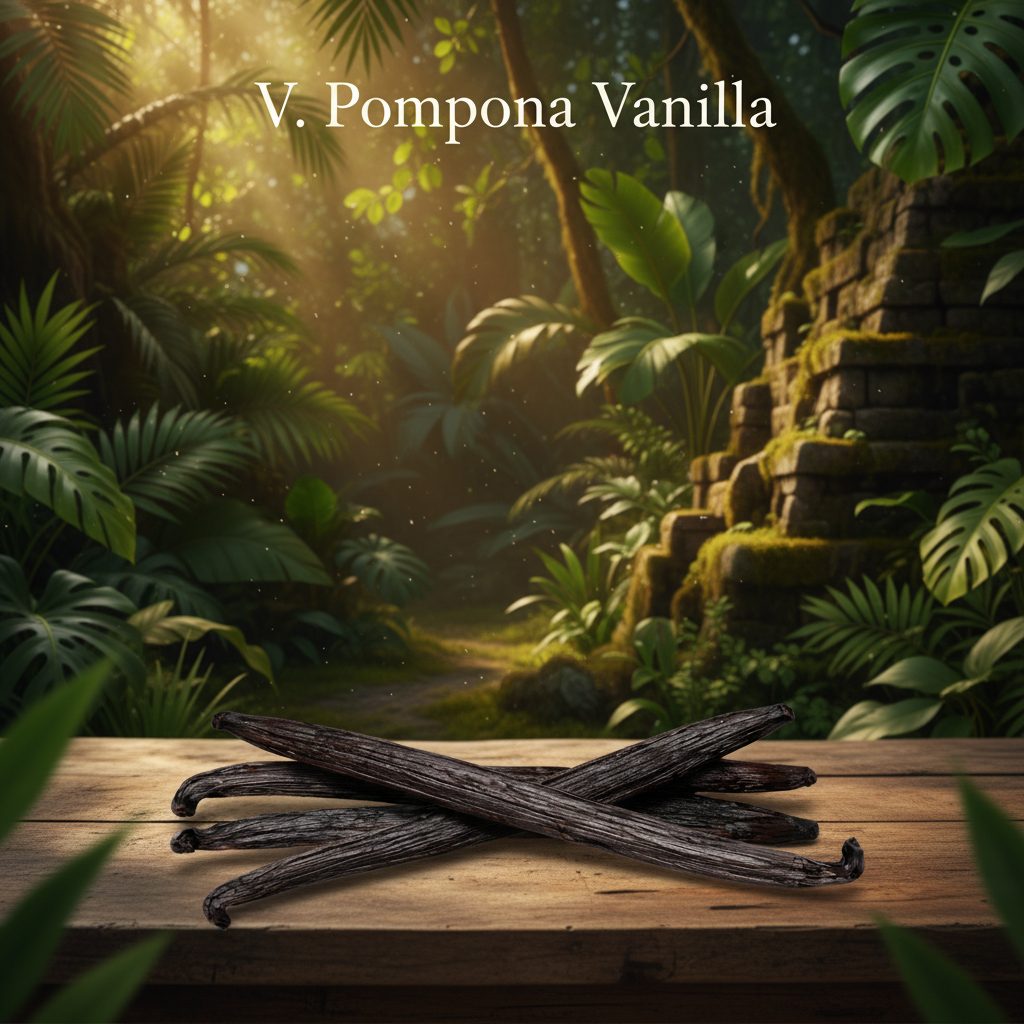
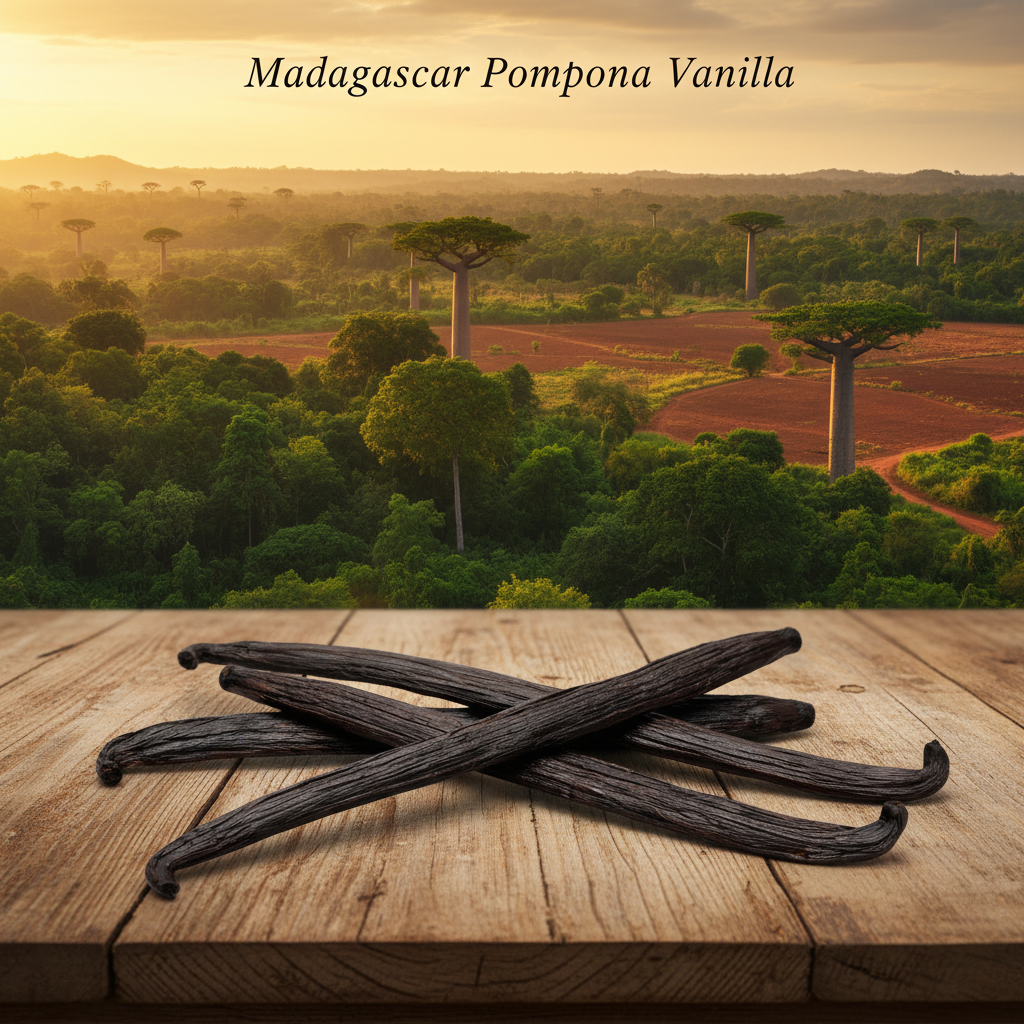
Vanilla pompona, by contrast, produces shorter, plumper pods that are distinctly different in appearance. These beans are typically 10-15 cm long but noticeably thicker and more robust, with a broader, almost bulbous shape. The species is sometimes called "vanillón" or "West Indian vanilla," and while less common in commercial production, it has been cultivated in Mexico for centuries alongside its more famous cousin.
The Flavor Profiles: Where Species Creates Distinction
The most compelling difference between these two species lies in their aromatic compounds and resulting flavor profiles—a distinction that makes each uniquely valuable in the kitchen.
V. Planifolia: The Classic Standard
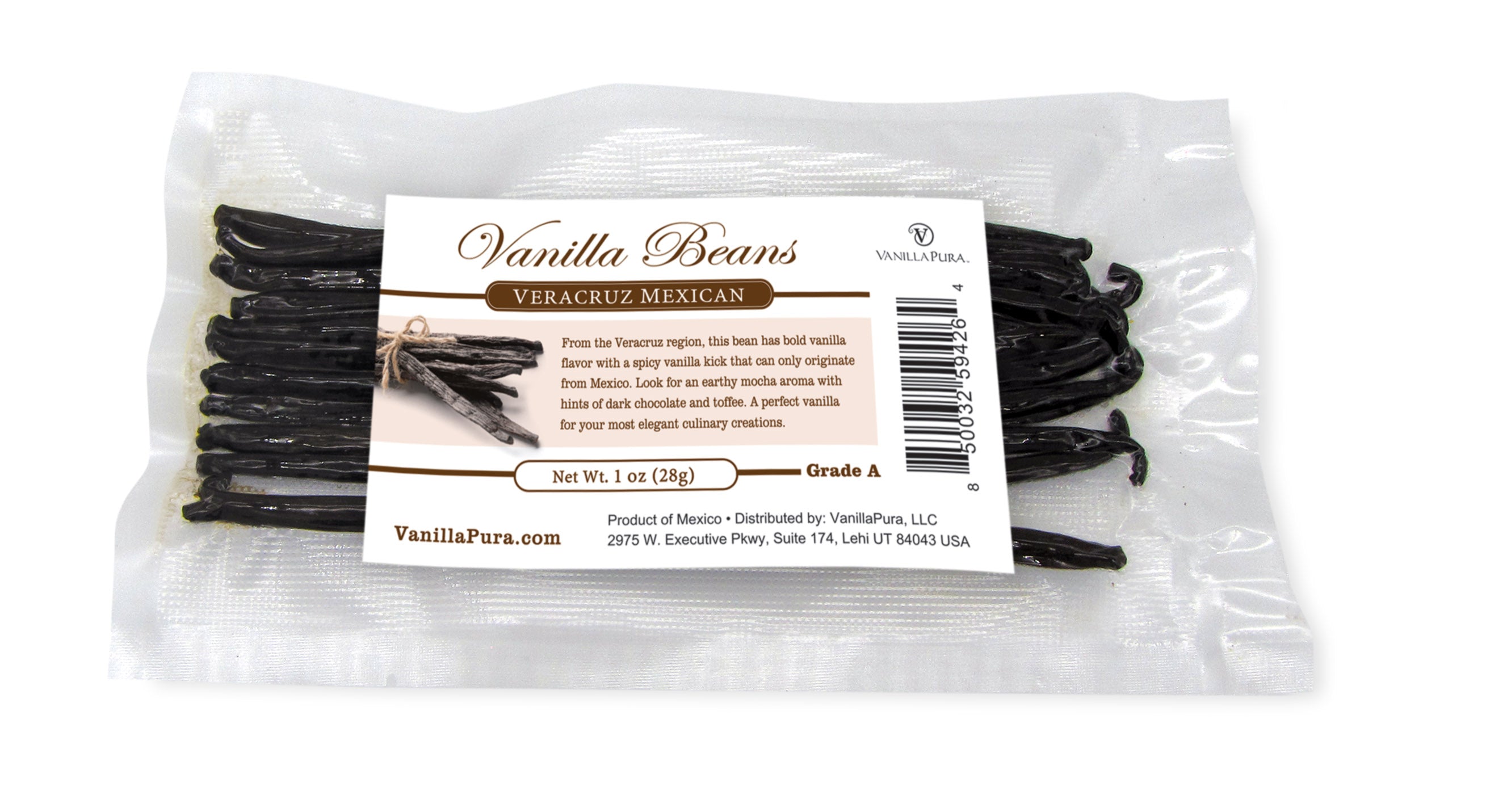
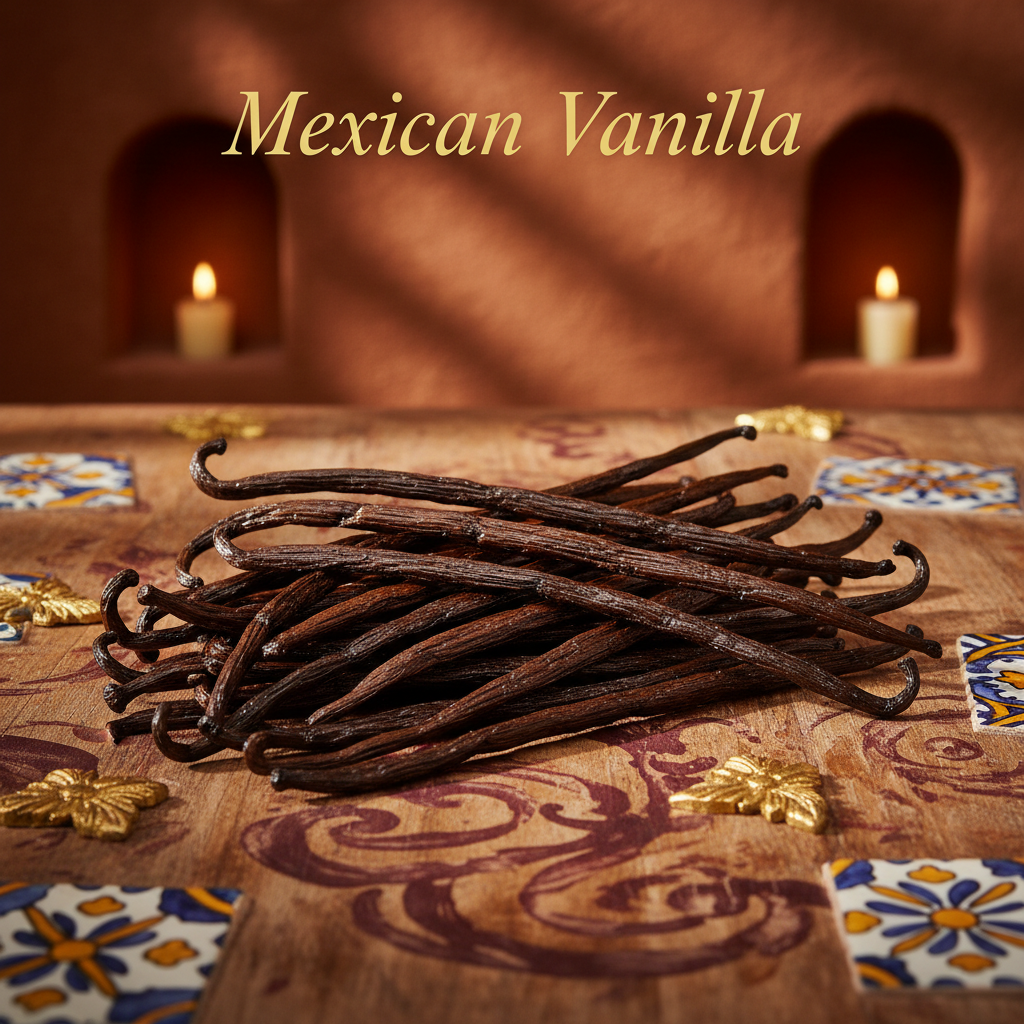
Vanilla planifolia from Mexico delivers the rich, creamy vanilla flavor that has become the global benchmark. Mexican planifolia beans are prized for their bold, spicy-sweet character with warm notes of cinnamon, clove, and a subtle smokiness that distinguishes them from the same species grown elsewhere. The vanillin content—the primary flavor compound—typically ranges from 1.5% to 3%, creating that unmistakable, full-bodied vanilla essence that works beautifully in everything from custards and ice creams to baked goods and savory mole sauces.
What makes Mexican planifolia particularly special is its complexity: beyond the dominant creamy sweetness, you'll discover layers of woody depth, hints of dried fruit, and a lingering warmth and spice that speaks to Mexico's unique curing traditions and terroir. This is vanilla in its most versatile, universally beloved form—the flavor that defines what we think of as "classic vanilla."
V. Pompona: The Aromatic Alternative
Vanilla pompona tells an entirely different aromatic story. While it contains vanillin, it isn't as pronounced as it is in the V.planifolia species. But this apparent deficiency is precisely what makes pompona so intriguing: the understated vanillin allows other aromatic compounds to shine, creating a flavor profile that is distinctly floral, herbaceous, and almost perfume-like.
Tasting notes for V. pompona often include heliotrope (a sweet, almond-like floral note), cherry, anise, and even tobacco-like complexity. The flavor is lighter, more delicate, and decidedly less "vanilla" in the conventional sense—which is exactly its appeal. Where planifolia provides bold, creamy comfort, pompona offers nuance, intrigue, and an almost wine-like complexity that can elevate dishes in unexpected ways.
Historically, pompona has been used in perfumery and as a flavoring for tobacco, but adventurous chefs and home cooks are rediscovering its potential in the kitchen. It excels in applications where you want vanilla's aromatic presence without overwhelming sweetness—think delicate fruit desserts, floral-infused syrups, sophisticated cocktails, or even savory dishes where a subtle, complex background note is desired.
Culinary Applications: Choosing the Right Species
Understanding these flavor distinctions allows you to select the right vanilla for your specific culinary goals:
Choose V. Planifolia when you want:
- Bold, unmistakable vanilla flavor that stands up to rich ingredients
- Classic vanilla applications: ice cream, custards, crème brûlée, vanilla extract
- Baking projects where vanilla is a primary flavor: vanilla cakes, cookies, pastries
- Mexican and Latin American dishes: horchata, flan, tres leches cake, mole
- A versatile, all-purpose vanilla that works in both sweet and savory contexts
Choose V. Pompona when you want:
- Delicate, floral complexity rather than bold vanilla sweetness
- Unique aromatic depth in fruit-based desserts: poached pears, berry compotes, stone fruit tarts
- Sophisticated cocktails and infusions where subtlety is key
- Floral syrups, liqueurs, or specialty extracts with distinctive character
- Experimental cooking where you want to surprise and intrigue the palate
- Blending with planifolia to add aromatic complexity and depth
The Terroir Connection
What makes the comparison between Mexican planifolia and pompona particularly fascinating is that terroir—the environmental factors that influence flavor—remains constant. Both species grow in the same soils, experience the same tropical climate, and are processed using similar traditional curing methods passed down through generations of Mexican vanilla producers.
This shared origin means that the flavor differences are purely a function of species genetics and biochemistry, not environmental variation. It's a rare opportunity to taste how botanical distinction alone can create entirely different sensory experiences from the same place. Mexican vanilla producers who cultivate both species are preserving biodiversity while offering discerning cooks access to a broader palette of vanilla flavors.
Preservation and Availability
While V. planifolia dominates global vanilla production, V. pompona remains relatively rare and is primarily cultivated by small-scale producers in Mexico and parts of Central and South America. This scarcity makes pompona beans and extracts harder to find and often more expensive, but for those seeking unique flavors and supporting agricultural biodiversity, the investment is worthwhile.
When sourcing either species from Mexico, look for beans that are plump, oily, and aromatic—signs of proper curing and quality. Mexican vanilla has faced challenges with imitation products, so purchasing from reputable suppliers who can verify the origin and species of their beans is essential.
Conclusion: Two Species, Endless Possibilities
Mexico's cultivation of both Vanilla planifolia and Vanilla pompona is a gift to the culinary world—a reminder that vanilla is not a monolithic flavor but a spectrum of aromatic possibilities. Planifolia offers the rich, creamy, universally beloved vanilla character that has made it the world's favorite flavor, while pompona provides an aromatic alternative for those seeking floral complexity and subtle intrigue.
Whether you're crafting traditional Mexican desserts, experimenting with modern culinary techniques, or simply deepening your appreciation for vanilla's diversity, understanding these two species opens new dimensions of flavor. Same origin, different species—and in that distinction lies the beautiful complexity that makes vanilla one of the world's most captivating ingredients.
Explore both, taste the differences, and discover how species distinction creates memorable flavors that honor Mexico's rich vanilla heritage.




























Comments
This is an excellent in depth article which explores the two species of vanilla beans that grow in Mexico. It show cases the differences and the similarities of these lovely beans! A great read with useful information.