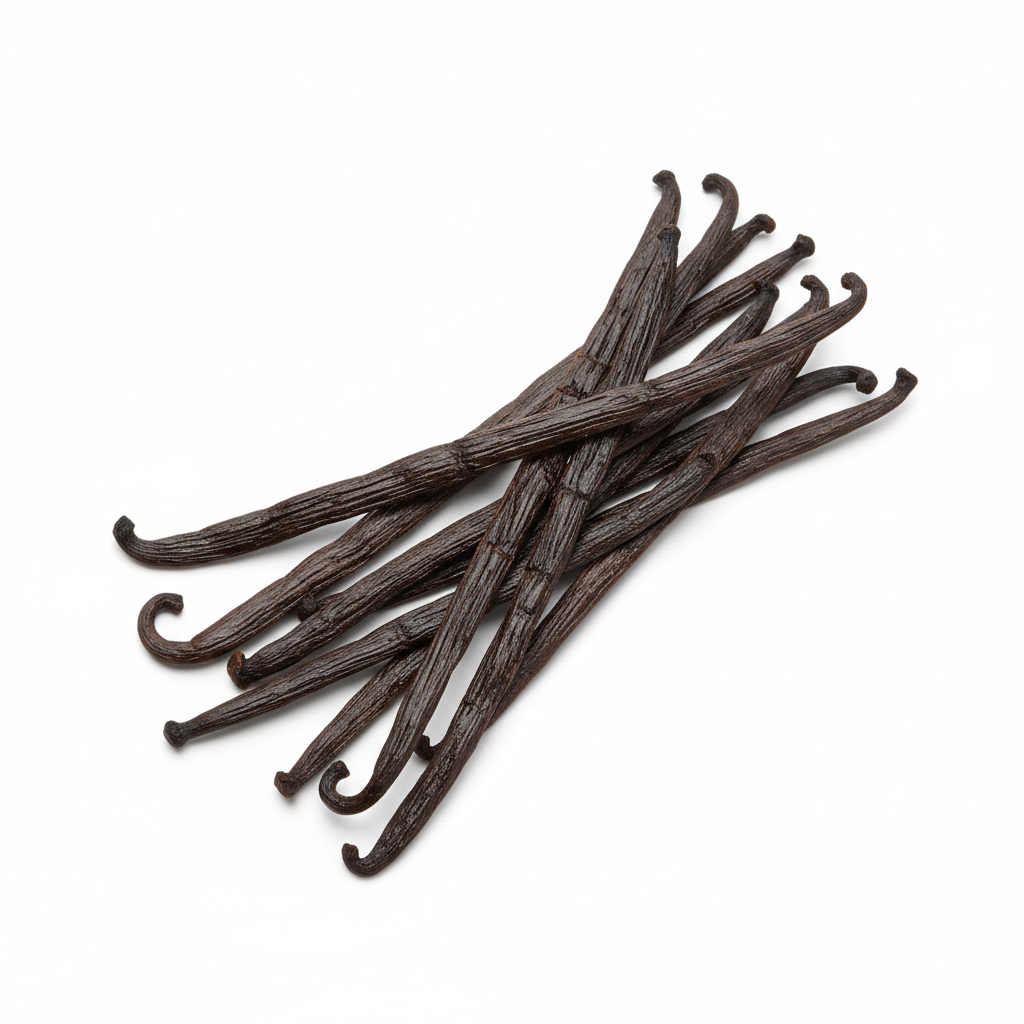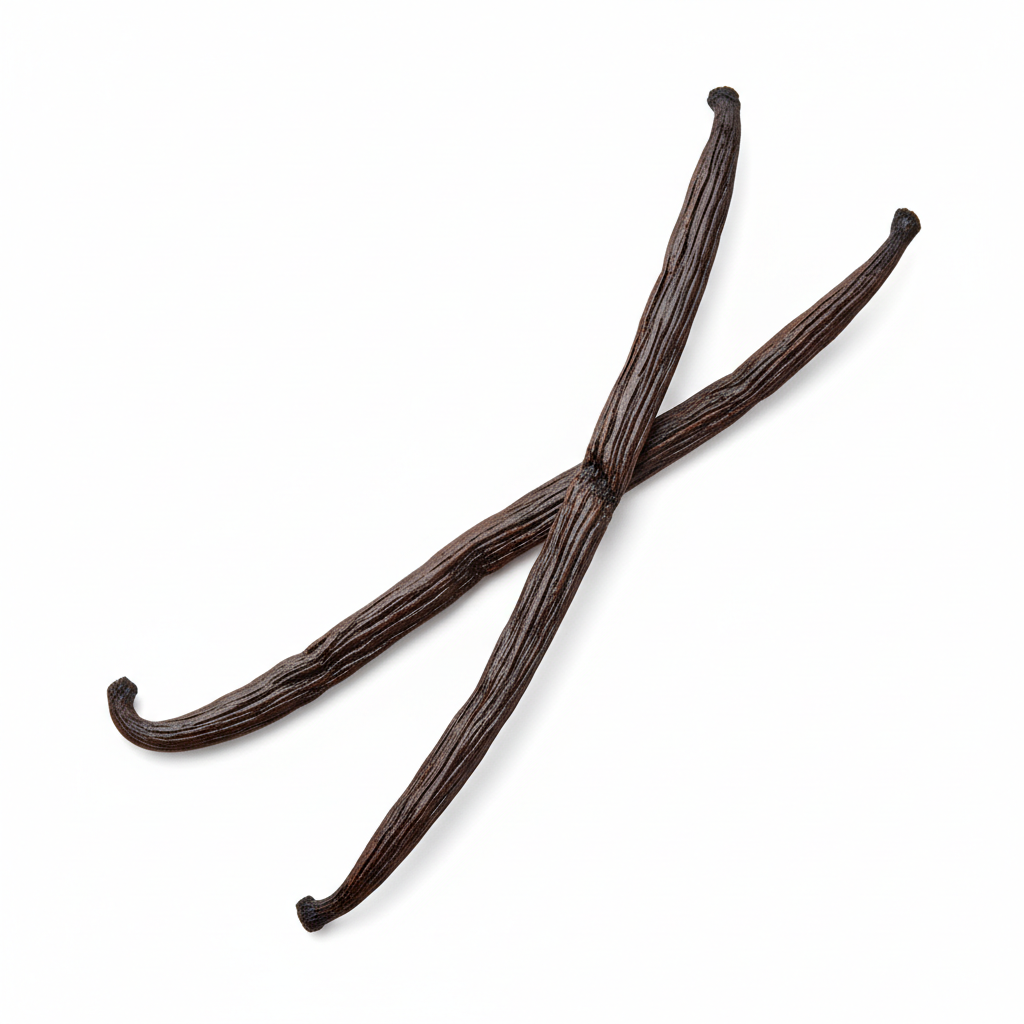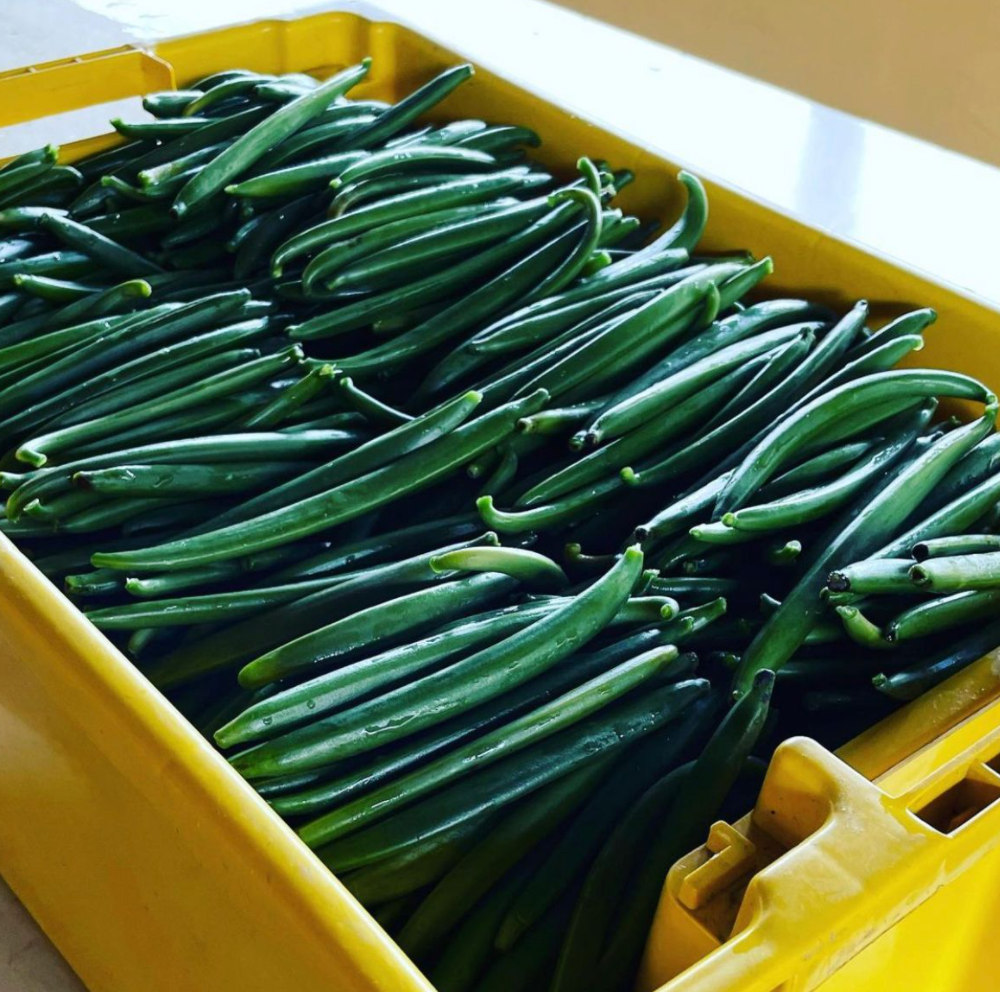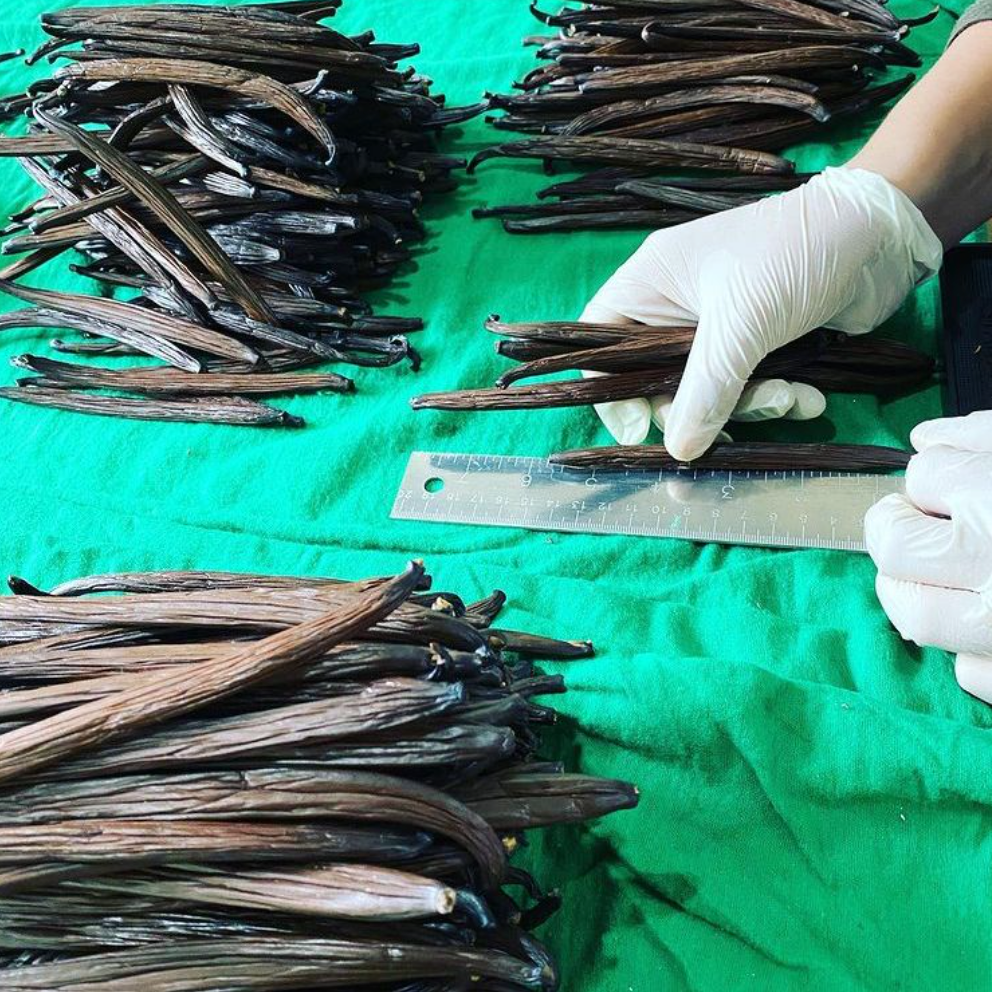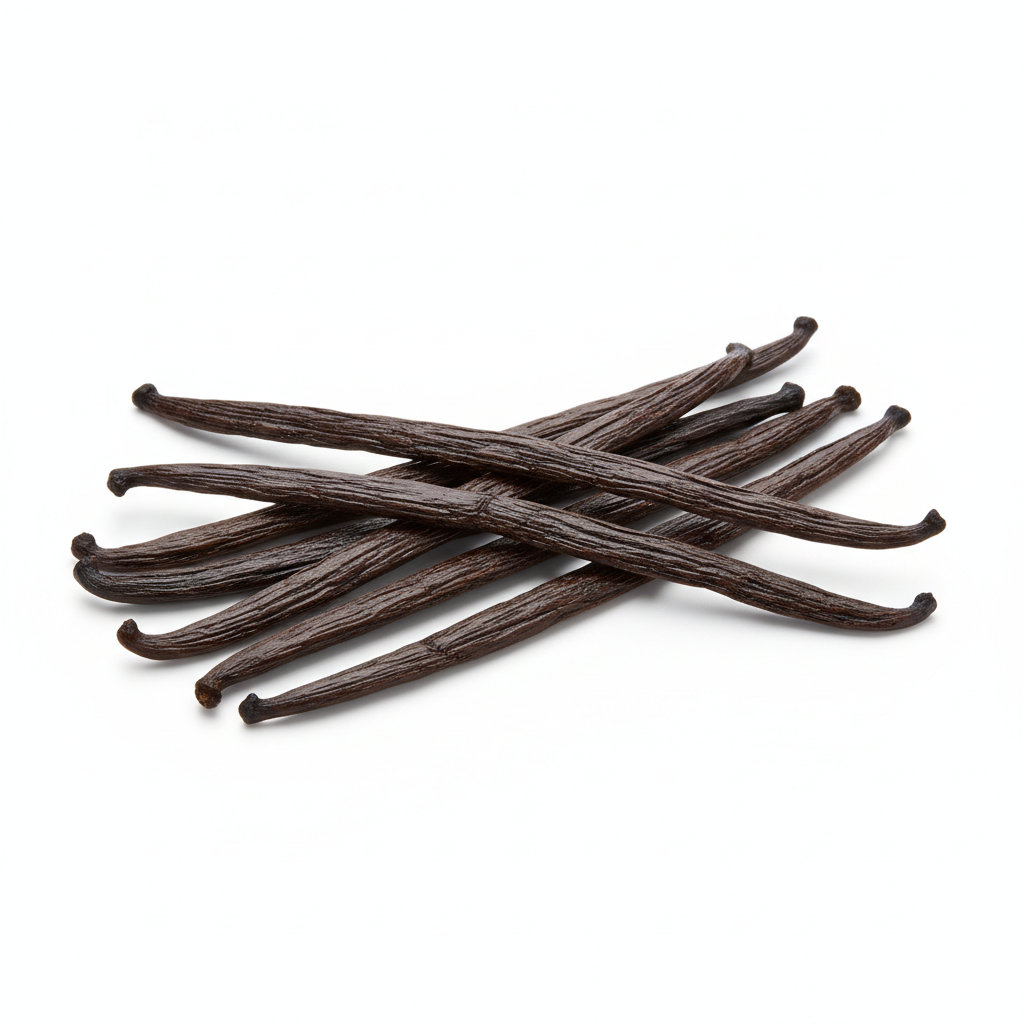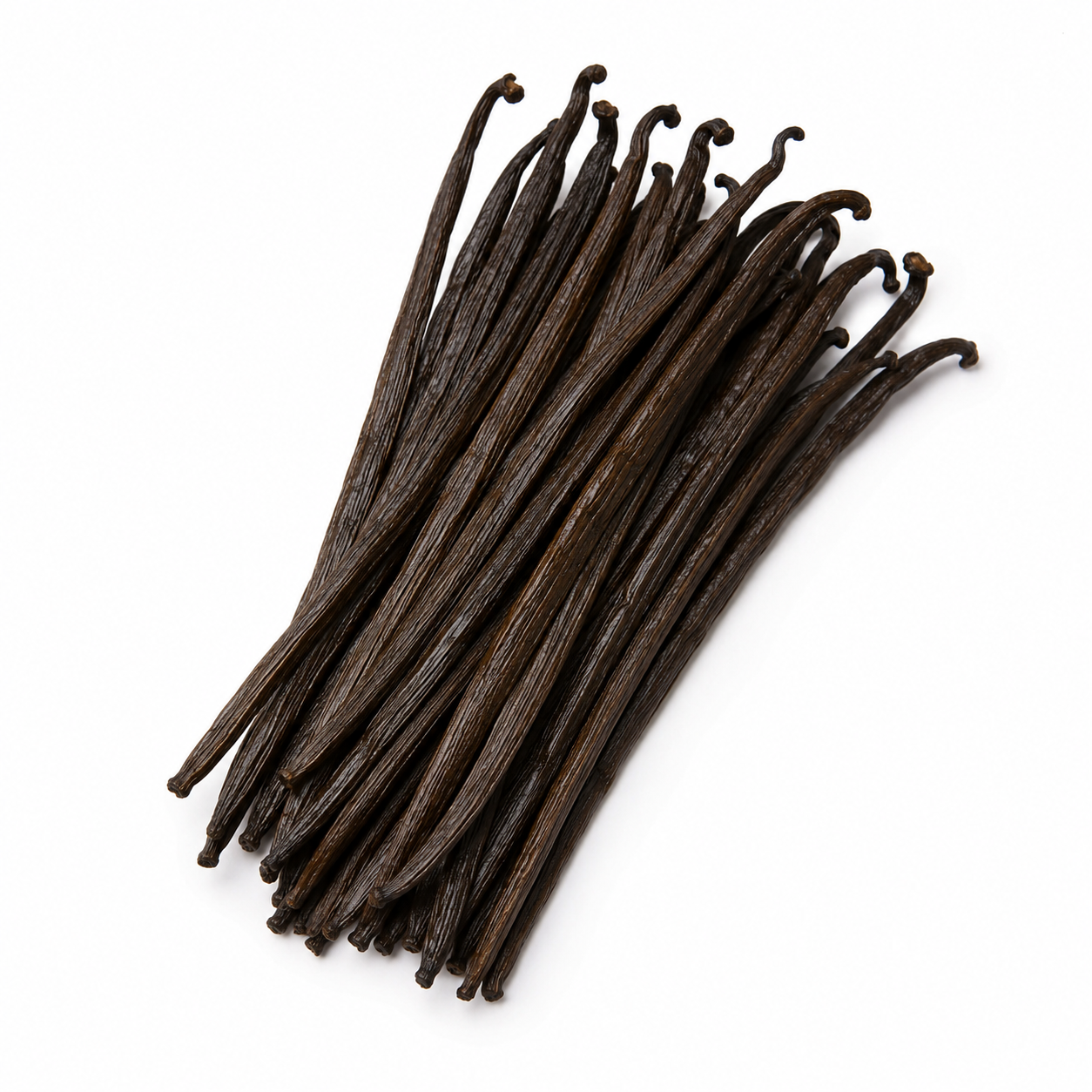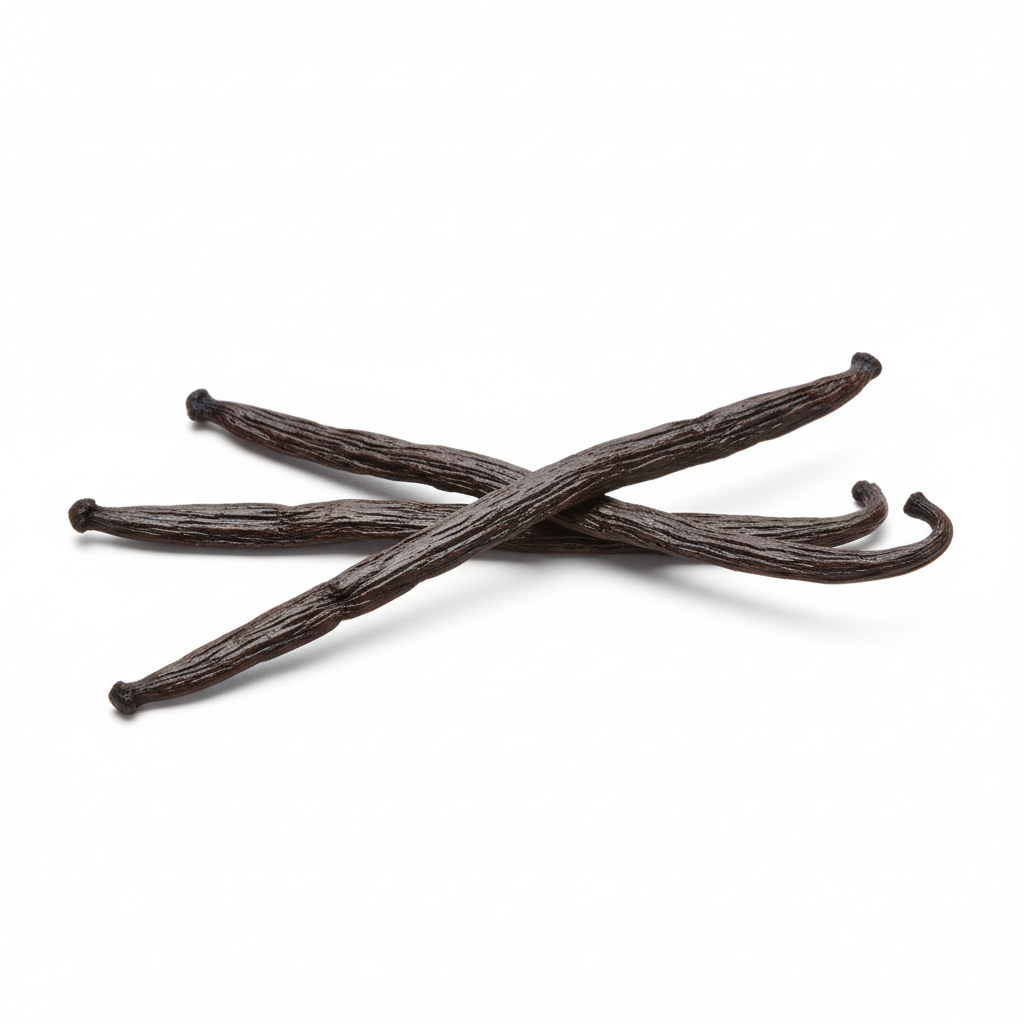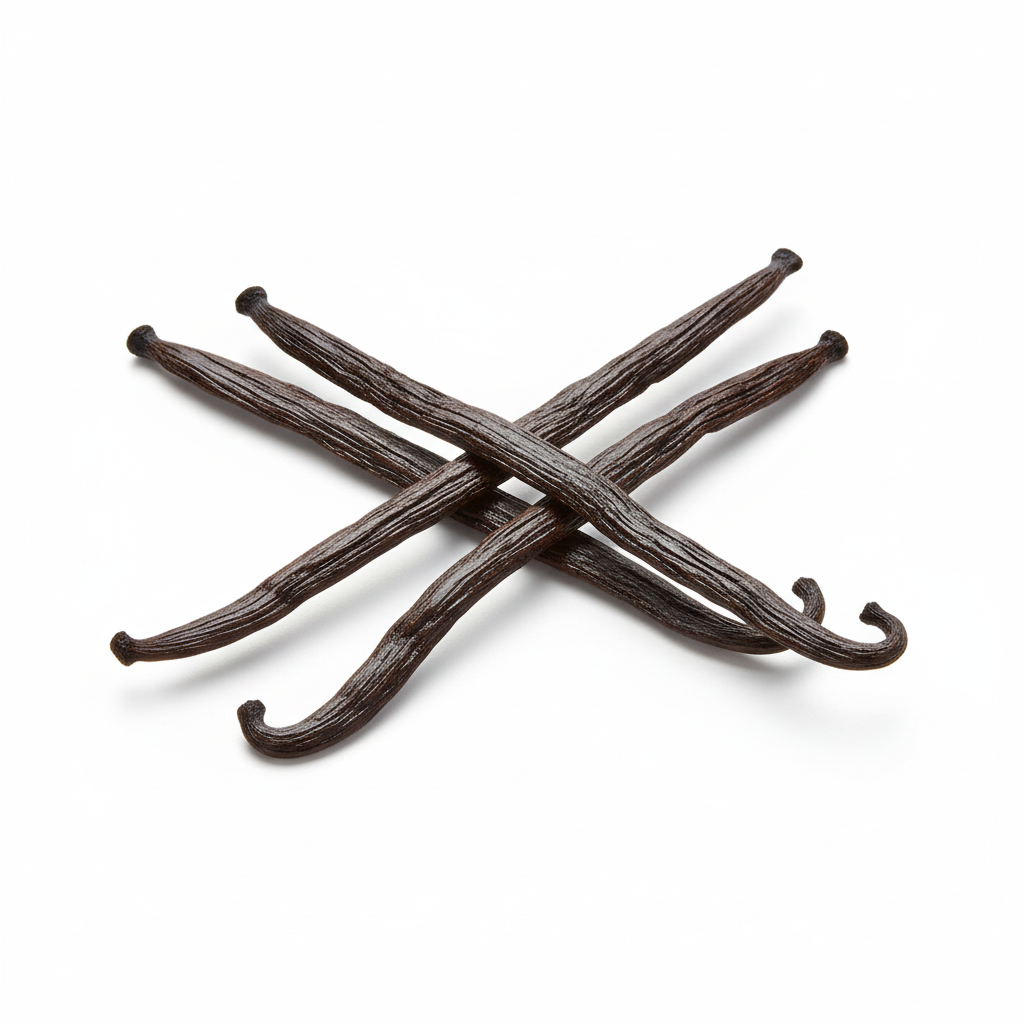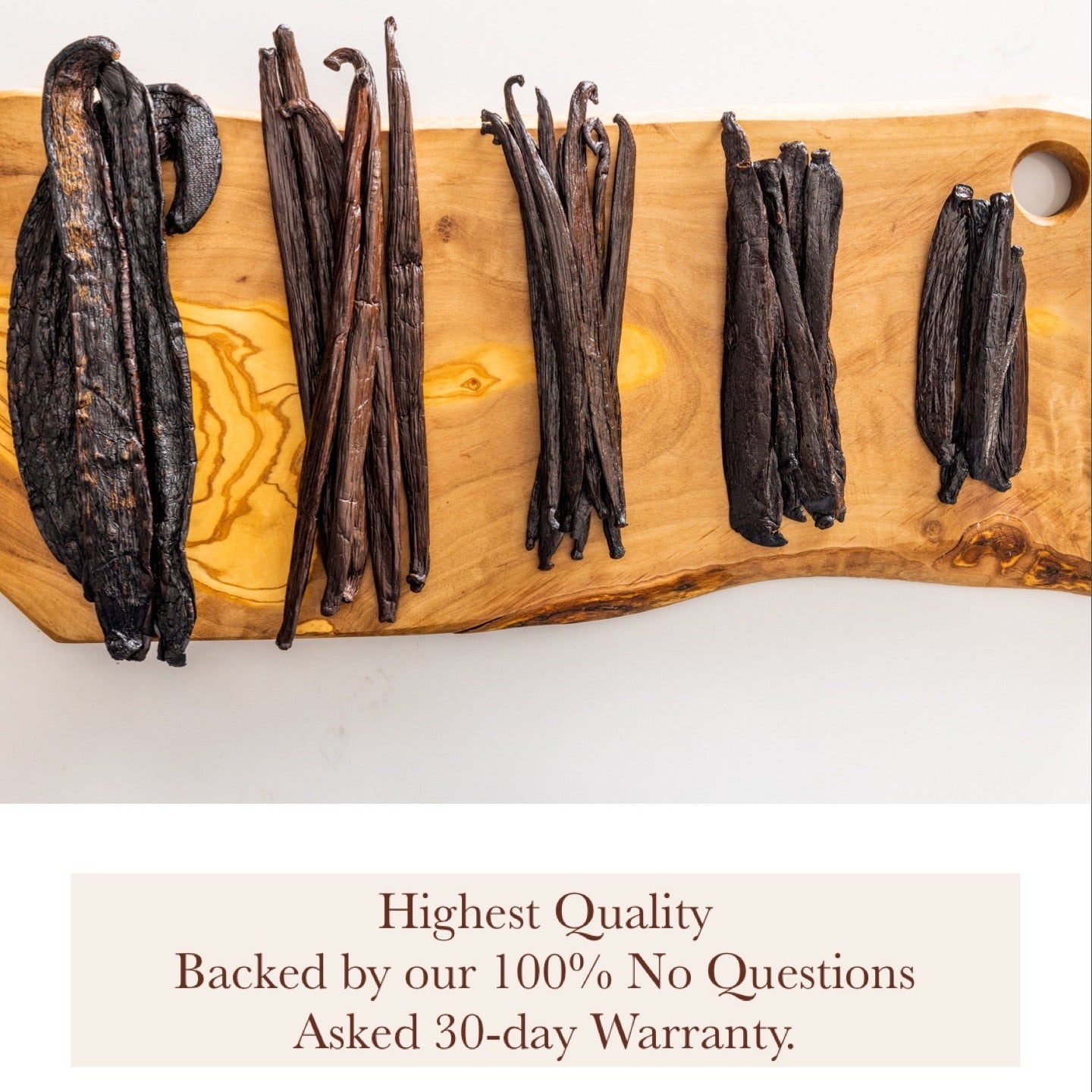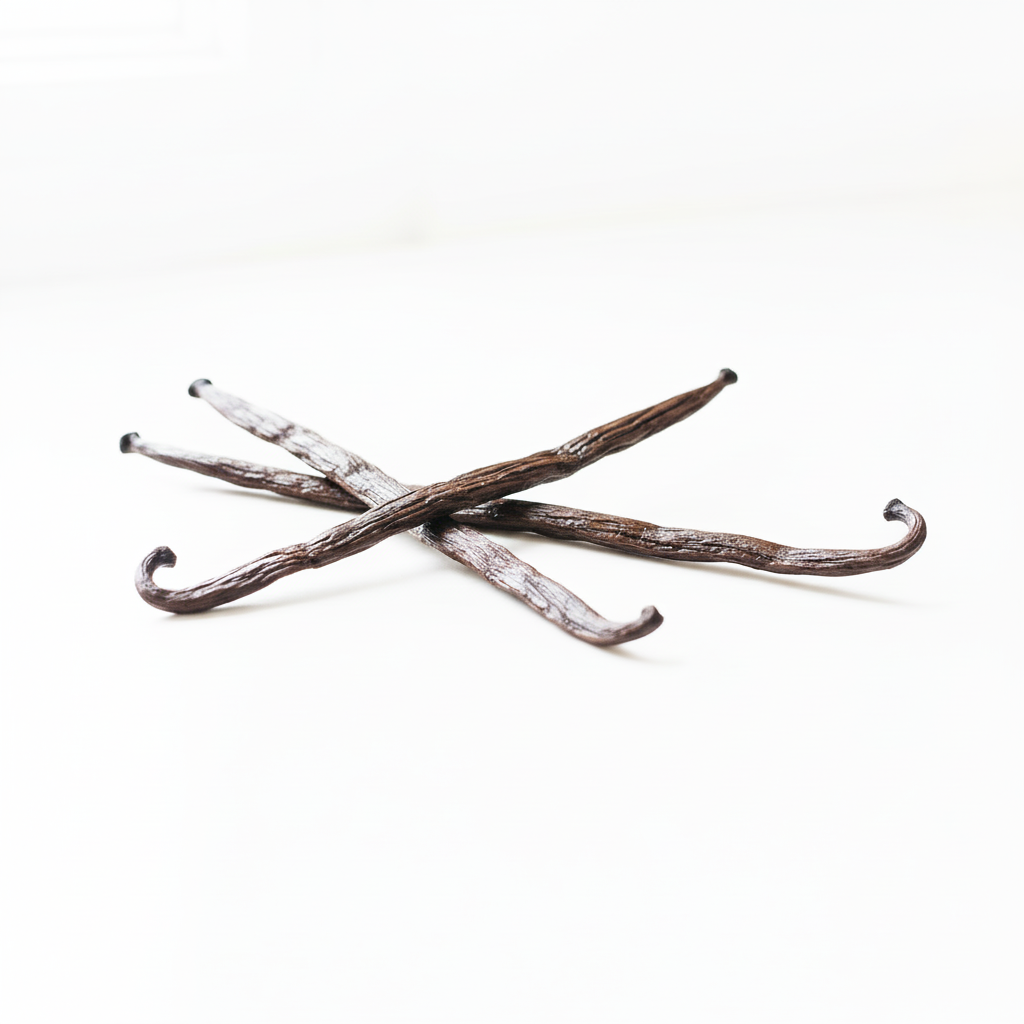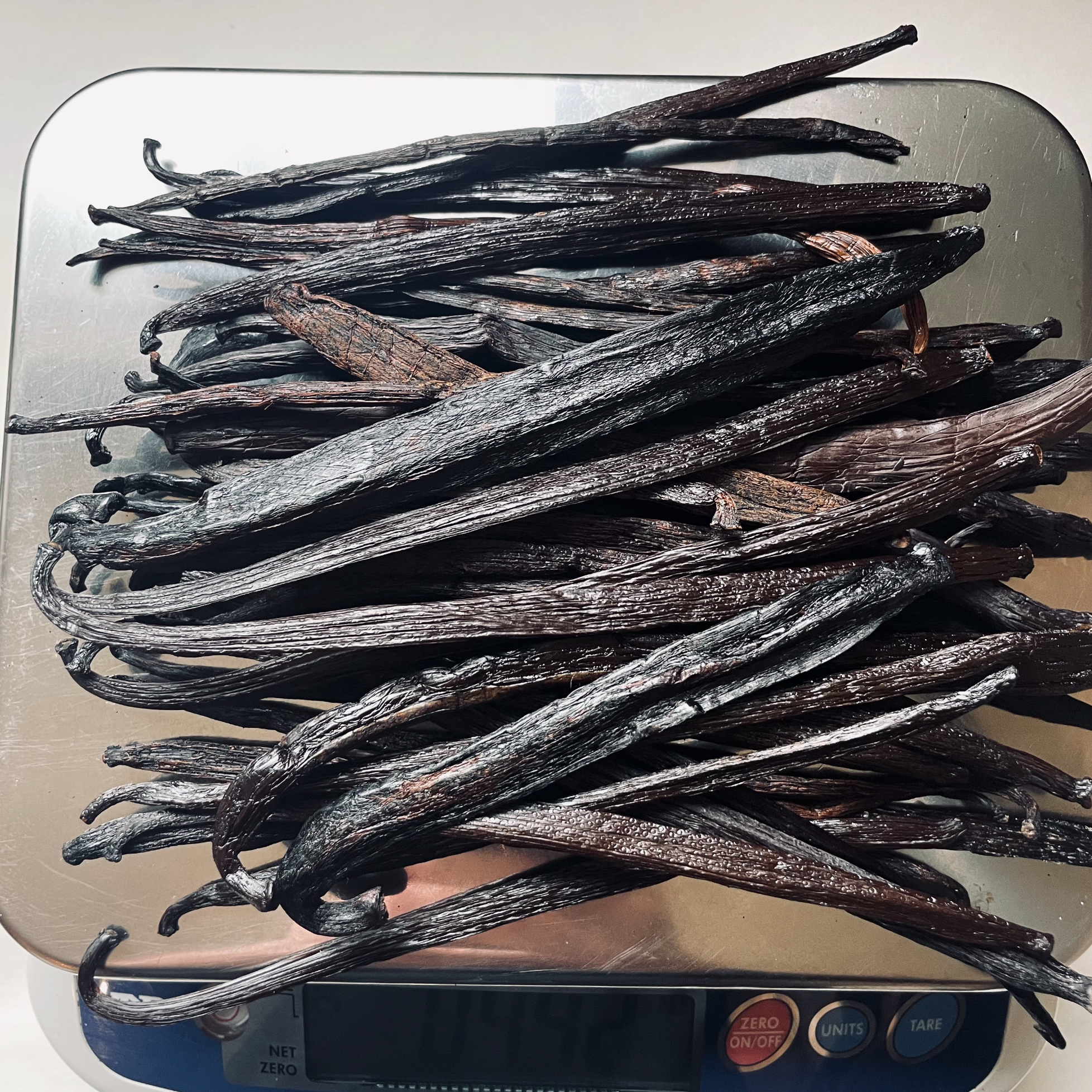

Among the world's vanilla species, Vanilla pompona stands out—literally. These beans from Peru and other parts of Central and South America can grow to impressive sizes, often reaching 8-10 inches in length and nearly an inch in width. But what makes this particular vanilla species produce such notably large beans?
Meet Vanilla Pompona: The Giant of the Vanilla Family
While Vanilla planifolia (Bourbon vanilla) dominates global production, Vanilla pompona—sometimes called vanillón or West Indian vanilla—represents a distinct species with its own unique characteristics. Native to Central and South America, particularly Peru, this species has evolved differently from its more famous cousin, and size is just one of its distinguishing features.
The Botanical Advantage: Larger Flowers, Larger Fruits
The size of V. pompona beans begins with the plant's flowers. Vanilla pompona produces significantly larger blooms than V. planifolia—often 3-4 inches across compared to the 2-inch flowers of Bourbon vanilla. In the botanical world, flower size often correlates with fruit size, and vanilla is no exception.
The larger flower structure means a more substantial ovary, which develops into the vanilla pod after pollination. This genetic predisposition toward larger reproductive structures is built into the species' DNA, shaped by millions of years of evolution in the forests of Central and South America.
Vigorous Growth Habit
Vanilla pompona is known for its robust, vigorous growth pattern. The vines tend to be thicker and more substantial than V. planifolia, with larger leaves and a more aggressive climbing habit. This overall plant vigor translates directly to the beans—a healthier, more robust plant can channel more energy into fruit development, resulting in larger pods.
In Peru's growing regions, where V. pompona thrives in humid tropical conditions, the plants can grow rapidly, producing substantial biomass that supports the development of these impressive beans.
Longer Maturation Period
One key factor in the size of V. pompona beans is their extended maturation period. While V. planifolia beans typically mature in 8-9 months after pollination, V. pompona can take 10-12 months or even longer to reach full maturity.
This extended growing period allows the beans more time to develop, accumulating size and mass before harvest. The longer the bean remains on the vine, the more opportunity it has to grow, provided the plant can support that extended development—which the vigorous V. pompona certainly can.
Genetic Differences in Cell Structure
At the cellular level, V. pompona beans have a different internal structure than V. planifolia. The pods tend to have thicker walls and larger seed cavities, contributing to their overall bulk. The cells themselves may be larger or more numerous, creating the physical mass that makes these beans so substantial.
This structural difference also affects the bean's aromatic profile—V. pompona typically has lower vanillin content than V. planifolia, but offers different aromatic compounds that create a unique flavor experience, often described as more floral and fruity with tobacco or anise-like notes.
Peru's Ideal Growing Conditions
Peru's Amazon basin and cloud forest regions provide exceptional conditions for V. pompona cultivation. The combination of high humidity (often 85-95%), consistent warmth (75-85°F), rich organic soils, and filtered sunlight through forest canopy creates an environment where these plants can express their full genetic potential.
The nutrient-rich soils of Peru's vanilla-growing regions—often alluvial deposits from rivers or decomposed organic matter in forest settings—provide the minerals and nutrients needed to support the development of large, healthy beans. Adequate water availability throughout the long maturation period ensures the beans can continue growing without stress.
Traditional Cultivation Practices
Peruvian growers who cultivate V. pompona often use traditional agroforestry methods, allowing the vanilla to grow in semi-wild conditions among other forest plants. This approach mimics the plant's natural habitat and may contribute to the impressive bean size by reducing stress and providing optimal growing conditions.
The practice of selective pollination—choosing only the healthiest flowers to hand-pollinate—also plays a role. By limiting the number of beans per vine, growers ensure that the plant's energy is concentrated into fewer, larger pods rather than distributed across many smaller ones.
Comparing the Giants: Pompona vs. Planifolia
To put the size difference in perspective:
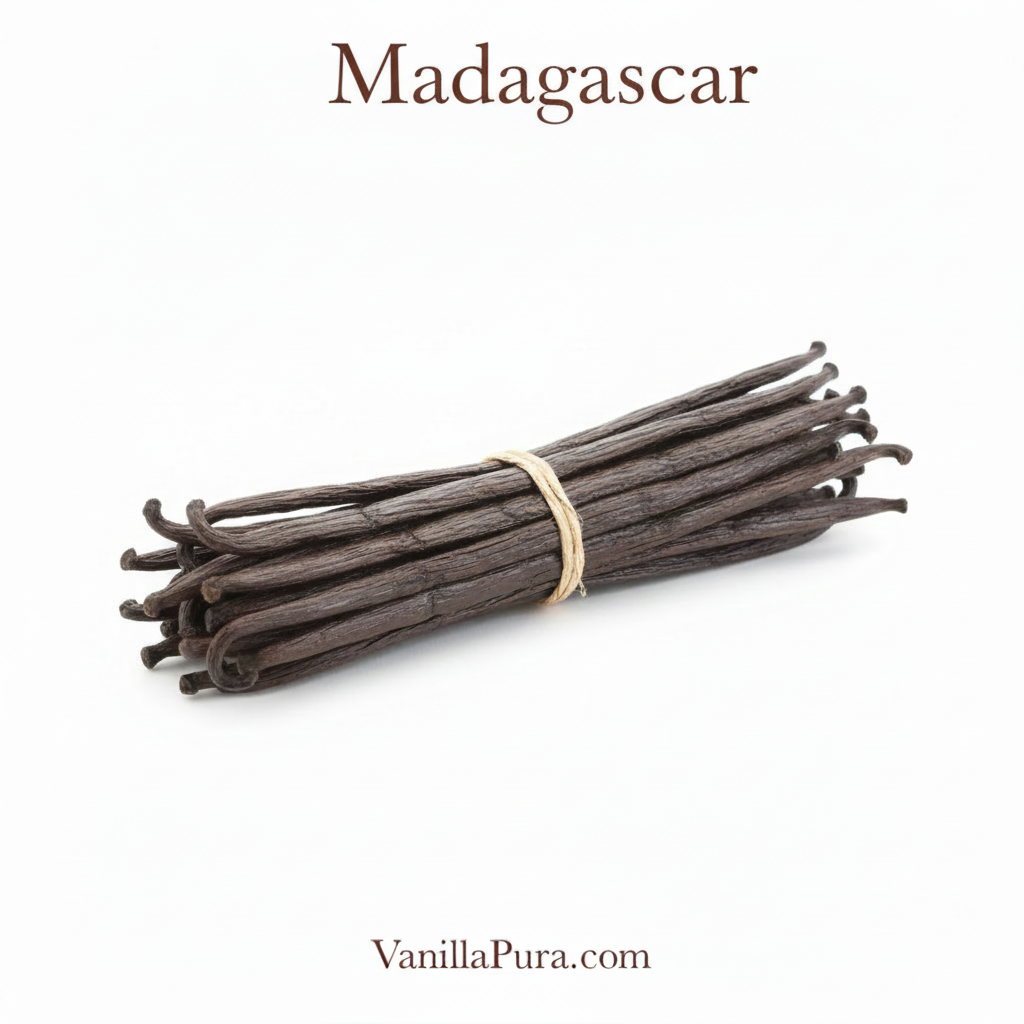
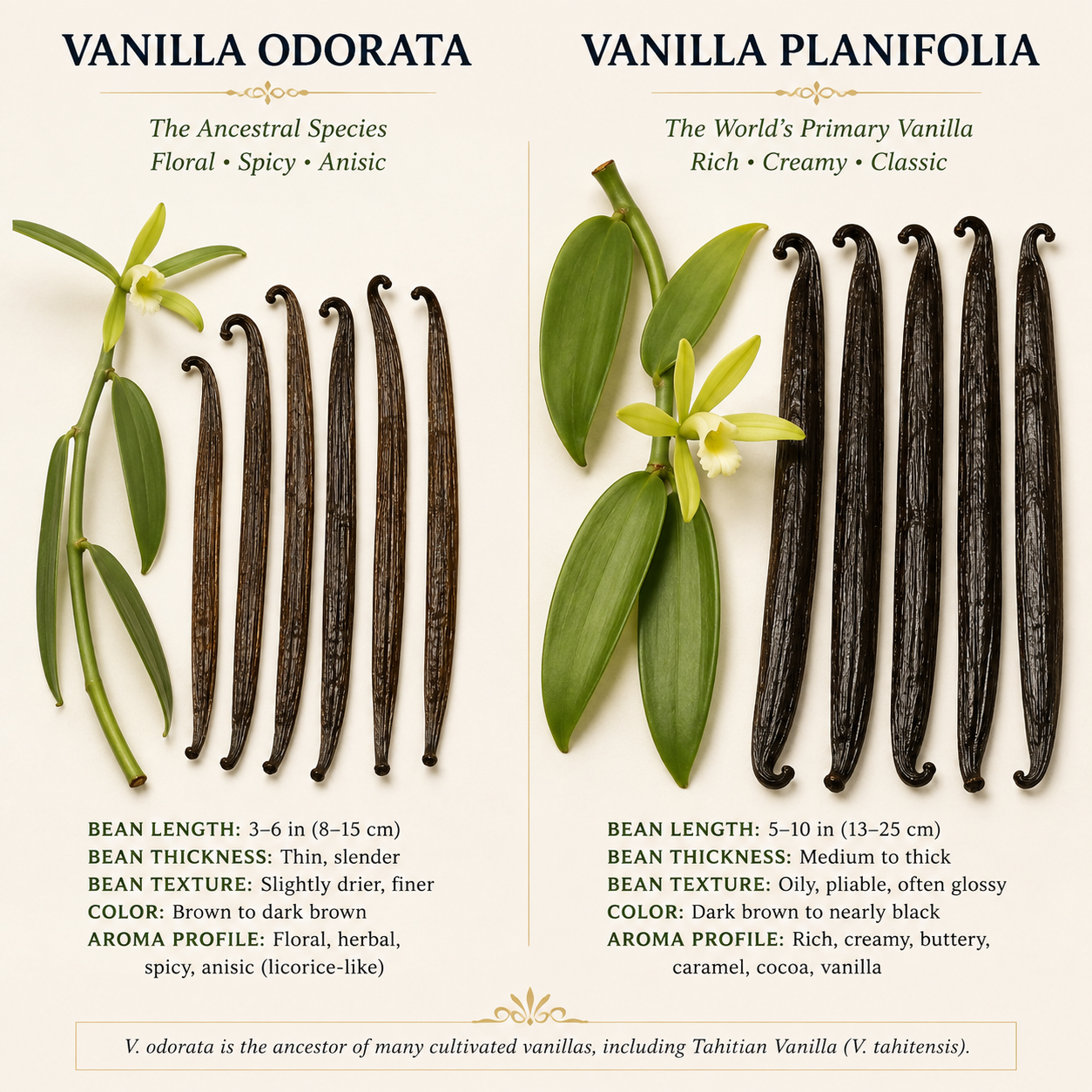
- V. planifolia (Madagascar, Indonesia): Typically 5-7 inches long, 0.3-0.5 inches wide
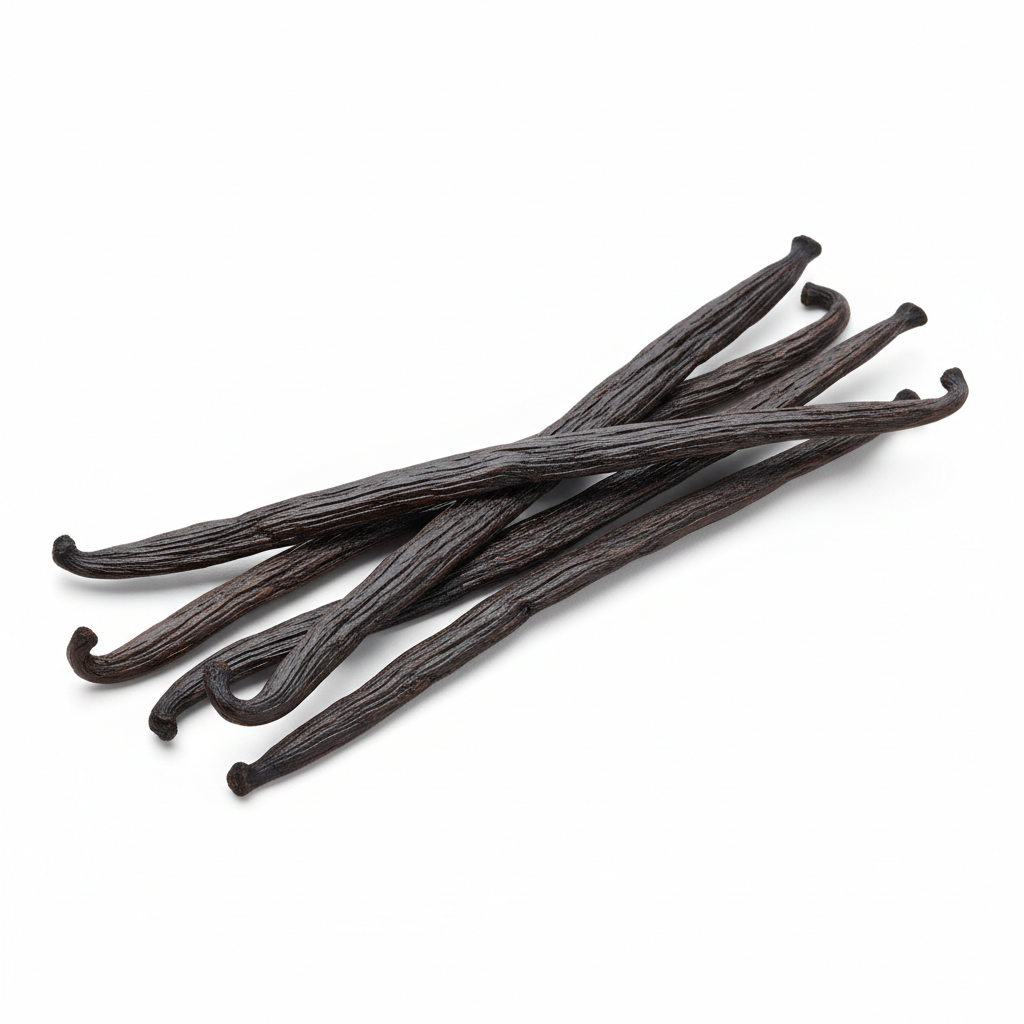
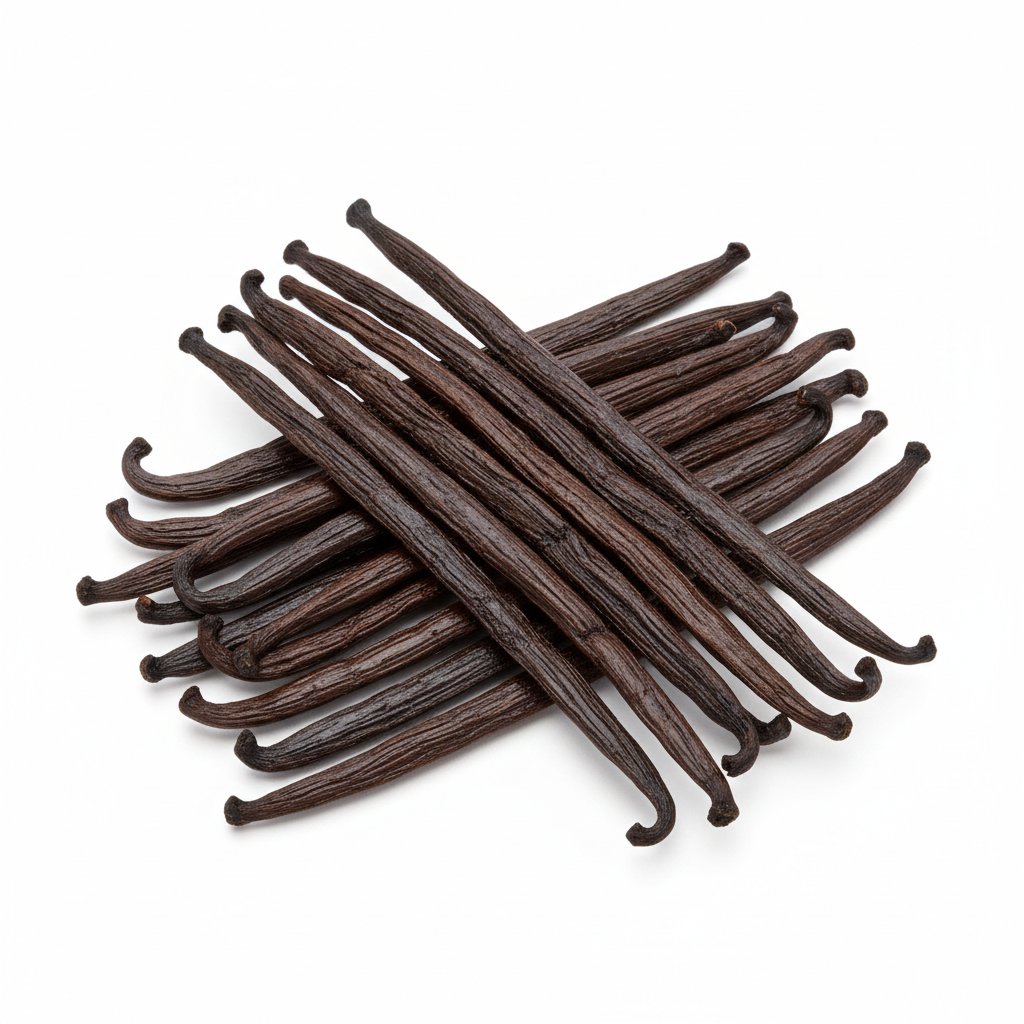
- V. pompona (Peru): Often 8-10+ inches long, 0.6-1 inch wide
That's a difference of 30-50% in length and often double the width—a substantial variation that's immediately apparent when comparing beans side by side.
The Trade-Off: Size vs. Vanillin Content
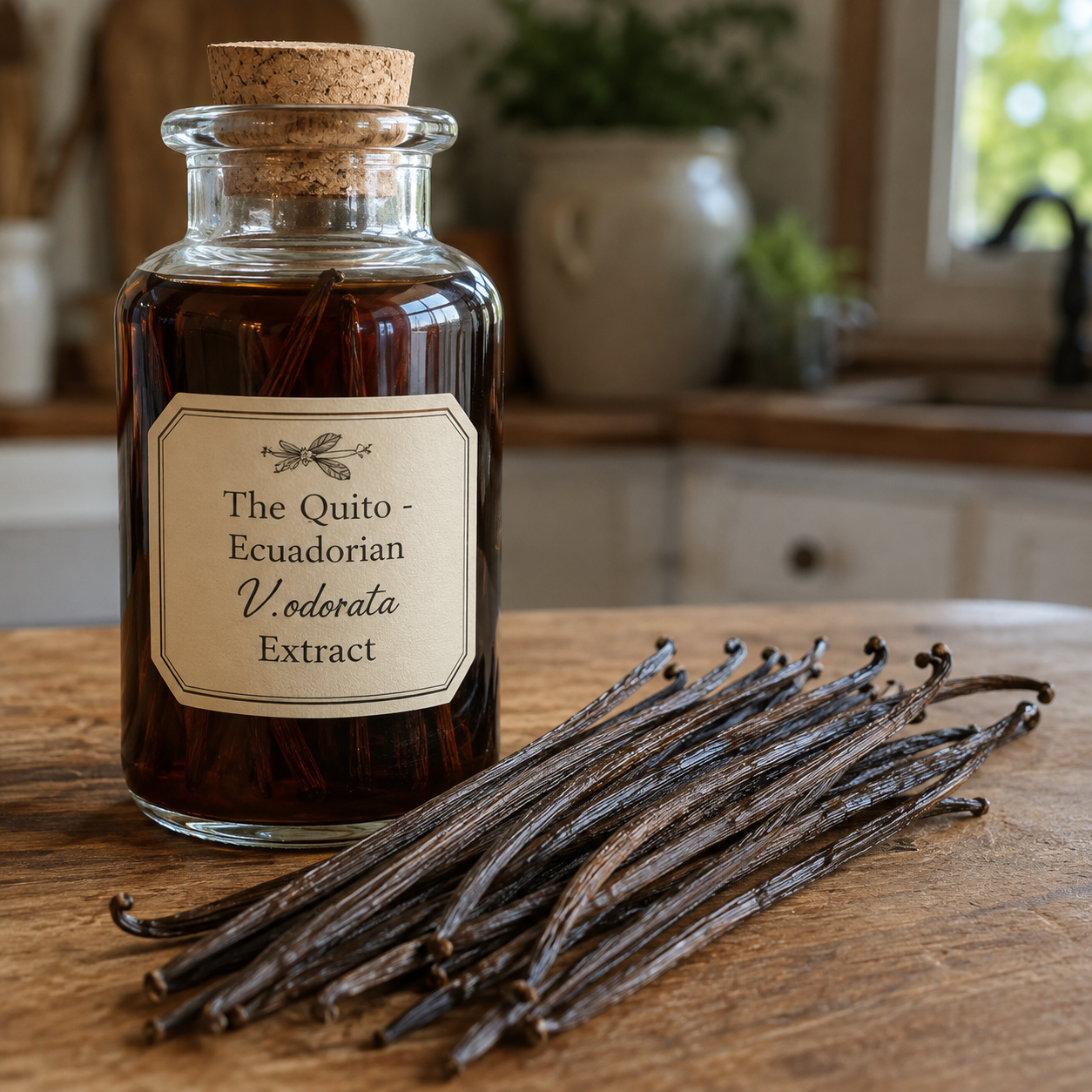
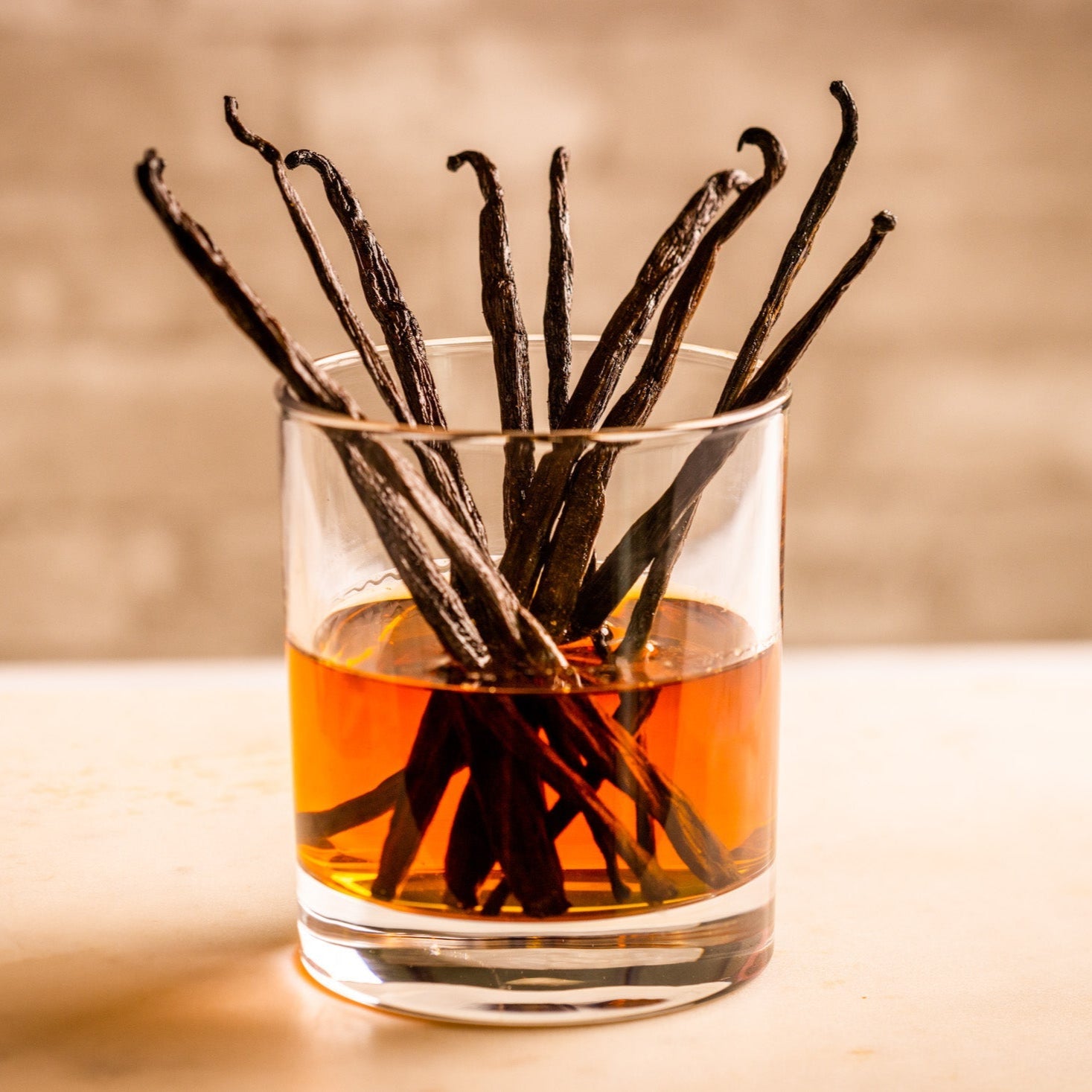
While V. pompona wins on size, it's important to note that larger doesn't necessarily mean more flavorful in the traditional sense. These beans typically contain 1-2% vanillin compared to 2-3% in high-quality V. planifolia. However, what V. pompona lacks in vanillin, it makes up for in unique aromatic and flavor complexity. It produces a delicious, unique extract especially when vodkas and rums are used to allow the flavor to really shine through. Given its fruitier base of flavors, brandy and cognac are also favorite spirits for pompona extracts.
The larger size does mean more bean per pod, which can be advantageous for applications where you want vanilla's aromatic complexity without overwhelming vanillin sweetness—think savory applications, perfumery, or blending with other vanilla species for layered flavor.
Why Size Matters (and Why It Doesn't)
For vanilla enthusiasts and professional users, the size of V. pompona beans is fascinating from a botanical perspective, but the real value lies in understanding what that size represents: a different species with its own unique characteristics, flavor profile, and applications.
These impressive beans from Peru showcase the remarkable diversity within the vanilla genus. They remind us that vanilla isn't a monolith—it's a family of species, each adapted to different environments and offering different experiences.
The Future of Pompona
As the specialty vanilla market grows and consumers seek unique flavor experiences, V. pompona is gaining recognition beyond its novelty size. Peruvian producers are refining cultivation and curing techniques to highlight the species' distinctive aromatic profile, creating a niche for these giant beans in high-end culinary and artisanal applications.
The next time you encounter a Vanilla pompona bean from Peru, appreciate it not just for its impressive size, but for what that size represents: millions of years of evolution, ideal growing conditions, and the remarkable diversity of the vanilla world.