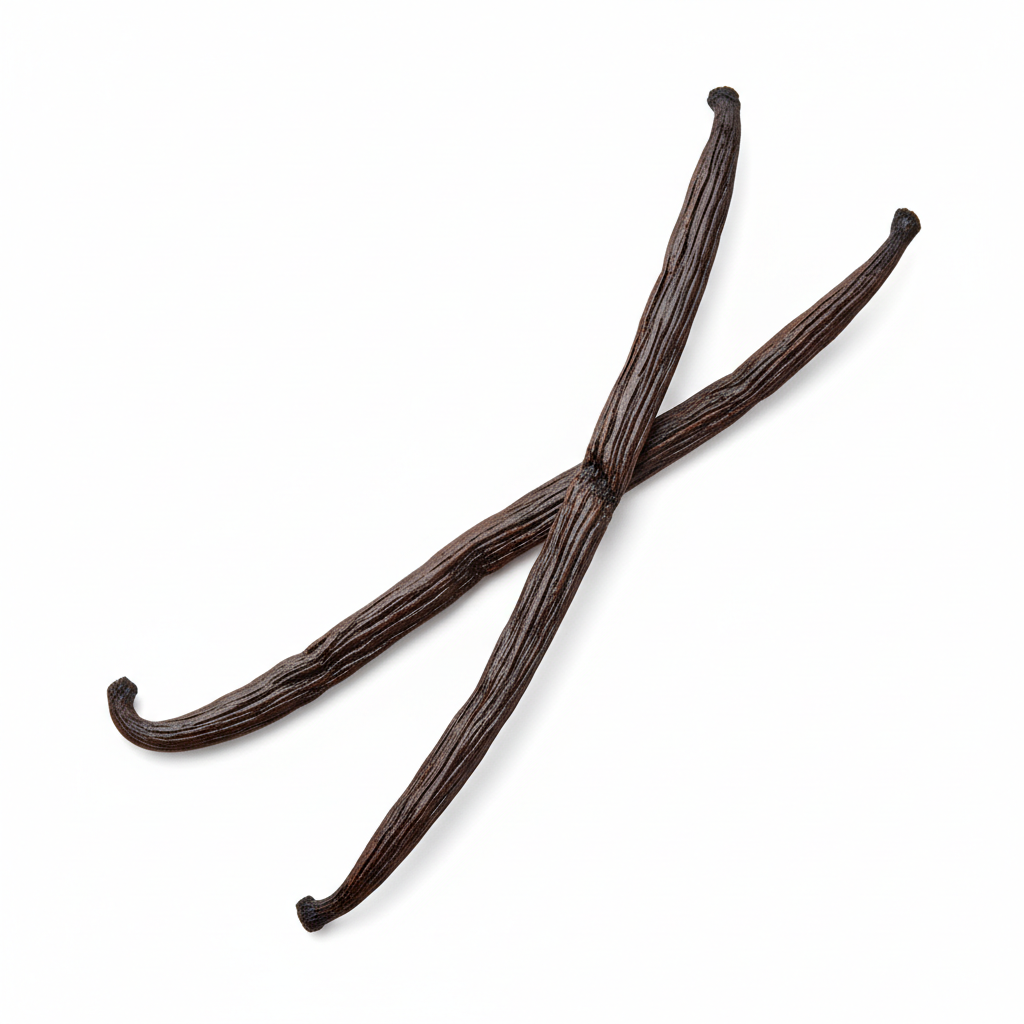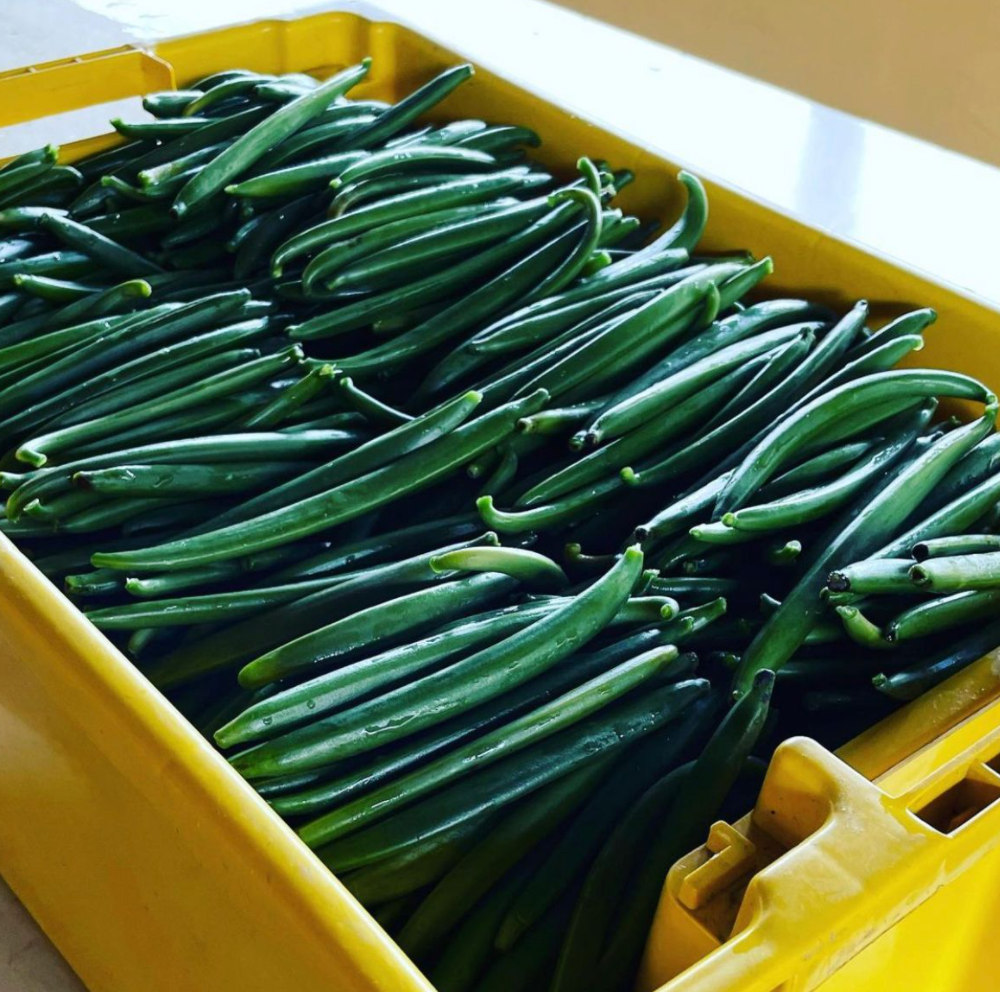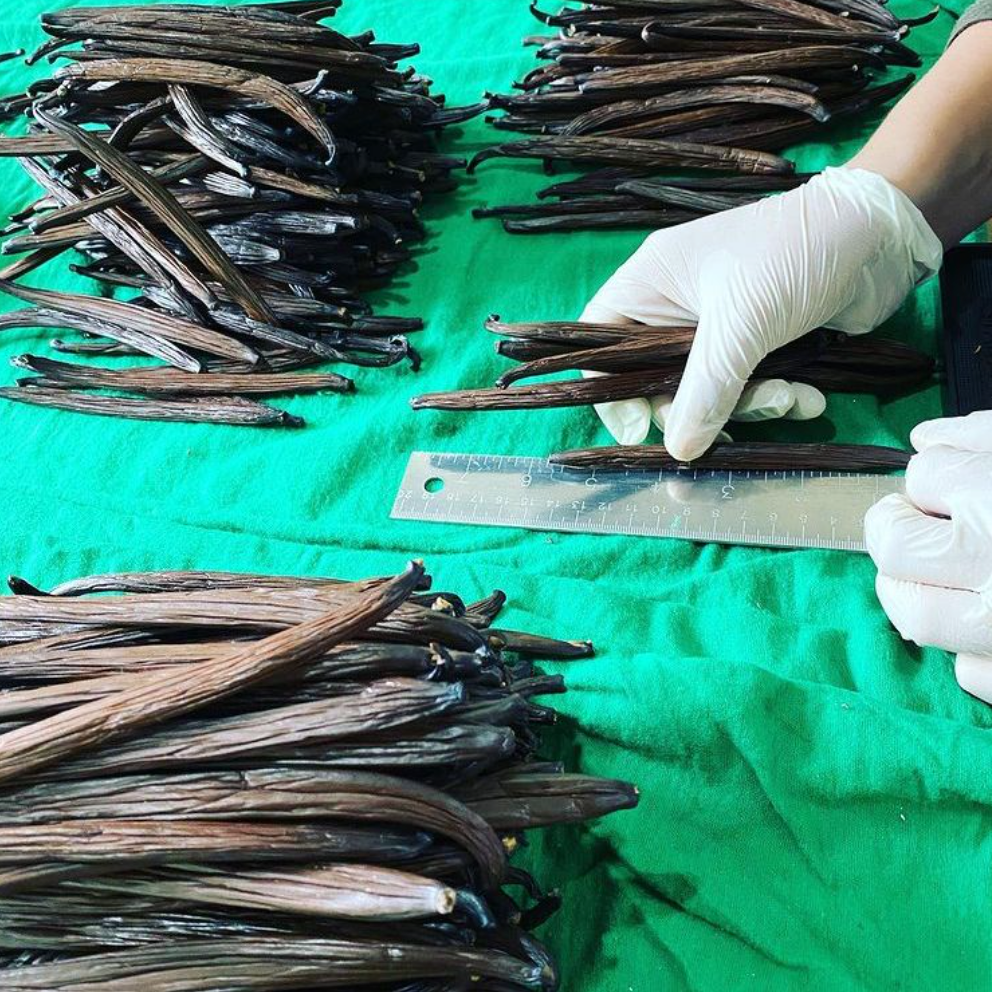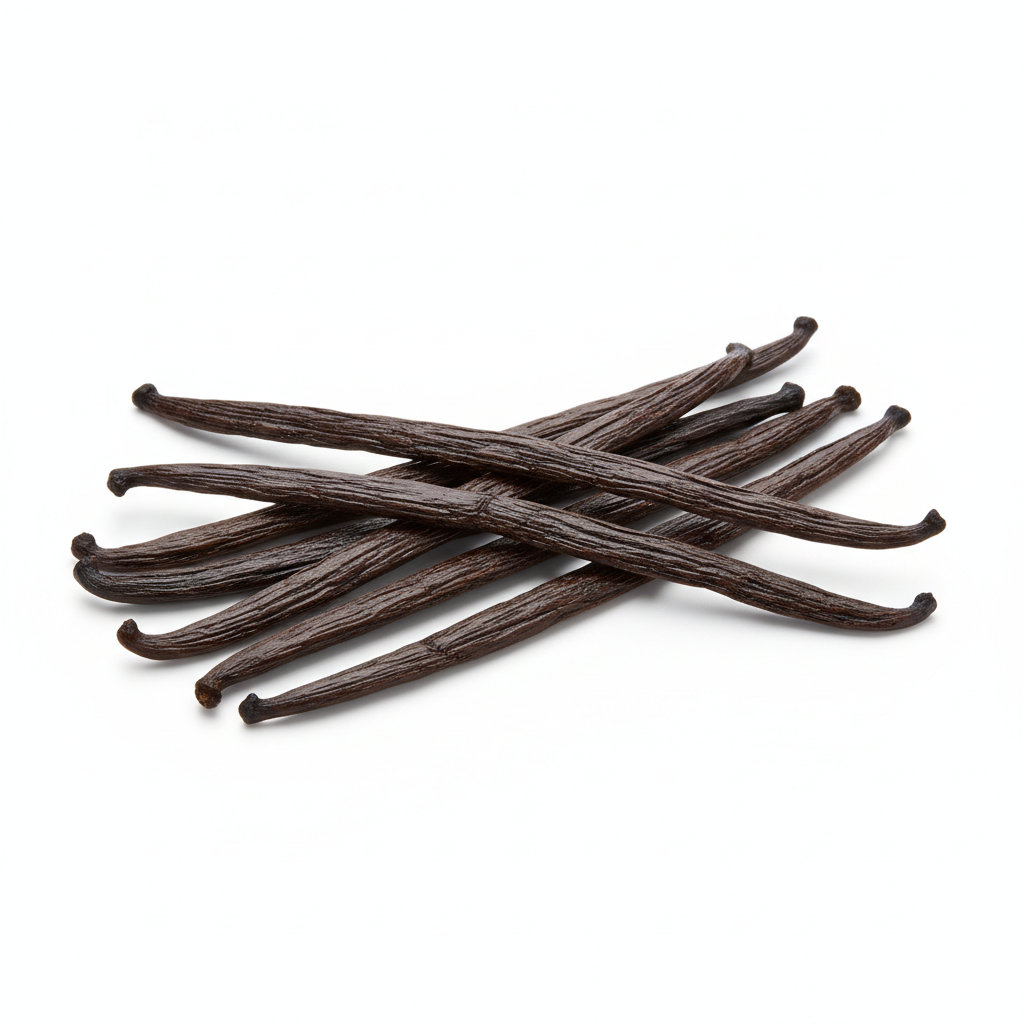

The Indian Ocean is home to the world's most celebrated vanilla-growing regions, where a unique convergence of volcanic soils, tropical climate, and centuries-old cultivation traditions create some of the finest vanilla beans on earth. From Madagascar to Indonesia, each origin tells a distinct story through flavor.
The Indian Ocean Vanilla Belt
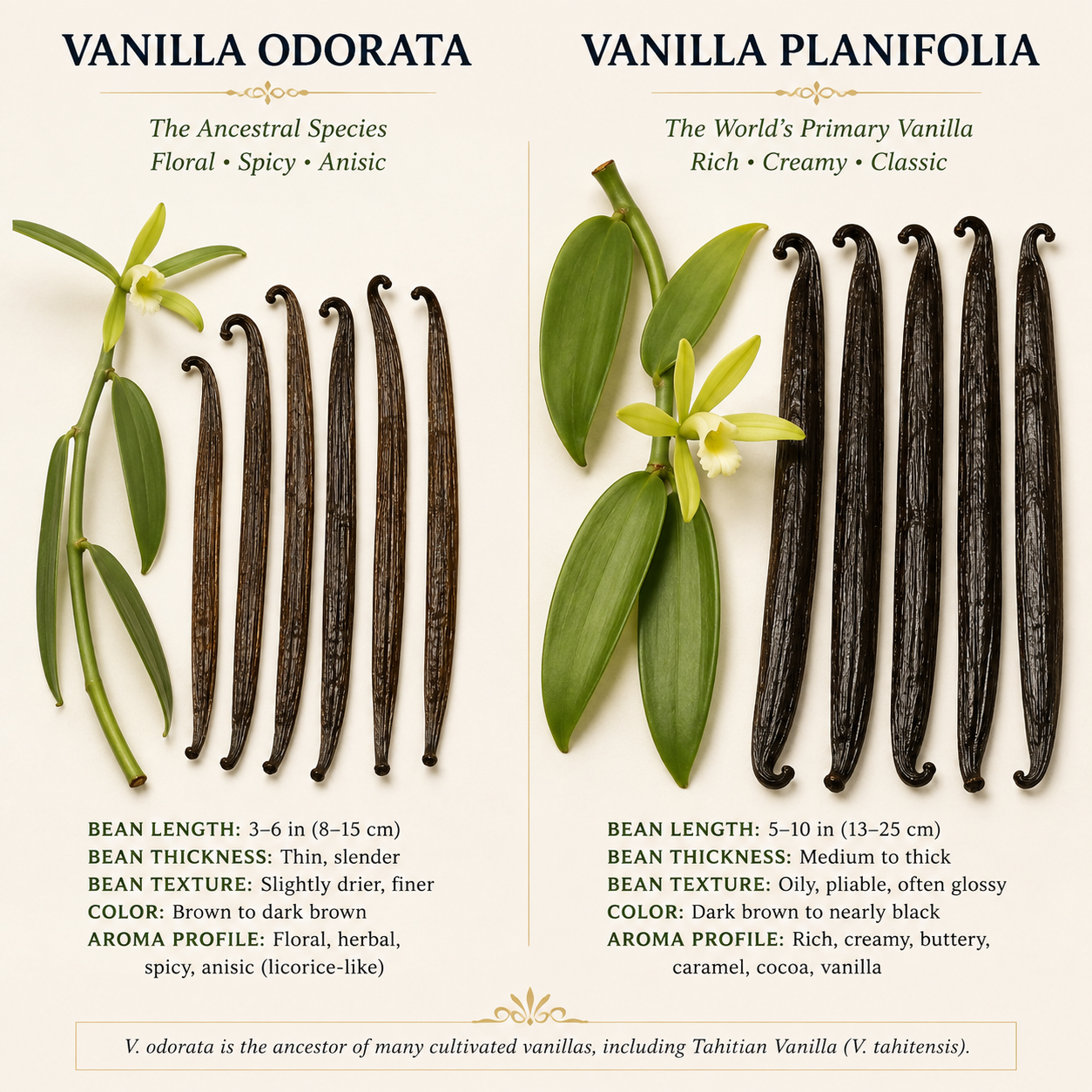
Stretching across thousands of miles, the Indian Ocean vanilla belt encompasses Madagascar, Comoros, Réunion, Mauritius, Uganda, India, Sri Lanka, and Indonesia. What unites these diverse regions is their position within the tropical band where Vanilla planifolia thrives—but what makes each origin unique is the terroir that shapes every bean.
Madagascar: The Benchmark
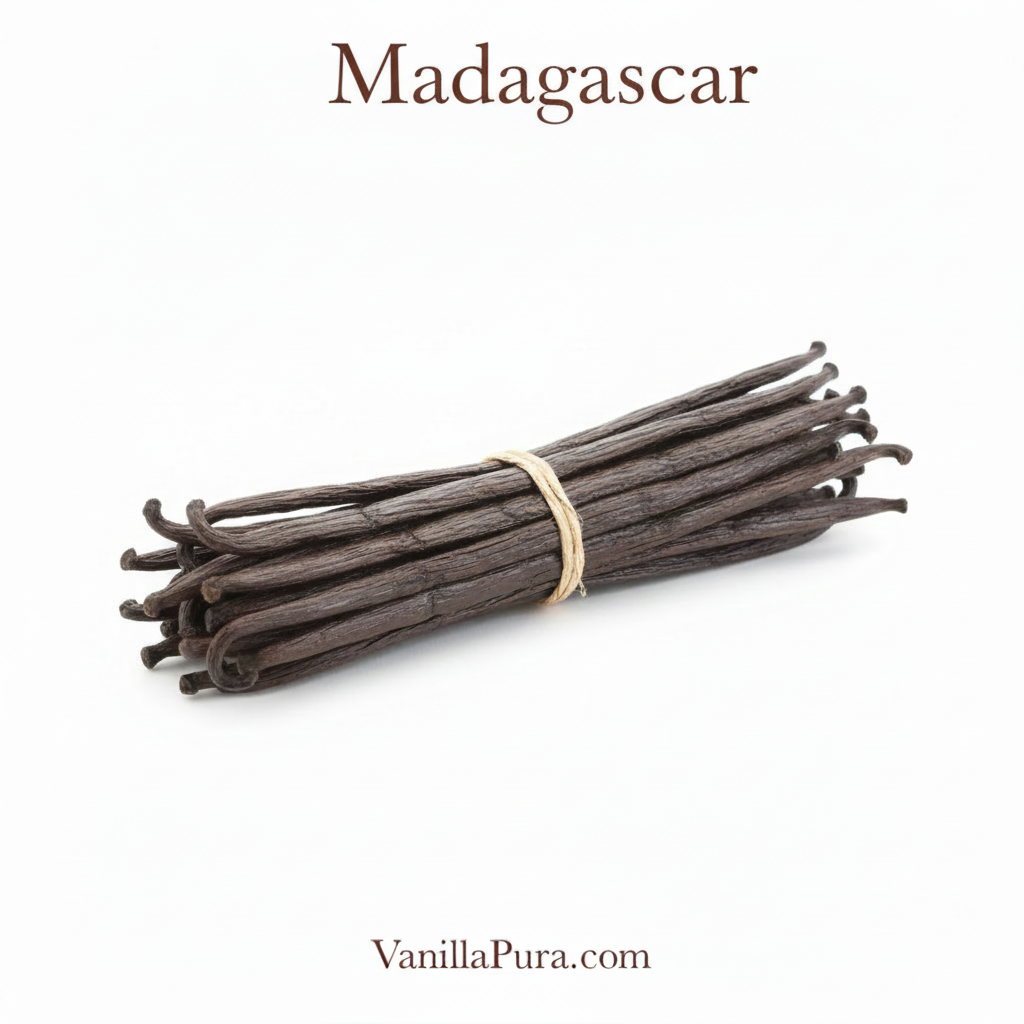
Madagascar produces roughly 80% of the world's vanilla, and for good reason. The island's northeast coast—particularly the SAVA region—offers ideal conditions: rich volcanic soils, consistent rainfall patterns, and temperatures that hover between 70-85°F year-round. The result is the classic "Bourbon" vanilla profile: creamy, sweet, with pronounced vanillin content and those signature notes of caramel and butter that have become the global standard.
The red laterite soils, enriched by centuries of volcanic activity, provide excellent drainage while retaining the moisture vanilla orchids need. The microclimate created by coastal proximity ensures humidity levels remain optimal during the critical curing process.
Comoros, Réunion, and Mauritius: The Island Expressions
These smaller Indian Ocean islands share Madagascar's volcanic heritage but express it differently. Réunion—where vanilla cultivation first began in the 1800s—produces beans with a more delicate, floral character. The island's steep terrain and varied microclimates create beans with nuanced complexity.
Comoros vanilla tends toward a fruitier profile with subtle wine-like notes, influenced by the archipelago's unique soil composition and traditional curing methods. Mauritius, though a smaller producer, yields beans with a refined sweetness and smooth finish, reflecting the island's meticulous agricultural practices.
Uganda: The African Alternative
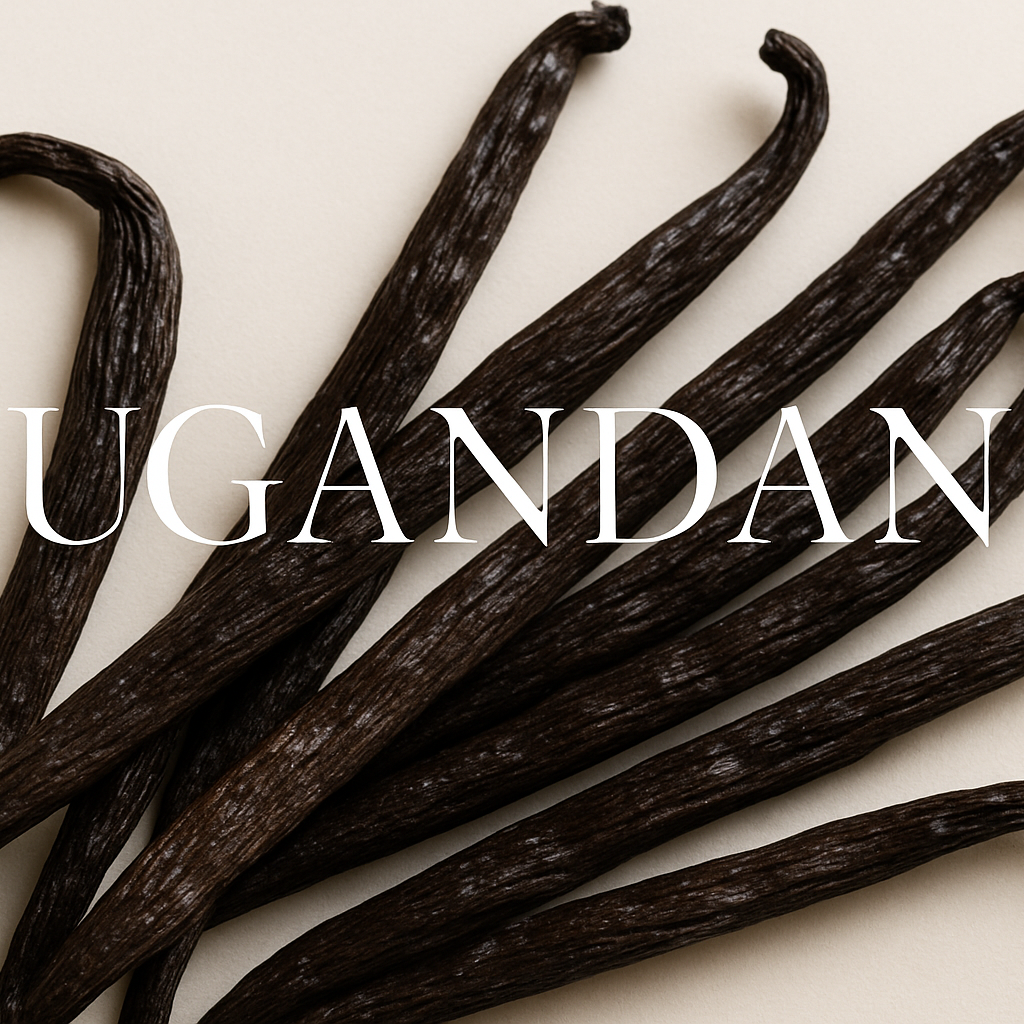
Uganda's vanilla comes from the fertile soils surrounding Lake Victoria and the western highlands. The equatorial climate provides year-round growing conditions, while the region's rich, loamy soils—different from the volcanic terroir of island origins—produce beans with a bold, robust flavor. Ugandan vanilla often shows earthy, woody undertones alongside classic vanilla sweetness, offering a distinctive African expression.
India and Sri Lanka: The Asian Perspective
India's vanilla production, concentrated in Kerala and Karnataka, benefits from monsoon patterns that provide natural irrigation cycles. The beans tend toward a mellow, balanced profile with subtle spice notes—perhaps influenced by the region's biodiversity and intercropping traditions.
Sri Lanka's vanilla, grown in the island's central highlands and southern coastal regions, develops in mineral-rich soils with excellent drainage. The result is a clean, bright vanilla flavor with distinctive citrus and tea-like notes that reflect the island's renowned terroir.
Indonesia: The Spice Islands' Vanilla
Indonesian vanilla—primarily from Java, Bali, and Sumatra—grows in some of the most diverse soil conditions in the vanilla world. Sumatra's volcanic soils, similar to Madagascar's, produce beans with deep, smoky complexity. The region's proximity to the equator ensures consistent warmth, while the archipelago's microclimates create remarkable variation even within a single island.
Indonesian vanilla is often described as having a more assertive, woody character with hints of smoke and spice—a reflection of both terroir and traditional curing techniques that may include longer fermentation periods.
Why the Indian Ocean Climate Is Ideal
Vanilla orchids require specific conditions to flourish: temperatures between 70-85°F, high humidity (80-90%), consistent rainfall (80-100 inches annually), and protection from direct sun. The Indian Ocean's tropical maritime climate delivers all of these naturally.
The ocean acts as a thermal regulator, preventing extreme temperature swings. Monsoon and trade wind patterns provide reliable rainfall, while the region's position near the equator ensures consistent day length—critical for the orchid's flowering cycle. Coastal and island locations benefit from natural humidity, reducing stress on the plants and supporting the slow, careful curing process that develops vanilla's complex flavor compounds.
Soil Diversity: The Foundation of Flavor
While climate provides the framework, soil composition writes the flavor story. Volcanic soils—rich in minerals like potassium, phosphorus, and trace elements—tend to produce beans with pronounced sweetness and complexity. The porous nature of volcanic soil ensures excellent drainage while retaining moisture, creating ideal root conditions.
Laterite soils, common in Madagascar and parts of India, are iron-rich and slightly acidic—conditions vanilla orchids prefer. Alluvial soils near river systems in Uganda and Indonesia provide different mineral profiles, contributing to the earthy, robust characteristics found in those origins.
The presence of organic matter, soil pH, drainage patterns, and microbial activity all influence how the vanilla plant absorbs nutrients and develops the precursor compounds that, through curing, become the vanillin and hundreds of other flavor molecules we taste in the finished bean.
Tasting the Difference
When you compare vanilla beans from across the Indian Ocean, the terroir speaks clearly:
- Madagascar: Creamy, sweet, buttery—the classic vanilla flavor with high vanillin content
- Comoros: Fruity, wine-like, with delicate floral notes
- Réunion: Refined, complex, with elegant floral character
- Uganda: Bold, earthy, with woody undertones and robust sweetness
- India: Mellow, balanced, with subtle spice notes
- Sri Lanka: Bright, clean, with citrus and tea-like qualities
- Indonesia: Smoky, woody, assertive with spice complexity
The Indian Ocean Advantage
The Indian Ocean's vanilla-growing regions represent the perfect intersection of climate, soil, and tradition. The ocean itself creates the stable tropical conditions vanilla demands, while the geological diversity—from volcanic islands to continental highlands—provides the soil variation that makes each origin distinct.
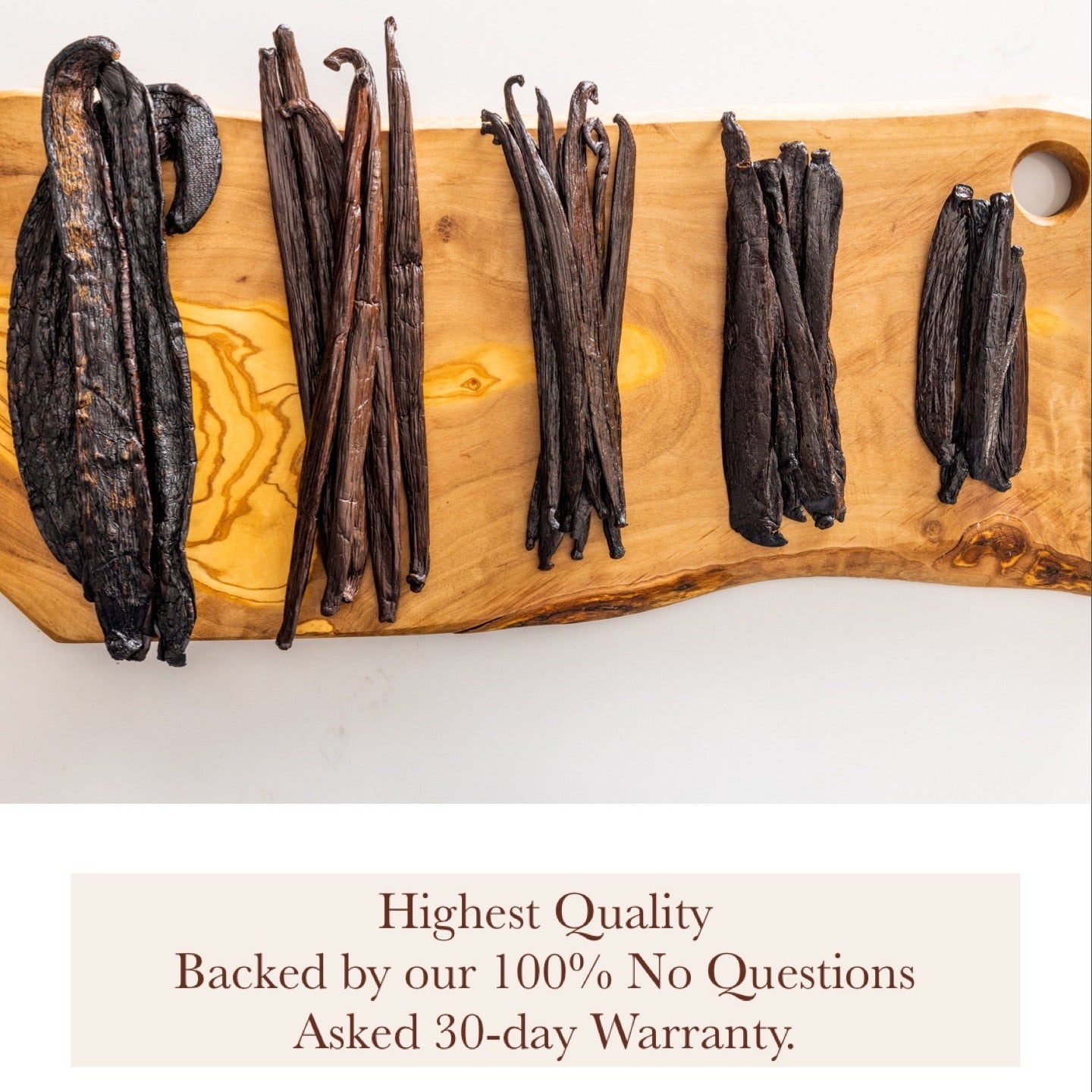
For vanilla enthusiasts, this diversity is a gift. Rather than a single "correct" vanilla flavor, the Indian Ocean offers a spectrum of expressions, each shaped by the unique terroir of its origin. Understanding these differences allows you to choose the right vanilla for your application—whether you want Madagascar's classic sweetness, Indonesia's bold complexity, or Uganda's earthy robustness.
The next time you split a vanilla bean, consider the journey it took: the volcanic soil that nourished it, the ocean breezes that cooled it, the hands that pollinated and cured it, and the terroir that made it unlike any other vanilla in the world.