

The story is often told with certainty: Thomas Jefferson invented vanilla ice cream. It's a claim repeated in cookbooks, food blogs, and even educational materials. But like many food origin stories, the truth is more nuanced—and more interesting—than the myth. While Jefferson didn't invent vanilla ice cream, his role in popularizing both ice cream and vanilla in America is historically significant and well-documented.
The Myth: Did Jefferson Invent Vanilla Ice Cream?
No, Thomas Jefferson did not invent vanilla ice cream. Ice cream existed in Europe for at least a century before Jefferson's time, and vanilla-flavored frozen desserts were known in France during the 18th century, well before Jefferson's diplomatic service there.
The confusion likely stems from Jefferson's documented enthusiasm for ice cream, his detailed recipe notes, and his role in introducing French culinary sophistication to American tables. But invention and introduction are different things—Jefferson was an enthusiastic adopter and promoter, not the originator.
What We Know: Jefferson's Ice Cream Recipe
What Jefferson did leave us is one of the earliest American ice cream recipes, handwritten in his own papers. This recipe, now housed in the Library of Congress, is dated to the 1780s, during or shortly after his time as American Minister to France (1784-1789).
The recipe, written in Jefferson's hand, describes a process for making ice cream that closely follows French methods of the period. Notably, the recipe does not specifically mention vanilla—it's a basic custard-based ice cream formula that could be flavored in various ways.
The recipe includes:
- 2 bottles of good cream
- 6 egg yolks
- 1/2 pound of sugar
The instructions detail the custard-making process and the freezing technique using ice and salt—a method that would have been familiar to French confectioners but was relatively novel in America at the time.
Source: Thomas Jefferson Papers, Library of Congress, Manuscript Division
Jefferson's Time in France: Where the Love Affair Began
Jefferson's appreciation for ice cream—and likely for vanilla—developed during his five years in Paris (1784-1789). As American Minister to France, Jefferson immersed himself in French culture, cuisine, and culinary techniques with characteristic enthusiasm.
Paris in the 1780s was the epicenter of European culinary innovation. Ice cream (called "glace" or "fromage glacé") was a fashionable dessert among the aristocracy and wealthy bourgeoisie. Cafés and confectioners offered various flavors, and vanilla was among the most prized, as vanilla beans were still exotic and expensive imports from French colonial territories.
Jefferson dined frequently at fine establishments and took detailed notes on foods, wines, and recipes that impressed him. His meticulous record-keeping—a hallmark of his intellectual approach to everything—means we have extensive documentation of his culinary interests during this period.
Source: "Thomas Jefferson's Crème Brûlée: How a Founding Father and His Slave James Hemings Introduced French Cuisine to America" by Thomas J. Craughwell (2012)
James Hemings: The Trained Chef Behind Jefferson's Table
An essential part of Jefferson's culinary story is James Hemings, an enslaved man whom Jefferson brought to Paris specifically to train in French cooking. Hemings apprenticed with French chefs and became highly skilled in French culinary techniques, including pastry and dessert preparation.
When Jefferson returned to America in 1789, Hemings came with him and served as chef at Jefferson's residences, including later at the President's House (now the White House). It was Hemings who actually prepared the elaborate French dishes—including ice cream—that impressed Jefferson's guests and introduced French cuisine to American high society.
The ice cream served at Jefferson's table was made by Hemings, using techniques learned in France. Any discussion of Jefferson and ice cream must acknowledge that the actual creation of these desserts was the work of James Hemings, whose culinary expertise made Jefferson's gastronomic reputation possible.
Source: "The Hemingses of Monticello: An American Family" by Annette Gordon-Reed (2008), Pulitzer Prize winner
Jefferson's Documented Love for Vanilla
While the ice cream recipe in Jefferson's papers doesn't specify vanilla, other historical records confirm Jefferson's appreciation for vanilla as a flavoring:
Vanilla Bean Purchases
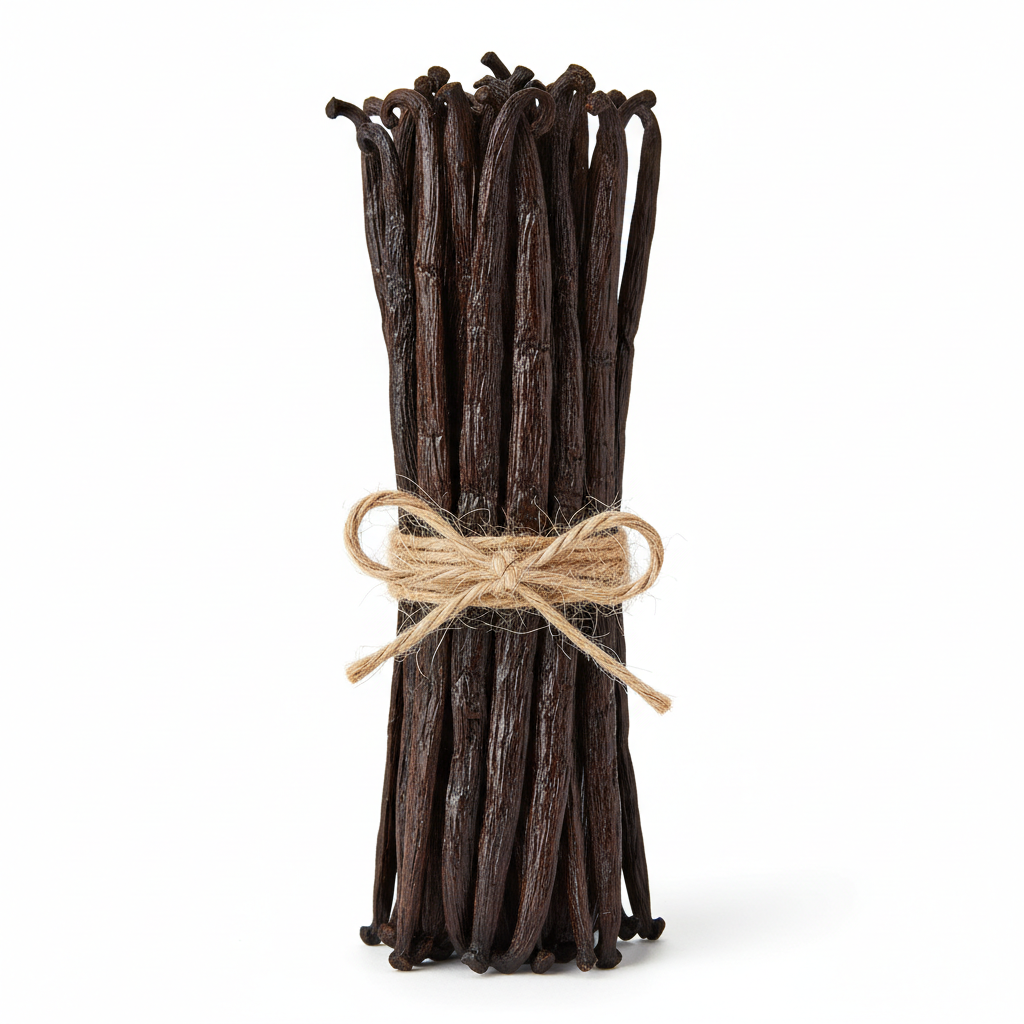
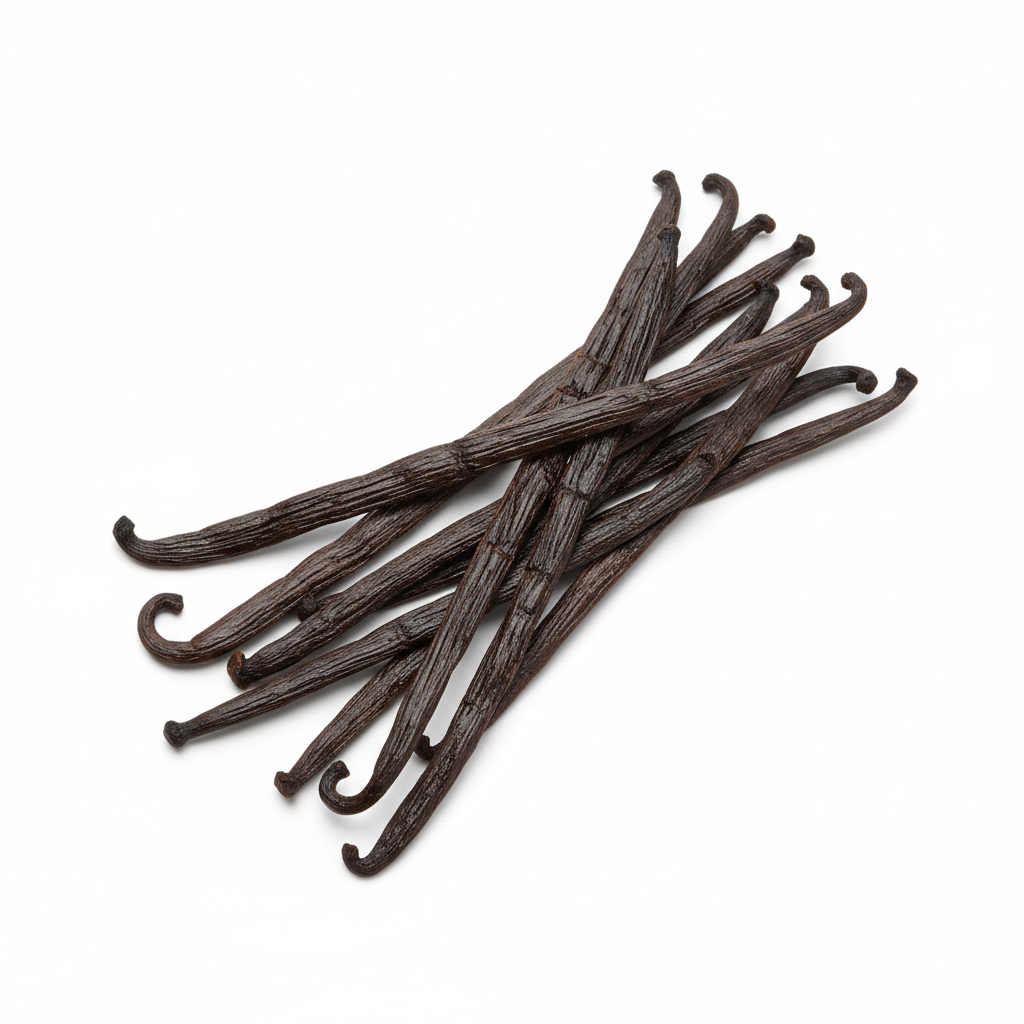
Jefferson's account books, meticulously maintained throughout his life, include records of vanilla bean purchases. These records show that Jefferson bought vanilla beans—an expensive luxury at the time—for use in his household.
In 1791, while serving as Secretary of State, Jefferson's records show purchases of vanilla, along with other exotic ingredients like capers and anchovies, reflecting his sophisticated palate developed in France.
Source: Jefferson's Memorandum Books, Princeton University Press, edited by James A. Bear Jr. and Lucia C. Stanton
Vanilla in Presidential Entertaining
During Jefferson's presidency (1801-1809), accounts from guests and household records indicate that vanilla-flavored desserts, including ice cream, were served at presidential dinners. Jefferson's entertaining was noted for its French sophistication, and vanilla—still rare in America—would have been a mark of culinary refinement.
Margaret Bayard Smith, a frequent guest at Jefferson's table, wrote admiringly of the desserts served, though she didn't always specify flavors. The presence of vanilla beans in Jefferson's household accounts suggests they were being used in the elaborate desserts for which his table was known.
Source: "The First Forty Years of Washington Society" by Margaret Bayard Smith (1906)
Ice Cream at the President's House
One of the most concrete connections between Jefferson and ice cream comes from the records of his presidency. Jefferson served ice cream regularly at presidential dinners, and the dessert became something of a signature of his entertaining style.
The President's House had an ice house—a below-ground storage facility filled with ice harvested from frozen rivers during winter—which allowed for ice cream production throughout the warmer months. This infrastructure investment demonstrates Jefferson's commitment to serving this fashionable dessert.
Guests remarked on the novelty and quality of the ice cream served at Jefferson's table. For many Americans of the early 19th century, dining at the President's House might have been their first encounter with ice cream, helping to popularize the dessert in the United States.
Source: "Dining at Monticello: In Good Taste and Abundance" by Damon Lee Fowler (2005)
Vanilla in Early America: An Exotic Luxury
To understand Jefferson's relationship with vanilla, it's important to recognize how rare and expensive vanilla was in early America. Vanilla beans were imported from Spanish colonial Mexico or French colonial territories in the Caribbean and Indian Ocean—there was no domestic vanilla production.
The cost and scarcity of vanilla meant it was a luxury ingredient available only to the wealthy. Jefferson's purchase and use of vanilla beans signaled both his refined taste and his financial means. By serving vanilla-flavored desserts, Jefferson was introducing his guests to a flavor that most Americans had never experienced.
This context makes Jefferson's role as a vanilla advocate more significant. He wasn't just enjoying a common ingredient—he was championing an exotic flavoring that would eventually become America's favorite.
The Historical Record: What We Can Confirm
Based on primary sources and scholarly research, here's what we can state with historical confidence about Thomas Jefferson and vanilla ice cream:
Confirmed:
- Jefferson wrote down an ice cream recipe, likely in the 1780s, now preserved in the Library of Congress
- Jefferson developed his appreciation for ice cream during his time in Paris (1784-1789)
- James Hemings, trained in French cooking, prepared ice cream and other French desserts for Jefferson
- Jefferson purchased vanilla beans, as documented in his account books
- Ice cream was regularly served at Jefferson's presidential dinners (1801-1809)
- Jefferson's entertaining helped popularize French cuisine, including ice cream, in America
Likely but not definitively documented:
- Vanilla was used to flavor some of the ice cream served at Jefferson's table
- Jefferson personally enjoyed vanilla-flavored ice cream
- Guests at Jefferson's dinners encountered vanilla ice cream, possibly for the first time
Not supported by evidence:
- Jefferson invented vanilla ice cream
- Jefferson invented ice cream of any kind
- Jefferson's handwritten recipe specifically calls for vanilla
Jefferson's True Legacy: Culinary Ambassador
While Jefferson didn't invent vanilla ice cream, his actual historical role is perhaps more interesting and important. Jefferson served as a culinary ambassador, bringing French gastronomic sophistication to American tables and helping to shape American food culture in its formative years.
His enthusiasm for ice cream, his willingness to invest in the infrastructure needed to produce it, and his use of exotic ingredients like vanilla at presidential dinners introduced these elements to American high society. From there, they gradually filtered down to broader American culture.
Jefferson's meticulous documentation—the recipe in his own hand, the detailed account books, the records of his household—provides us with invaluable insights into early American foodways and the introduction of European culinary techniques to the young nation.
The Importance of Historical Accuracy
Food myths are persistent and appealing. The story of Jefferson inventing vanilla ice cream is tidy and patriotic—a Founding Father creating an American classic. But the truth is richer and more complex, involving French culinary tradition, the skilled labor of an enslaved chef, the economics of exotic ingredients, and the gradual cultural exchange between Europe and America.
By understanding what Jefferson actually did—enthusiastically adopt, document, and promote ice cream and vanilla—we gain a more accurate picture of early American food history and Jefferson's role in it. We also properly acknowledge James Hemings, whose culinary expertise made Jefferson's gastronomic reputation possible but who has often been erased from the story.
Vanilla Ice Cream Today: A Jefferson-Era Flavor
While Jefferson didn't invent vanilla ice cream, the flavor combination he enjoyed in 1780s Paris—rich custard-based ice cream flavored with precious vanilla beans—remains fundamentally unchanged. When you enjoy vanilla ice cream today, you're experiencing a dessert that would have been recognizable and delightful to Jefferson and his contemporaries.
The main differences are accessibility and cost. What was once an exotic luxury available only to the wealthy is now America's most popular ice cream flavor, enjoyed by millions. Jefferson would likely be pleased that the sophisticated French dessert he helped introduce to America has become so thoroughly democratized.
Conclusion: Myth, Reality, and Legacy
Thomas Jefferson didn't invent vanilla ice cream, but his documented love for both ice cream and vanilla, his role in introducing French culinary techniques to America, and his use of these elements in presidential entertaining make him a significant figure in American vanilla history.
The handwritten ice cream recipe in the Library of Congress, the vanilla bean purchases in his account books, and the testimony of guests who dined at his table all confirm that Jefferson was an early American advocate for ice cream and vanilla—even if he wasn't their inventor.
Sometimes the truth is more interesting than the myth. Jefferson's actual story—as a culinary enthusiast, a meticulous documenter, an ambassador of French cuisine, and a president who served ice cream to introduce Americans to European sophistication—is a richer narrative than simple invention. And it has the considerable advantage of being historically accurate.




































































Comments
Great explanation of how the myth originated, but it would have been nice to have included two of the popular enslaved black men who are associated with vanilla ice cream, James Hemings and Edmond Albius.