

Making homemade vanilla extract is a rewarding process, but the traditional method requires patience—12 or more months for a fully developed flavor. Many home extractors look for ways to speed up the process, and two popular methods have emerged: sous vide circulation and pressure cooking. While both promise faster results, they're not created equal in terms of safety and quality.
The Pressure Cooker Debate: Why We Advise Against It
You'll find countless online tutorials suggesting that pressure cookers can dramatically reduce extraction time from months to mere hours. While the science seems sound—heat and pressure should theoretically accelerate the transfer of vanilla's flavor compounds into alcohol—there's a critical safety concern we can't ignore.
Alcohol under pressure is dangerous. We've seen multiple reports of pressure cookers exploding when used with high-proof alcohol, creating a serious fire and injury hazard. The combination of heat, pressure, and flammable vapors creates conditions that standard home pressure cookers weren't designed to handle safely. For this reason, we strongly advise against using pressure cookers for extract making, regardless of the promised time savings.
We know of many people that still use this method and they would argue that those that had critical failures simply didn't use the equipment properly and that may be the case. But there have been enough concerns raised about this method that we choose to err on the side of caution.
The Sous Vide Method: Gentle Heat, Faster Extraction
A much safer alternative is the sous vide method, which uses gentle, controlled heat to accelerate extraction without the risks associated with pressure cooking.
How Sous Vide Works for Extract Making
A sous vide circulator maintains a precise water temperature while continuously circulating warm water around your extract jar. This consistent, gentle heat serves multiple purposes:
- Increased molecular activity: Warmth causes both the alcohol molecules and the vanilla compounds to move more rapidly, increasing contact and transfer rates
- Enhanced solubility: Many of vanilla's 300+ flavor compounds dissolve more readily in warm alcohol than cold
- Even heat distribution: The circulating water ensures every part of your jar receives consistent temperature, preventing hot spots
- No pressure risk: Your jar remains at atmospheric pressure with just a loose lid, eliminating explosion hazards
Recommended Sous Vide Parameters
For optimal results with minimal risk:
- Temperature: 130-140°F (54-60°C)—warm enough to accelerate extraction without cooking off delicate volatile compounds or degrading alcohol
- Duration: Up to 96 hours of circulation, monitored regularly to insure all the water doesn't evaporate.
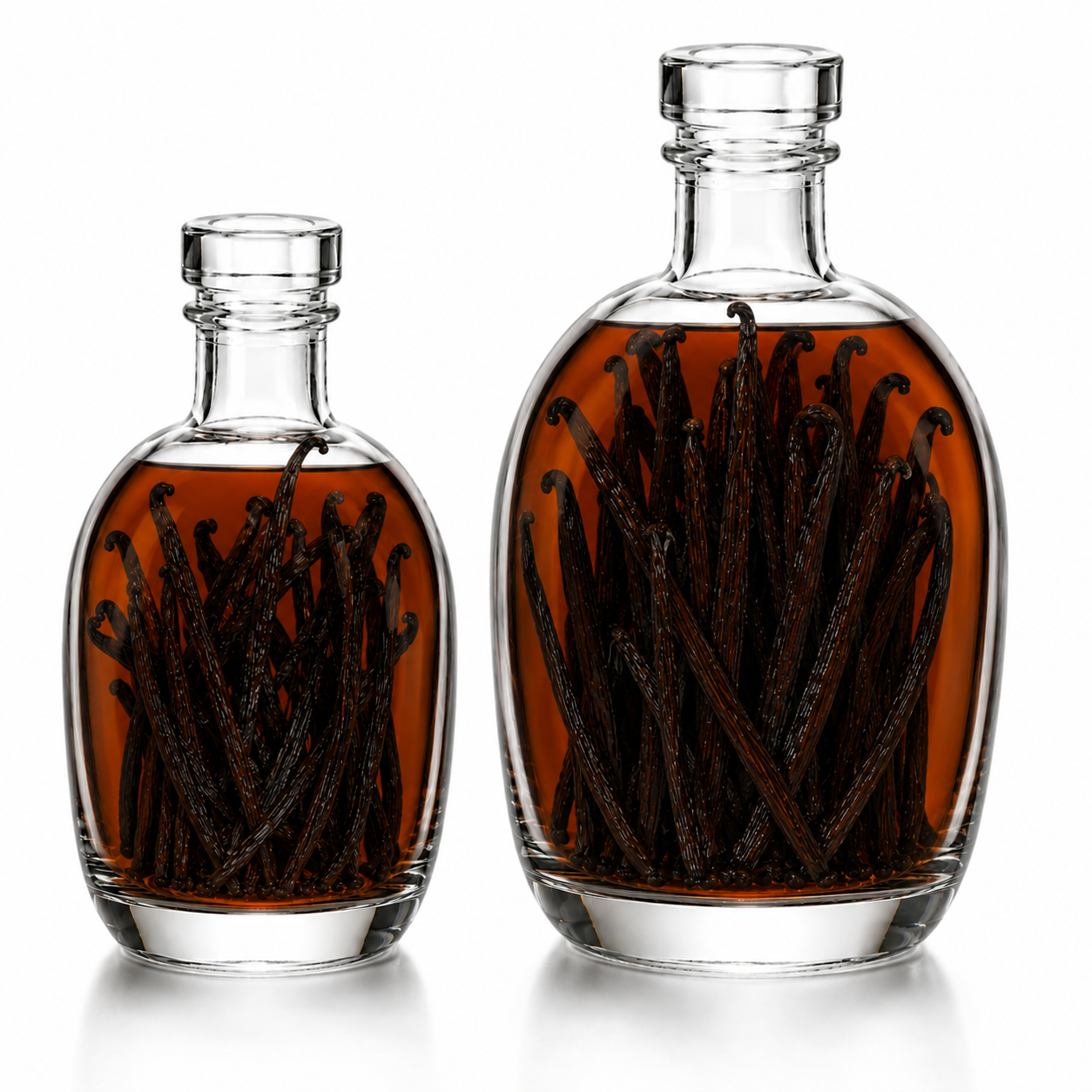
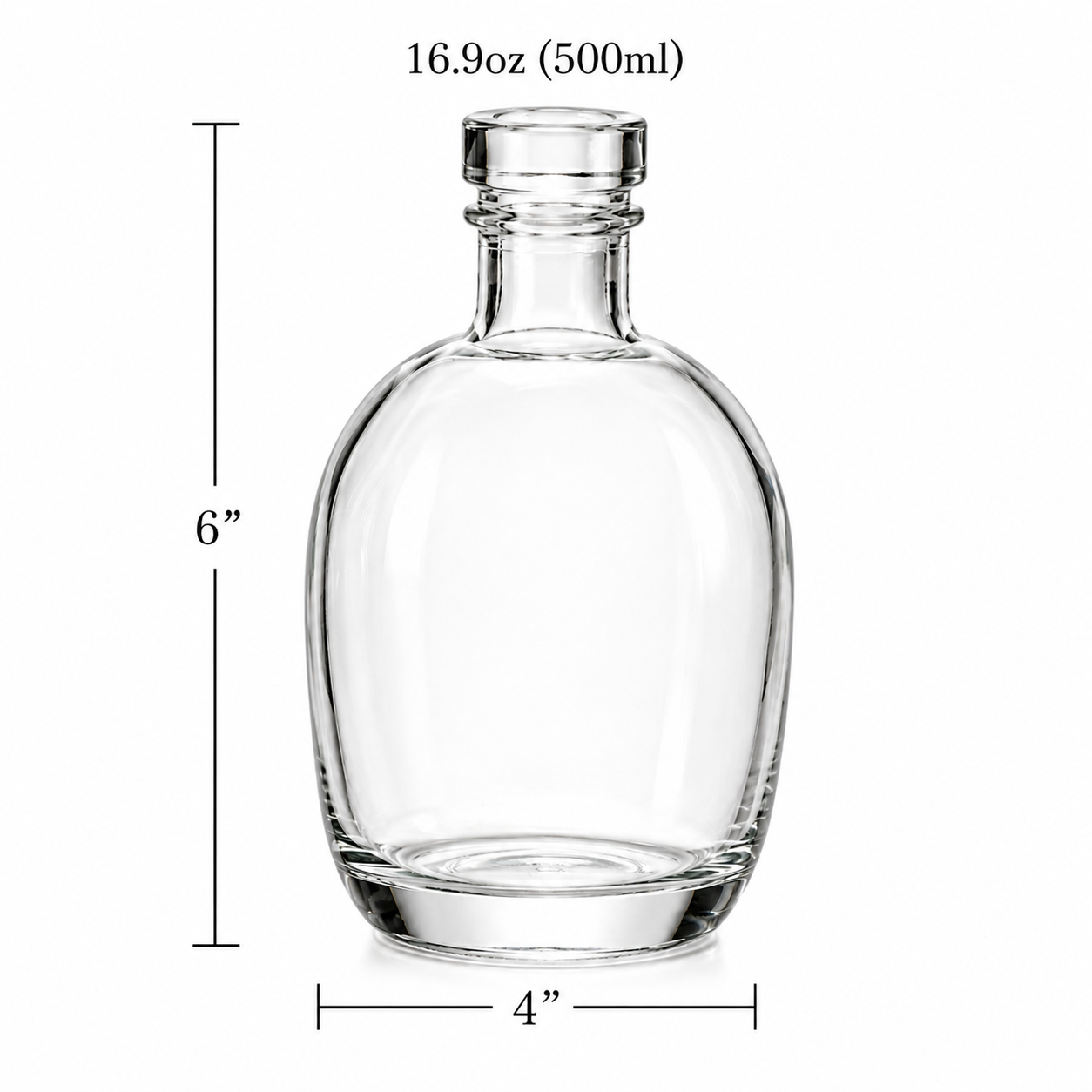
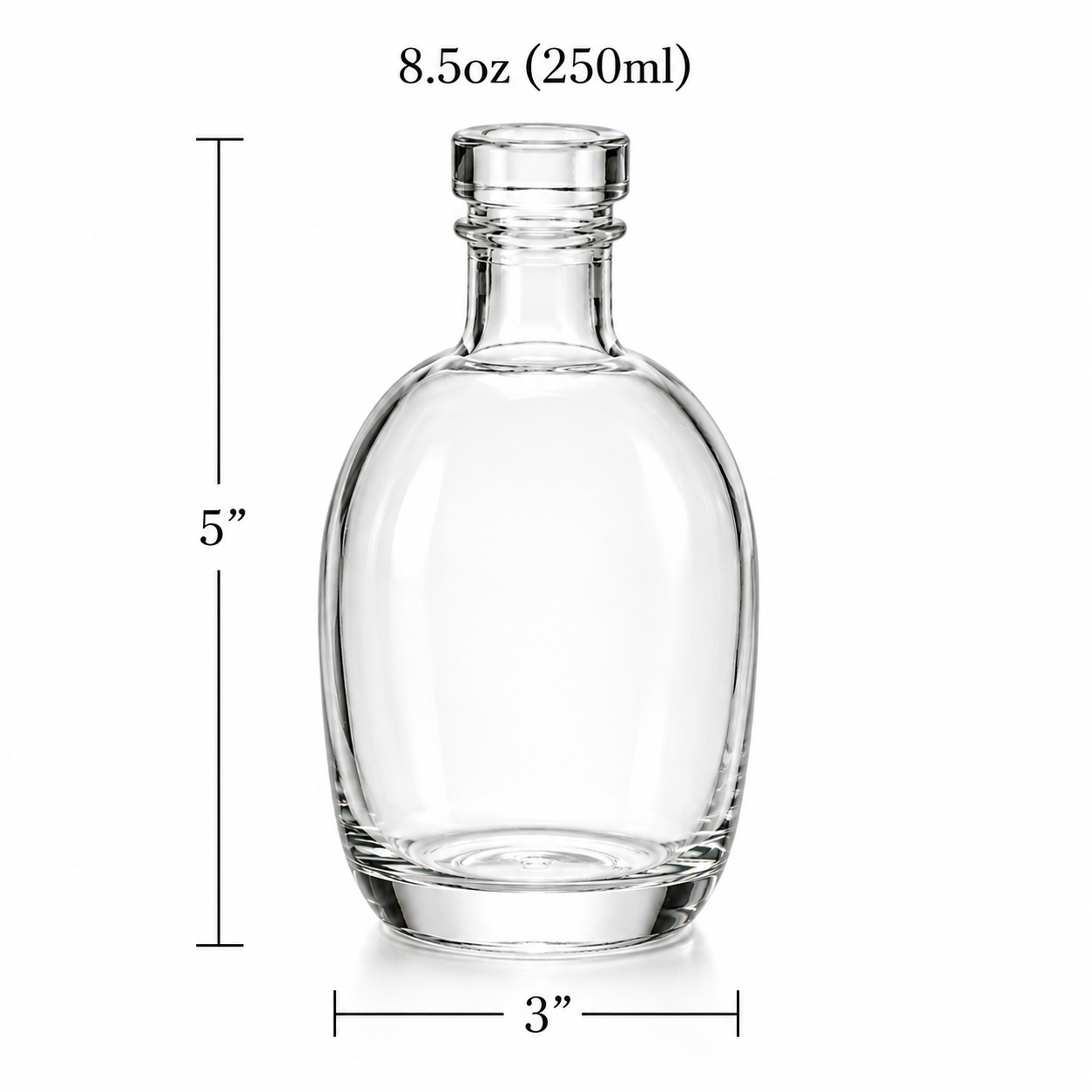
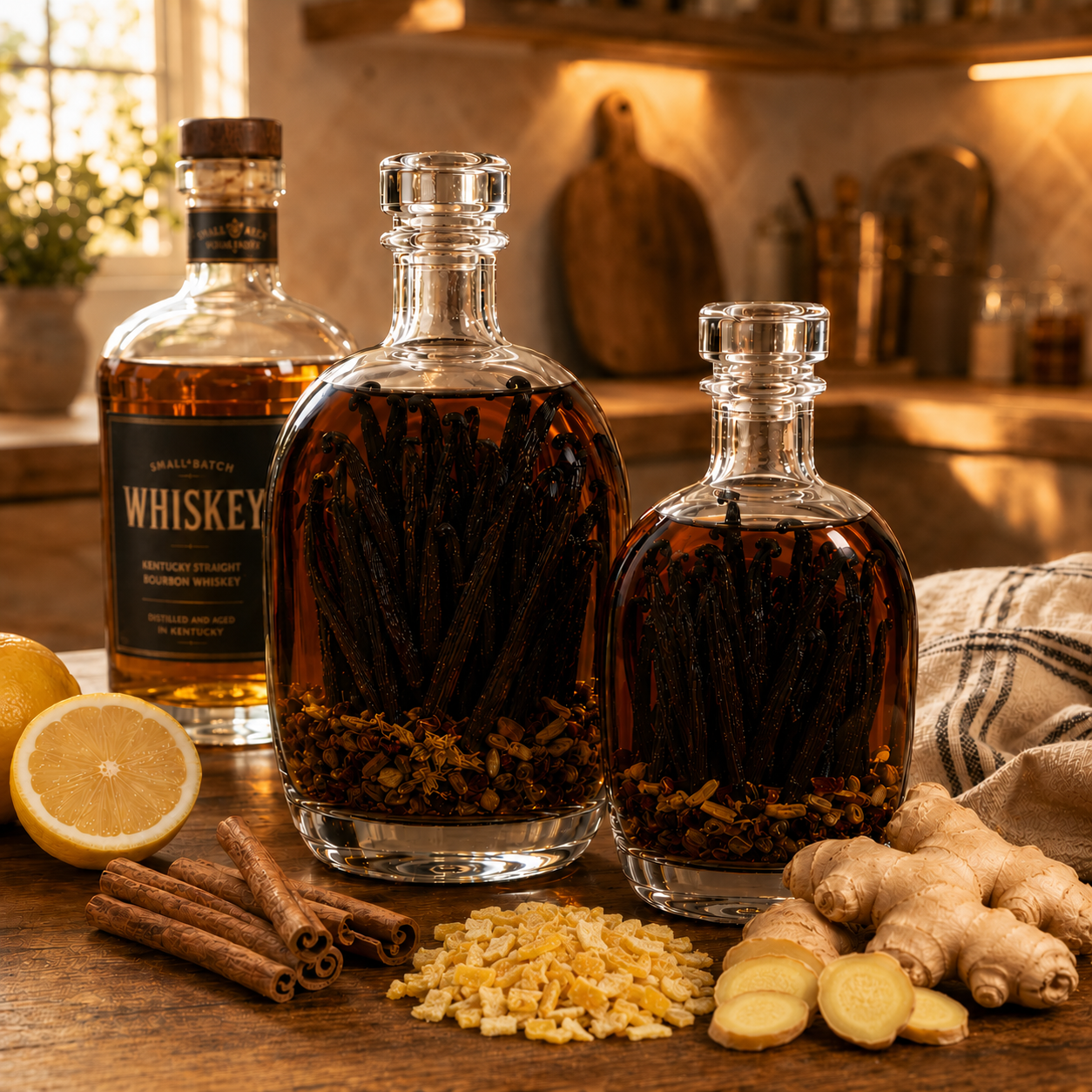
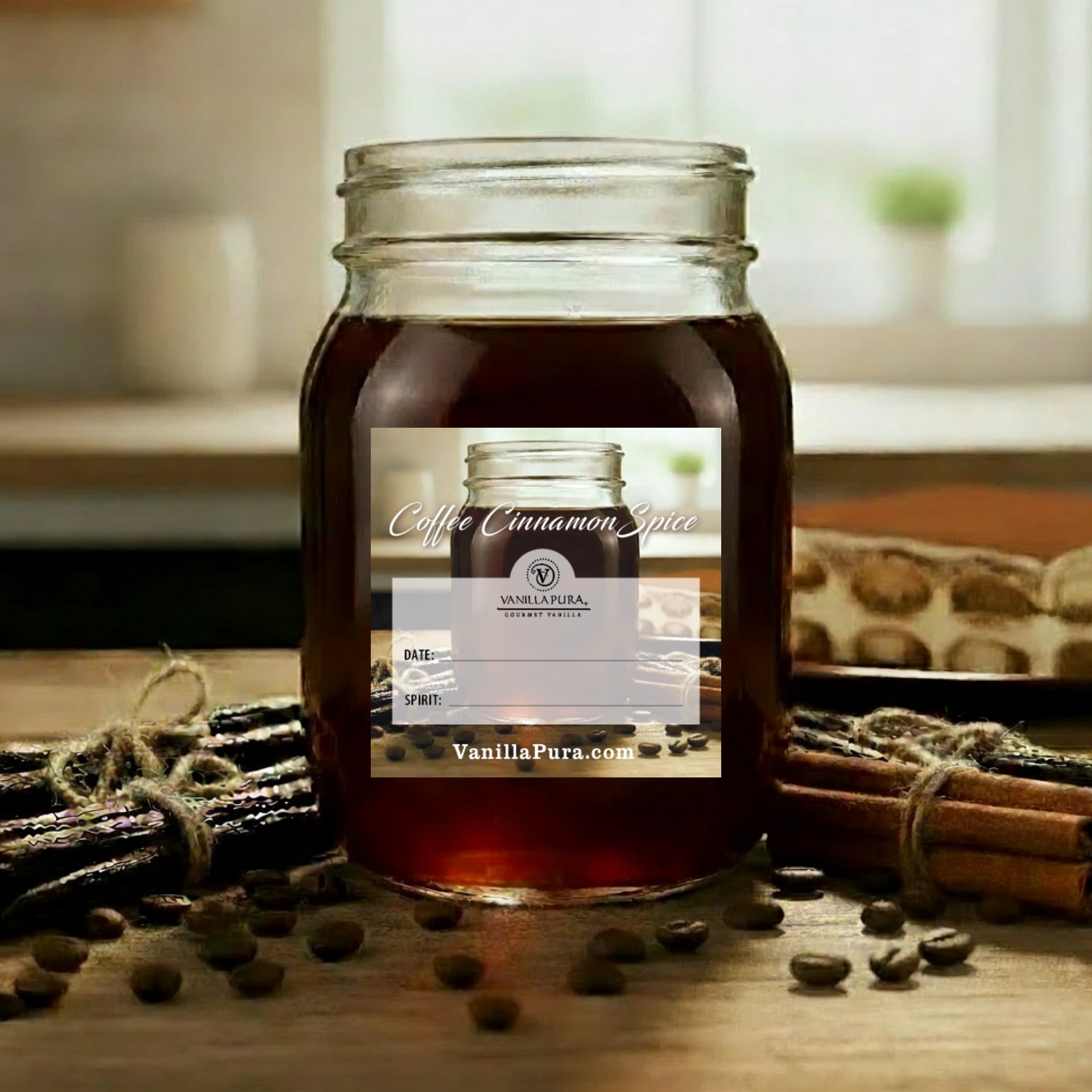
- Jar setup: Use a heat-safe glass jar with a loose-fitting lid to allow vapor release, and a shorter jar to ensure that all of your vanilla beans are submerged in the alcohol and the alcohol level is below the sous vide water lavel.
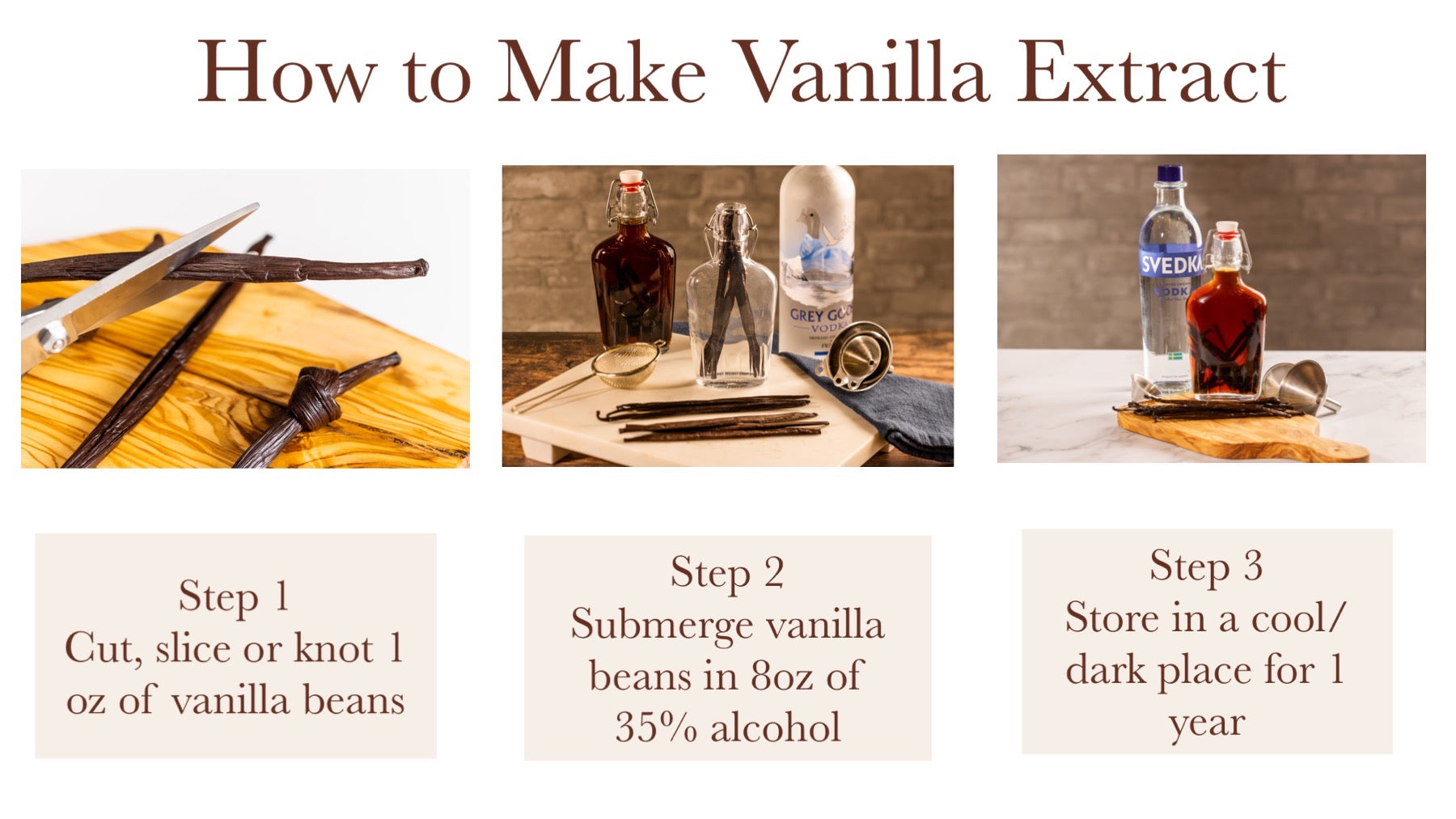
- Bean-to-alcohol ratio: Maintain standard ratios (typically 1oz beans per 8 oz of alcohol)
The gentle circulation creates a kind of "accelerated aging" environment. You're not trying to complete extraction in one session, but rather condensing weeks of passive steeping into days of active processing.
What to Expect
Sous vide processing can reduce your total extraction time from 12 months down to 96 hours, depending on your target flavor profile. You'll notice the alcohol darkening more quickly and vanilla aromatics developing within the first few cycles. We still found that after 96 hours, though the extract was a beautiful amber color, we let our extract age naturally for another 1-3 months. And while it produced a very nice extract flavor, we still prefer to slow age our extracts for the very best outcome. Others may feel differently, but that has been our experience.
The Truth About Expedited Extraction
Here's what we've learned after years of crafting premium vanilla extracts: while sous vide and other gentle heat methods can certainly speed up the extraction process, they can't fully replicate what time accomplishes.
Vanilla contains over 300 distinct flavor compounds—vanillin, vanillic acid, p-hydroxybenzaldehyde, and hundreds of others that create the complex symphony we recognize as "vanilla." These compounds extract at different rates and interact with each other over time, developing depth, smoothness, and nuance.
Our best extracts come from slow, natural aging. The careful, delicate transfer of these flavor compounds over months creates a complexity and balance that expedited methods struggle to match. There's a roundness, a lack of harshness, and a layered flavor profile that only develops when vanilla and alcohol have time to truly marry.
Our Recommendation
If you're eager to start using your homemade extract sooner, sous vide is a safe and effective acceleration method. It's perfect for creating a "good enough" extract for everyday baking while your long-aging batch continues to develop.
But for the smoothest, most complex, and fully realized vanilla flavor experience—the kind that makes people ask "what makes this taste so good?"—patience remains the secret ingredient. Let those beans steep slowly, naturally transferring their 300+ compounds into solution, and you'll be rewarded with an extract that truly showcases the terroir and character of premium vanilla.
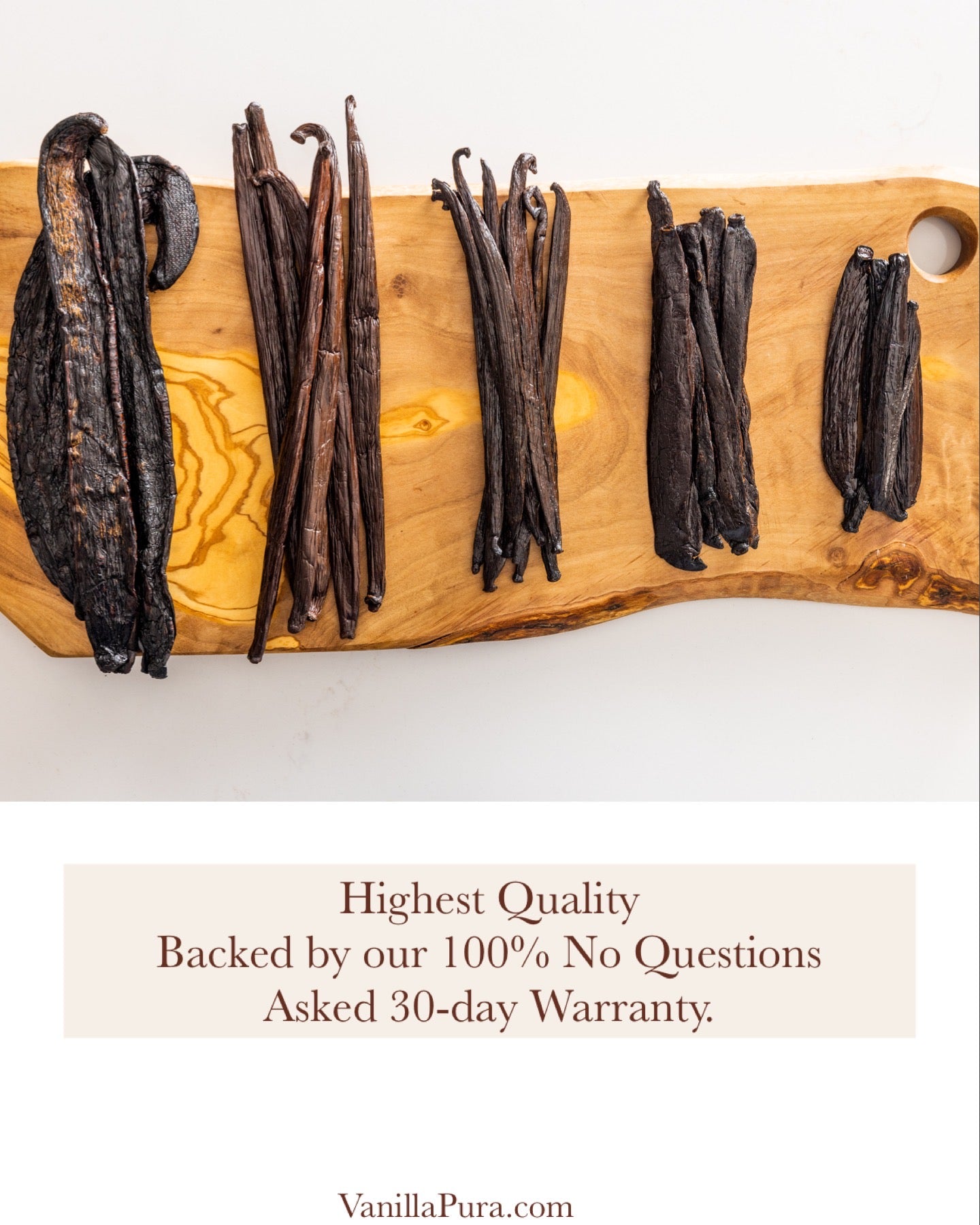
Whether you choose the fast track or the slow road, the most important factor is starting with high-quality beans. The finest extraction technique in the world can't compensate for inferior vanilla—but exceptional beans will shine through any method you choose.




























































Comments
OK so I am interested in the sous vide process. I am looking at the Instant Pot range – does anyone have one and do they recommend it? Any drawbacks?
Also the pic shows a batch in a water bath. Open lid – wouldn’t that evaporate the alcohol? Can a suitable ‘sous vide’ type method be made without having a specific sous vide machine?