
When most people think of Mexican vanilla, they picture one thing: a bold, spicy, deeply aromatic extract that has been a kitchen staple for generations. And while that reputation is well-earned, it tells only part of the story. Mexico is actually home to multiple species of vanilla orchid, each producing beans with a dramatically different flavor profile, appearance, and culinary character. If you've only ever tried one type of Mexican vanilla, you've only scratched the surface.
In this guide, we're breaking down the three most important species of Mexican vanilla — V. planifolia, V. cribbiana, and V. pompona — and explaining exactly what makes each one unique, where they grow, and how to use them.
Why Mexican Vanilla Is in a Category of Its Own
Mexico is the birthplace of vanilla. The Totonac people of Veracruz were the first to cultivate and use vanilla, long before it ever reached Europe or the rest of the world. The climate, the soil, the altitude, and centuries of agricultural tradition all contribute to a vanilla culture that is unlike anywhere else on earth. What makes Mexican vanilla especially fascinating is that the country produces not just one, but several distinct vanilla species — each shaped by the specific region where it grows.
Species 1: Mexican V. planifolia — The Veracruz
The Classic. The Bold. The Original.
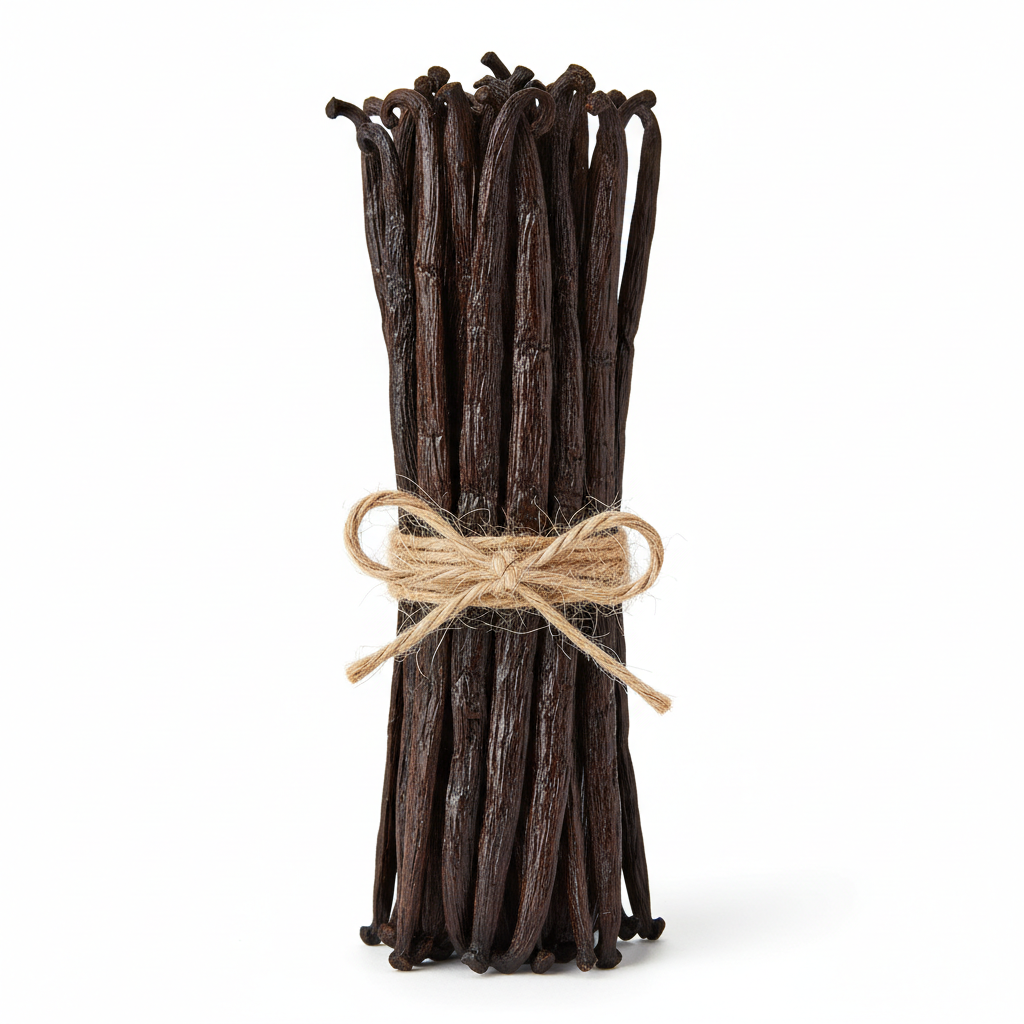
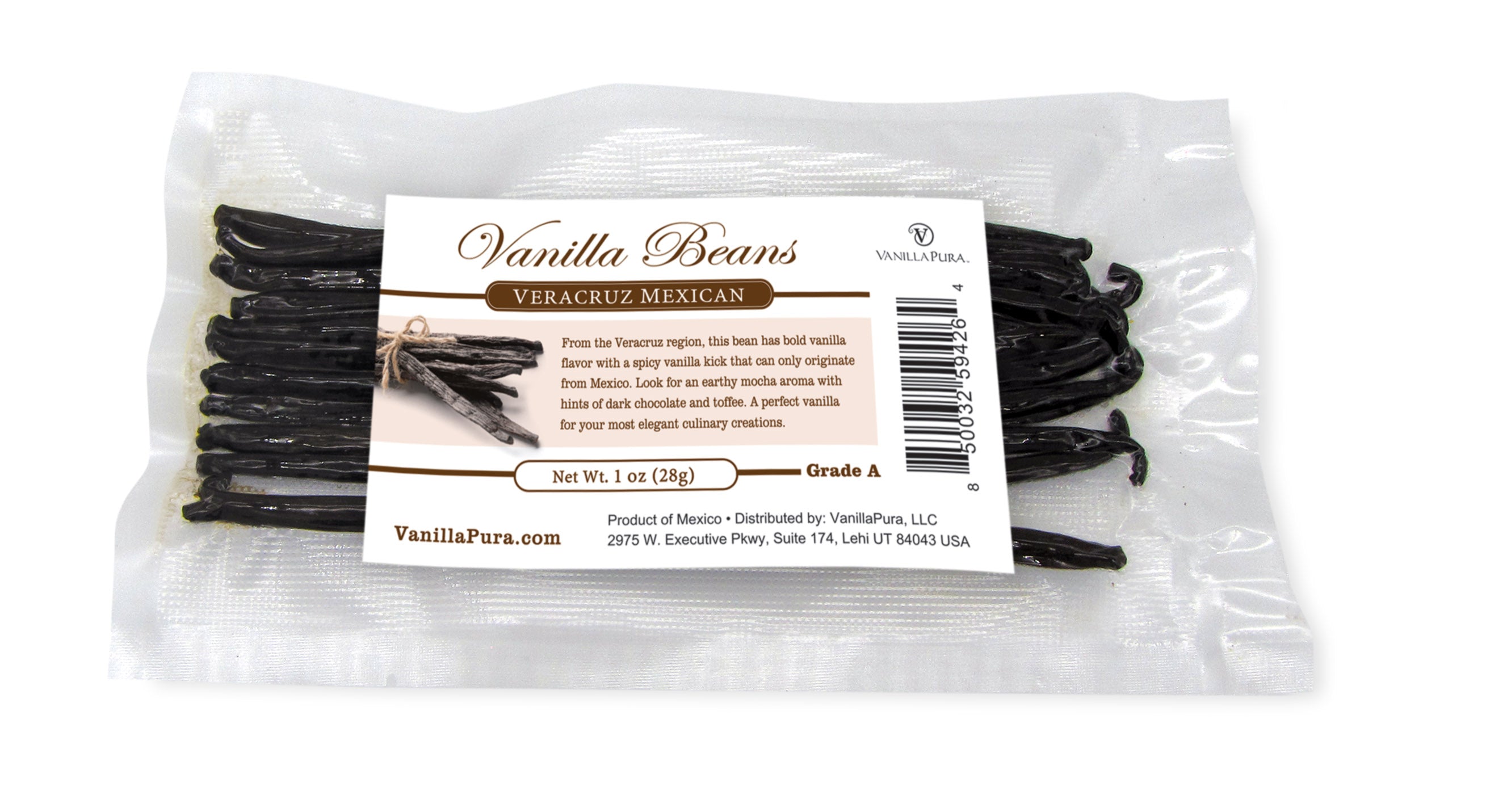
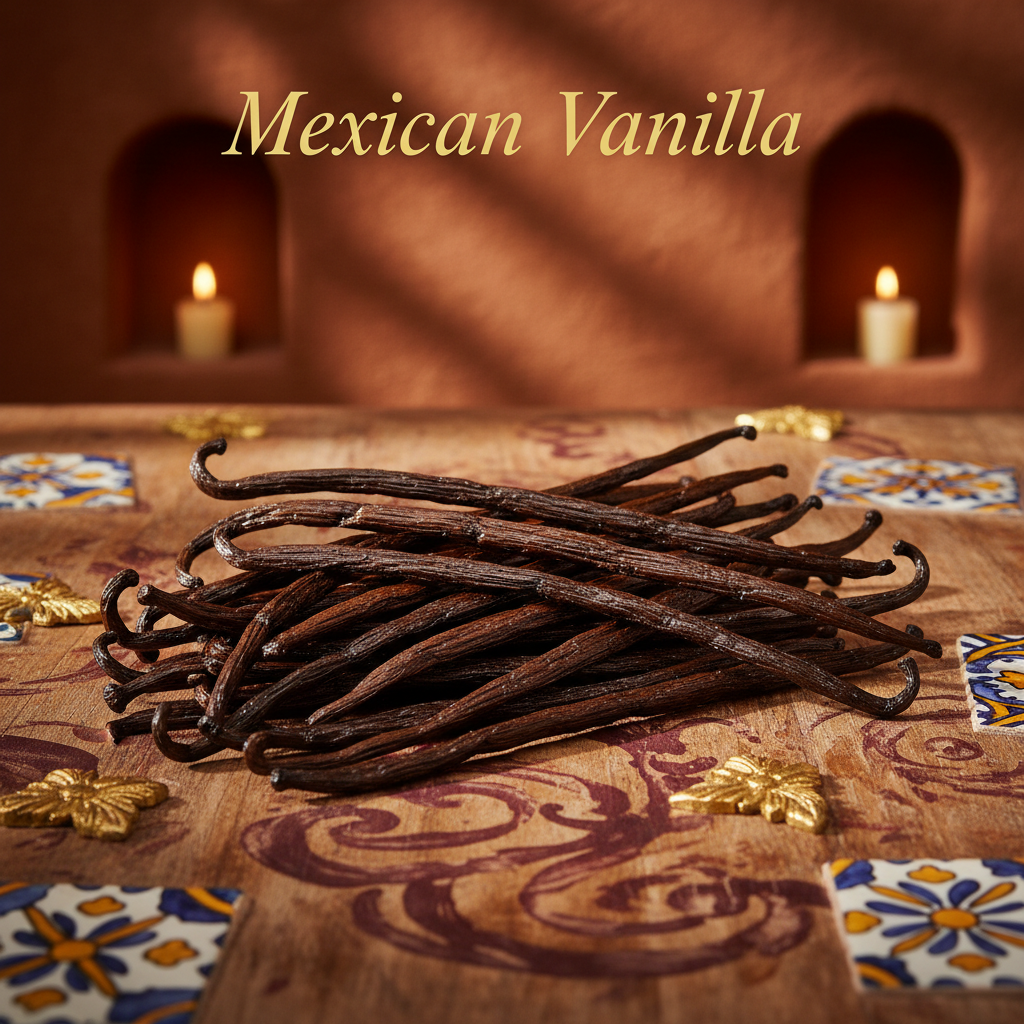
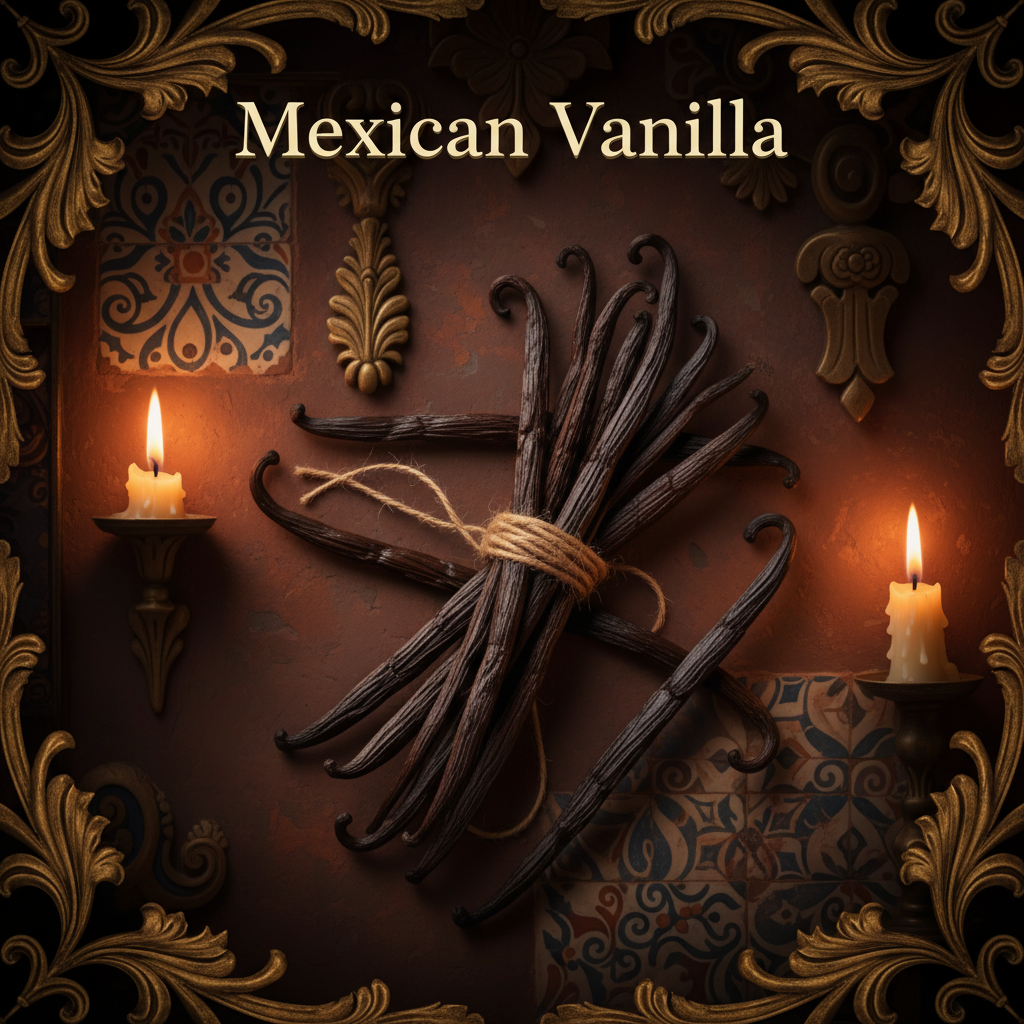
Vanilla planifolia is the most widely grown vanilla species in the world, and Mexico's Veracruz region is where it all began. These are the beans that defined vanilla for the world — long, dark, and intensely aromatic, with a flavor profile that is bold, spicy, and deeply complex in a way that sets Mexican planifolia apart from its counterparts in Madagascar or Indonesia.
Flavor Profile: Rich, bold vanilla with warm notes of cinnamon, clove, and a subtle spice that lingers on the palate. There's a depth and earthiness to Veracruz planifolia that is distinctly Mexican — more assertive than the buttery creaminess of Madagascar, with a complexity that comes from the volcanic soils and humid climate of the Gulf Coast.
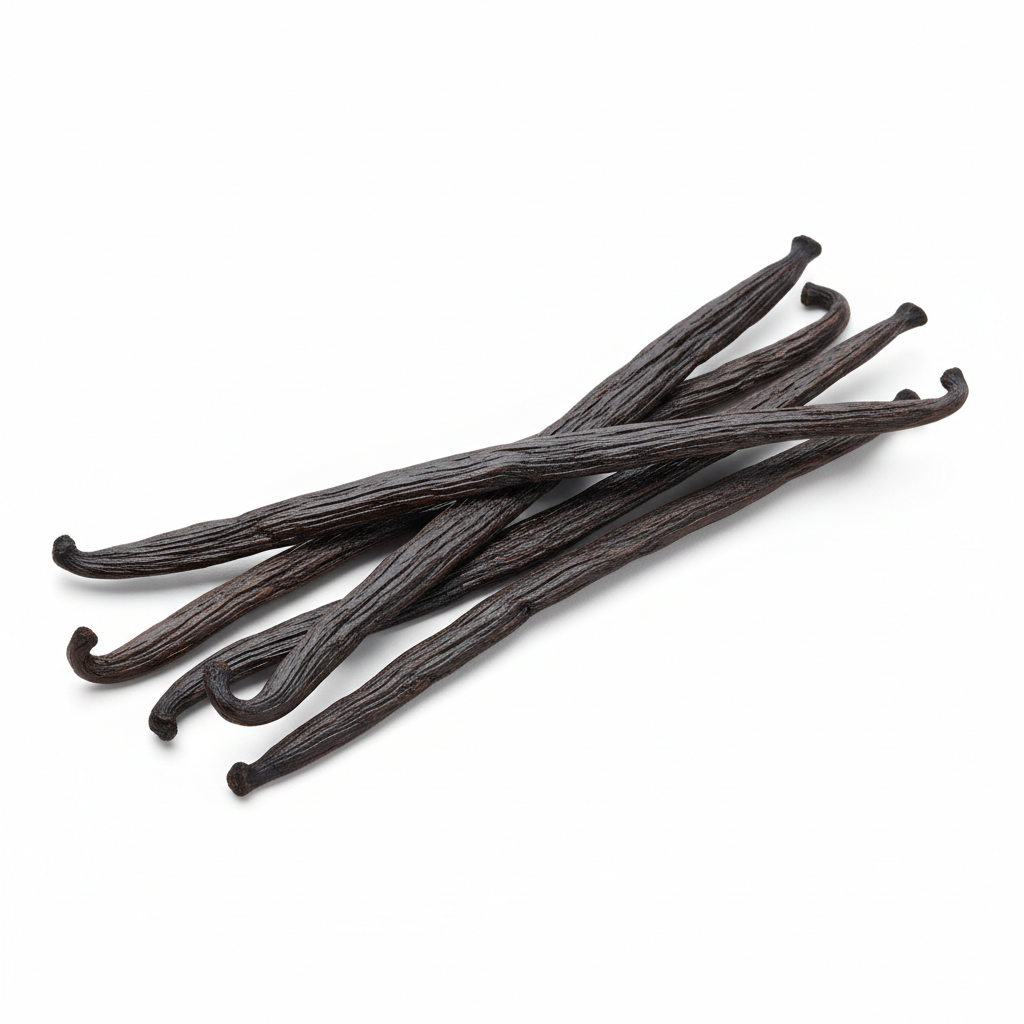
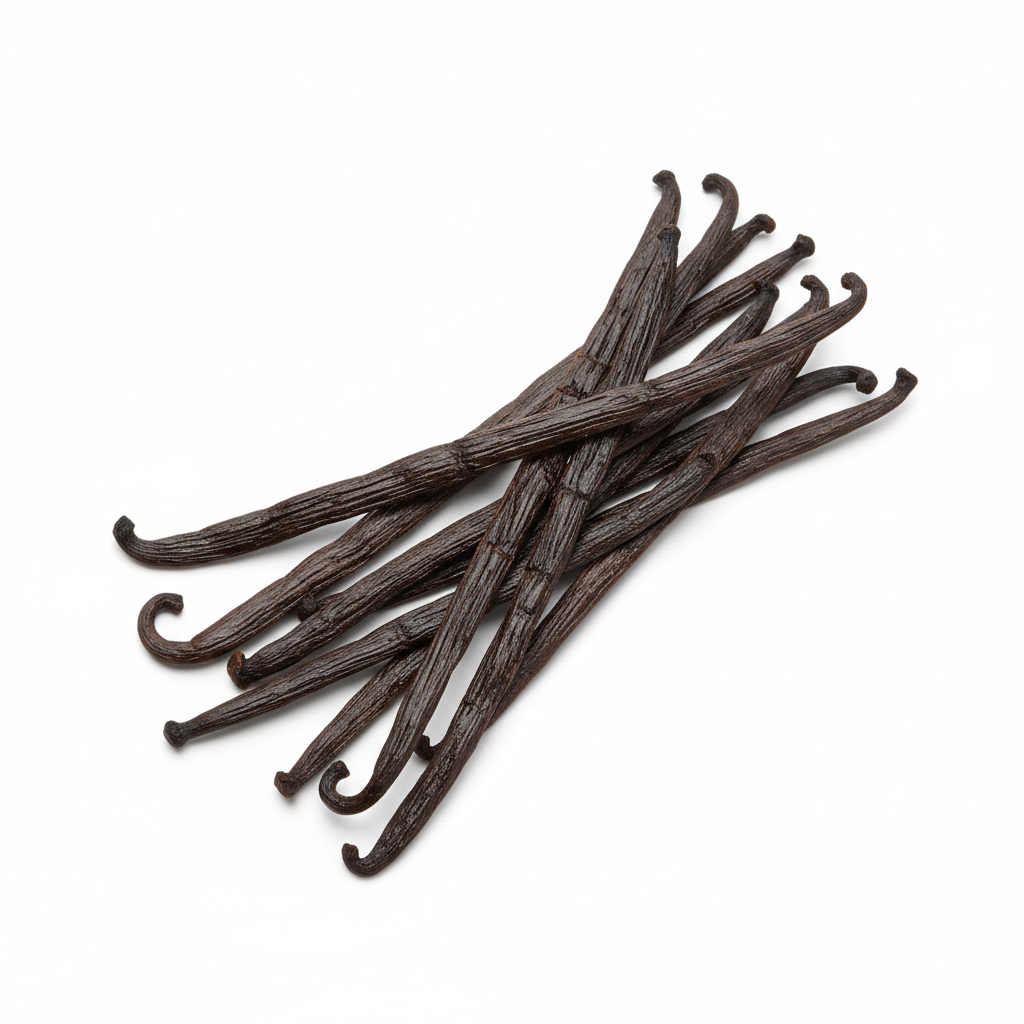
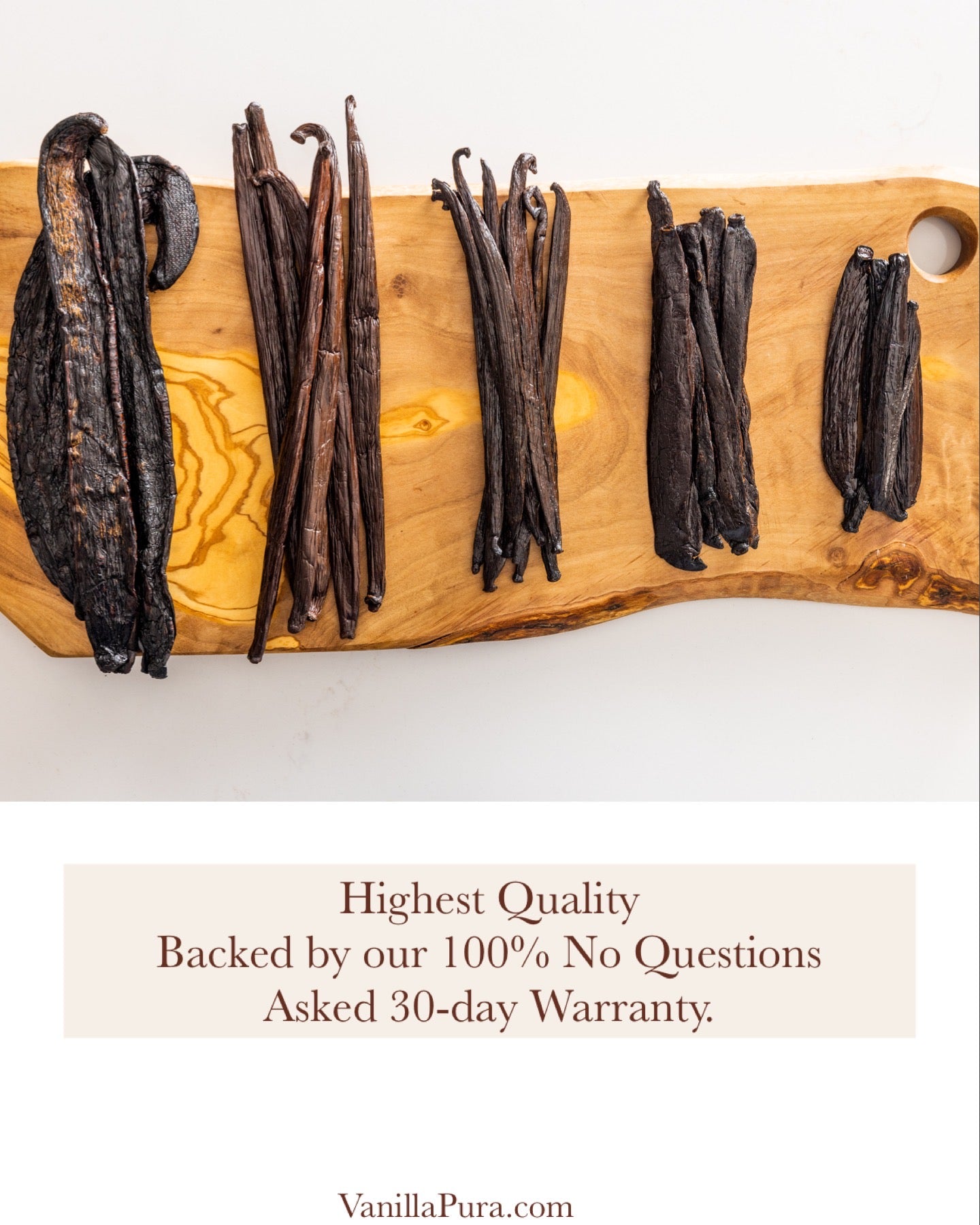
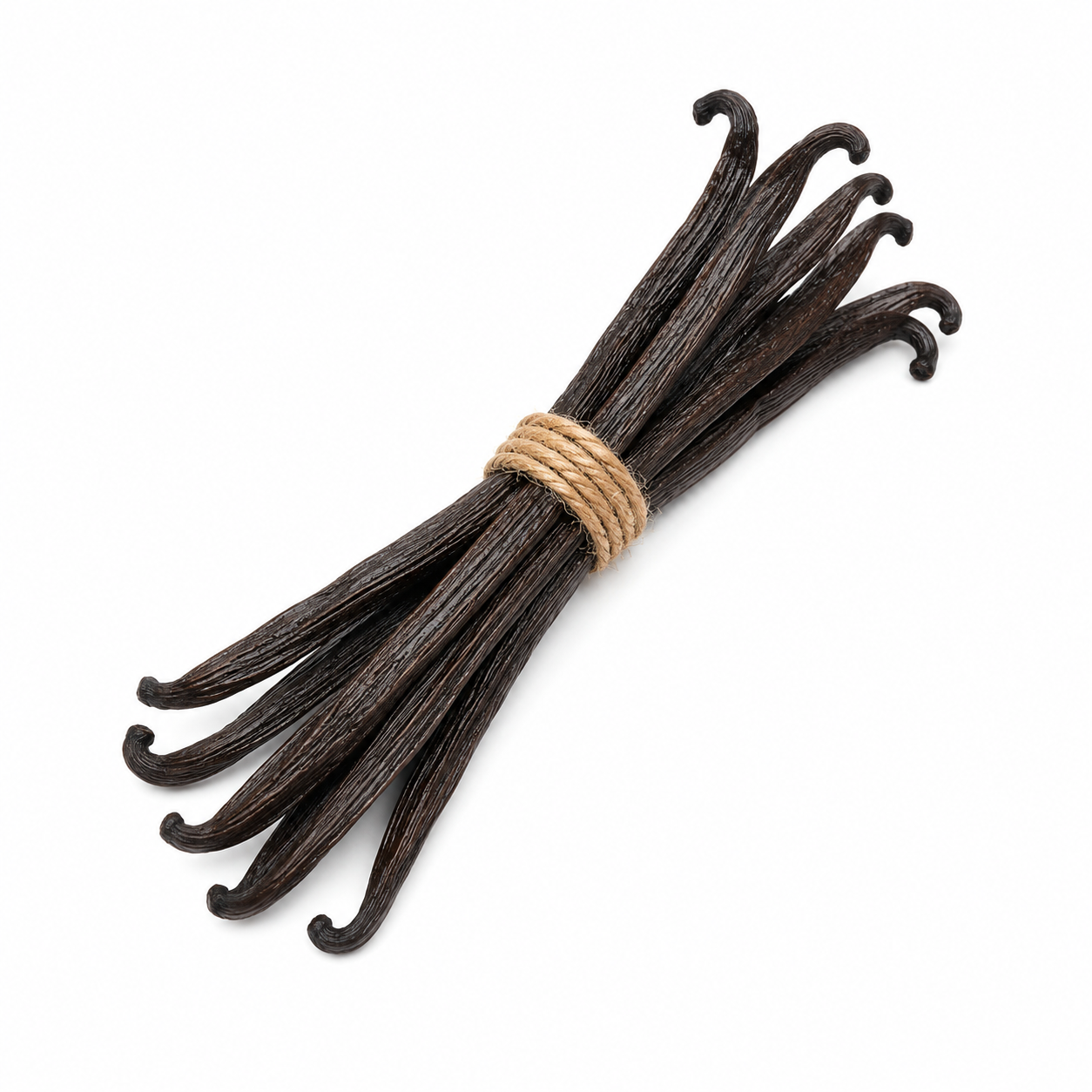
Appearance: Long, dark brown to near-black pods with a slightly oily exterior. Plump, moist, and packed with seeds when Grade A.
Best Uses: Exceptional in chocolate desserts, spiced baked goods, mole-inspired sauces, churros, and any recipe where you want vanilla to assert itself rather than play a supporting role. Also makes a bold, complex vanilla extract that is a staple in traditional Mexican baking.
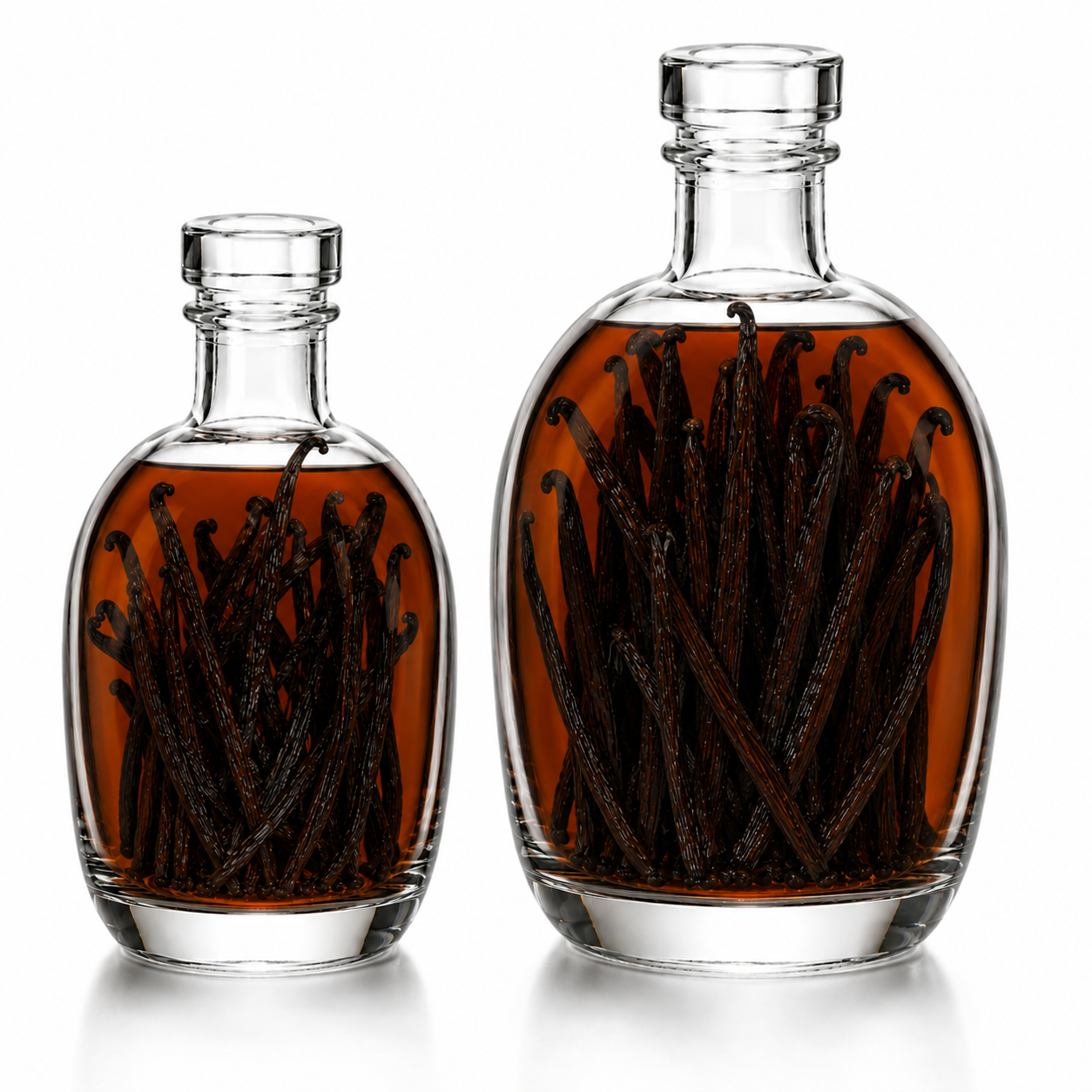
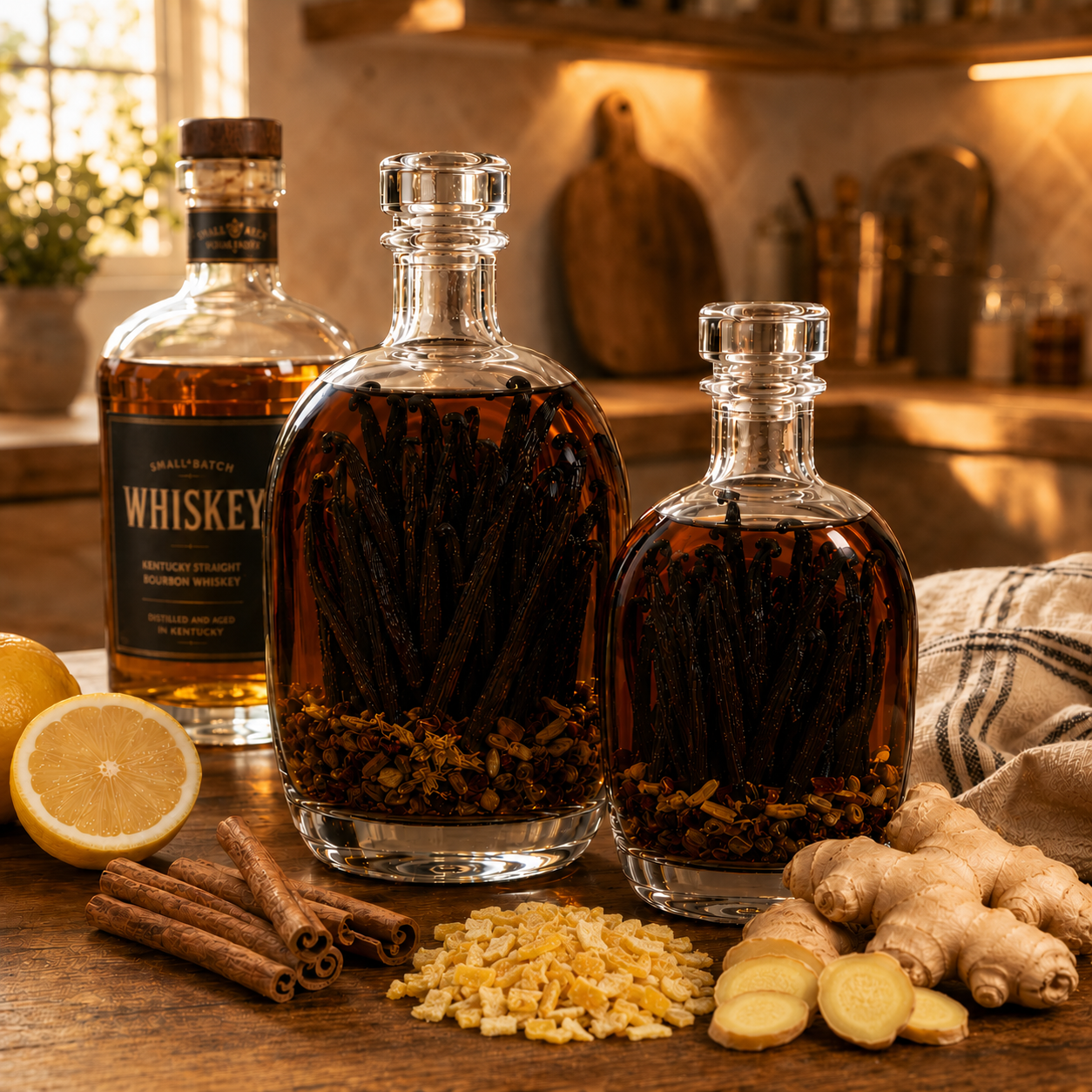
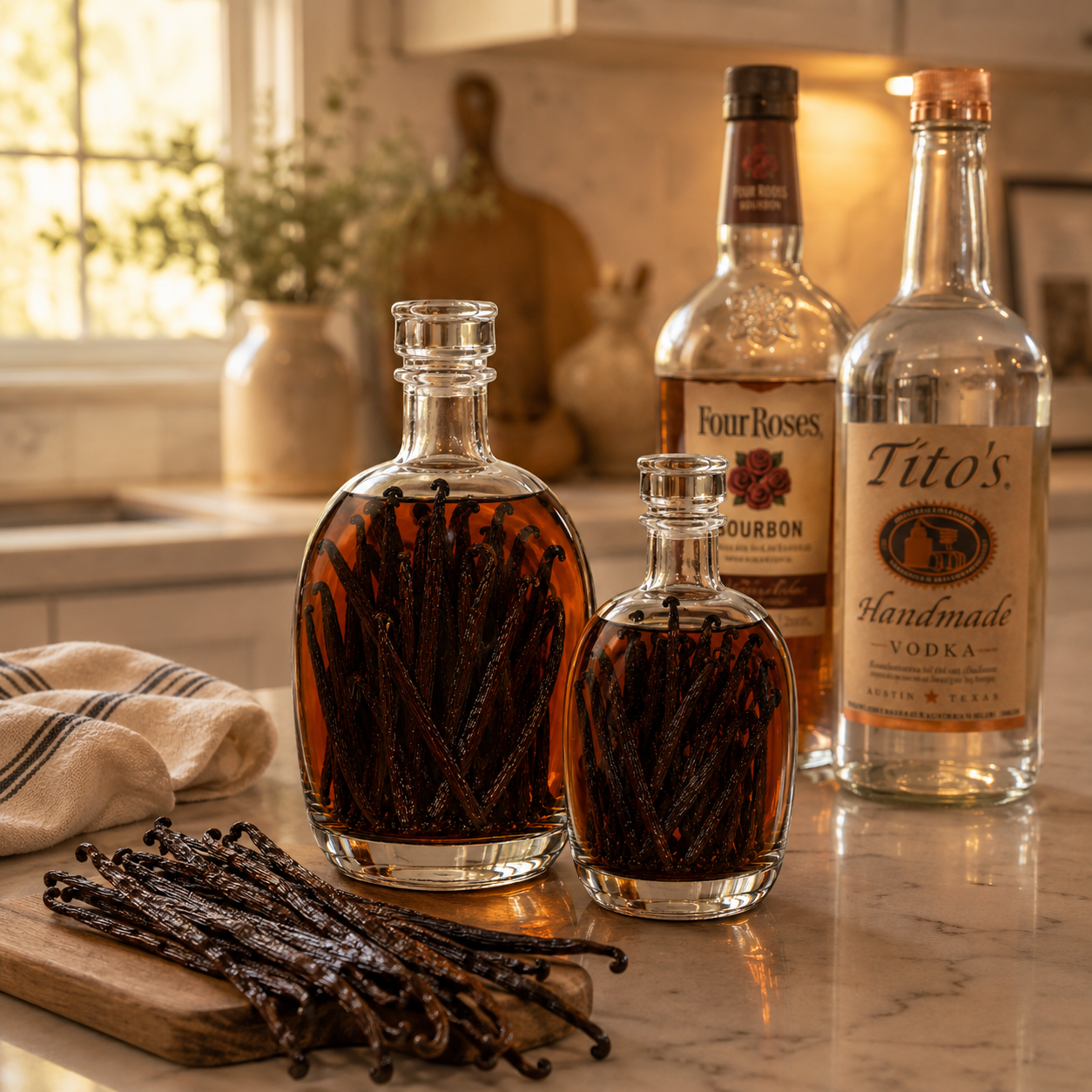
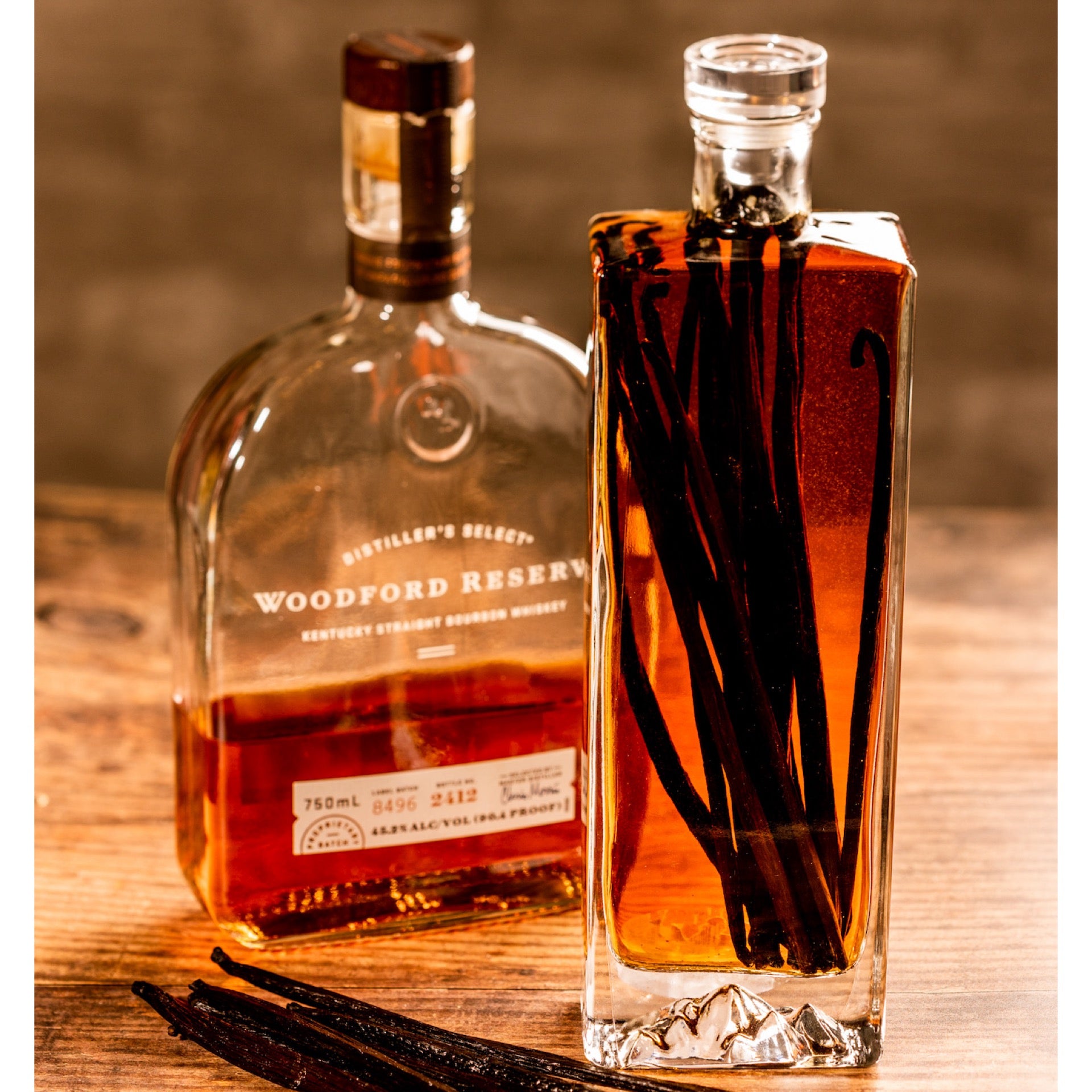
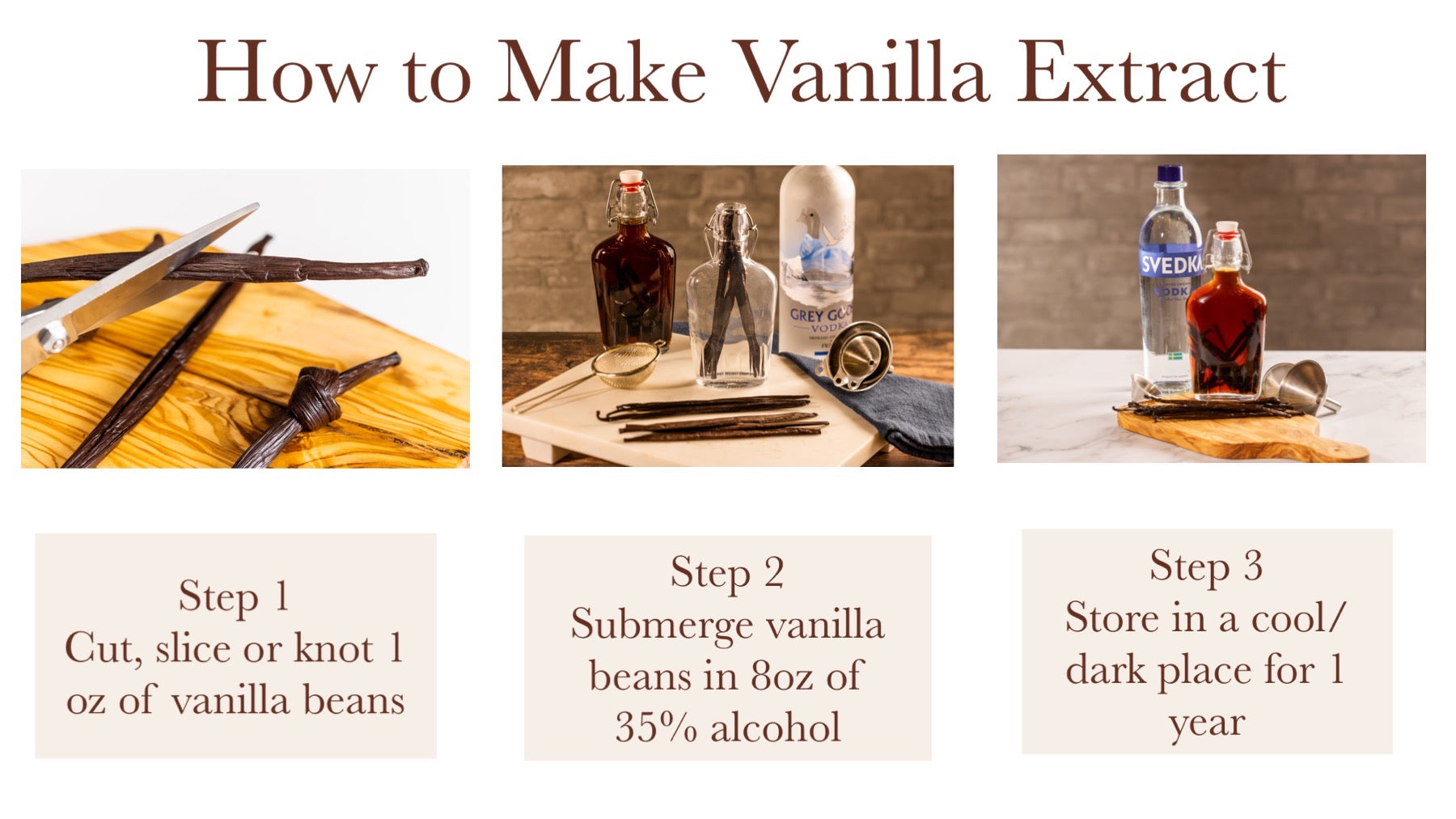
In the Glass: Steeps beautifully in bourbon or dark rum, where its spice notes harmonize with the barrel-aged warmth of the spirit. Allow 18 months to 2 years for a dark spirit extract to fully develop.
→ Shop The Veracruz — Mexican V. planifolia Vanilla Beans (Grade A)
Species 2: Mexican V. cribbiana — The Puebla
The Rarest. The Most Delicate. The Hidden Gem.
Vanilla cribbiana is one of the rarest vanilla species in commercial cultivation — and one of the least known outside of serious vanilla enthusiasts. Native to Mexico and grown in the Puebla region, this species is botanically distinct from planifolia and produces beans with a flavor profile that will genuinely surprise anyone who thinks they know what Mexican vanilla tastes like.
Flavor Profile: Where planifolia is bold and spicy, cribbiana is delicate and floral. Expect soft vanilla sweetness layered with subtle fruity and floral notes — a lighter, more nuanced profile that is closer in character to a Tahitian bean than a traditional Mexican planifolia. There's an elegance to cribbiana that makes it genuinely rare and special.
Appearance: Thinner and more slender than planifolia pods, with a lighter color and a more delicate structure. The beans are less oily but still aromatic and seed-rich when properly cured.
Best Uses: Shines in applications where subtlety matters — light custards, panna cotta, whipped cream, delicate pastries, and ice creams where you want floral vanilla complexity without the assertiveness of planifolia. Also exceptional in vodka-based extracts, where its delicate character can express itself without competition from a heavy spirit.
In the Glass: Best extracted in a neutral spirit like vodka to preserve its delicate floral notes. Allow up to 1 year for a fully developed extract.
→ Shop The Puebla — Mexican V. cribbiana Vanilla Beans (Grade A)
Species 3: Mexican V. pompona — The Oaxaca
The Largest. The Most Exotic. The Most Underrated.
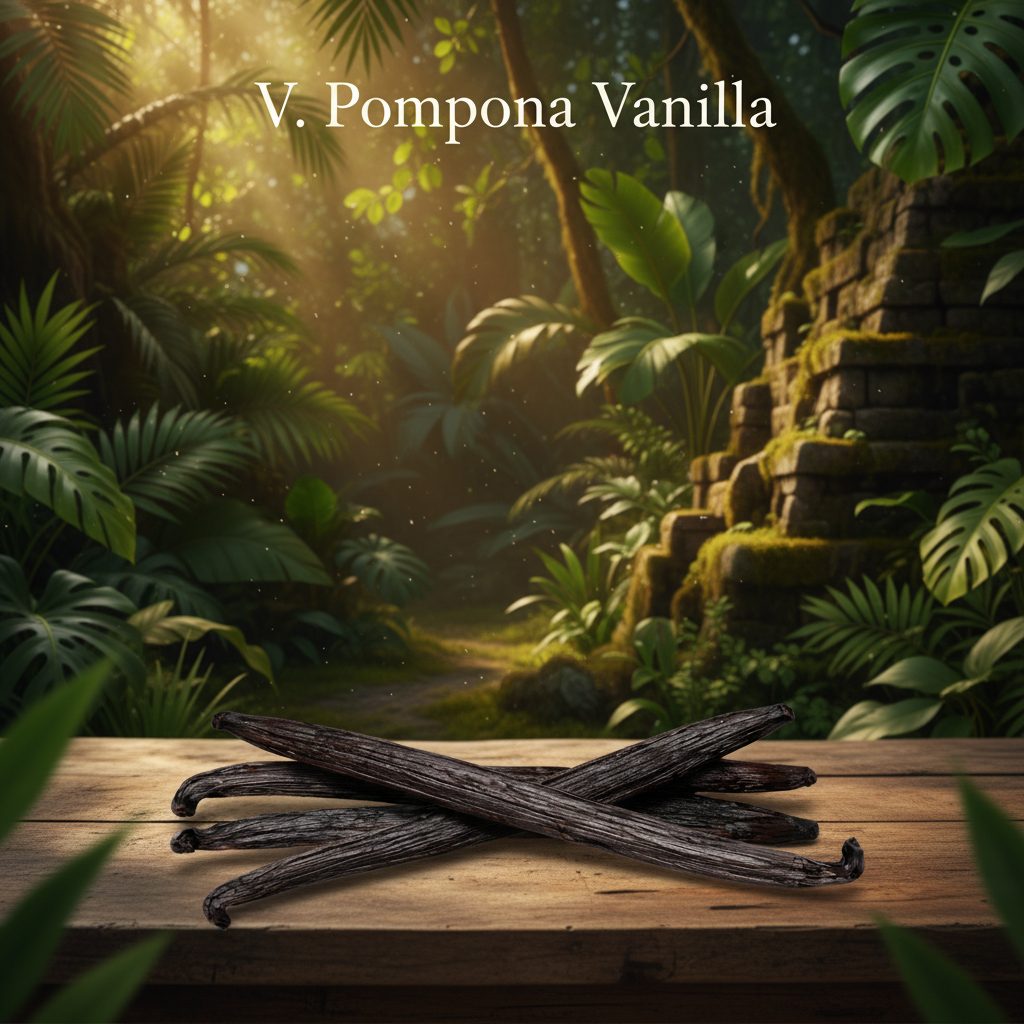
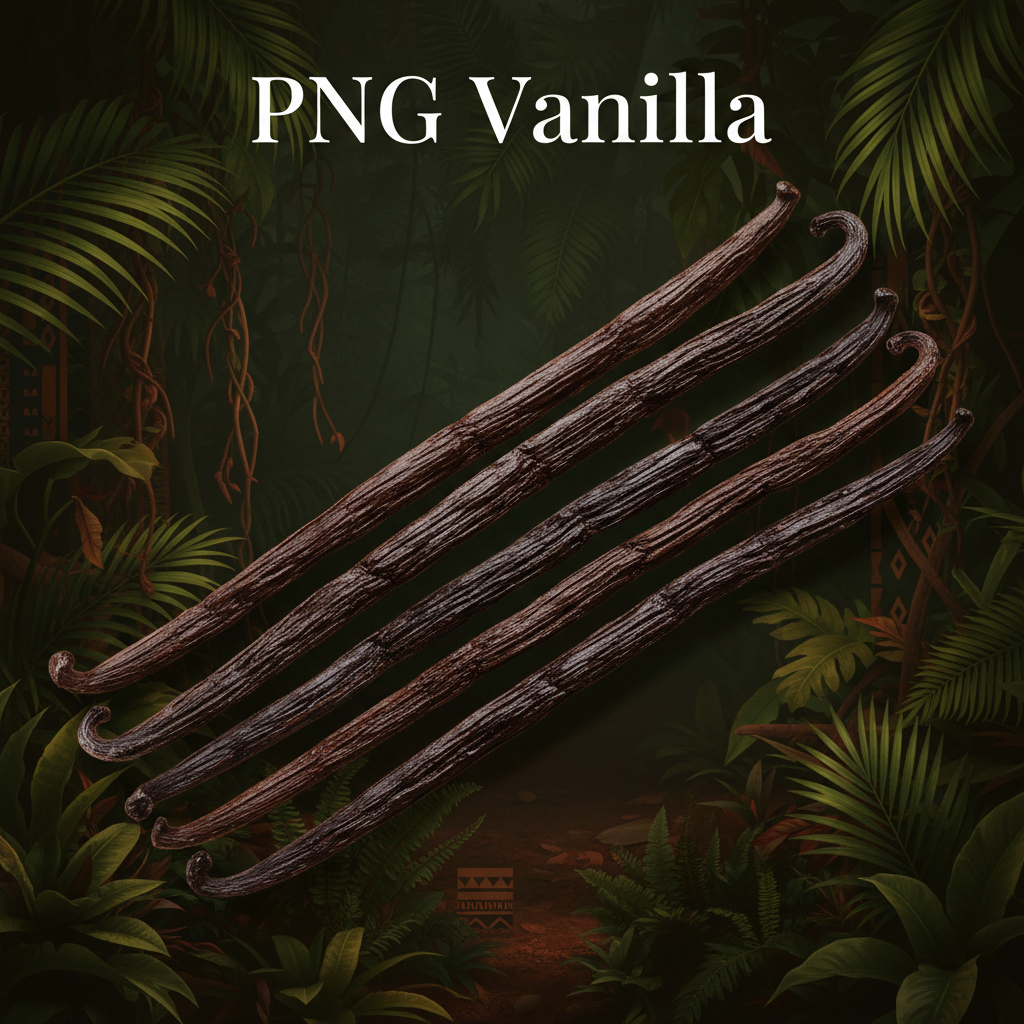
Vanilla pompona — sometimes called "Vanillon" or "West Indian vanilla" — is the most visually dramatic vanilla species you'll ever encounter. Grown in the southern Mexican state of Oaxaca, these beans are significantly wider and shorter than planifolia pods, with a thick, fleshy structure and an extraordinarily high seed content. They are among the most underutilized vanilla varieties in the world, and among the most rewarding to work with.
Flavor Profile: Rich, buttery, and deeply sweet with prominent notes of caramel, dried fruit, and a warm, almost rum-like complexity. Pompona has a lower vanillin content than planifolia but compensates with a broader, more layered aromatic profile that is uniquely its own. The flavor is bold without being sharp — indulgent, warm, and deeply satisfying.
Appearance: Short, wide, and thick — often described as "fat" compared to the slender planifolia pod. Dark brown with a slightly rough exterior and an exceptionally high seed-to-pod ratio. One pompona pod contains more seeds than several planifolia beans.
Best Uses: Outstanding in rich, indulgent applications — caramel sauces, butterscotch, rum cakes, bread pudding, and any dessert where a warm, complex vanilla with caramel and dried fruit notes will shine. The high seed content makes it especially prized for vanilla bean paste and any recipe where visible vanilla specks are desirable.
In the Glass: Pairs magnificently with dark rum or brandy, where its caramel and dried fruit notes harmonize with the spirit's natural sweetness. Allow 18 months to 2 years for a fully developed dark spirit extract.
→ Shop The Oaxaca — Mexican V. pompona Vanilla Beans (Grade A)
Side-by-Side Comparison
| Veracruz (V. planifolia) | Puebla (V. cribbiana) | Oaxaca (V. pompona) | |
| Flavor | Bold, spicy, earthy | Delicate, floral, fruity | Buttery, caramel, dried fruit |
| Intensity | High | Subtle | Medium-high |
| Pod Shape | Long, slender, dark | Thin, lighter, delicate | Short, wide, thick |
| Best Spirit | Bourbon, dark rum | Vodka | Dark rum, brandy |
| Best Applications | Chocolate, spiced baking | Custards, light pastries | Caramel, rum cake, paste |
| Rarity | Widely available | Very rare | Uncommon |
Which Mexican Vanilla Is Right for You?
The answer depends entirely on what you're making — and what kind of vanilla experience you're after.
- If you want the classic, bold Mexican vanilla that has defined the flavor for generations, The Veracruz is your bean.
- If you want to explore something rare and delicate — a Mexican vanilla that surprises with its floral elegance — The Puebla is unlike anything else you'll find.
- If you want maximum seed content, caramel complexity, and a warm, indulgent extract with serious depth, The Oaxaca is the one to reach for.
Or try all three. Blend them. Make separate extracts and compare them side by side. That's the beauty of working with real, single-origin vanilla beans — the exploration never ends.
A Final Note on Mexican Vanilla's Legacy
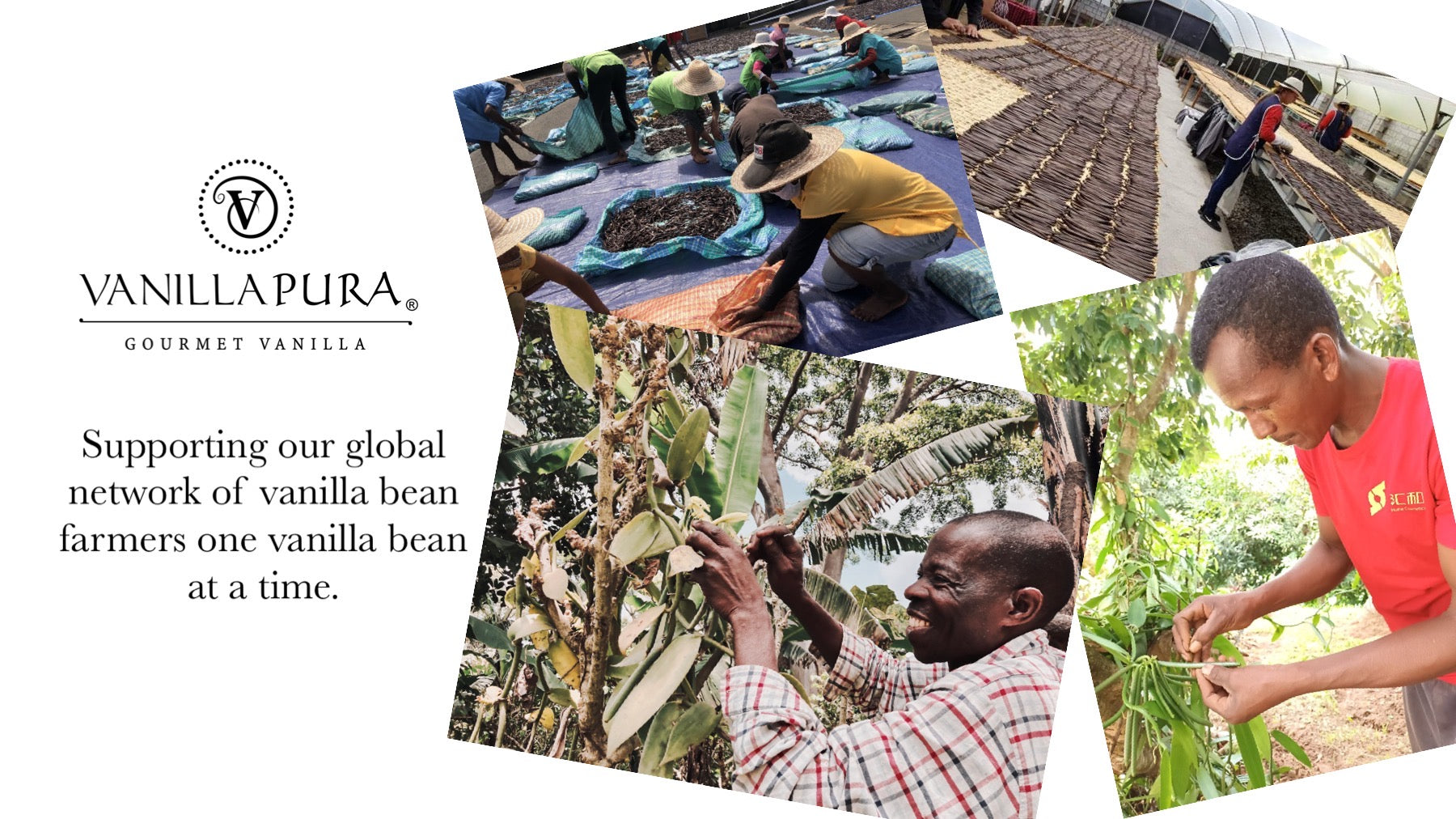
Mexico gave vanilla to the world. The least we can do is honor that gift by seeking out the real thing — whole beans, known origins, and the patience to let them express themselves fully. Whether you're drawn to the bold tradition of Veracruz, the rare elegance of Puebla, or the exotic richness of Oaxaca, you're participating in a culinary tradition that stretches back centuries.
Happy Extracting!