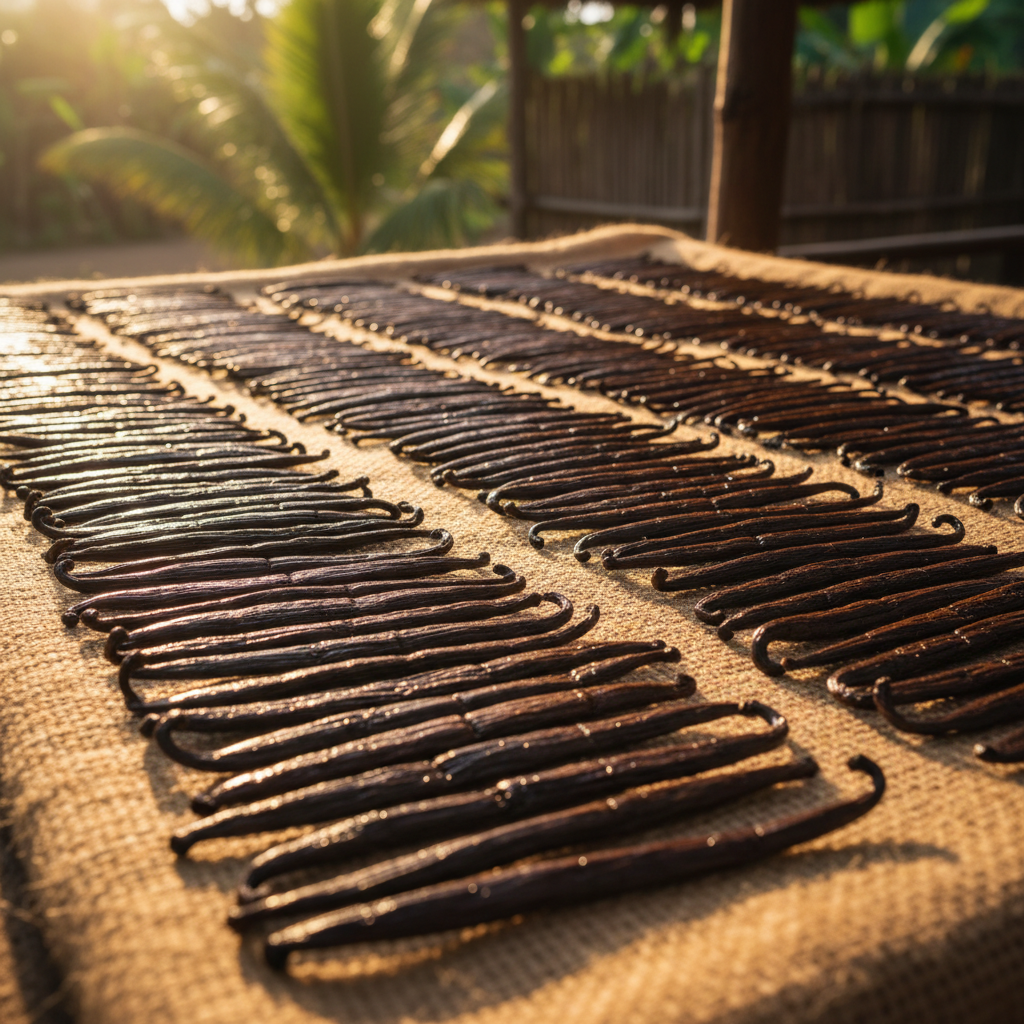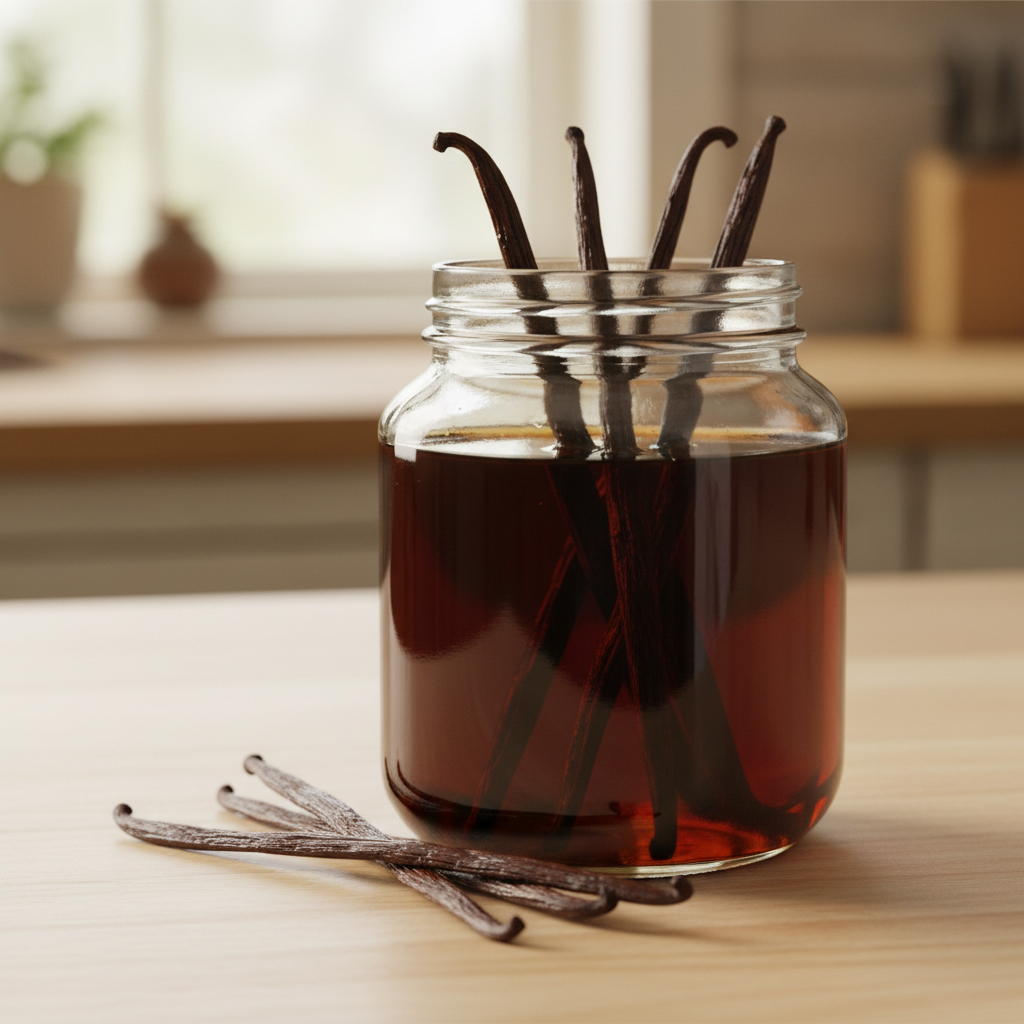

Vanilla extract is one of the most used ingredients in the home kitchen — and one of the most misunderstood. Most people reach for a small brown bottle at the grocery store without a second thought. But what's actually inside that bottle, where did the vanilla come from, and are you getting real value for your money? The answer to all three questions might surprise you. Making your own vanilla extract at home is simpler than you think, significantly more affordable over time, and produces a product that is genuinely superior to almost anything you can buy off a shelf.
What Is Vanilla Extract — and What Should It Be?
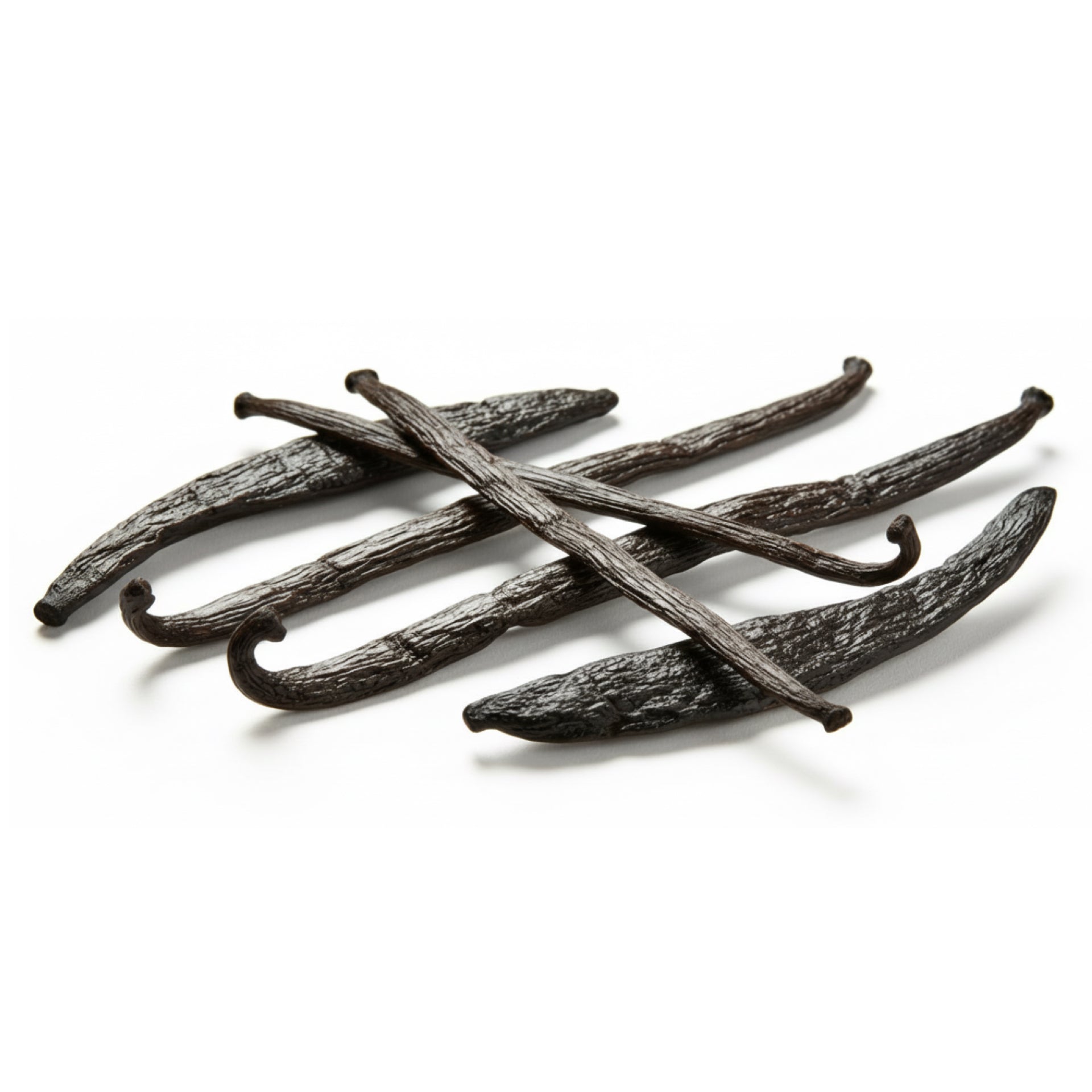
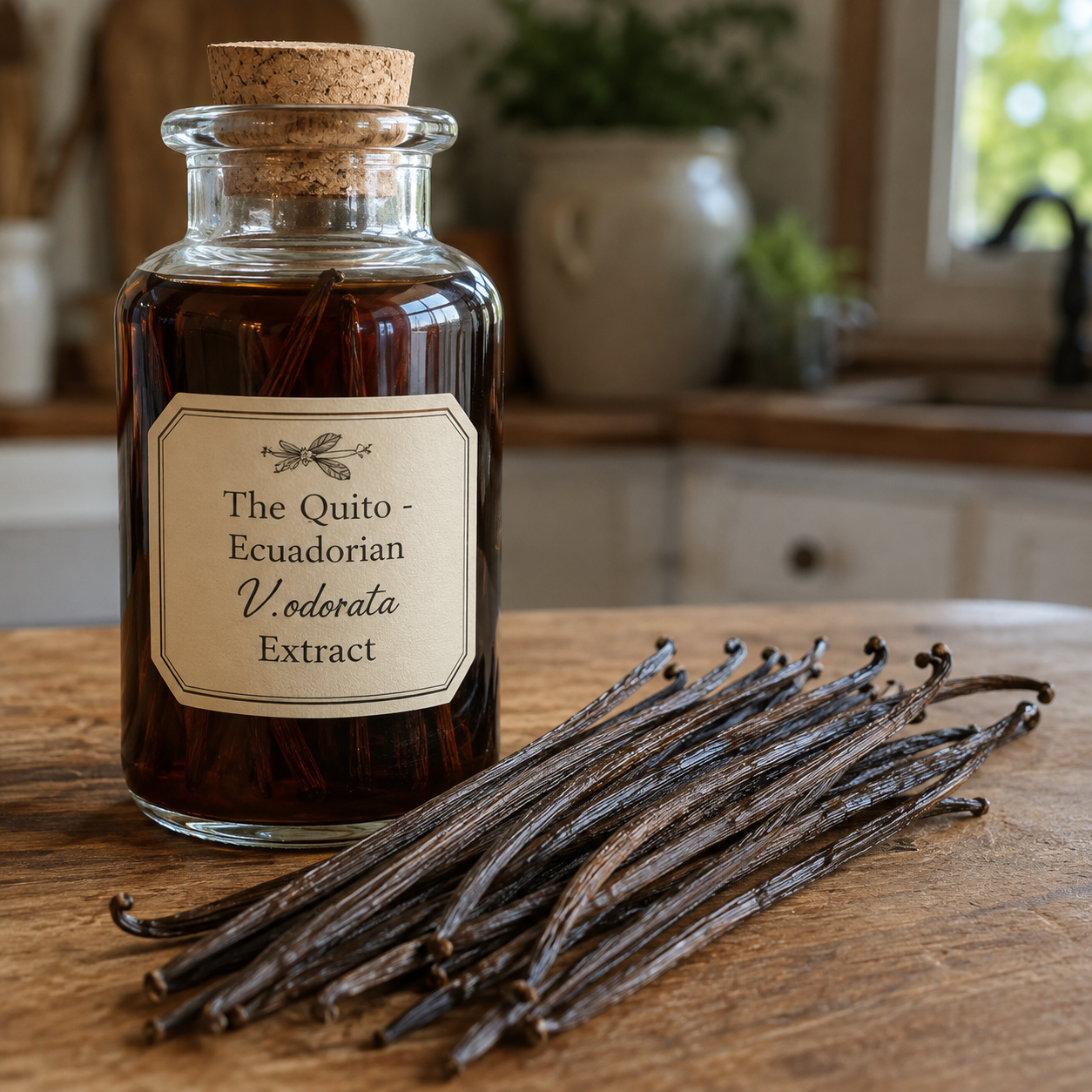
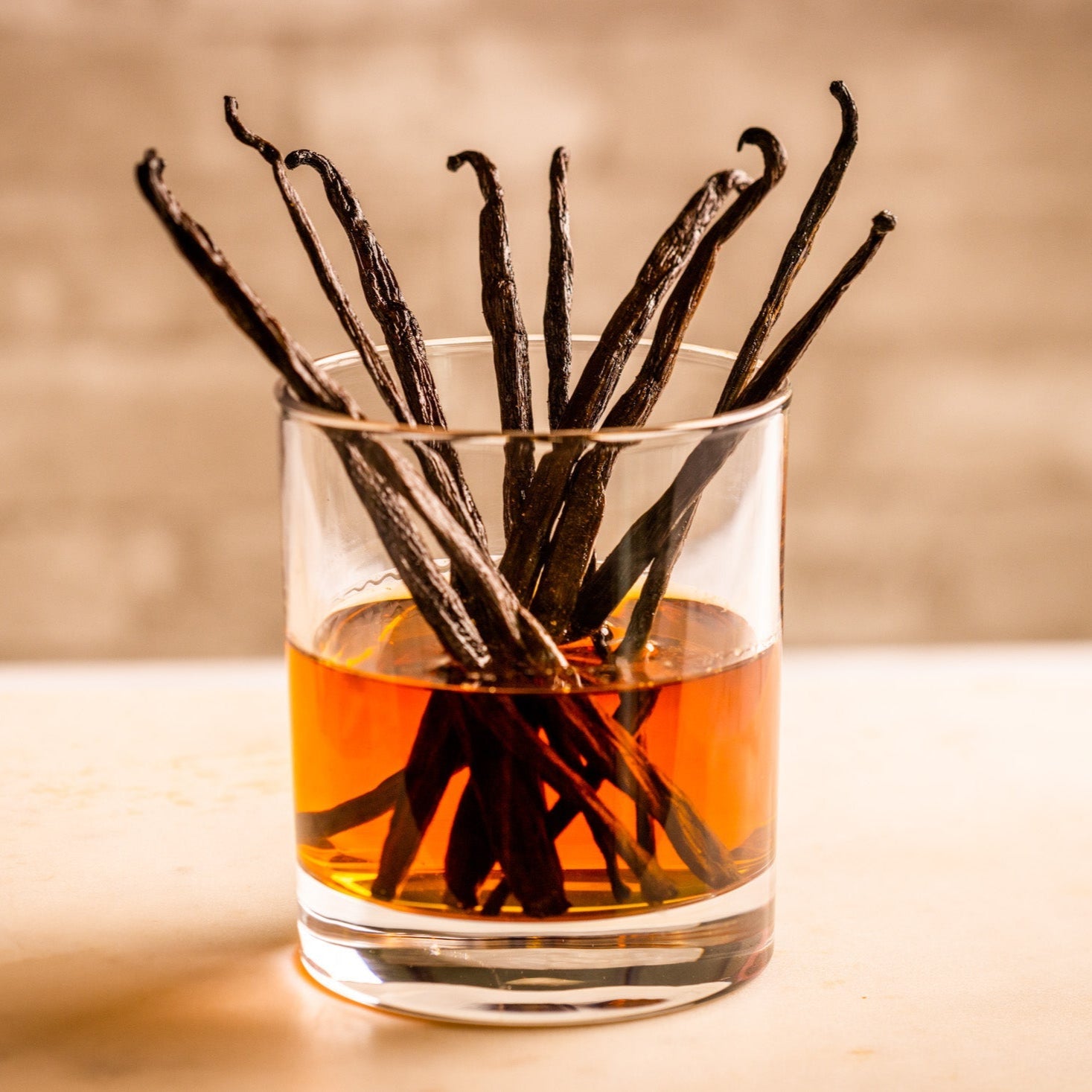
True vanilla extract is made from just two ingredients: vanilla beans and alcohol. The FDA requires that pure vanilla extract contain a minimum of 35% alcohol and be made from at least 13.35 ounces of vanilla beans per gallon of liquid. That's it. No additives, no sweeteners, no artificial flavors — just beans and spirit, time and patience.
What you get from that process is a complex, aromatic liquid packed with vanillin and hundreds of other flavor compounds that develop slowly as the beans steep. The result is something no factory can fully replicate.
The Problem with Store-Bought Vanilla Extract
Walk down the baking aisle and you'll find a wide range of vanilla extract options — but most of them have serious shortcomings:
- Imitation vanilla extract is made from synthetic vanillin, often derived from wood pulp or petrochemicals. It mimics one compound in vanilla while missing the hundreds of others that give real vanilla its depth and complexity. It's cheap for a reason.
- "Pure" vanilla extract at the grocery store is often made from the lowest-cost beans available, processed quickly and at scale. The flavor is flat compared to a slow-steeped homemade extract.
- No origin transparency. Most commercial extracts don't tell you where the beans came from, what species they are, or how they were cured. You have no idea what you're actually buying.
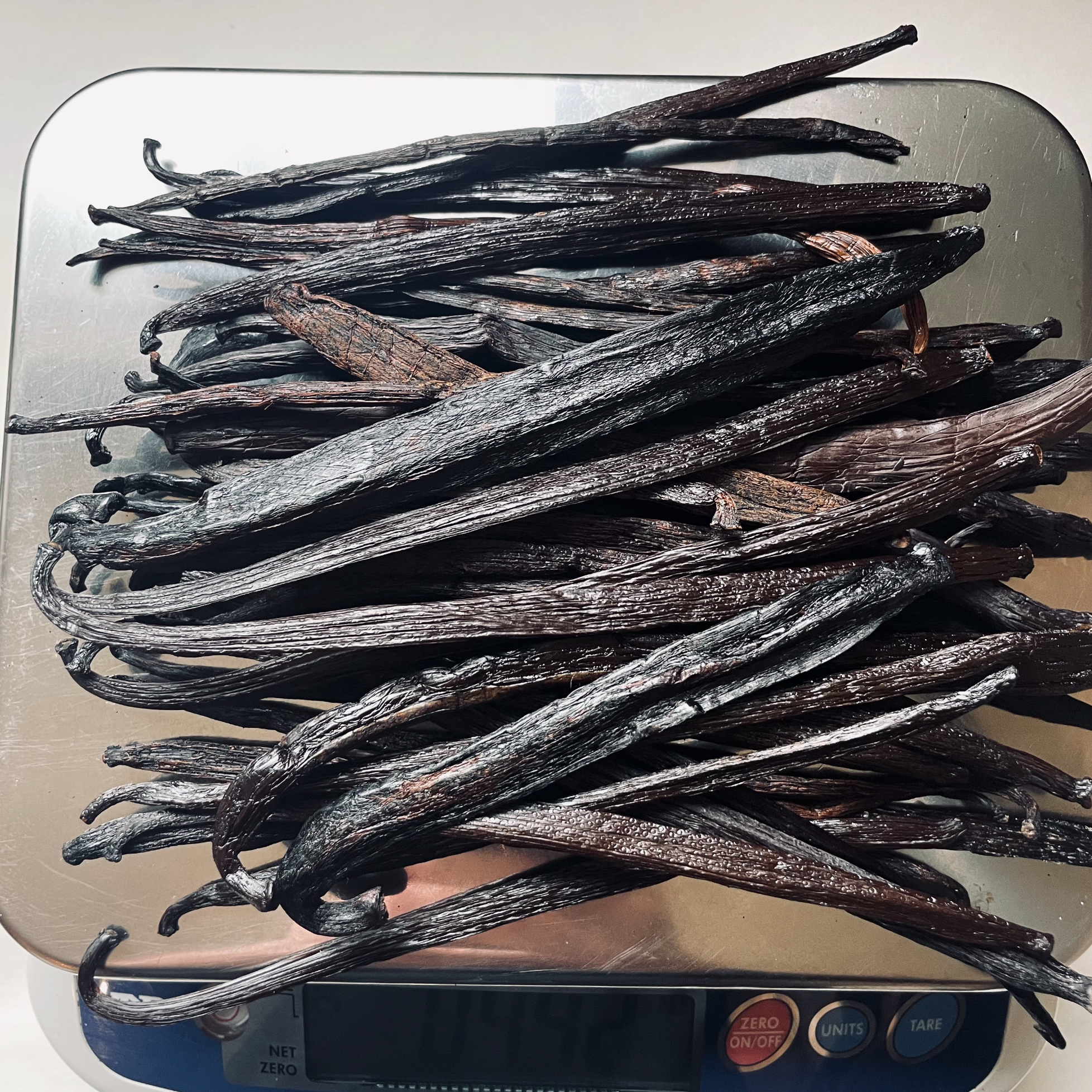
- Poor value at scale. A 4oz bottle of decent pure vanilla extract can cost $15–$25. A pound of quality vanilla beans can make many times that volume of extract — at a fraction of the per-ounce cost.
- Additives and sweeteners. Many commercial extracts — even some labeled "pure" — contain added sugar, corn syrup, caramel color, or glycerin to improve appearance and mouthfeel.
Why Homemade Vanilla Extract Is Better
When you make your own vanilla extract, you control every variable. The beans, the spirit, the ratio, the aging time — all of it is in your hands. And that control produces a dramatically better product.
You Choose the Beans — and the Flavor
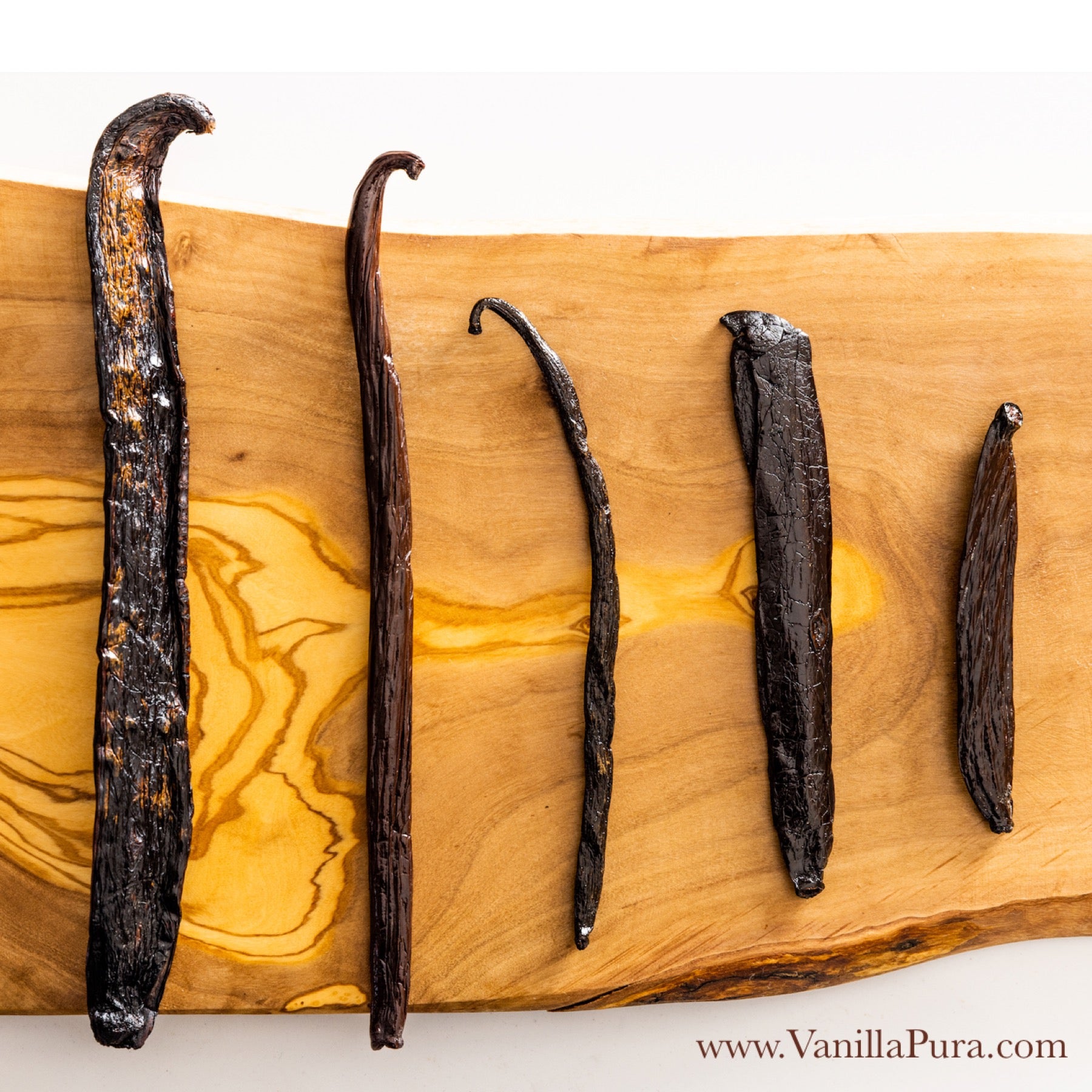
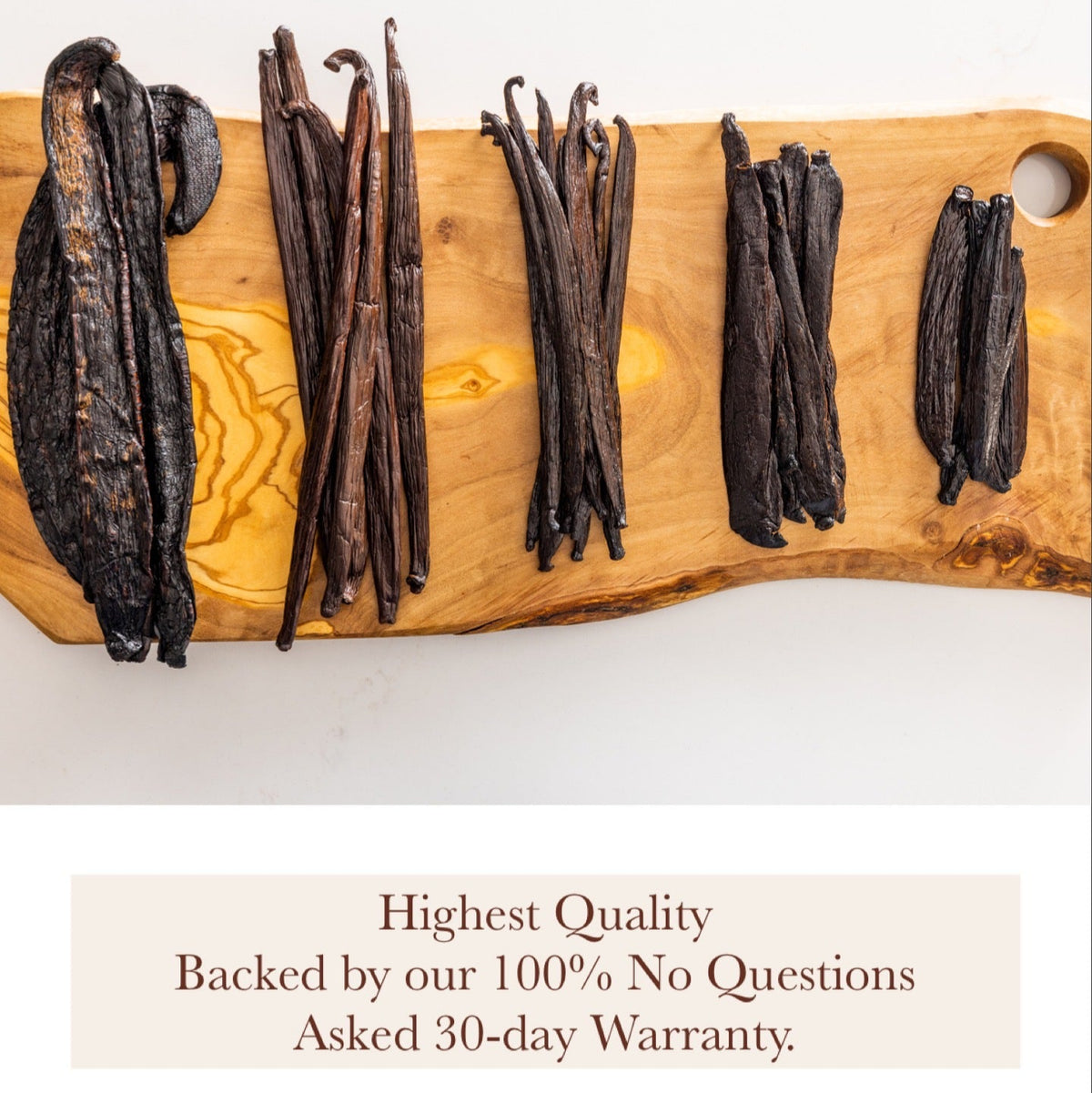
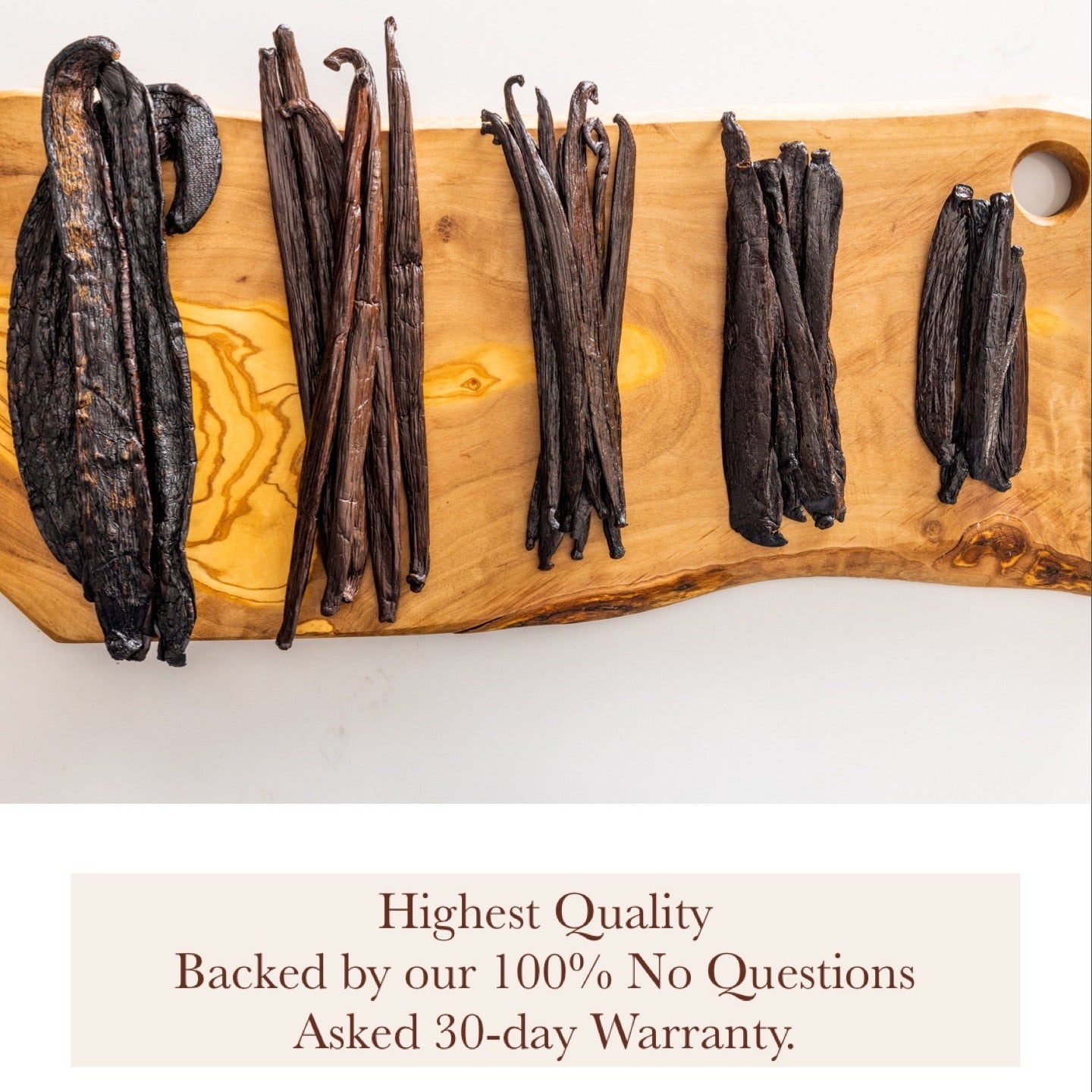
Different vanilla bean origins produce completely different flavor profiles, and homemade extract lets you explore all of them — or blend them to create something entirely your own.
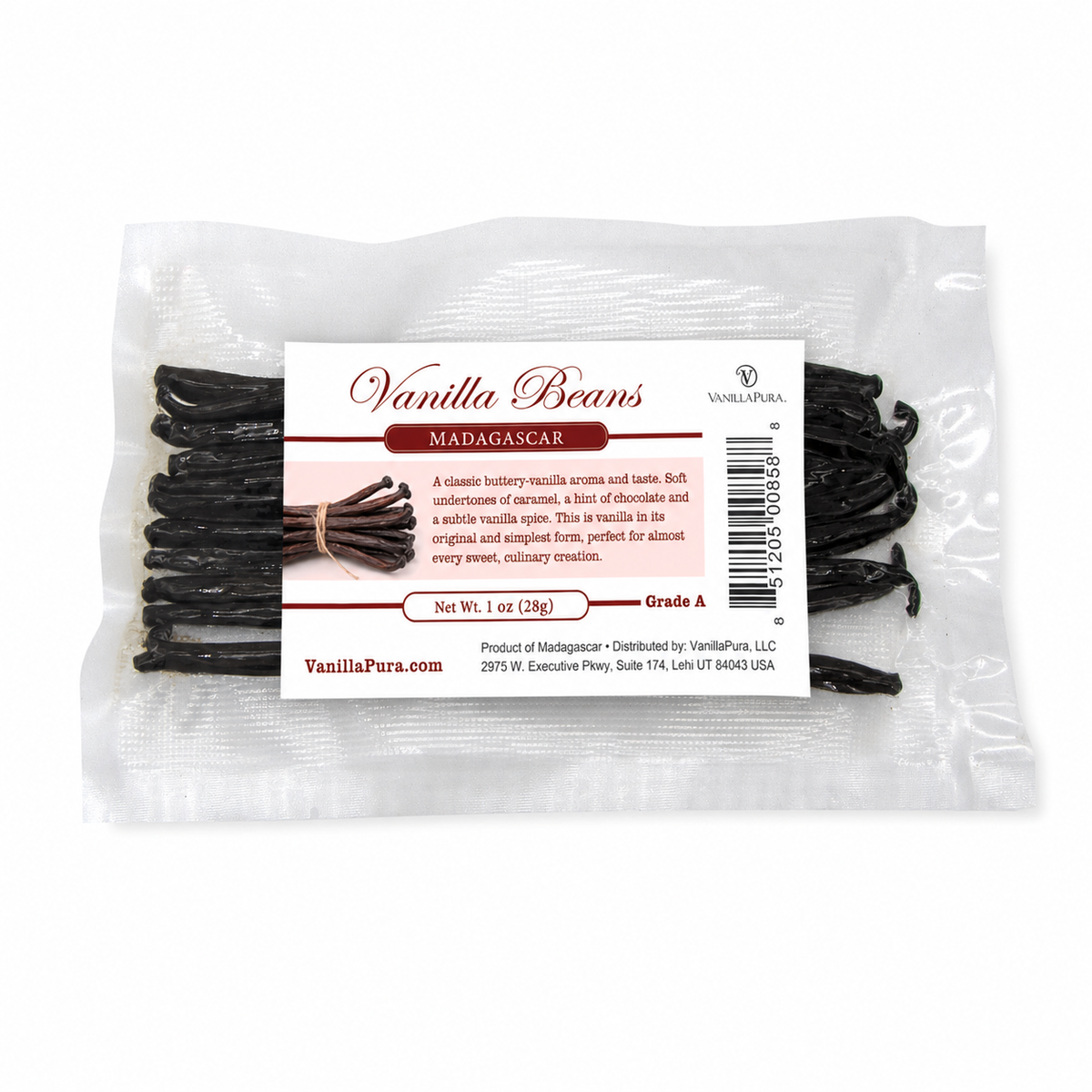
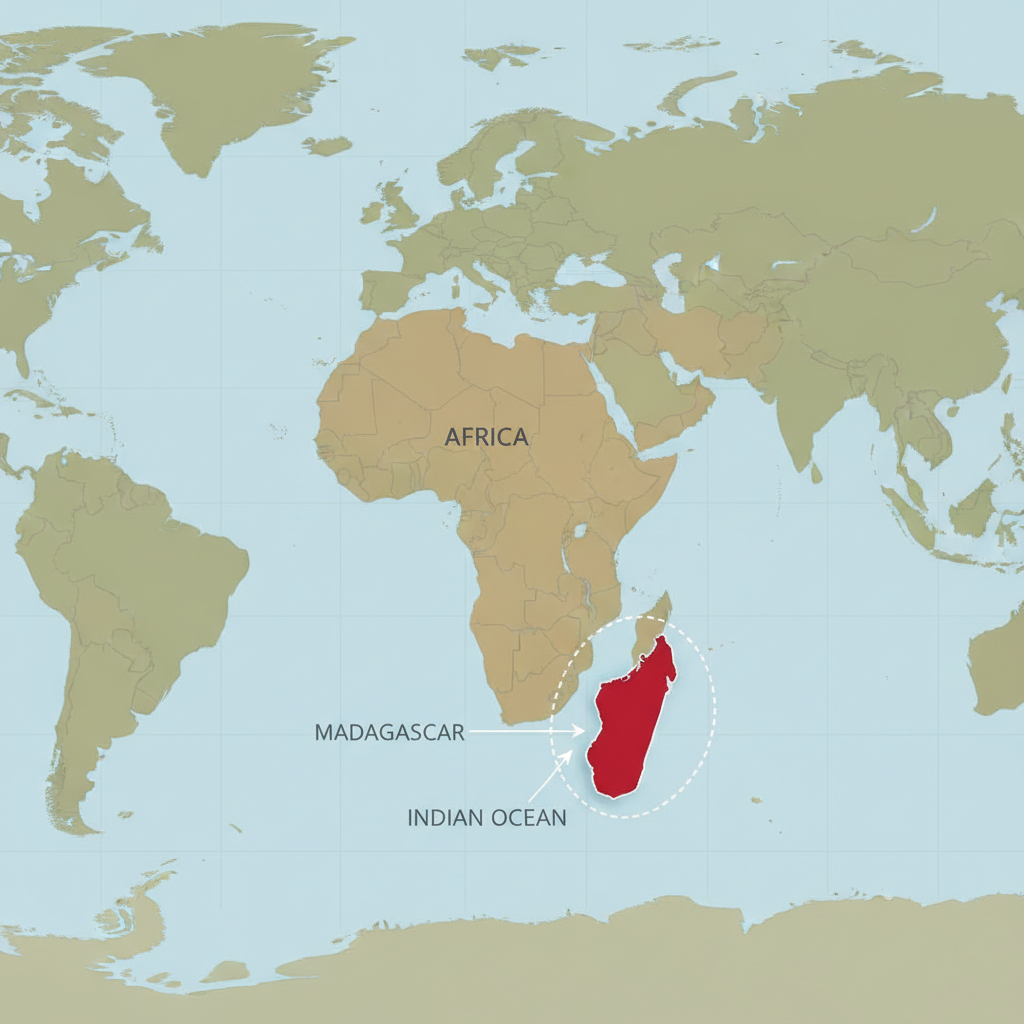
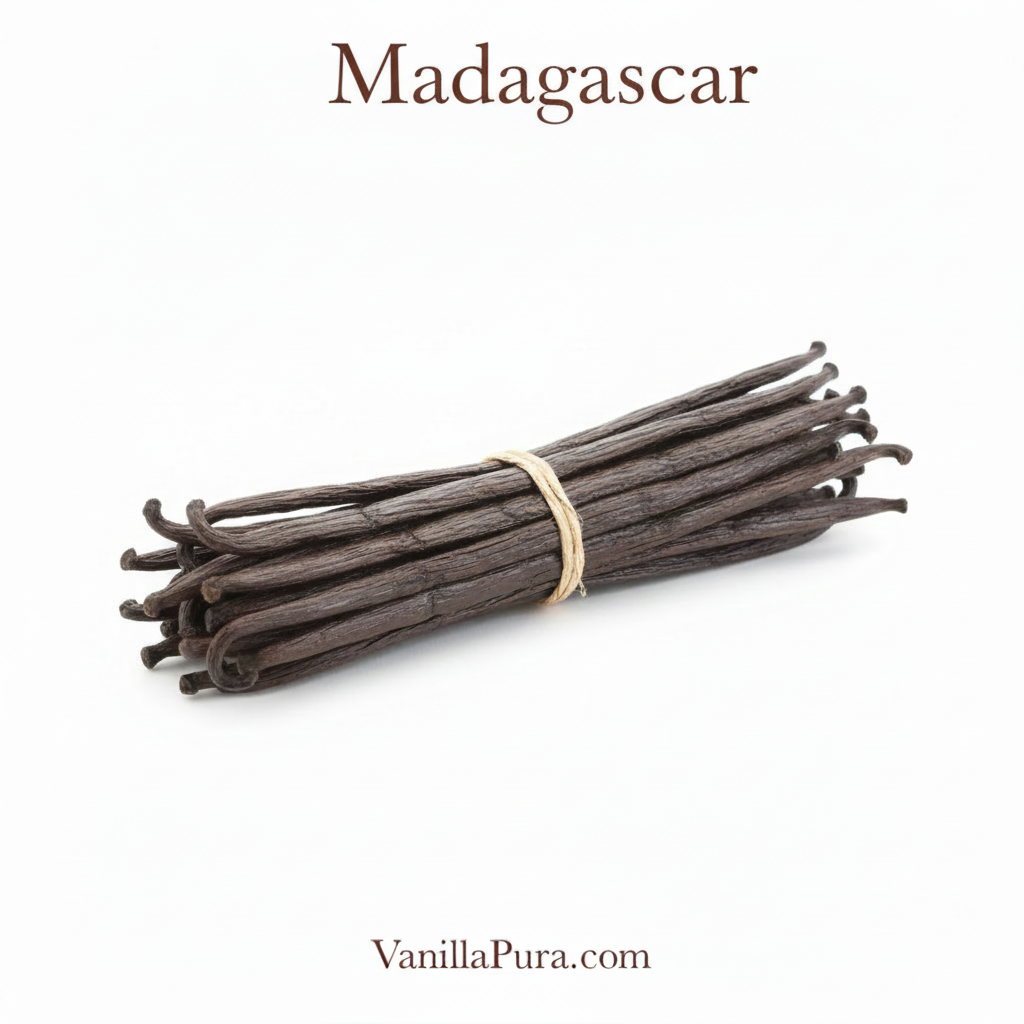
- Madagascar: The gold standard. Buttery, creamy, and classically rich — the vanilla flavor most people grew up with. Makes a universally loved extract that works in any recipe.
- Tahitian (French Polynesia): Floral, fruity, and cherry-forward with a delicate anise note. Produces an extract with an exotic, perfumed quality that is stunning in ice creams, custards, and light pastries.
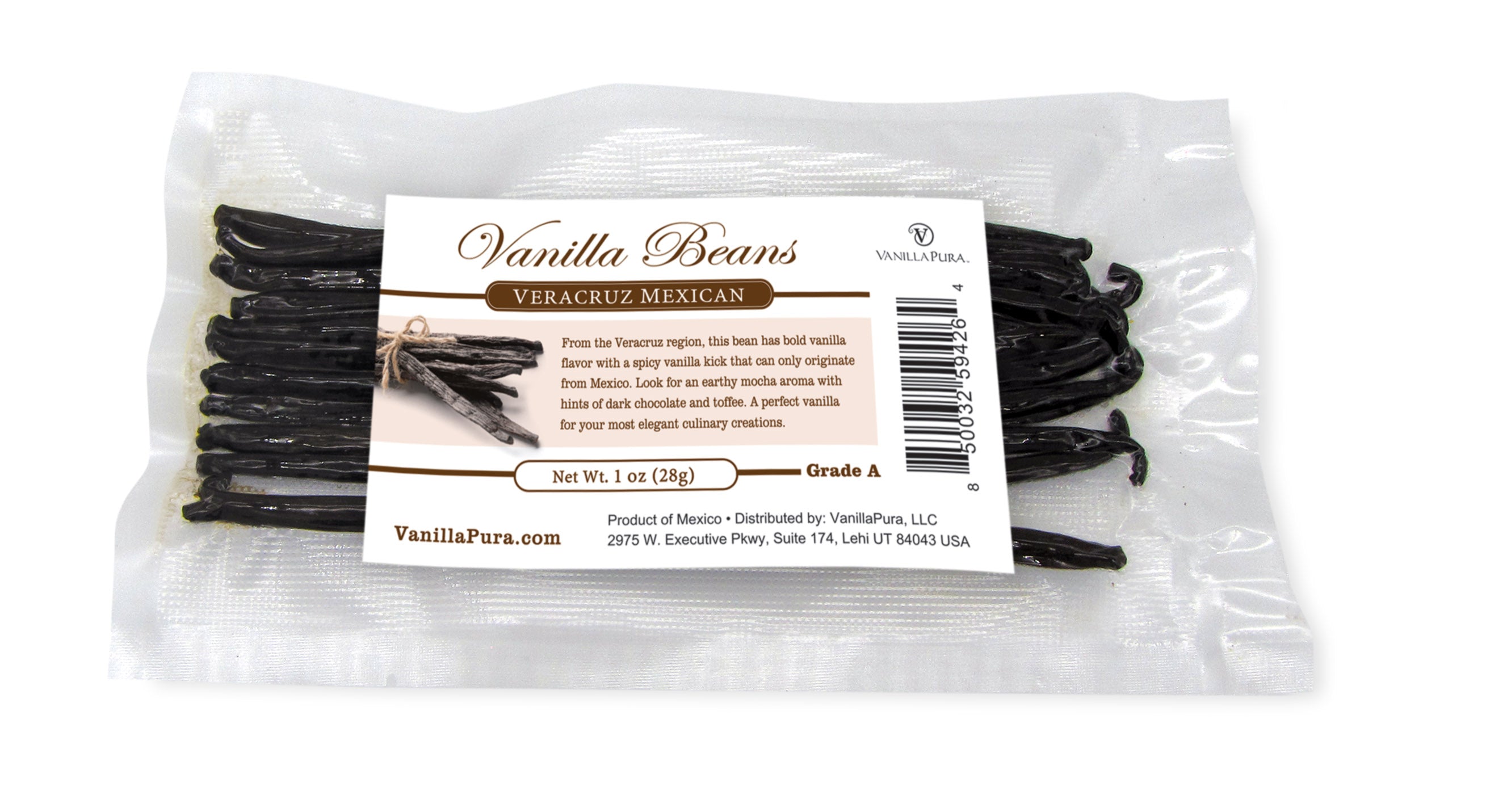
- Mexican: Bold, spicy, and deeply aromatic with hints of cinnamon and clove. Adds warmth and complexity to chocolate desserts, holiday baking, and anything with warm spices.
- Indonesian/Sumatra: Earthy, smoky, and rich with mocha and dark chocolate undertones. A sophisticated extract that pairs beautifully with coffee-based desserts and dark chocolate applications.
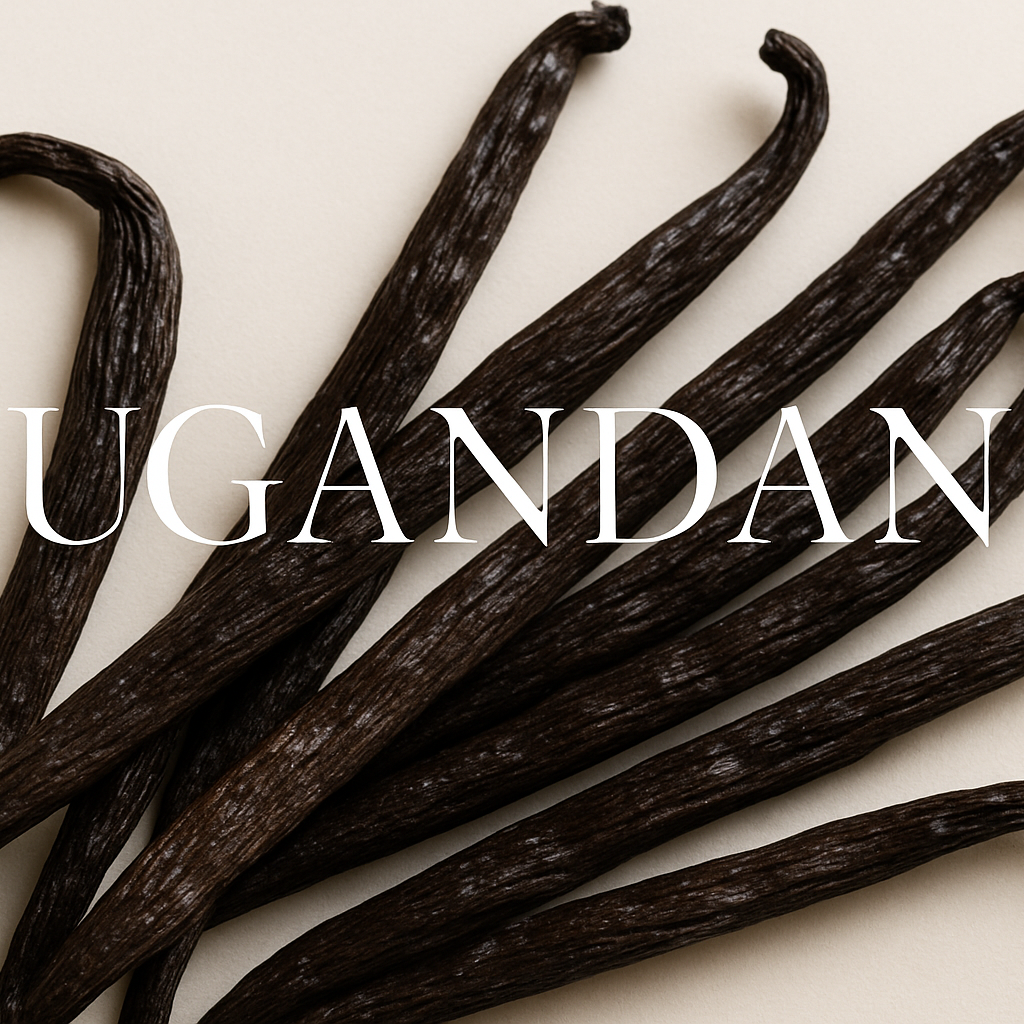
- Ugandan: Sweet and fruity with notes of fig and dried fruit. Bright and jammy — wonderful in fruit-forward desserts and baked goods.
- Comoros: Deep, buttery sweetness with notes of dark chocolate, caramel, and marshmallow. One of the most indulgent vanilla profiles in the world.
No store-bought extract gives you this kind of choice. Most commercial products use a single, undisclosed origin — usually whatever was cheapest at the time of production.
You Choose the Spirit
The alcohol you use is the second major flavor variable in homemade vanilla extract — and it matters enormously.
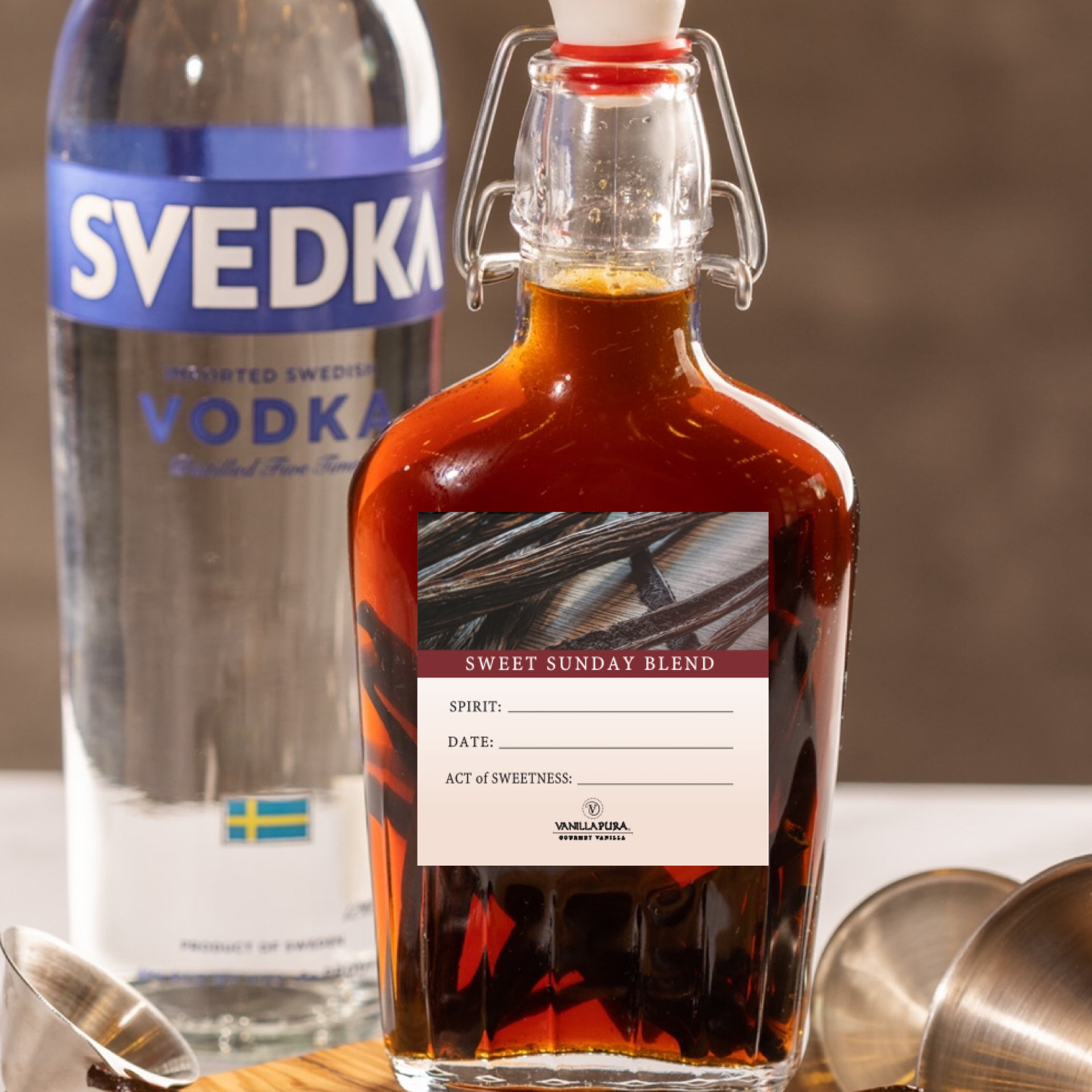
- Vodka: The most neutral choice. A clean vodka lets the vanilla beans speak without interference, producing a bright, pure extract with exceptional clarity of flavor. The go-to for bakers who want vanilla front and center.
- Bourbon: Adds caramel, toasted oak, and a natural vanilla sweetness that amplifies the beans. Exceptional with Madagascar or Comoros beans. Makes a rich, full-bodied extract perfect for cookies, brownies, and custards.
- Dark Rum: Brings molasses warmth and tropical sweetness that harmonizes beautifully with the beans. Pairs especially well with Indonesian or Ugandan origins for a lush, dessert-like extract.
- Brandy or Cognac: Grape-derived elegance and dried fruit notes that mirror the complexity of Tahitian or Comoros beans. Produces an extract of extraordinary refinement — ideal for fine pastry and custard work.
- Whiskey: Malt, honey, and gentle wood spice that complement earthy, mocha-forward beans like Sumatra. Adds a subtle smokiness that makes for a deeply complex extract.
You Control the Ratio
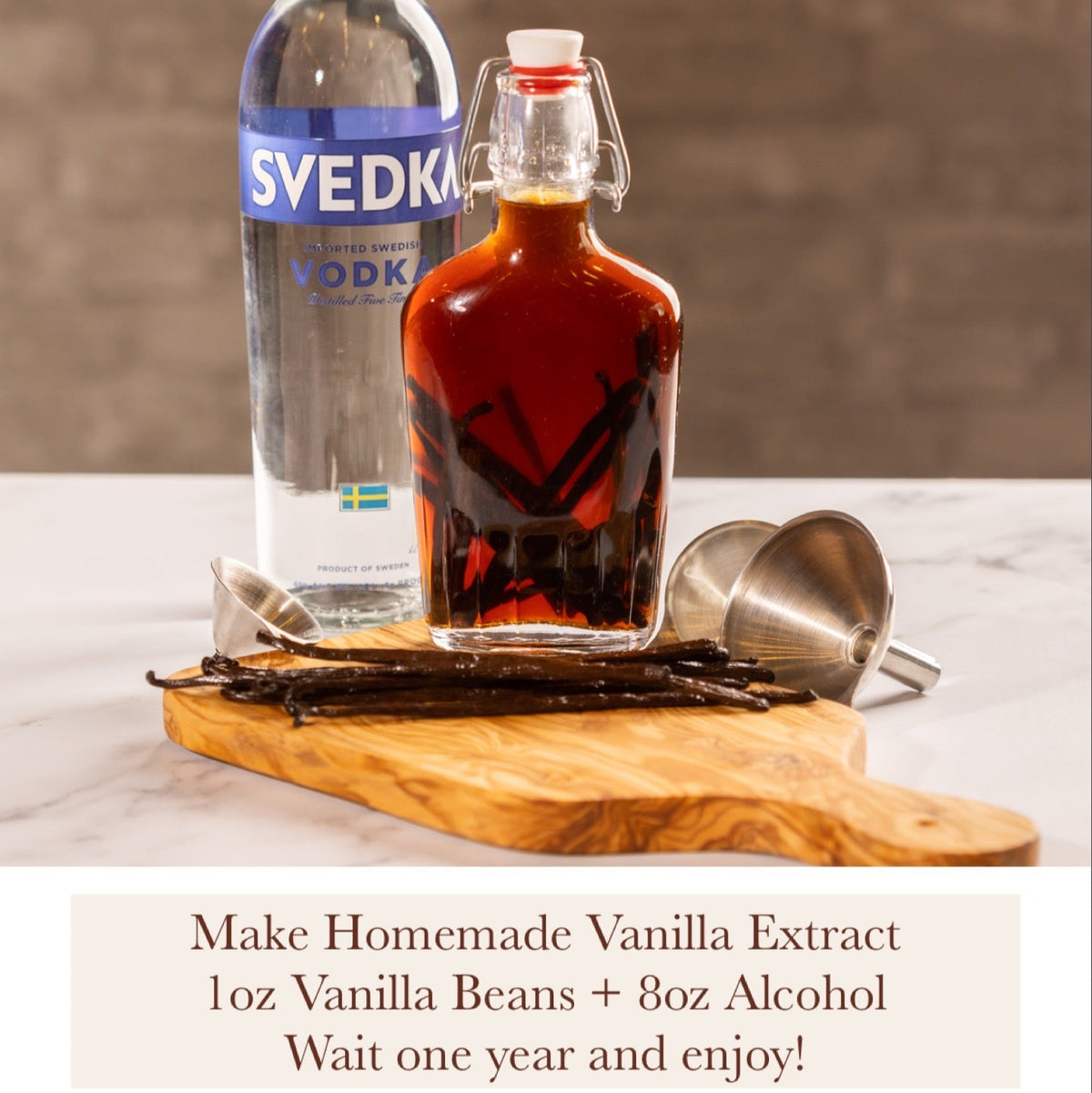
The FDA minimum is a starting point, not a ceiling. Many home extractors use a higher bean-to-alcohol ratio for a more concentrated, intensely flavored extract. A good starting point is 1oz of vanilla beans for every 8oz of alcohol — and you can adjust from there based on your preference.
You Control the Aging Time
Time is the ingredient that commercial producers can't afford to give their products. Homemade vanilla extract gets better the longer it steeps:
- Light spirits (vodka, white rum, gin): Allow up to 1 year for a fully developed, complex extract.
- Dark spirits (bourbon, dark rum, brandy, whiskey): Allow 18 months to 2 years. The interaction between the barrel-aged spirit and the bean oils takes time to fully develop — but the result is extraordinary.
No commercial extract is aged anywhere near this long. The patience you invest is directly reflected in the flavor you get out.
The Economics: Homemade Wins
Let's talk numbers. A 4oz bottle of quality store-bought pure vanilla extract typically costs $15–$25. A pound of Grade A vanilla beans — which can produce well over a gallon of extract — costs a fraction of that on a per-ounce basis when you make it yourself. The upfront investment in beans pays for itself many times over across multiple batches.
And here's the best part: you can keep topping off your extract jar. As you use extract, add more alcohol. The beans continue to give. Many home extractors run a continuous extraction for years from a single set of beans, simply refreshing the spirit as needed.
The Double Value: Extract + Paste
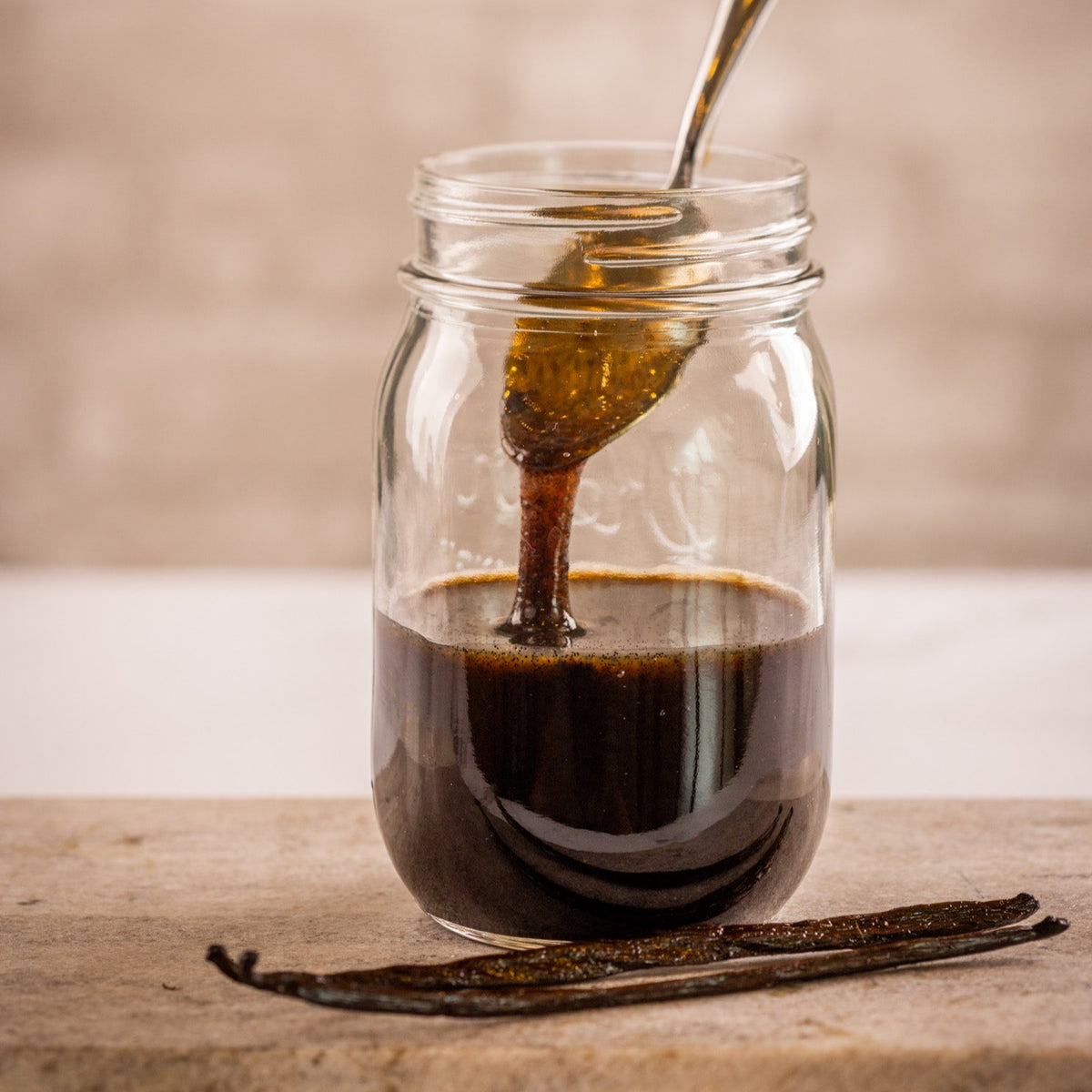
Once your vanilla beans have finished their work in the extract jar, they're not done. Spent vanilla beans — the pods left after extraction — still contain the vanilla seeds and plenty of residual flavor. They can be blended into a homemade vanilla bean paste, giving you a second premium product from the same beans you already used.
One purchase of quality vanilla beans can yield both a full batch of pure vanilla extract and a jar of homemade vanilla bean paste. That's exceptional value — and something no store-bought product can offer.
Ingredient Transparency You Can Trust
When you make your own vanilla extract, you know exactly what's in it: vanilla beans from a specific origin, a spirit you chose, and nothing else. No additives, no artificial flavors, no mystery ingredients. For anyone who cares about what goes into their food — and into the food they serve their families — that transparency is invaluable.
It Makes an Unforgettable Gift
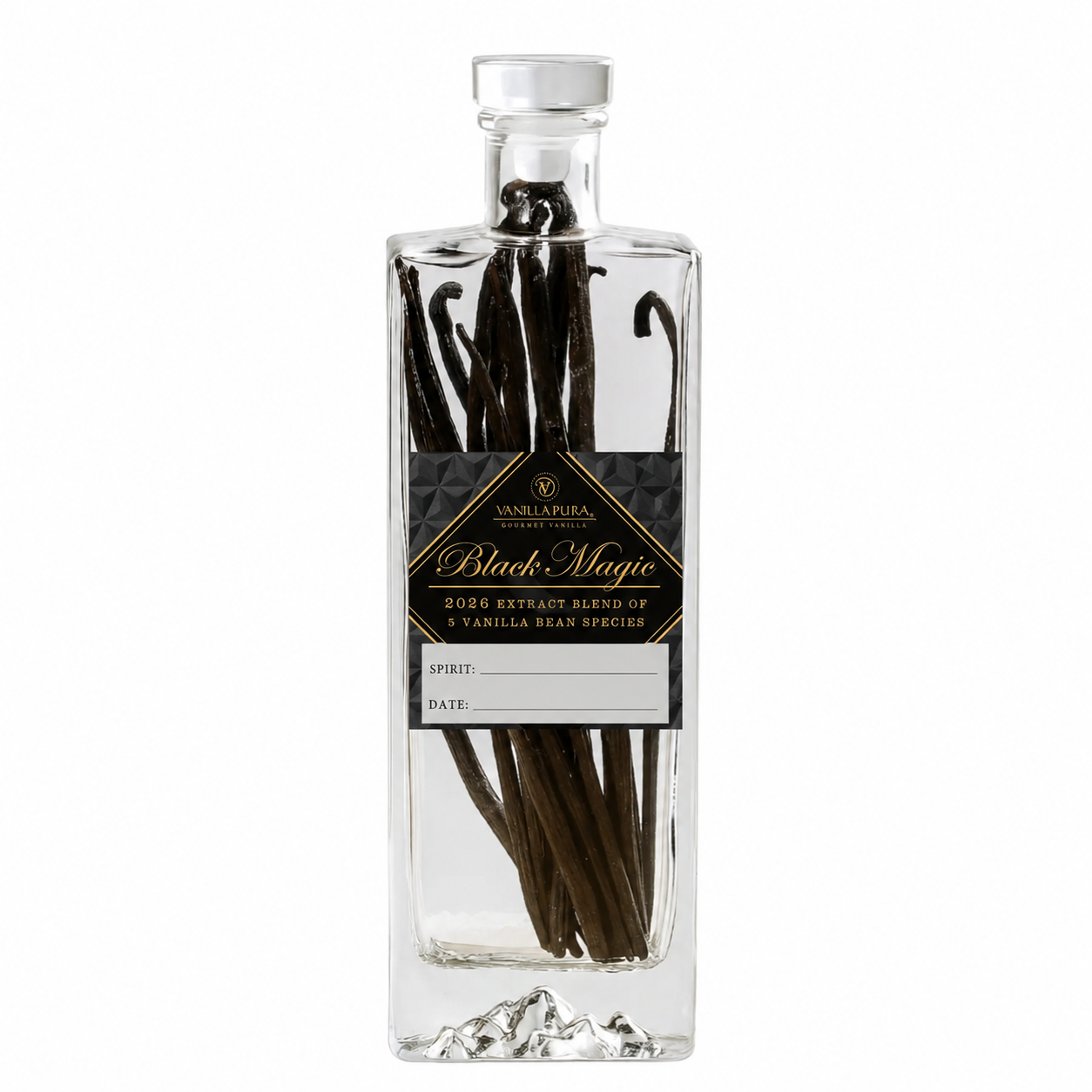
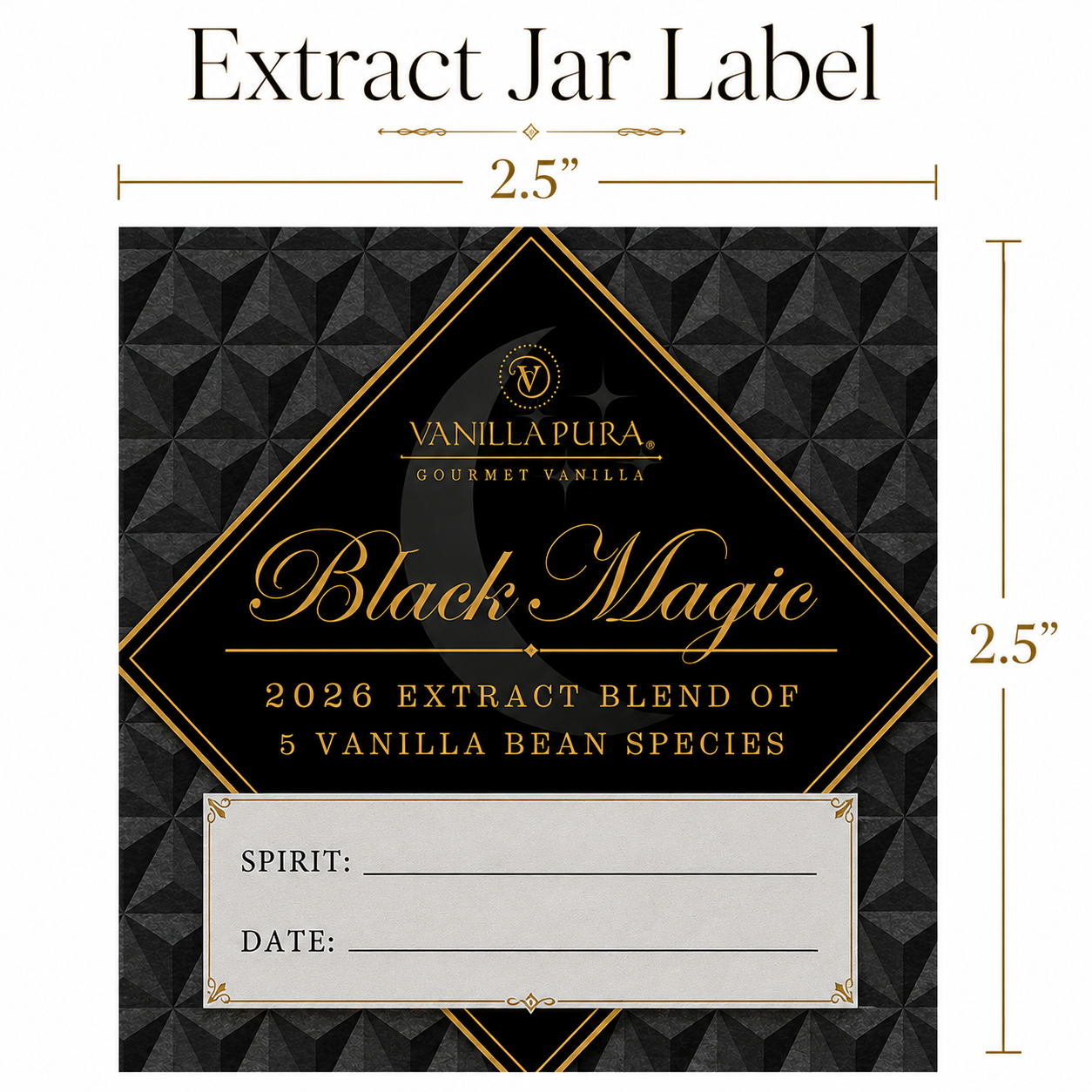
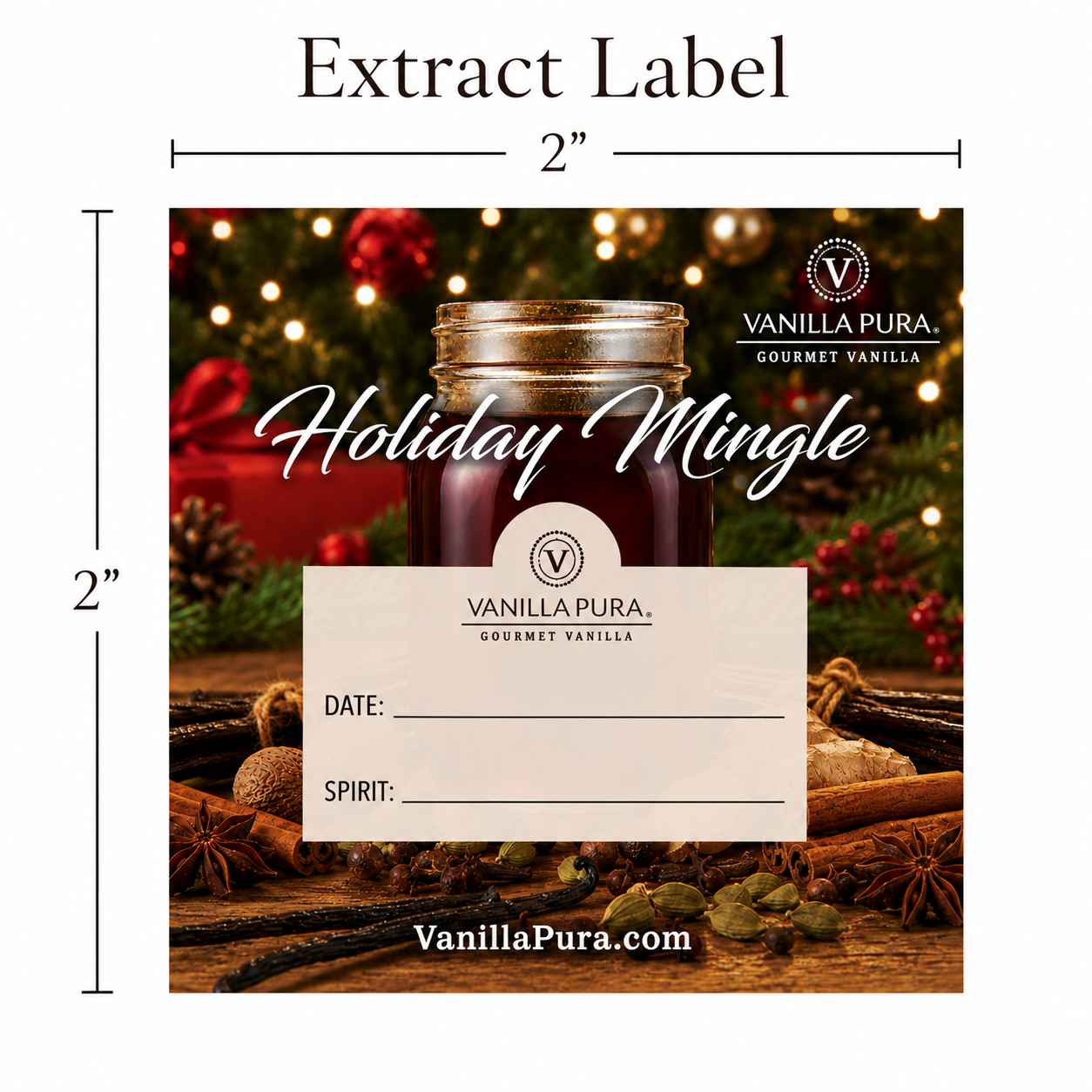
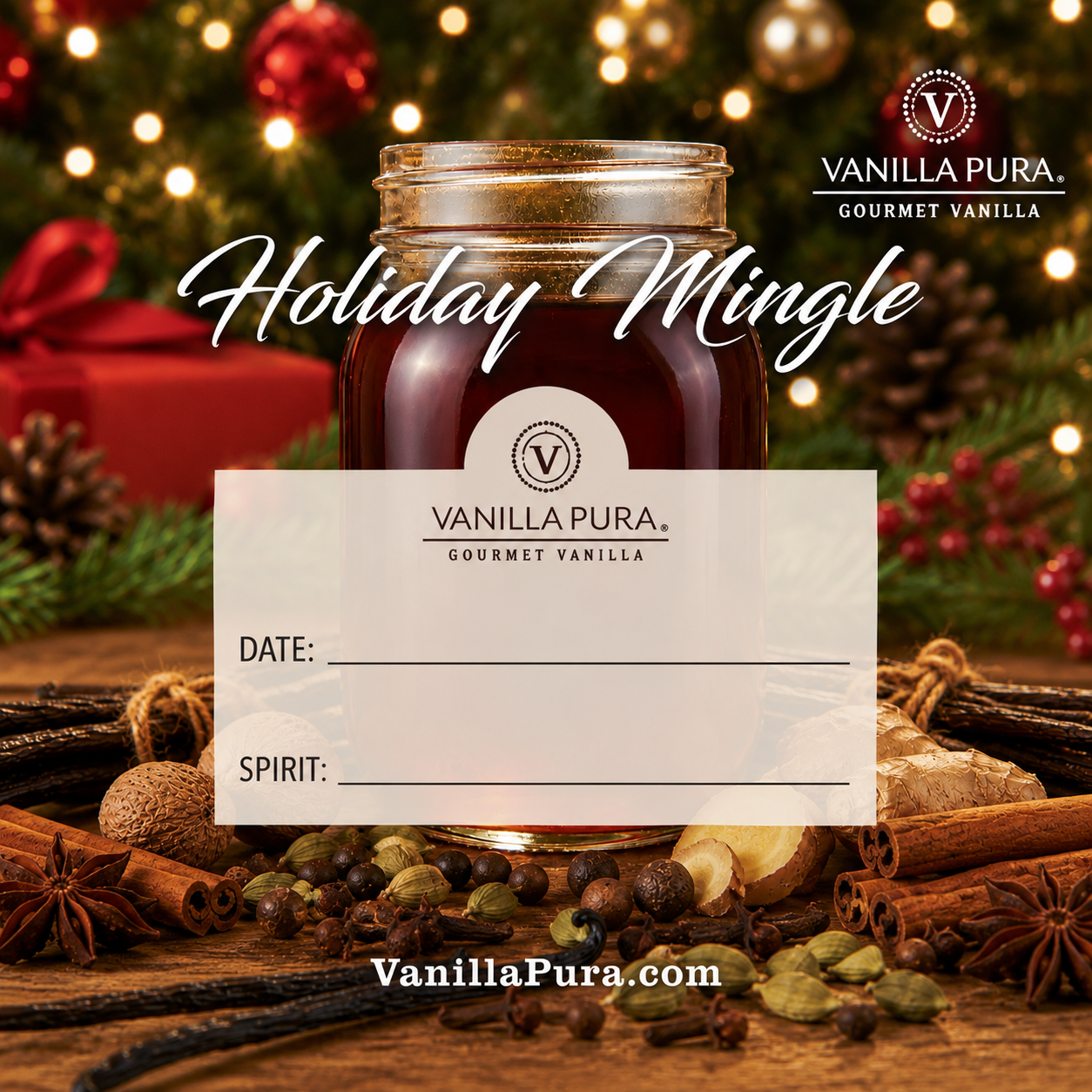
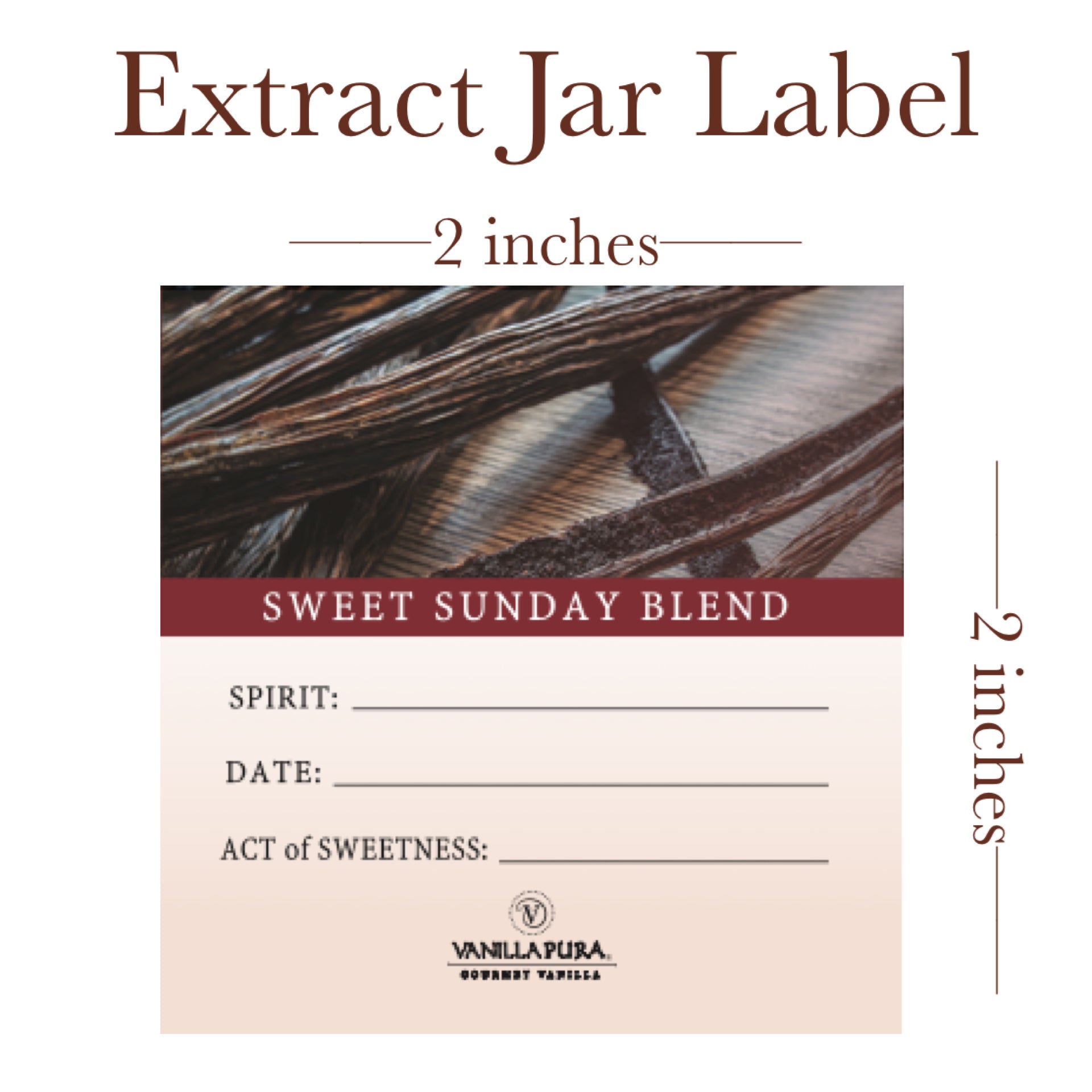
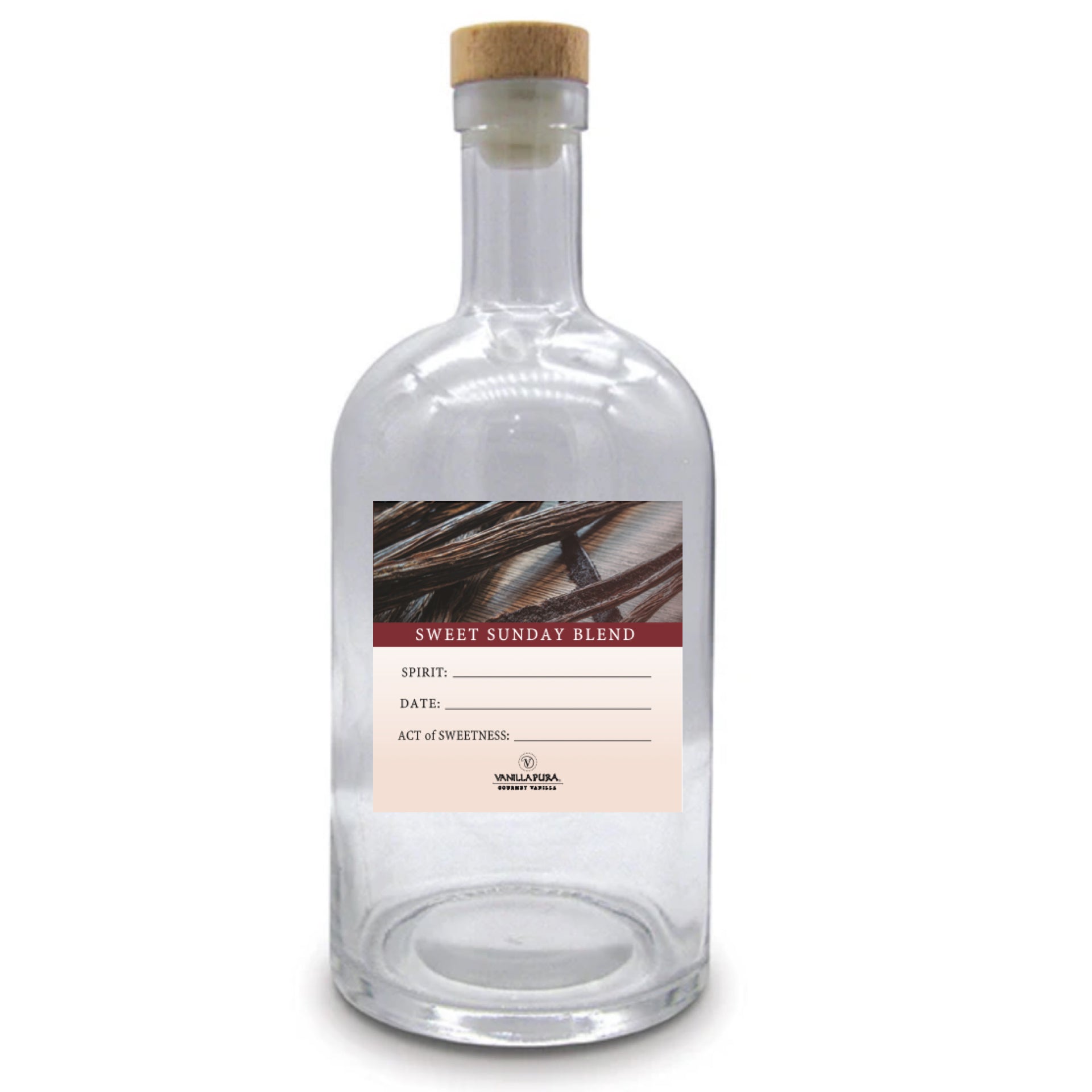
A beautifully bottled homemade vanilla extract — especially one made from single-origin or rare beans — is a gift that genuinely impresses. Label it with the bean origin, the spirit used, and the date it was started. Pair it with a jar of homemade vanilla bean paste and a handwritten note, and you have an artisan gift set that no store-bought product can come close to matching. It's personal, it's premium, and it tells a story.
How to Get Started
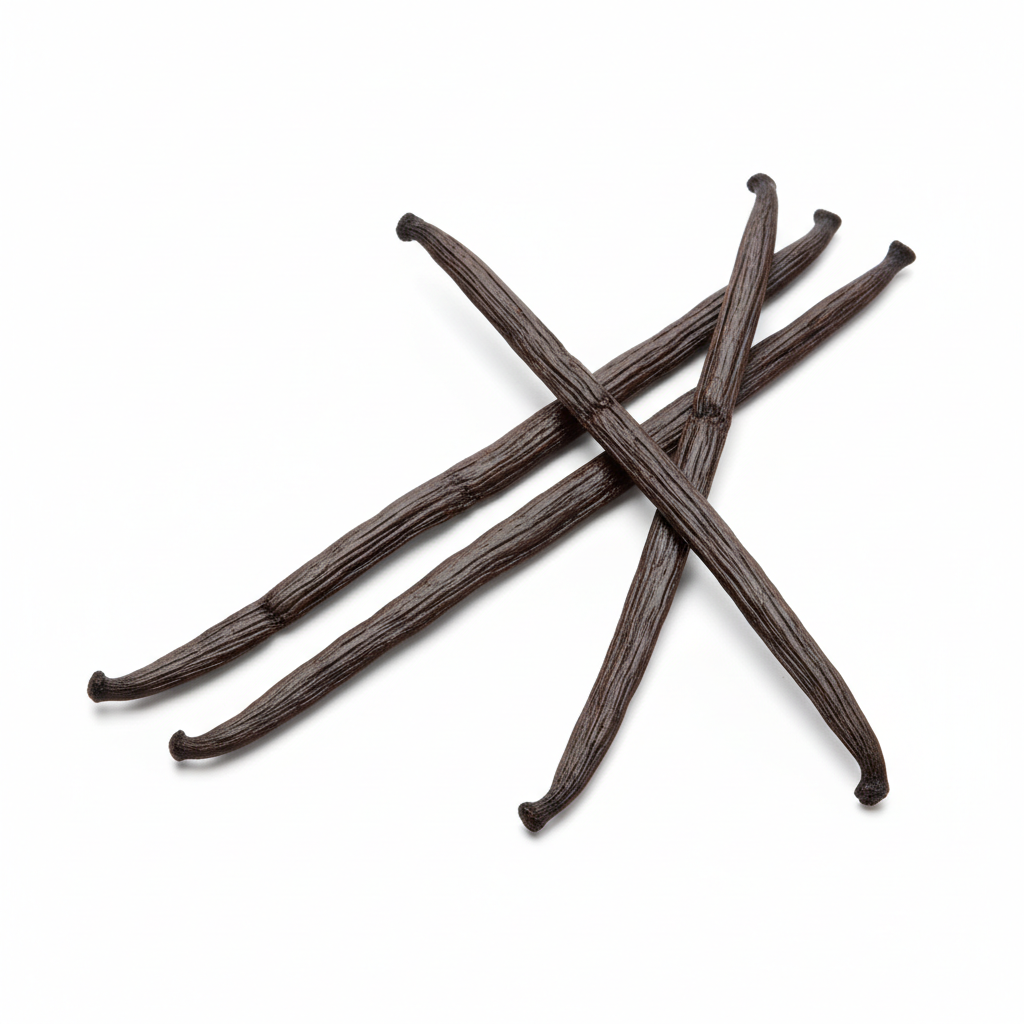
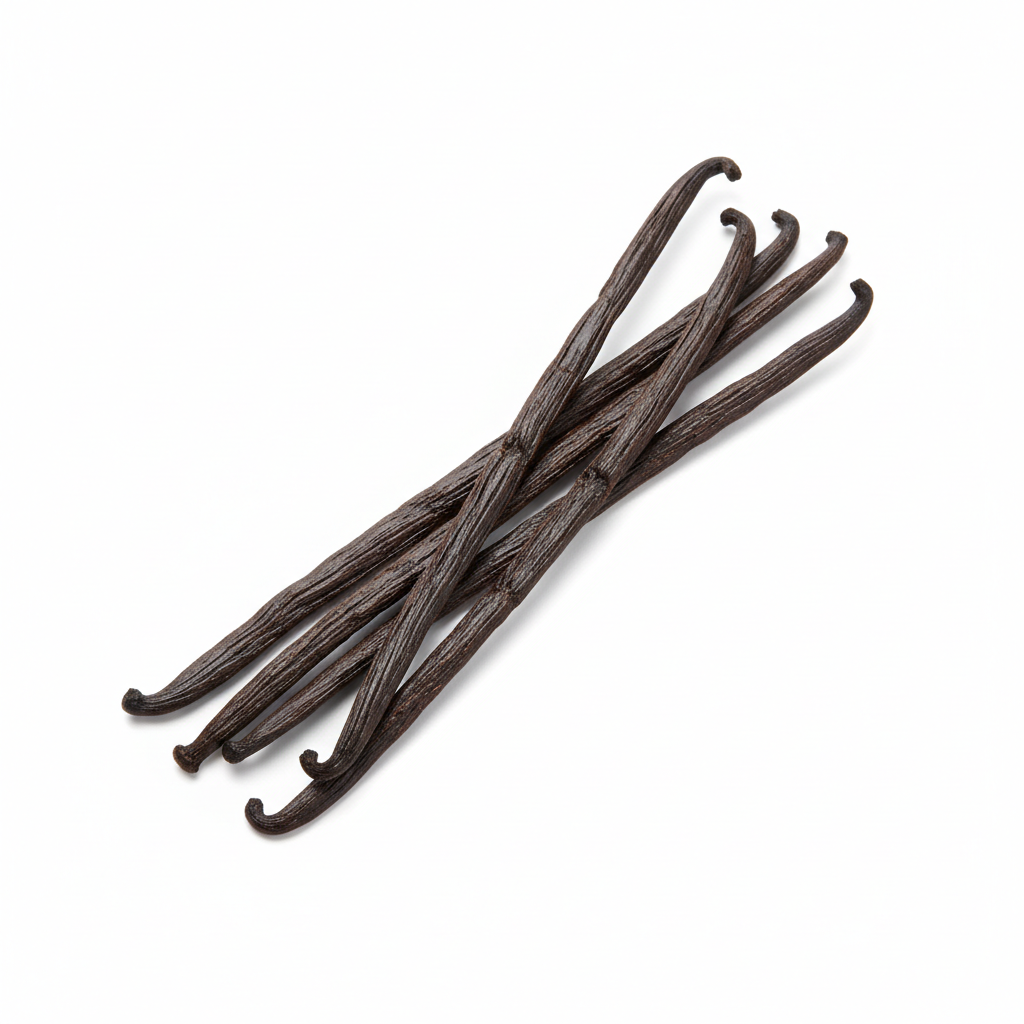
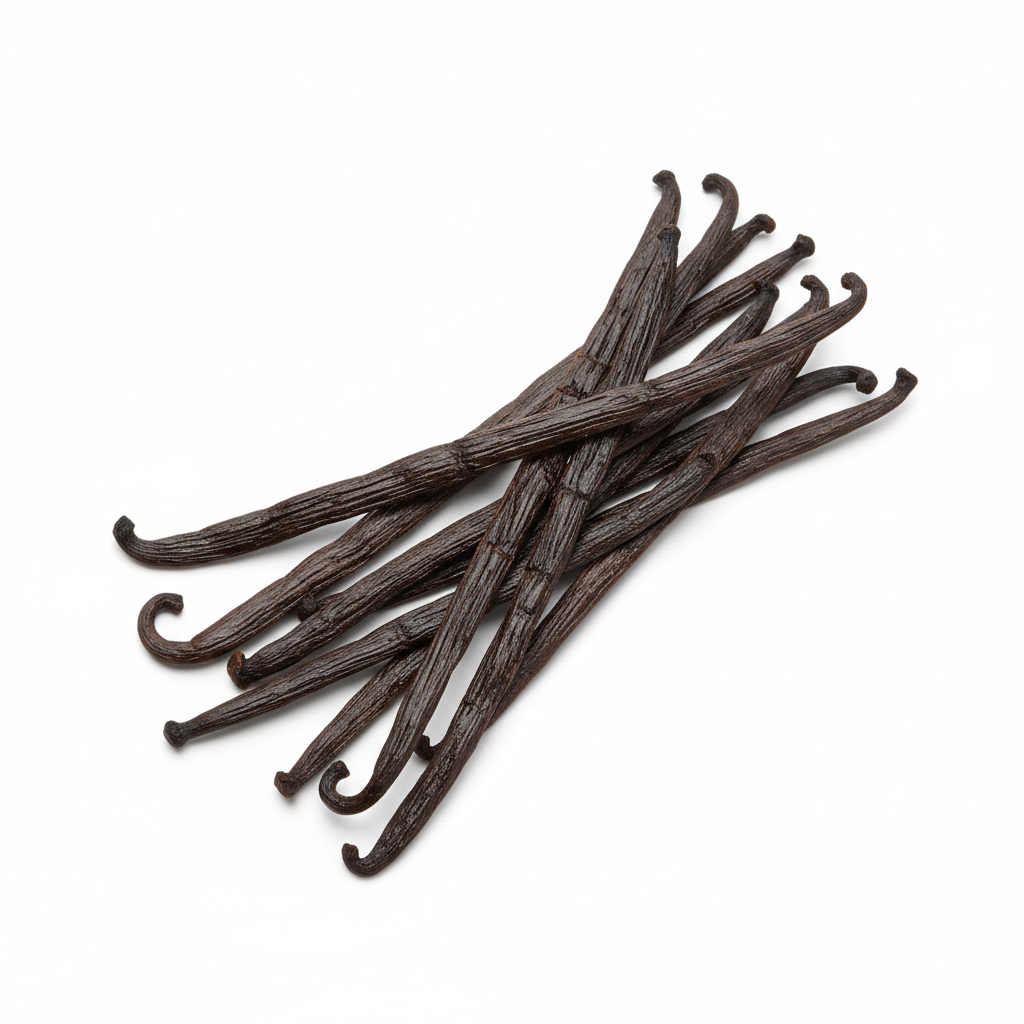
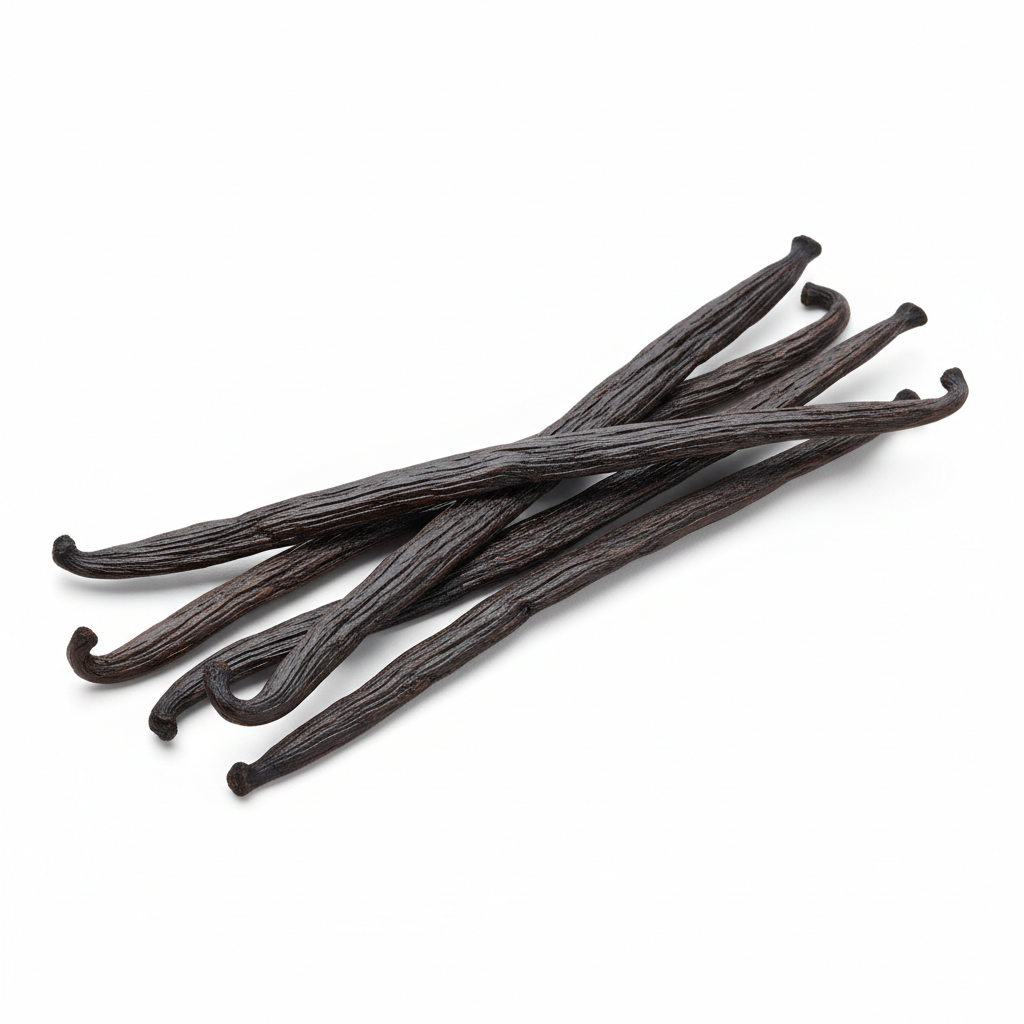
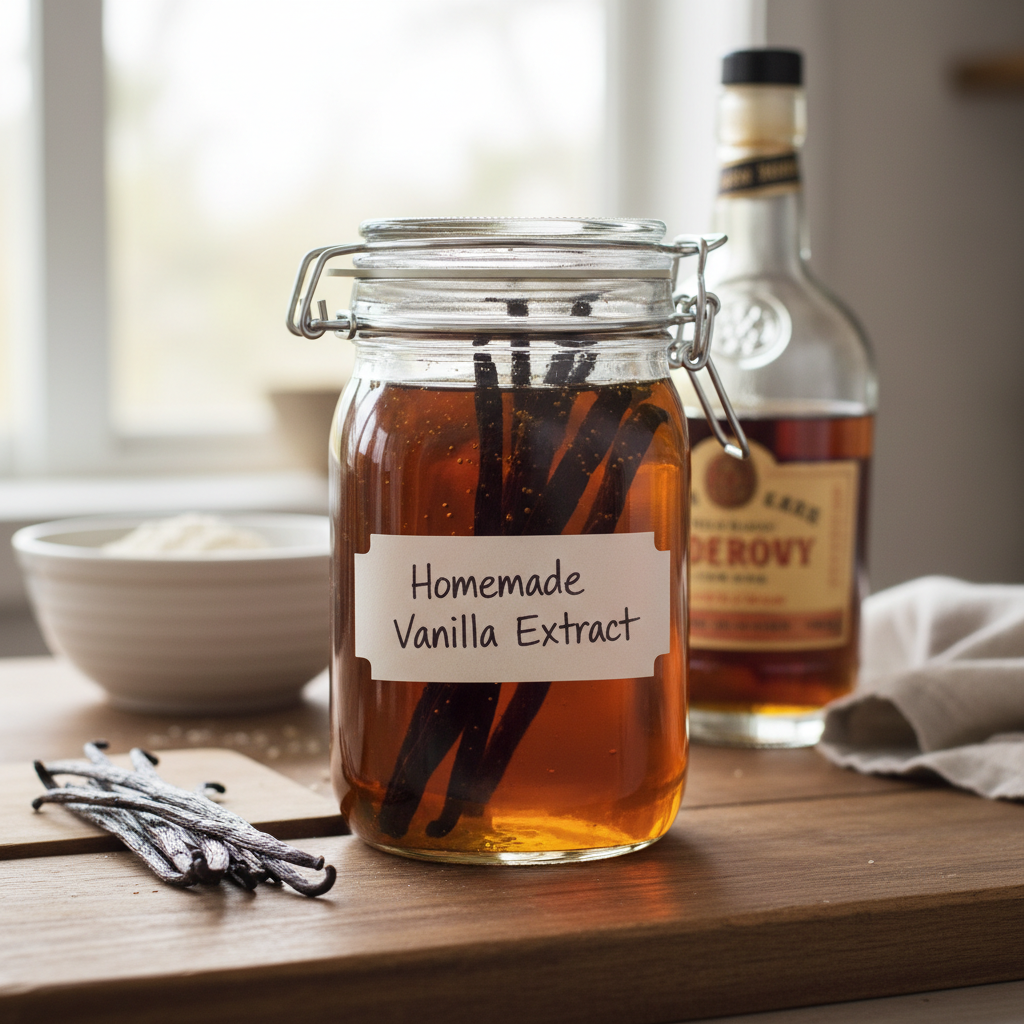
Making vanilla extract at home requires almost no equipment and very little active effort — just quality beans, a good spirit, a clean jar, and time.
- Choose your vanilla beans based on the flavor profile you want.
- Split the beans lengthwise to expose the seeds.
- Place them in a clean glass jar — use 1oz of beans for every 8oz of alcohol.
- Fill with your spirit of choice, seal, and store in a cool, dark place.
- Shake gently every week or two. Taste periodically. Be patient.
- After 1 year (light spirits) or 18 months to 2 years (dark spirits), you'll have a vanilla extract that will change the way you bake forever.
Ready to Make Something Real?
The best vanilla extract starts with the best vanilla beans. Explore our collection of Grade A vanilla beans from Madagascar, Tahiti, Mexico, Indonesia, Uganda, Comoros, and more — and start your first batch today. Your future self — and everyone you bake for — will thank you.
Happy Extracting!