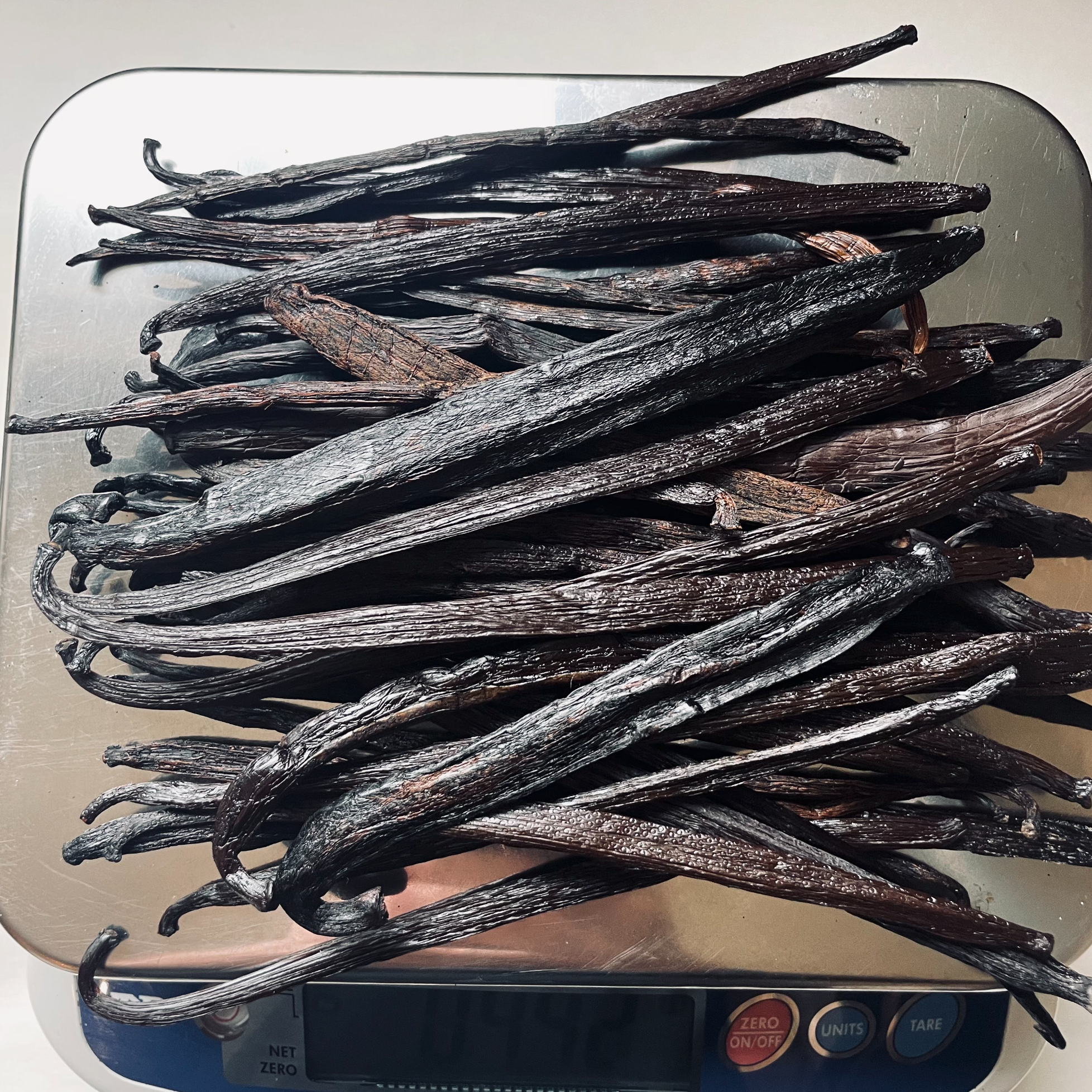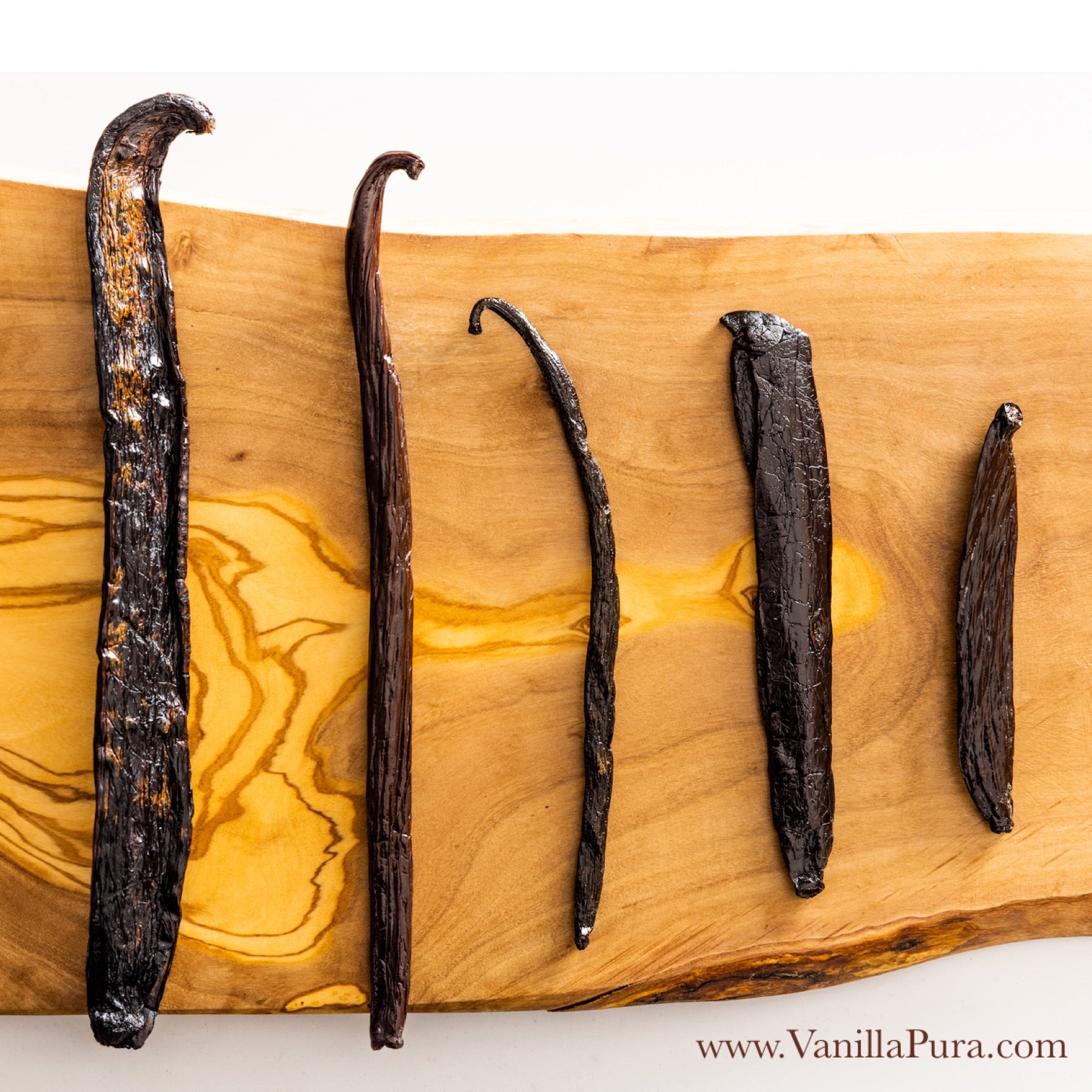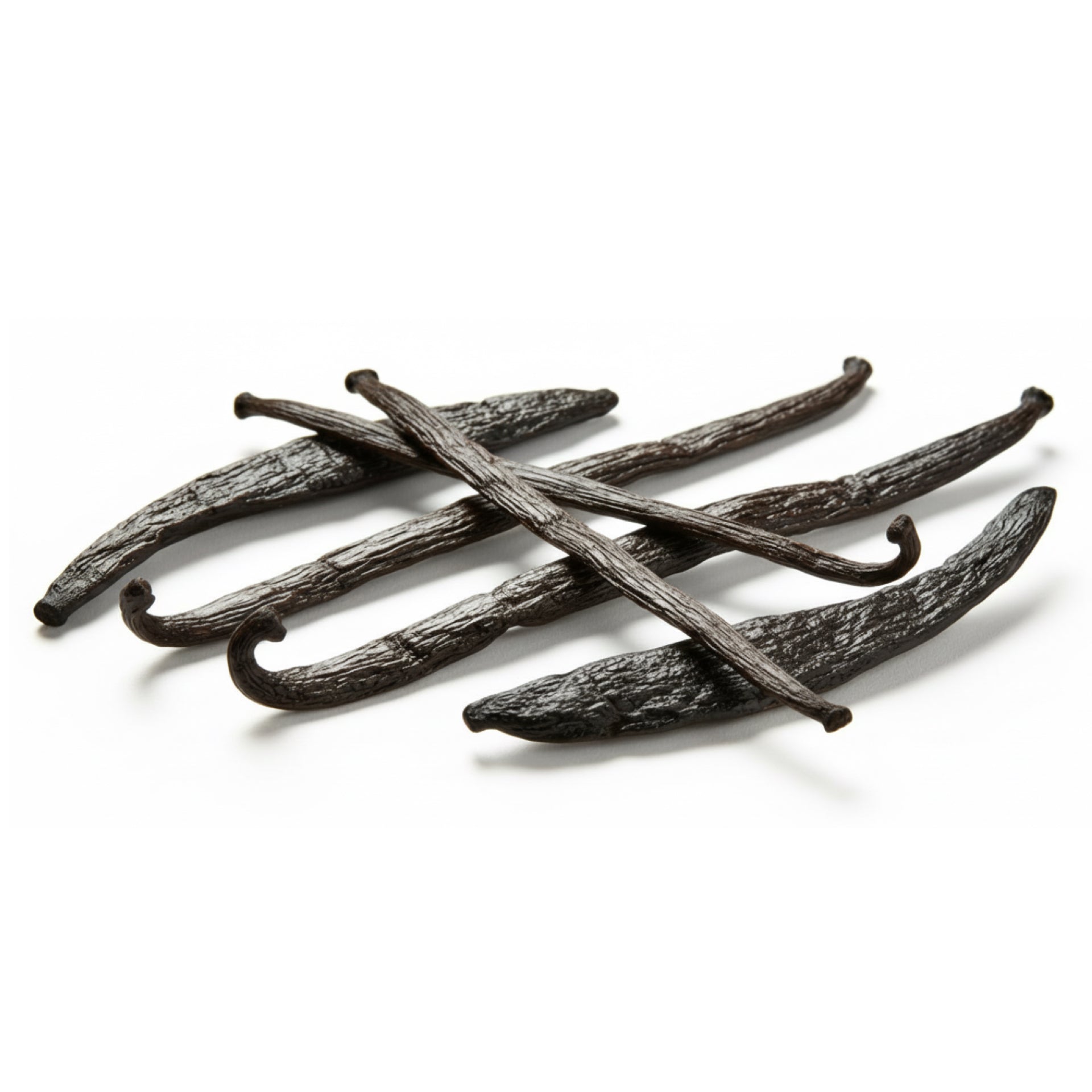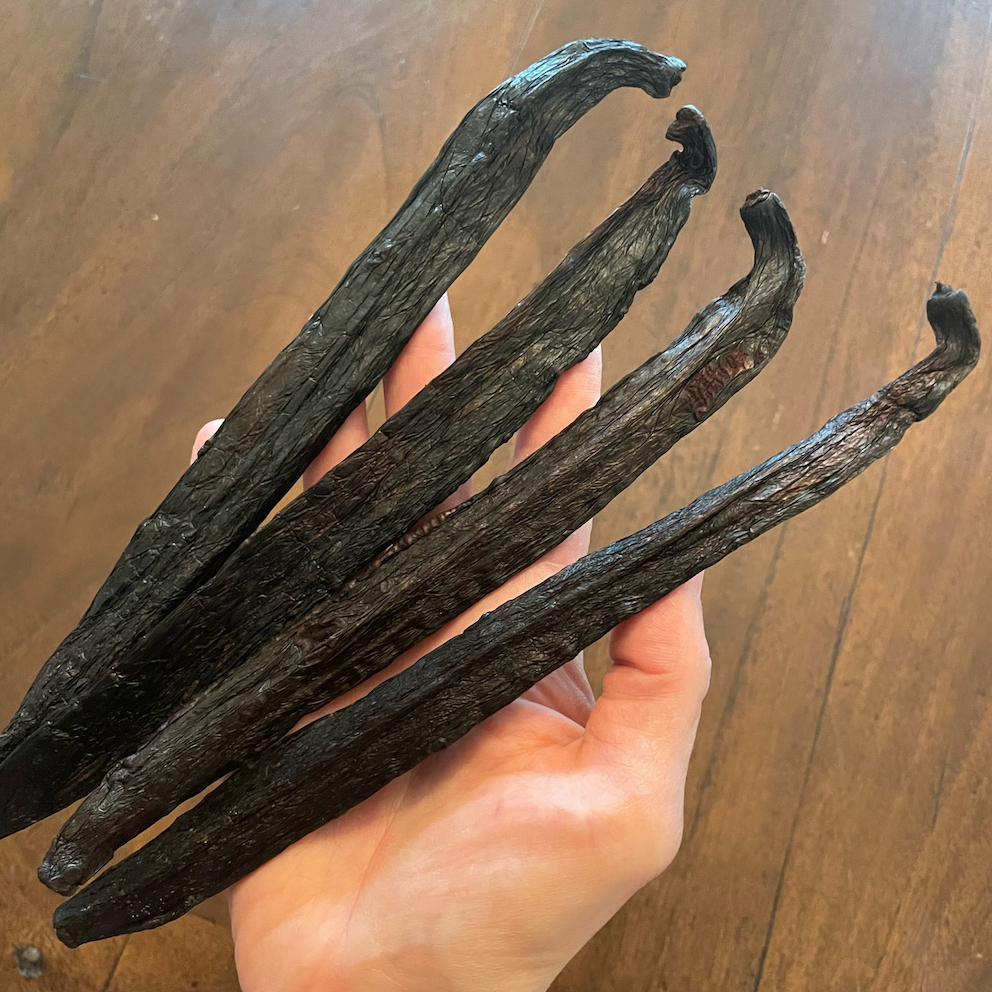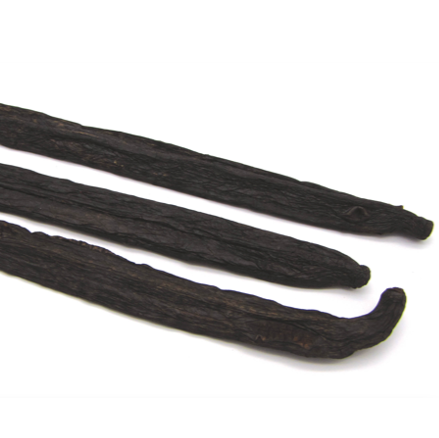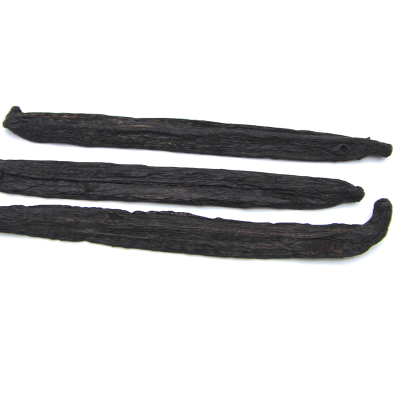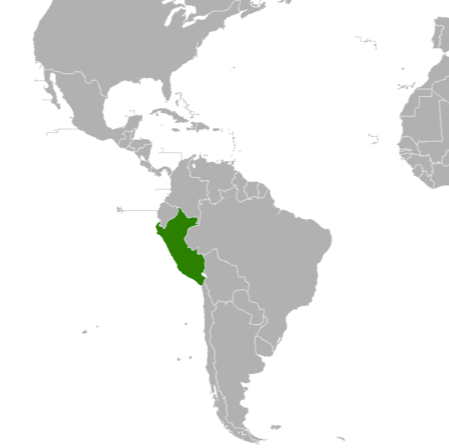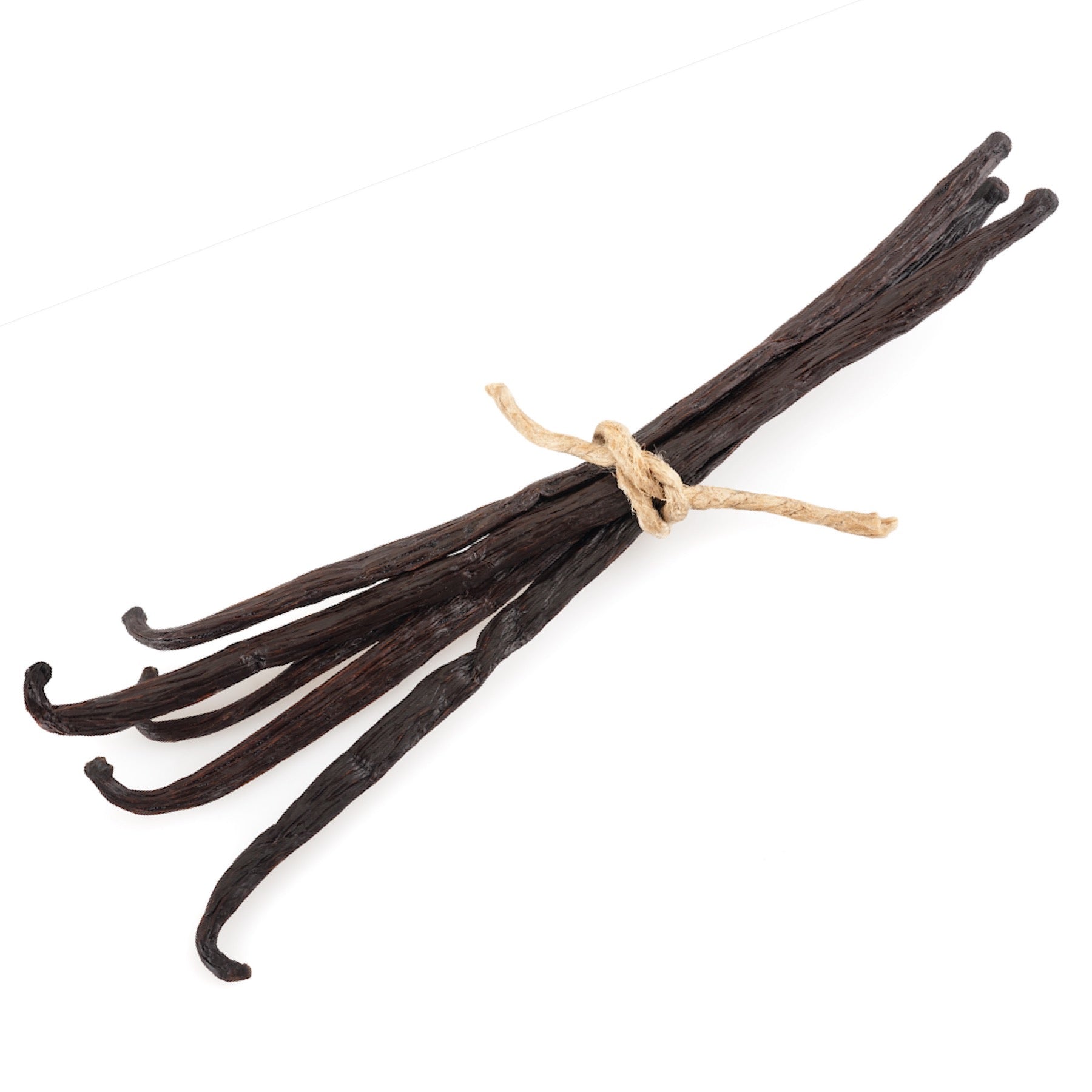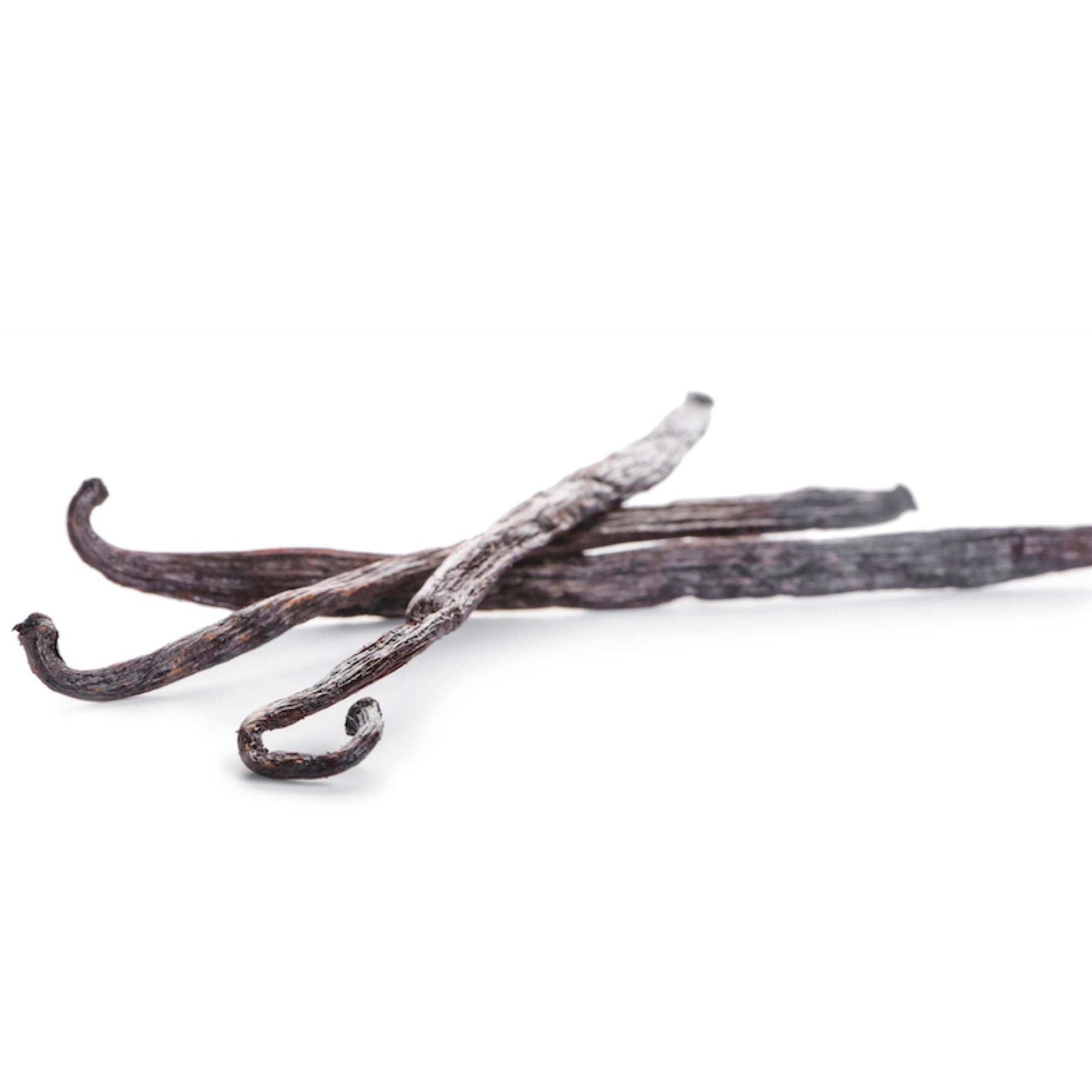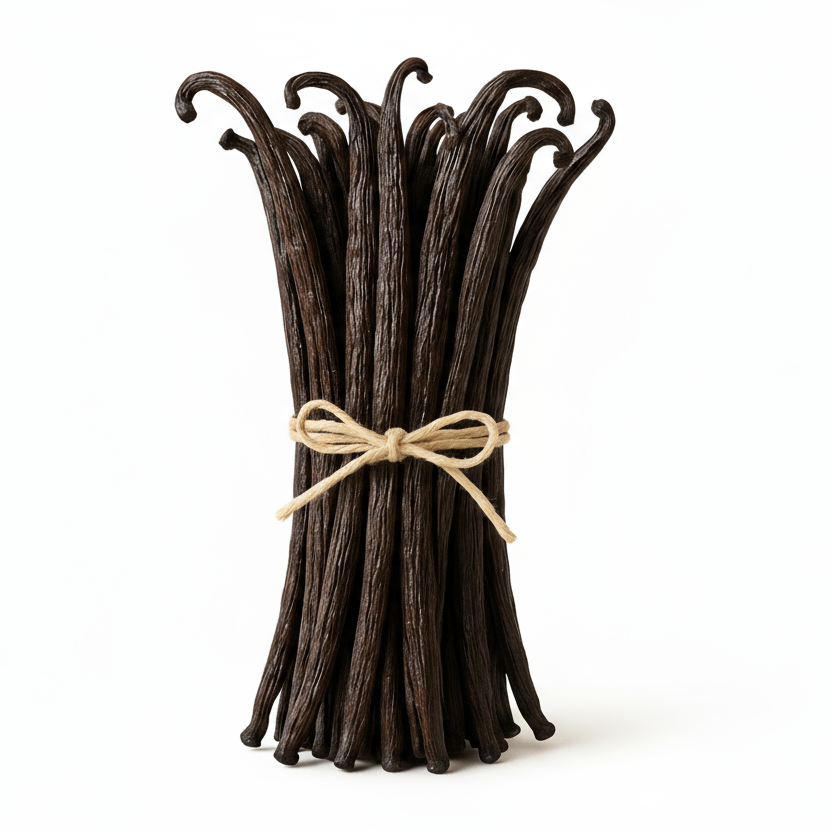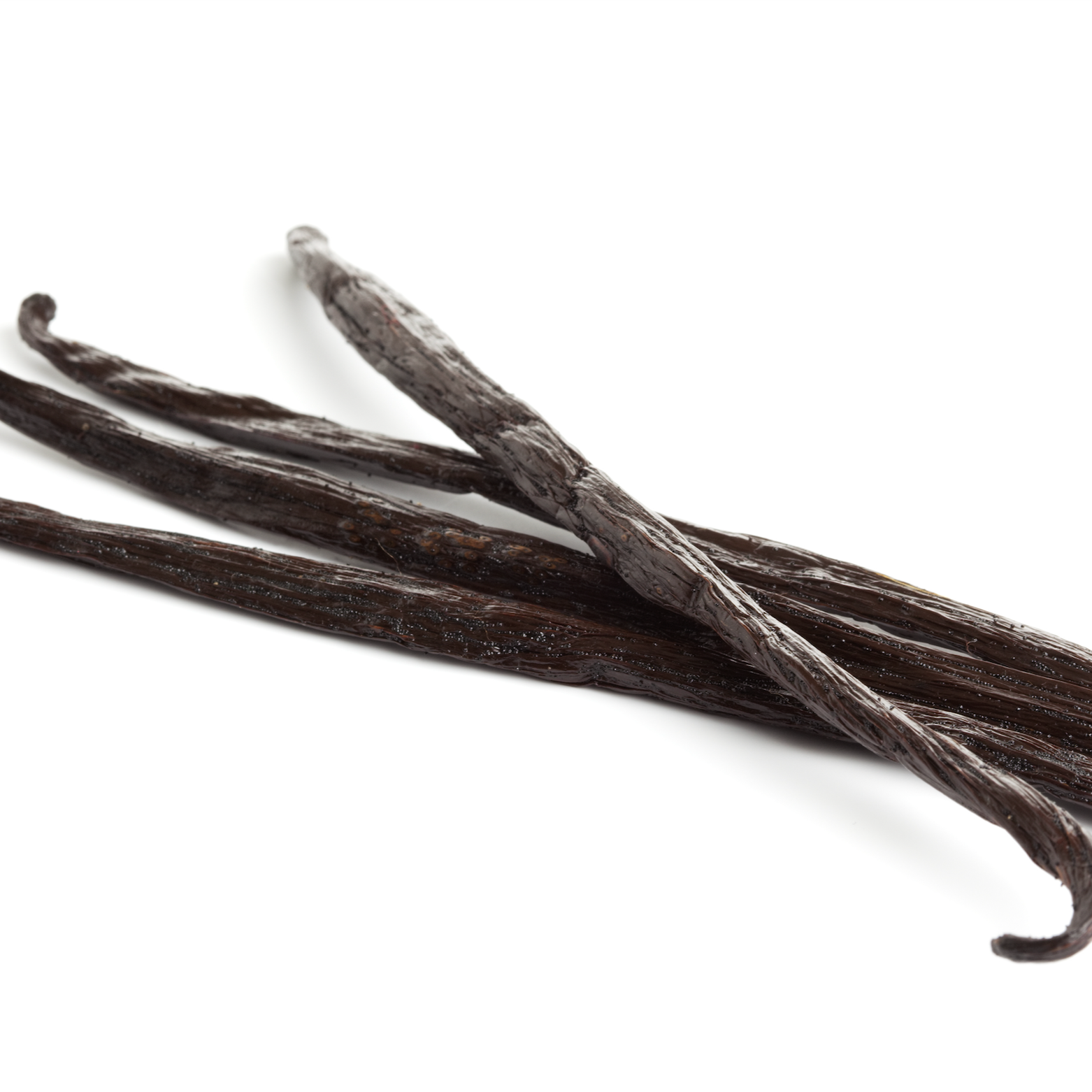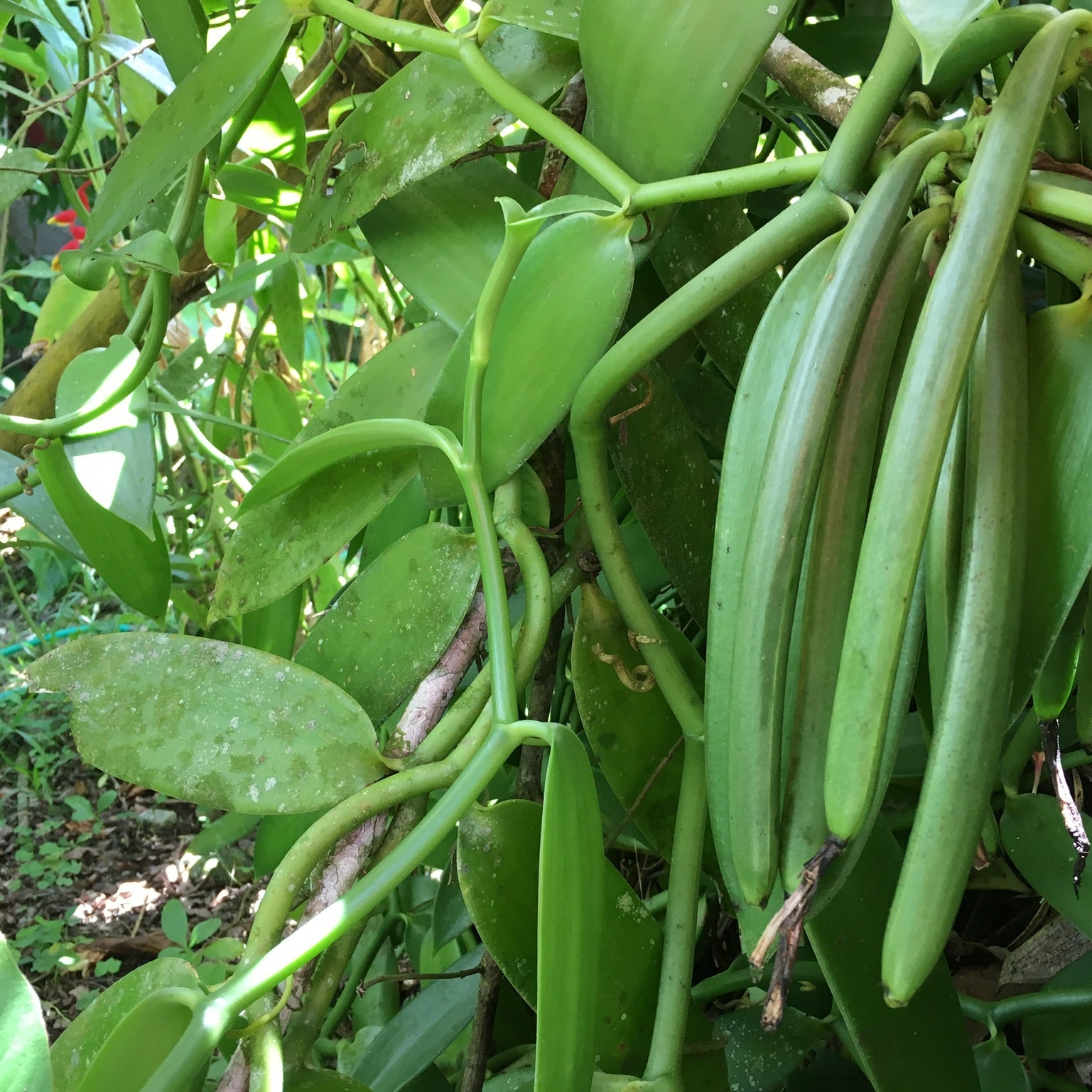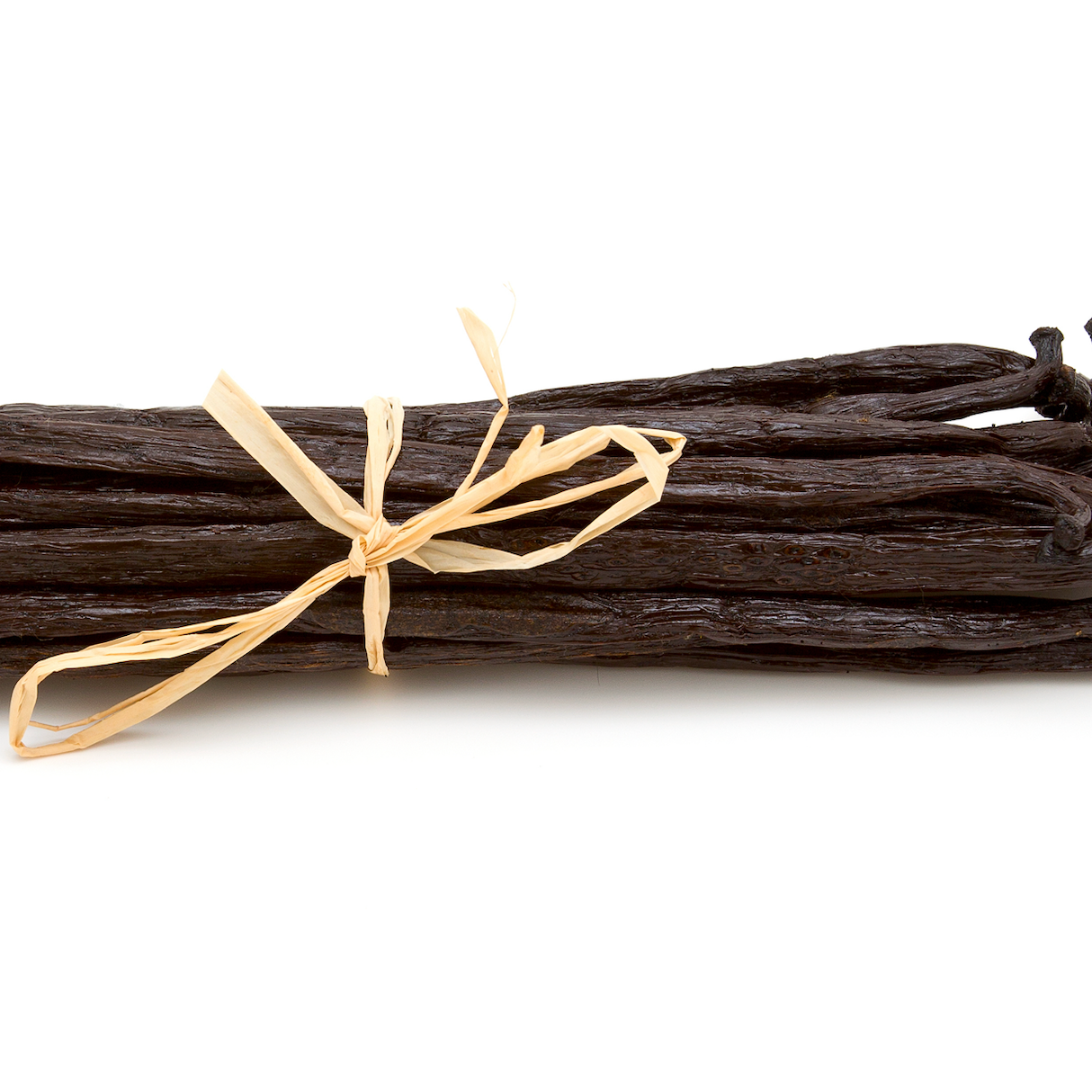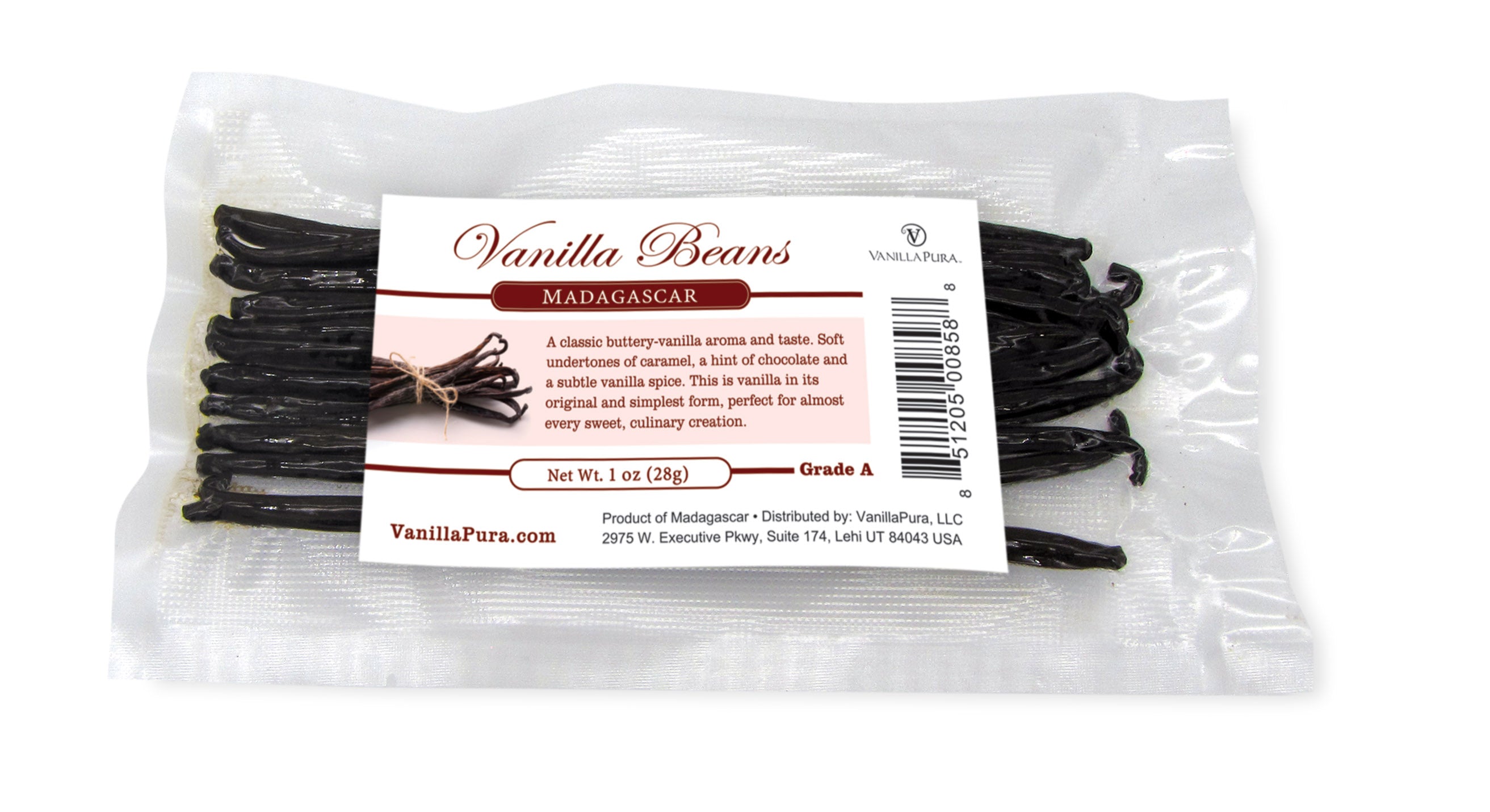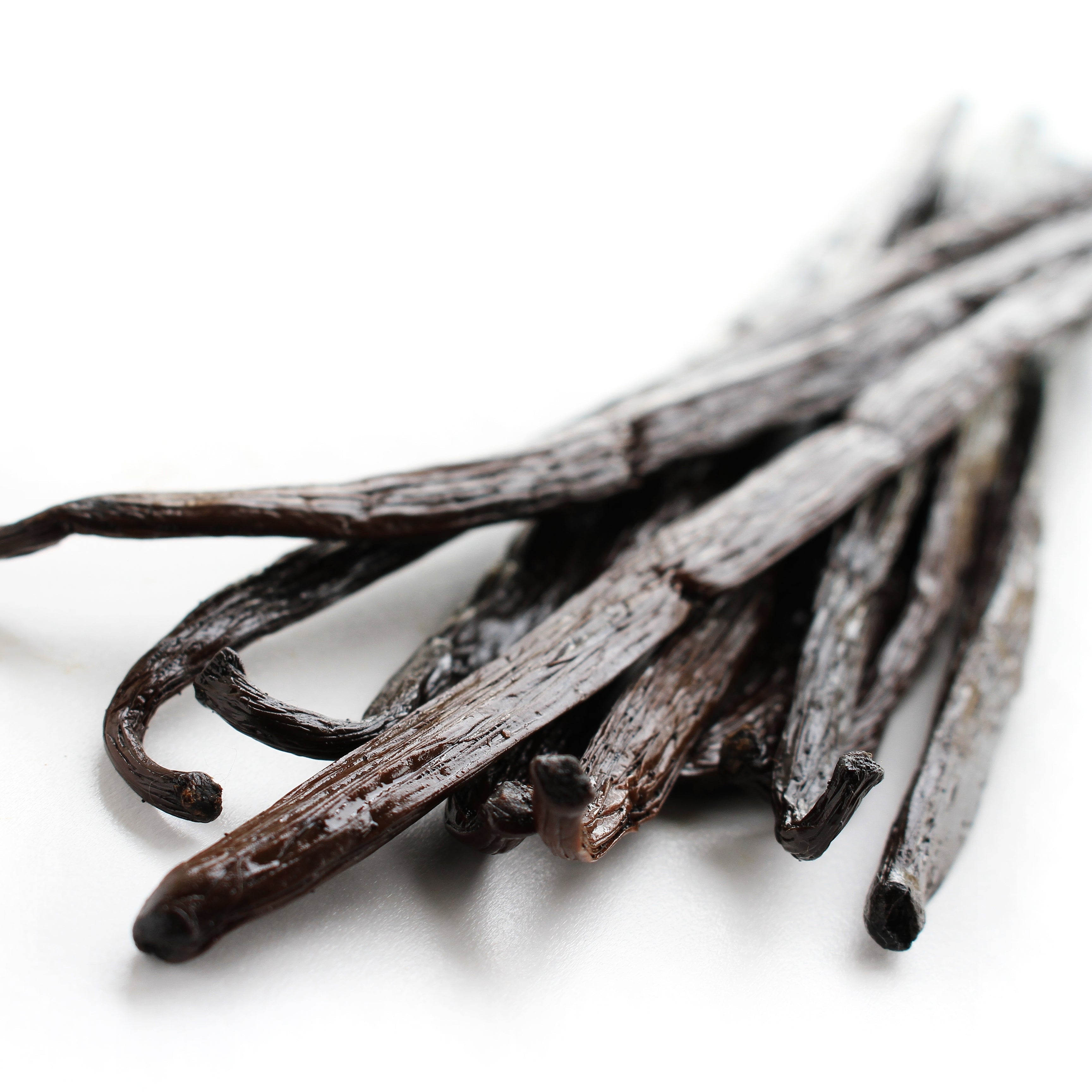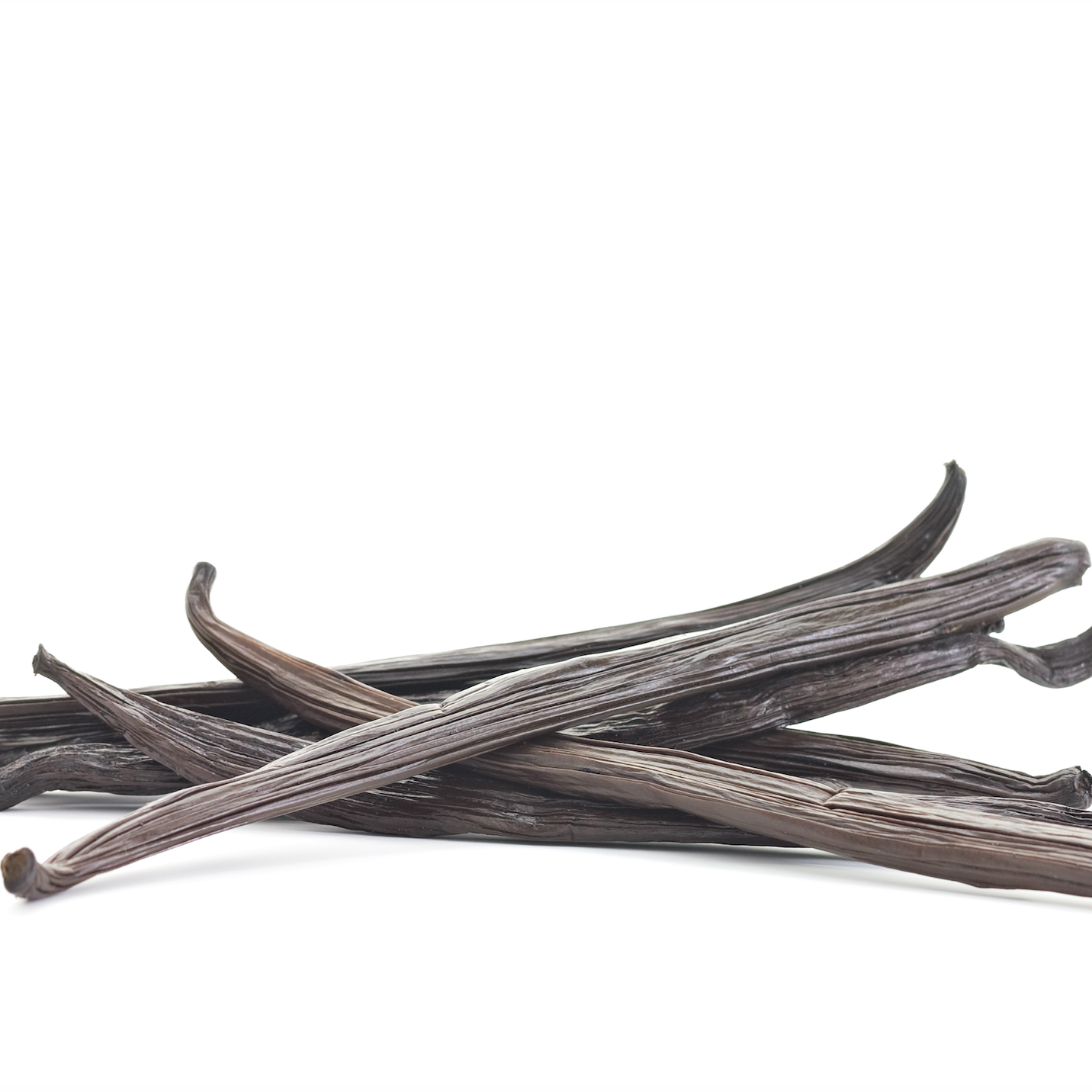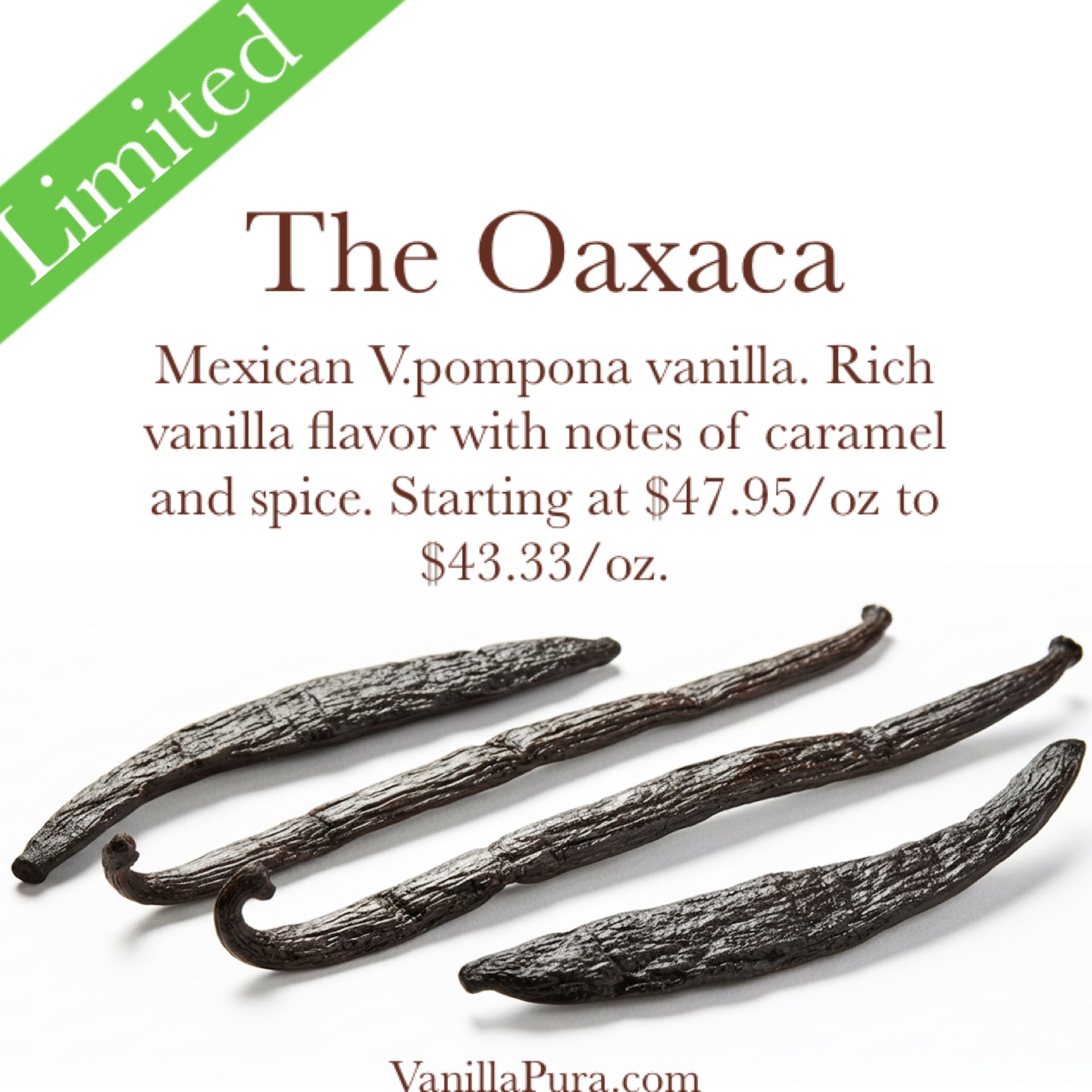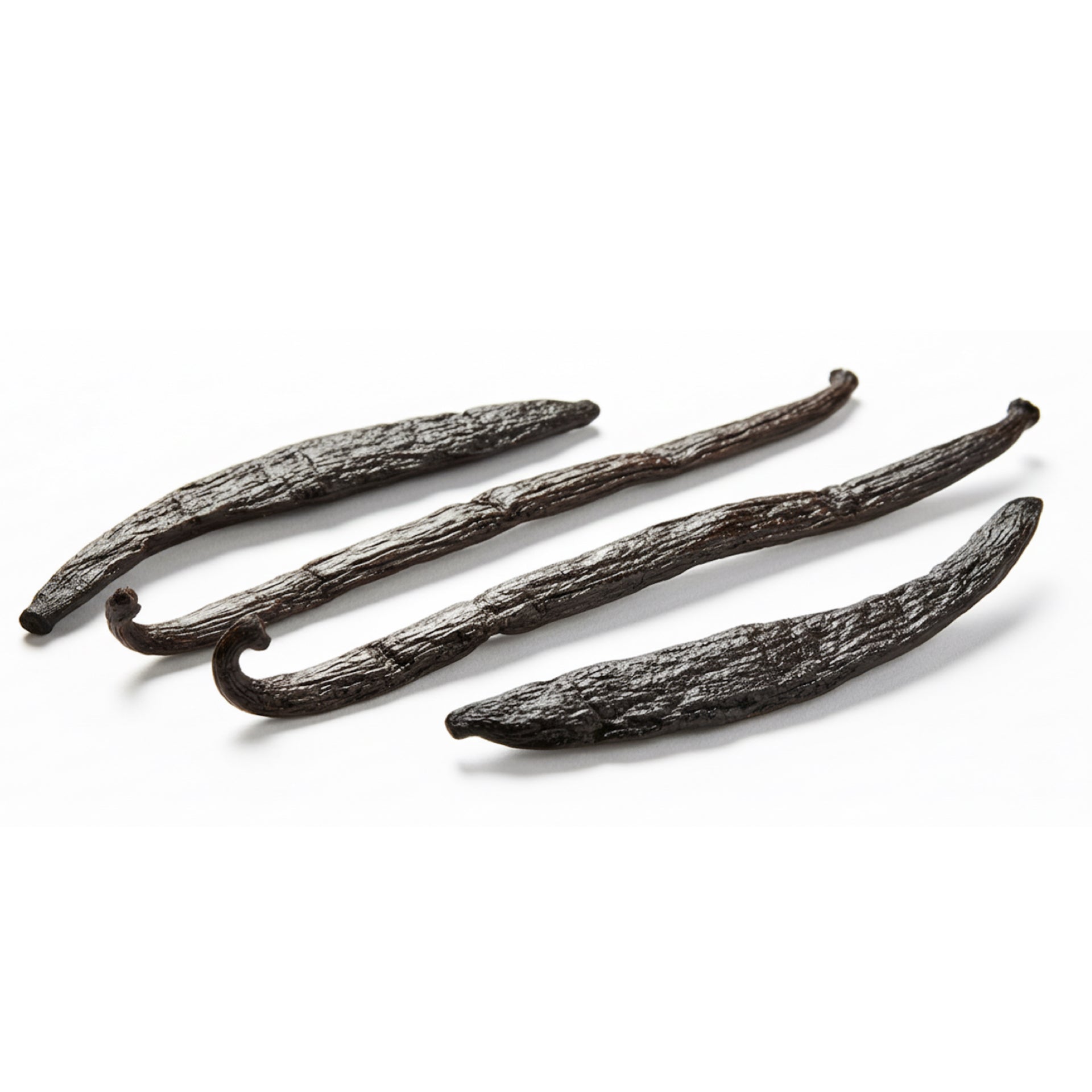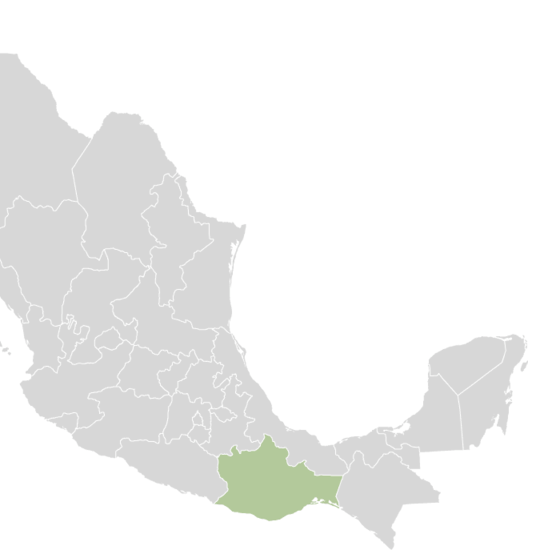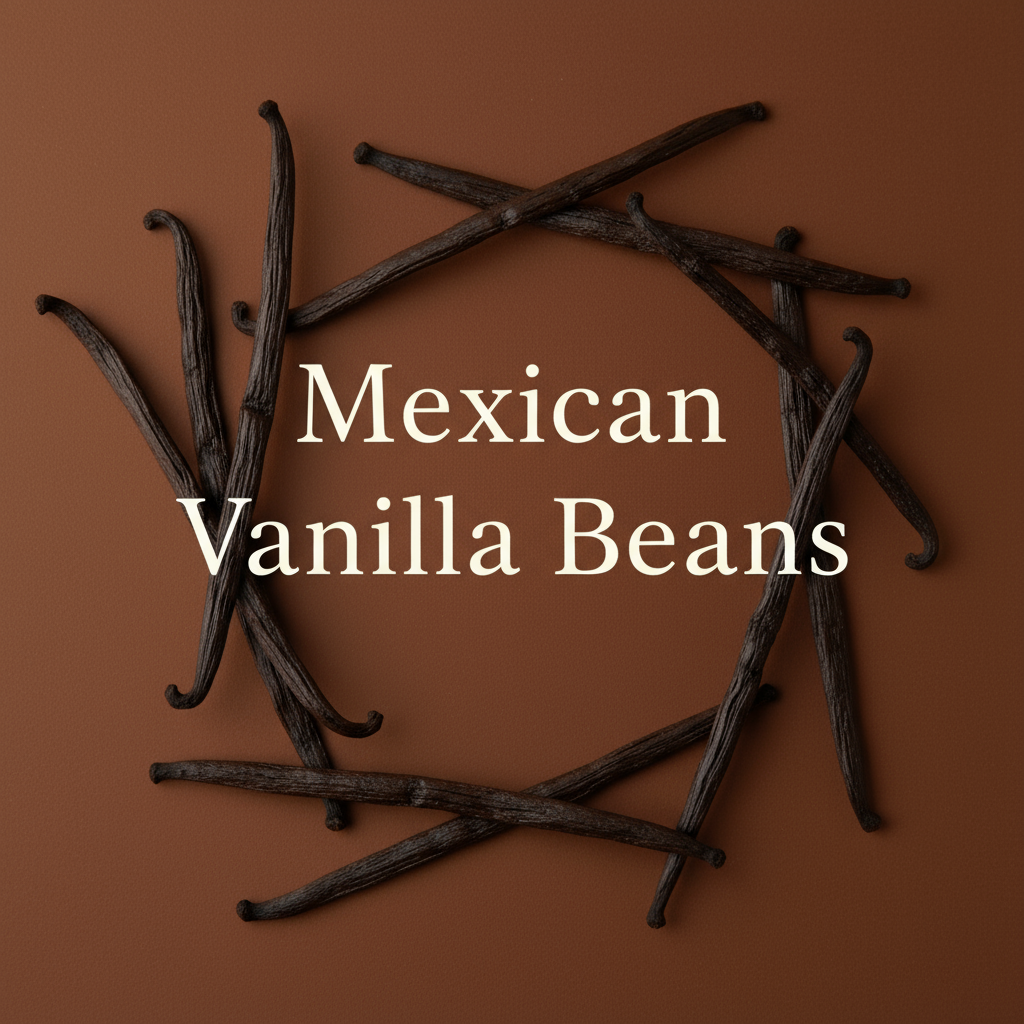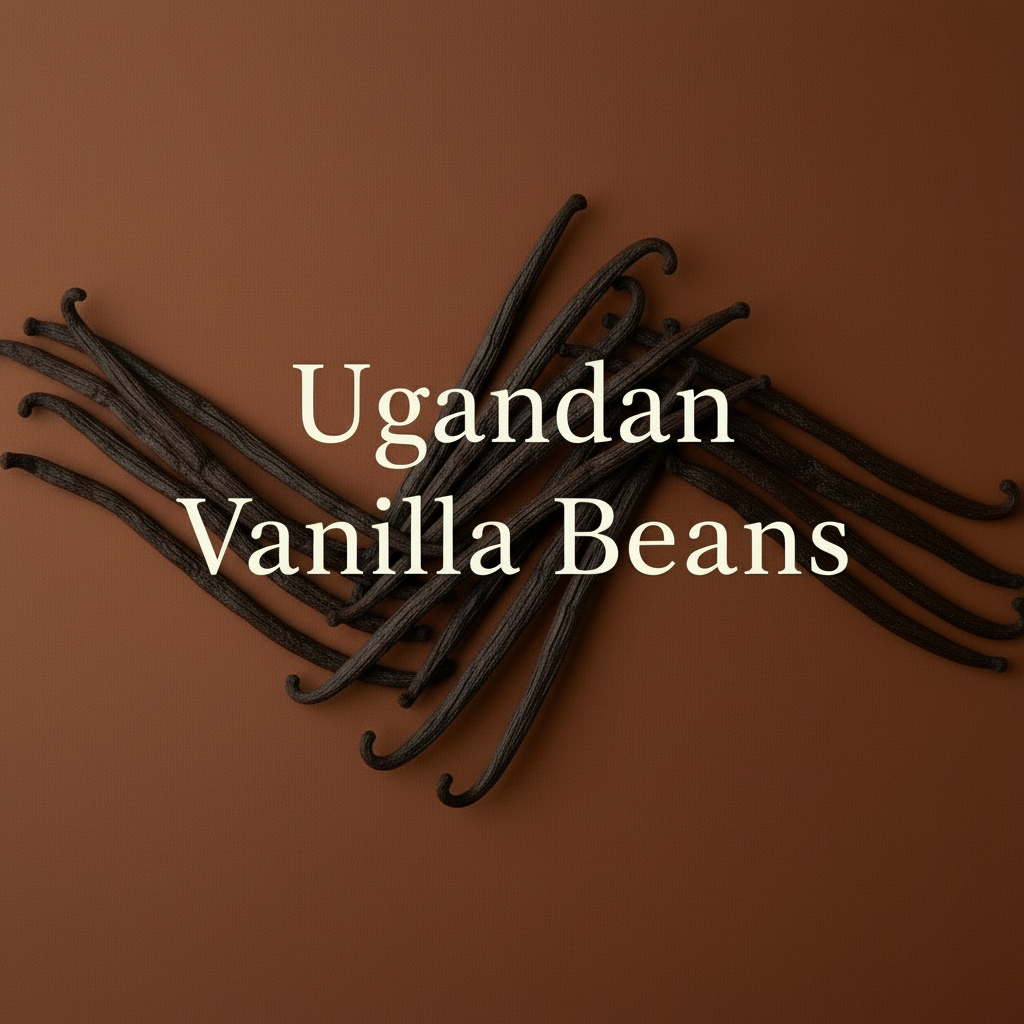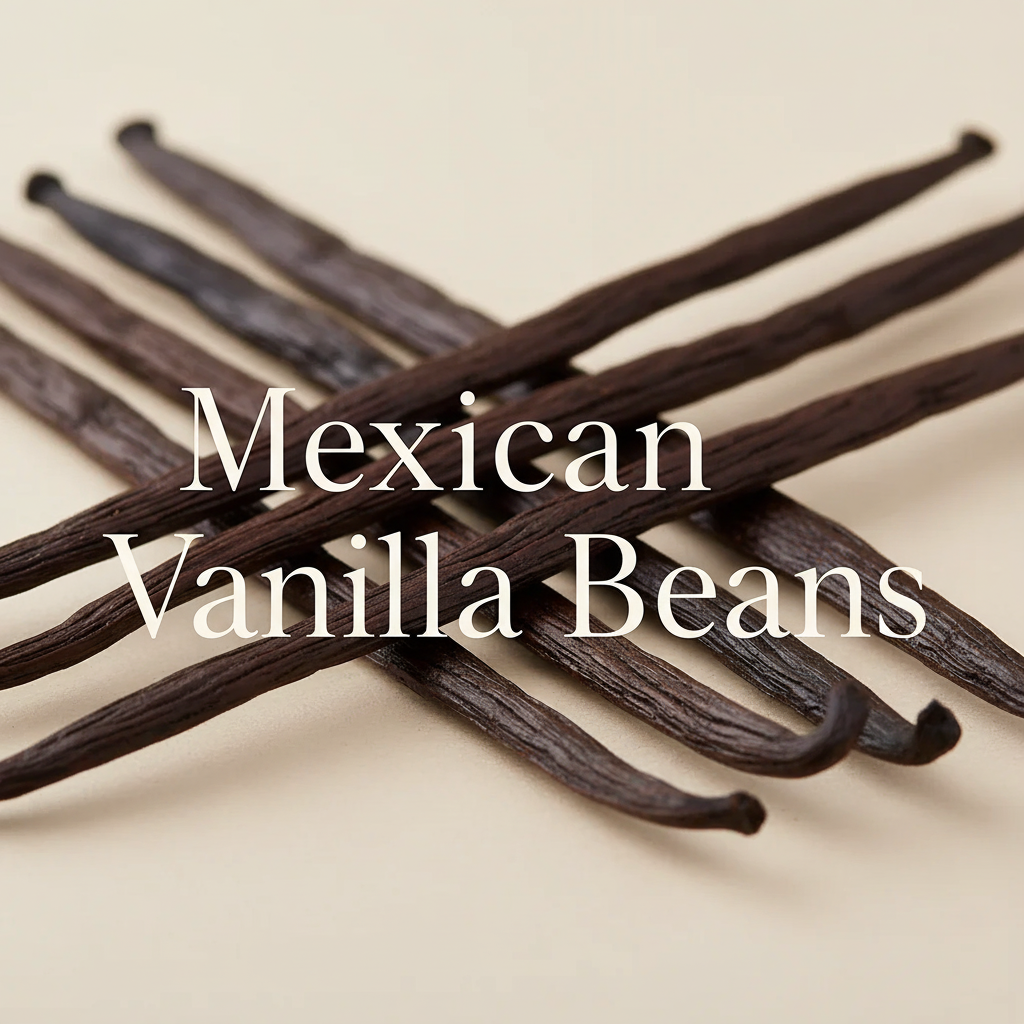

In the world of vanilla, size doesn't always correlate with flavor intensity. Vanilla cribbiana, a lesser-known species cultivated in Guatemala and Mexico, proves this emphatically. These small, remarkably oily beans pack extraordinary flavor into a compact package—and their unique characteristics make them a fascinating study in vanilla diversity.
Meet Vanilla Cribbiana: The Compact Flavor Bomb
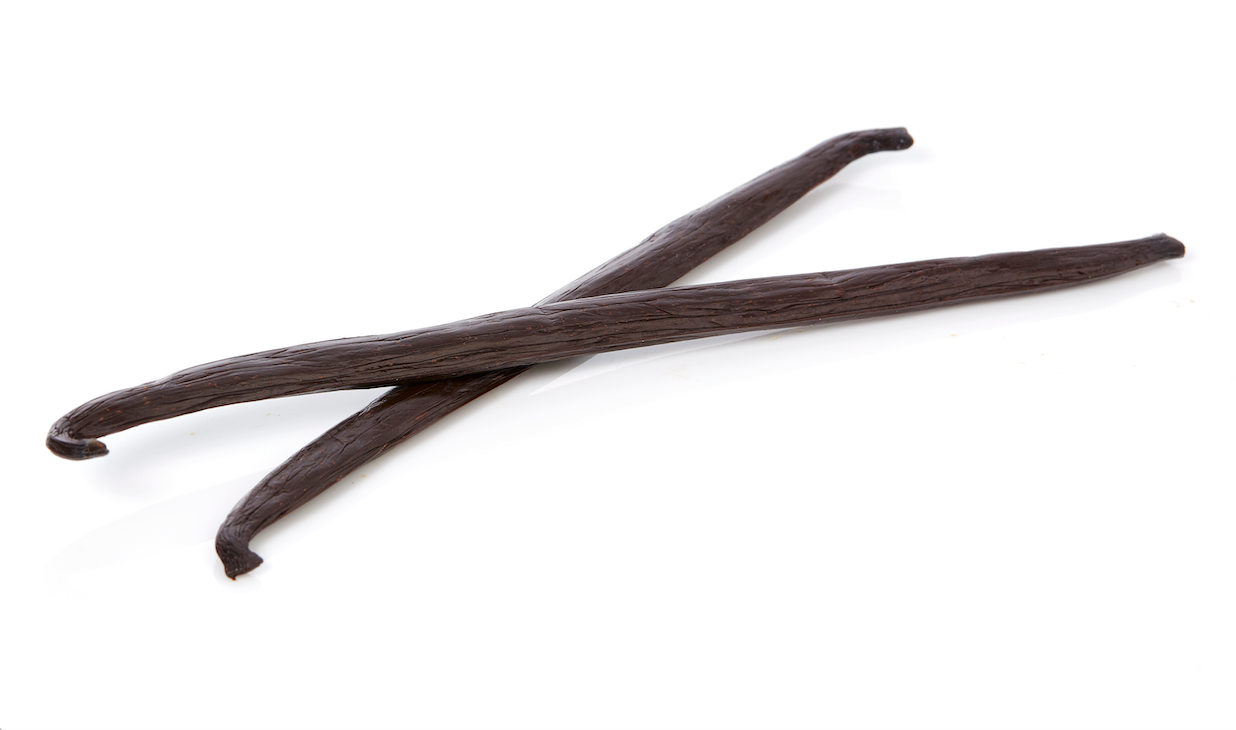
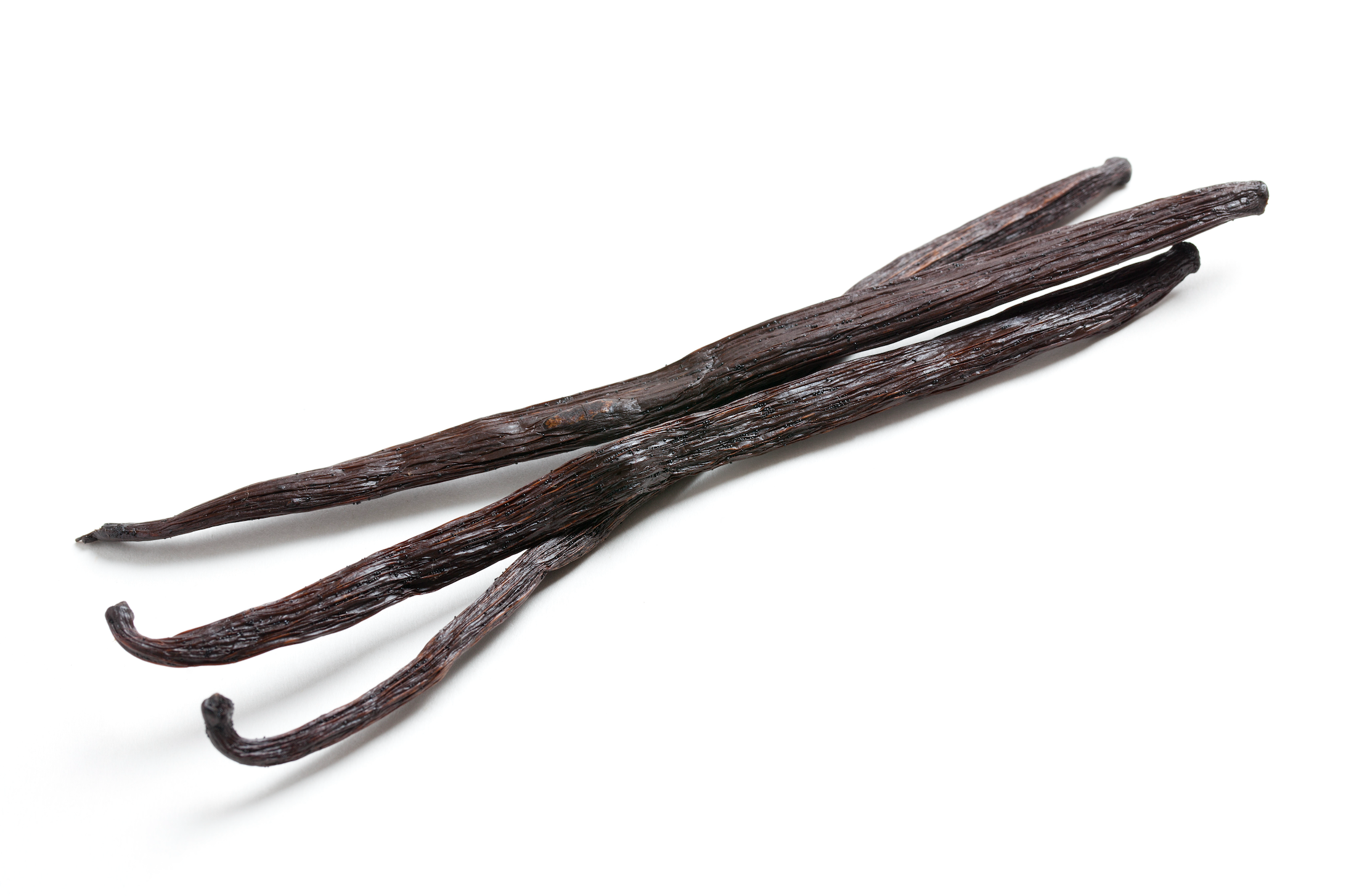
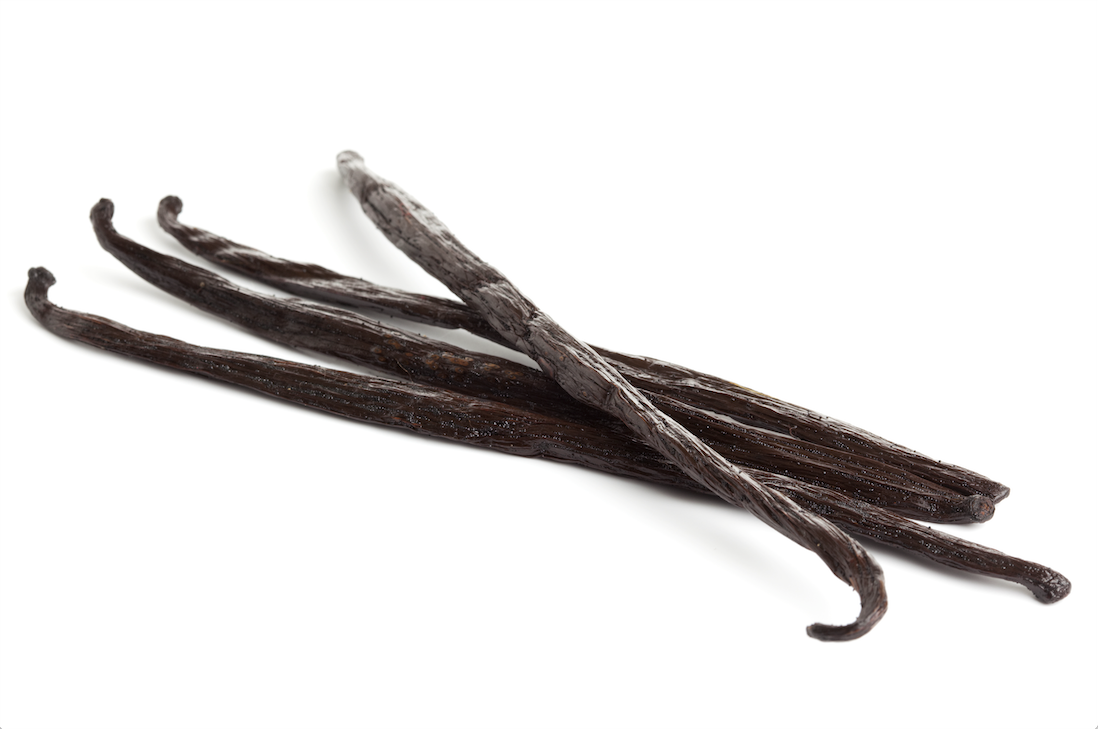
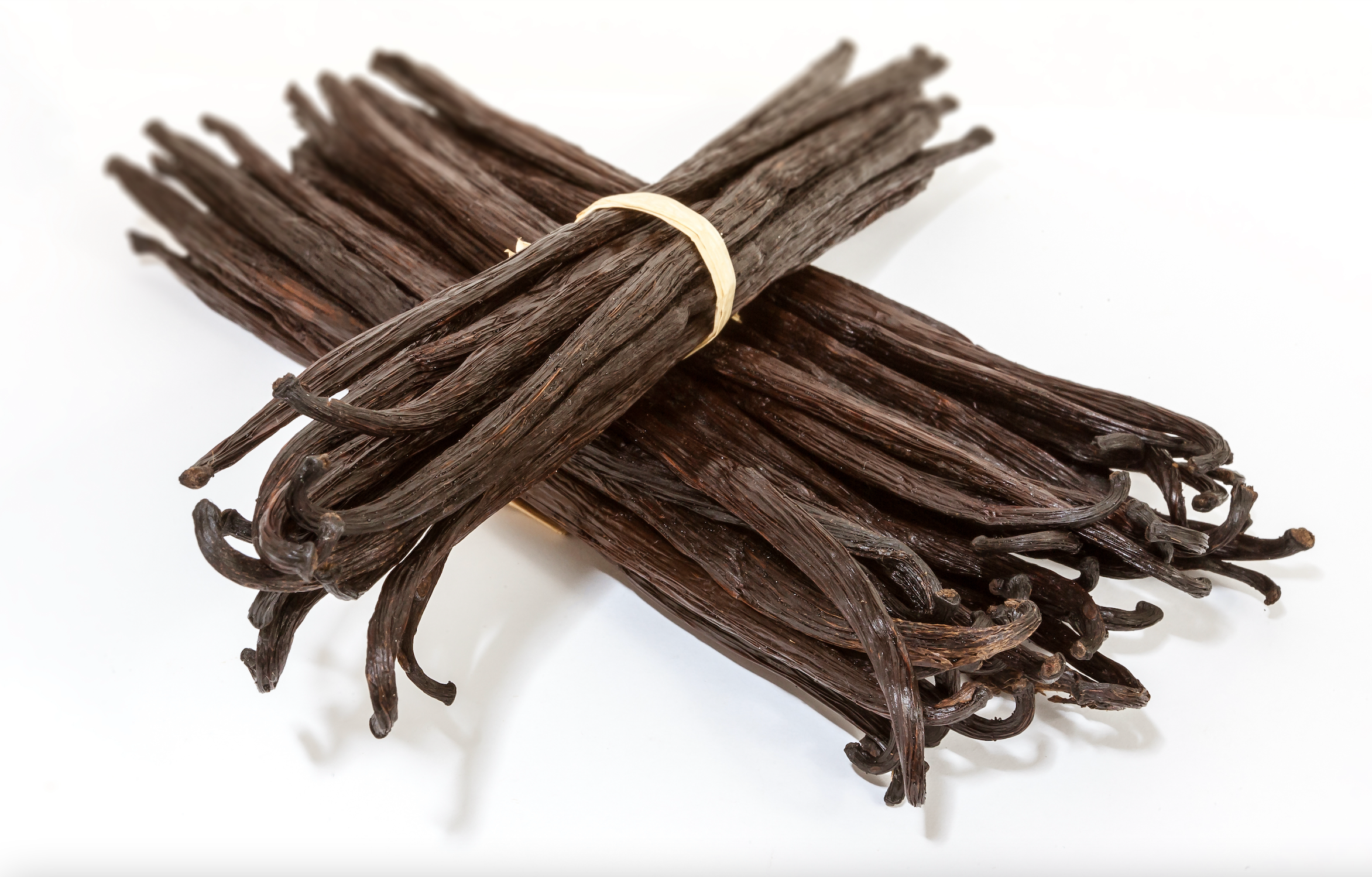
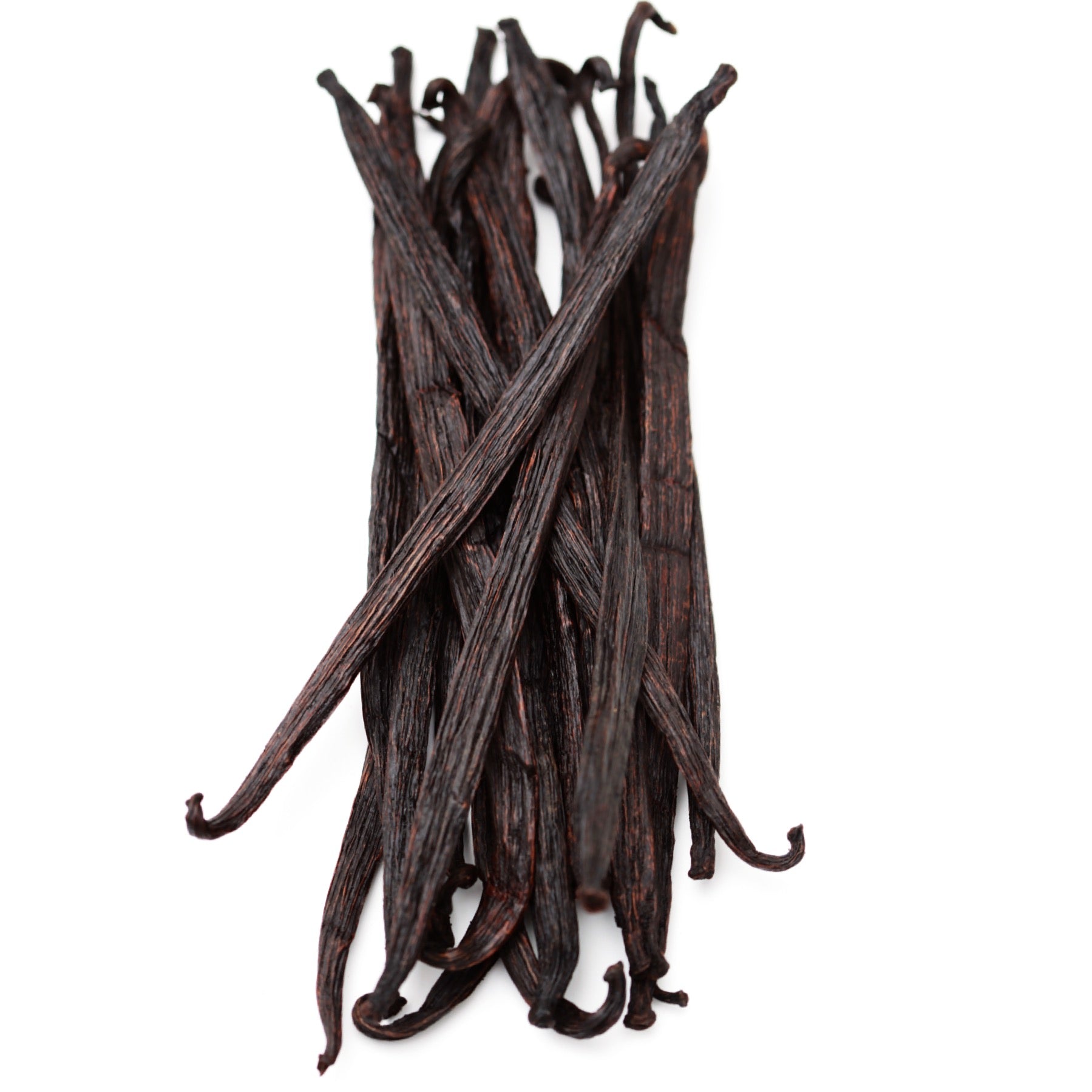
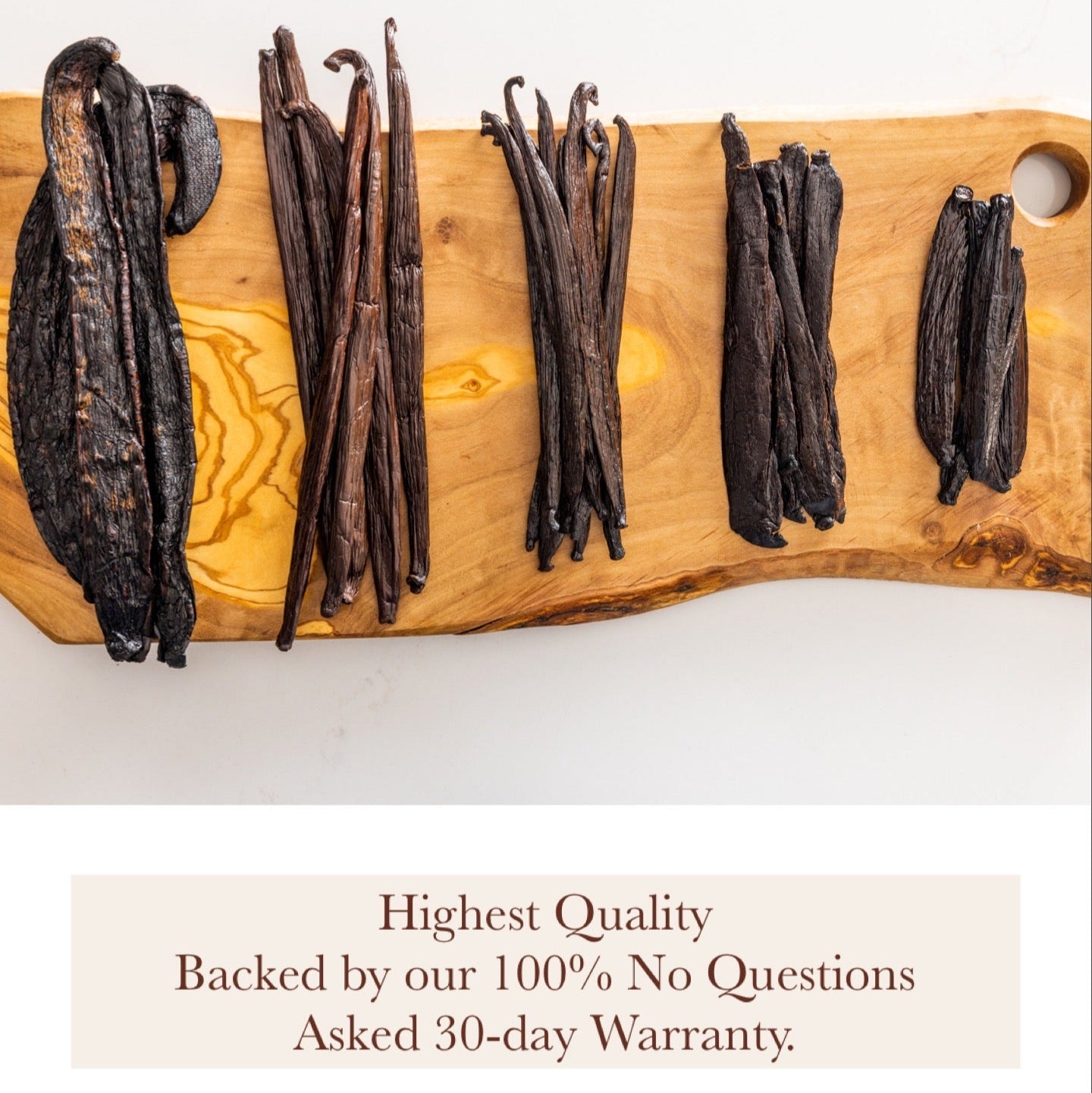
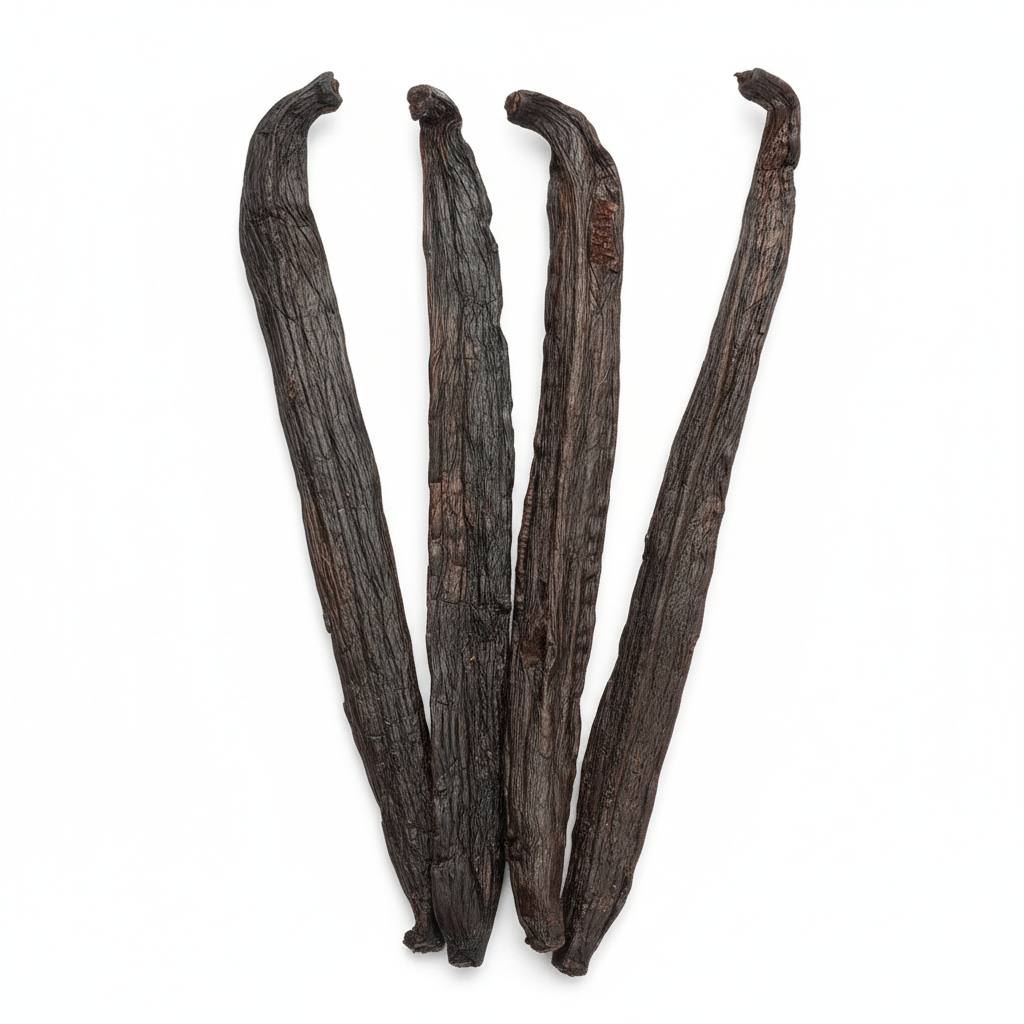
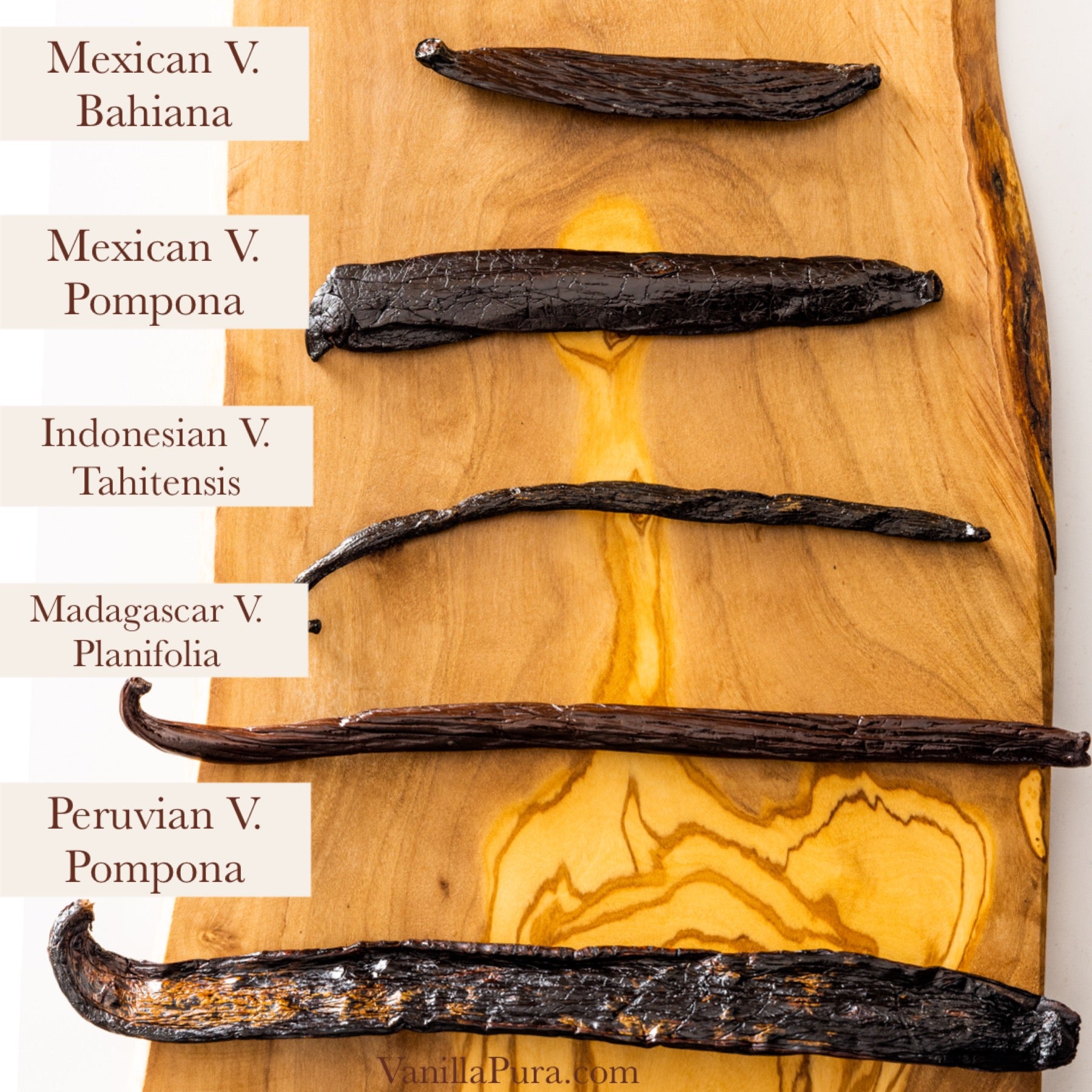
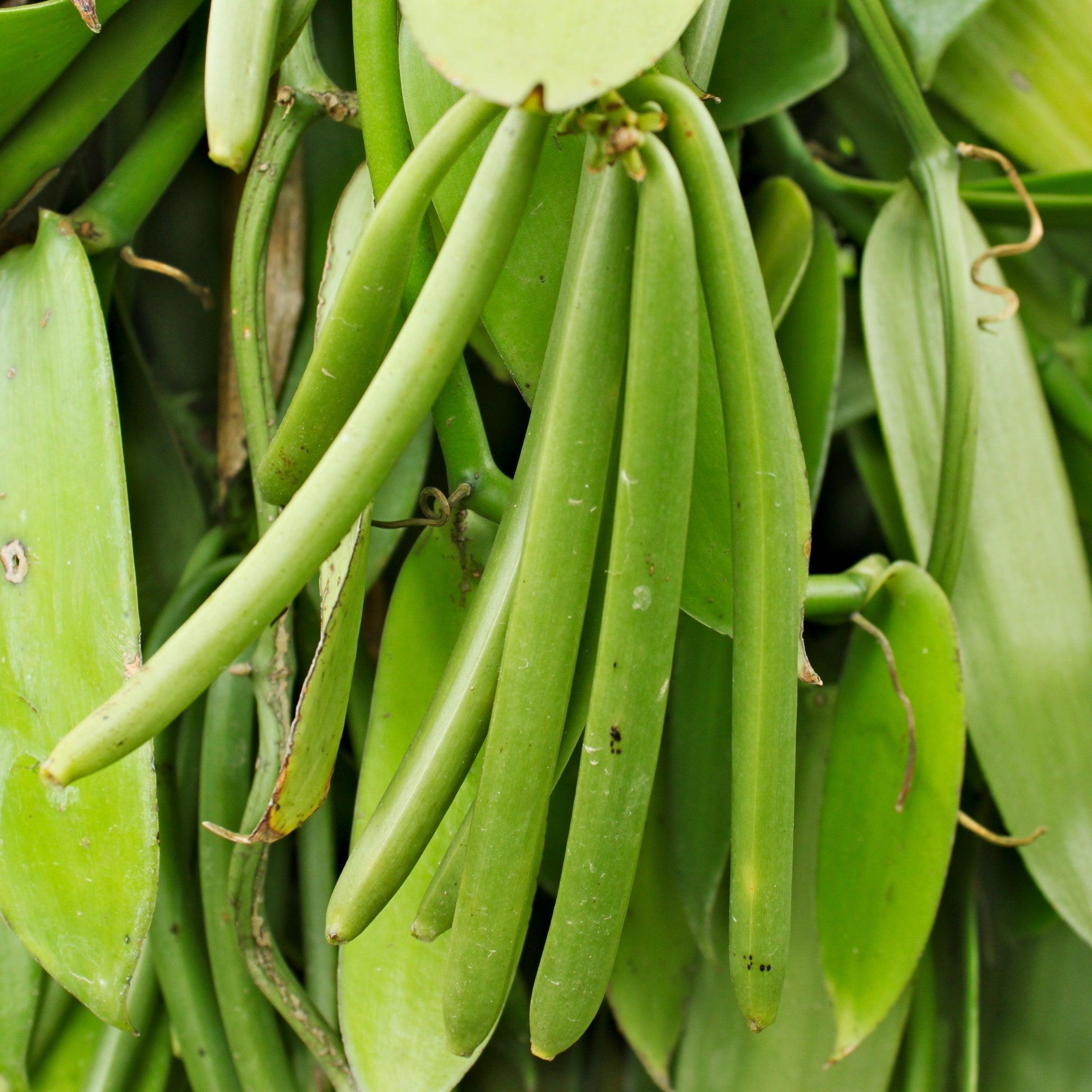
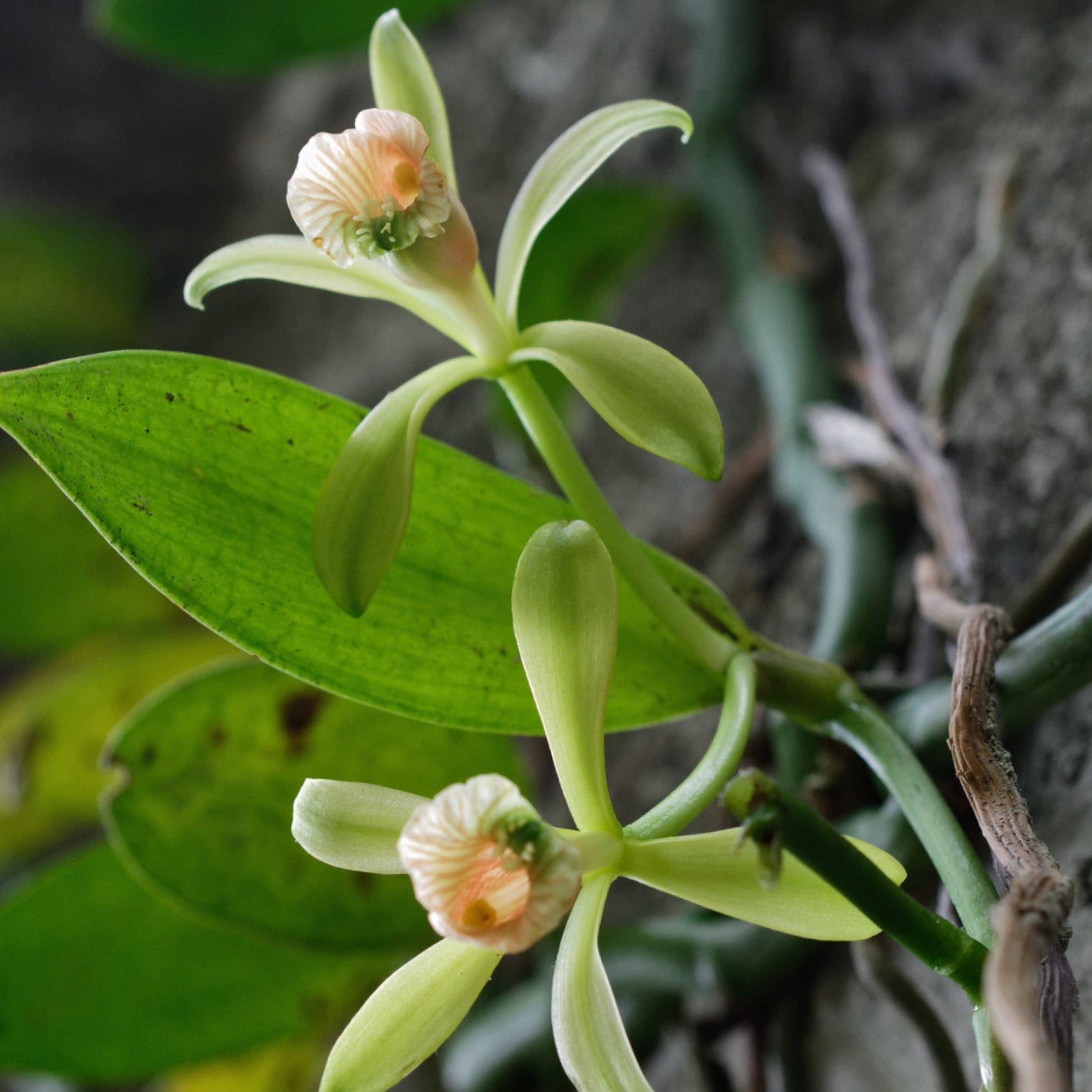
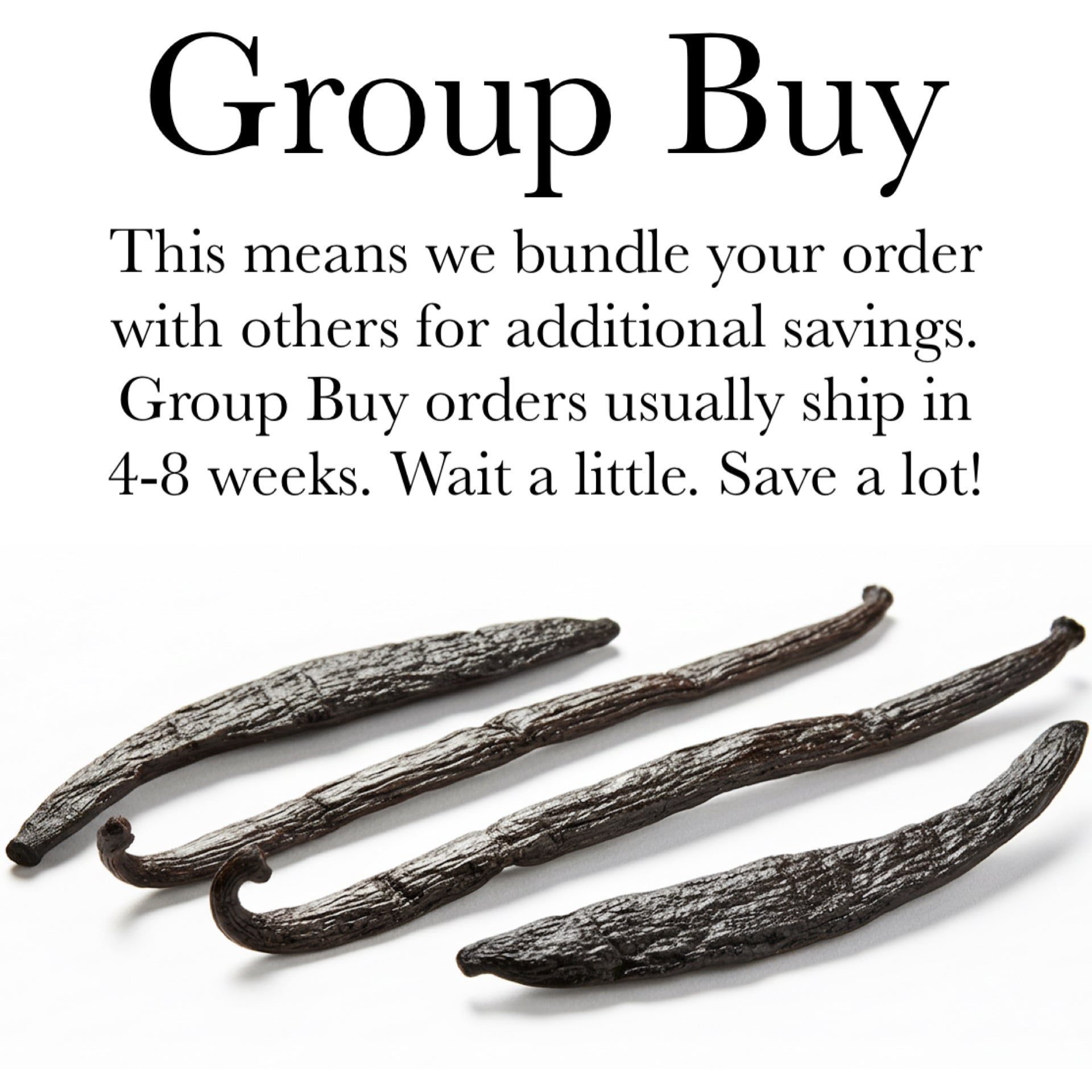
Vanilla cribbiana is a distinct species within the Vanilla genus, native to Central America and particularly well-suited to the highland regions of Guatemala and Mexico. Unlike the more common V. planifolia (Bourbon vanilla) or V. tahitensis (Tahitian vanilla), V. cribbiana produces notably smaller beans—typically 3-5 inches in length compared to the 5-7 inches of V. planifolia.
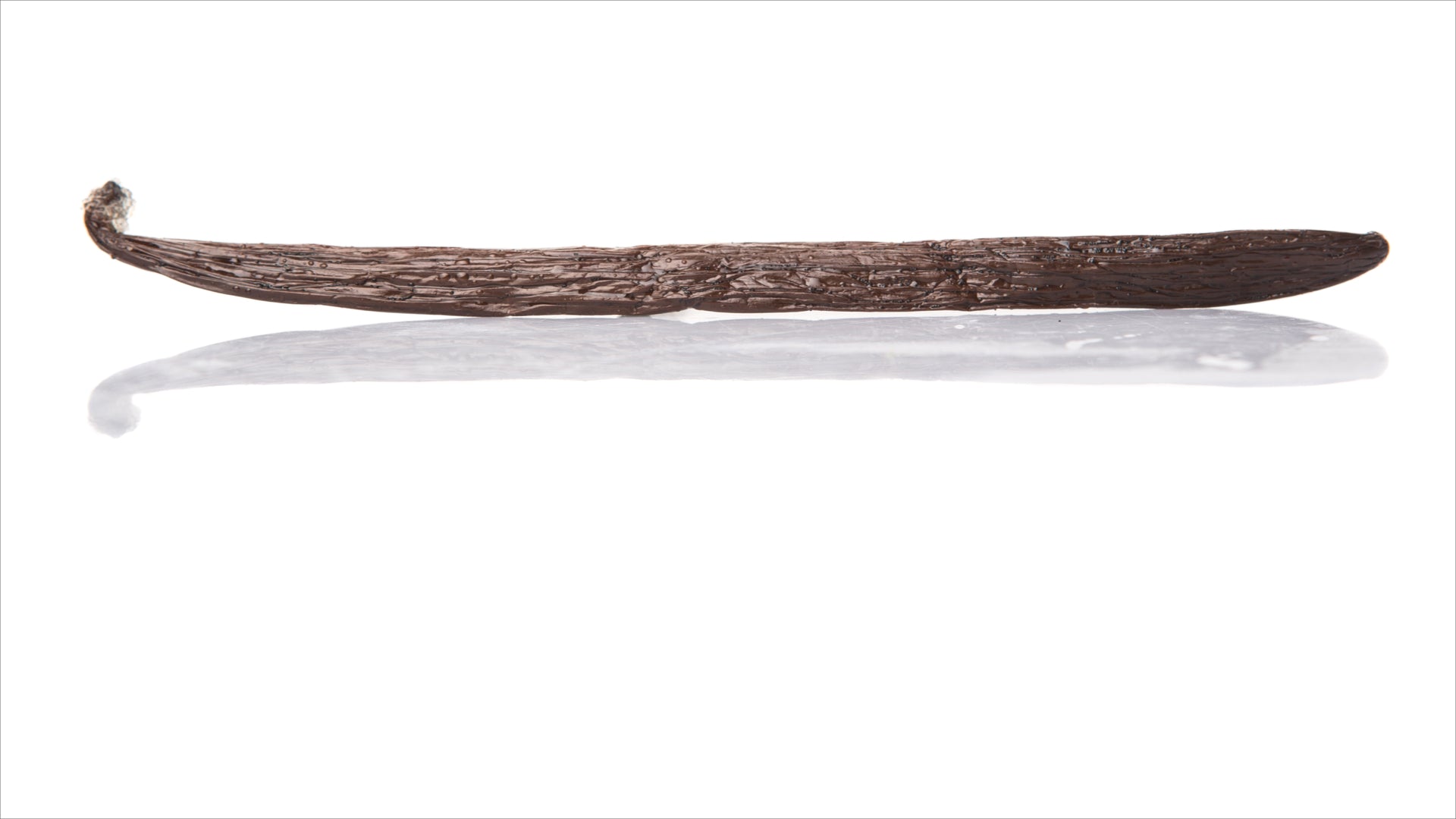
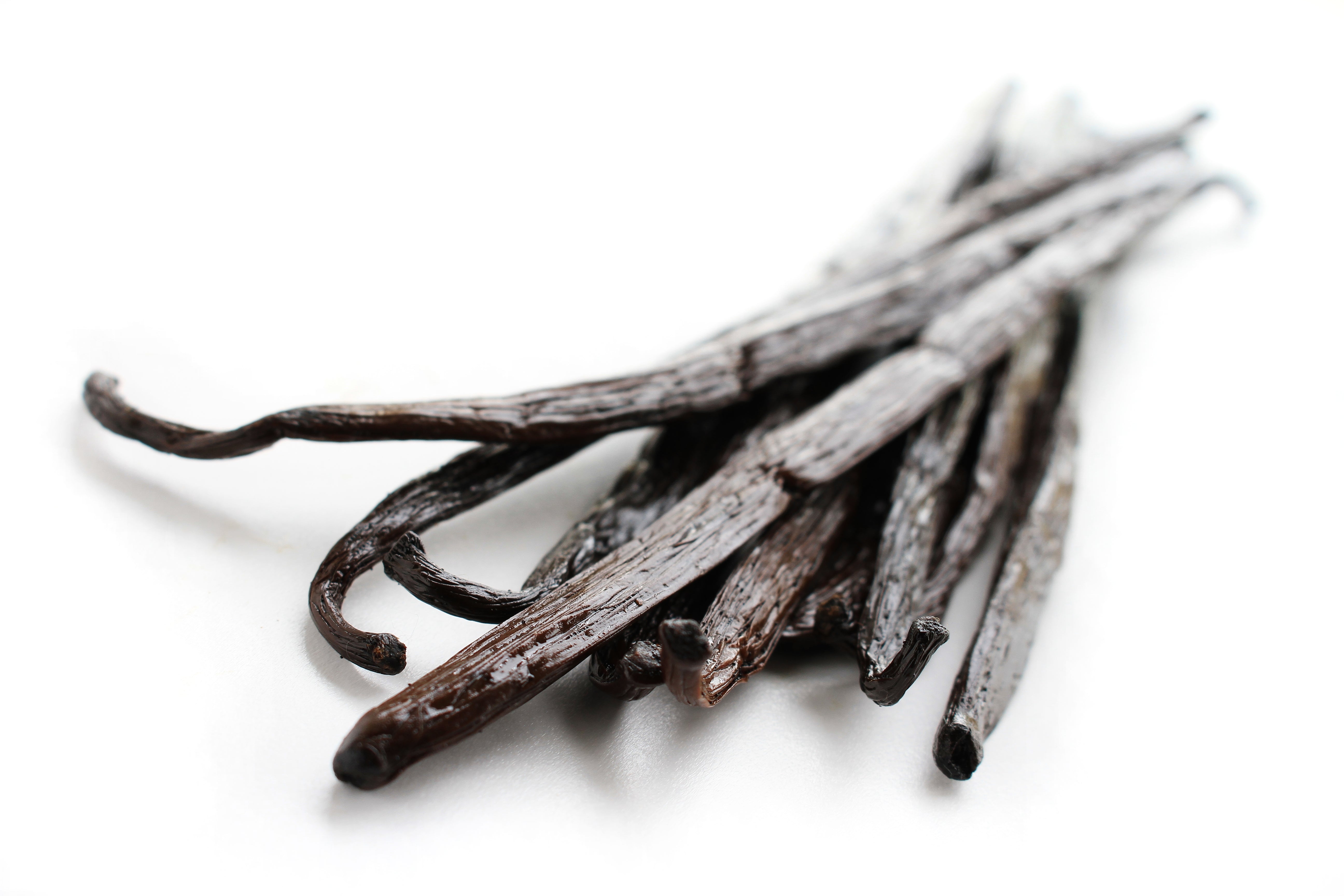
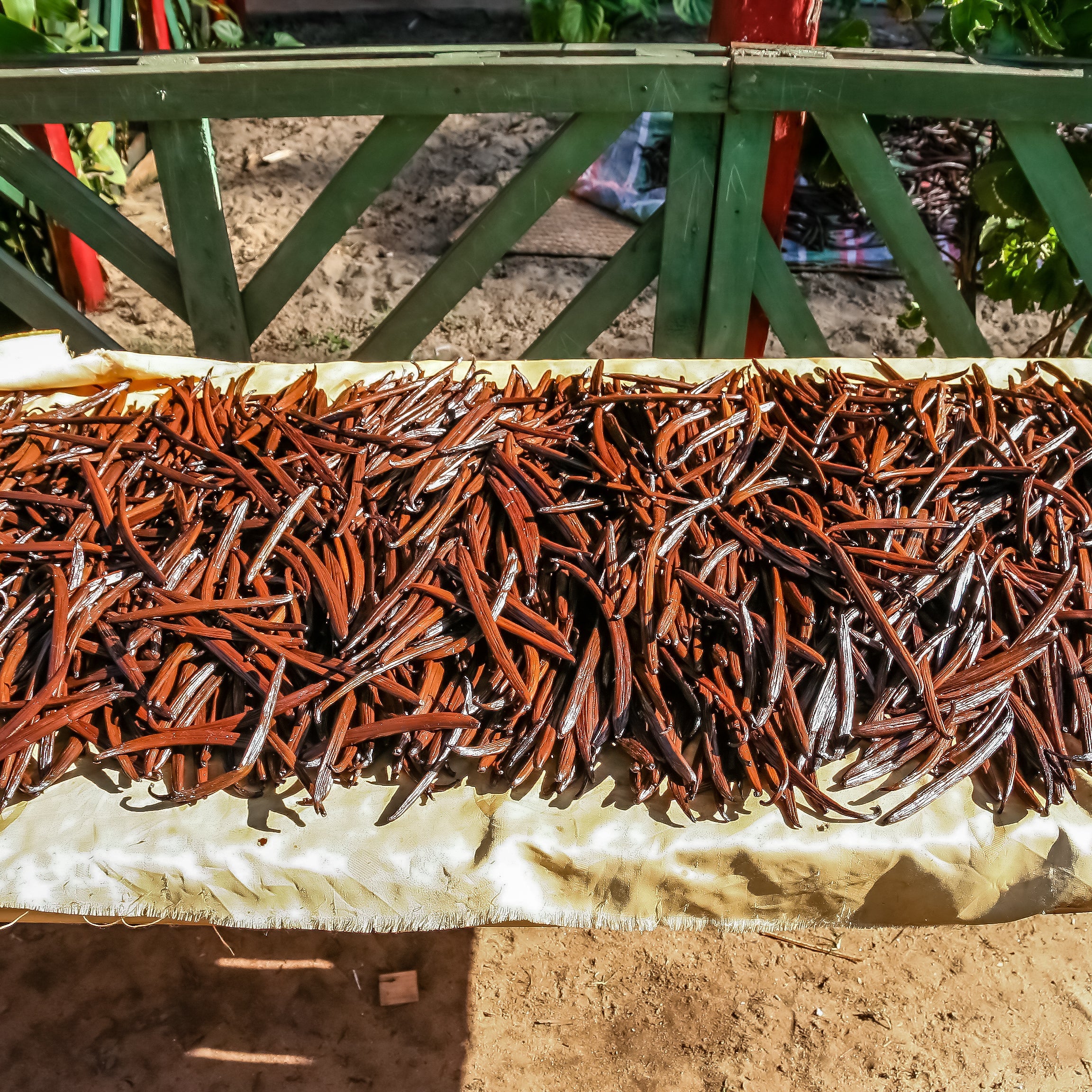
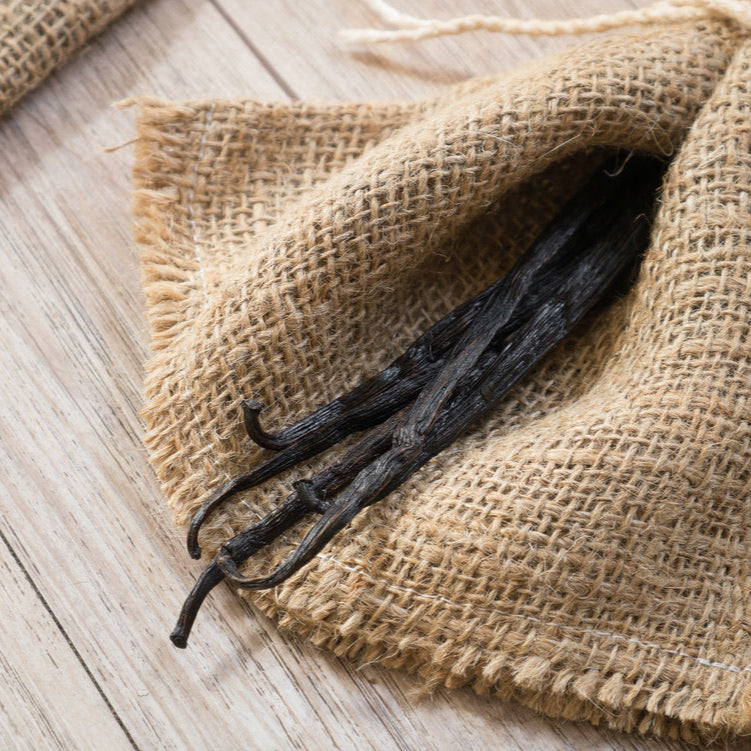
But what these beans lack in size, they more than compensate for in oil content and aromatic intensity. V. cribbiana beans are among the oiliest vanilla beans in the world, with a slick, almost glossy surface that leaves your fingers coated with fragrant vanilla oils.
Why Are Cribbiana Beans So Small?
The compact size of V. cribbiana beans is primarily a function of genetics and evolutionary adaptation:
Genetic predisposition: V. cribbiana evolved as a distinct species with naturally smaller flowers and, consequently, smaller seed pods. The species' DNA codes for a more compact fruit structure compared to its larger cousins.
Highland adaptation: In the cooler highland environments of Guatemala and Mexico where V. cribbiana thrives, the growing season dynamics differ from lowland tropical regions. The plants may have evolved smaller fruits that can mature more reliably in these conditions.
Resource allocation: Rather than investing energy in bean length, V. cribbiana appears to concentrate its resources into oil and aromatic compound production, creating a more intense flavor profile in a smaller package.
The Oil Factor: What Makes Cribbiana So Slick?
The extraordinary oiliness of V. cribbiana beans is their most distinctive characteristic. When you handle these beans, you immediately notice the difference—they're noticeably more slippery and leave a pronounced oily residue on your hands and in storage bags.
This high oil content results from several factors:
Species-specific chemistry: V. cribbiana produces higher concentrations of oleoresins—the oily, resinous compounds that carry vanilla's aromatic molecules. While V. planifolia focuses on vanillin production, V. cribbiana generates a broader spectrum of oil-soluble flavor compounds.
Cell structure differences: The beans have a higher density of oil-producing cells within the pod walls and around the seeds. This cellular architecture creates more surface area for oil secretion, resulting in that characteristic slick exterior.
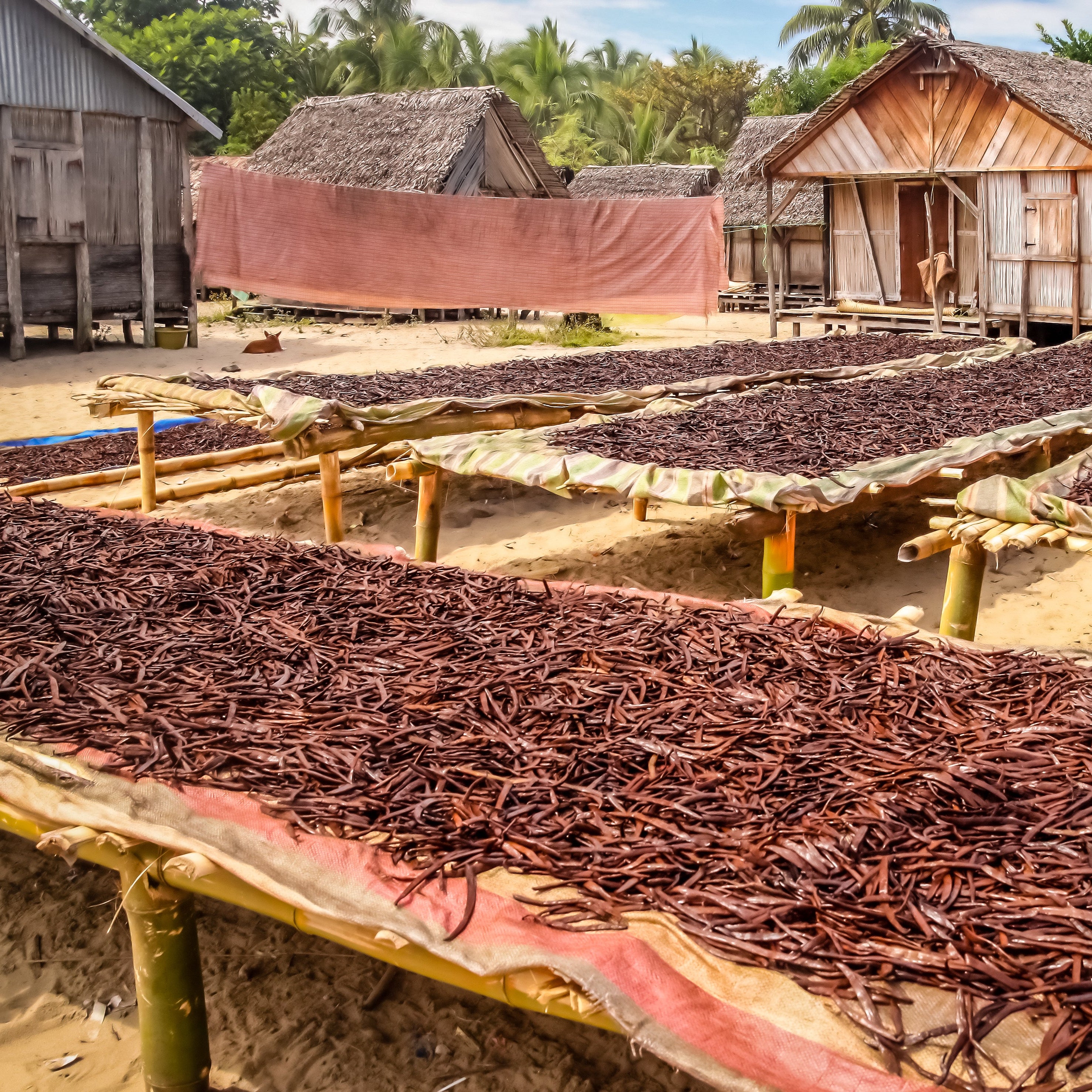
Curing process enhancement: The traditional curing methods used in Guatemala and Mexico may emphasize oil development. The sweating and conditioning phases can concentrate oils as moisture evaporates, intensifying the oily character.
Climate influence: The highland microclimates where V. cribbiana grows—with cooler nights and warm days—may stress the plants in ways that trigger increased oil production as a protective mechanism.
Growing Cribbiana: Different from Planifolia and Tahitensis
Vanilla cribbiana cultivation differs significantly from its more famous relatives:
Altitude and Climate
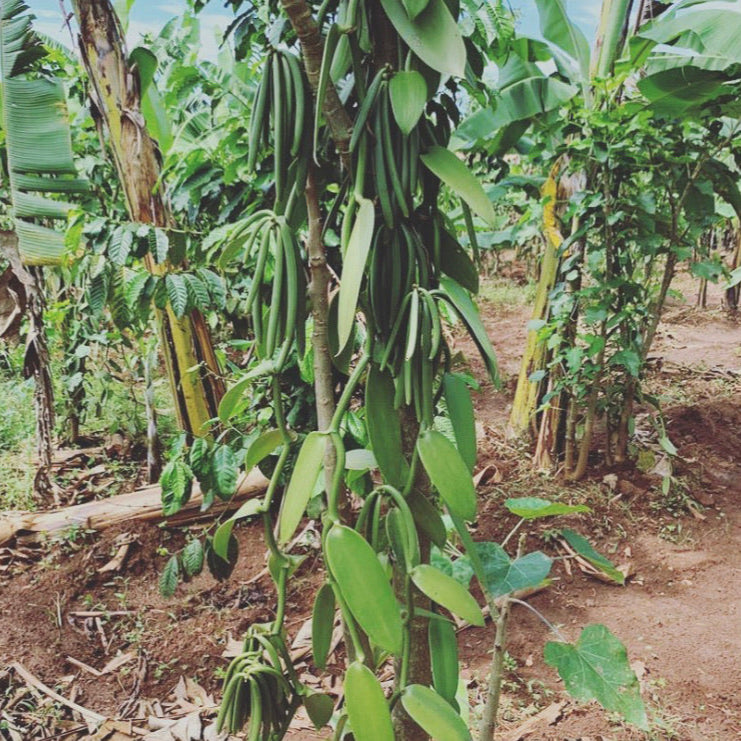
While V. planifolia and V. tahitensis prefer lowland tropical conditions (sea level to 2,000 feet), V. cribbiana thrives at higher elevations—often 2,000-4,000 feet in the highlands of Guatemala and southern Mexico. These cooler, more temperate conditions would stress or kill V. planifolia vines, but V. cribbiana has adapted to handle the temperature fluctuations and cooler nights.
Shade Requirements
V. cribbiana requires more shade than V. planifolia. Growers typically cultivate it under dense forest canopy or heavy shade structures, protecting the vines from direct sun exposure that would be tolerable for Bourbon vanilla. This makes V. cribbiana ideal for agroforestry systems in Guatemala's cloud forests.
Support Structures
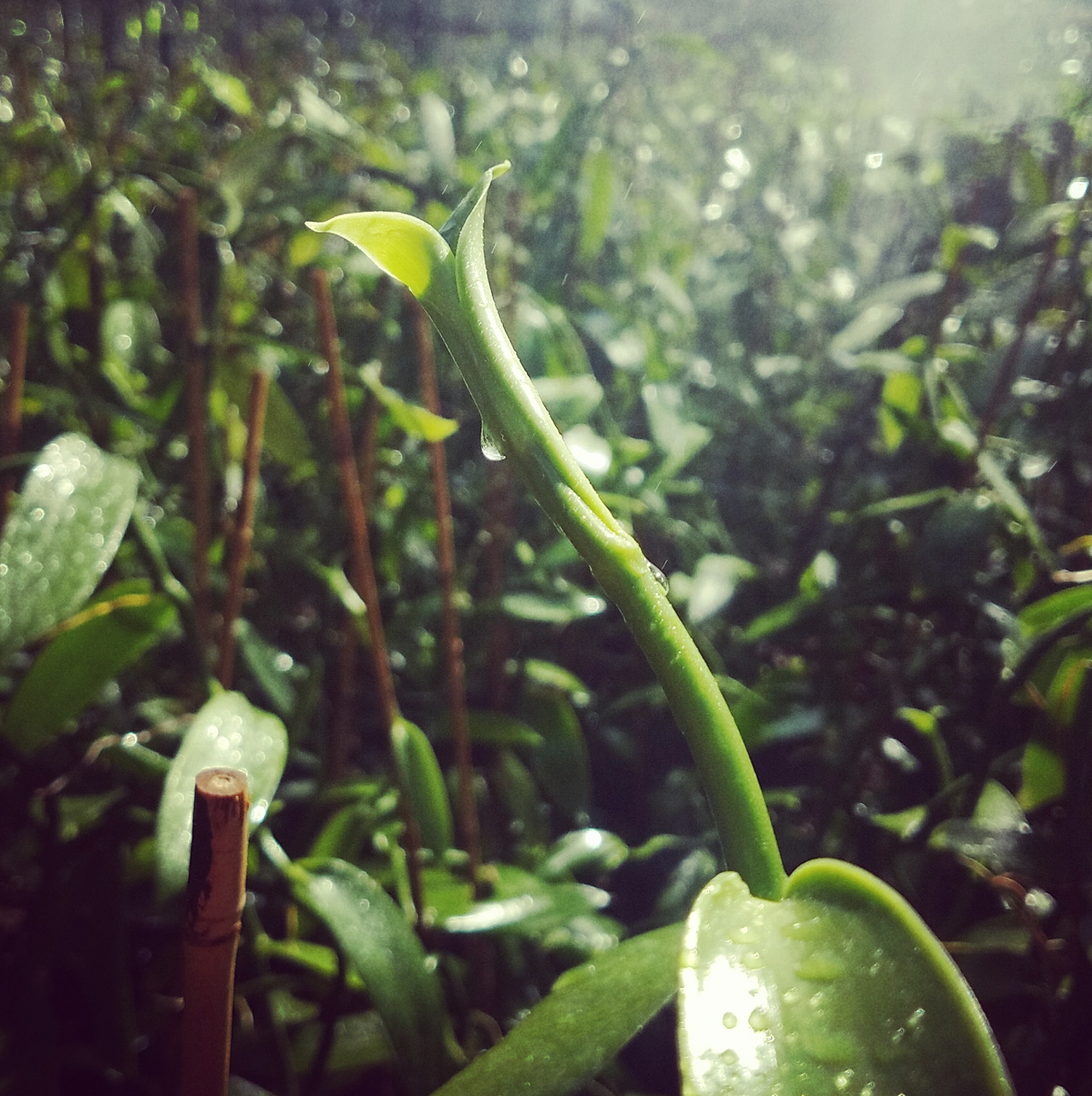
The vines of V. cribbiana tend to be less vigorous and more delicate than the robust growth of V. planifolia. They require gentler support systems and more careful training. Unlike V. tahitensis, which can grow quite aggressively, V. cribbiana maintains a more compact growth habit.
Pollination Timing
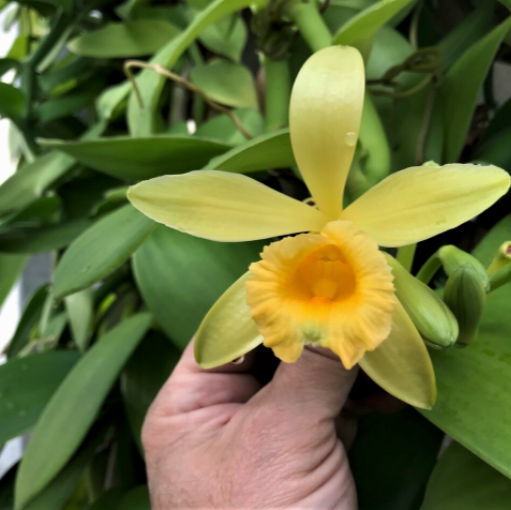
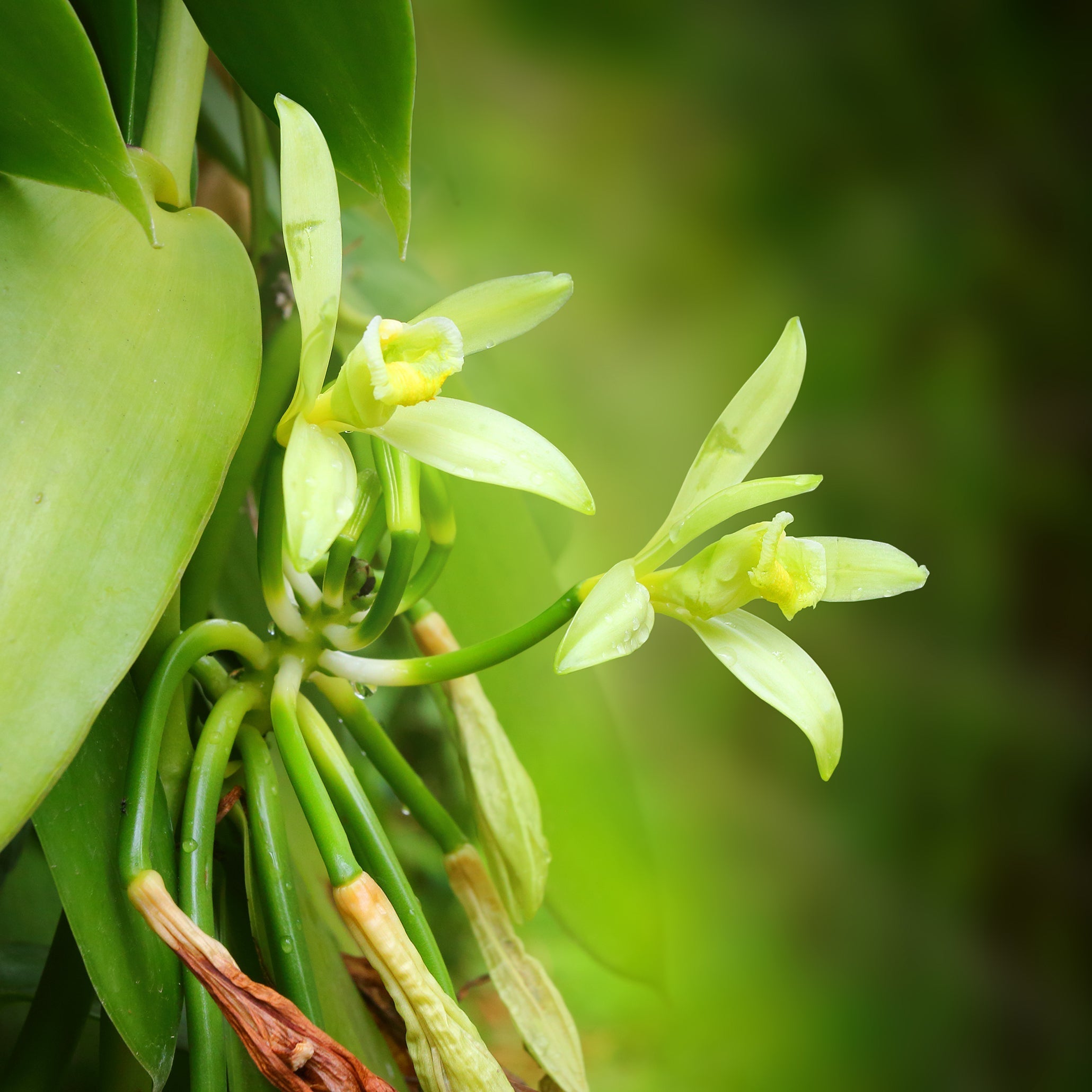
The flowering period for V. cribbiana may differ from V. planifolia, often occurring slightly earlier or later depending on the specific microclimate. The flowers themselves are smaller, requiring even more precision during hand-pollination.
Maturation Period
While V. planifolia beans typically mature in 8-9 months, V. cribbiana can take 9-11 months to reach full maturity. The cooler highland temperatures slow development, but this extended maturation may contribute to the beans' concentrated oil content.
Harvest Indicators
Determining harvest readiness differs for V. cribbiana. Rather than waiting for the bean tip to yellow (as with V. planifolia), growers look for a subtle change in the bean's surface texture and a slight softening—indicators that the oils have fully developed.
Small Bean, Big Flavor: The Intensity Paradox
Despite their diminutive size, V. cribbiana beans deliver remarkable flavor intensity. This paradox is explained by several factors:
Concentrated aromatics: The high oil content means flavor compounds are densely packed into a smaller volume. You're getting similar or greater aromatic complexity in a 4-inch V. cribbiana bean as you might find in a 6-inch V. planifolia bean.
Diverse flavor profile: V. cribbiana produces a broader spectrum of aromatic compounds beyond vanillin. Users often describe notes of cherry, almond, floral undertones, and a distinctive creamy richness that comes from the abundant oils.
Oil-soluble flavor delivery: The oils act as carriers for fat-soluble flavor molecules, making V. cribbiana particularly effective in applications with butter, cream, or other fats where the oils can integrate seamlessly.
Efficient extraction: The oily nature of the beans means flavor compounds extract more readily into alcohol, fats, or sugars, delivering more flavor per bean than drier vanilla varieties.
The Vanilla Sugar Secret: Capturing the Residual Oils
One of the most delightful characteristics of V. cribbiana beans is what they leave behind. When you store these beans in a bag or container and later remove them, the residual oils coating the interior create an opportunity for one of vanilla's best-kept secrets: effortless vanilla sugar.
Here's why it works so beautifully with V. cribbiana:
Abundant oil residue: Unlike drier vanilla species that leave minimal residue, V. cribbiana beans coat storage bags with a generous layer of fragrant vanilla oils. These oils contain the full spectrum of the bean's aromatic compounds.
Oil-sugar affinity: When you add granulated sugar to a bag that previously held V. cribbiana beans, the sugar crystals absorb the oils readily. The porous structure of sugar provides enormous surface area for oil absorption, creating an intimate mixture of vanilla aromatics and sweetness.
Flavor development: As the sugar sits in contact with the oils, the vanilla flavor intensifies and mellows, developing complexity over days or weeks. The oils penetrate the sugar crystals, creating a product that's far superior to simply mixing vanilla extract with sugar.
Practical magic: This method captures flavor that would otherwise be wasted. Rather than discarding a bag with oil residue, you're transforming it into a premium ingredient—vanilla sugar that carries the authentic, complex flavor of V. cribbiana.
How to Make Cribbiana Vanilla Sugar from Residual Oils
- After removing V. cribbiana beans from their storage bag, examine the interior—you should see and feel oily residue
- Add 1-2 cups of granulated sugar directly to the bag
- Seal the bag and shake vigorously to distribute the oils throughout the sugar
- Let the sugar rest in the bag for at least 3-5 days, shaking occasionally
- The sugar will absorb the oils and develop a beautiful vanilla aroma and flavor
- Store in an airtight container and use in coffee, baking, or anywhere you want a touch of vanilla sweetness
The resulting vanilla sugar carries the distinctive character of V. cribbiana—rich, oily, complex, with those characteristic cherry and almond notes that make this species unique.
Culinary Applications: Where Cribbiana Shines
The small size and high oil content of V. cribbiana beans make them ideal for specific applications:
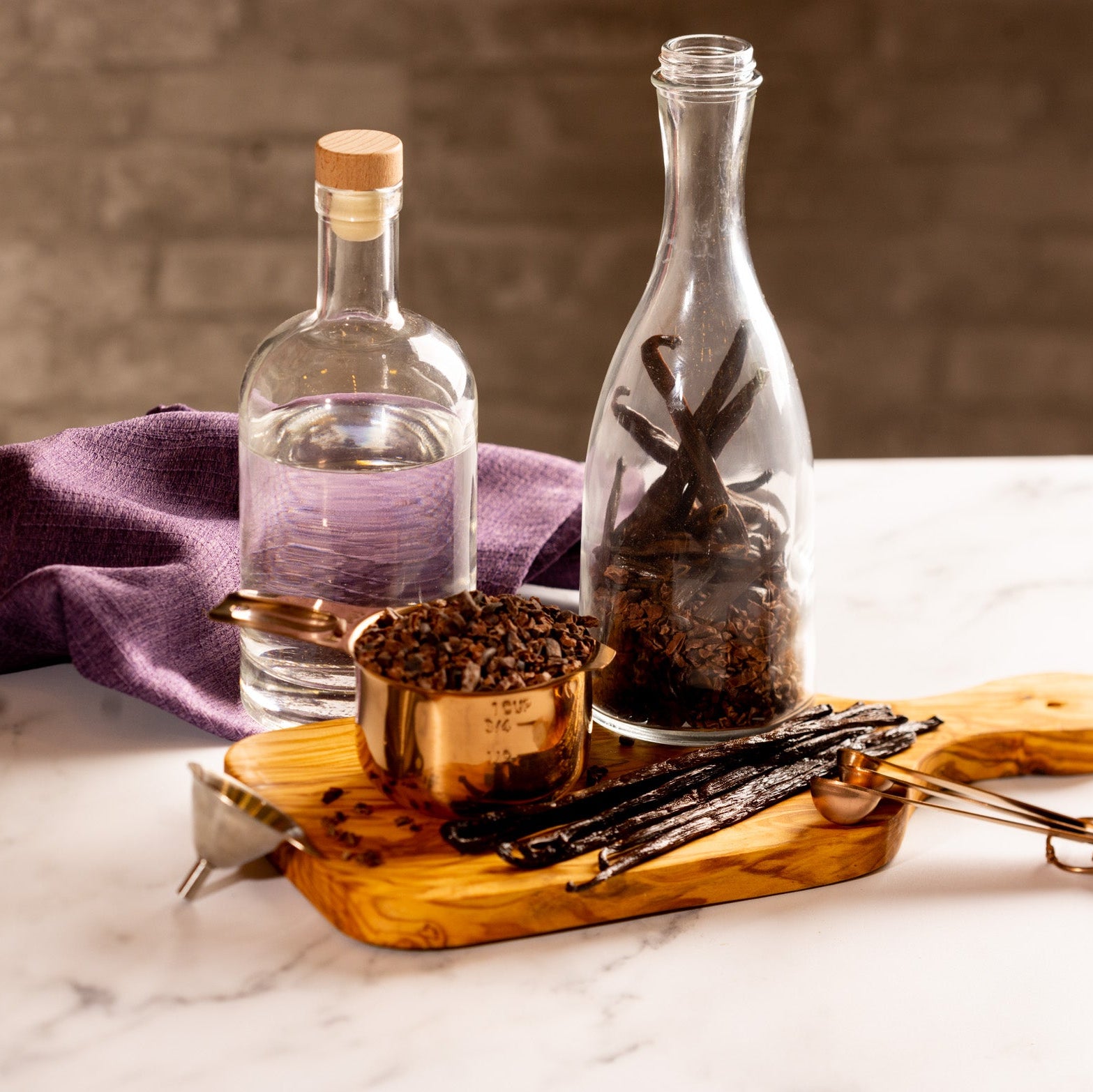
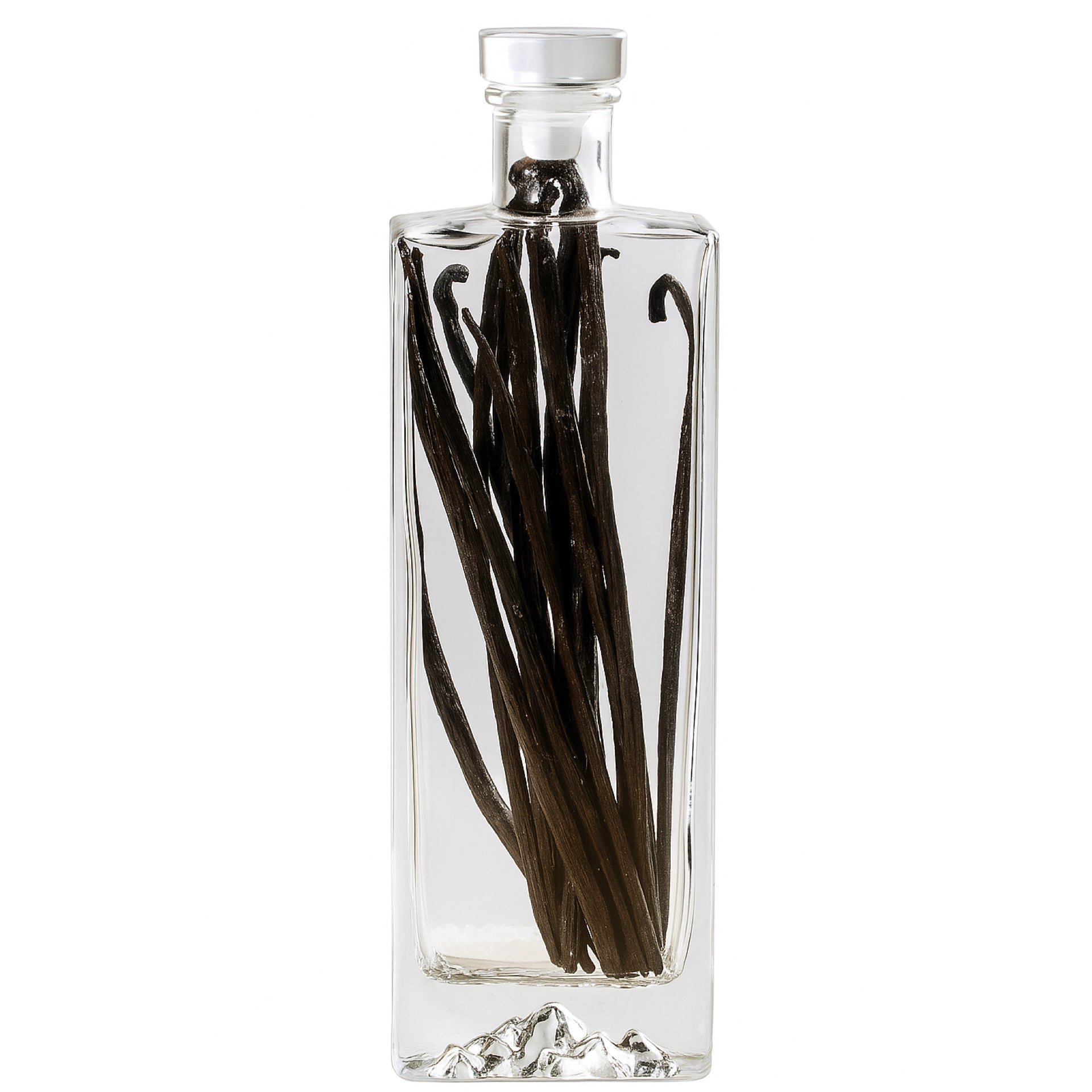
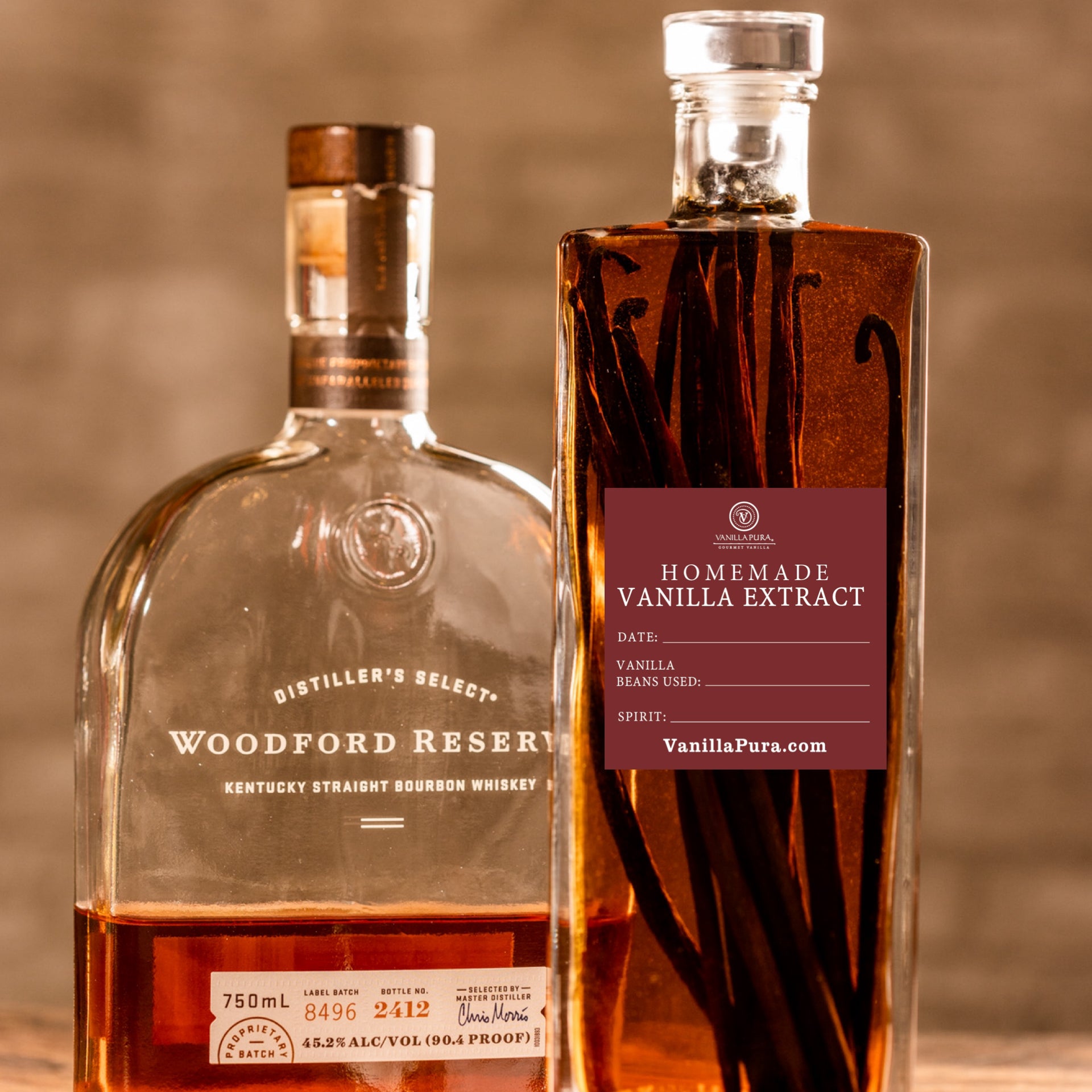
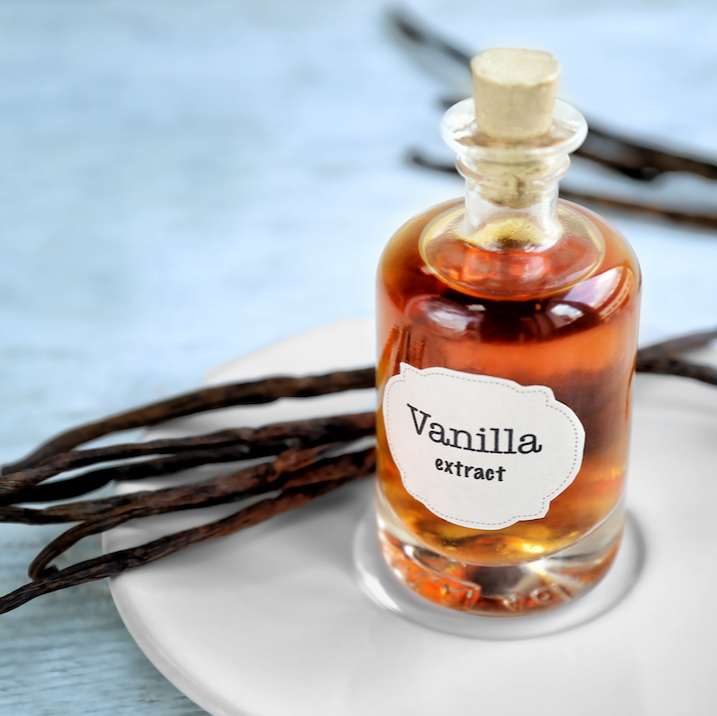
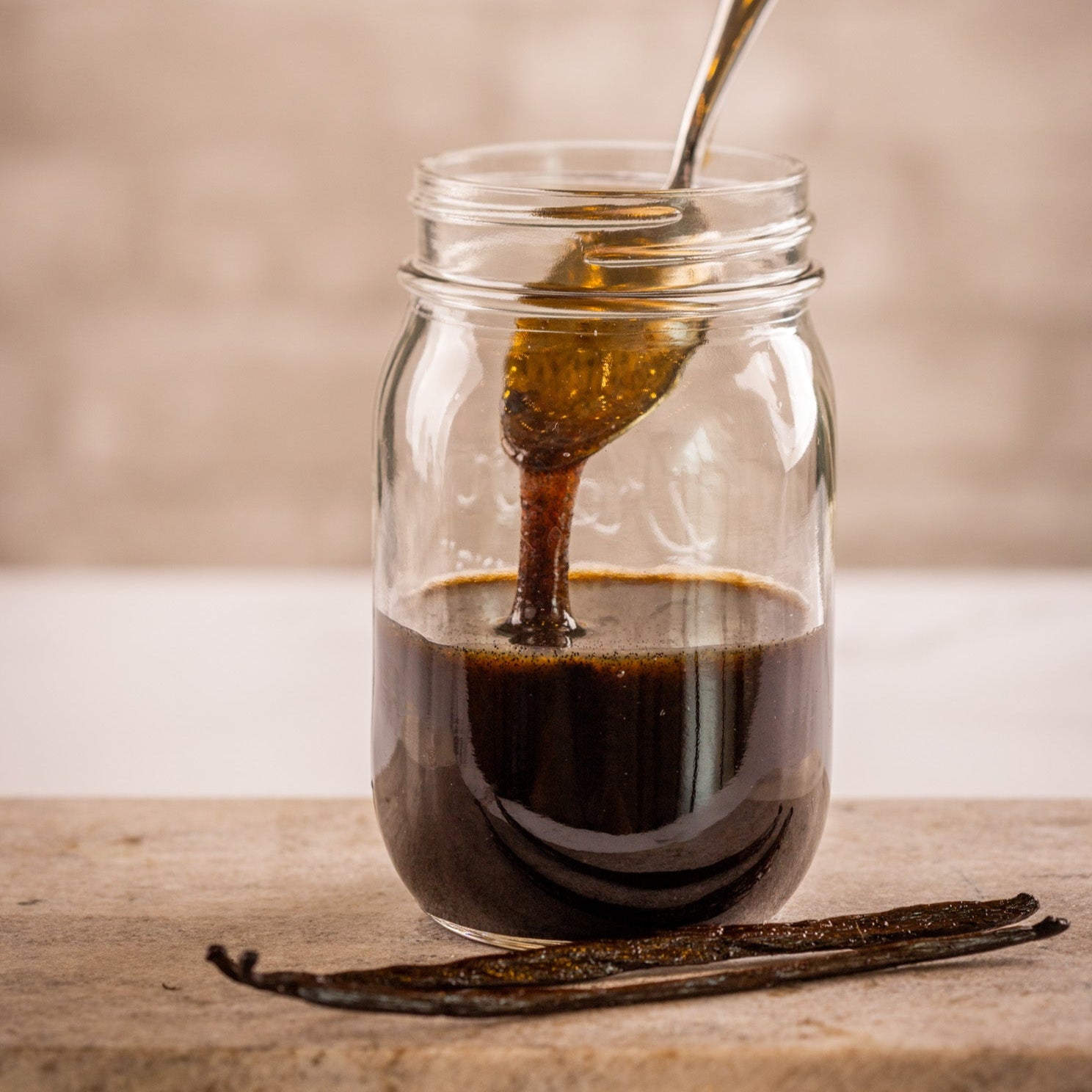
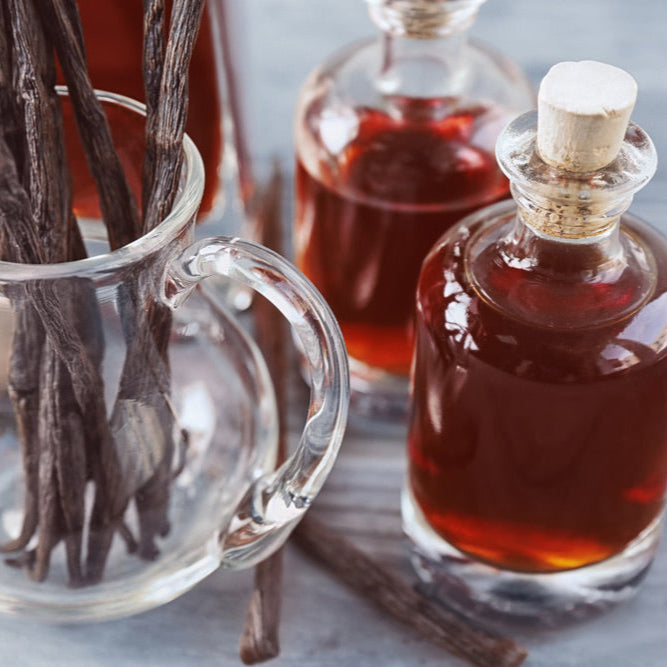
- Vanilla extract: The oils extract beautifully into alcohol, creating intensely flavored extracts with less bean material
- Vanilla sugar: As discussed, the residual oils make exceptional vanilla sugar
- Cream-based desserts: The oils integrate seamlessly into custards, ice creams, and panna cotta
- Butter-based baking: Cookies, shortbread, and butter cakes benefit from the oil-soluble aromatics
- Infused oils: The beans can infuse neutral oils for use in vinaigrettes or finishing oils
- Small-batch applications: When you need intense vanilla flavor but only have space for a small bean, V. cribbiana delivers
The Future of Vanilla Cribbiana
As the specialty vanilla market grows and consumers seek unique flavor experiences, V. cribbiana is positioned to gain recognition beyond its traditional Central American markets. The species offers:
- Adaptation to highland climates unsuitable for V. planifolia
- Potential for agroforestry integration in cloud forest regions
- A distinctive flavor profile for artisanal and craft applications
- Efficient flavor delivery in a compact package
- Unique characteristics that appeal to vanilla enthusiasts and professionals
Guatemalan and Mexican growers are refining cultivation techniques and curing methods to highlight V. cribbiana's strengths, creating a niche market for these remarkable little beans.
Small in Size, Mighty in Character
Vanilla cribbiana reminds us that in the vanilla world, bigger isn't always better. These small, oily beans from the highlands of Guatemala and Mexico pack extraordinary flavor into a compact form, offering a unique expression of vanilla that differs markedly from the more common species.
Whether you're drawn to their intense aromatics, their practical efficiency, or the delightful vanilla sugar you can create from their residual oils, V. cribbiana beans represent a fascinating corner of vanilla diversity worth exploring. The next time you encounter these small, slick beans, appreciate them not for what they lack in size, but for what they deliver in concentrated, oily, aromatic abundance.