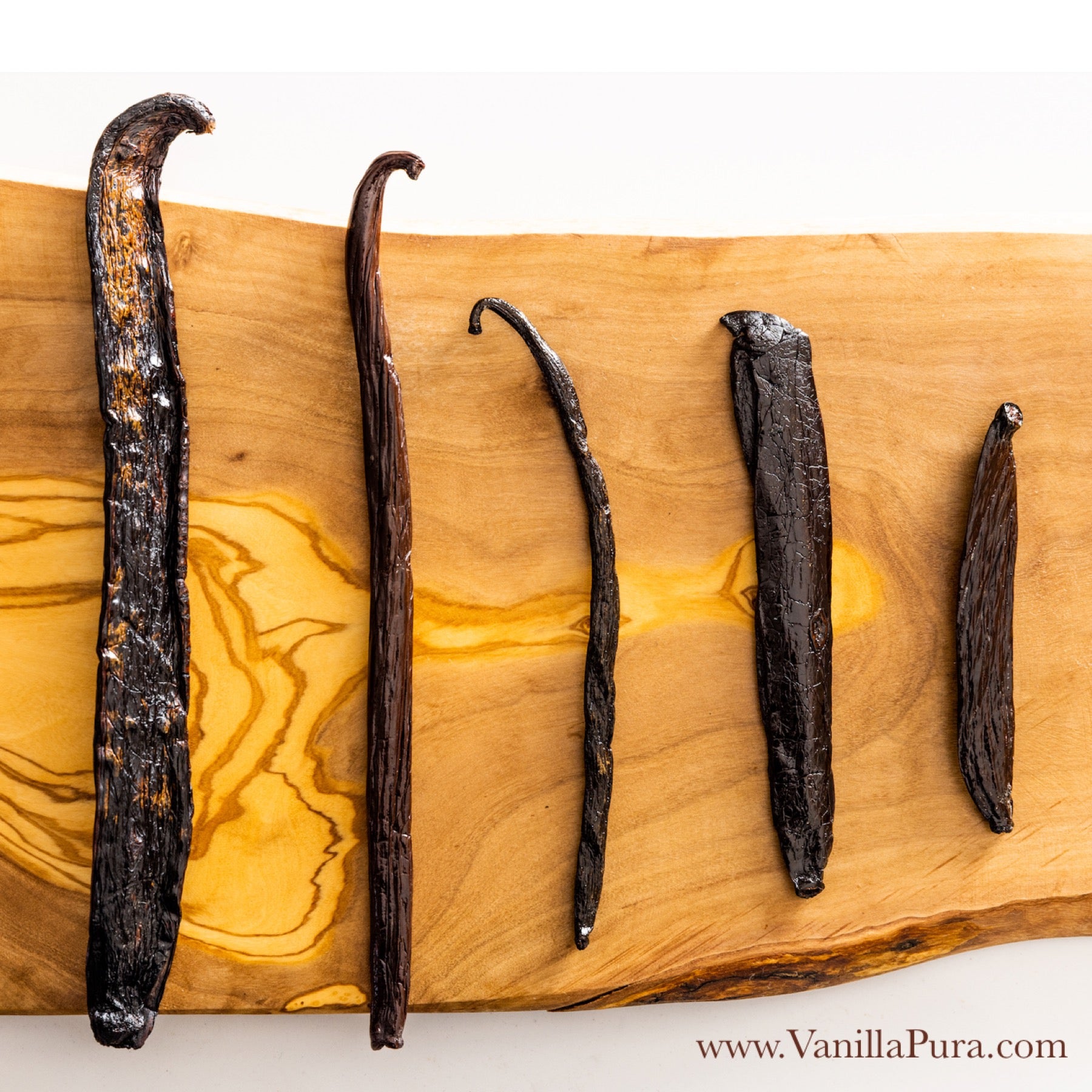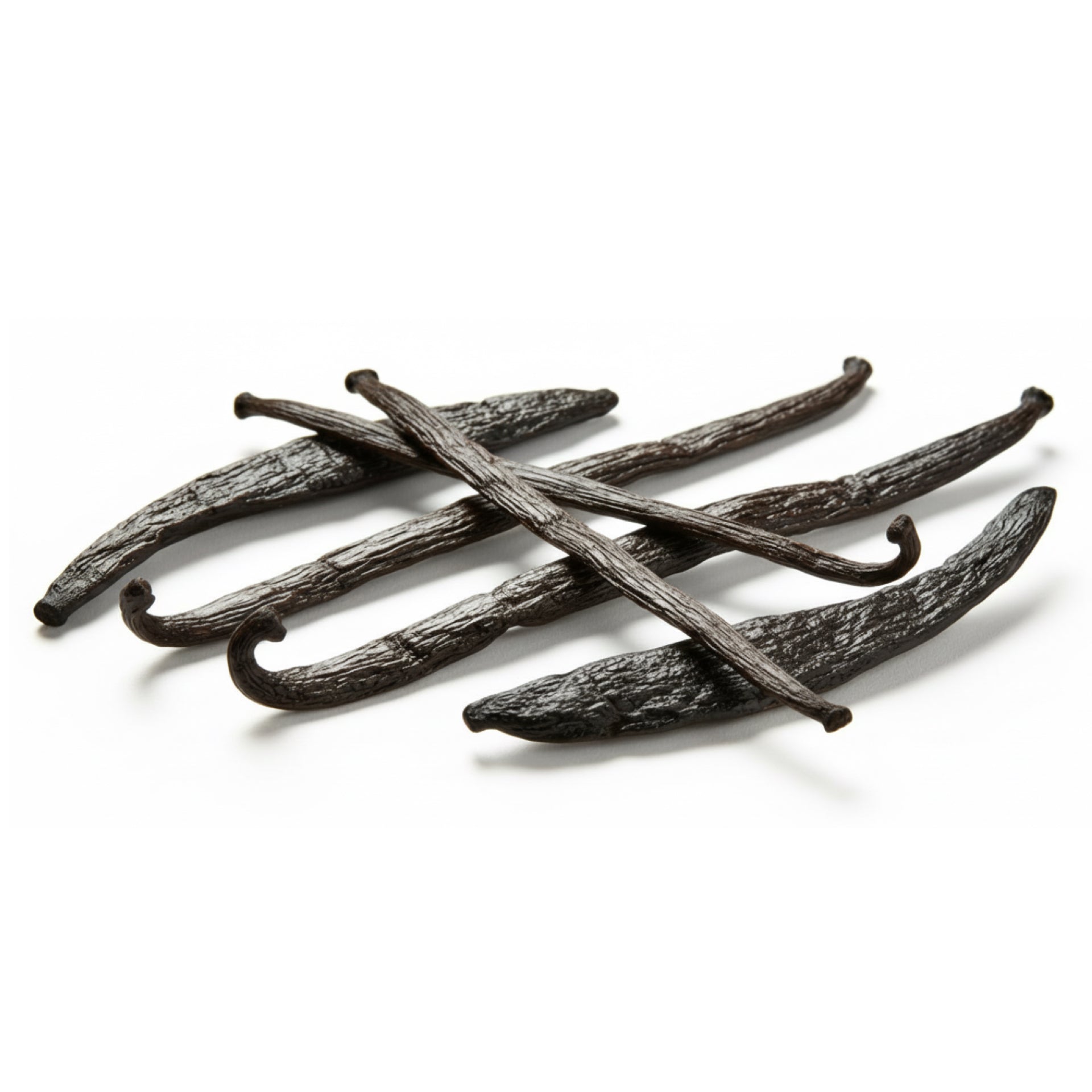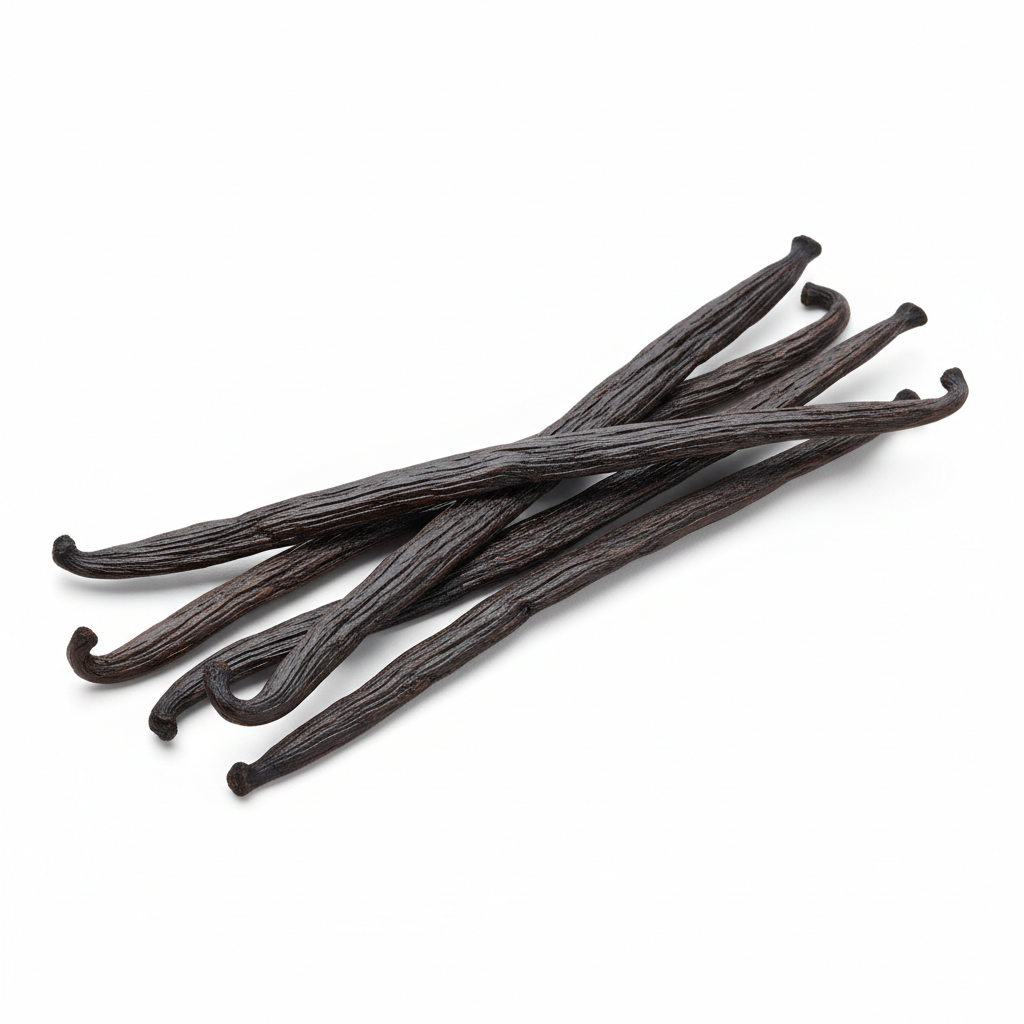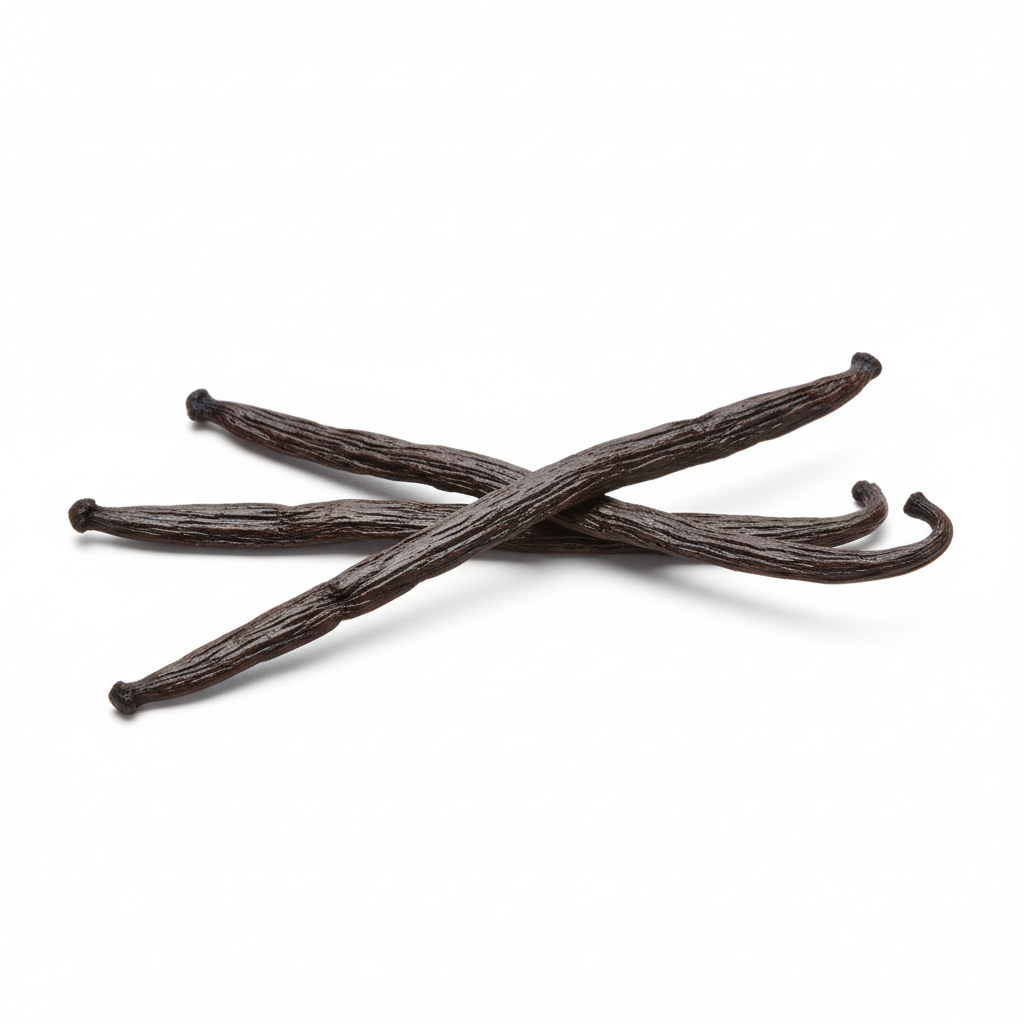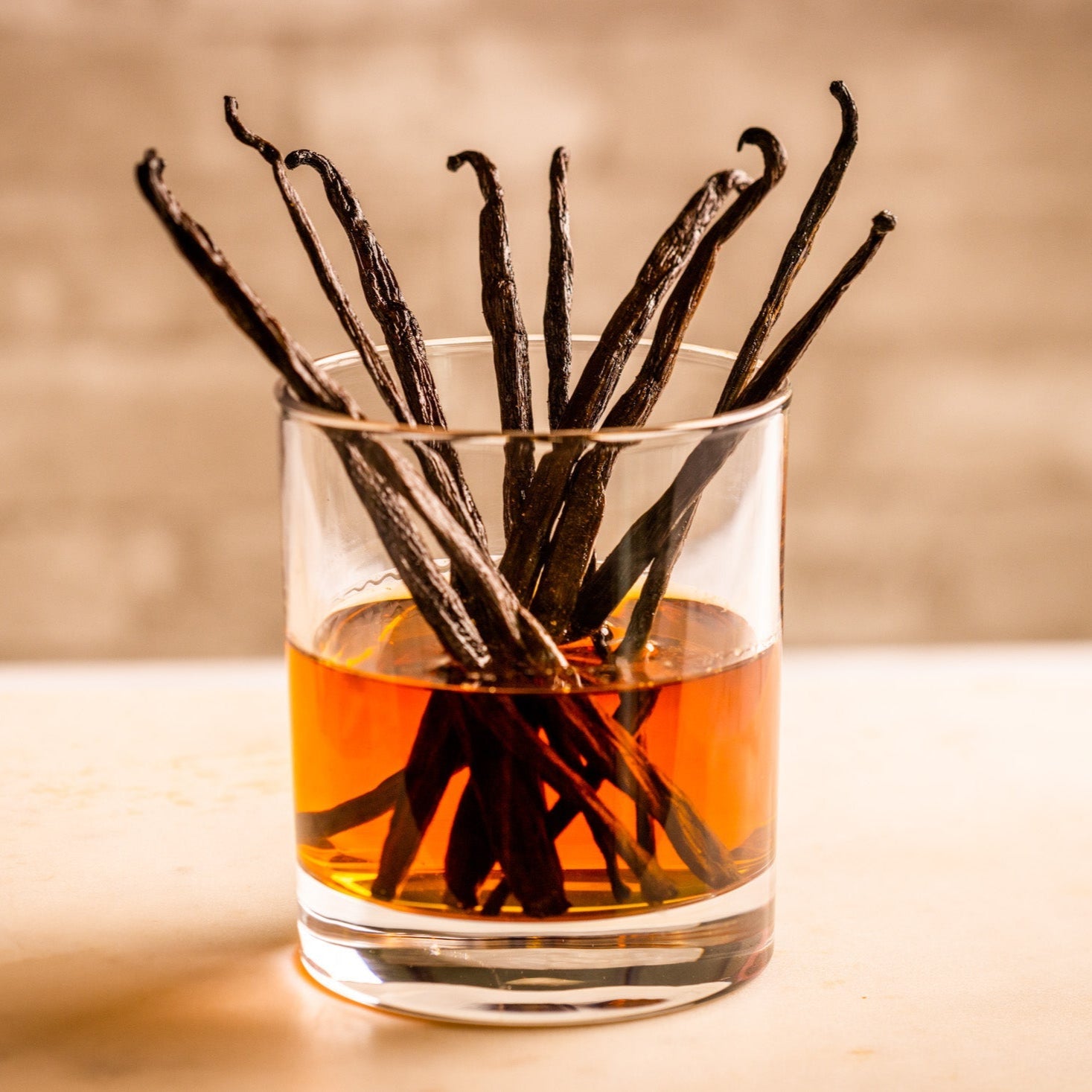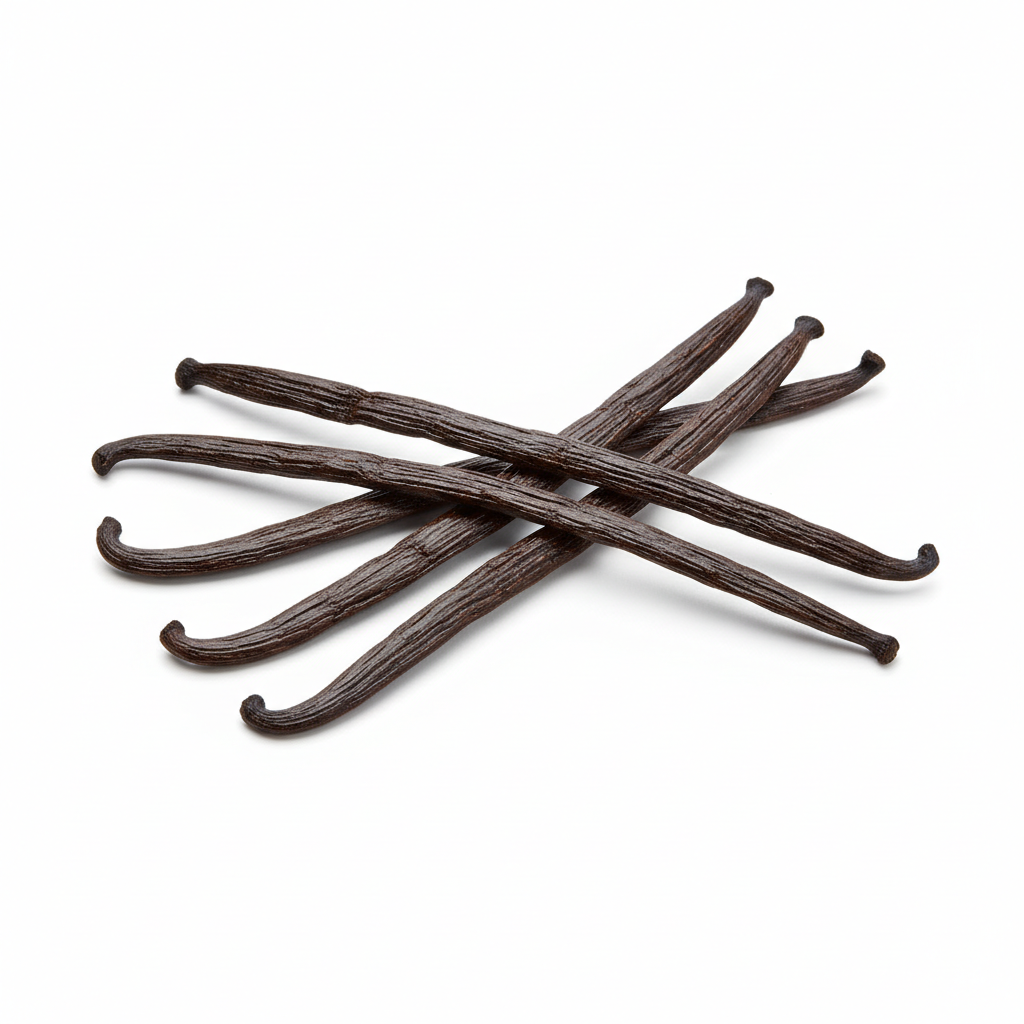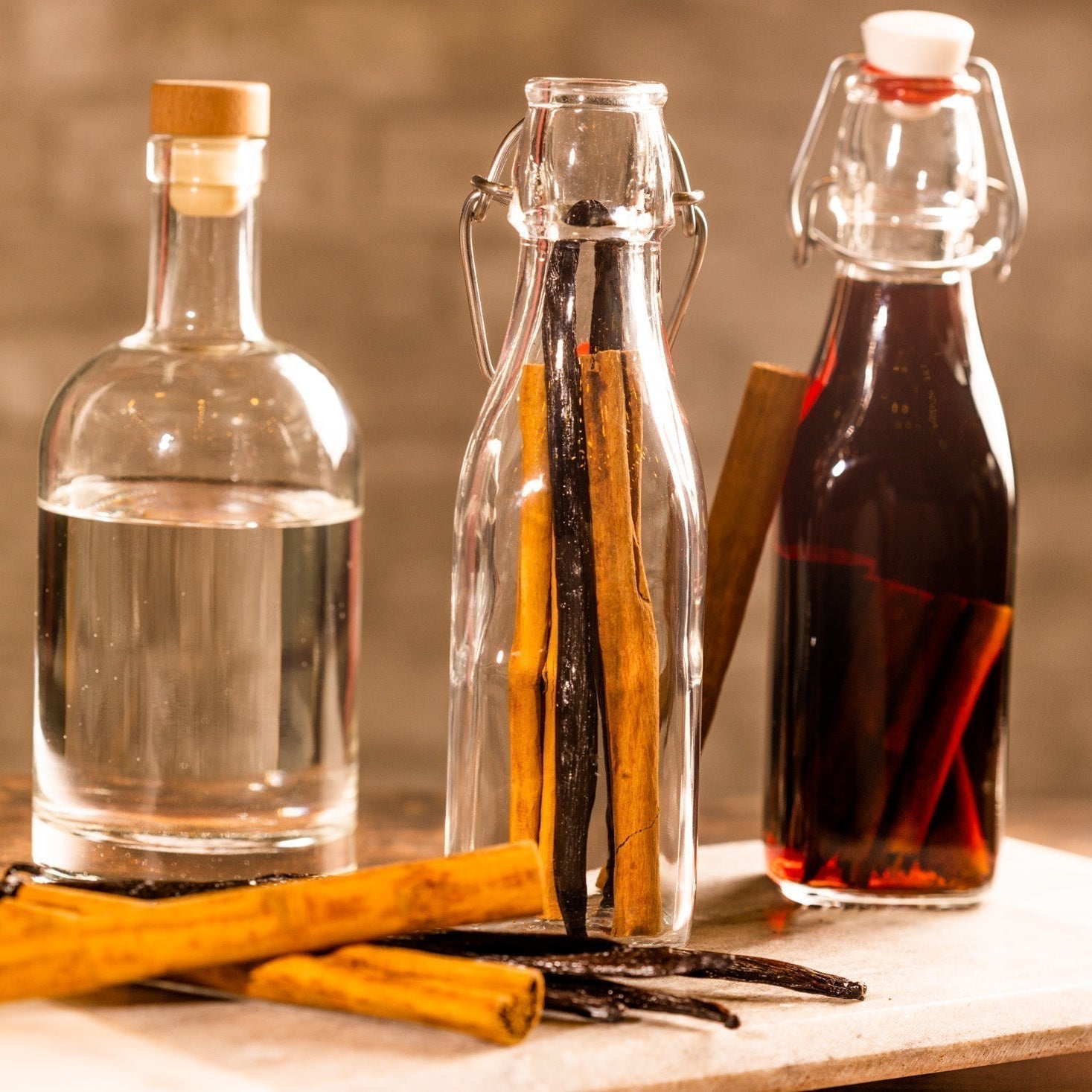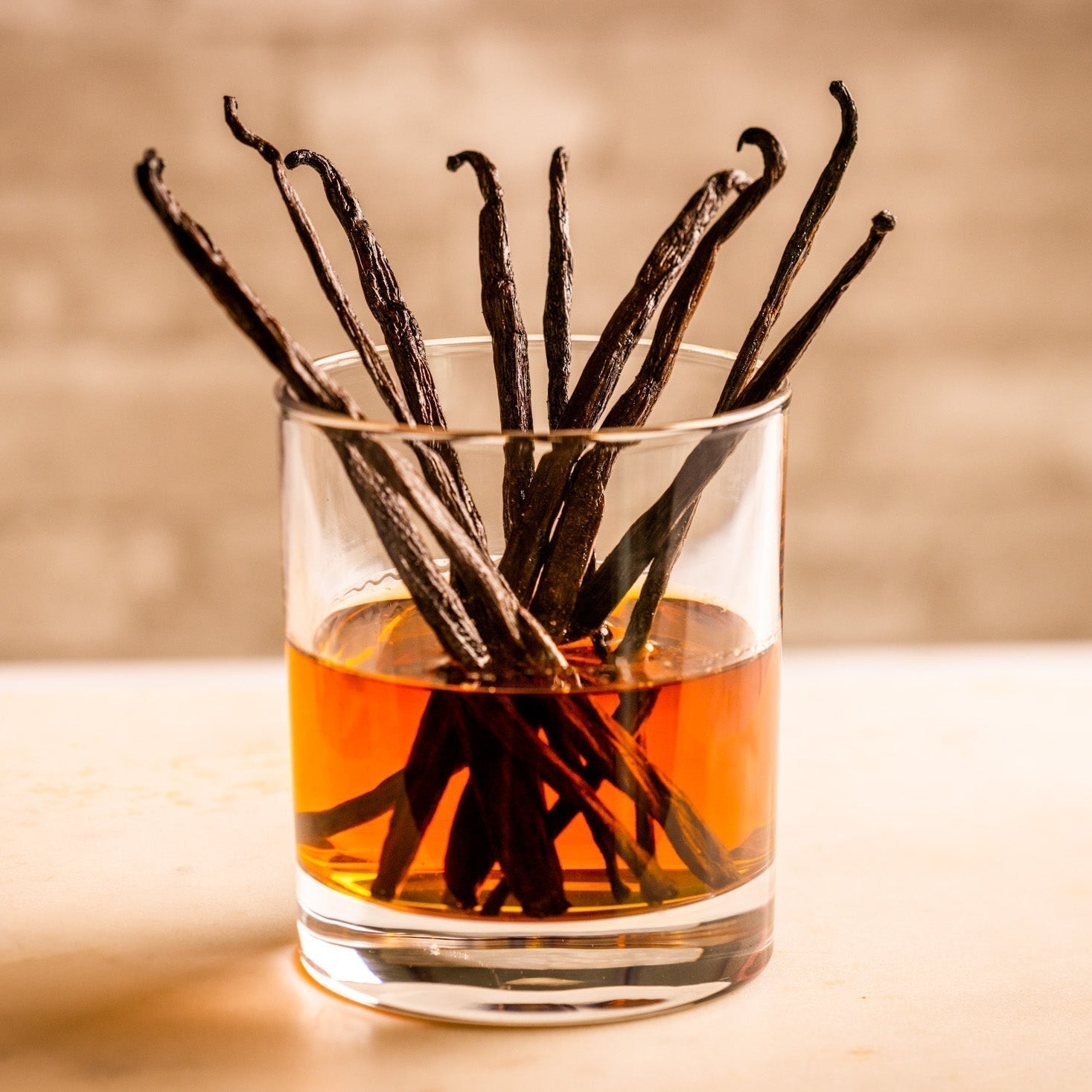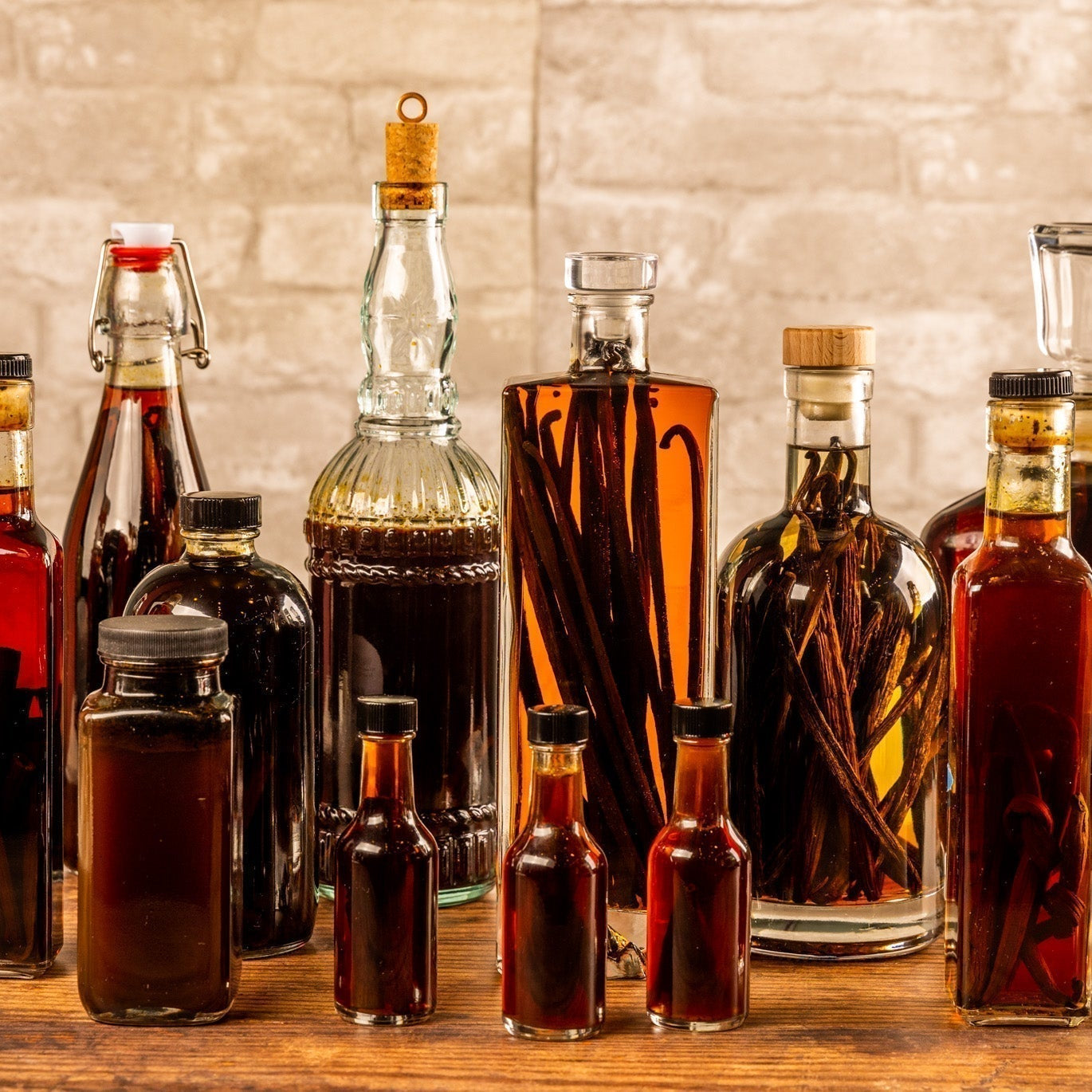

When you think of French vanilla, you might imagine Madagascar's Bourbon beans or perhaps a creamy ice cream flavor. But there's only one place in the world where vanilla beans are genuinely, legally French—and it's not an island in the Indian Ocean. It's a slice of South America nestled between Brazil and Suriname: French Guiana.
France in South America: A Colonial Legacy
French Guiana (Guyane française) occupies a unique position in the modern world—it's not a former colony or an overseas territory, but an integral part of France itself. As an overseas department (département d'outre-mer), French Guiana is as much France as Paris or Provence. Its residents are French citizens, it uses the euro, and it's part of the European Union. The European Space Agency even launches rockets from its Kourou spaceport.
This unusual arrangement dates back to the 17th century, when France established settlements along the northeastern coast of South America. While most European powers eventually relinquished their South American colonies, France retained Guiana through various historical circumstances—including its use as a penal colony (the infamous Devil's Island) and its strategic value. In 1946, French Guiana officially became a department of France, cementing its status as European territory in South America.
The Geographic Reality: More South American Than European
Despite its French passport, French Guiana shares far more with its South American neighbors than with metropolitan France. The territory is covered by 90% Amazon rainforest, bordered by Brazil to the south and east, and Suriname to the west. Its climate, ecology, and agricultural conditions mirror those of Brazil, Peru, Ecuador, and Colombia—not the temperate fields of France.
This creates a fascinating paradox for vanilla cultivation. While French Guiana vanilla beans are technically French—grown on French soil, by French citizens, under French agricultural regulations—they're geographically and botanically South American. The beans grow in the same humid tropical conditions, the same rich Amazonian soils, and the same equatorial climate as vanilla from neighboring countries.
The Vanilla Connection: South American Terroir, French Identity
Vanilla cultivation in French Guiana benefits from the same conditions that make Peru, Ecuador, and Colombia emerging vanilla origins. The Amazon basin provides:
- Year-round warmth (75-85°F) with minimal temperature variation
- High humidity (80-95%) essential for vanilla orchid health
- Rich, organic soils with excellent drainage
- Natural forest canopy providing filtered sunlight
- Abundant rainfall distributed throughout the year
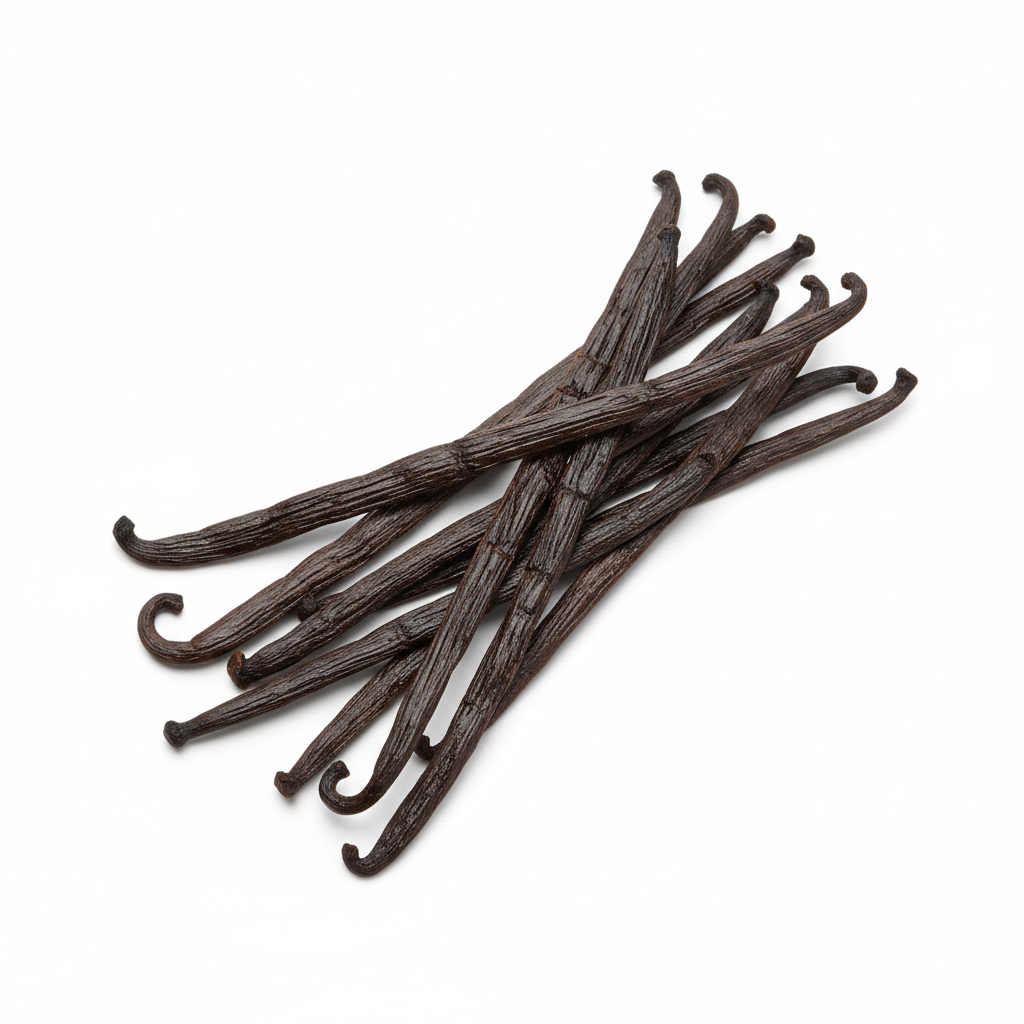
French Guiana's vanilla—often Vanilla planifolia but sometimes V. pompona—shares more characteristics with Brazilian and Peruvian vanilla than with the island vanillas of the Indian Ocean. The terroir is distinctly Amazonian, producing beans with flavor profiles that reflect the region's unique biodiversity and soil composition.
The Sweetness Factor: French Guiana's Signature Profile
What makes French Guiana vanilla particularly noteworthy is its exceptional sweetness. Growers and vanilla specialists consistently describe these beans as remarkably sweet—often sweeter than their South American neighbors and rivaling the classic sweetness of Madagascar vanilla.
This pronounced sweetness likely results from several factors:
Optimal growing conditions: French Guiana's stable equatorial climate allows vanilla orchids to thrive without the stress of seasonal variations, producing beans with well-developed sugar and vanillin content.
Careful cultivation practices: French agricultural standards and techniques, combined with traditional South American growing methods, create a hybrid approach that maximizes bean quality. The attention to detail in pollination, vine management, and harvest timing ensures beans reach peak maturity.
Curing expertise: The curing process—critical for developing vanilla's flavor—benefits from both French precision and local knowledge of tropical conditions. The slow, careful curing in French Guiana's humid environment allows the beans to develop complex sugars and aromatic compounds that emphasize sweetness.
Soil composition: The mineral-rich alluvial soils of French Guiana, fed by rivers flowing from the interior, provide an ideal nutrient balance that supports the development of sweet, complex flavor compounds.
A Flavor Profile Unlike Any Other
French Guiana vanilla beans offer a distinctive tasting experience that bridges South American and classic vanilla profiles:
- Pronounced sweetness: A natural, honey-like sweetness that's more intense than most South American vanillas
- Creamy notes: Smooth, buttery undertones reminiscent of Madagascar vanilla
- Tropical fruit hints: Subtle notes of tropical fruits reflecting the Amazonian terroir
- Floral complexity: Delicate floral aromatics common in South American species
- Clean finish: A refined, balanced finish without the earthy or woody notes sometimes found in other South American origins
The result is a vanilla that tastes unmistakably tropical and South American, yet possesses a refined sweetness and complexity that sets it apart from its geographic neighbors.
The Rarity Factor: Limited Production, Unique Status
French Guiana vanilla remains relatively rare in the global market. The territory's small-scale production, combined with its unique legal status, makes these beans a curiosity for vanilla enthusiasts and professionals seeking something truly distinctive.
For collectors and connoisseurs, French Guiana vanilla represents the ultimate geographic paradox: beans that are legally European but geographically South American, combining French agricultural heritage with Amazonian terroir to create something found nowhere else on earth.
The European Union's Only Vanilla
Here's another fascinating distinction: French Guiana vanilla is the only vanilla grown within the European Union. While other EU territories grow tropical crops, French Guiana is the sole EU location producing commercial vanilla beans. This makes it eligible for EU agricultural designations and subject to European food safety and quality standards—a unique position in the vanilla world.
The Future of French Guiana Vanilla
As the specialty vanilla market continues to grow and consumers seek unique origins with compelling stories, French Guiana is positioned to carve out a distinctive niche. The combination of exceptional sweetness, South American terroir, French identity, and extreme rarity creates a narrative unlike any other vanilla origin.
For chefs, bakers, and vanilla enthusiasts willing to explore beyond the familiar, French Guiana vanilla offers a taste of the Amazon with a French passport—sweet, complex, and utterly unique.
A Vanilla Like No Other
The next time you encounter vanilla from French Guiana, remember you're experiencing one of the world's most geographically paradoxical ingredients: French by law, South American by nature, and sweet beyond comparison. It's a reminder that in the world of vanilla, origin is about more than just geography—it's about the intersection of history, terroir, and the human hands that cultivate these remarkable beans.