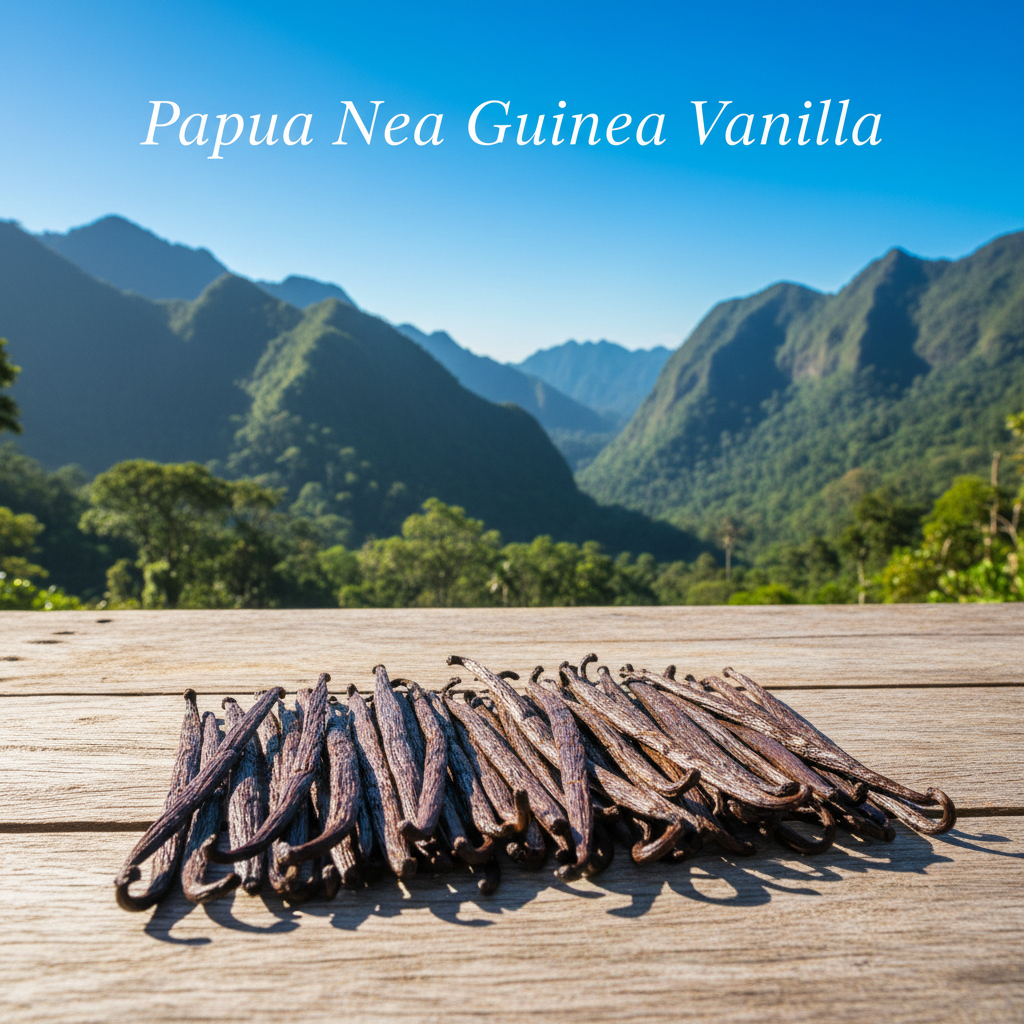

Two Varieties, One Origin: Indonesian Vanilla Beans
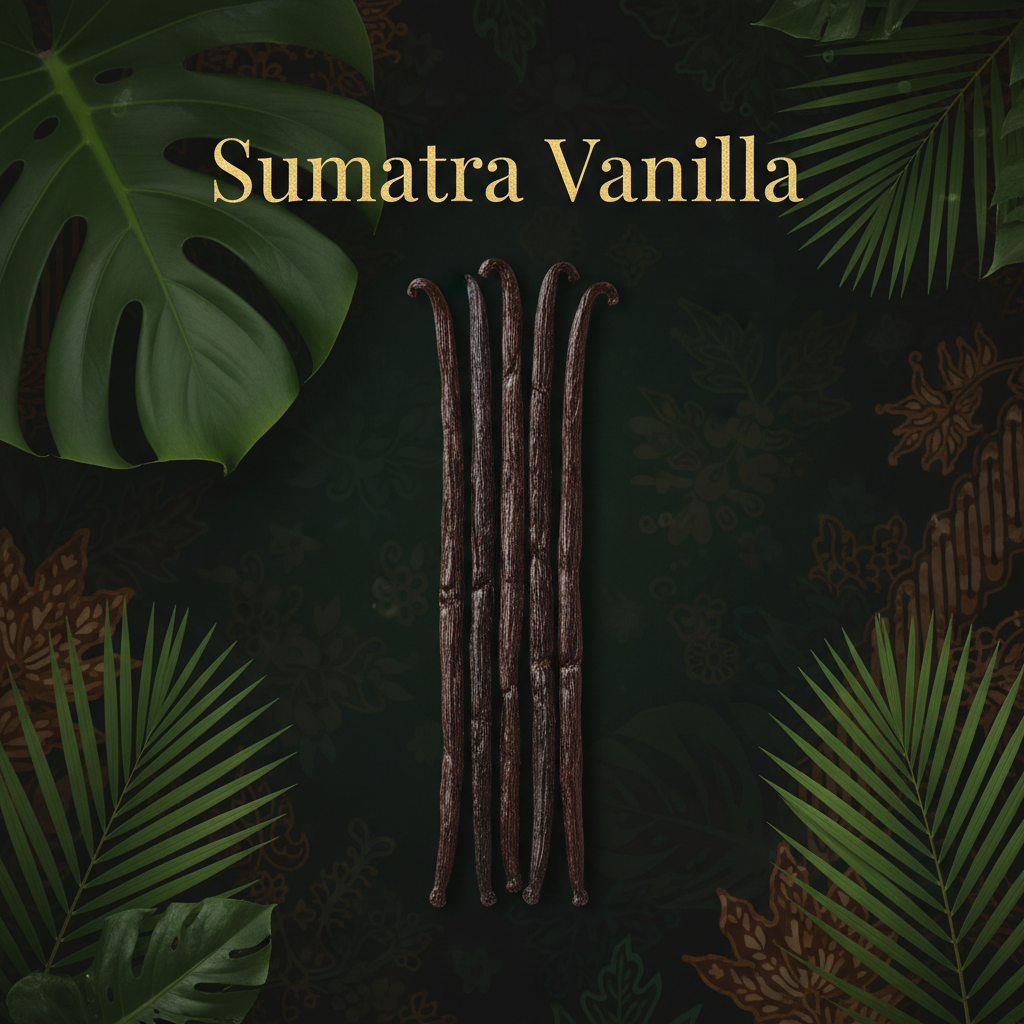
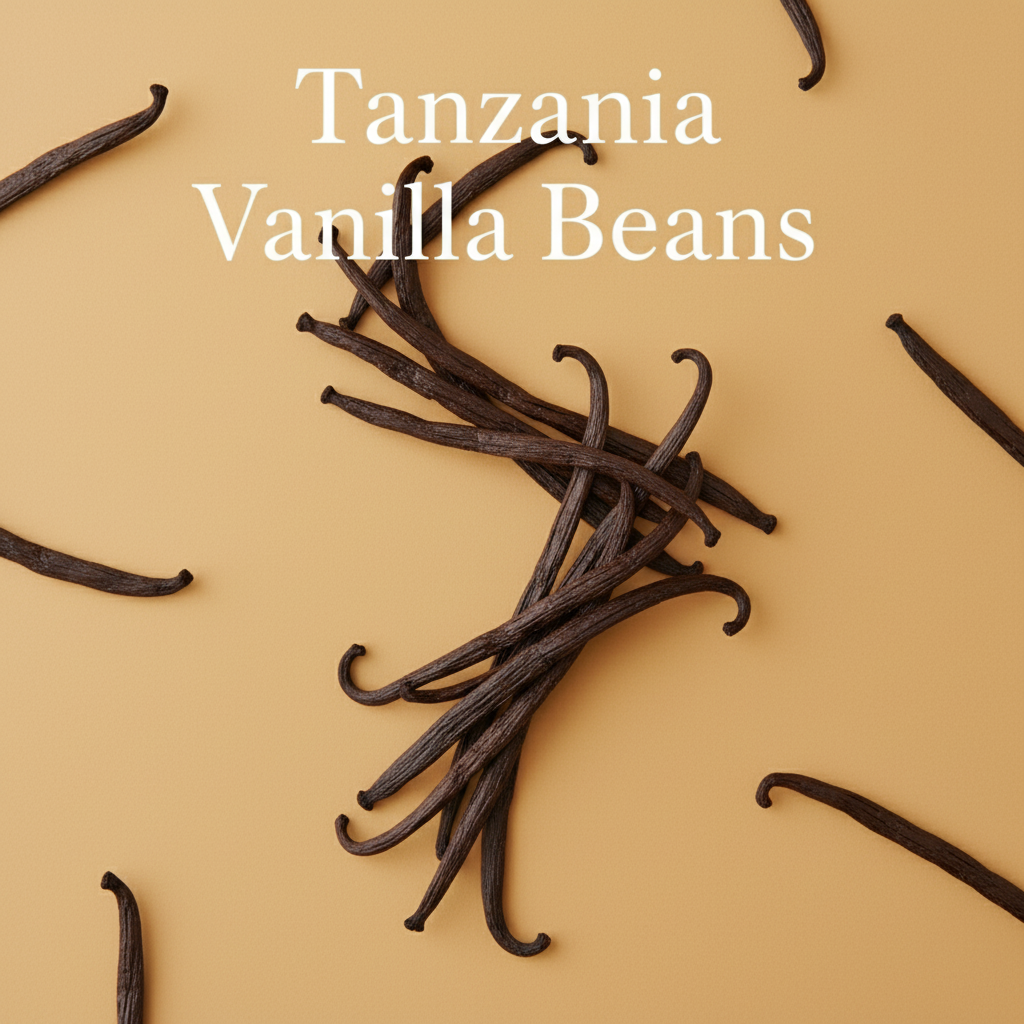
Indonesia produces two distinct varieties of vanilla beans—Planifolia and Tahitensis—each offering unique flavor profiles, characteristics, and culinary applications. While they share the same tropical Indonesian terroir, these beans are remarkably different in taste, size, and how they perform in your kitchen.
Flavor Profile: Classic vs. Delicate
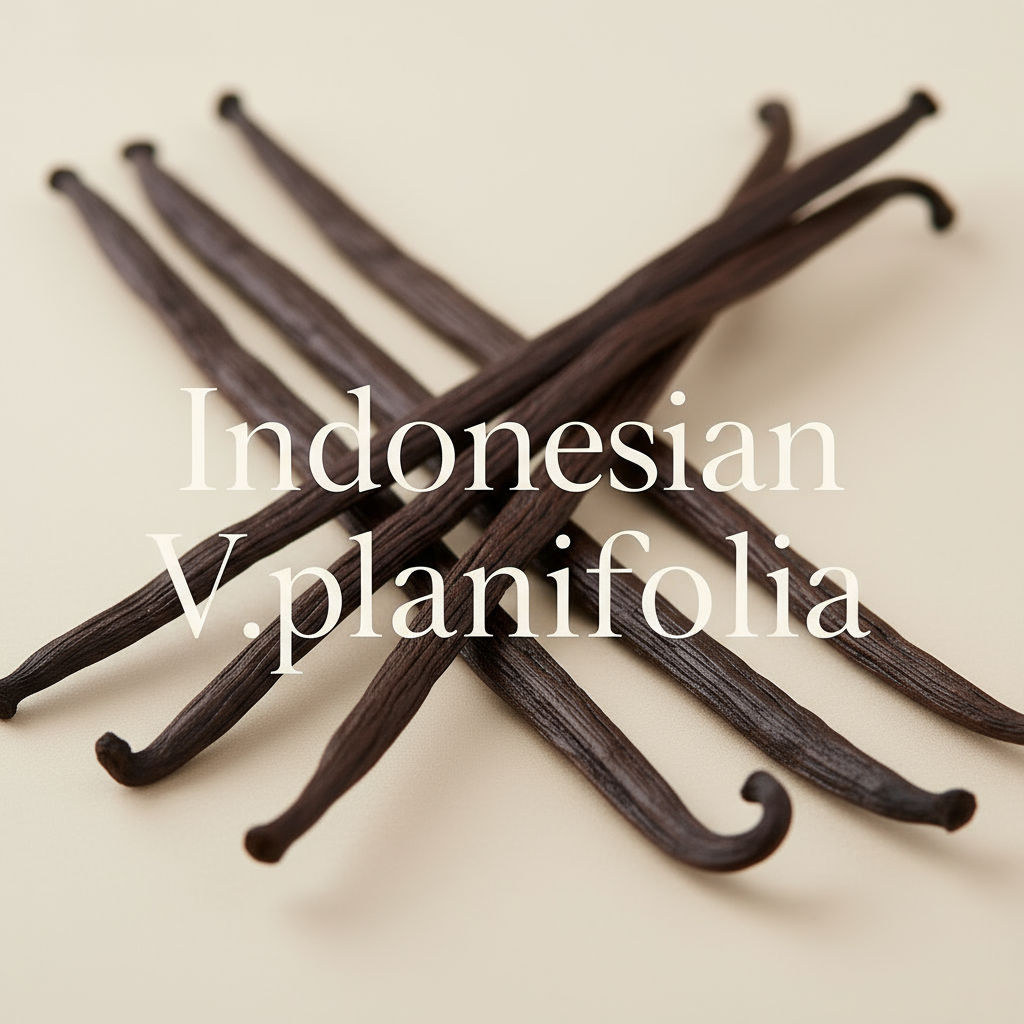
Indonesian Planifolia
Indonesian Planifolia beans deliver the classic vanilla experience you know and love. Expect rich, buttery notes with undertones of mocha, earthy depth, and a full-bodied vanilla flavor that stands up beautifully in bold applications. This is the traditional vanilla profile that most people recognize and crave but with darker mocha notes that make it different from traditional Madagascar vanilla.
Indonesian Tahitensis
In contrast, Indonesian Tahitensis beans offer a lighter, more delicate profile. These beans showcase soft fruit notes, sweet vanilla character, and distinctive cherry and anise undertones. The flavor is more nuanced and floral, making it perfect for applications where you want vanilla to complement rather than dominate.
Physical Characteristics: Size Matters
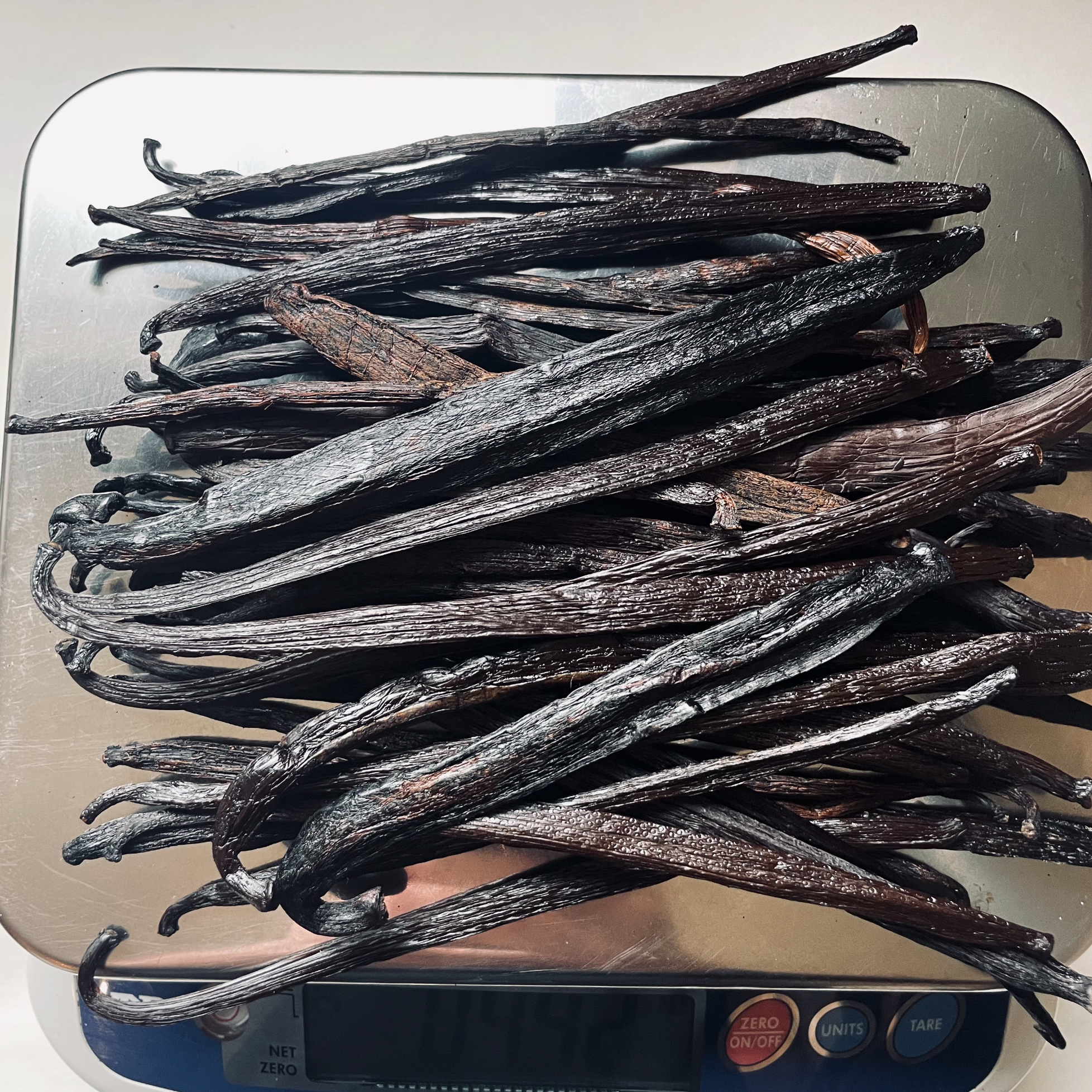
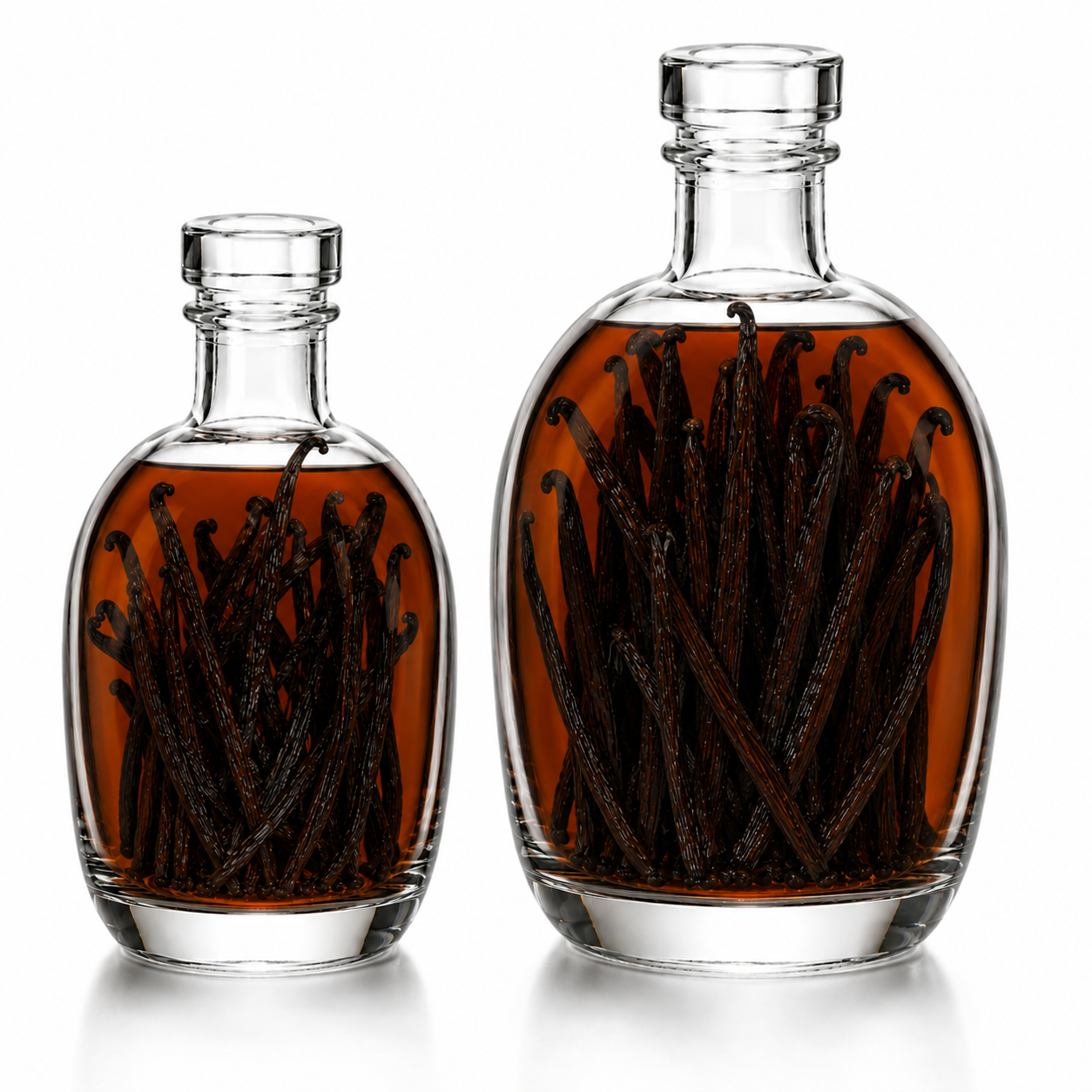
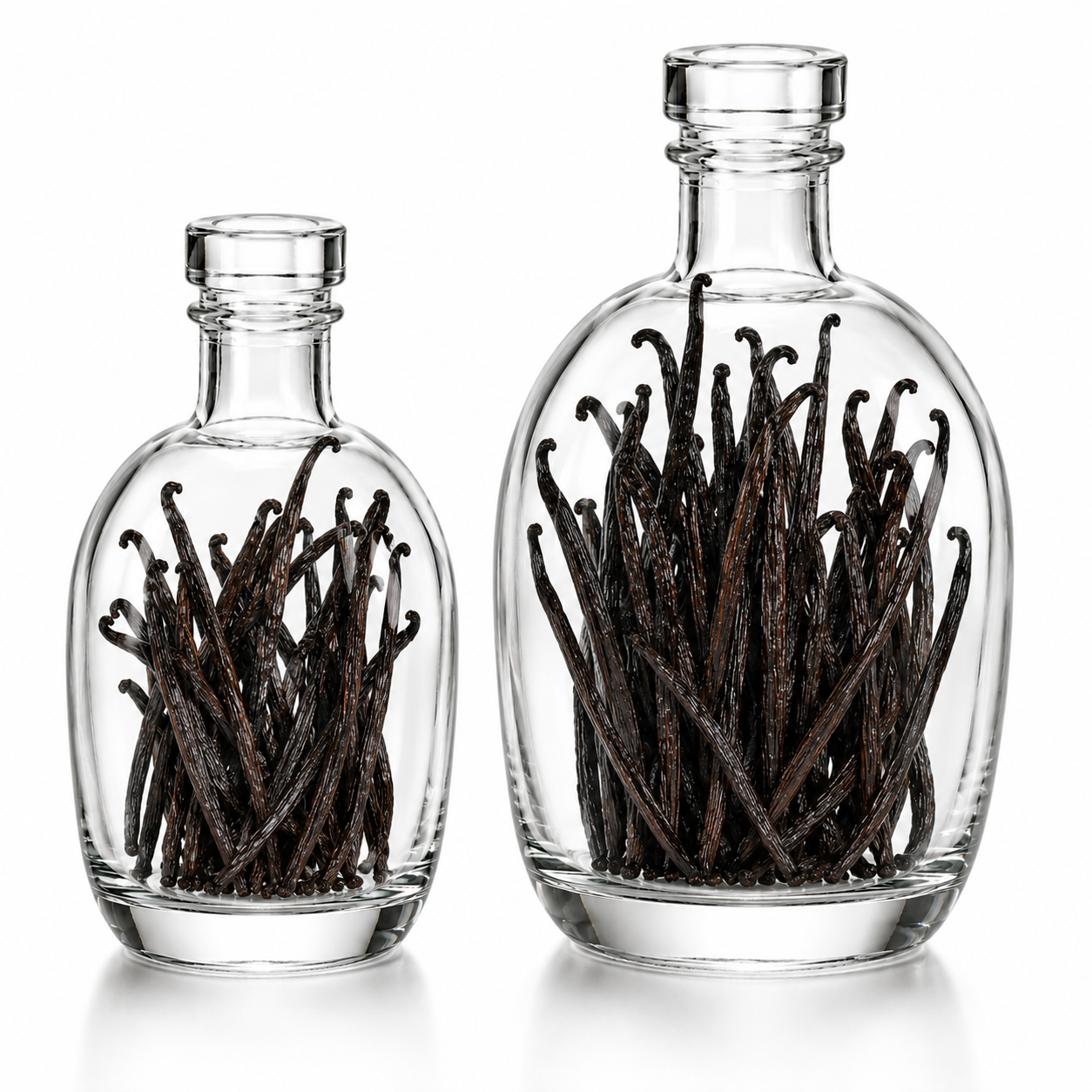
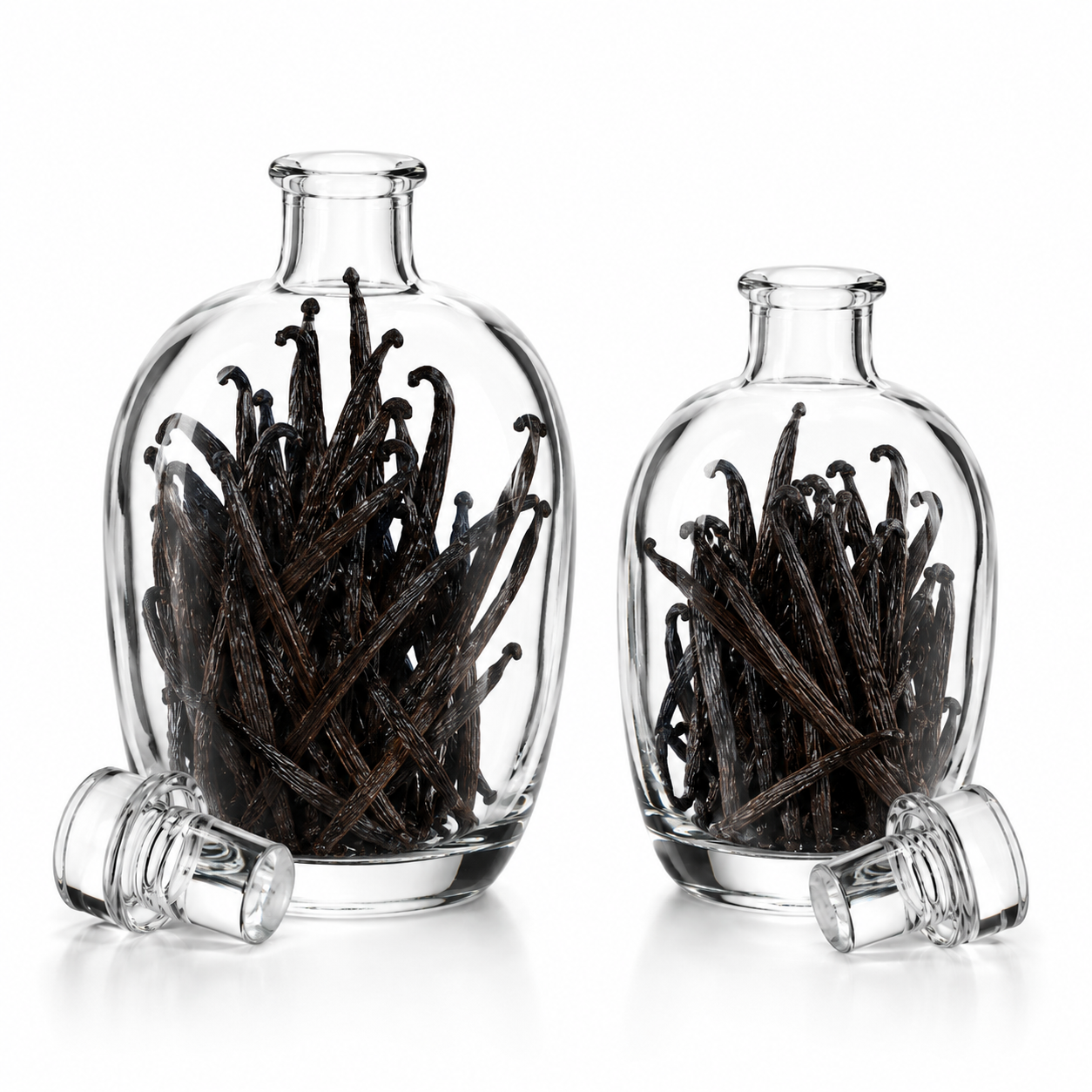
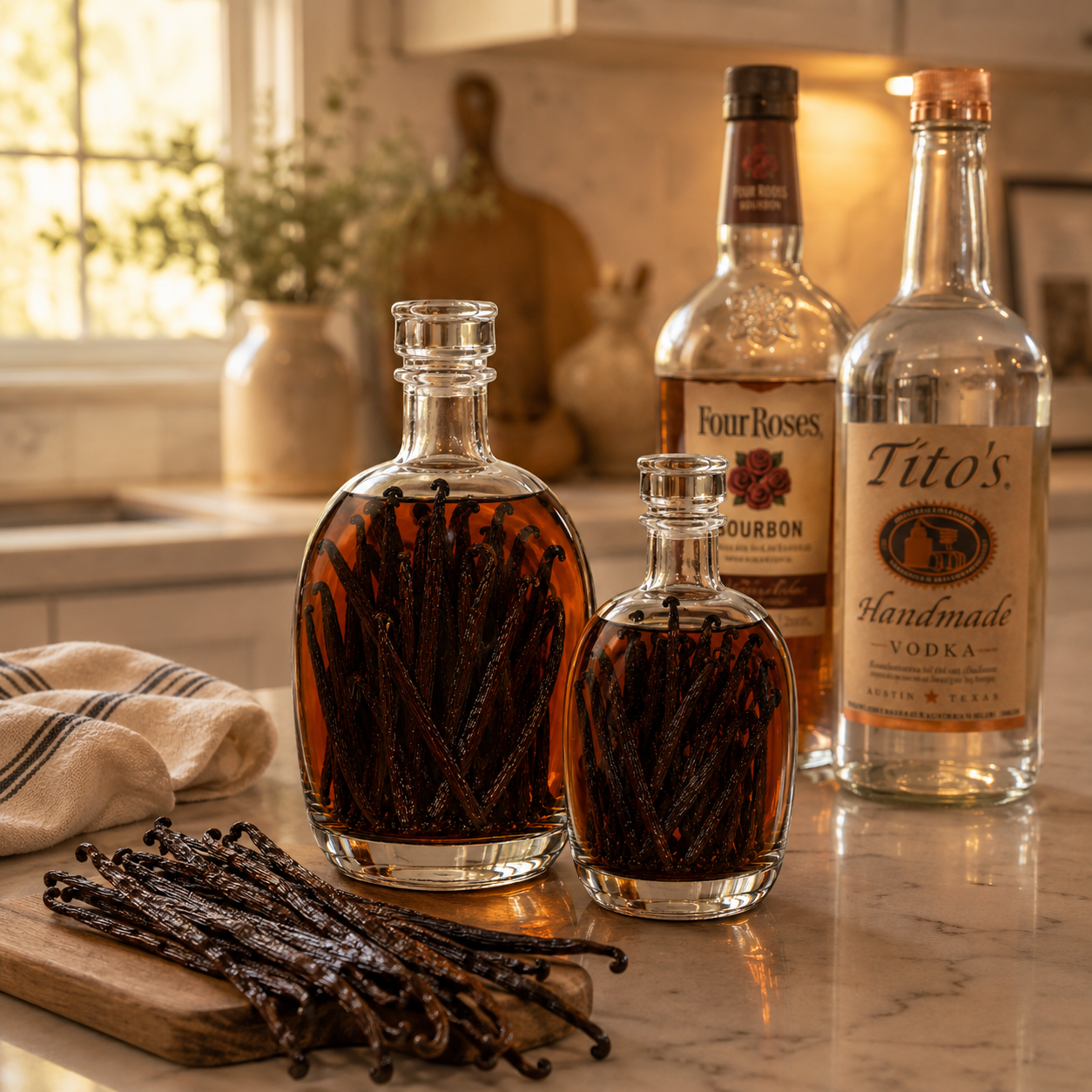
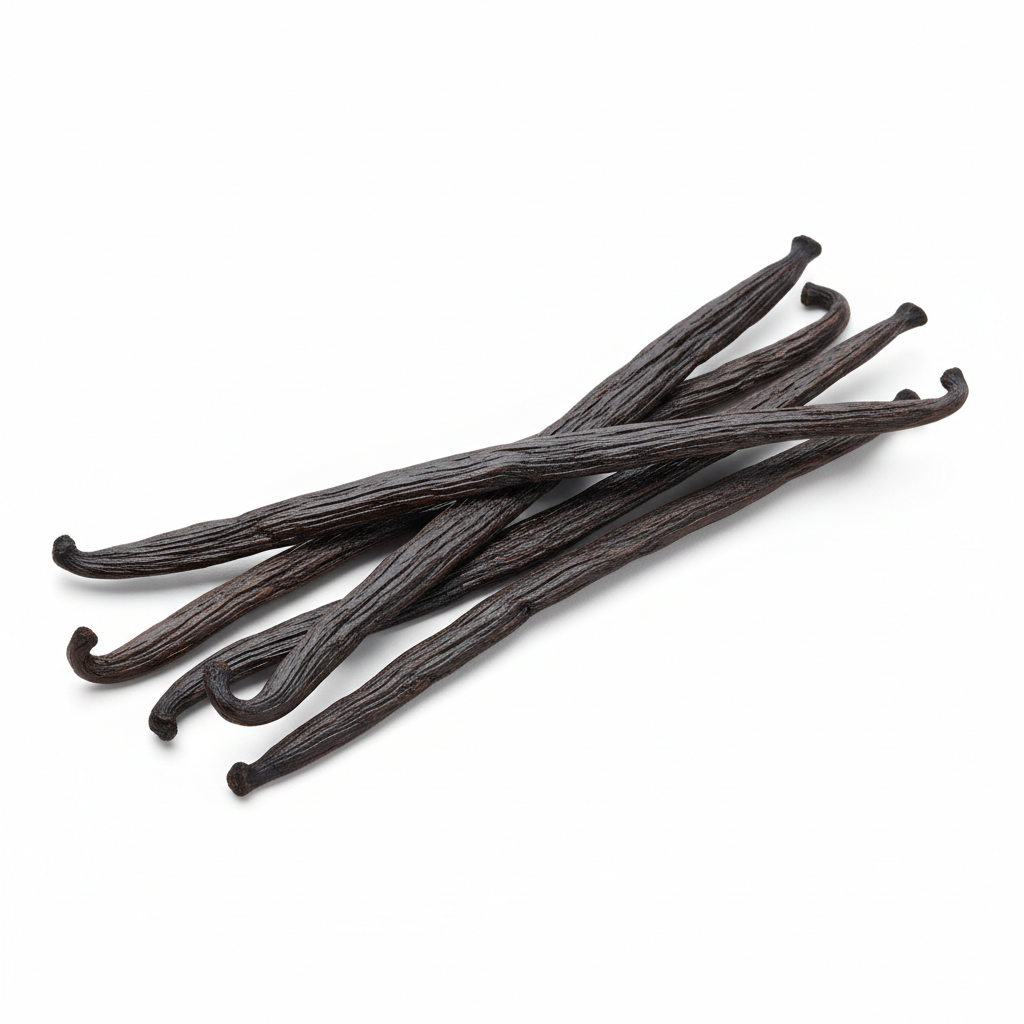
While both varieties are premium quality, Tahitensis beans are typically a little smaller than their Planifolia counterparts. Don't let the size difference fool you—Tahitensis beans pack plenty of flavor despite their more petite stature. When making extract, remember to use the ratio of 1oz of beans for every 8oz of alcohol, regardless of which variety you choose. This is an example of purchasing vanilla beans by weight and not by count. Tahitensis are smaller and will give more beans/oz than Planifolia.
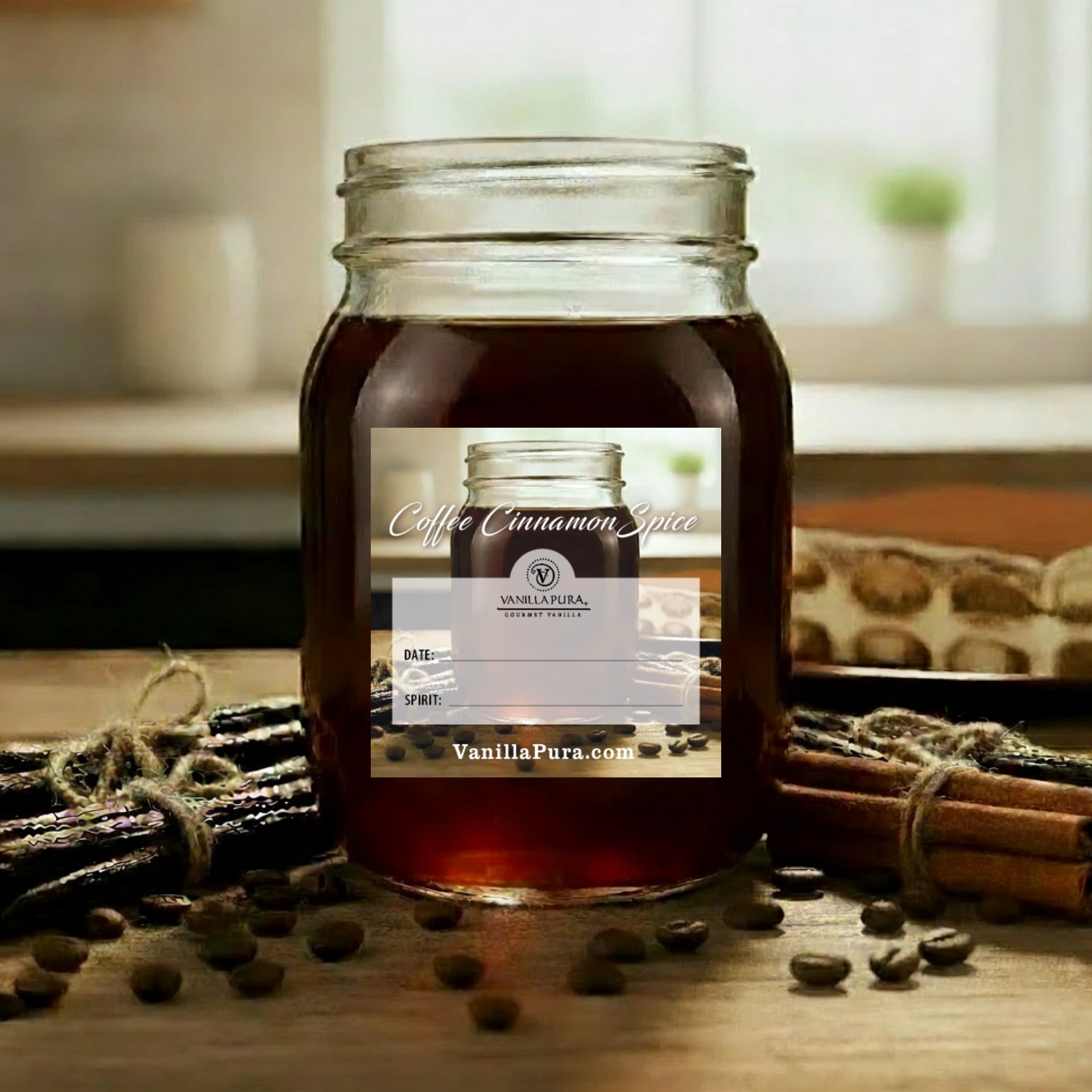
Best Spirits for Extract Making
Indonesian Planifolia
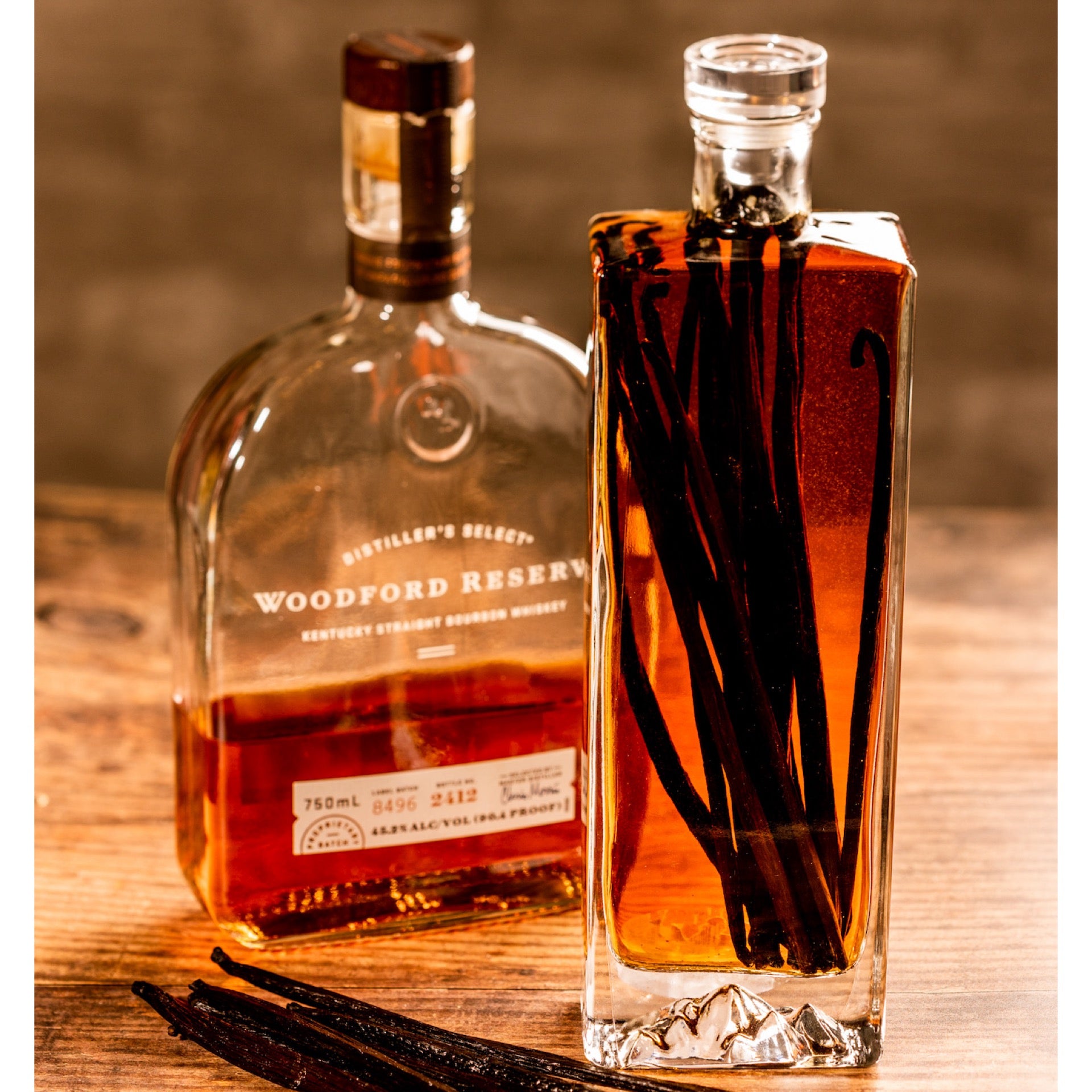
The robust, earthy character of Planifolia beans pairs beautifully with dark spirits:
- Bourbon
- Dark rum
- Spiced rum
- Whiskey
These fuller-bodied spirits complement the rich, mocha-like notes of Planifolia beans and create a deeply flavored extract.
Indonesian Tahitensis
The delicate, fruity nature of Tahitensis beans shines with lighter spirits:
- Vodka
- Light rum
- Brandy (especially fruity varieties)
These spirits allow the subtle cherry and anise notes to come through without overwhelming the bean's natural elegance.
Culinary Applications: Choosing the Right Bean
Indonesian Planifolia: Traditional Baking
Planifolia's bold, classic flavor makes it the go-to choice for:
- Chocolate desserts (brownies, chocolate cake, chocolate chip cookies)
- Traditional vanilla cakes and cupcakes
- Custards and crème brûlée
- Ice cream
- Rich, buttery baked goods
- Wintertime cocktails
The earthy, mocha notes of Planifolia complement chocolate beautifully and provide that familiar vanilla flavor in classic recipes.
Indonesian Tahitensis: Fruit-Forward Creations
Tahitensis's lighter, fruity character excels in:
- Fruit-based desserts (berry tarts, peach cobbler, fruit compotes)
- Pie crusts and pastry dough
- Banana bread and quick breads
- Light cakes and sponges
- Homemade gelatos
- Delicate custards and panna cotta
- Summertime cocktails
The sweet, fruity undertones enhance fruit flavors without competing with them, while the cherry and anise notes add complexity to lighter baked goods.
The Bottom Line
Even though both varieties come from Indonesia, Indonesian Planifolia and Tahitensis beans are distinctly different. Planifolia offers the rich, classic vanilla experience perfect for traditional baking and chocolate applications, while Tahitensis provides a lighter, more nuanced flavor ideal for fruit-based desserts and delicate pastries.
Understanding these differences allows you to choose the right bean for your specific application—and opens up a world of flavor possibilities in your kitchen. Whether you're making extract or using the beans directly in your baking, each variety brings its own unique character to your creations.
Ready to explore both varieties? Stock your pantry with Indonesian Planifolia for your chocolate and traditional baking needs, and Indonesian Tahitensis for fruit-forward and delicate applications.