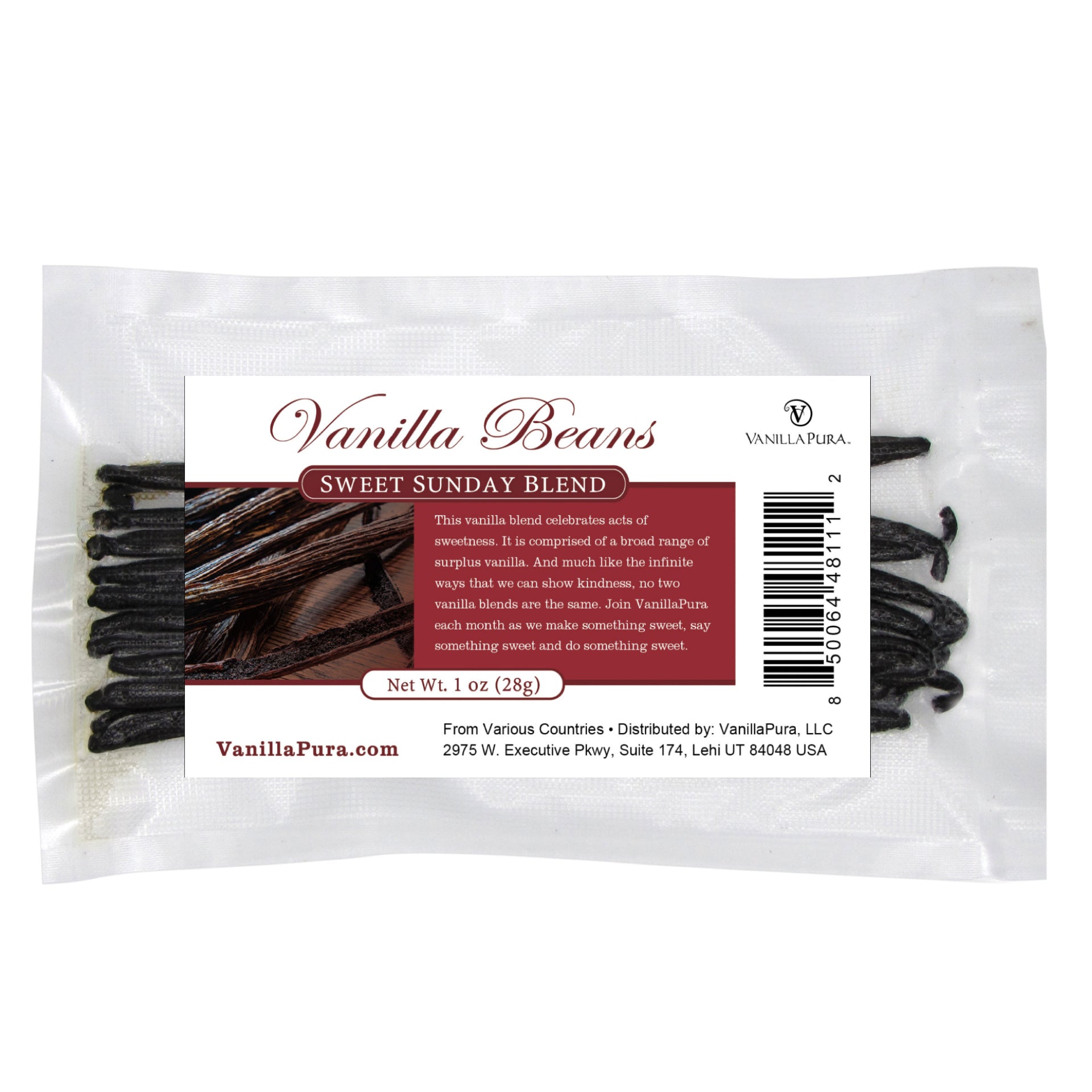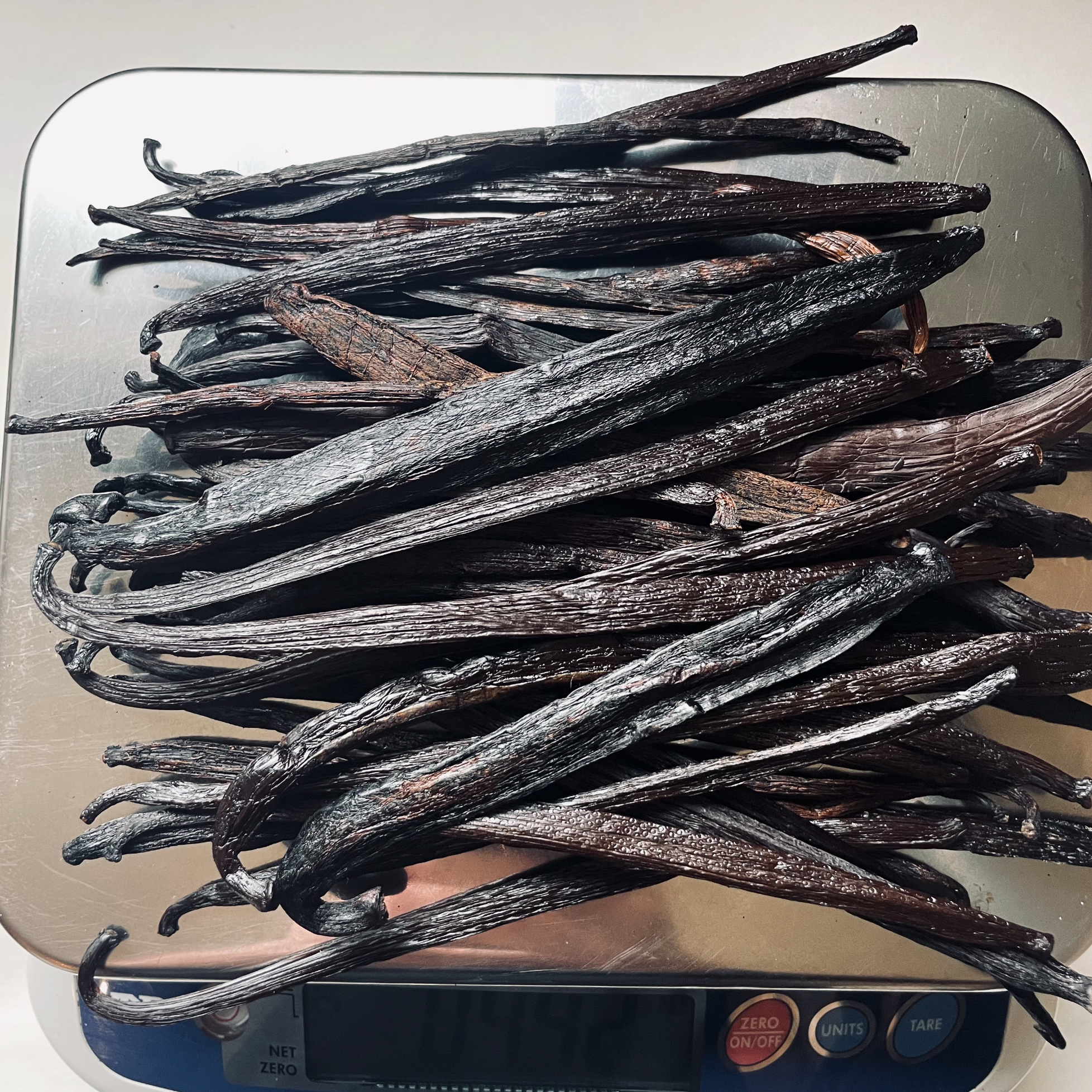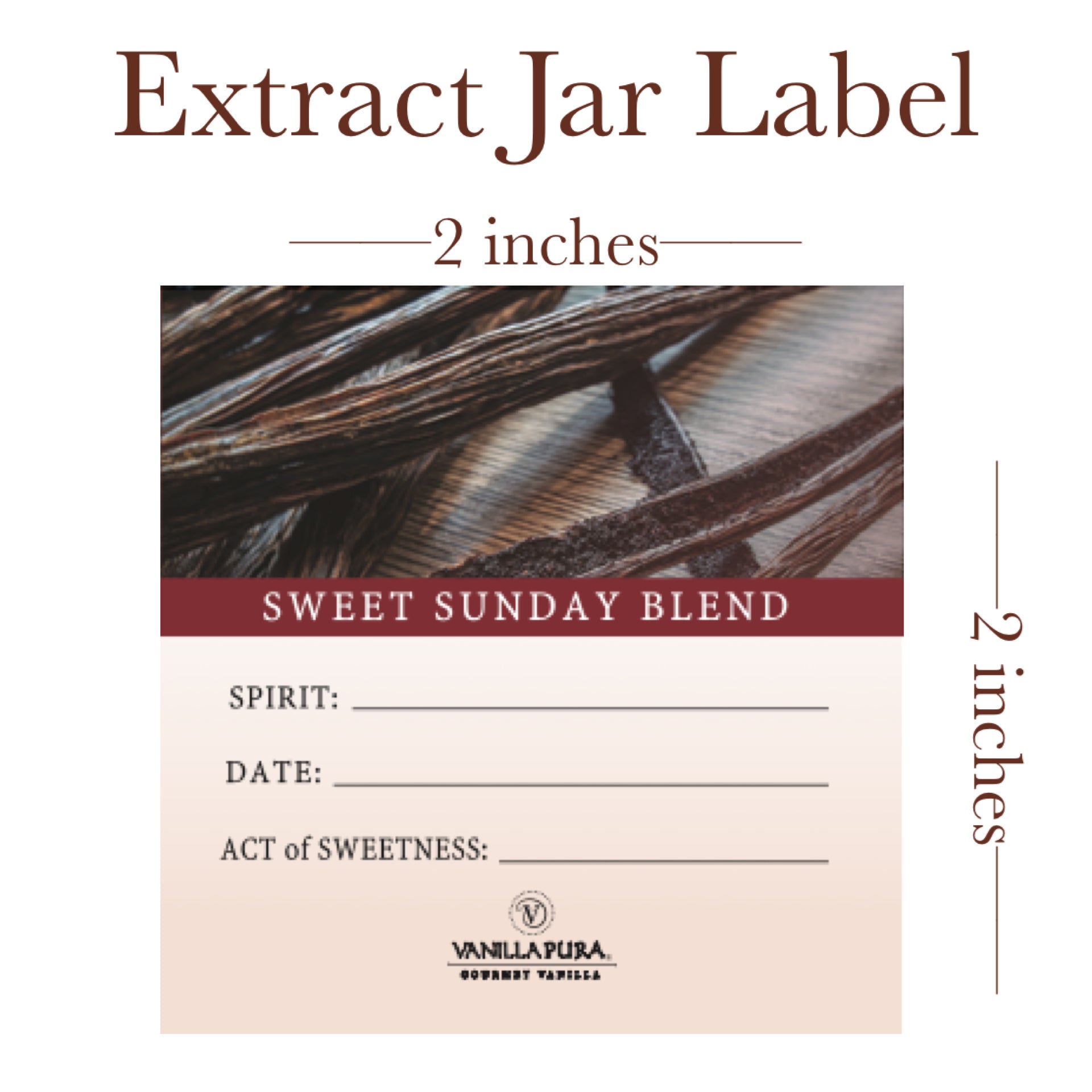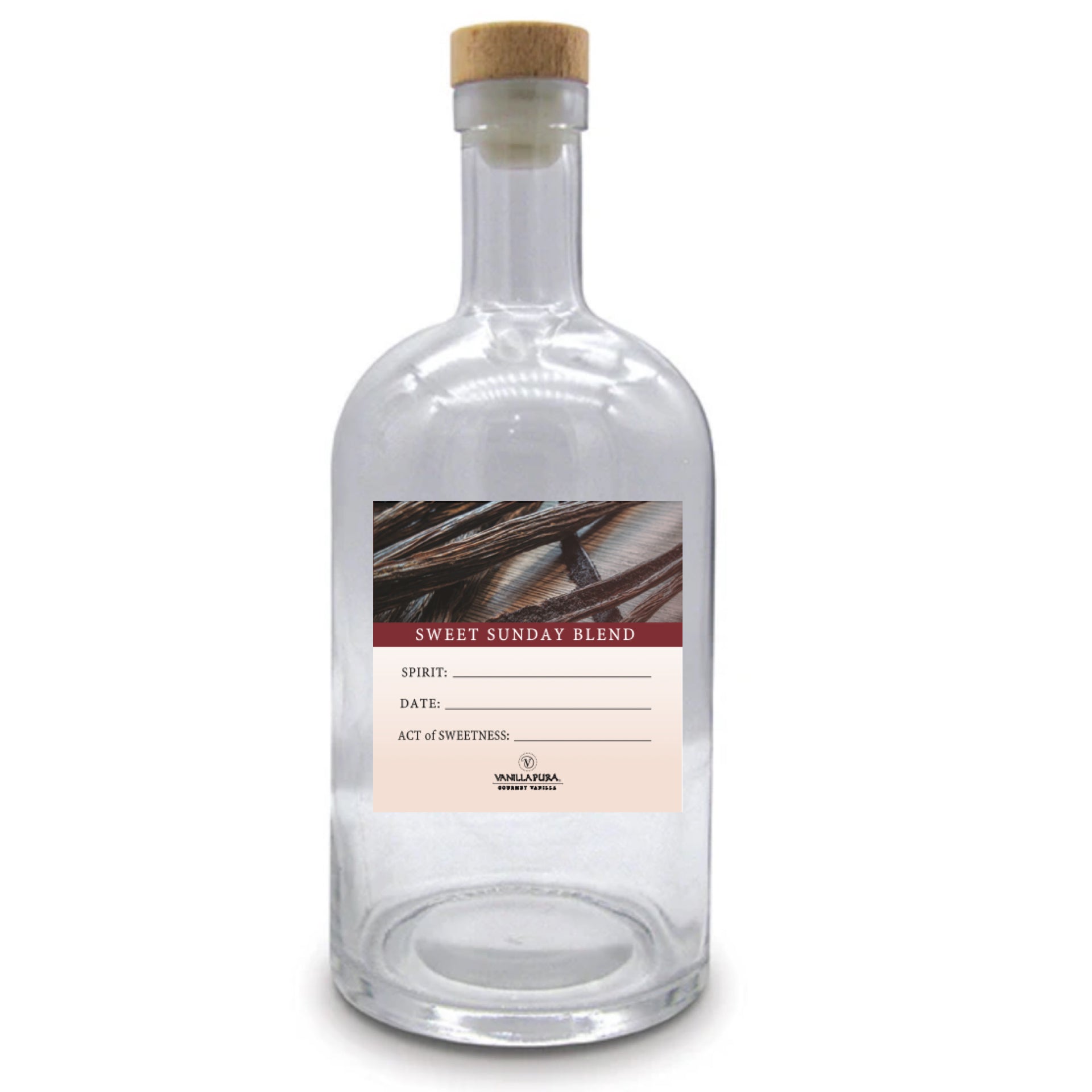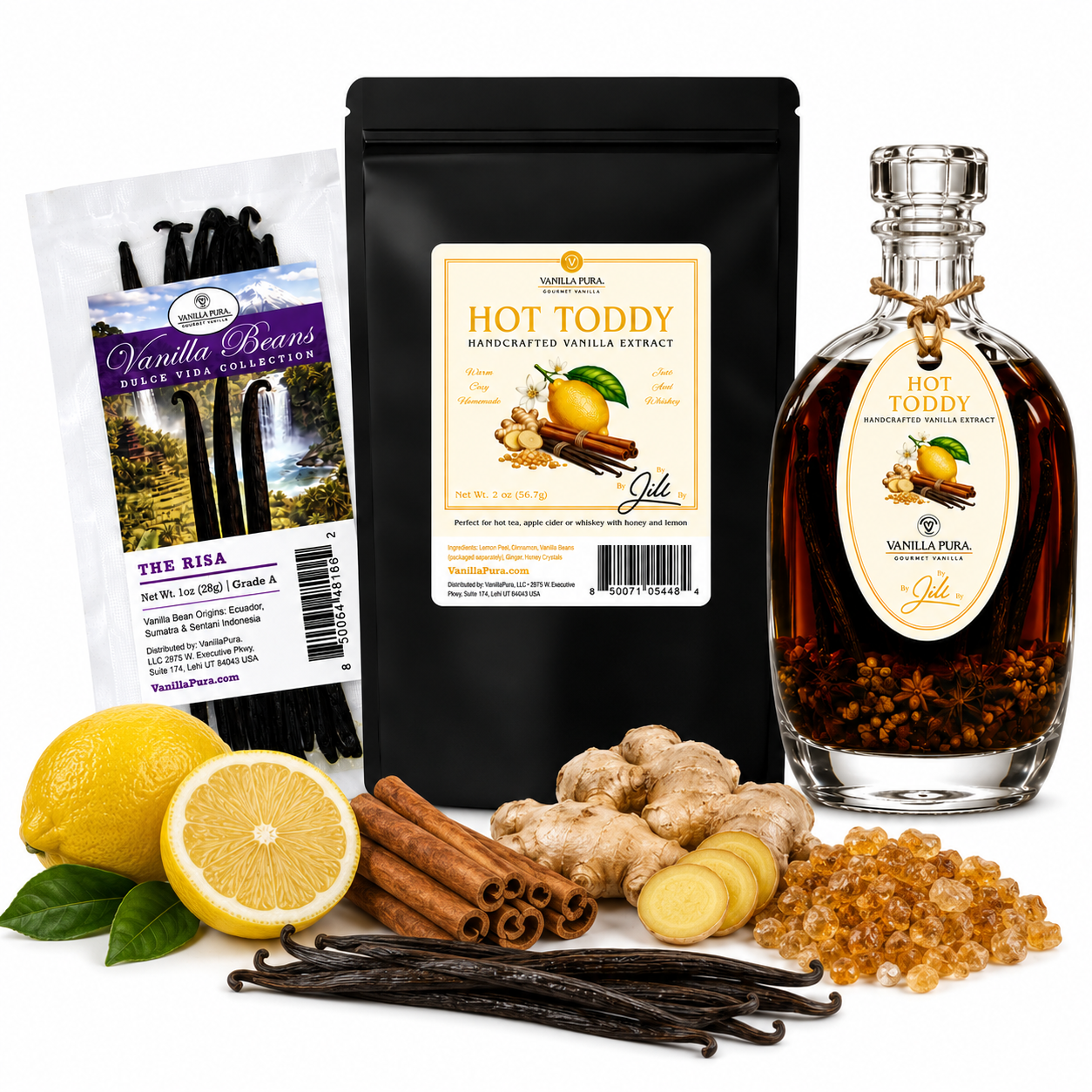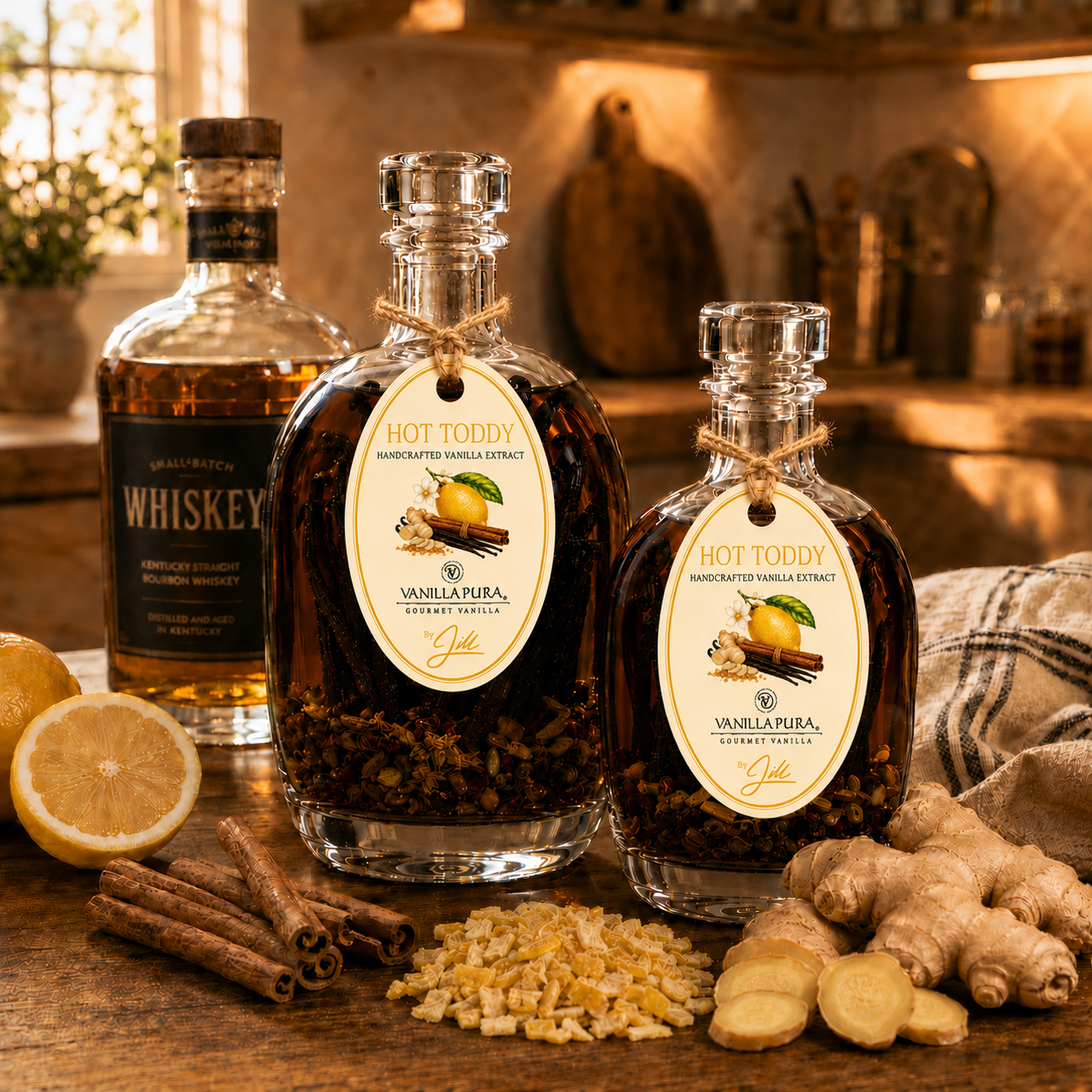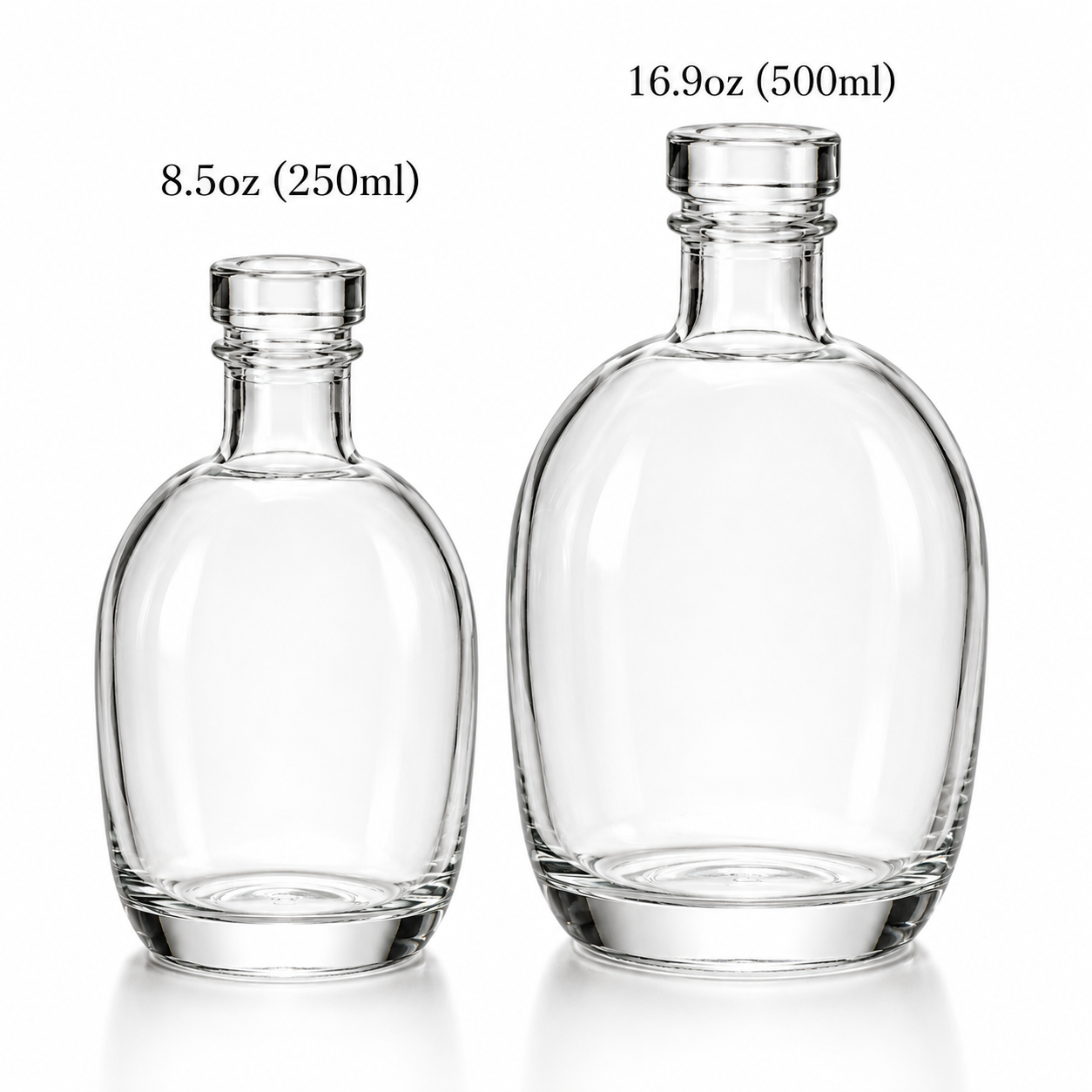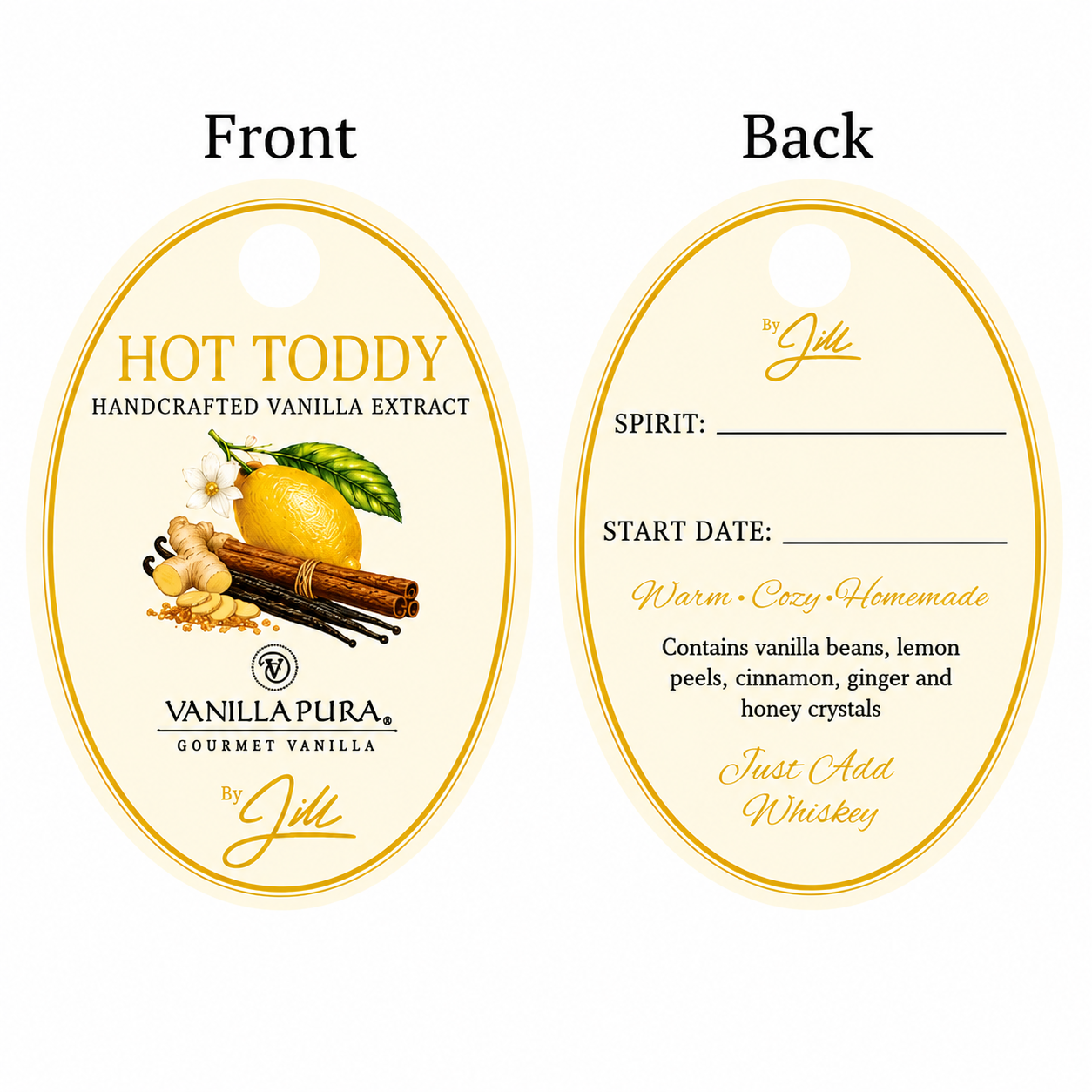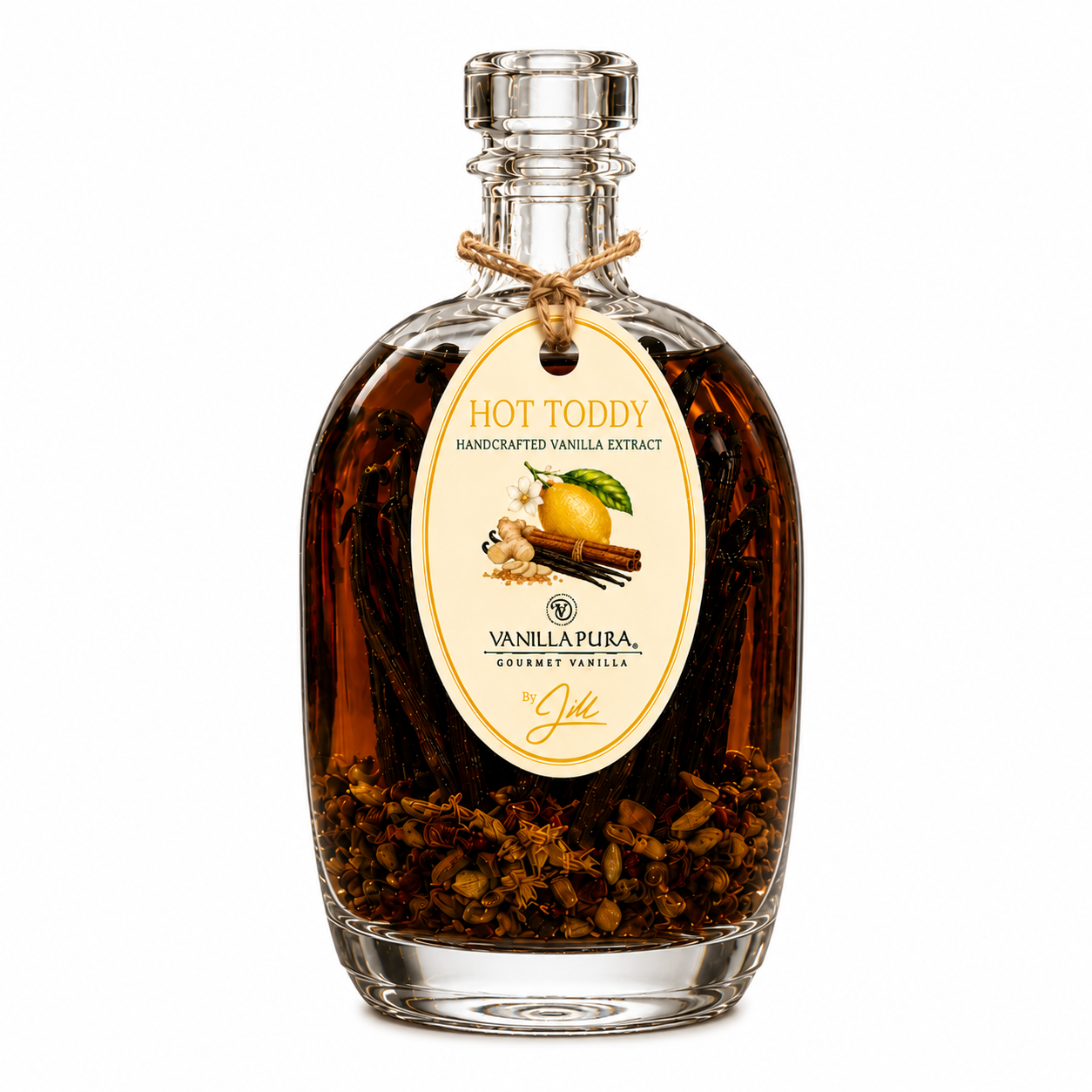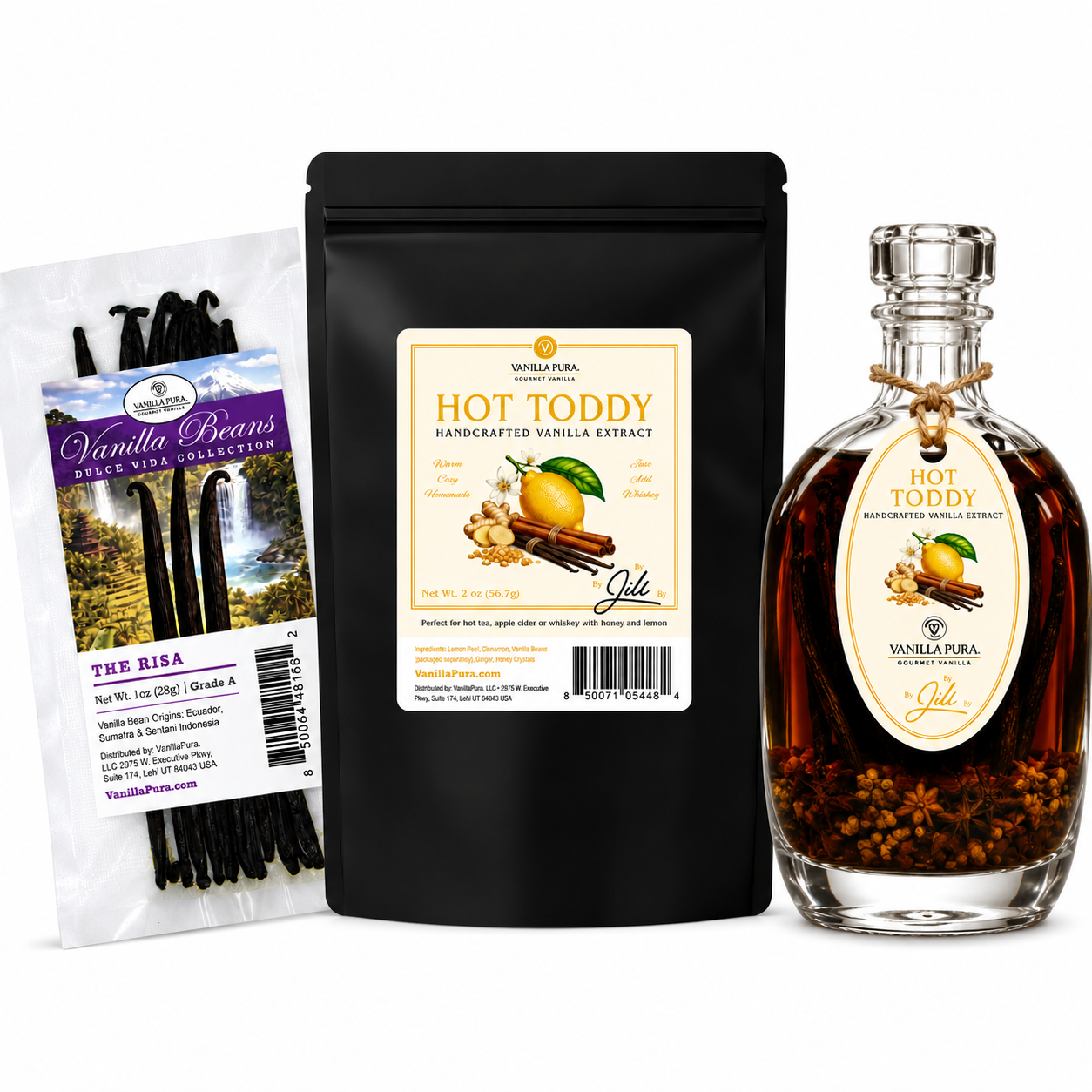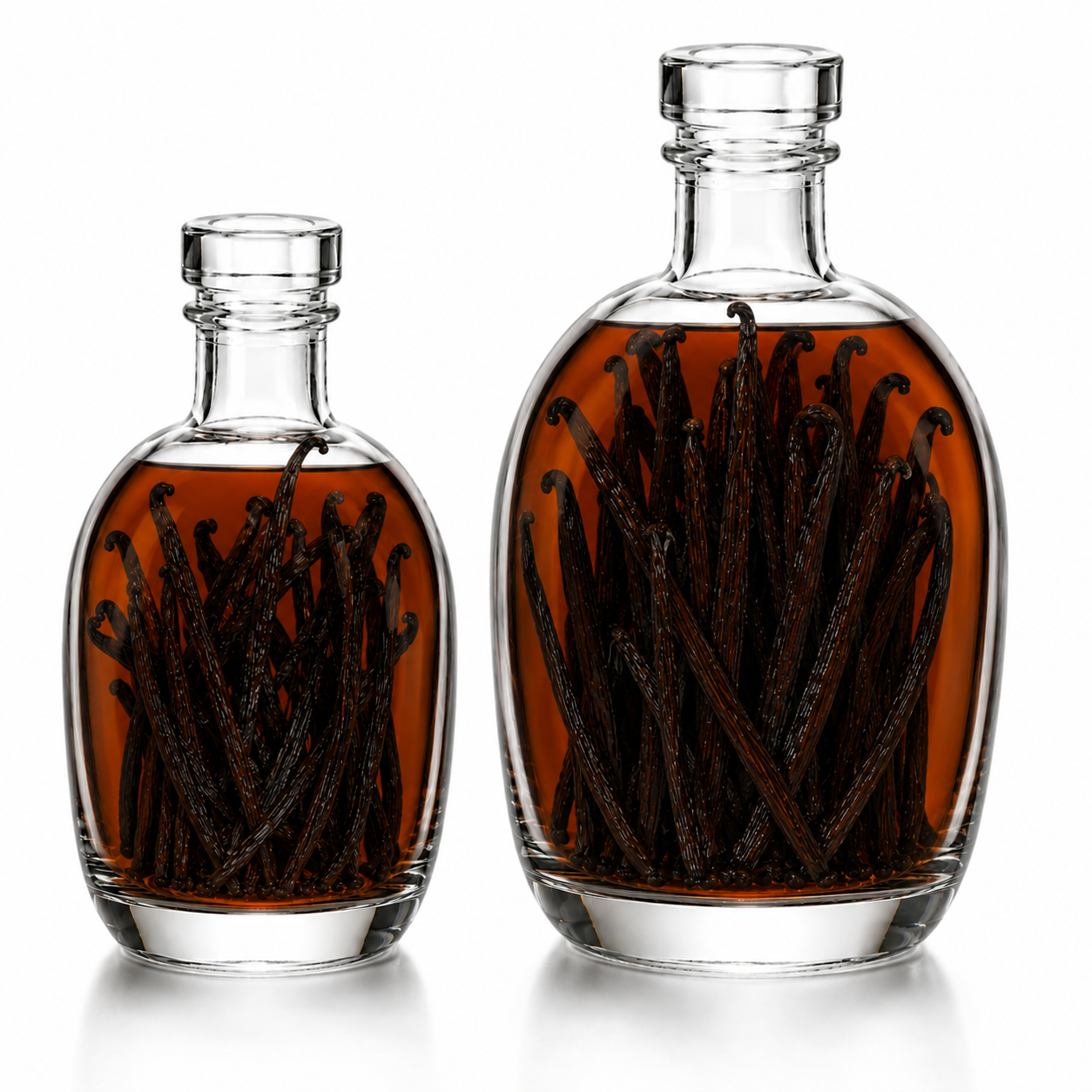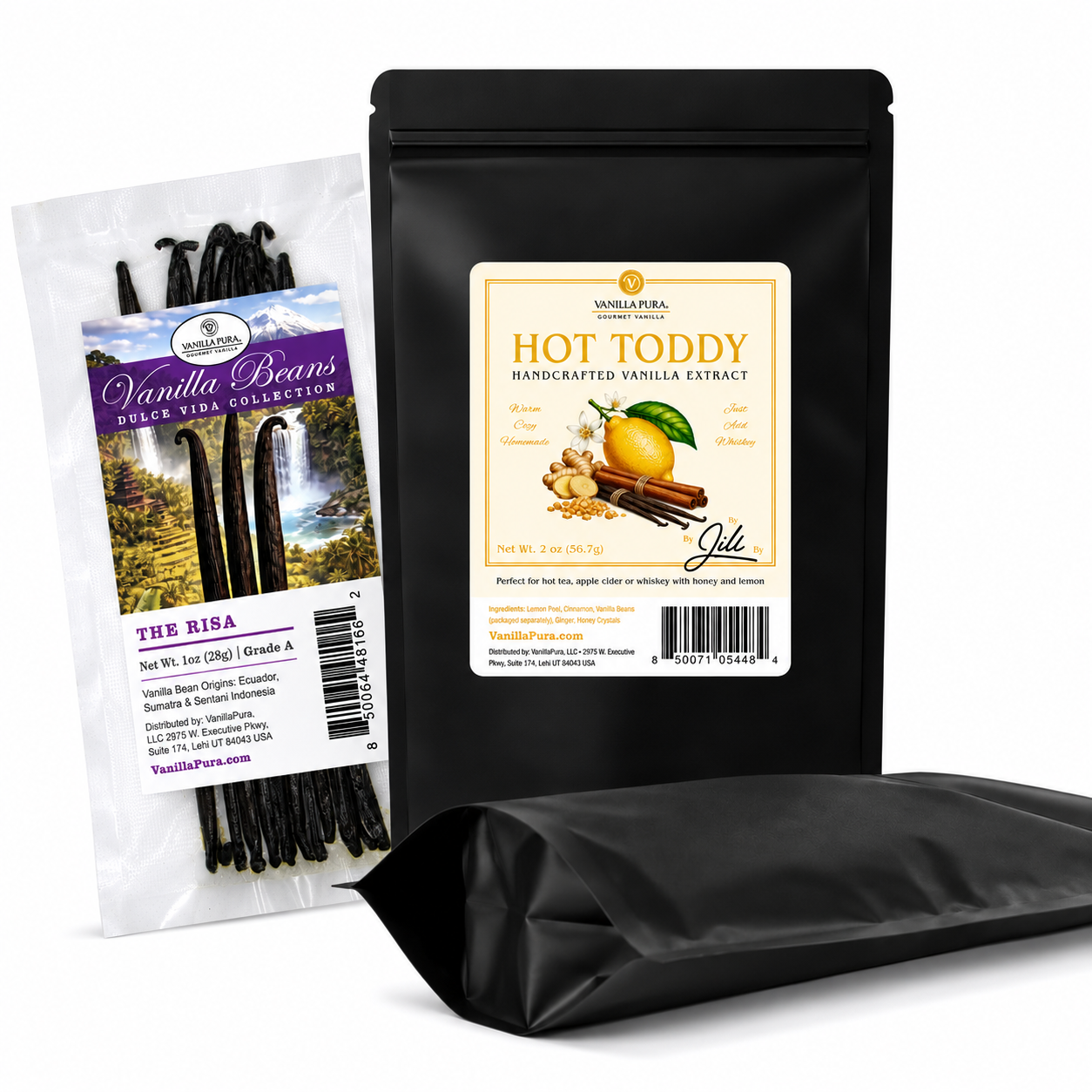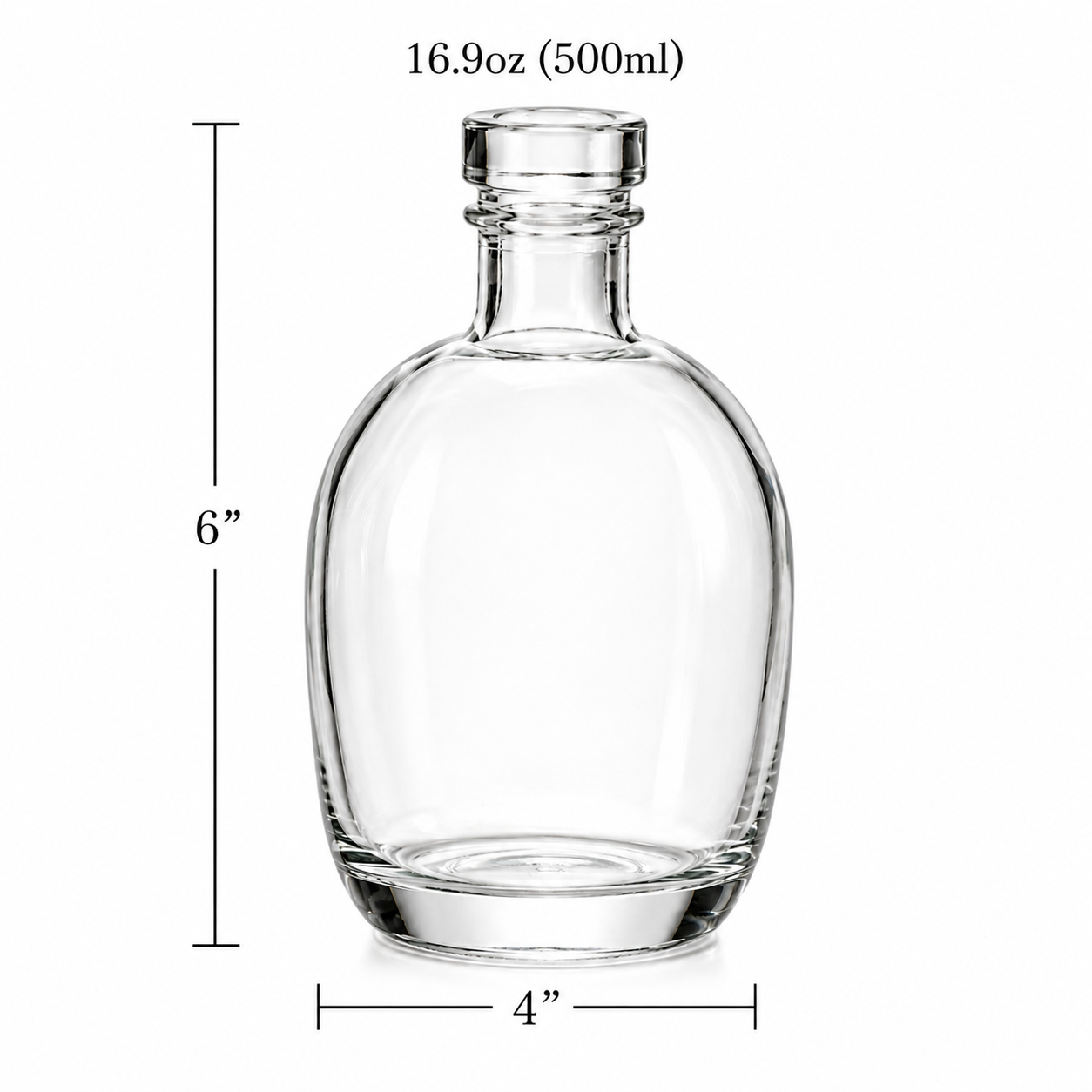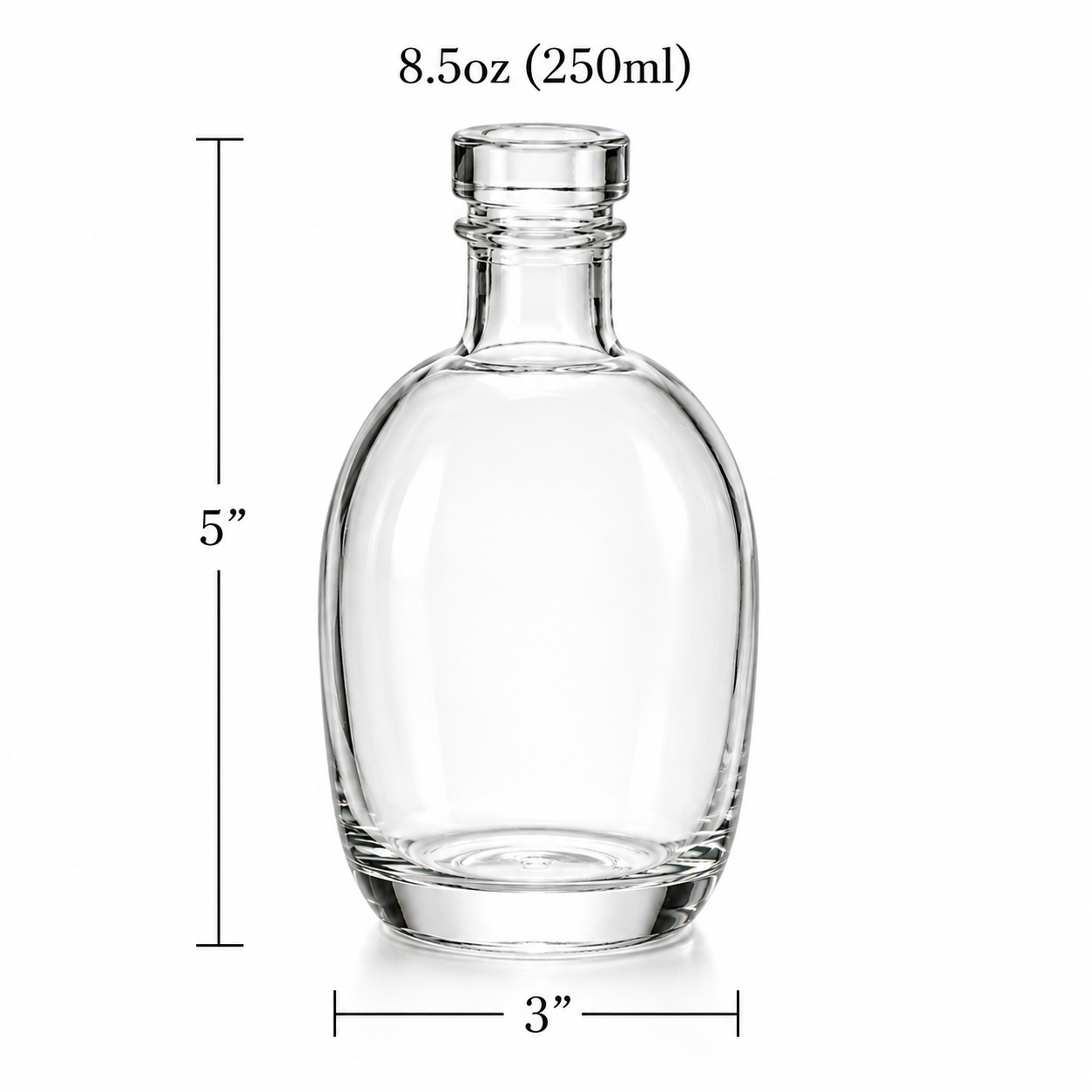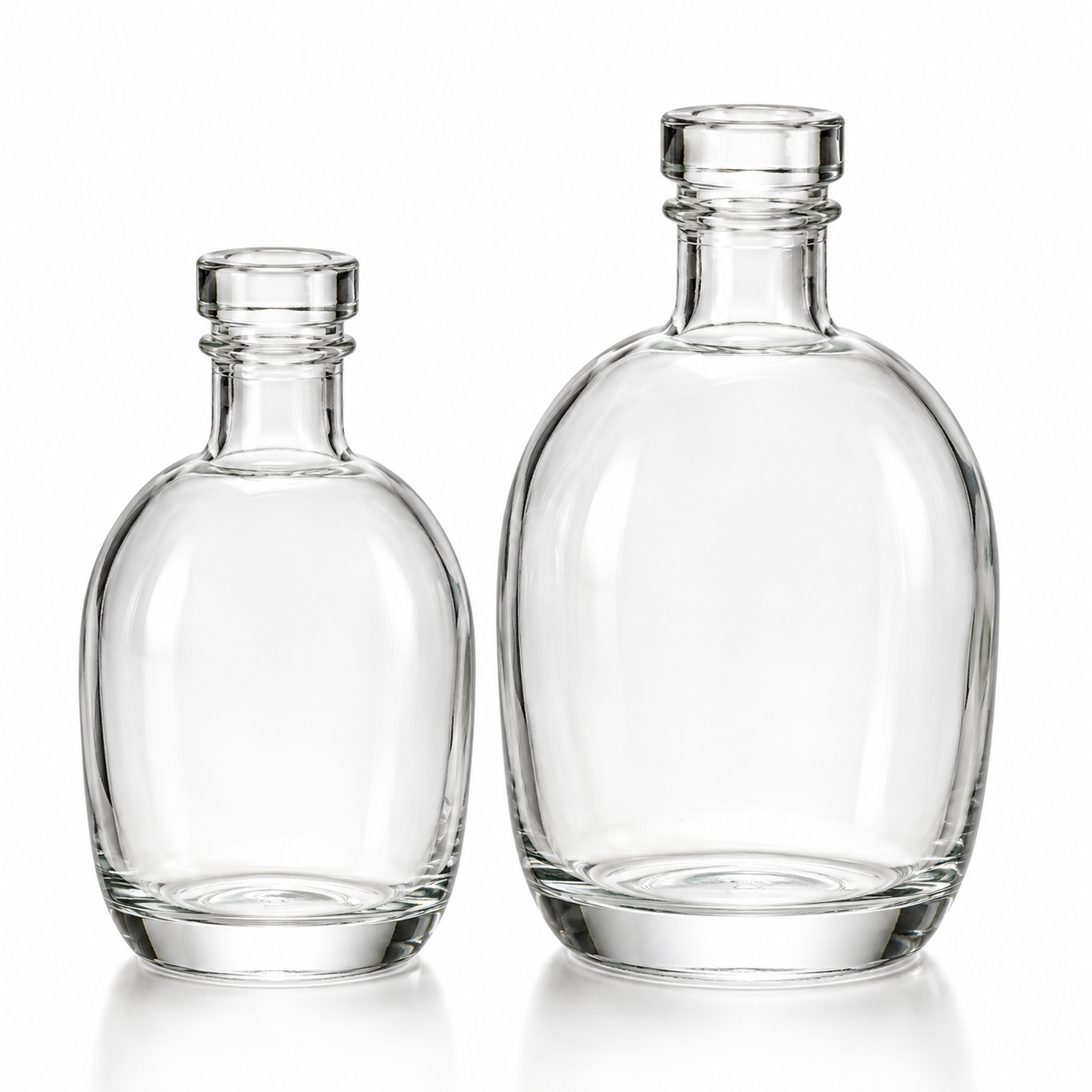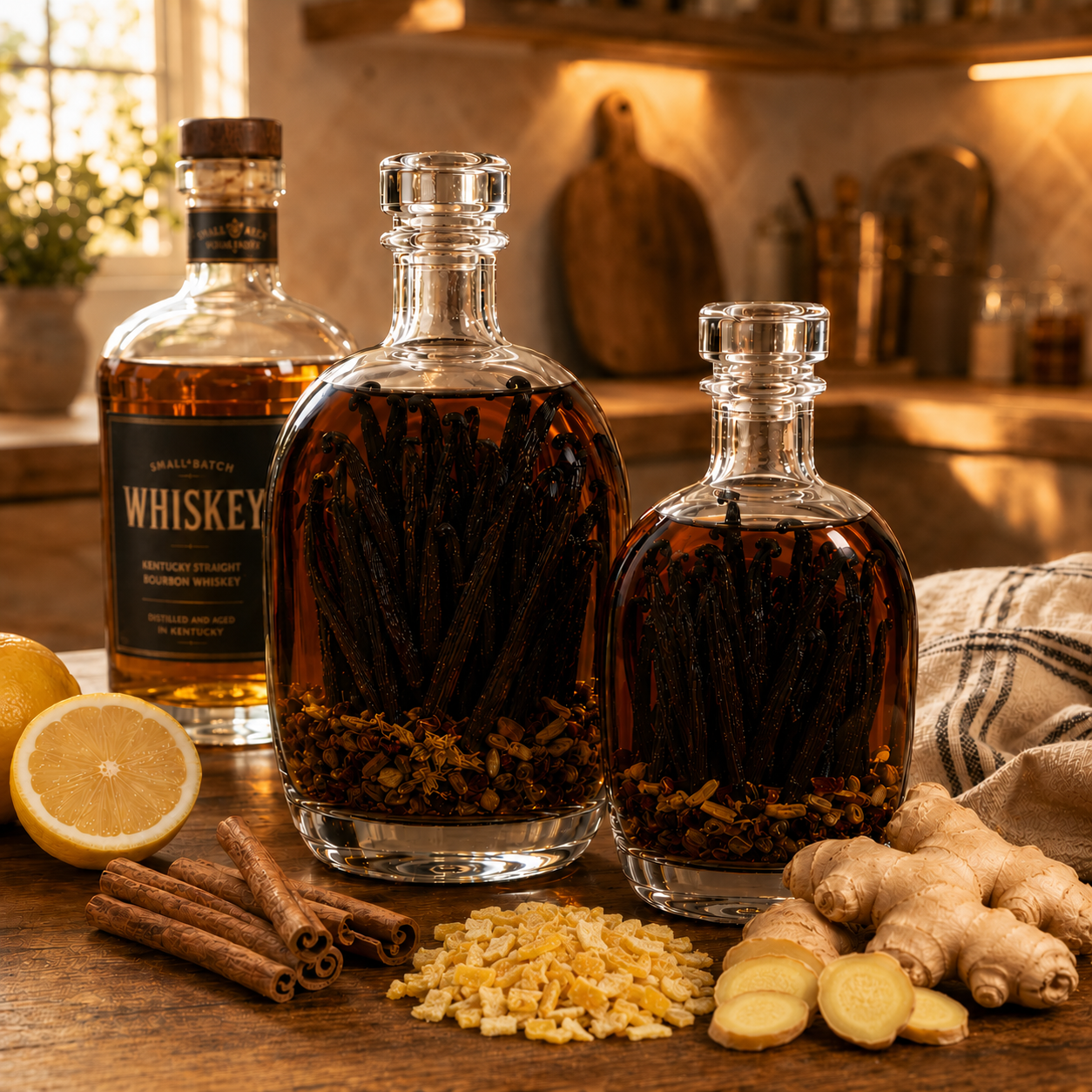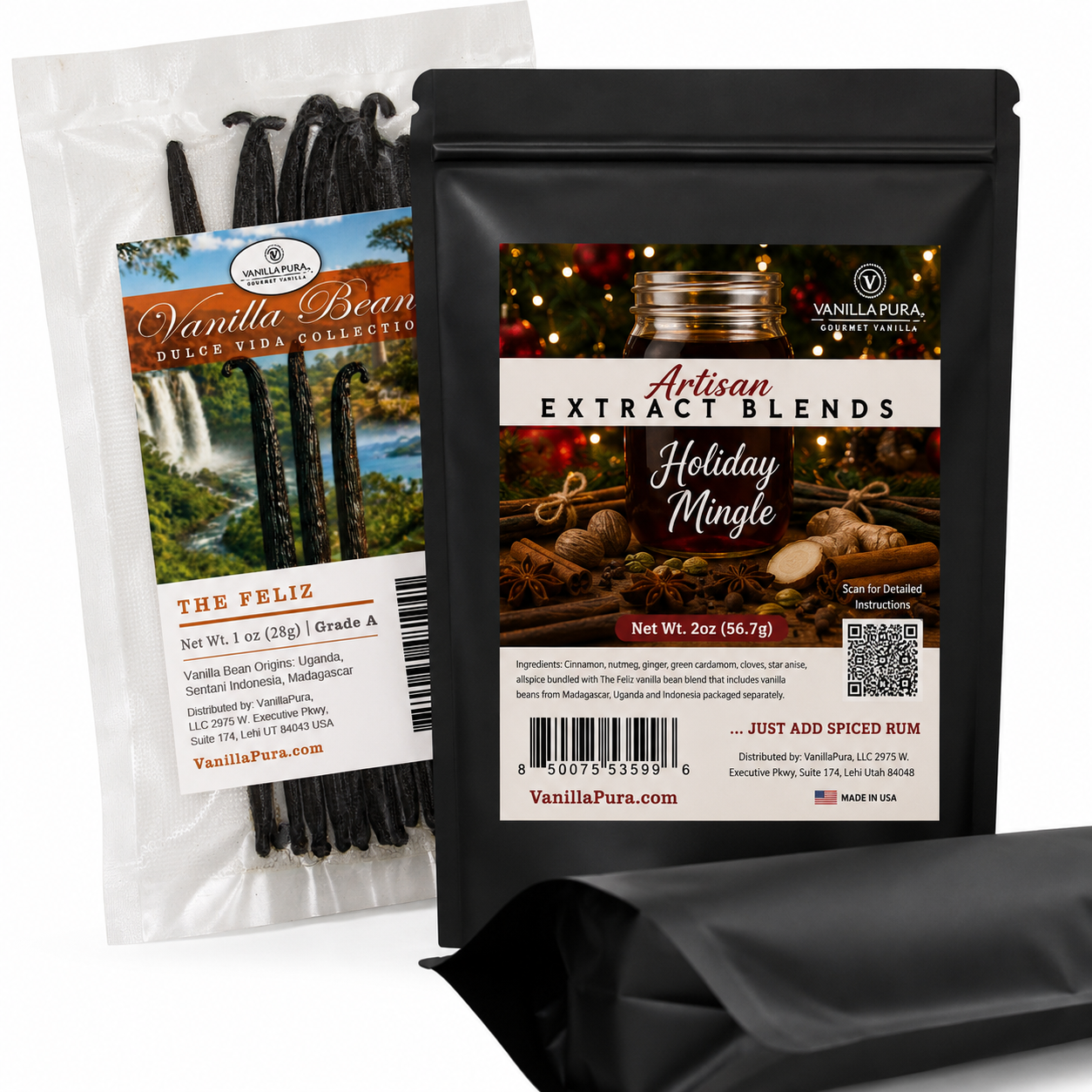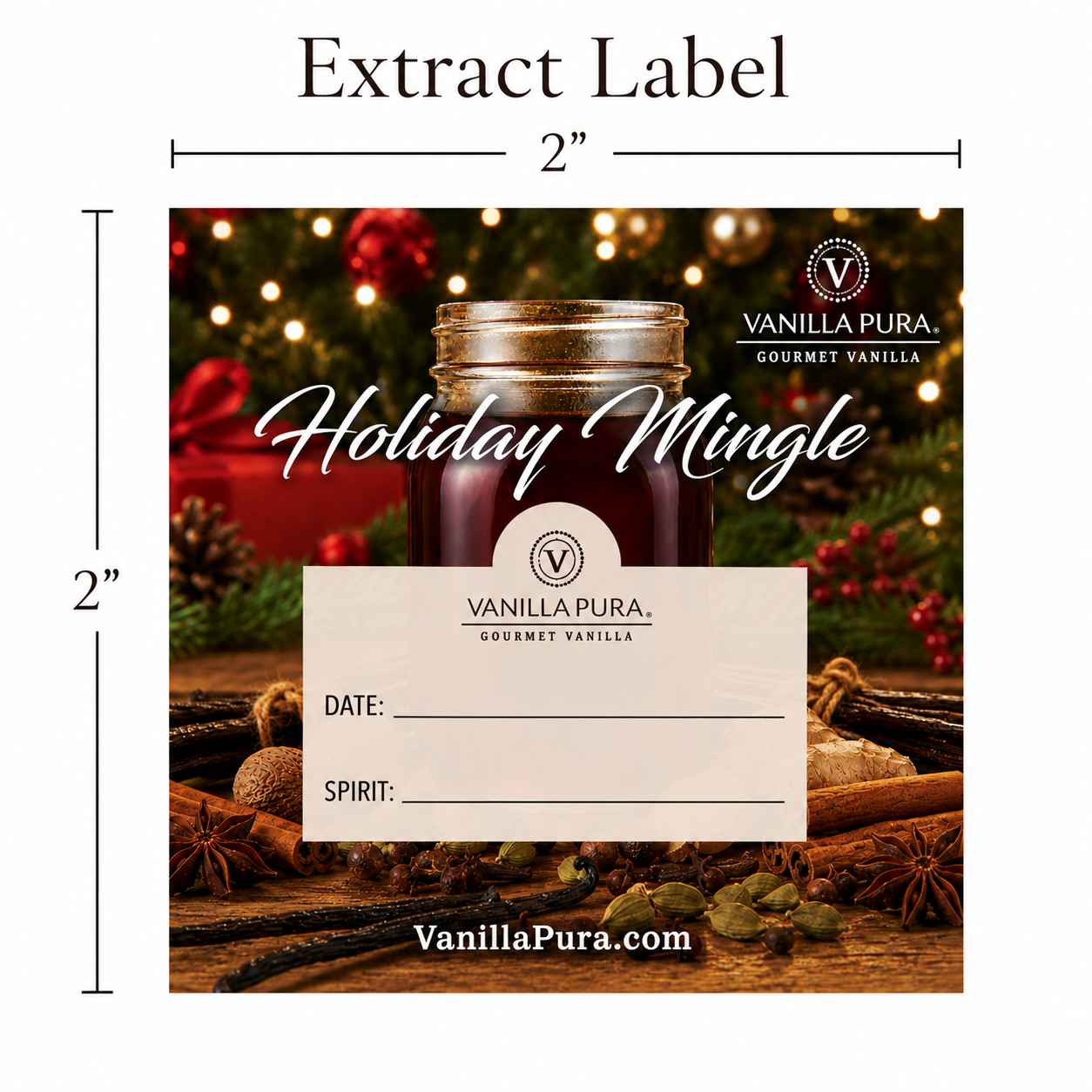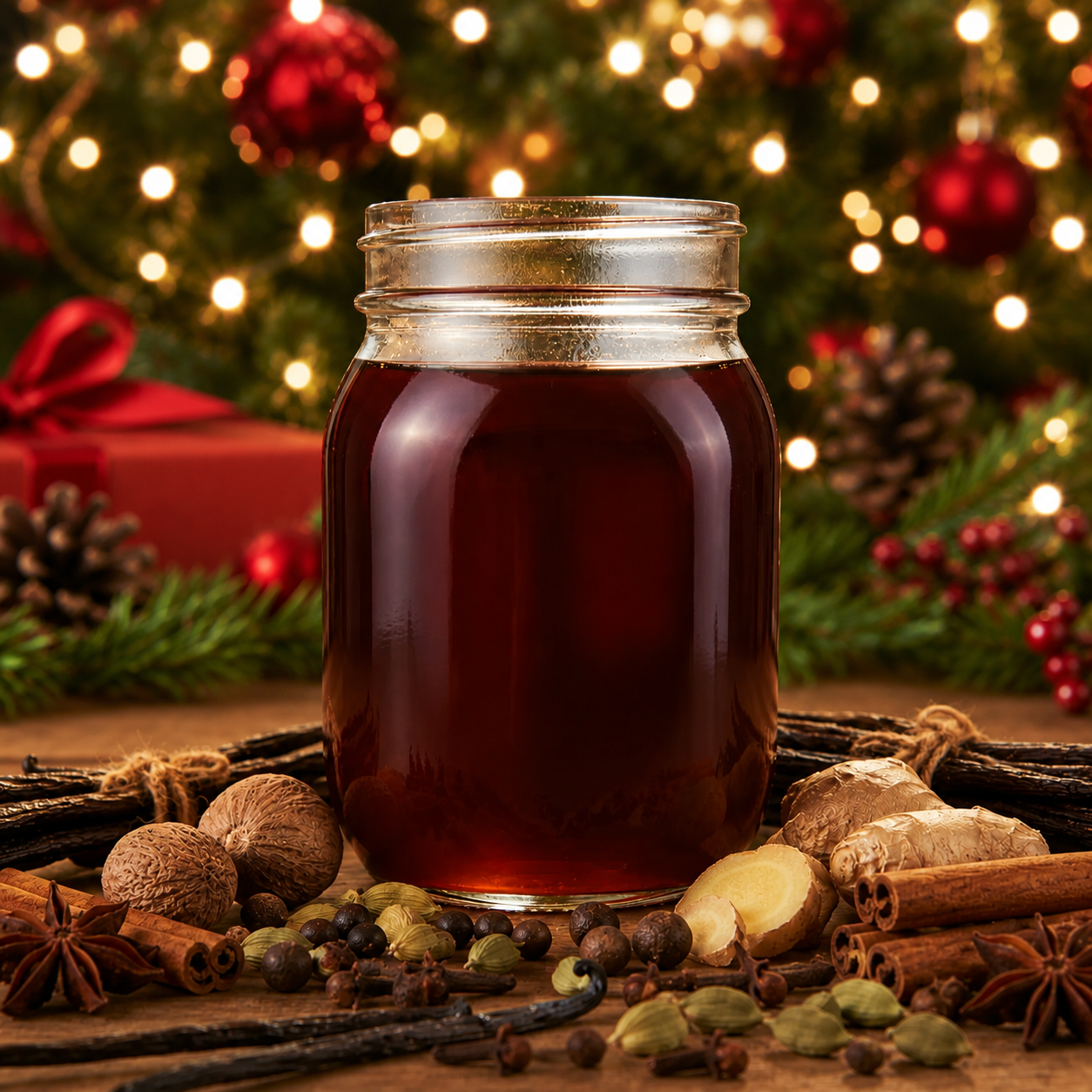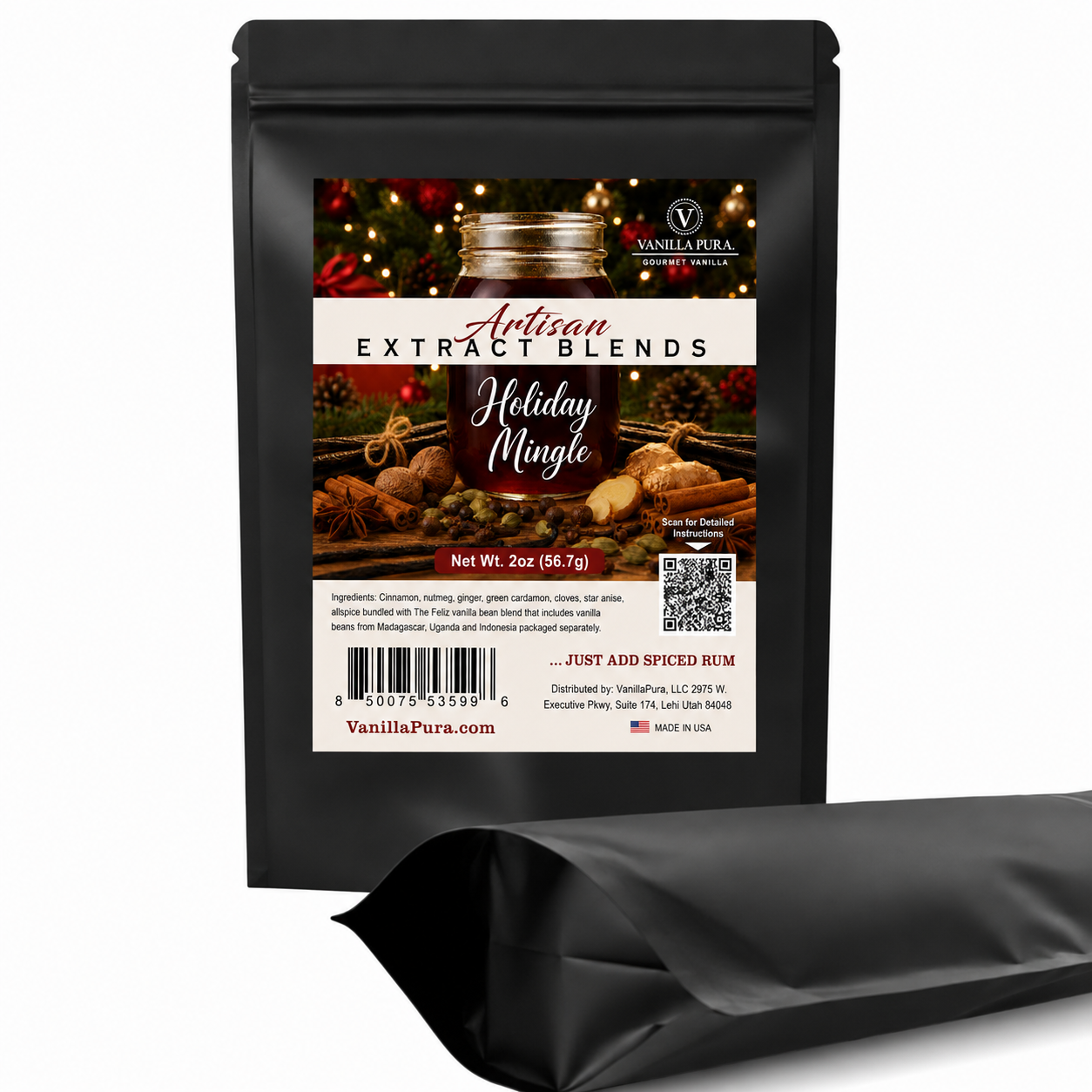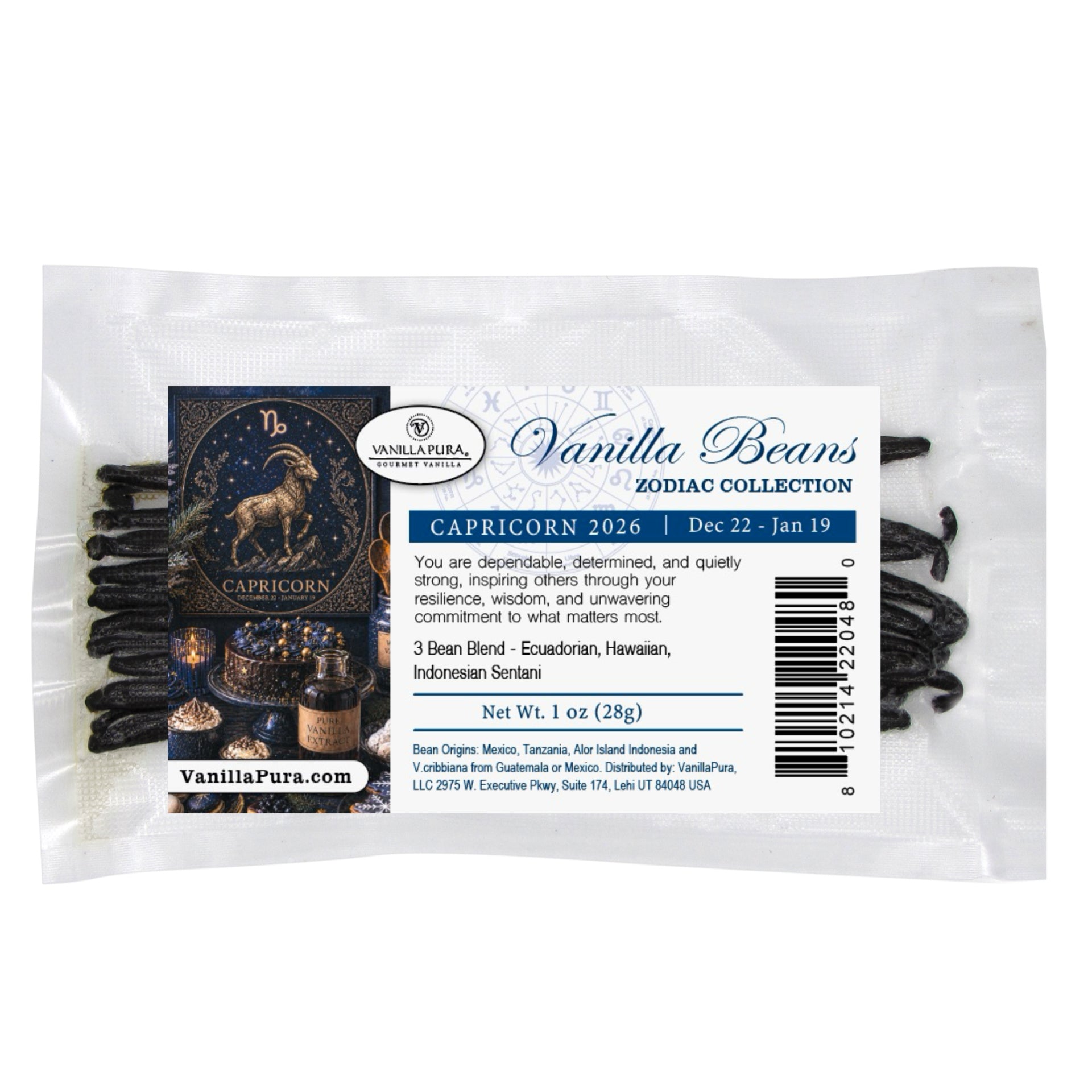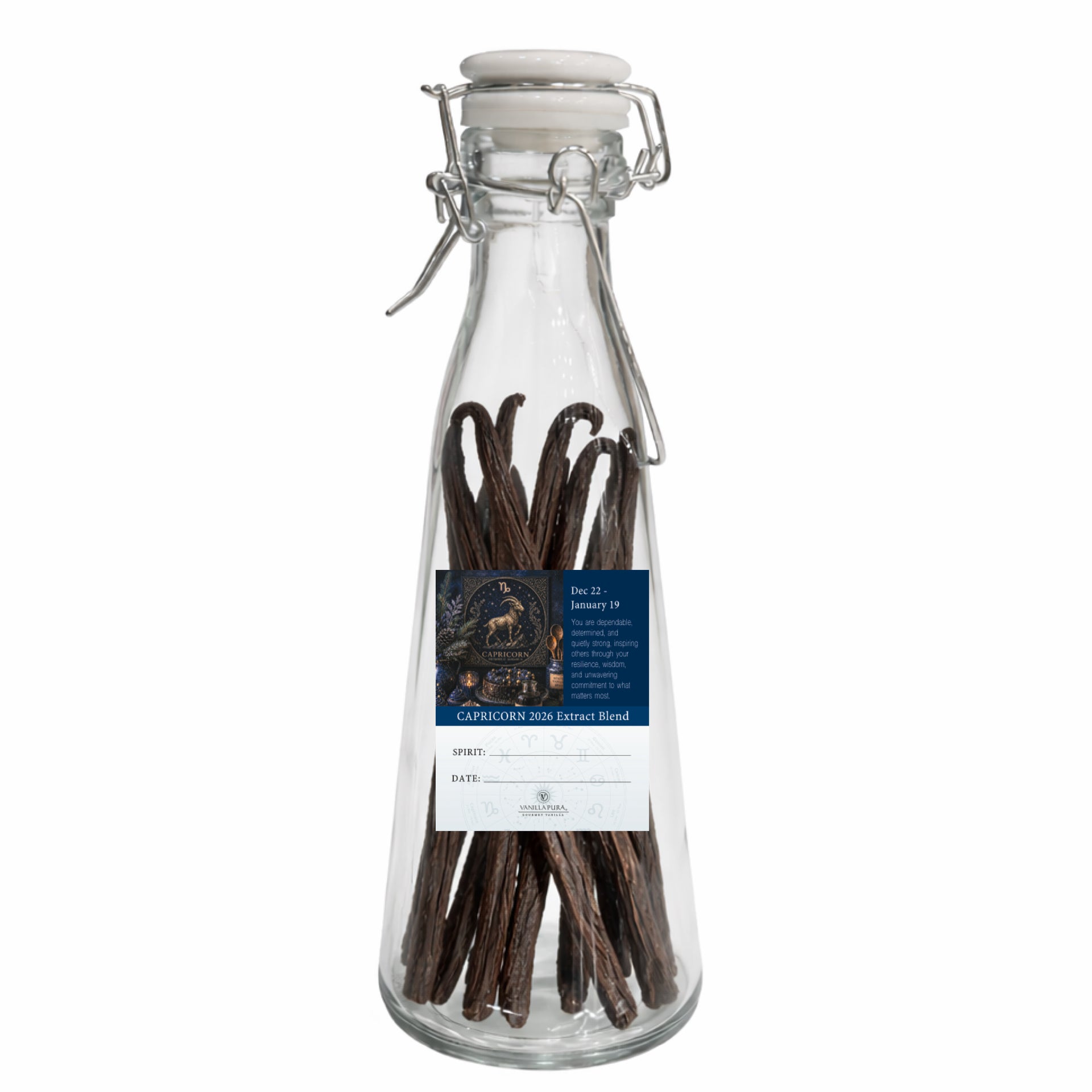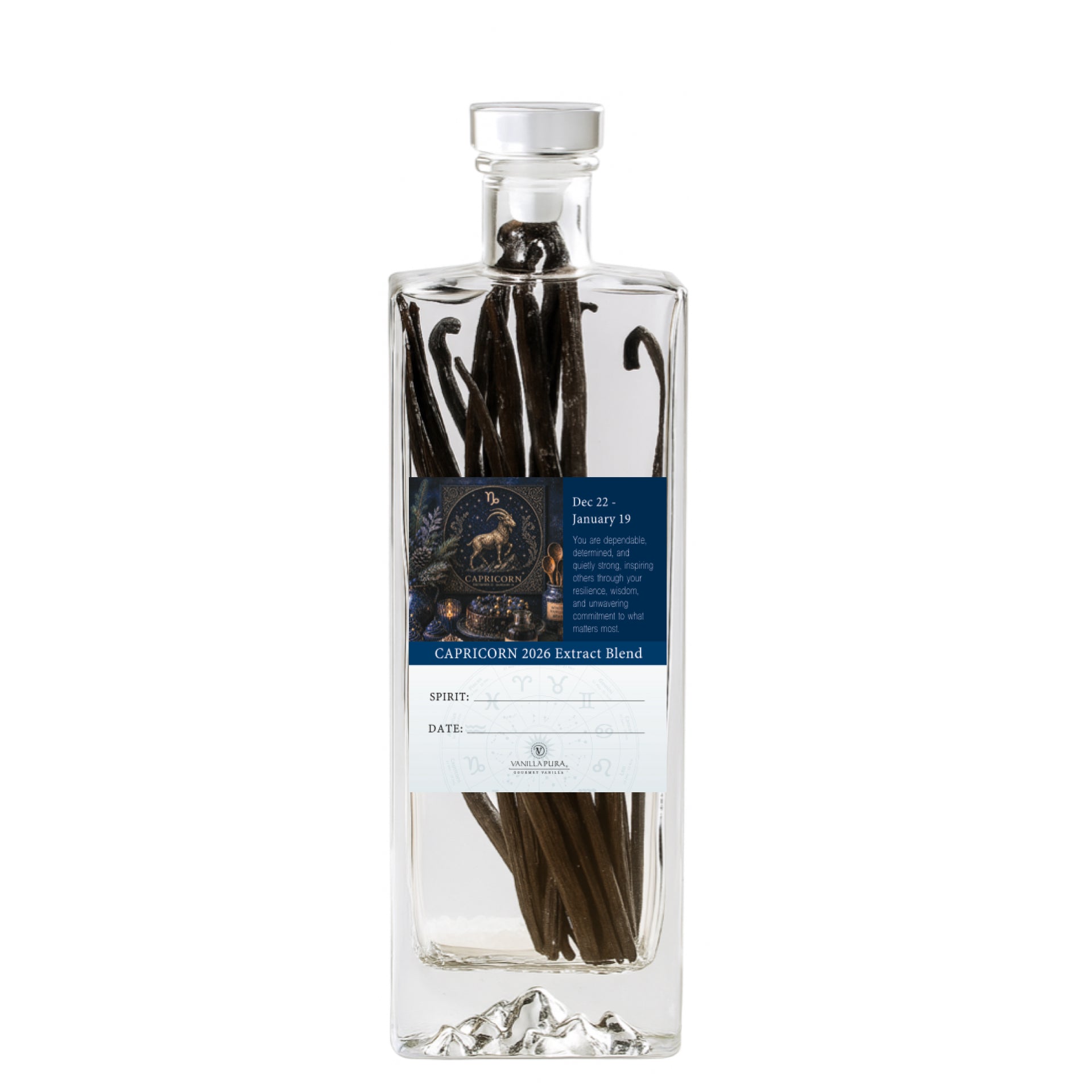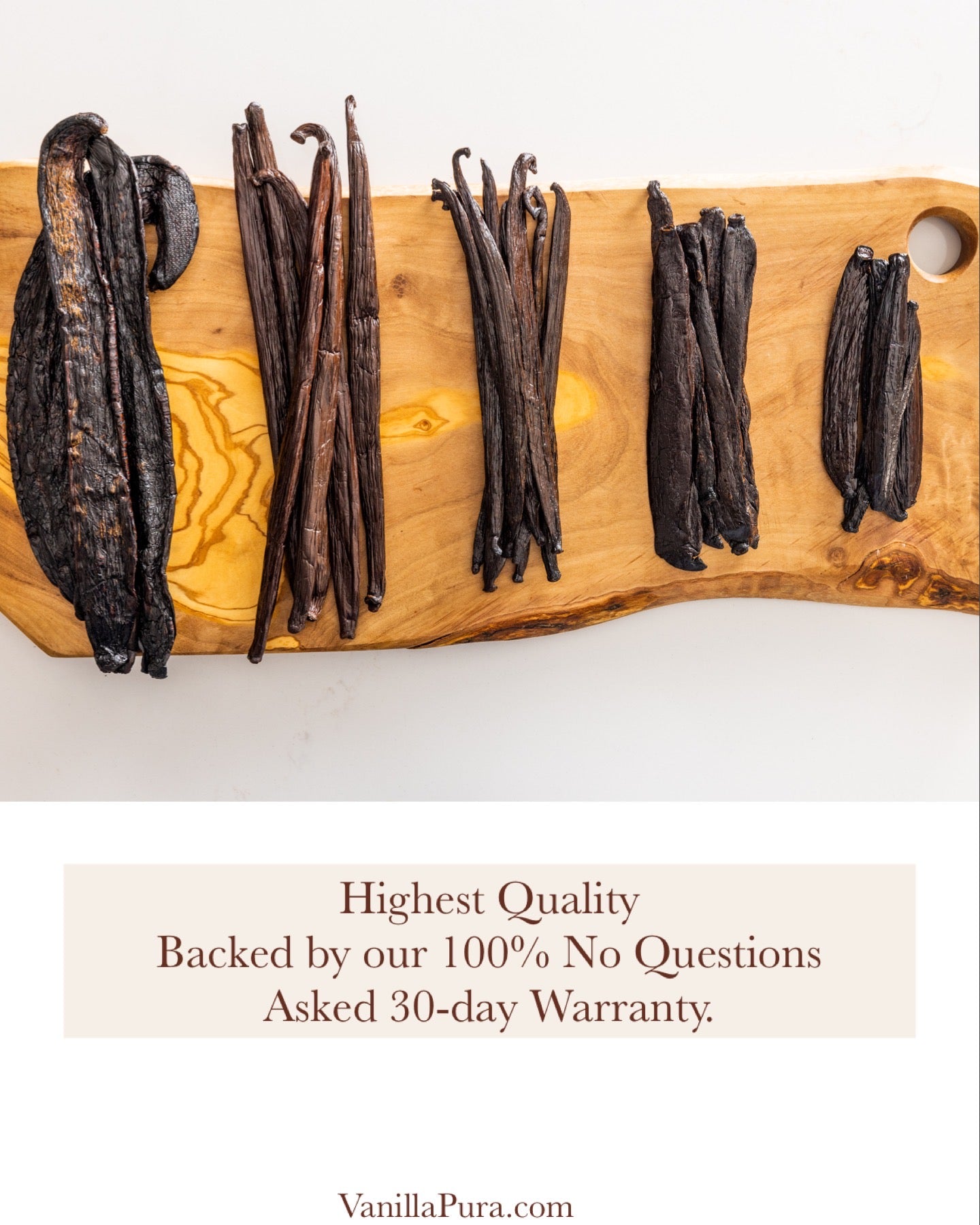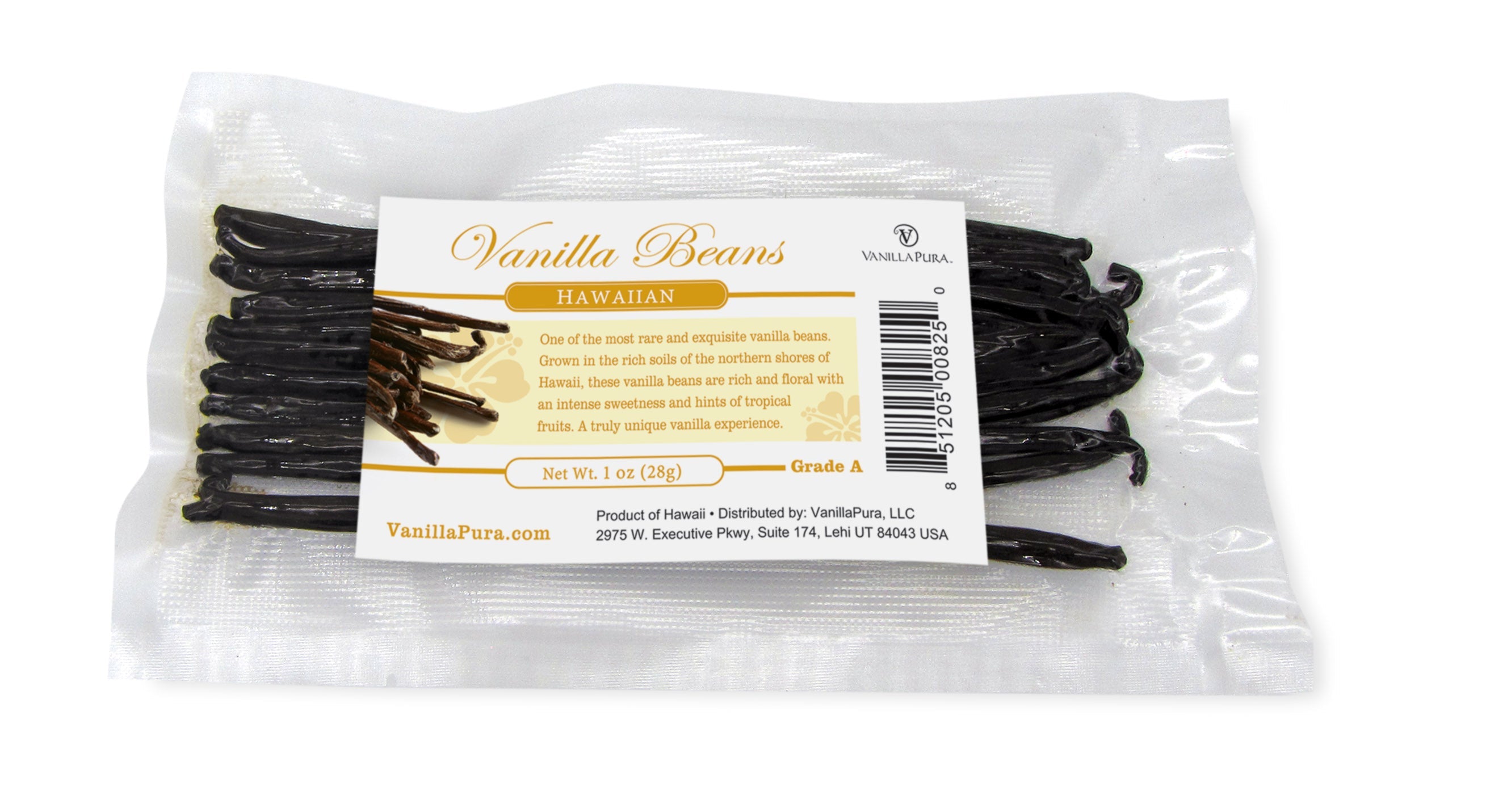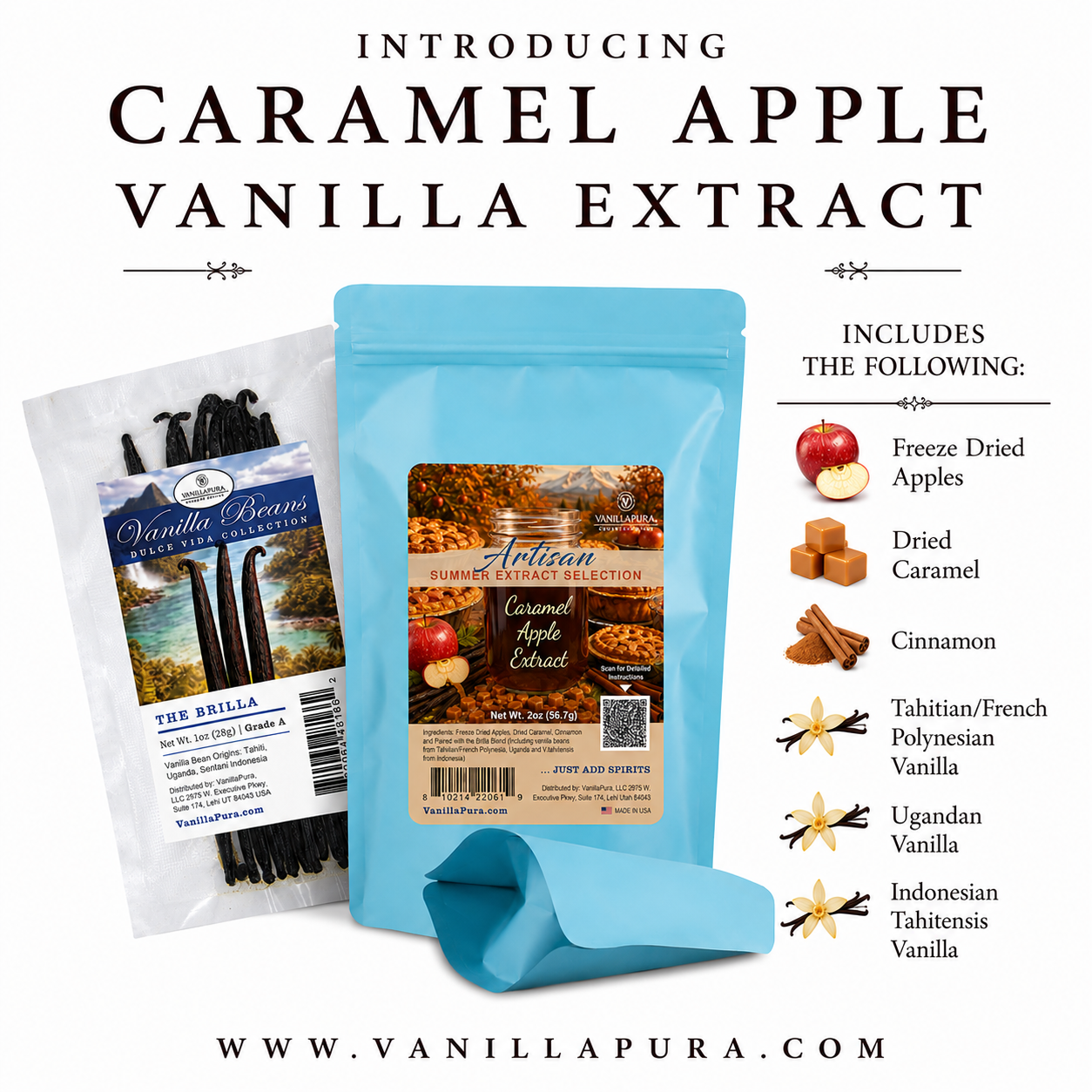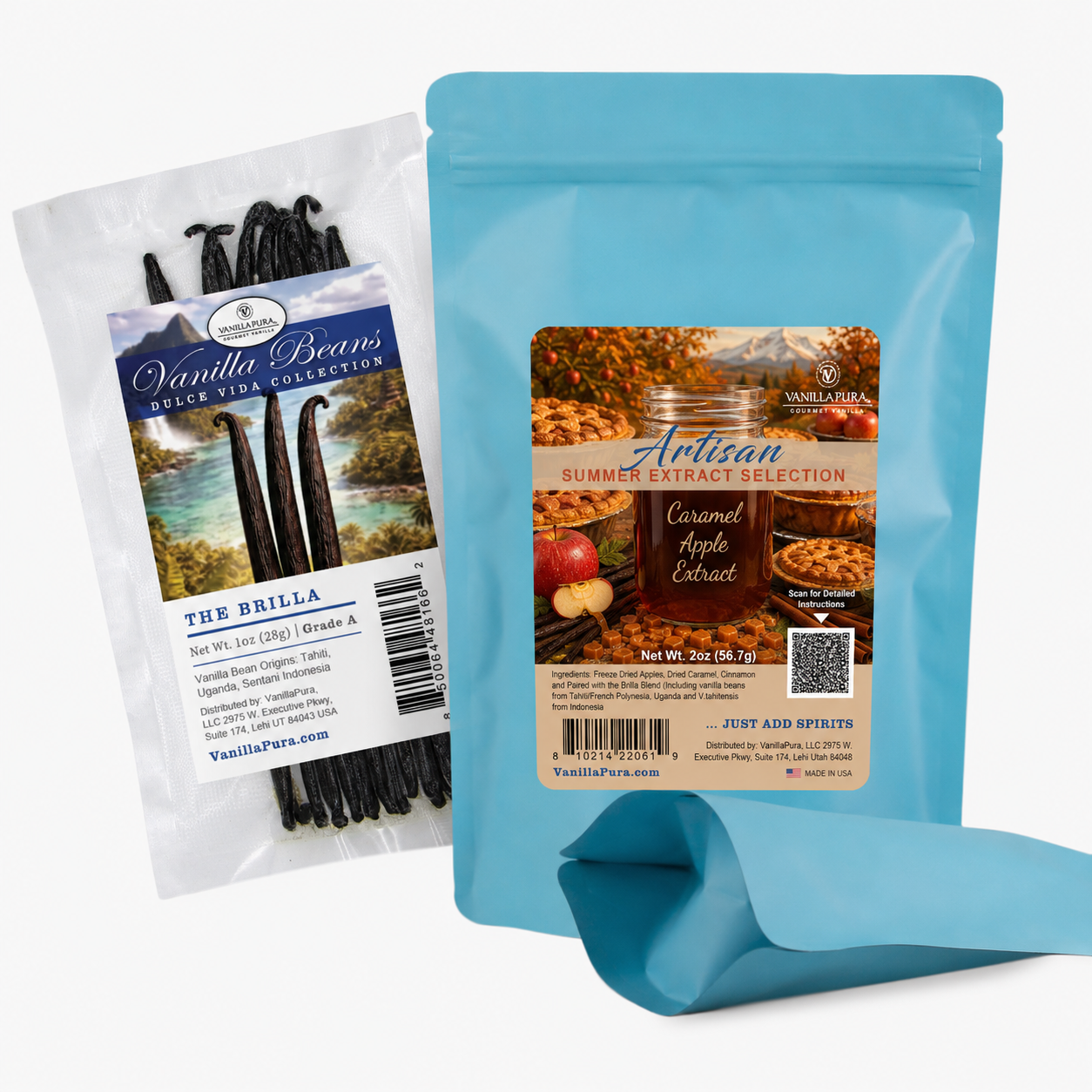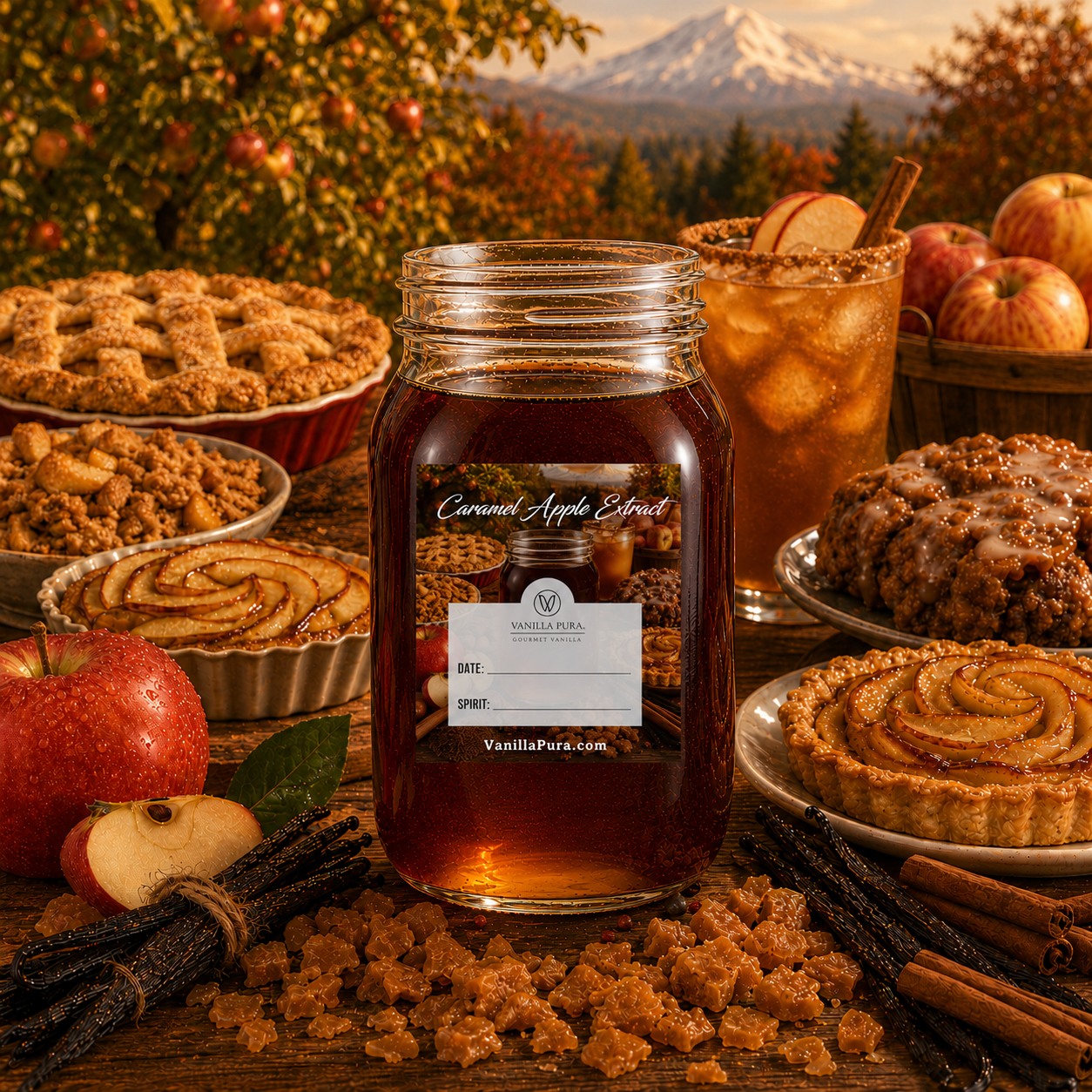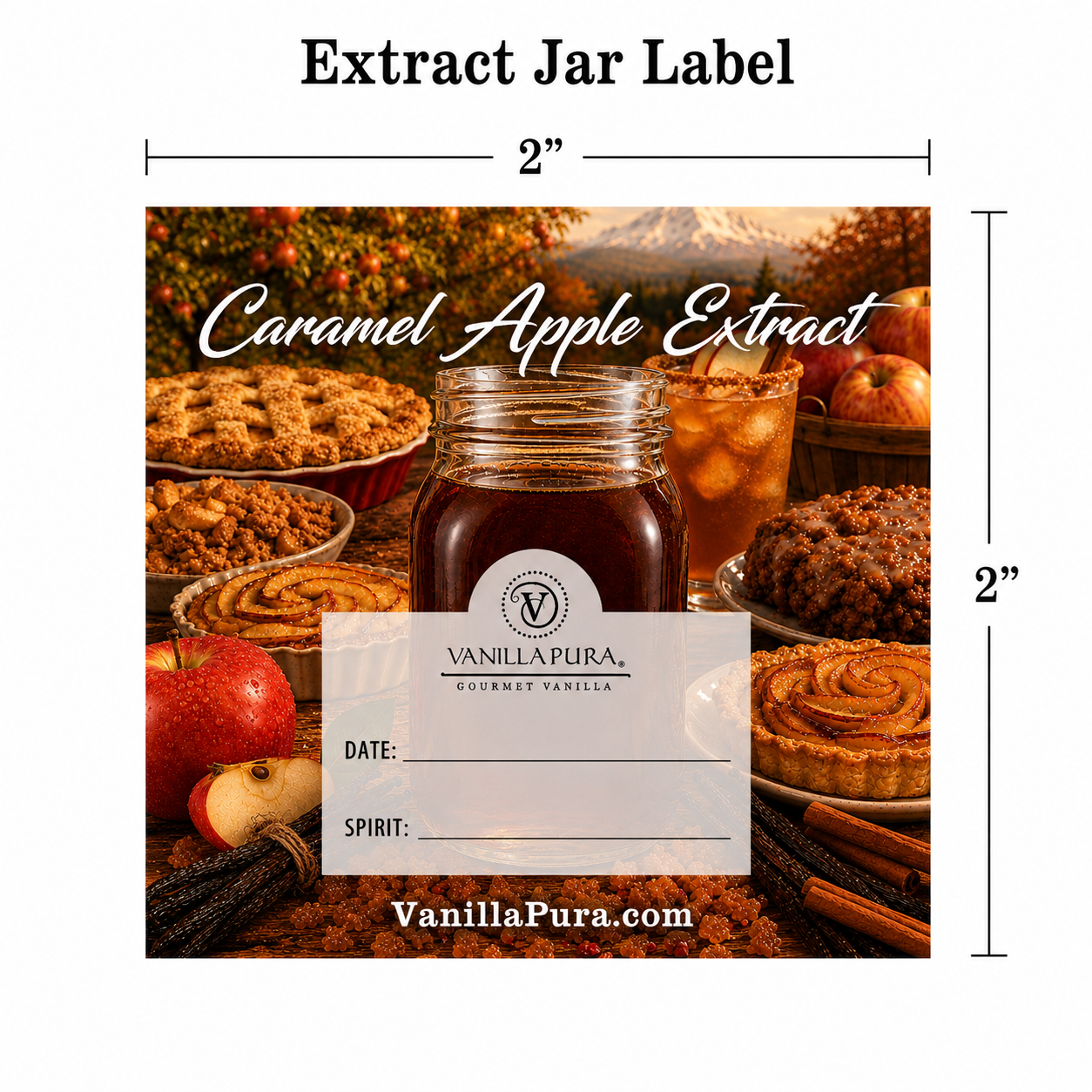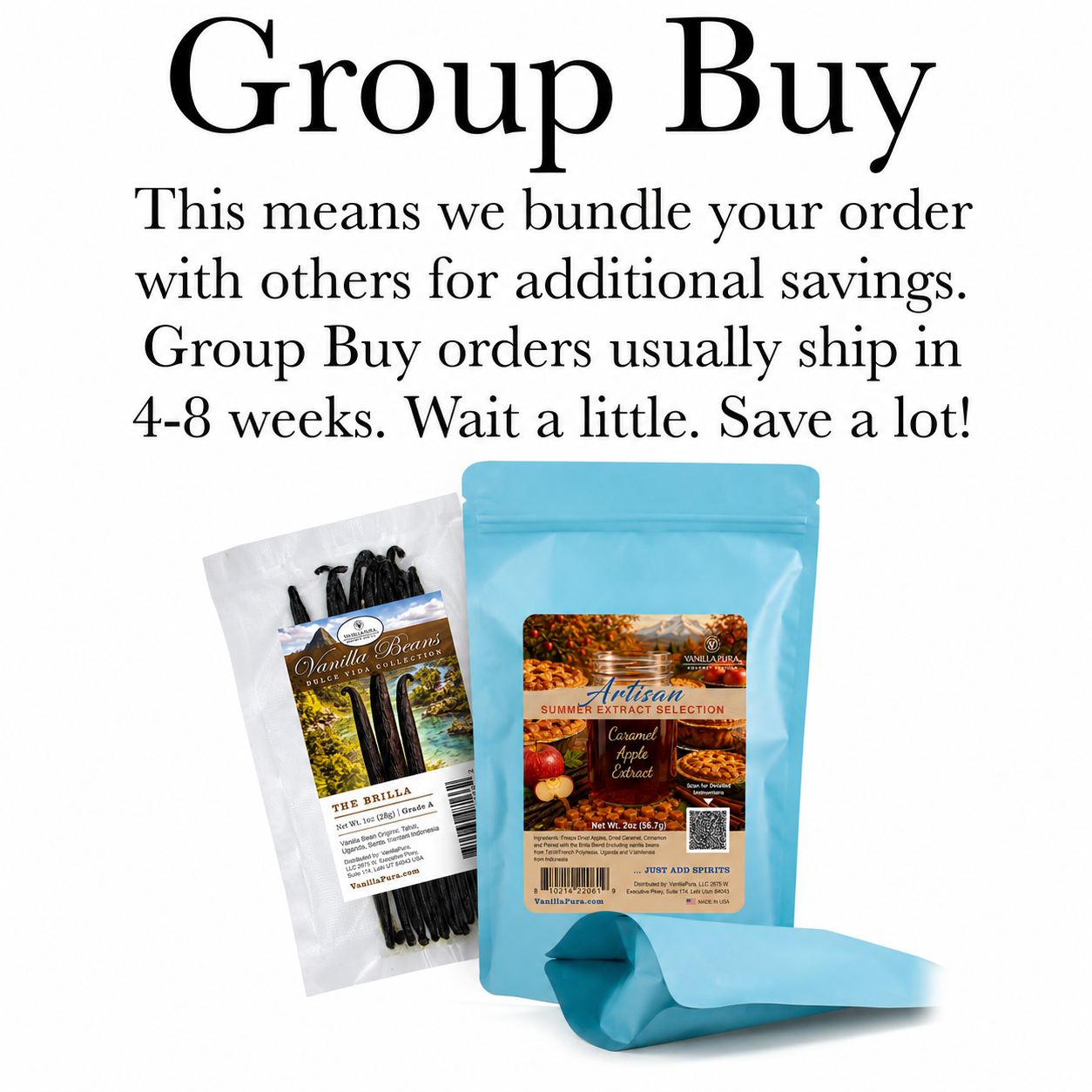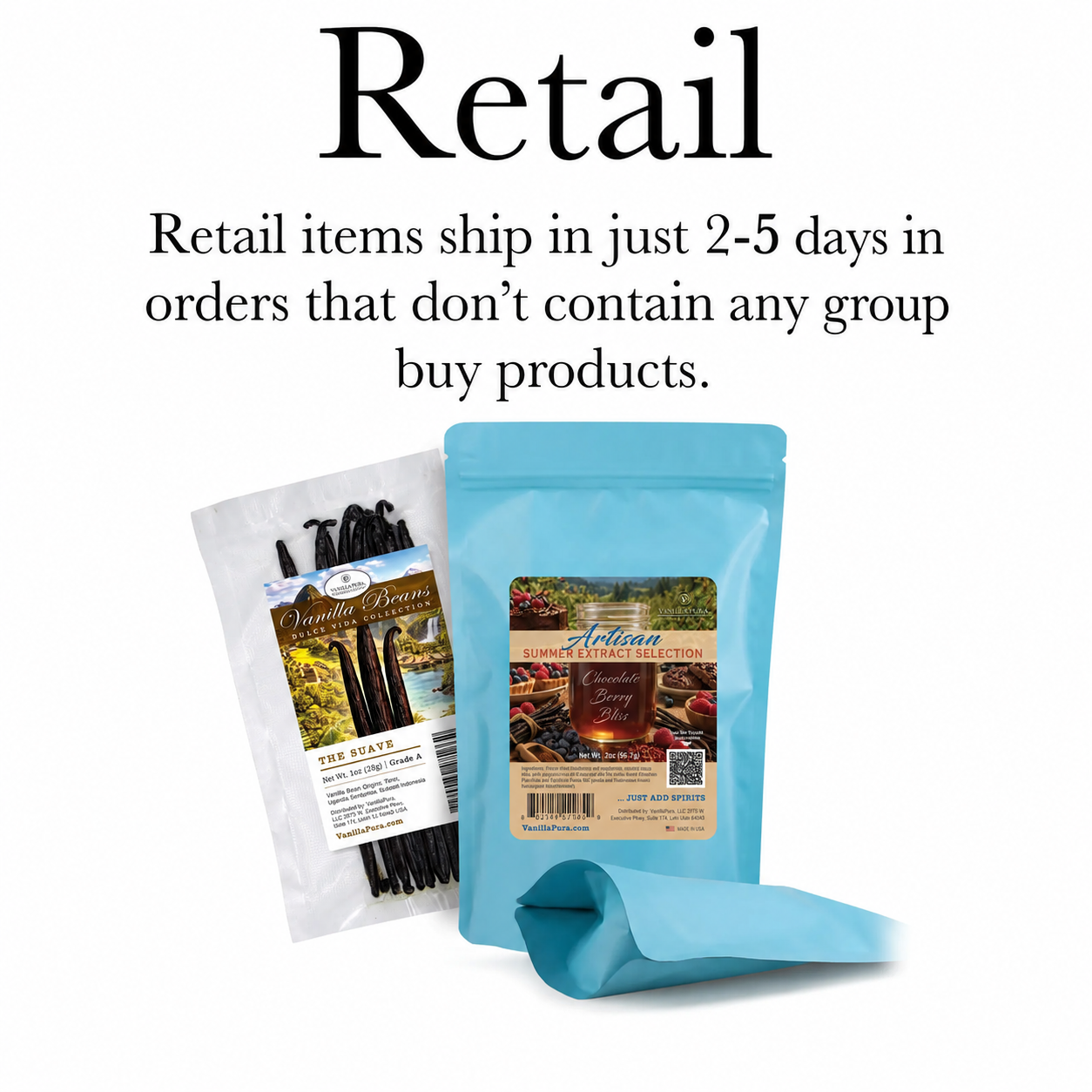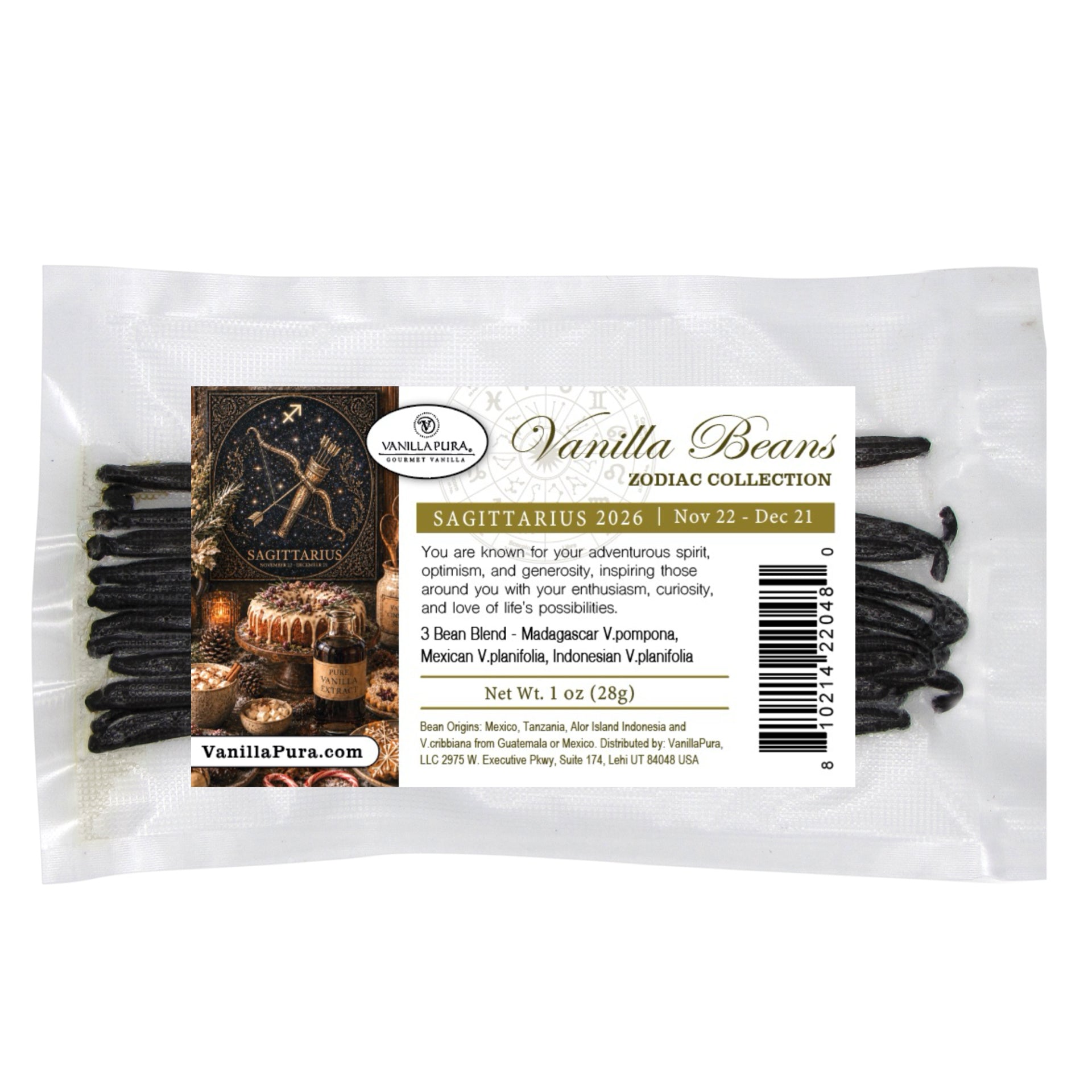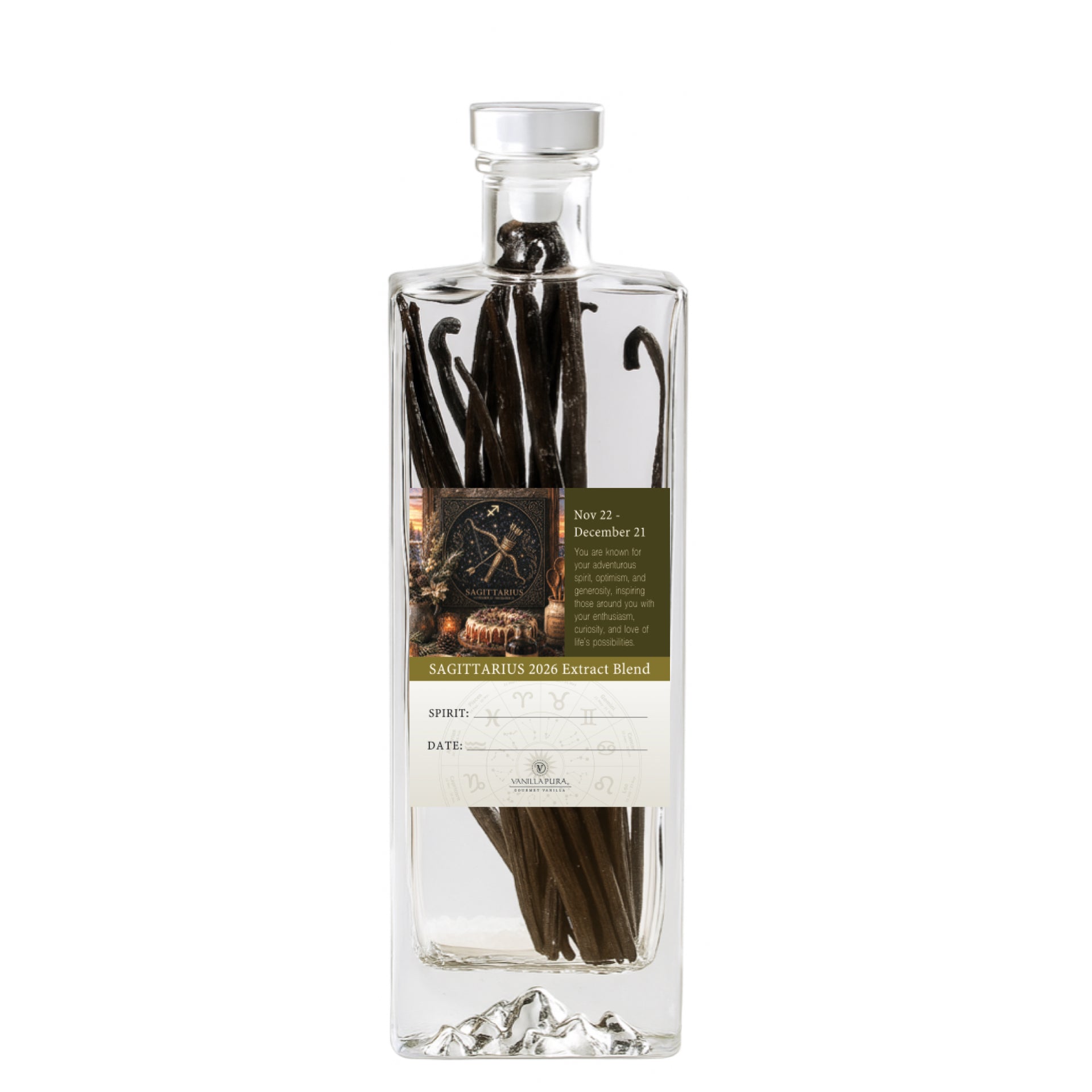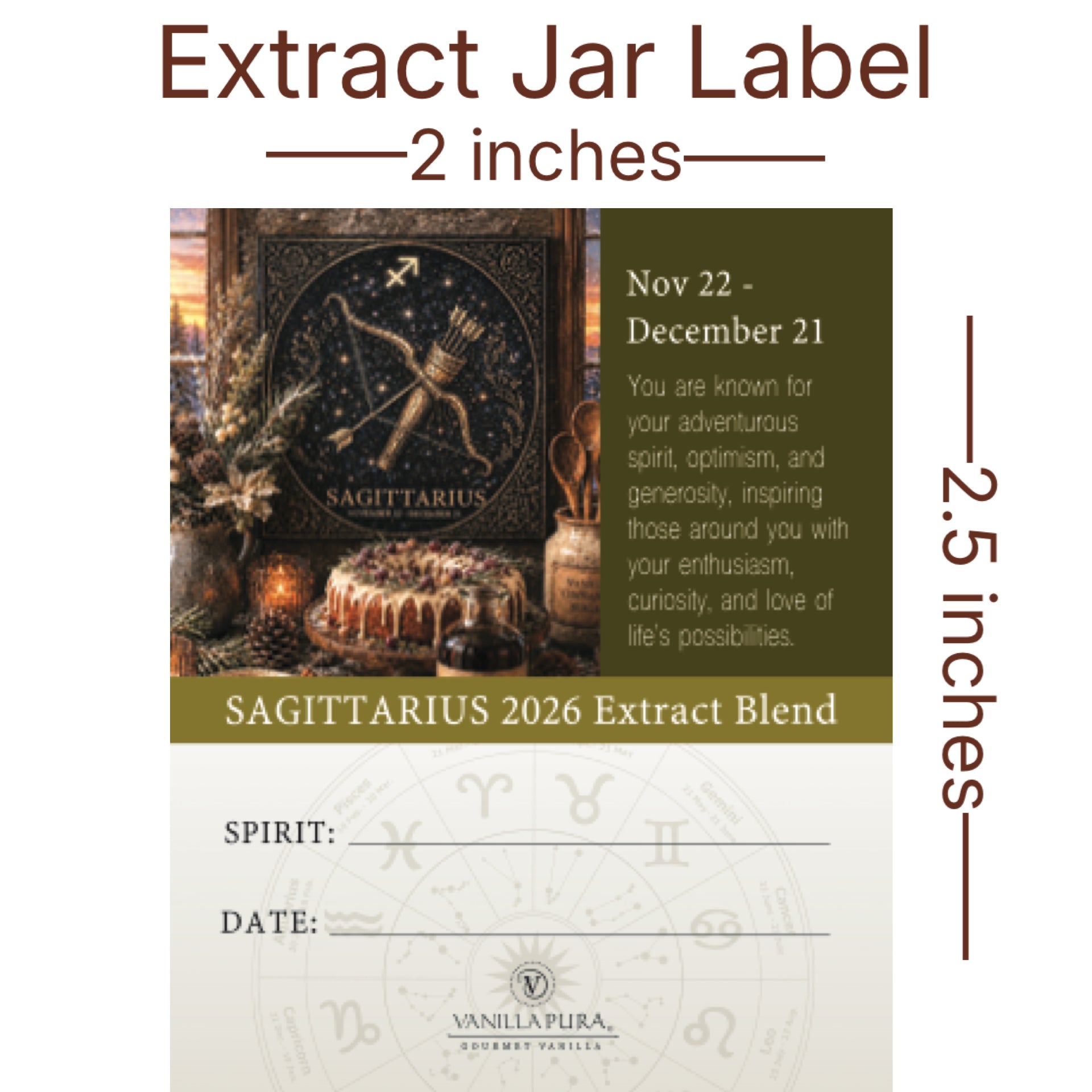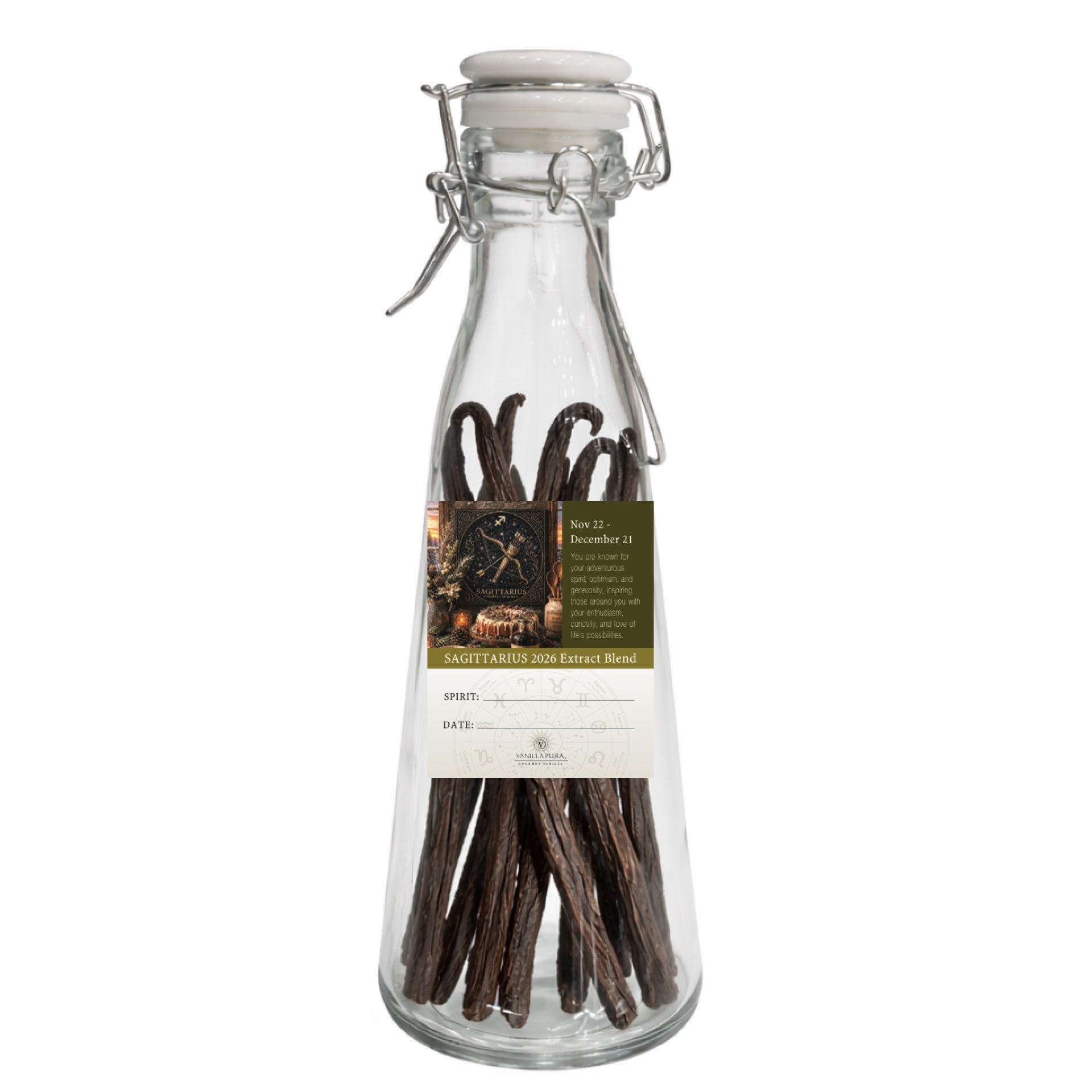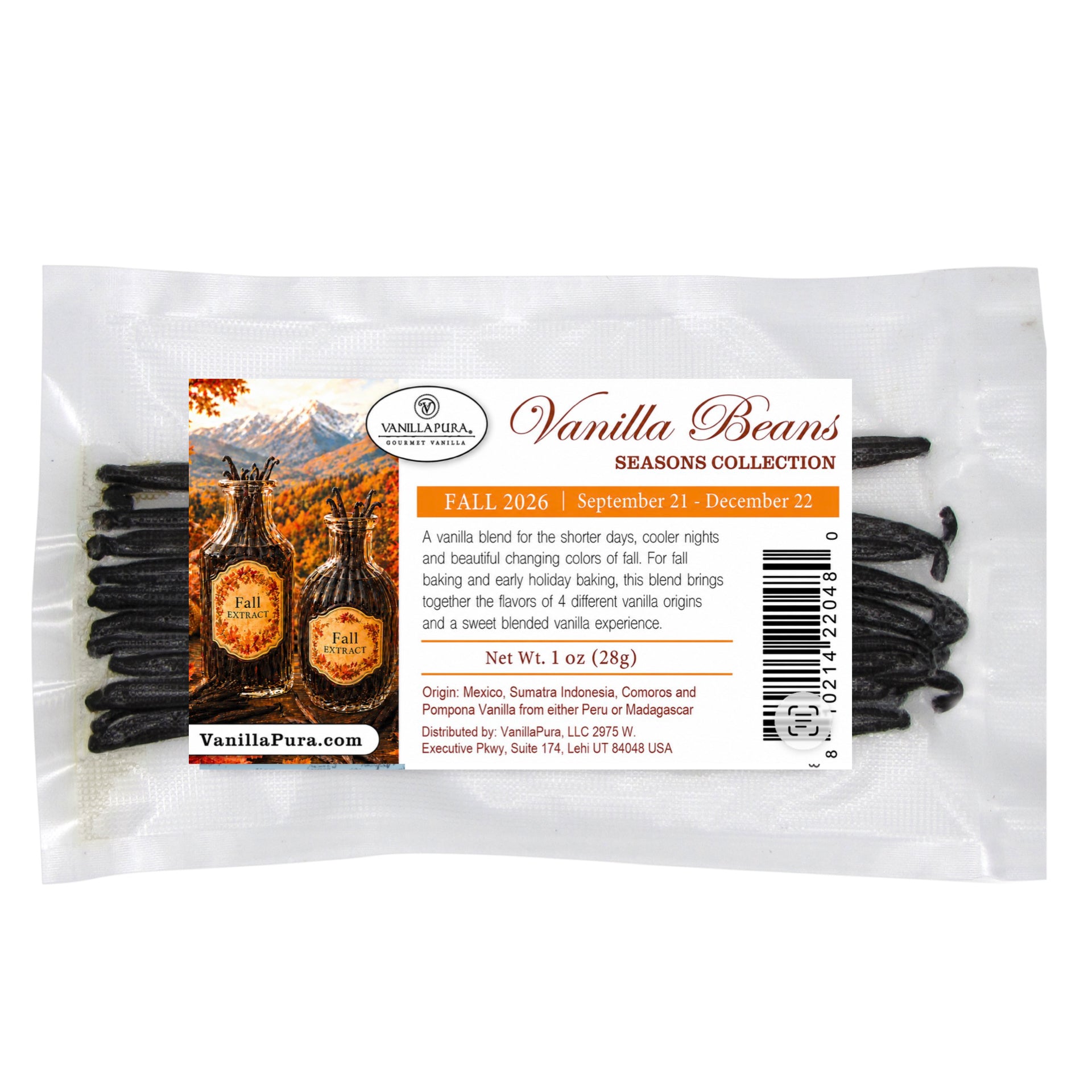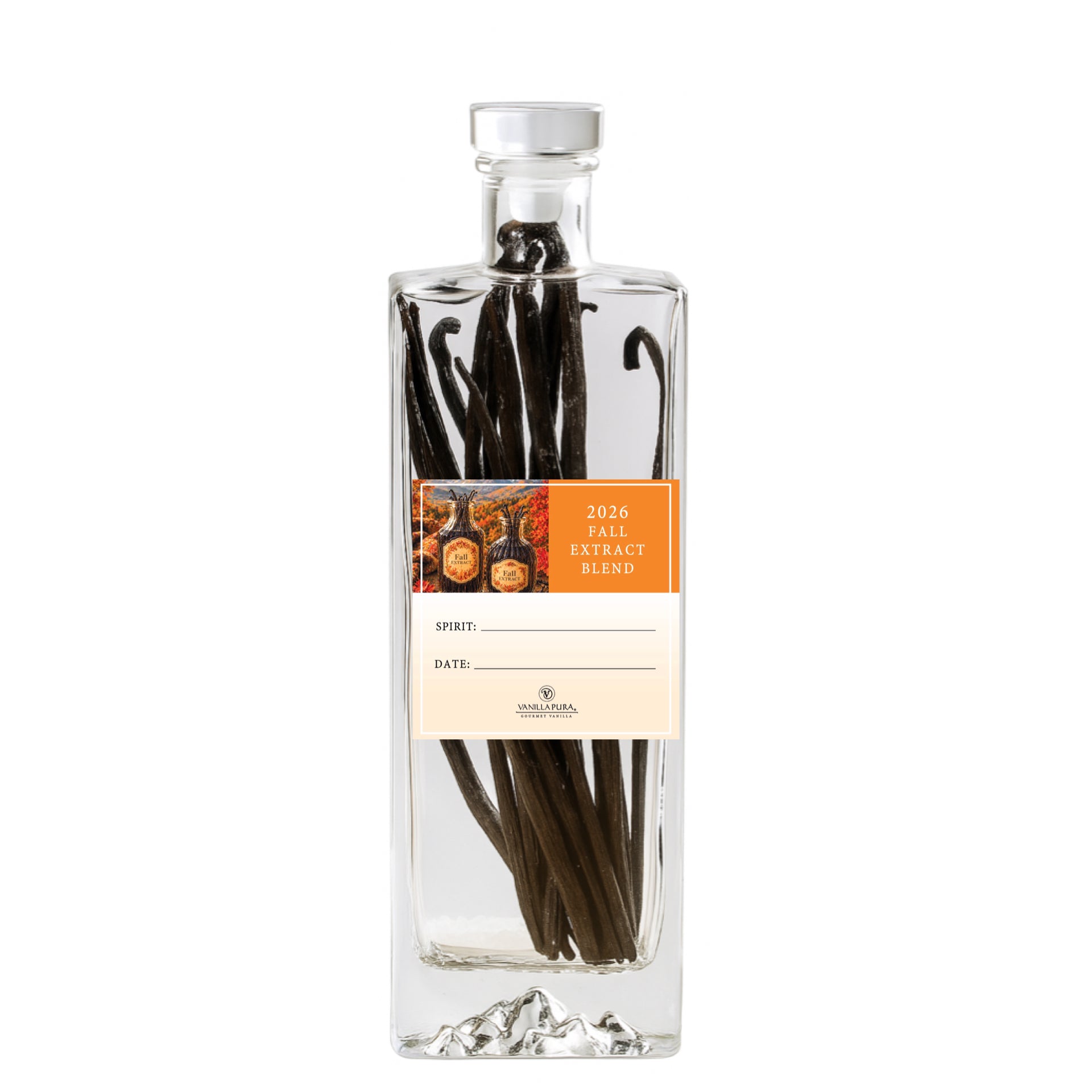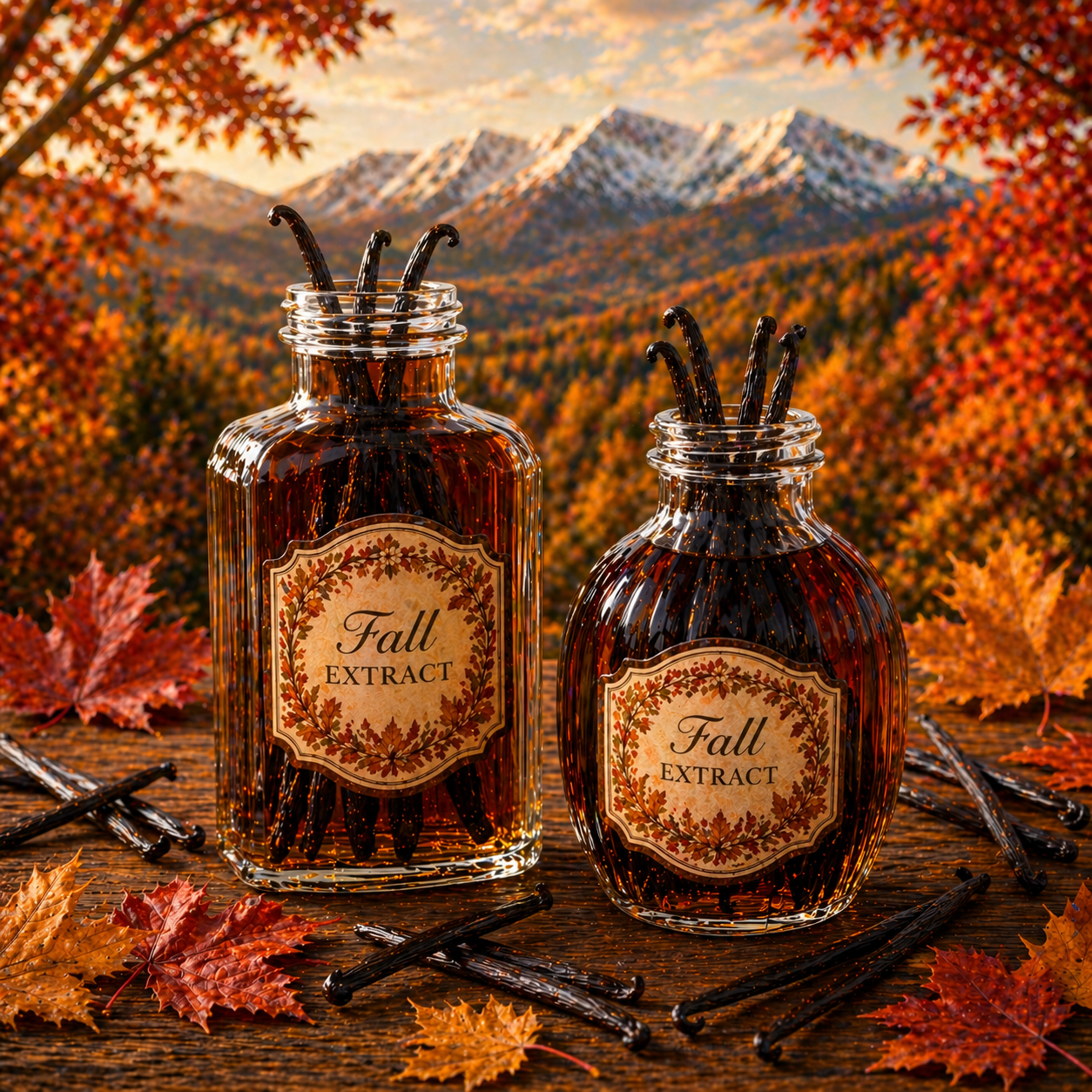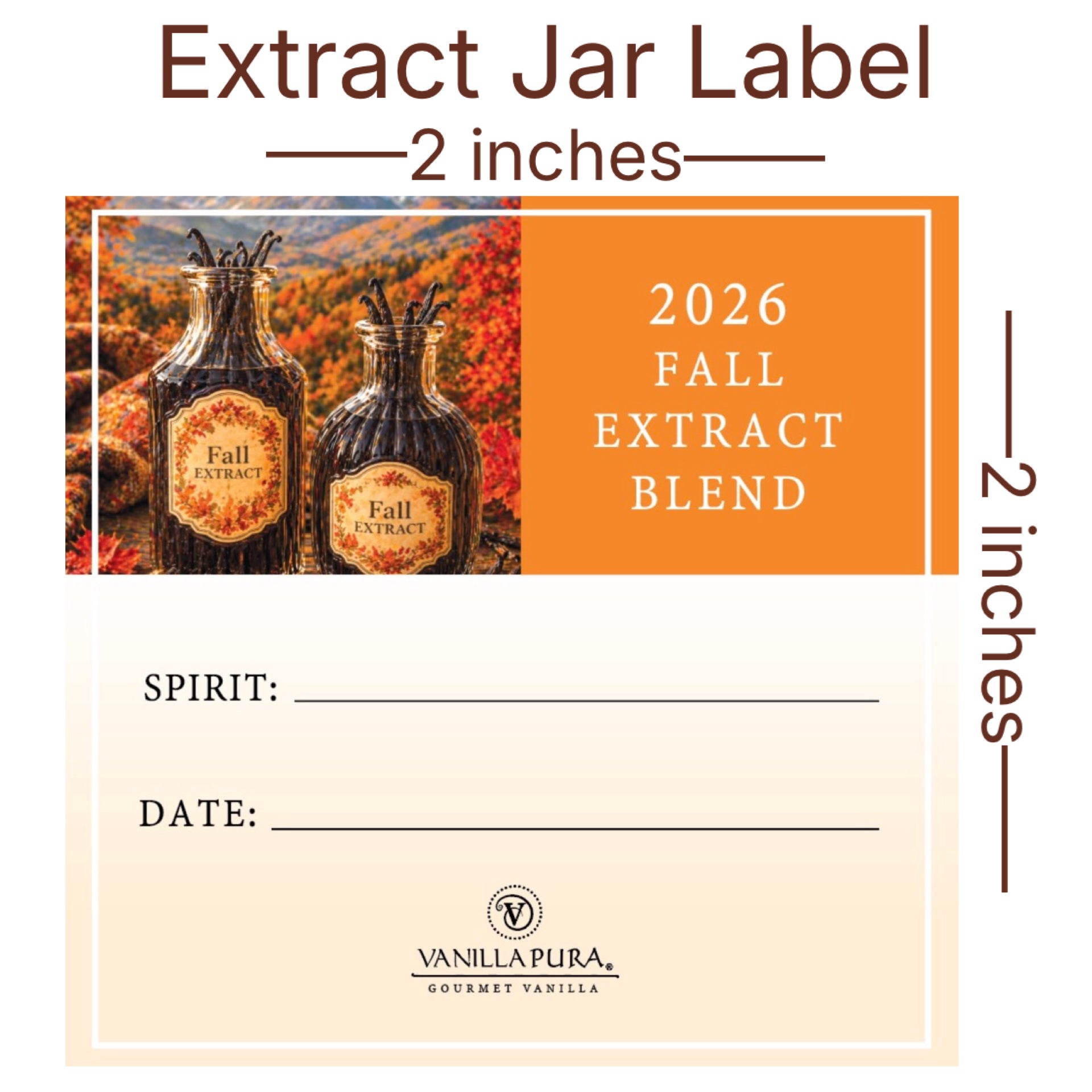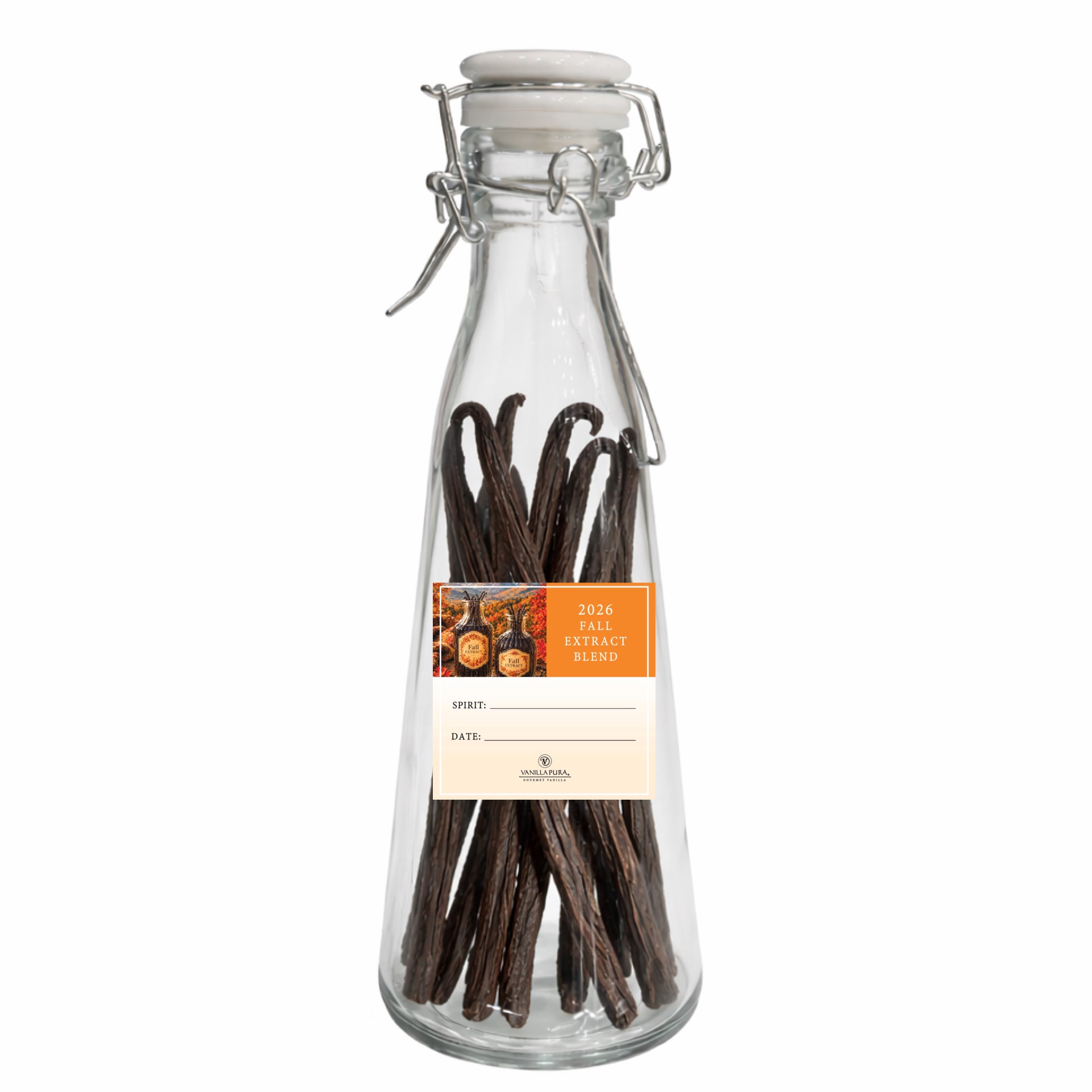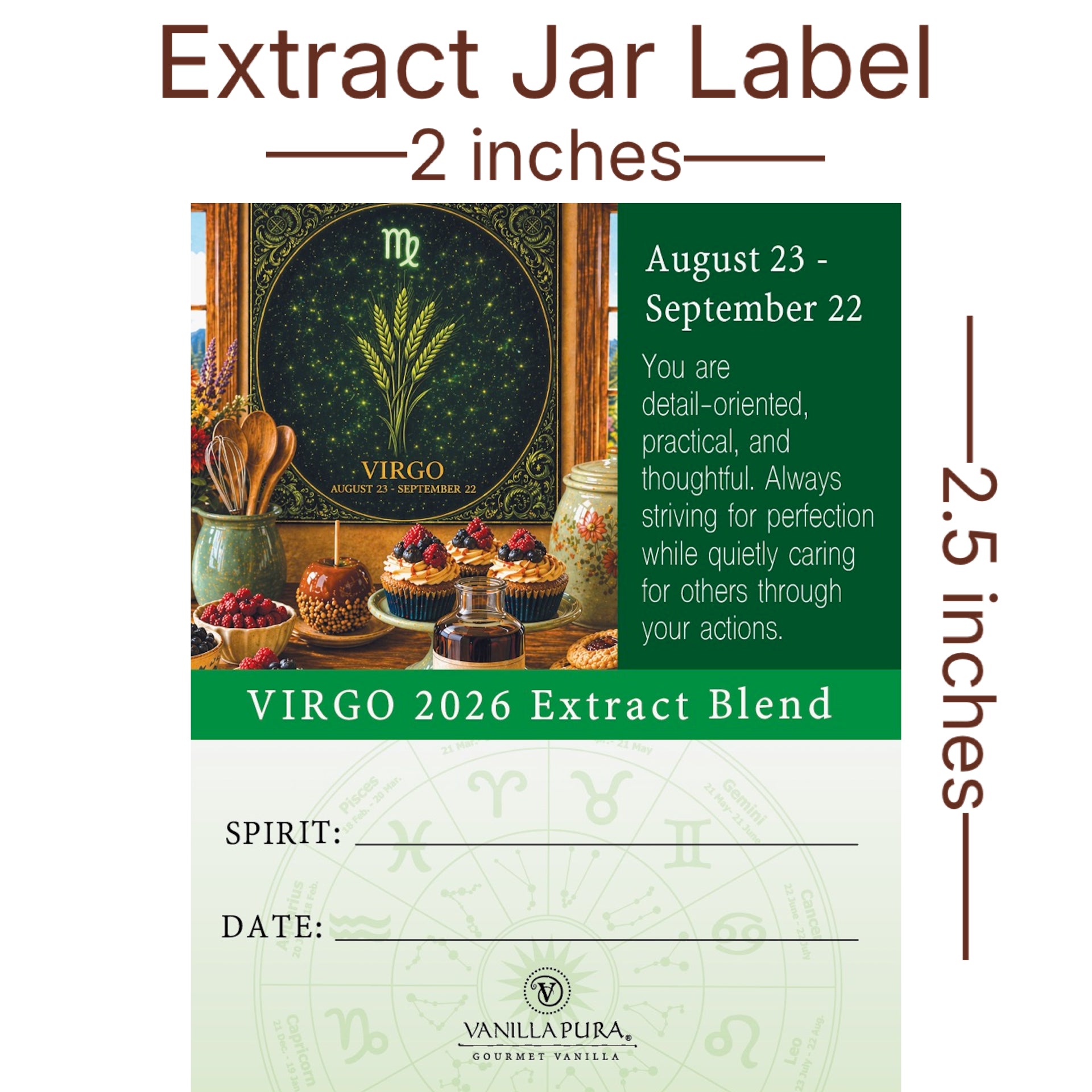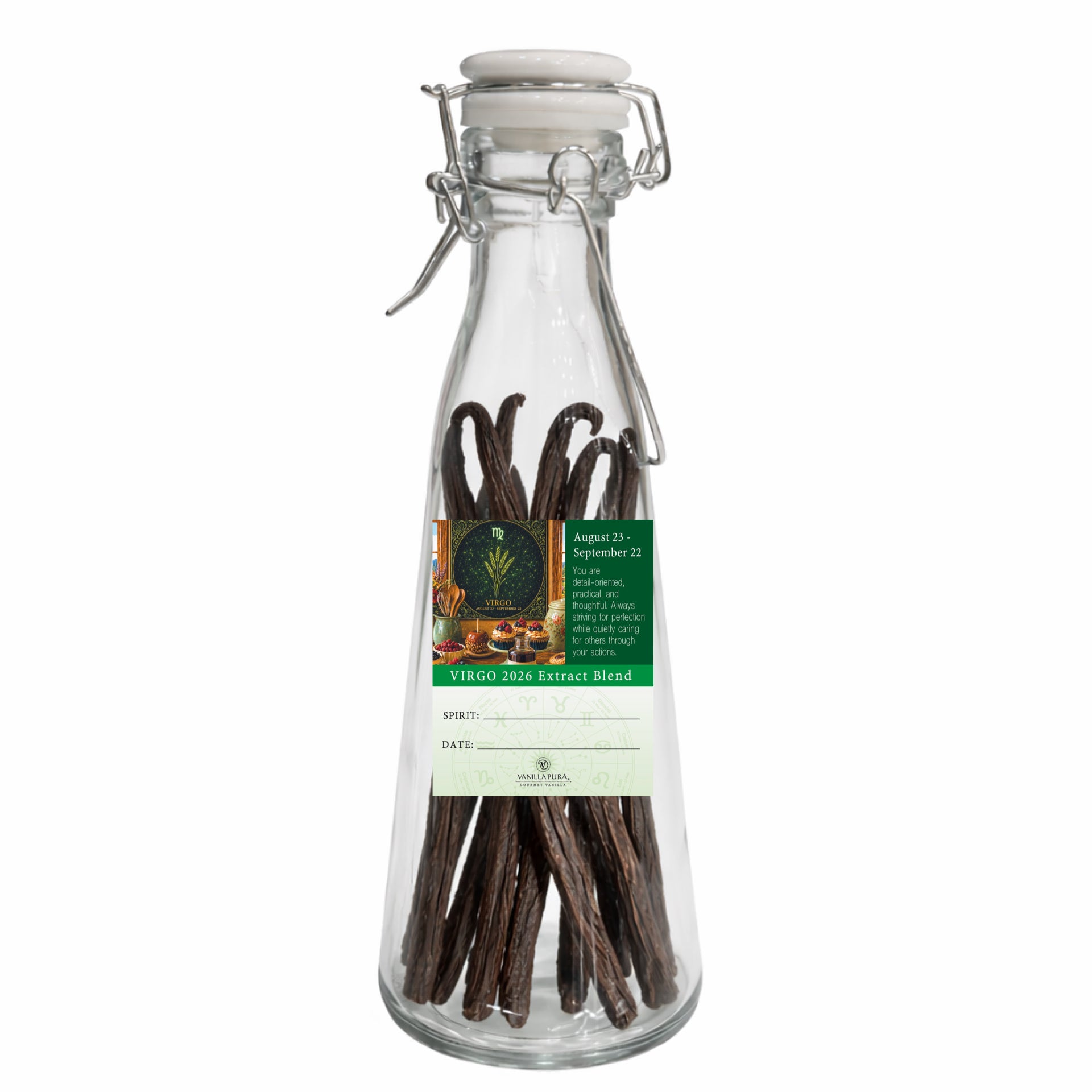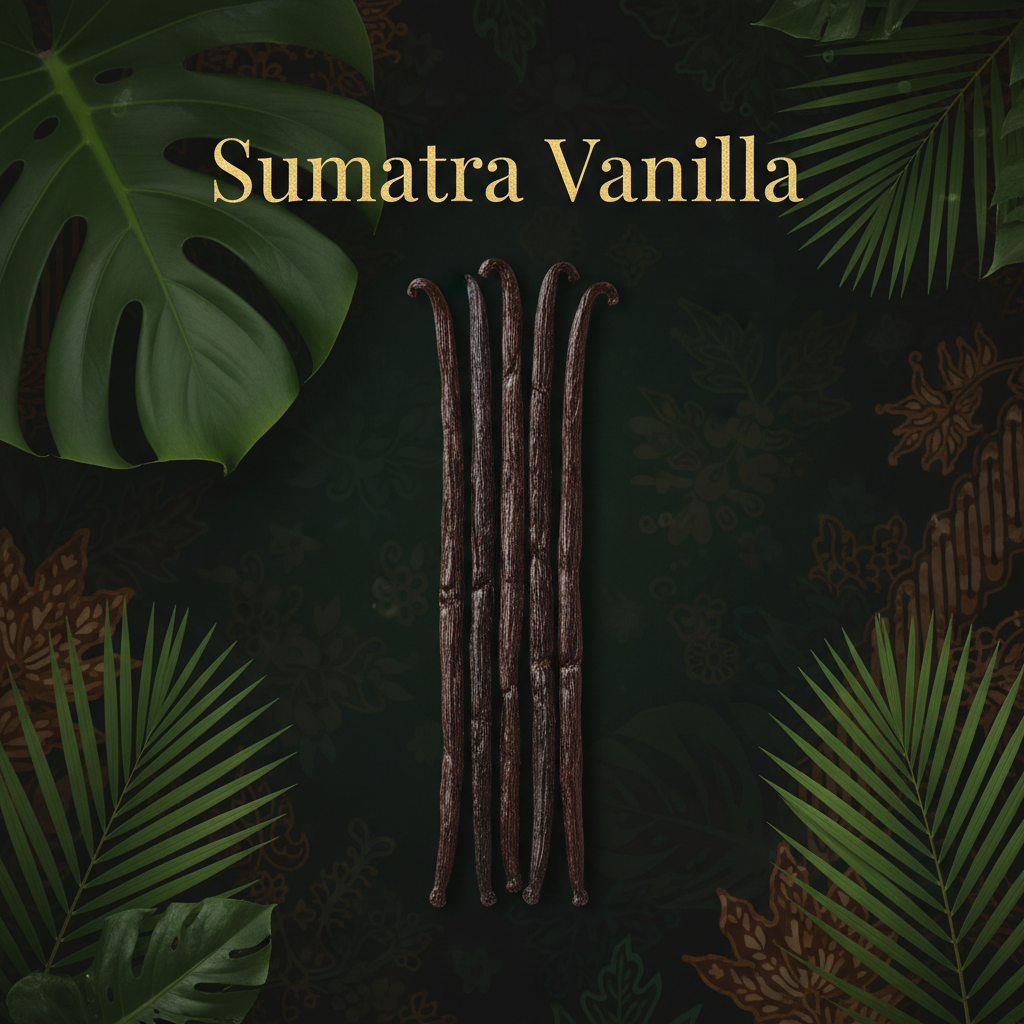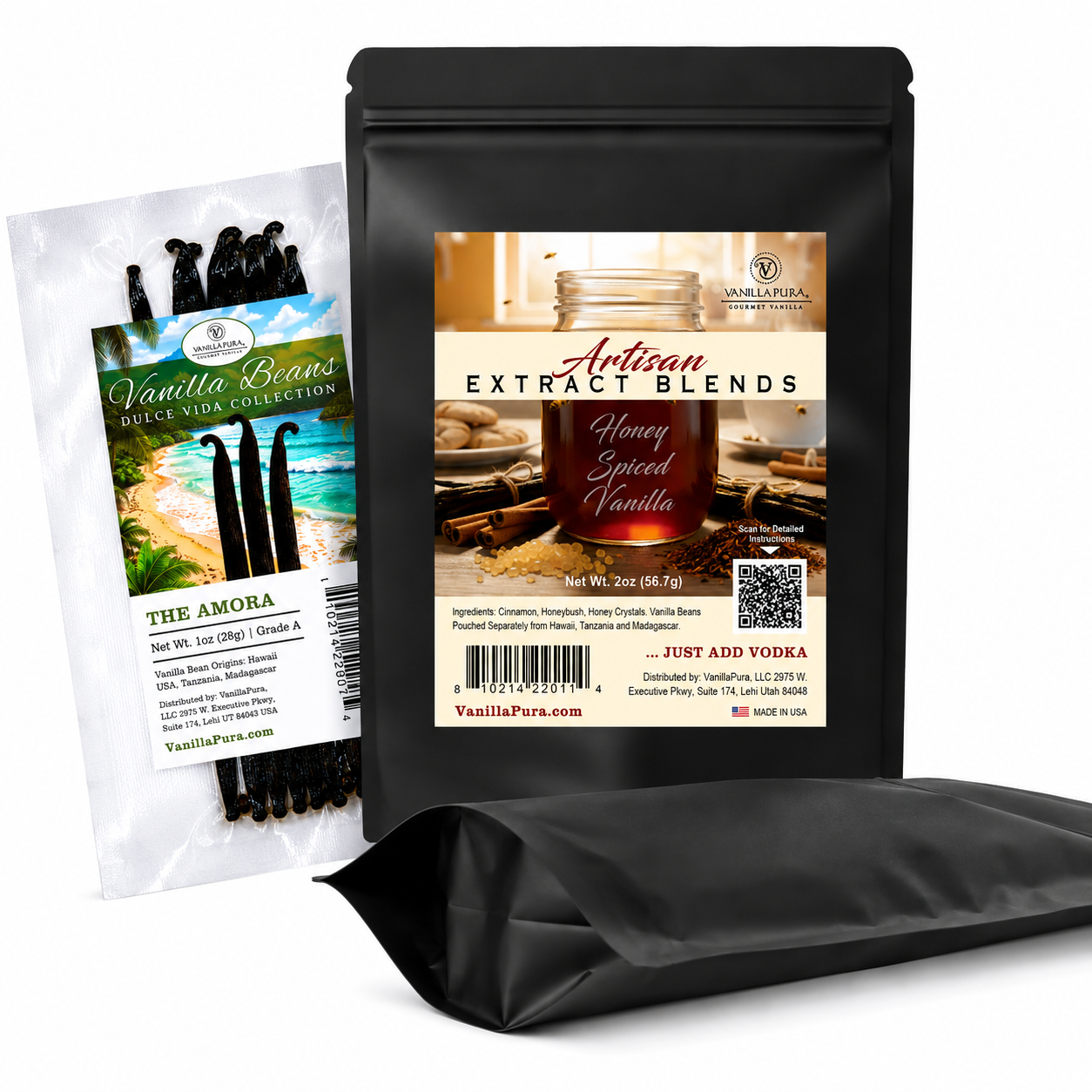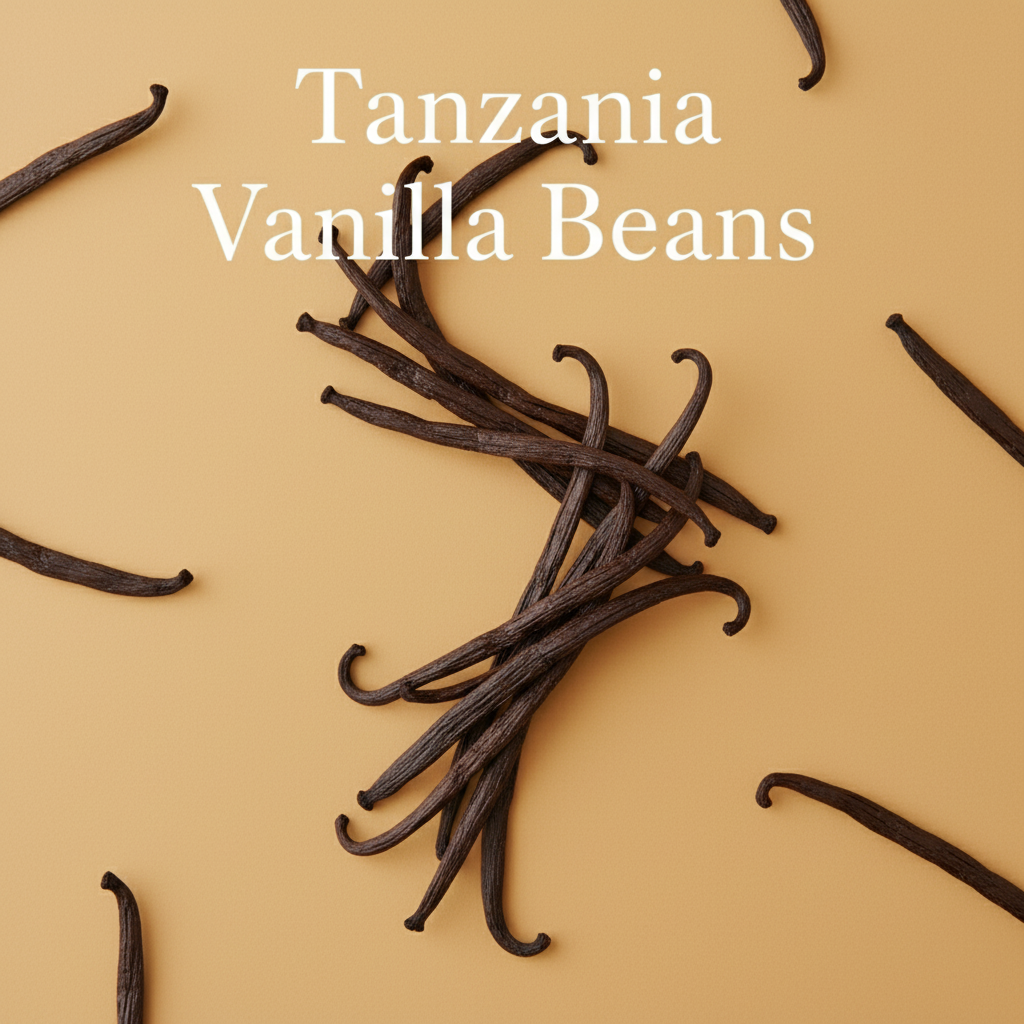

Making your own extracts is one of the most rewarding kitchen projects you can undertake. Not only do you create superior-quality flavorings for your baking and cooking, but you also develop a deeper appreciation for the ingredients themselves. We recommend making one new extract each month—by the end of the year, you'll have a full collection of artisanal extracts ready to use.
Your Monthly Extract Calendar
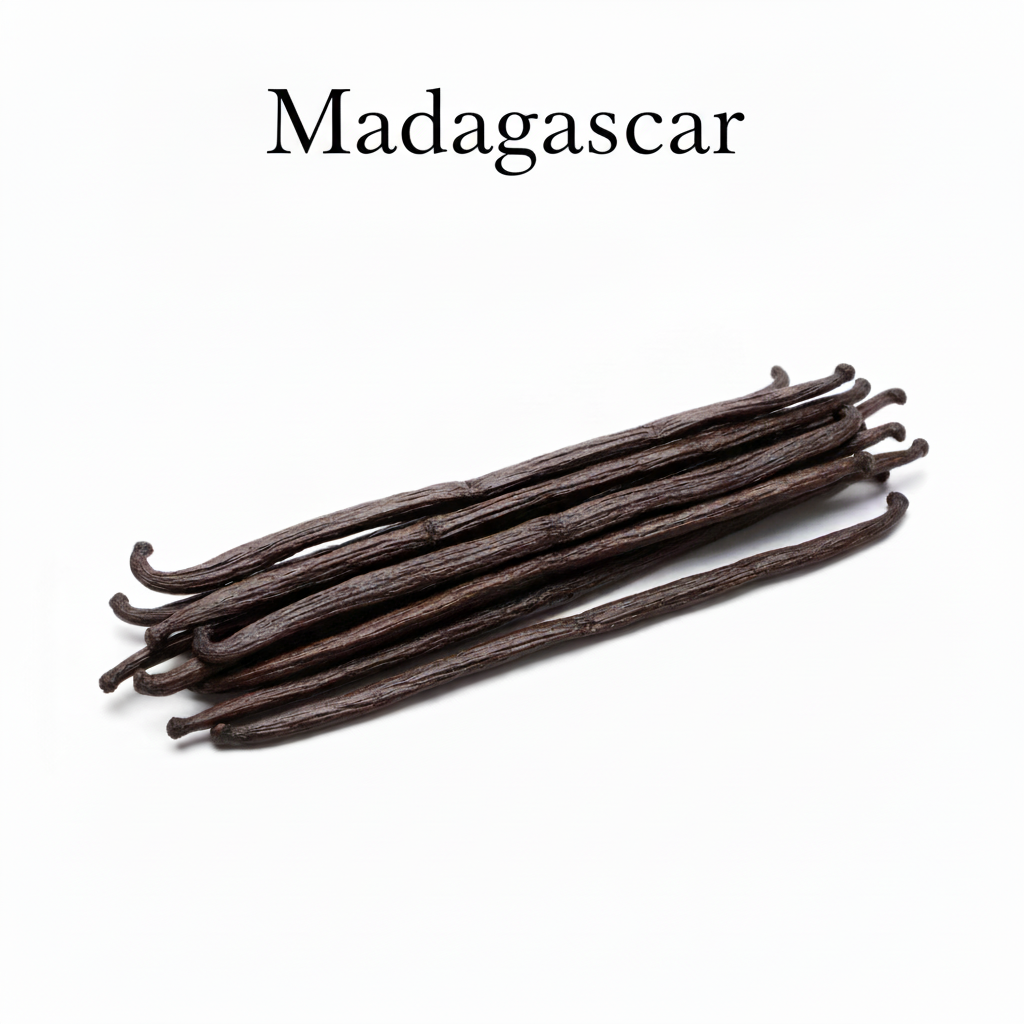
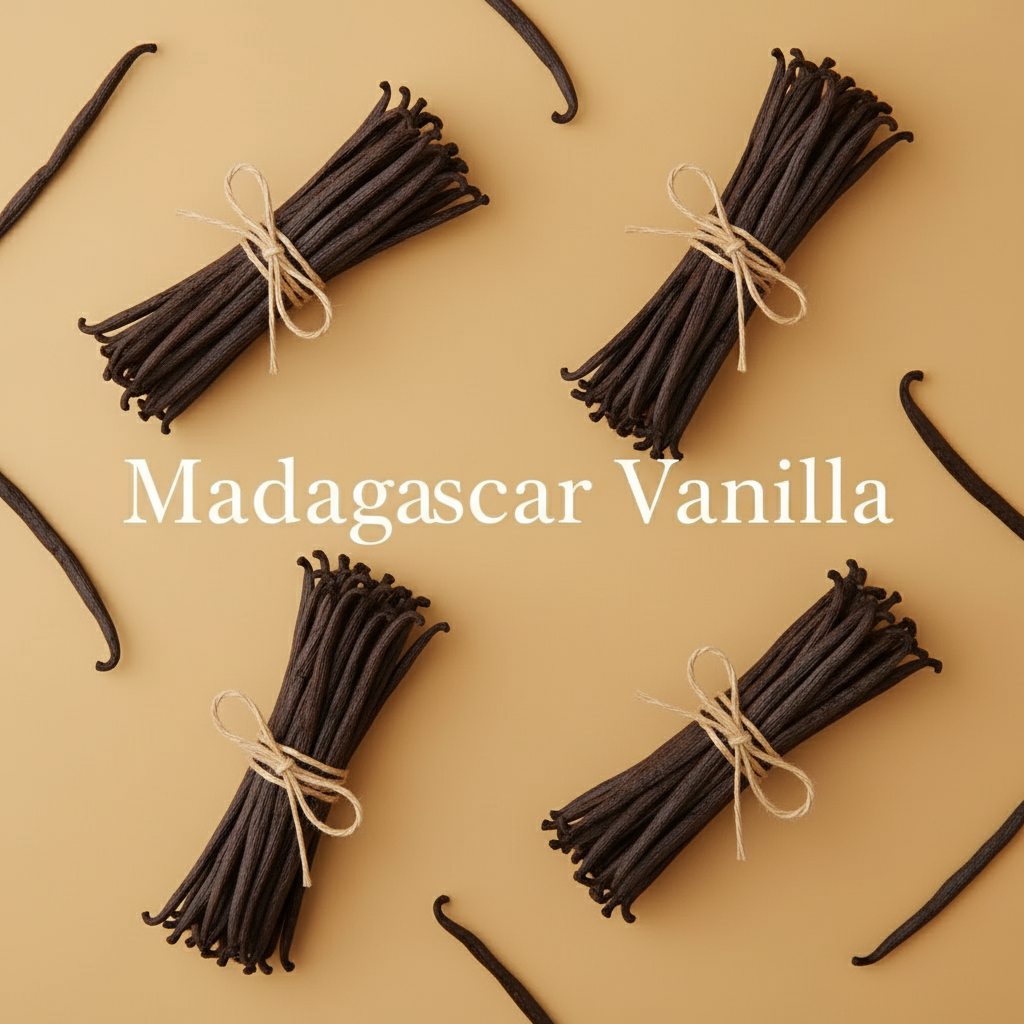
January: Double-Fold Madagascar Planifolia
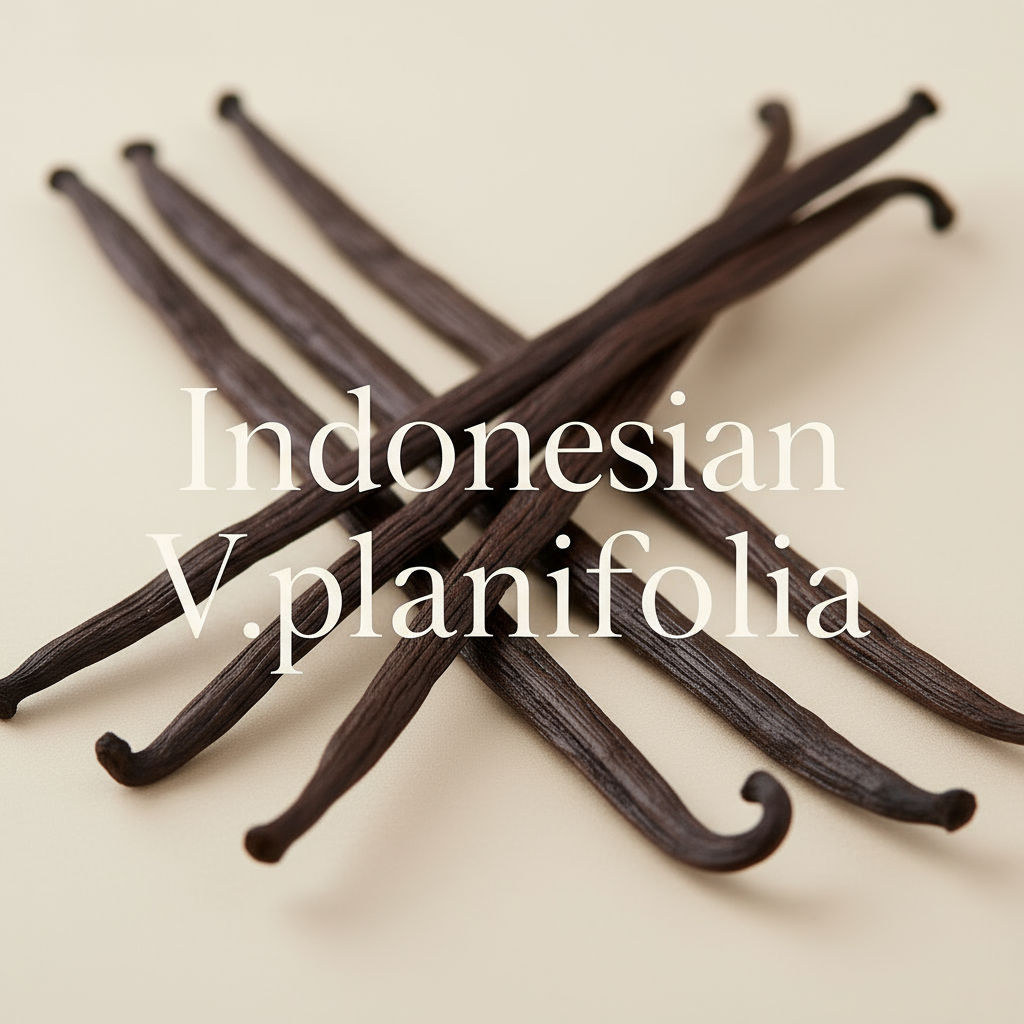
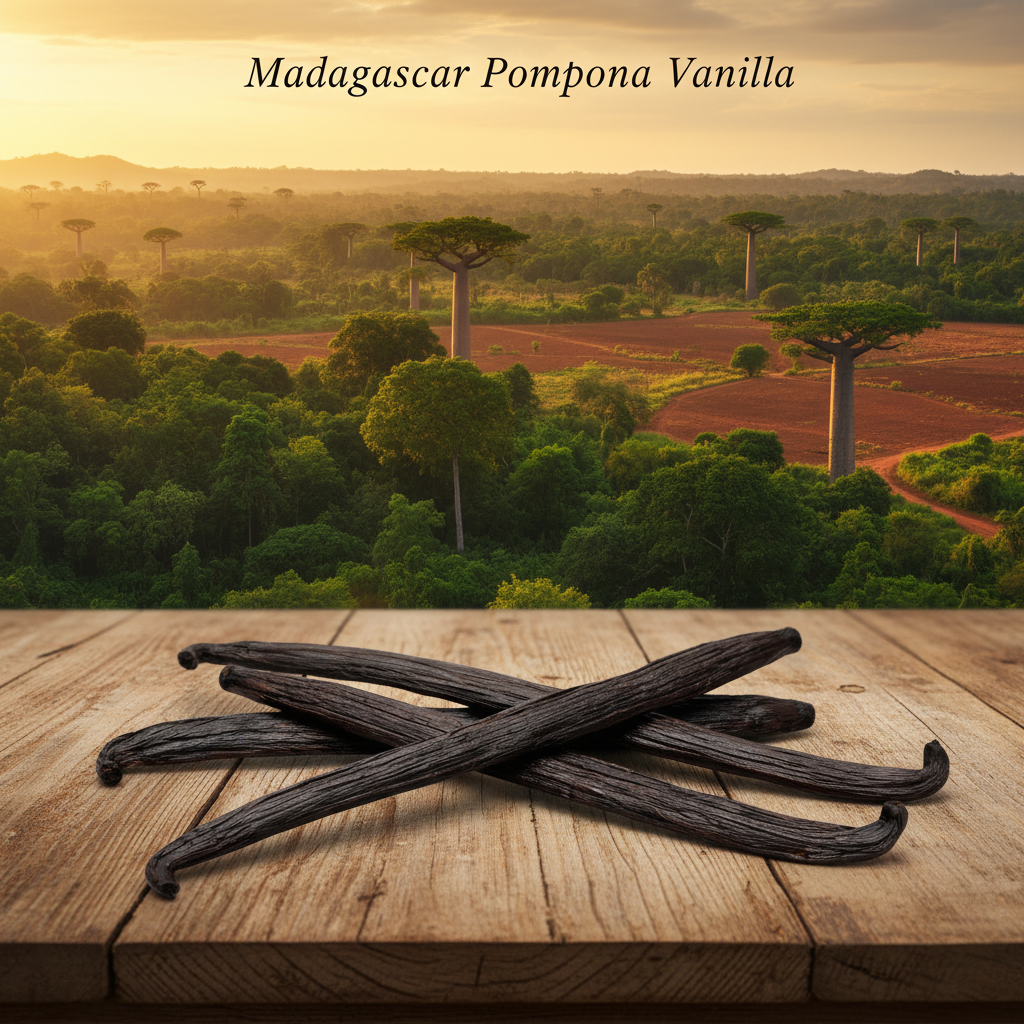
Start the year with a classic. A double-fold planifolia extract uses twice the beans of a standard extract, creating an intensely rich, creamy vanilla with notes of caramel and butter. Perfect for cookies, cakes, and custards where you want vanilla to be the star.
February: Planifolia & Tahitensis Blend
Combine the creamy depth of Madagascar planifolia with the floral, fruity notes of Tahitian tahitensis. This balanced blend works beautifully in everything from whipped cream to fruit desserts, offering complexity that single-origin extracts can't match.
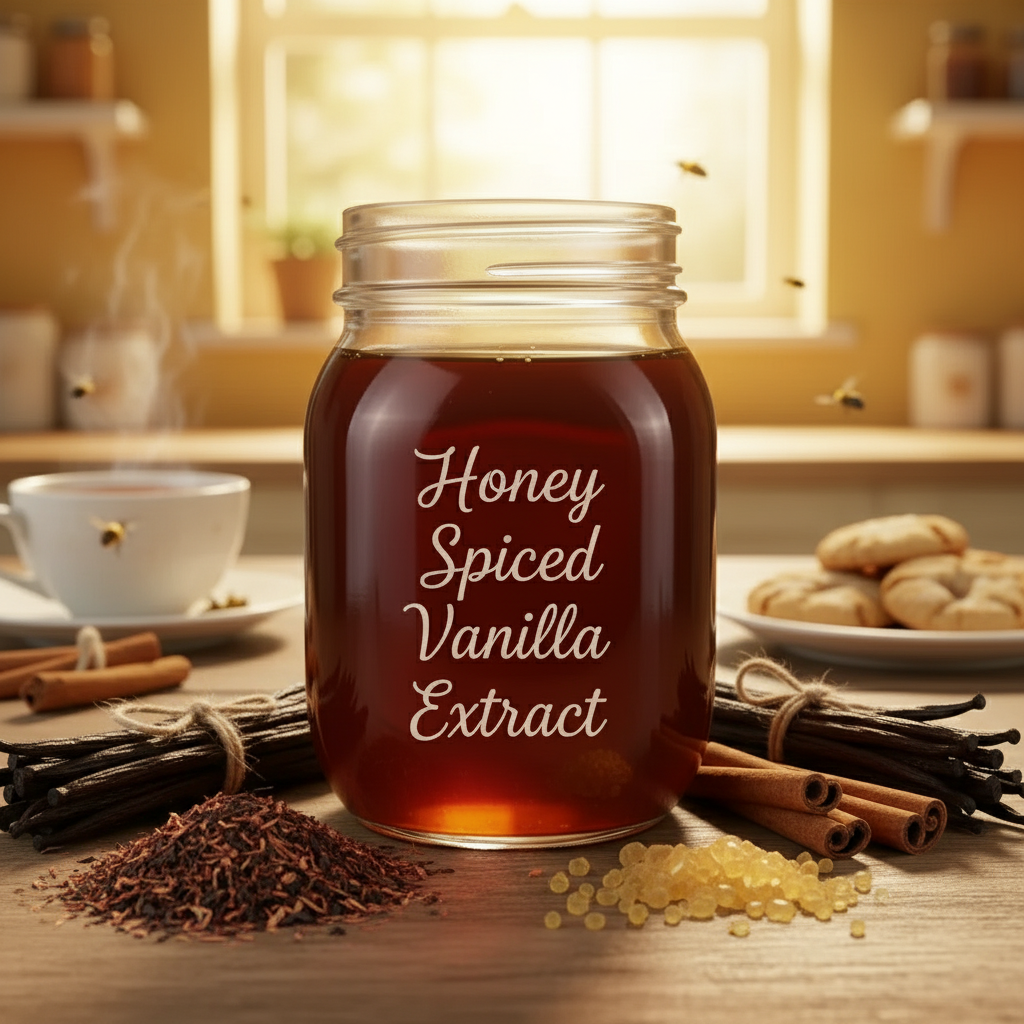
March: Vanilla Spiced Extract
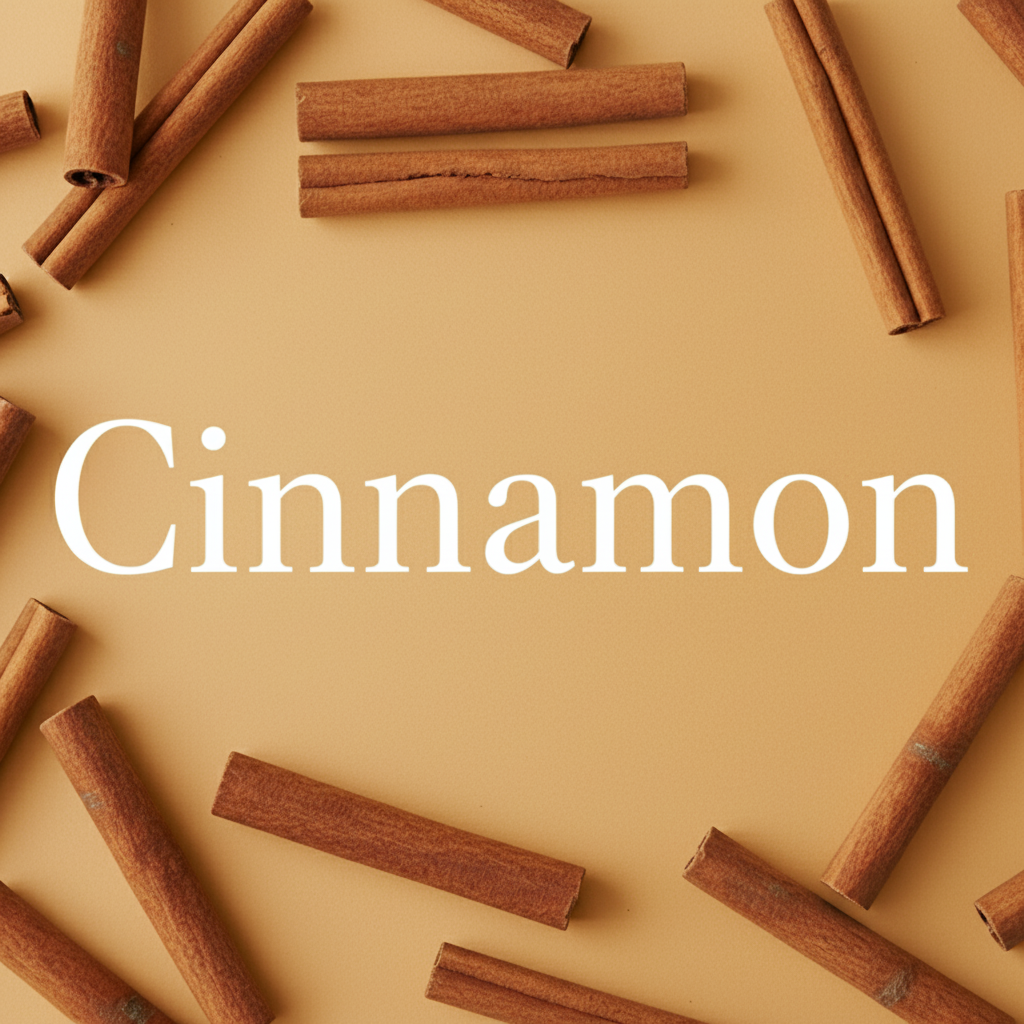
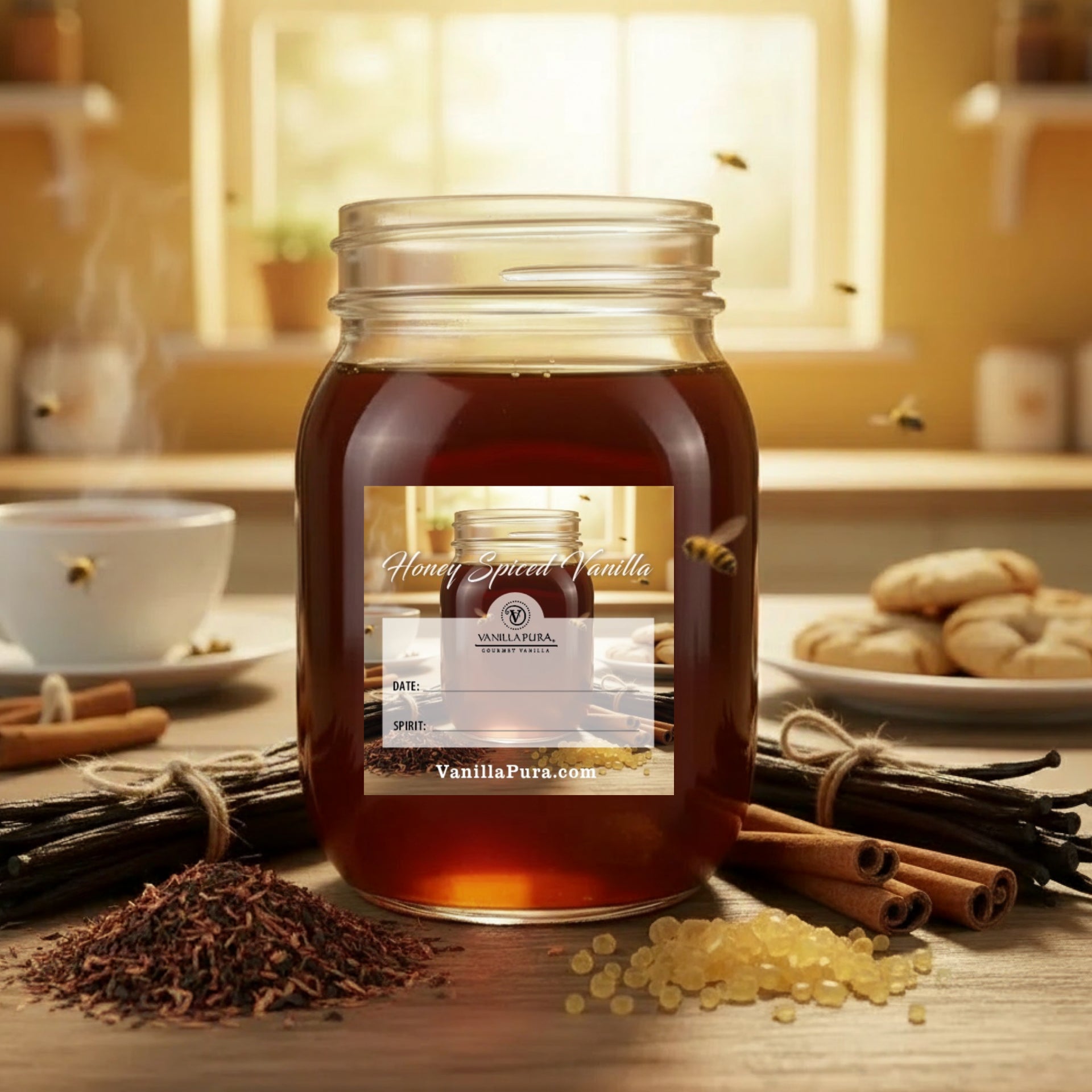
As spring approaches, create a warming spiced vanilla by adding cinnamon sticks, whole cloves, and star anise to your vanilla beans. This extract elevates coffee drinks, oatmeal, and spice cakes with layers of aromatic warmth.
April: Strawberry Extract
Welcome spring with fresh strawberry extract. Use freeze-dried strawberries for concentrated flavor without excess moisture. This bright, fruity extract is perfect for frostings, lemonades, and springtime desserts.
May: Chocolate Extract
Made with cacao nibs and vanilla beans, chocolate extract adds deep, complex chocolate notes to brownies, hot chocolate, and chocolate cakes without adding sugar or changing the texture of your recipes.
June: Raspberry-Chocolate Extract
Combine freeze-dried raspberries with cacao nibs and a vanilla bean for a sophisticated extract that captures the classic pairing. Ideal for truffles, chocolate cakes, and berry desserts.
July: Mocha Extract
Blend coffee beans with vanilla and a touch of cacao for a mocha extract that enhances ice cream, tiramisu, and chocolate desserts with rich coffee-chocolate depth.
August: Coffee-Cinnamon Extract
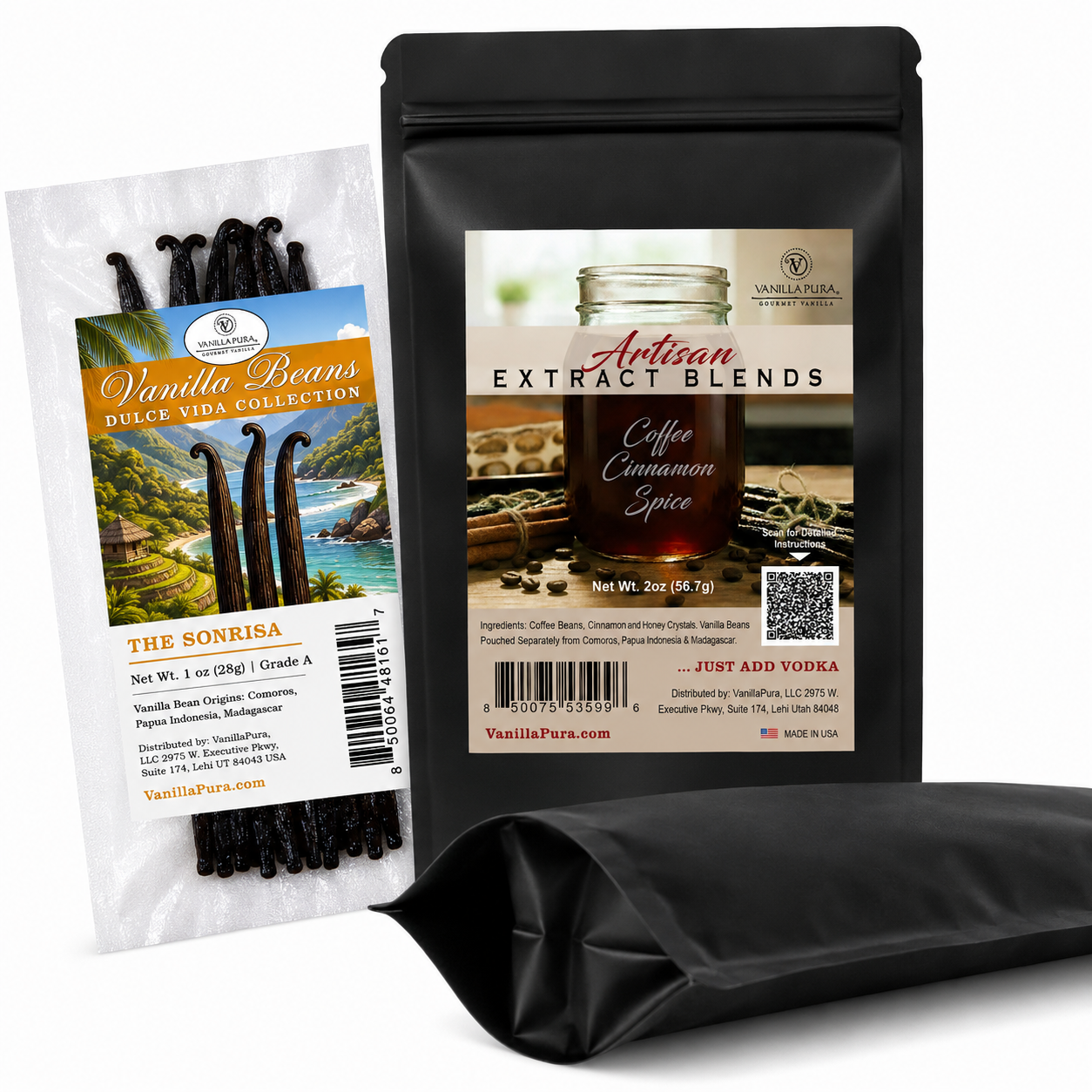
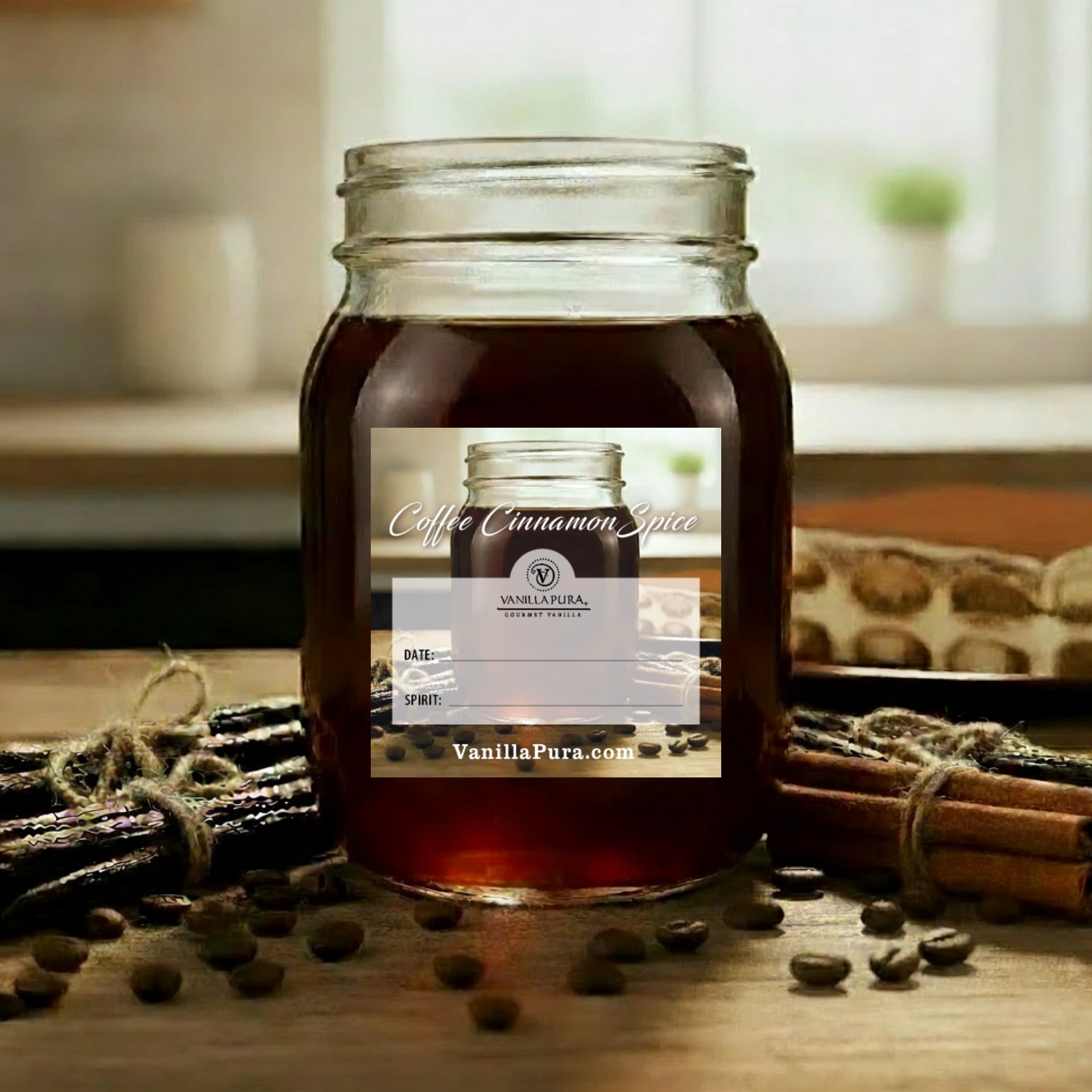
Combine whole coffee beans, cinnamon sticks, and vanilla for an extract that brings warmth and complexity to morning baked goods, coffee drinks, and breakfast treats.
September: Maple-Vanilla Extract
As fall arrives, create a maple-vanilla extract using real maple syrup reduction or fenugreek seeds with vanilla beans for autumn pies, pancakes, and roasted vegetables.
October: Pumpkin Spice Extract
Craft your own pumpkin spice extract with cinnamon, ginger, nutmeg, allspice, and vanilla. Skip the pumpkin itself—the spices are what create that beloved fall flavor for lattes, pies, and seasonal baking.
November: Almond-Vanilla Extract
Combine crushed almonds or almond pieces with vanilla beans for a nutty, aromatic extract perfect for holiday cookies, marzipan, and almond-flavored desserts.
December: Peppermint-Vanilla Extract
End the year with a festive peppermint-vanilla extract using dried peppermint leaves or food-grade peppermint oil with vanilla beans. Perfect for holiday cookies, hot chocolate, and candy cane-inspired treats.
The Extract-Making Process
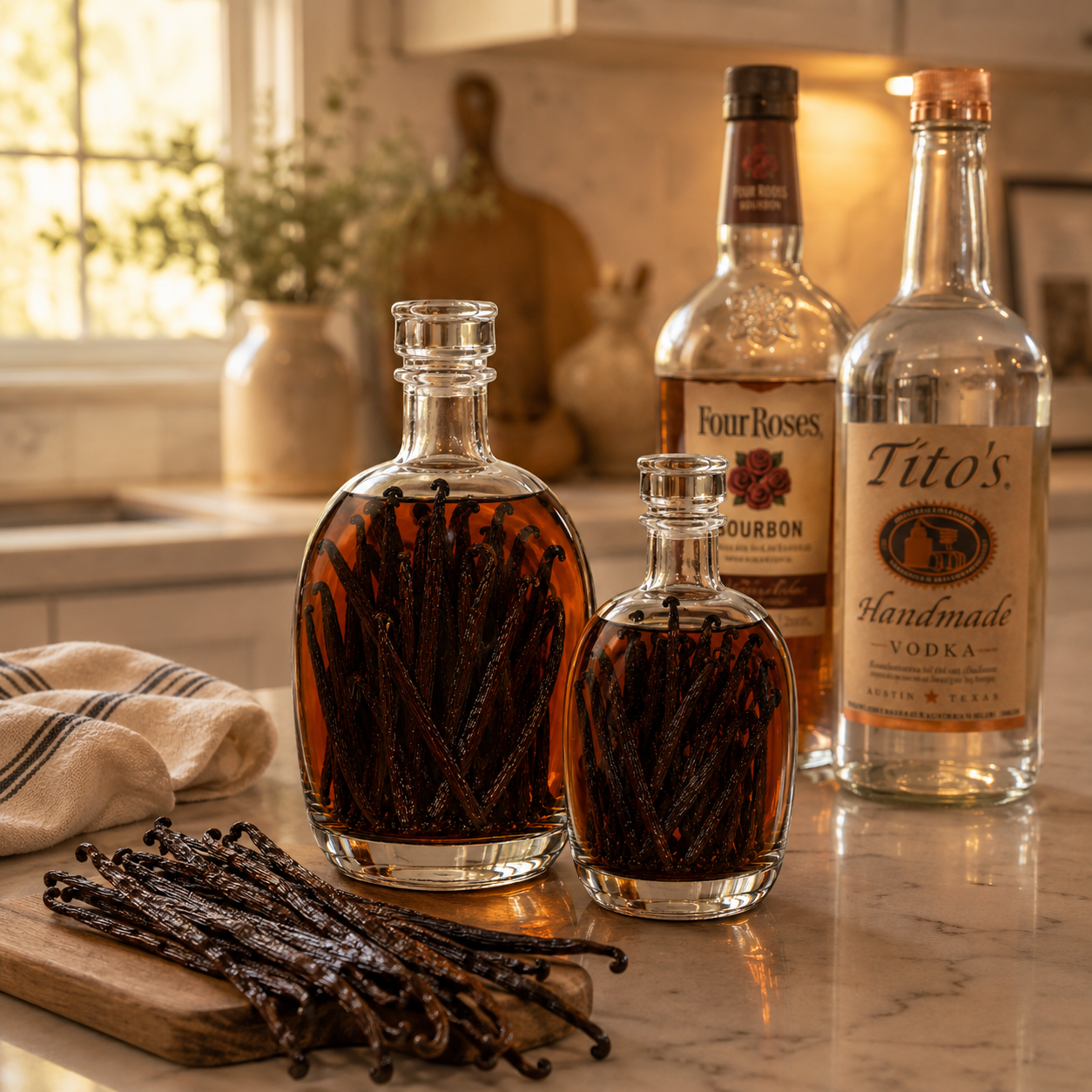
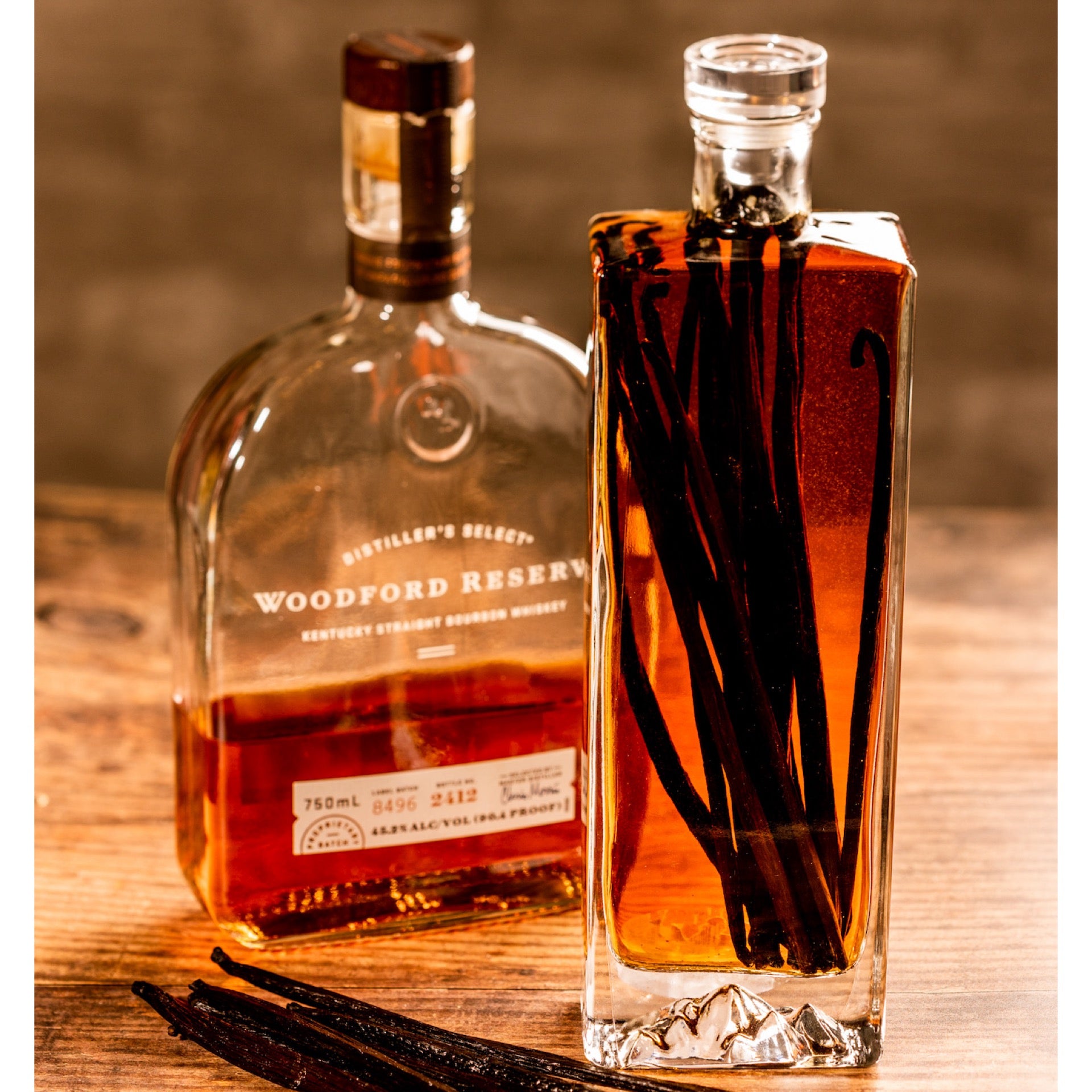
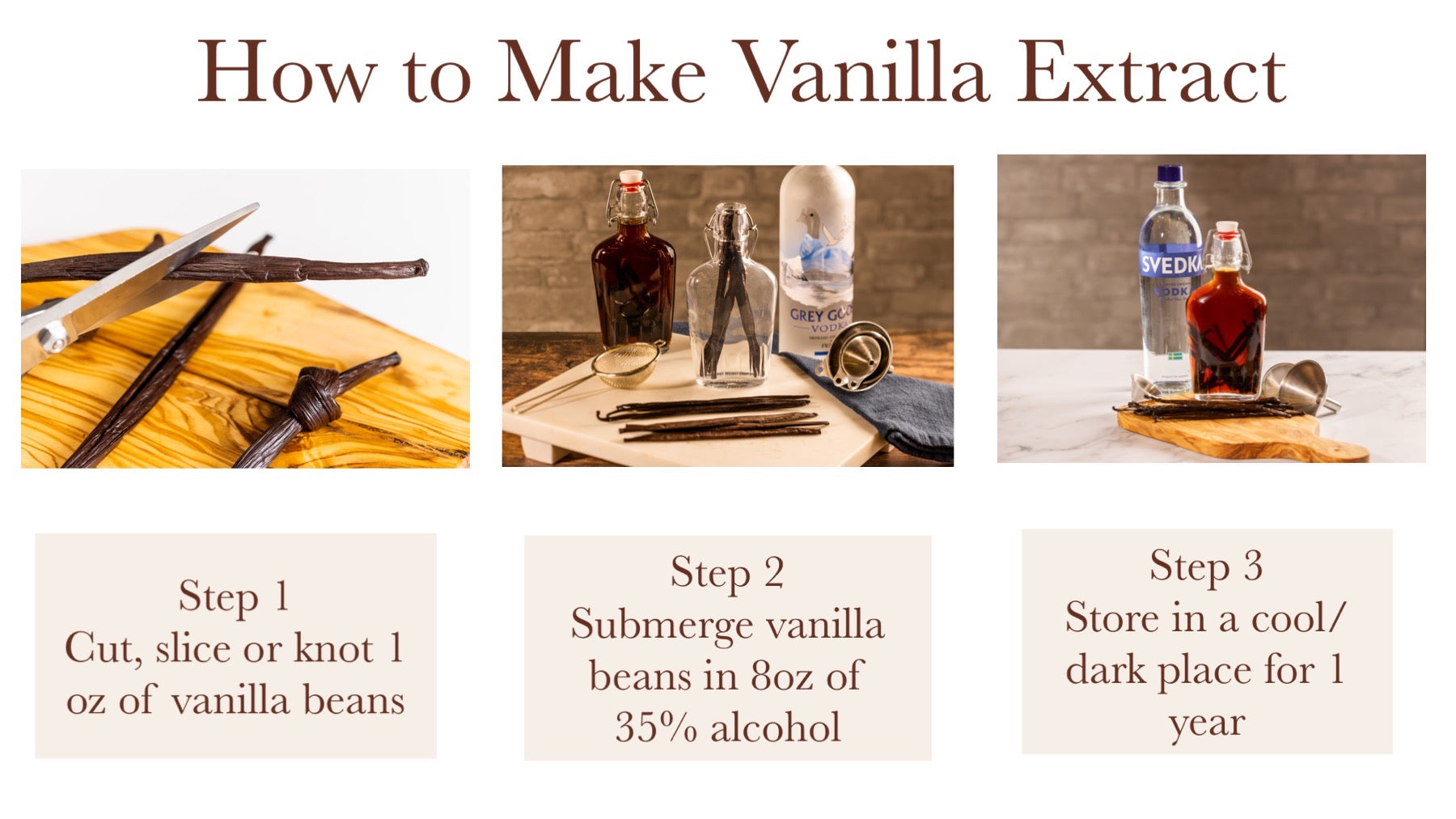
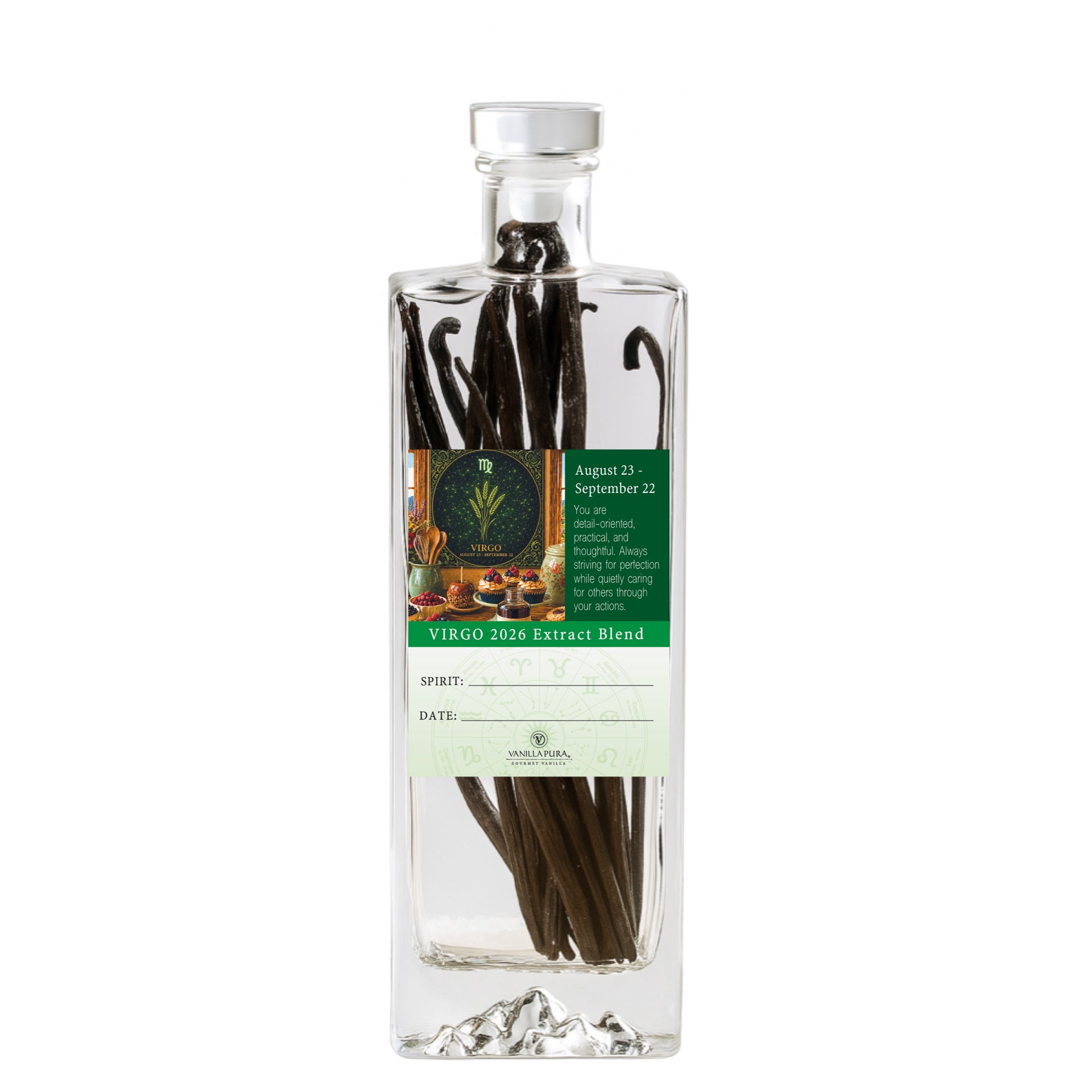
For each extract, use a ratio of approximately 1 ounce of vanilla beans (or equivalent flavoring ingredients) per cup of alcohol. Vodka works well for most extracts, though rum or bourbon can add additional depth. Store in a cool, dark place and shake weekly. Most extracts are ready in 1 year, though they continue to improve with age.
Zero-Waste: Using Spent Beans & Ingredients
Once your extracts have fully developed their flavor, don't discard those precious used beans and ingredients—they still have plenty to offer!
Vanilla Powder
Rinse and thoroughly dry your used vanilla beans, then grind them in a spice grinder or high-powered blender. The resulting vanilla powder can be used in dry rubs, sugar-free recipes, or anywhere you want vanilla flavor without liquid.
Vanilla Sugar
Bury dried used beans in granulated or powdered sugar. After a few weeks, you'll have beautifully scented vanilla sugar perfect for rimming cocktail glasses, sweetening coffee, or dusting over pastries. You can also grind the dried beans directly into sugar for immediate use.
Vanilla Paste
Blend softened used beans with a small amount of simple syrup or honey to create a thick vanilla paste. The caviar (seeds) still remaining in the pods adds beautiful speckling to custards, ice creams, and glazes.
Flavored Salts
Grind dried used vanilla beans, coffee beans, or cacao nibs with sea salt to create gourmet finishing salts for caramels, chocolate desserts, or even savory dishes.
Infused Honey or Maple Syrup
Add rinsed used beans to honey or maple syrup and let them infuse for several weeks. The gentle sweetness picks up the remaining vanilla notes beautifully.
Potpourri & Sachets
Dried used beans, coffee beans, and spices make wonderfully fragrant additions to drawer sachets or potpourri blends.
Building Your Extract Library
By making one extract each month, you'll build a comprehensive collection of artisanal flavorings that far surpass anything available commercially. You'll also develop a deeper understanding of how different vanilla origins, blends, and flavor combinations work in your favorite recipes.
Start your extract-making journey today, and enjoy the satisfaction of creating premium, handcrafted flavorings that will elevate your cooking and baking for years to come.