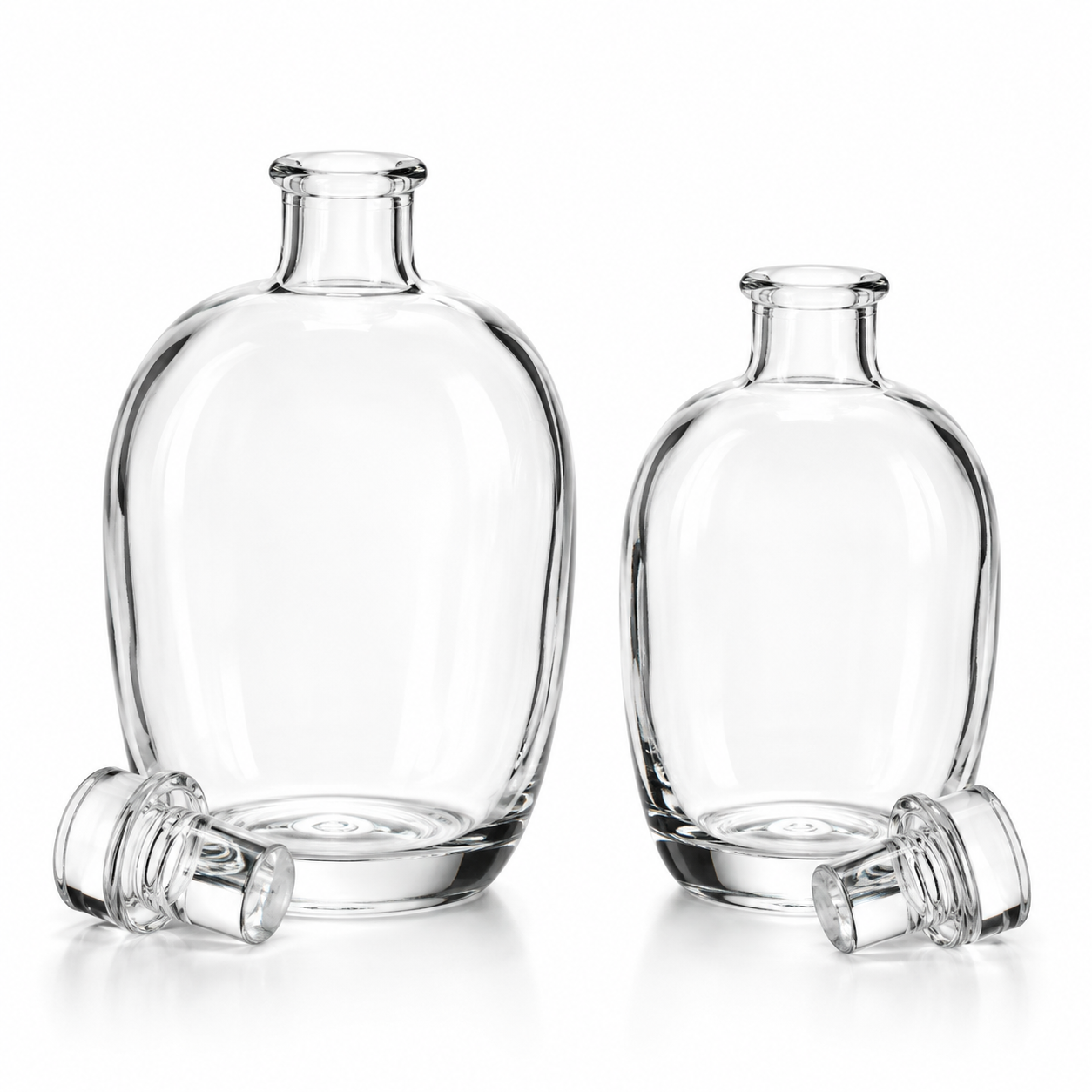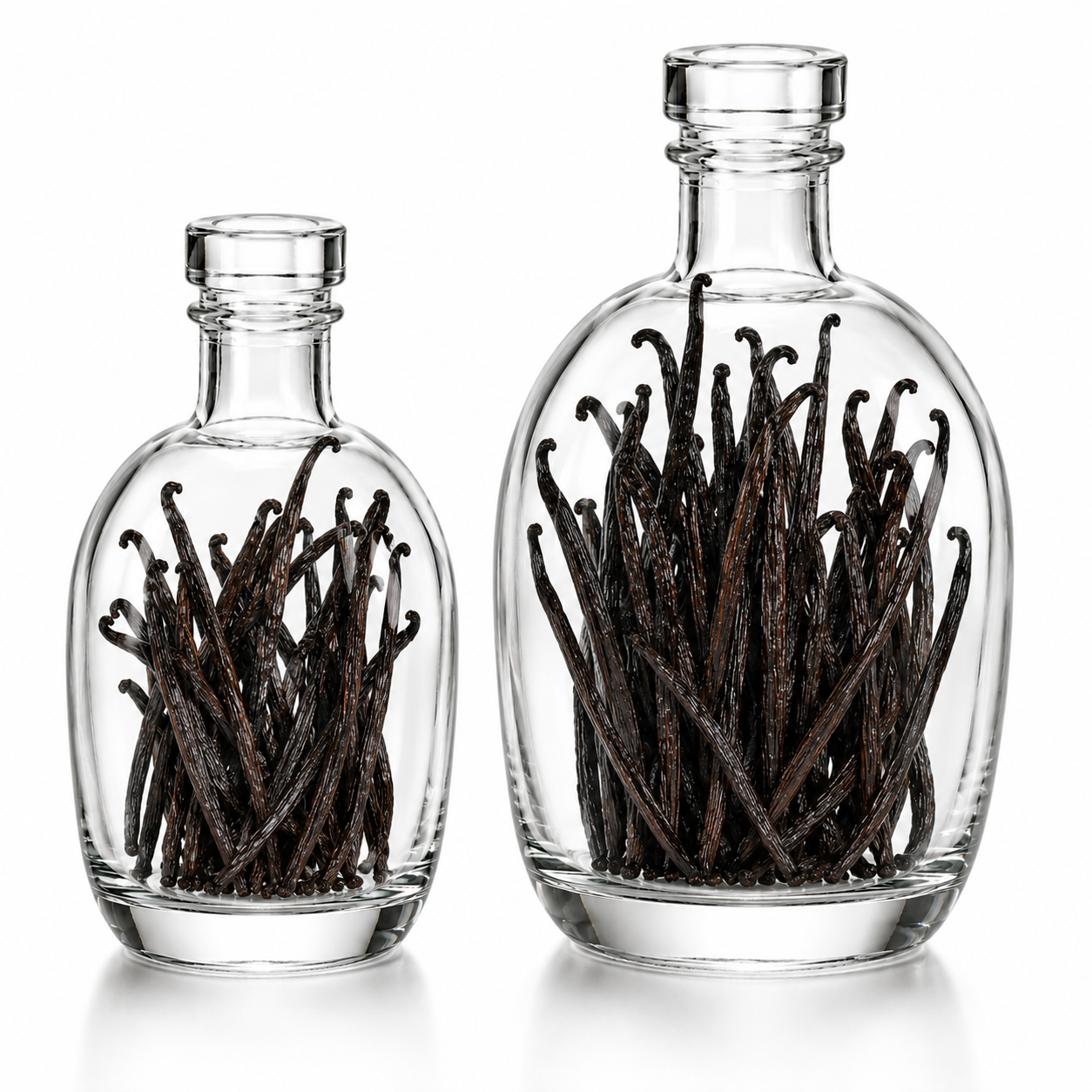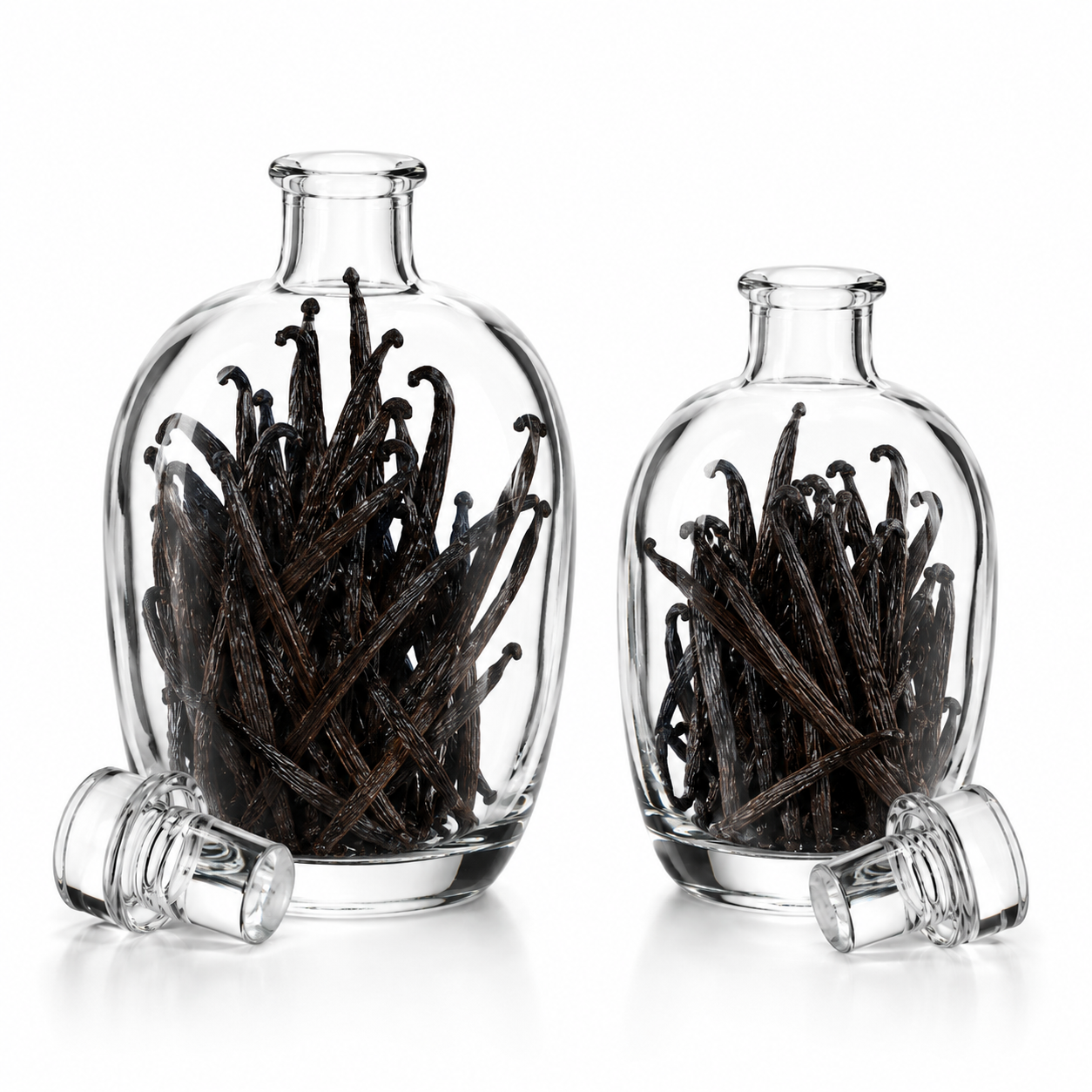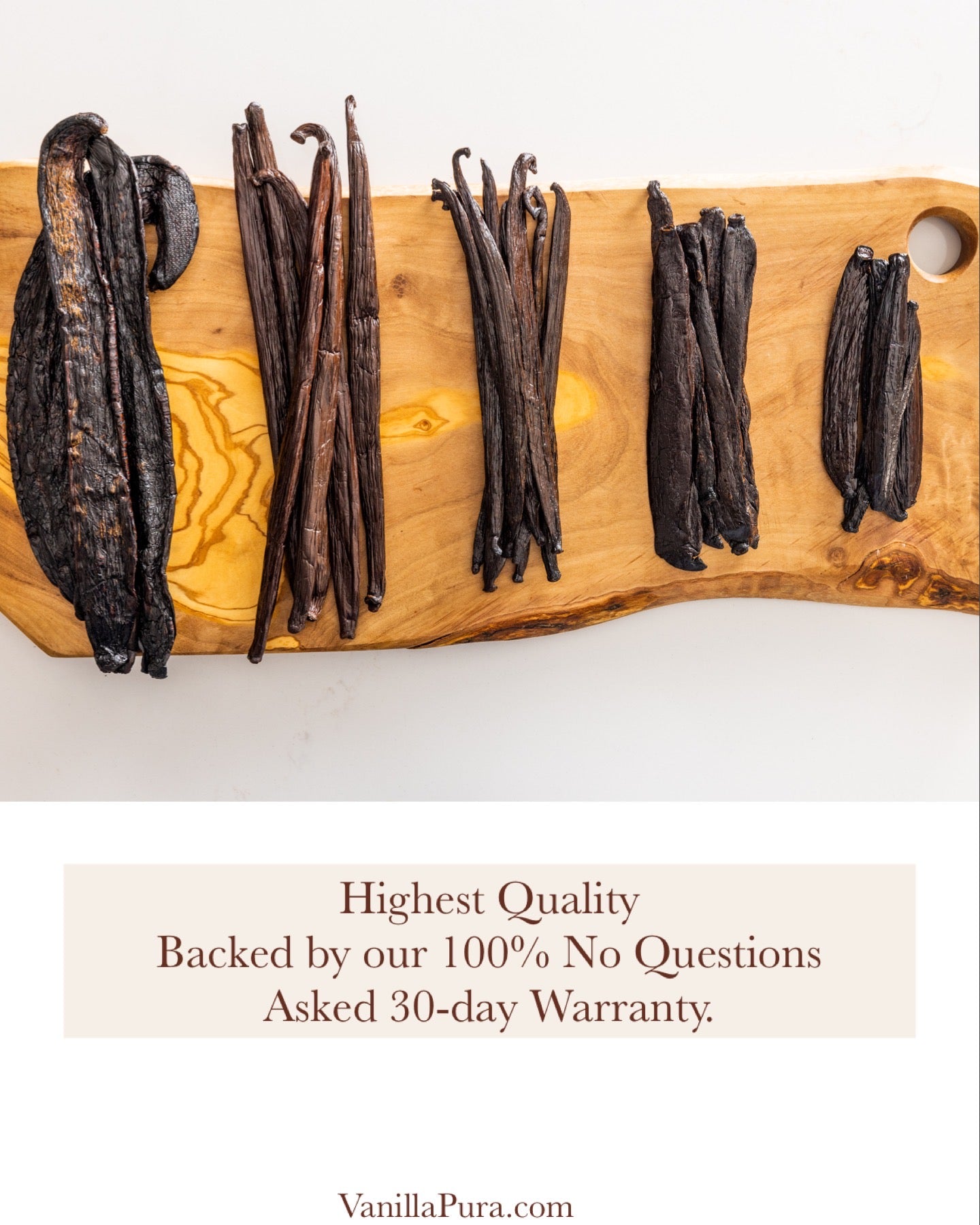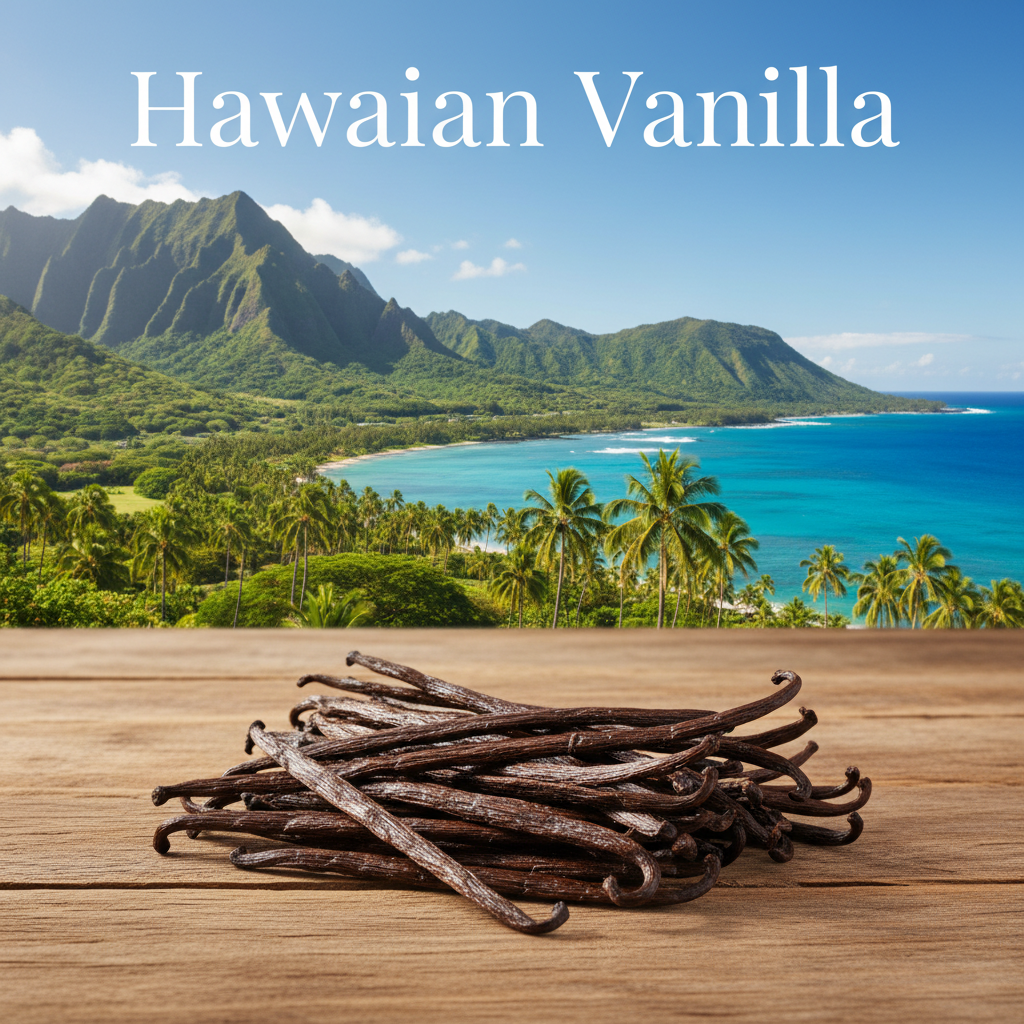

Both hail from the same noble species — Vanilla planifolia — yet the Kintampo from Ghana and the Olinda from Brazil are worlds apart in character. Terroir — the soil, climate, and geography of where a plant is grown — shapes vanilla just as profoundly as it shapes wine or coffee. Here's how these two exceptional V. planifolia origins compare.
The Kintampo — Ghana, West Africa
Named after the stunning city of Kintampo, home to Ghana's breathtaking waterfalls, The Kintampo is a historic first — the first vanilla beans ever commercially available from Africa's western coast. Ghana's tropical climate and rich volcanic soils produce beans with a truly distinctive character.
Flavor profile: Classic buttery vanilla with hints of toffee, butterscotch, and cacao. Extracts made from Kintampo beans are sweet and buttery with soft mocha notes and toffee undertones — warm, rounded, and deeply comforting.
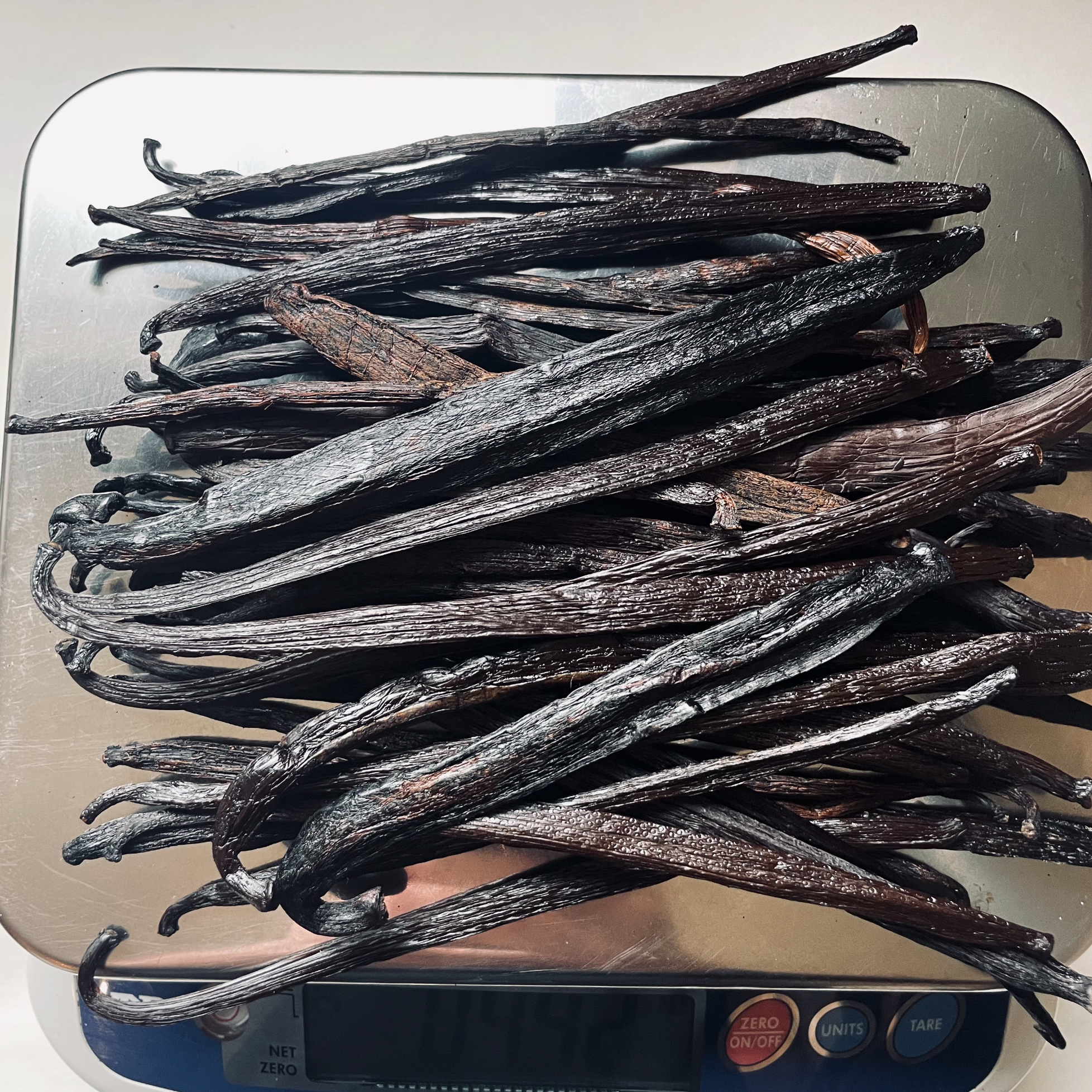
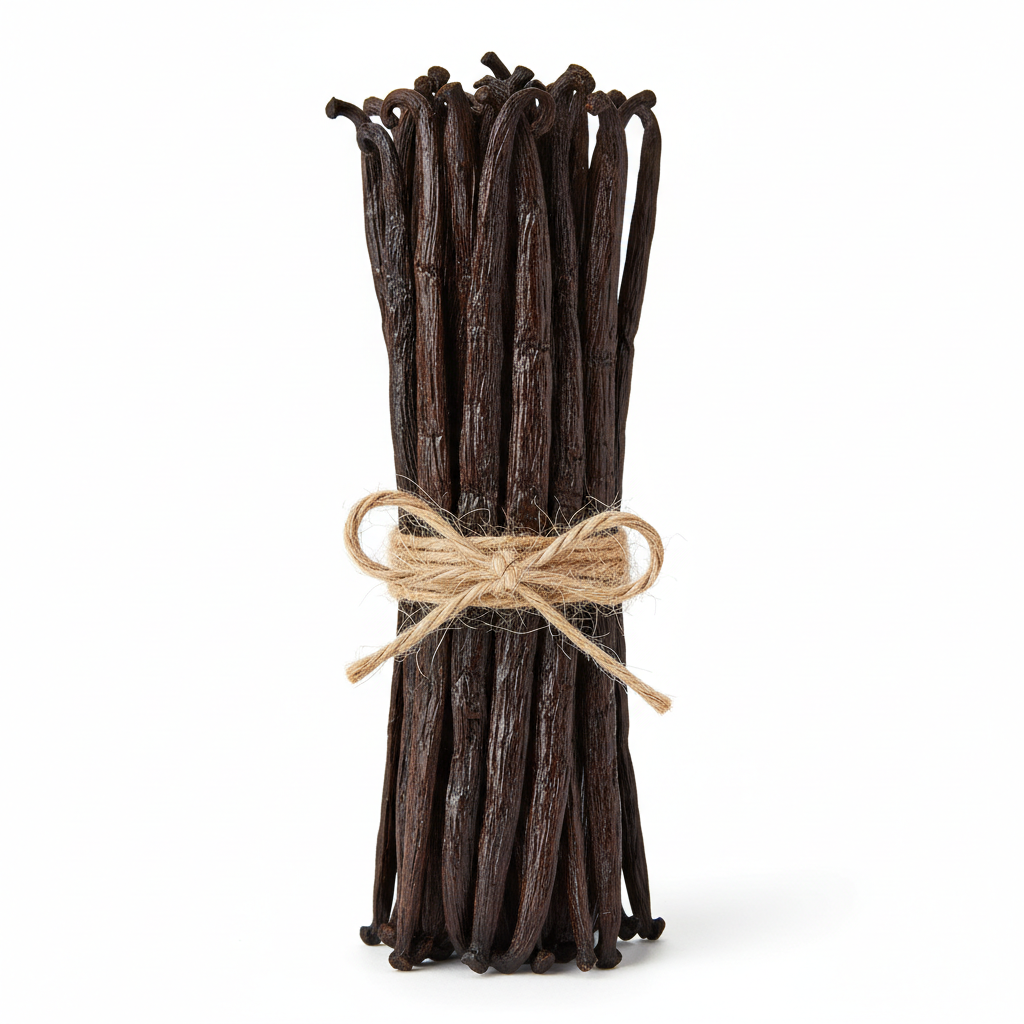
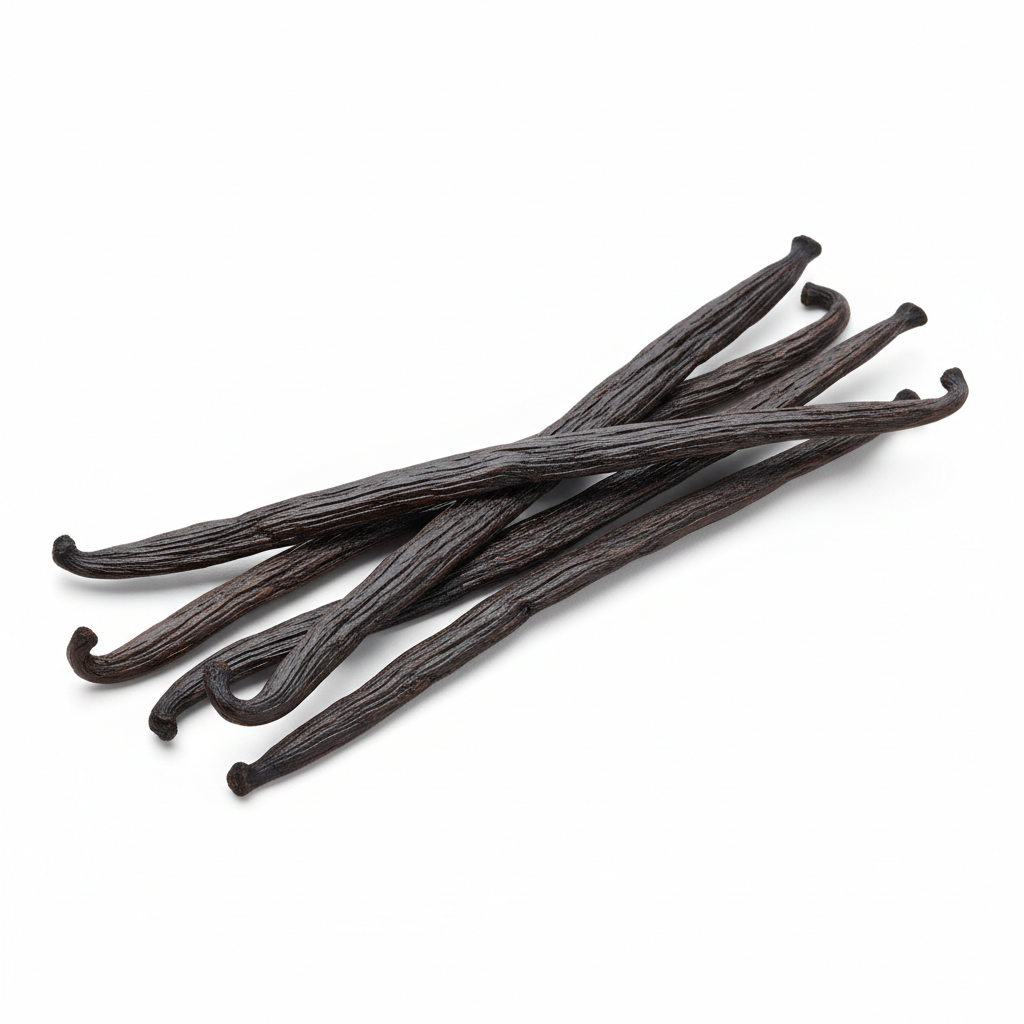
Bean quality: Grade A — pliable, moist, and oily, bursting with vanilla caviar.
Best spirit pairings:
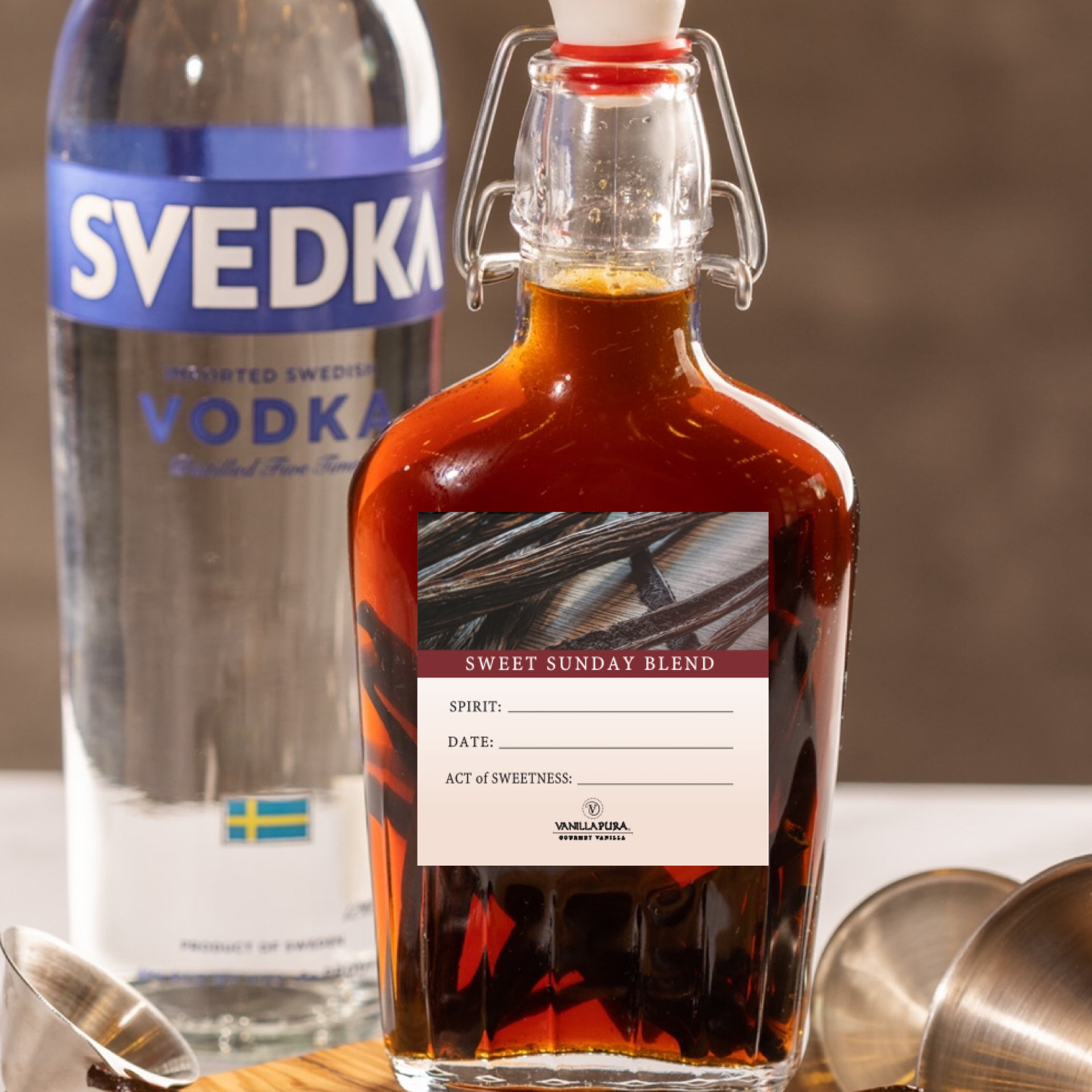
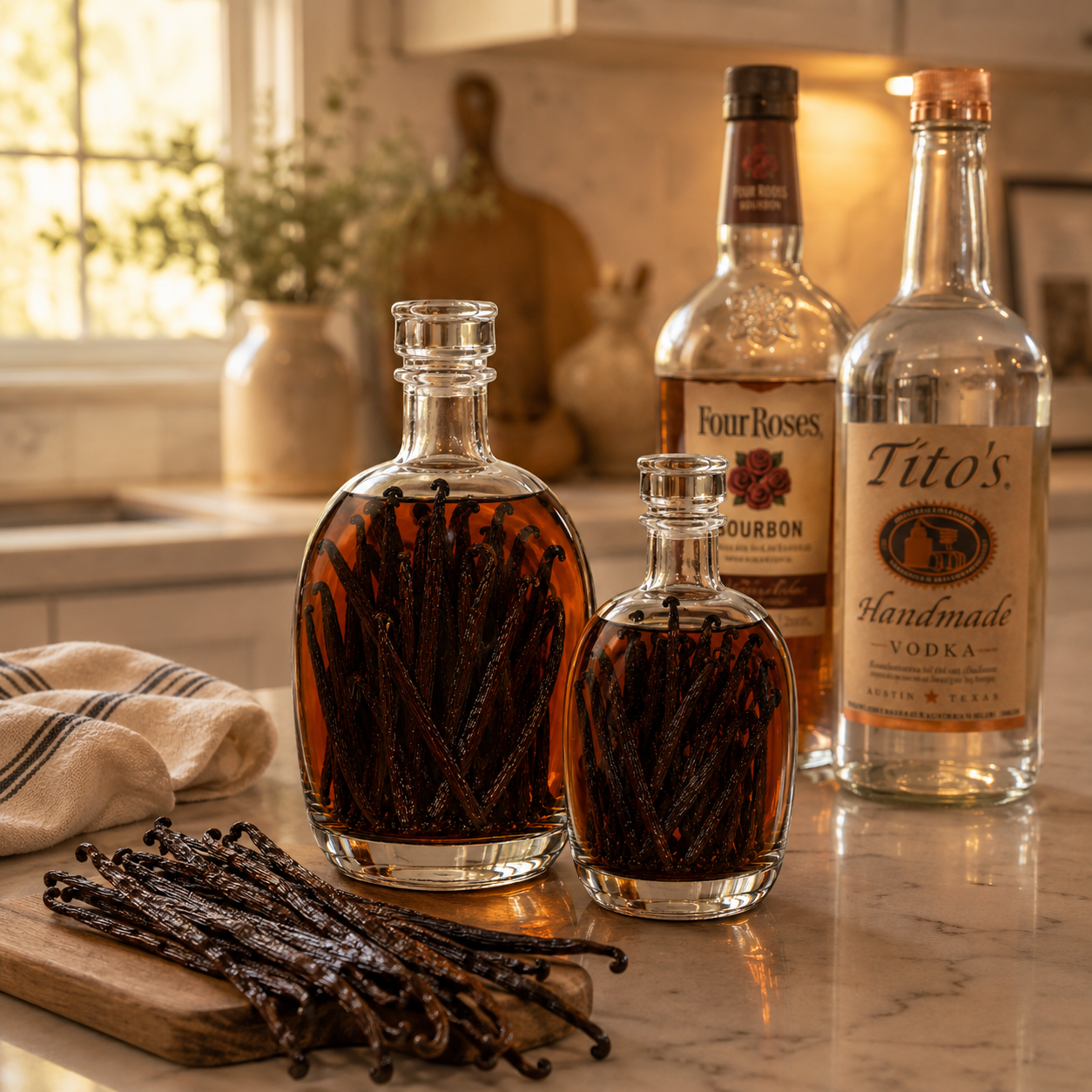
- Vodka — showcases the pure, buttery vanilla character
- Dark Rum — enhances the natural toffee and mocha undertones
- American Whiskey — complements the butterscotch notes beautifully
Ideal for: Gourmet baking, ice cream, and signature vanilla extracts where warm, buttery complexity is the goal.
The Olinda — Brazil, South America
Named after the charming coastal town of Olinda in Northern Brazil, The Olinda comes from a region famous for its coffee production. The same volcanic soil and tropical climate that produces world-class coffee now nurtures these exceptional vanilla beans — creating a terroir that is distinctly South American.
Flavor profile: A rich, buttery vanilla base enhanced by distinctive chocolate and caramel undertones, with a sweet and spicy vanilla kick that reflects the vibrant character of its South American origin. Extracts carry exceptional depth and complexity.
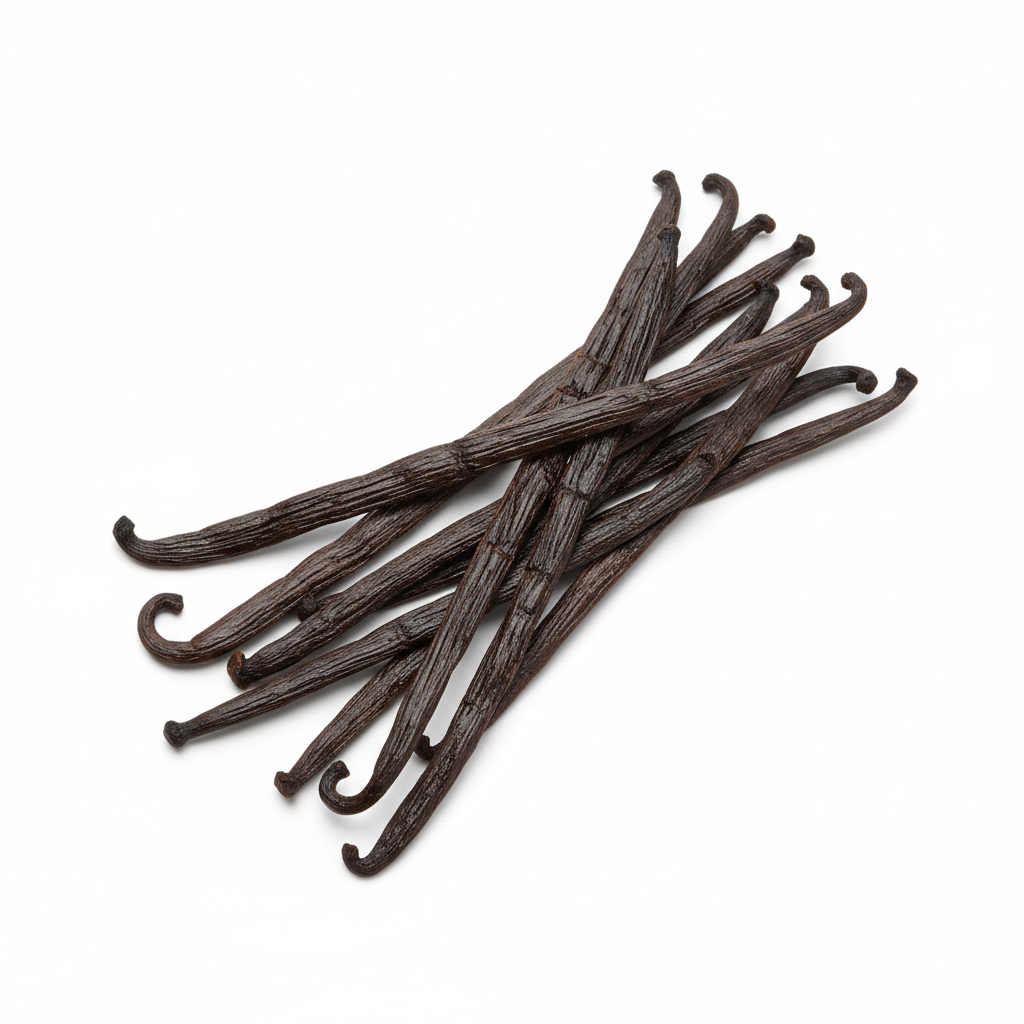
Bean quality: Grade A — plump, oily, and aromatic.
Best spirit pairings:
- Bourbon Whiskey — enhances the caramel notes and complements the sweet spice character
- Dark Rum — creates rich, complex extracts with deep molasses undertones
- Spiced Rum — amplifies the natural spicy kick for bold, flavorful extracts
- Cognac — produces sophisticated extracts with refined chocolate notes
- Vodka — allows the pure vanilla and chocolate notes to shine through
Ideal for: Chocolate desserts, coffee-flavored baked goods, caramel and butterscotch applications, and South American-inspired cuisine.
Side-by-Side Comparison
| The Kintampo (Ghana) | The Olinda (Brazil) | |
|---|---|---|
| Species | V. planifolia | V. planifolia |
| Region | West Africa | Northern Brazil, South America |
| Primary Notes | Buttery, toffee, butterscotch, cacao | Chocolate, caramel, sweet spice |
| Extract Character | Sweet, buttery, soft mocha & toffee | Bold, complex, chocolate & caramel depth |
| Spice Level | Gentle, warm | Mild spicy kick |
| Best Spirit | Vodka, Dark Rum, American Whiskey | Bourbon, Dark Rum, Cognac |
| Grade | A | A |
Which Should You Choose?
If you're drawn to warm, buttery, dessert-forward vanilla with a gentle African terroir — reach for The Kintampo. Its toffee and butterscotch notes make it a natural fit for classic baking and smooth, approachable extracts.
If you want bold complexity — chocolate depth, caramel richness, and a subtle spicy finish — The Olinda delivers. It's the choice for adventurous extract makers and bakers who want something with real character.
Both are Grade A V. planifolia. Both are exceptional. The difference is purely in the terroir — and that's exactly what makes single-origin vanilla so fascinating.
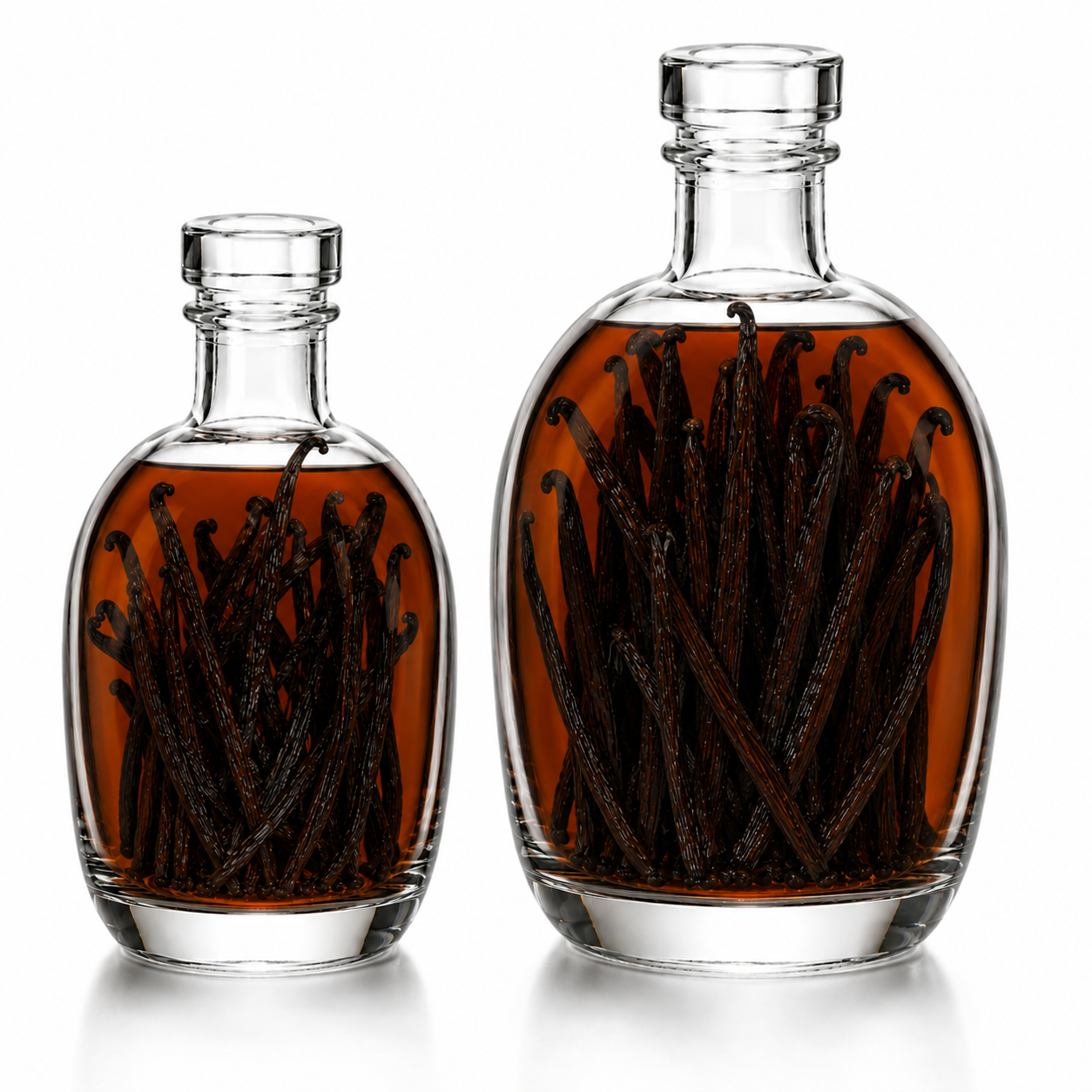
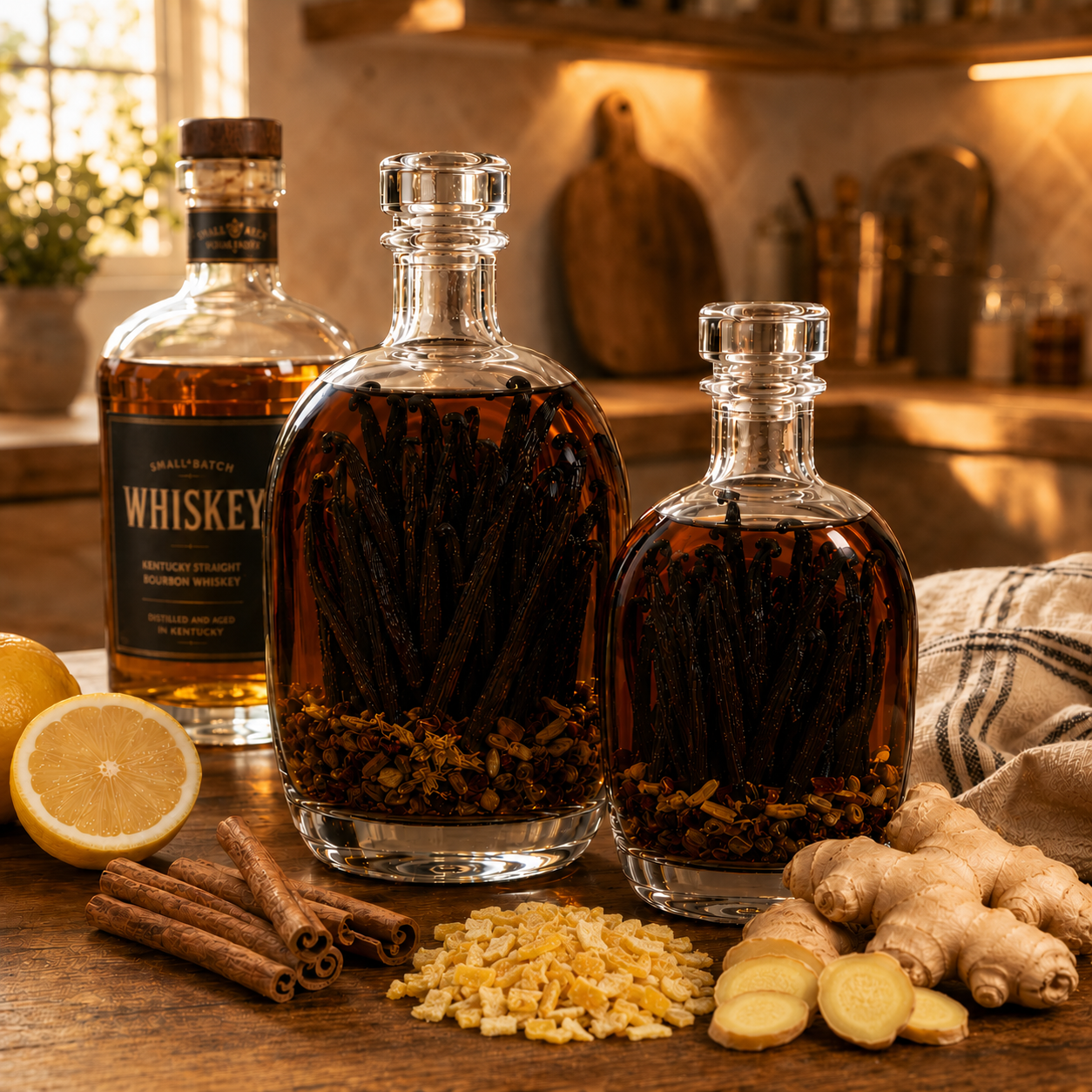
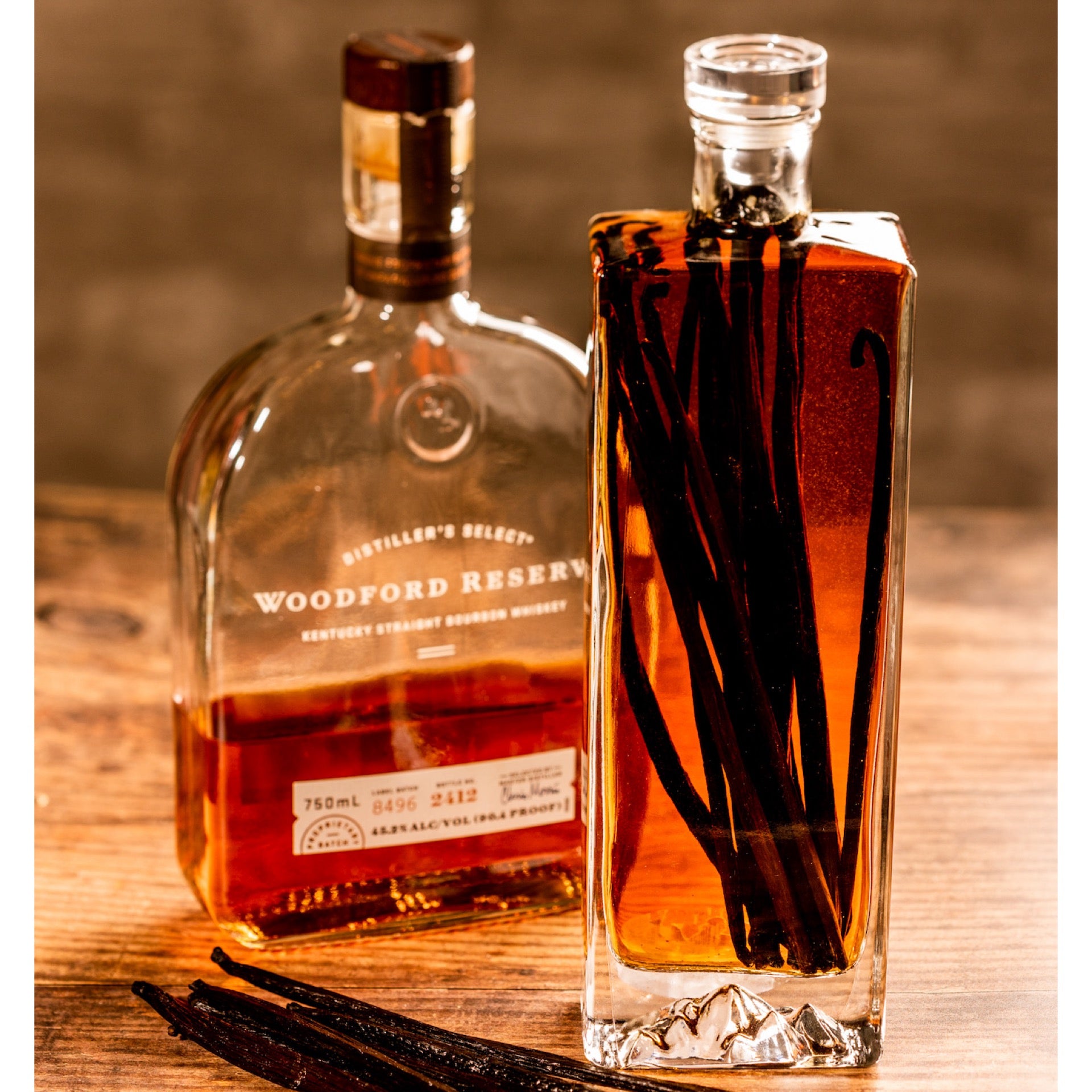
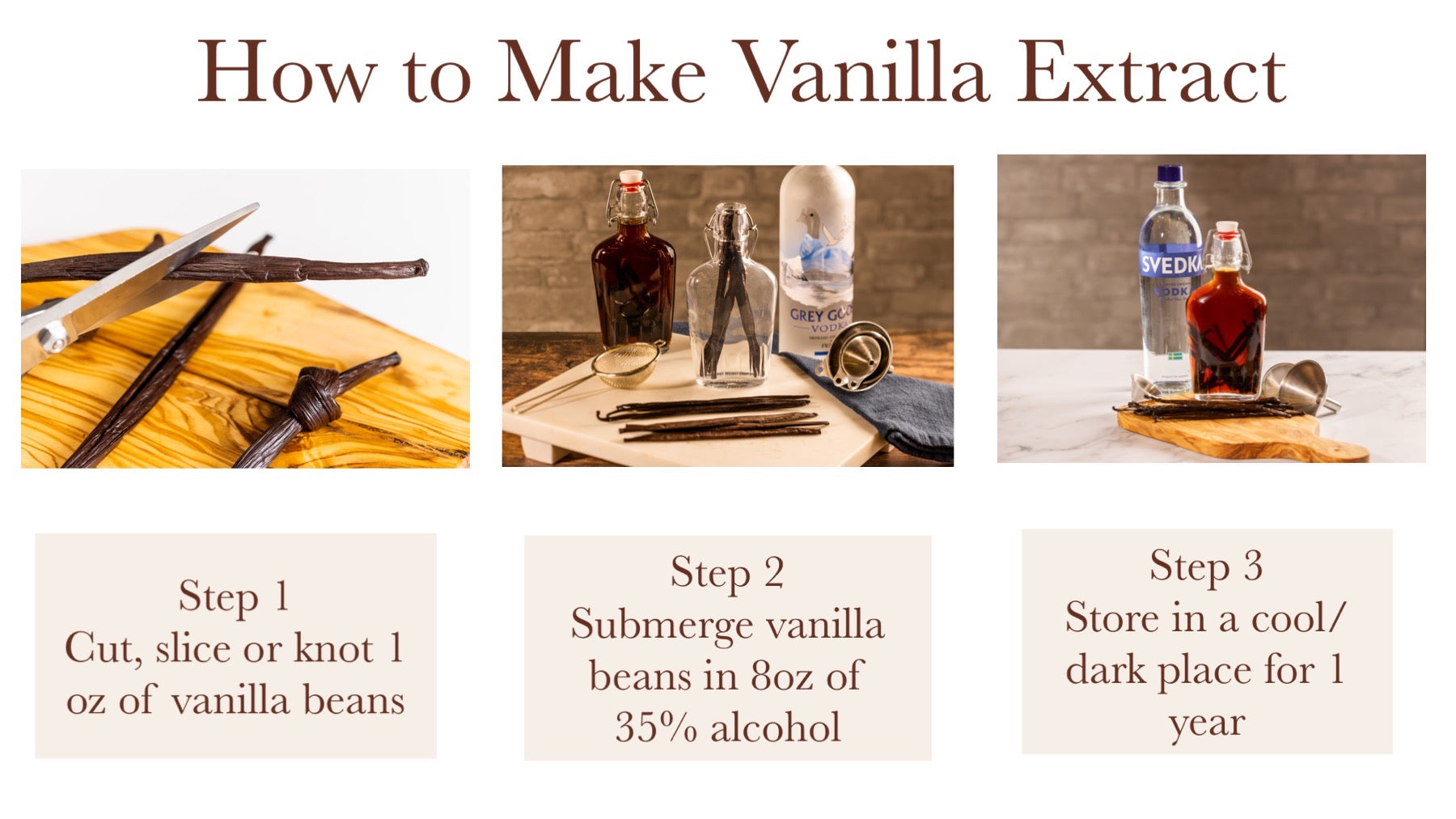
Pro tip: Use 1oz of beans for every 8oz of alcohol. For light spirits (vodka, white rum, gin), age up to 1 year. For dark spirits (bourbon, dark rum, brandy), age 18 months to 2 years for optimal flavor development.
Ready to start making your own vanilla extract? Visit our Vanilla Extract Making How-To Guides for everything you need to know.