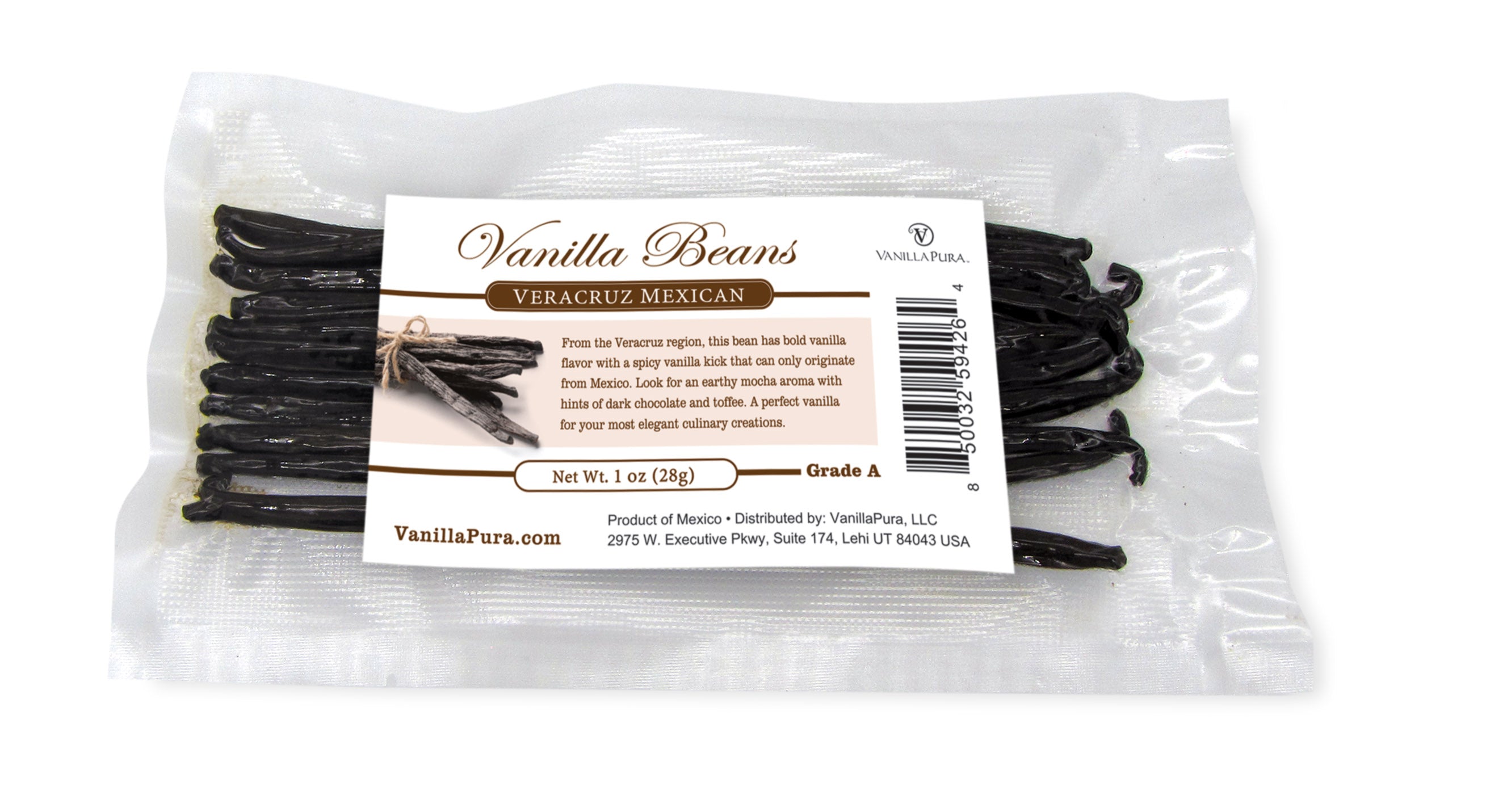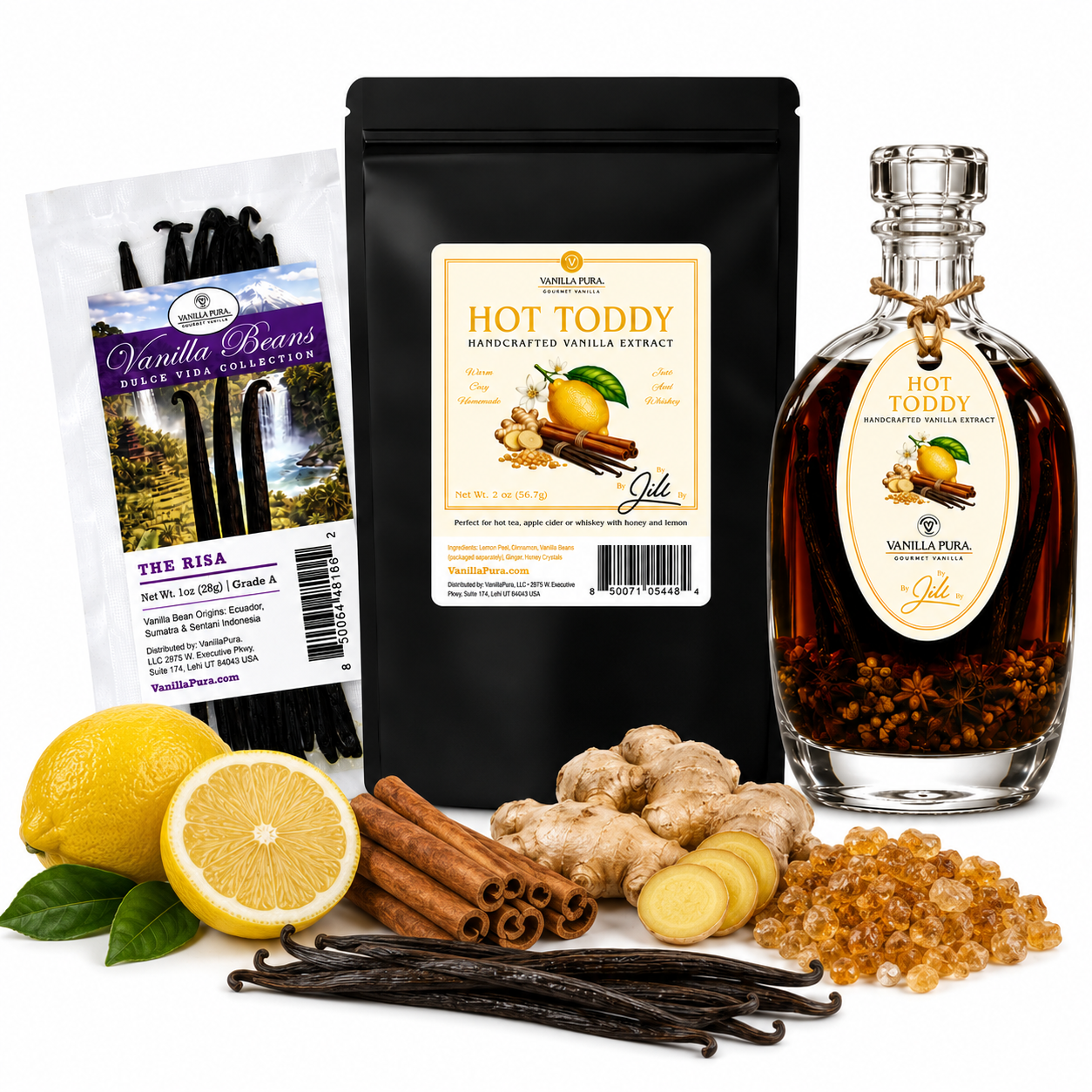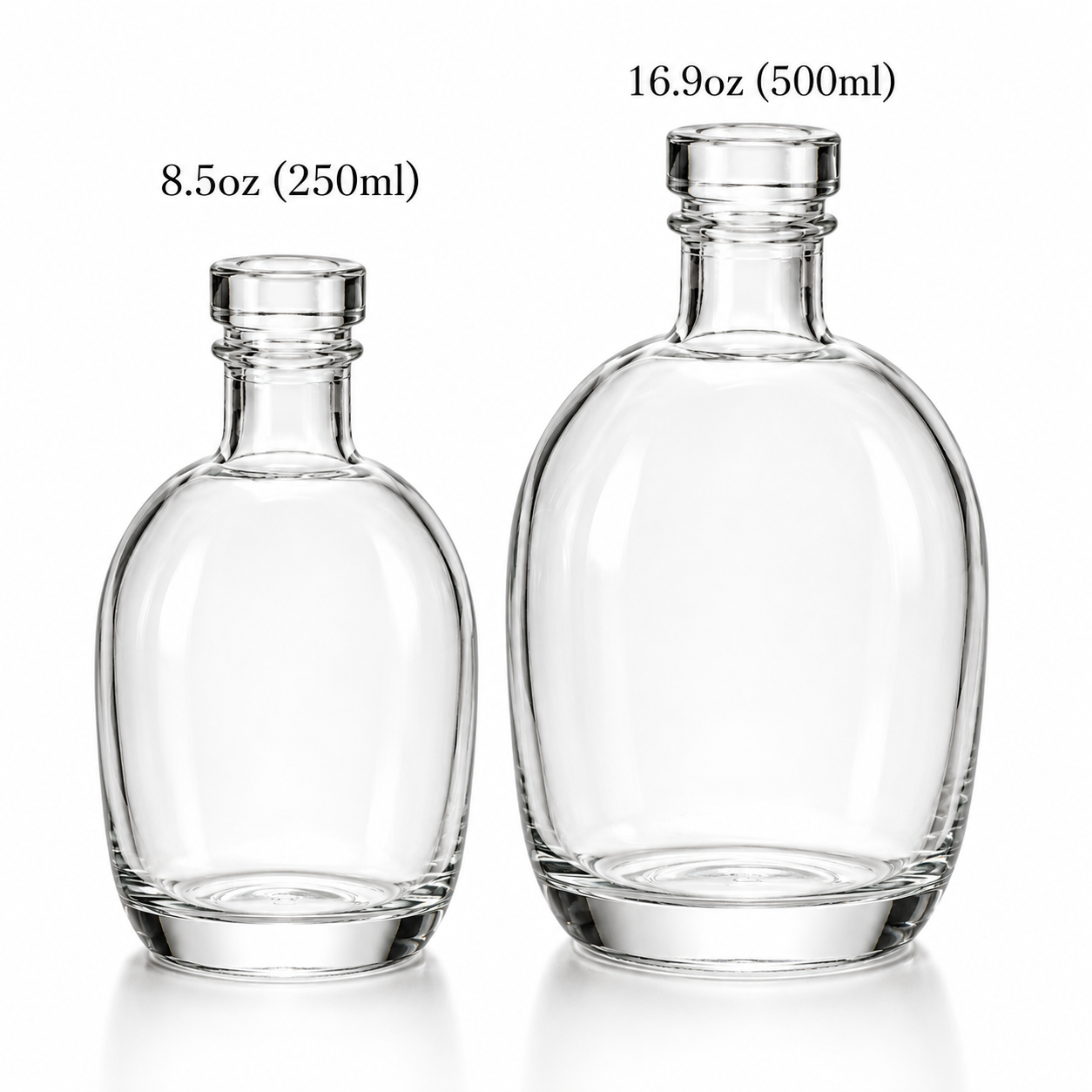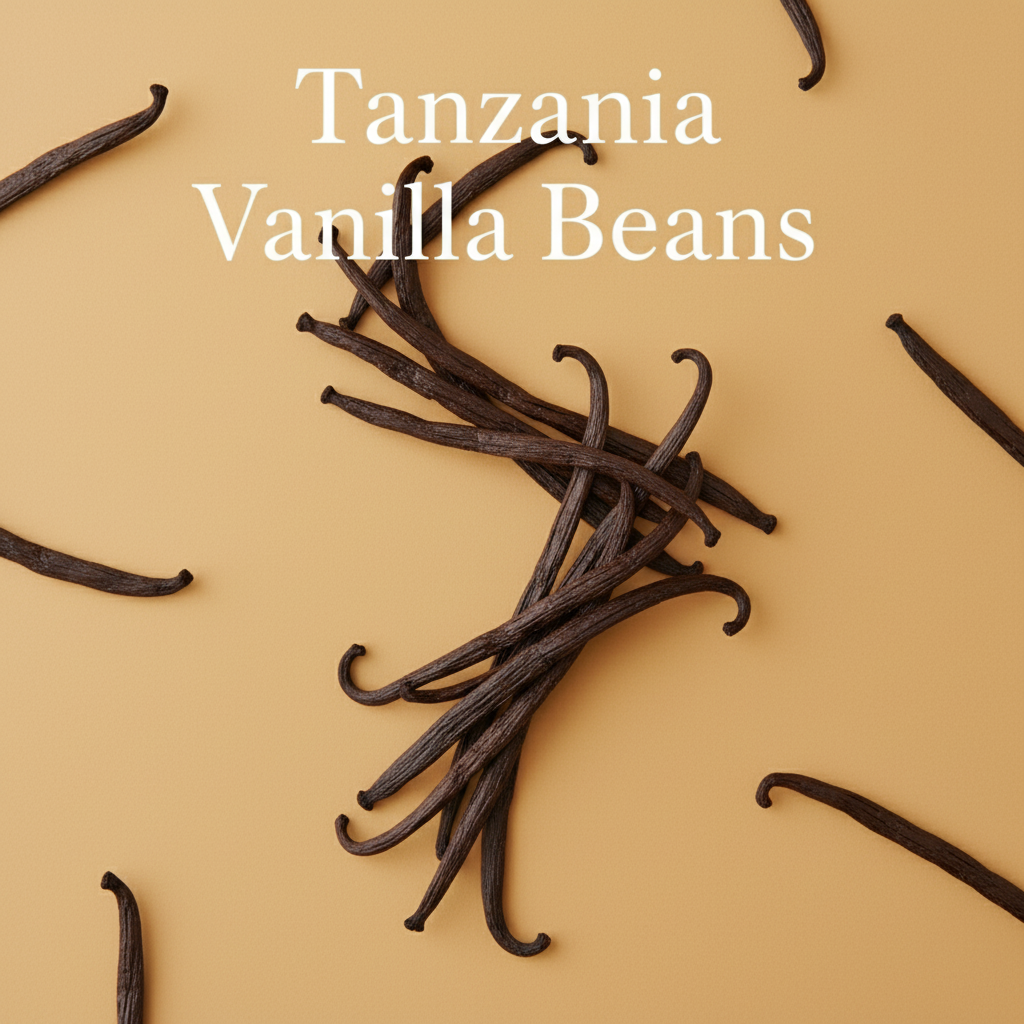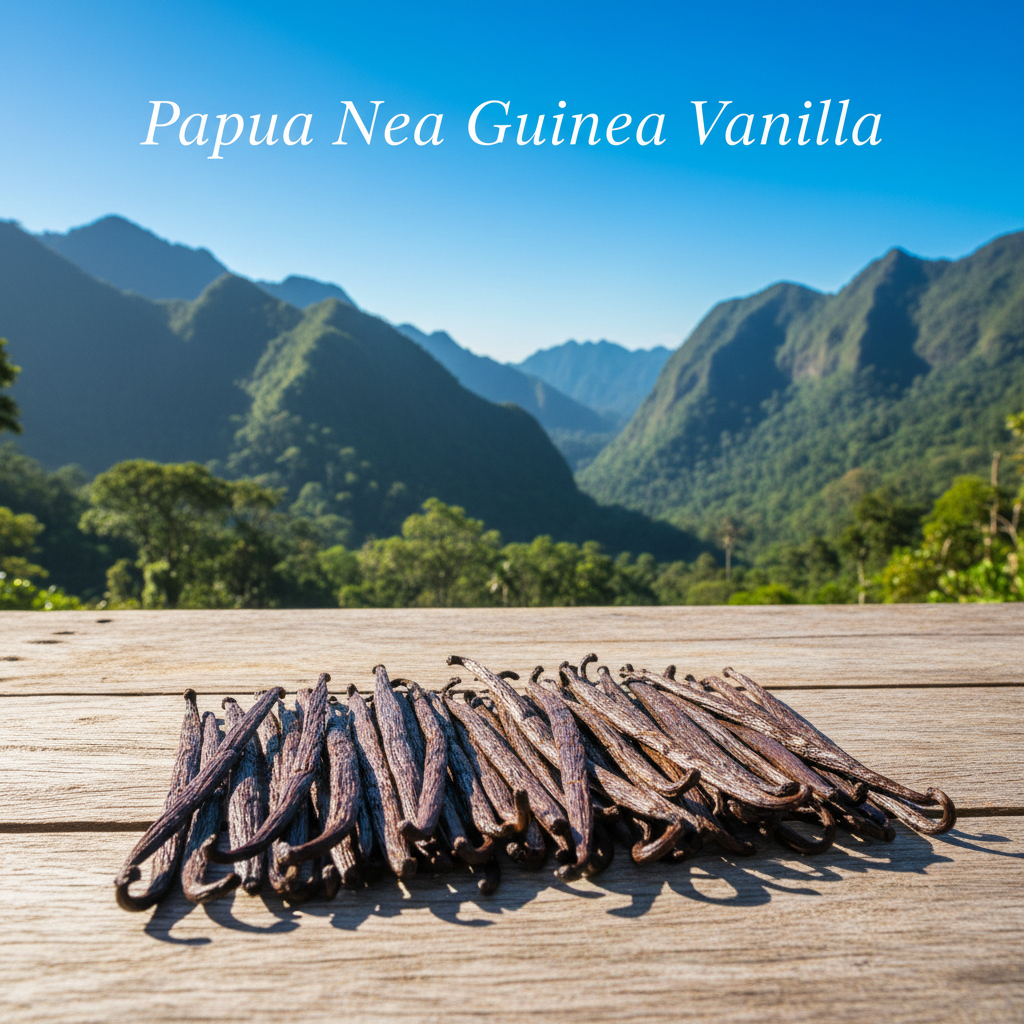

They share the same species name — Vanilla tahitensis — but grow worlds apart, shaped by entirely different soils, climates, and curing traditions. The Ecuadorian Colorado and the Papua New Guinea Kerema are two of the most distinctive V.tahitensis vanilla beans available today, and understanding what sets them apart can transform the way you approach extract making and baking.
Same Species, Different Worlds
Vanilla tahitensis is a hybrid species — likely descended from V. planifolia — that developed its own identity over centuries of cultivation across the Pacific and, more recently, the Americas. Unlike the more common V. planifolia, tahitensis beans are known for their floral, fruity, and anise-forward flavor profiles which gives them that signature cherry-almond note. But terroir matters enormously, and these two origins express the species in beautifully different ways.
The Ecuadorian Colorado V.tahitensis
Grown in the lush, high-altitude river valleys of Ecuador — the Colorado bean is a relative newcomer to the tahitensis world that has quickly earned a devoted following.
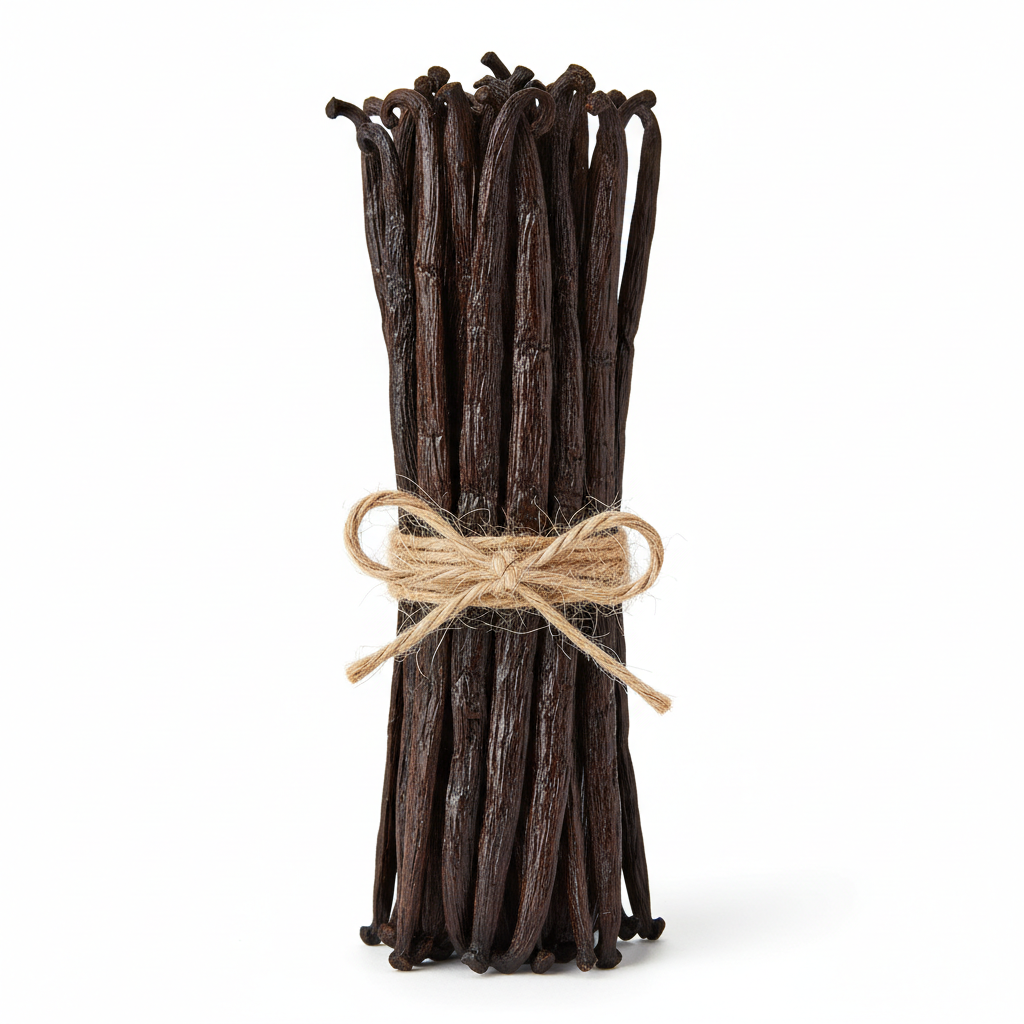
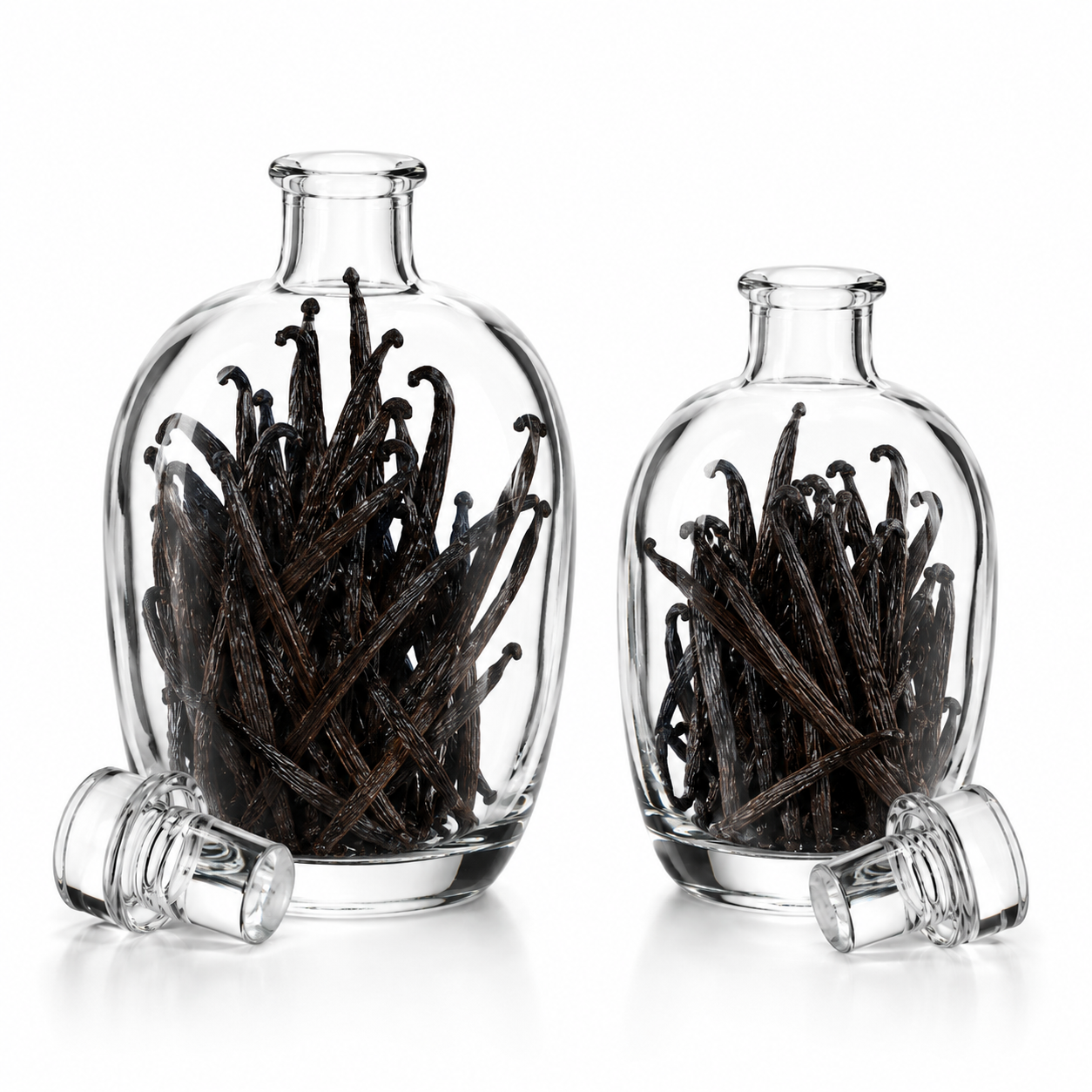
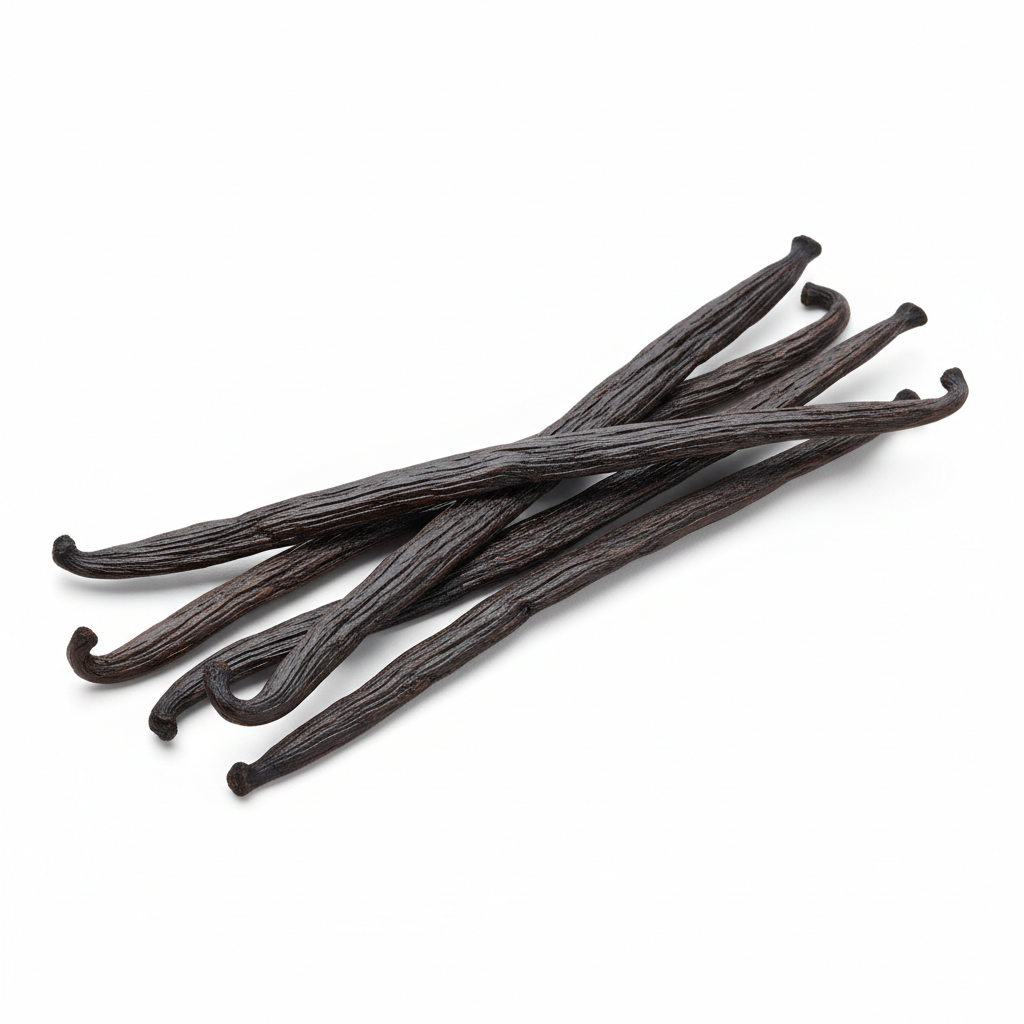
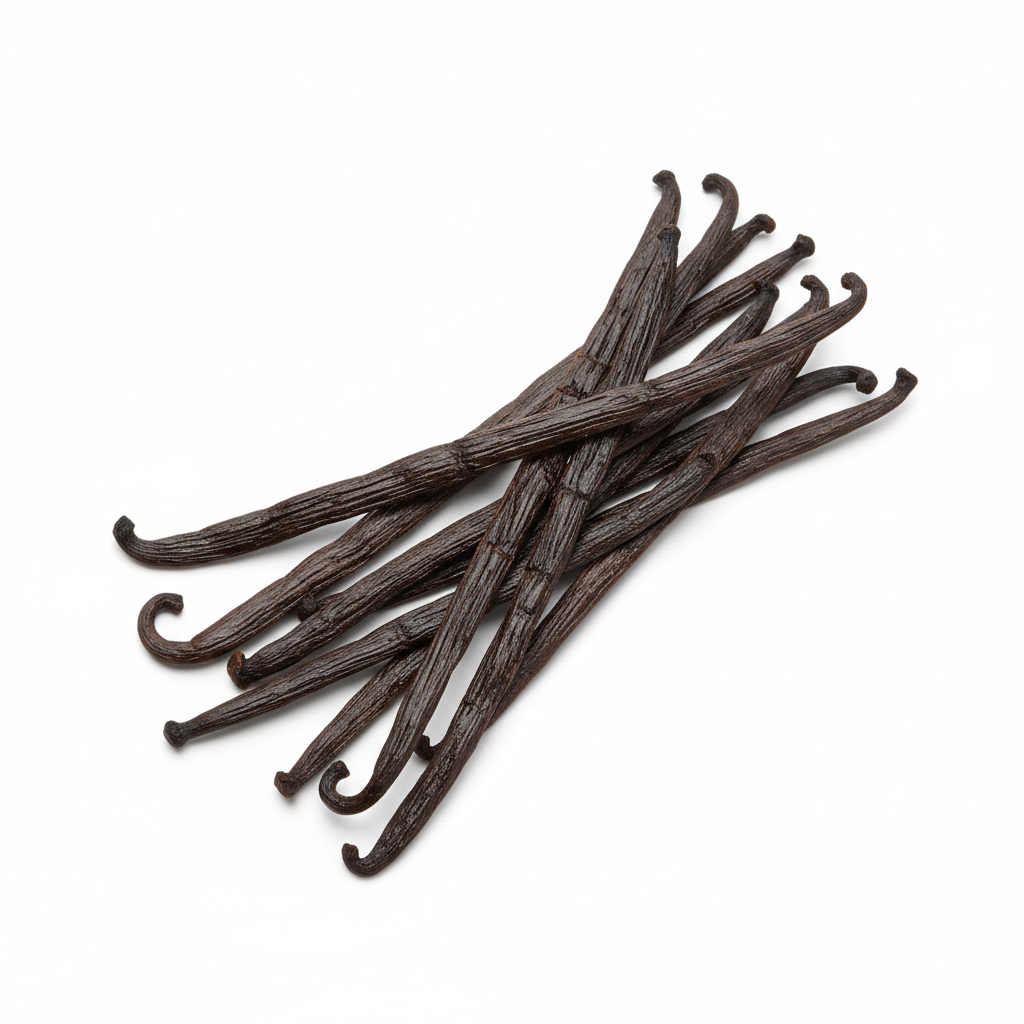
Appearance: Plump, moist, and deeply pigmented with a rich reddish-brown to near-black skin. The Colorado name is a nod to the reddish hue characteristic of these beans.
Aroma: Intensely floral with notes of ripe stone fruit, cherry, and a subtle anise undertone. There's a brightness to the Colorado that feels almost effervescent — lively and complex right out of the bag.
Flavor Profile: Fruity and floral forward, with a creamy mid-palate and a clean, lingering finish. The heliotropin expression is pronounced, making it a standout for lighter-colored baked goods, custards, ice creams, and floral cocktails where you want the vanilla to sing without going dark and heavy.
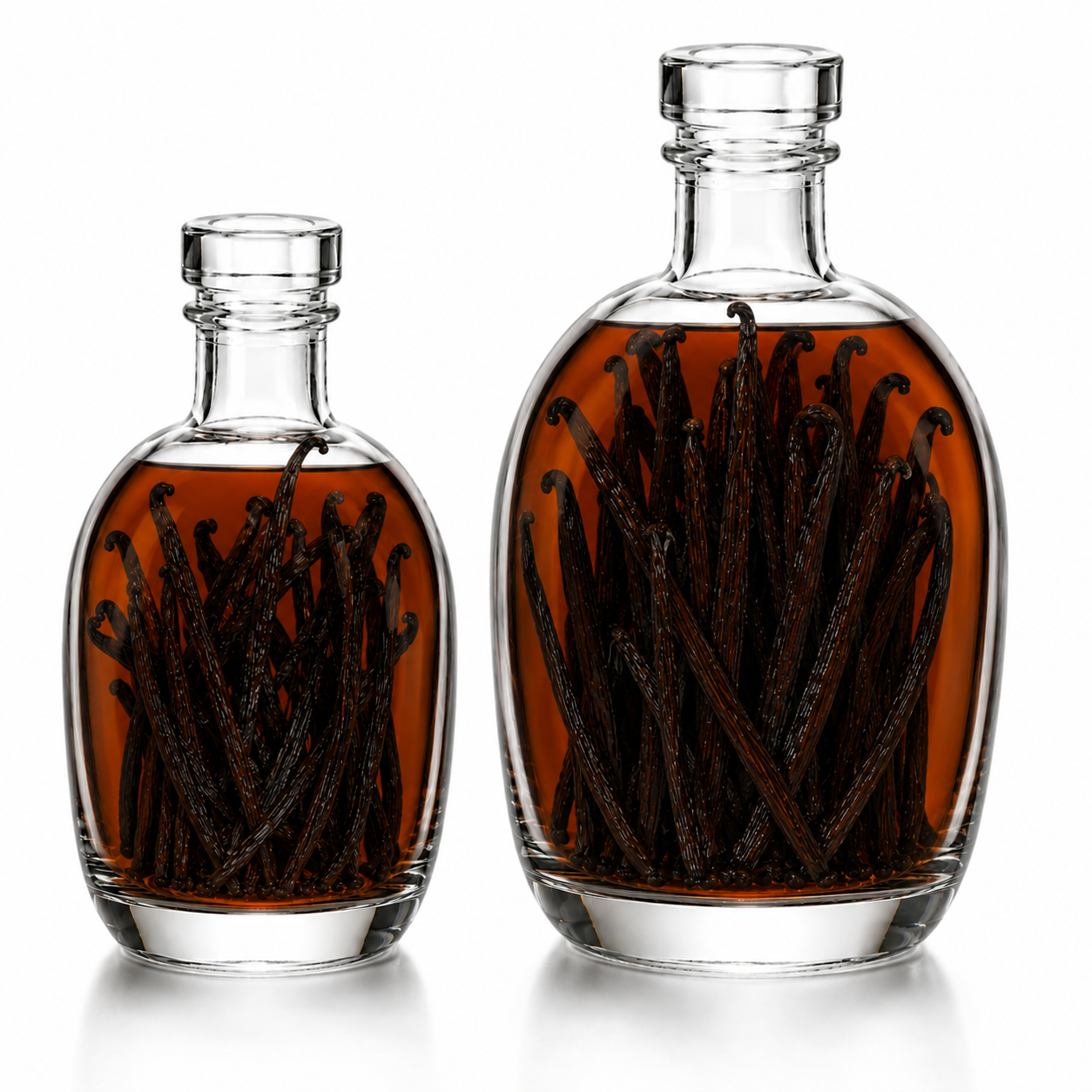
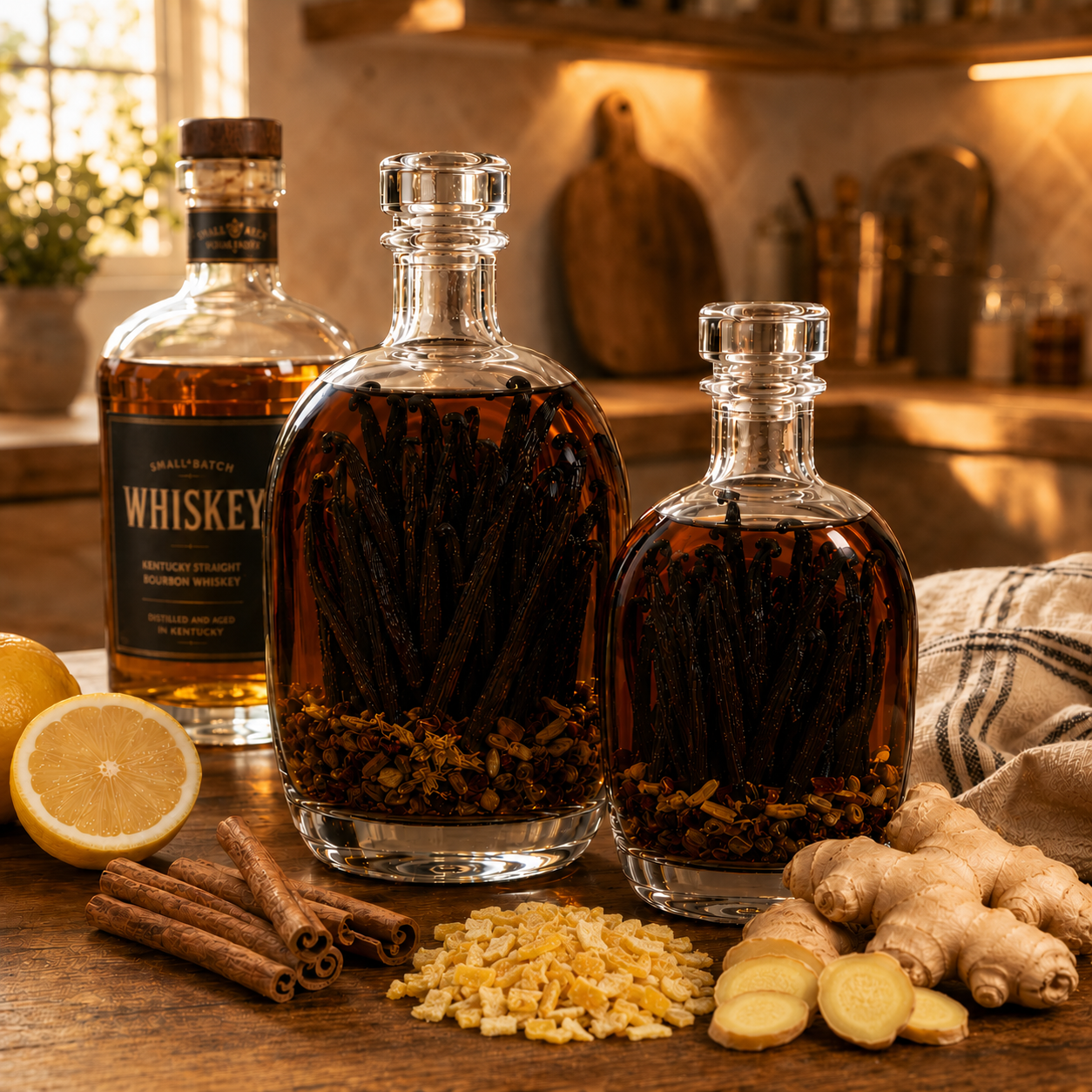
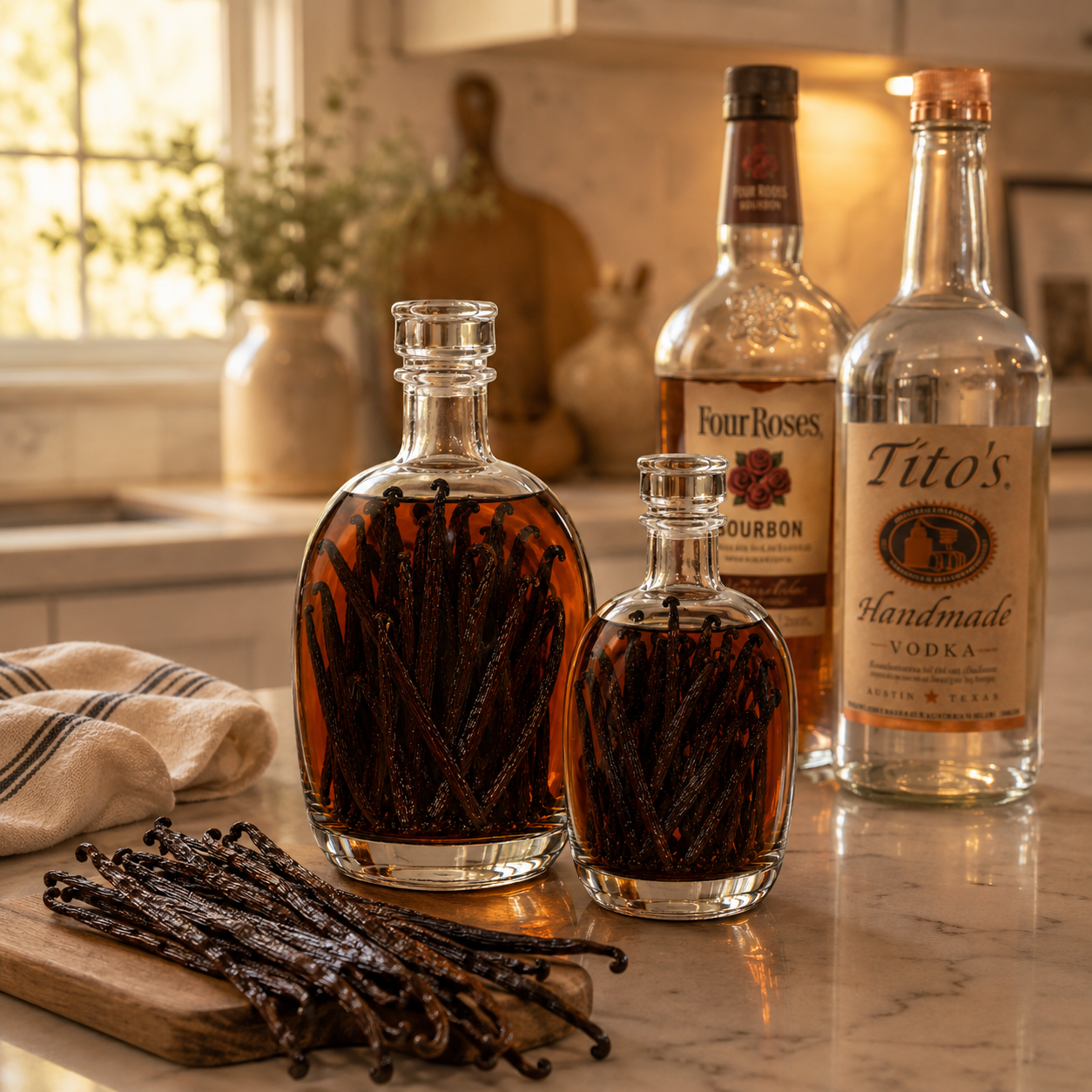
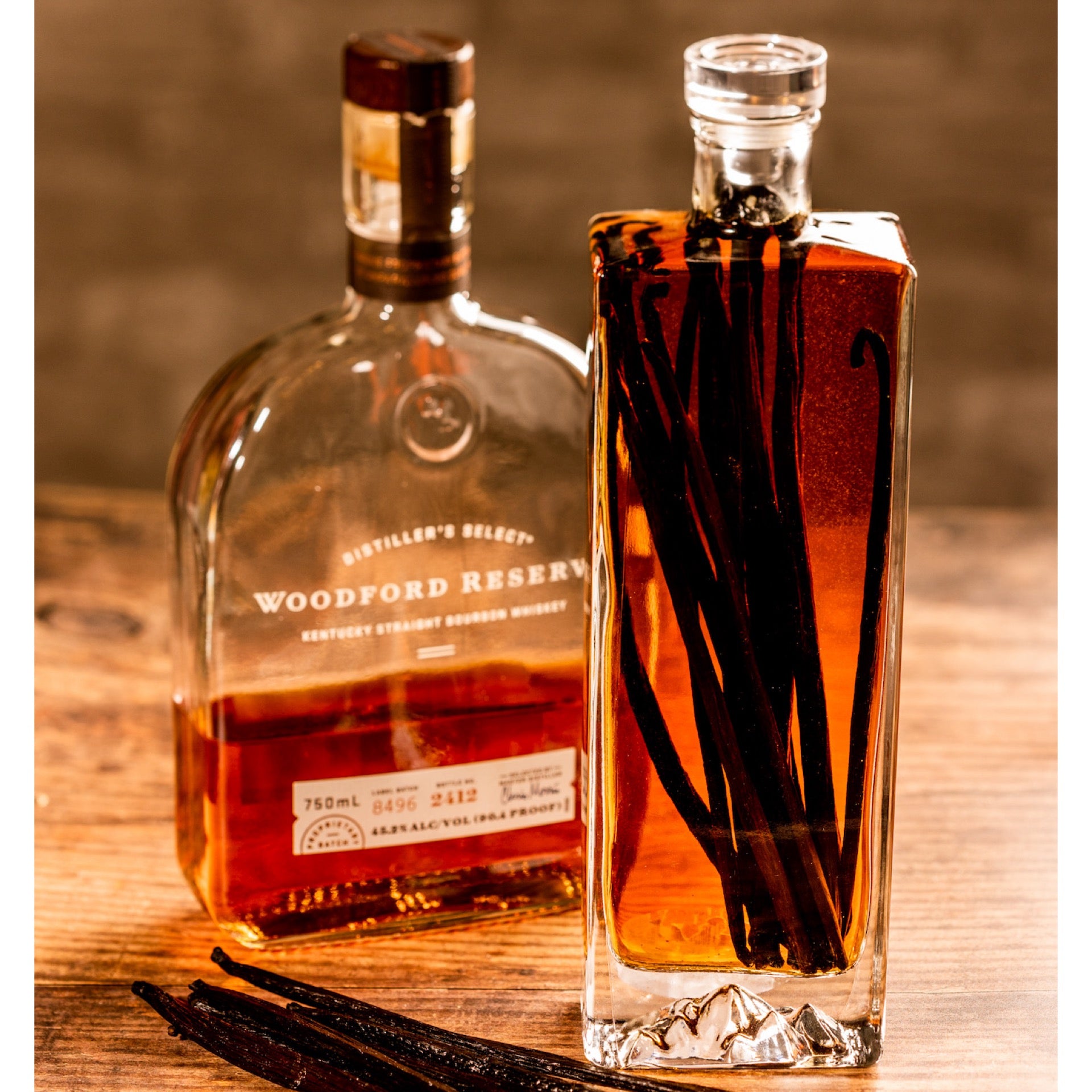
Extract Performance: Because tahitensis beans are lower in vanillin than planifolia, your extract will develop a lighter color and a more delicate, nuanced flavor. Use the ratio of 1oz of beans for every 8oz of alcohol and allow it to age up to 1 year for light spirits (vodka, white rum, gin) or 18 months to 2 years for dark spirits (bourbon, dark rum, brandy) to fully develop the Colorado's floral complexity.
👉 Shop the Colorado Ecuadorian V.tahitensis Vanilla Beans
The Papua New Guinea Kerema V.tahitensis
Papua New Guinea has a long and storied history with V. tahitensis — in fact, PNG is considered one of the primary commercial homes of the species outside of Tahiti itself. The Kerema beans, named for the Gulf Province region where they're grown, are among the most prized tahitensis beans in the world.
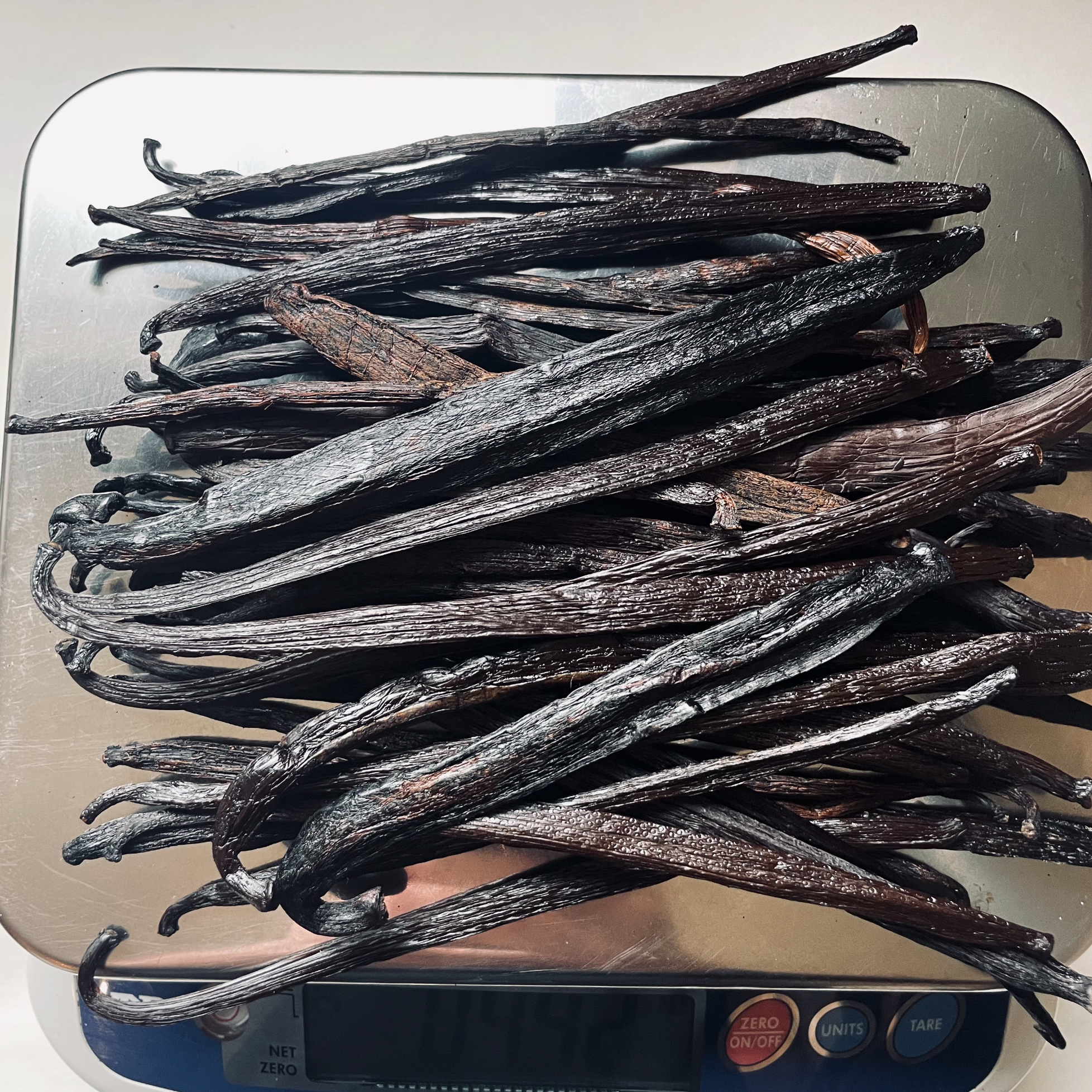
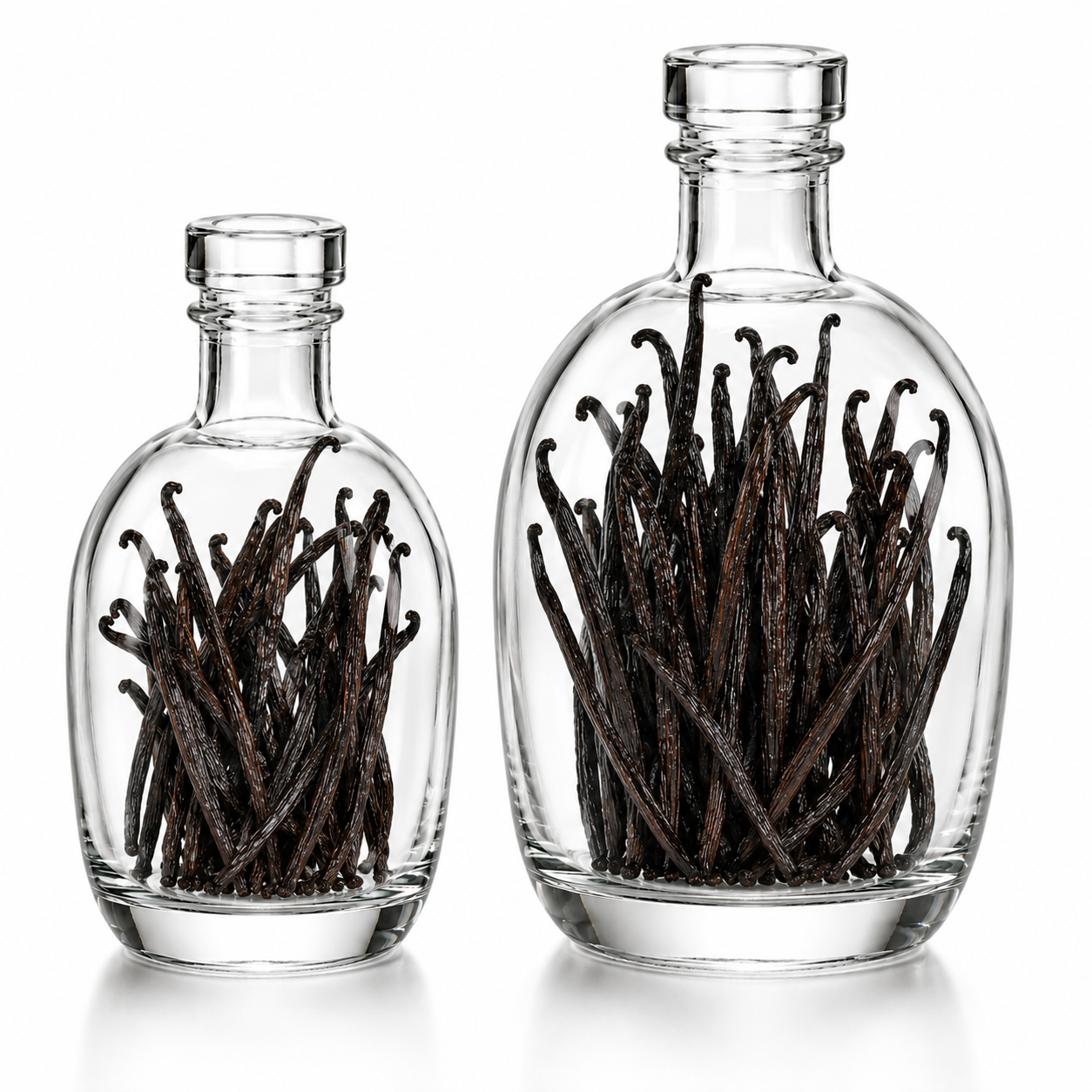
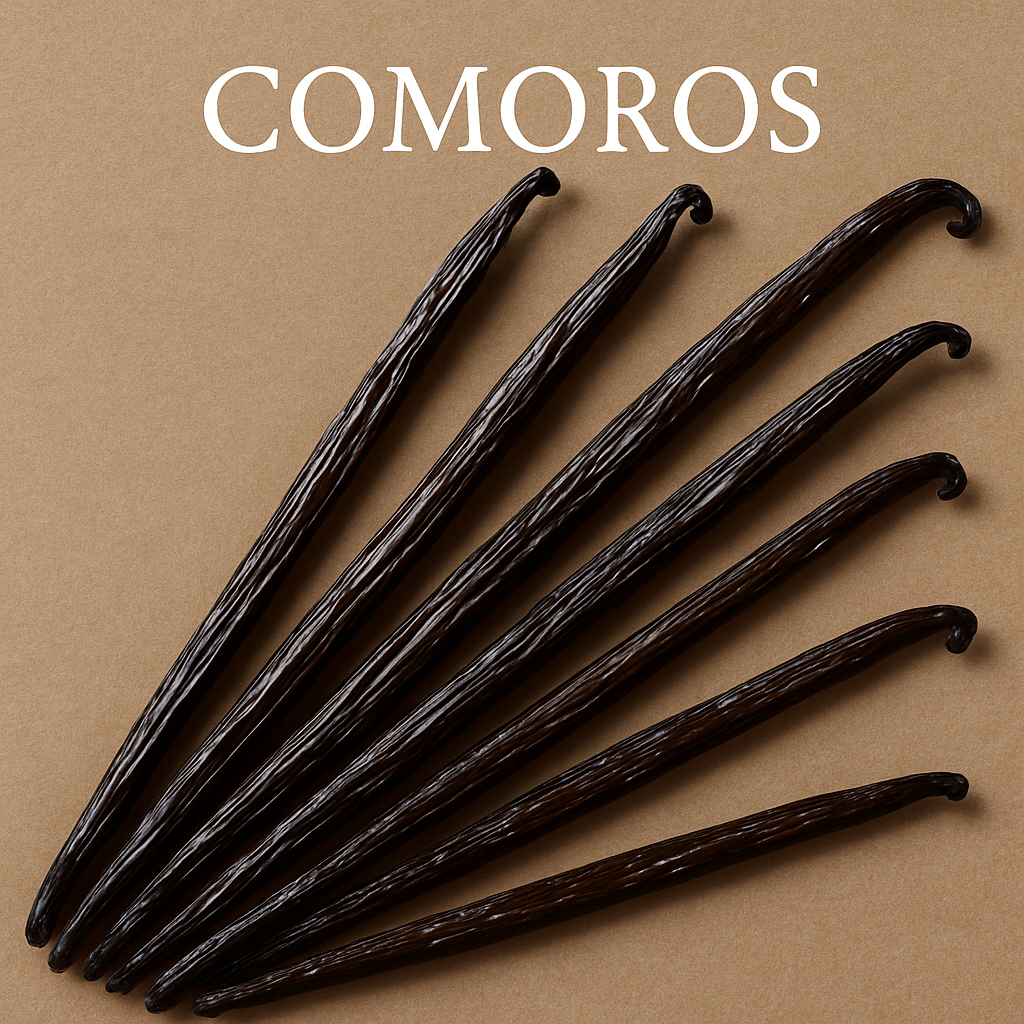
Appearance: Long, slender, and supple with a characteristic oily sheen. PNG Kerema beans tend to be more elongated than their Ecuadorian counterparts, with a deep chocolate-brown color and a slightly waxy exterior.
Aroma: Deep, earthy, and complex — think dark cherry, dried fig, a whisper of licorice, and a subtle smokiness that reflects the traditional curing methods used in the region. The aroma is rich and enveloping rather than bright and effervescent.
Flavor Profile: Rounder and more full-bodied than the Colorado, with a deeper fruit character and a longer, more lingering finish. The anise and heliotropin notes are present but woven into a richer, more layered profile. This is a bean that rewards patience — it opens up beautifully over time in an extract.
Extract Performance: The Kerema is a phenomenal extract bean. Its natural oils and complex aromatic compounds develop slowly and deeply. As with the Colorado, use 1oz of beans for every 8oz of alcohol. For light spirits, allow up to 1 year of aging; for dark spirits like bourbon or dark rum, give it 18 months to 2 years — the depth of the Kerema pairs especially well with the caramel and oak notes of a good bourbon.
👉 Shop the Papua New Guinea Kerema V.tahitensis Vanilla Beans
Side-by-Side Comparison
| Ecuador Colorado | PNG Kerema | |
|---|---|---|
| Species | V. tahitensis | V. tahitensis |
| Origin Region | River valleys of Ecuador | Gulf Province, Papua New Guinea |
| Appearance | Plump, reddish-brown, moist | Long, slender, oily, chocolate-brown |
| Primary Aroma Notes | Floral, stone fruit, bright cherry, anise | Dark cherry, dried fig, licorice, earthy |
| Flavor Character | Bright, fruity, floral, clean finish | Rich, full-bodied, deep, lingering |
| Best For | Ice cream, custards, light baked goods, floral cocktails | Dark spirit extracts, bold baked goods, chocolate pairings |
| Extract Aging (Light Spirits) | Up to 1 year | Up to 1 year |
| Extract Aging (Dark Spirits) | 18 months – 2 years | 18 months – 2 years |
Which One Should You Choose?
The honest answer: both. These two beans are not competitors — they're complements. The Colorado brings brightness, florality, and a lively fruit-forward energy that makes it exceptional in applications where you want vanilla to feel light and expressive. The Kerema brings depth, richness, and a slow-building complexity that rewards long aging and pairs beautifully with bold flavors.
If you're building a tahitensis extract and want to explore the full range of what this species can offer, consider blending them — or making two separate extracts and using each where it shines brightest. Either way, you're working with some of the most extraordinary vanilla beans on the planet.
Explore both origins and taste the difference terroir makes: