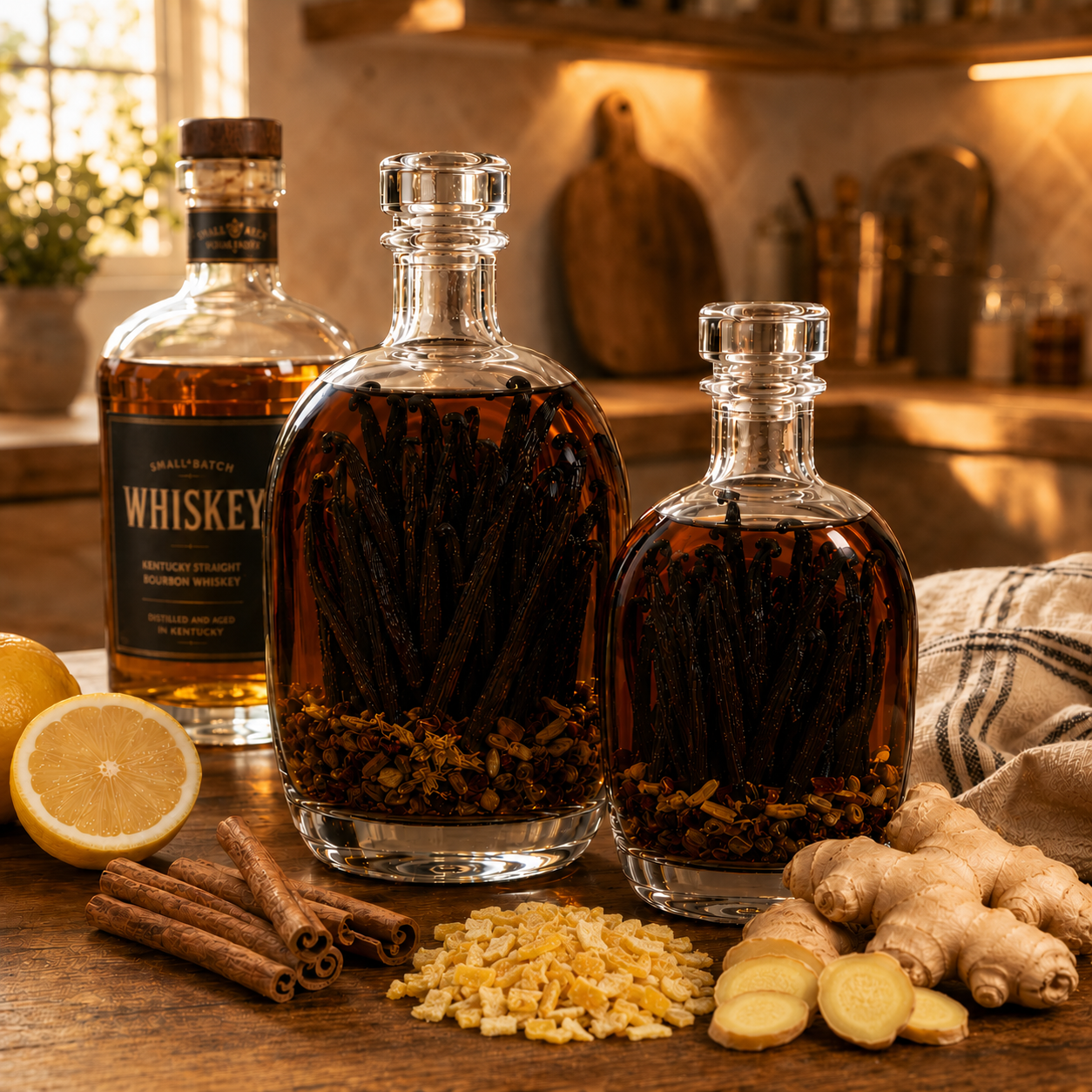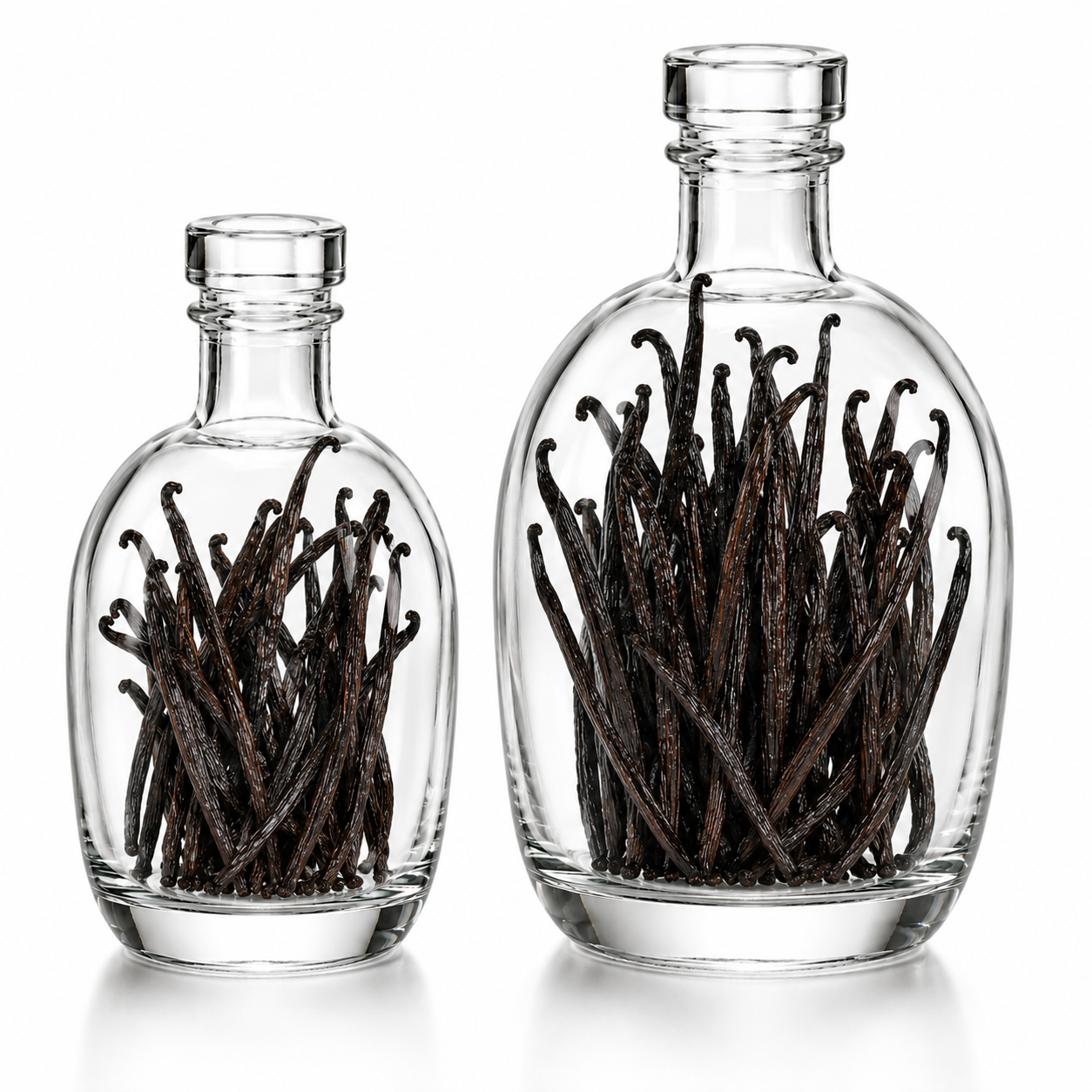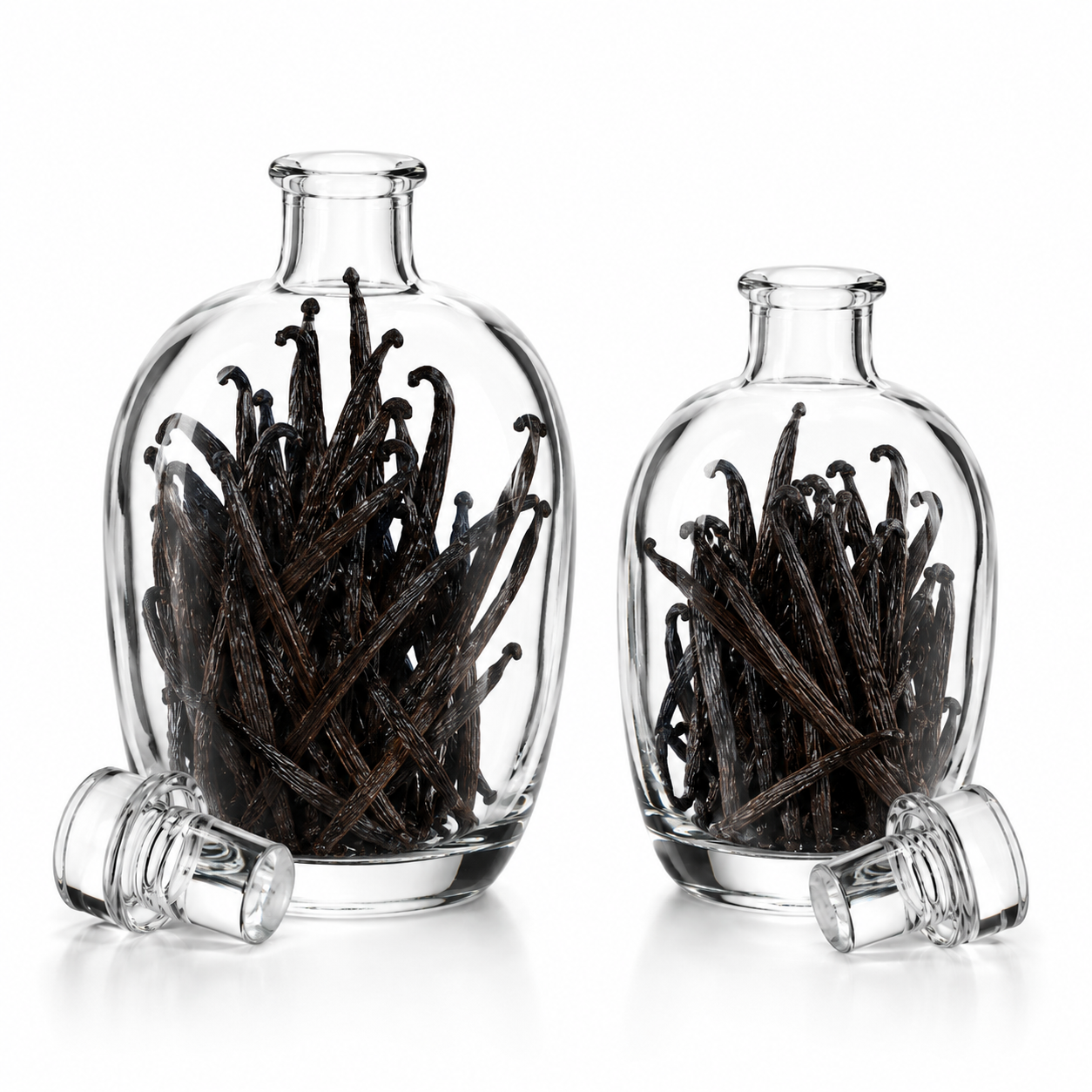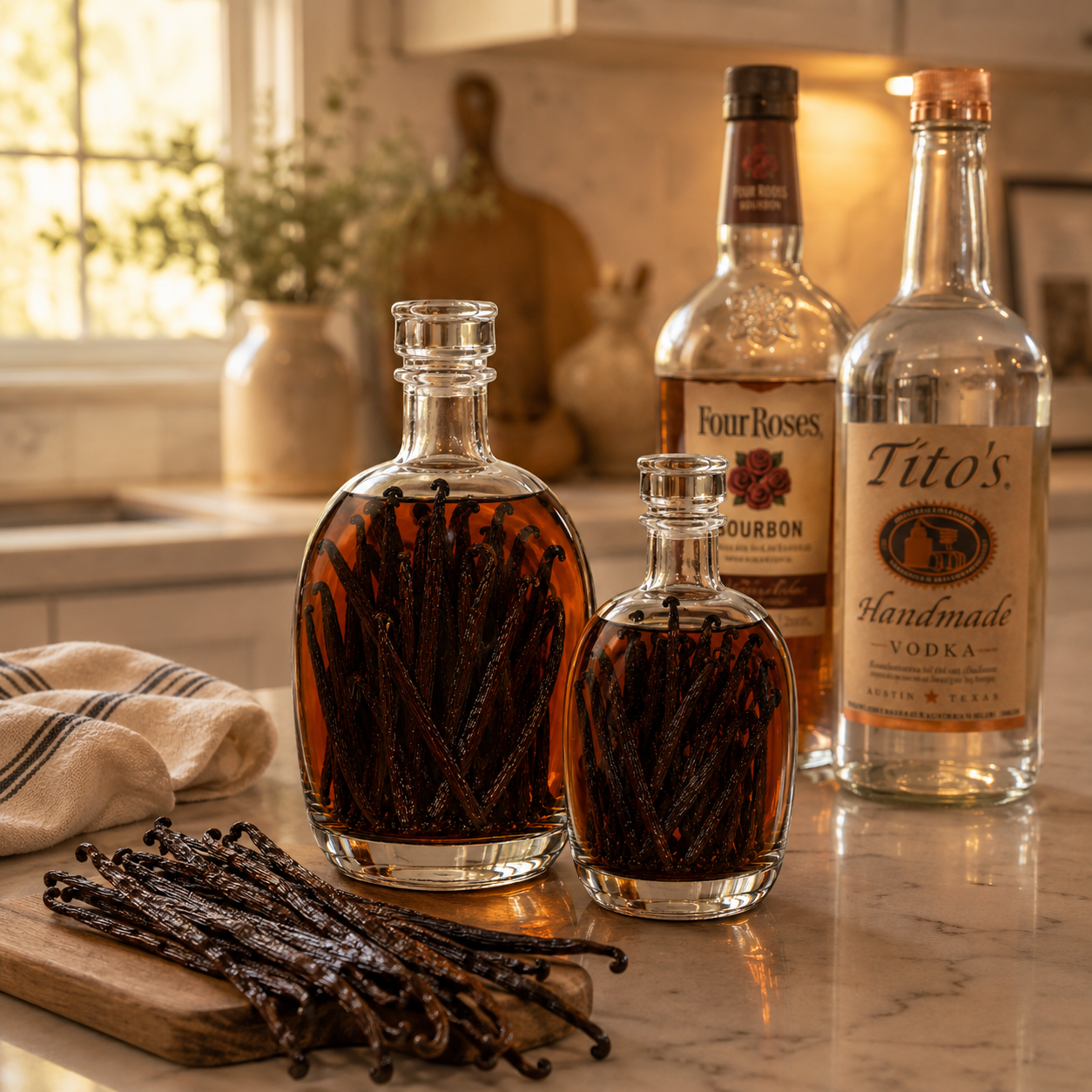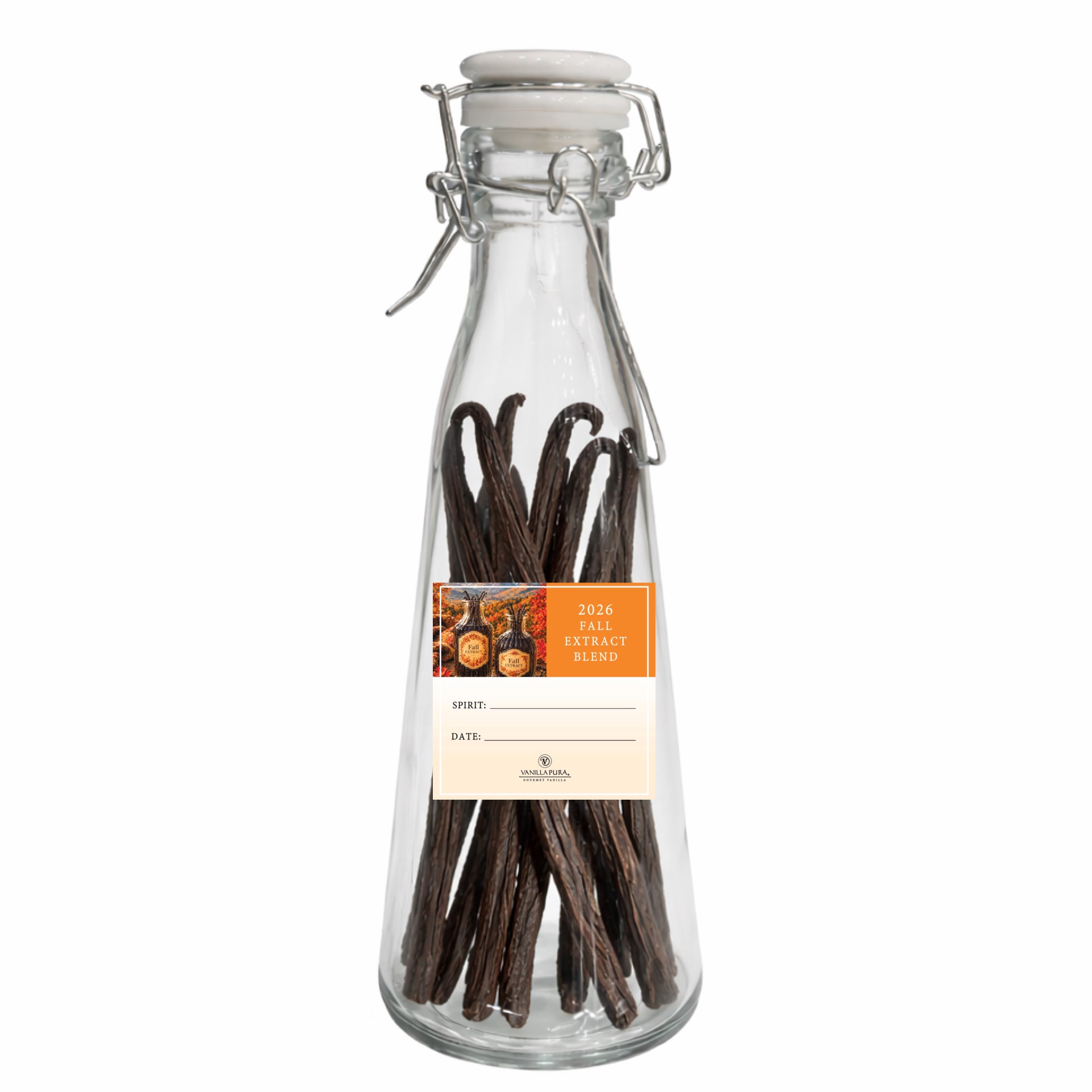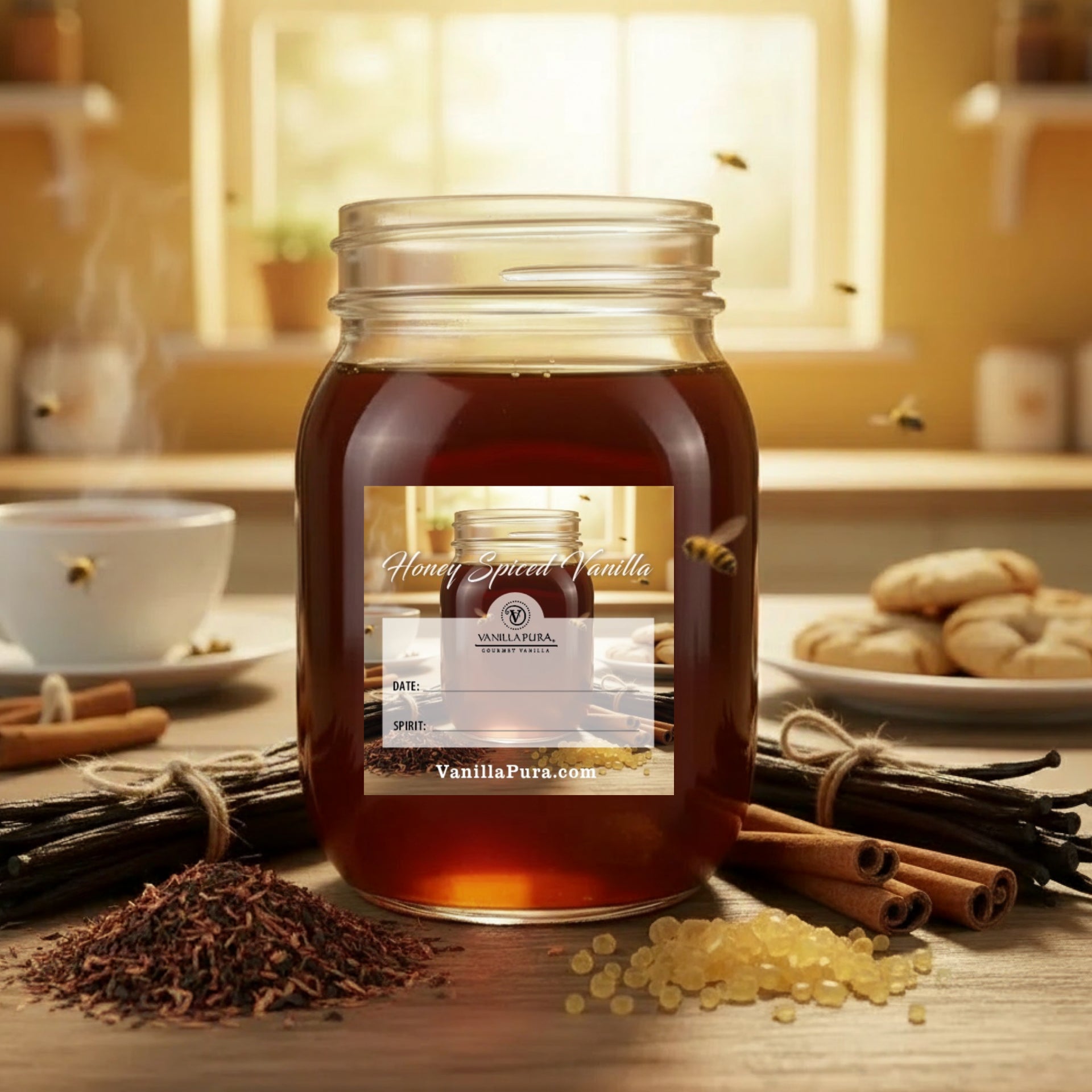

You've sealed your vanilla extract jar, tucked it away in a cool dark spot, and a few days later you notice tiny droplets of moisture clinging to the inside of the glass. Is something wrong? Is your extract ruined? Take a breath — condensation inside a sealed extract jar is a completely normal phenomenon, and understanding why it happens will give you confidence that your extract is doing exactly what it should.
What Is Condensation, Exactly?
Condensation occurs when water vapor in the air (or in this case, trapped inside your jar) cools and converts back into liquid water droplets on a surface. You see the same effect on a cold glass of water on a humid summer day — warm, moisture-laden air contacts the cold surface and releases its water content as visible droplets.
Inside a sealed jar, the same physics apply, just in a closed system.
What's Inside Your Jar That Creates Moisture?
Your extract jar contains several components that naturally contribute to the moisture present inside:
- Alcohol (vodka, bourbon, rum, etc.): Ethanol is hygroscopic, meaning it naturally attracts and holds water molecules. Even high-proof spirits contain a percentage of water — an 80-proof vodka, for example, is 40% ethanol and 60% water by volume. That water is always present and always subject to evaporation and condensation cycles.
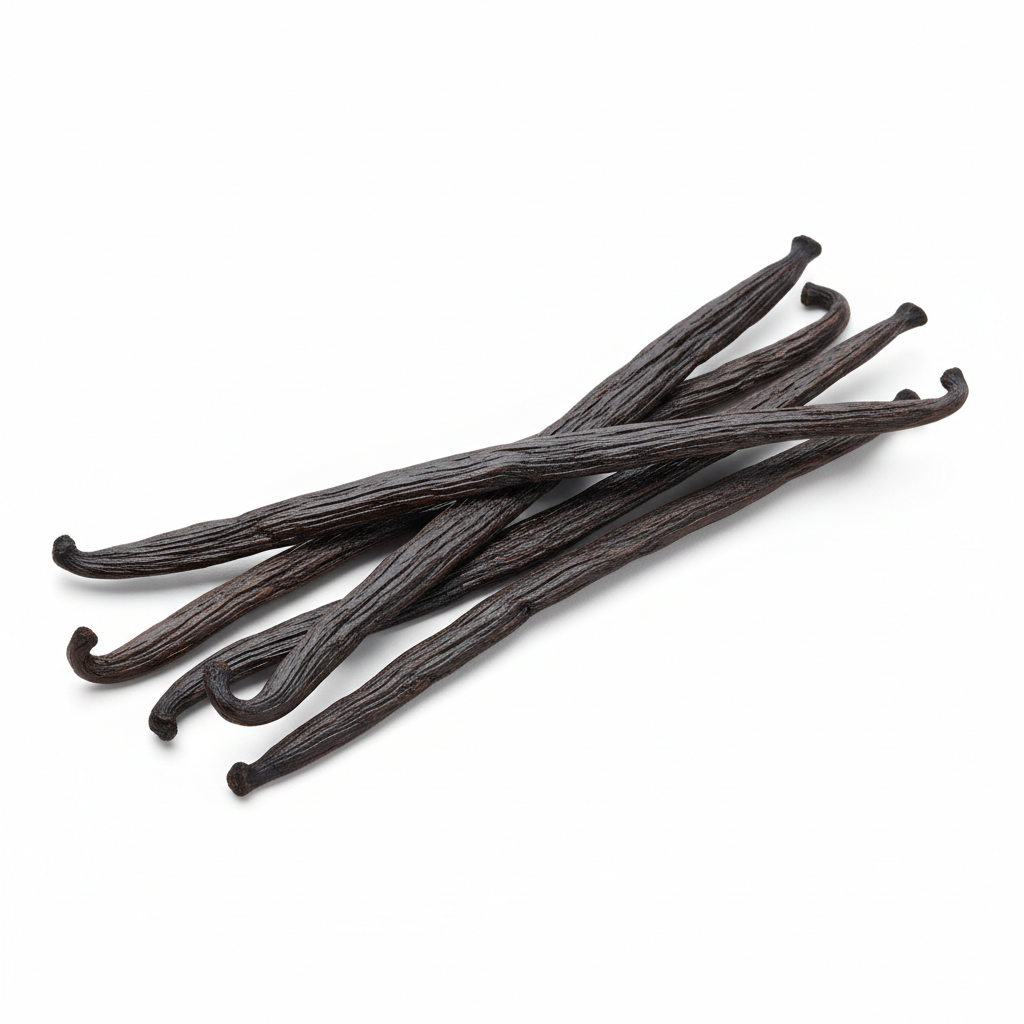
- Vanilla beans: Fresh and even cured vanilla beans contain residual moisture within their pod walls and seeds. When submerged in alcohol, the beans slowly release this internal moisture into the liquid over time. The alcohol simultaneously draws out the flavor compounds (vanillin, phenols, esters) and the remaining water content from the bean tissue.
- Air space (headspace): The gap between the surface of your liquid and the lid of your jar is called headspace. This small pocket of air holds water vapor and alcohol vapor. When the jar cools — say, when moved from a warm room to a cooler pantry — that vapor condenses on the cooler glass walls and lid interior.
- Other botanicals or ingredients: If you're crafting a blend with additional ingredients like citrus peel, spices, or other botanicals, each of those contributes its own moisture content to the system.
Why Temperature Change Is the Primary Trigger
The most common cause of visible condensation inside a sealed jar is a temperature differential. Here's what happens step by step:
- Your jar sits in a warm environment. The liquid and headspace air warm up, and more water and alcohol molecules evaporate into the headspace as vapor.
- The jar is moved to a cooler location, or the ambient temperature drops (overnight, seasonally, etc.).
- The cooler glass surface causes the vapor in the headspace to lose energy and condense back into liquid droplets on the jar walls and lid.
- As the jar equilibrates to the new temperature, the droplets may re-evaporate or drip back into the liquid.
This cycle repeats naturally and is completely harmless to your extract.
Is the Condensation a Sign of Spoilage?
No. Alcohol is a powerful preservative, and a properly made vanilla extract — with sufficient alcohol content — is shelf-stable and resistant to microbial growth. Condensation is a physical process, not a biological one. It does not indicate fermentation, contamination, or spoilage.
What would be a concern is if your jar were not properly sealed and outside air (with its own microbial load) were freely entering. But in a tightly sealed jar, the closed environment simply cycles moisture between vapor and liquid states as temperatures fluctuate.
Does Condensation Affect My Extract's Quality?
In short: no. The moisture cycling inside your jar does not dilute your extract, alter its flavor profile, or reduce its potency. The vanillin and other flavor compounds extracted from your beans are dissolved in the liquid and are not affected by condensation on the glass walls.
One minor consideration: if you notice significant condensation consistently pooling under the lid and dripping back in, it's worth ensuring your lid seal is tight and that you're storing the jar away from dramatic temperature swings (like directly next to a heat vent or in a spot that gets afternoon sun). Consistent, moderate temperatures make for the most stable extraction environment.
How to Minimize Condensation
If the condensation bothers you aesthetically or you simply want a more stable environment for your extract, here are a few tips:
- Store in a consistent-temperature location. A cool, dark pantry or cupboard away from the stove, oven, or windows is ideal. Avoid spots with significant day-to-night temperature swings.
- Minimize headspace. The less air in your jar, the less vapor can accumulate. Use a jar size appropriate to your liquid volume, or top off with a small amount of additional alcohol if needed.
- Avoid refrigeration. Refrigerating your extract can actually increase condensation when the jar is brought back to room temperature. Vanilla extract does not need refrigeration — room temperature storage is preferred.
- Ensure a proper seal. A tight-fitting lid with a good gasket or liner minimizes vapor exchange with the outside environment.
The Bottom Line
Condensation inside your sealed vanilla extract jar is simply physics at work — warm vapor cooling and returning to liquid form on the glass surface. It's a sign that your jar is sealed, your ingredients are releasing their natural moisture, and the system is doing exactly what it should. Trust the process, keep your jar in a stable environment, and let time do the rest.
Your extract is on its way to becoming something extraordinary. A little condensation is just part of the journey.
Ready to Make Your Own Vanilla Extract?
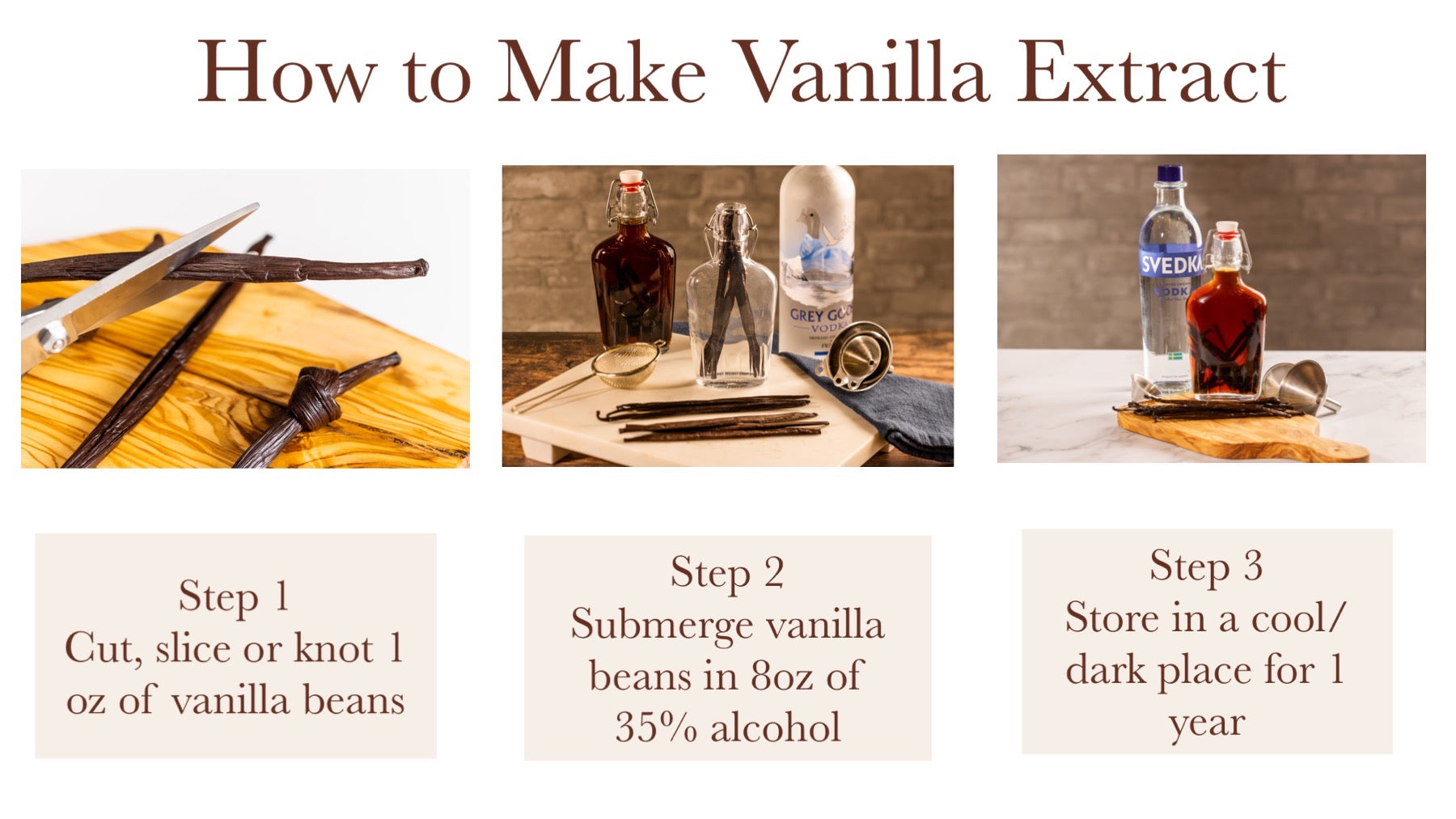
If this article has you thinking about making your own extract with V. pompona beans, we've put together a complete library of how-to guides to walk you through every step — from choosing your beans and spirit to bottling and aging your finished extract.
Browse the VanillaPura Vanilla Extract Making How-To Guides →