

There's a quiet geographic advantage enjoyed by vanilla farmers growing near the equator that rarely gets discussed: they are, by the laws of atmospheric physics, essentially immune to hurricanes and typhoons. For an agricultural crop as fragile and labor-intensive as vanilla, that protection is not a minor footnote — it's a fundamental part of why certain origins can offer consistent supply while others remain perpetually vulnerable.
The Science: Why Hurricanes Cannot Cross the Equator
Hurricanes, typhoons, and cyclones are all the same meteorological phenomenon — tropical cyclones — just named differently depending on where in the world they form. And all of them share one absolute limitation: they cannot form at, or cross, the equator.
The reason is the Coriolis effect.
The Coriolis effect is a consequence of Earth's rotation. As the planet spins, it deflects moving air masses to the right in the Northern Hemisphere and to the left in the Southern Hemisphere. This deflection is what causes tropical cyclones to spin — counterclockwise in the north, clockwise in the south. Without that rotational force, a storm system cannot organize into the tight, self-sustaining spiral that defines a tropical cyclone.
At the equator itself, the Coriolis effect is effectively zero. There is no deflection force to initiate rotation. Tropical cyclones require a minimum distance from the equator — generally accepted as at least 5 degrees of latitude — before the Coriolis effect is strong enough to spin up a storm. This means the band of ocean and land straddling the equator is, in practical terms, a permanent hurricane-free zone.
Furthermore, even a well-developed storm tracking toward the equator will weaken and dissipate as it approaches, because the Coriolis force that sustains it diminishes. Storms don't cross the equator — they die before they get there.
What This Means for Vanilla Farming
Vanilla is one of the most labor-intensive crops on earth. Each flower must be hand-pollinated within a 12-hour window. The vines take three to five years to mature before producing pods. The beans require months of careful curing after harvest. A single destructive storm can wipe out years of work in hours — flattening vines, stripping pods, flooding fields, and destroying the shade trees that vanilla depends on for support.
For vanilla-growing regions that sit outside the equatorial protection zone, this is a very real and recurring threat. The consequences can be catastrophic — not just for individual farmers, but for global vanilla supply and pricing.
Hurricane Enawo and the Madagascar Crisis of 2017
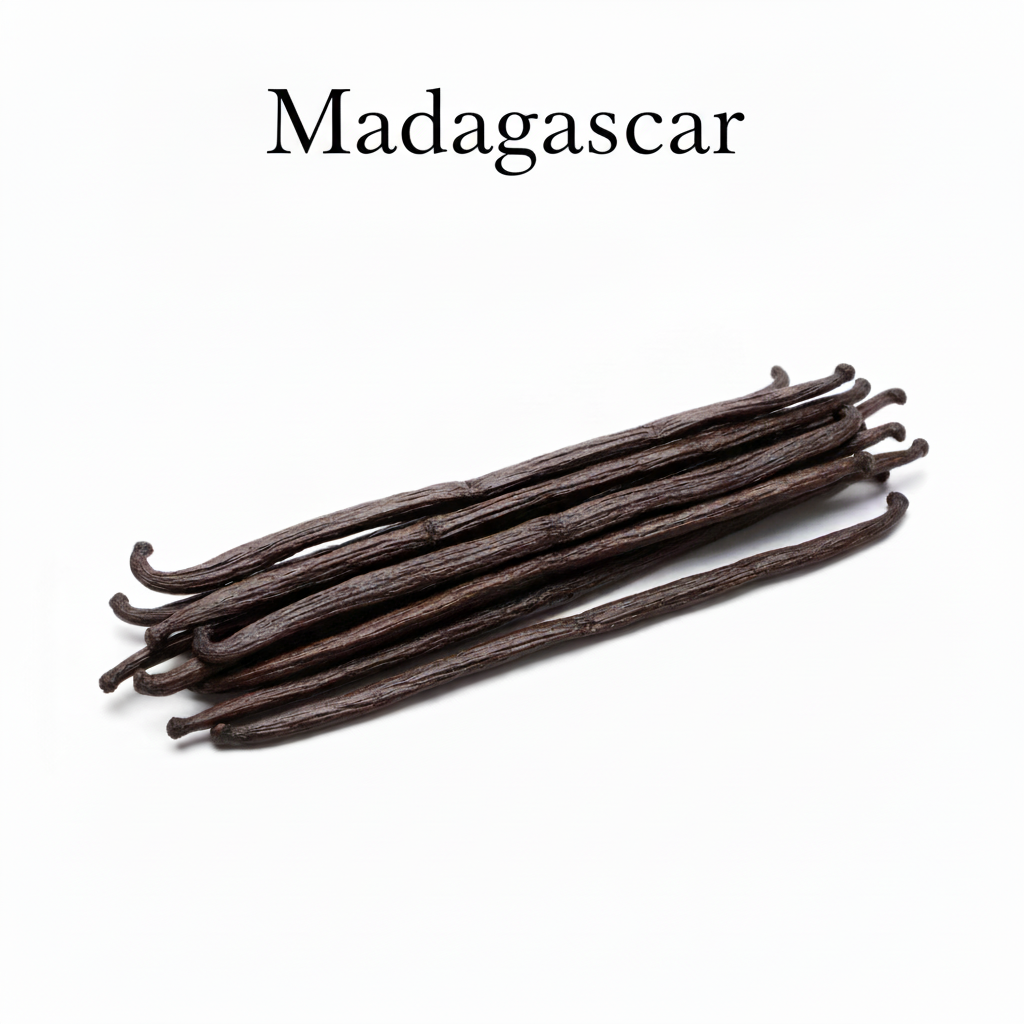
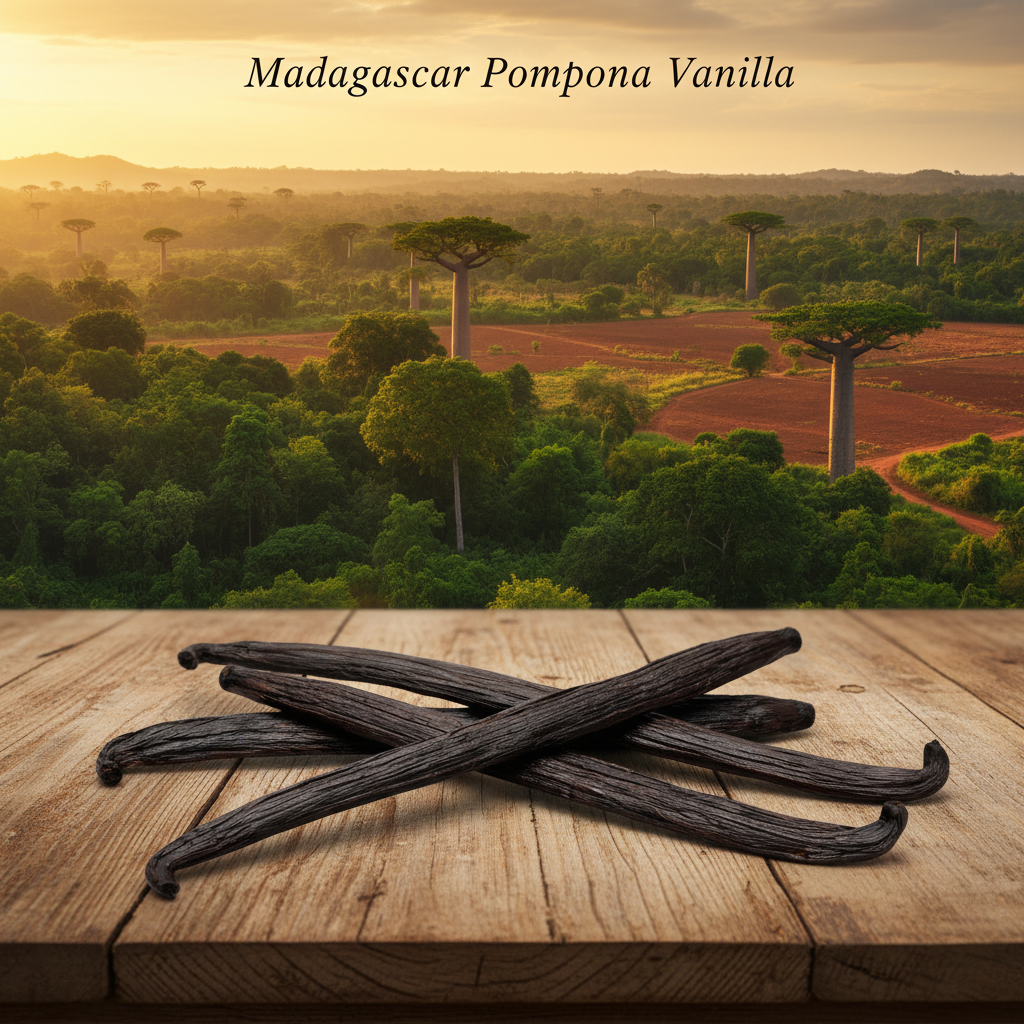
No event illustrates this vulnerability more starkly than Cyclone Enawo, which struck northeastern Madagascar in March 2017. Enawo was the strongest tropical cyclone to hit Madagascar in 13 years, making landfall near the Sava region — the heart of the country's vanilla-growing territory, responsible for roughly 80% of the world's vanilla supply at the time.
The storm devastated the region. Vanilla vines were torn from their support trees. Unripe green beans that had survived were stolen from damaged fields in the chaos that followed. Infrastructure was destroyed, disrupting the supply chain for months. The combination of storm damage and post-storm theft sent vanilla prices into a historic spiral — at their peak in 2018, Madagascar vanilla beans reached prices exceeding $600 per kilogram, making vanilla the second most expensive spice in the world after saffron.
Madagascar sits between approximately 12° and 25° south latitude — well within the range of Southern Hemisphere tropical cyclones. It is structurally exposed to storm risk in a way that equatorial growing regions simply are not.
The Equatorial Advantage: Indonesia, Uganda, and Papua New Guinea
Compare Madagascar's exposure to vanilla-growing regions that sit at or very near the equator:
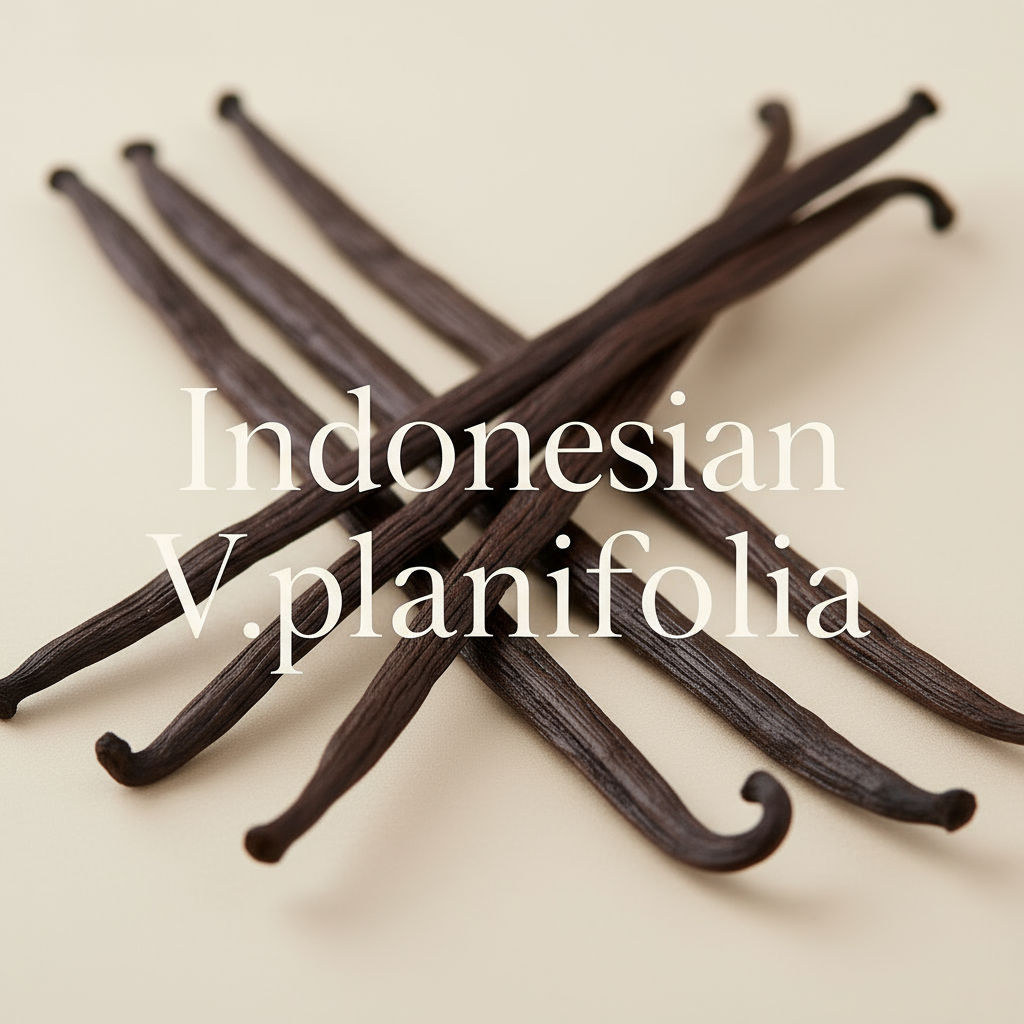
- Indonesia — The major vanilla-growing islands of Sulawesi and Java straddle the equator closely, sitting between roughly 5°N and 8°S. While Indonesia is not entirely immune to tropical weather, its core vanilla regions benefit from significantly reduced cyclone risk compared to Madagascar.
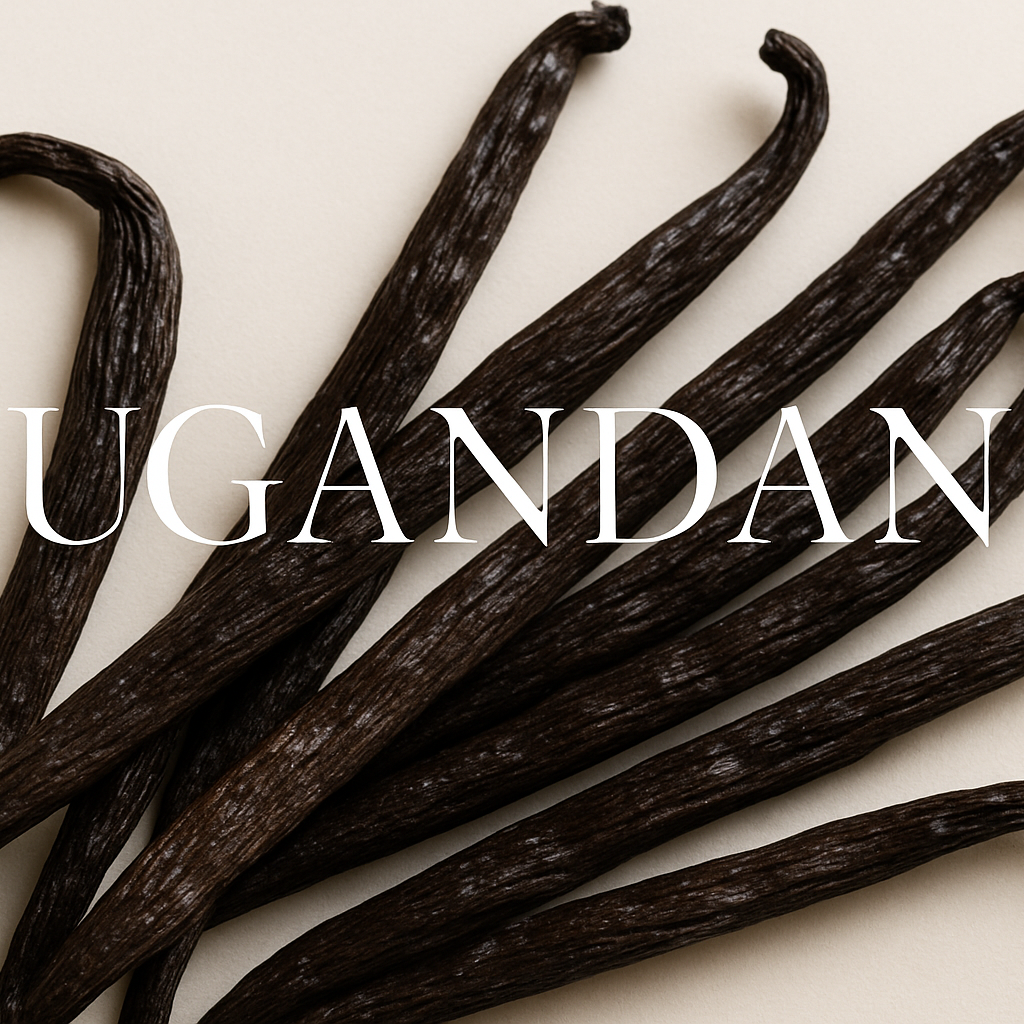
- Uganda — Sitting almost perfectly on the equator (between 4°N and 1°S), Uganda's vanilla-growing regions are among the most storm-protected on earth. The country has emerged as a reliable and increasingly high-quality vanilla source in part because its geography offers a stability that storm-prone regions cannot guarantee.
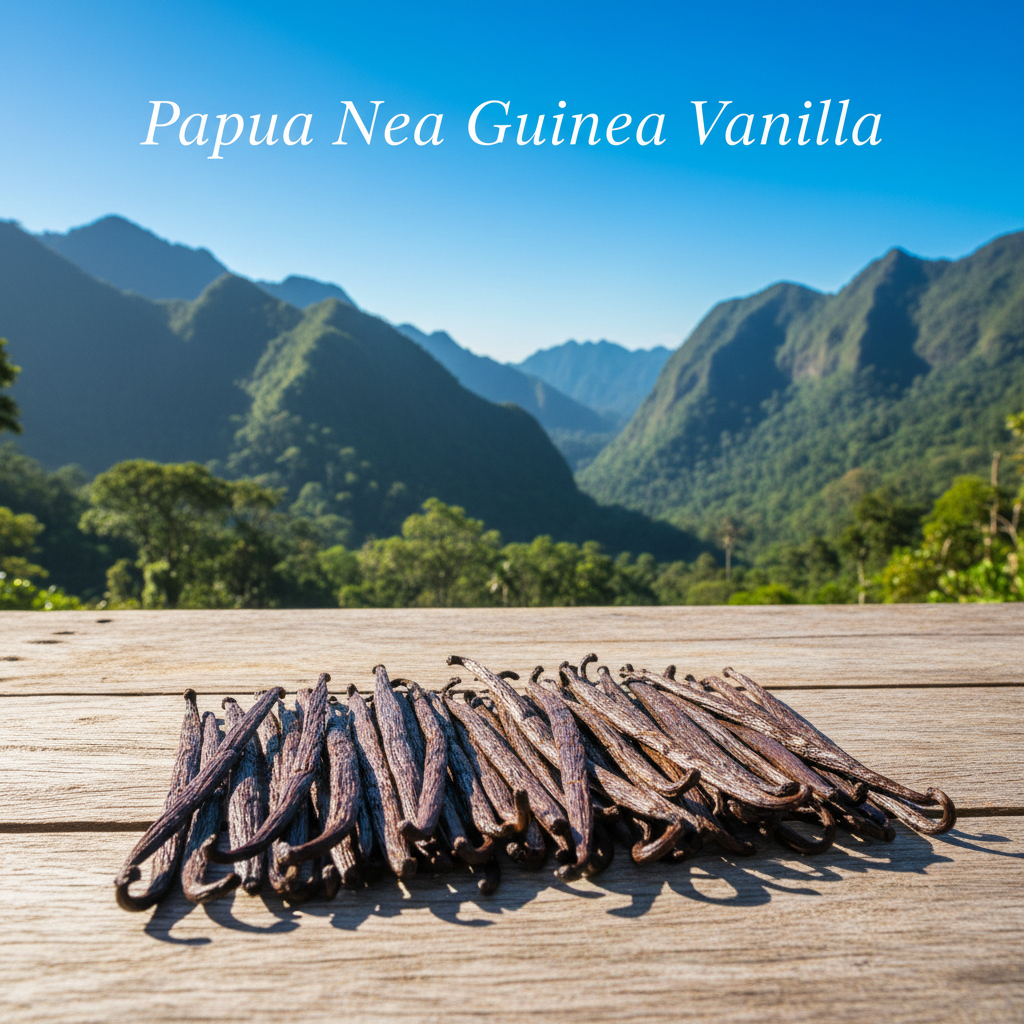
- Papua New Guinea — Straddling the equator between roughly 1°S and 12°S, PNG's vanilla regions benefit from equatorial protection across much of the country's growing territory.
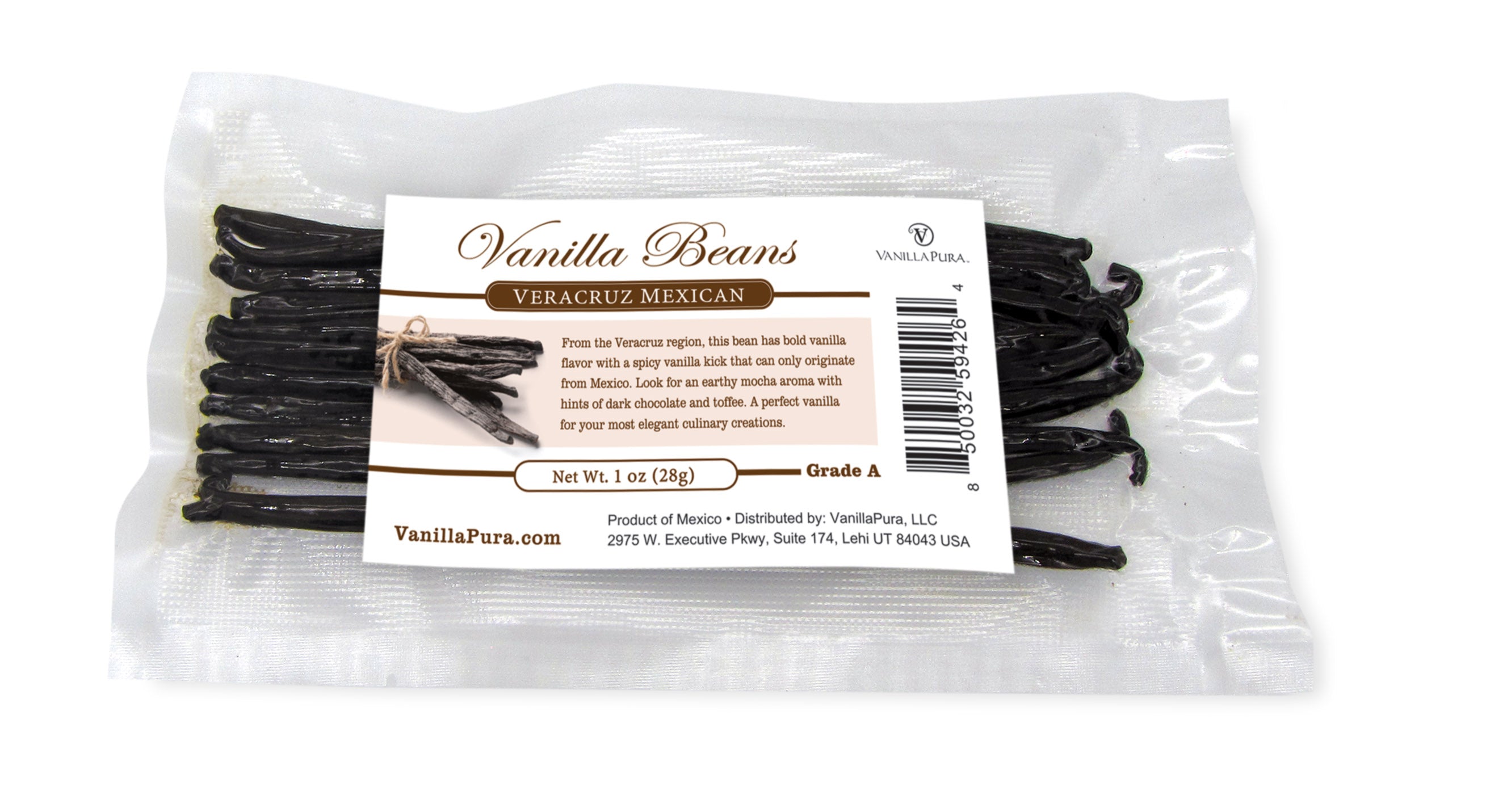
This doesn't mean equatorial regions are without agricultural risk — drought, disease, and political instability all remain real factors. But the specific, catastrophic risk of a single storm erasing an entire harvest simply doesn't exist in the same way it does for Madagascar or Mexico's Veracruz coast.
Origin Diversity as Supply Chain Resilience
The 2017 Enawo crisis was a reminder of what happens when the world relies too heavily on a single vanilla origin. When one storm can move global vanilla prices by hundreds of dollars per kilogram, the case for sourcing from multiple origins becomes not just a matter of flavor diversity — it becomes a matter of supply chain resilience.
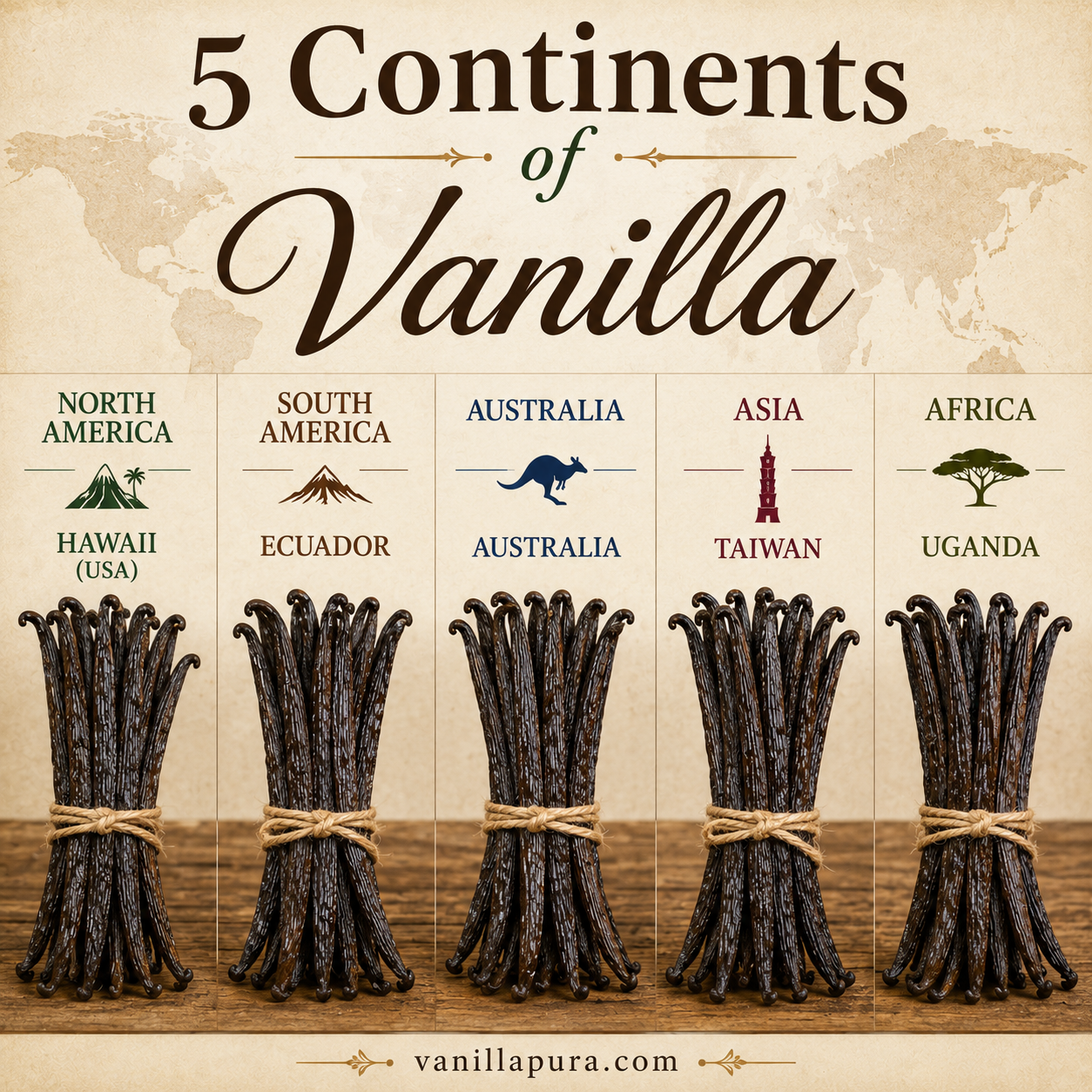
Sourcing vanilla from a range of origins, including those with the geographic stability of equatorial growing regions, is one of the most meaningful ways to build a vanilla supply that isn't held hostage to any single weather event, growing season, or political disruption.
The equator, it turns out, is more than a line on a map. For vanilla farmers who grow in its shadow, it's a form of natural insurance that no policy could replicate.


































































Comments
Very interisting and informative. Thank You.