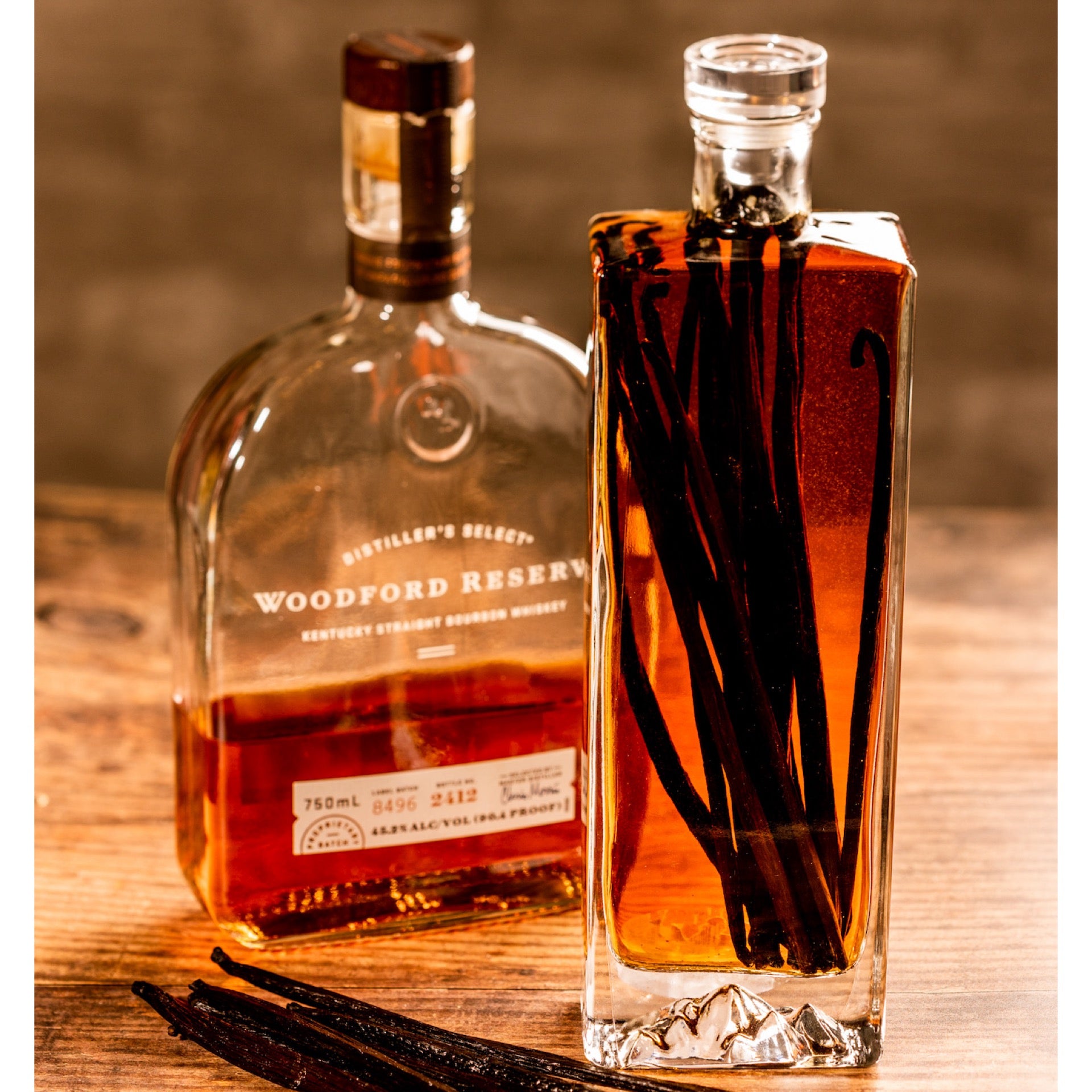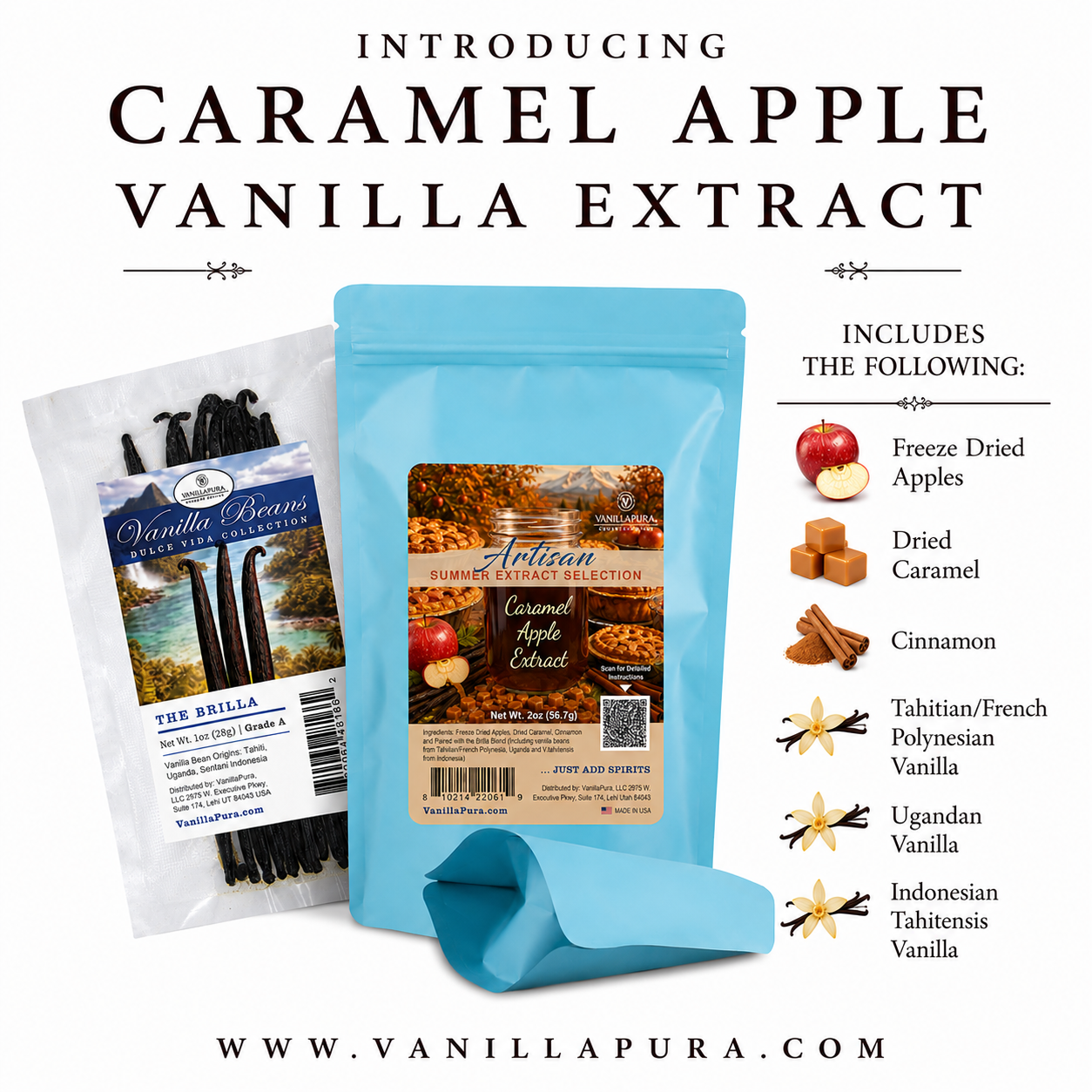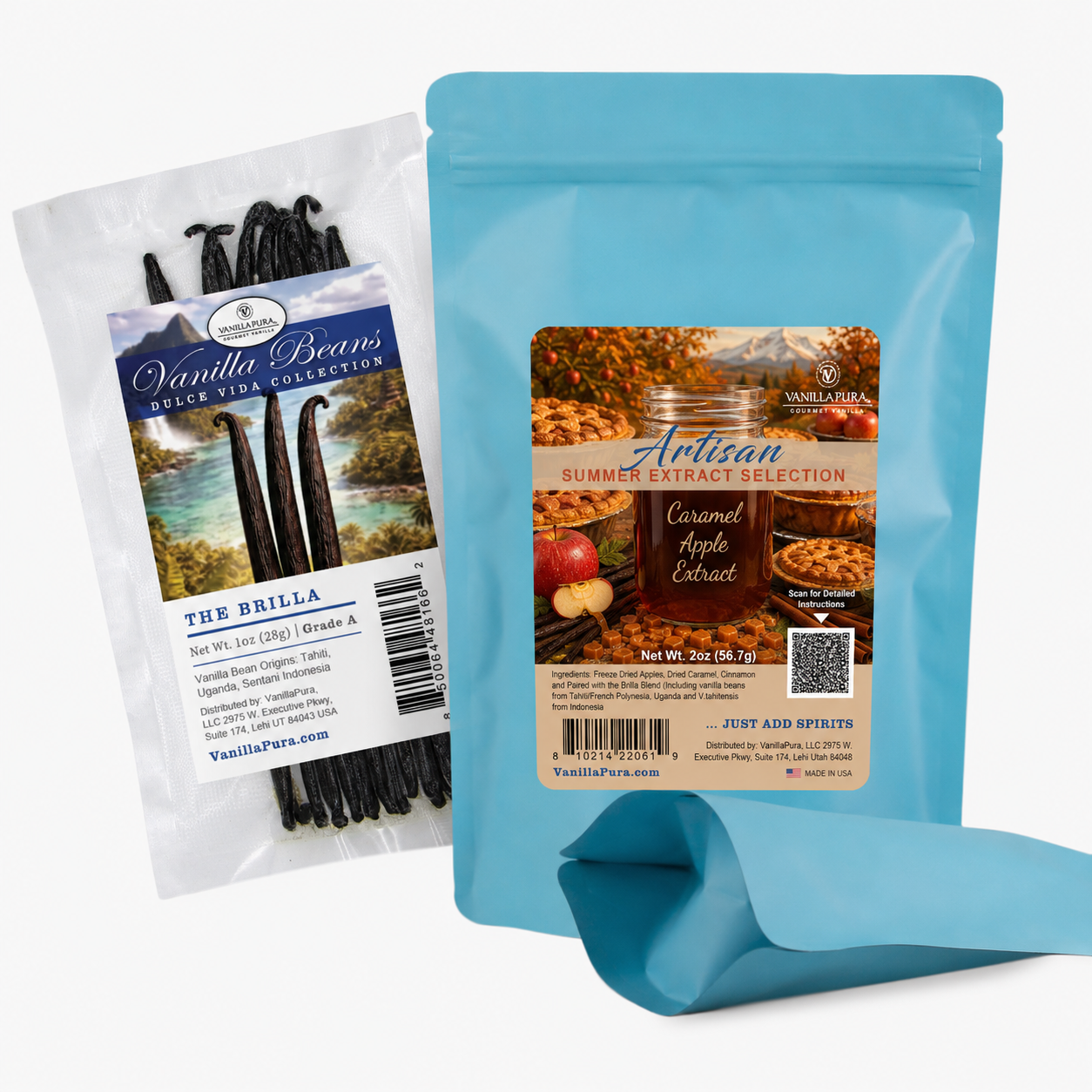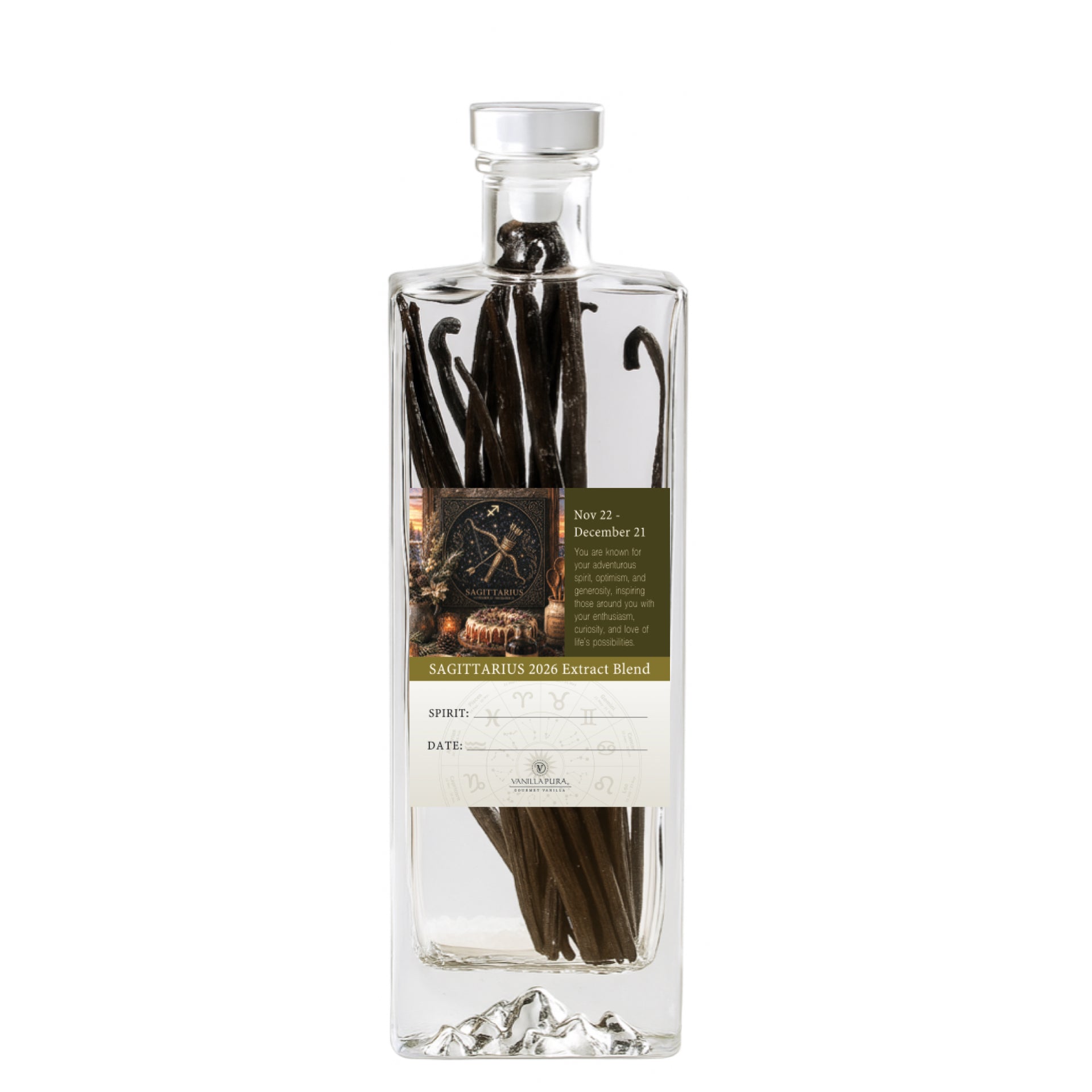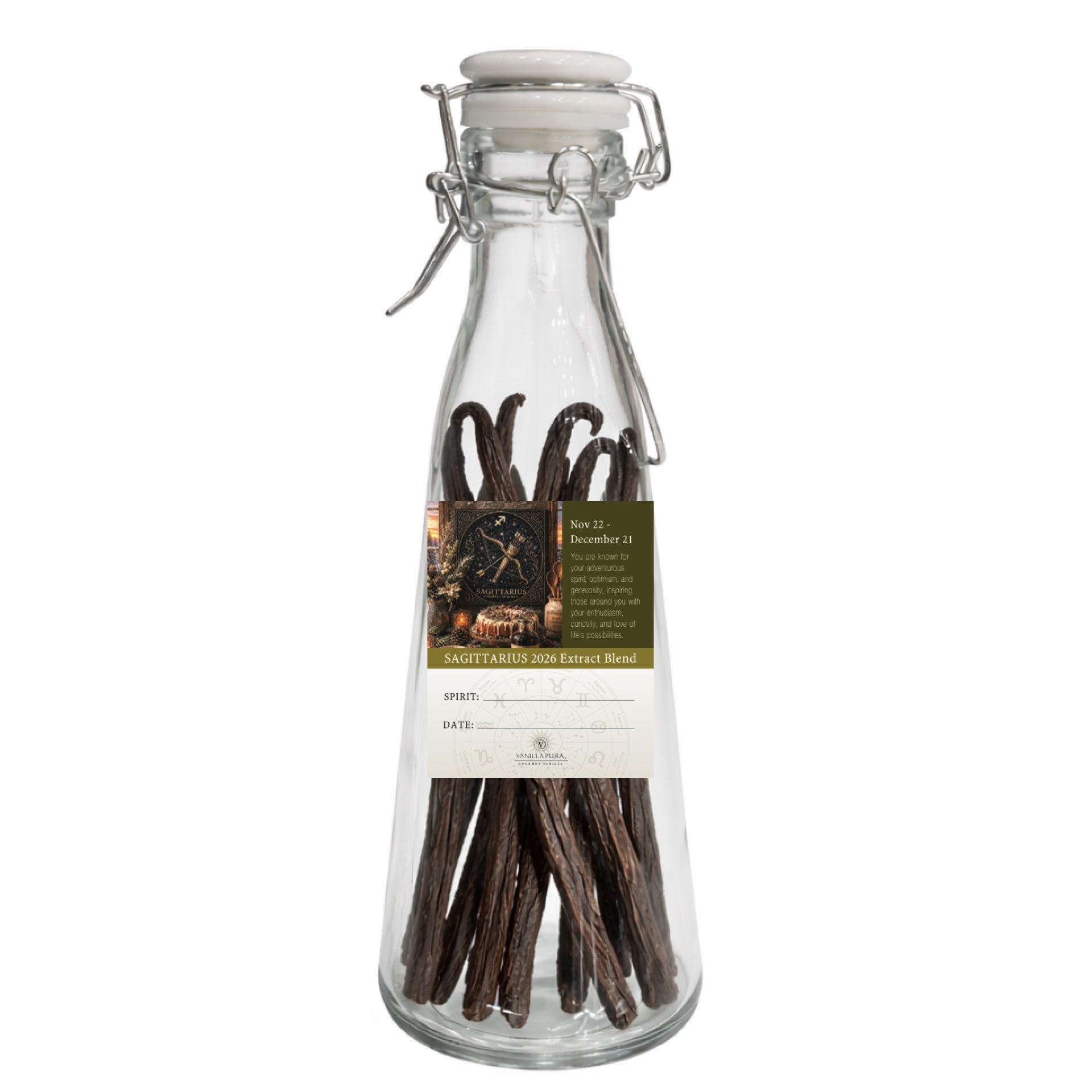

If you've ever wondered why so many vanilla extract enthusiasts reach for bourbon first, the answer lies in what makes bourbon uniquely, legally, and deliciously bourbon.
The 51% Corn Rule: Where the Sweetness Begins
By law, bourbon must be made from a grain mixture — called a mash bill — that is at least 51% corn. Corn is a naturally sweet grain, and that sweetness doesn't disappear during distillation. It carries through into the spirit, giving bourbon a characteristic warmth and sweetness that sets it apart from other whiskeys made primarily from rye, wheat, or barley.
That natural corn sweetness is exactly what makes bourbon such a beautiful partner for vanilla beans. As the extract matures, the alcohol draws out the vanillin and hundreds of other flavor compounds from the beans — and bourbon's inherent sweetness amplifies and complements those flavors rather than competing with them.
All Bourbon Is Whiskey, But Not All Whiskey Is Bourbon
This is one of the most important distinctions in the spirits world. Bourbon is a type of American whiskey, but it must meet a strict set of legal requirements to earn that name:
- Made in the United States
- Mash bill of at least 51% corn
- Distilled to no more than 160 proof (80% ABV)
- Entered into new, charred oak barrels at no more than 125 proof (62.5% ABV)
- Bottled at a minimum of 80 proof (40% ABV)
- No added coloring, flavoring, or additives
A Scotch whisky, Irish whiskey, or Japanese whisky — no matter how fine — cannot be called bourbon. Even a whiskey made in Kentucky that skips the charred new oak barrel requirement loses the bourbon designation. The rules are strict, and that's a good thing: they protect the integrity of what's in the bottle.
Why This Matters for Your Vanilla Extract
When you use bourbon to make vanilla extract, you're not just choosing a spirit — you're choosing a flavor profile. Bourbon brings:
- Natural sweetness from the high corn content
- Oak and caramel notes from aging in charred new oak barrels
- Vanilla-forward undertones that are already present in many bourbons naturally
- A clean, no-additive base — legally, nothing extra has been added
The result is a vanilla extract with incredible depth — one that tastes like it belongs in your best baked goods, not just a functional flavoring agent.
The Best Ratio for Bourbon Vanilla Extract
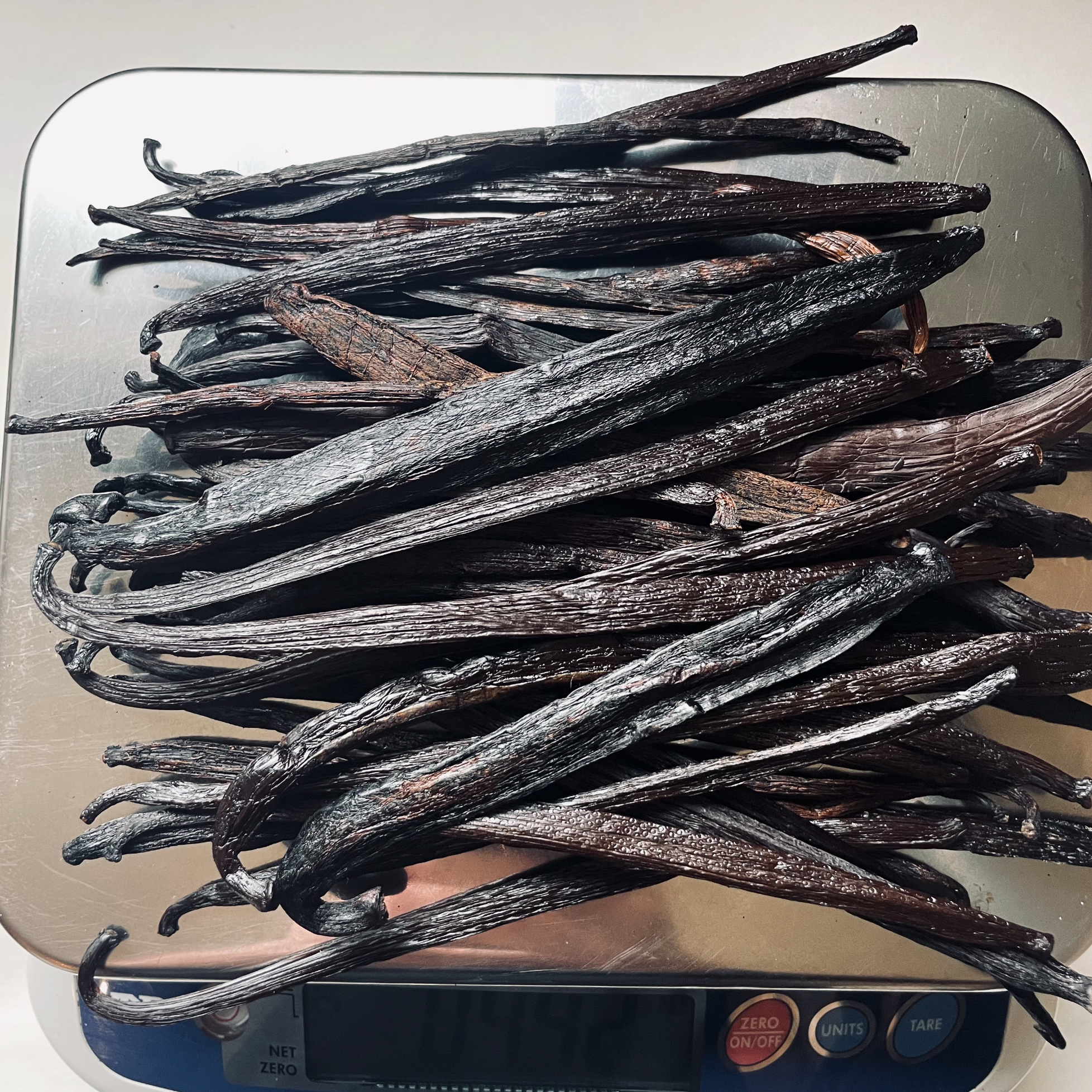
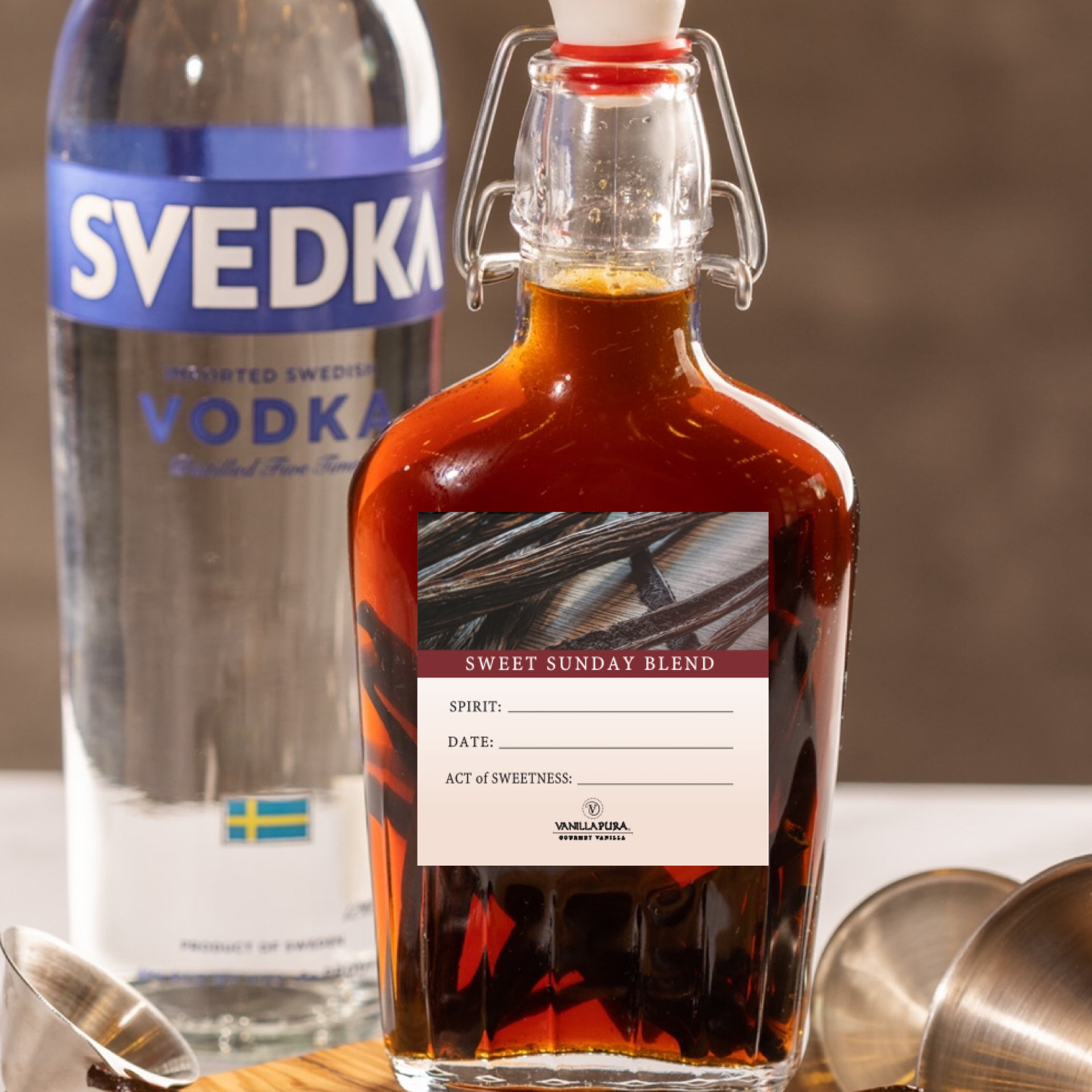
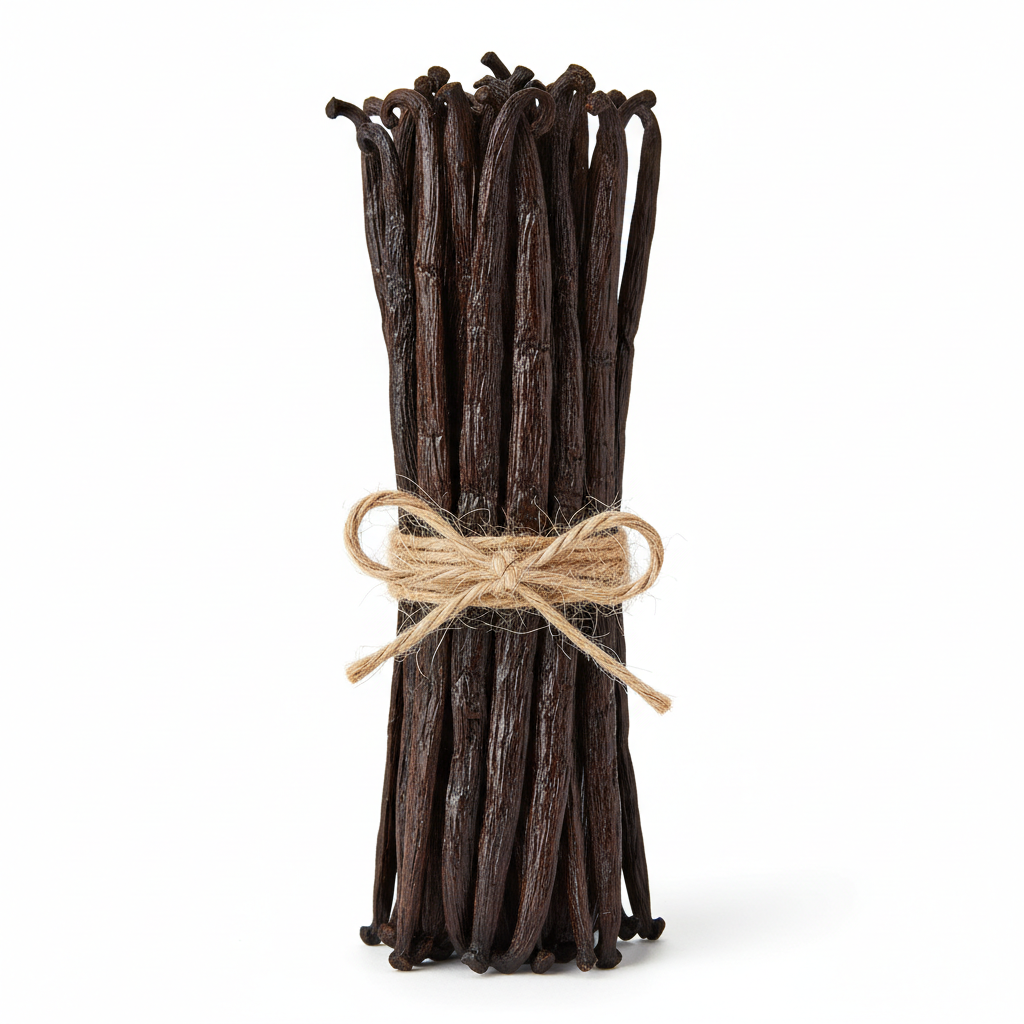
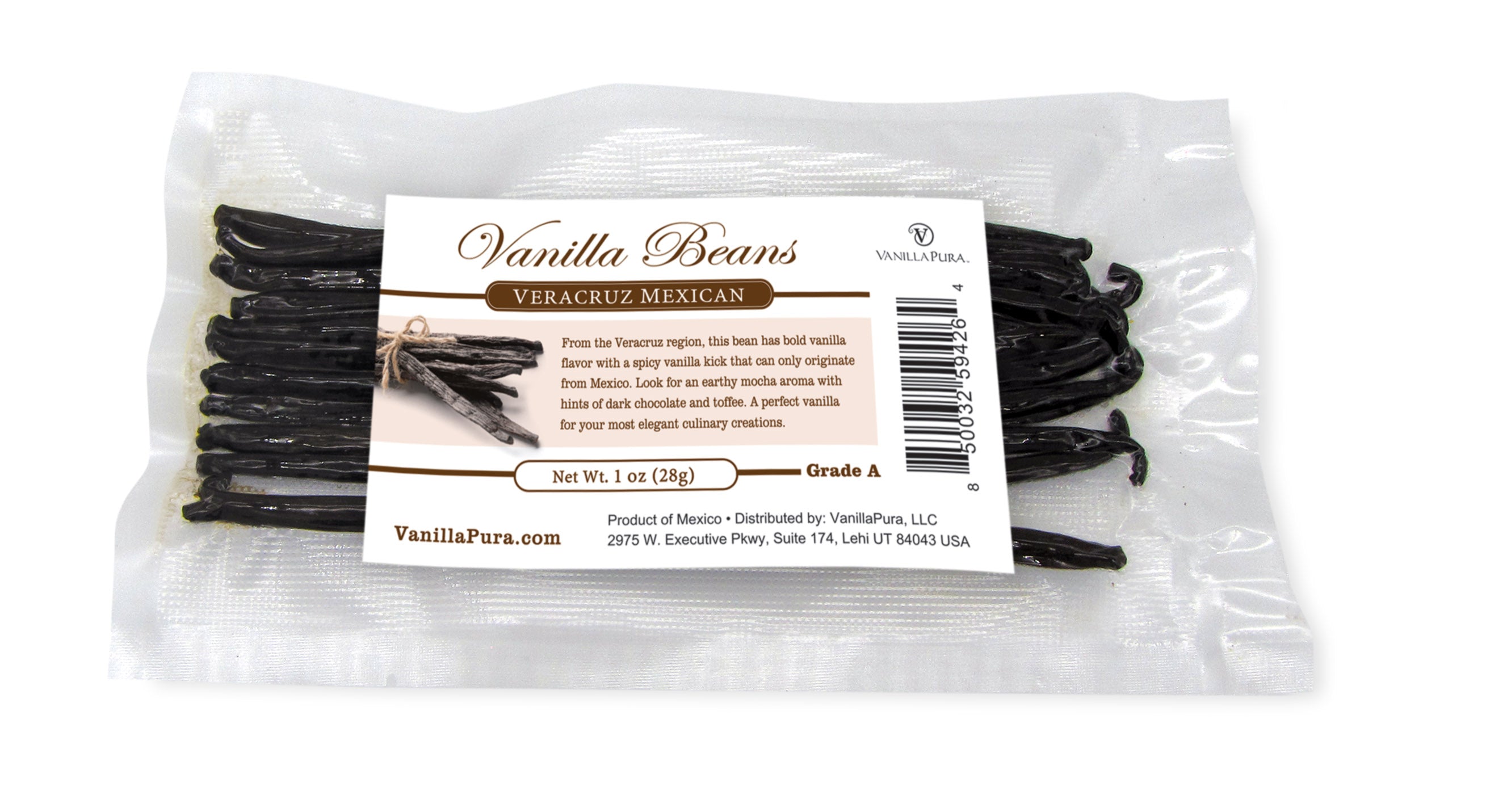
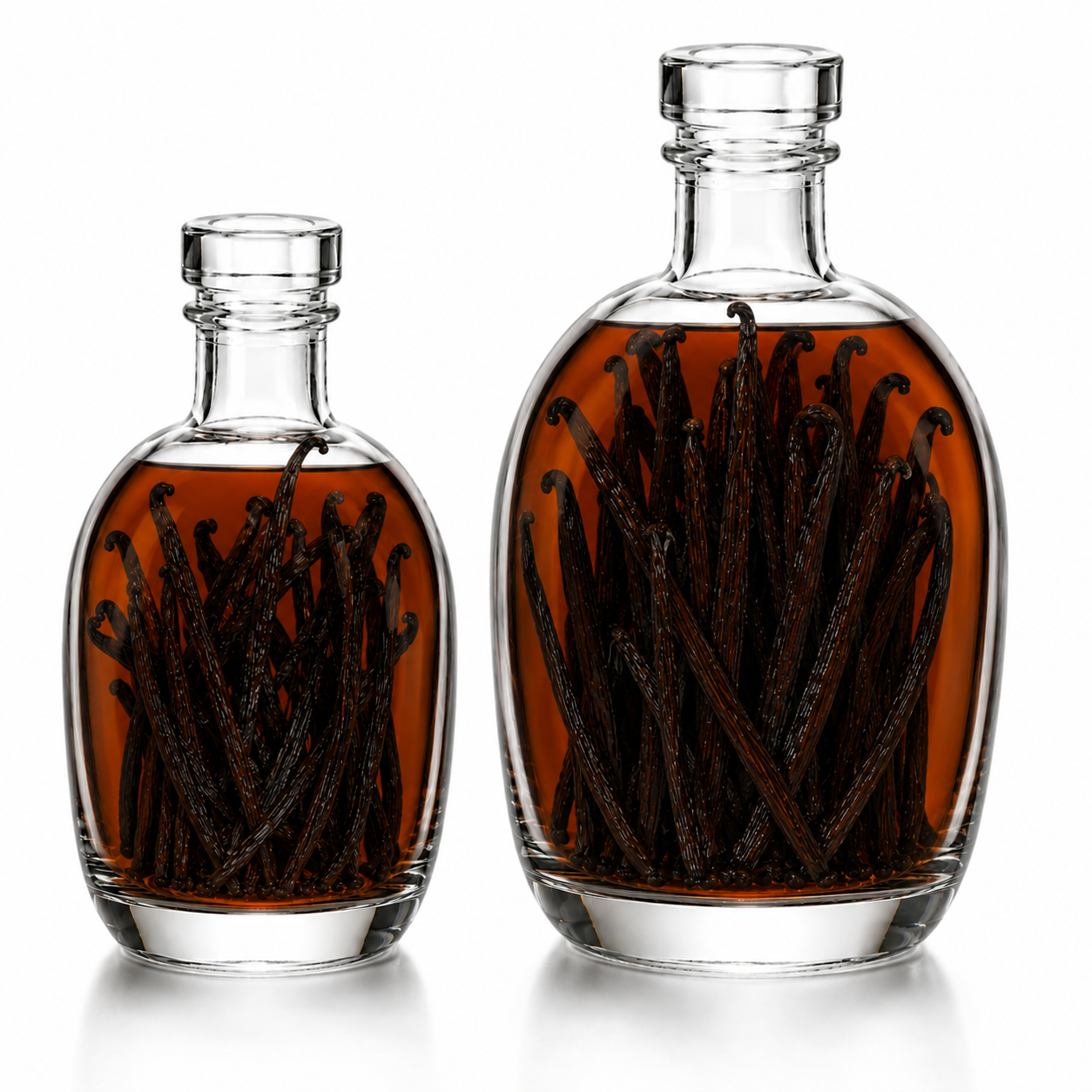
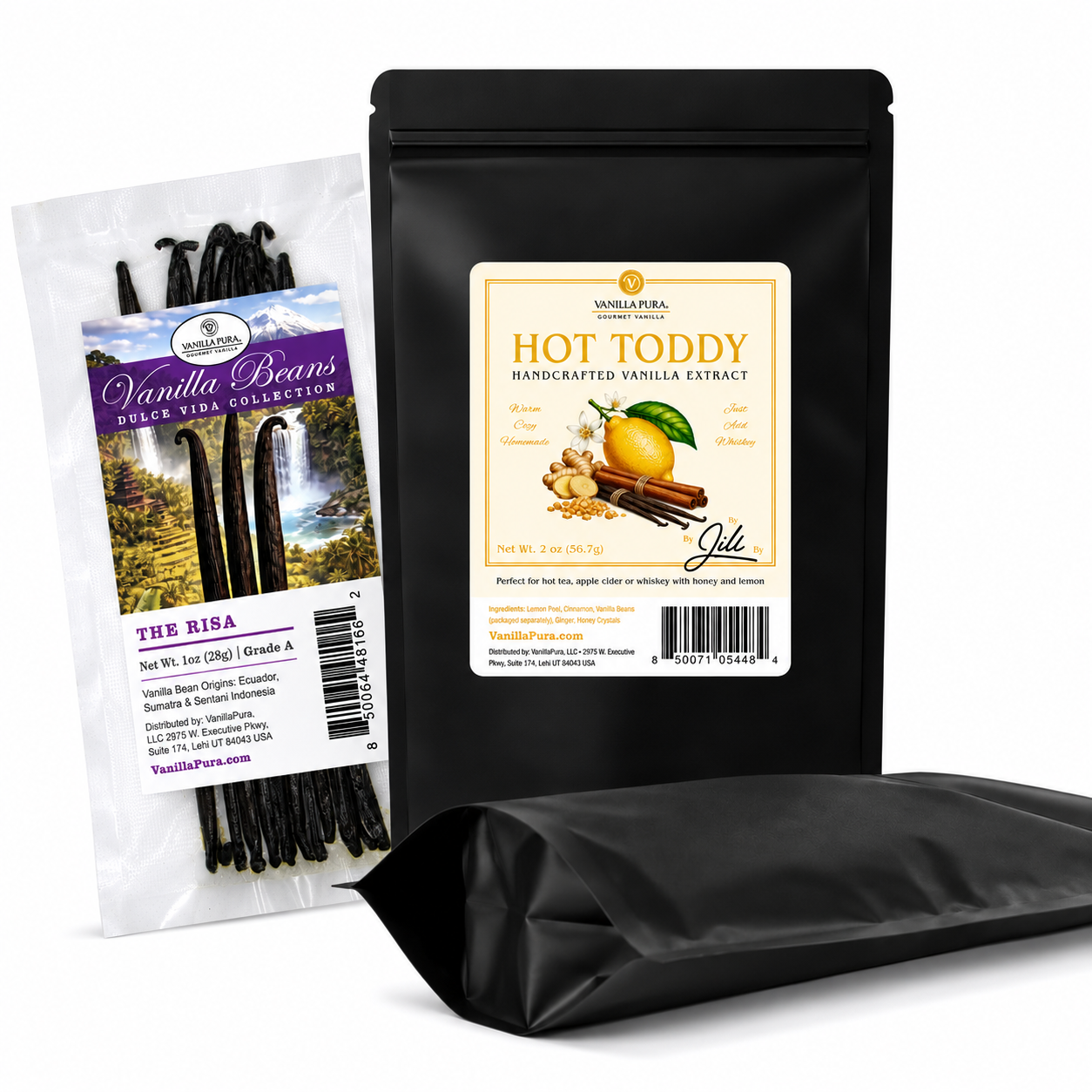
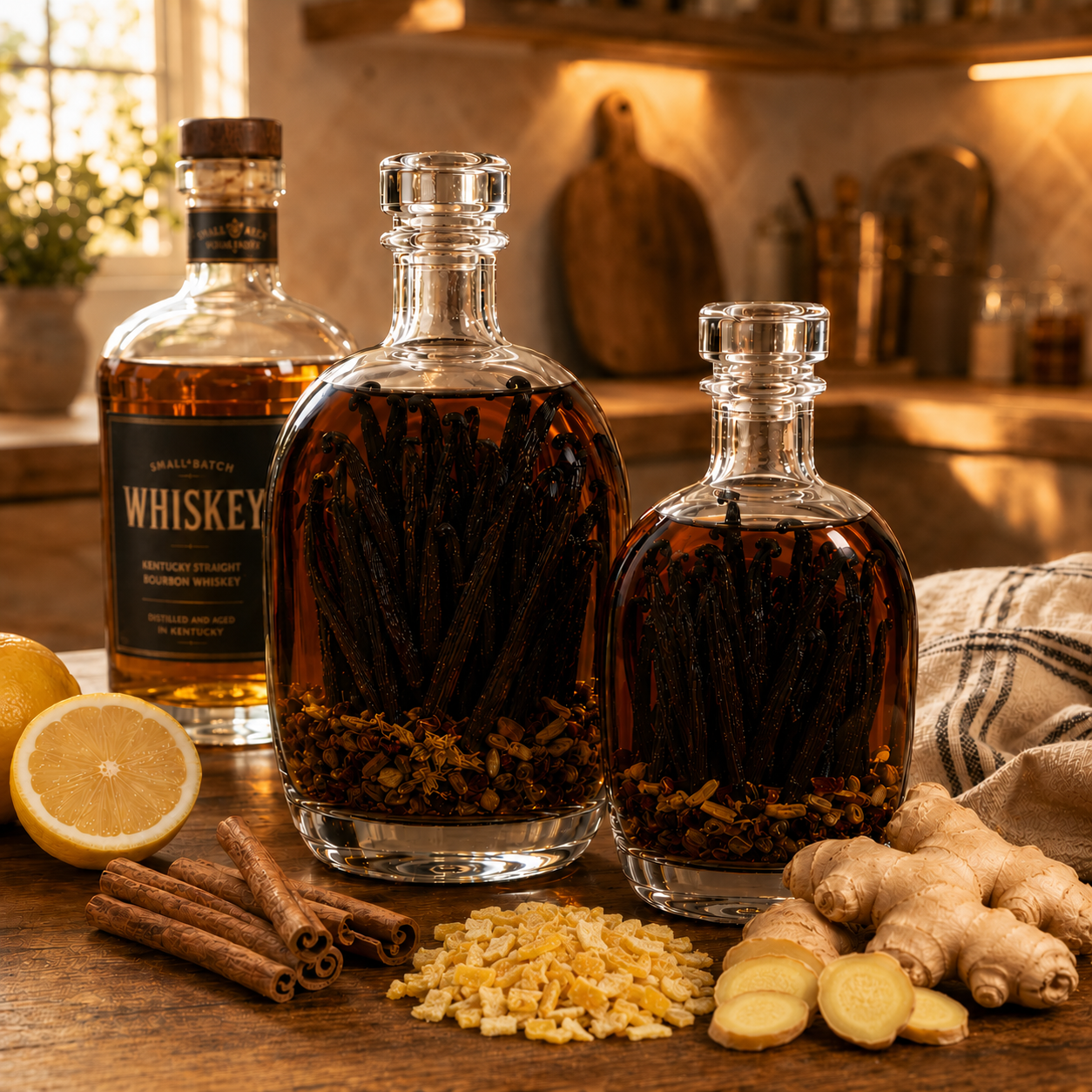
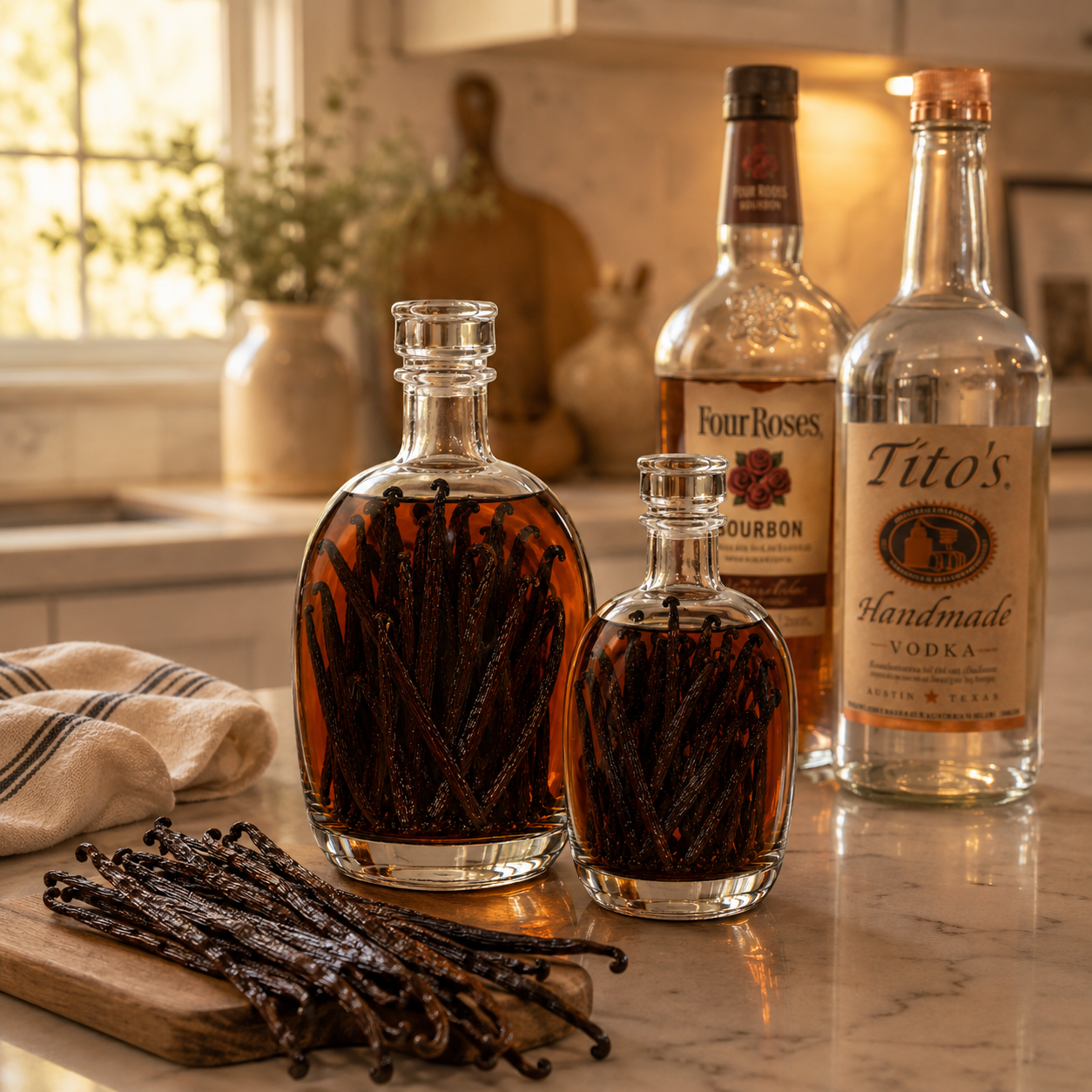
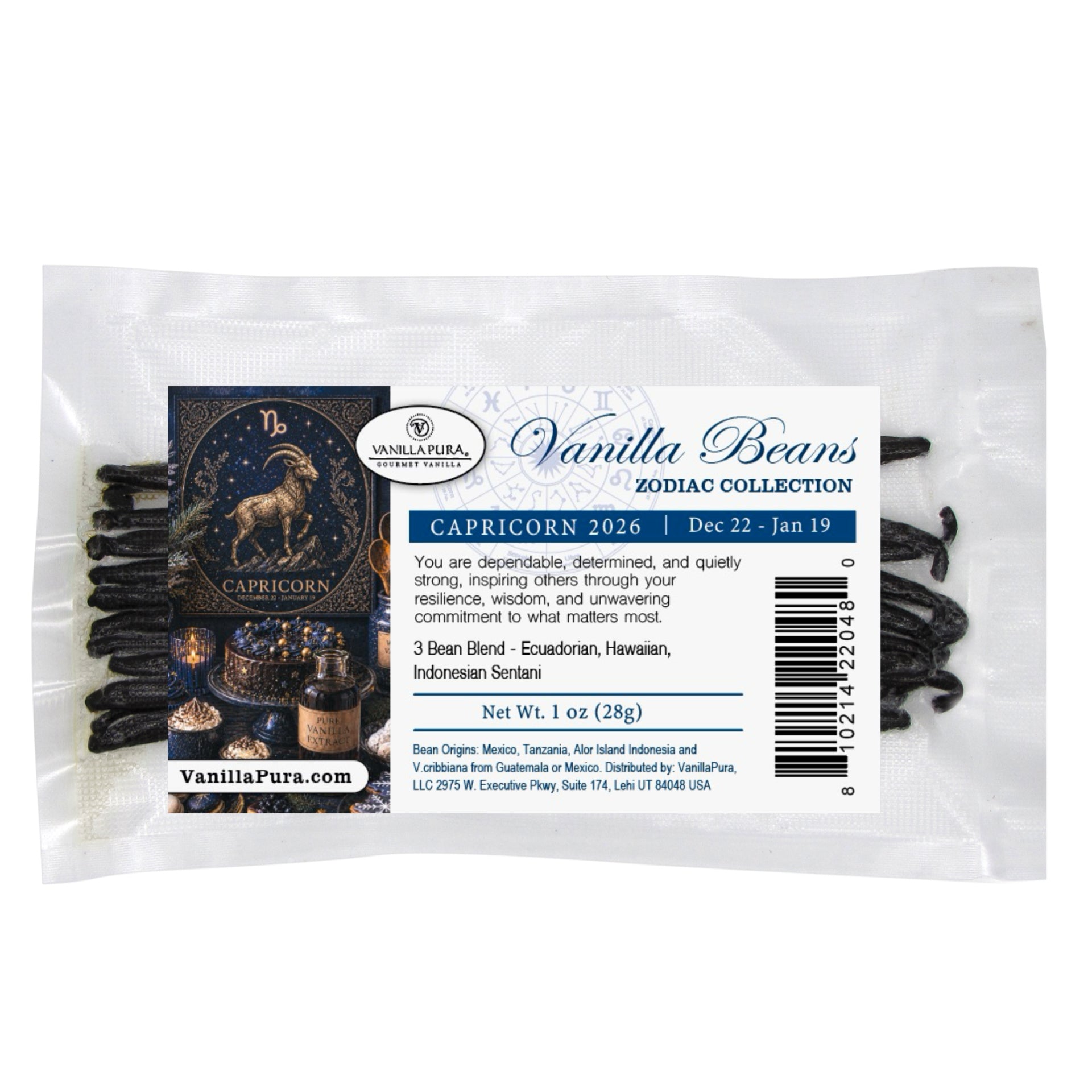
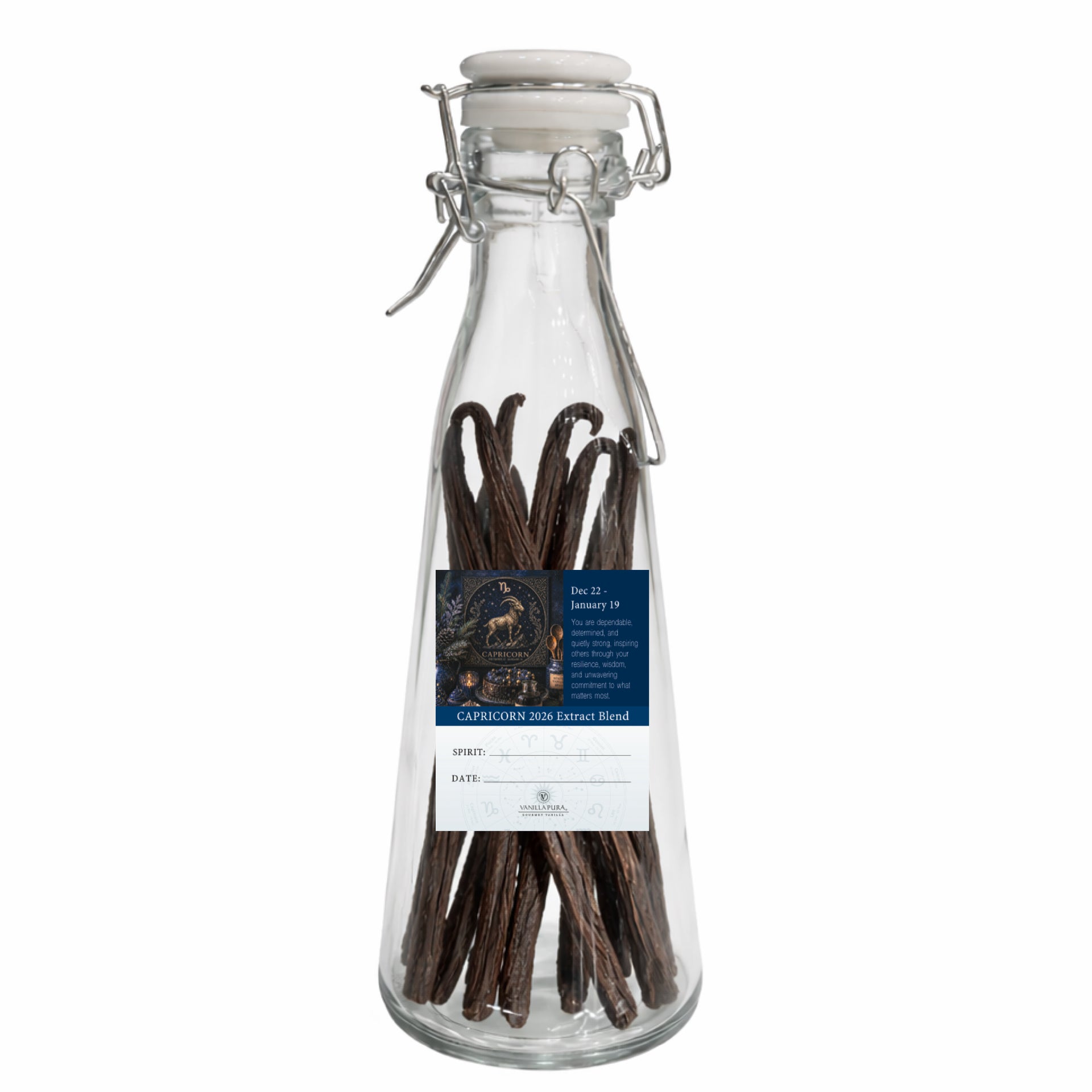
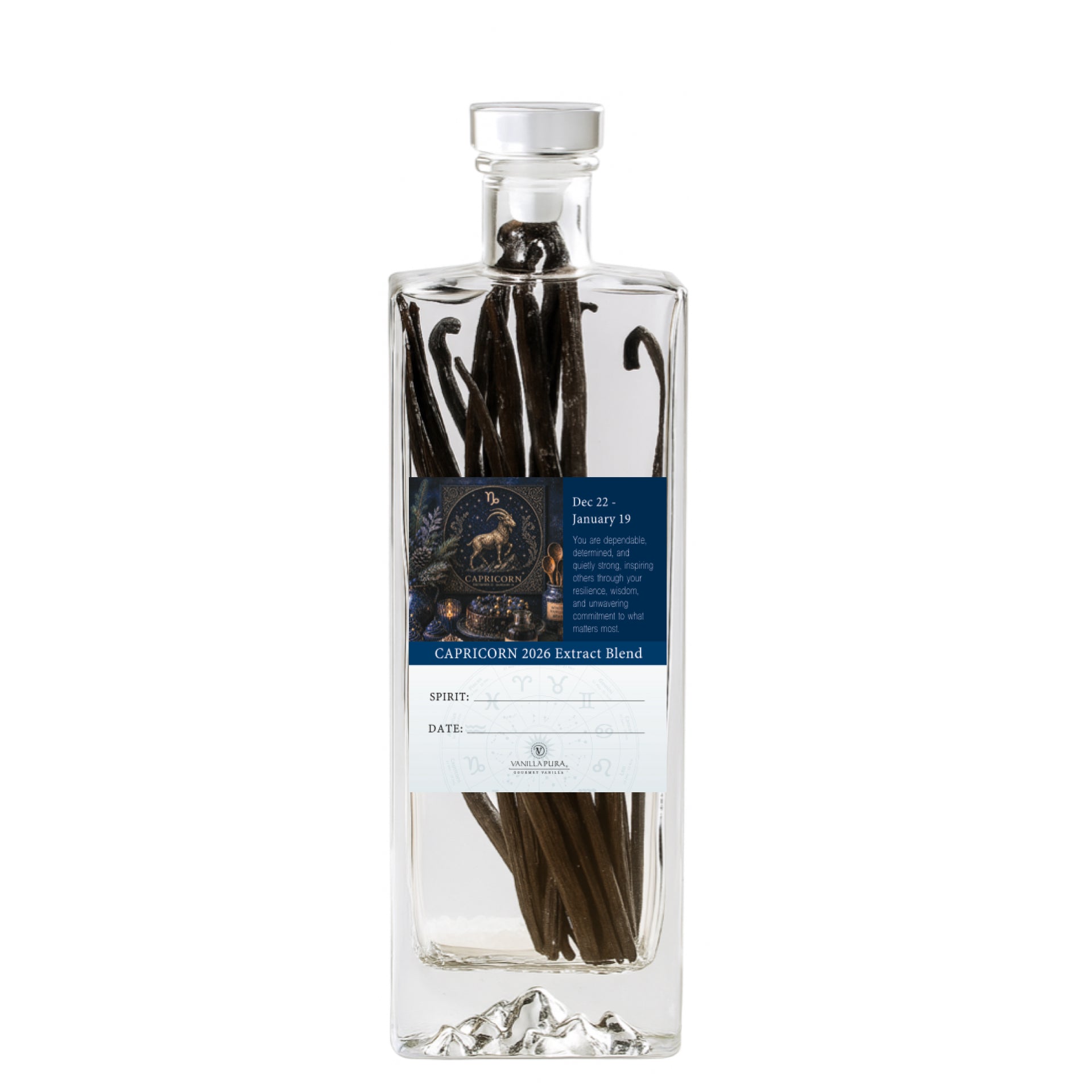
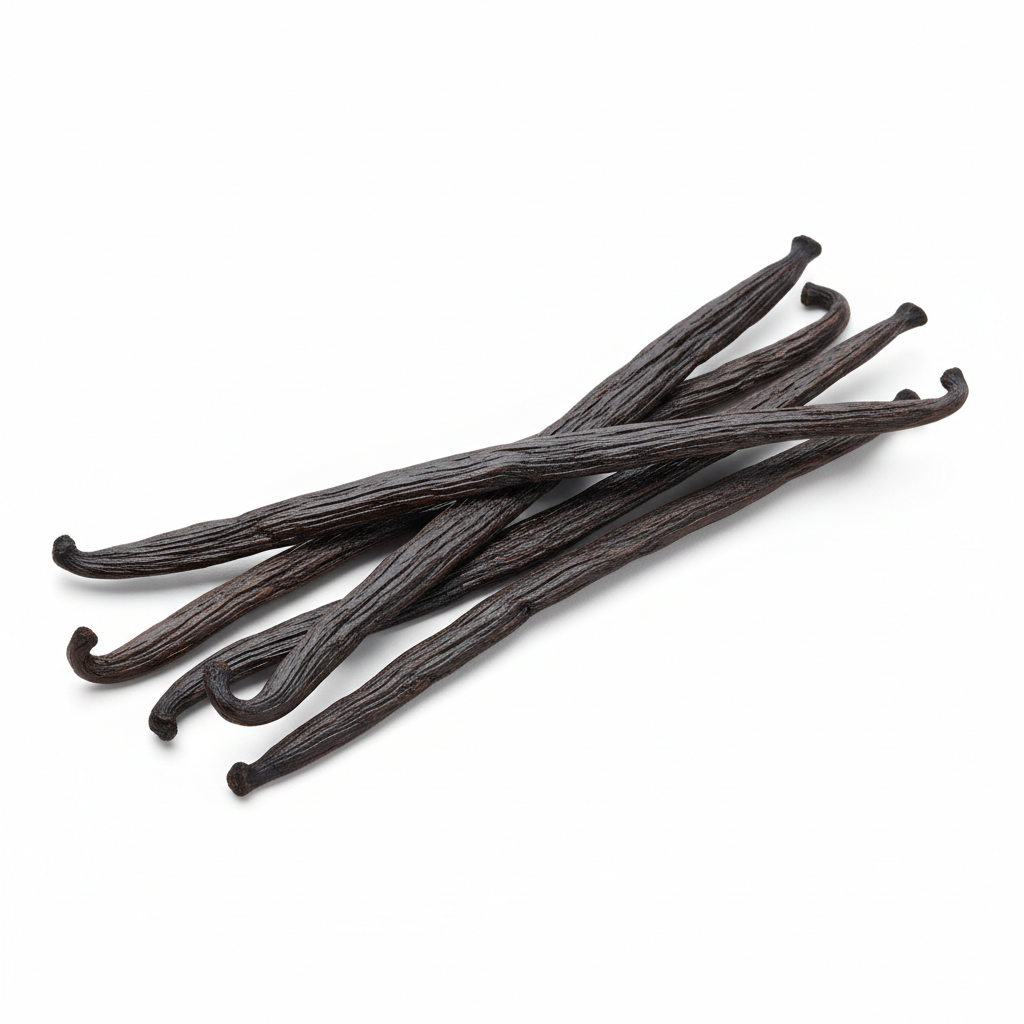
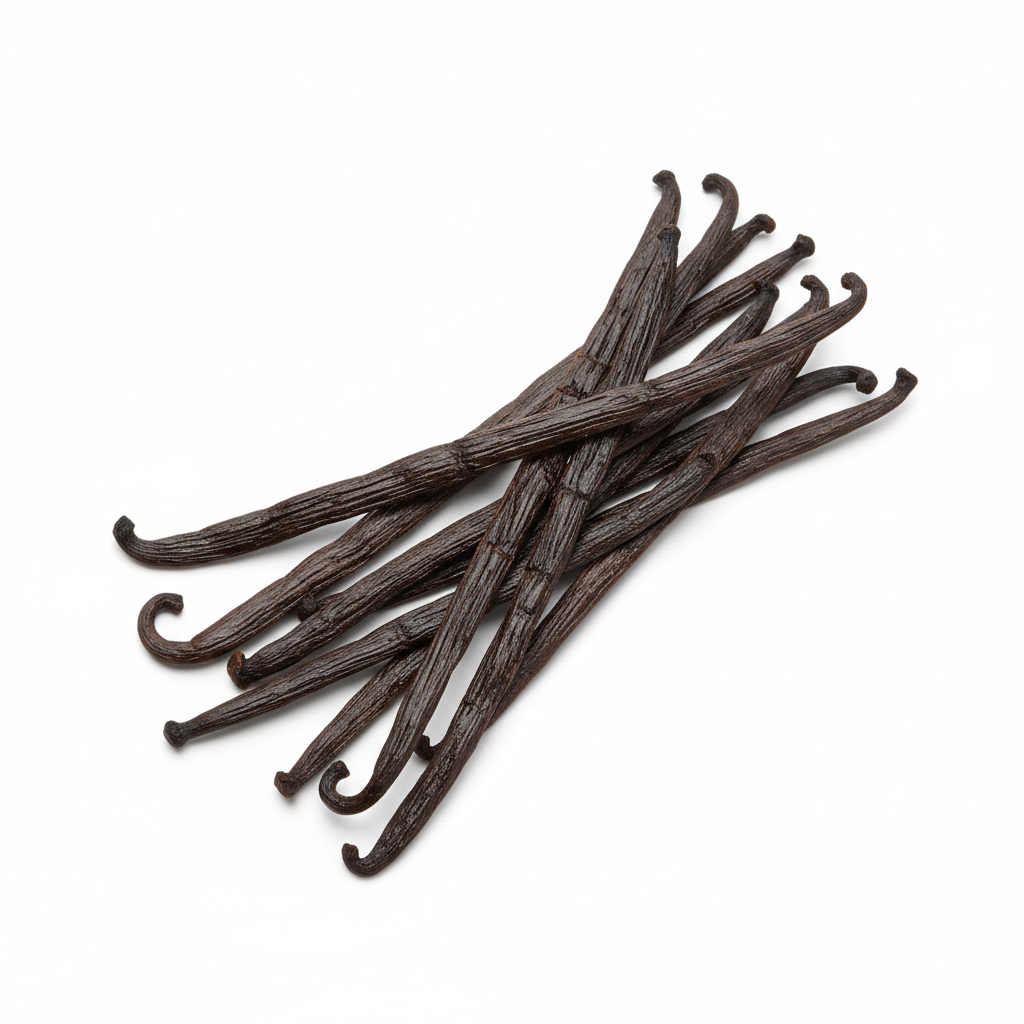
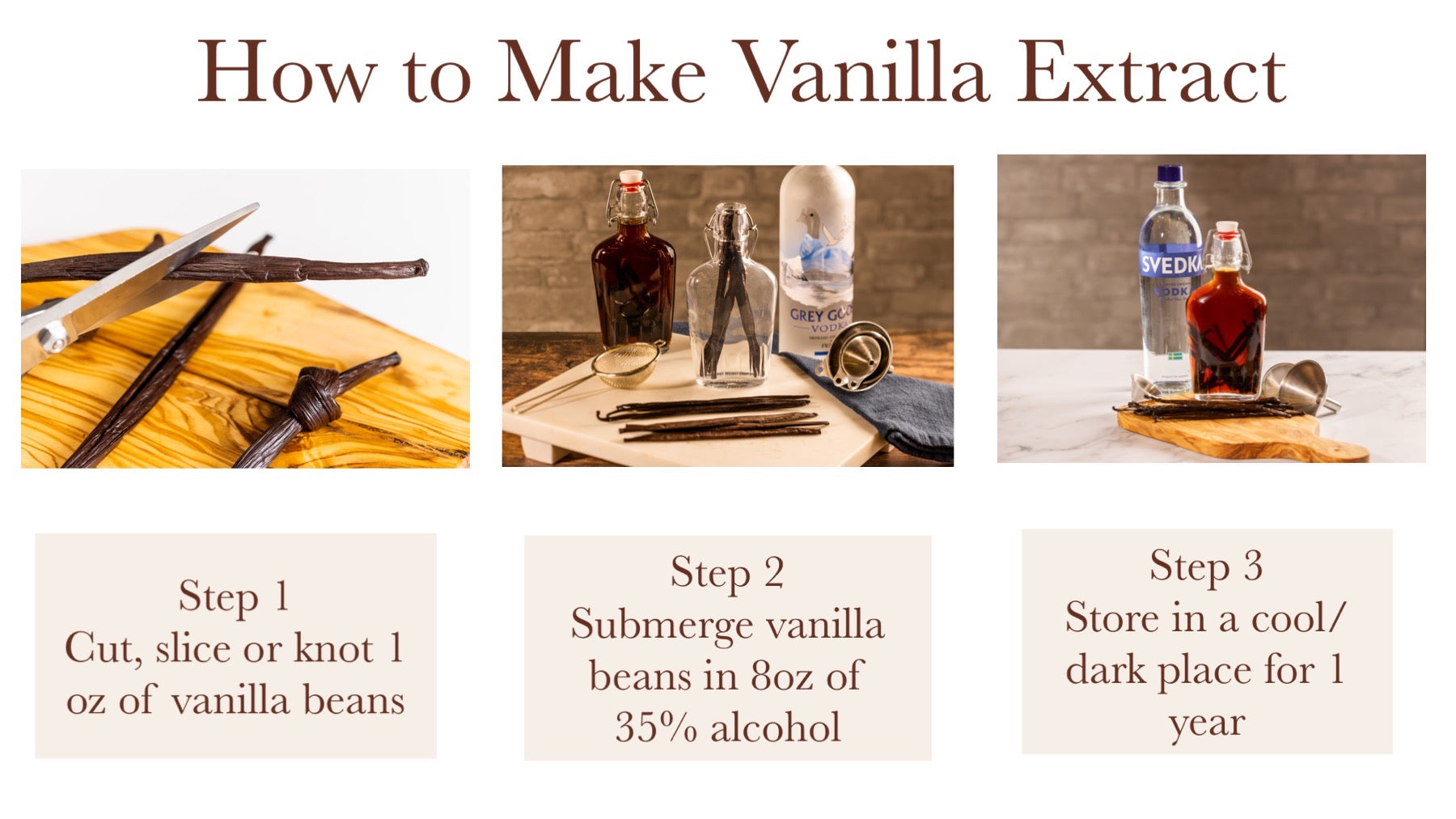
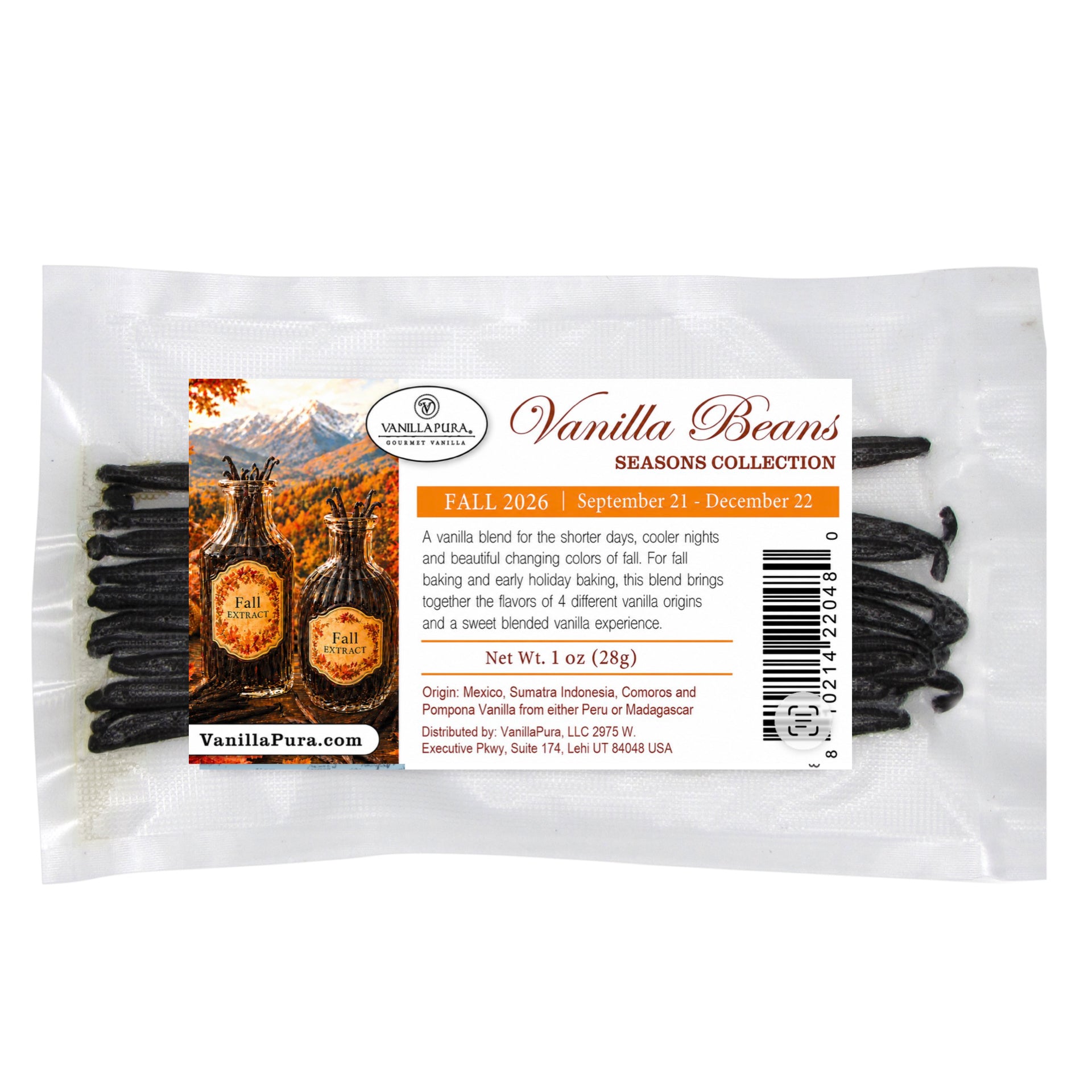
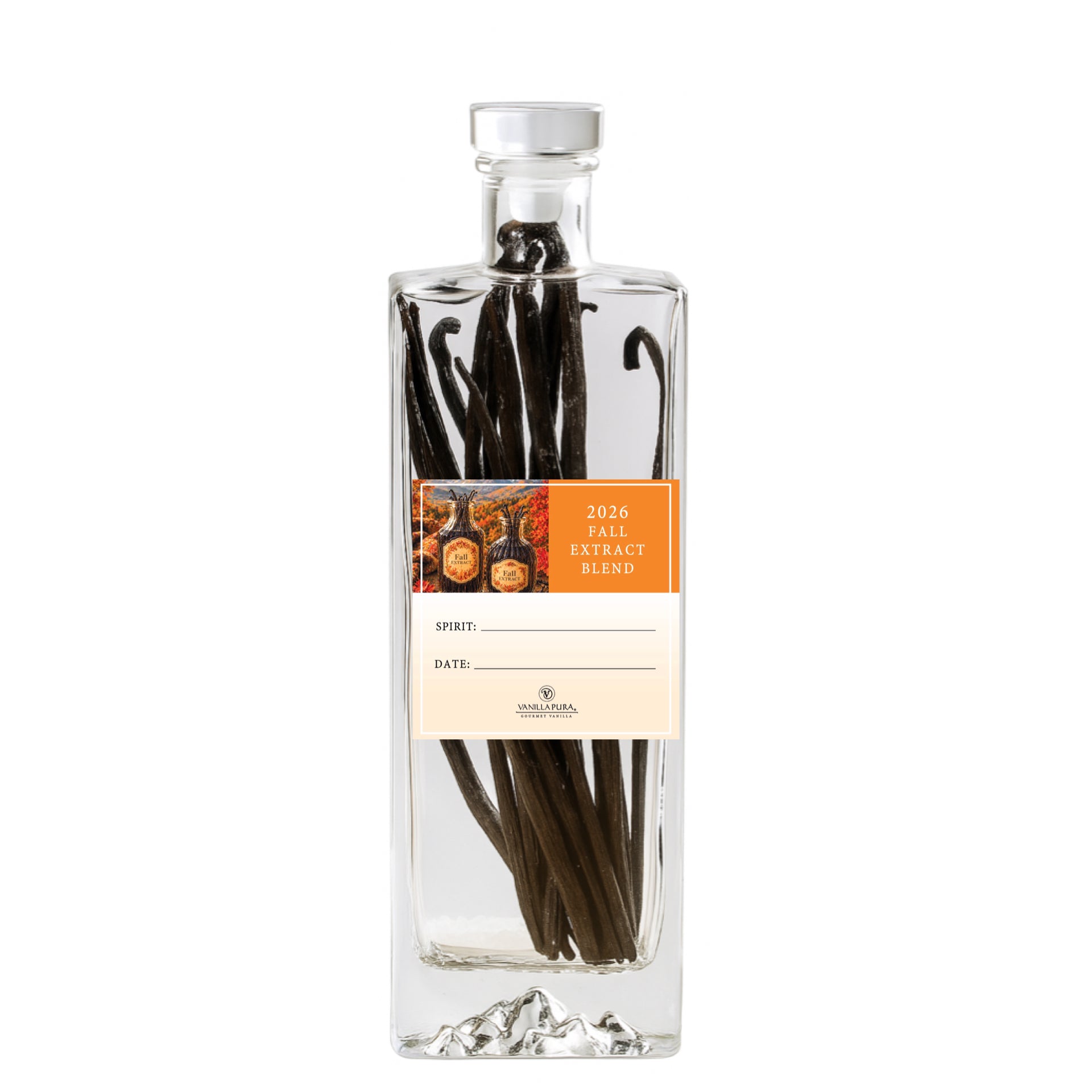
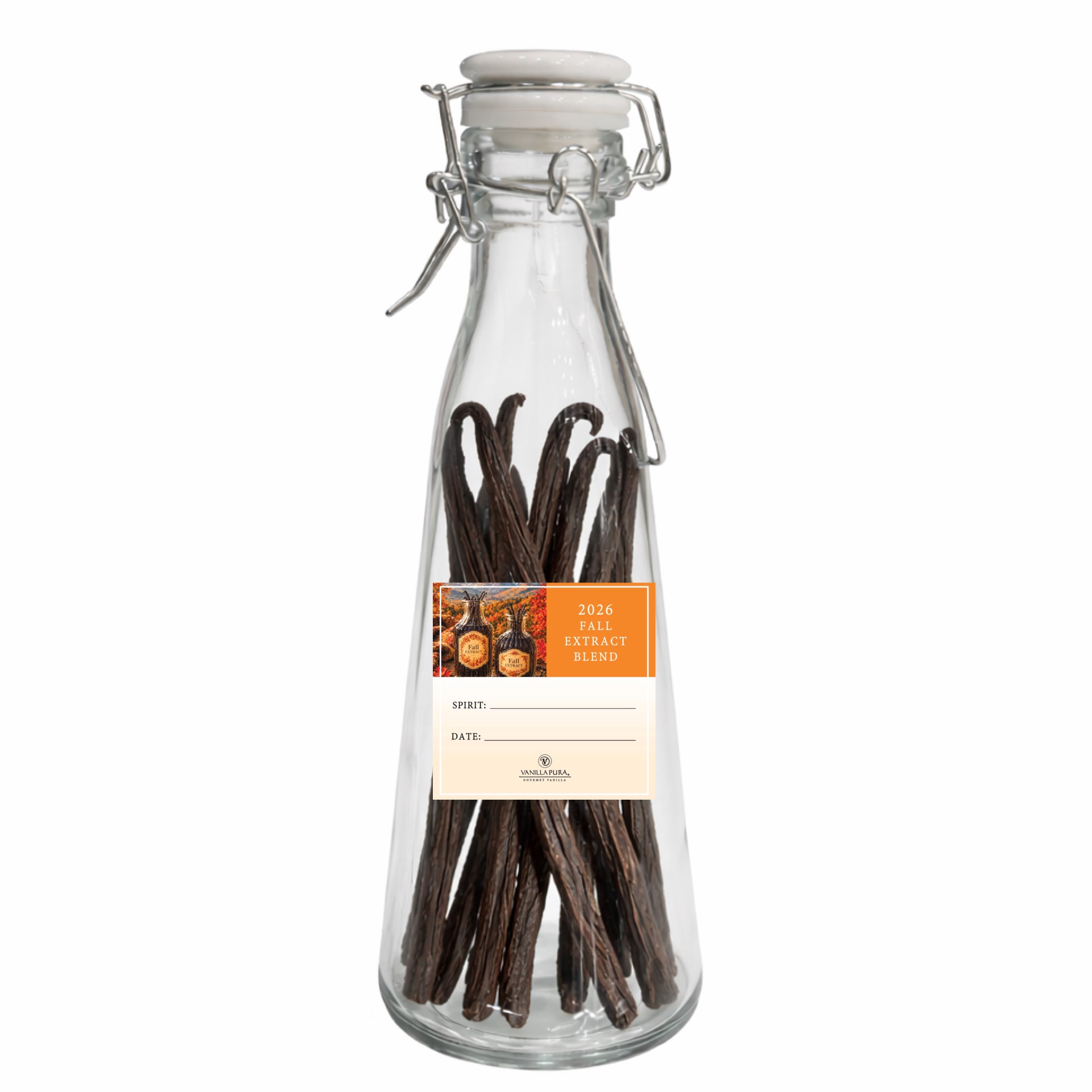
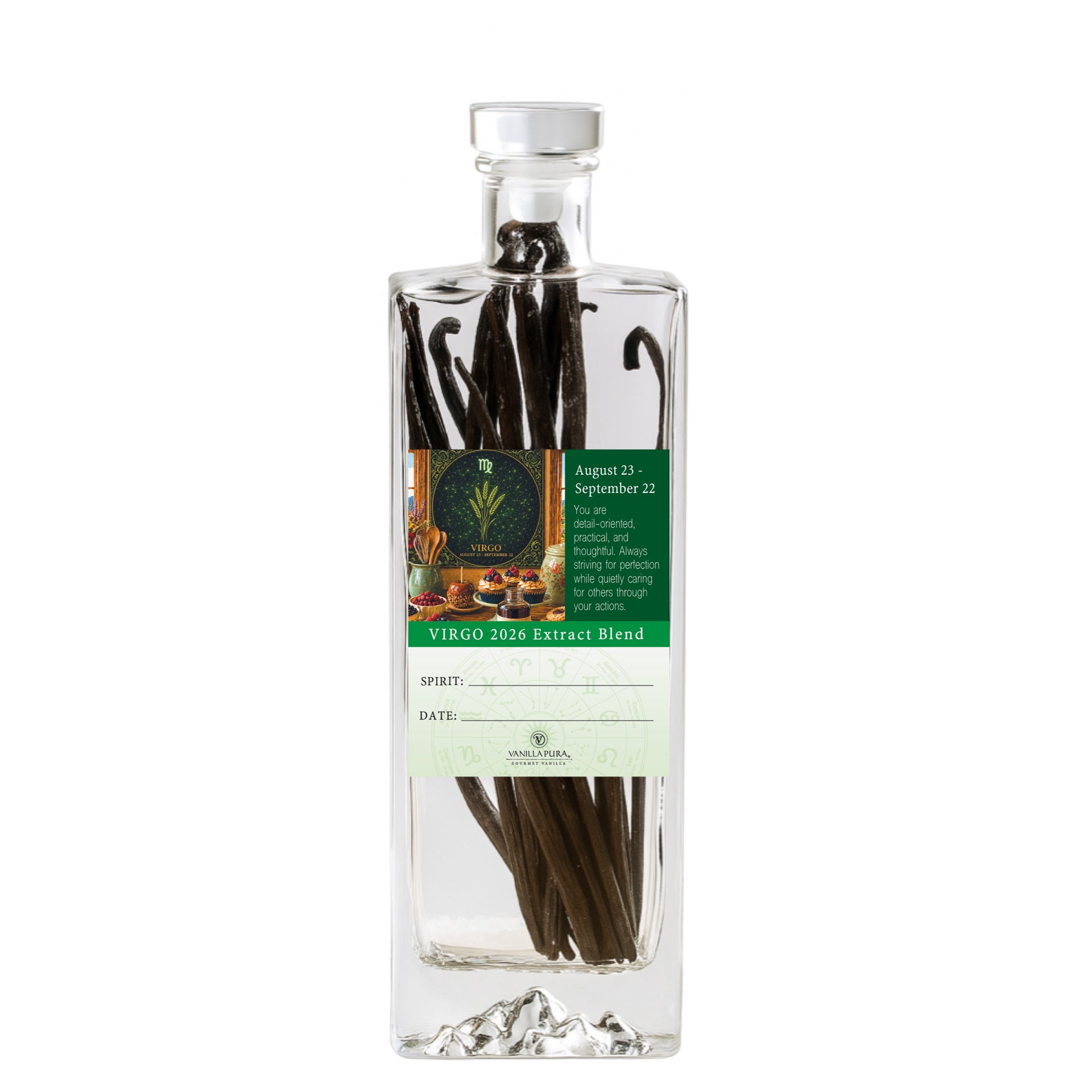
For a rich, full-bodied extract, use 1 oz of vanilla beans for every 8 oz of bourbon. Split your beans lengthwise to expose the seeds and maximize extraction. Then comes the hardest part: patience. Bourbon vanilla extract should age for 18 months to 2 years to fully develop its flavor. The oak and corn sweetness in the bourbon need time to fully marry with the vanilla compounds — and the wait is absolutely worth it.
Choosing Your Bourbon
You don't need to use a top-shelf pour, but quality matters. Look for a bourbon in the 80–100 proof range with a high corn mash bill for maximum sweetness. Avoid flavored bourbons or anything with additives — remember, the best extract starts with the purest ingredients.
Whether you're a home baker or a serious extract maker, bourbon is one of the most rewarding spirits you can use. Its sweetness, complexity, and clean legal profile make it the gold standard for homemade vanilla extract — and now you know exactly why.