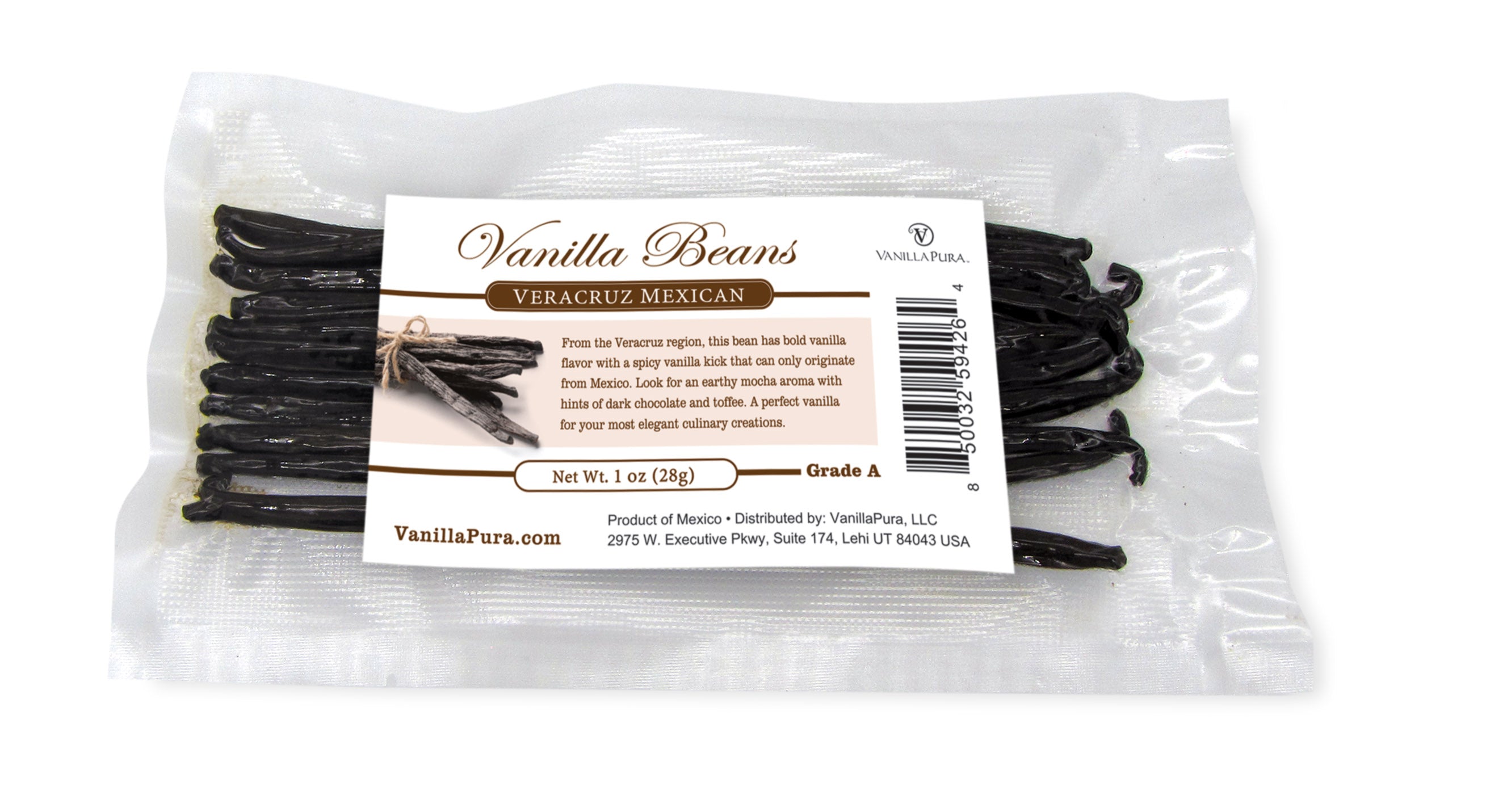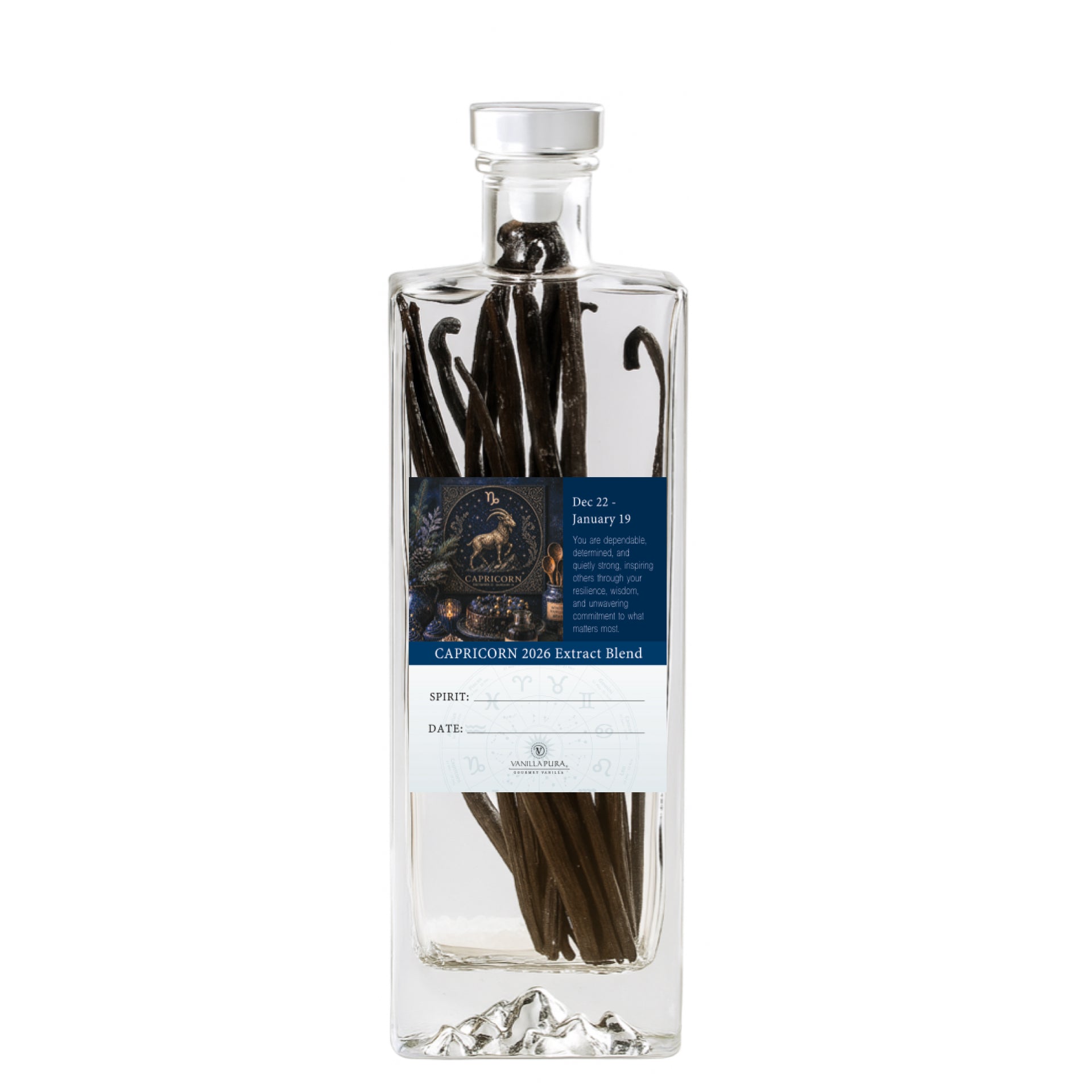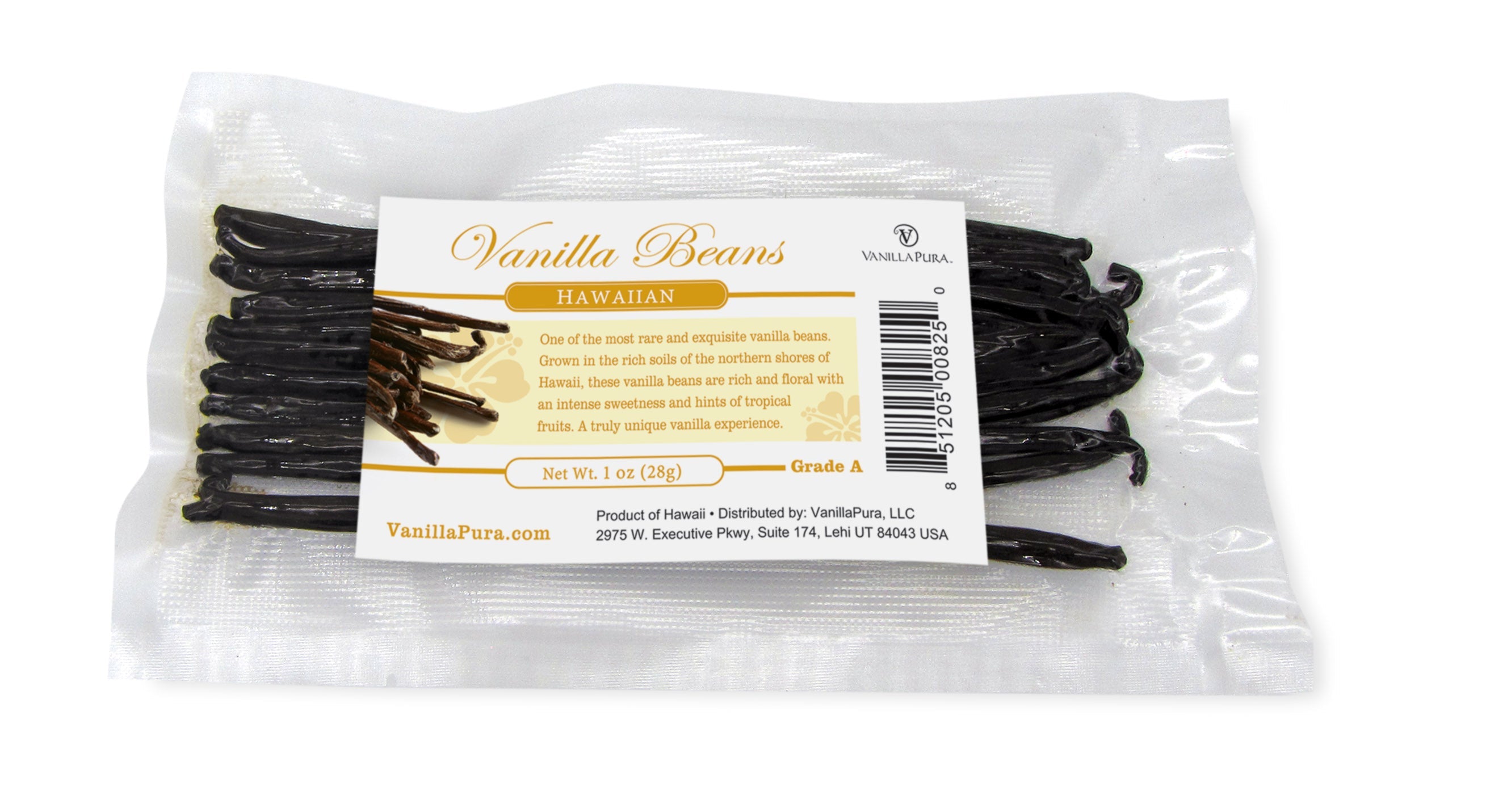

Both the Veracruz Mexican Vanilla Beans (Grade A) and the Popondetta Papua New Guinea Vanilla Beans (Grade A) share the same botanical species — Vanilla planifolia — yet they express that shared DNA in remarkably different ways. Terroir, climate, curing tradition, and soil all conspire to give each origin its own unmistakable character. Here's how they compare.
What They Have in Common
- Same species: Both are V. planifolia, the most widely cultivated vanilla species in the world and the standard-bearer for classic vanilla flavor.
- Extract-grade versatility: Both beans perform beautifully in single-origin extracts, blends, and culinary applications from custards and ice cream to cakes and cookies.
- Hand-pollinated and hand-cured: Like all fine vanilla, both origins rely on skilled smallholder farmers for hand-pollination and traditional curing methods.
- Grade A quality: Both are offered at Grade A — plump, moist, and oil-rich beans with excellent moisture content for extract and culinary use.
Where They Differ
Origin & Terroir
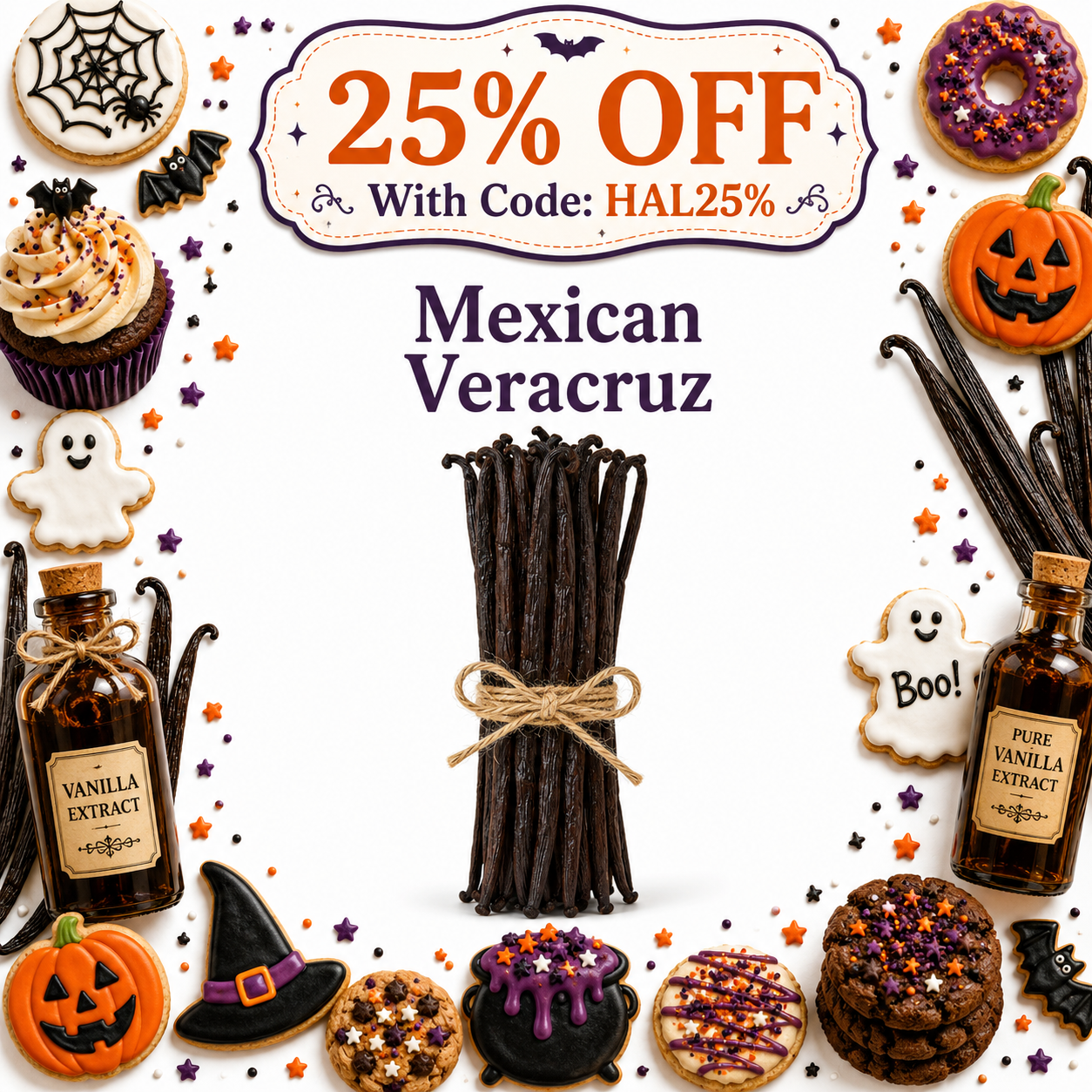
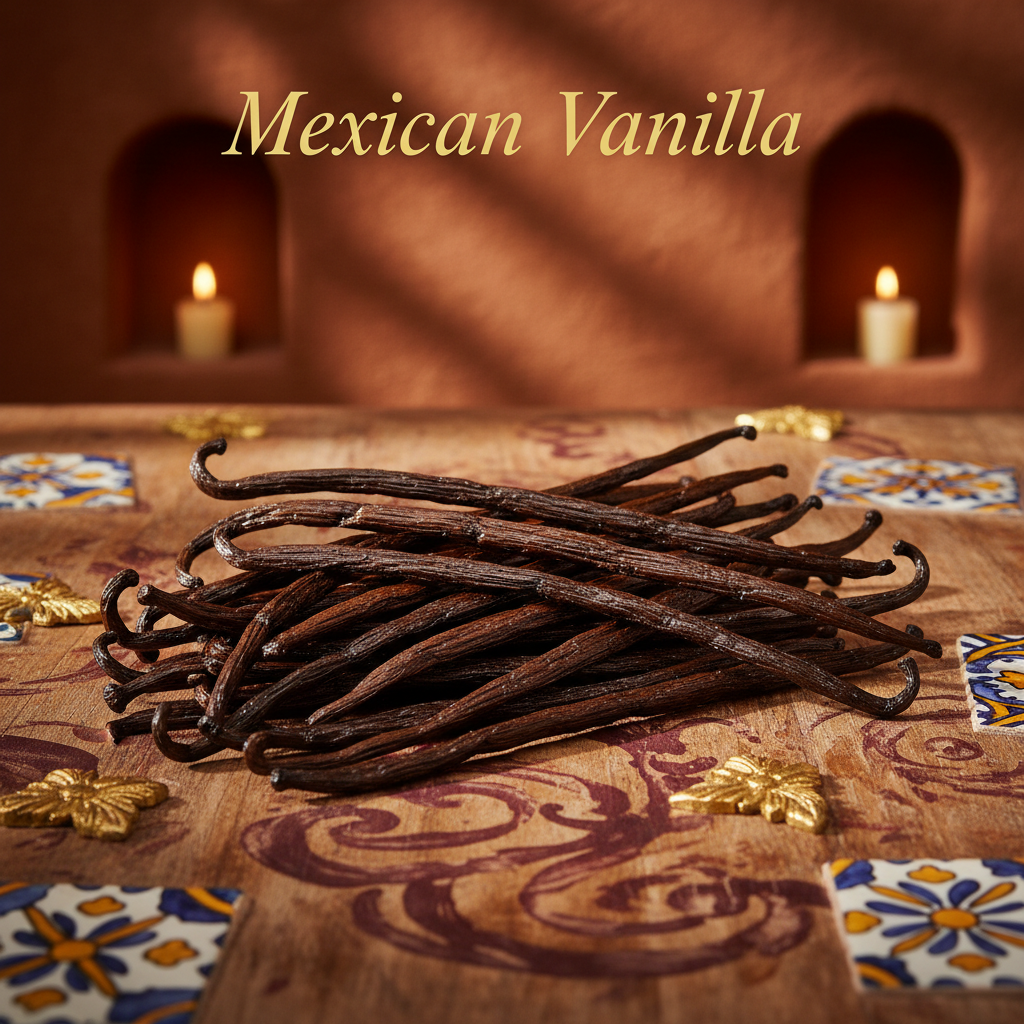
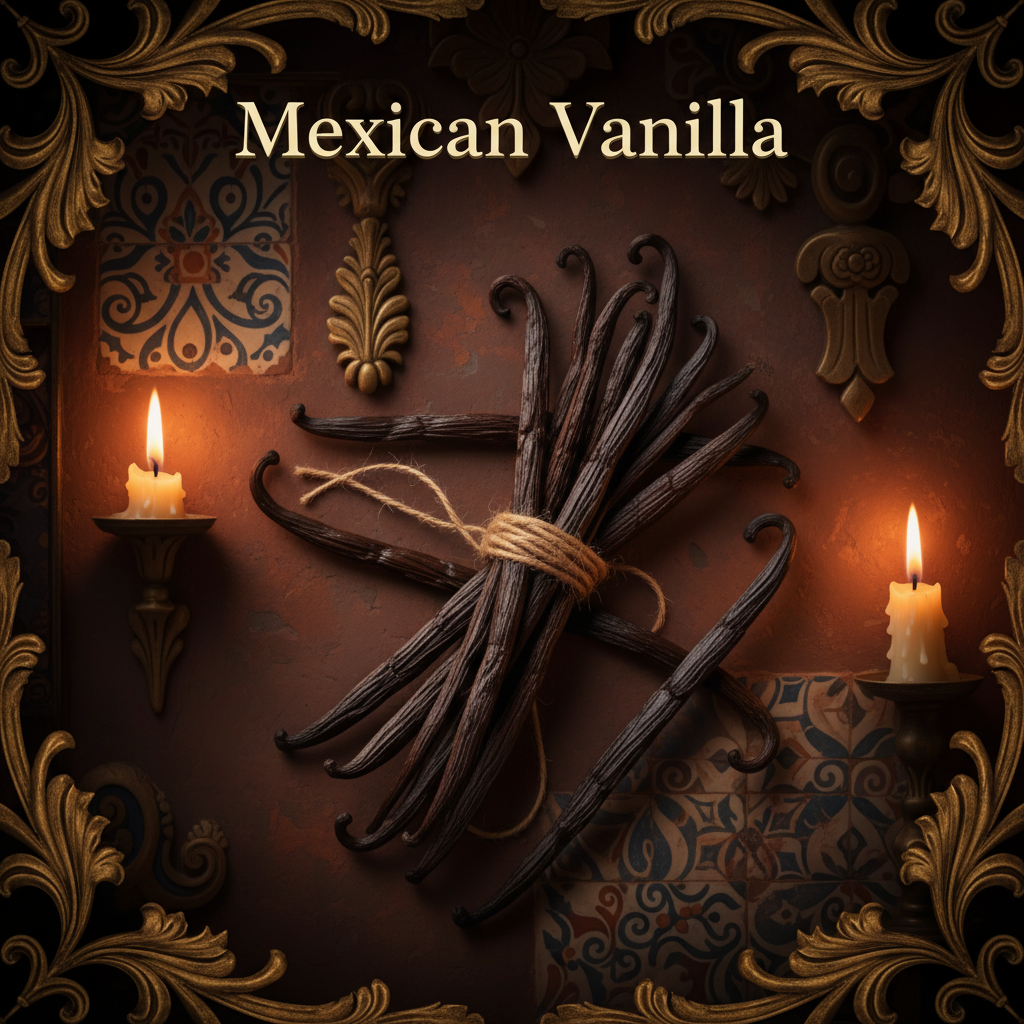
Mexico is vanilla's ancestral homeland — the place where V. planifolia was first cultivated by the Totonac people centuries before European contact. The volcanic soils, humid Gulf Coast climate, and centuries of agricultural tradition create a deeply rooted growing environment unlike anywhere else on earth.
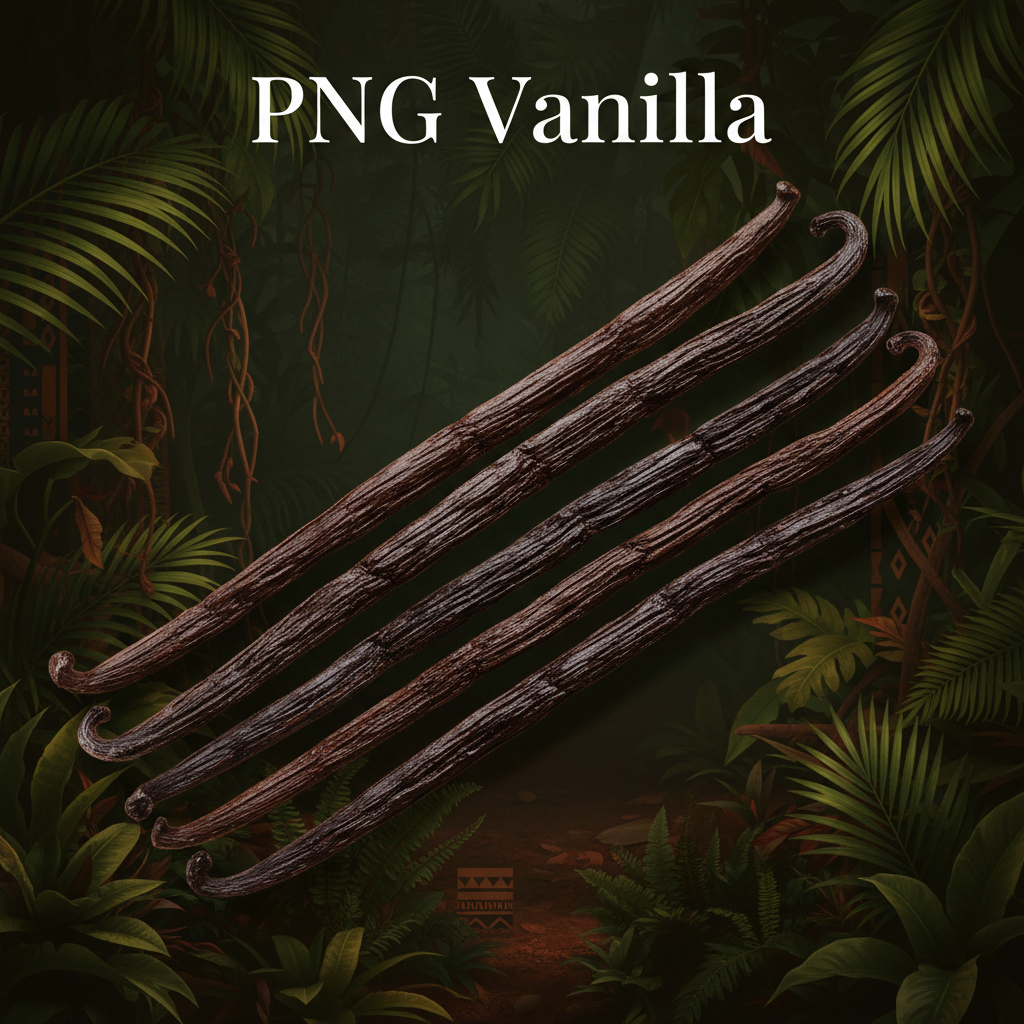
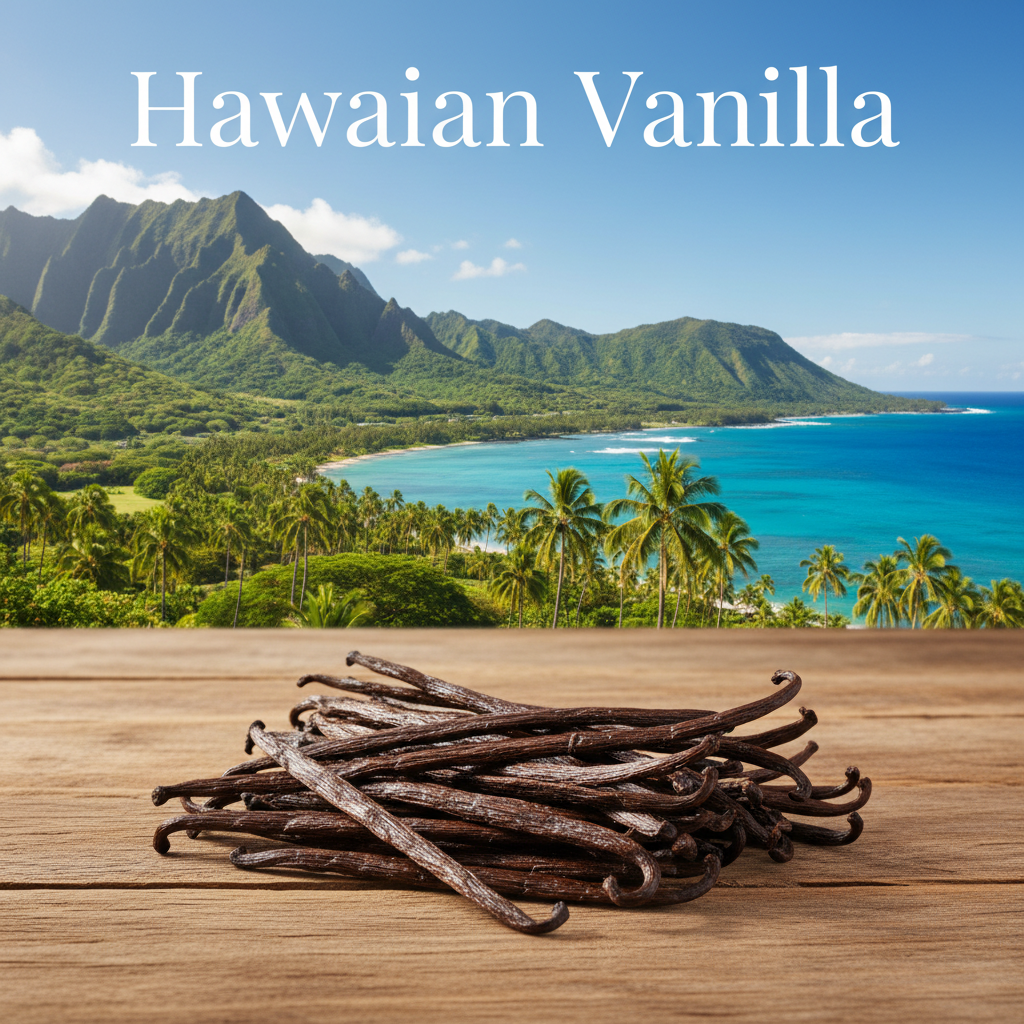
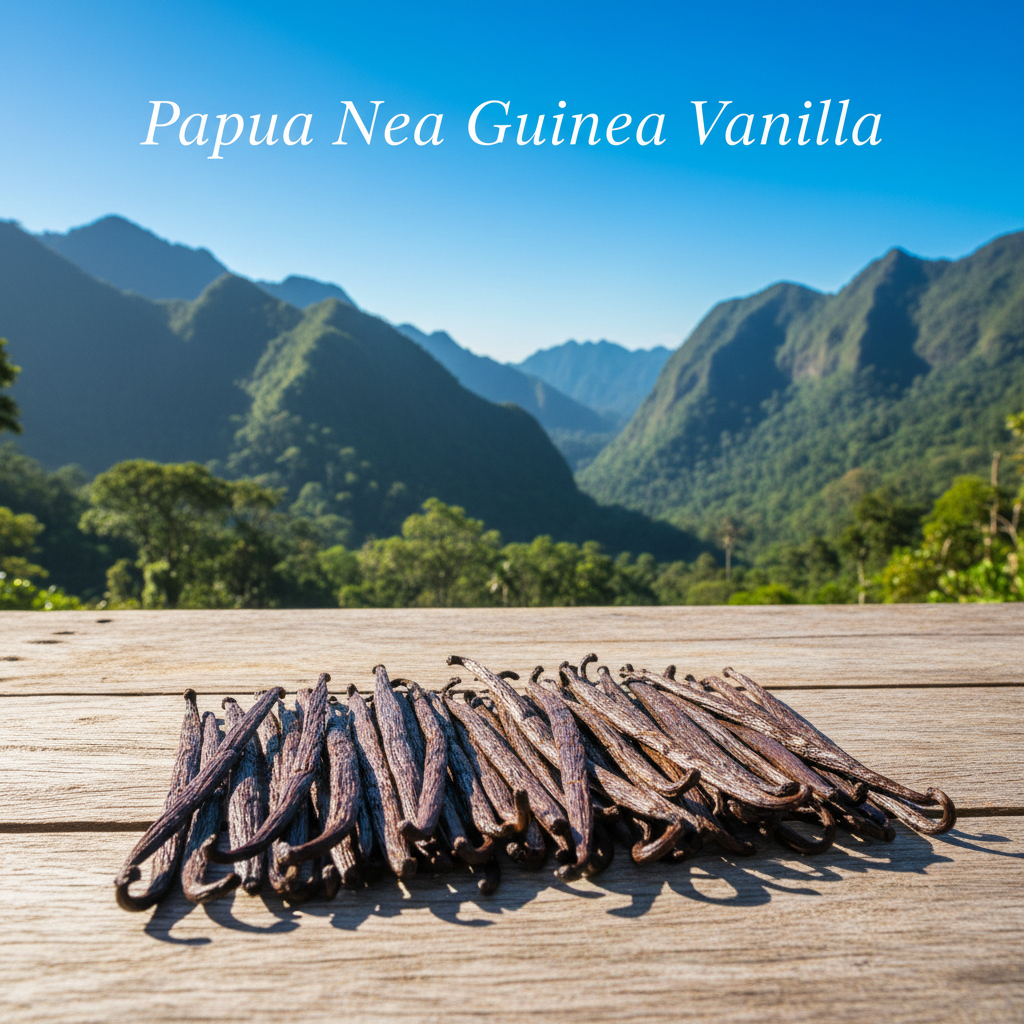
Papua New Guinea, is a newer but rapidly respected origin. PNG's equatorial rainforest climate, rich volcanic soils, and high humidity create ideal conditions for vanilla cultivation, and the Popondetta region has emerged as one of the most exciting single-origin sources in the world.
Flavor Profile
Veracruz Mexican: Expect a classic, creamy, and smooth vanilla character with warm woody undertones, a hint of spice, and a rich, full-bodied sweetness. Mexican vanilla is often described as the "original" vanilla flavor — the benchmark many bakers grew up with. It has a slightly smoky, earthy depth that distinguishes it from Madagascar beans.
Popondetta PNG: The Popondetta beans tend to be bold and robust with a deep, complex flavor profile. Expect rich chocolate and dark fruit notes layered beneath the classic vanilla base, with a slightly wilder, more rustic character. PNG vanilla is often described as having a "dark" or "brooding" quality that makes it exceptional in bold baked goods, dark chocolate pairings, and spirit-based extracts.
Aroma
Veracruz: Sweet, warm, and inviting — a smooth, rounded aroma with creamy vanilla and subtle spice. It's approachable and familiar, making it a crowd-pleaser in any application.
Popondetta PNG: More intense and complex on the nose, with earthy, almost smoky top notes and a deep vanilla core. The aroma is striking and distinctive — it commands attention in a way that rewards adventurous bakers and extract makers.
Bean Appearance
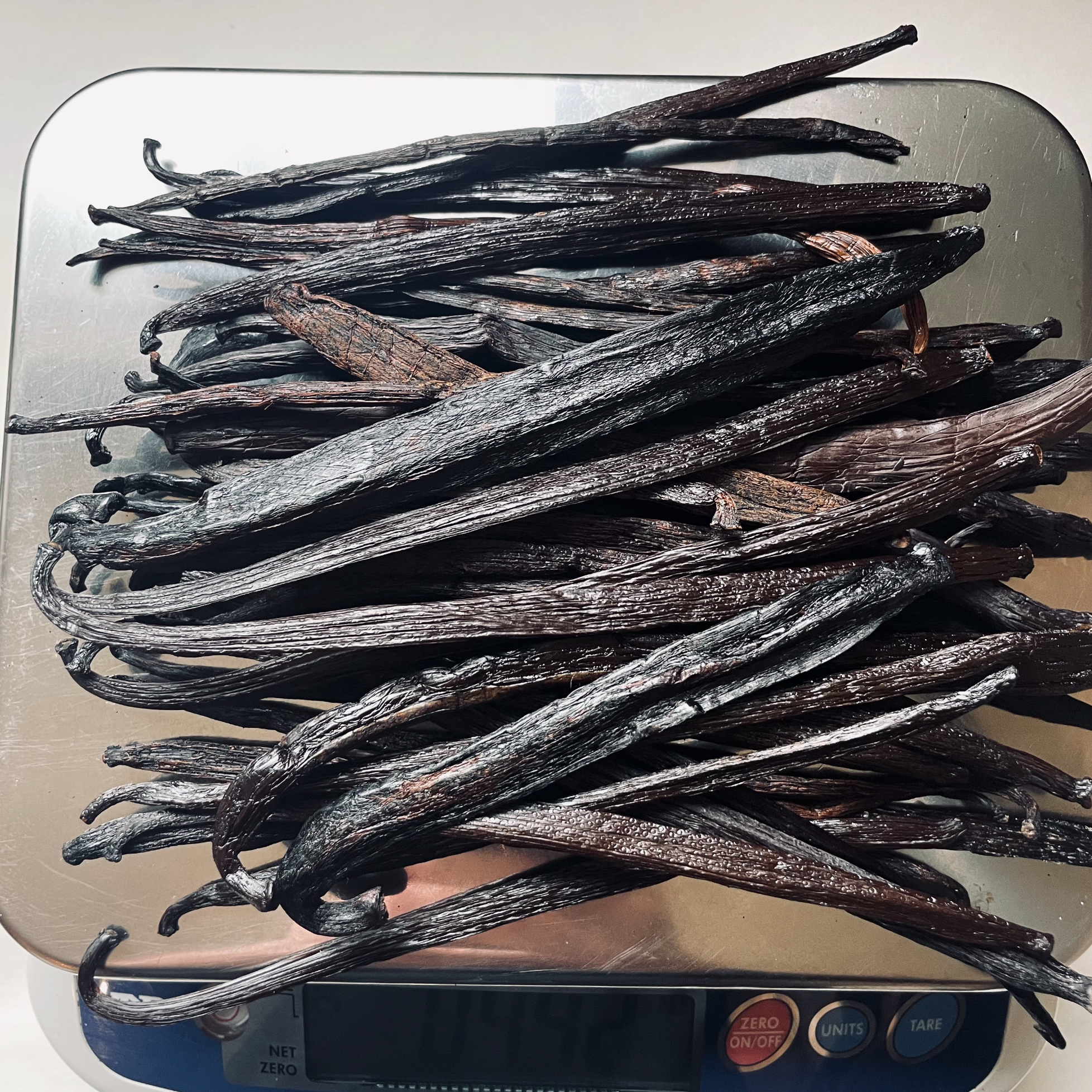
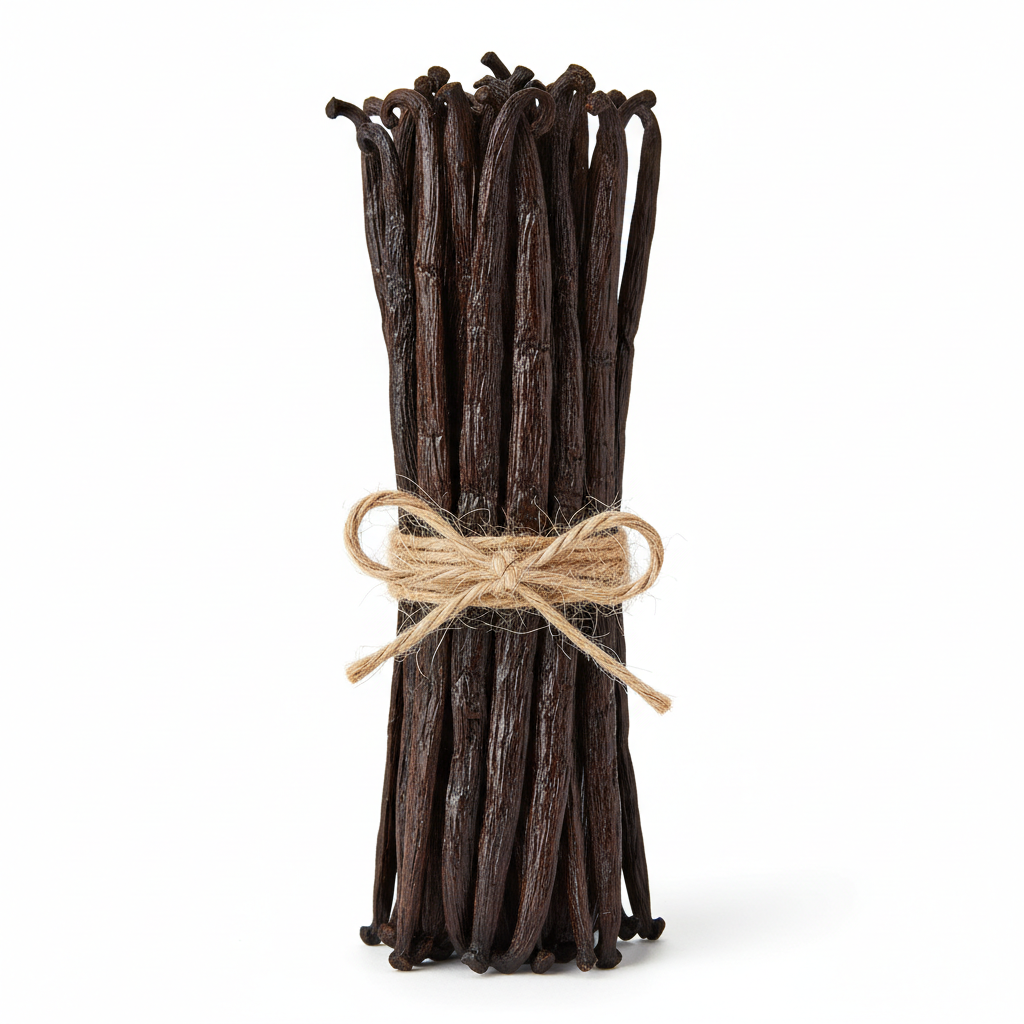
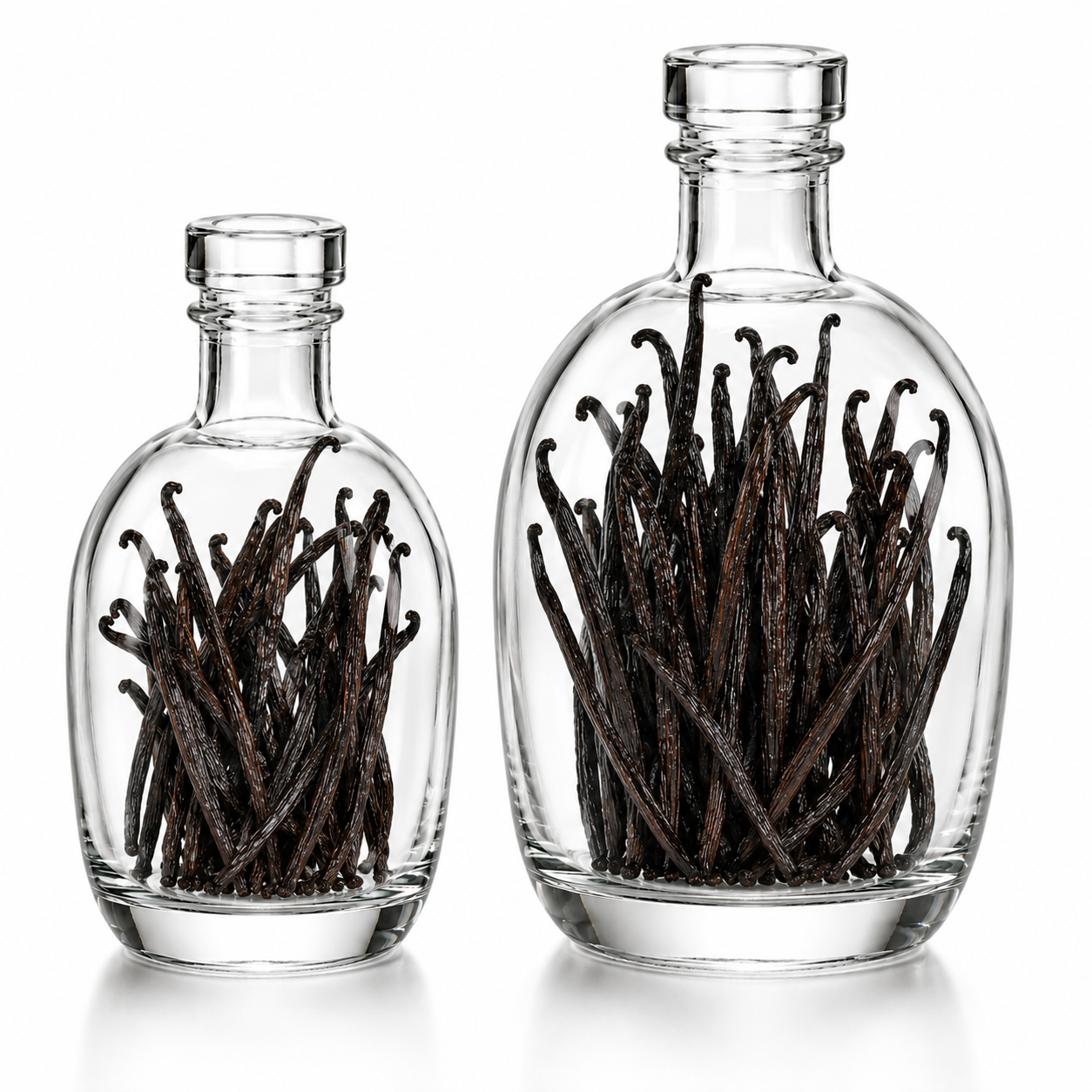
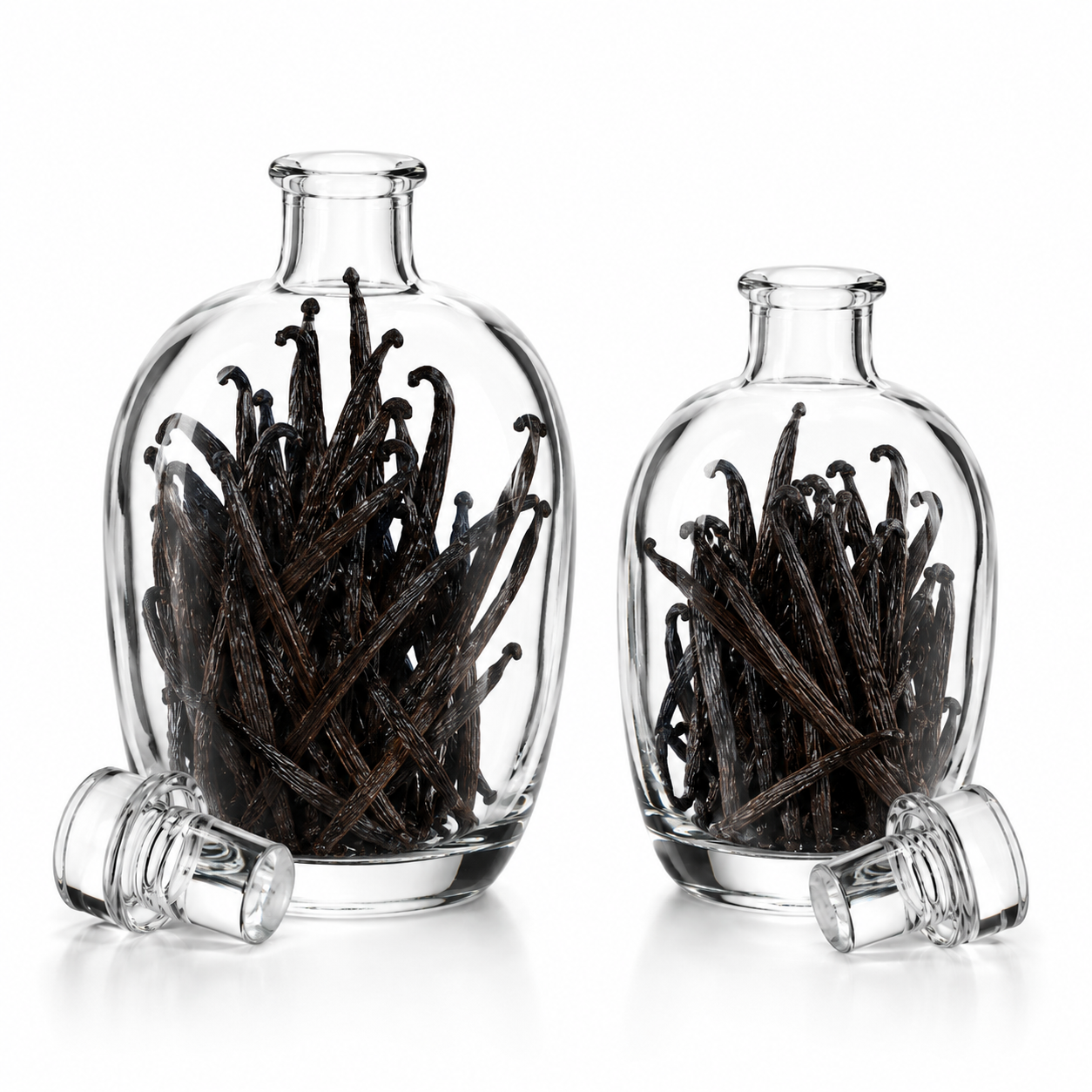
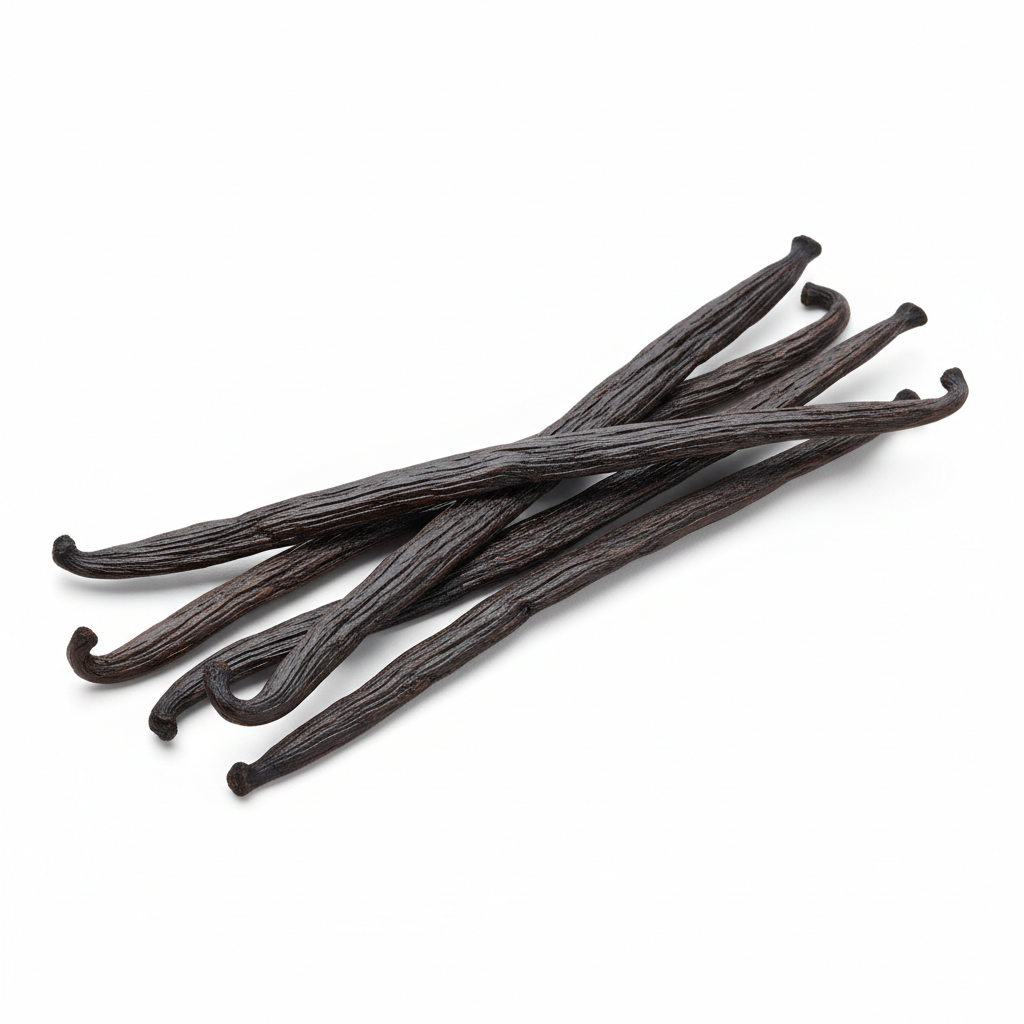
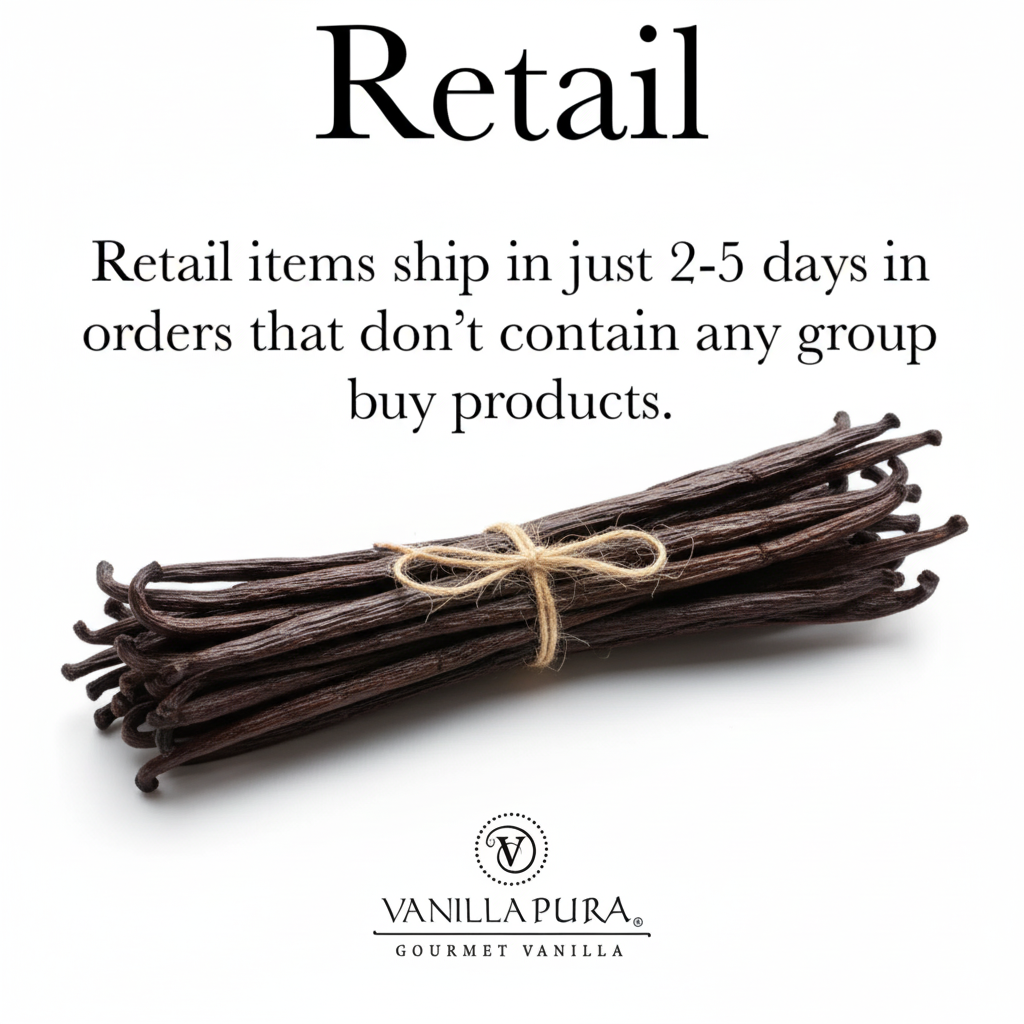
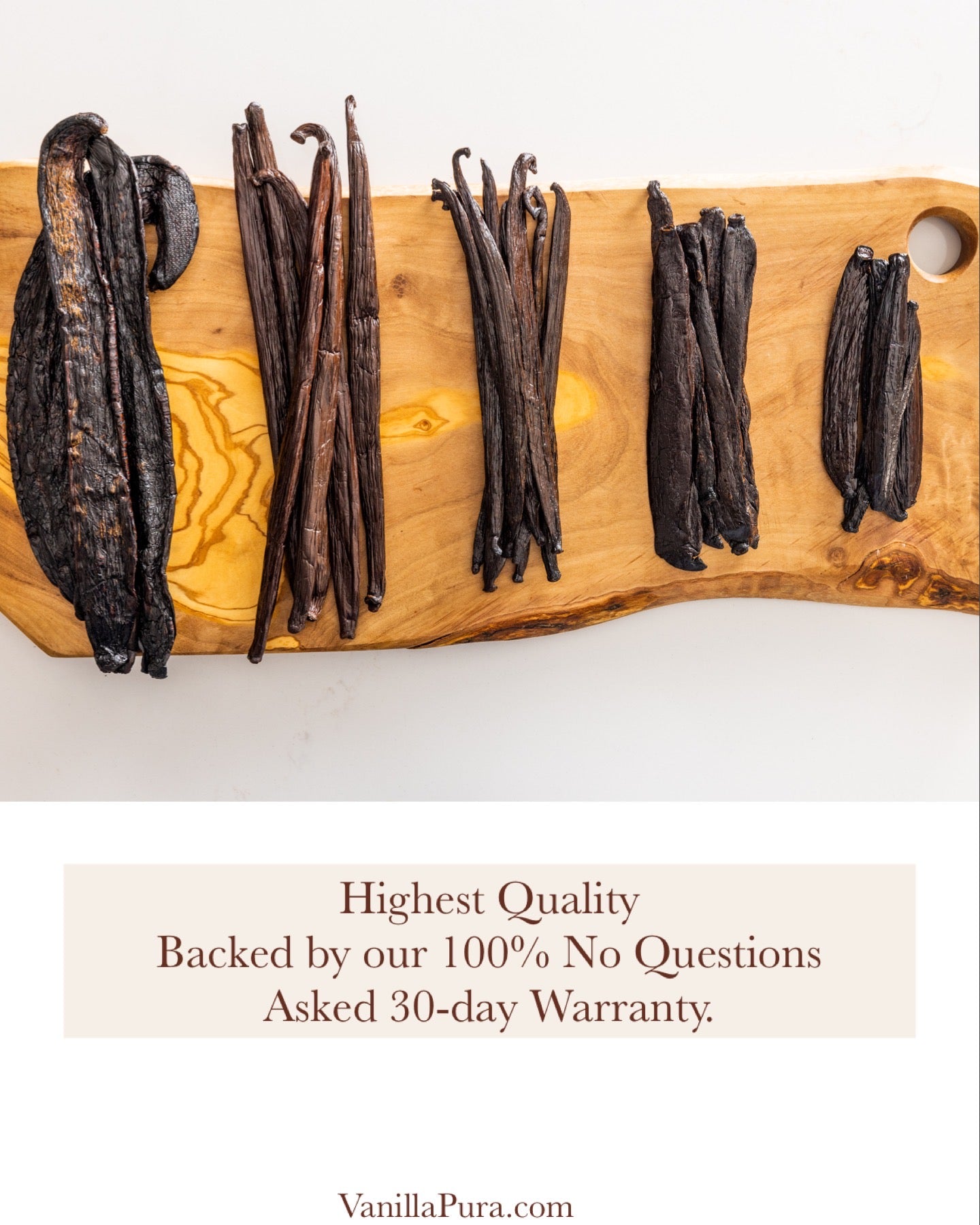
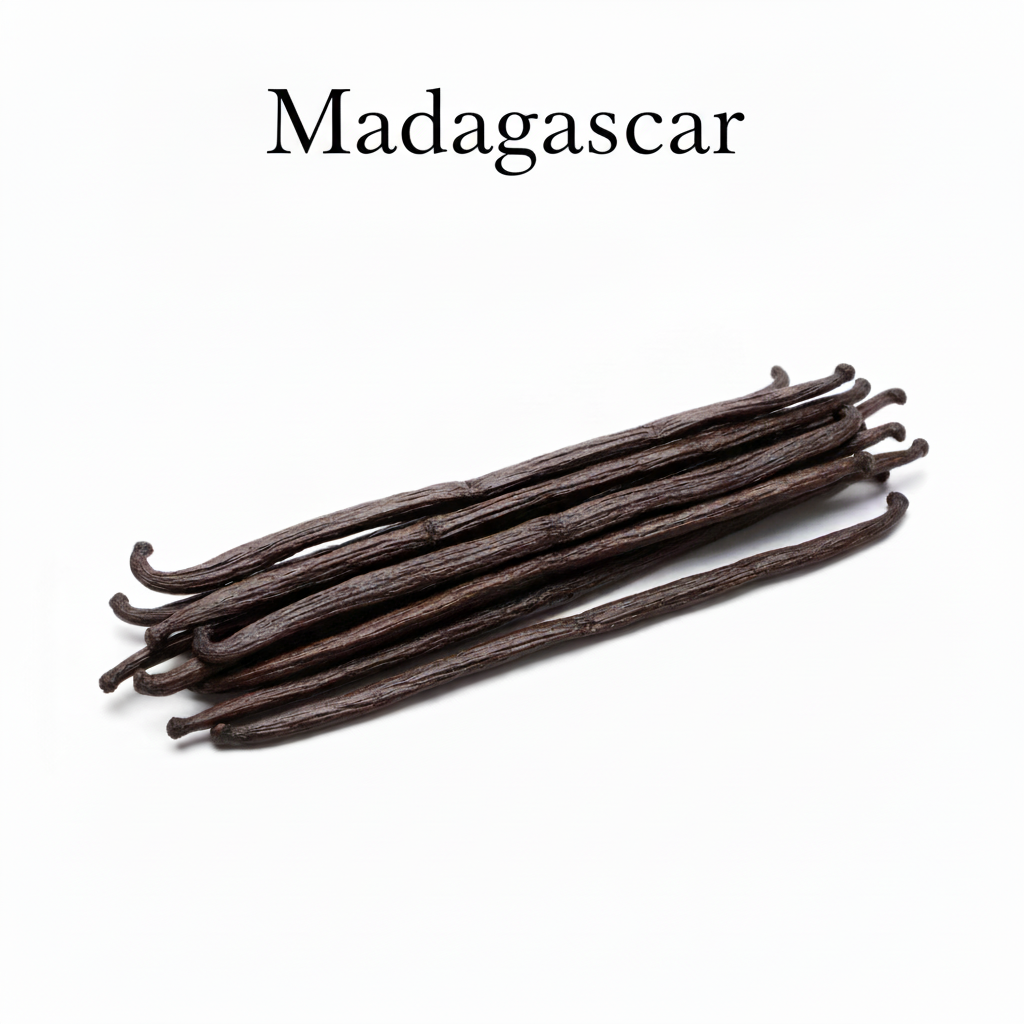
Veracruz: Typically dark brown to near-black, with a slightly waxy sheen and a supple, flexible texture. Mexican beans often have a slightly thinner profile than Madagascar beans but are well-oiled and seed-rich.
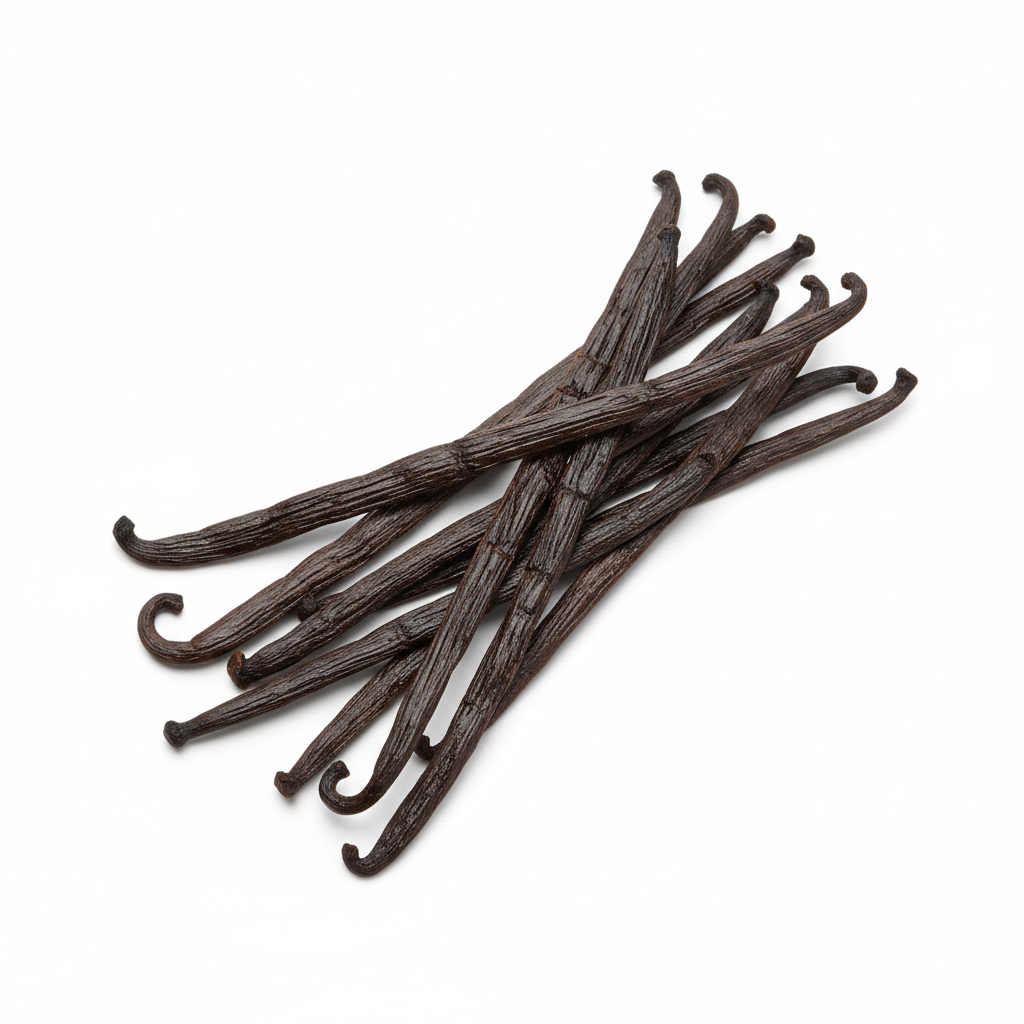
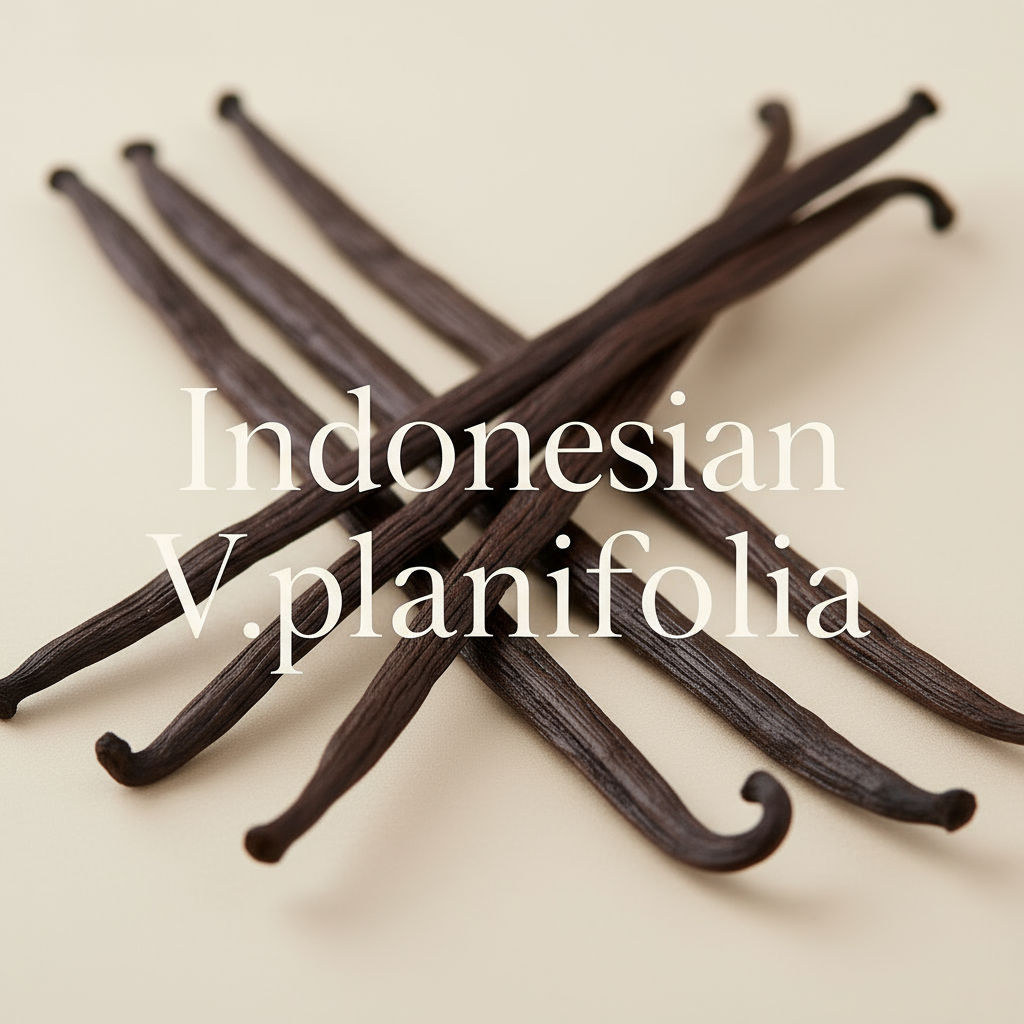
Popondetta PNG: Also dark and oily, PNG beans tend to be plump and full with a rich, moist exterior. They often display a slightly more rustic appearance compared to the more uniform look of Mexican beans, reflecting their wild-grown terroir.
Best Uses
Veracruz Mexican: Ideal for classic vanilla extract, sugar cookies, custards, crème brûlée, whipped cream, and any recipe where you want a clean, traditional vanilla flavor to shine. It's also a wonderful base for multi-origin blends.
Popondetta PNG: Exceptional in dark chocolate desserts, bourbon or dark rum extracts, spiced baked goods, and recipes where you want vanilla to add depth and complexity rather than simply sweetness. It's a standout in single-origin extracts for the adventurous palate.
Which Should You Choose?
If you're looking for a classic, approachable vanilla with deep historical roots and a smooth, creamy profile, the Veracruz Mexican Vanilla Beans are your bean. If you want something bold, complex, and conversation-starting — a vanilla that surprises even experienced bakers — reach for the Popondetta Papua New Guinea Vanilla Beans.
Better yet, make a single-origin extract from each and taste them side by side. There's no better way to appreciate how profoundly terroir shapes flavor — even within the same species.
Extract Aging Reminder
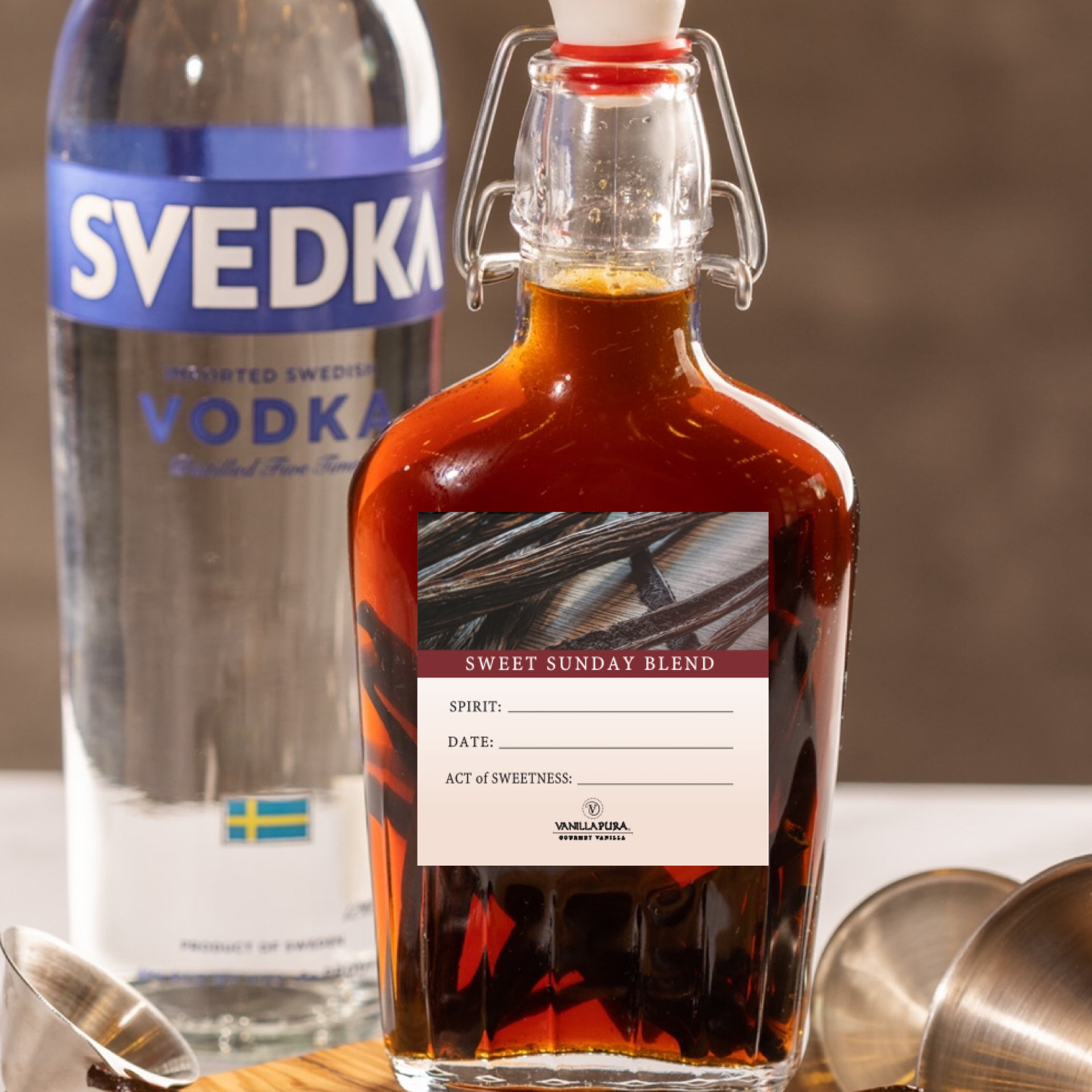
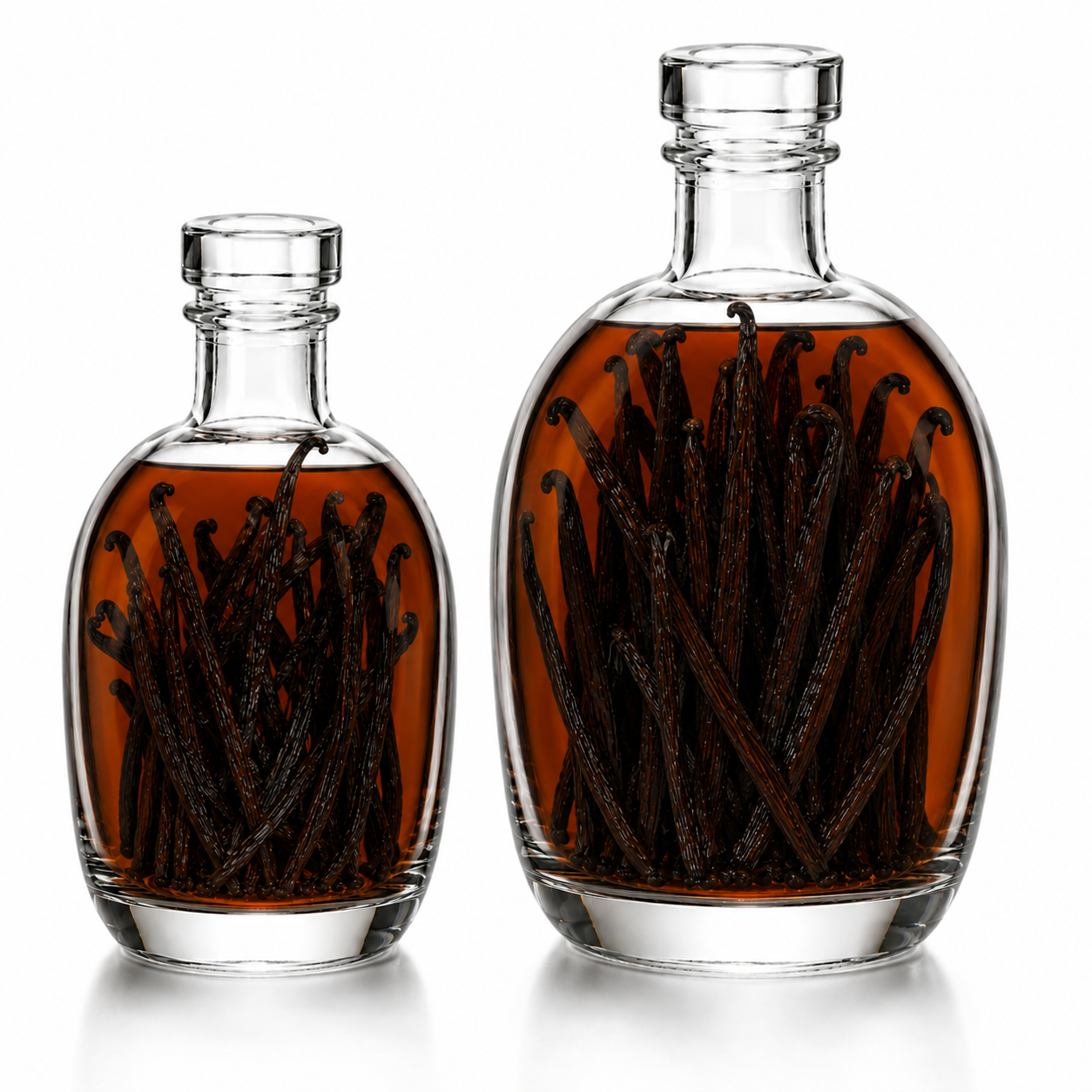
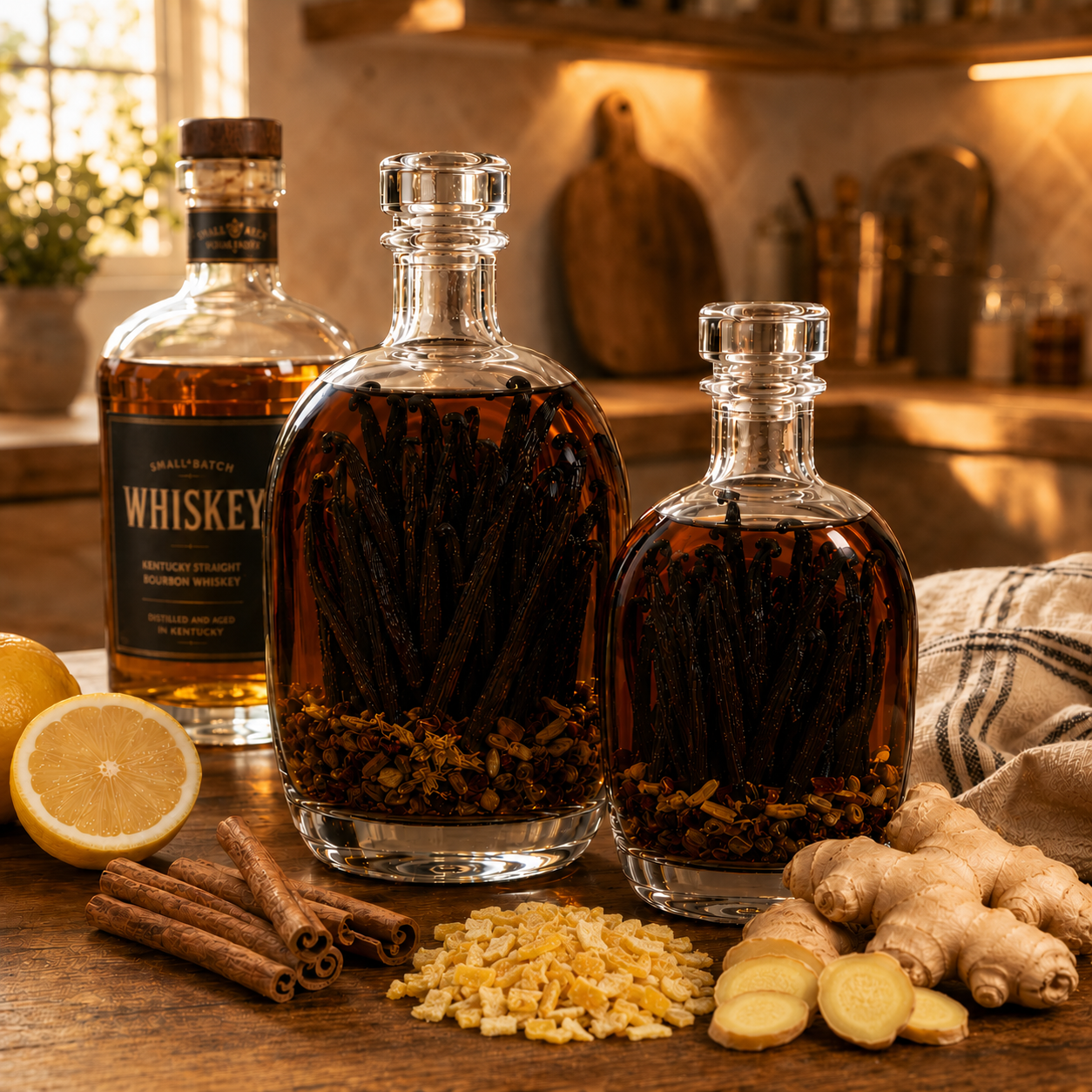
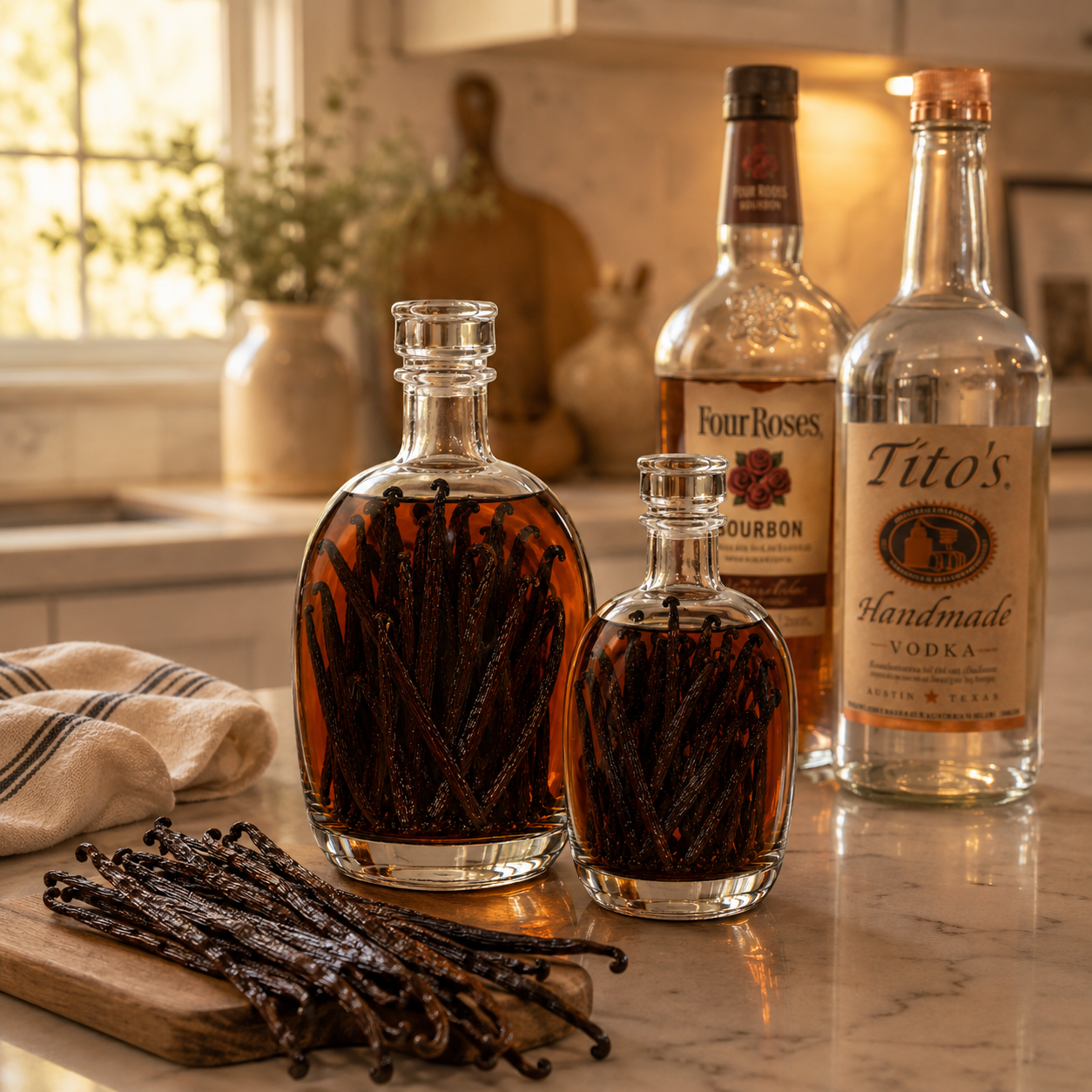
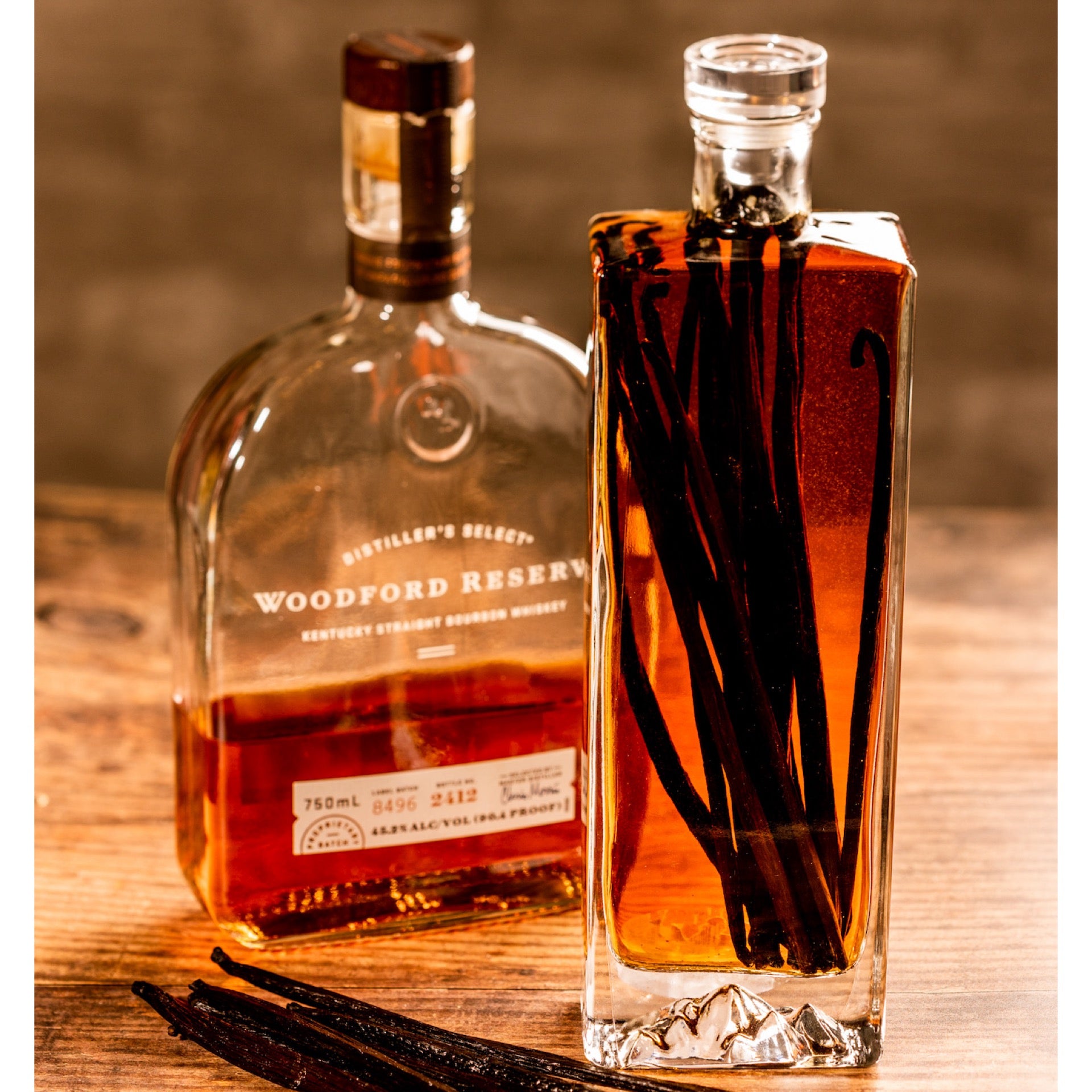
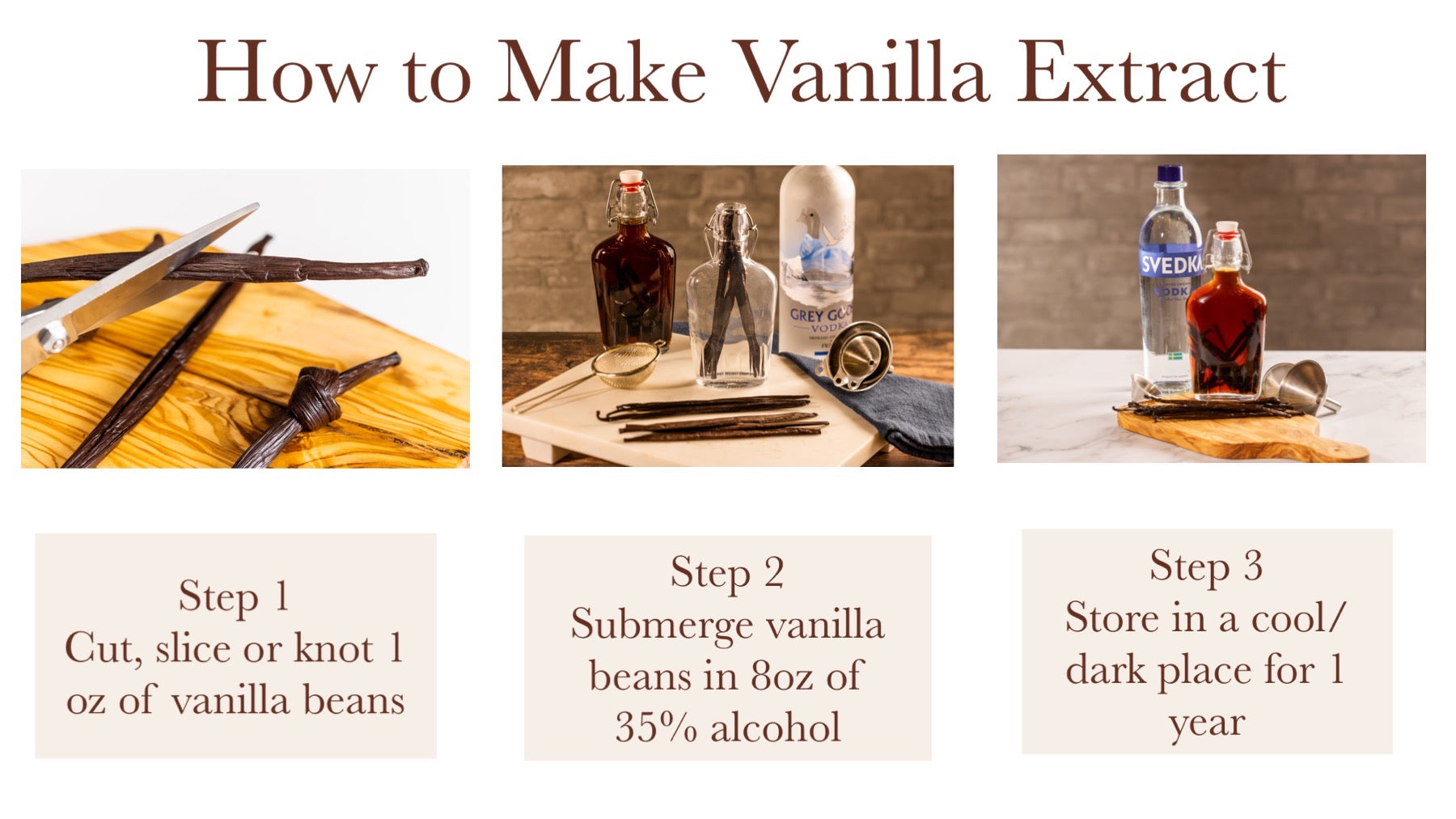
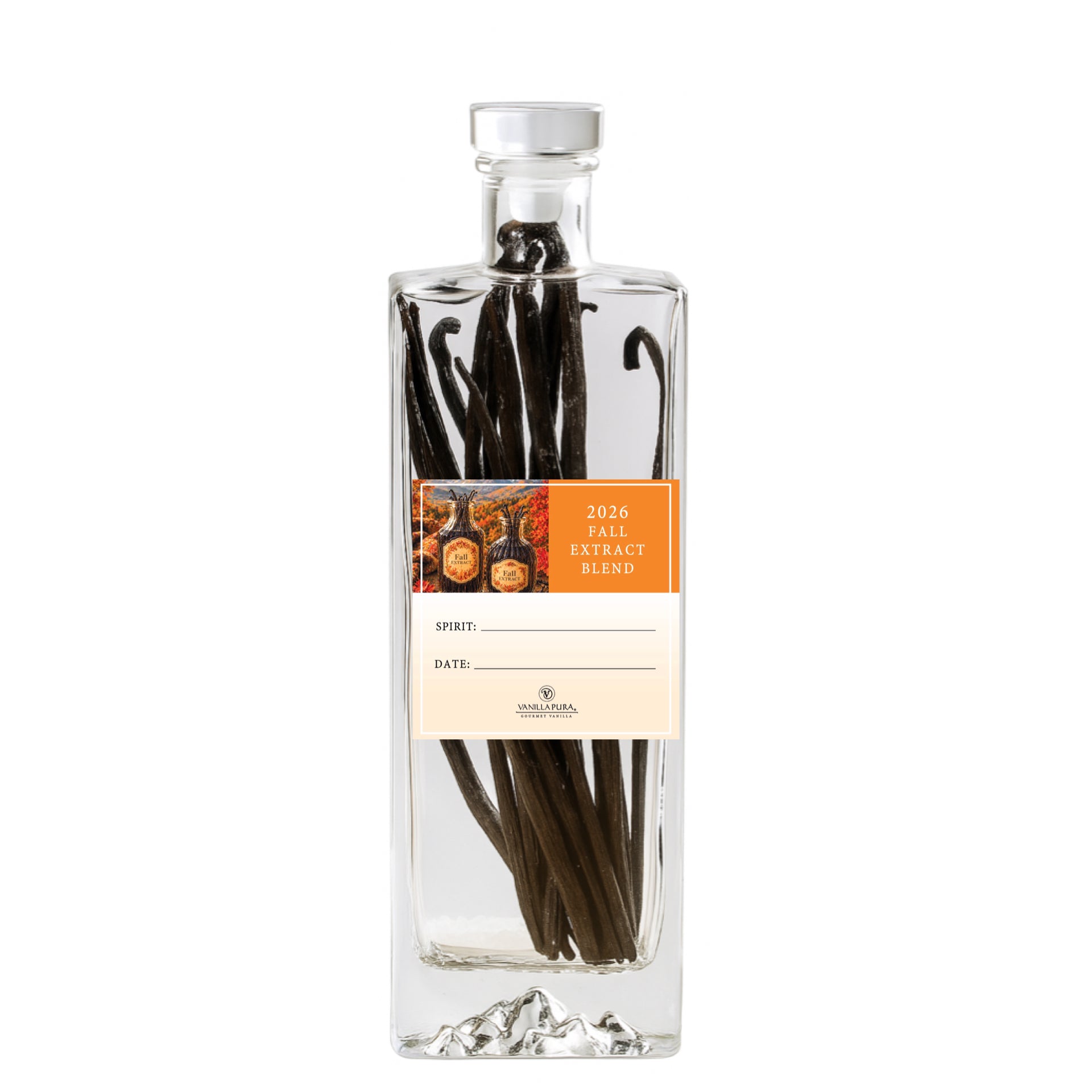
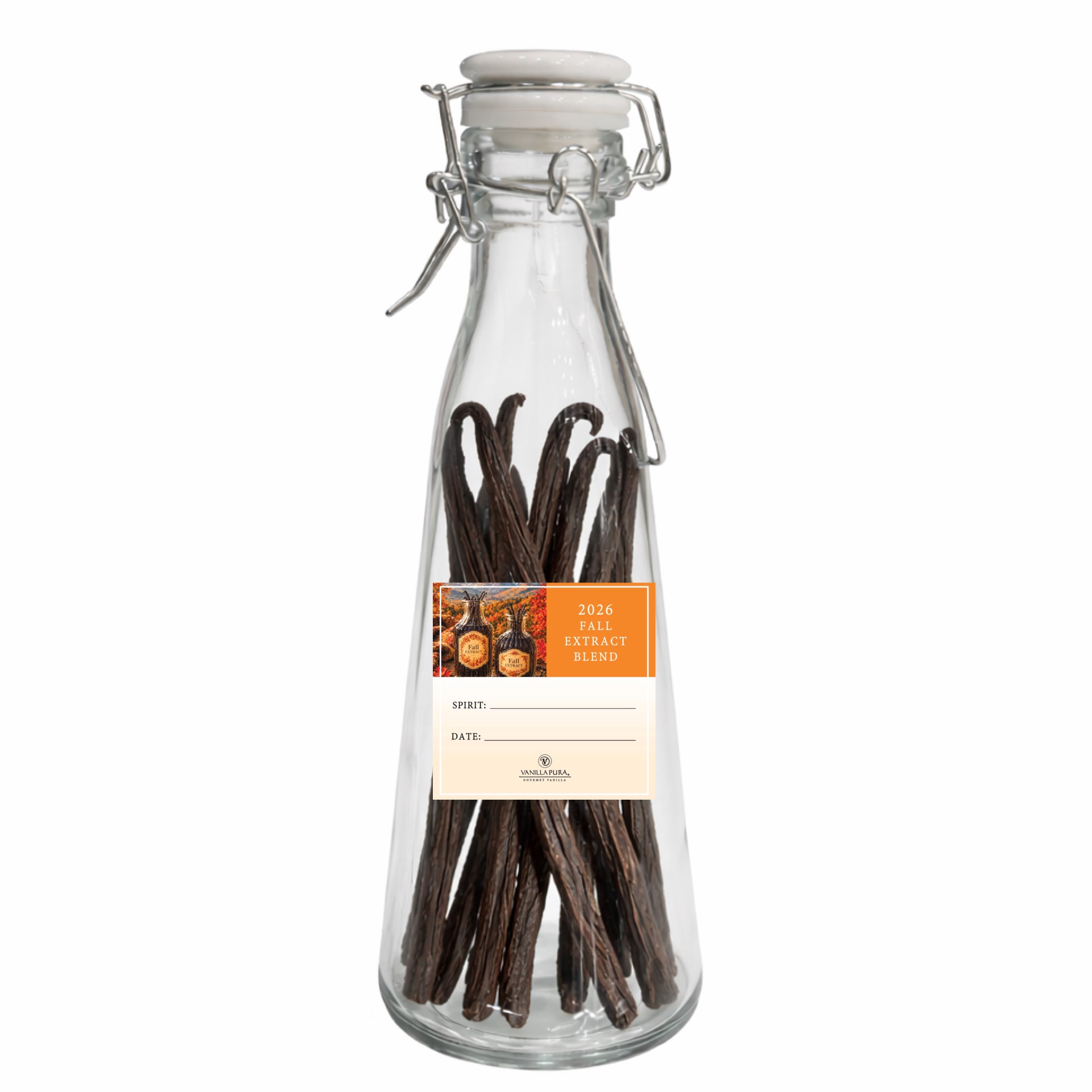
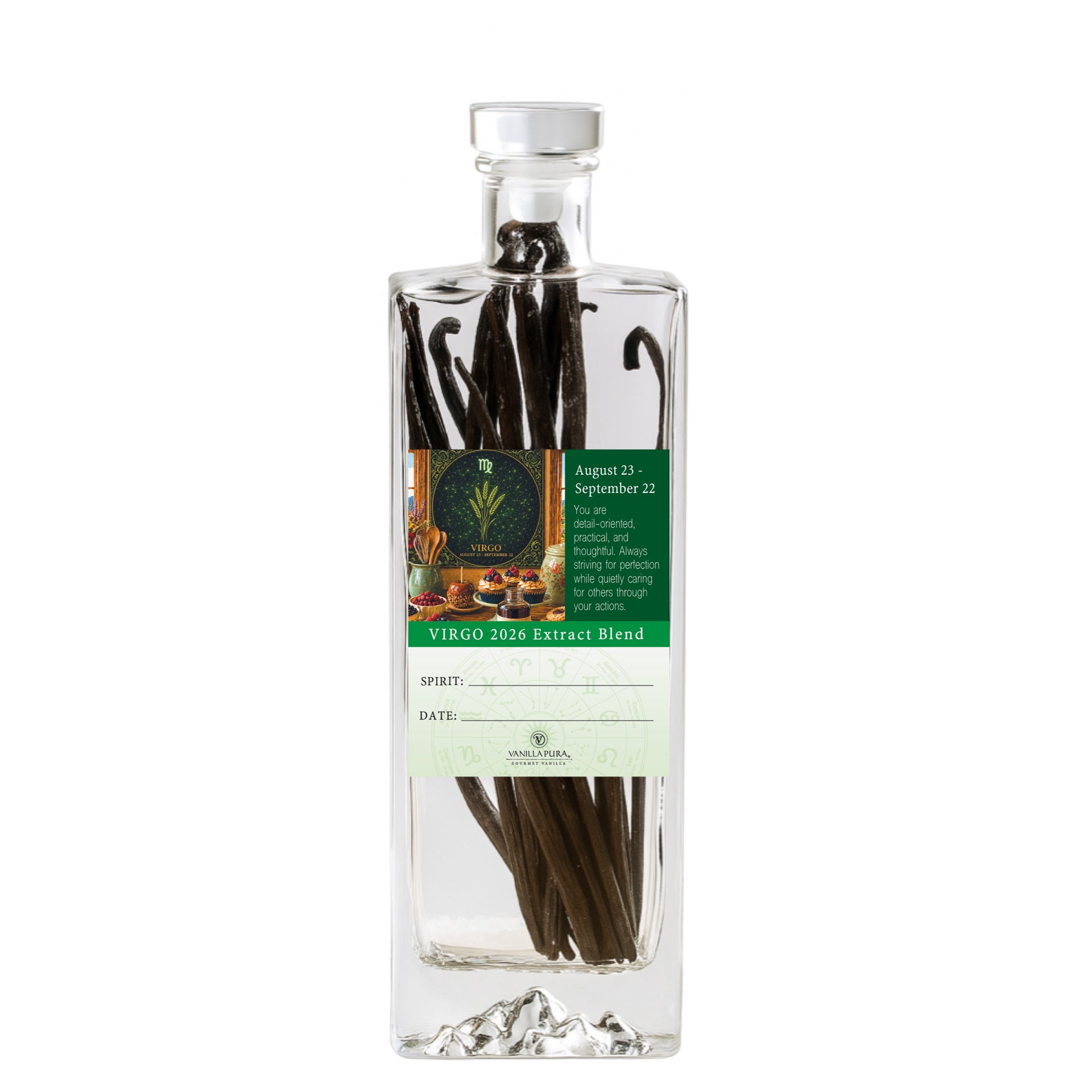
Whichever bean you choose, patience is key. For best results, age your extract up to 1 year when using light spirits (vodka, white rum, gin), and 18 months to 2 years when using dark spirits (bourbon, dark rum, brandy). Use a ratio of 1oz of beans for every 8oz of alcohol for a well-balanced, full-flavored extract.