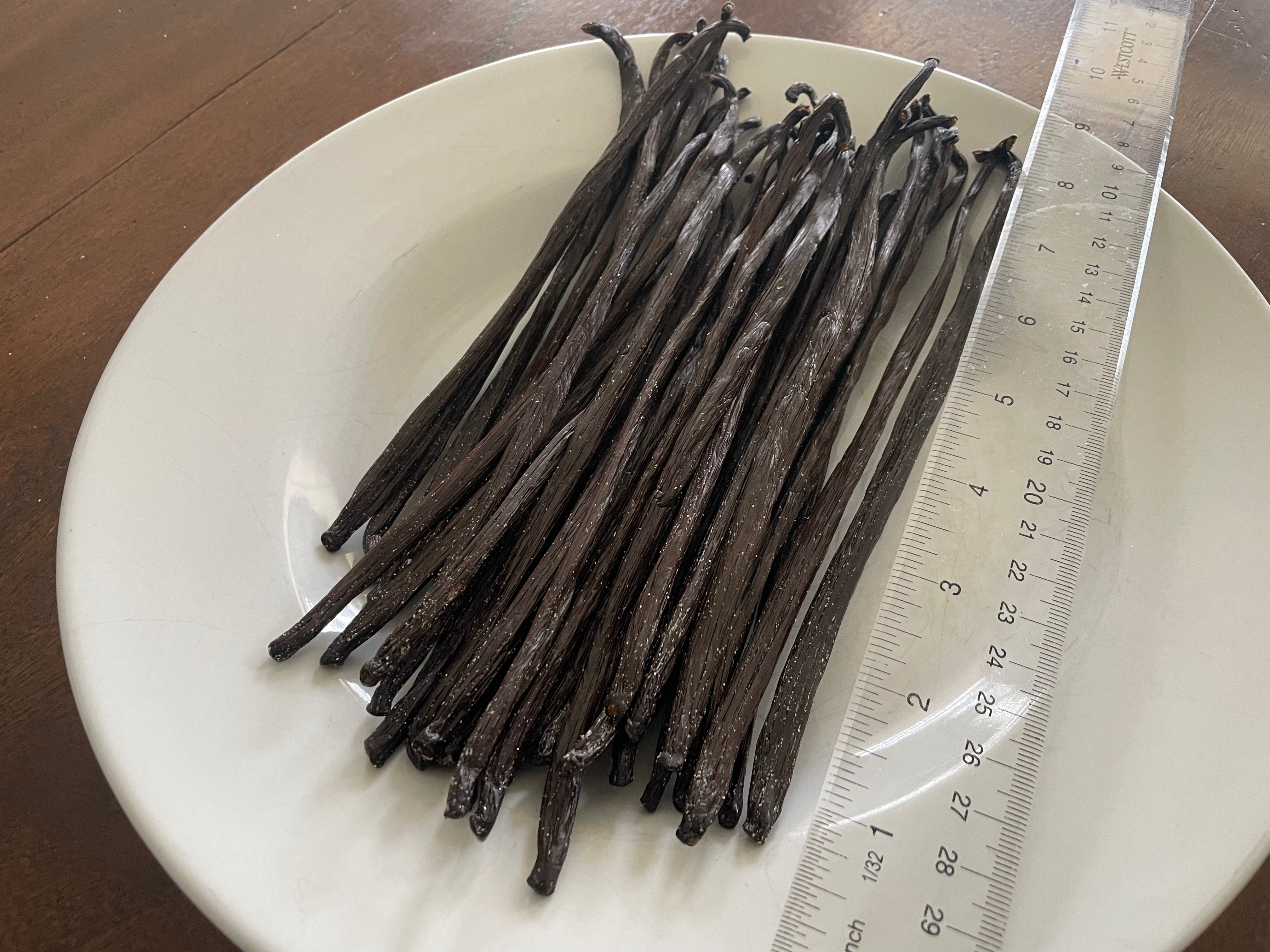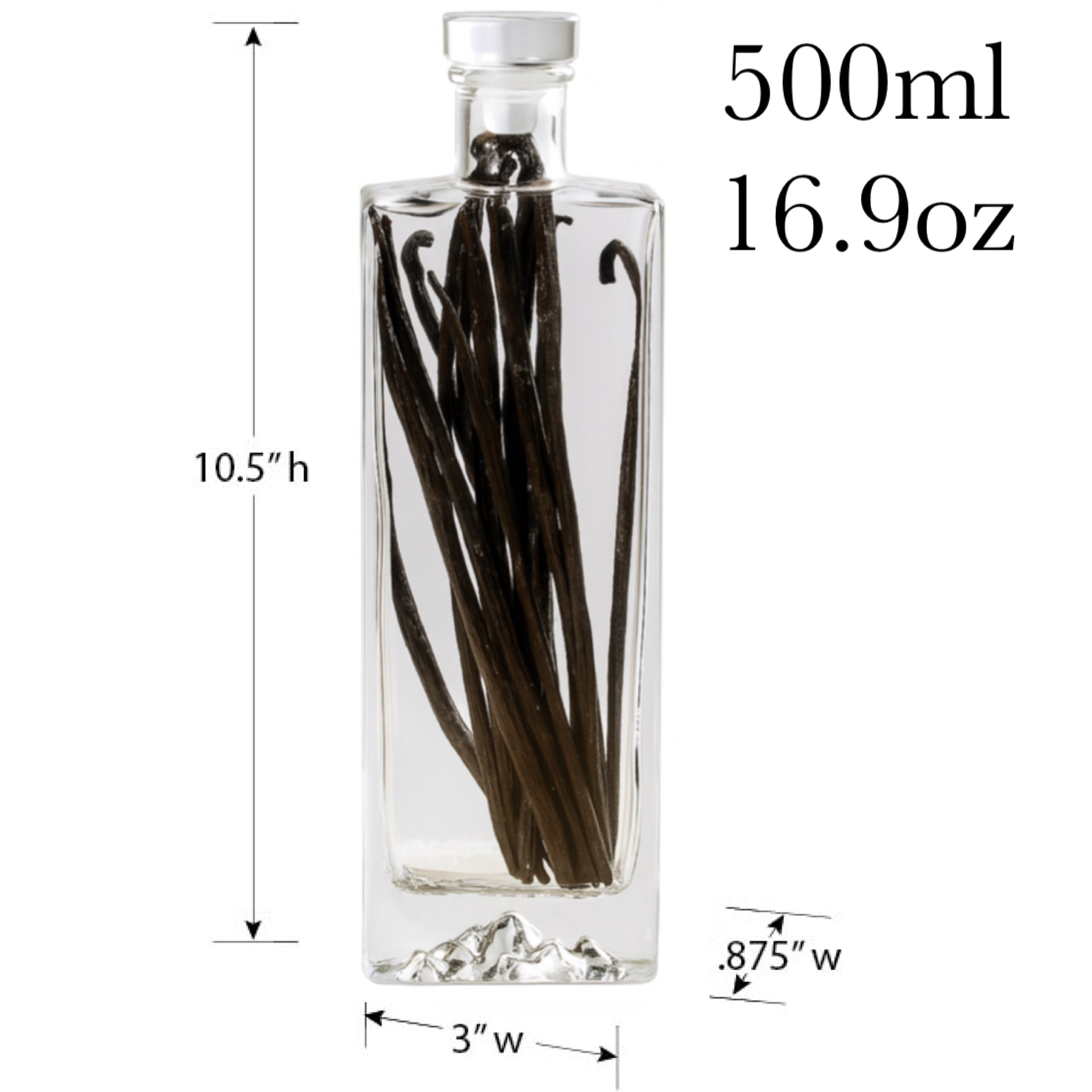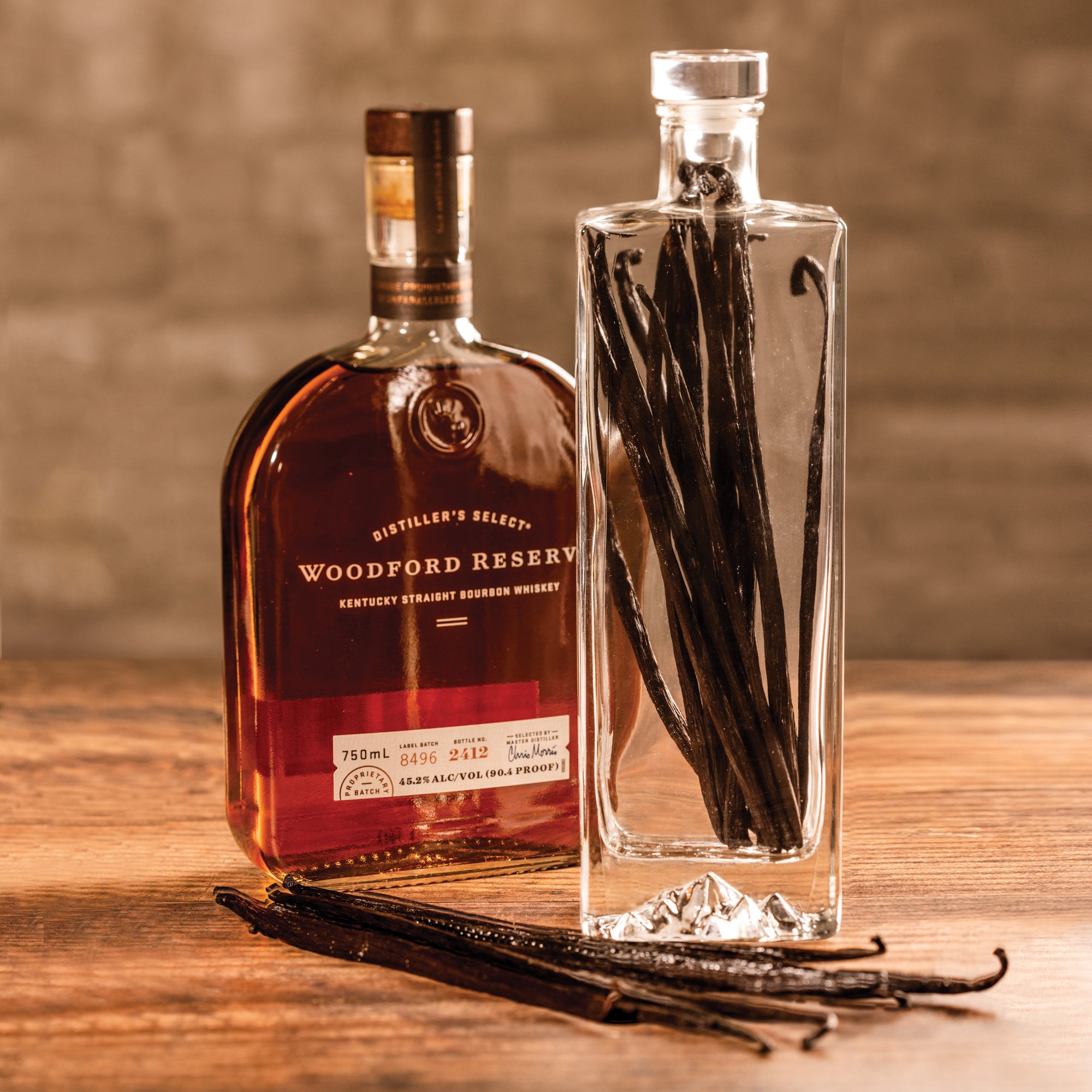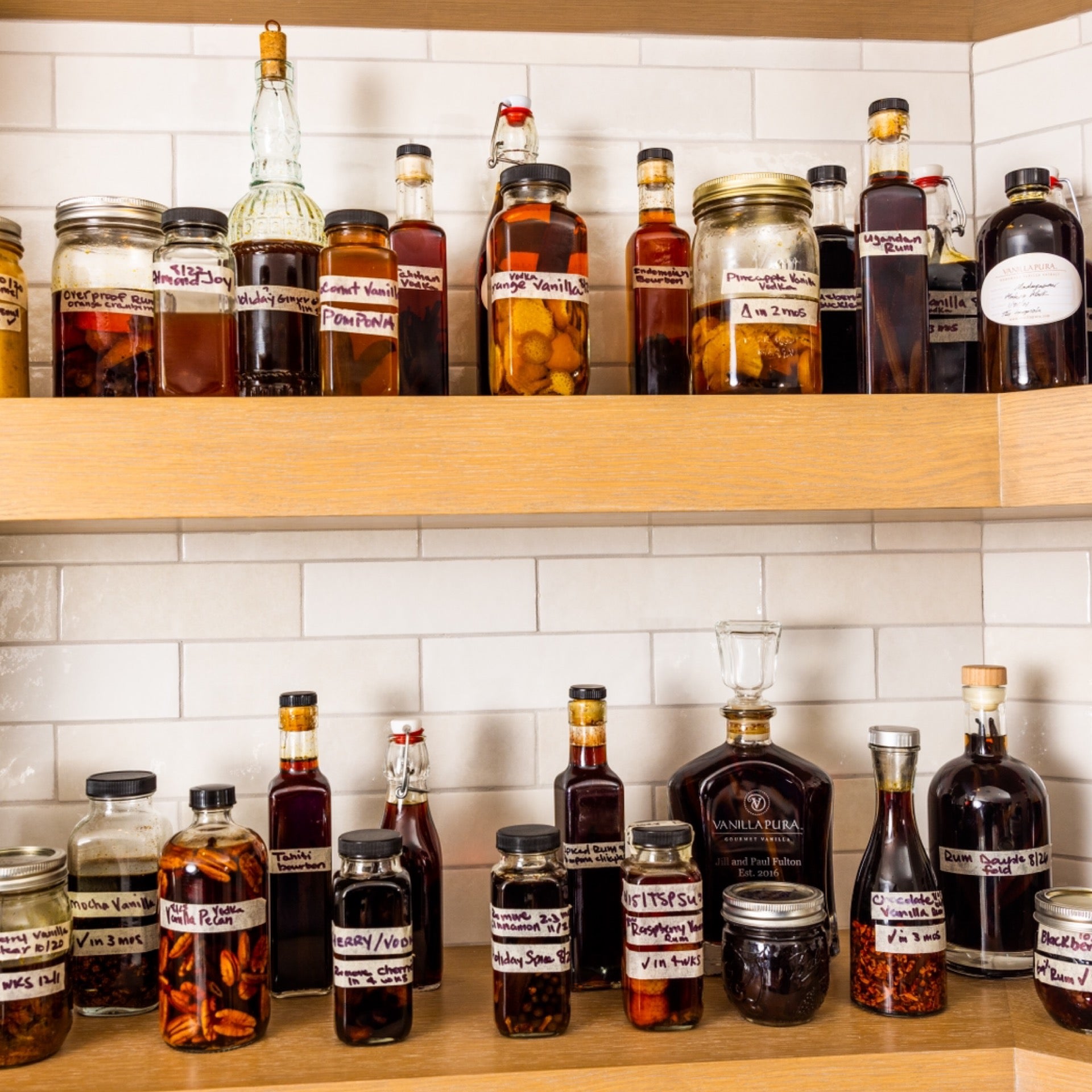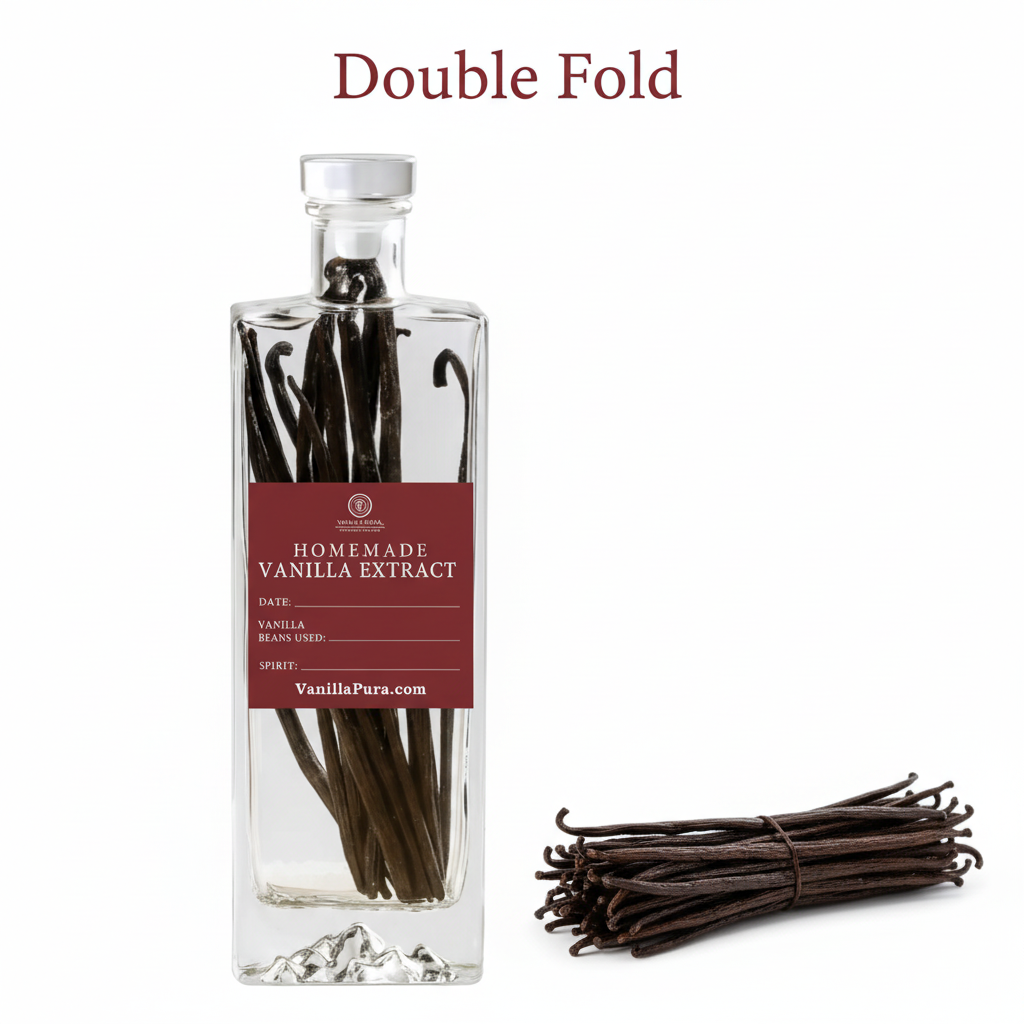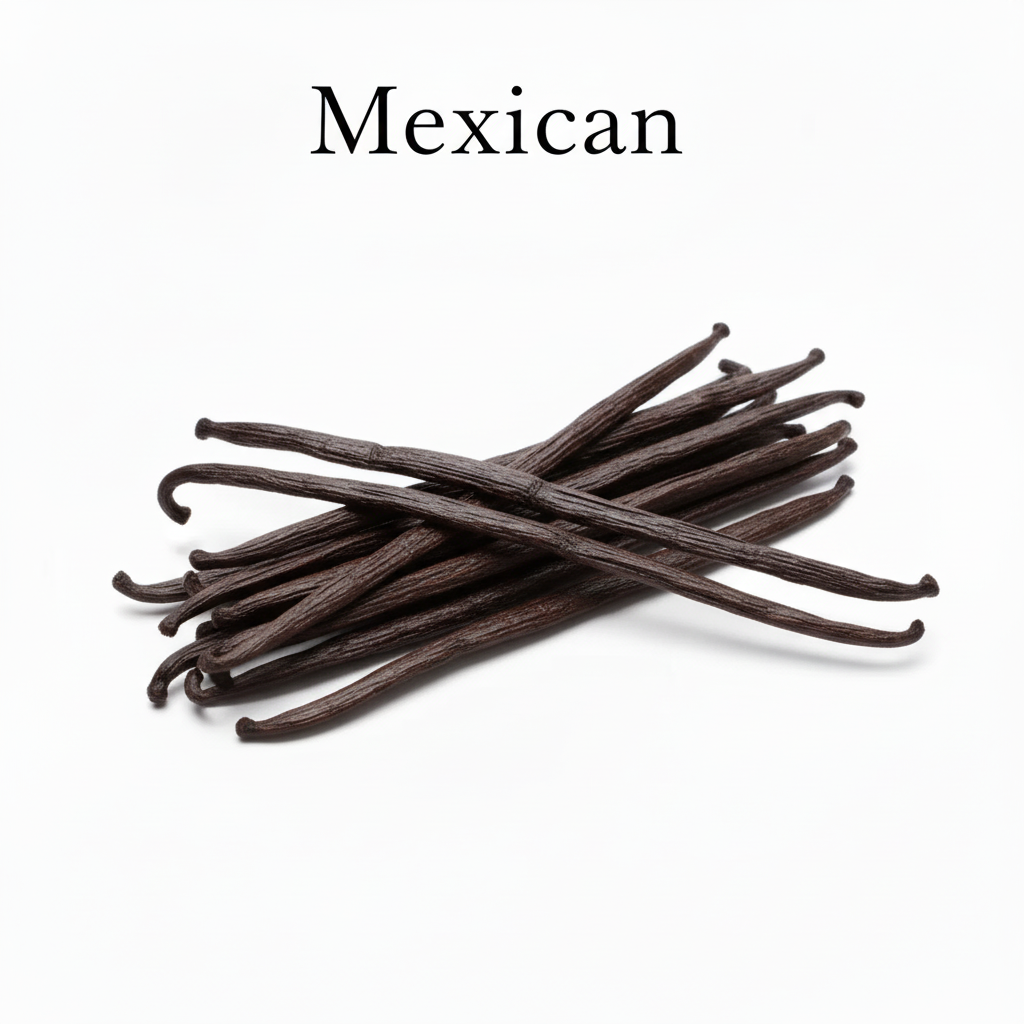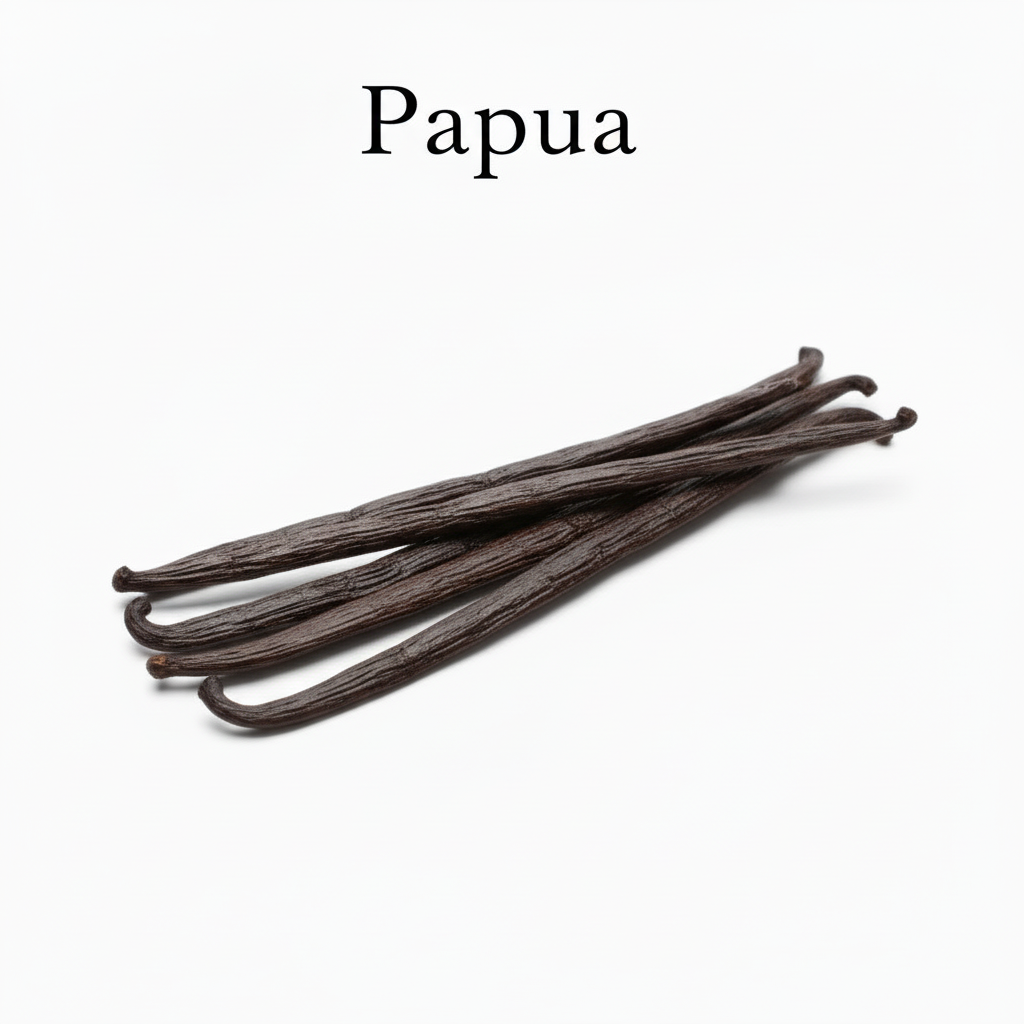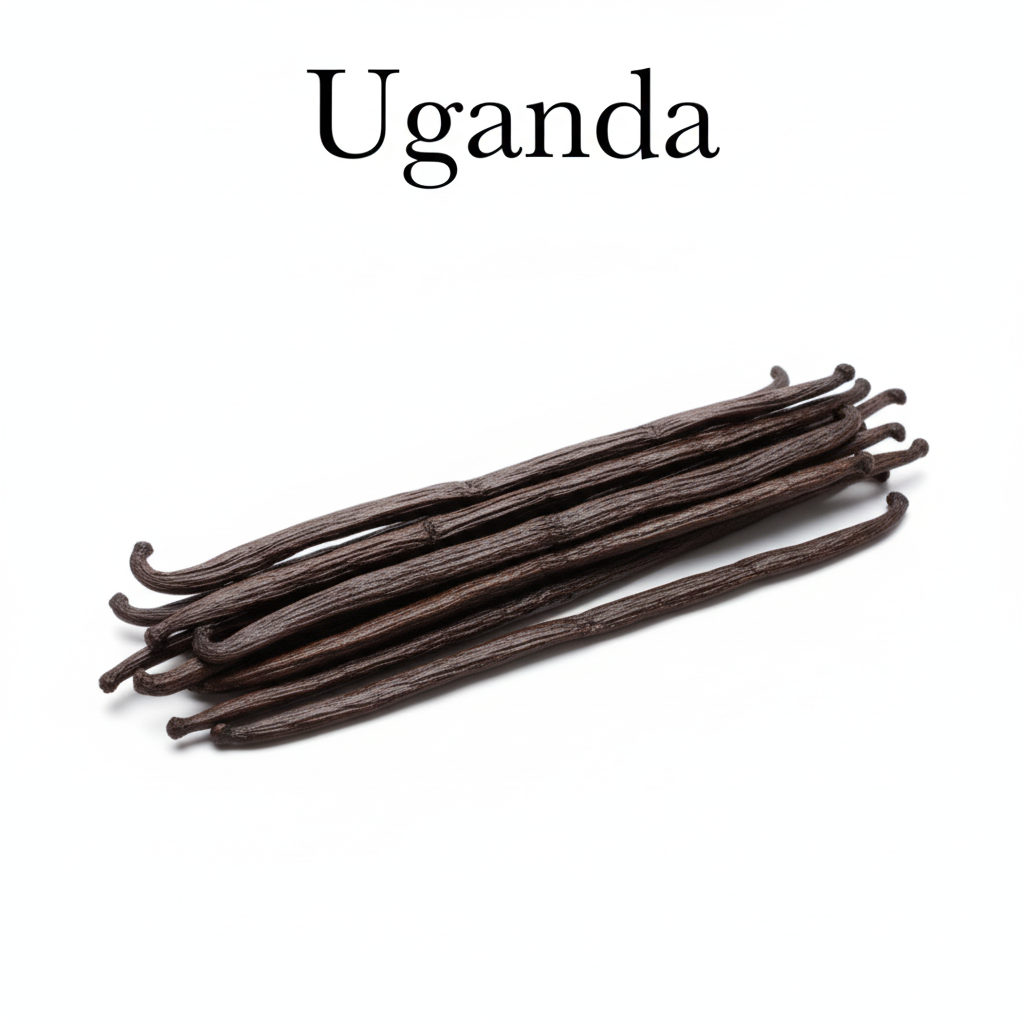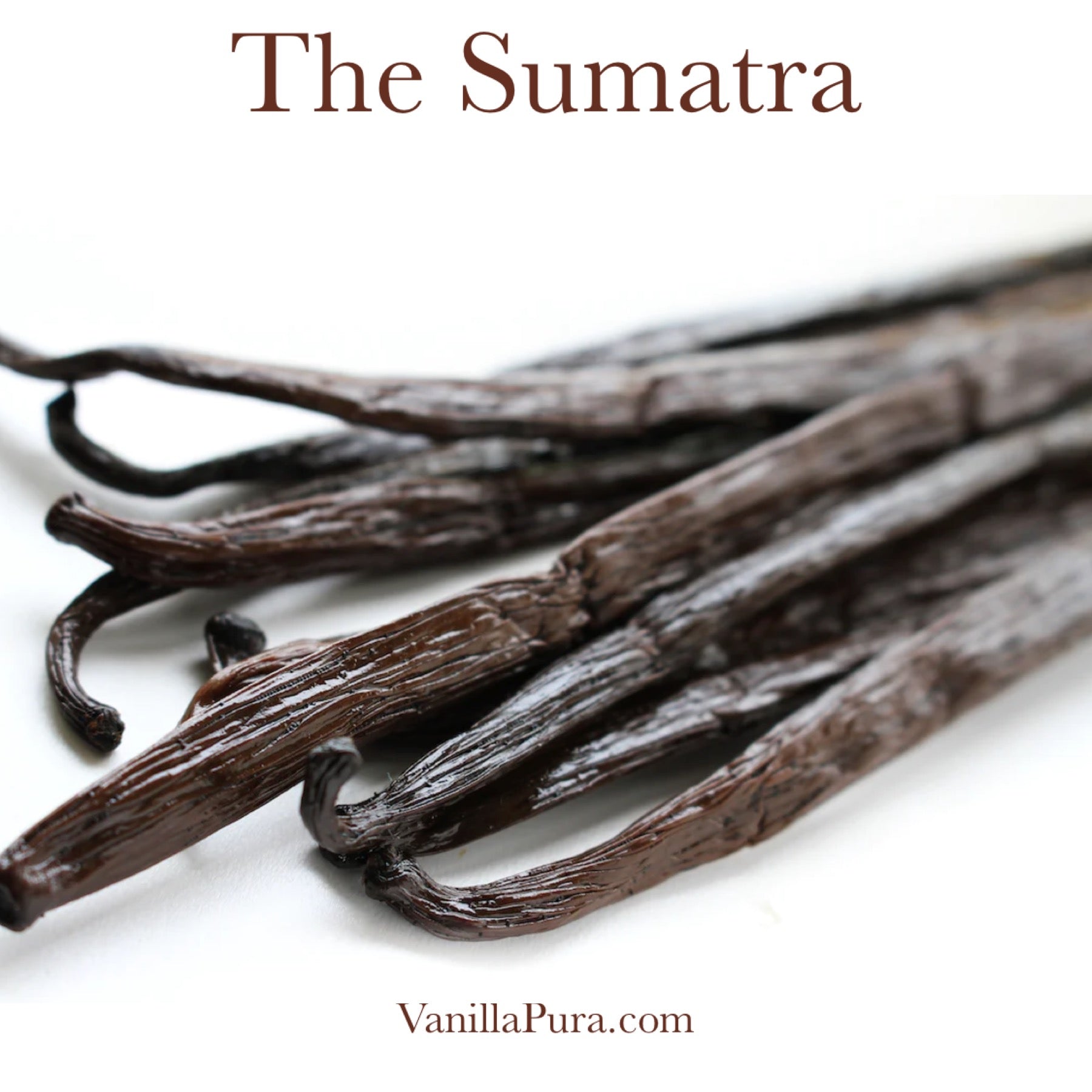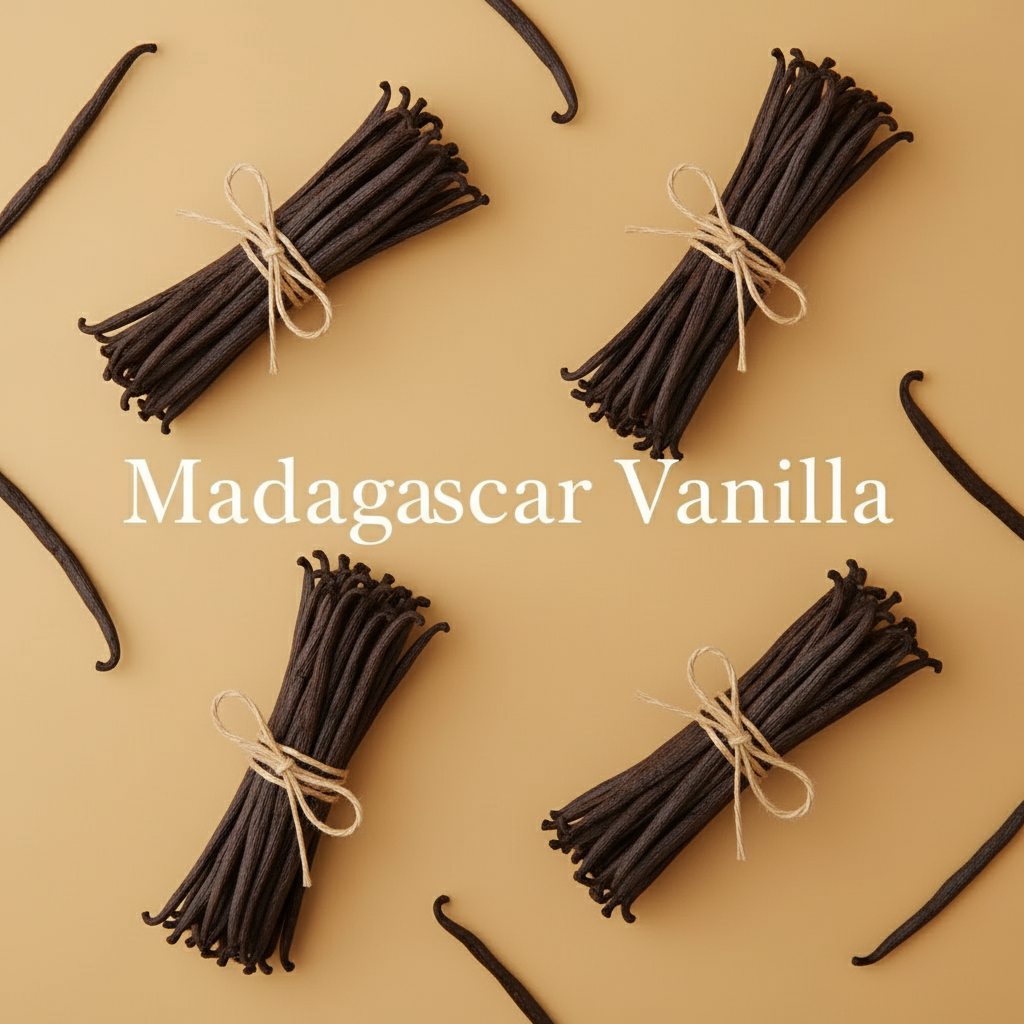

The story of vanilla extract begins in the early 19th century, marking a transformative moment in culinary history that would forever change how we experience one of the world's most beloved flavors.
The Ancient Origins of Vanilla
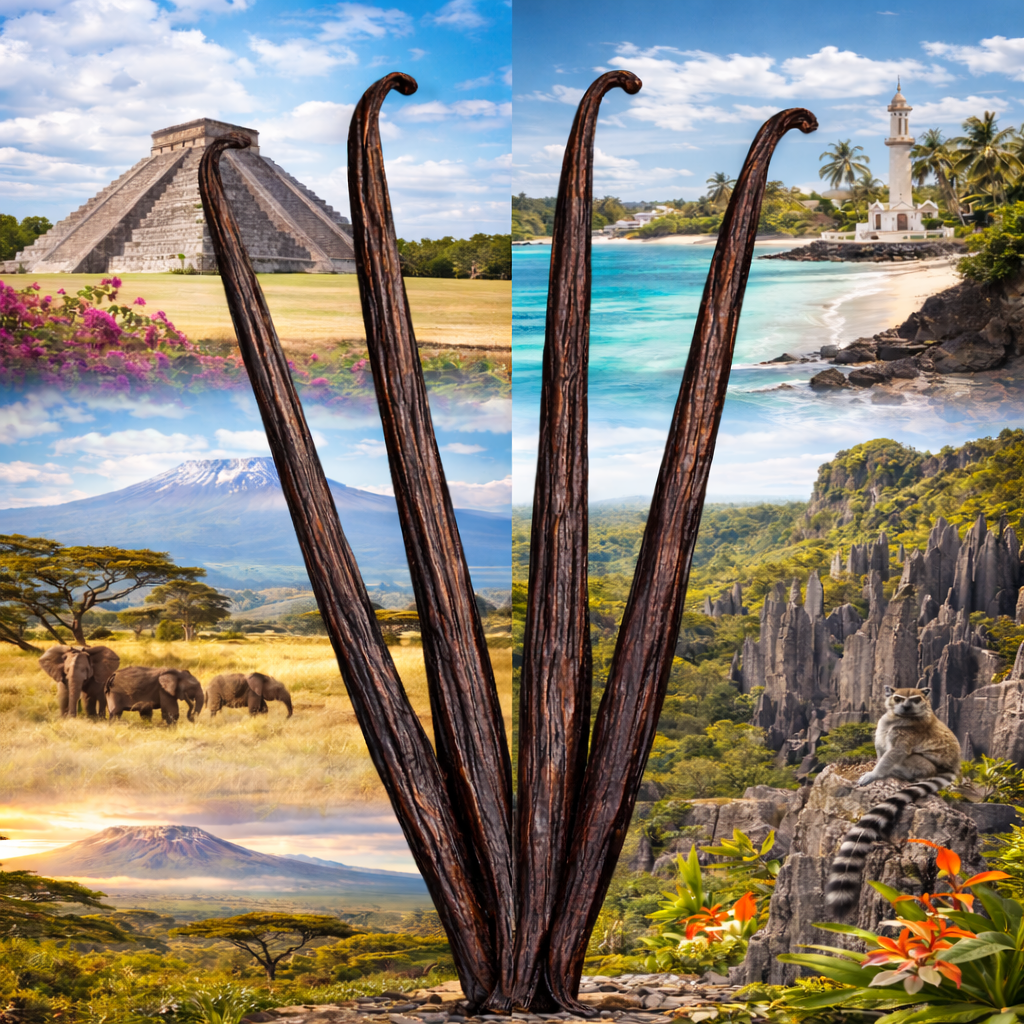
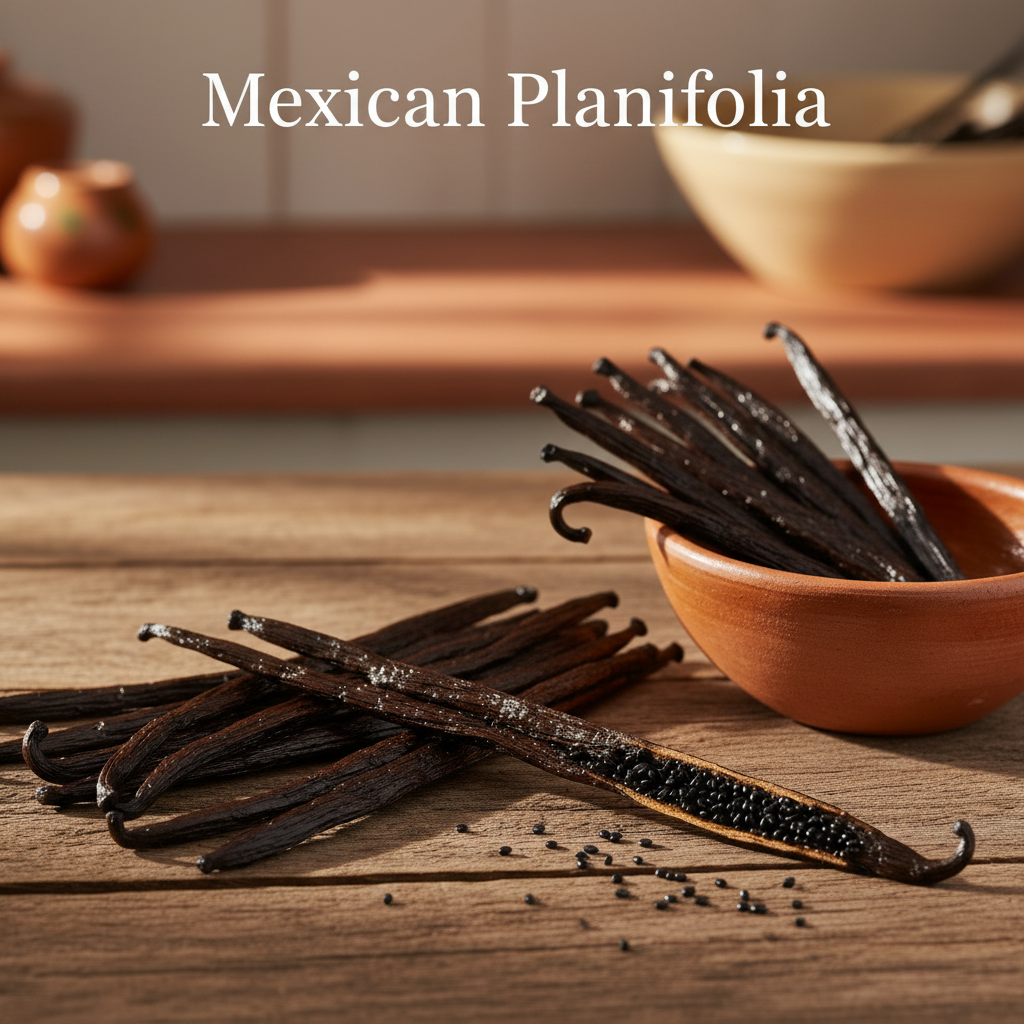
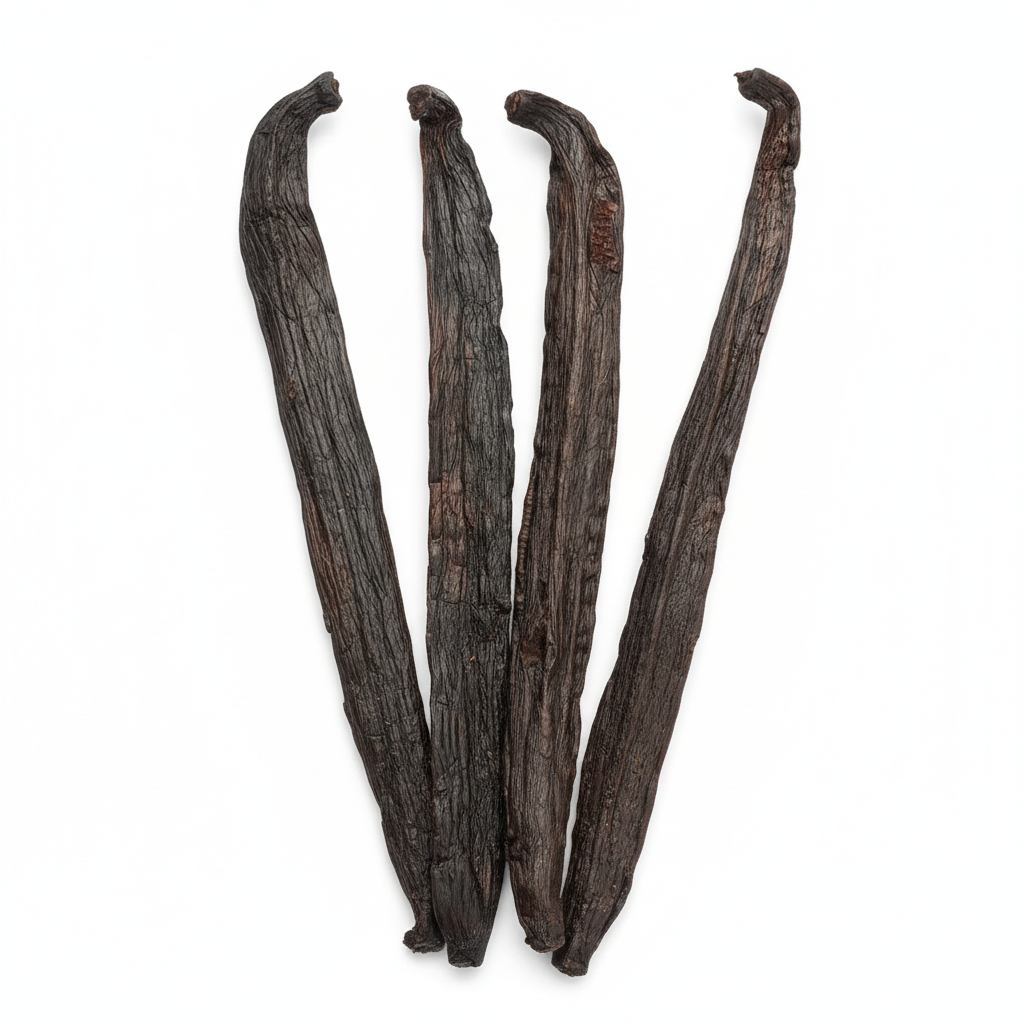
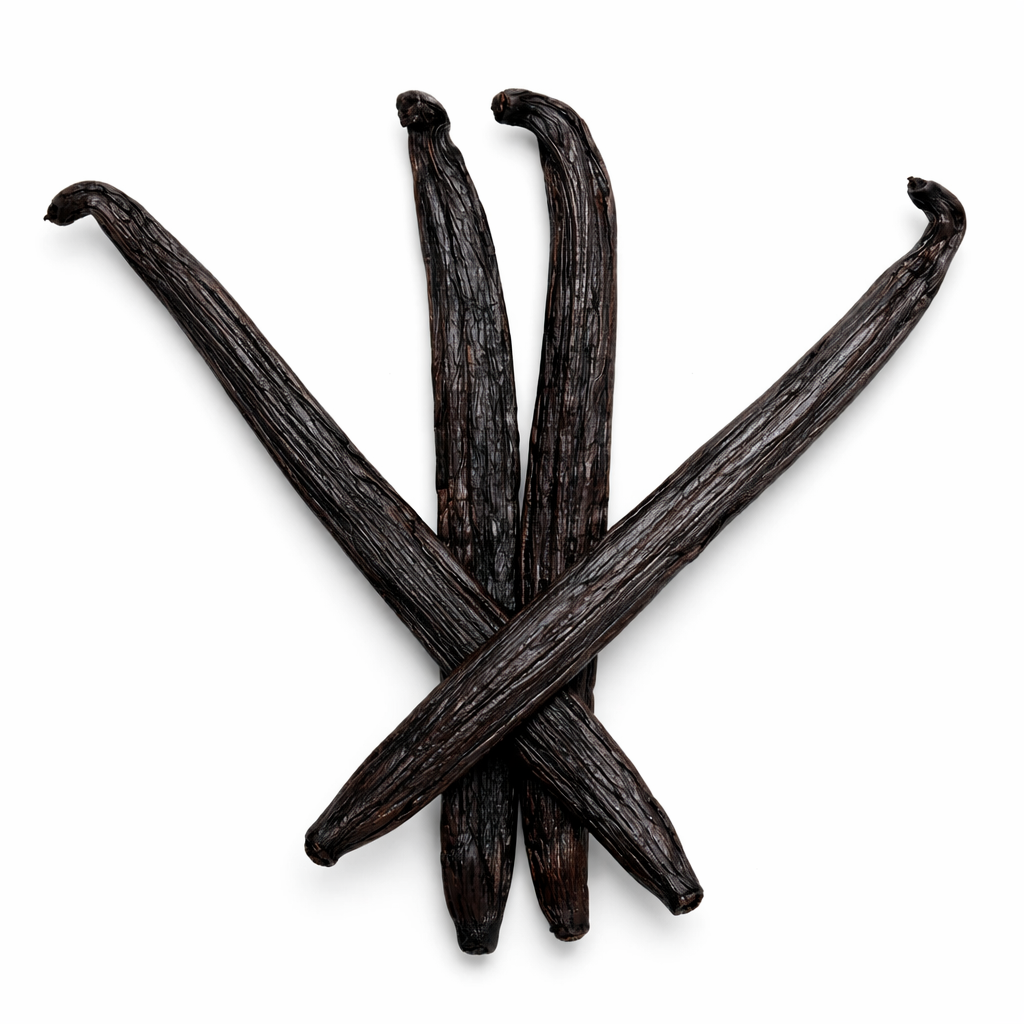
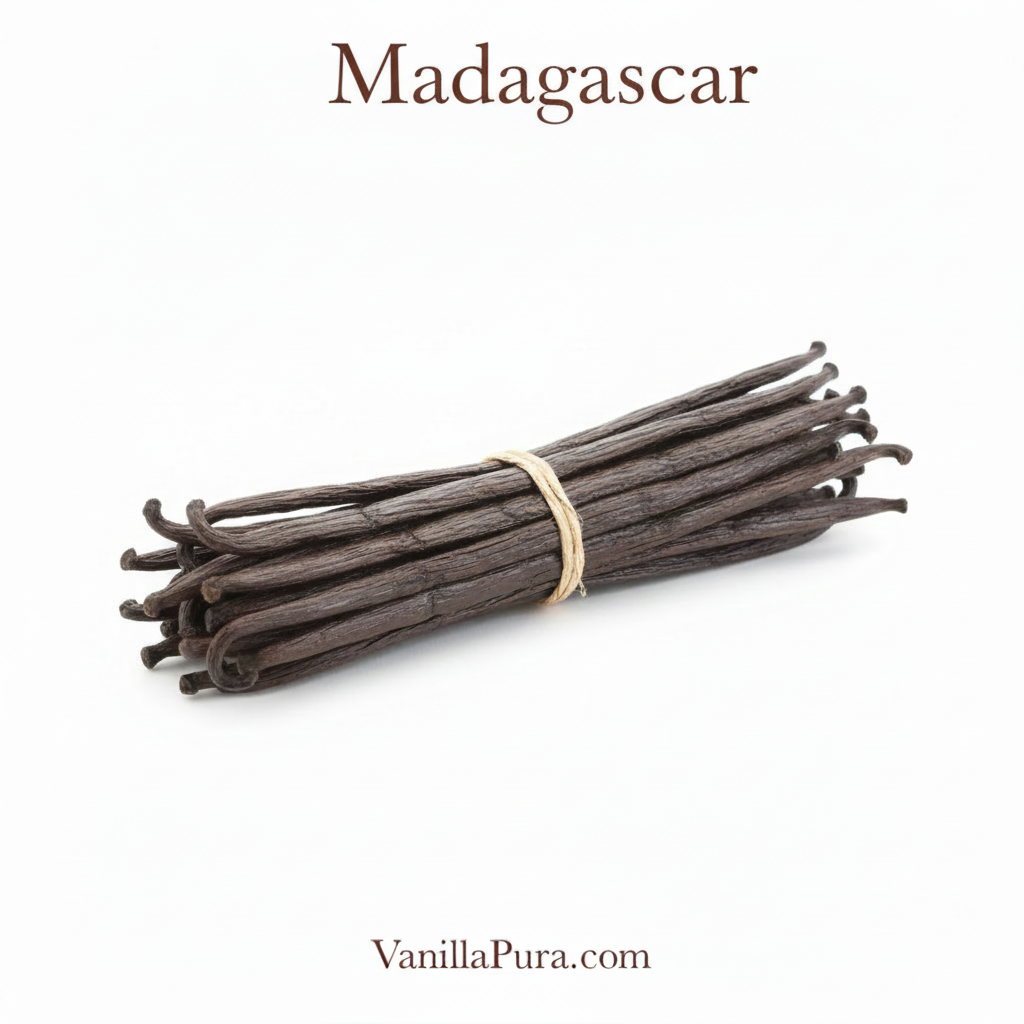
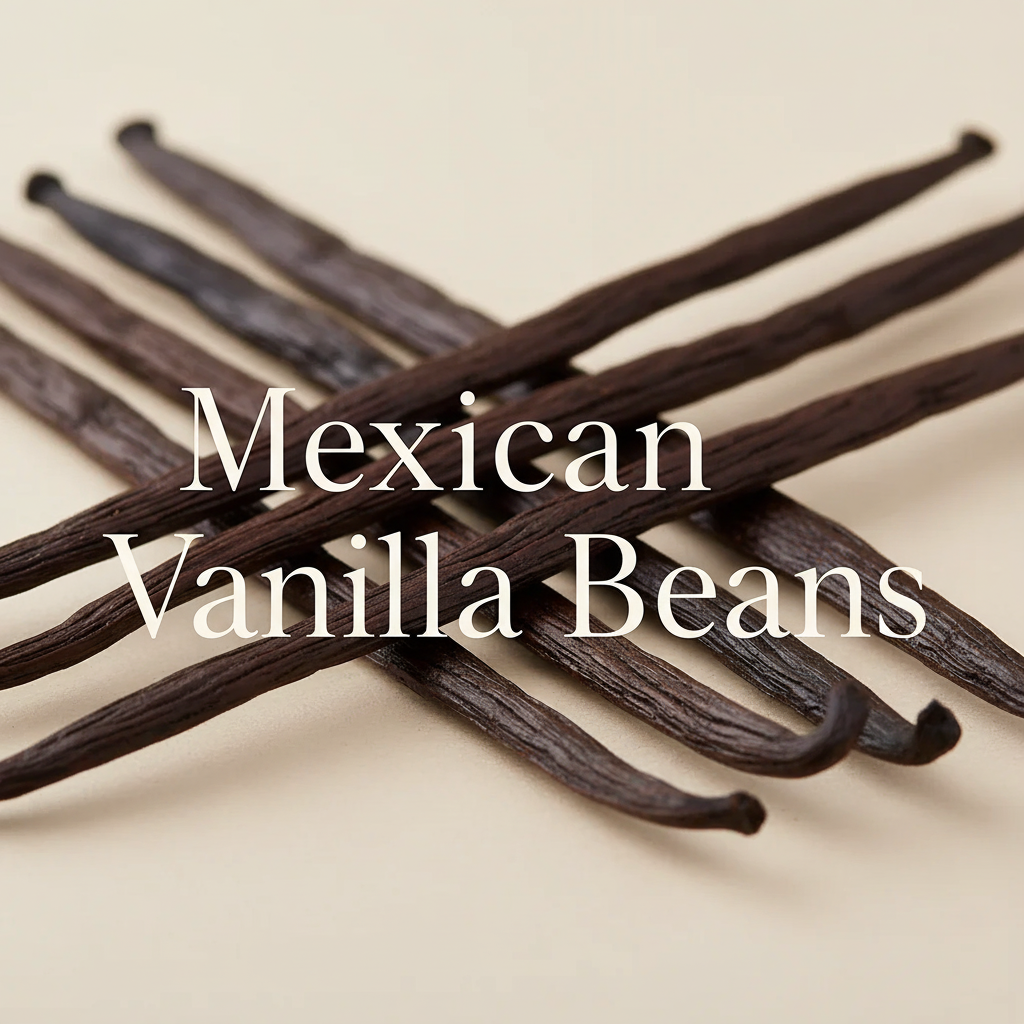
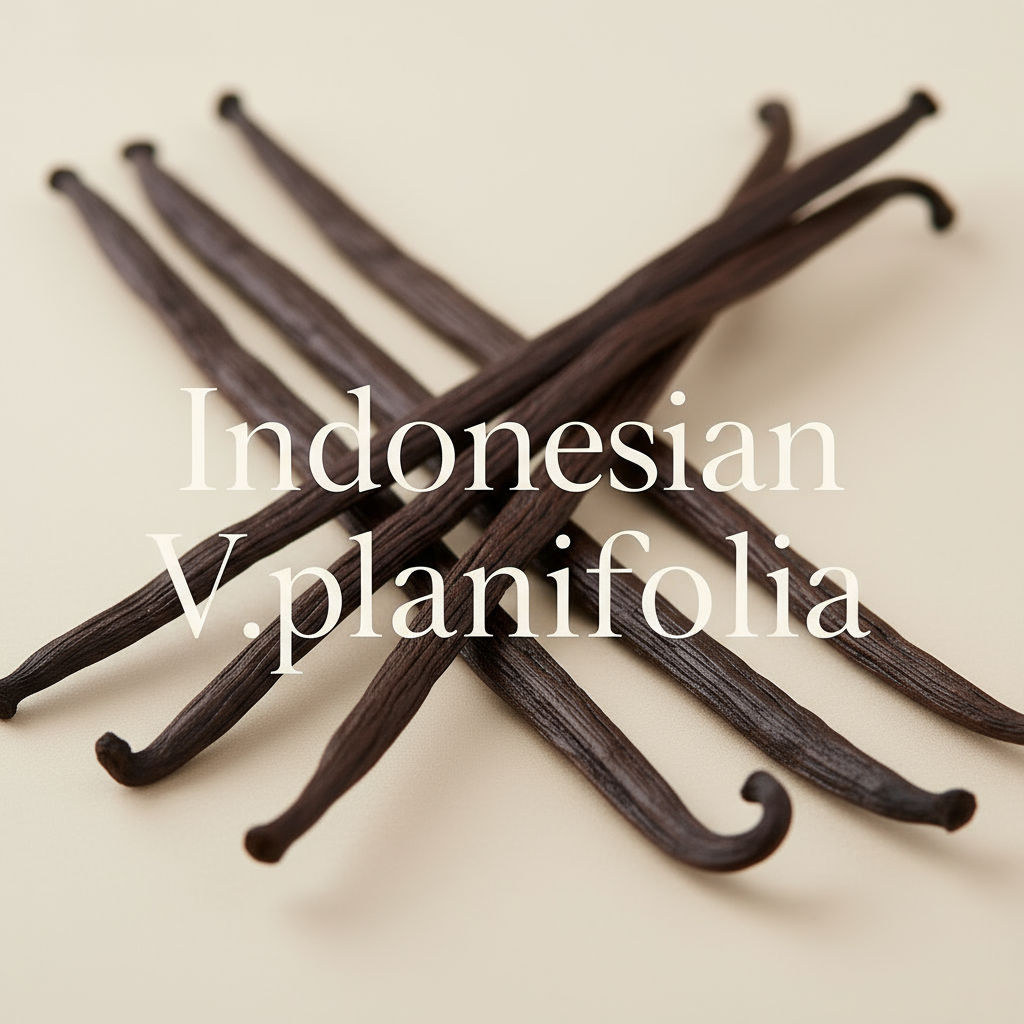
Long before vanilla extract existed, the Totonac people of present-day Mexico were the first to cultivate vanilla orchids (Vanilla planifolia) around the 12th century. The Aztecs, who later conquered the Totonacs, incorporated vanilla pods into their chocolate beverages, calling it "tlilxochitl" or "black flower." When Spanish conquistador Hernán Cortés encountered this aromatic treasure in Montezuma's court in 1520, he brought vanilla beans back to Europe, where they remained a rare luxury for centuries.
The Invention of Vanilla Extract
The first documented creation of vanilla extract as we know it today occurred in 1847, when Joseph Burnett, a chemist and entrepreneur in Boston, Massachusetts, developed a method to extract vanilla's essential oils using alcohol. Burnett founded the Joseph Burnett Company and began producing what he called "Burnett's Standard Flavoring Extracts," with vanilla extract as his flagship product.
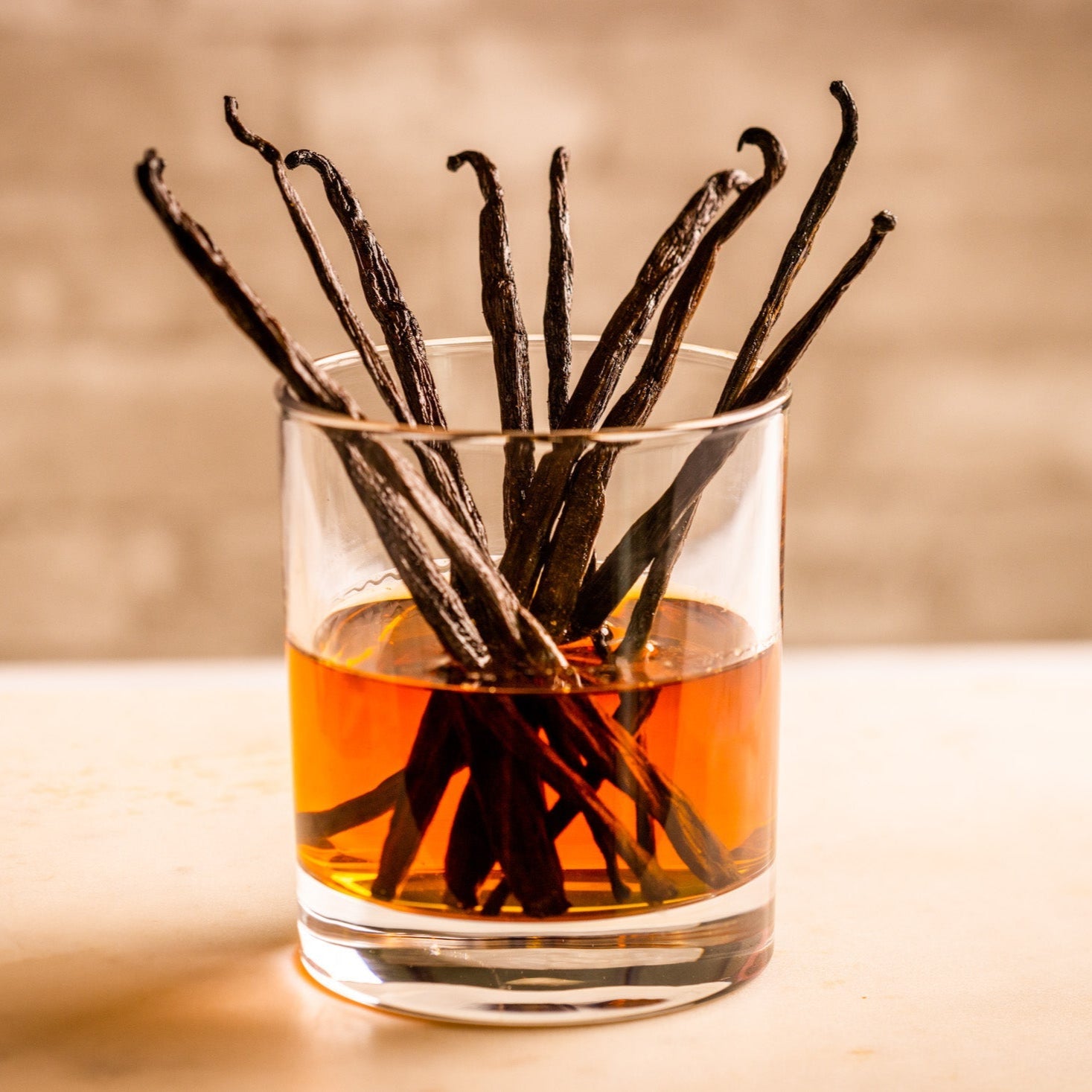
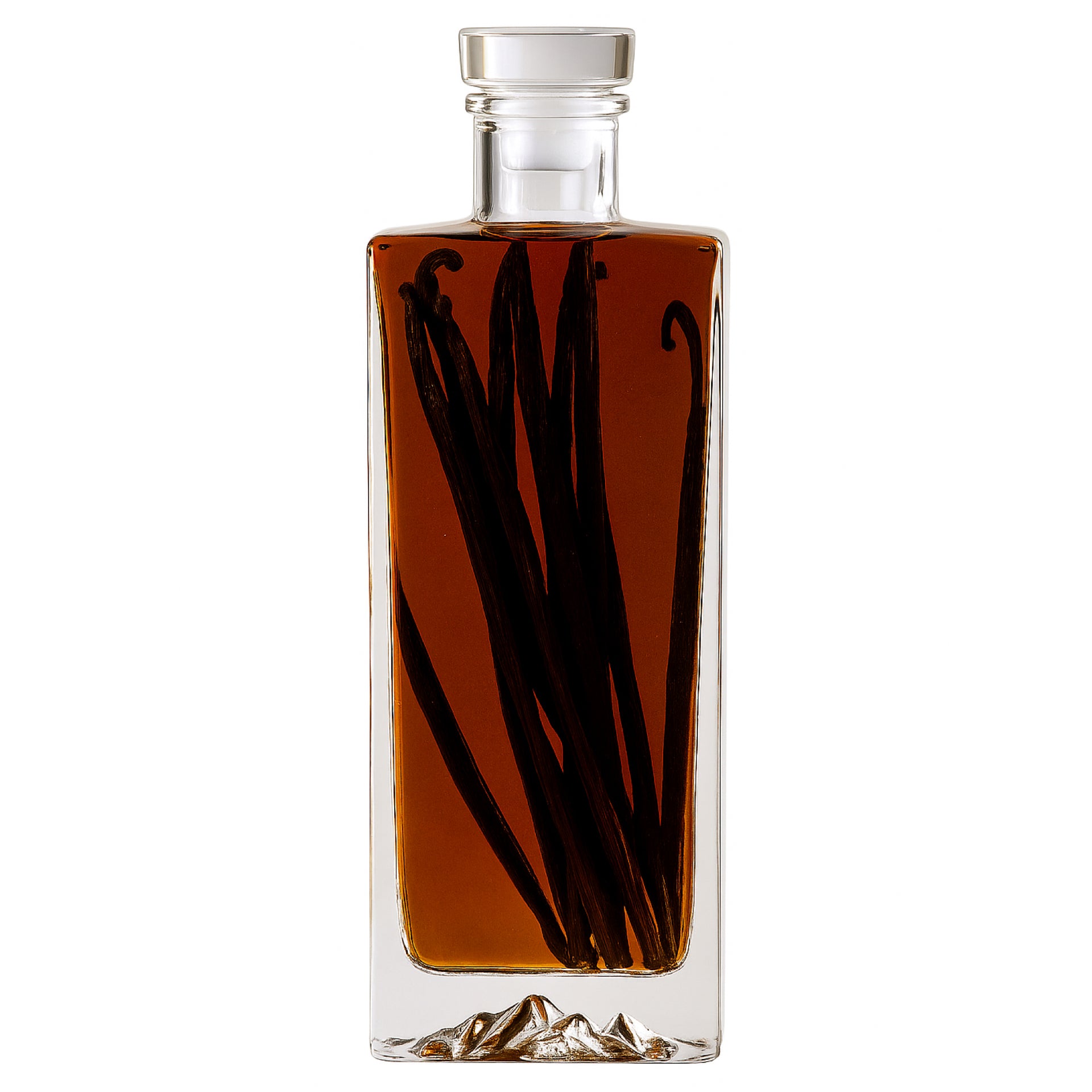
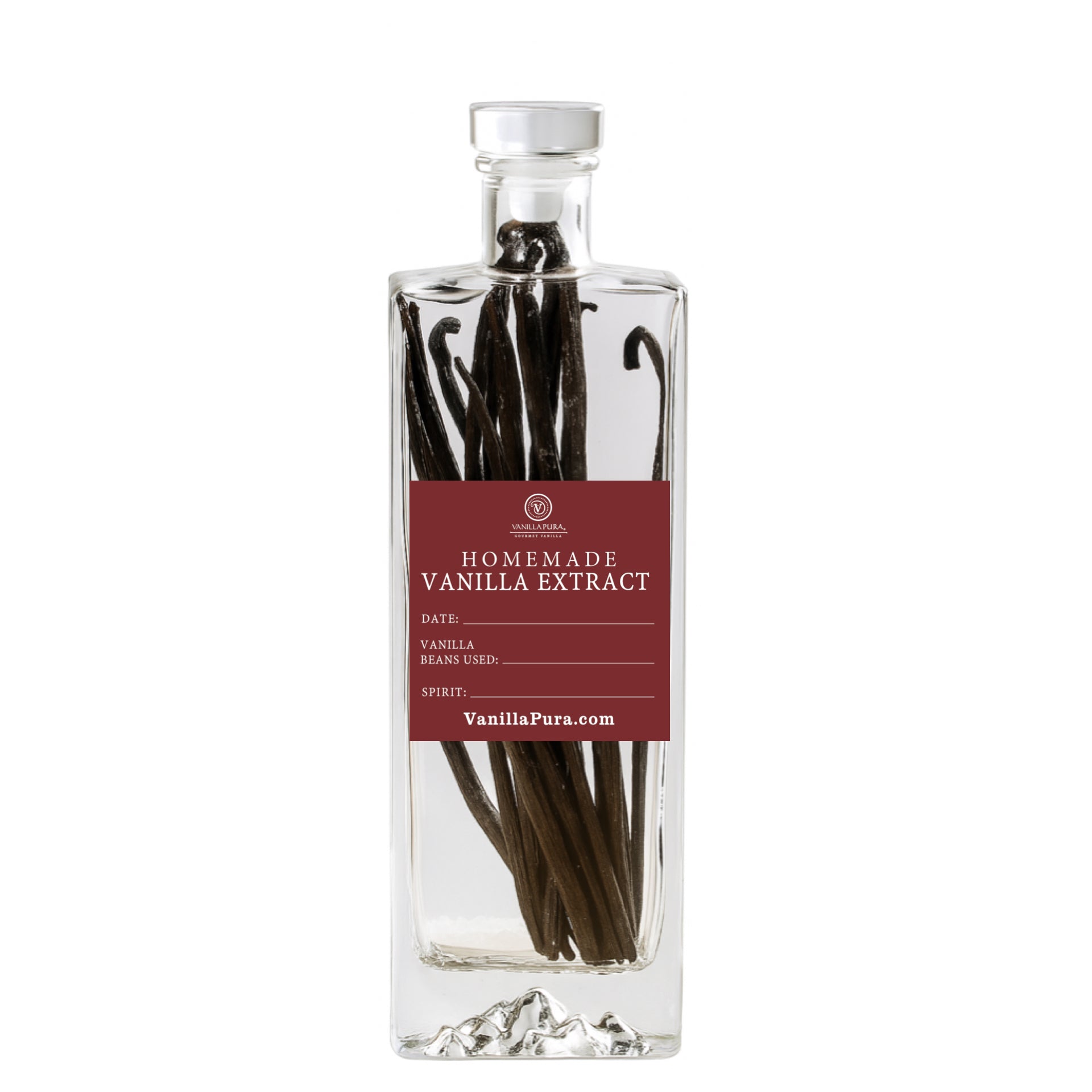
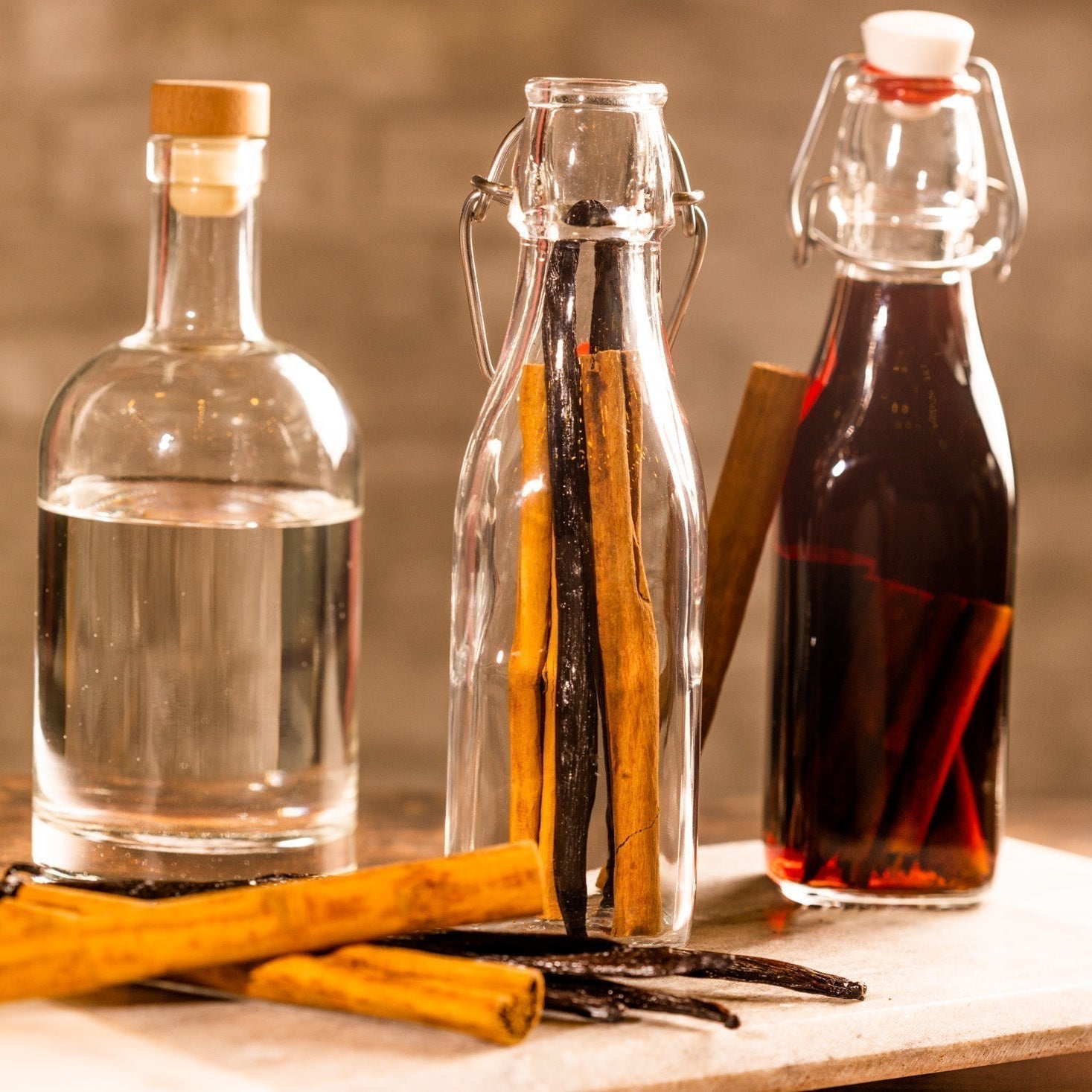
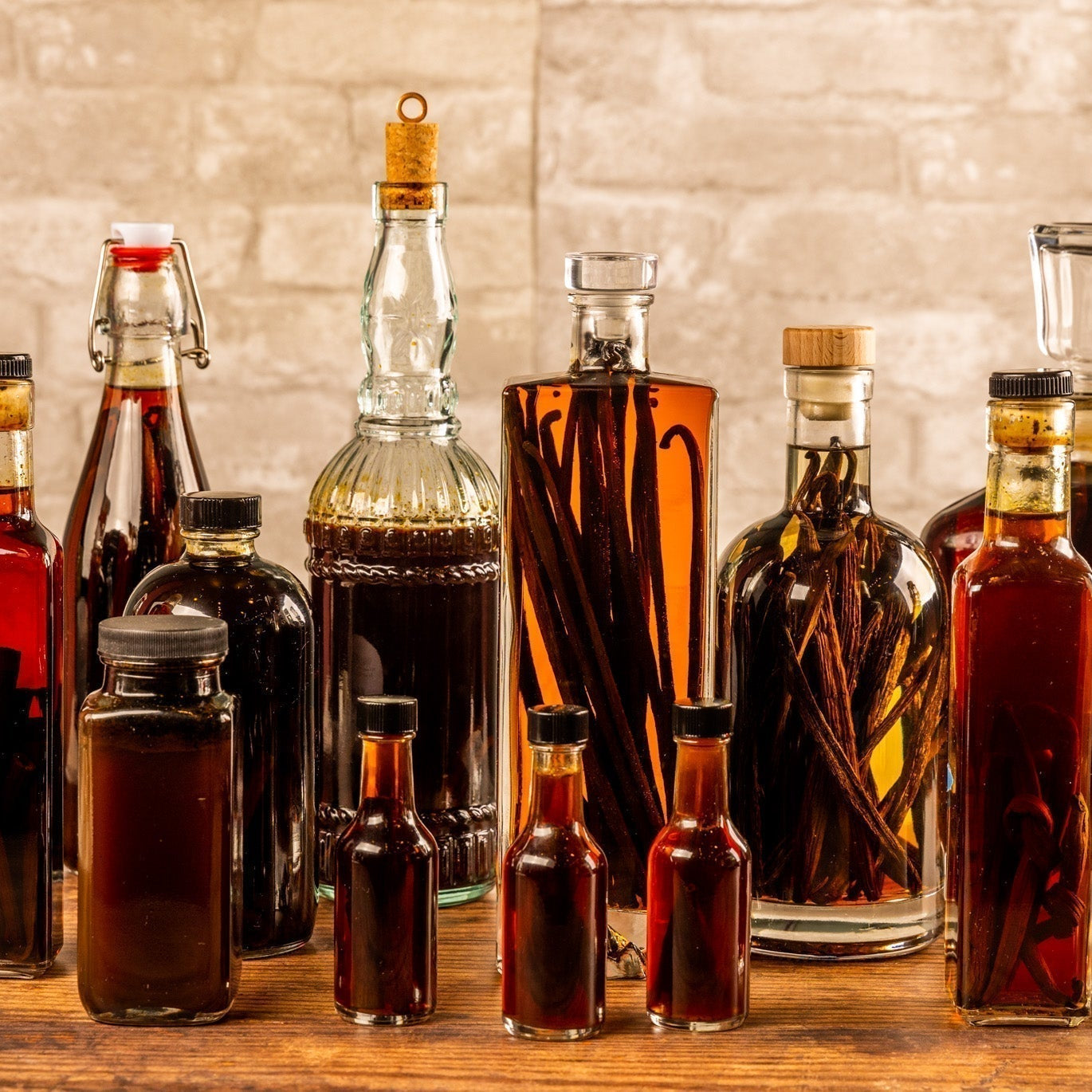
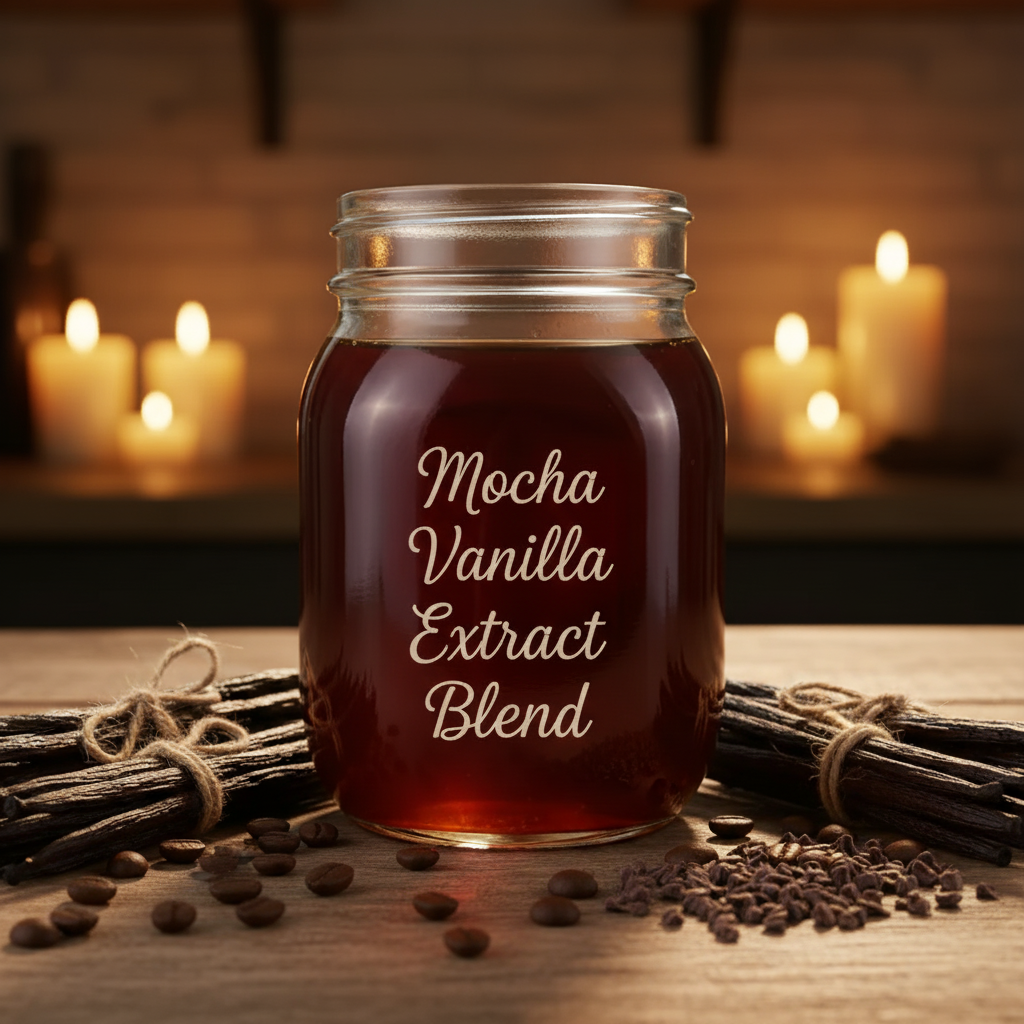
Burnett's innovation was revolutionary: by steeping vanilla beans in an alcohol solution, he created a shelf-stable, easy-to-use product that captured the complex flavor compounds of vanilla in liquid form. This process made vanilla accessible to home bakers and professional chefs alike, democratizing a flavor that had previously been available only to the wealthy who could afford whole vanilla beans.
The Science Behind the Extract
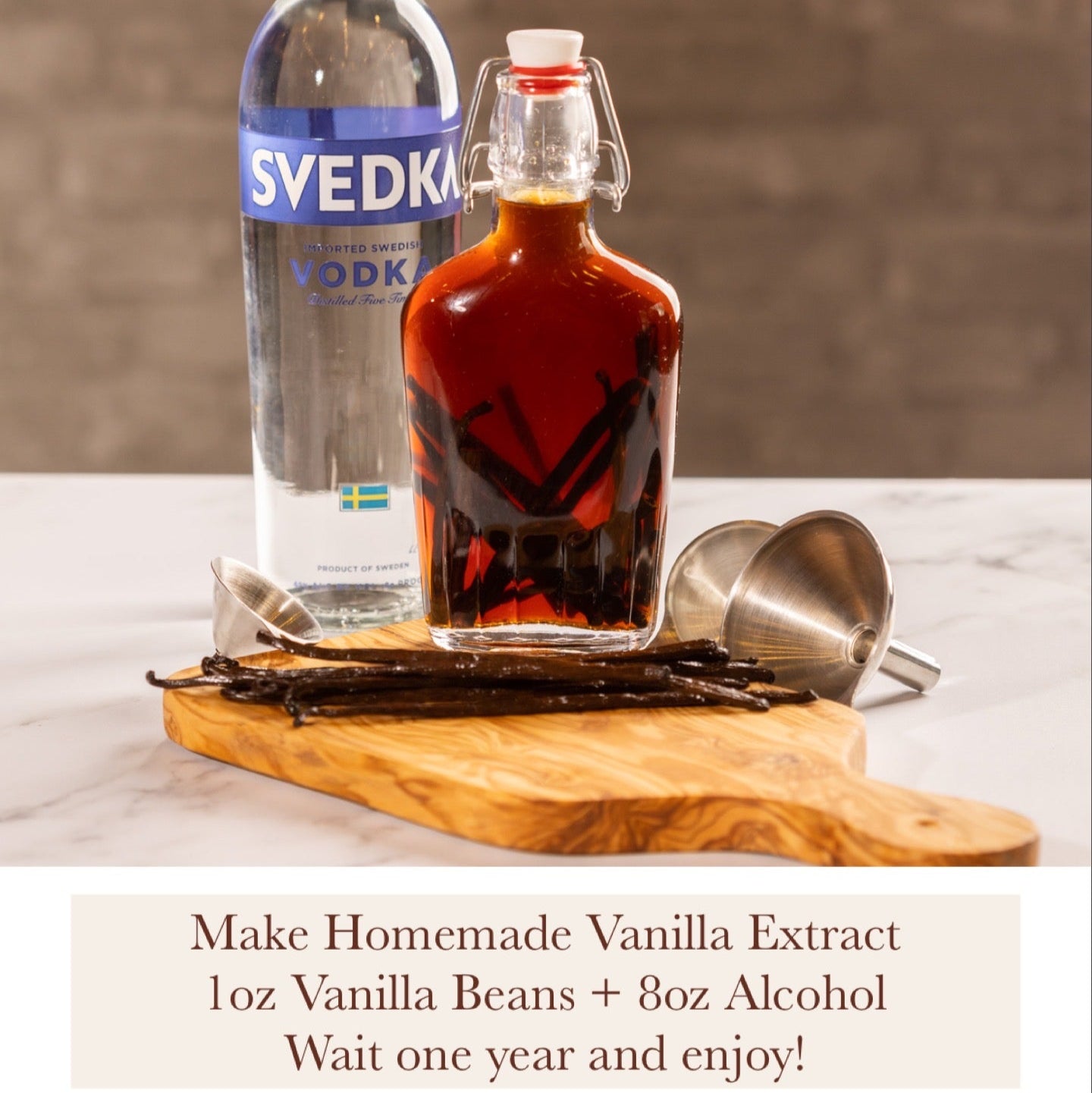
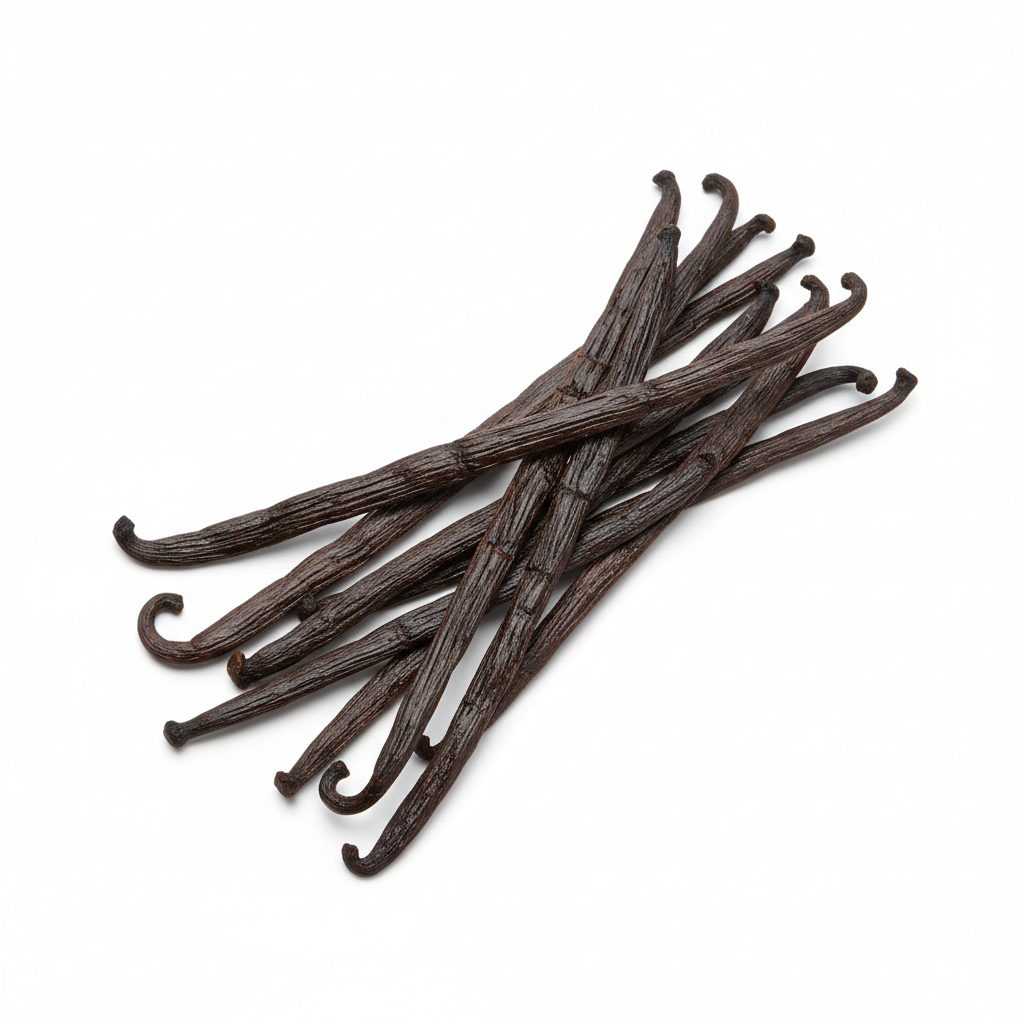
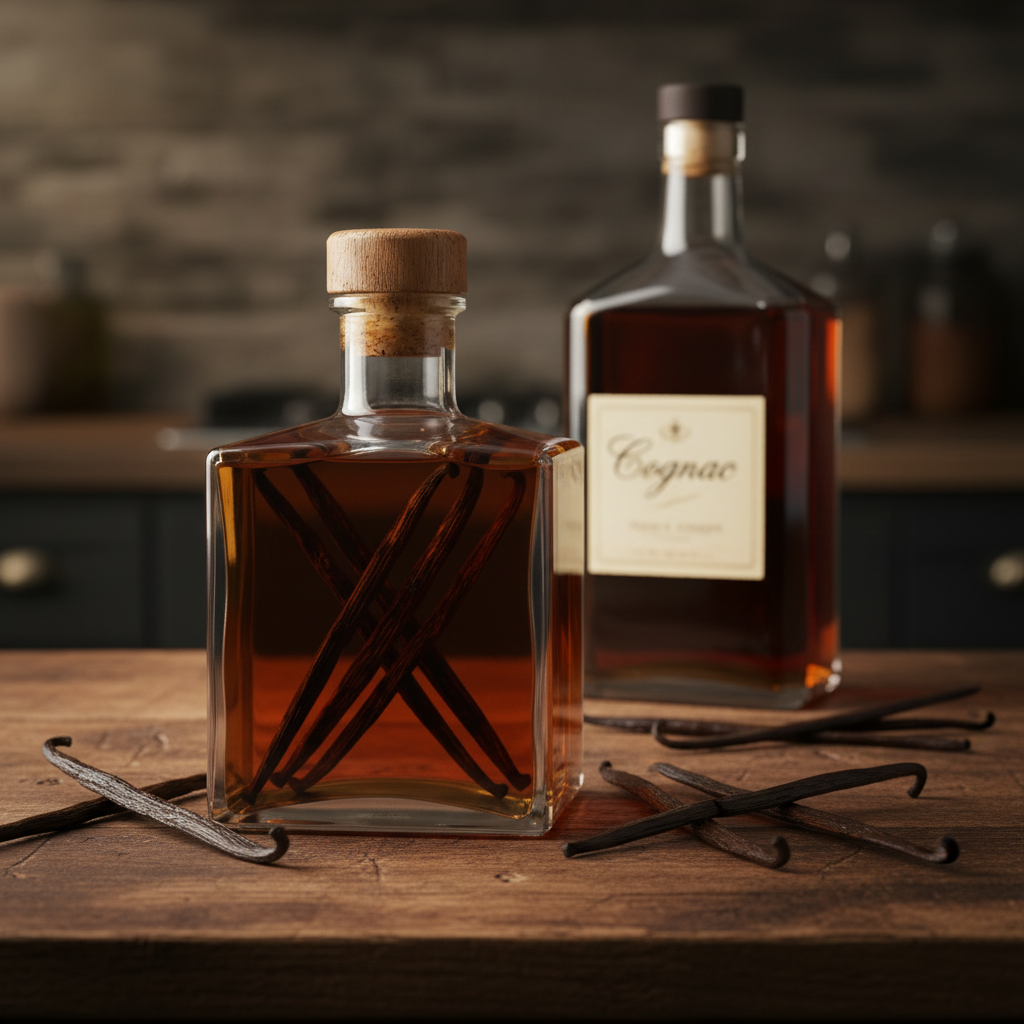
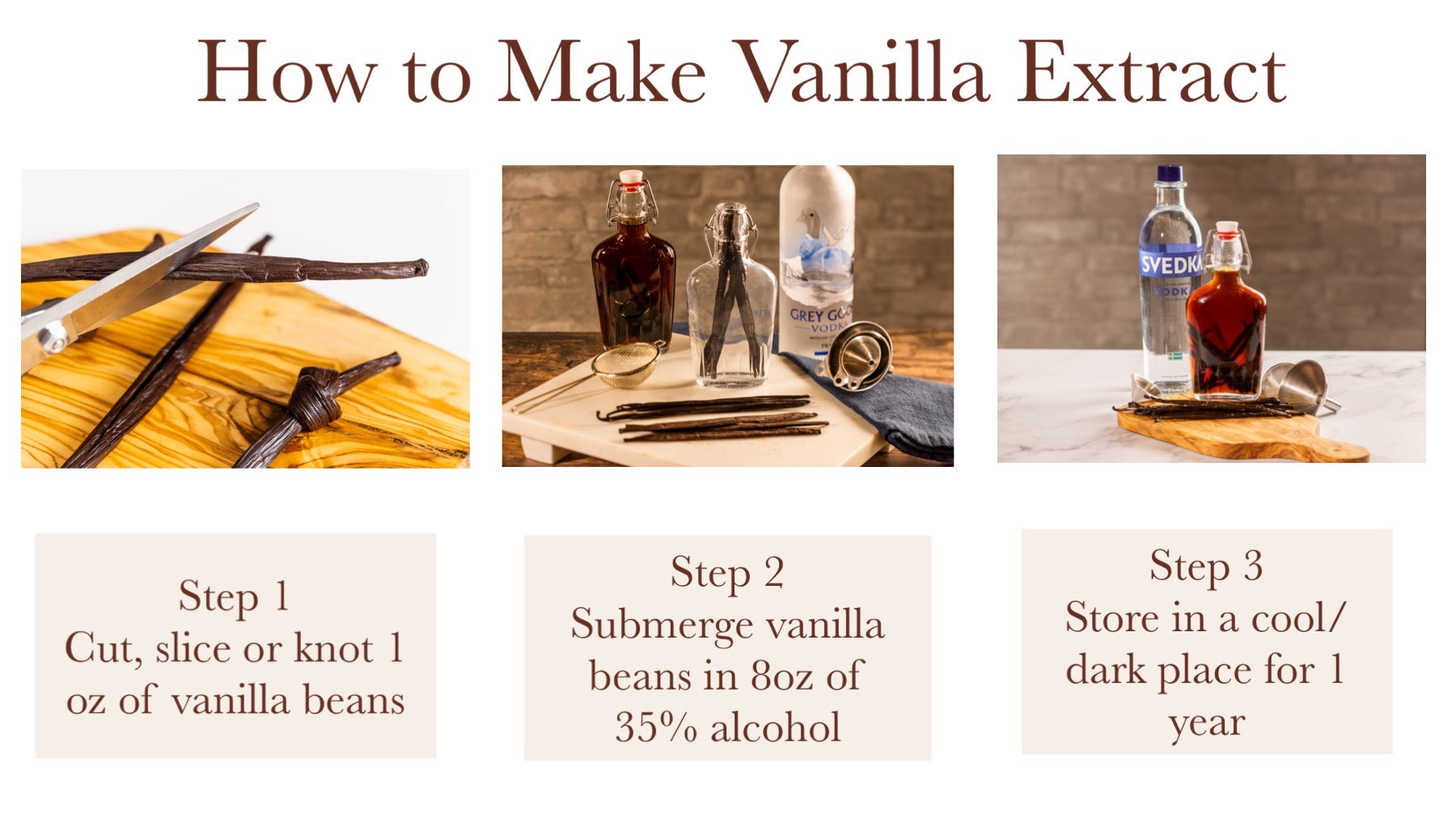
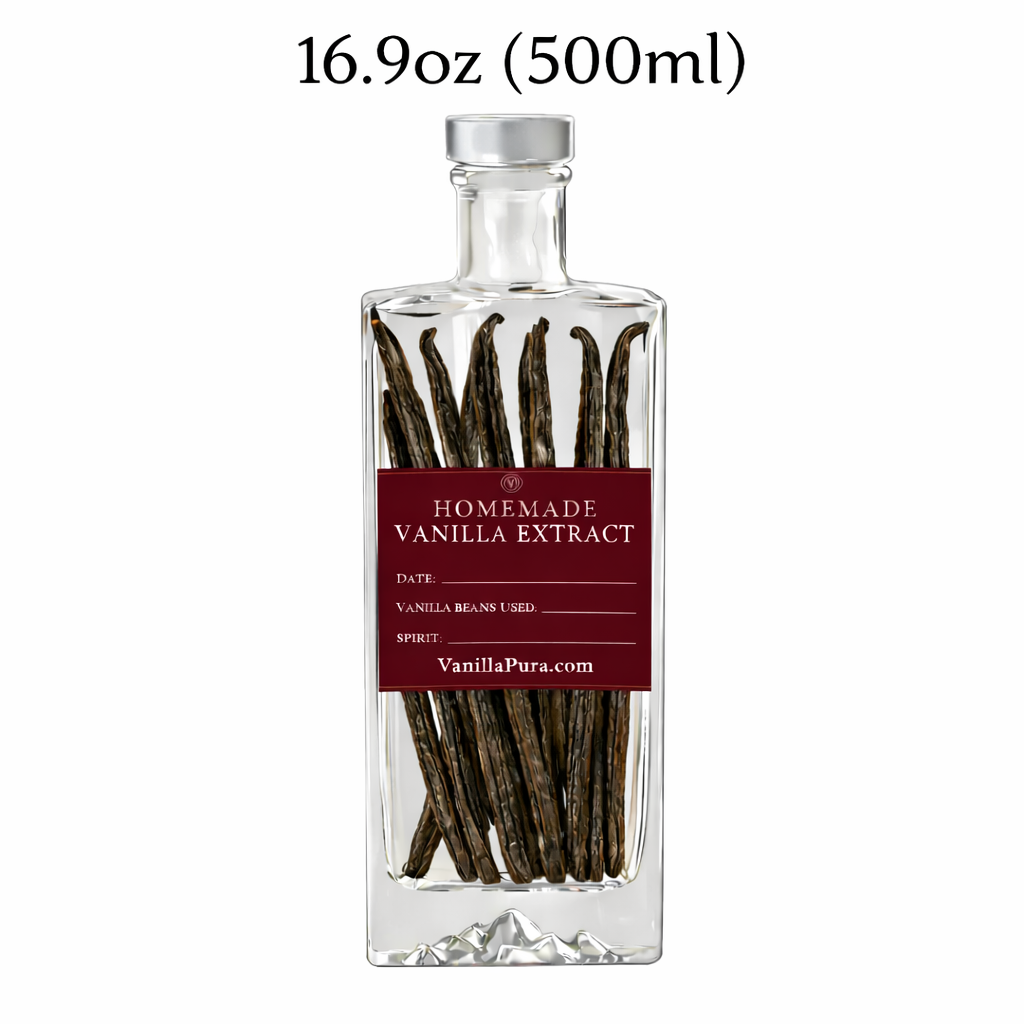
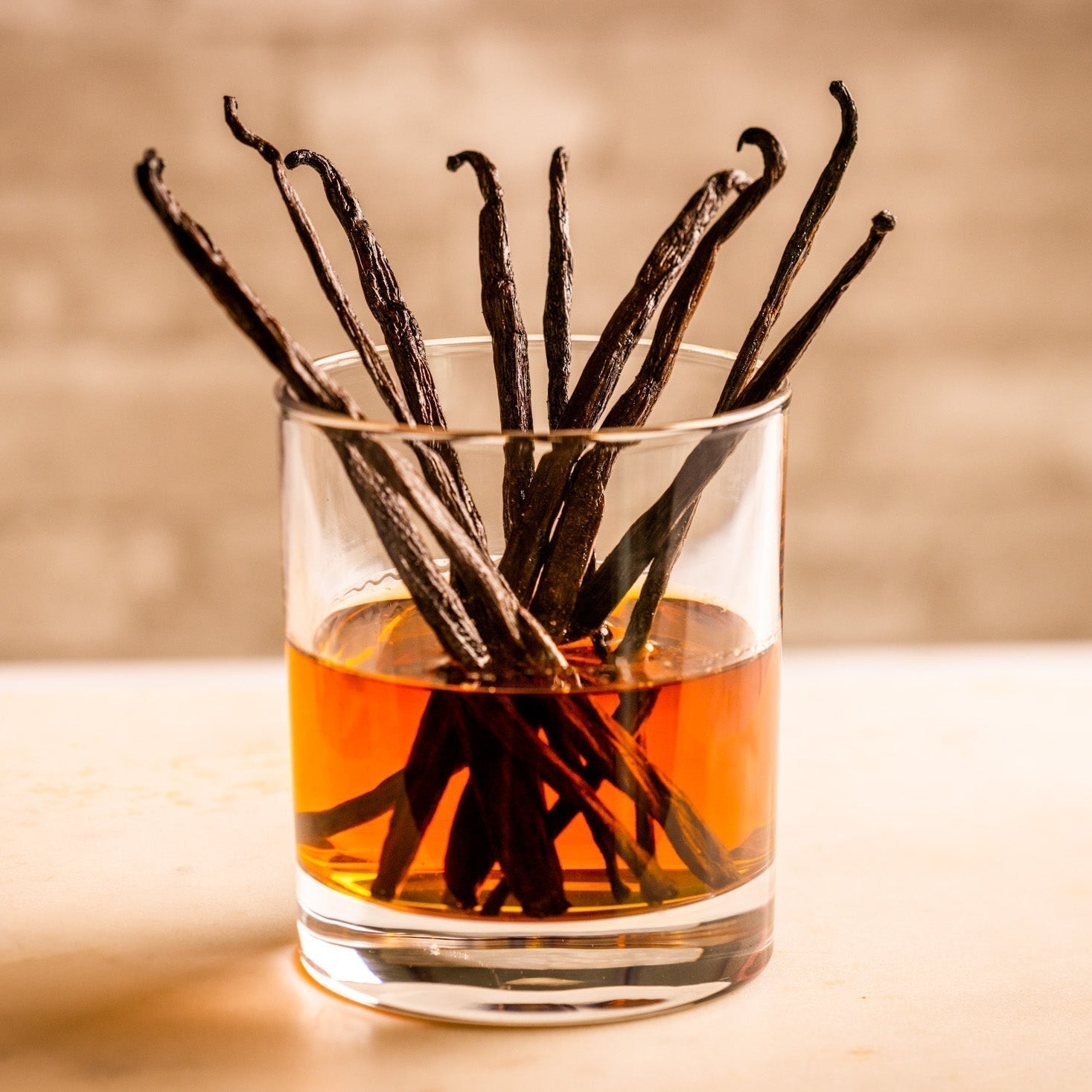
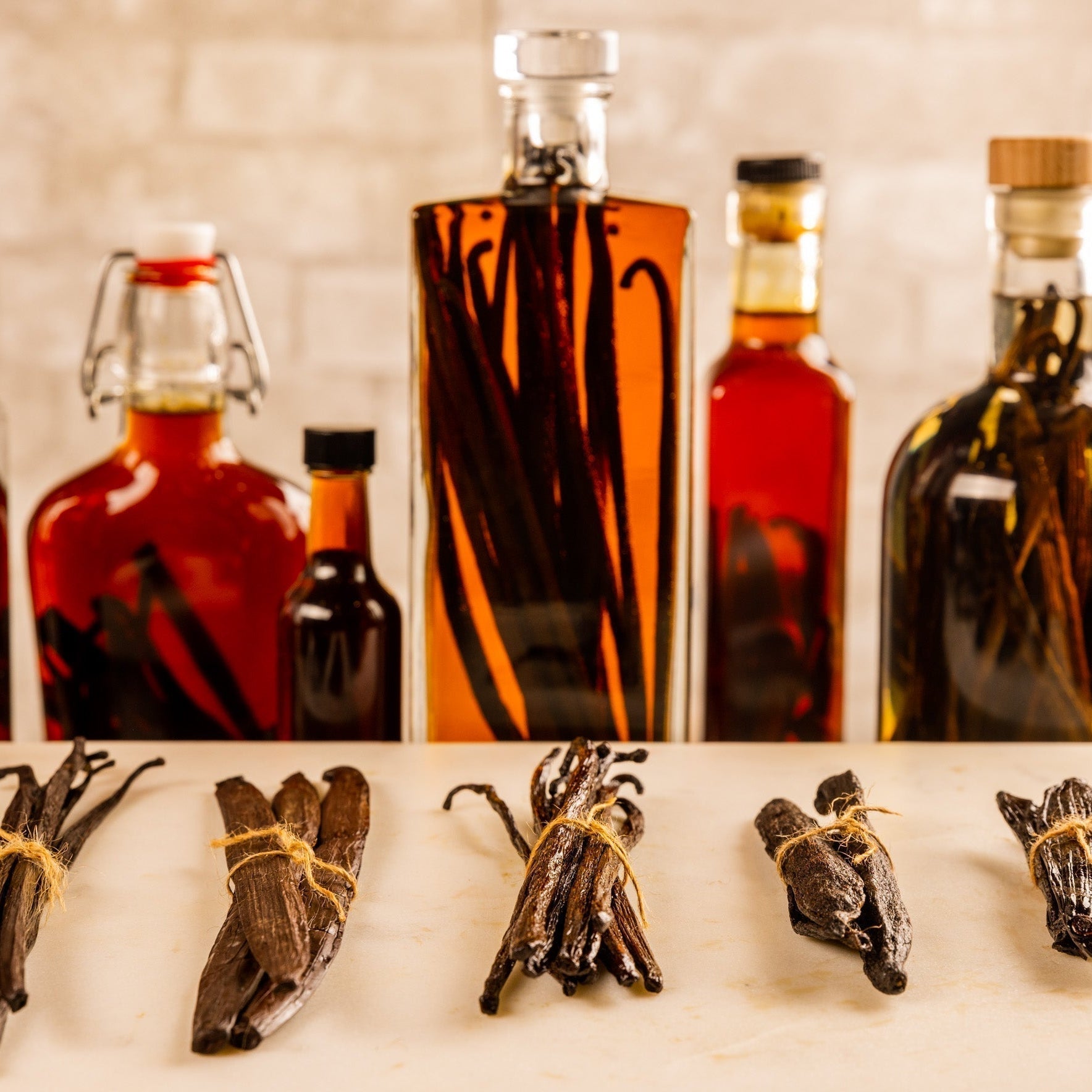
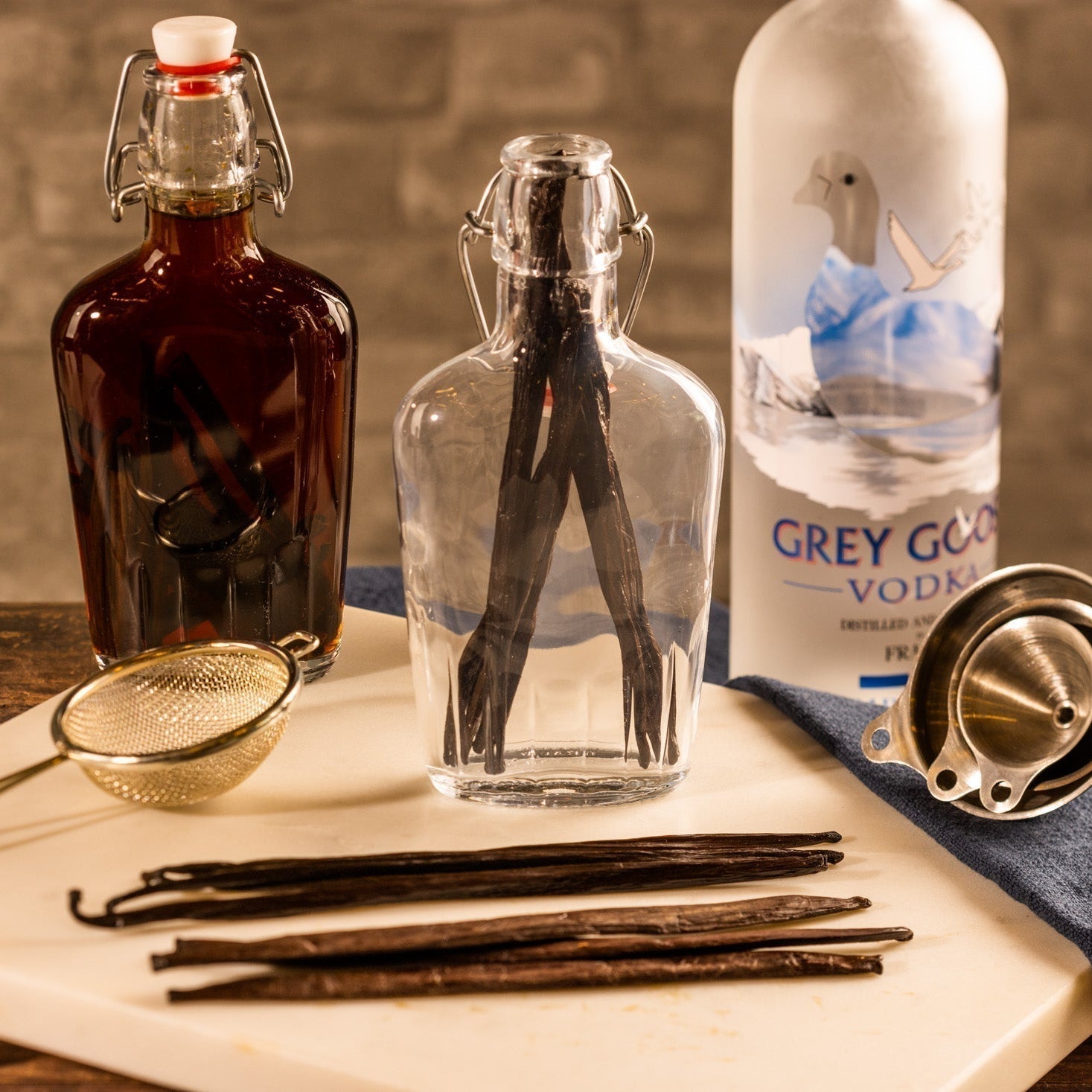
Burnett's extraction method worked because alcohol is an excellent solvent for vanilla's flavor compounds, particularly vanillin, the primary aromatic component. The process involves macerating split vanilla beans in a solution of at least 35% alcohol (as later standardized by the FDA), allowing the alcohol to draw out the essential oils and flavor molecules over several weeks or months.
Impact on Culinary Culture
The introduction of vanilla extract transformed American and European baking. By the late 1800s, vanilla extract had become a pantry staple, appearing in countless recipes for cakes, cookies, custards, and ice cream. The convenience and consistency of extract made vanilla the most popular flavoring in Western desserts—a position it still holds today.
Legacy and Modern Production
Joseph Burnett's innovation laid the groundwork for the modern flavor extract industry. Today, vanilla extract remains one of the most widely used ingredients in baking, with production methods that still follow the fundamental principles Burnett established over 175 years ago: quality beans, proper alcohol content, and adequate extraction time.
Sources and Further Reading
- Rain, Patricia. Vanilla: The Cultural History of the World's Favorite Flavor and Fragrance. New York: Jeremy P. Tarcher/Penguin, 2004.
- Ecott, Tim. Vanilla: Travels in Search of the Ice Cream Orchid. New York: Grove Press, 2004.
- Bruman, Henry J. "The Culture History of Mexican Vanilla." Hispanic American Historical Review 28, no. 3 (1948): 360-376.
- "Joseph Burnett & Company Records." Baker Library Historical Collections, Harvard Business School.
- Cameron, Kenneth M. "Vanilla Orchids: Natural History and Cultivation." Portland: Timber Press, 2011.
Understanding the history of vanilla extract deepens our appreciation for this essential ingredient and the innovation that made it accessible to bakers worldwide.