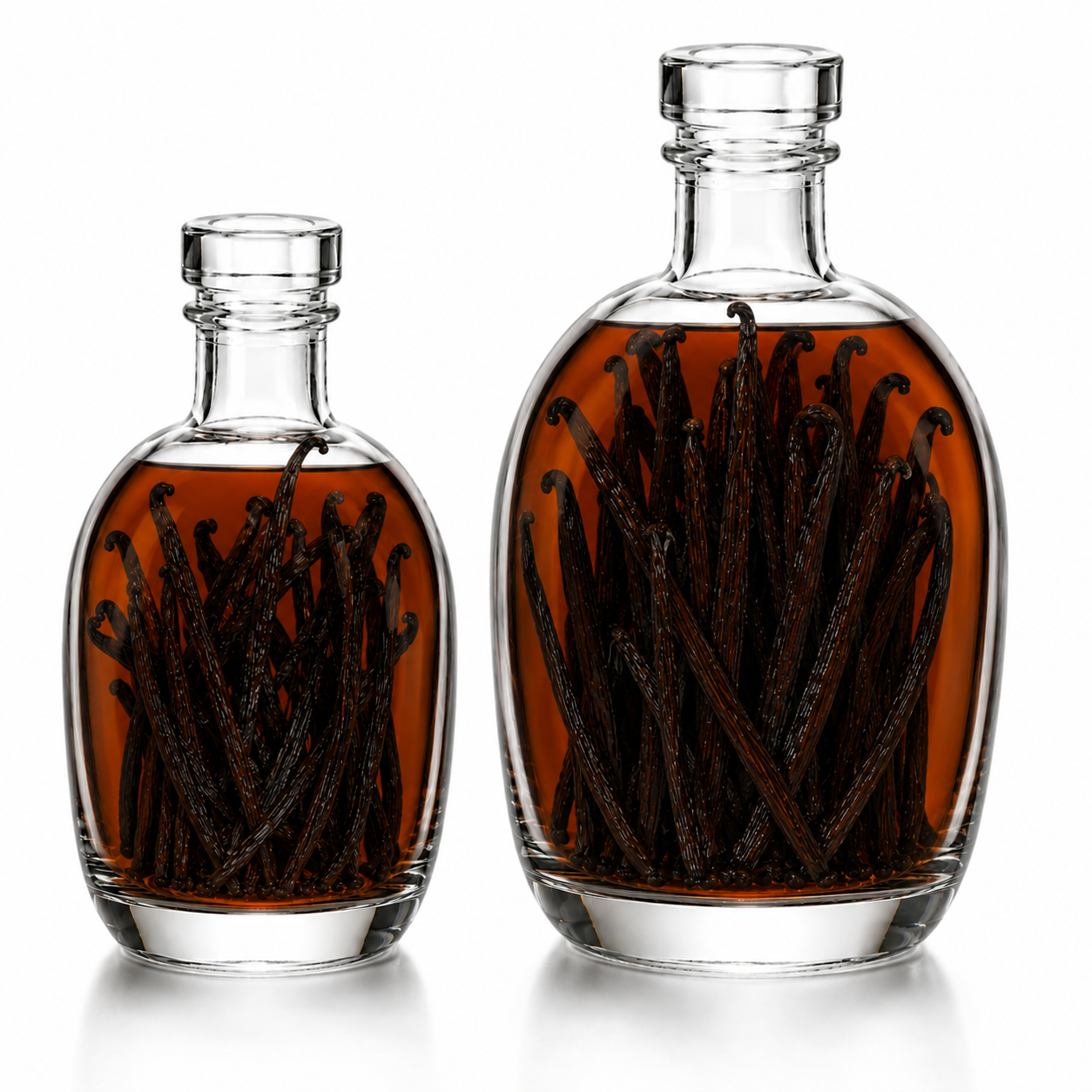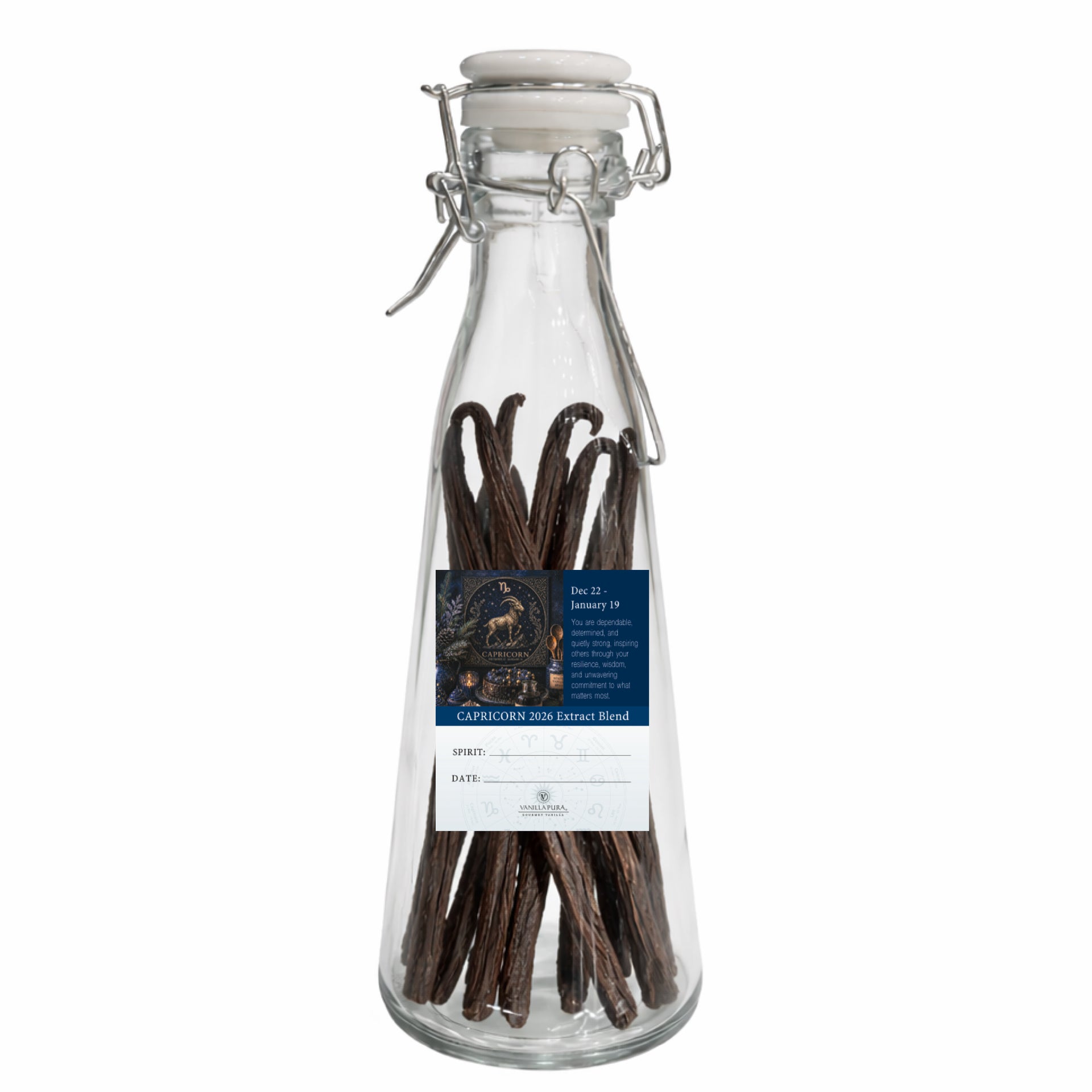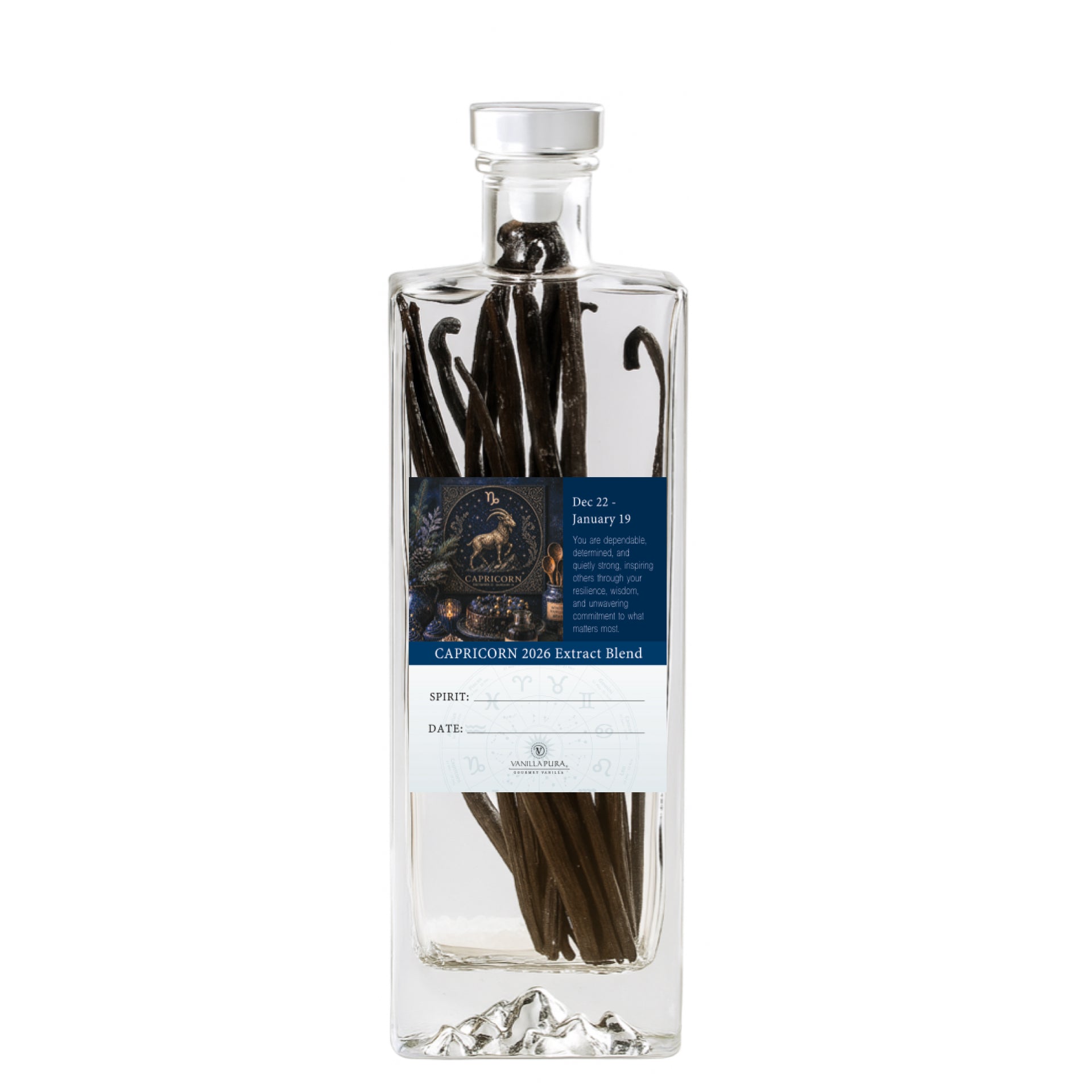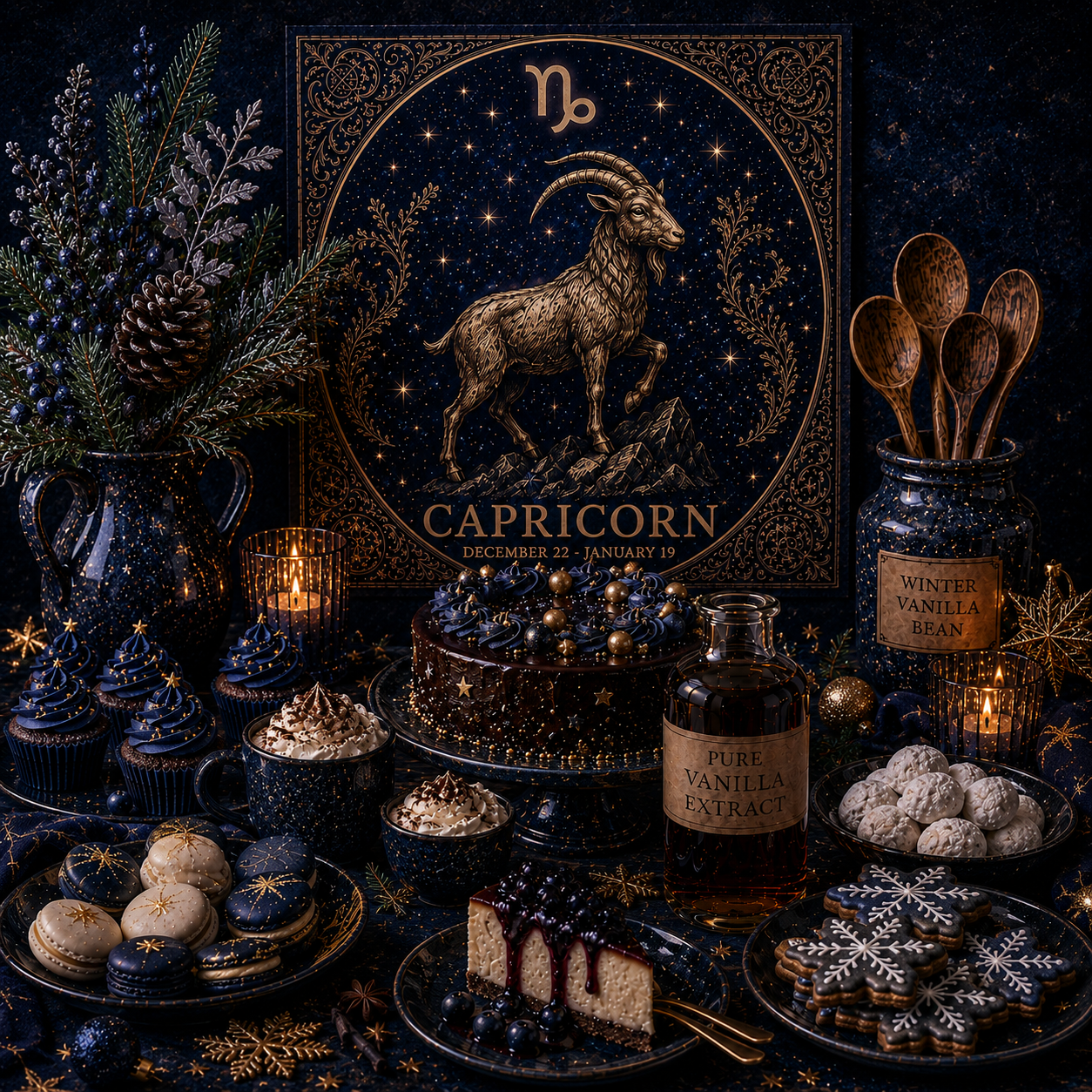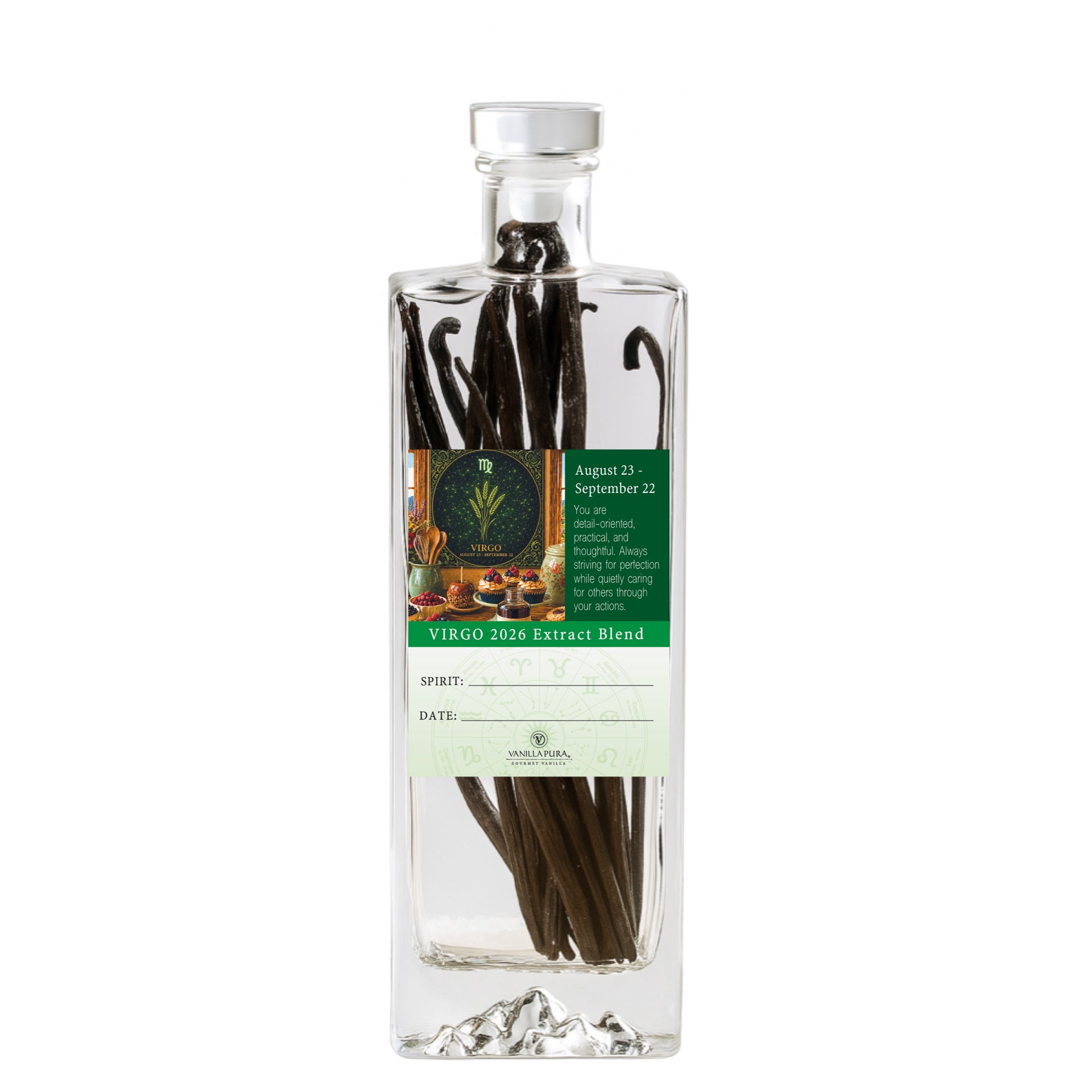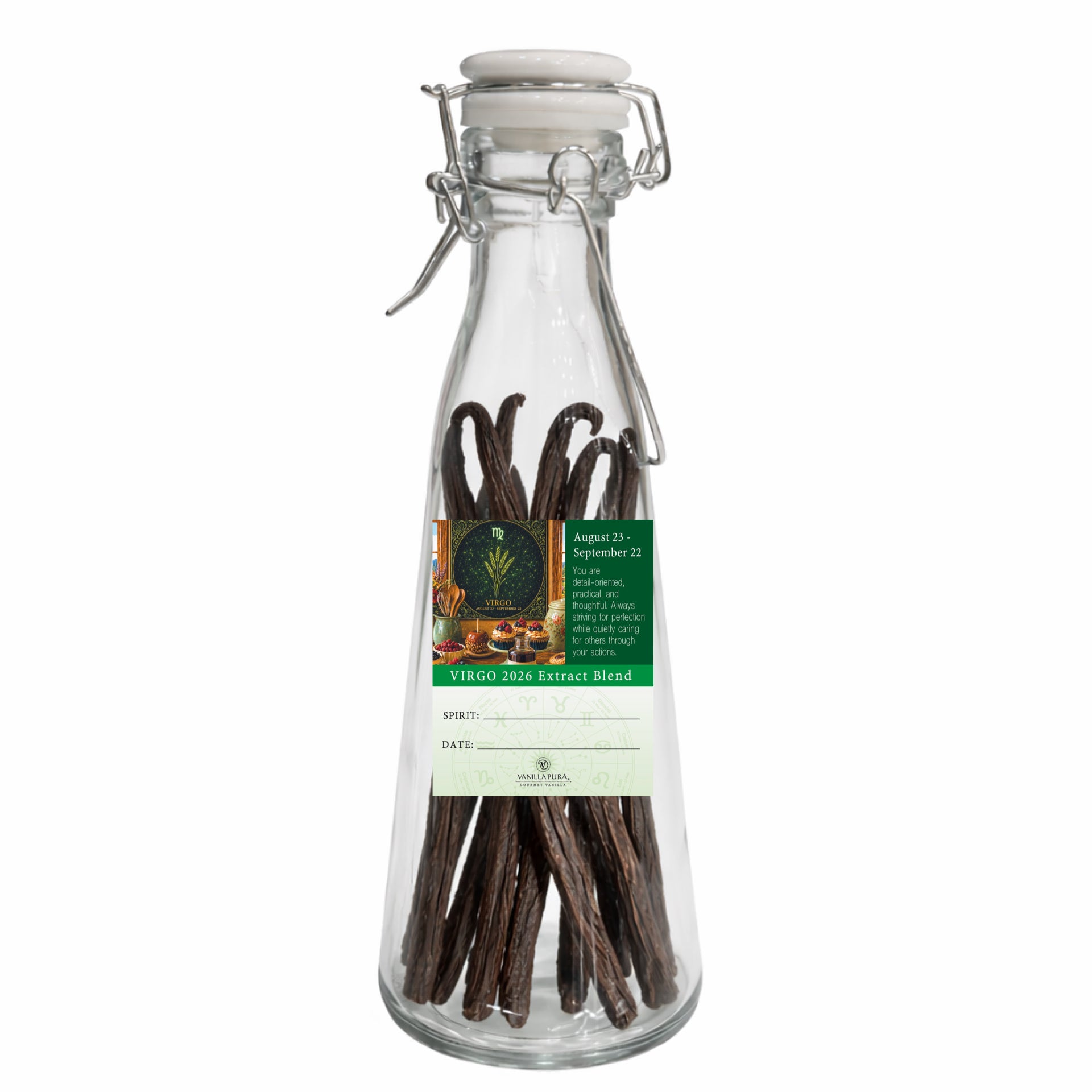

It's a fair question — and the short answer is yes, you can. But understanding why commercial extract makers do it, and what it costs you in flavor, might change how you feel about it.
What "Pure" Vanilla Extract Actually Means
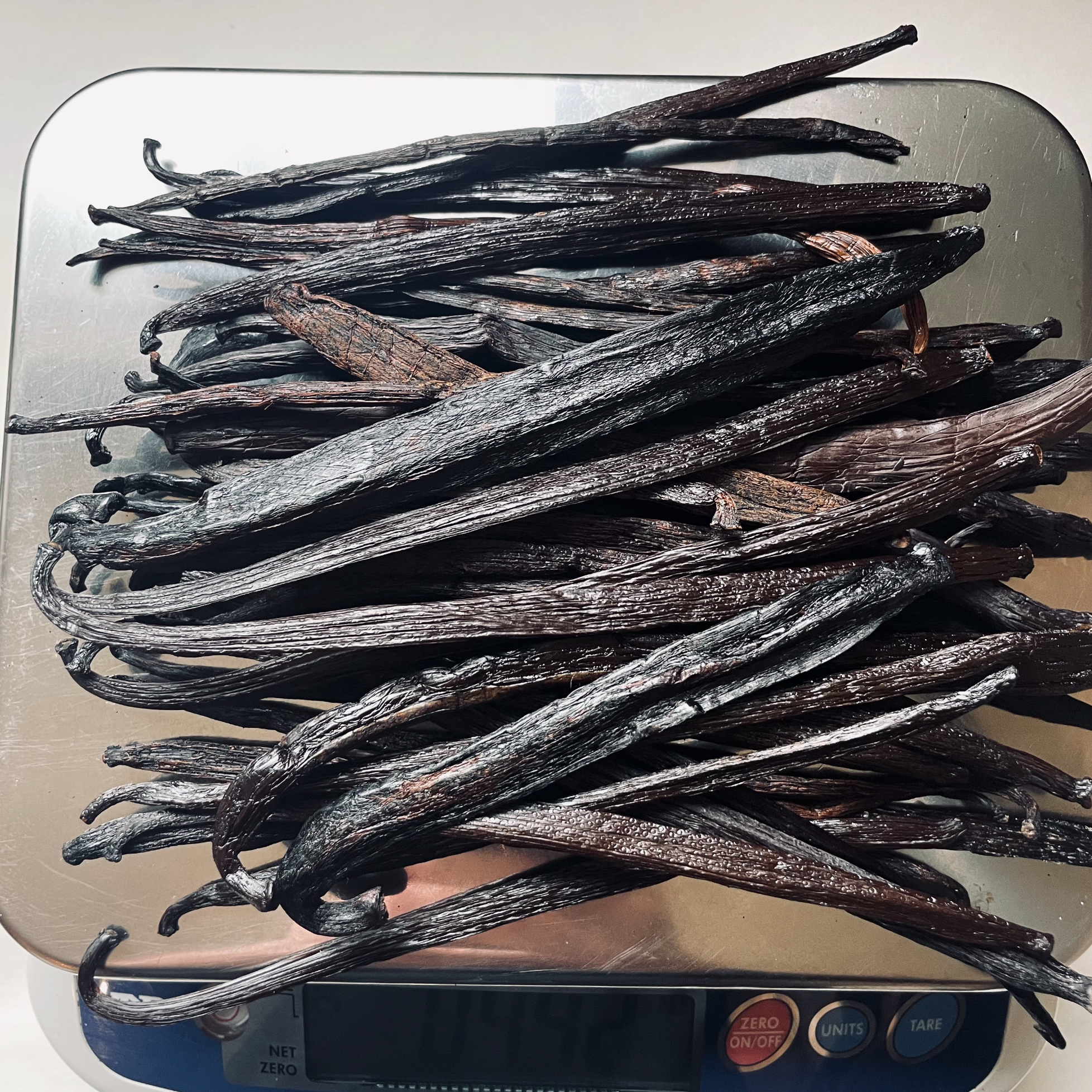
The FDA has a specific standard of identity for pure vanilla extract. To legally call a product "pure," it must contain at least 13.35oz of vanilla beans (below 25% moisture content) per gallon, in an alcohol solution of at least 35% ABV (70 proof).
That's it. Those are the two requirements that earn the word "Pure" on the label.
Now here's where it gets interesting: if 35% of the solution is alcohol, what makes up the remaining 65%? If a commercial maker isn't adding artificial colors or sweeteners, the answer is usually just water. But many commercial producers do add things — corn syrup, sugar, caramel color, and other sweeteners — and as long as they've met the bean and alcohol requirements, they can still print "Pure Vanilla Extract" on the bottle.
Technically legal. But not exactly what most people picture when they reach for "pure" vanilla.
Why Do Commercial Makers Add Sweeteners?
Time — or rather, the lack of it.
Commercial extract production is a volume game. Makers are trying to produce gallons of extract quickly, which means they rely on heat, cold, and agitation to accelerate extraction. The problem is that these shortcuts come at a cost: the hundreds of delicate flavor compounds inside a vanilla pod are sensitive. Forcing them out fast damages them, and the resulting extract can taste flat, thin, or harsh compared to what slow, patient extraction produces.
So what's the fix? Add sweeteners and colors to compensate — to sweeten what nature would have made sweet on its own, given enough time.
The Home Extractor's Advantage
This is where making vanilla extract at home changes everything.
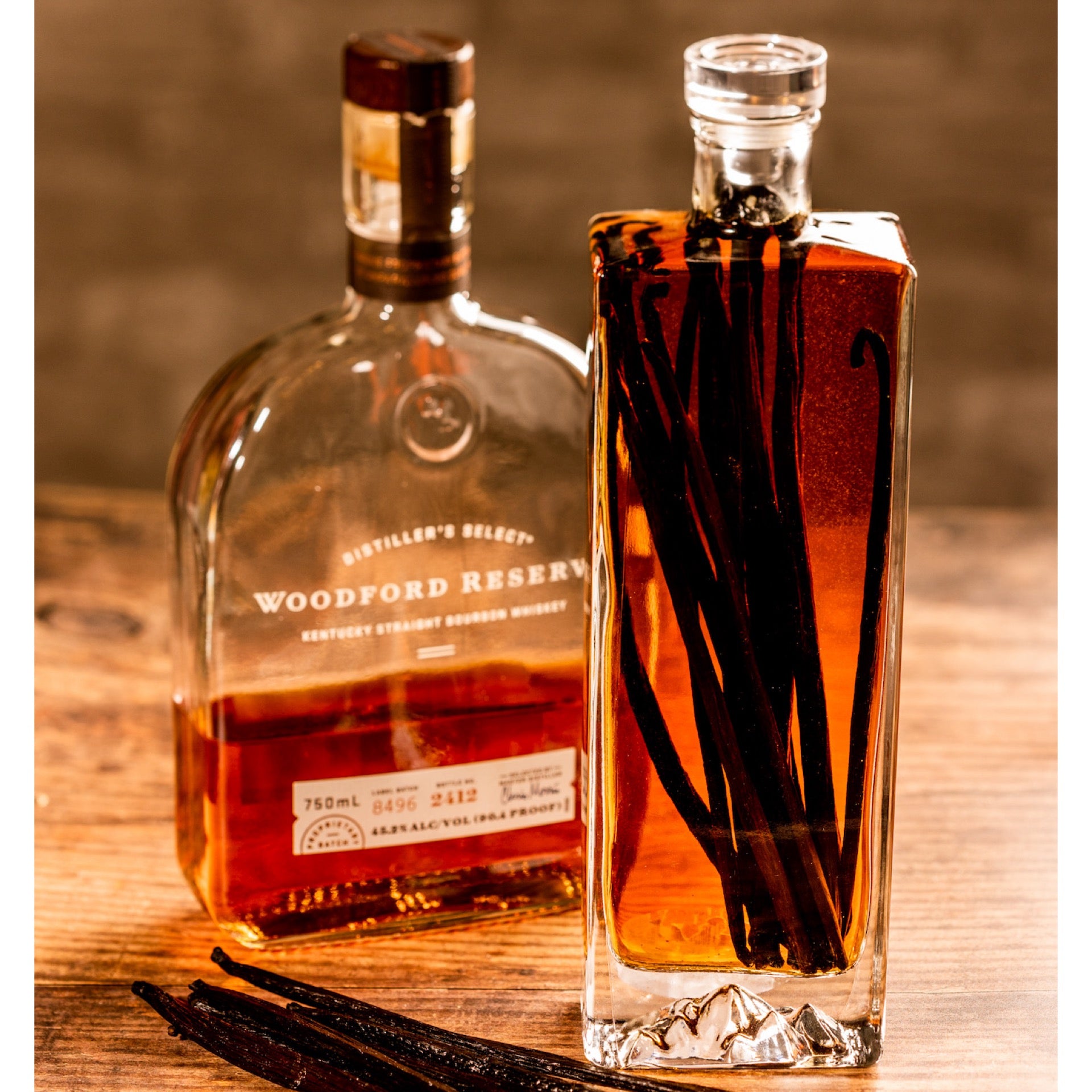
When you make extract at home, you have the one thing commercial producers don't: time. A home extract aged for a year or more allows for the slow, clean transfer of a vanilla pod's full spectrum of flavor compounds into the alcohol solution — undamaged, undiluted, and without shortcuts.
The result is an extract that is naturally sweet, complex, and rich — not because anything was added, but because the vanilla was given the time it deserved. No corn syrup needed. No caramel color. Just beans, alcohol, and patience.
So, Should You Add Sweeteners?
You can. Adding sugar, simple syrup, or other sweeteners to your homemade extract won't disqualify it — and if you've met the bean and alcohol ratios, you could still technically call it "pure." Some people enjoy a lightly sweetened extract for specific baking applications, and that's a perfectly valid choice.
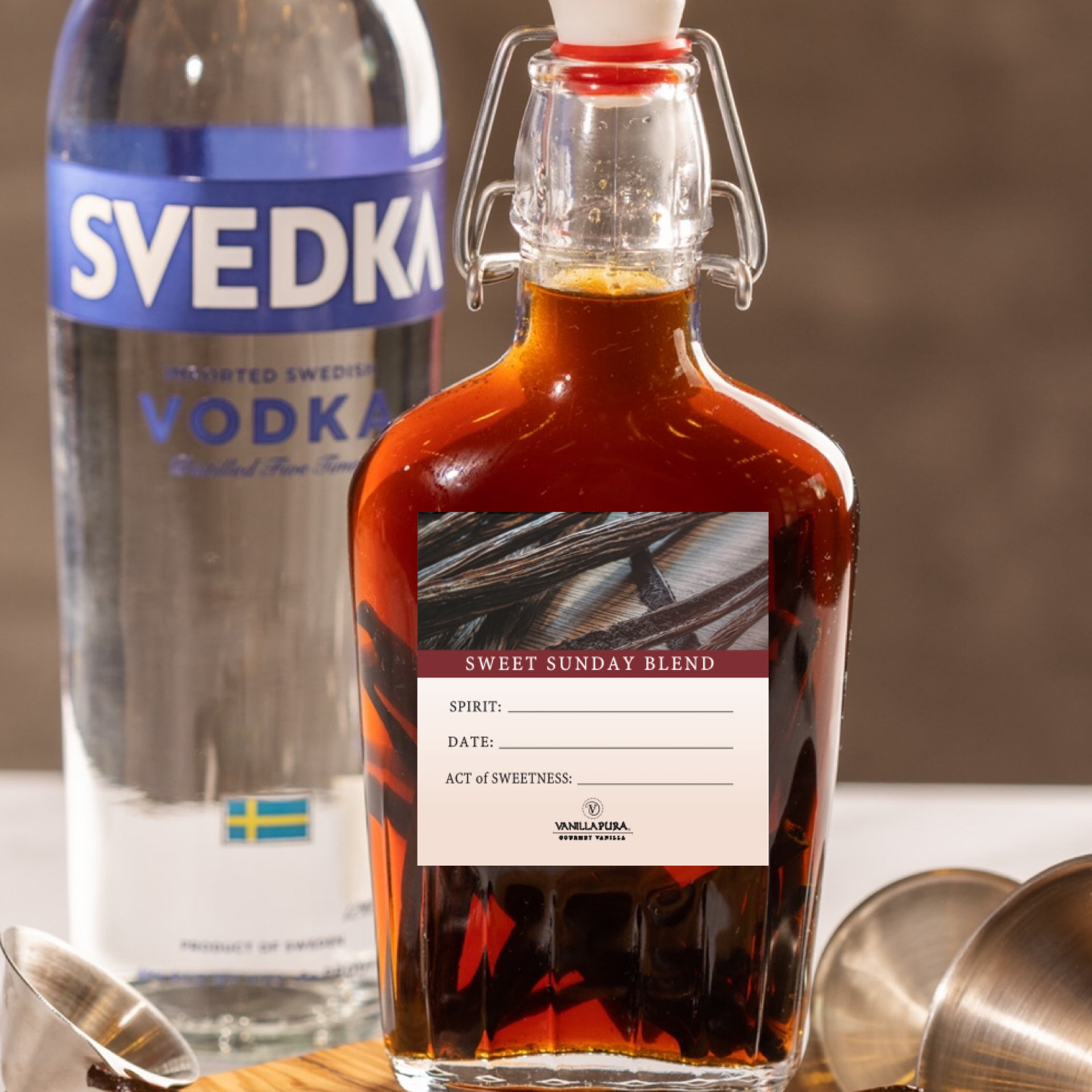
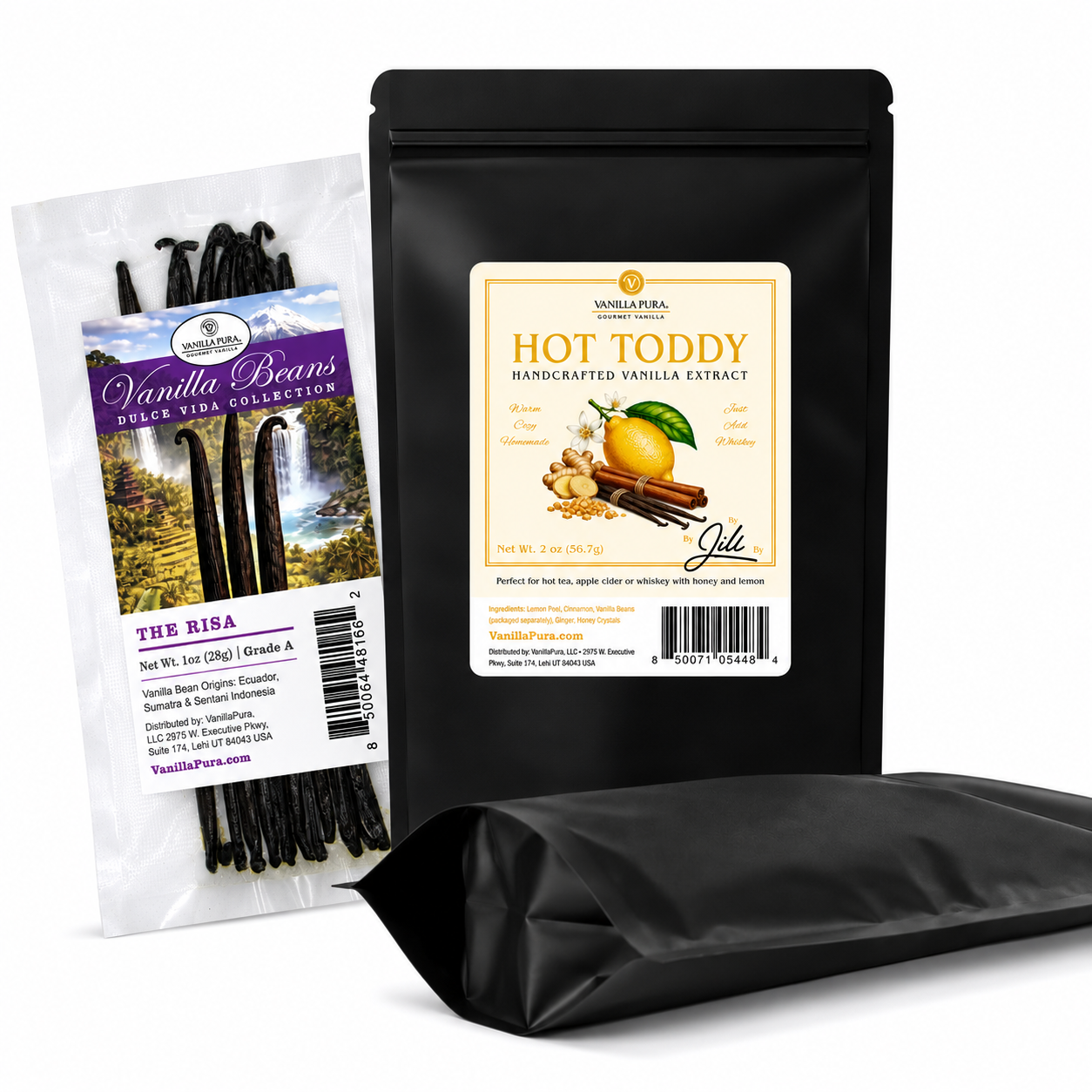
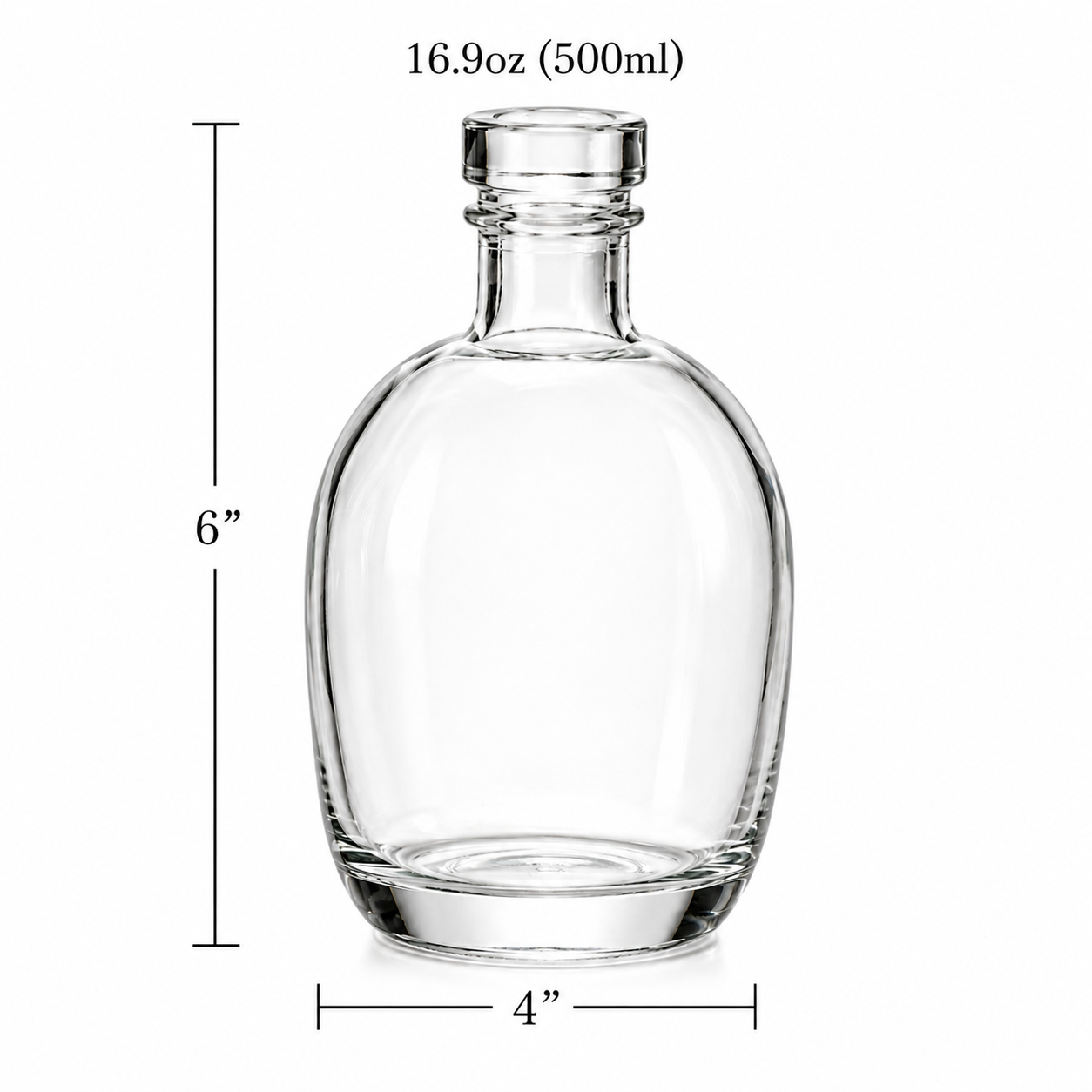
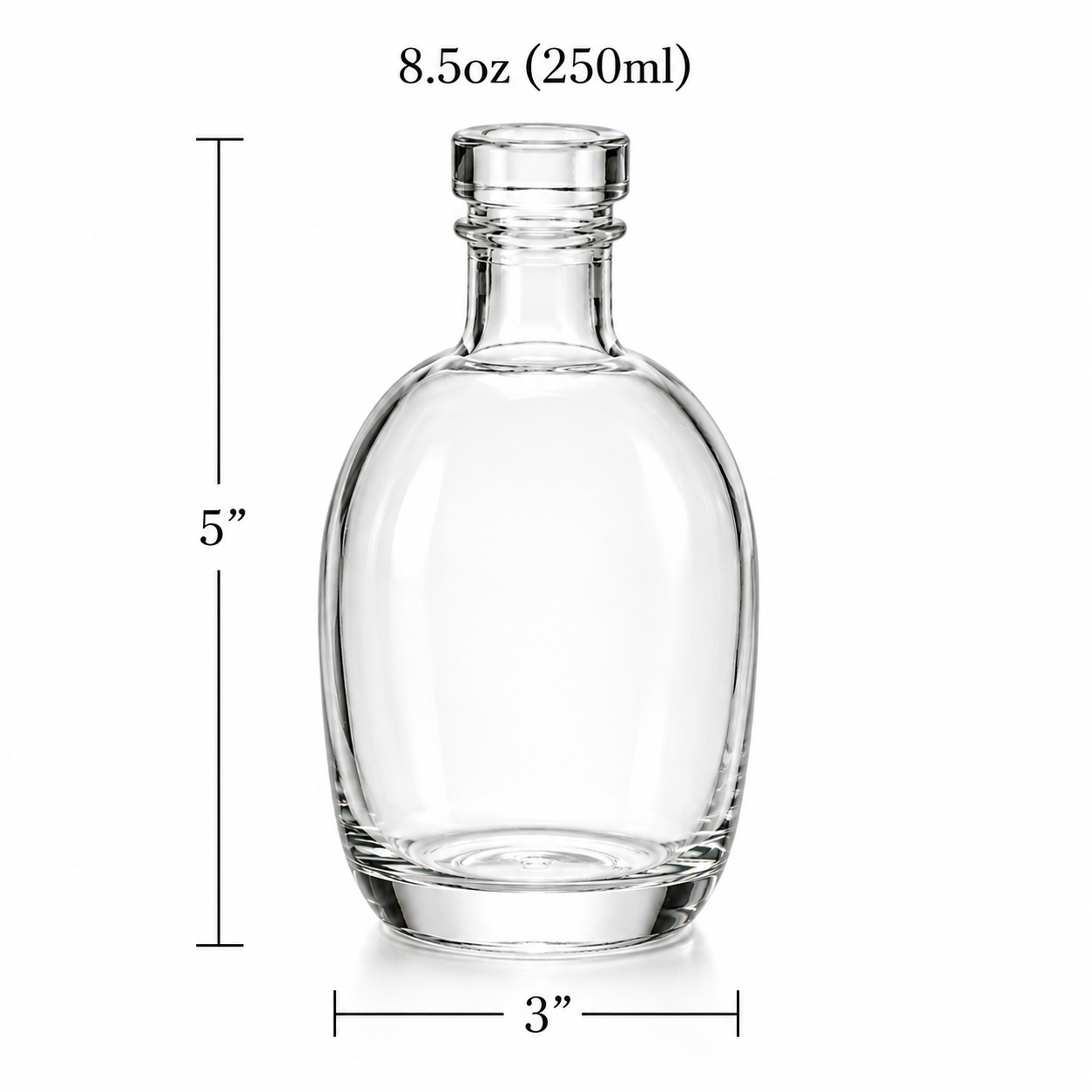
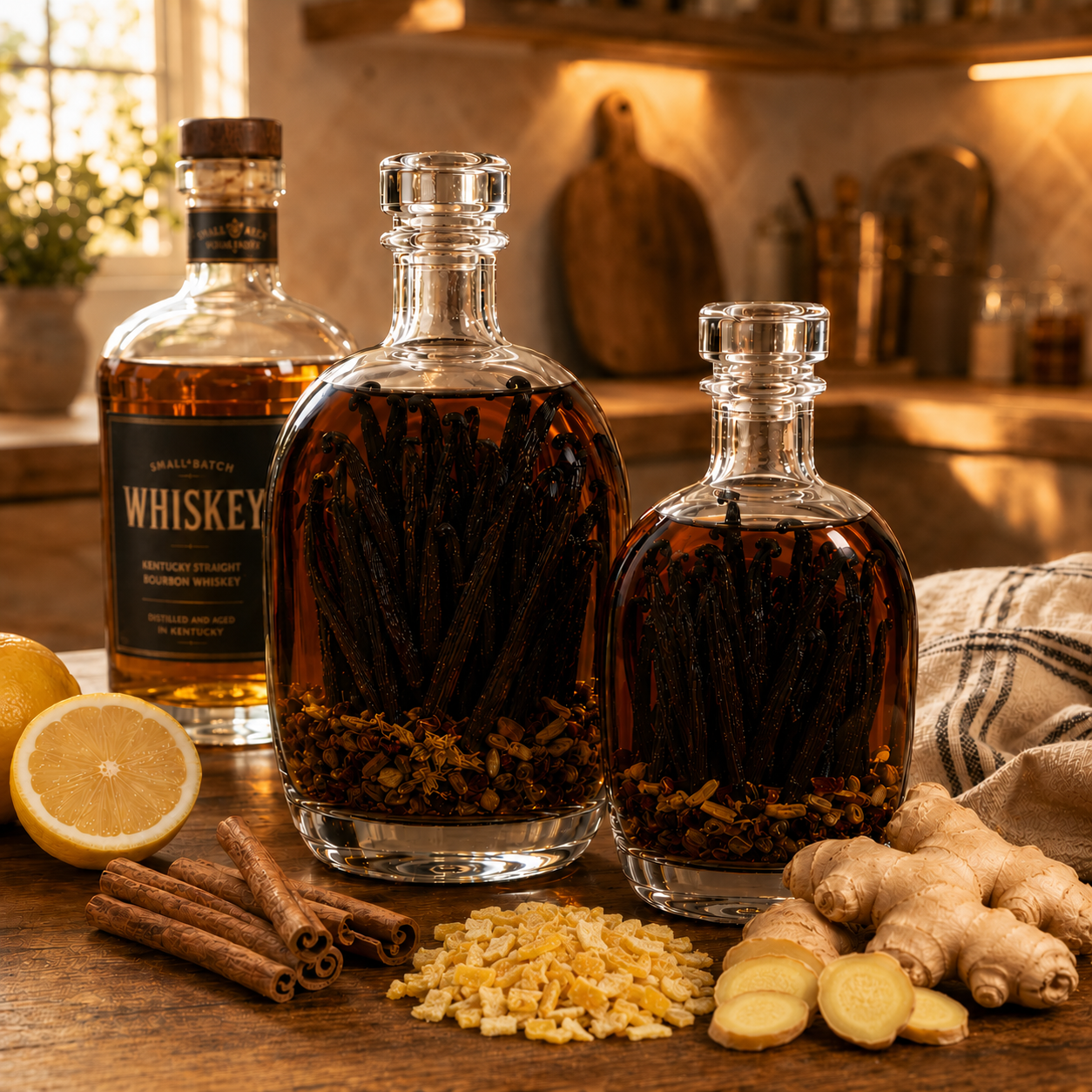
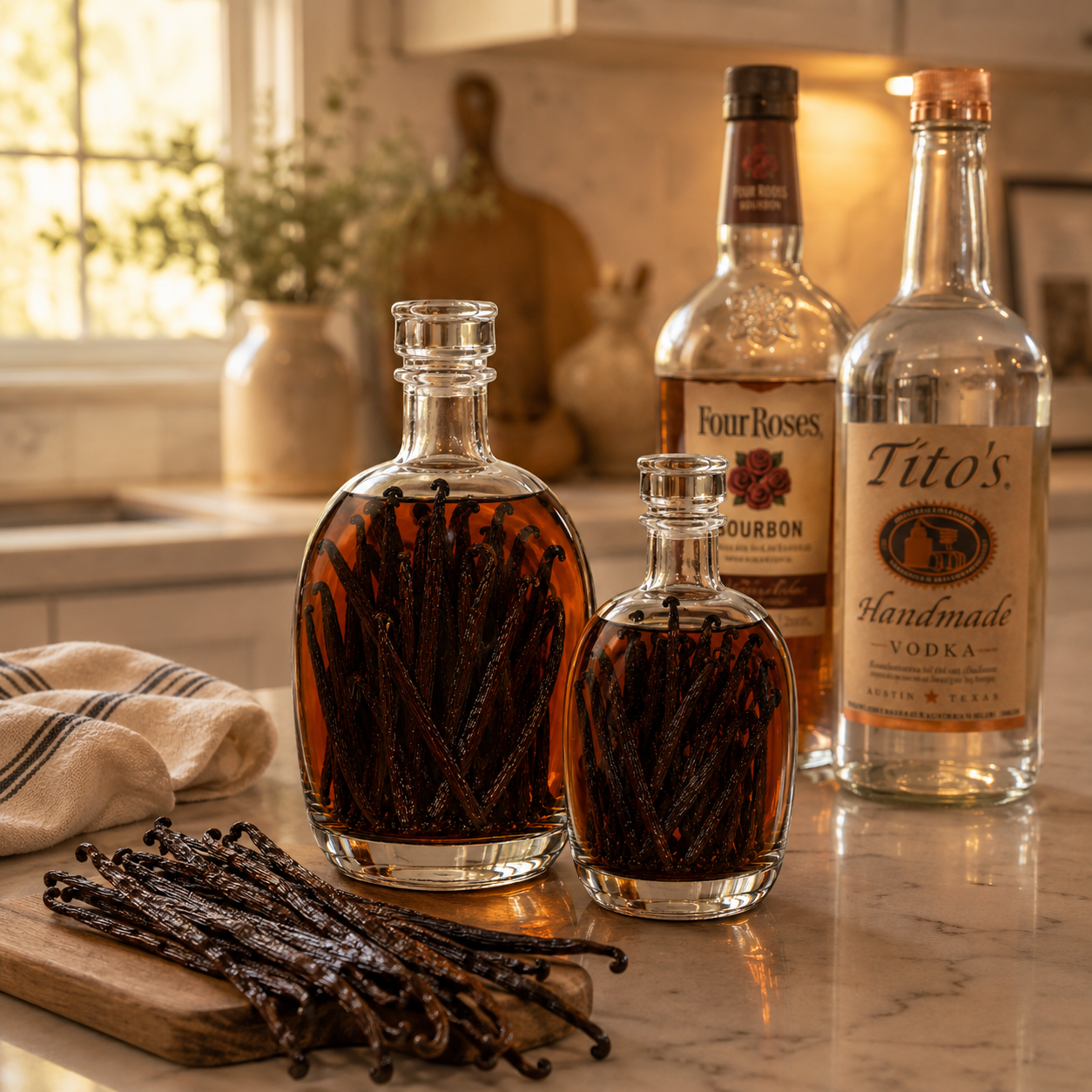
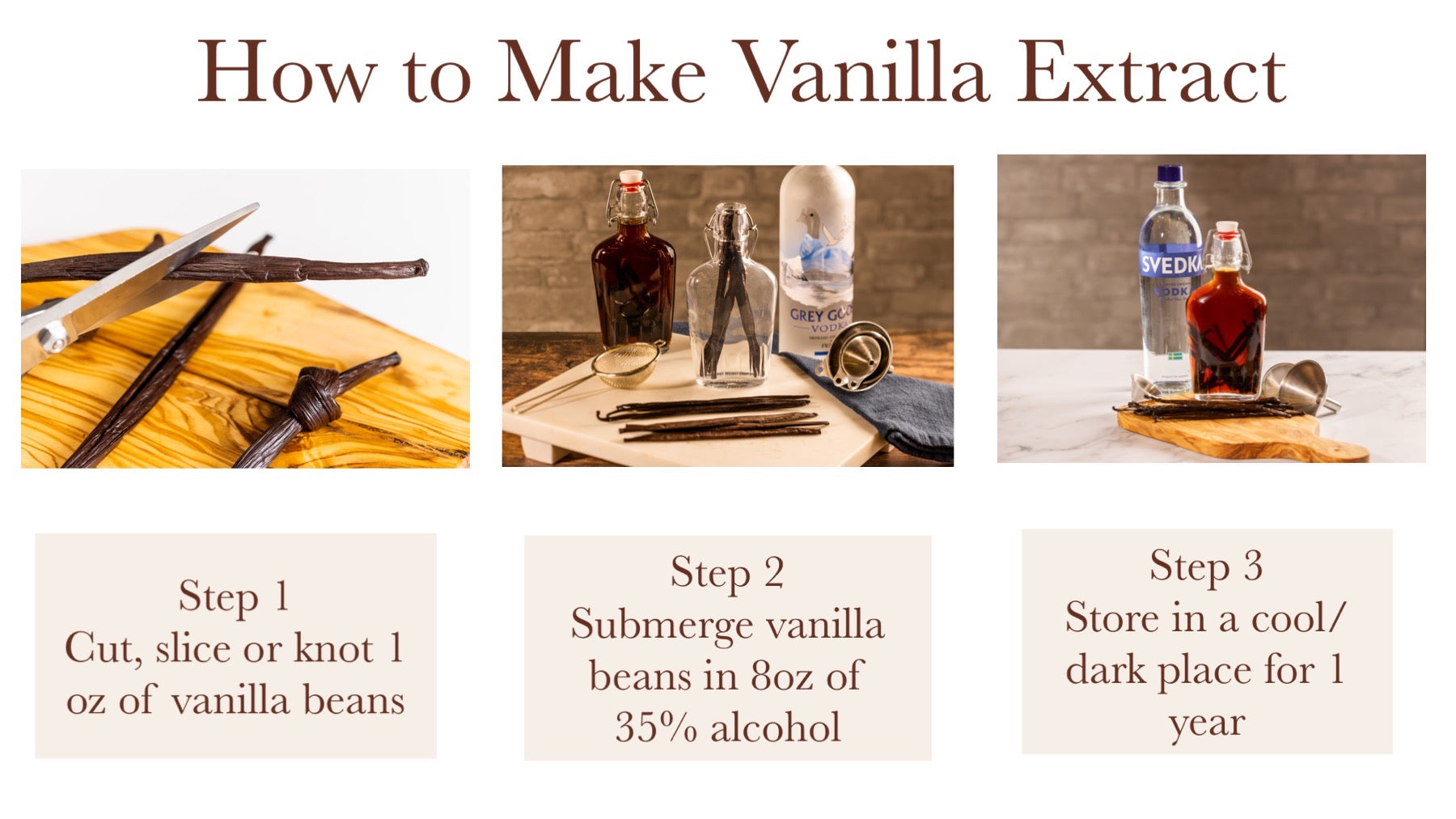
But our honest recommendation? Be patient. Use 1oz of beans for every 8oz of alcohol, let your extract age up to 1 year for light spirits like vodka, white rum, or gin — and 18 months to 2 years for dark spirits like bourbon, dark rum, or brandy. What you'll end up with is something no commercial bottle can replicate: an extract that is genuinely, naturally sweet.
Let time keep your extract sweet.
Want to learn more about making vanilla extract at home? Visit our Vanilla Extract Making How-To Guides for everything you need to get started.