
When most people think of premium vanilla, Madagascar comes to mind. But the world of Vanilla planifolia stretches far beyond the Indian Ocean — all the way into the South Pacific, where two remarkable and lesser-known origins are quietly producing some of the most distinctive beans available today: East Timor and New Caledonia. Both grow the same species. Both are Grade A. And yet, they couldn't be more different in character, culture, and terroir.
Let's explore what makes each of these origins unique — and what they share in common.
Where in the World Is East Timor?
East Timor — officially the Democratic Republic of Timor-Leste — is a small nation occupying the eastern half of the island of Timor, situated just north of Australia in the Lesser Sunda Islands of Southeast Asia. It sits at the crossroads of the Pacific and Indian Oceans, with a tropical climate shaped by monsoon seasons, volcanic highlands, and dense coastal lowlands.
East Timor's history is as layered as its landscape. Colonized by Portugal for centuries, then occupied by Indonesia from 1975 to 1999, the country only achieved full independence in 2002 — making it one of the youngest nations on Earth. That hard-won identity runs deep in its people and its agricultural exports. Vanilla cultivation here is a point of national pride, and the beans reflect the care and cultural weight placed on them.
Where in the World Is New Caledonia?
New Caledonia — known locally as Kanaky — is a French territory located approximately 750 miles east of Australia in the heart of the South Pacific Ocean. This archipelago sits between the Tropic of Capricorn and the equator, an ideal latitude for vanilla cultivation. It is surrounded by one of the world's largest coral lagoons and is geologically ancient, with volcanic soils enriched over millennia with mineral deposits and organic matter.
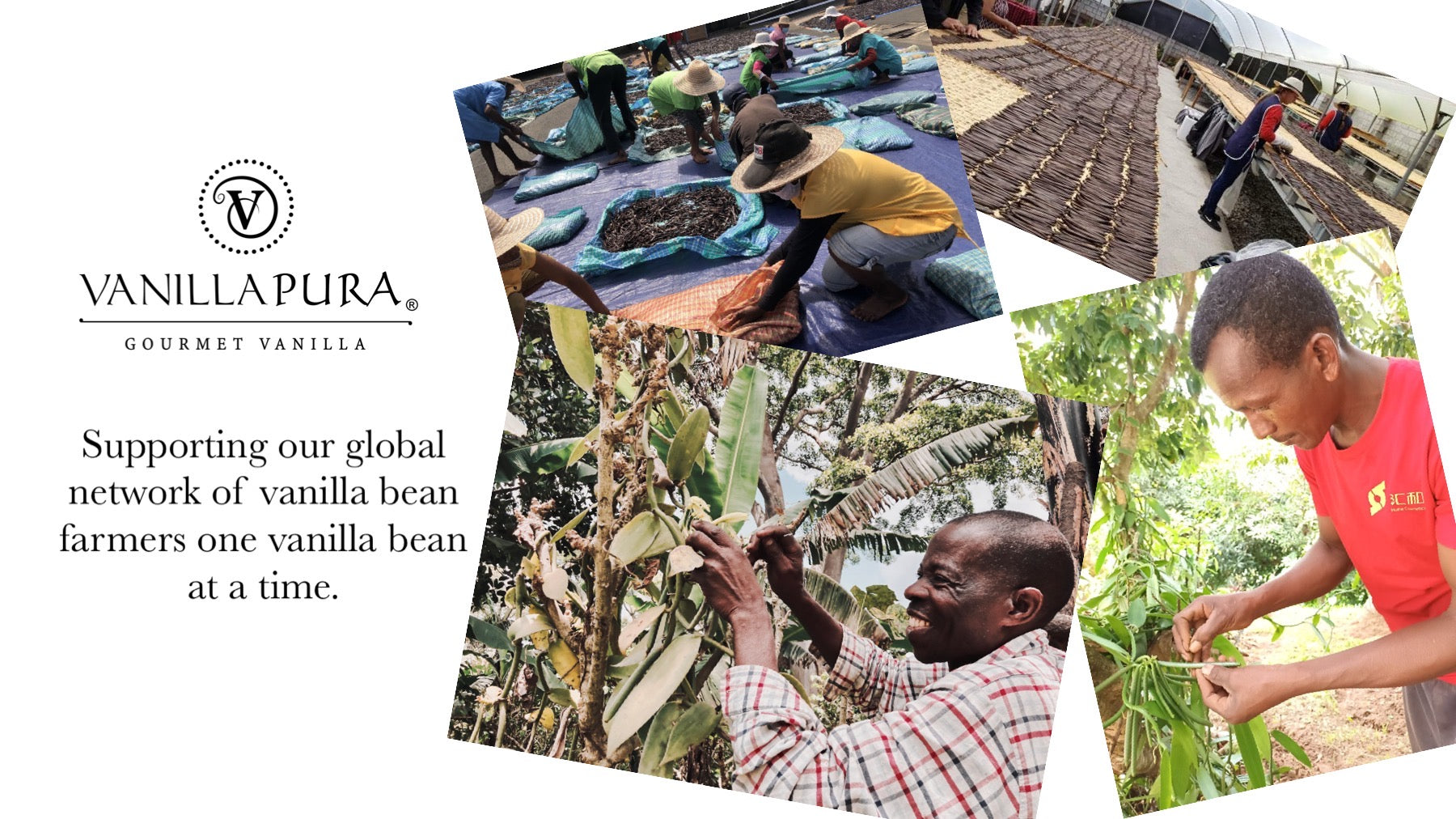
Unlike East Timor's turbulent path to sovereignty, New Caledonia remains a French collectivity — a remote paradise with a small population and a deeply artisanal approach to agriculture. Vanilla here is not a commodity crop. It is grown on small family farms, hand-pollinated during the brief morning window when orchid flowers are receptive, and cured through meticulous, generations-old traditions.
The Beans: What They Share
Despite their geographic and cultural differences, East Timor and New Caledonia vanilla beans share a meaningful common thread:
- Species: Both are Vanilla planifolia — the same species responsible for the world's most beloved vanilla flavor.
- Grade: Both are Grade A — pliable, moist, oily, and rich in vanillin content.
- Aromatic complexity: Both offer more than a flat, one-dimensional vanilla note. Each carries floral and fruity undertones that elevate them above commodity vanilla.
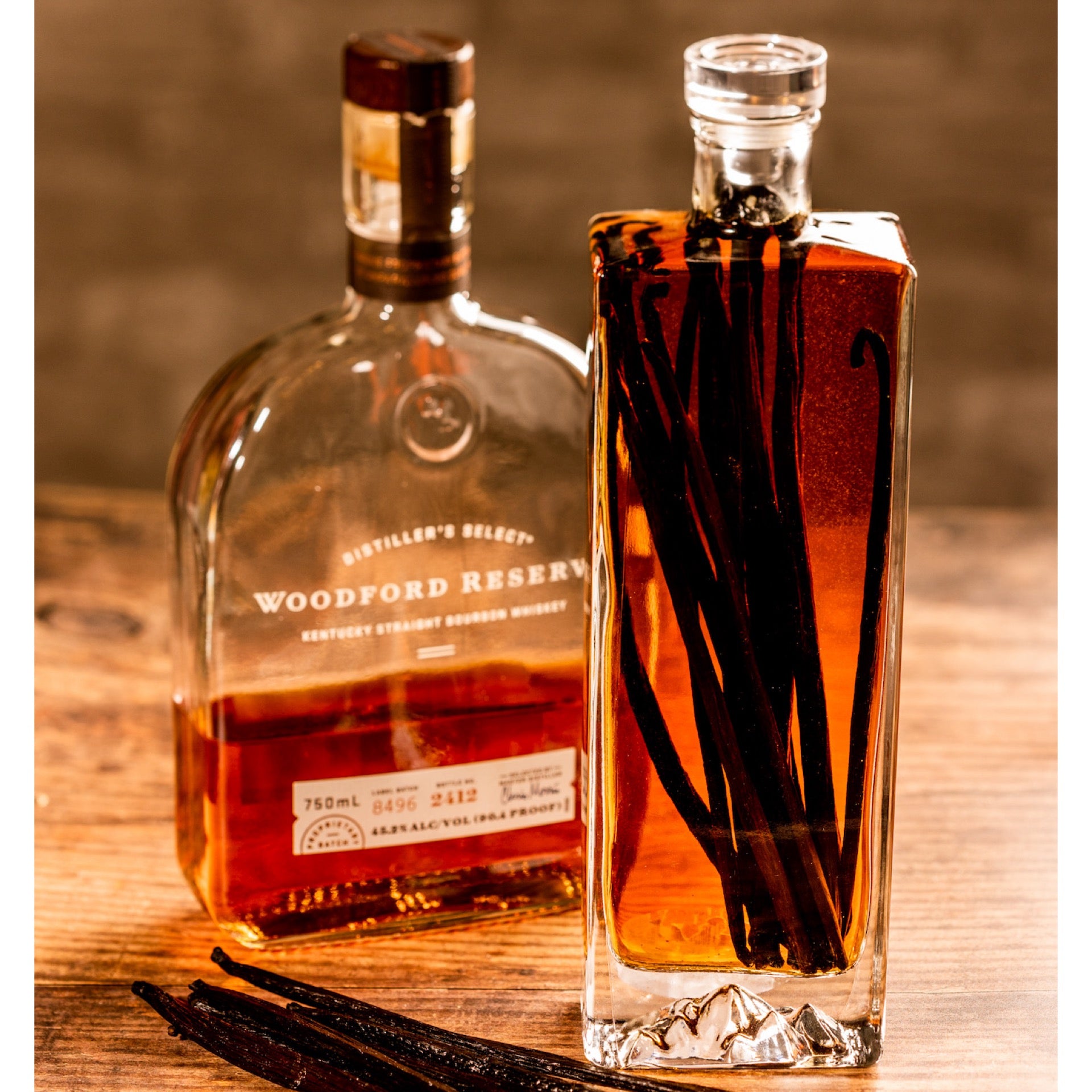
- Extract excellence: Both are outstanding for homemade vanilla extract, delivering nuanced, layered flavor over a long extraction period.
- Ratings: Both carry a perfect 5.0-star rating from VanillaPura customers — a testament to their exceptional quality.
The Beans: Where They Differ
The Dili — East Timor Vanilla Beans (Grade A)
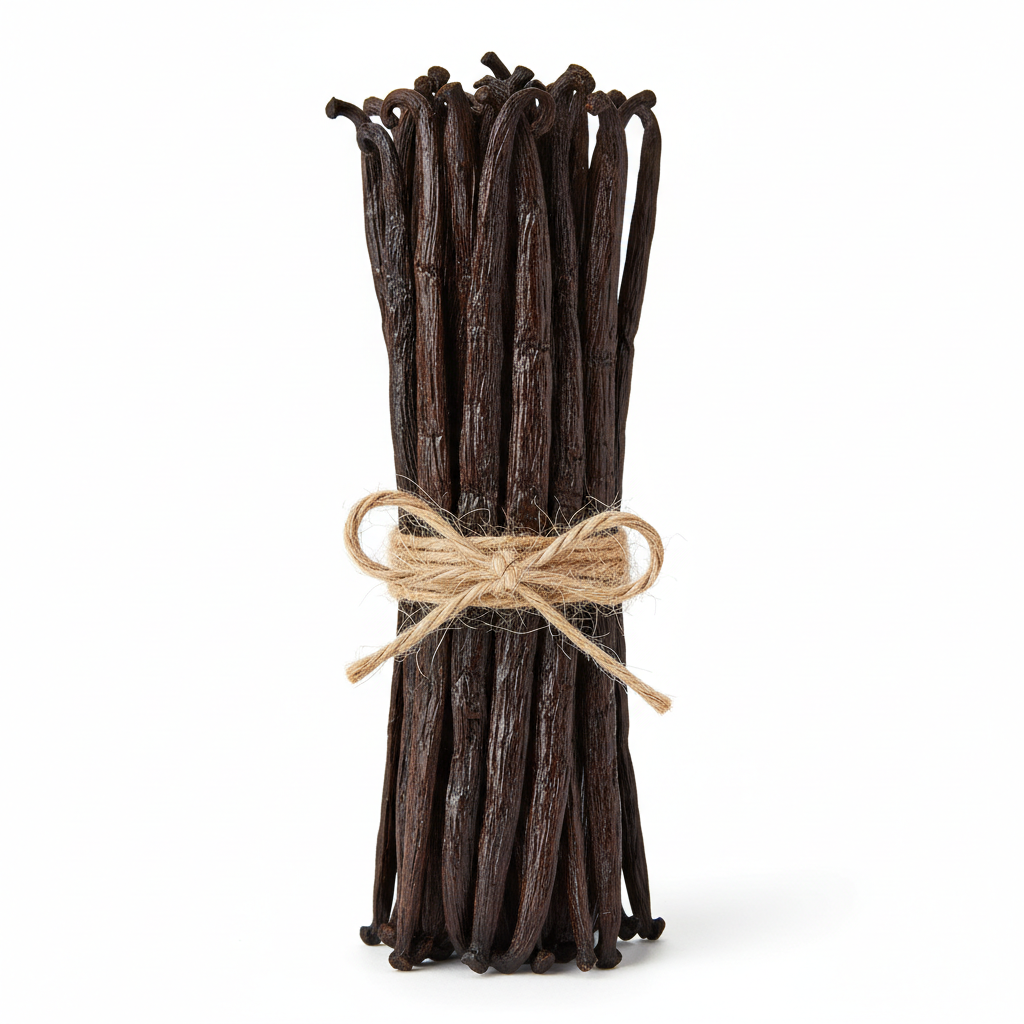
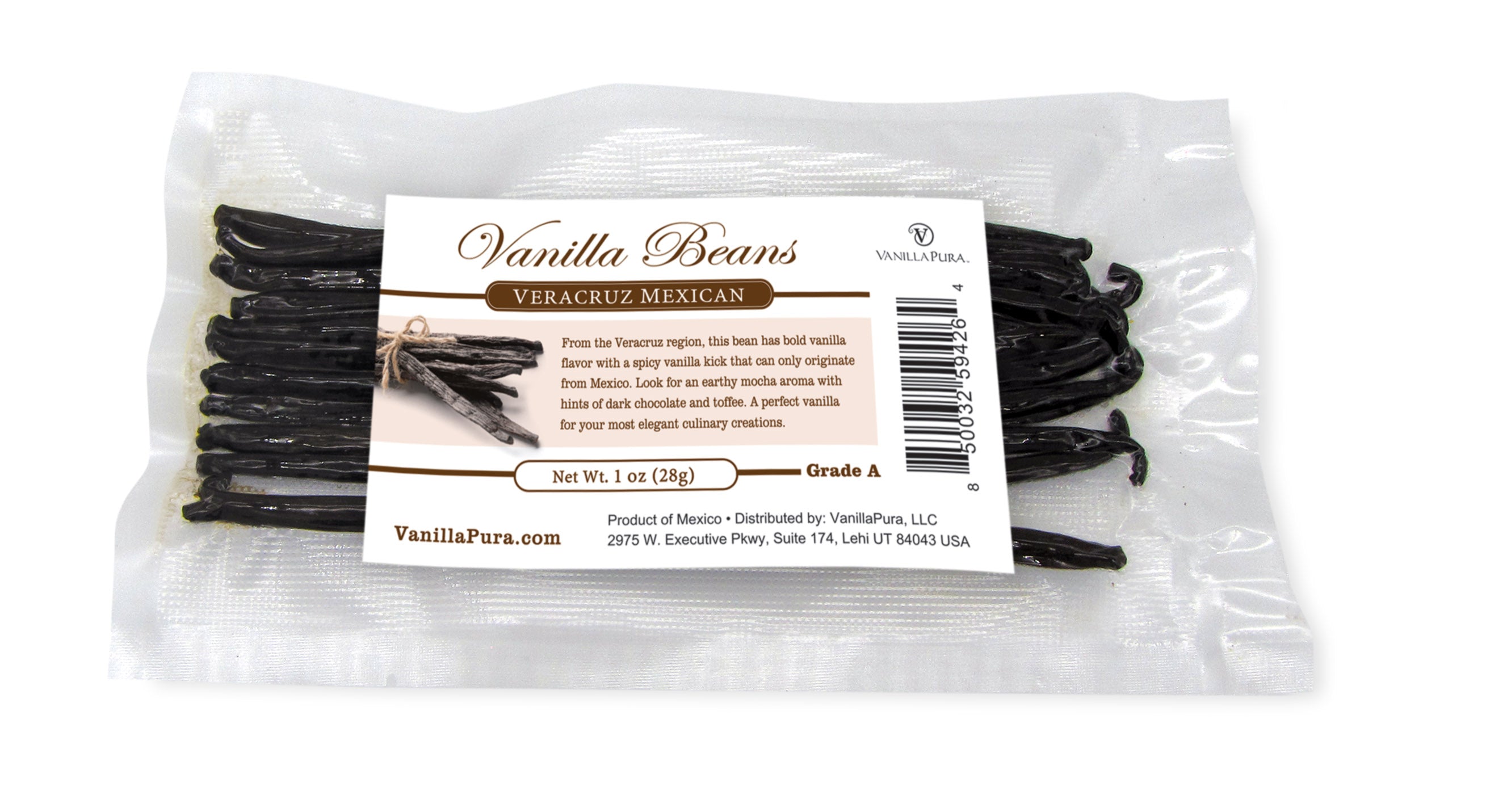
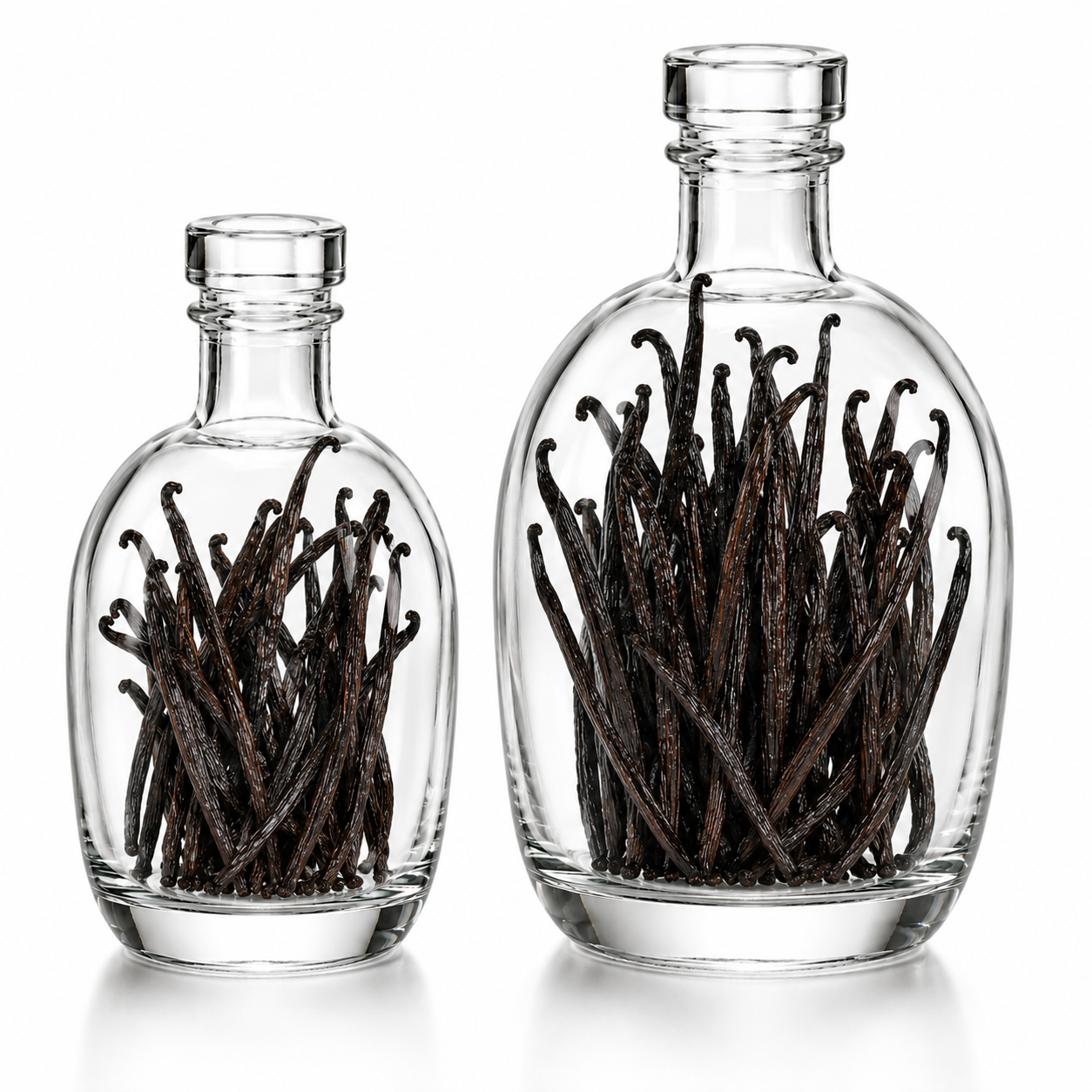
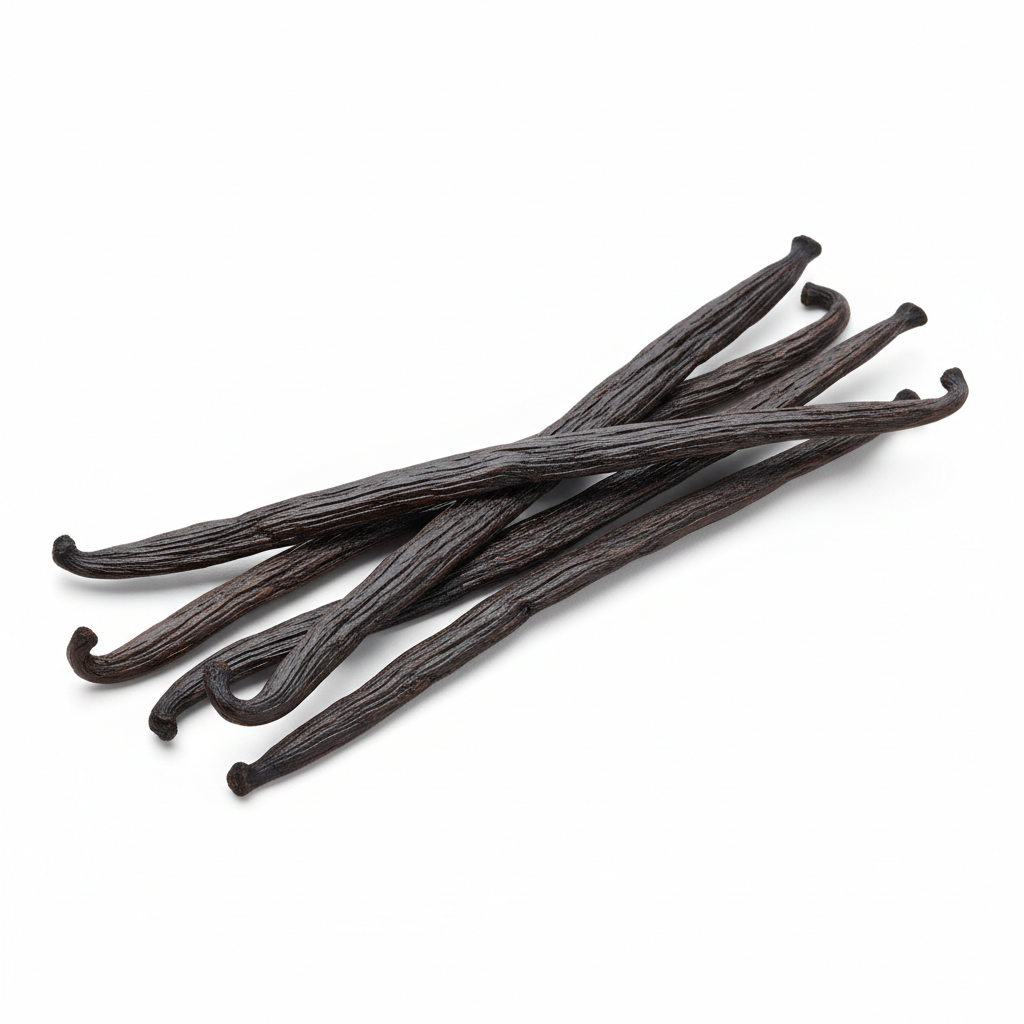
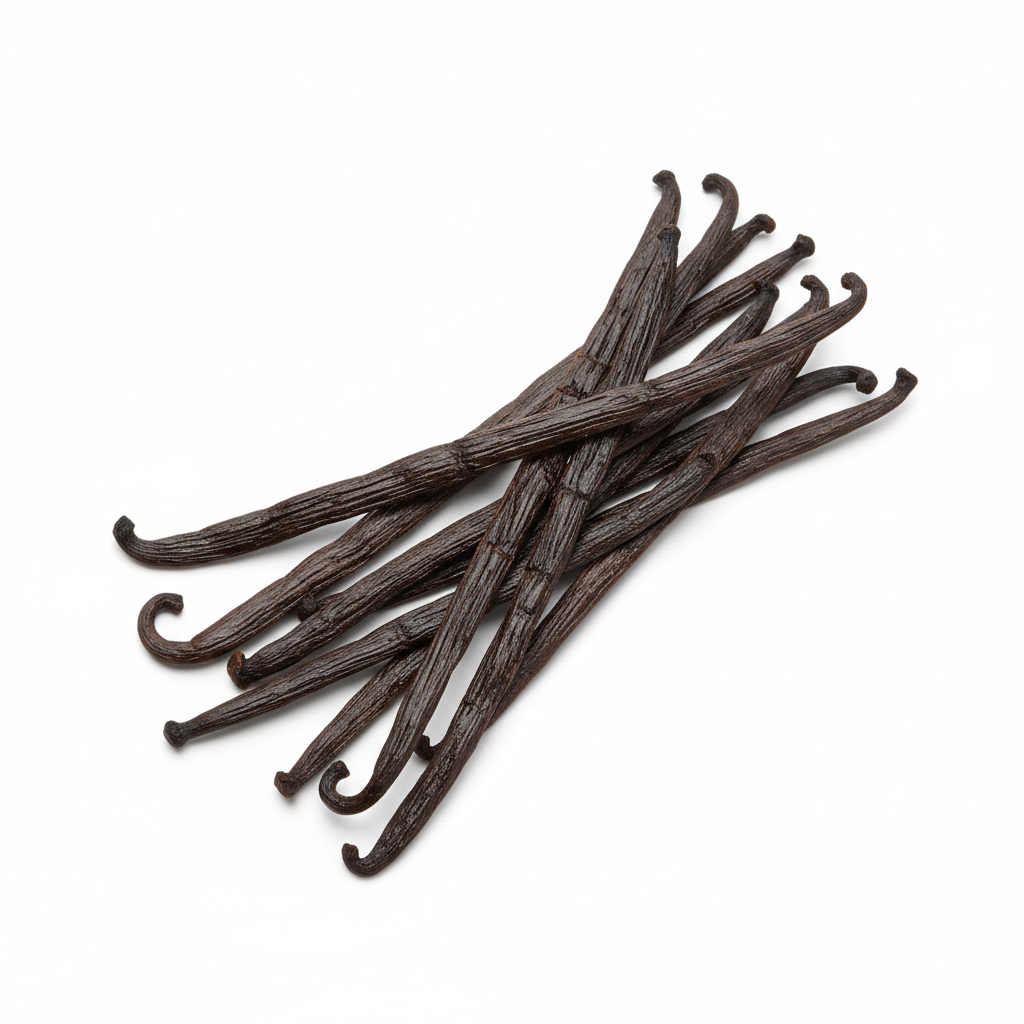
East Timor's beans are named after Dili, the country's capital city and largest urban center, home to more than 200,000 inhabitants. These beans are plump, dark brown, and typically 5–7 inches long. They are notably oily and high in vanillin content.
What sets The Dili apart is its pronounced sweetness — an aroma that is almost unusually sweet for a planifolia bean, as if nature added a pinch of sugar to the scent. Behind that sweetness, you'll detect soft hints of tropical fruit and fauna. In the finished extract, that sweetness carries through beautifully: overstated, elegant, and floral, with broad culinary versatility across creams, pastries, chocolate, and savory dishes alike.
These beans are also excellent for vanilla sugars, salts, and powders when dried.
The Farino — New Caledonia Vanilla Beans (Grade A)
New Caledonia's beans — named after the Farino region of the island — come from a single small family farm that has perfected vanilla cultivation over generations. These beans are 14–18cm in length (roughly 5.5–7 inches), with 25–35% moisture content, a dark glossy appearance, and exceptional pliability.
Where East Timor leads with sweetness, New Caledonia leads with complexity and elegance. The aroma is intensely fragrant with delicate floral notes, subtle fruity undertones (one customer described opening the package and being greeted by the scent of dried figs), and a classic creamy vanilla richness. The ancient volcanic soils and filtered rainforest microclimate of New Caledonia produce a terroir-driven bean that is genuinely rare in the vanilla world.
The Farino beans are exceptional for extract making, gourmet baking — pastries, custards, ice cream — and even cocktail infusions with premium spirits.
Side-by-Side Comparison
| The Dili — East Timor | The Farino — New Caledonia | |
|---|---|---|
| Species | V. planifolia | V. planifolia |
| Grade | Grade A | Grade A |
| Location | Southeast Asia, north of Australia | South Pacific, east of Australia |
| Length | 5–7 inches | (5–7 inches) |
| Primary Aroma | Exceptionally sweet vanilla, tropical fruit & fauna | Floral, fruity (dried fig), creamy vanilla |
| Extract Character | Overstated sweetness, pronounced vanilla, floral undertones | Elegant, complex, floral-fruity richness |
| Best For | Extracts, creams, pastries, chocolate, savory, sugars & salts | Extracts, pastries, custards, ice cream, cocktail infusions |
Which One Is Right for You?
If you love a bold, sweet, crowd-pleasing vanilla extract with broad culinary range, The Dili from East Timor is a wonderful choice. Its sweetness is distinctive and immediately recognizable — a planifolia that surprises you with its warmth.
If you're drawn to rarity, terroir, and a more nuanced aromatic experience — something closer to a fine wine than a pantry staple — The Farino from New Caledonia is in a class of its own. Its elegance and complexity reward patience and a discerning palate.
Of course, there's nothing stopping you from making both and blending them. The sweet warmth of East Timor and the floral complexity of New Caledonia could make for a truly extraordinary house extract.
Ready to Start Extracting?
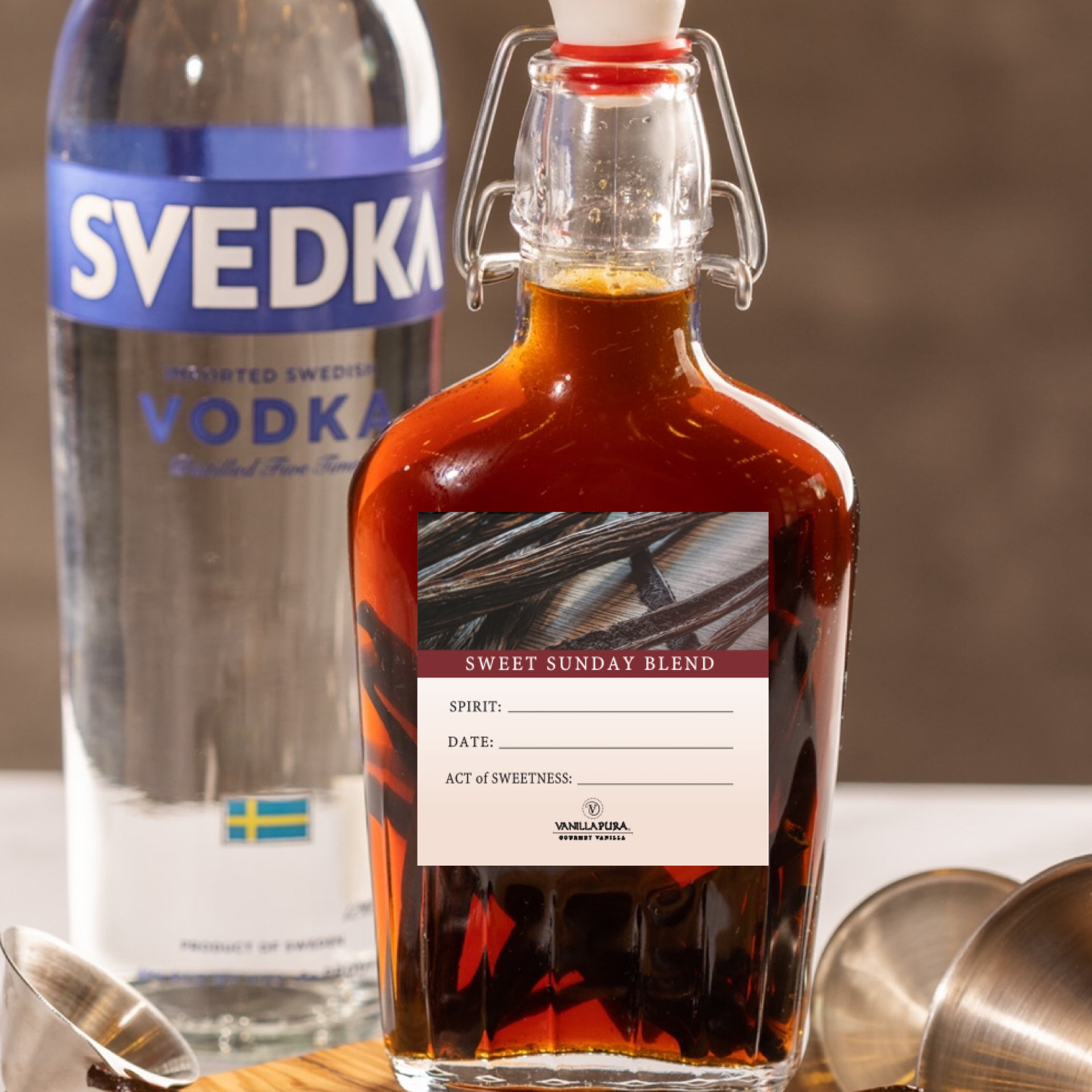
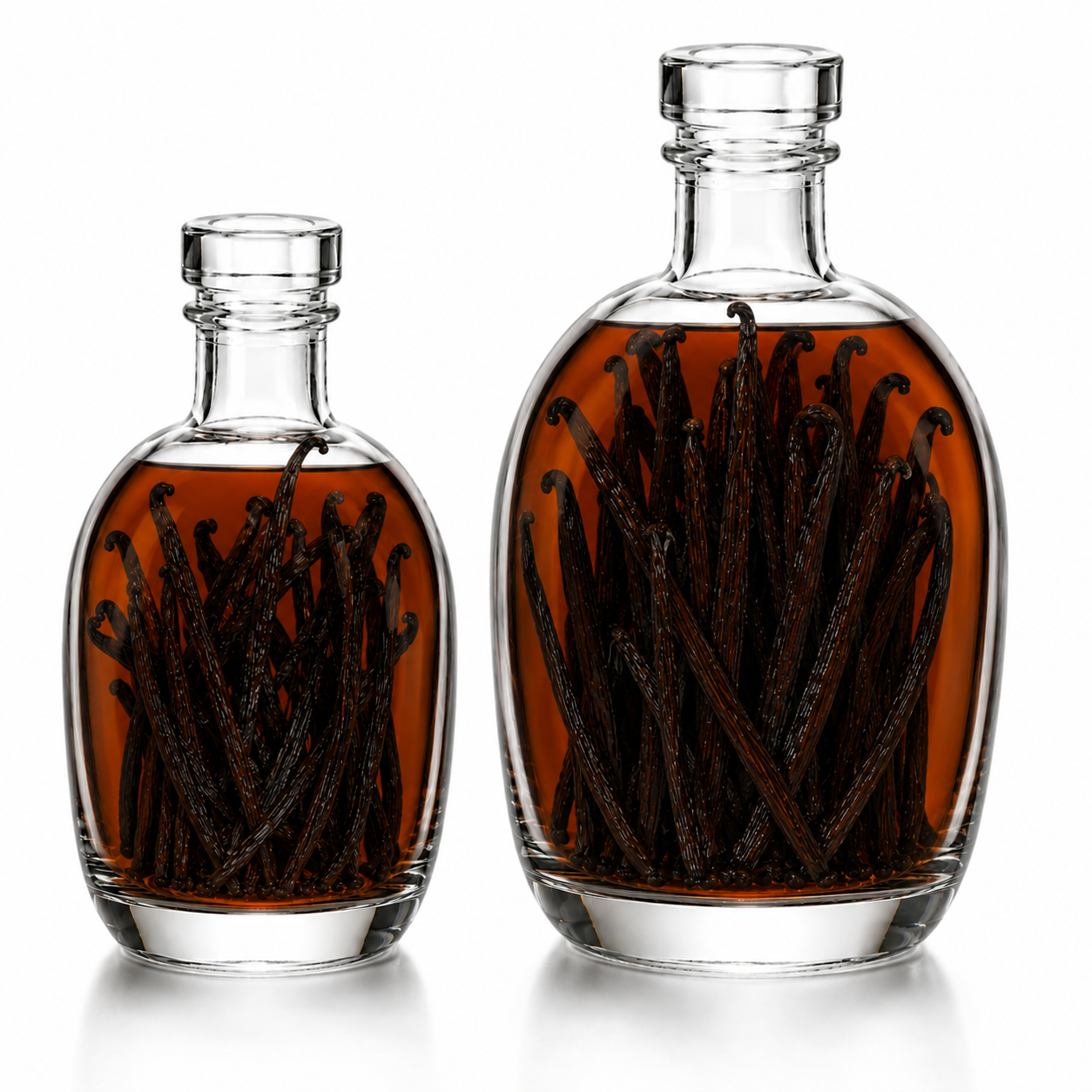
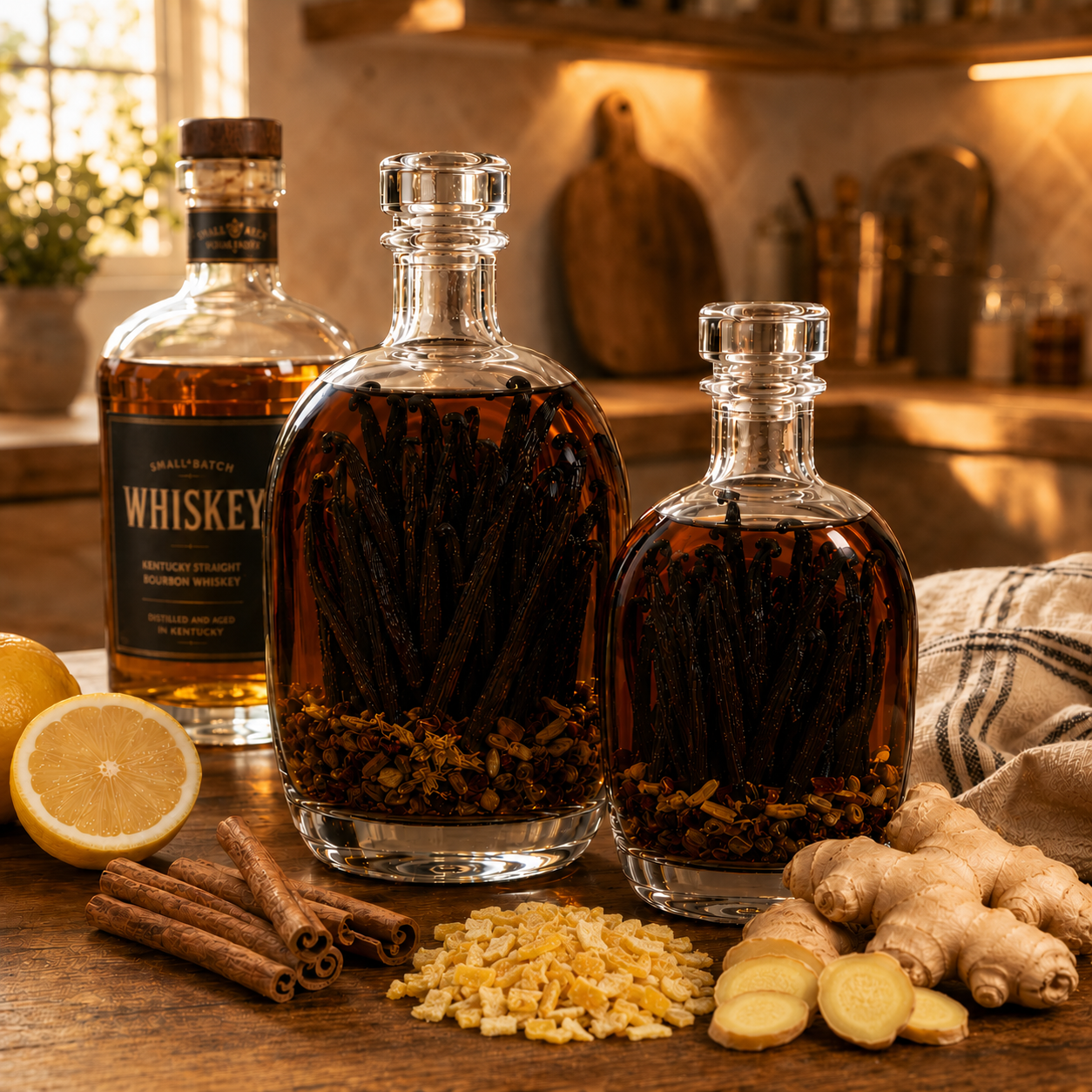
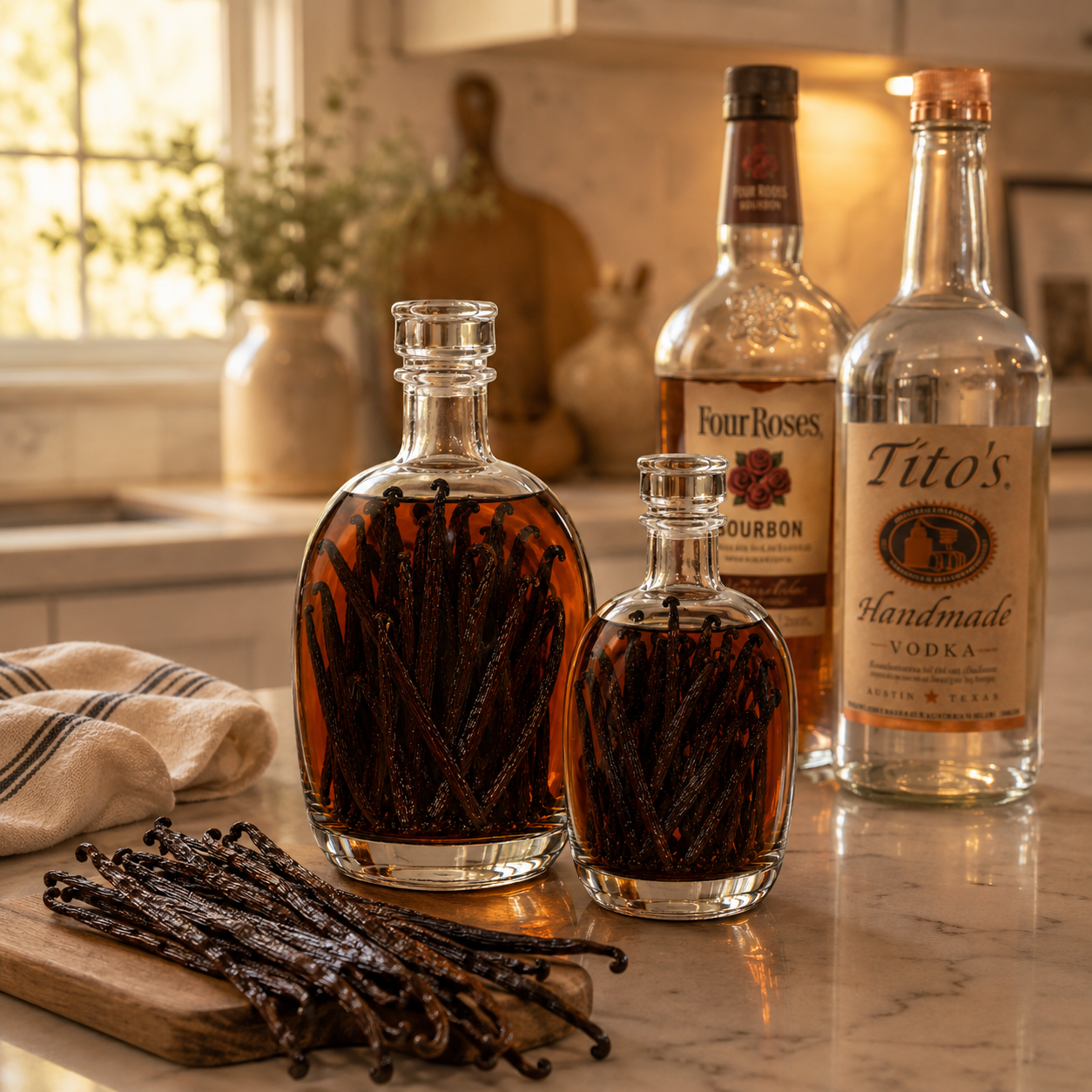
Whether you choose East Timor, New Caledonia, or both, the next step is making your extract. Use 1oz of beans for every 8oz of alcohol, and plan to age up to 1 year for light spirits (vodka, white rum, gin) or 18 months to 2 years for dark spirits (bourbon, dark rum, brandy).
For everything you need to know about choosing the right beans for your extract, visit our complete how-to guide center: Vanilla Extract Making — How-To Guides.