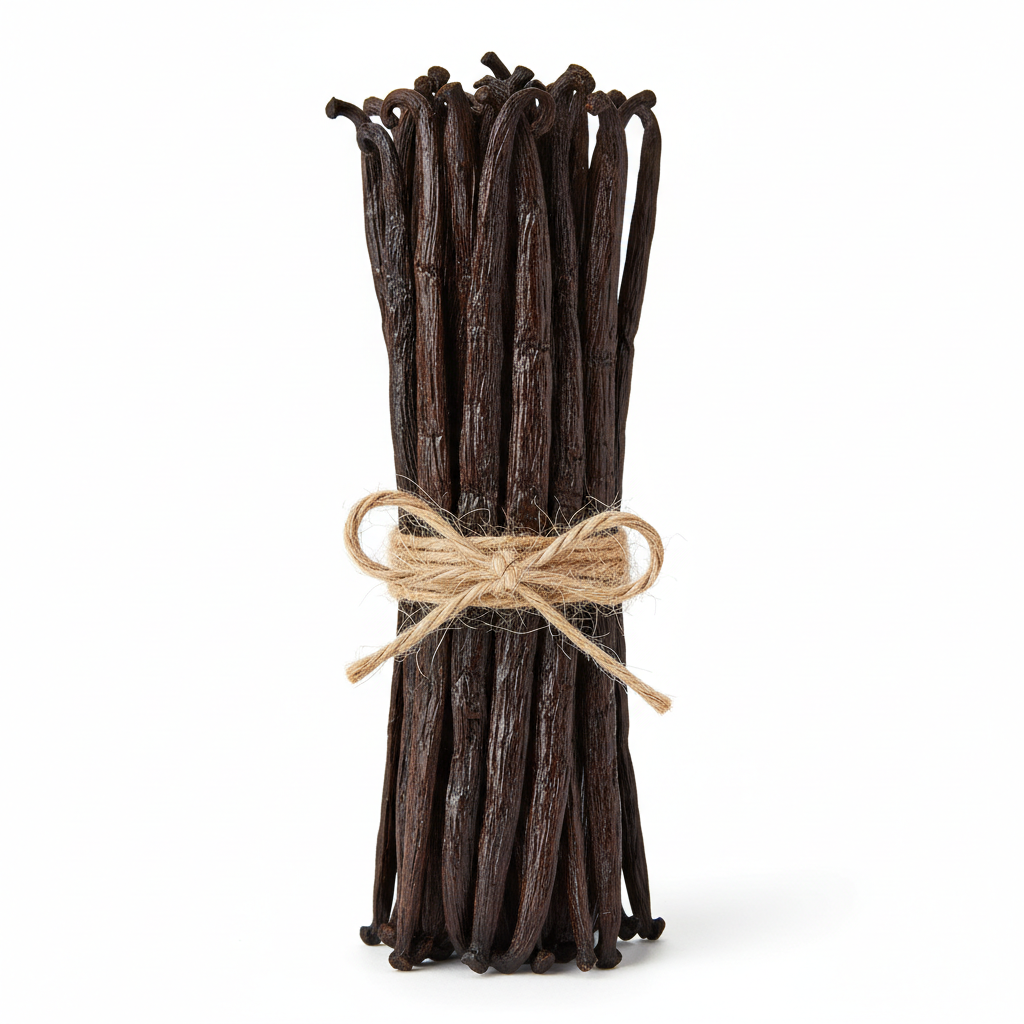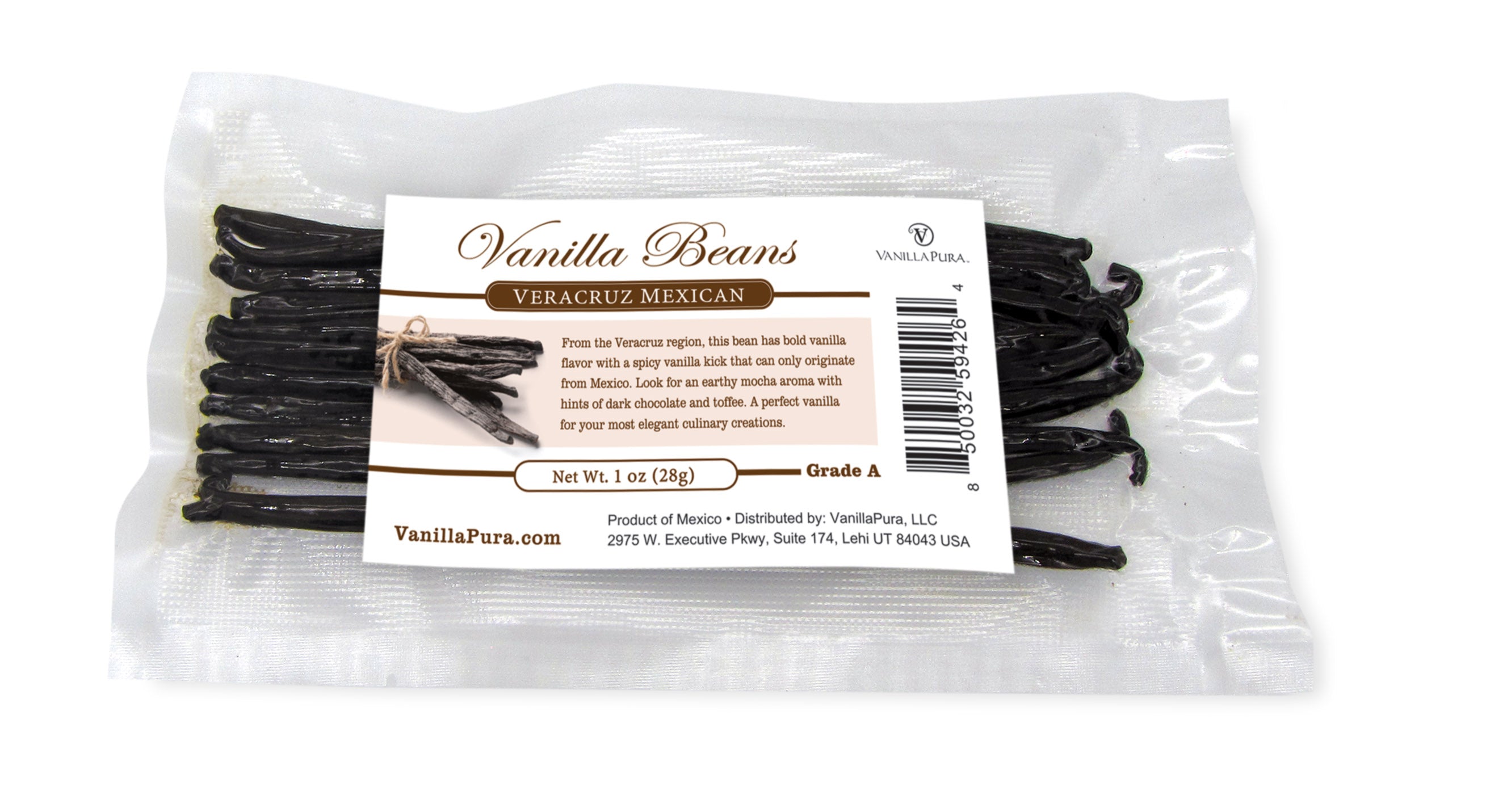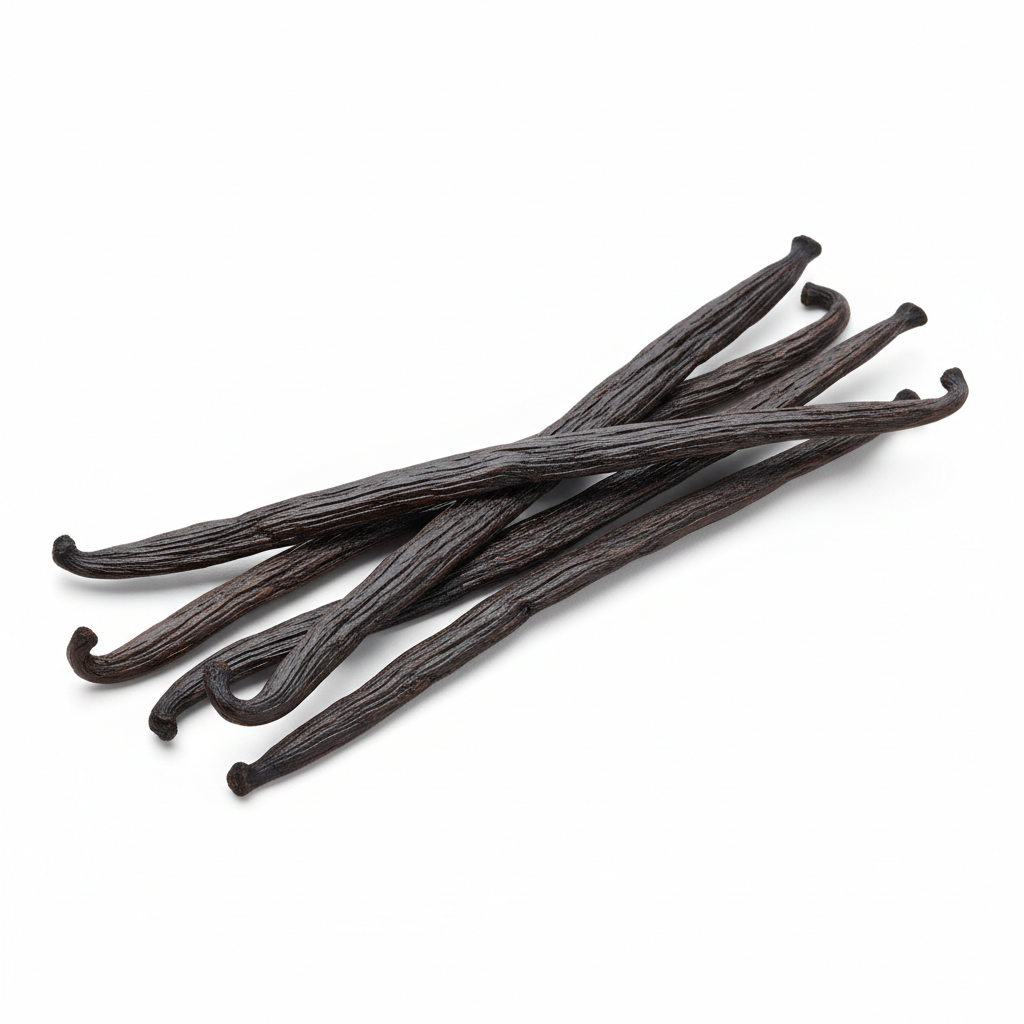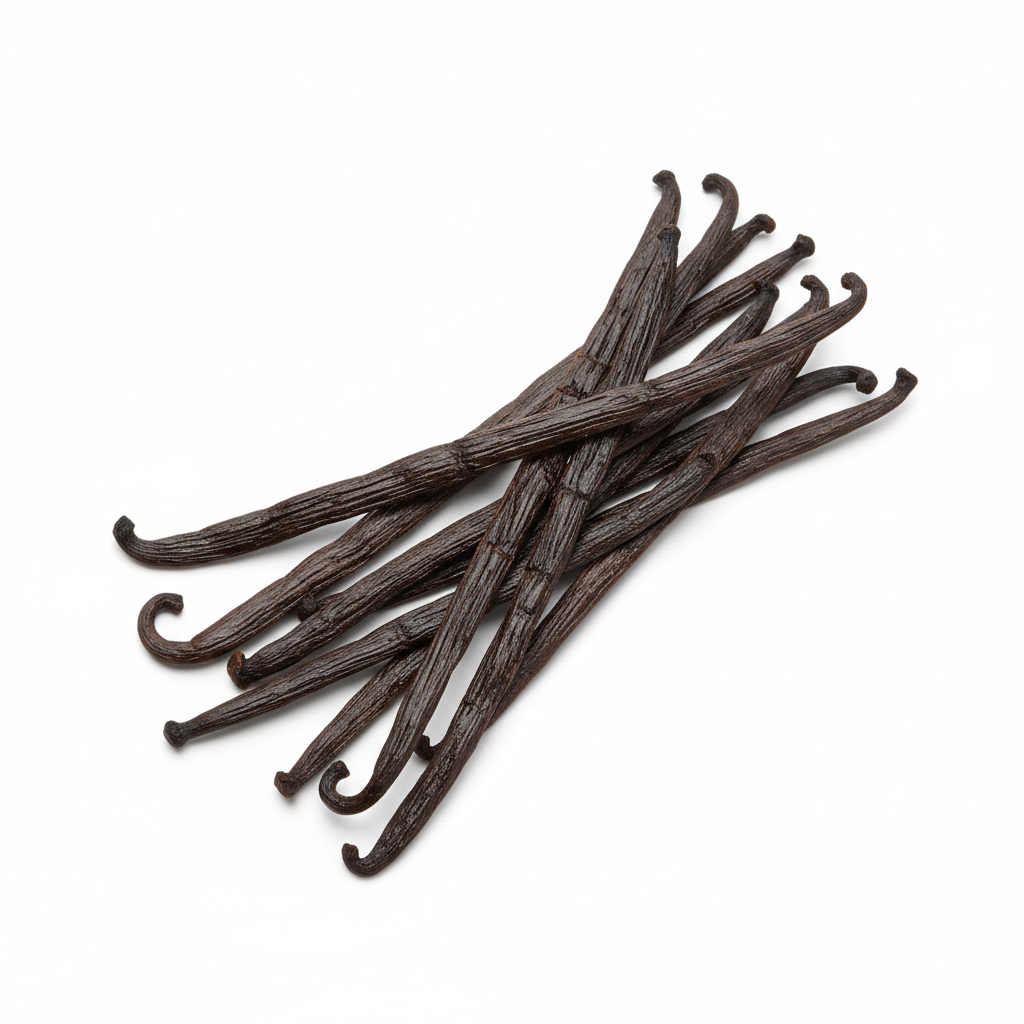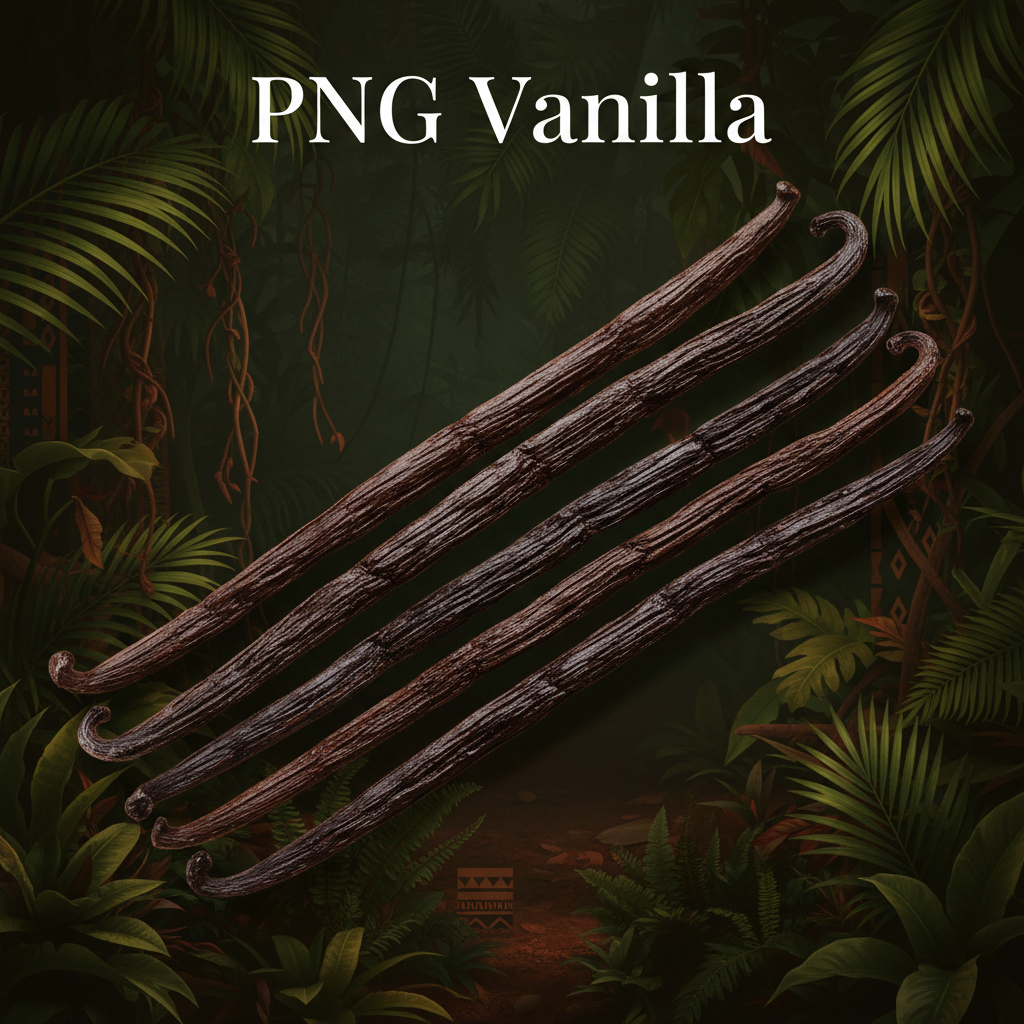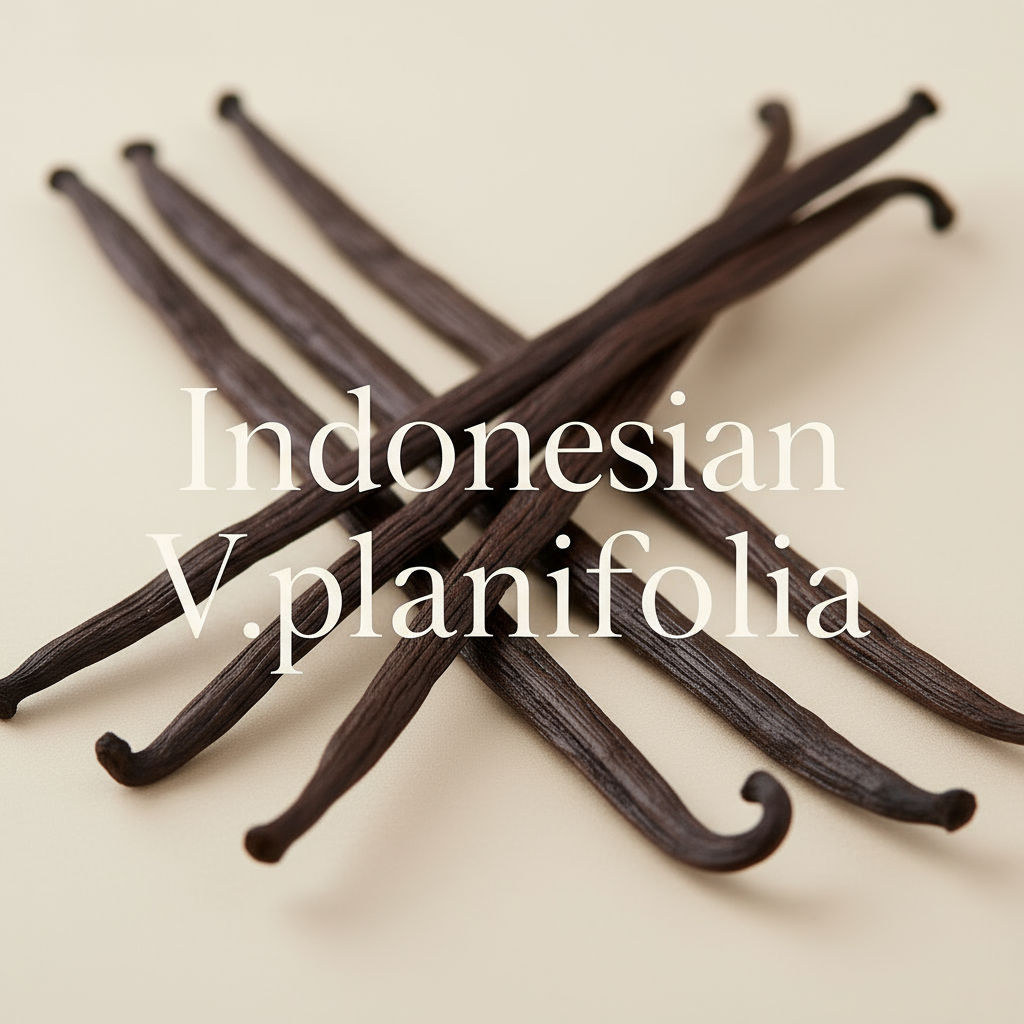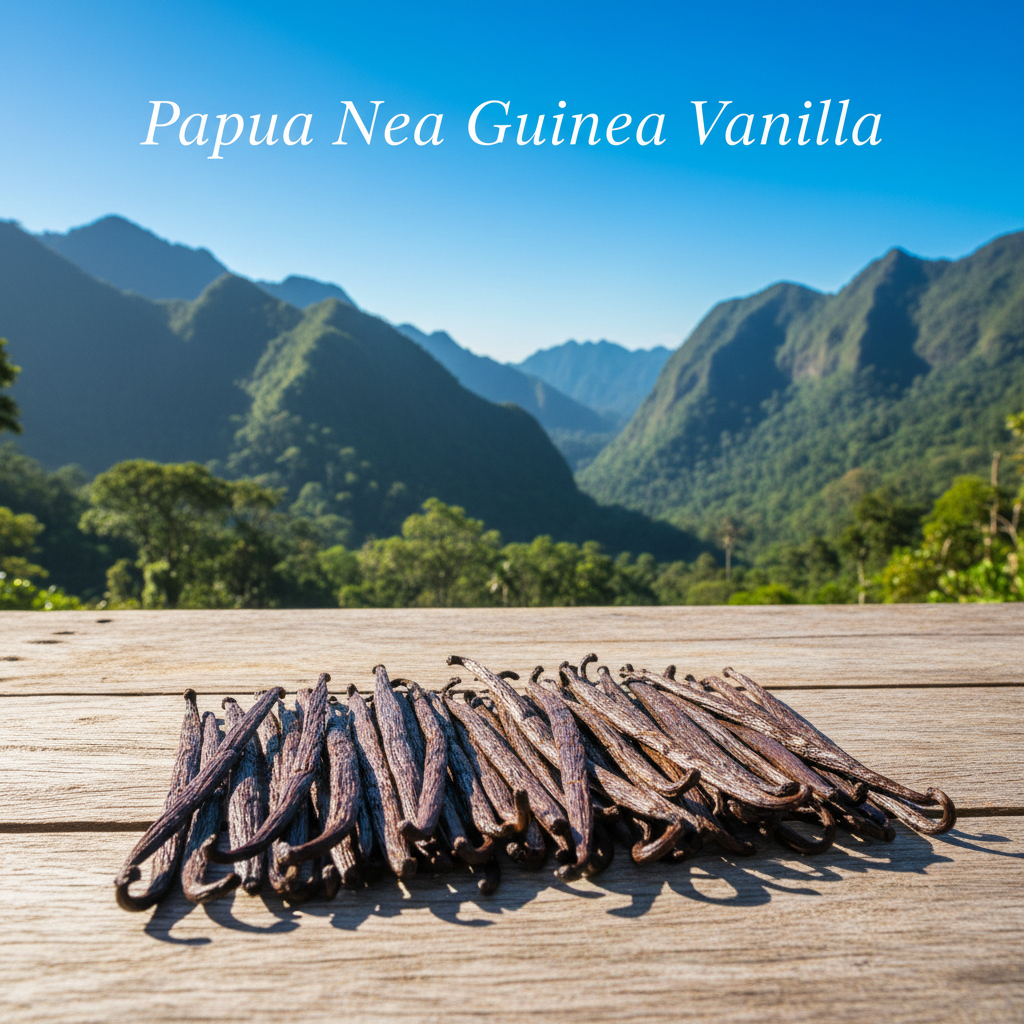

When it comes to vanilla beans, the species Vanilla planifolia is the most widely cultivated and beloved variety in the world. But here's something fascinating: not all V. planifolia beans taste the same. Two remarkable examples of this are vanilla beans from Papua New Guinea and Alor Island, Indonesia. Though they share the same botanical lineage, these beans offer distinctly different flavor experiences—and it all comes down to terroir.
What is Terroir?
Terroir is a French term that refers to the unique combination of climate, soil, geography, and cultivation practices that influence the characteristics of agricultural products. Just as terroir affects wine, coffee, and chocolate, it also impacts vanilla beans. The same vanilla orchid species grown in different regions will produce beans with unique flavor profiles shaped by their environment.
Papua New Guinea: Volcanic Richness Meets Tropical Intensity
Climate
Papua New Guinea sits just south of the equator in the southwestern Pacific Ocean, experiencing a tropical climate with high humidity and consistent rainfall throughout the year. The country's mountainous terrain creates microclimates with varying temperatures and moisture levels, providing ideal conditions for vanilla cultivation in specific highland regions.
Soil and Geography
Papua New Guinea's volcanic soil is incredibly rich in minerals and nutrients, thanks to the country's position along the Pacific Ring of Fire. This volcanic terroir contributes to the beans' robust character. The mountainous landscape, with elevations ranging from coastal lowlands to highland plateaus, creates diverse growing conditions that influence bean development.
Flavor Profile
Papua New Guinea vanilla beans are known for their bold, earthy, and complex flavor profile. Expect deep, rich notes with hints of chocolate, smoke, and wood. These beans have a robust vanilla character with a slightly creamy undertone and a warm, lingering finish. The volcanic soil imparts a distinctive mineral quality that sets PNG beans apart from other origins.
Alor Island, Indonesia: Island Terroir and Artisanal Tradition
Climate
Alor Island is part of the East Nusa Tenggara province in Indonesia, located in the Lesser Sunda Islands. The island experiences a tropical climate with distinct wet and dry seasons. The maritime influence moderates temperatures, while seasonal monsoons bring concentrated periods of rainfall followed by drier months—a pattern that influences the curing and flavor development of the beans.
Soil and Geography
Alor Island's soil composition differs from Papua New Guinea's volcanic richness. While still mineral-rich, the island's terroir includes a mix of limestone and clay soils with excellent drainage. The island's smaller size and coastal proximity mean that vanilla orchids benefit from sea breezes and maritime influences. The terrain is hilly but less dramatically mountainous than Papua New Guinea, creating a different microclimate for vanilla cultivation.
Flavor Profile
Alor Island Indonesian vanilla beans offer a distinctly different experience. These beans are characterized by their smooth, creamy vanilla flavor with pronounced chocolate and caramel notes. They tend to be sweeter and more mellow than their Papua New Guinea counterparts, with a velvety texture and a rich, buttery finish. The maritime influence and unique soil composition contribute to a more refined, less earthy character.
Side-by-Side Comparison
| Characteristic | Papua New Guinea | Alor Island, Indonesia |
|---|---|---|
| Climate | Tropical, high humidity, consistent rainfall, mountainous microclimates | Tropical with distinct wet/dry seasons, maritime influence |
| Soil | Volcanic, mineral-rich, nutrient-dense | Limestone and clay mix, excellent drainage |
| Geography | Mountainous, varied elevations, inland highlands | Hilly island terrain, coastal proximity |
| Flavor Notes | Bold, earthy, chocolate, smoke, wood, robust | Smooth, creamy, chocolate, caramel, buttery |
| Character | Complex, intense, mineral undertones | Mellow, refined, sweet, velvety |
How to Use Each Bean
Papua New Guinea Vanilla
The bold, earthy character of PNG beans makes them ideal for:
- Chocolate desserts and brownies
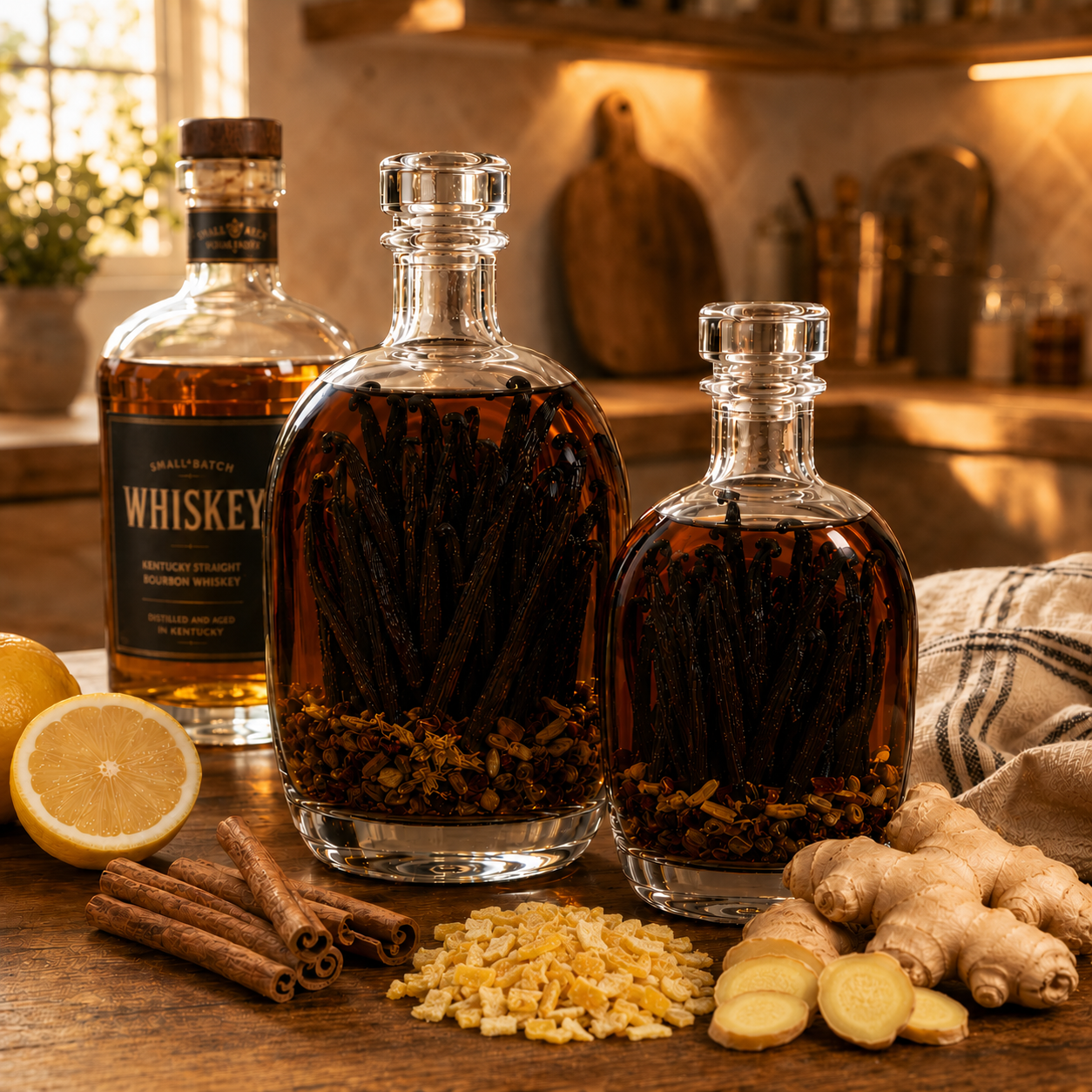
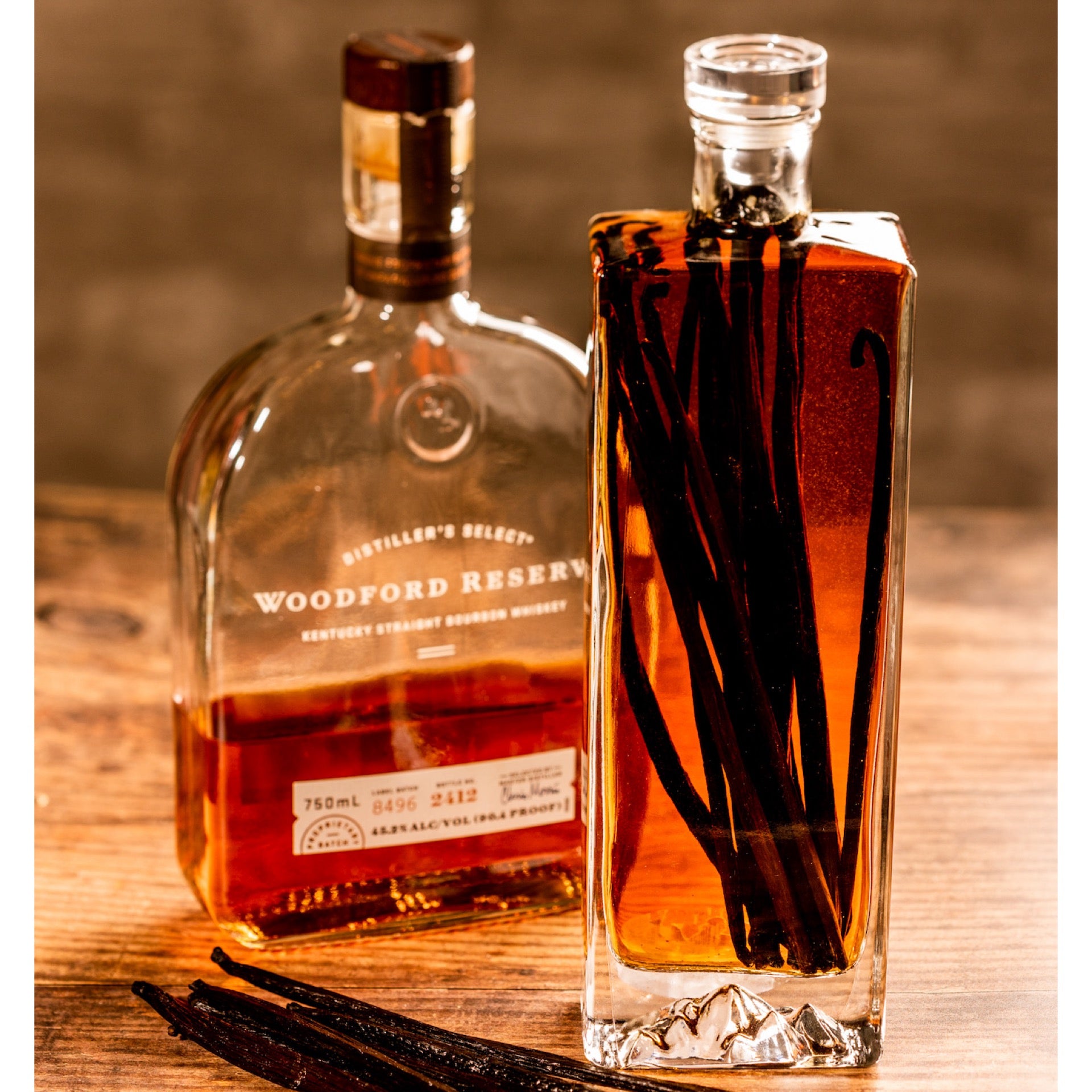
- Dark rum or bourbon vanilla extracts
- Savory applications like marinades and sauces
- Coffee-based desserts
- Recipes where you want vanilla to stand up to strong flavors
Alor Island Indonesian Vanilla
The smooth, creamy profile of Alor beans works beautifully in:
- Custards, crème brûlée, and ice cream
- Vodka or white rum vanilla extracts
- Delicate pastries and cakes
- Caramel and butterscotch desserts
- Recipes where you want a refined, sweet vanilla presence
The Beauty of Terroir
The remarkable differences between Papua New Guinea and Alor Island Indonesian vanilla beans demonstrate the profound impact of terroir on flavor. Though both are Vanilla planifolia, the volcanic soils and mountainous terrain of Papua New Guinea produce bold, earthy beans, while the maritime climate and limestone soils of Alor Island yield smooth, creamy beans with pronounced sweetness.
Understanding these differences allows you to select the perfect vanilla bean for your specific application—whether you're making extract, baking, or creating culinary masterpieces. Each origin tells a story of its land, climate, and the skilled farmers who cultivate these precious orchids.
When making vanilla extract, consider blending beans from both origins to create a complex, multi-dimensional flavor profile that captures the best of both worlds. Or use them individually to highlight their unique characteristics in different recipes.
The world of vanilla is rich with diversity, and exploring different origins is one of the great joys of extract making and baking. Papua New Guinea and Alor Island Indonesian beans are perfect examples of how the same species can offer completely different—and equally wonderful—experiences.