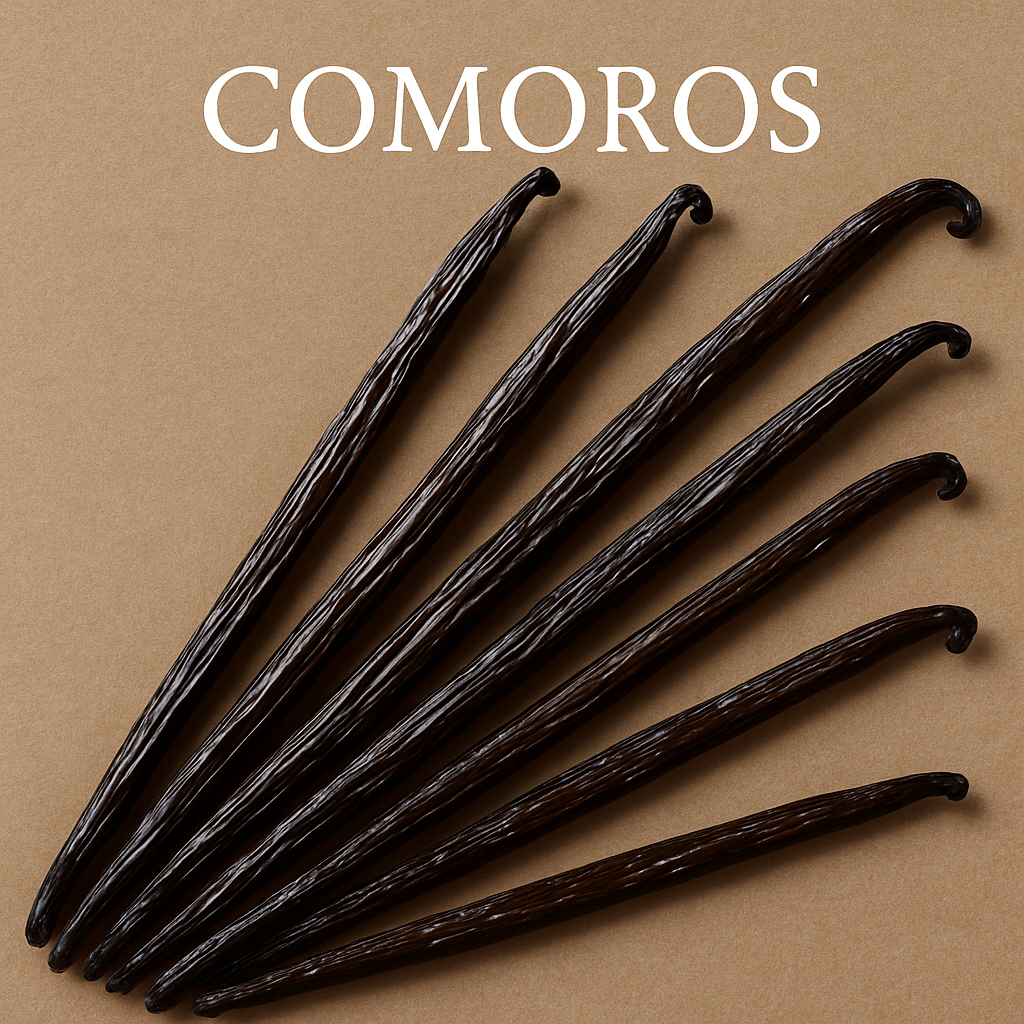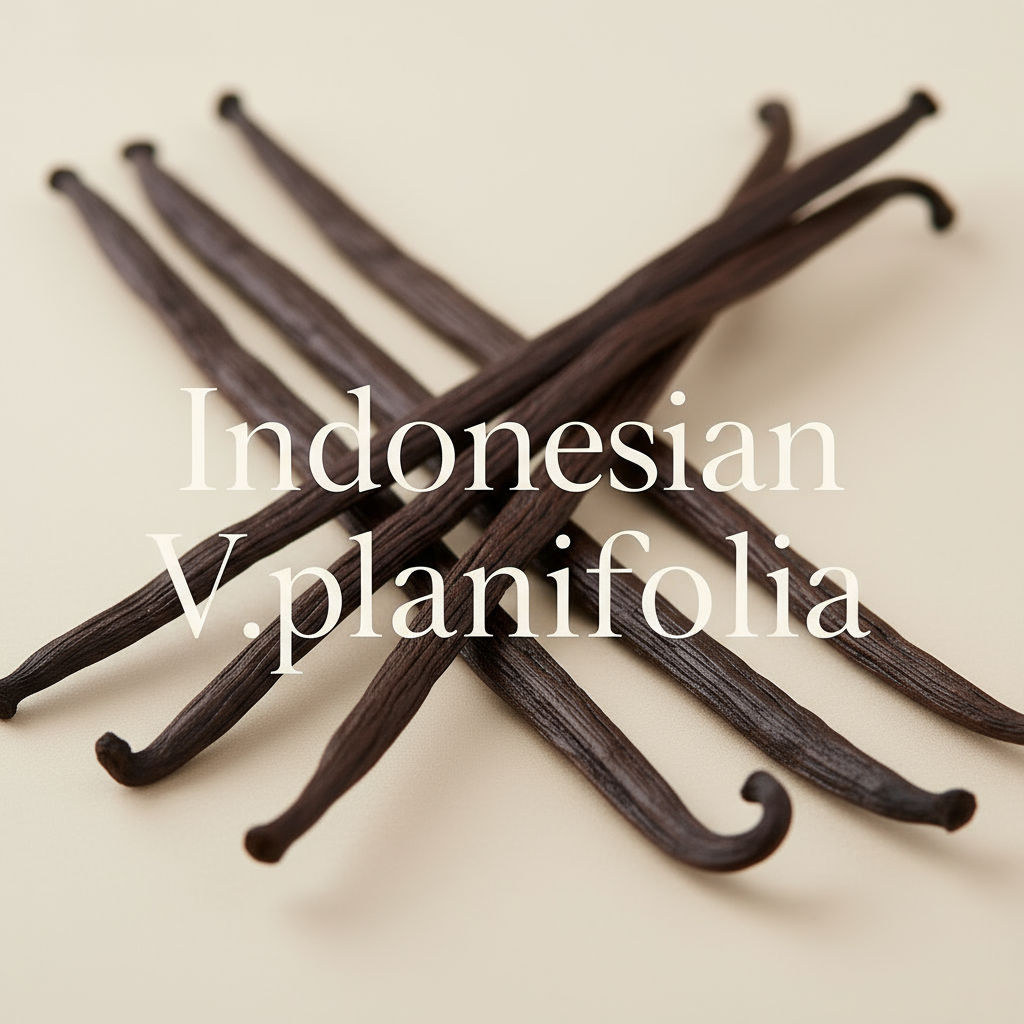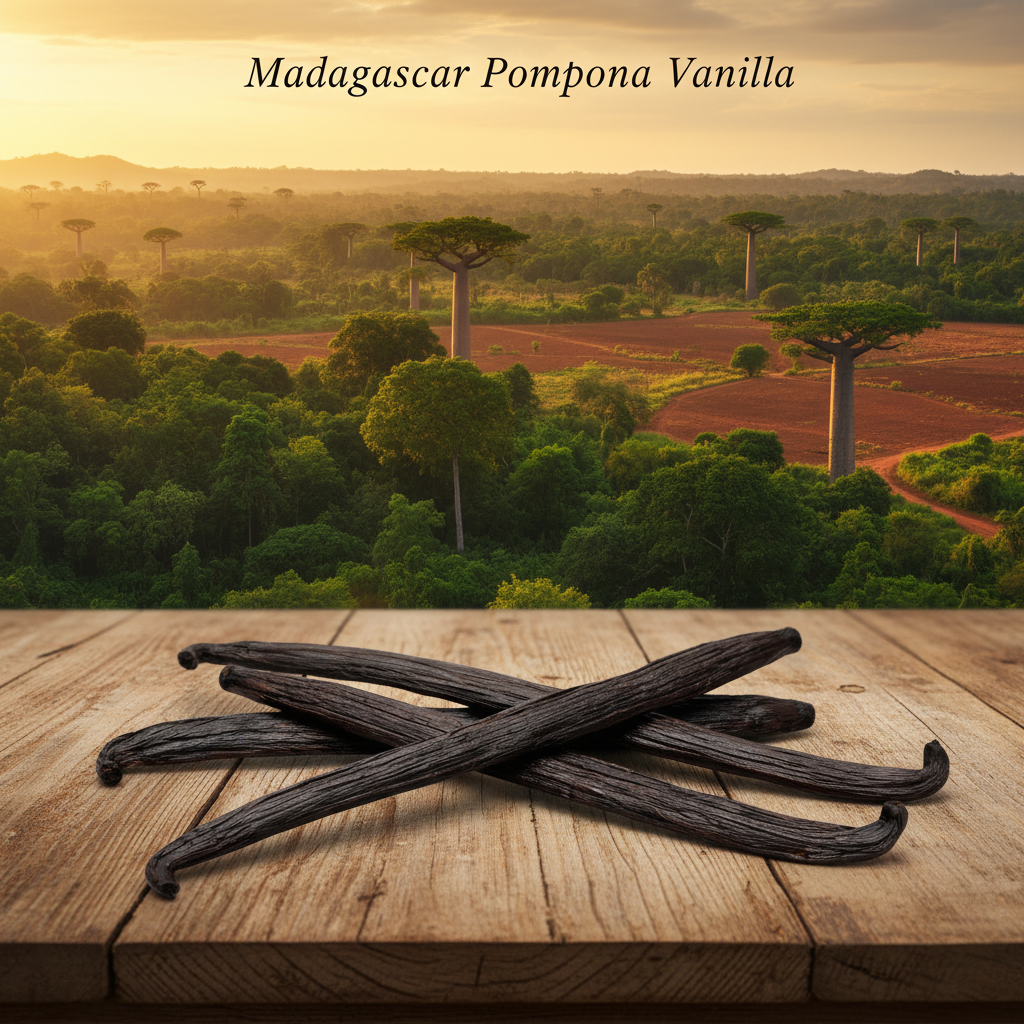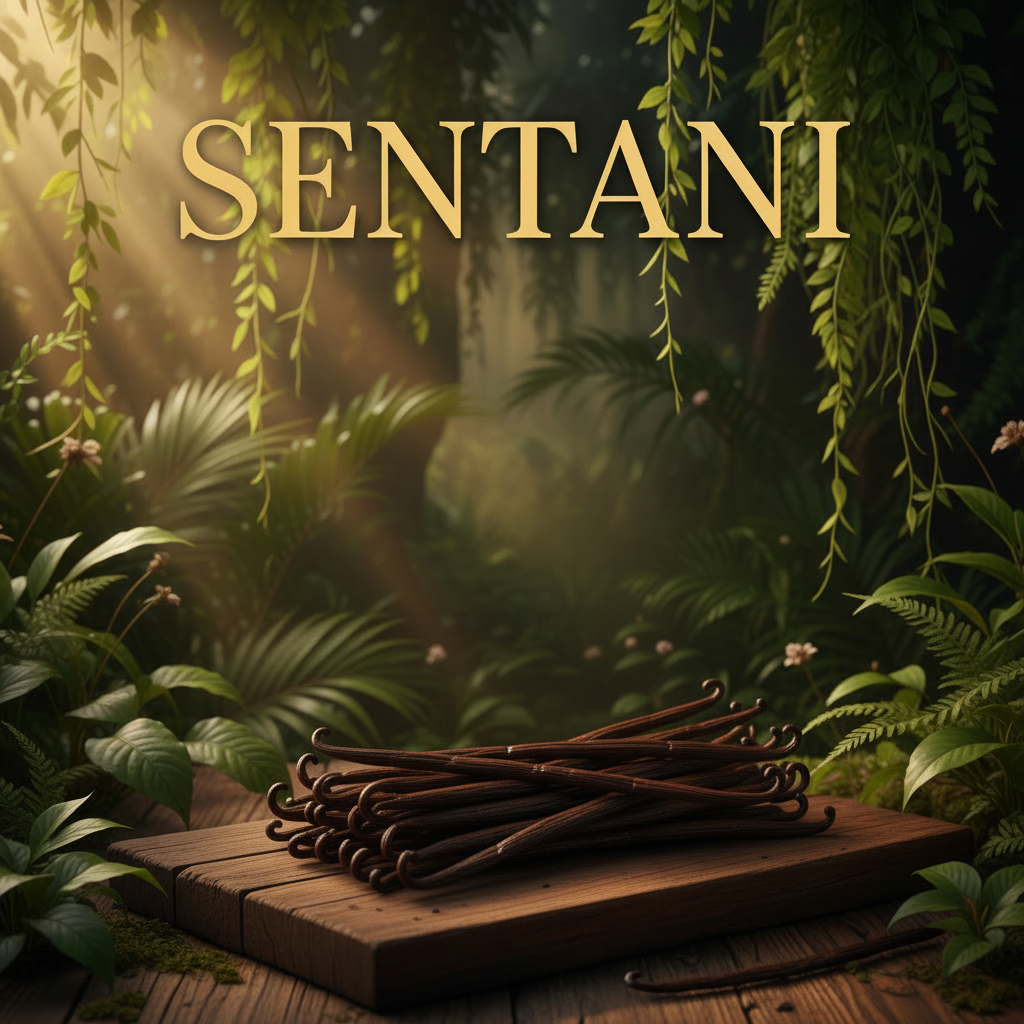

When most people think of vanilla, they picture the familiar V. planifolia bean from Madagascar or Mexico. But there's a rarer, more ancient species quietly captivating vanilla enthusiasts around the world: Vanilla pompona. Larger, bolder, and more complex than its planifolia cousin, the pompona species is now being cultivated in two very different corners of the globe — the remote highlands of Northern Peru and the legendary vanilla-growing regions of Madagascar. The result? Two extraordinary beans that share a species name but deliver remarkably different experiences. Welcome to the showdown: The Rioja vs. The Ambilobe.
What Is V. Pompona?
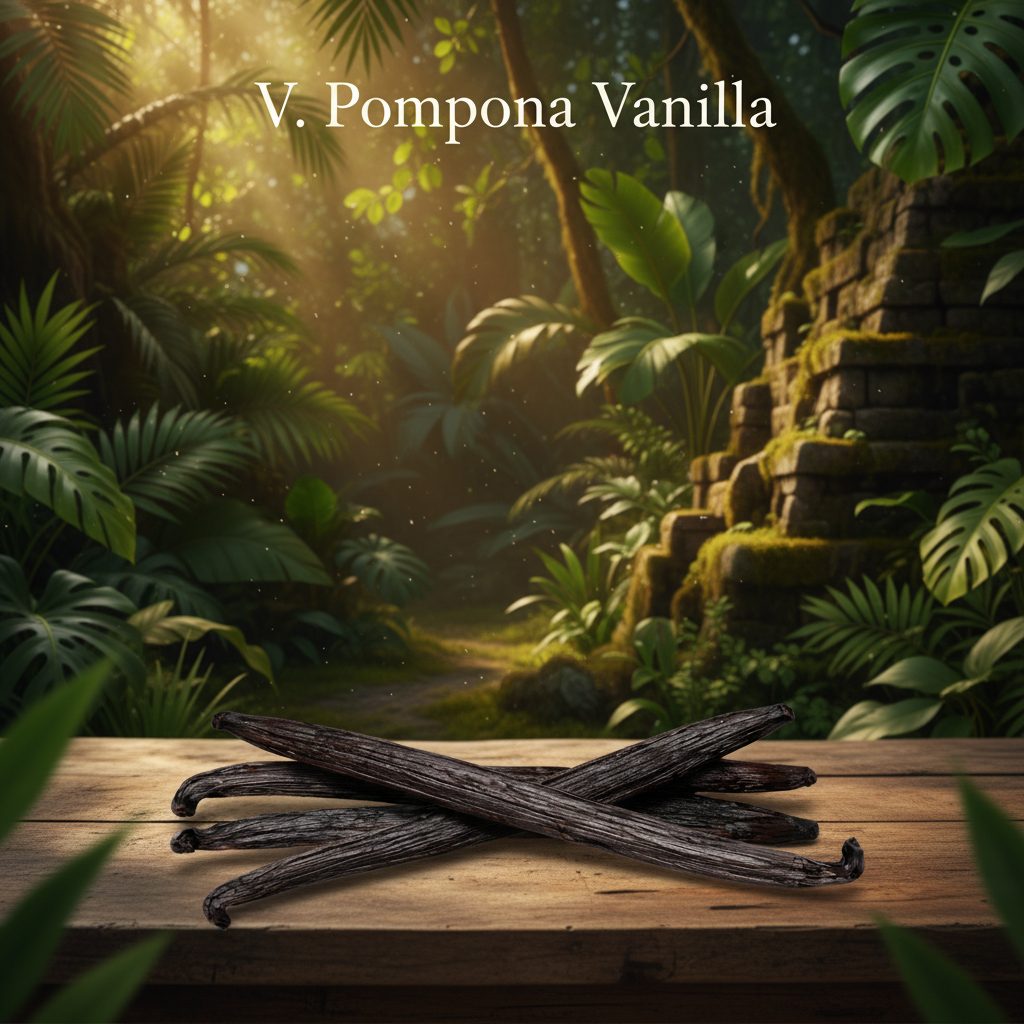
Before diving into the comparison, it helps to understand what makes V. pompona so special — and so rare. While V. planifolia dominates roughly 99% of global vanilla production, pompona represents less than 1% of the world's vanilla supply. It's widely believed to be the world's original vanilla bean, native to Southern Mexico and the tropical regions of Central and South America, long before planifolia was selectively cultivated and exported globally.
A few things set pompona apart from every other vanilla species:
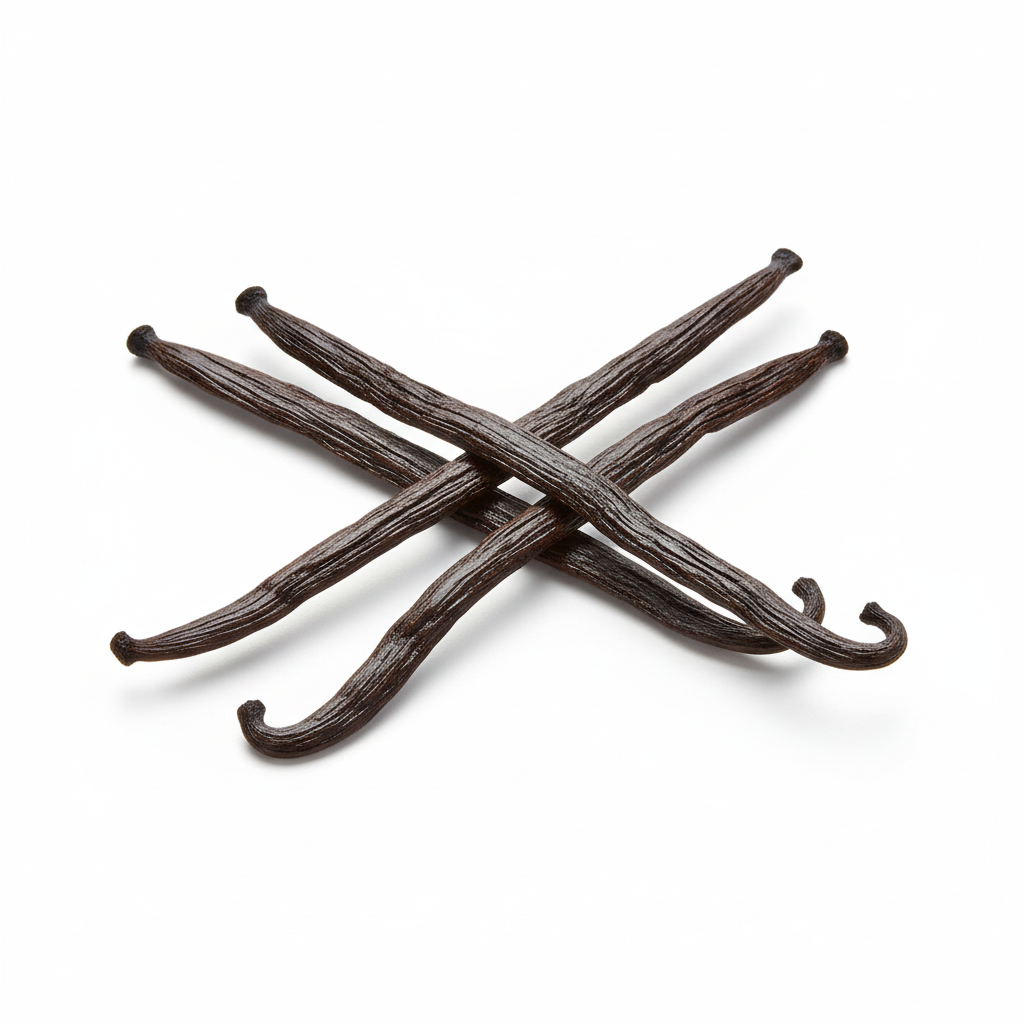
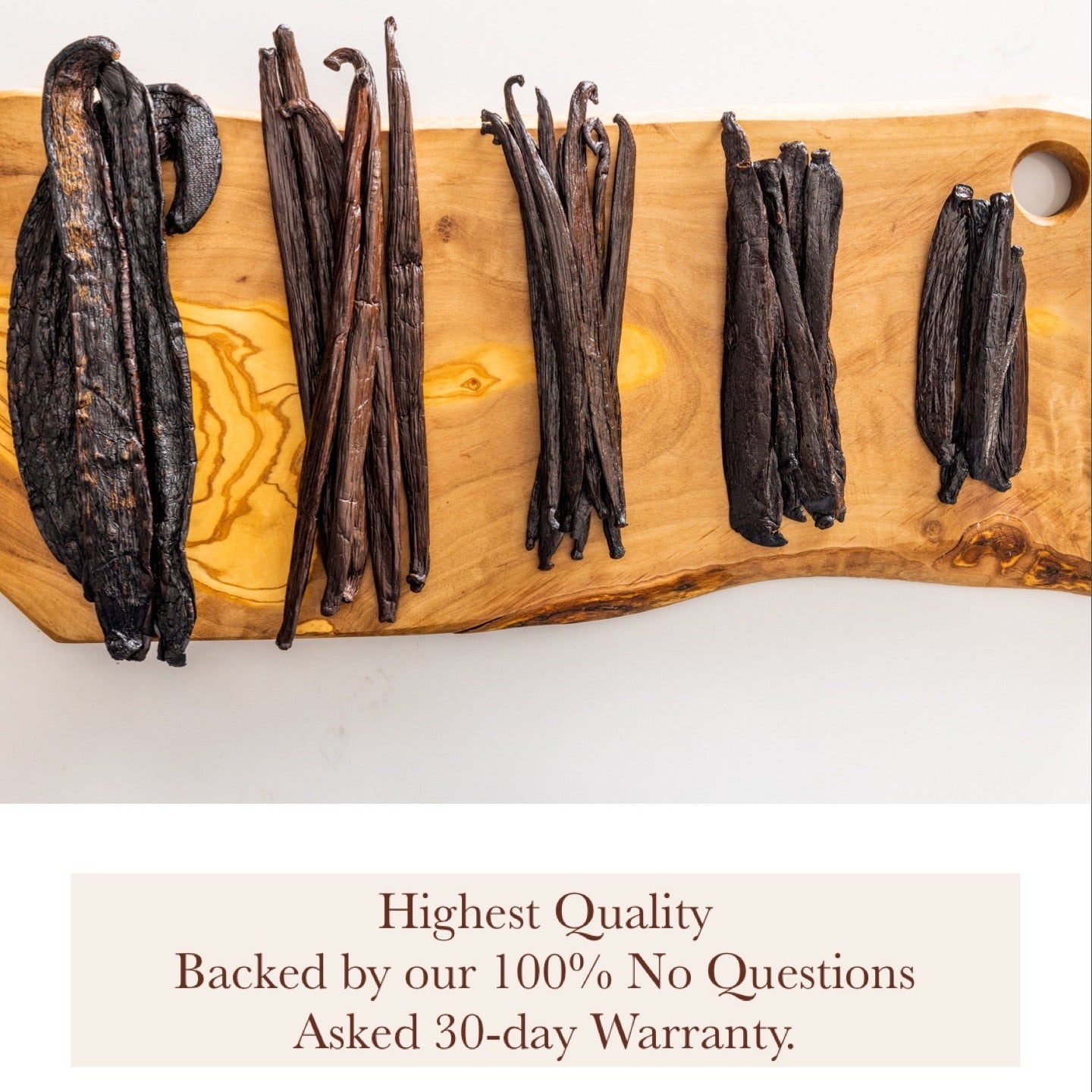
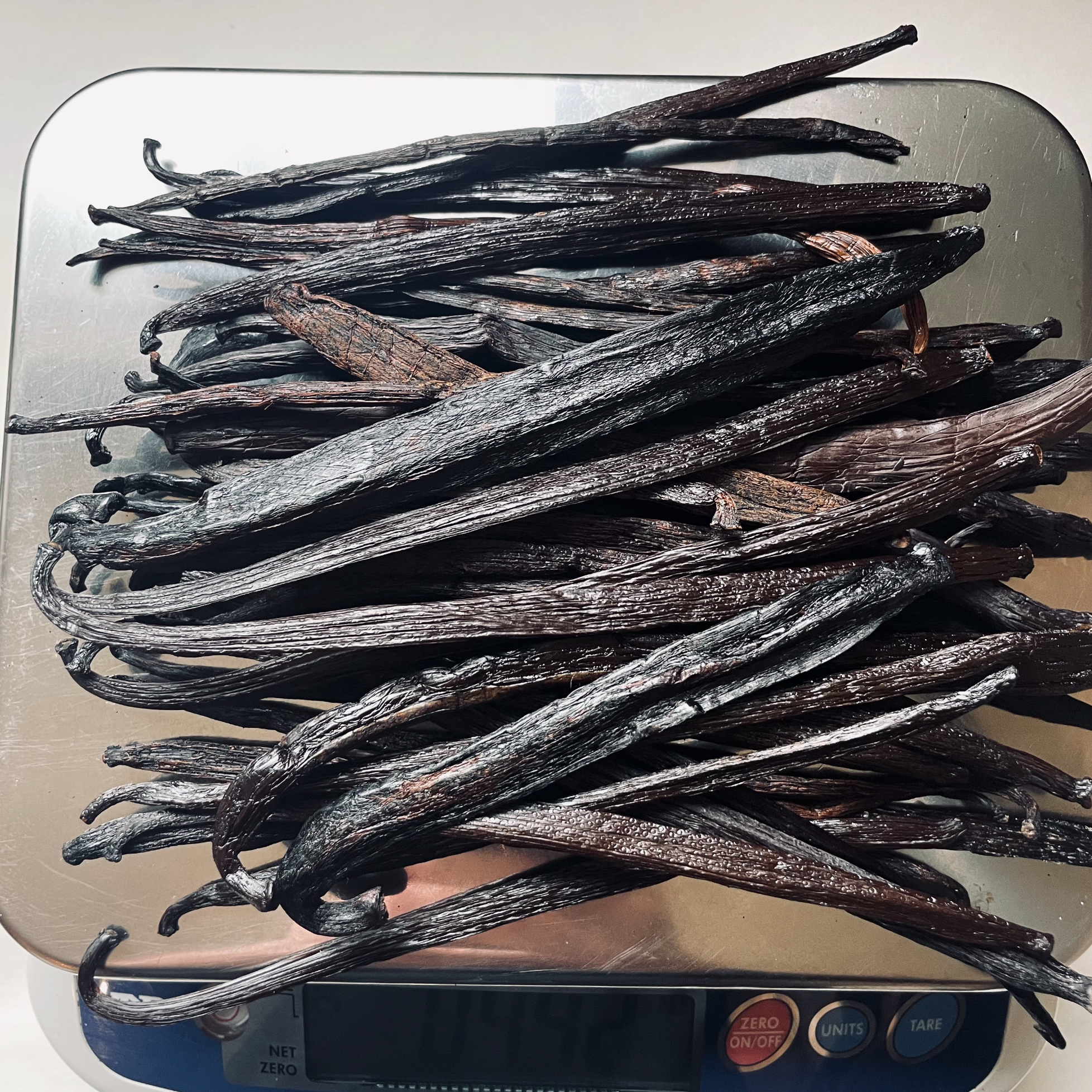
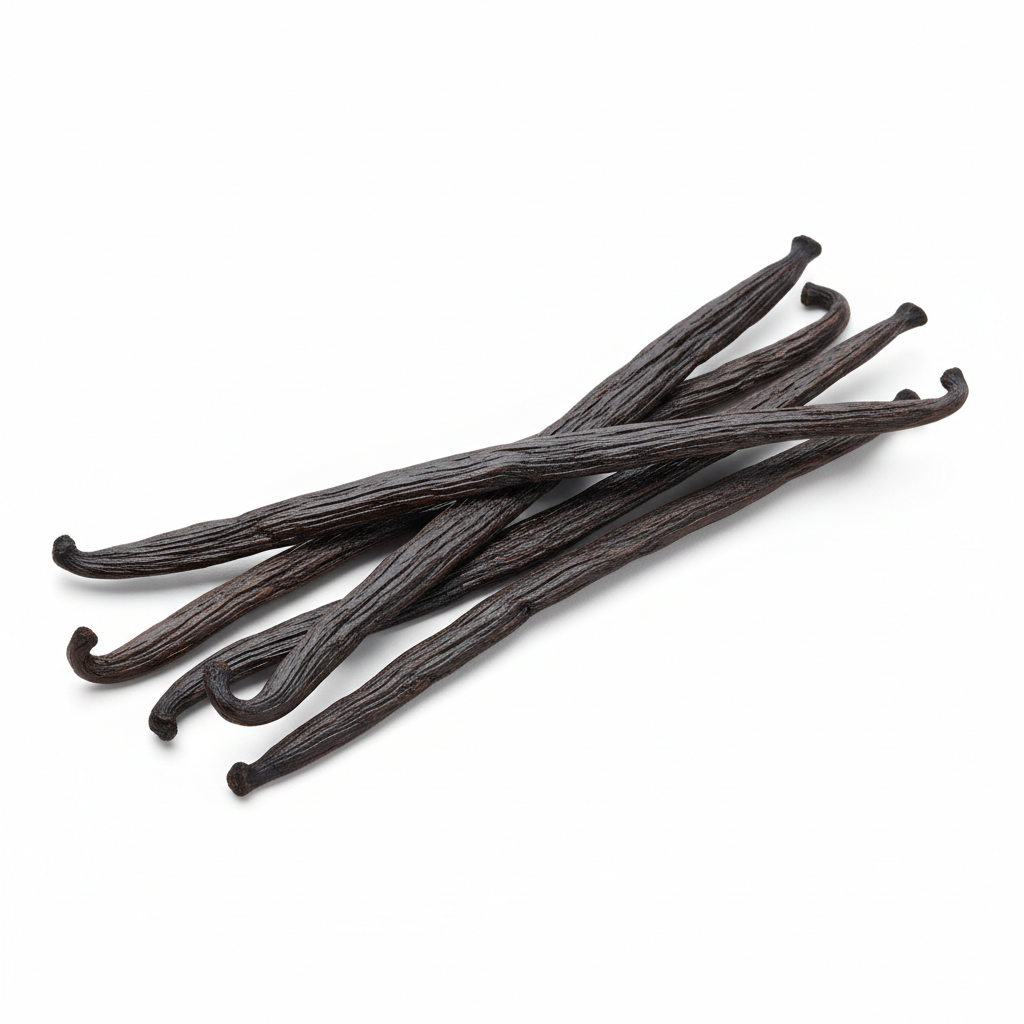
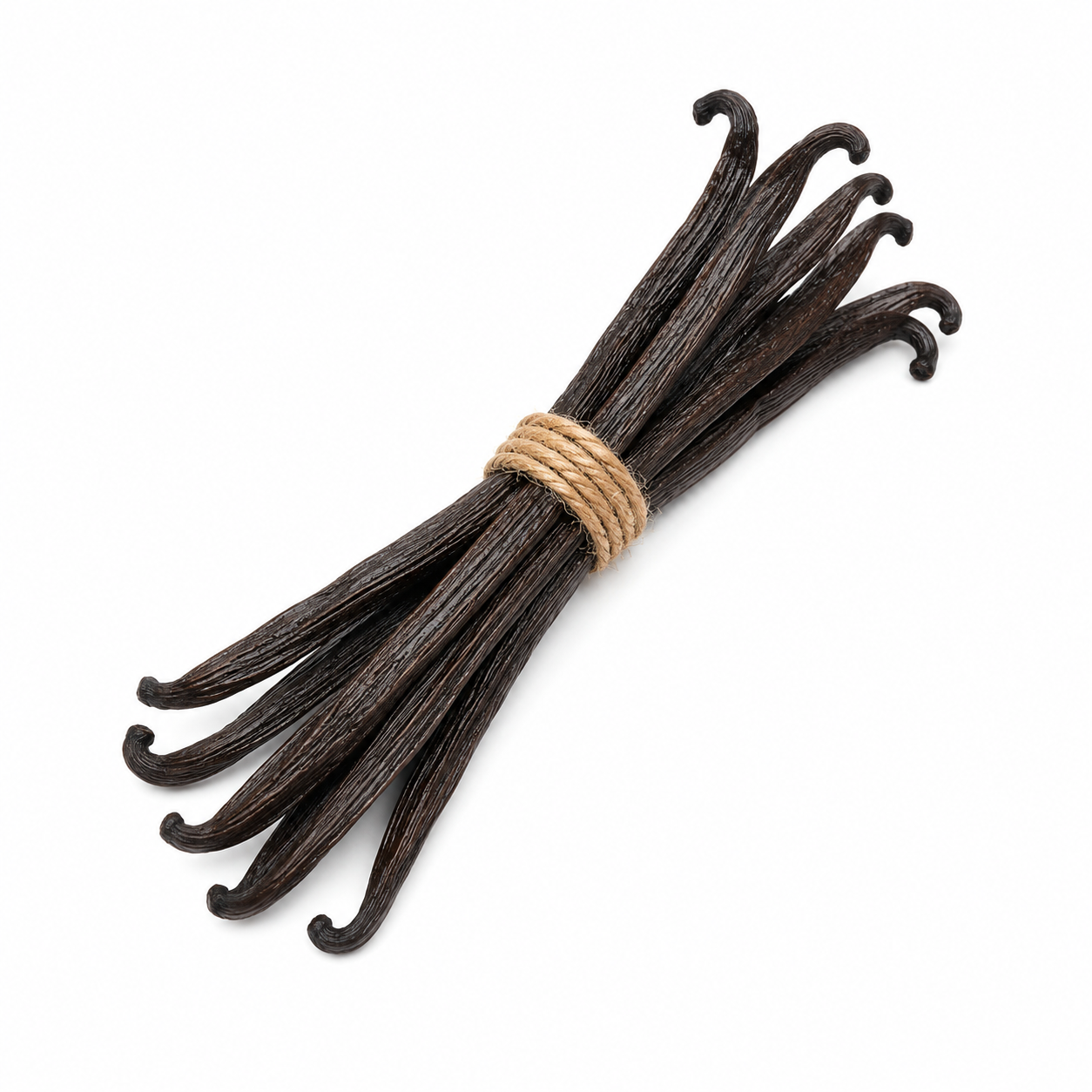
- Size: These are massive beans — typically 5" to 8" long, with some specimens so large that just 1–2 beans make up a full ounce. (By comparison, planifolia beans average 4–6 per ounce.)
- Natural pollination: Because the orchid flowers are so large, pompona is one of the only vanilla species still pollinated naturally by bees in some growing regions — a rarity in commercial vanilla cultivation.
- Flavor complexity: Pompona carries a bold vanilla base layered with fruity, earthy, and tropical notes that planifolia simply doesn't produce.
- Rarity: Lower yields, longer maturation times, and specialized growing requirements keep global supply extremely limited — and prices high.
Now, let's meet the two contenders.
The Rioja — Peruvian V. Pompona
Origin: Rioja, Northern Peru
Species: V. pompona
Grade: Grade A
Aroma: Bold vanilla, dried fruit, figs, molasses
Extract Taste: Dark, earthy vanilla, rich caramel, fruity undertones
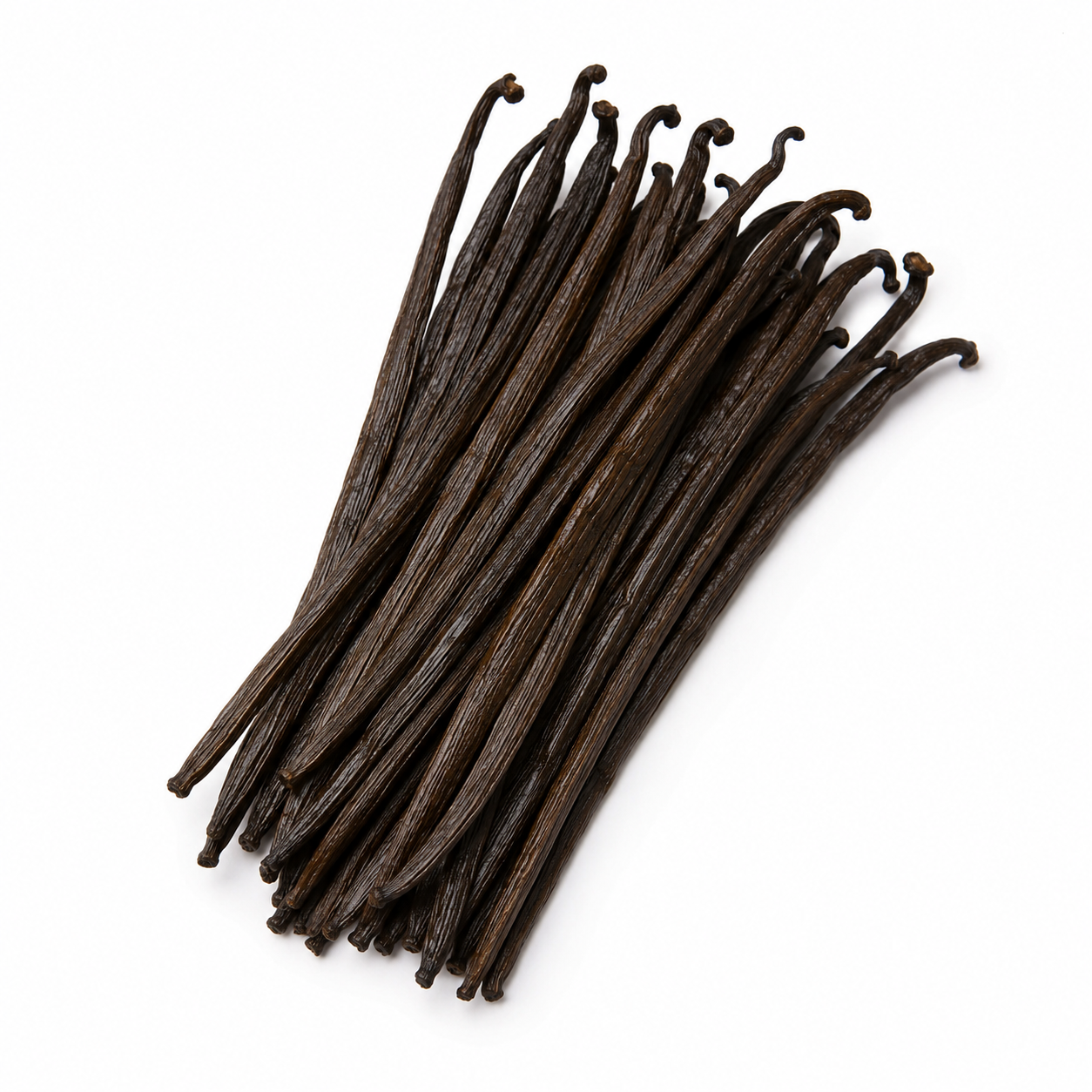
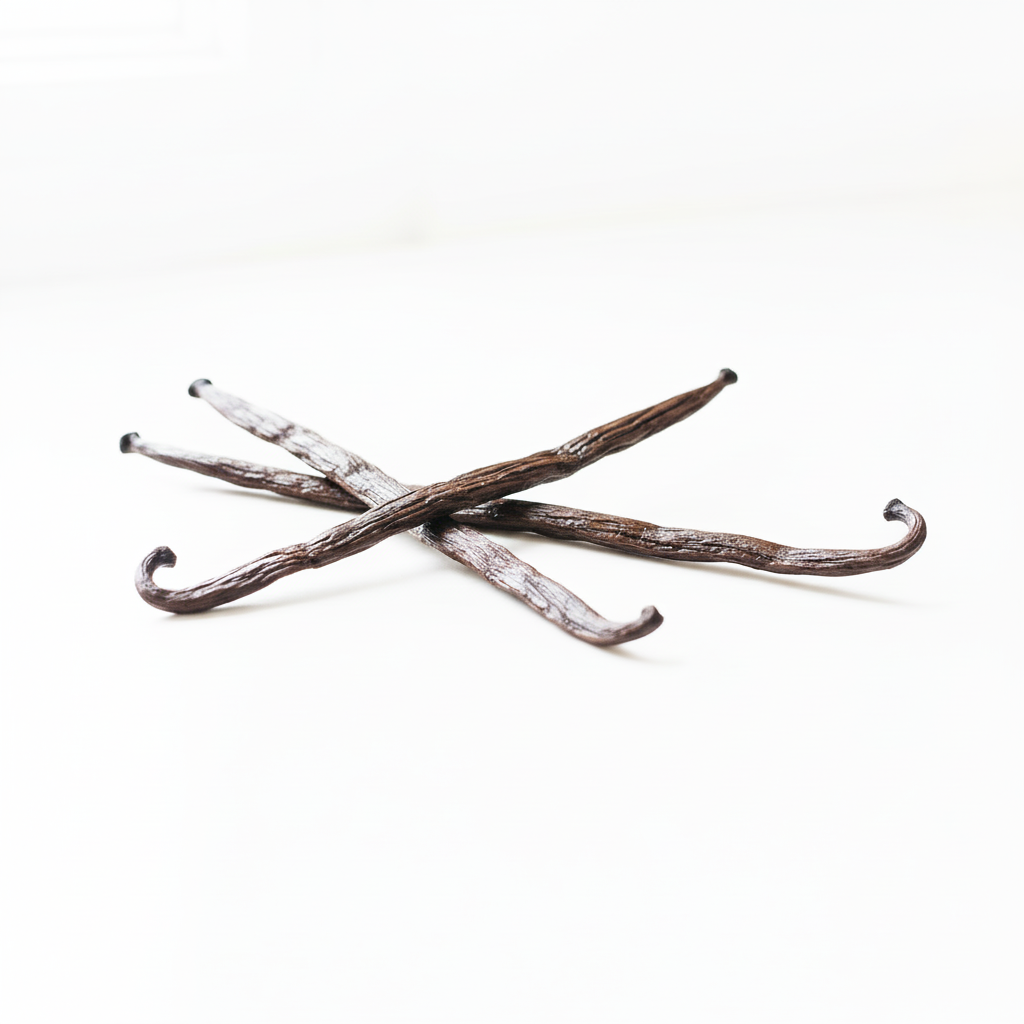
Named after the tiny, remote town of Rioja nestled in the cloud forests of Northern Peru, The Rioja is a bean that commands attention the moment you open the bag. These Grade A beans are deeply dark brown, intensely oily on the inside, and rich with vanillin. At just 2–3 beans per ounce — and occasionally a single bean — the sheer size of The Rioja is unlike anything most vanilla enthusiasts have encountered.
The aroma is bold and complex: classic vanilla up front, followed by waves of dried figs, raisins, molasses, and a subtle hint of banana. Some detect a faint coffee or mocha undertone that makes this bean truly one-of-a-kind. The outer skin has the feel of dried fruit — a hallmark of authentic pompona quality — while the interior is packed with rich, oily caviar.
After a proper extraction period (up to 1 year in light spirits like vodka or white rum; 18 months to 2 years in dark spirits like bourbon or dark rum), The Rioja produces an extract that is dark, earthy, and deeply complex — with strong vanilla at the core, layered with caramel, molasses, and fruity undertones. It's a powerhouse extract with applications in pies, tarts, banana bread, pumpkin spice, orange rolls, and anywhere you want a bold, sophisticated vanilla presence.
Because pompona orchids don't bloom as prolifically as planifolia, take longer to mature, and are difficult to cultivate at scale, The Rioja is one of the rarest vanilla beans on the market. Its global supply is extremely limited — which is reflected in its price.
The Ambilobe — Madagascar V. Pompona
Origin: Madagascar
Species: V. pompona
Grade: Grade A
Aroma: Sweet vanilla with pronounced banana and tropical fruit notes
Extract Taste: Rich vanilla foundation with distinctive banana undertones and creamy complexity
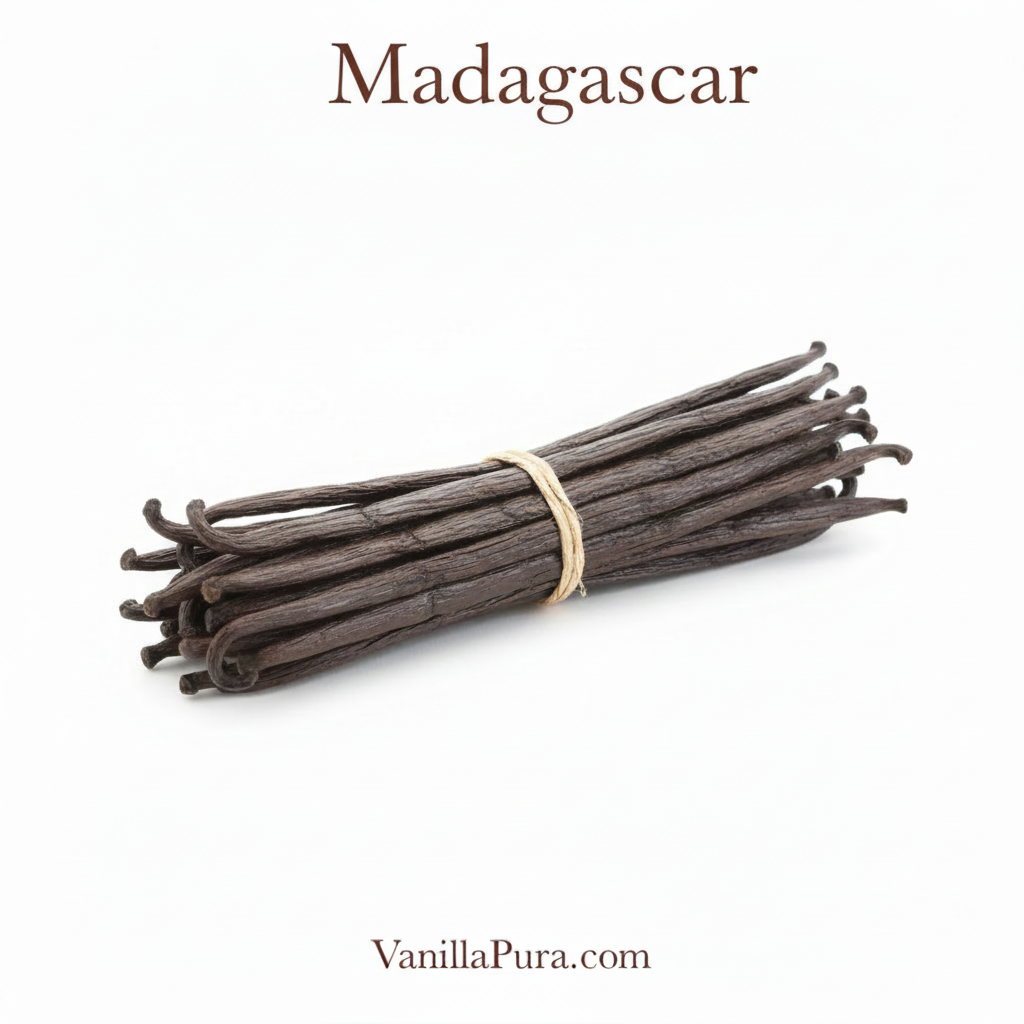
Madagascar is the undisputed capital of global vanilla production — but almost all of that production is V. planifolia. The Ambilobe is something entirely different: a V. pompona bean grown in Madagascar's premier vanilla-growing terroir, bringing together the island's legendary growing conditions with the rare pompona species. The result is a bean that surprises even seasoned vanilla lovers.
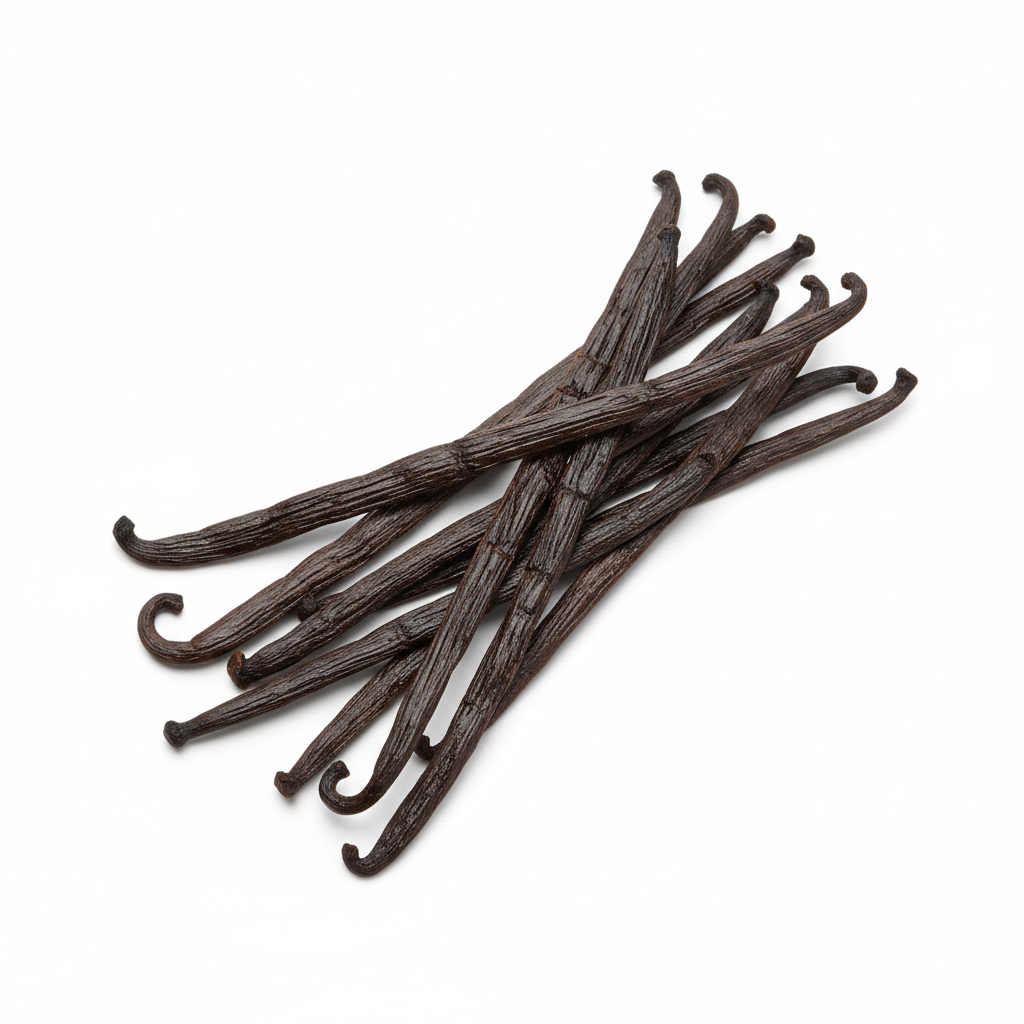
Where The Rioja leans dark and earthy, The Ambilobe goes bright and tropical. Its aroma leads with sweet vanilla and pronounced banana notes, followed by creamy tropical fruit undertones that feel almost dessert-like on their own. The beans are large, plump, moist, and bursting with natural oils and caviar — meeting VanillaPura's exacting Grade A standards.
In extraction, The Ambilobe shines in dark spirits like bourbon, dark rum, brandy, and cognac, where its fruity complexity complements rich, spirit-forward profiles beautifully. The finished extract carries a rich vanilla foundation with distinctive banana undertones and a creamy, layered complexity that sets it apart from any planifolia extract — and from The Rioja as well. It's exceptional in custards, ice creams, banana bread, tropical fruit tarts, and exotic pastries.
V. pompona cultivation in Madagascar is limited due to lower yields and specialized growing requirements — making The Ambilobe a rare opportunity even by pompona standards.
Side-by-Side Comparison
| The Rioja (Peru) | The Ambilobe (Madagascar) | |
|---|---|---|
| Species | V. pompona | V. pompona |
| Origin | Rioja, Northern Peru | Madagascar |
| Grade | Grade A | Grade A |
| Aroma | Bold vanilla, dried fruit, figs, molasses | Sweet vanilla, banana, tropical fruit |
| Extract Flavor | Dark, earthy, caramel, fruity undertones | Rich vanilla, banana, creamy complexity |
| Flavor Direction | Dark & earthy | Bright & tropical |
| Best Spirits | Bourbon, dark rum, brandy | Bourbon, dark rum, brandy, cognac |
| Best Uses | Pies, tarts, banana bread, pumpkin spice, orange rolls | Custards, ice cream, tropical tarts, banana bread, exotic pastries |
Which One Is Right for You?
The honest answer: both. These are not competing products — they're complementary experiences that happen to share a species name. If you're drawn to deep, earthy, molasses-forward complexity, The Rioja is your bean. If you want something bright, tropical, and banana-kissed, The Ambilobe will surprise and delight you.
For extract makers, having both in your collection means you can craft distinctly different extracts from the same rare species — one dark and brooding, one fruity and vibrant. Blended together, they could produce something truly extraordinary.
Either way, you're working with some of the rarest vanilla on the planet. V. pompona represents less than 1% of global vanilla production, and both The Rioja and The Ambilobe are available in limited quantities. If you've been curious about pompona, now is the time to explore.
- 👉 Shop The Rioja — Peruvian V. Pompona Vanilla Beans
- 👉 Shop The Ambilobe — Madagascar V. Pompona Vanilla Beans
Ready to start making your own extract? Visit our Vanilla Extract Making — How-To Guides for everything you need to know.