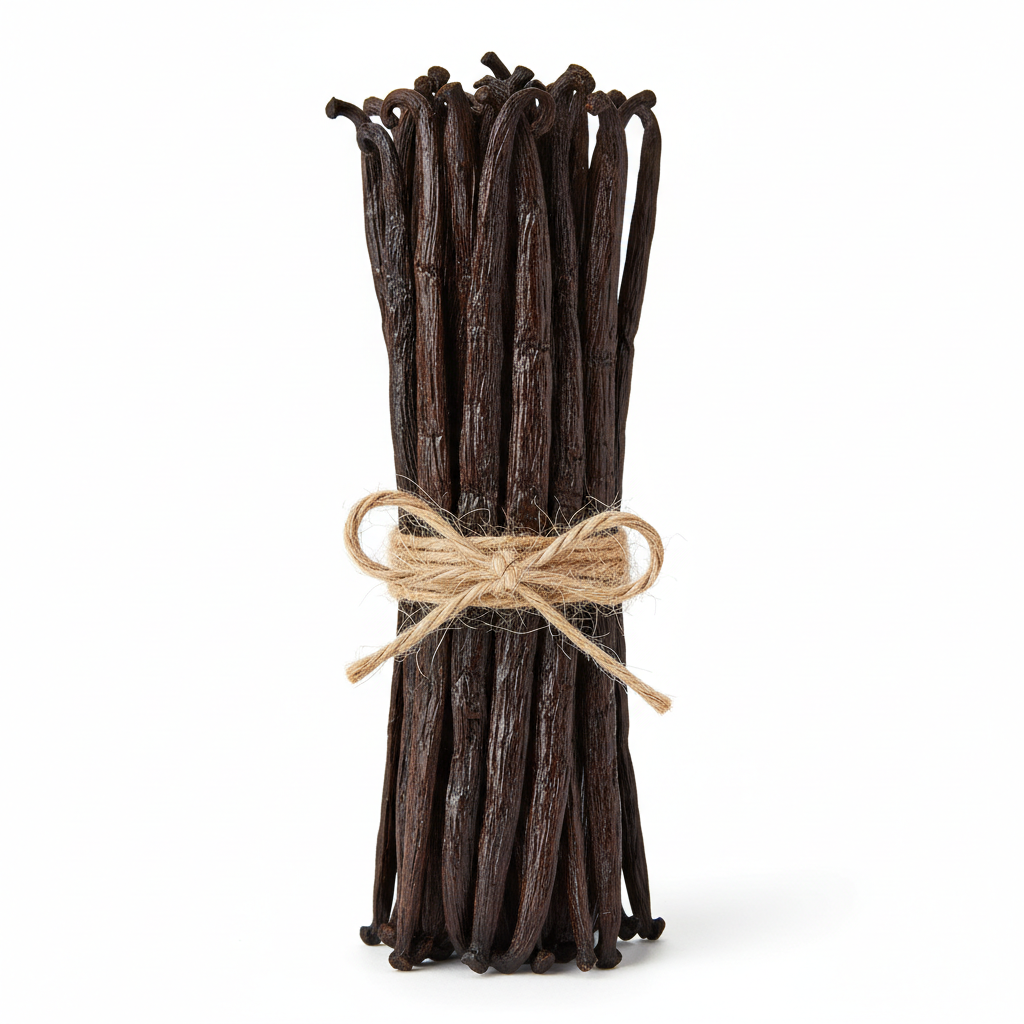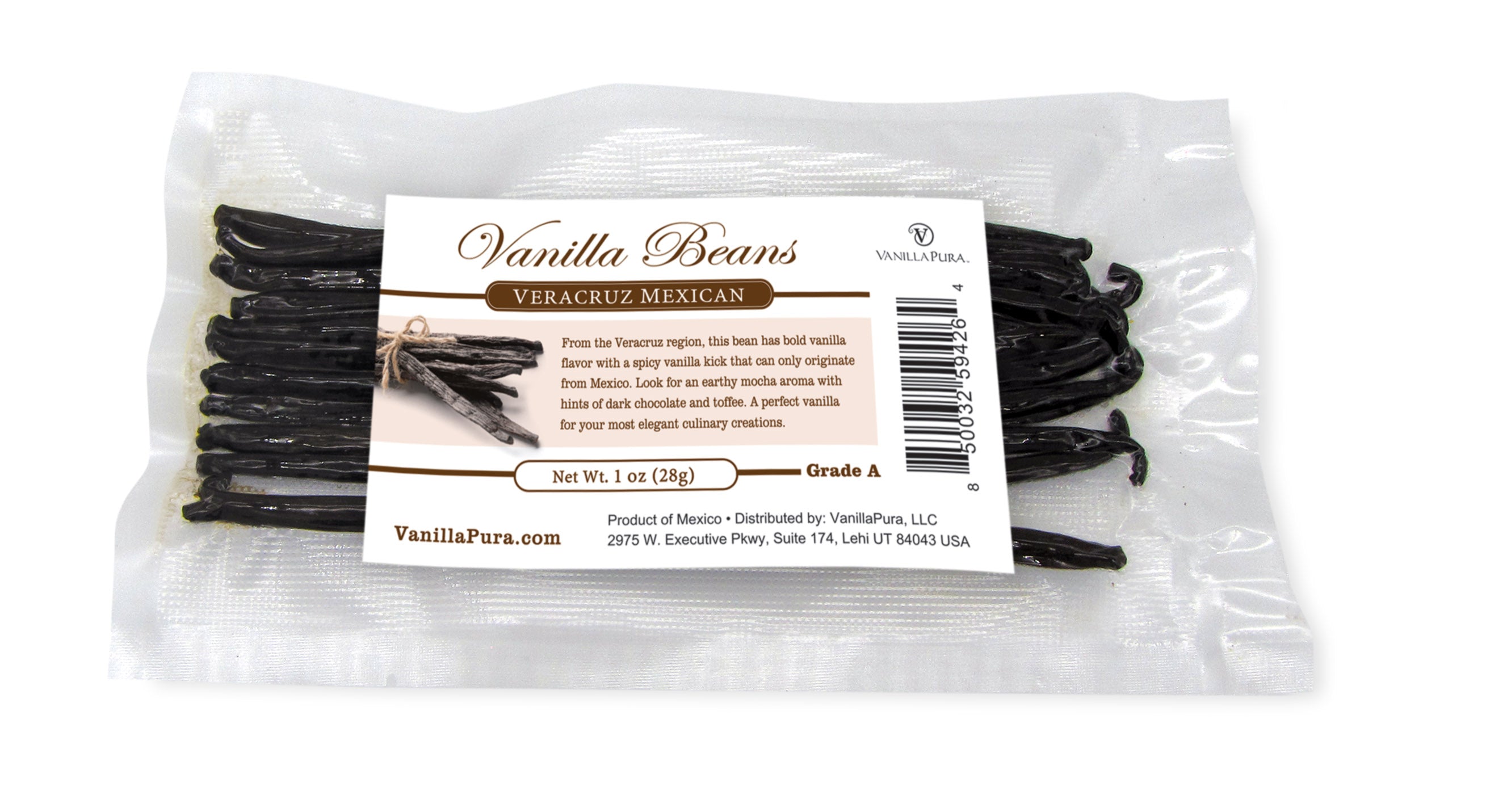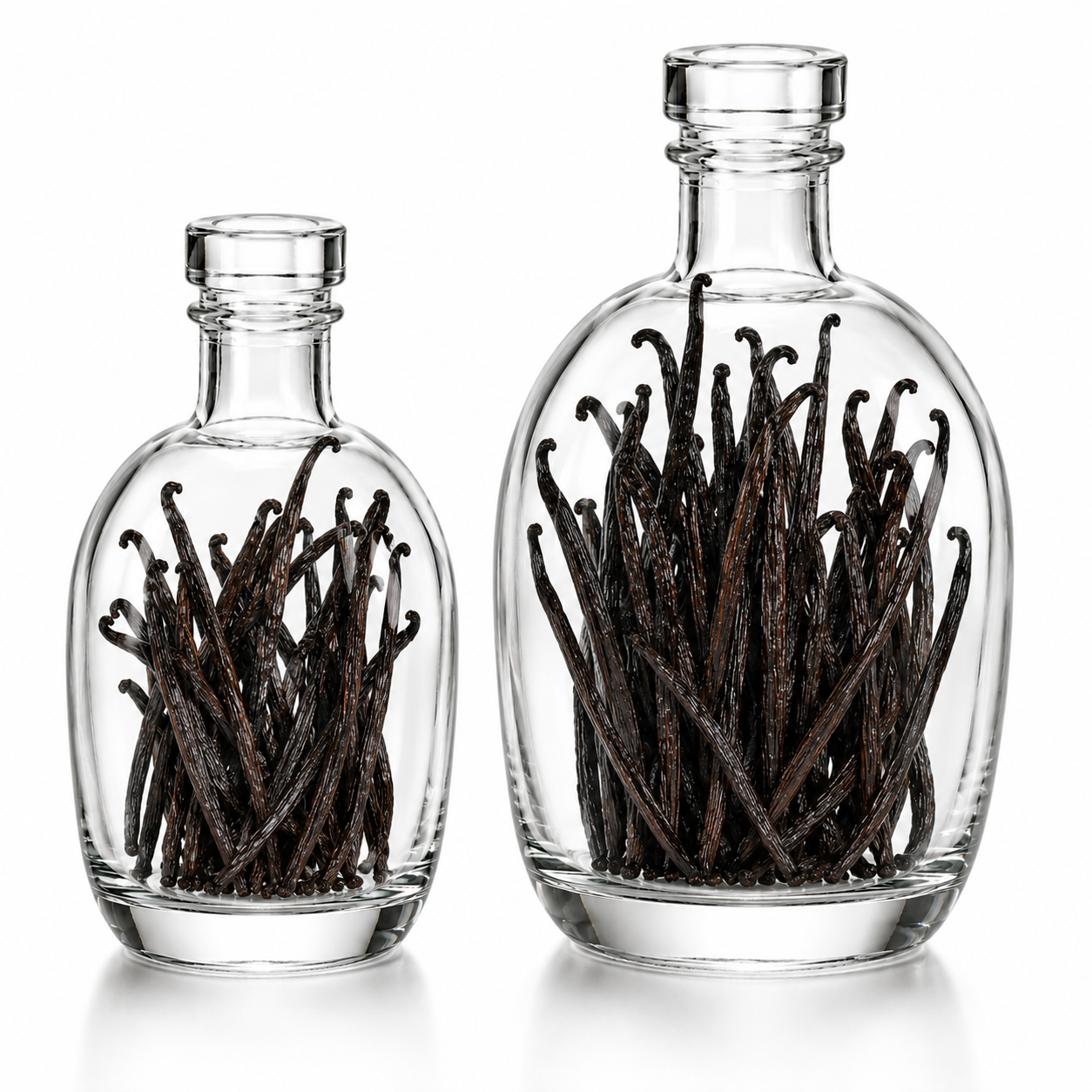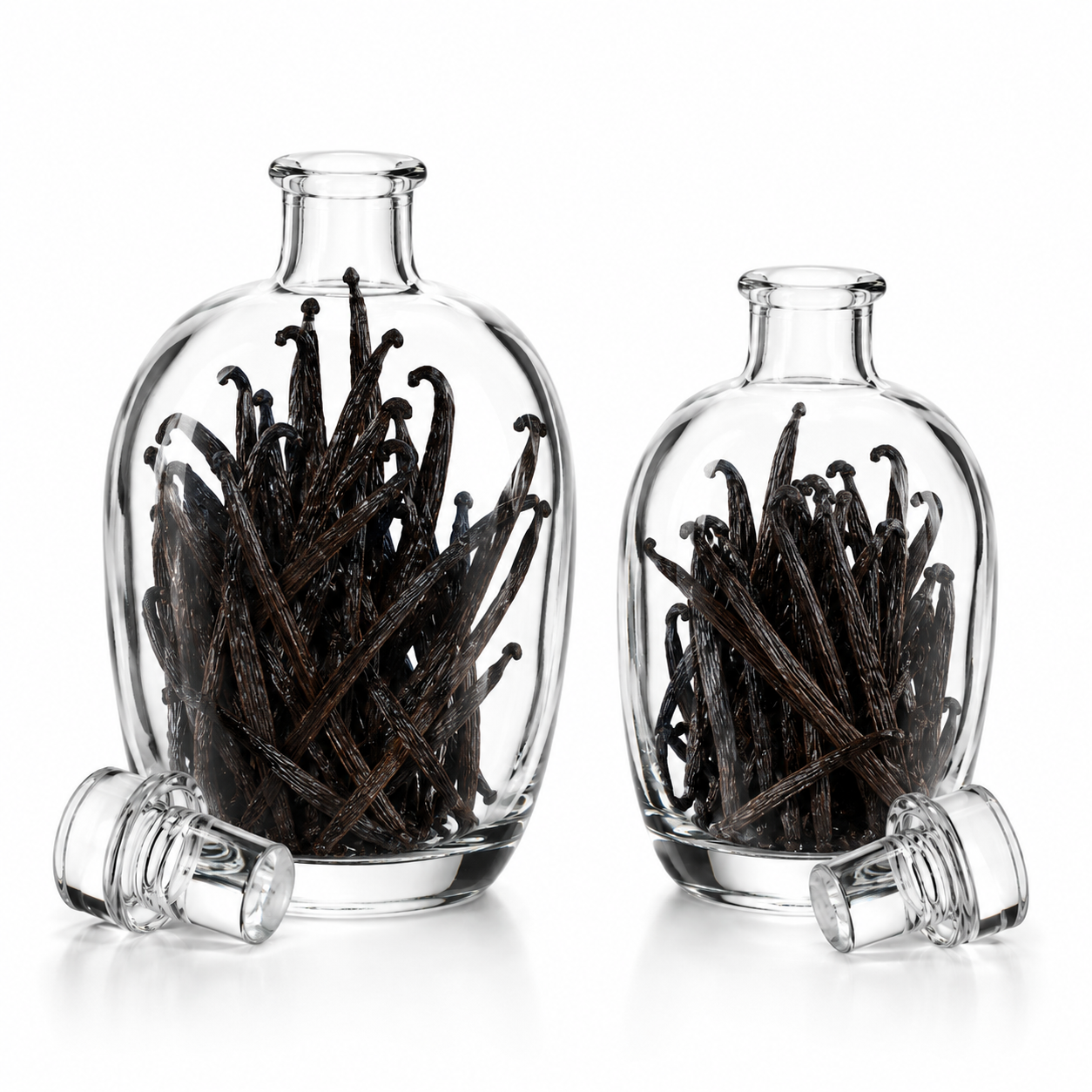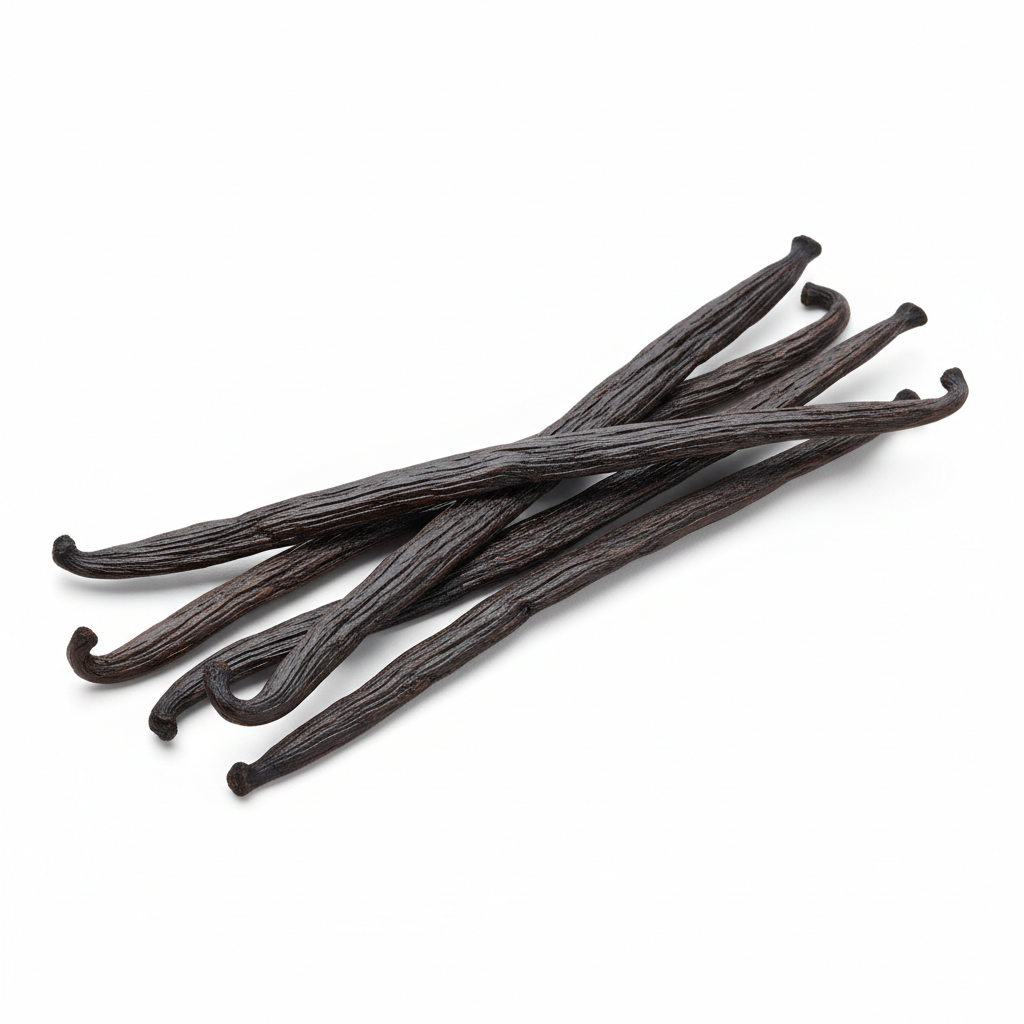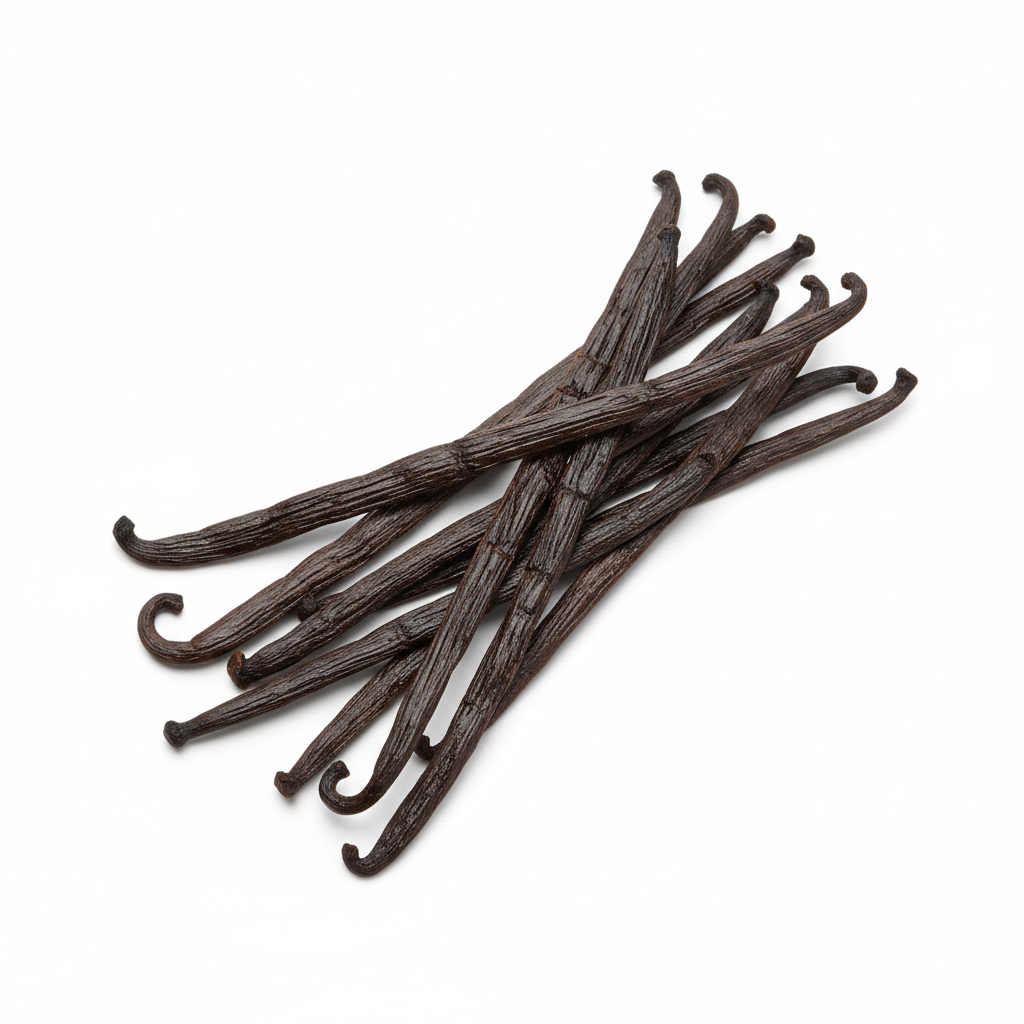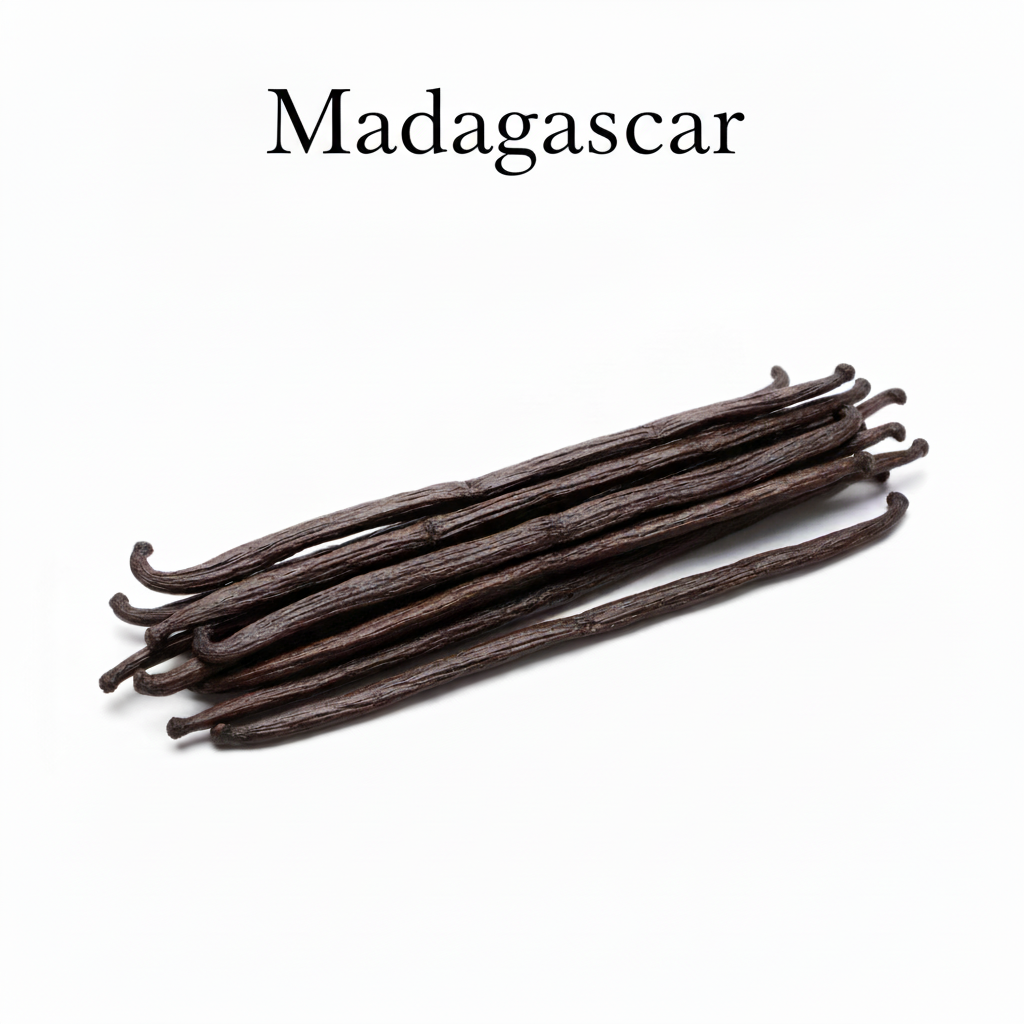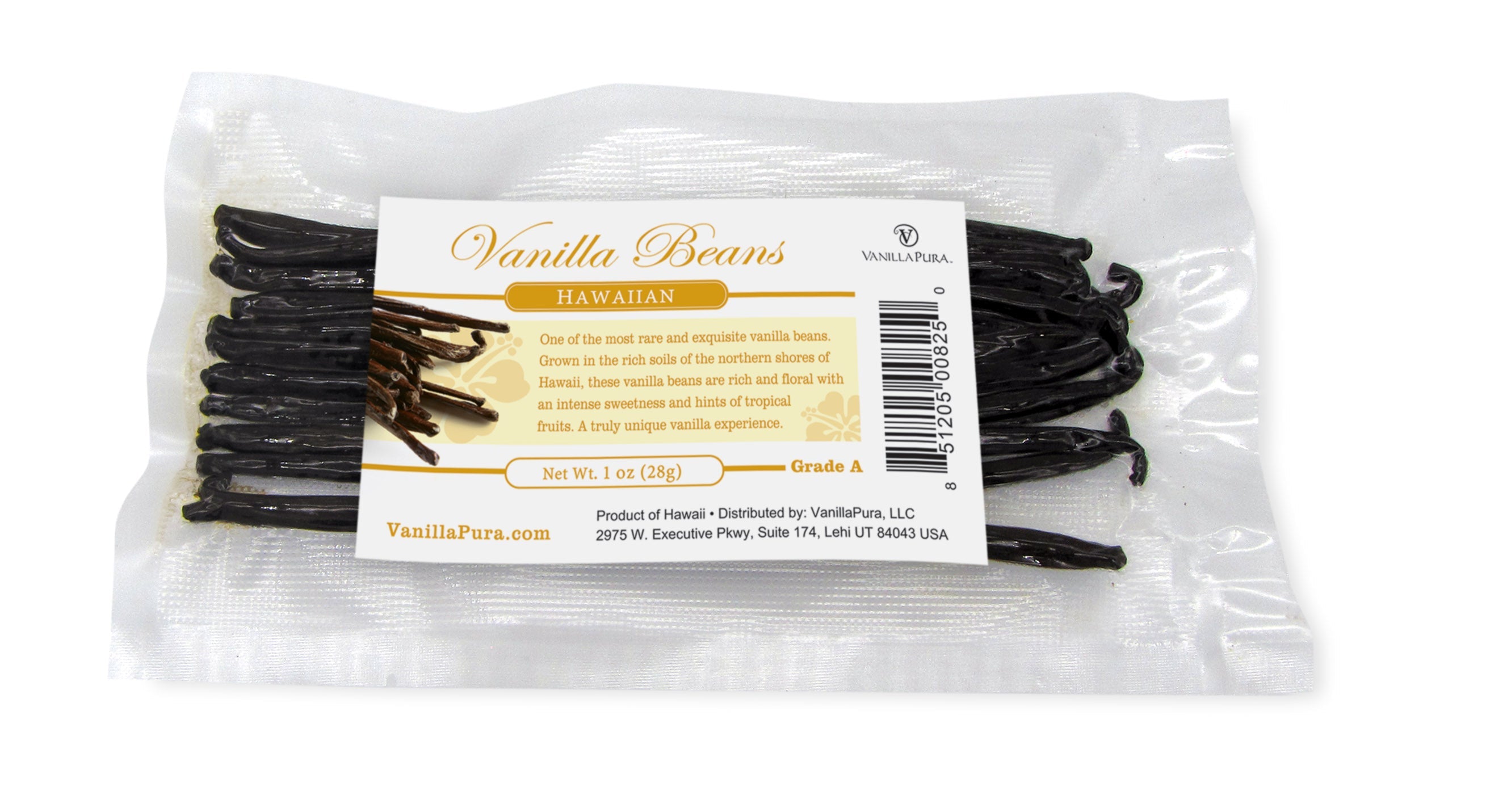

Welcome to 2 Bean Tuesday, where we explore the fascinating differences between vanilla beans from around the world. Today, we're comparing two exceptional Vanilla planifolia varieties: The Olinda Brazilian Vanilla Bean from Northern Brazil and the Hawaiian Vanilla Bean from Hawaii's sun-drenched orchards. While both belong to the same species, their distinct terroirs create remarkably different flavor profiles.
The Power of Terroir: Soil Makes All the Difference
The key difference between these two planifolia beans lies in their growing environments, particularly the soil composition and climate of their respective regions.
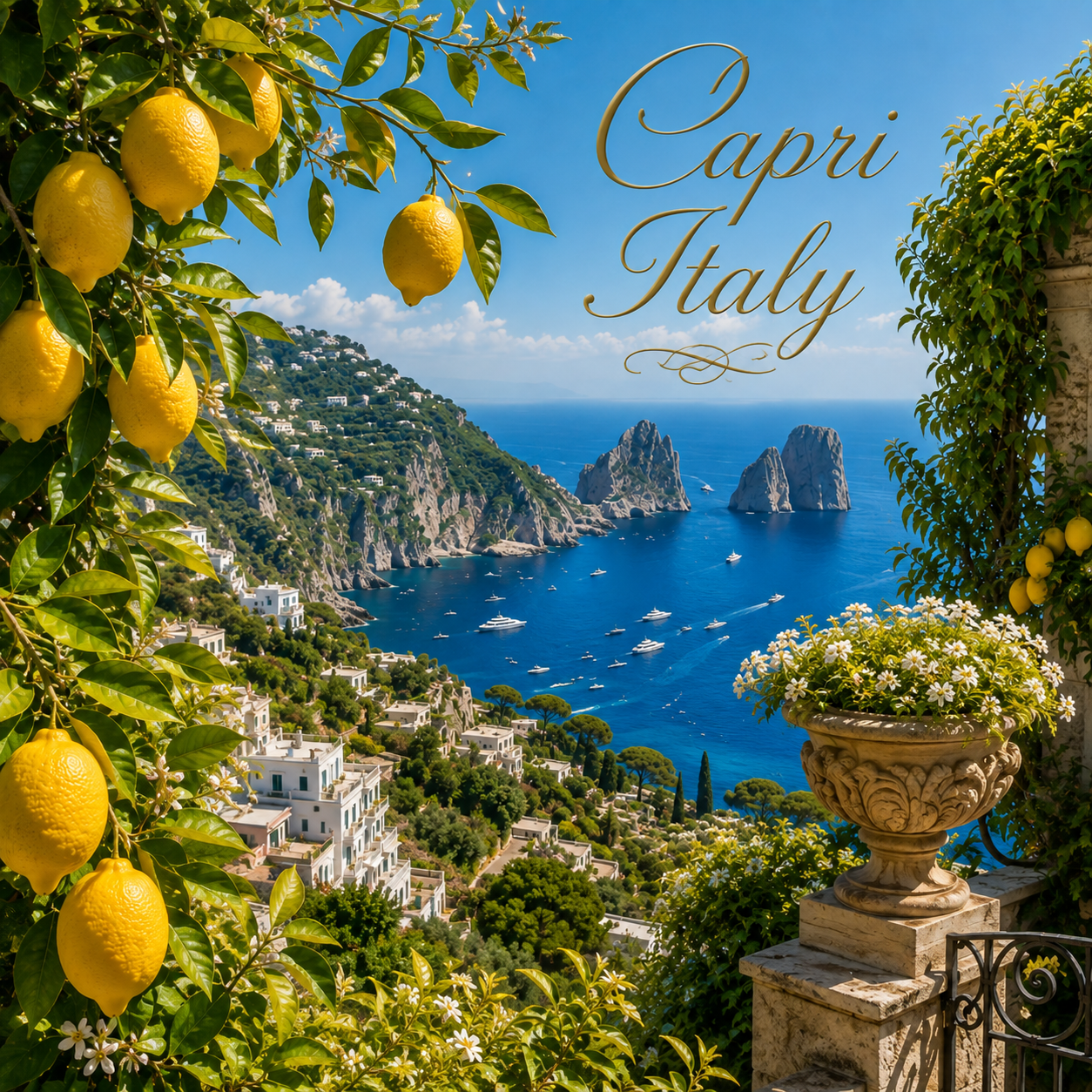
Northern Brazil: Volcanic Soil Meets Tropical Coast
The Olinda beans are named after the charming coastal town of Olinda in Northern Brazil, a region famous for producing world-class coffee. The same volcanic soil and tropical climate that nurtures exceptional coffee now produces these pioneering vanilla beans. This unique terroir—characterized by mineral-rich volcanic soil, coastal humidity, and Brazil's distinctive tropical microclimate—imparts a flavor profile that's unmistakably South American.
The volcanic soil is particularly significant. Rich in minerals and nutrients, it contributes to the beans' distinctive chocolate and caramel undertones. The coastal tropical environment provides consistent warmth and humidity, creating beans that are plump, oily, and aromatic with a sweet and spicy character that reflects Brazil's vibrant culinary heritage.
Hawaii: Island Volcanic Terroir and Pacific Influence
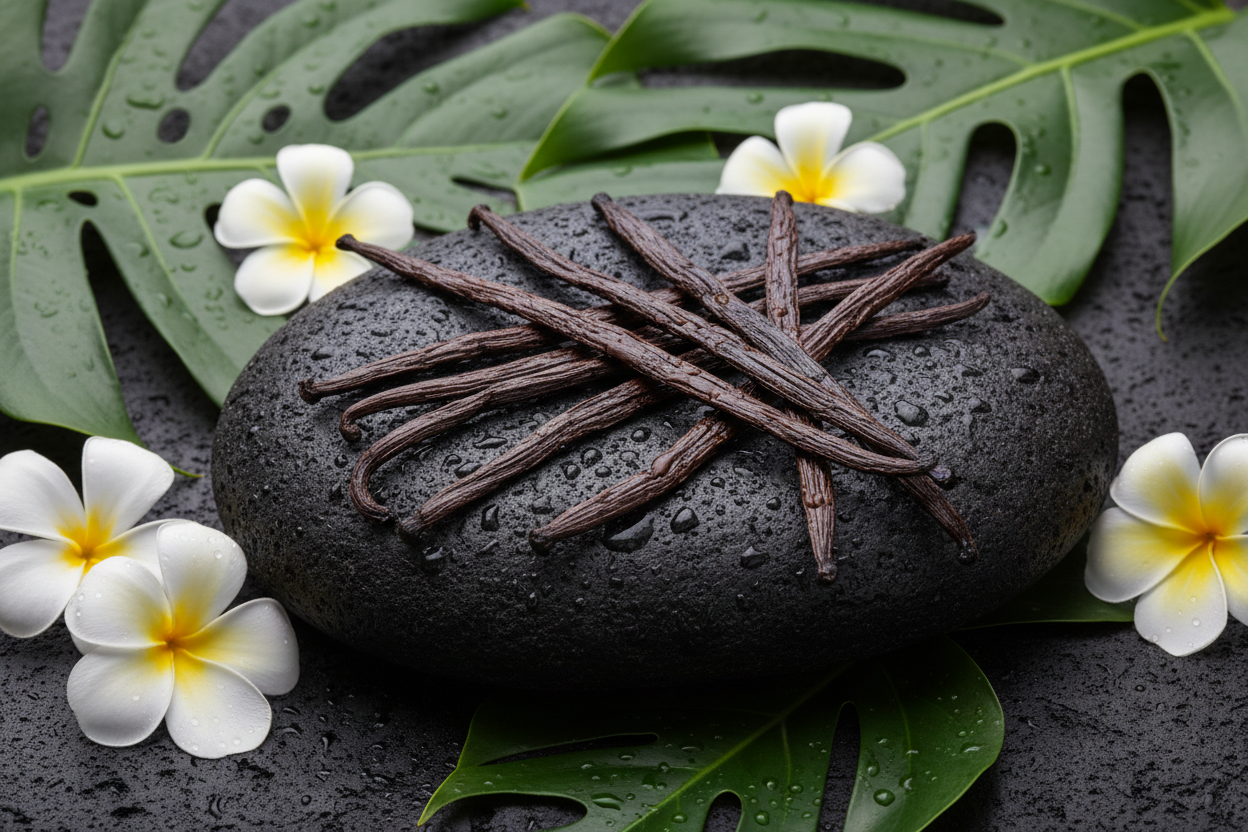
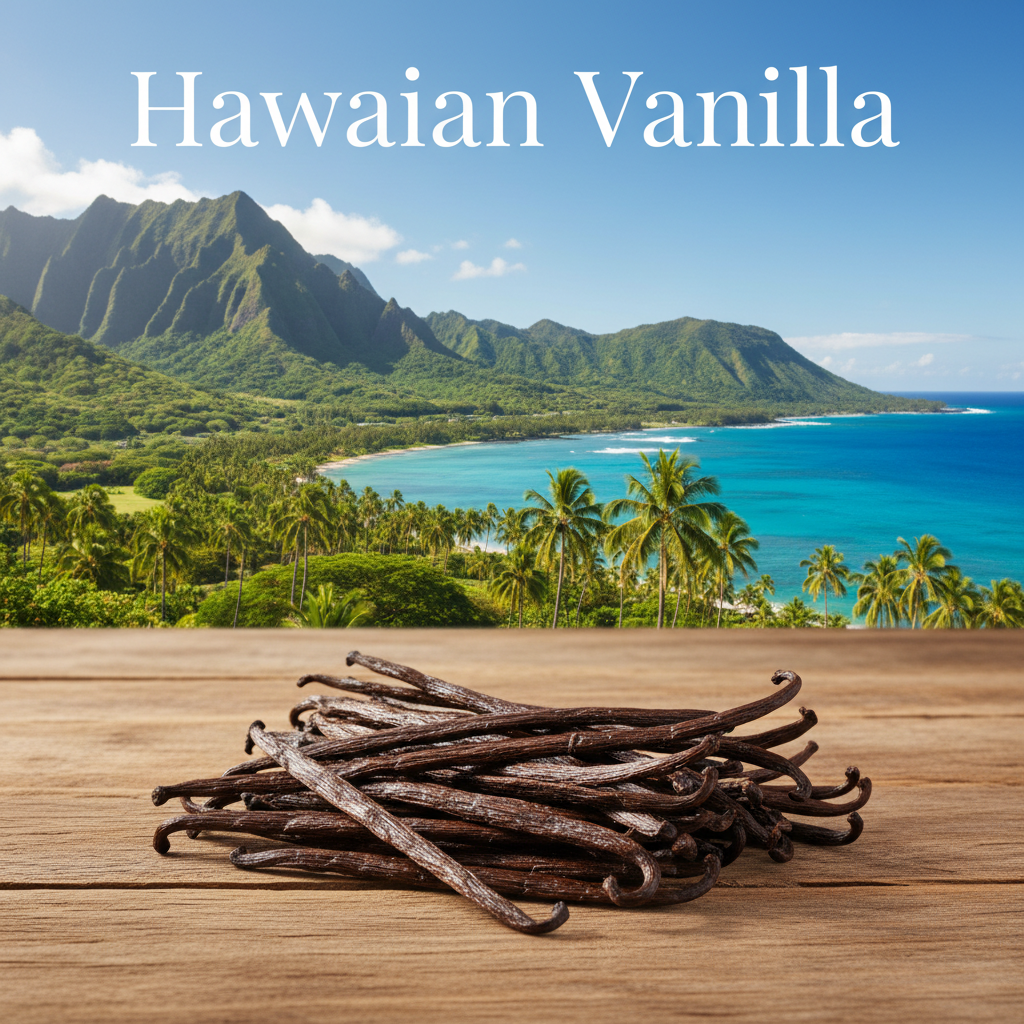
Hawaiian vanilla beans grow in one of the world's most unique terroirs—volcanic island soil enriched by Pacific trade winds and tropical rainfall. Hawaii's volcanic soil shares some similarities with Brazil's, but the island environment creates a fundamentally different growing condition. The combination of volcanic minerals, consistent island humidity, ocean breezes, and Hawaii's specific microclimate produces beans with a distinctly tropical character.
This terroir, combined with small-scale sustainable farming practices and careful attention from expert growers, creates beans with lusciously creamy vanilla flavor and aromatic tropical fruit undertones. The soil composition and Hawaii's sun-drenched growing conditions result in natural notes of mango, guava, and papaya—a sweet and bold vanilla foundation that captures the essence of the islands.
Flavor Profile Comparison
The Olinda Brazilian V. Planifolia
These Grade A beans deliver a rich, buttery vanilla base enhanced by distinctive chocolate and caramel undertones. The flavor profile includes:
- Classic buttery vanilla foundation
- Prominent chocolate notes
- Caramel sweetness
- Sweet and spicy vanilla kick
- Gentle spice finish
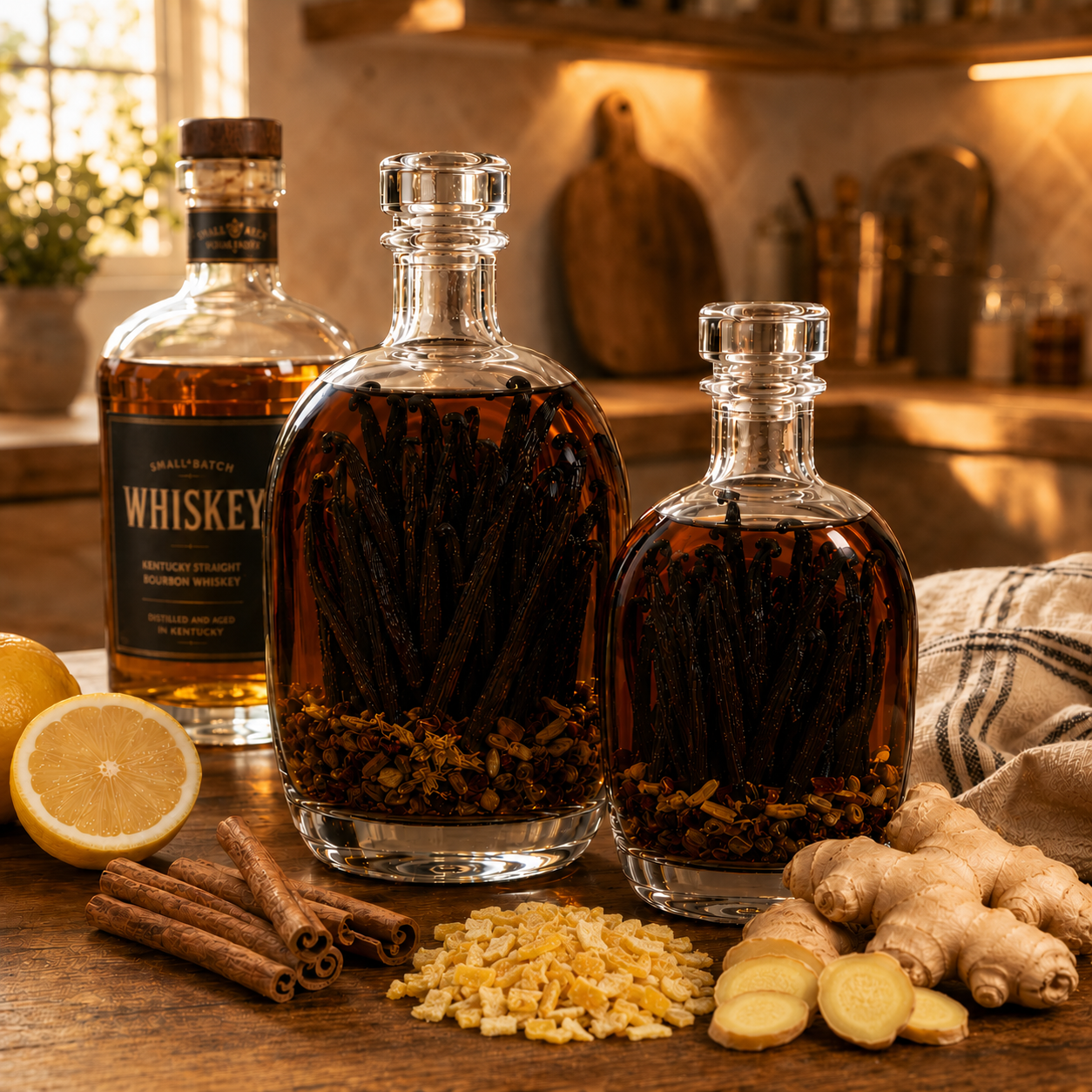
The Olinda beans reflect their coffee-region heritage with depth and complexity that pairs beautifully with bourbon whiskey, dark rum, spiced rum, cognac, and American whiskey. They're exceptional for chocolate desserts, coffee-flavored baked goods, and caramel applications.
Hawaiian V. Planifolia
These Grade A beans showcase a rich, creamy vanilla flavor with distinctive tropical fruit undertones. The flavor profile features:
- Lusciously creamy vanilla foundation
- Tropical fruit notes (mango, guava, papaya)
- Sweet and bold character
- Aromatic complexity
- Subtle yet flavorful finish
Hawaiian beans are plump, oily, and deeply aromatic with supple texture that's easy to split for seeds. They're ideal for DIY vanilla extract, vanilla-rich baking (cookies, cakes, ice creams), infusing syrups and artisanal beverages, and adding elegant vanilla flair to both sweet and savory applications.
Extract Making Recommendations
Best Spirit Pairings for Olinda Brazilian Beans
The chocolate and caramel notes pair beautifully with:
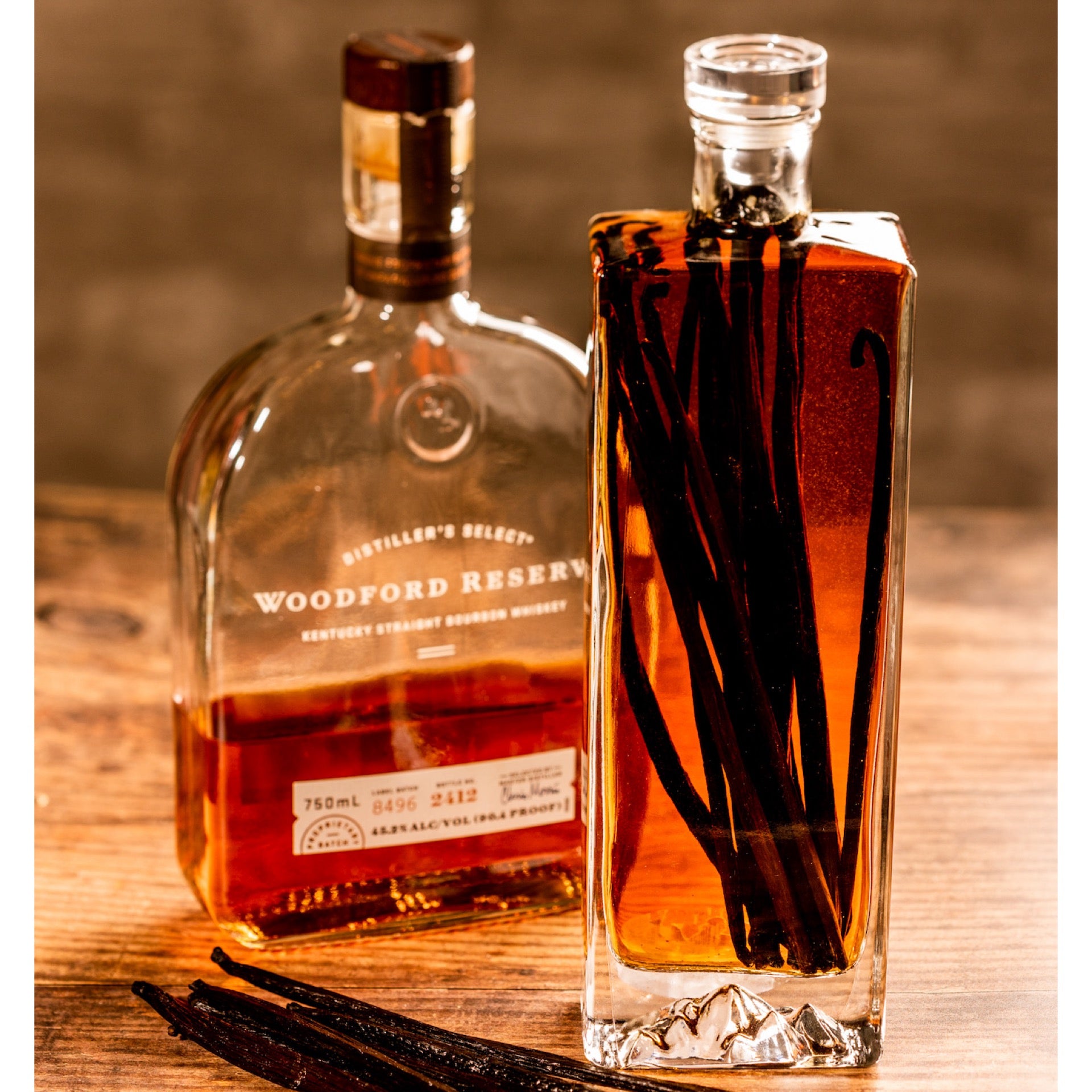
- Bourbon Whiskey: Enhances caramel notes and complements the sweet spice character
- Dark Rum: Creates rich, complex extracts with deep molasses undertones
- Spiced Rum: Amplifies the natural spicy kick
- Cognac: Produces sophisticated extracts with refined chocolate notes
- Vodka: Allows the pure vanilla and chocolate notes to shine through
Best Spirit Pairings for Hawaiian Beans
The creamy, tropical fruit character works beautifully with spirits that complement its island essence. Vodka allows the pure creamy vanilla and tropical notes to shine, while light rum enhances the fruit undertones. For a bolder approach, try bourbon to add depth while maintaining the tropical sweetness, or use in vegan glycerin bases for alcohol-free extracts.
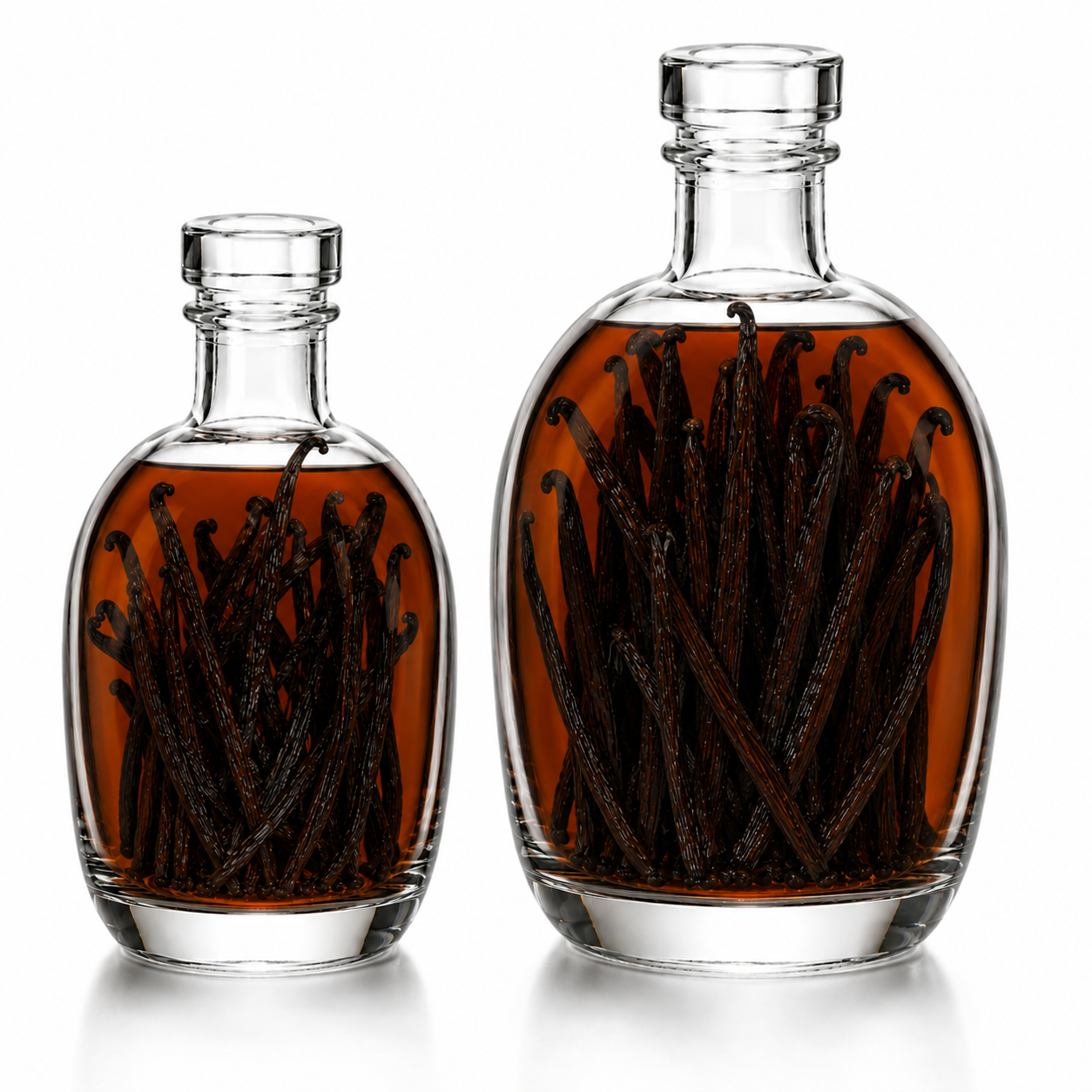
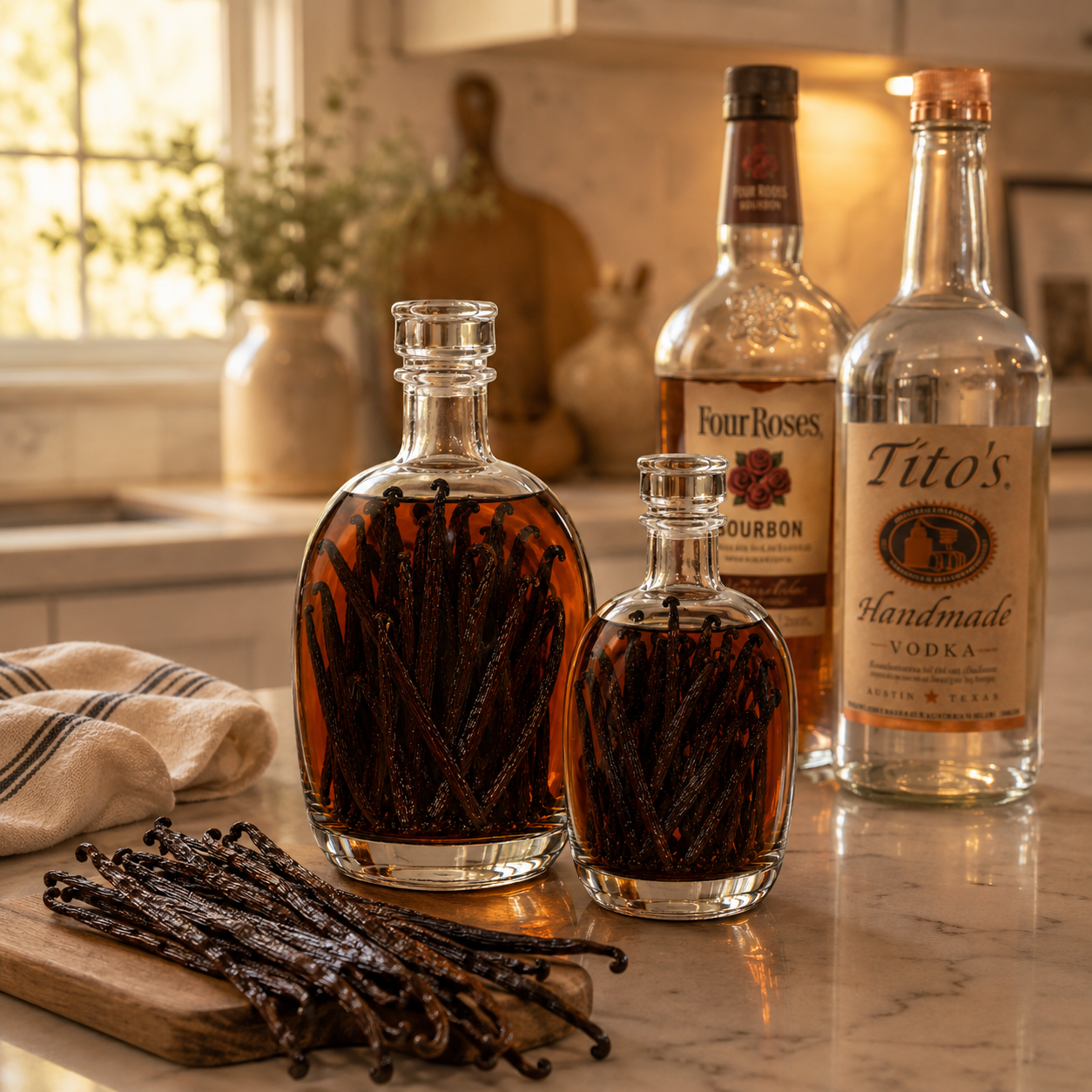
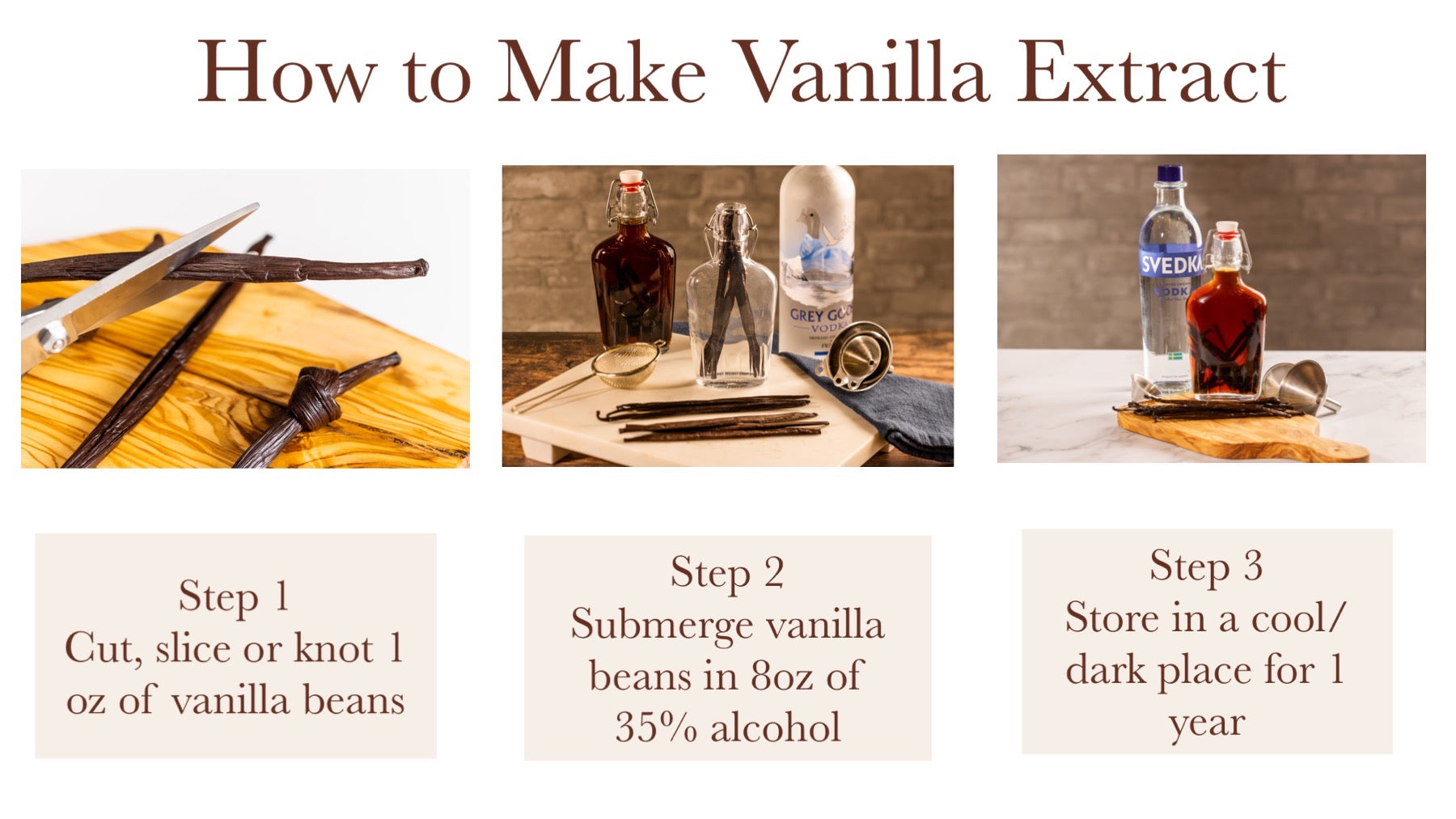
Pro Tip: For single-fold extracts with either bean, use about 1 oz of beans per 8 oz of 35% ABV alcohol. Feel free to double the quantity for richer, bolder flavor.
Which Bean Should You Choose?
Choose The Olinda Brazilian V. Planifolia if you want:
- Chocolate and caramel-forward vanilla
- A sweet and spicy South American character
- Something new and exciting from an emerging origin
- Perfect pairing with coffee and chocolate desserts
- A pioneering bean that offers a fresh take on classic planifolia
Choose Hawaiian V. Planifolia if you want:
- Creamy vanilla with tropical fruit undertones
- Sweet and bold island character
- Mango, guava, and papaya notes
- Versatility for both delicate desserts and bold applications
- Premium beans from small-scale, sustainable Hawaiian orchards
The Terroir Takeaway
Both of these exceptional V. planifolia beans demonstrate how profoundly terroir influences vanilla flavor. Northern Brazil's volcanic, coffee-region soil creates beans with chocolate and caramel richness, while Hawaii's volcanic island terroir with Pacific influence produces creamy vanilla with distinctive tropical fruit notes.
Whether you're drawn to Brazil's emerging vanilla story with its South American spice or Hawaii's island-grown beans with their tropical fruit essence, both offer Grade A quality, ethical sourcing, and extraordinary flavor. Why not try both and experience how the same species can express such different personalities based on where it's grown?
Happy extracting, and we'll see you next Tuesday for another 2 Bean comparison!