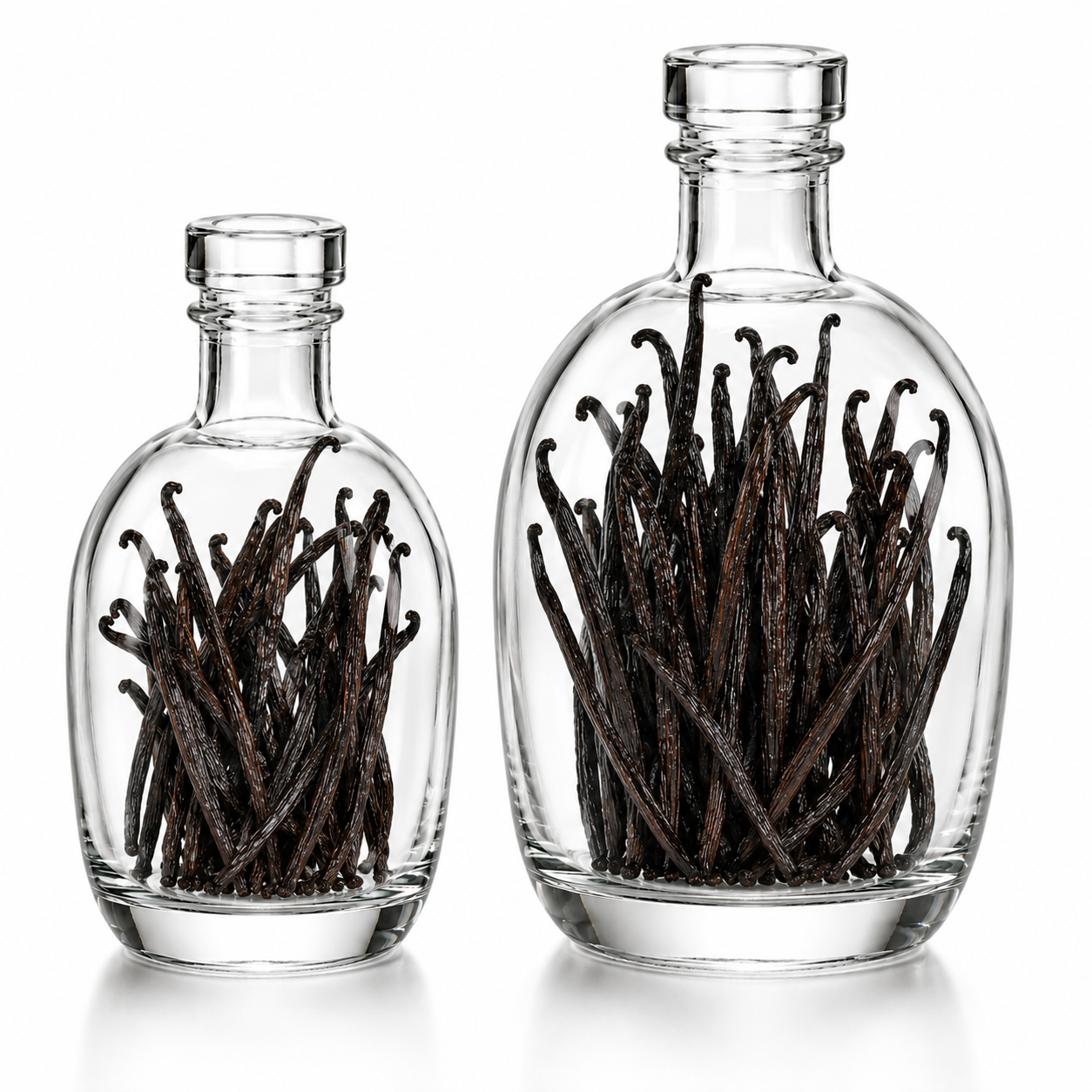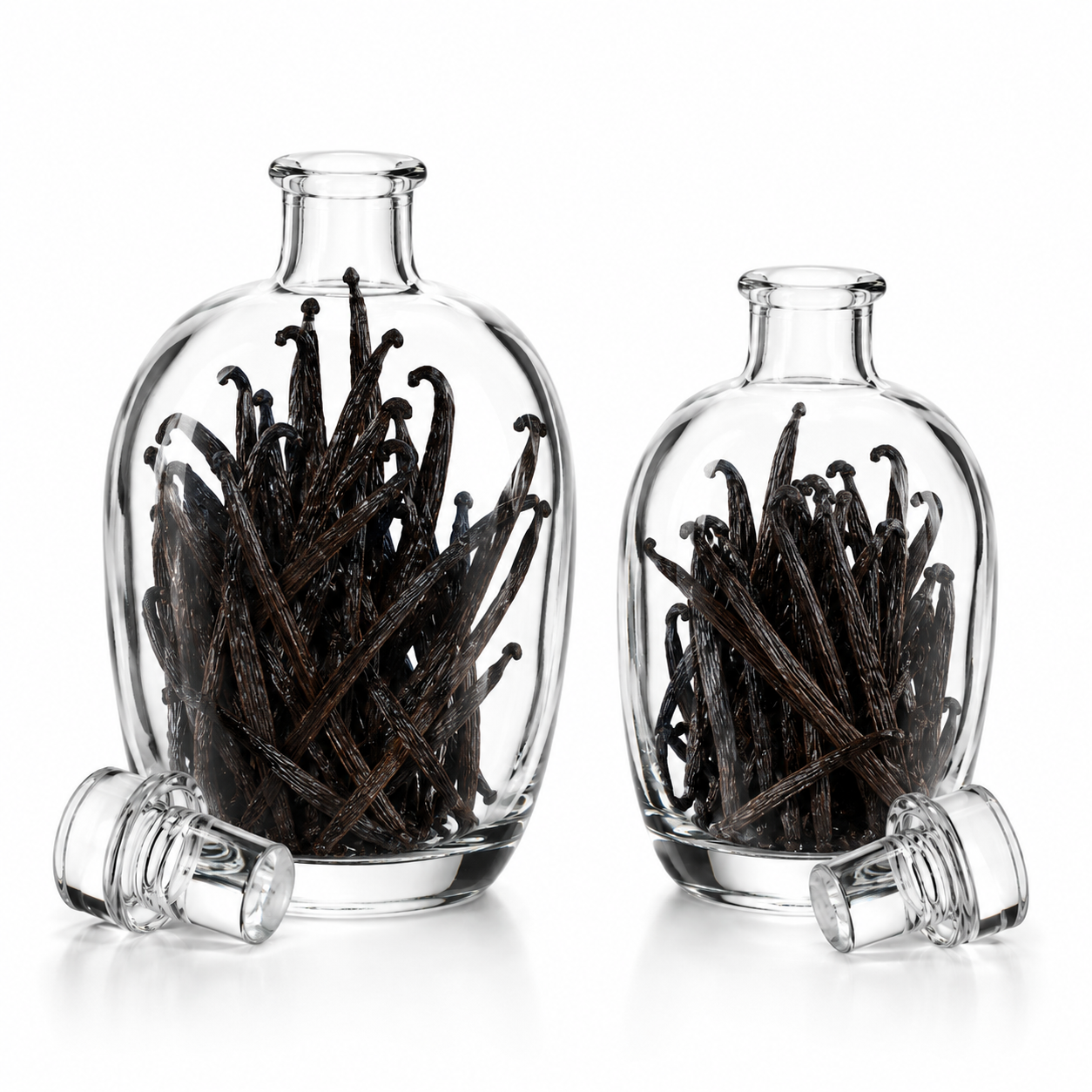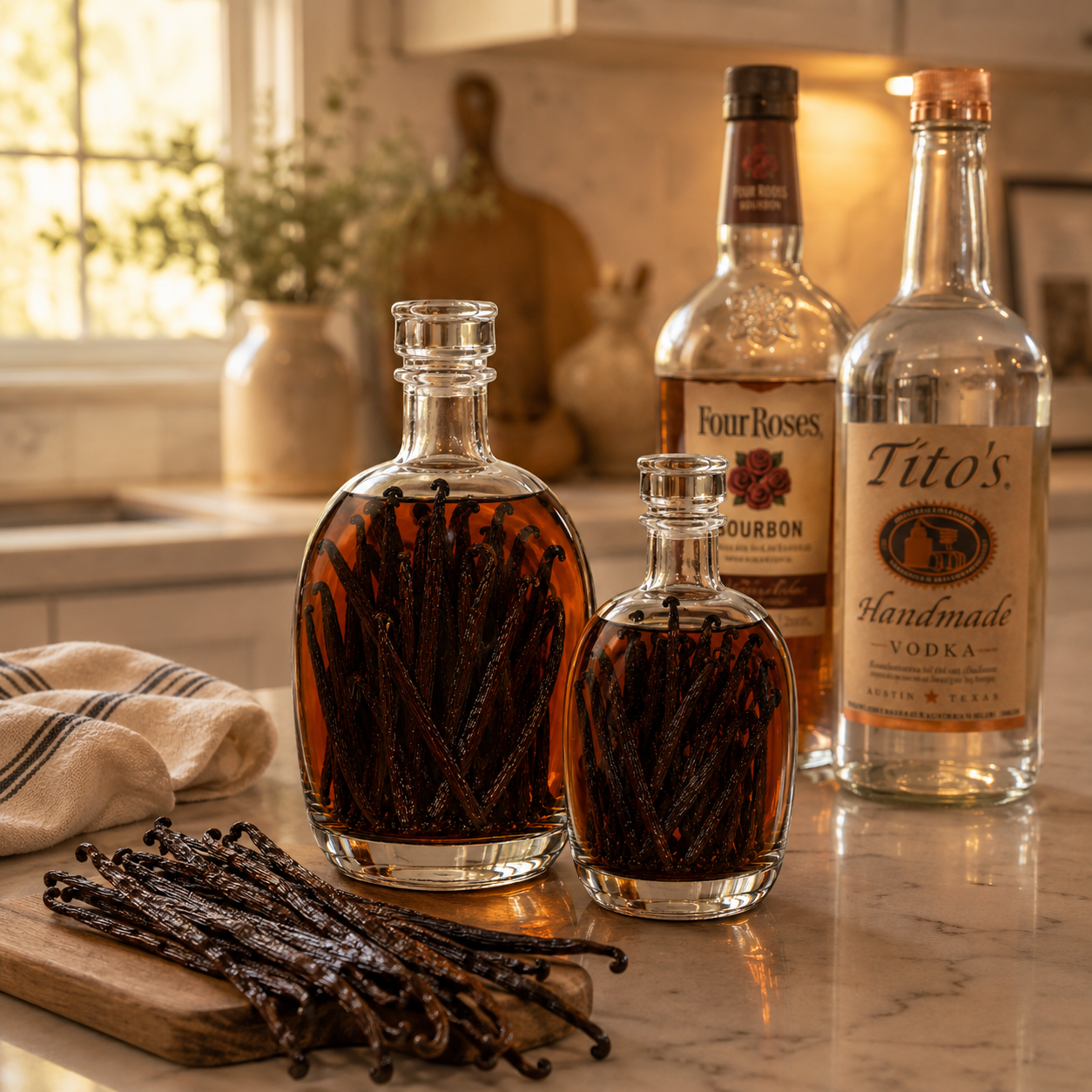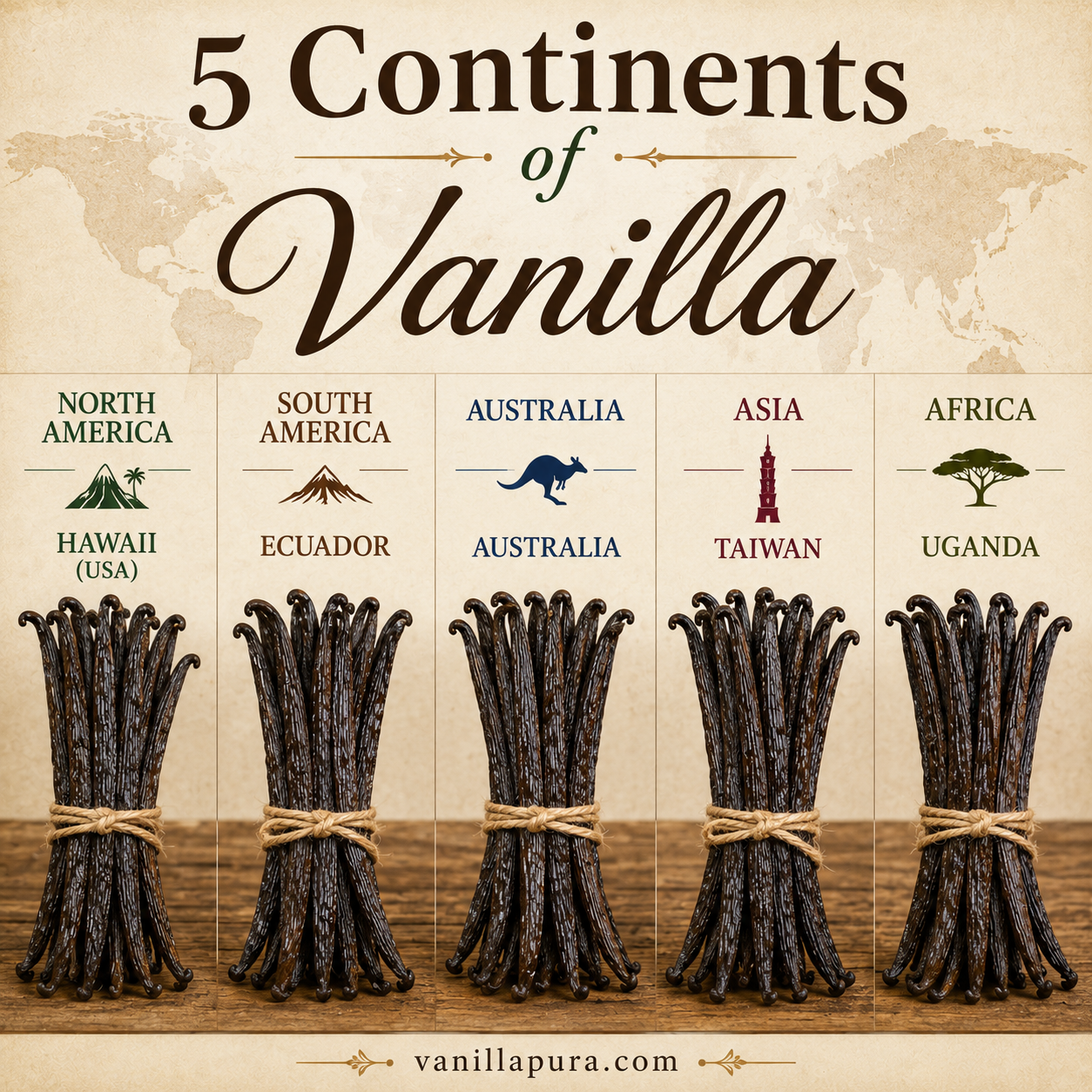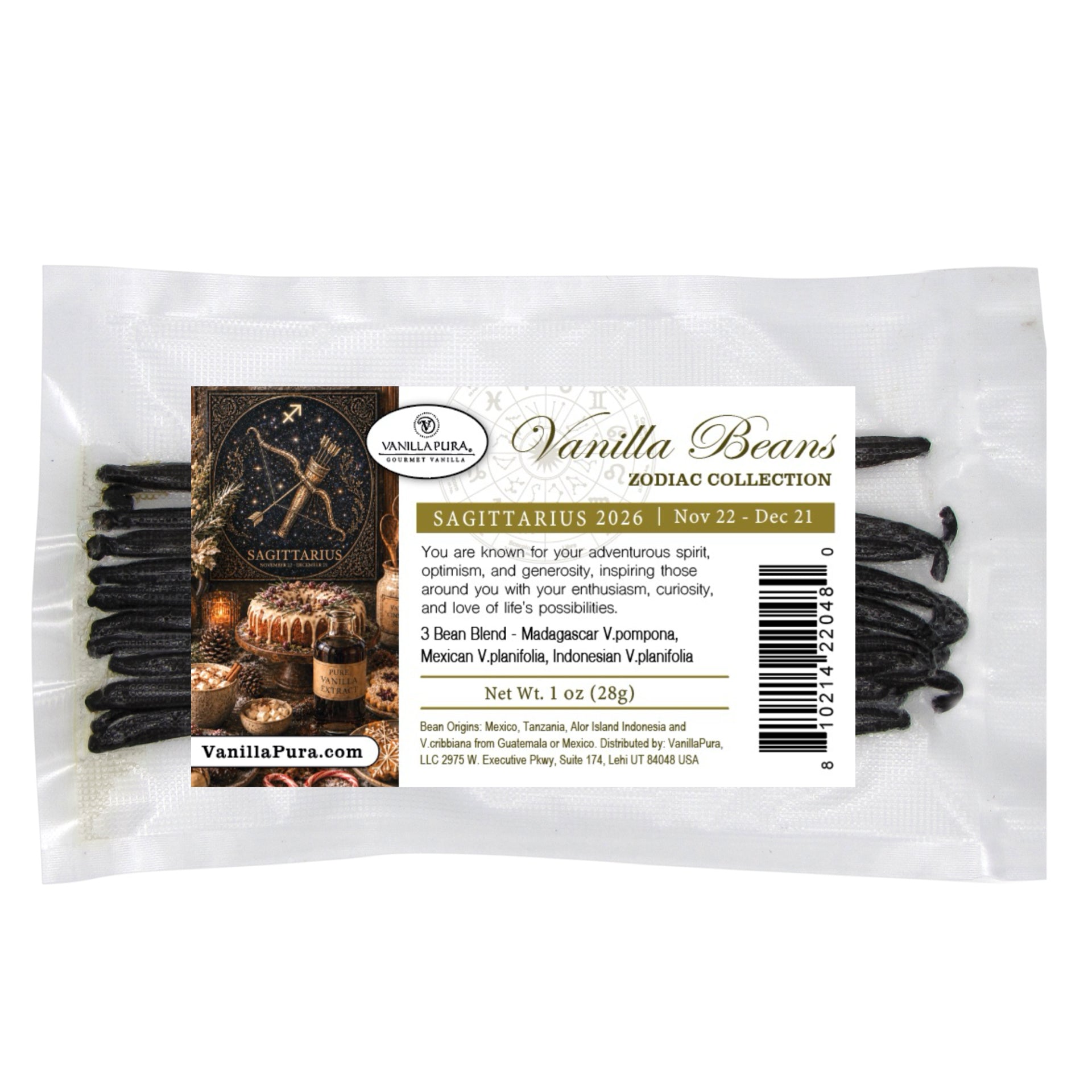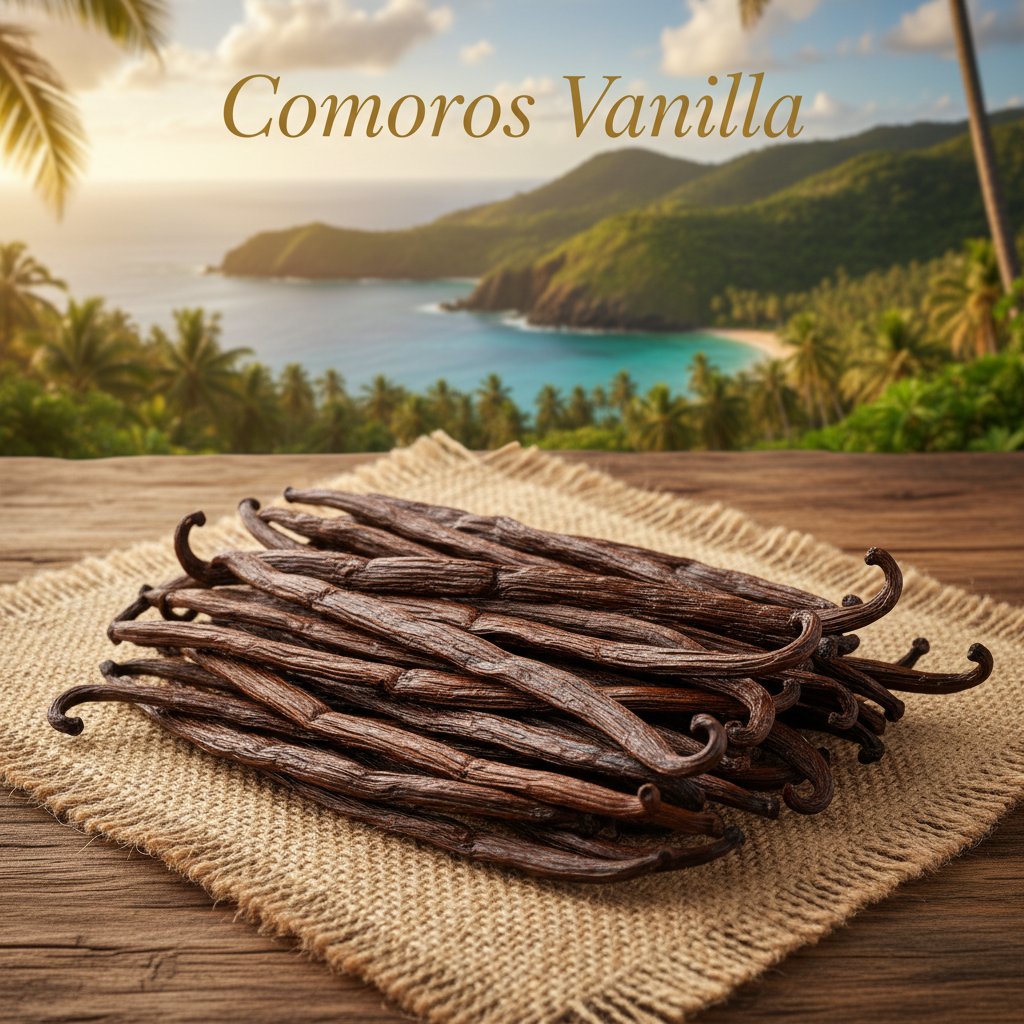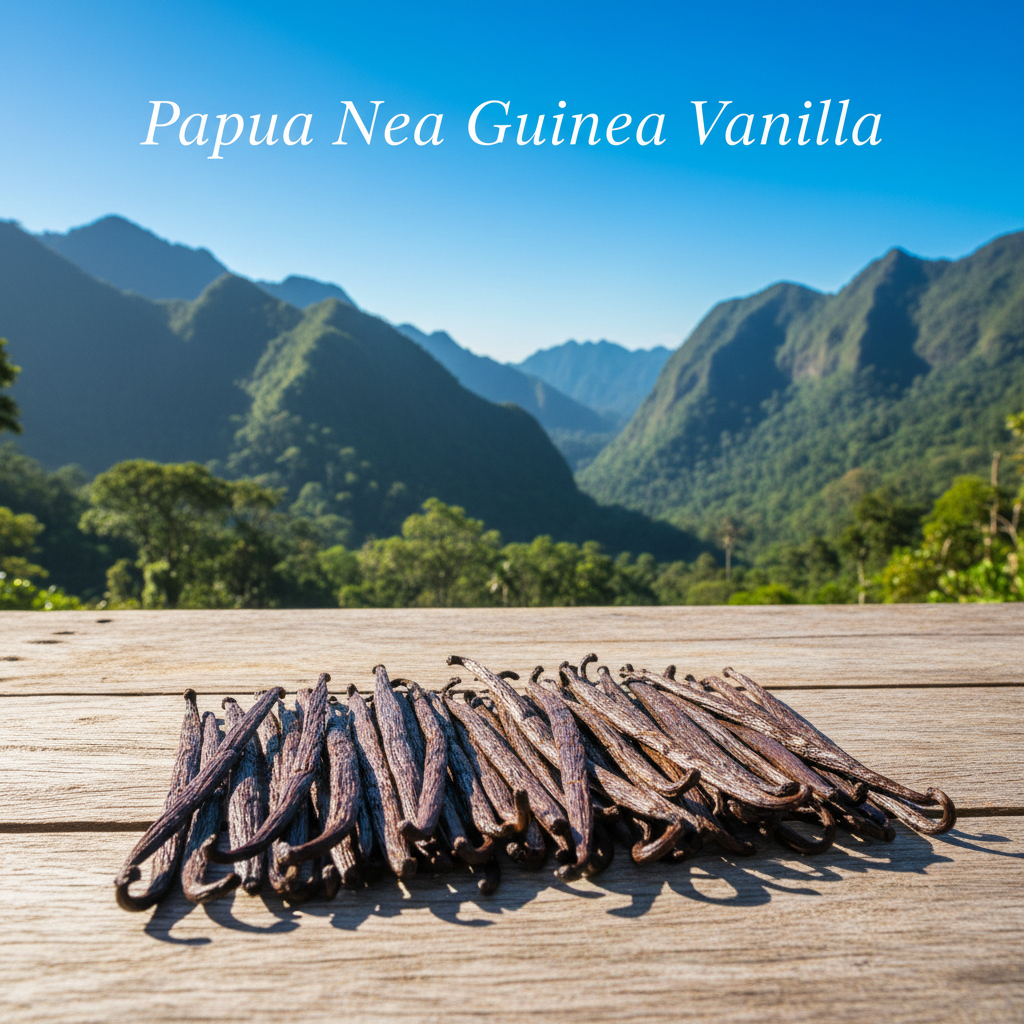

When exploring the world of premium vanilla, understanding the botanical differences between vanilla species is crucial for both culinary professionals and vanilla enthusiasts. The two most commercially important vanilla species, Vanilla planifolia and Vanilla tahitensis, offer distinctly different flavor profiles, growing characteristics, and culinary applications.
Botanical Background
Vanilla planifolia
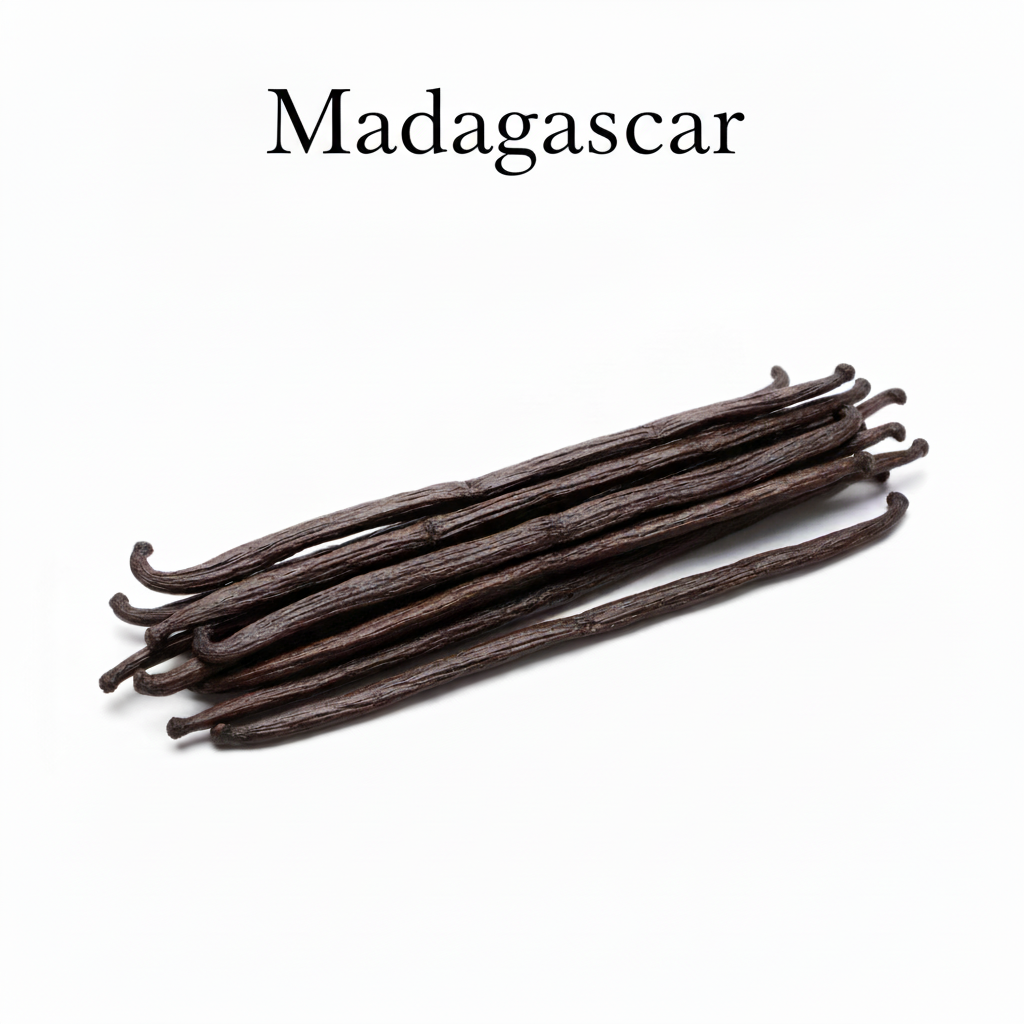
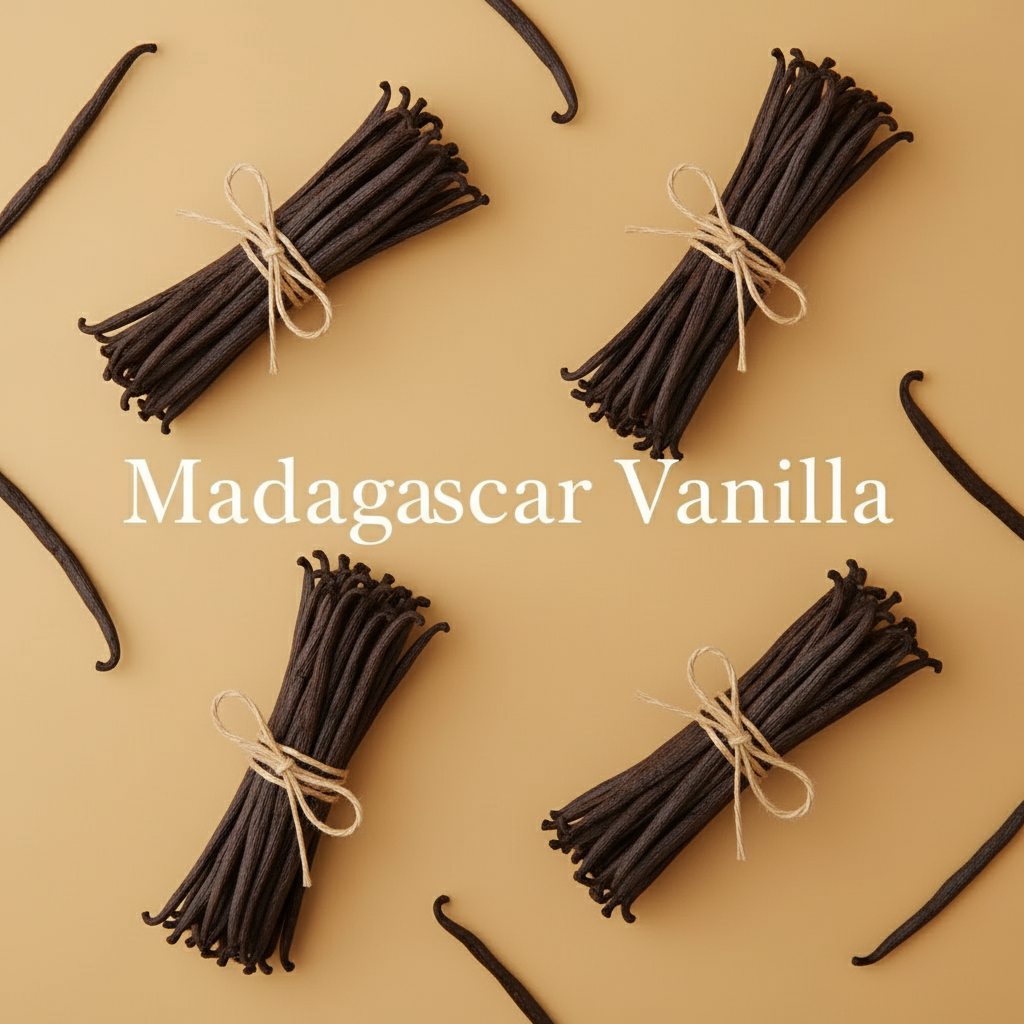
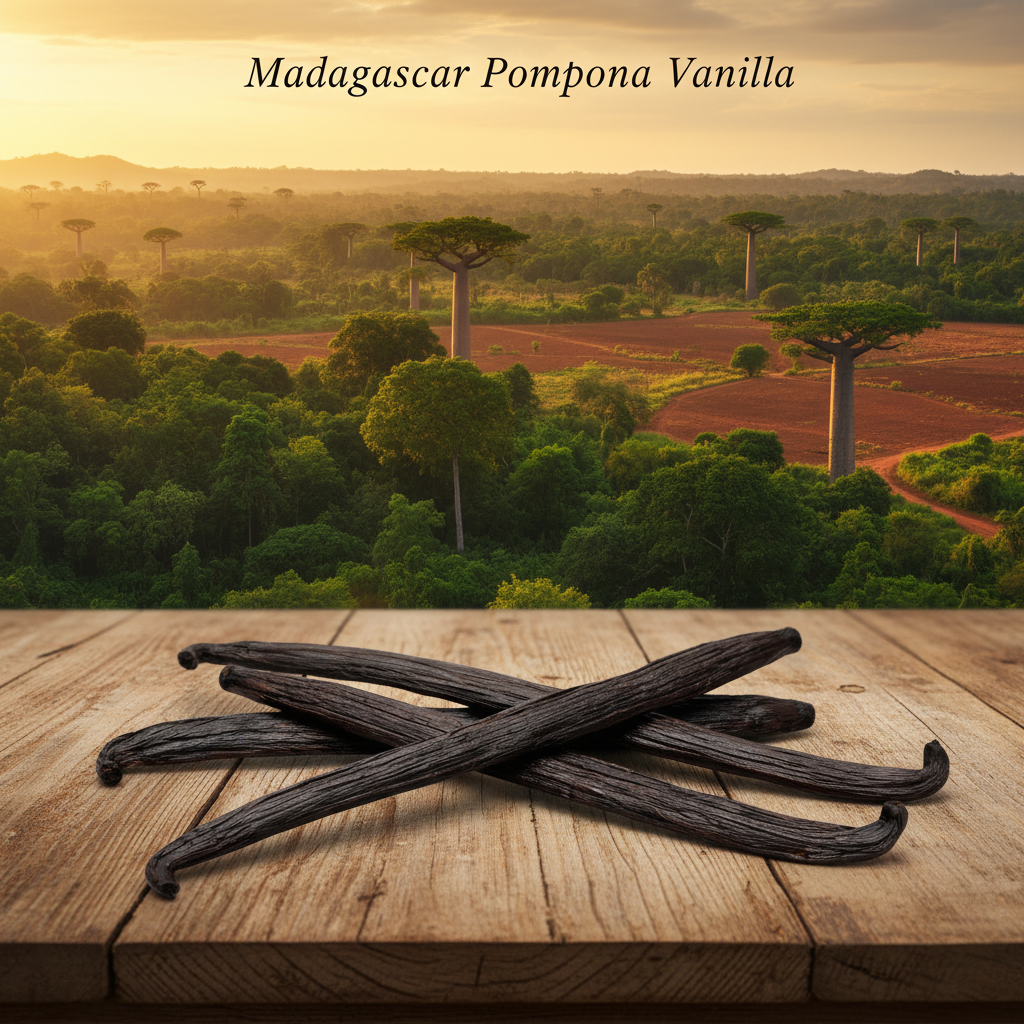
Vanilla planifolia, commonly known as Madagascar vanilla or Bourbon vanilla, is the most widely cultivated vanilla species, accounting for approximately 95% of global vanilla production. Originally native to Mexico, this species was later successfully cultivated in Madagascar, Réunion, and other tropical regions.
Vanilla tahitensis
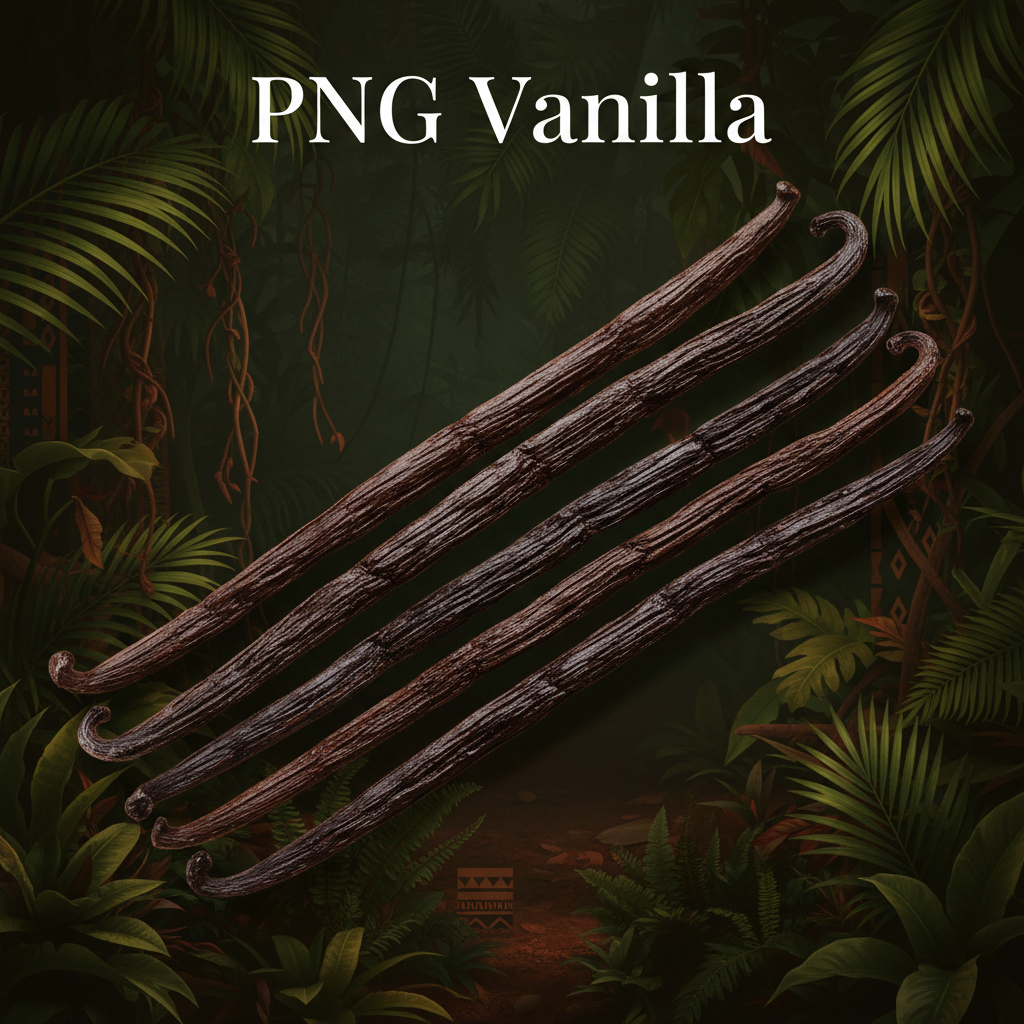
Vanilla tahitensis, known as Tahitian vanilla, is believed to be a hybrid between V. planifolia and V. odorata. This species is primarily grown in Tahiti, Papua New Guinea, and other Pacific islands. While less common than V. planifolia, it's highly prized for its unique aromatic profile.
Physical Characteristics
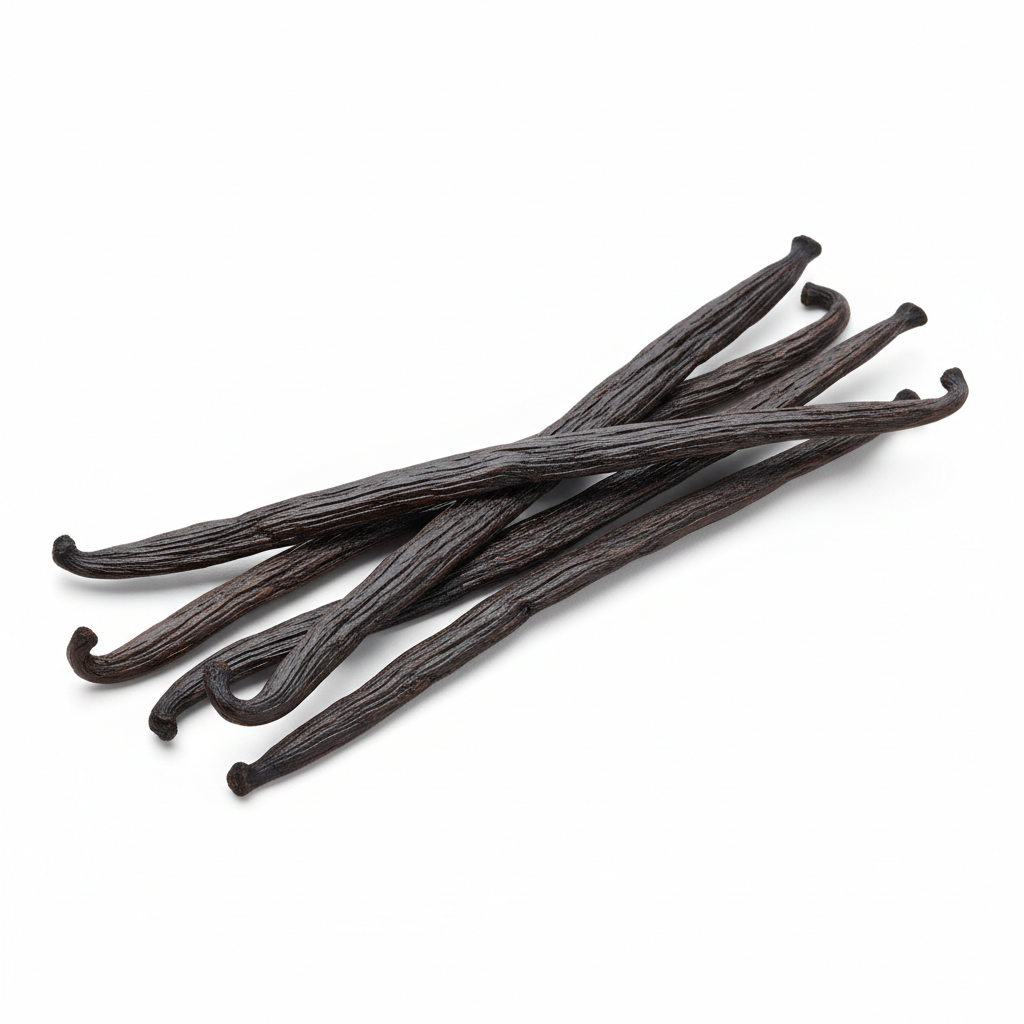
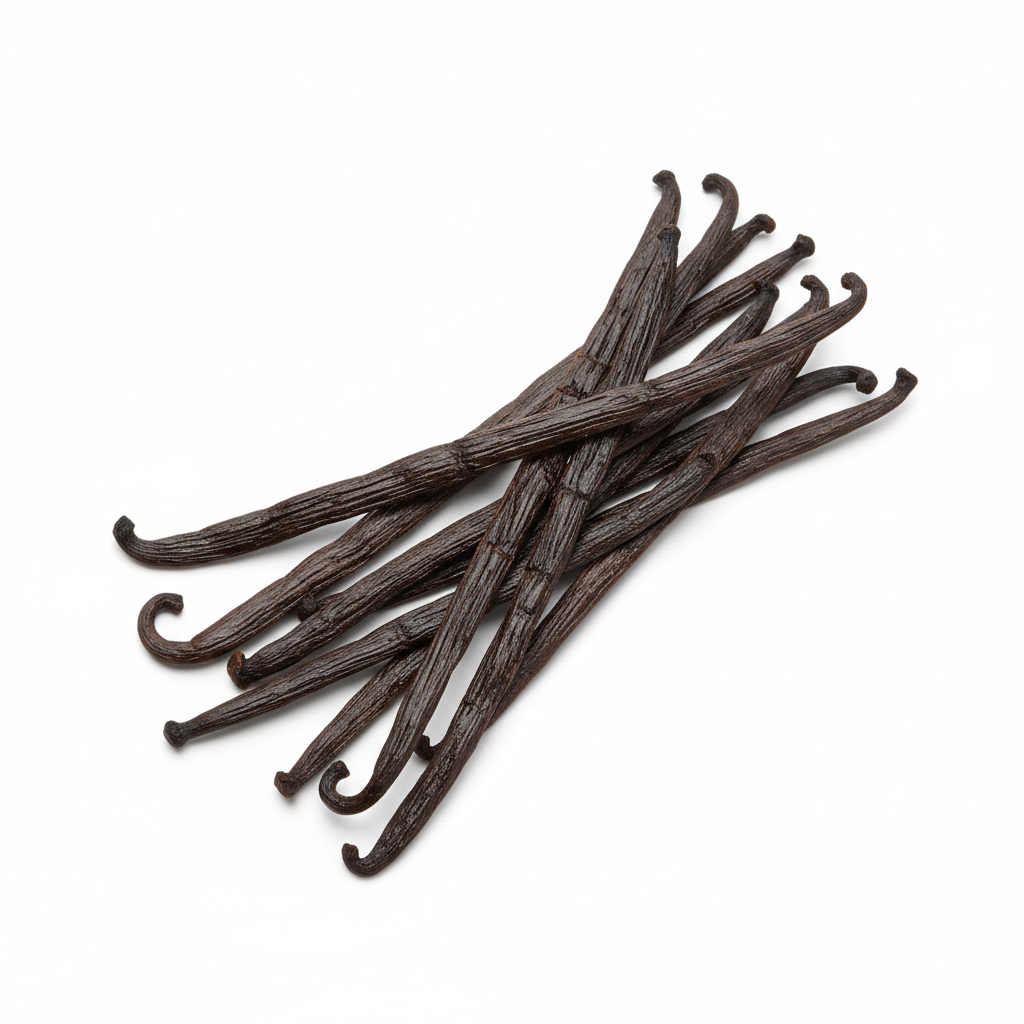
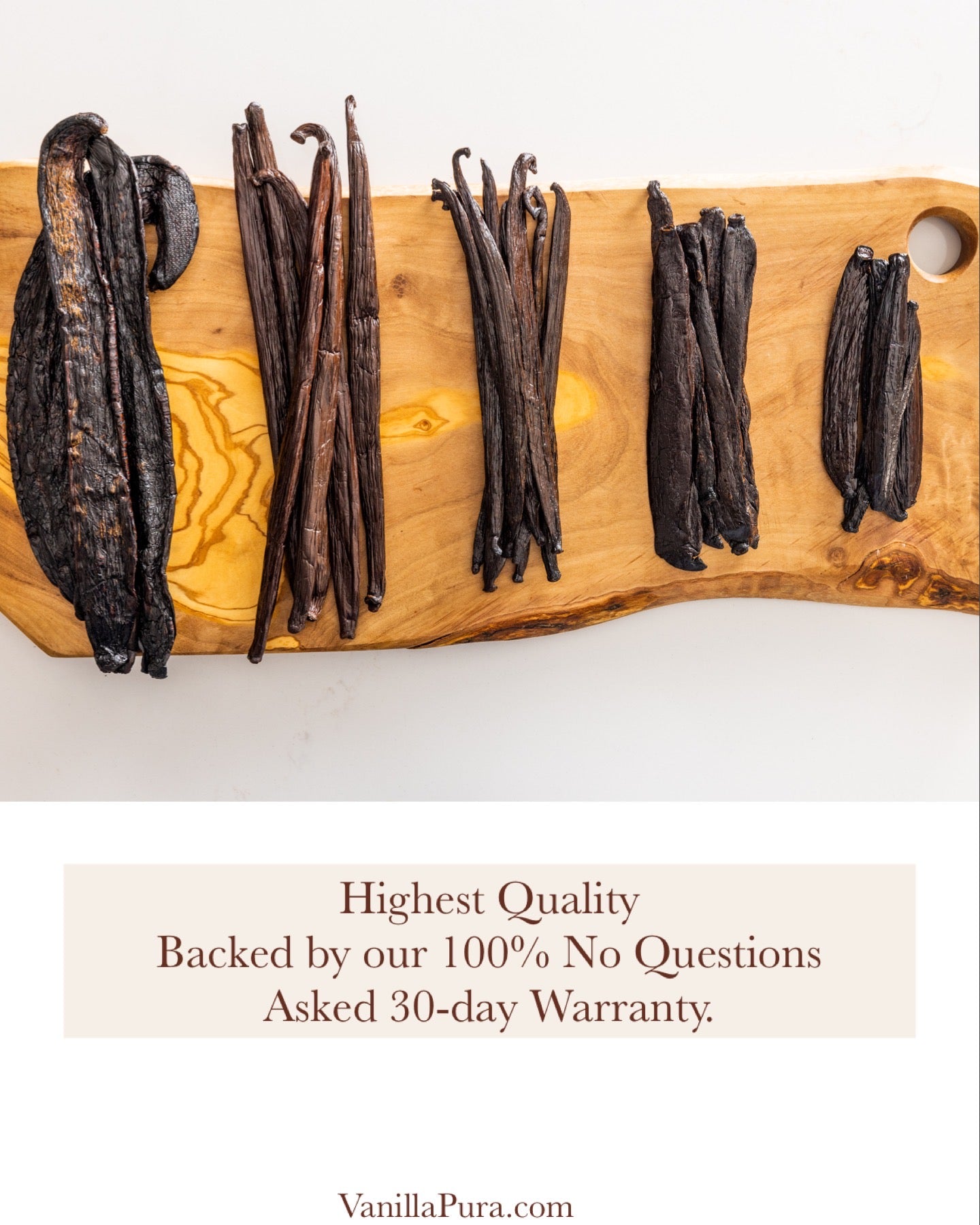
Bean Appearance
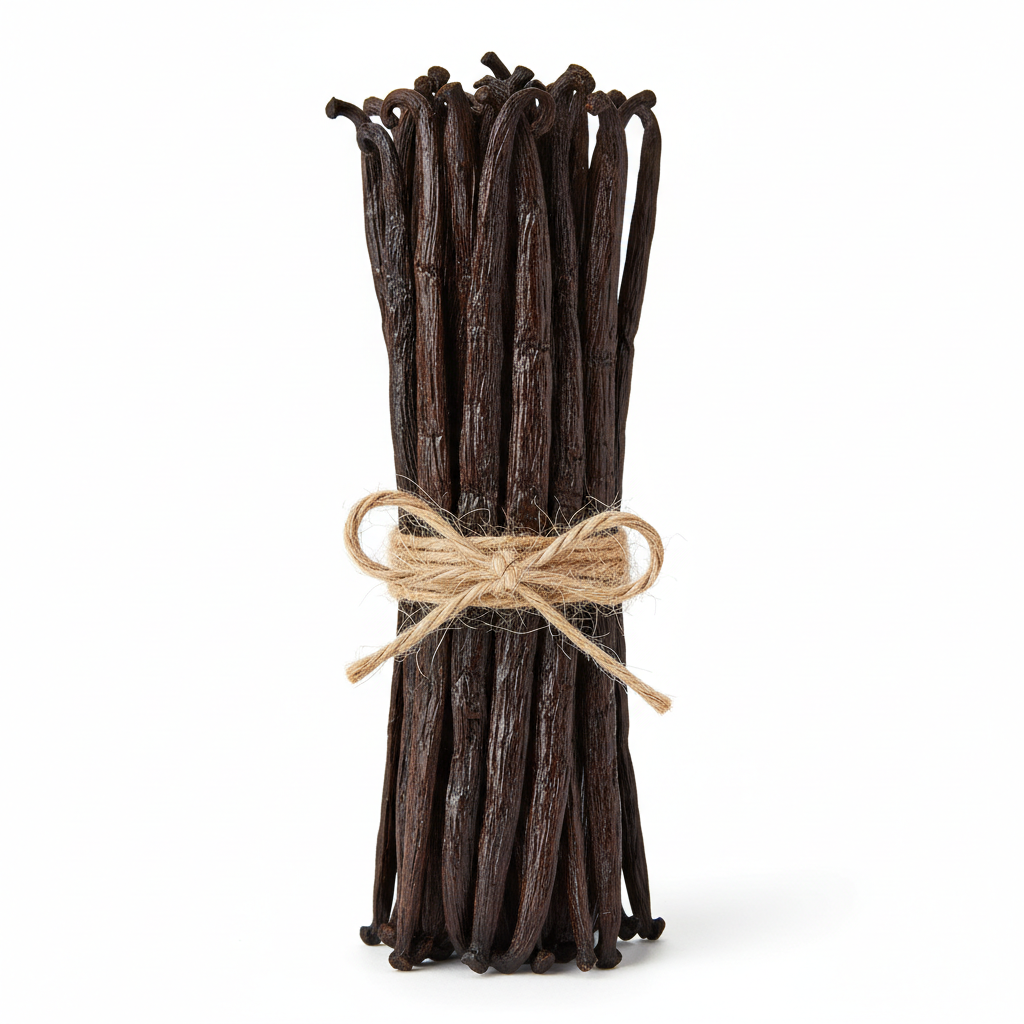
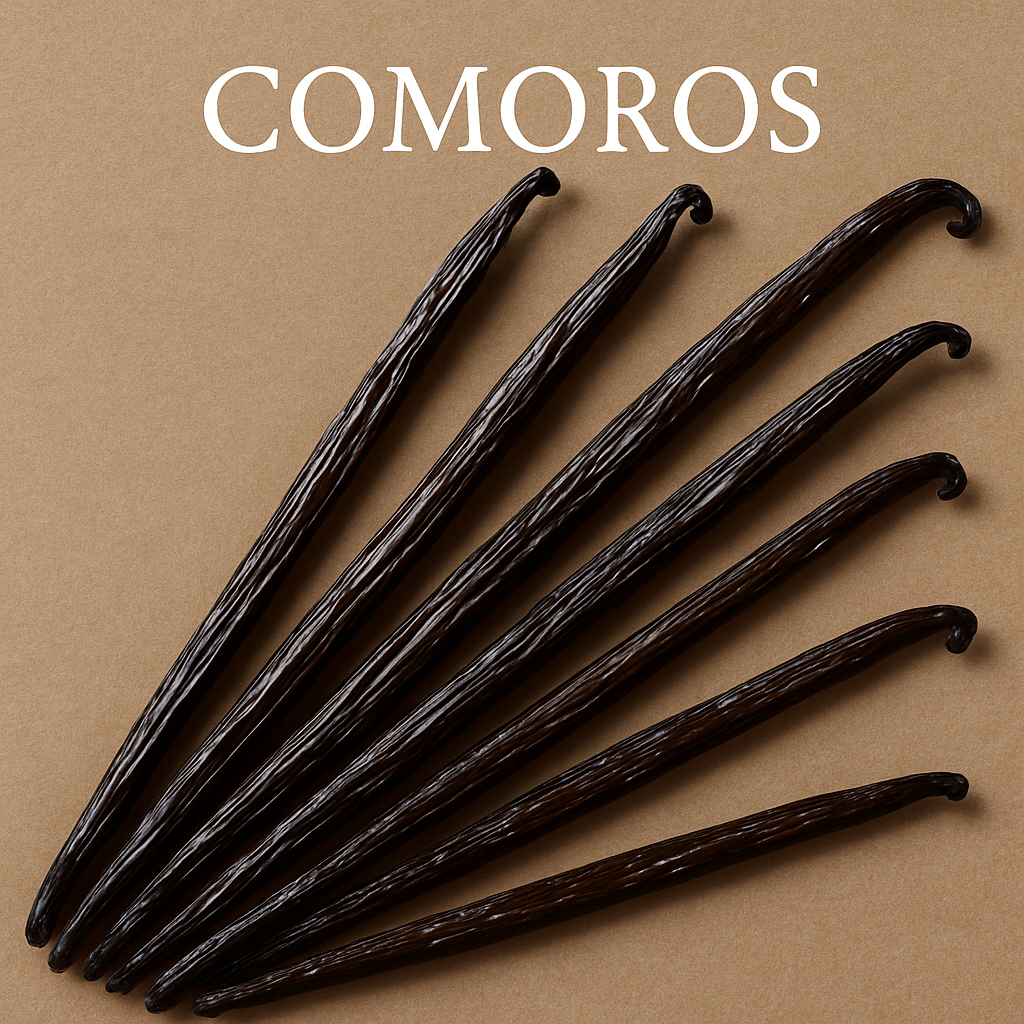
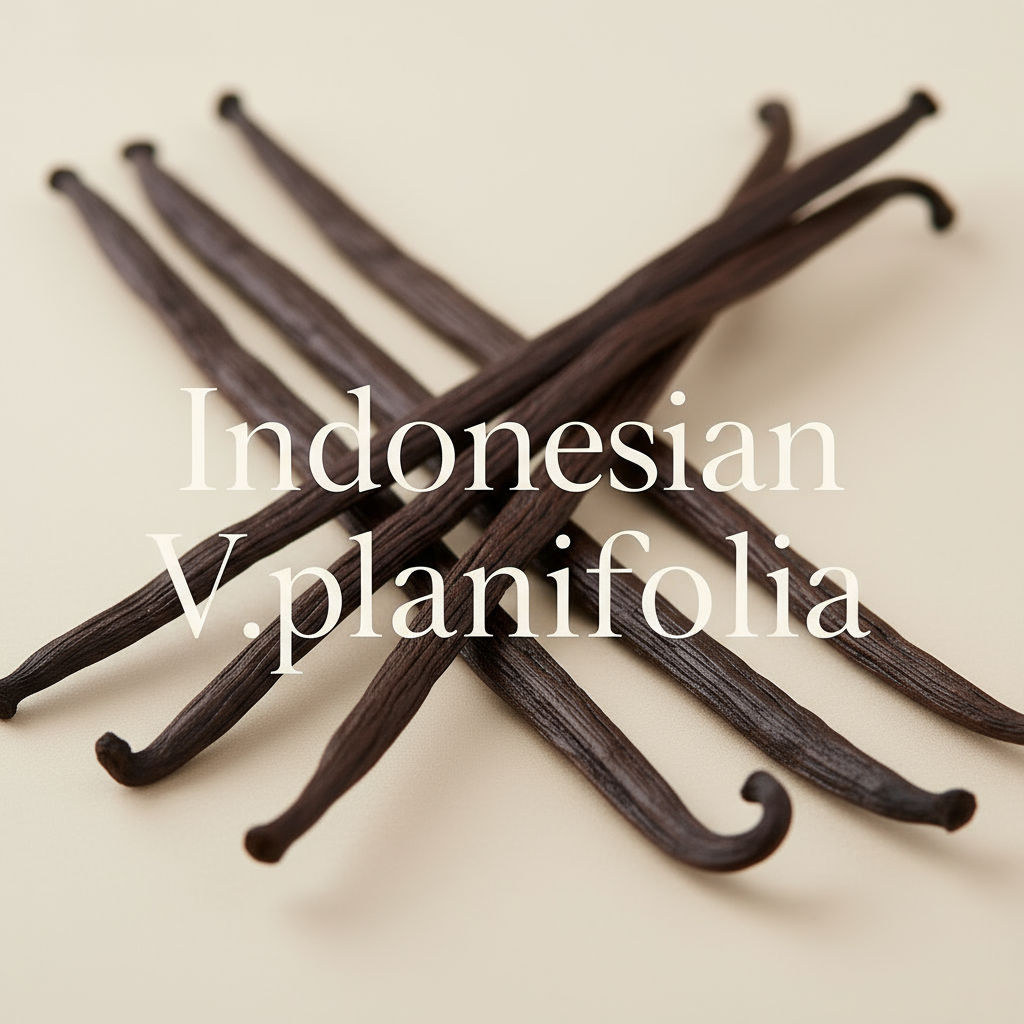
V. planifolia beans:
- Length: 15-25 cm (6-10 inches)
- Width: 8-15 mm
- Color: Dark brown to black when cured
- Texture: Smooth, oily surface
- Shape: Long, slender, and straight
V. tahitensis beans:
- Length: 12-18 cm (5-7 inches)
- Width: 12-18 mm
- Color: Reddish-brown to dark brown
- Texture: Plumper, more robust appearance
- Shape: Shorter and broader than V. planifolia
Flavor Profile Differences
V. planifolia Flavor Characteristics
Madagascar vanilla (V. planifolia) is renowned for its:
- Primary notes: Sweet, creamy, and rich
- Vanillin content: High (1.5-3%)
- Flavor profile: Classic vanilla taste with bourbon-like undertones
- Aroma: Warm, comforting, and familiar
- Finish: Clean and straightforward
V. tahitensis Flavor Characteristics
Tahitian vanilla (V. tahitensis) offers a more complex profile:
- Primary notes: Floral, fruity, and exotic
- Vanillin content: Lower (0.5-1.5%)
- Flavor profile: Cherry, anise, and floral notes
- Aroma: Perfumed and sophisticated
- Finish: Complex with lingering floral notes
Chemical Composition
Key Compounds
The flavor differences between these species stem from their distinct chemical compositions:
V. planifolia:
- High vanillin concentration
- Significant amounts of vanillic acid
- 4-hydroxybenzaldehyde
- Guaiacol compounds
V. tahitensis:
- Lower vanillin, higher anisyl compounds
- Piperonal (heliotropin) - contributes to floral notes
- Anisyl alcohol and anisaldehyde
- Higher concentration of aromatic esters
Growing Conditions and Cultivation
V. planifolia Cultivation
- Climate: Tropical, high humidity (80-85%)
- Temperature: 20-30°C (68-86°F)
- Altitude: Sea level to 700 meters
- Pollination: Hand-pollinated (except in Mexico with native bees)
- Maturation: 8-9 months from flower to harvest
V. tahitensis Cultivation
- Climate: Tropical maritime climate
- Temperature: Slightly cooler than V. planifolia requirements
- Altitude: Coastal to moderate elevations
- Pollination: Hand-pollinated
- Maturation: Similar timeframe but different curing process
Curing Process Differences
Traditional Madagascar Curing (V. planifolia)
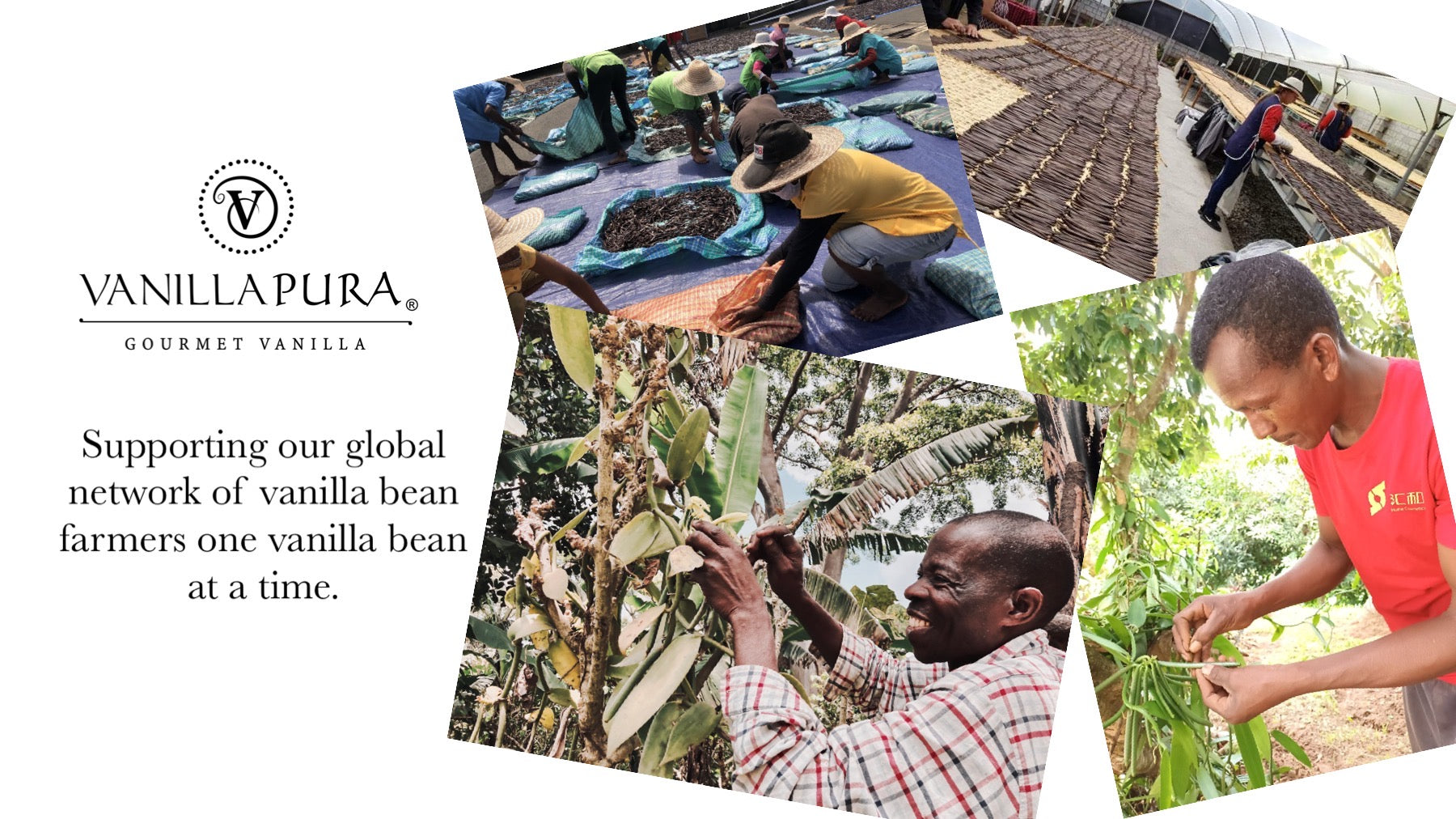
- Killing: Hot water blanching (65°C for 3 minutes)
- Sweating: Wrapped in blankets for 24-48 hours
- Drying: Sun-drying for 2-6 months
- Conditioning: Storage in closed boxes for several months
Tahitian Curing (V. tahitensis)
- Killing: Lower temperature blanching
- Sweating: Extended sweating period
- Drying: Slower, more controlled drying process
- Conditioning: Longer conditioning period to develop floral notes
Culinary Applications
Best Uses for V. planifolia
- Classic desserts (ice cream, custards, cakes)
- Chocolate applications
- Baking where traditional vanilla flavor is desired
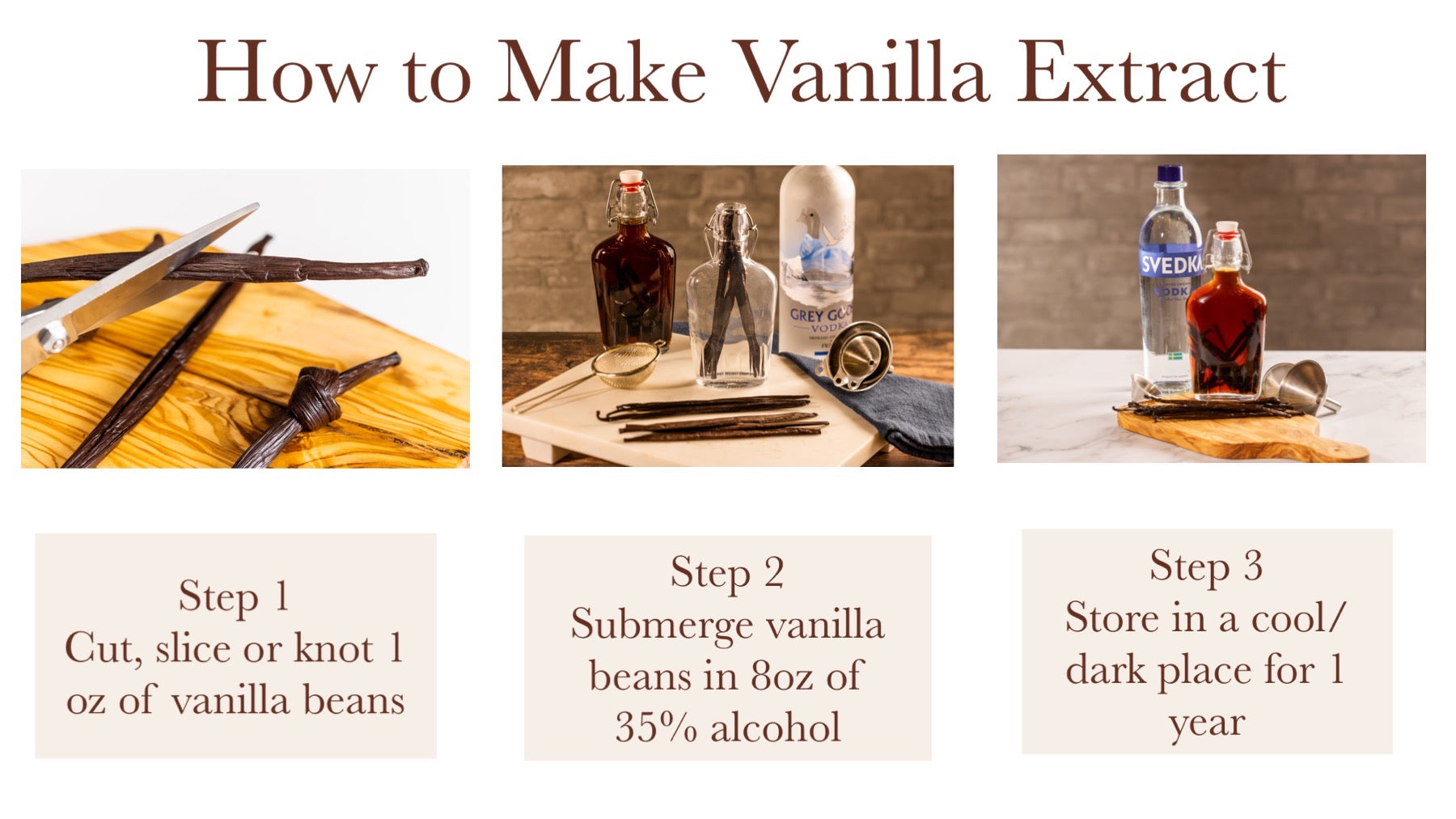
- Vanilla extract production
- American and European cuisine
Best Uses for V. tahitensis
- Delicate desserts (panna cotta, crème brûlée)
- Fruit-based desserts
- Perfumed applications
- Gourmet and fine dining
- French pastry and haute cuisine
Market Considerations
Availability and Pricing
V. planifolia:
- Widely available
- More affordable due to larger production volumes
- Consistent supply from multiple growing regions
V. tahitensis:
- Limited availability
- Premium pricing (often 2-3x more expensive)
- Smaller production volumes
- Considered a luxury ingredient
Quality Indicators
What to Look For
Regardless of species, high-quality vanilla beans should exhibit:
- Flexibility and pliability
- Oily, glossy appearance
- Strong, characteristic aroma
- No mold or crystallization
- Proper moisture content (25-35%)
Choosing the Right Species
Your choice between V. planifolia and V. tahitensis should depend on:
- Flavor preference: Classic vs. exotic
- Application: Traditional baking vs. gourmet cuisine
- Budget: Standard vs. premium pricing
- Availability: Consistent supply vs. specialty sourcing
Understanding the differences between Vanilla planifolia and Vanilla tahitensis allows you to make informed decisions about which vanilla species best suits your culinary needs. Whether you choose the reliable, classic flavor of Madagascar vanilla or the exotic, floral notes of Tahitian vanilla, both species offer unique contributions to the world of fine cuisine and baking.