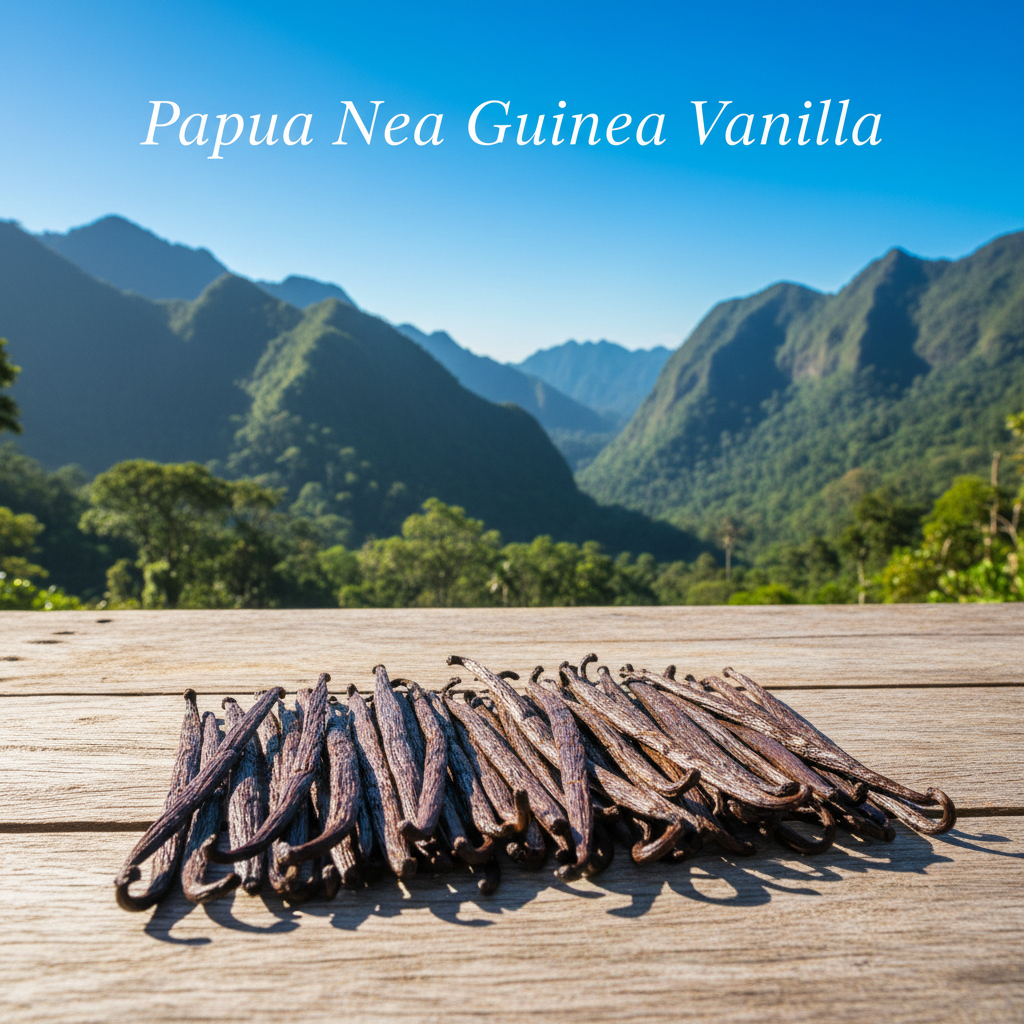

Understanding Vanilla's Complex Chemistry
When you open a bottle of high-quality vanilla extract, you're experiencing the result of over 300 different chemical compounds working together to create that distinctive aroma and flavor. The primary compound, vanillin, makes up only about 2% of pure vanilla extract, yet it's supported by a symphony of other molecules that create vanilla's full, complex profile.
This is why pure vanilla extract tastes so different from imitation vanilla, which contains only synthetic vanillin. While synthetic vanillin can provide that familiar vanilla scent, it lacks the depth and complexity that comes from the hundreds of other naturally occurring compounds found in real vanilla beans.
How Quality Affects Your Baking Results
The difference between high-quality and low-quality vanilla becomes most apparent when heat is applied during baking. Here's what happens at the molecular level:
Heat Stability and Flavor Development
Premium vanilla extracts contain higher concentrations of heat-stable compounds that don't break down during baking. These compounds actually become more pronounced when heated, which is why your kitchen smells amazing when vanilla-based desserts are in the oven.
Lower-quality extracts often contain more alcohol and fewer vanilla compounds, meaning much of the flavor evaporates during baking, leaving your finished product with a flat, one-dimensional taste.
The Role of Alcohol Content
Pure vanilla extract must contain at least 35% alcohol by FDA standards, but the quality of that alcohol base matters. Premium extracts use high-quality ethanol that doesn't impart harsh flavors, while cheaper versions may use lower-grade alcohol that can create bitter or medicinal notes in your baked goods.
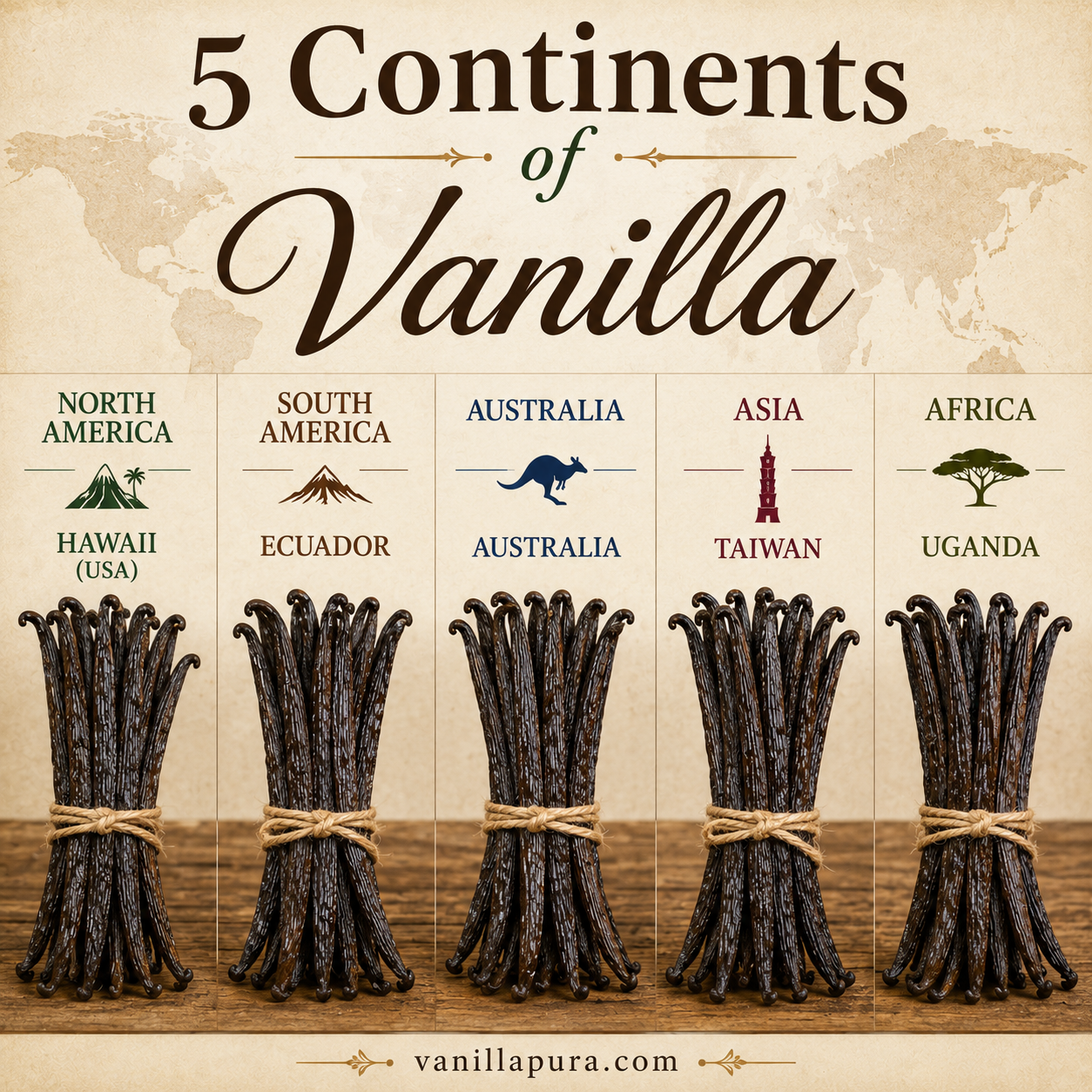
Why Vanilla Bean Origin Matters
Different vanilla-growing regions produce beans with distinct chemical profiles:
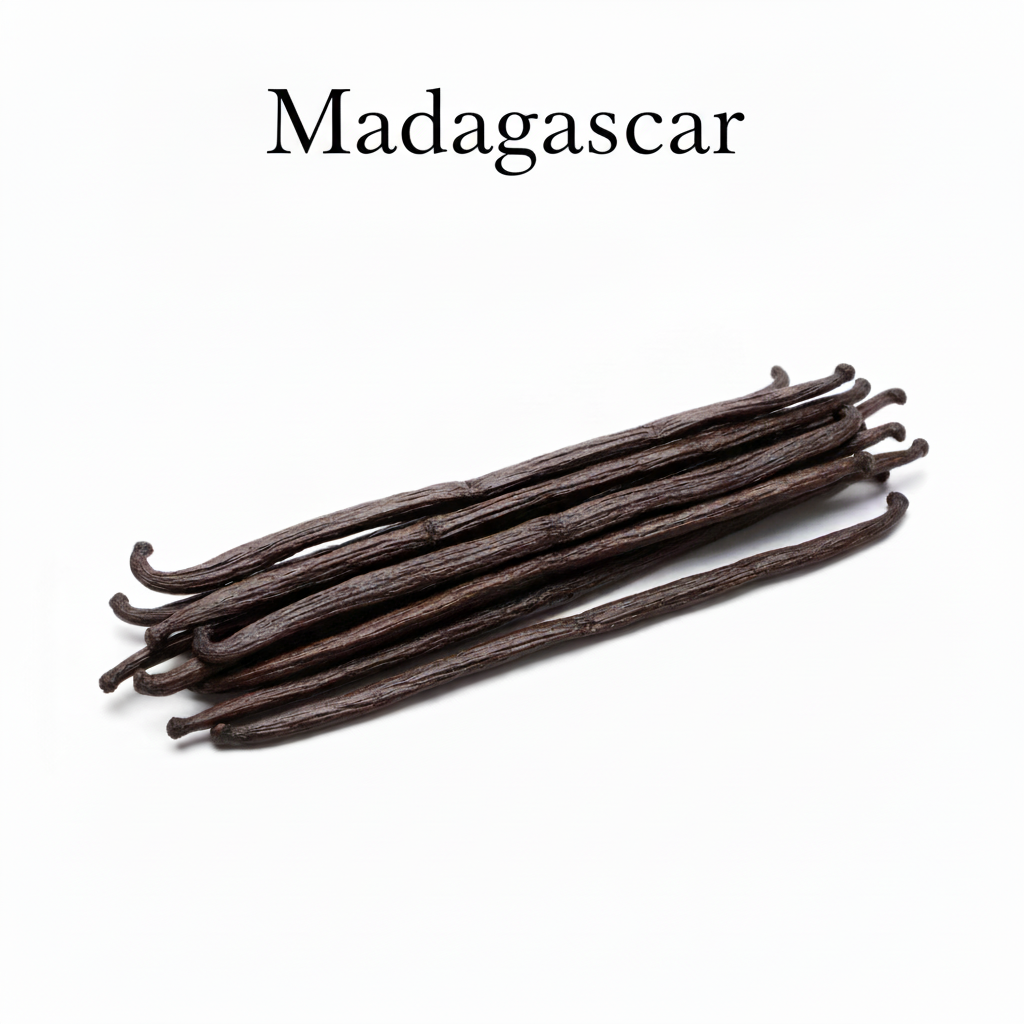
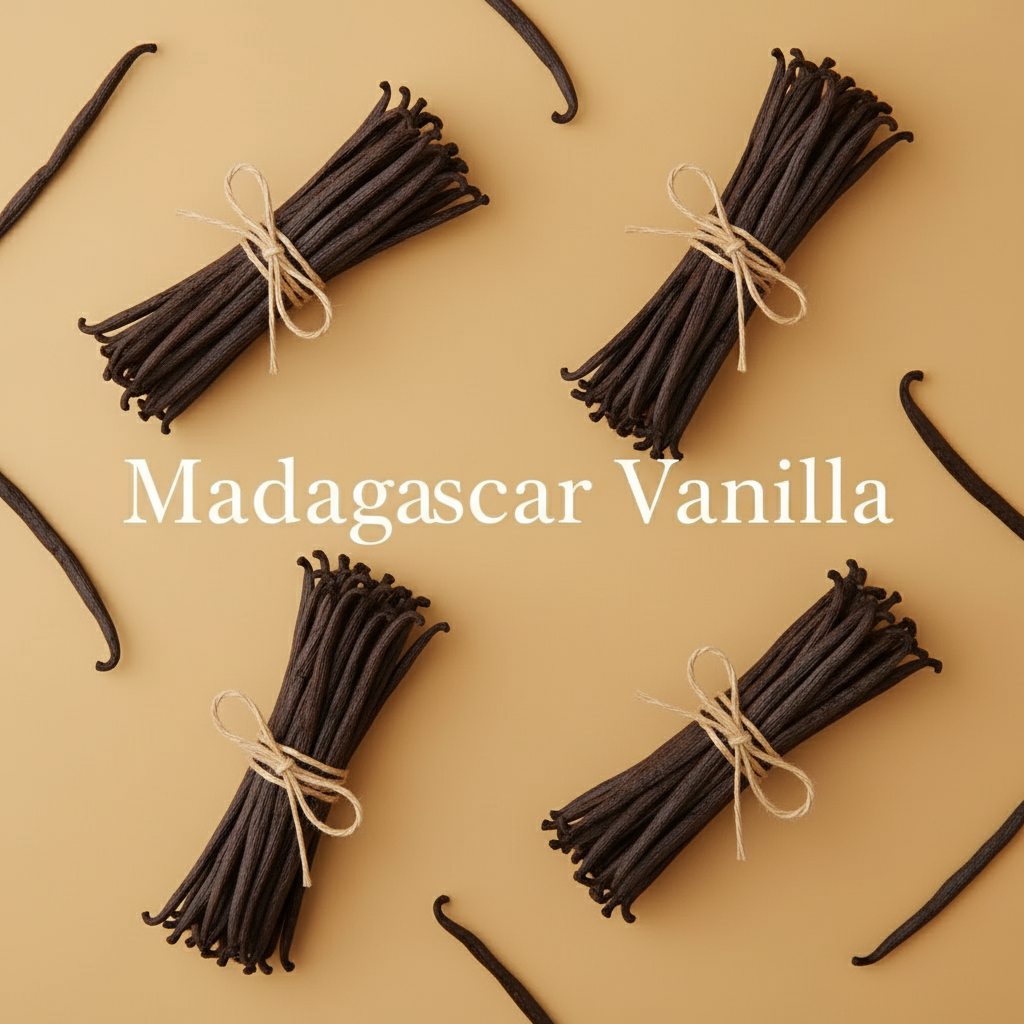
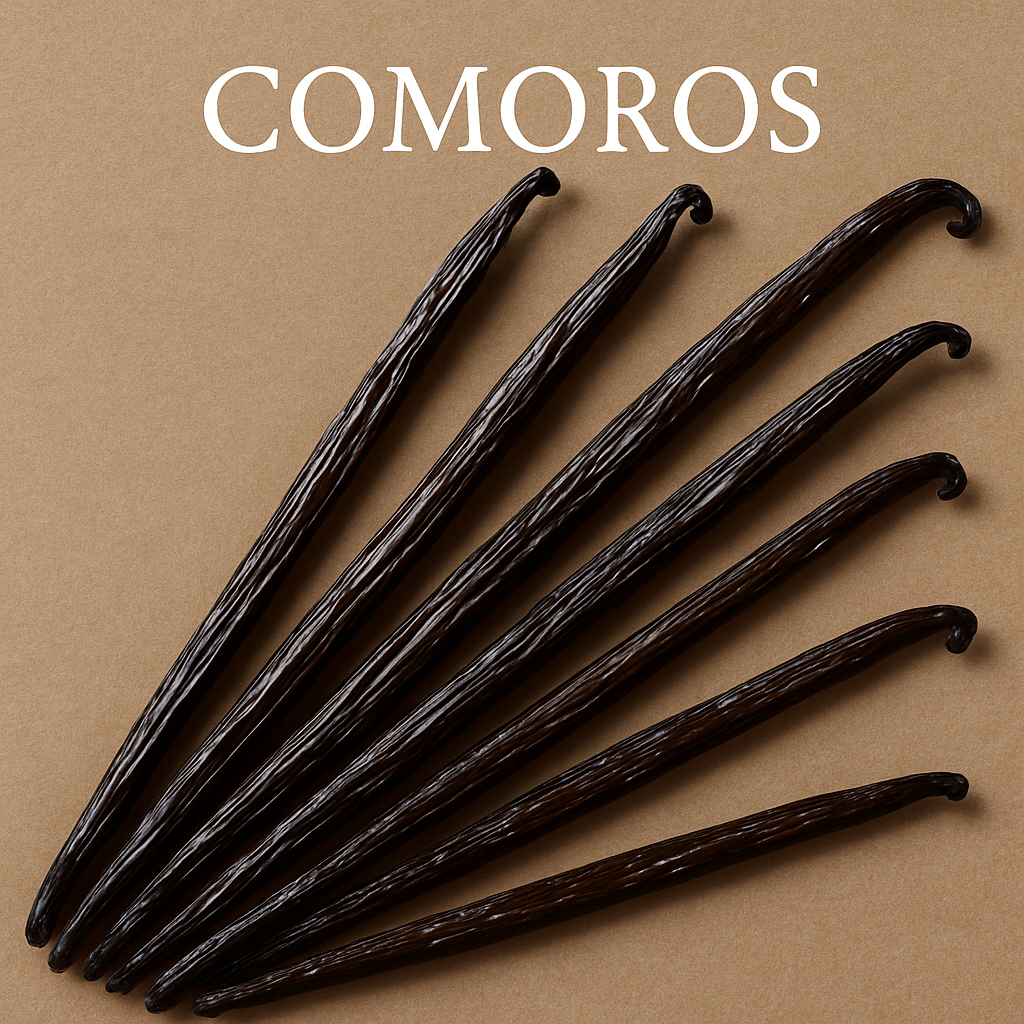
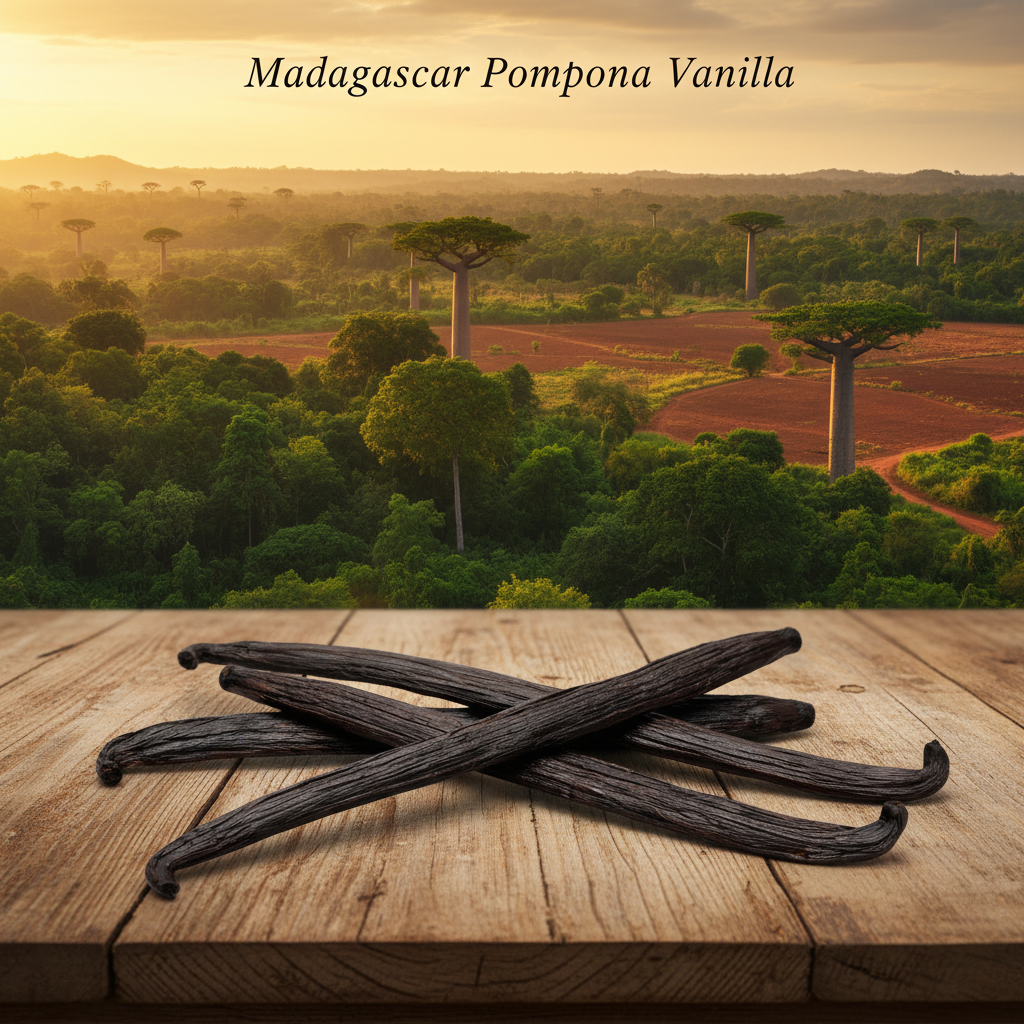
- Madagascar vanilla has higher vanillin content and creamy, sweet notes
- Tahitian vanilla contains more floral compounds like anisyl alcohol
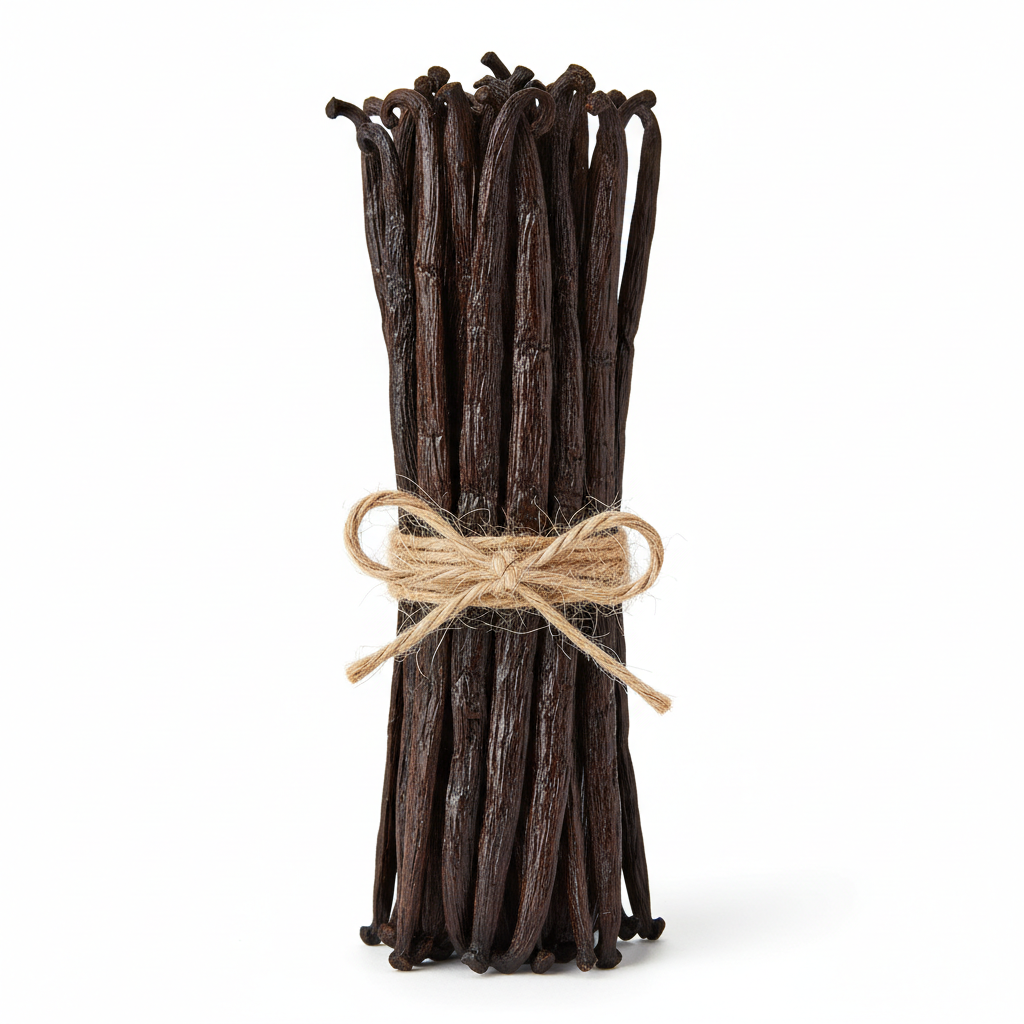
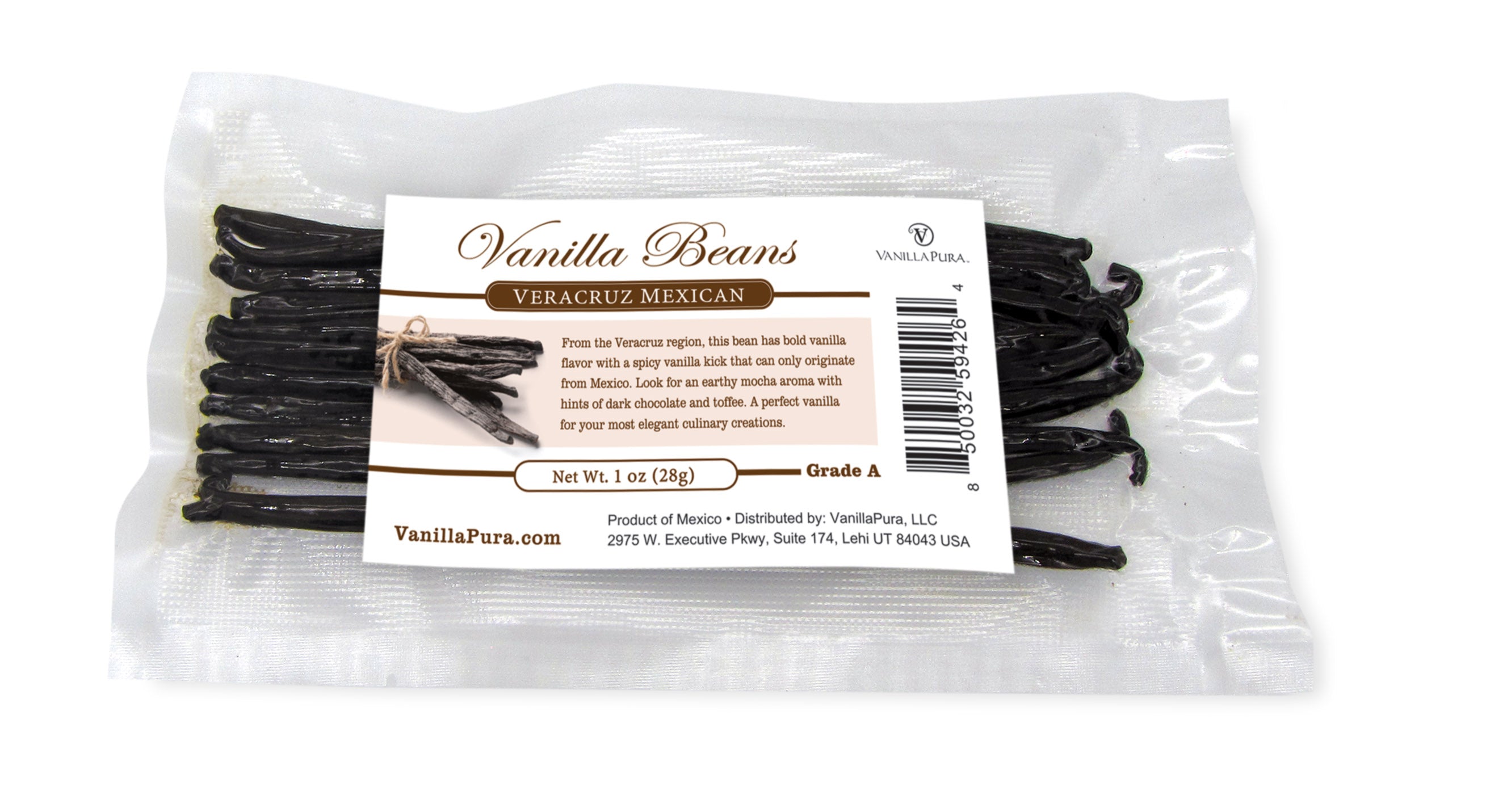
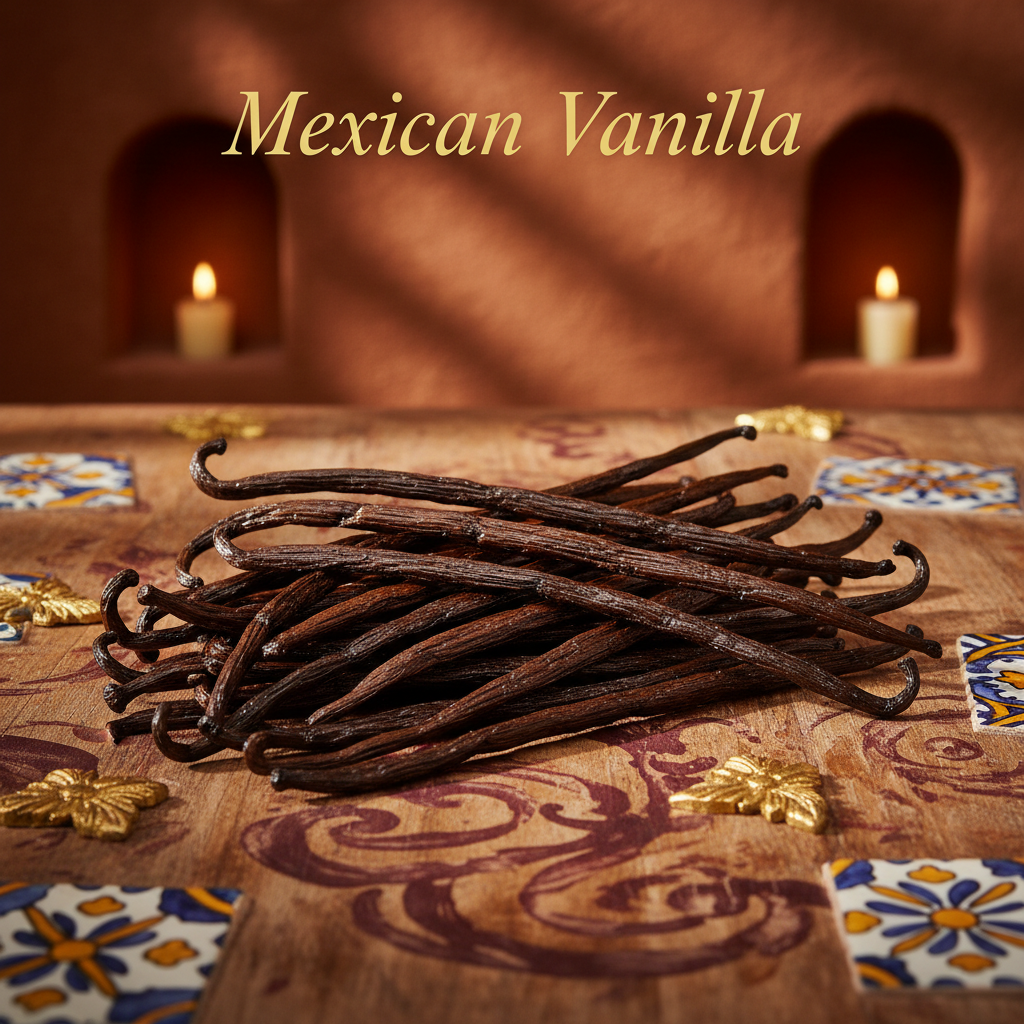
- Mexican vanilla has spicier phenolic compounds
These chemical differences aren't just marketing - they create genuinely different flavor experiences in your finished baked goods.
The Science of Proper Extraction
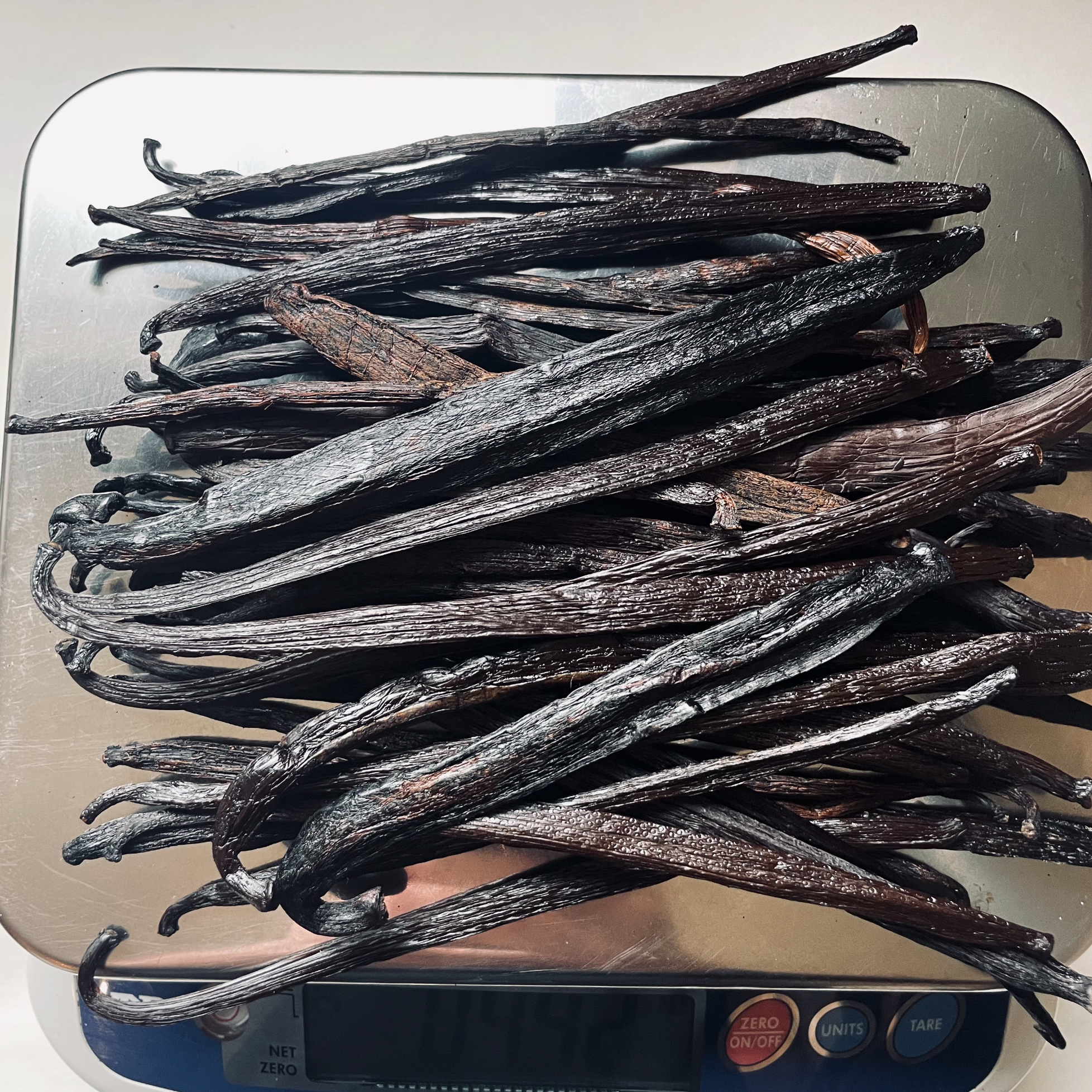
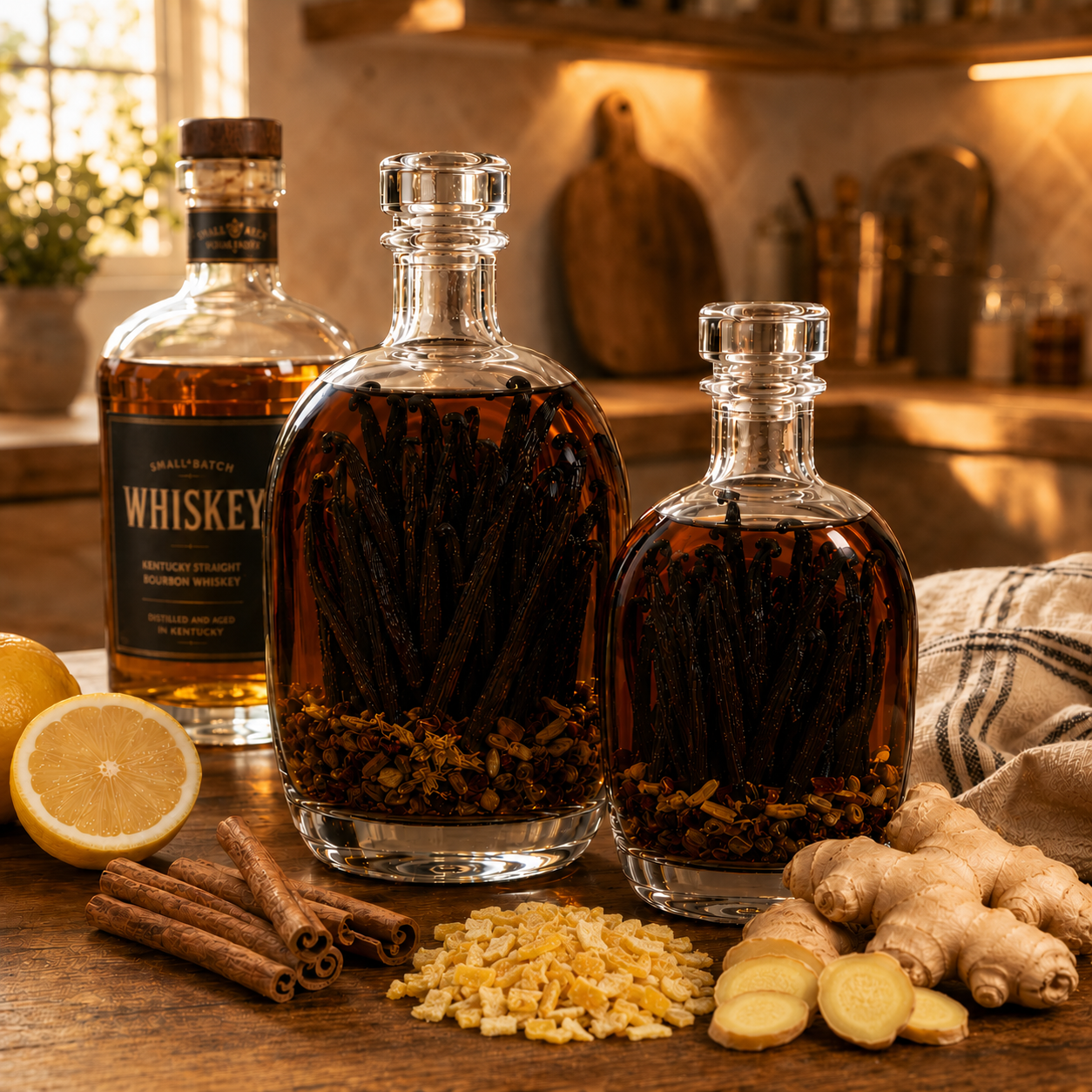
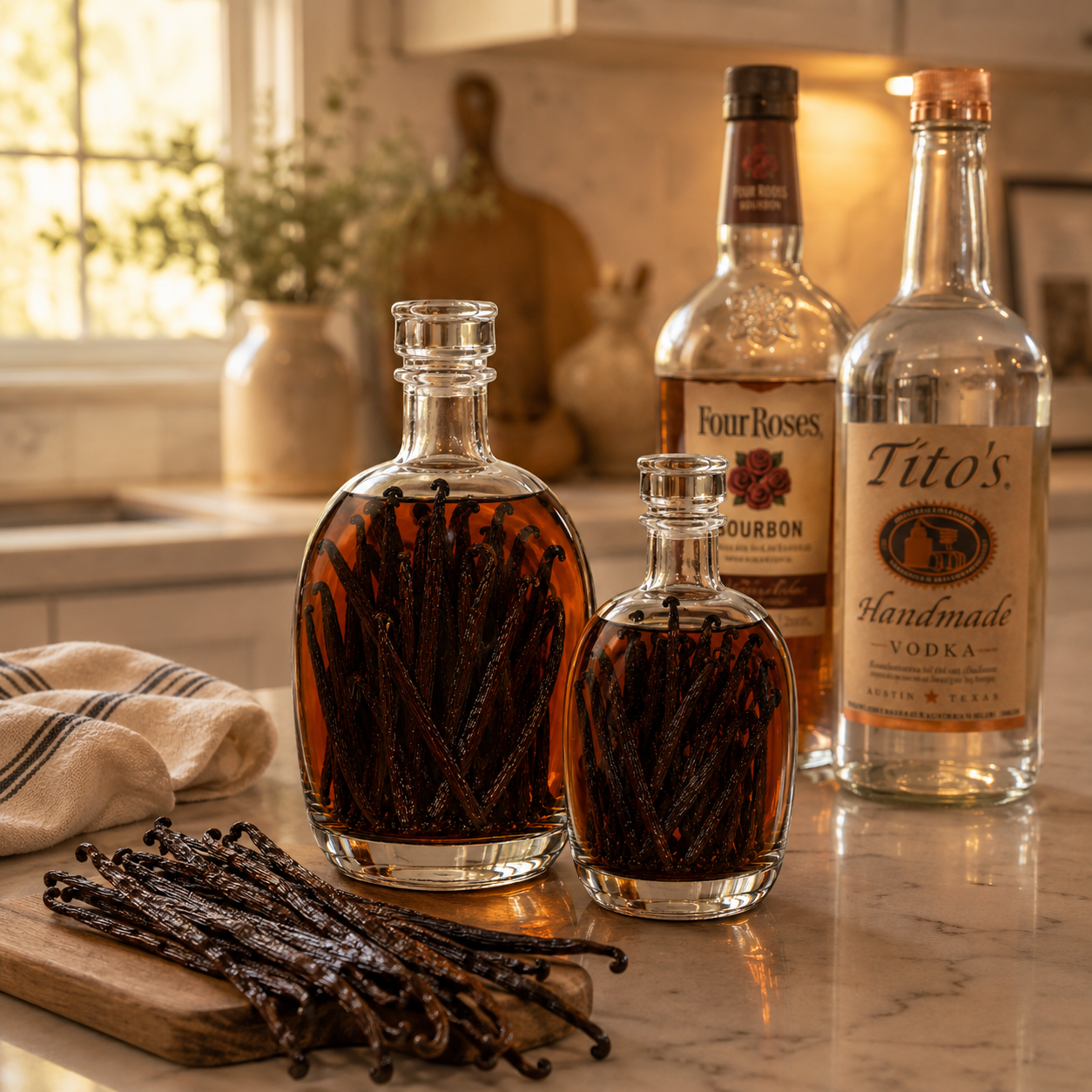
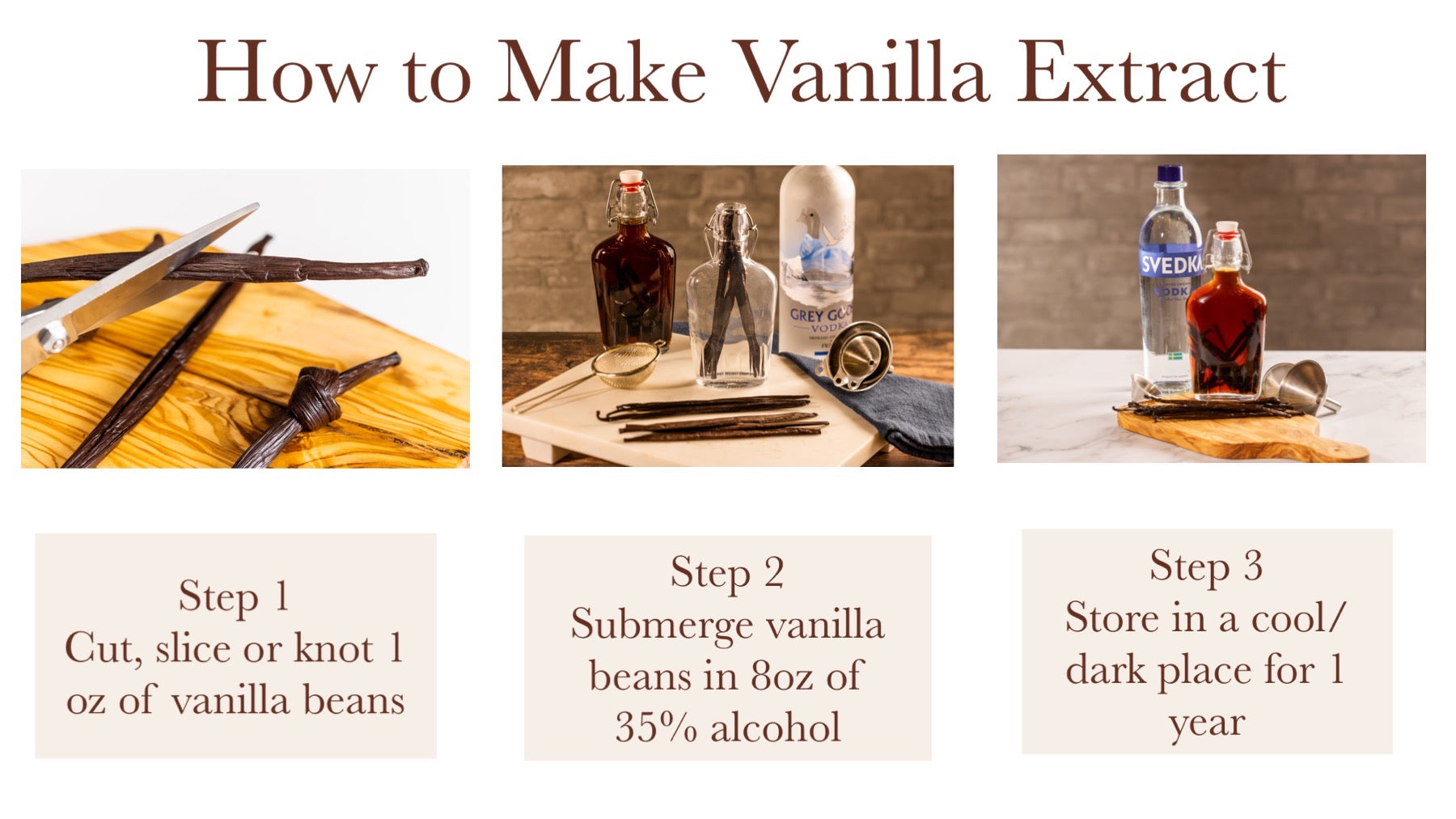
Quality vanilla extract requires time for proper extraction of flavor compounds from the vanilla beans. The best extracts are aged for months or even years, allowing water and alcohol to slowly draw out the full spectrum of vanilla's complex molecules.
Quick-extraction methods used in cheaper products can't replicate this process, resulting in extracts that lack the depth and balance of properly aged vanilla.
How to Identify Quality Vanilla
Look for these scientific indicators of quality:
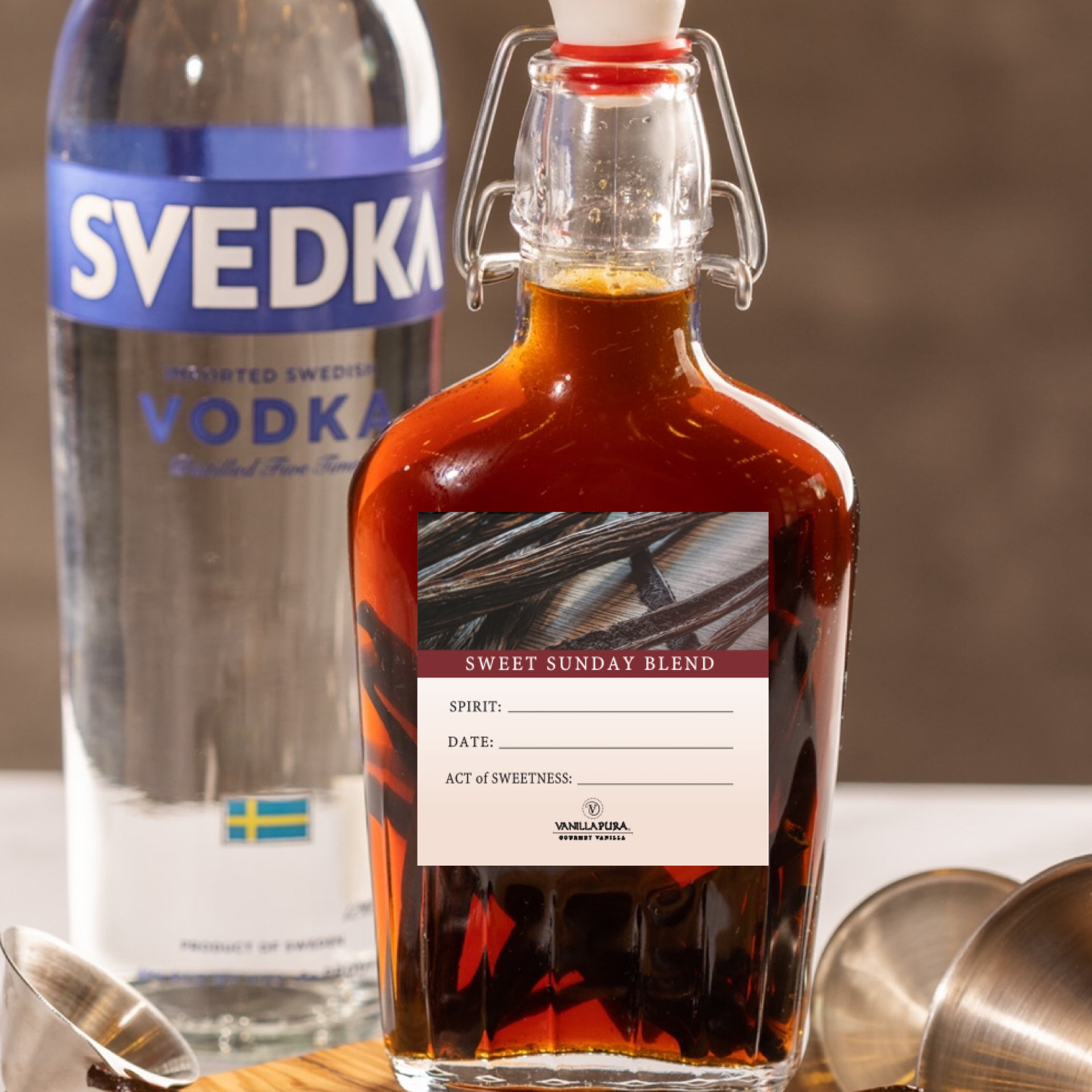
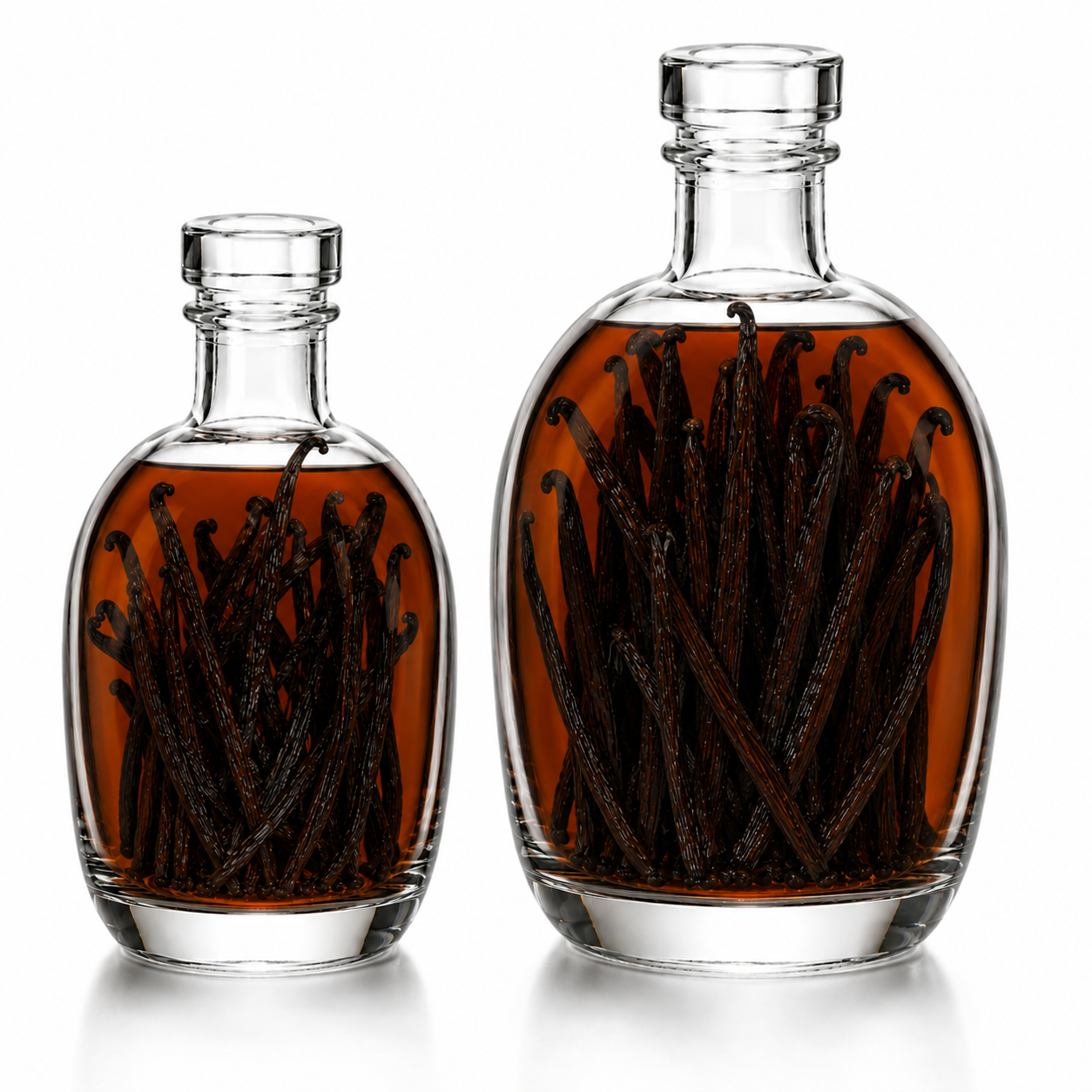
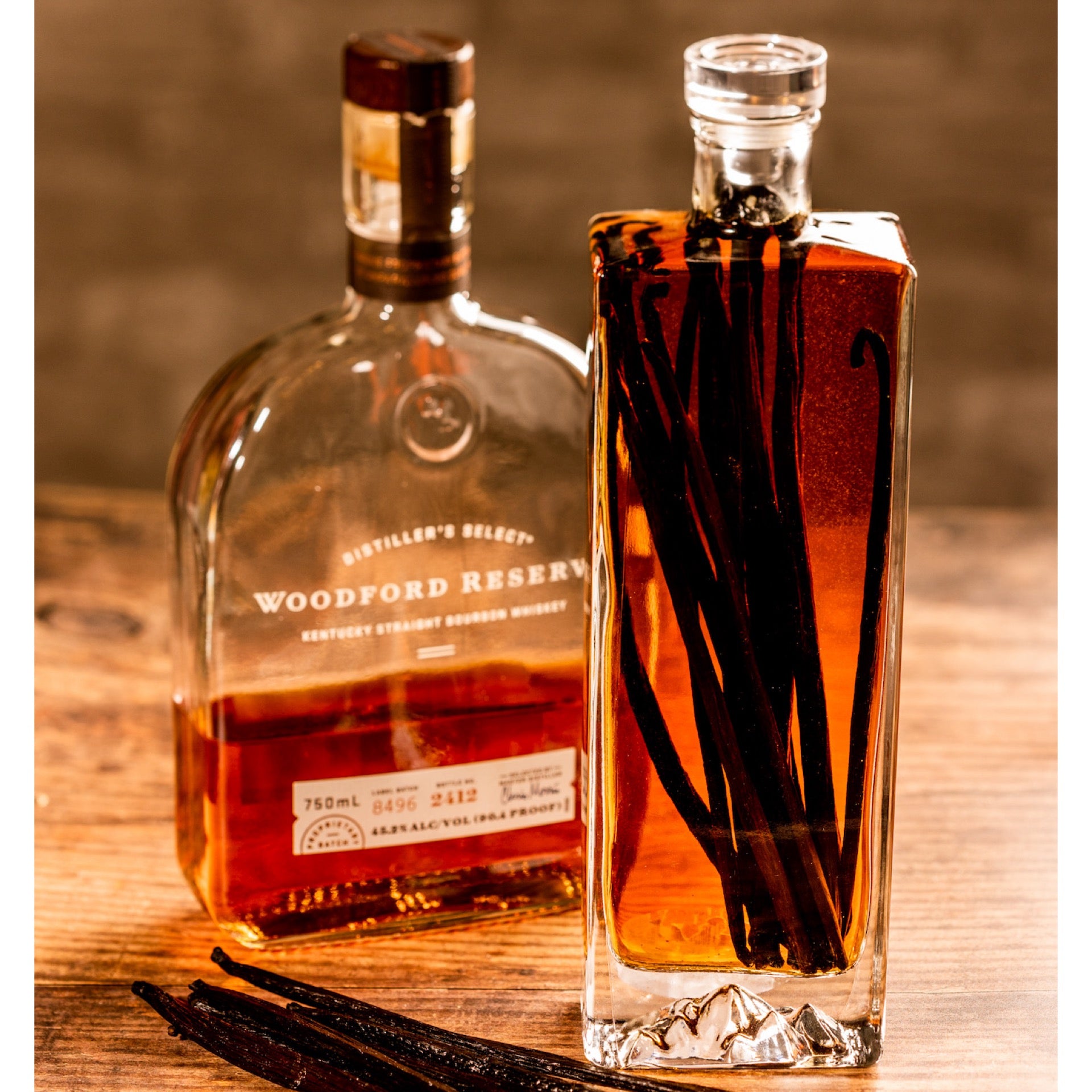
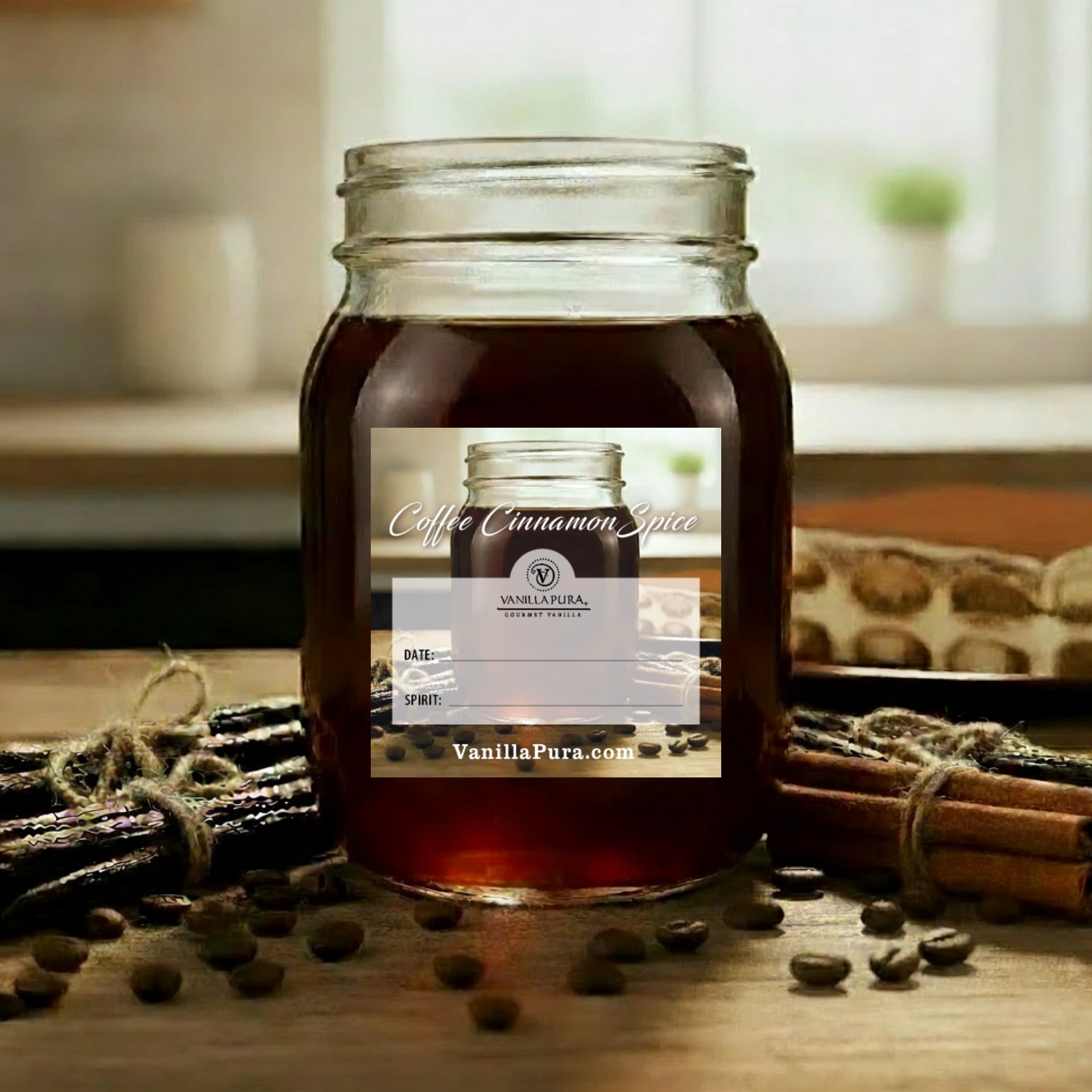
- Color: High-quality extract should be dark amber to brown, indicating proper extraction
- Viscosity: Premium extracts are slightly thicker due to higher concentrations of extracted compounds
- Aroma complexity: Quality vanilla should have multiple scent notes, not just simple sweetness
- Ingredient list: Should contain only vanilla beans, alcohol, and water
The Bottom Line for Bakers
Investing in quality vanilla isn't just about taste - it's about understanding the science behind how these complex compounds interact with your other ingredients. When you use premium vanilla extract, you're adding hundreds of flavor compounds that work synergistically with butter, eggs, flour, and sugar to create more complex, satisfying baked goods.
The next time you're tempted to save money on vanilla, remember that you're not just buying a flavoring - you're investing in the chemical foundation that can elevate every dessert you make.