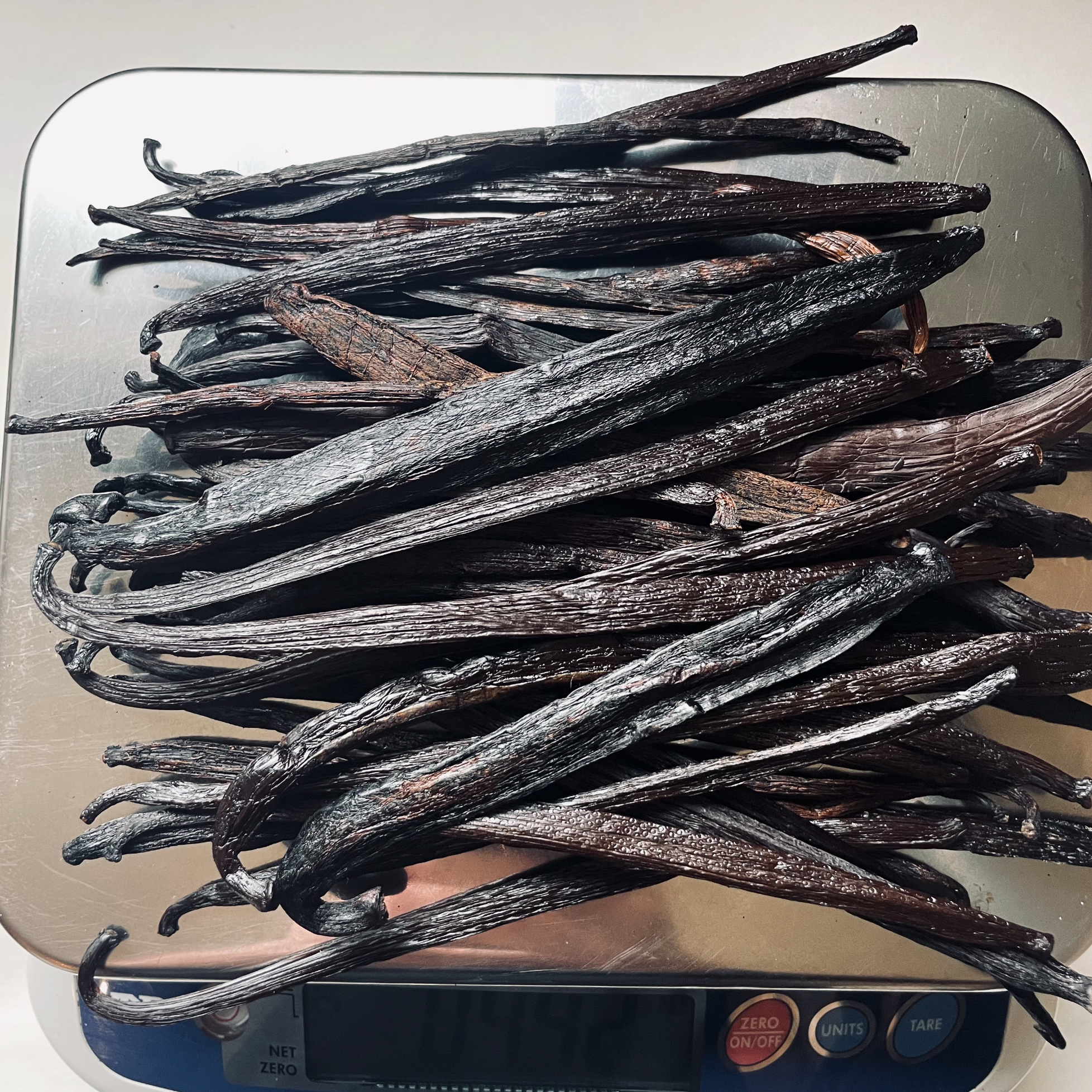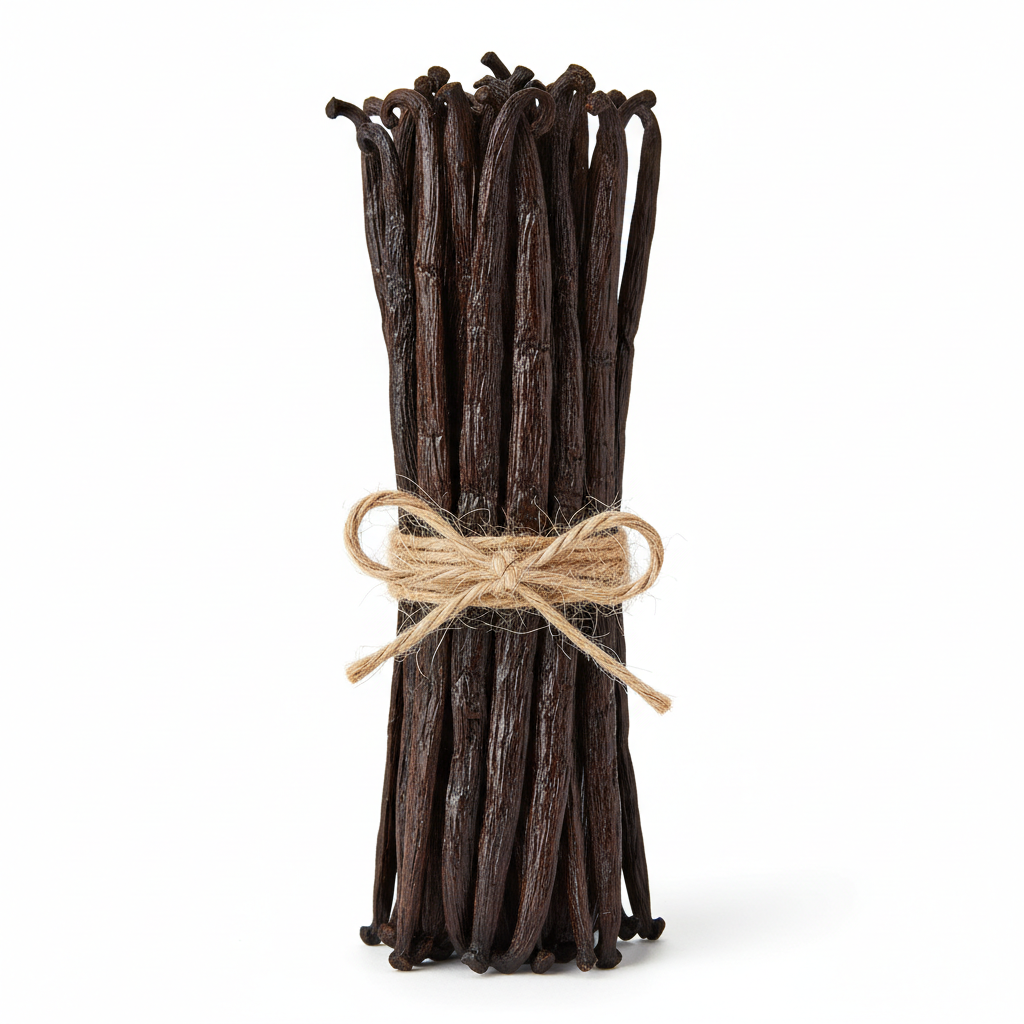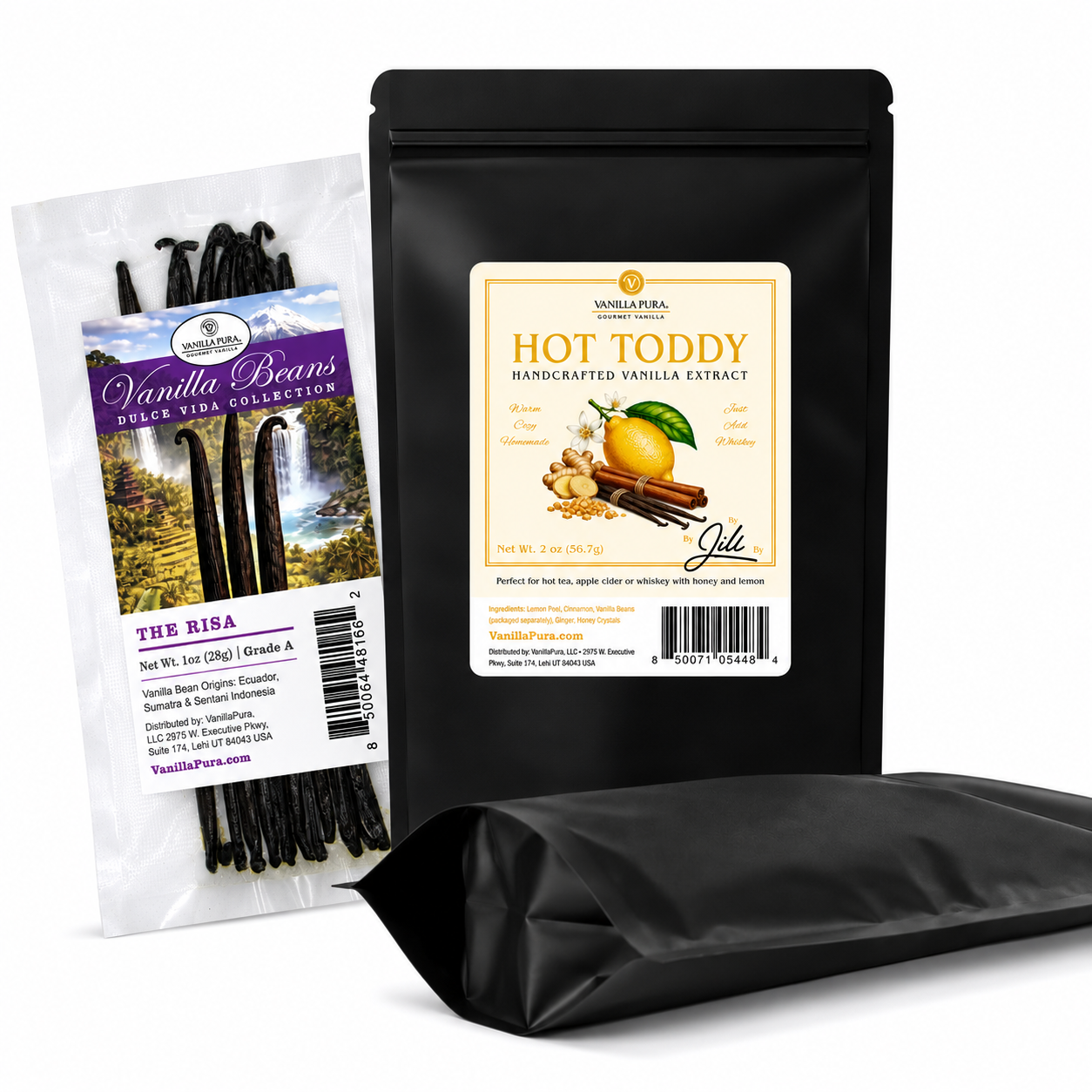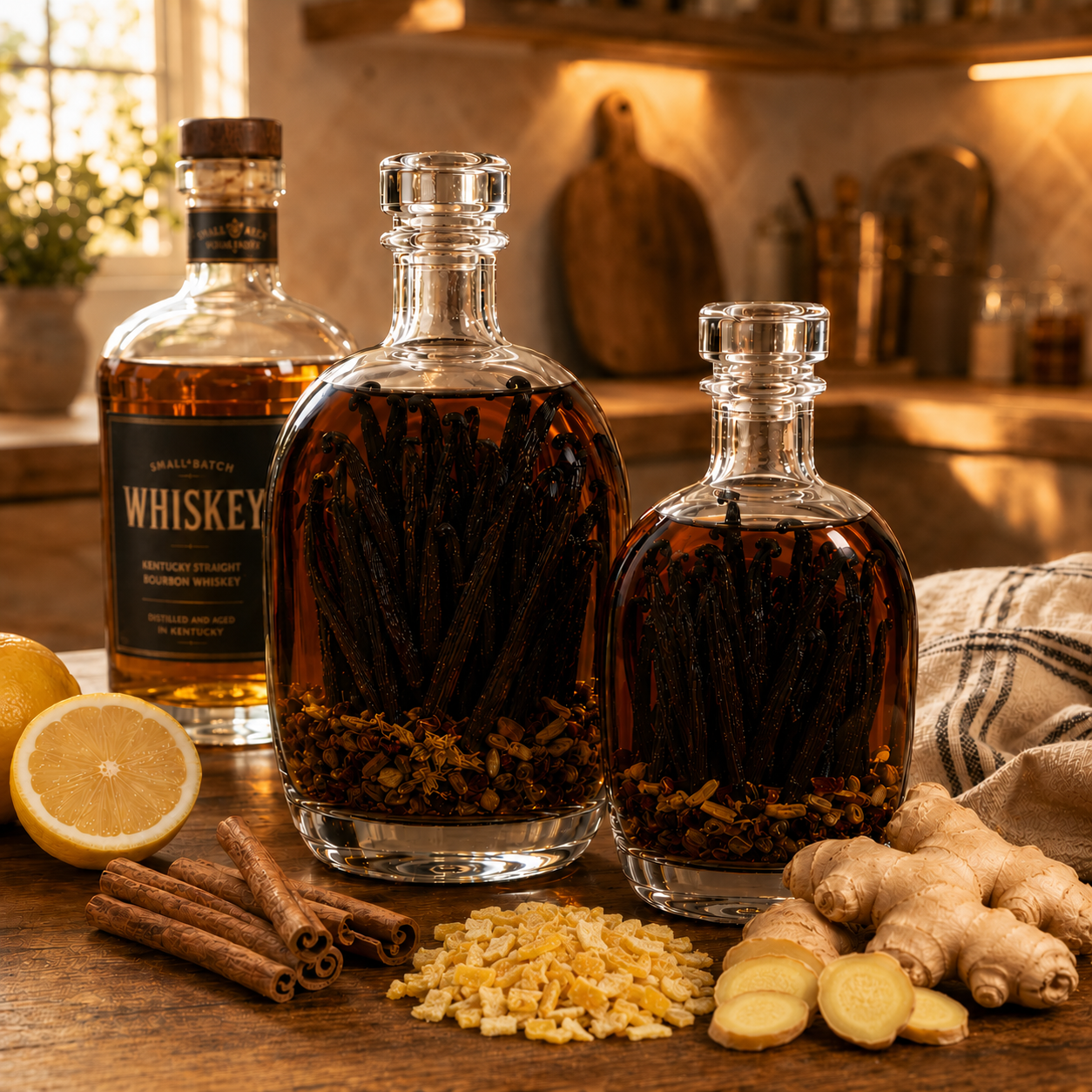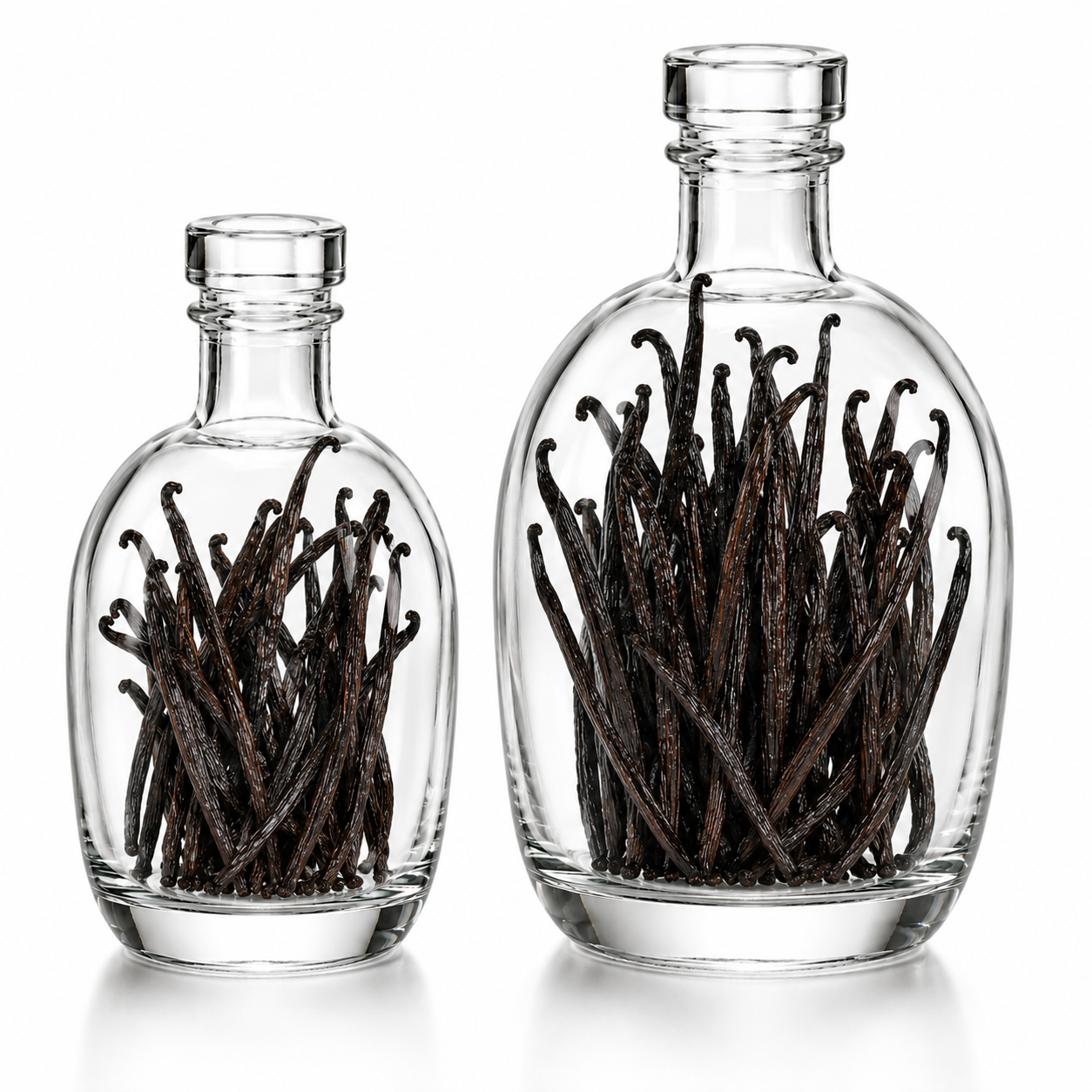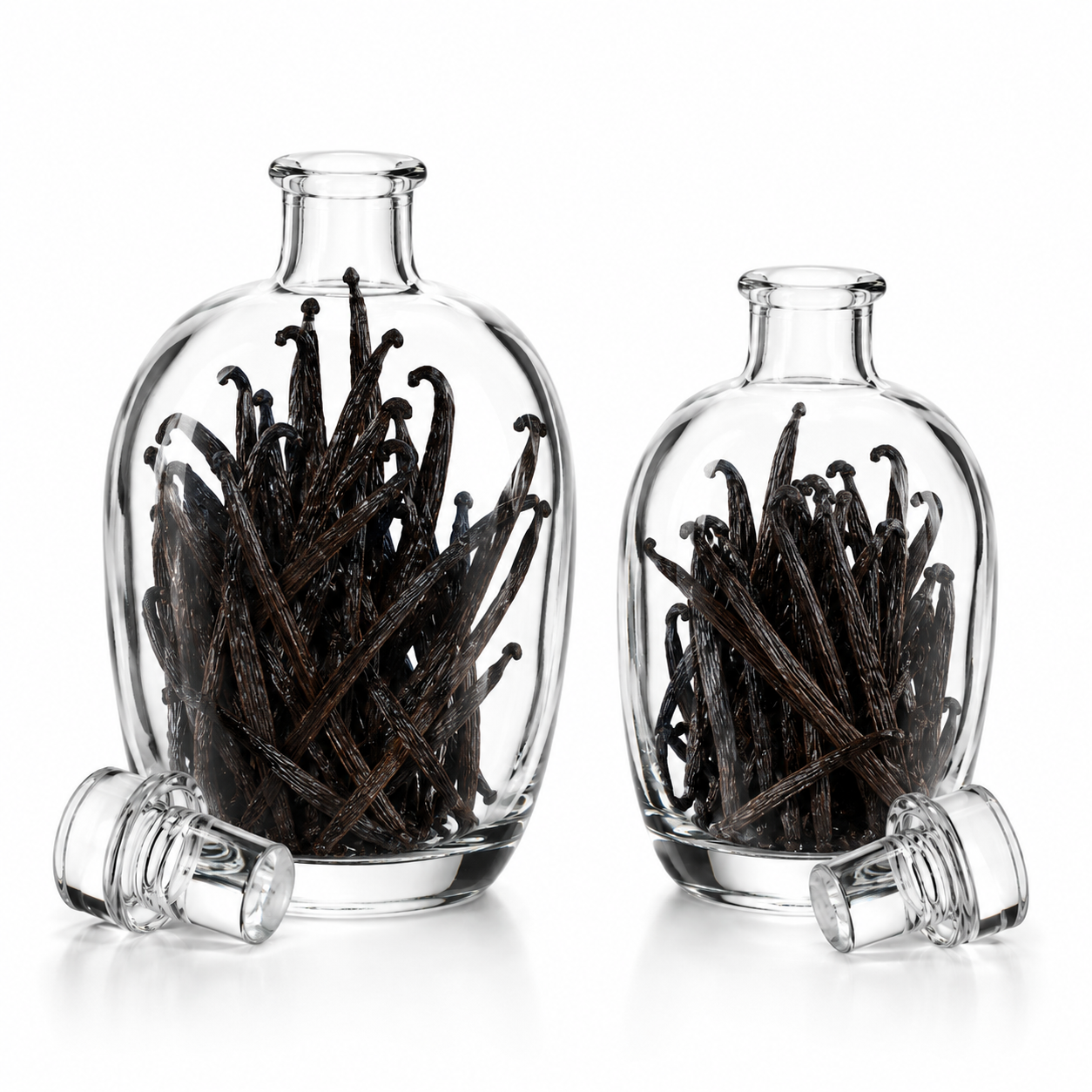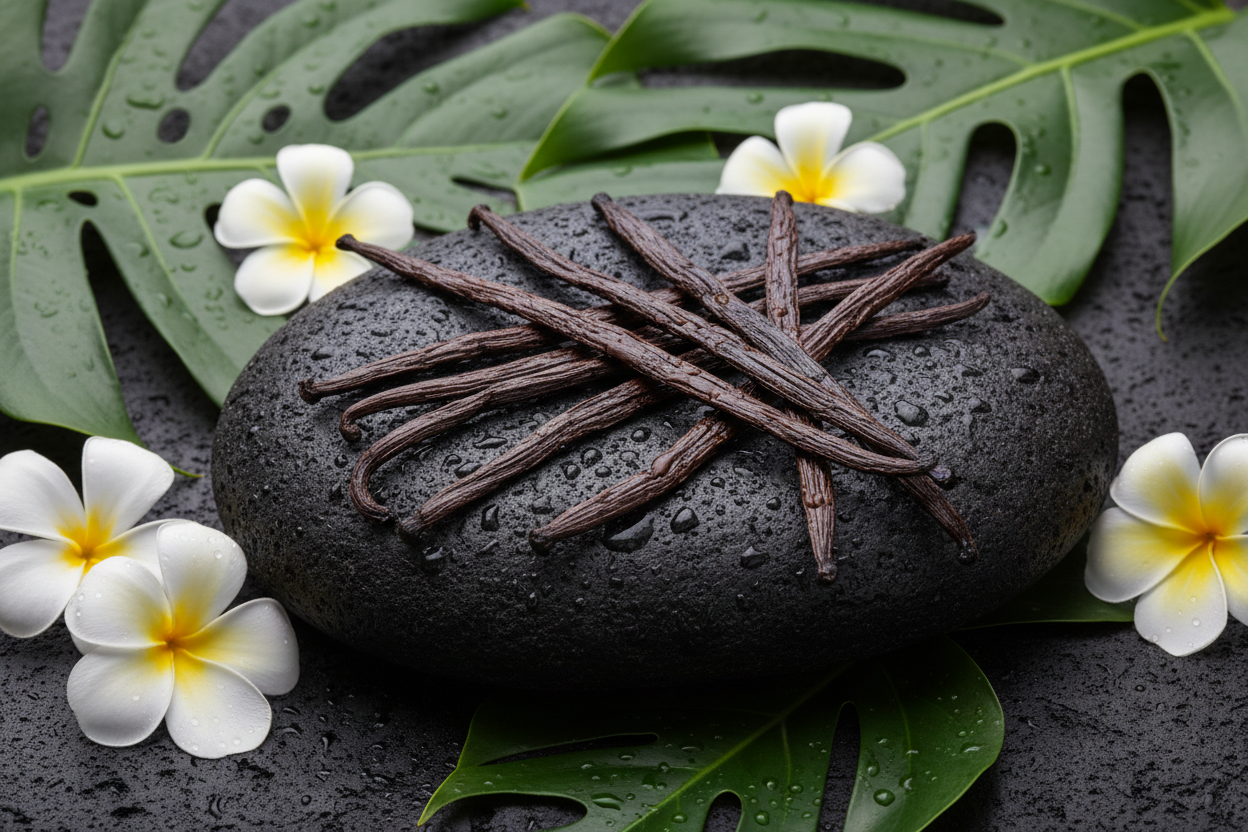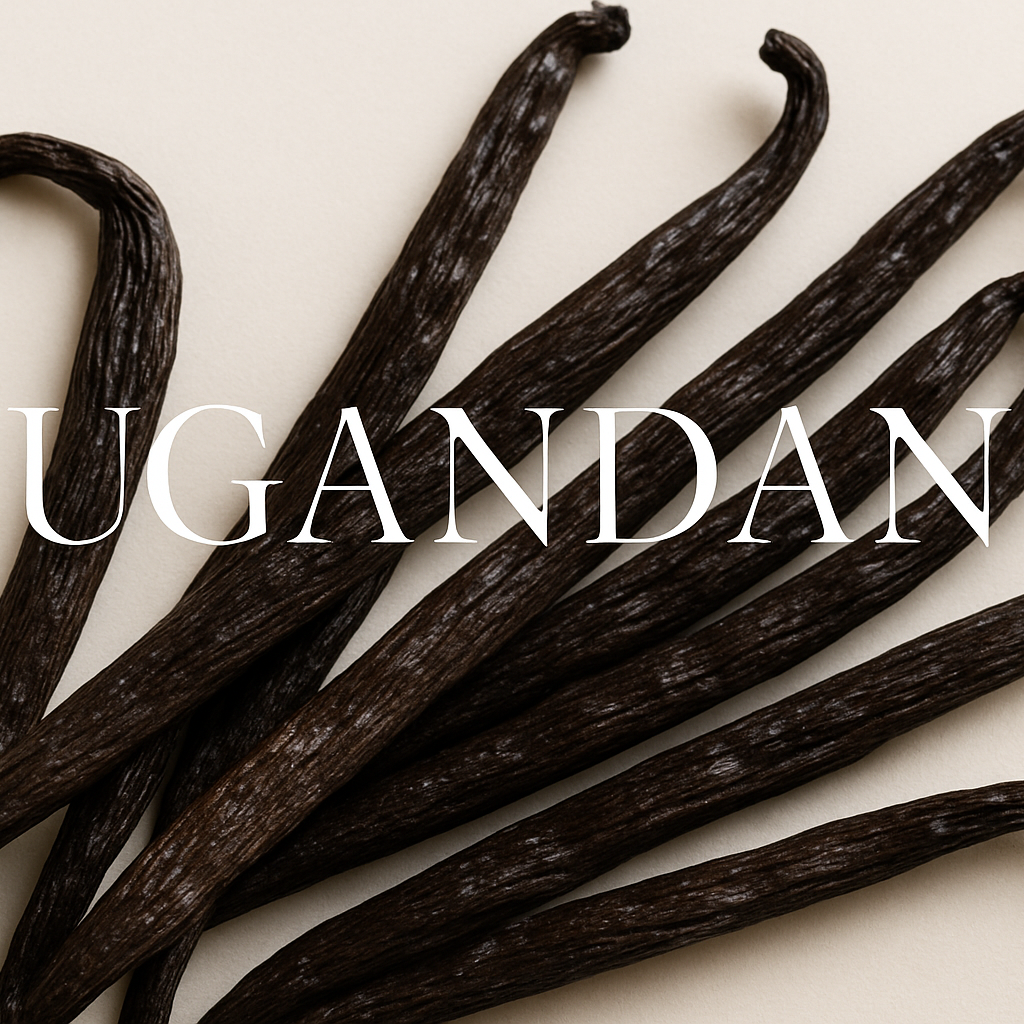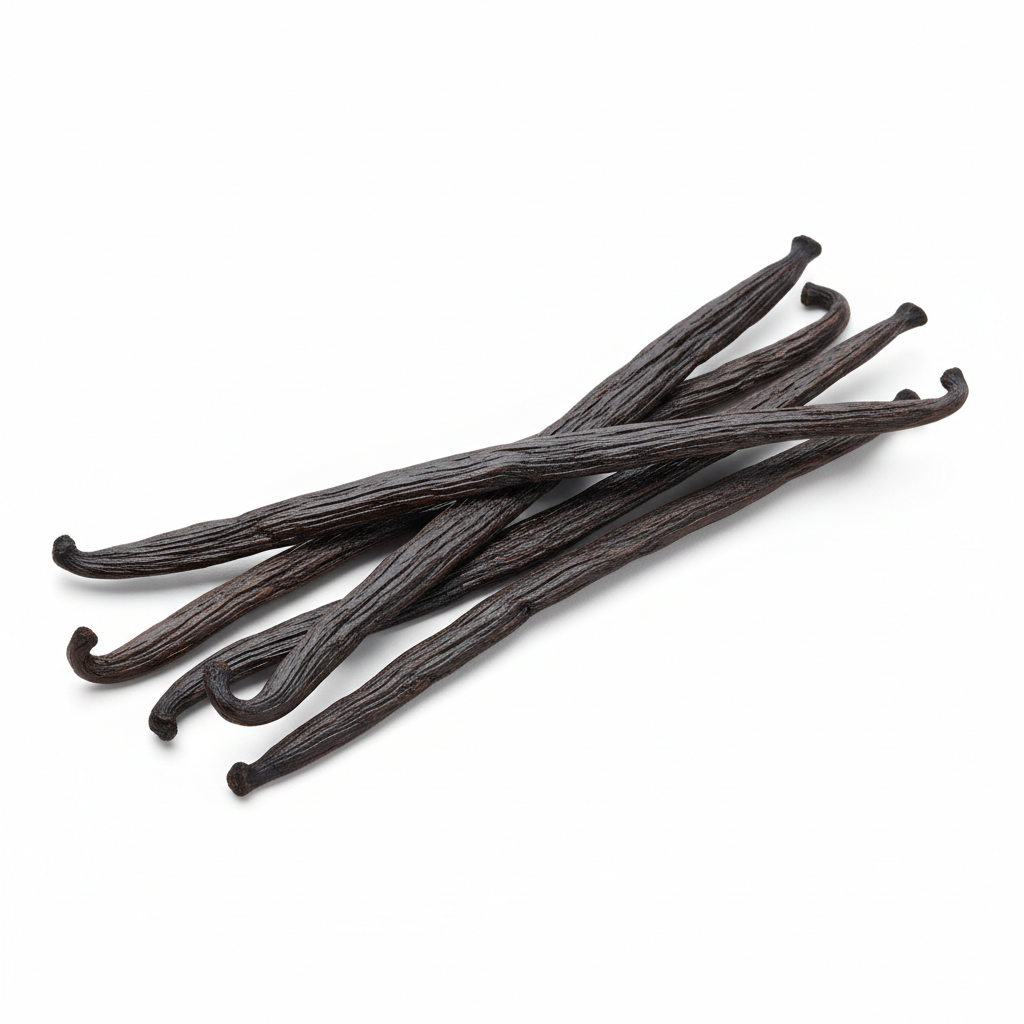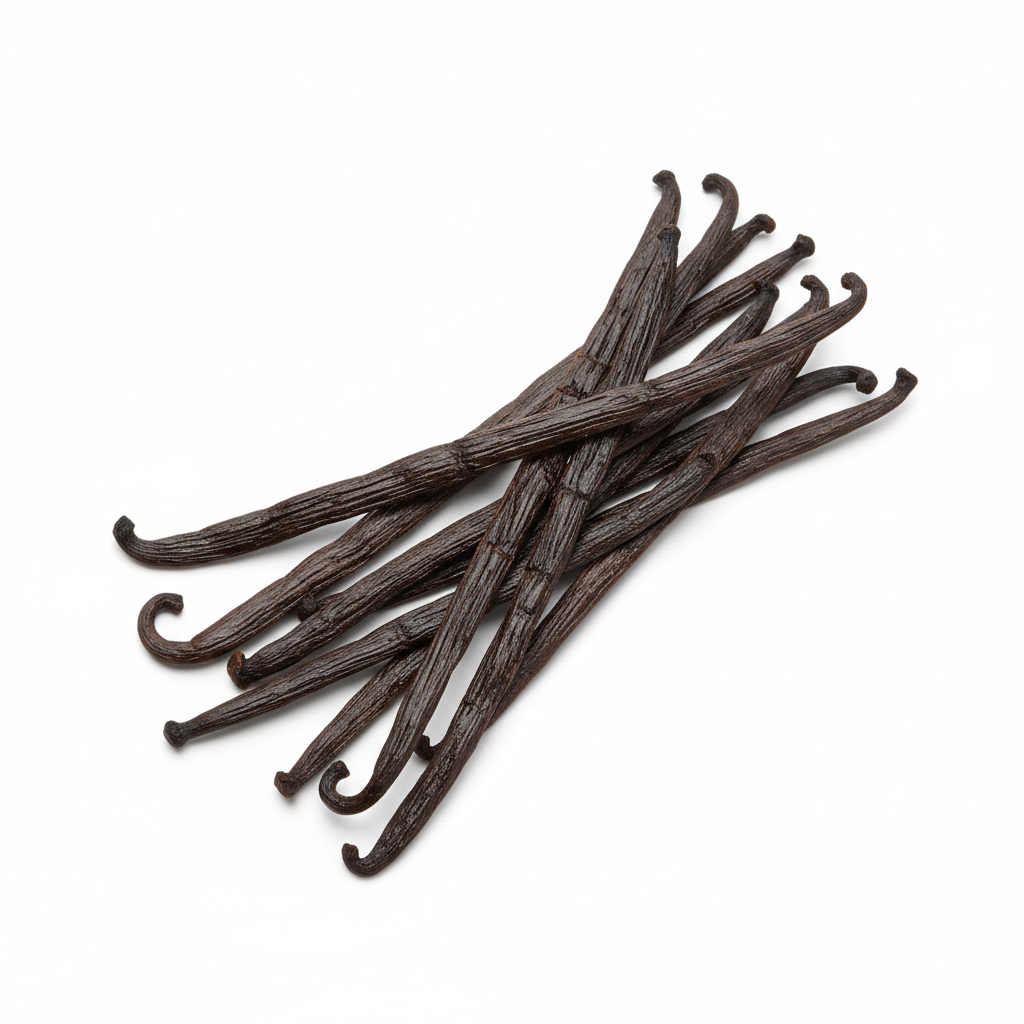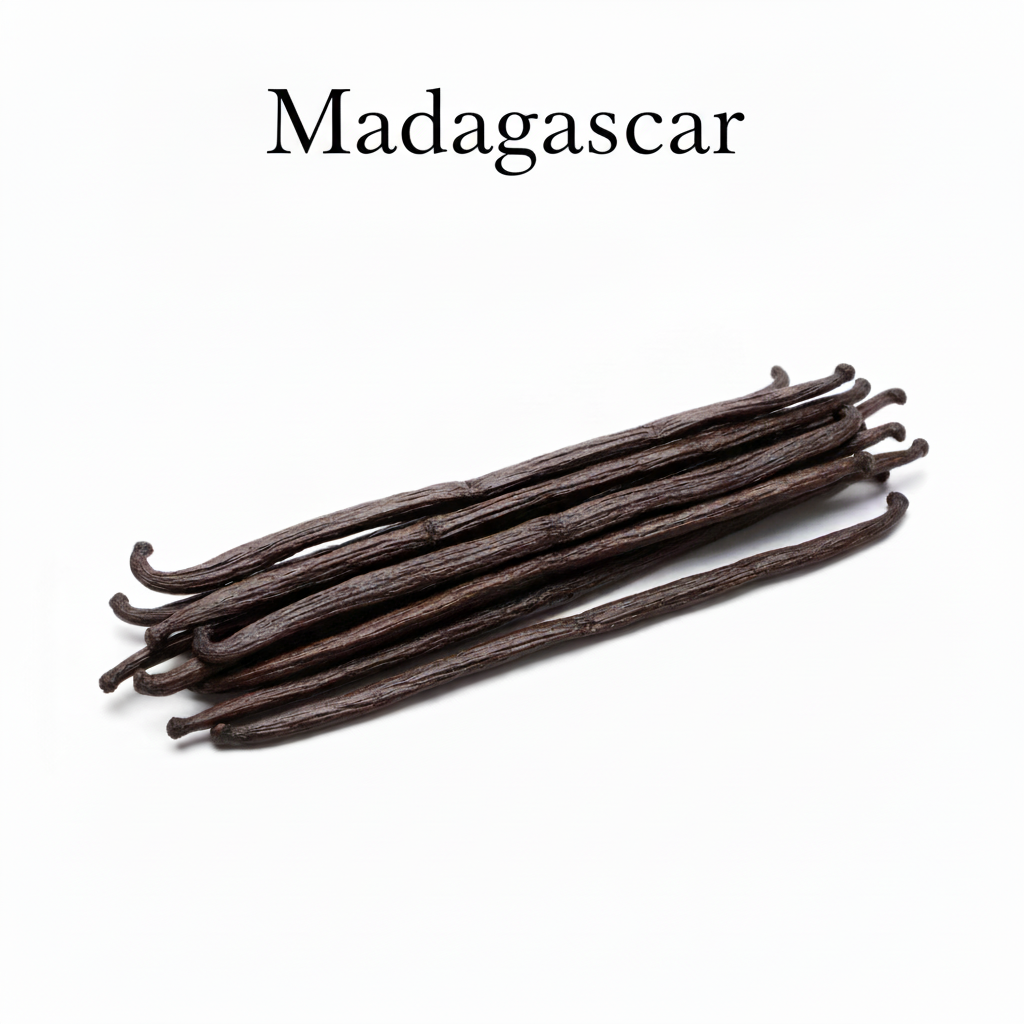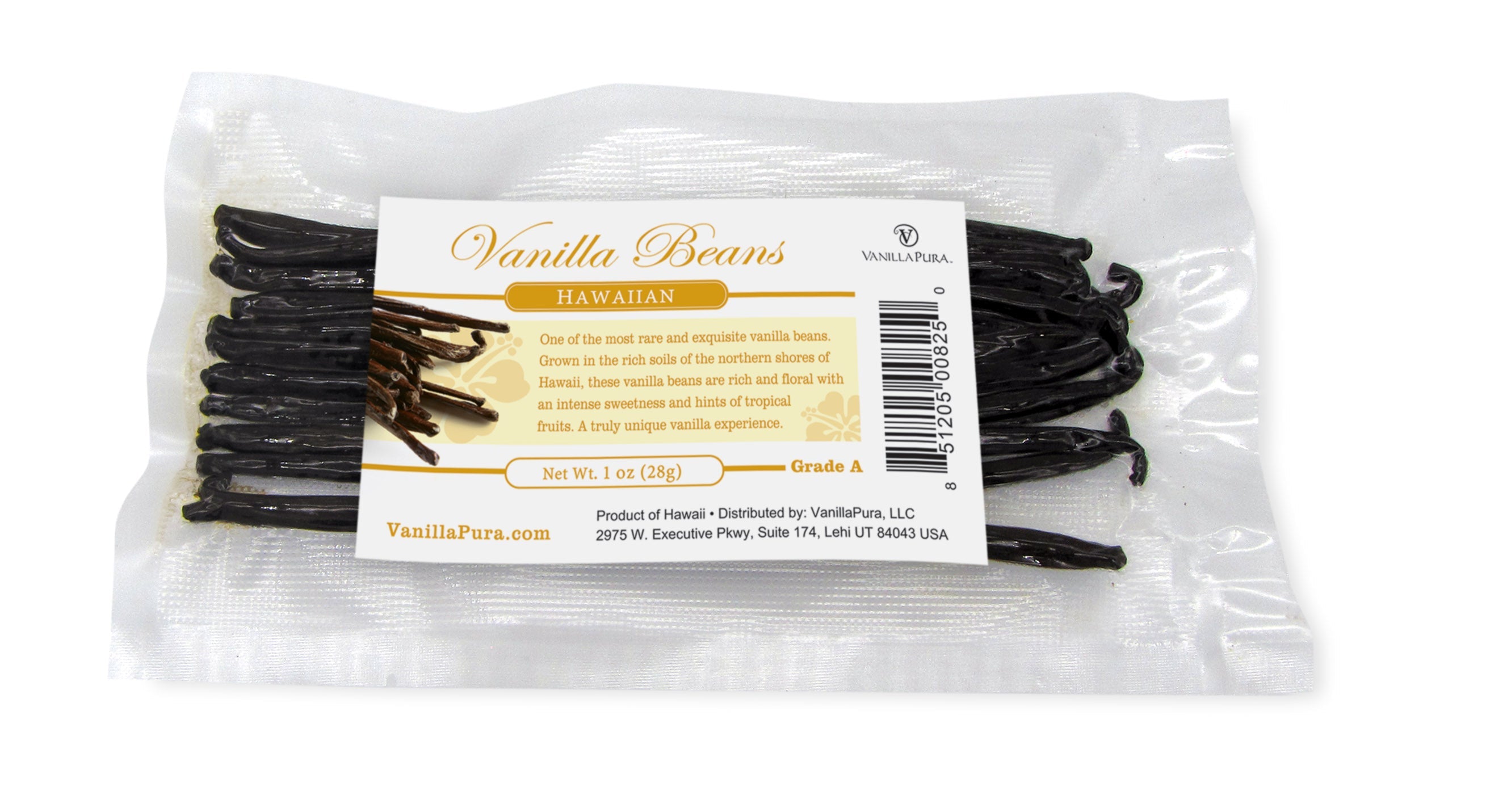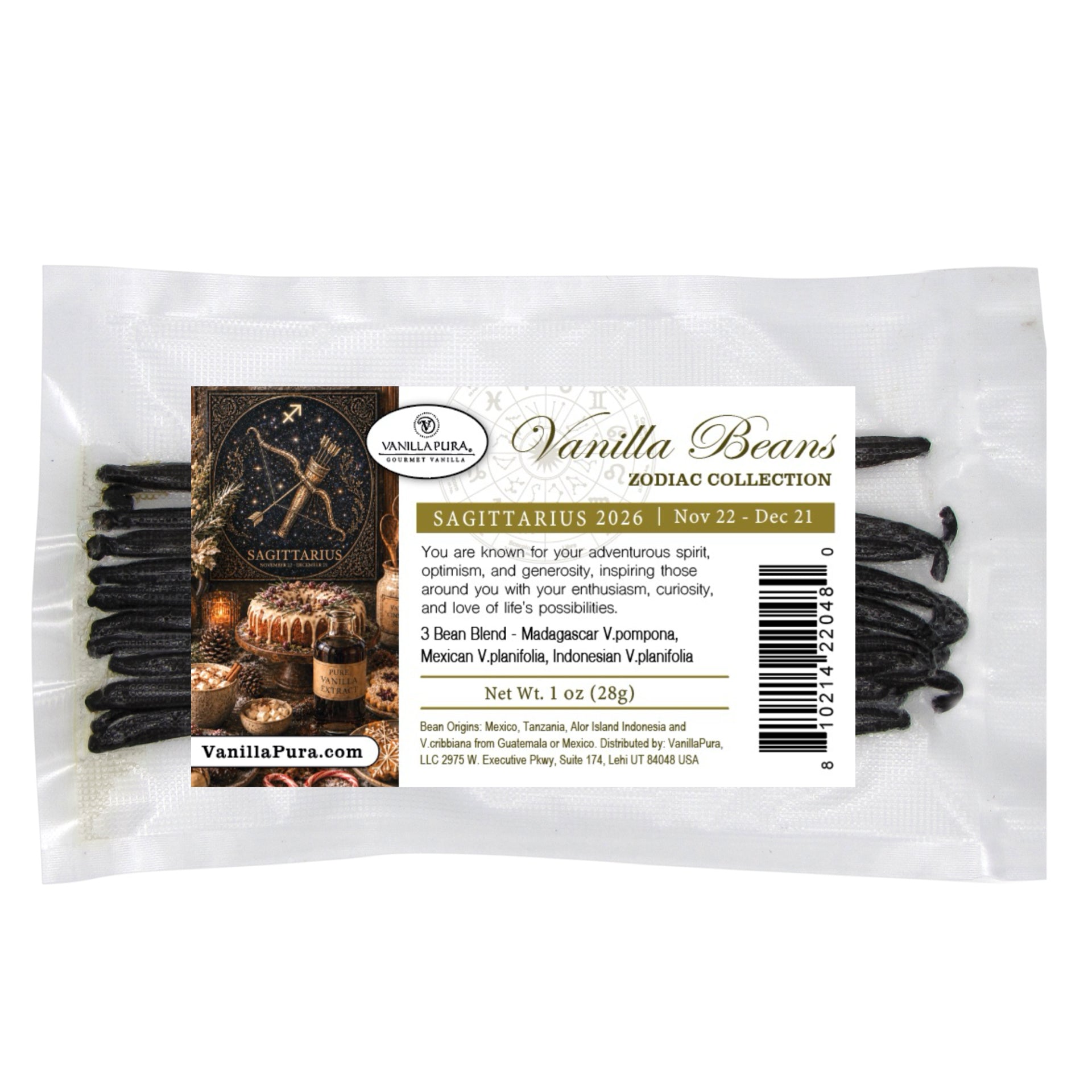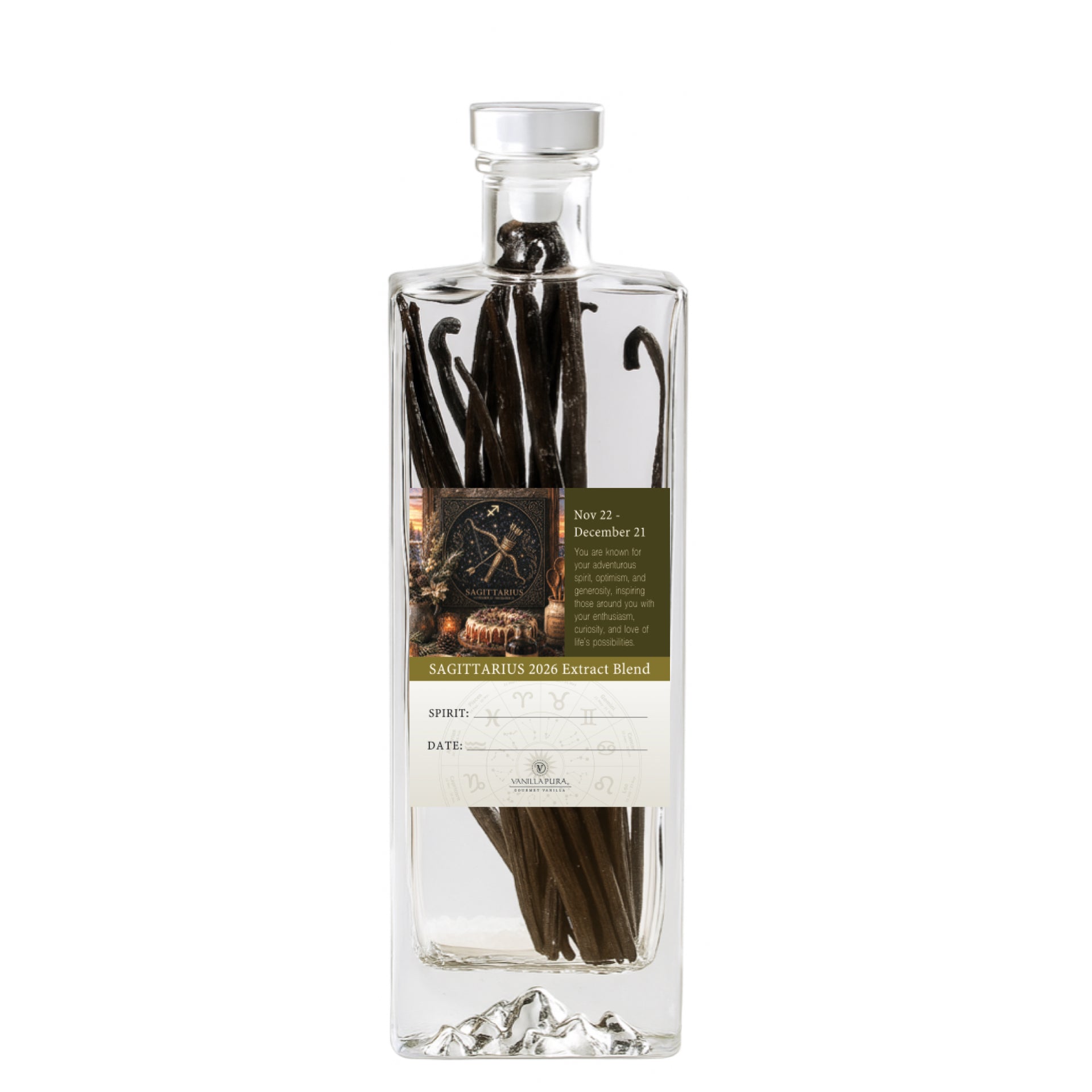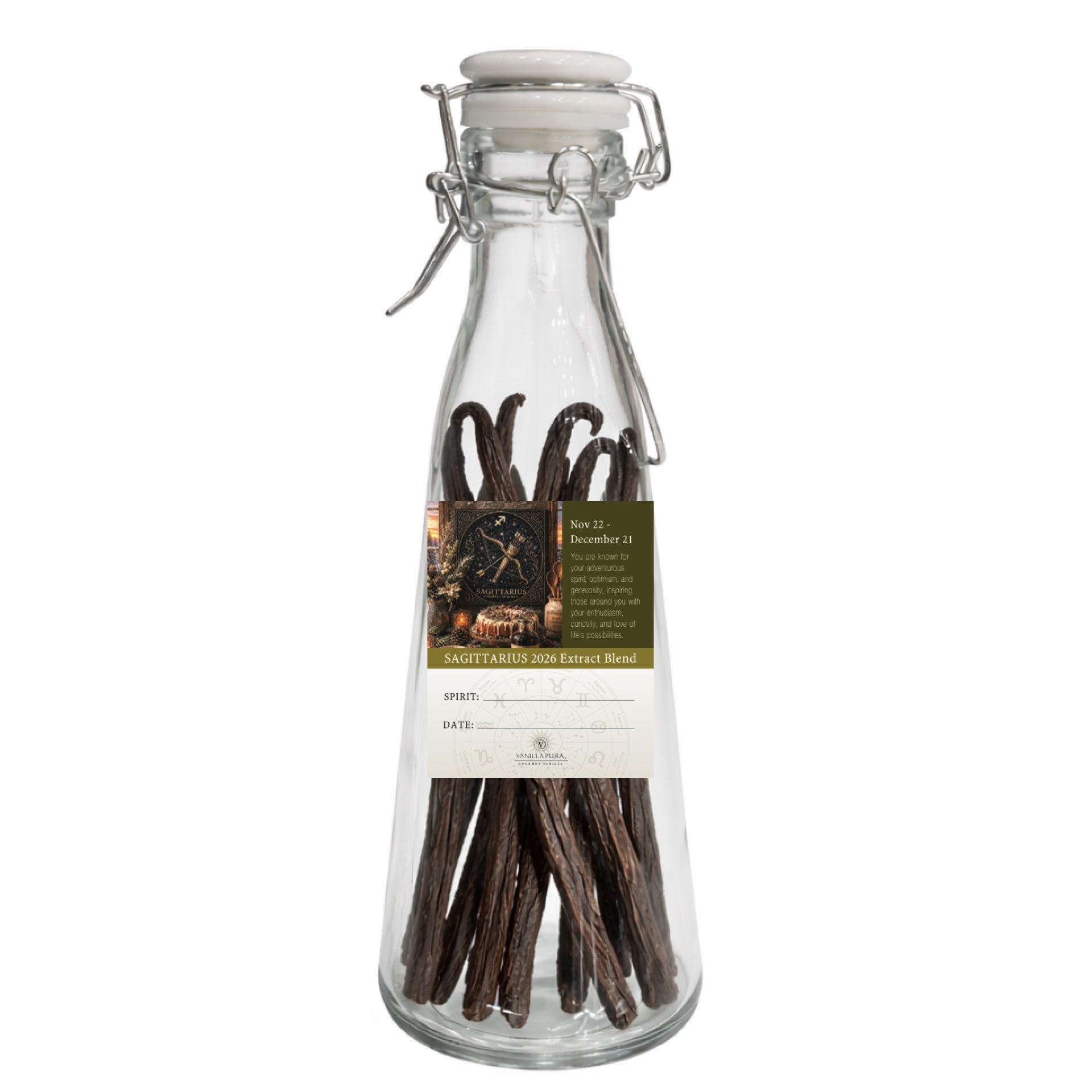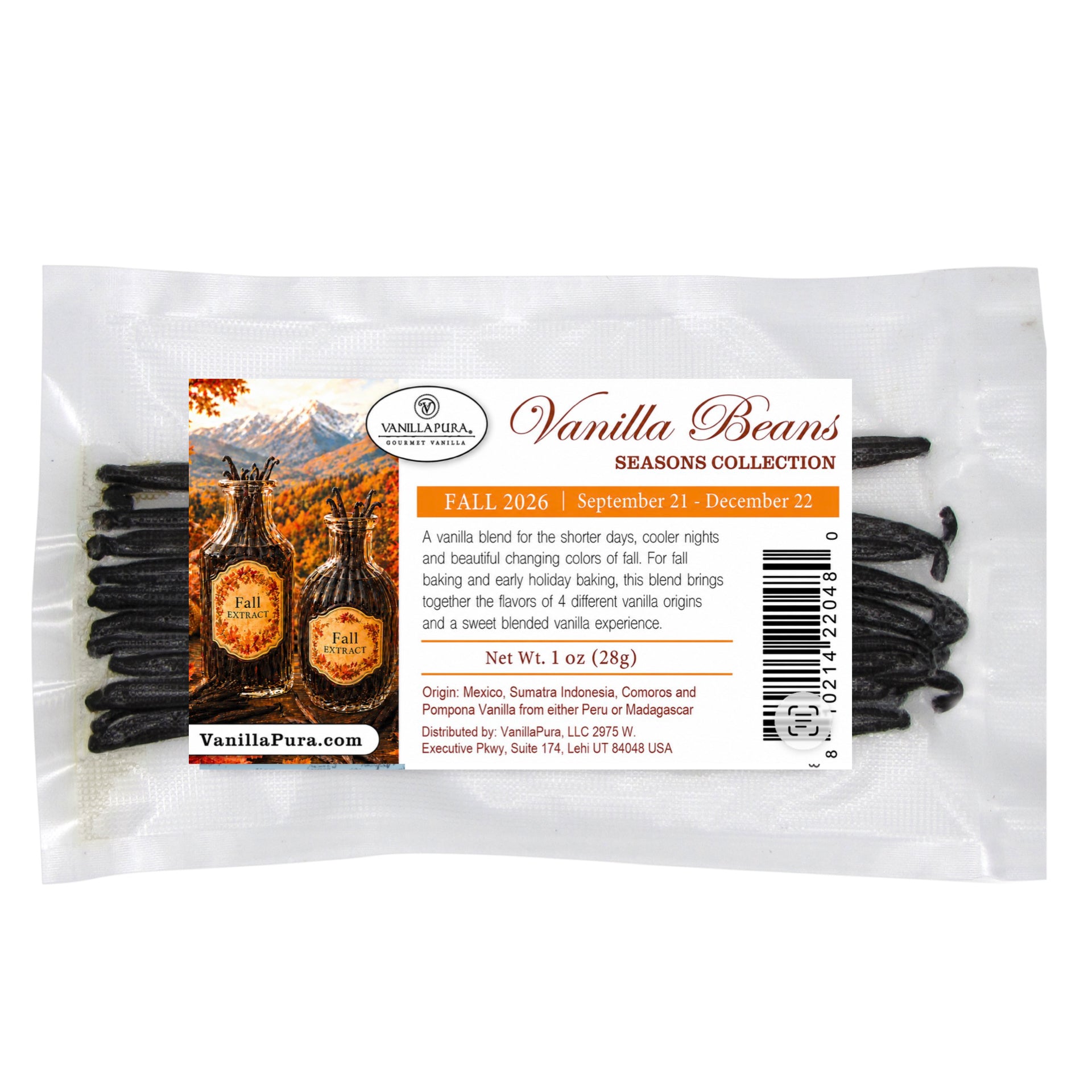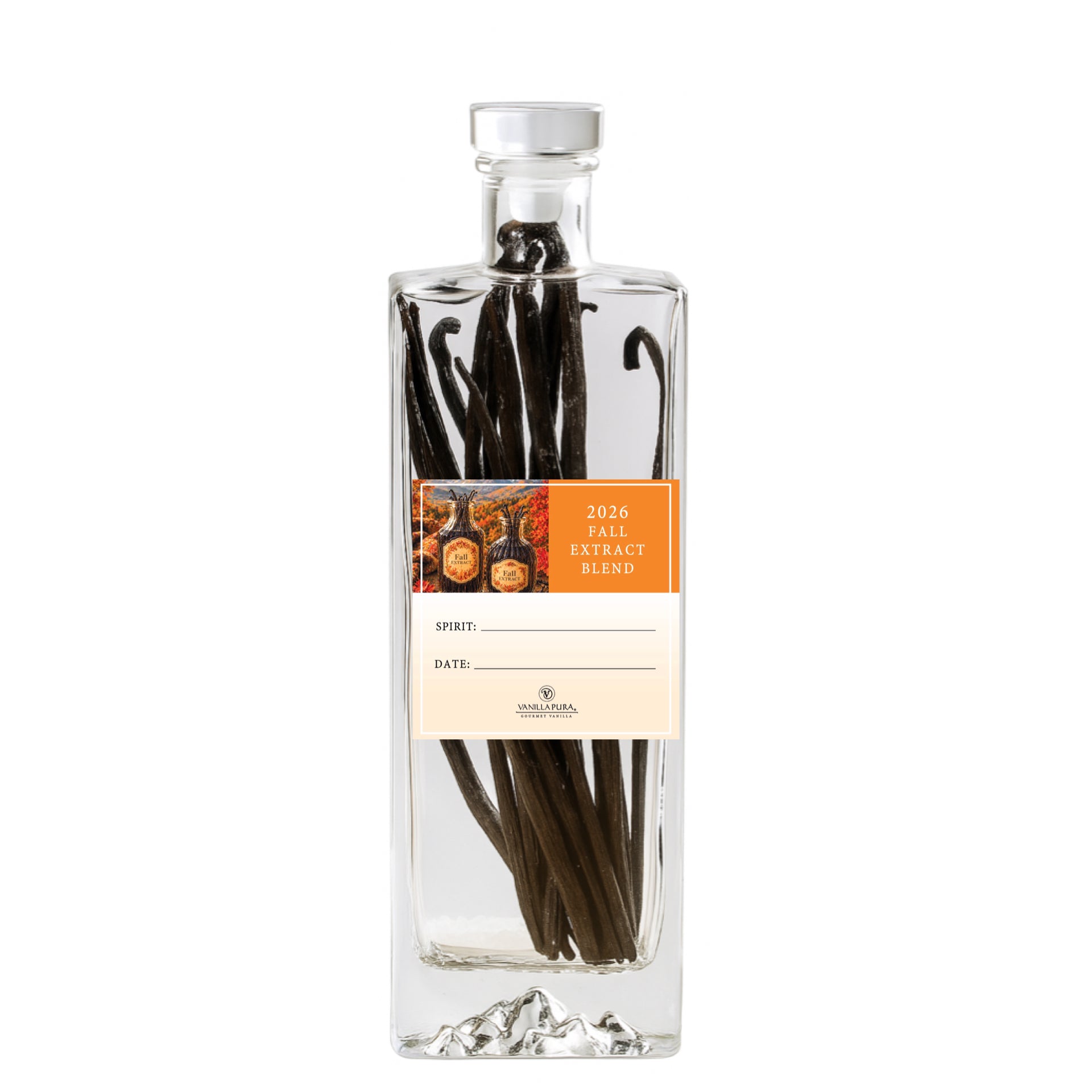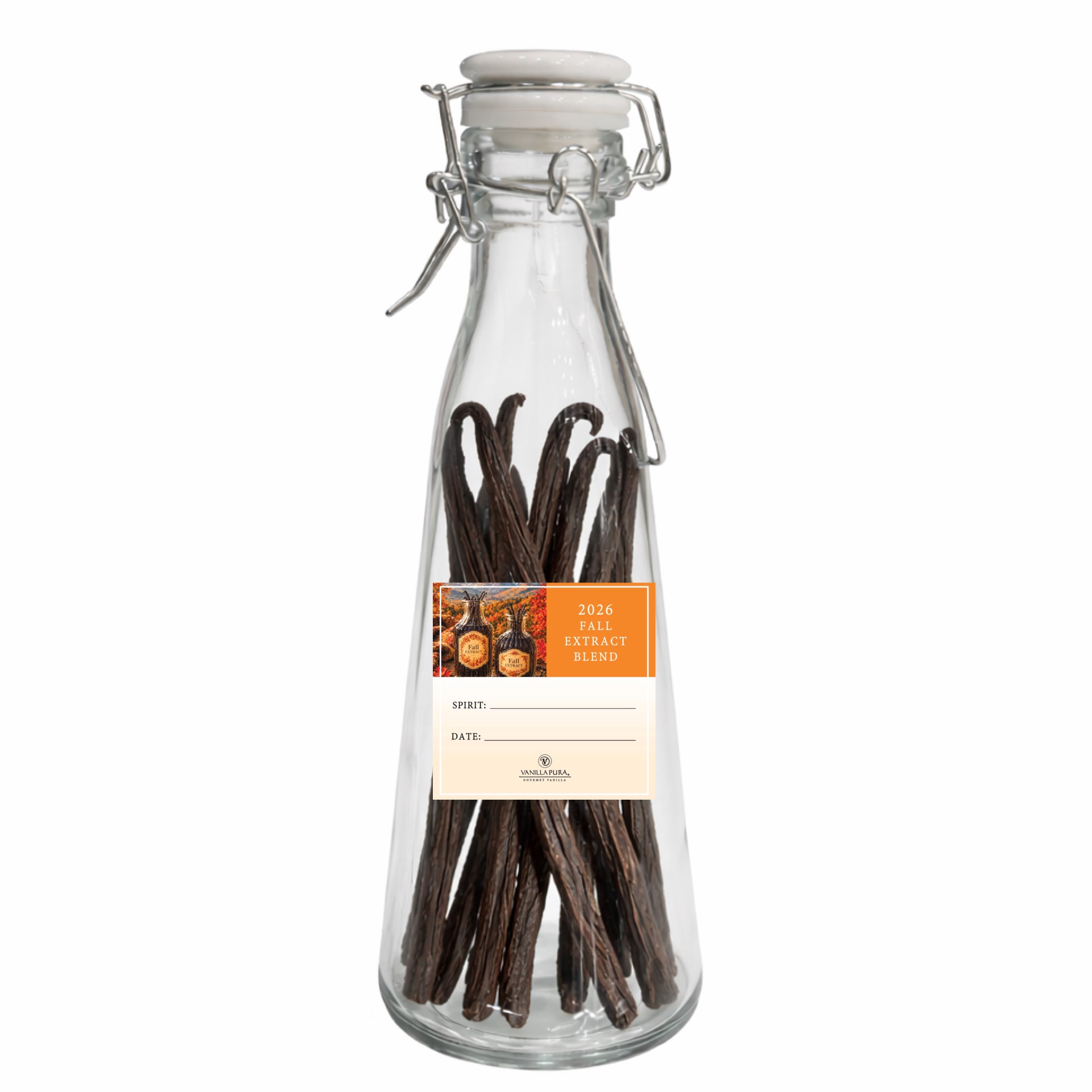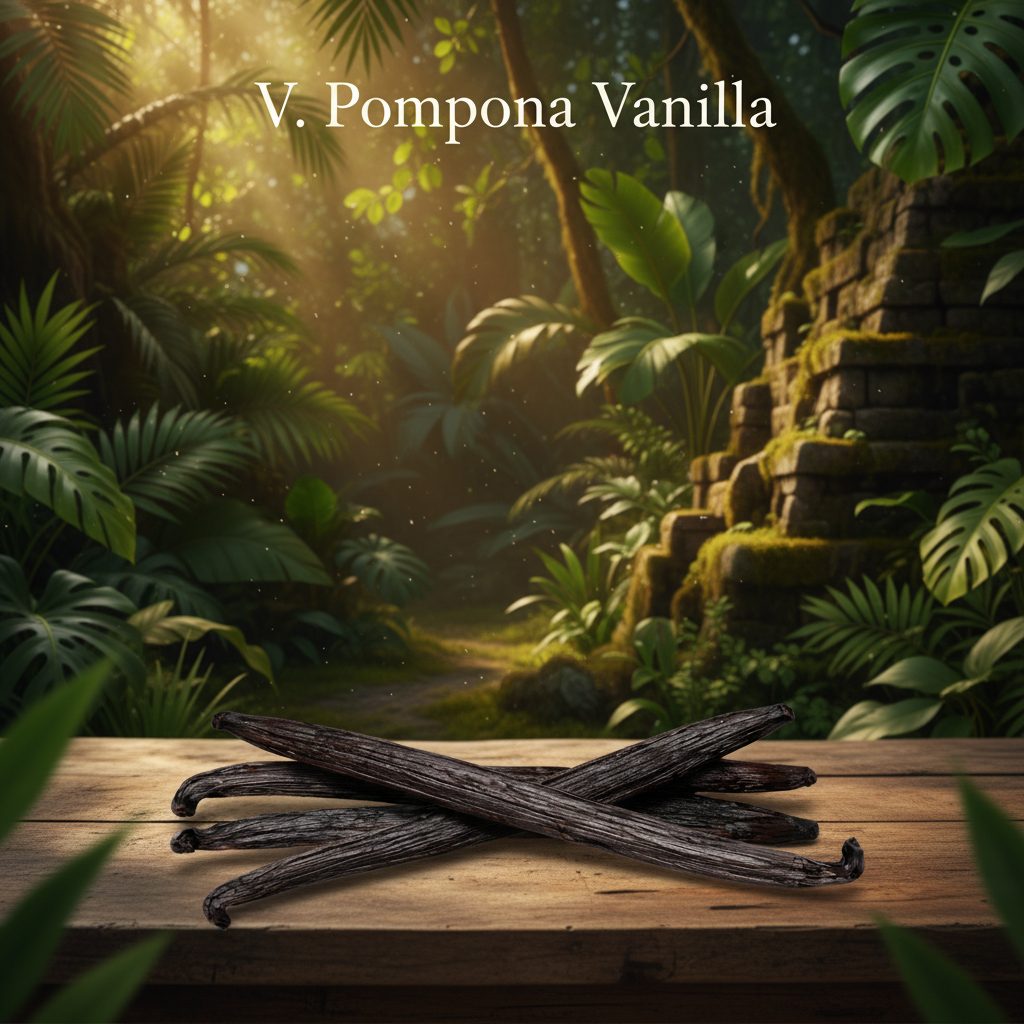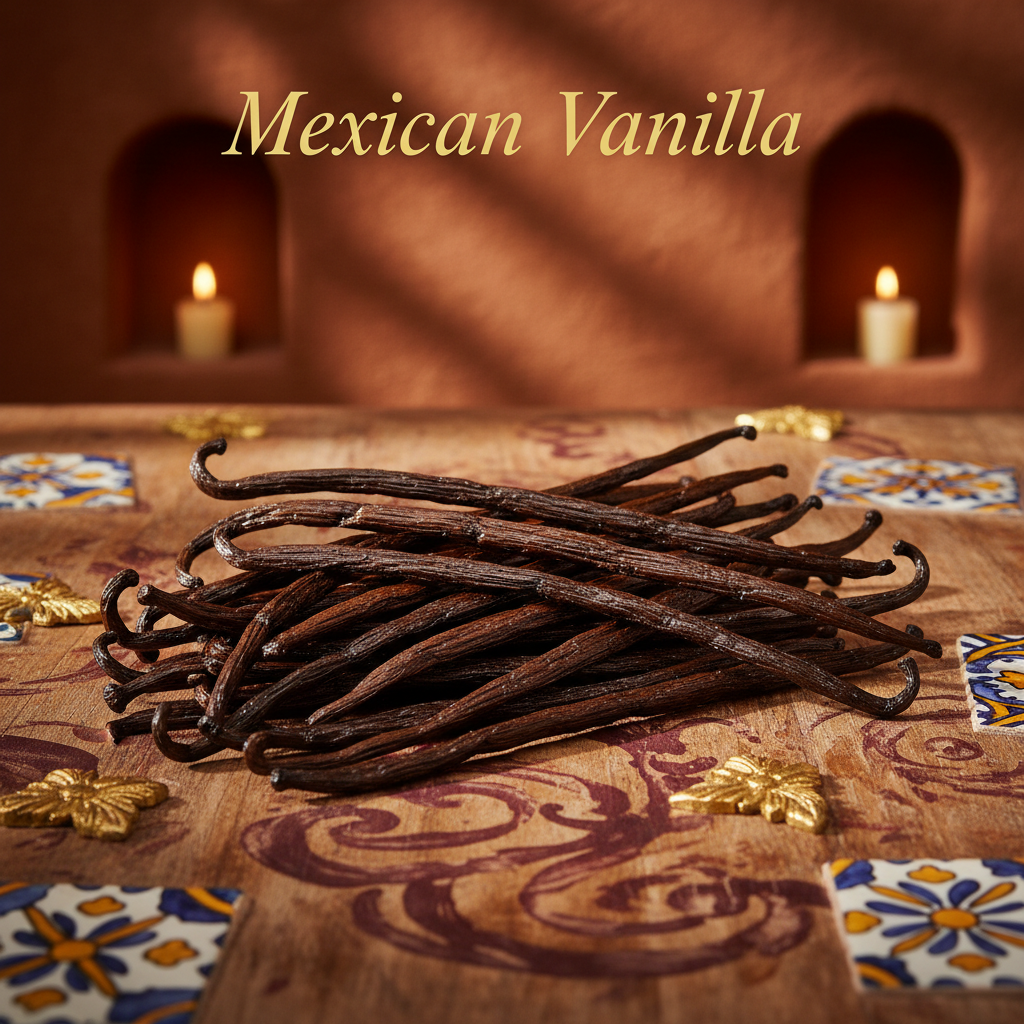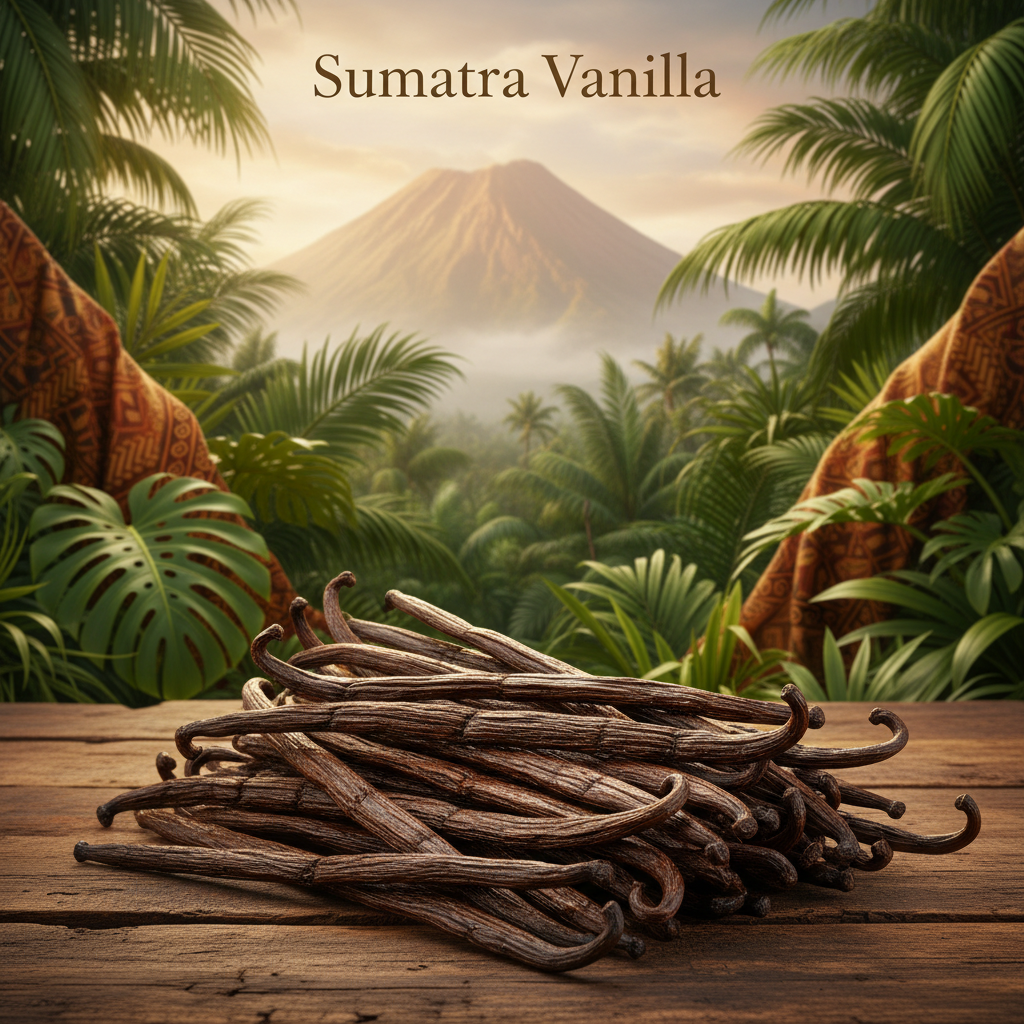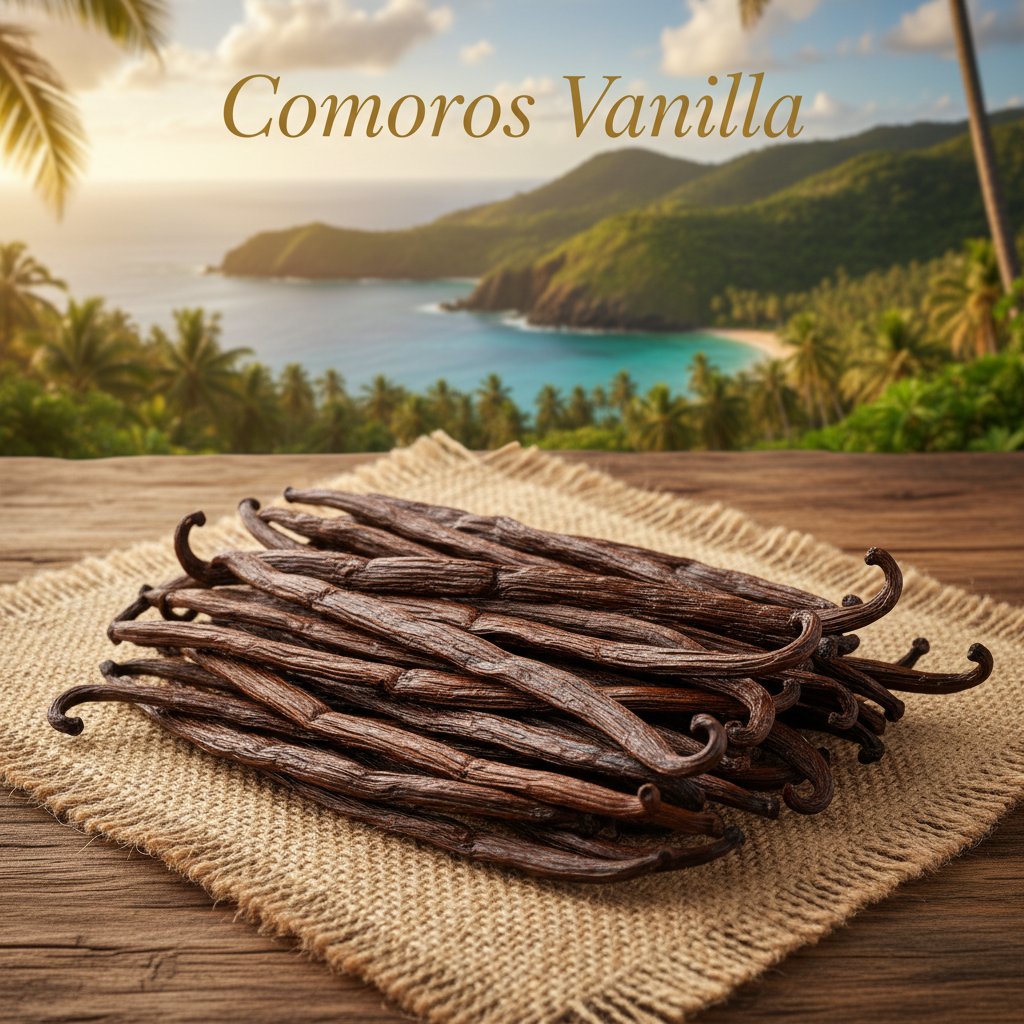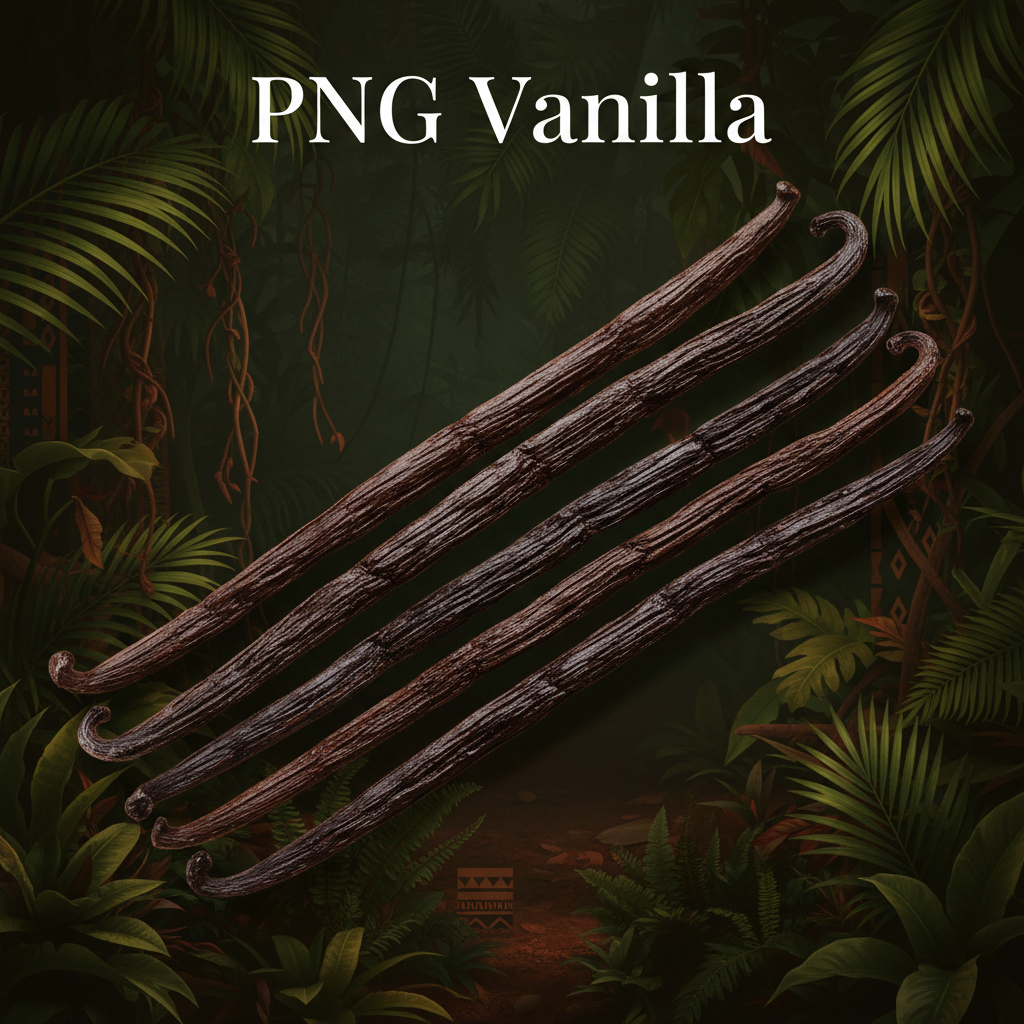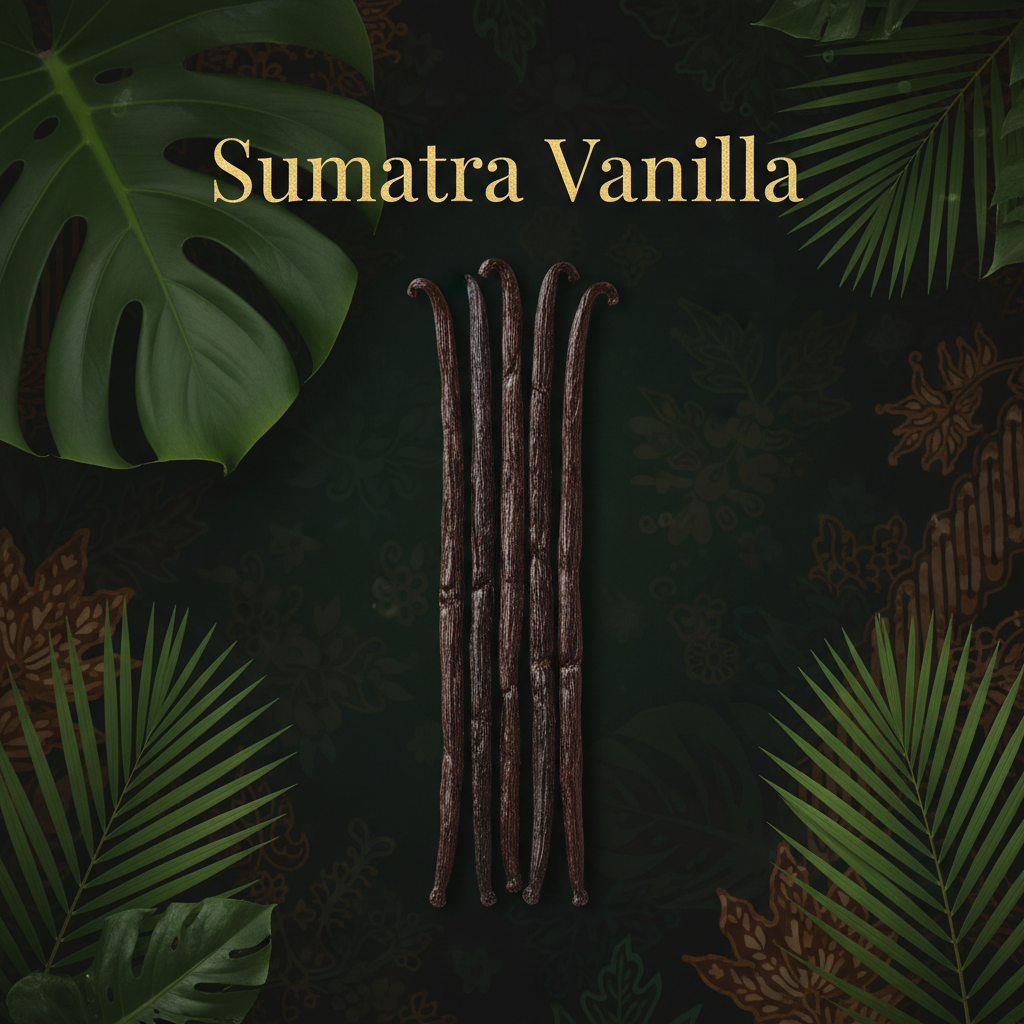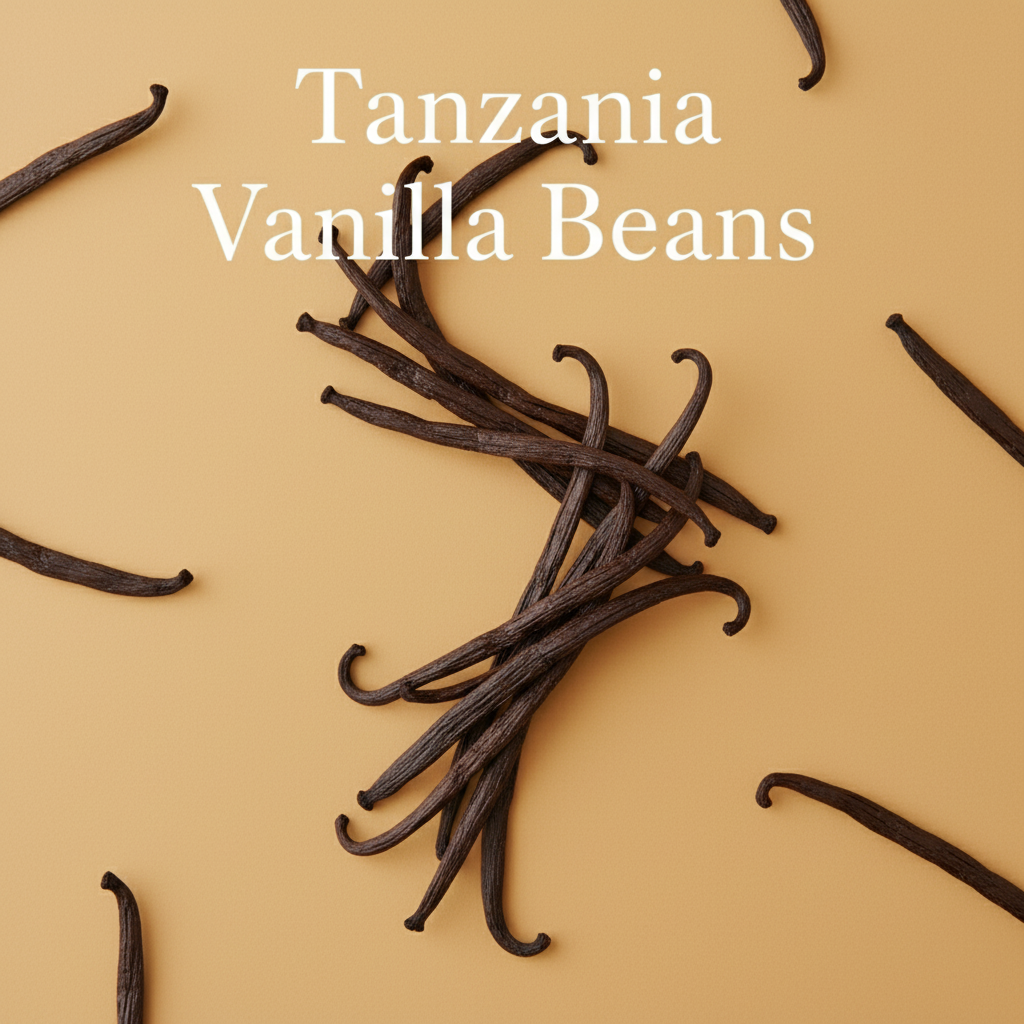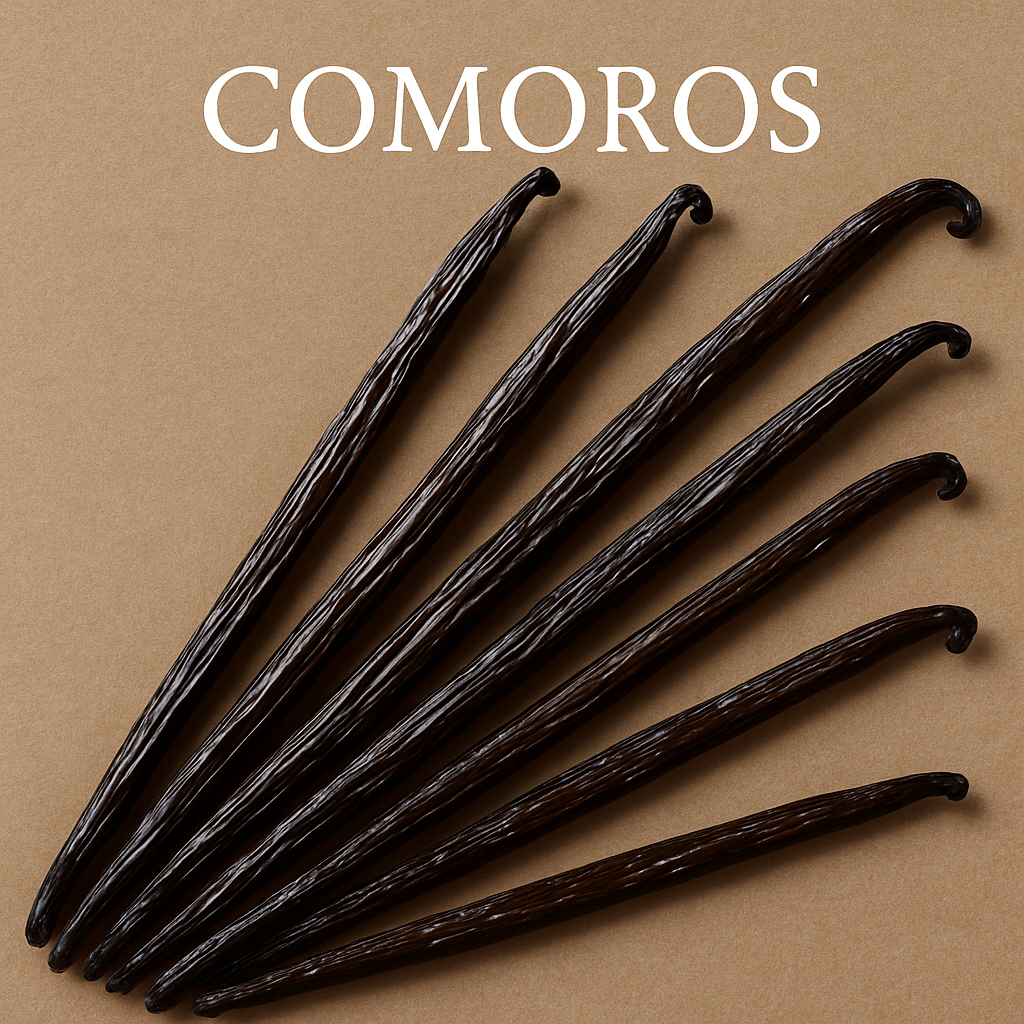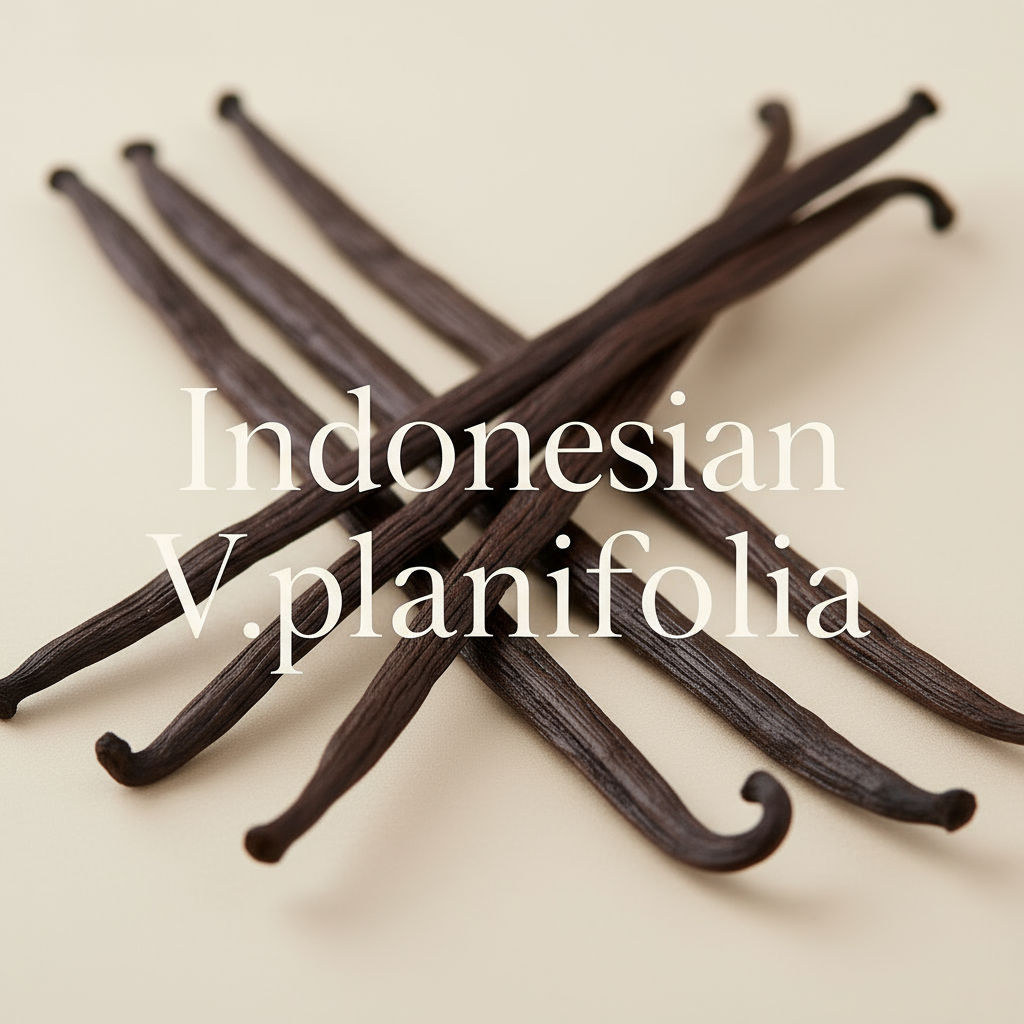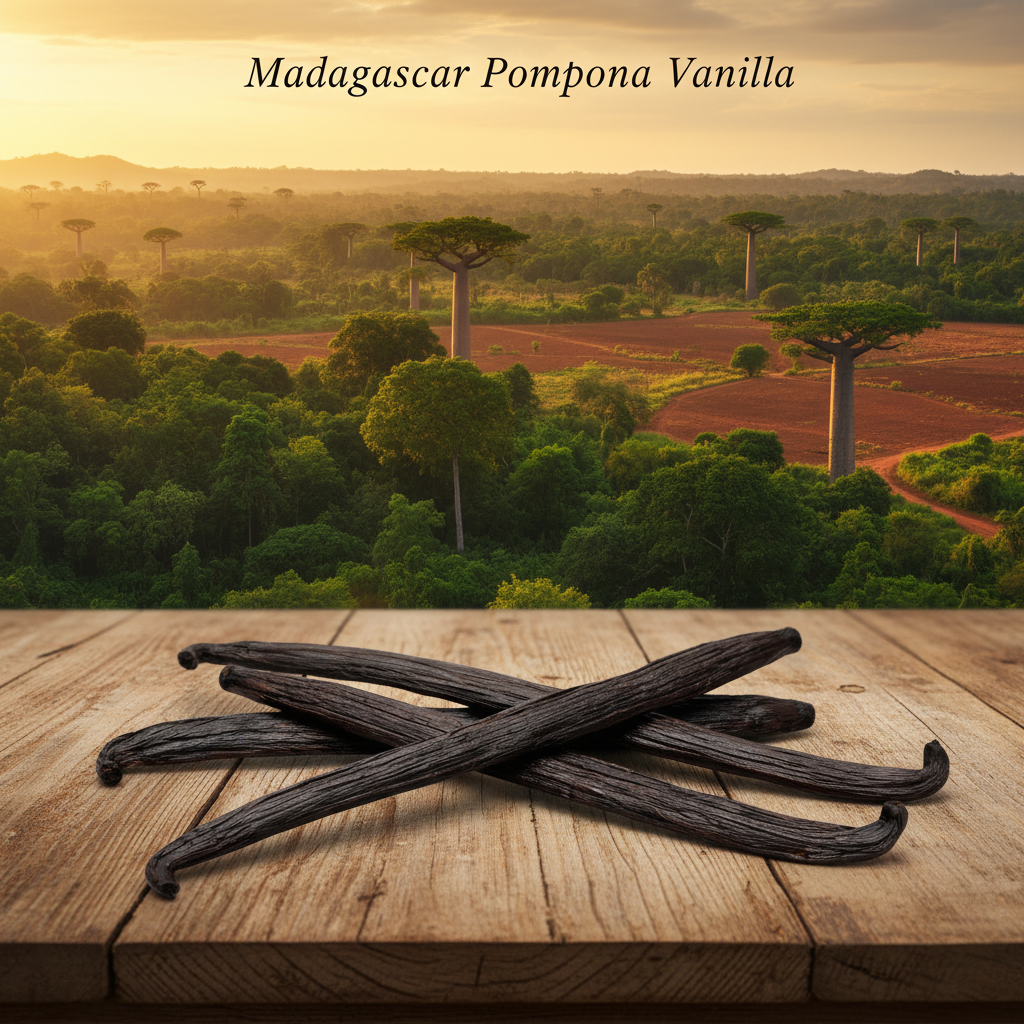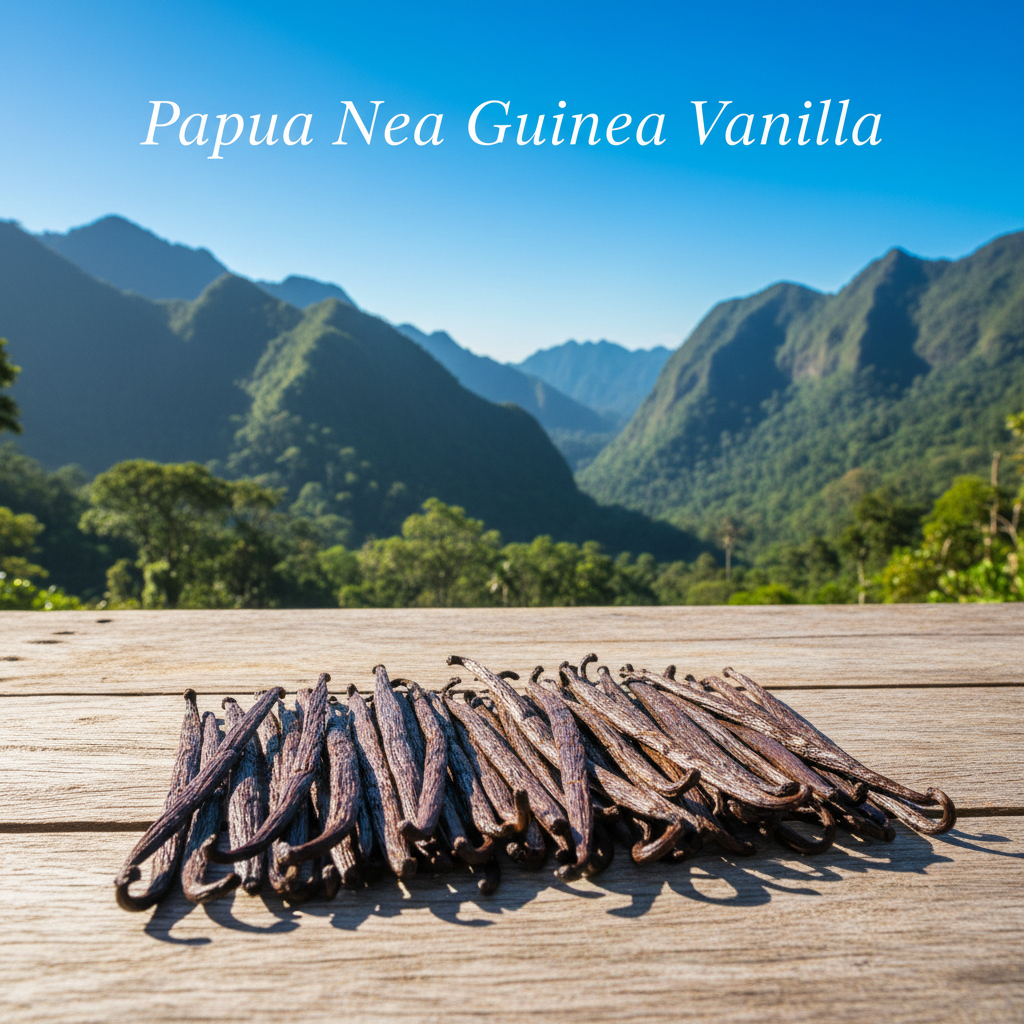

One of nature's most elegant defense mechanisms can be found on the surface of well-cured vanilla beans. The glossy, oily sheen that characterizes premium vanilla isn't just visually appealing—it's a sophisticated antimicrobial barrier that protects these precious pods and contributes to their remarkable shelf stability.
The Science of Vanilla's Natural Protection
During the curing process, vanilla beans undergo a remarkable transformation. As the beans are repeatedly sweated and sun-dried over several months, essential oils migrate to the surface, creating that characteristic glossy appearance. These oils contain a complex mixture of compounds, including vanillin, vanillic acid, and other phenolic compounds that possess natural antimicrobial properties.
Research has demonstrated that vanilla extract and vanilla bean oils exhibit antibacterial and antifungal activity against various microorganisms. This natural protection is one reason why properly cured vanilla beans can remain stable for years when stored correctly.
Key Antimicrobial Compounds in Vanilla
Vanillin
The primary flavor compound in vanilla, vanillin (4-hydroxy-3-methoxybenzaldehyde), has been shown to possess antimicrobial properties. Studies have found that vanillin can inhibit the growth of various bacteria and fungi, acting as a natural preservative. This phenolic aldehyde disrupts microbial cell membranes and interferes with cellular processes.
Vanillic Acid
A metabolite of vanillin, vanillic acid contributes additional antimicrobial activity. This phenolic acid has demonstrated effectiveness against both gram-positive and gram-negative bacteria, as well as certain fungal species.
Other Phenolic Compounds
Well-cured vanilla beans contain numerous other phenolic compounds, including p-hydroxybenzaldehyde, p-coumaric acid, and ferulic acid. Together, these compounds create a synergistic antimicrobial effect that protects the bean.
The Role of Proper Curing
The antimicrobial properties of vanilla beans are directly related to the quality of the curing process:
- Oil migration: Proper curing encourages essential oils to move to the bean's surface, creating a protective coating
- Compound development: The enzymatic and chemical reactions during curing maximize the concentration of antimicrobial compounds
- Moisture balance: Achieving the right moisture content (typically 25-35%) creates an environment where the oils can protect without the bean becoming too dry or too moist
- Surface conditioning: The repeated sweating process conditions the bean's exterior, allowing the protective oils to form an effective barrier
Why Oily Beans Are Superior
When you receive vanilla beans with a rich, oily surface, you're seeing evidence of:
- Excellent curing: The beans have been properly processed to develop and preserve their natural oils
- Natural preservation: The antimicrobial oils provide protection against spoilage
- Flavor concentration: High oil content correlates with robust flavor profiles
- Longevity: Well-oiled beans maintain quality longer than dry beans
Practical Implications for Storage and Use
Understanding the antimicrobial nature of vanilla bean oils helps explain several best practices:
Why Vanilla Beans Are Remarkably Stable
Unlike many fresh ingredients, properly cured vanilla beans can last for years. The combination of antimicrobial oils, low water activity, and high sugar content creates an inhospitable environment for most microorganisms.
The Importance of Not Over-Drying
Beans that are too dry lose their protective oil coating, making them more vulnerable to degradation. The oils need to remain on the surface to provide ongoing protection.
Why Airtight Storage Matters
While the oils provide antimicrobial protection, storing beans in airtight containers prevents the oils from evaporating and maintains the protective barrier. It also prevents the beans from drying out or absorbing unwanted moisture.
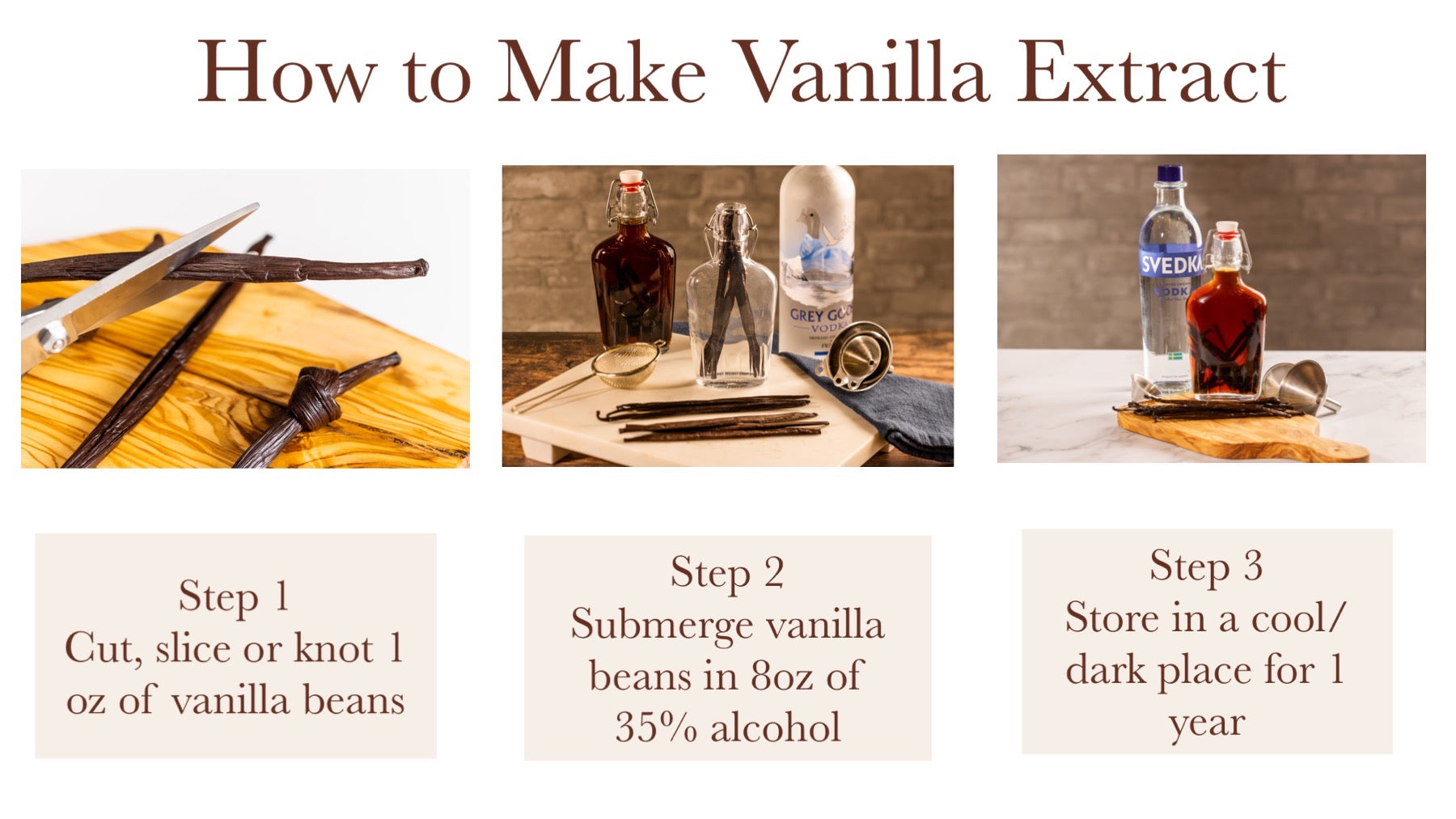
Antimicrobial Benefits in Extract Making
For extract makers, the antimicrobial properties of vanilla beans offer additional advantages:
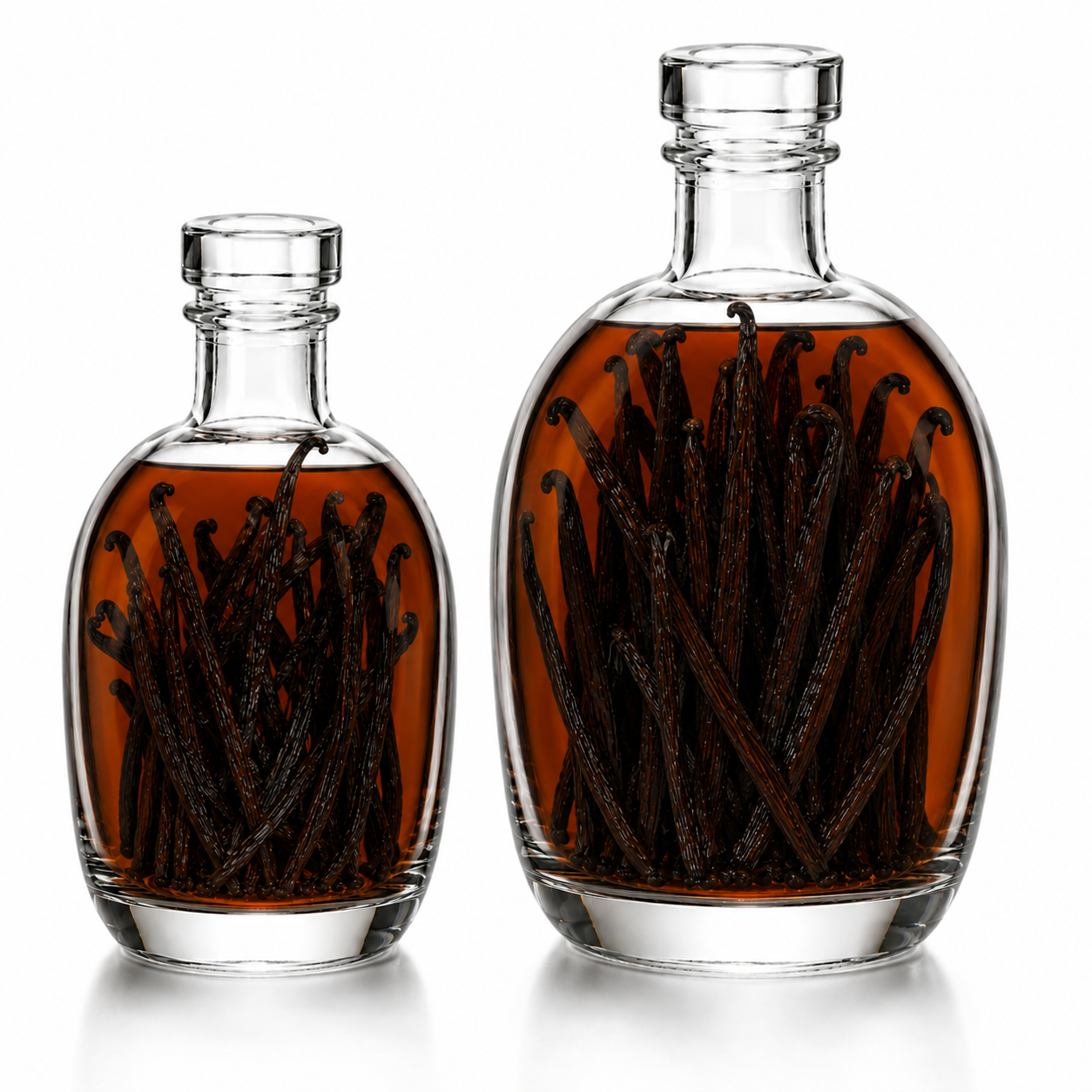
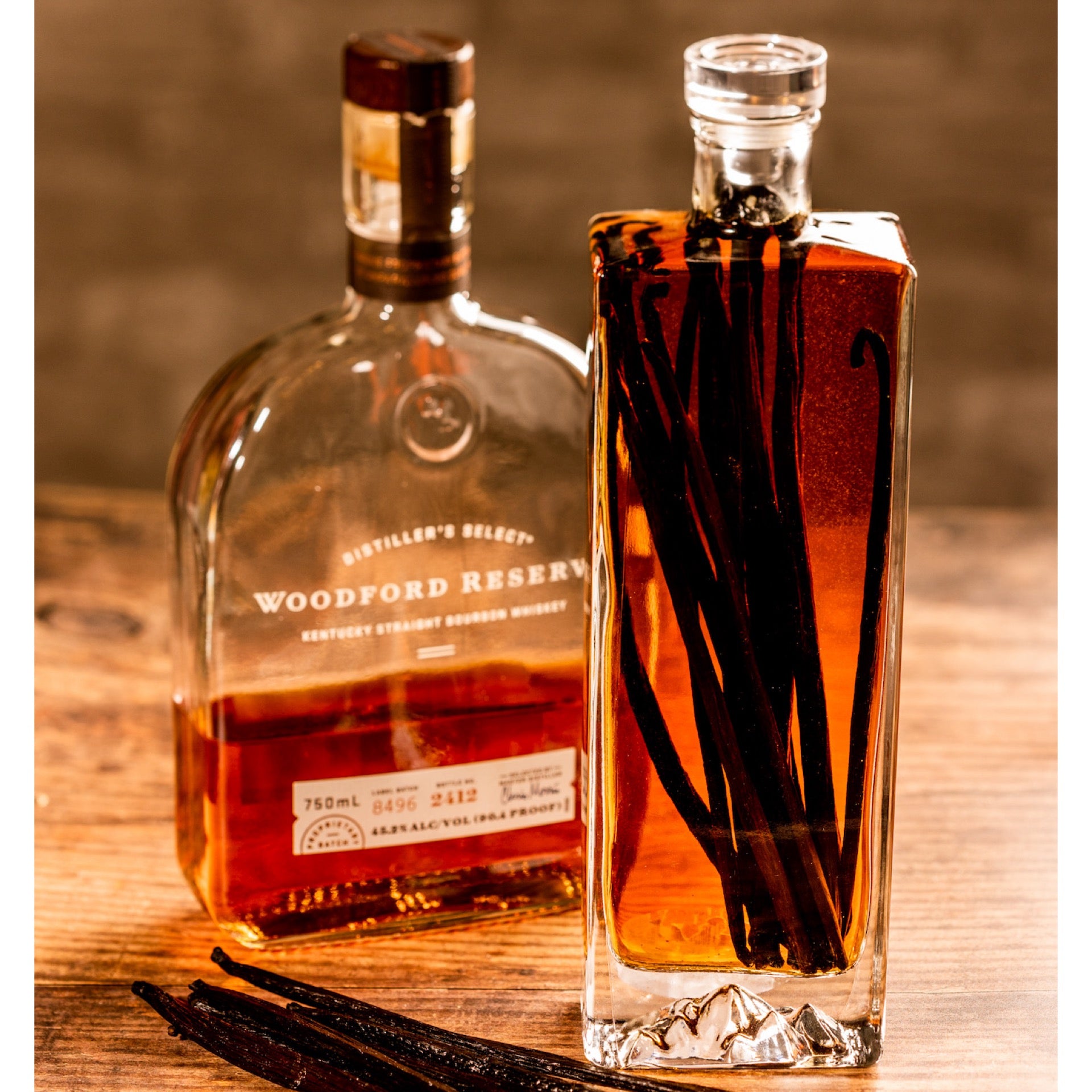
- Natural preservation: The antimicrobial compounds transfer into the alcohol, contributing to the extract's stability
- Quality protection: The oils help protect the extract from contamination during the extraction process
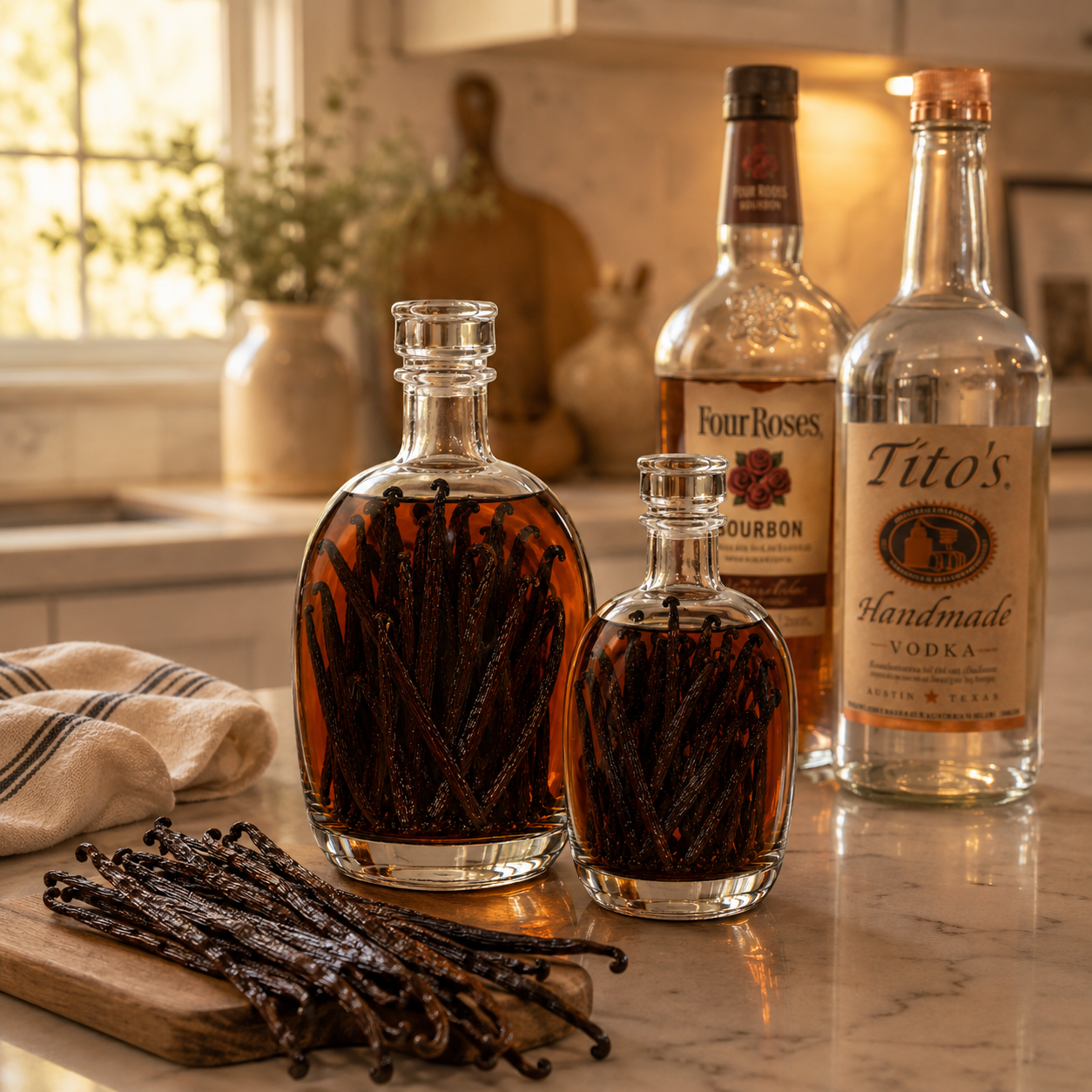
- Extended shelf life: Combined with alcohol's preservative properties, vanilla's antimicrobial compounds ensure extracts remain stable indefinitely
Research and Evidence
Scientific studies have documented vanilla's antimicrobial properties:
- Research published in the Journal of Food Science demonstrated vanillin's effectiveness against foodborne pathogens
- Studies have shown vanilla extract inhibits the growth of Listeria monocytogenes, Escherichia coli, and Staphylococcus aureus
- Antifungal activity has been documented against various mold and yeast species
- The antimicrobial effect is dose-dependent, with higher concentrations showing greater efficacy
Recognizing Quality Through Oil Content
When evaluating vanilla beans, the presence of surface oils is a key quality indicator:
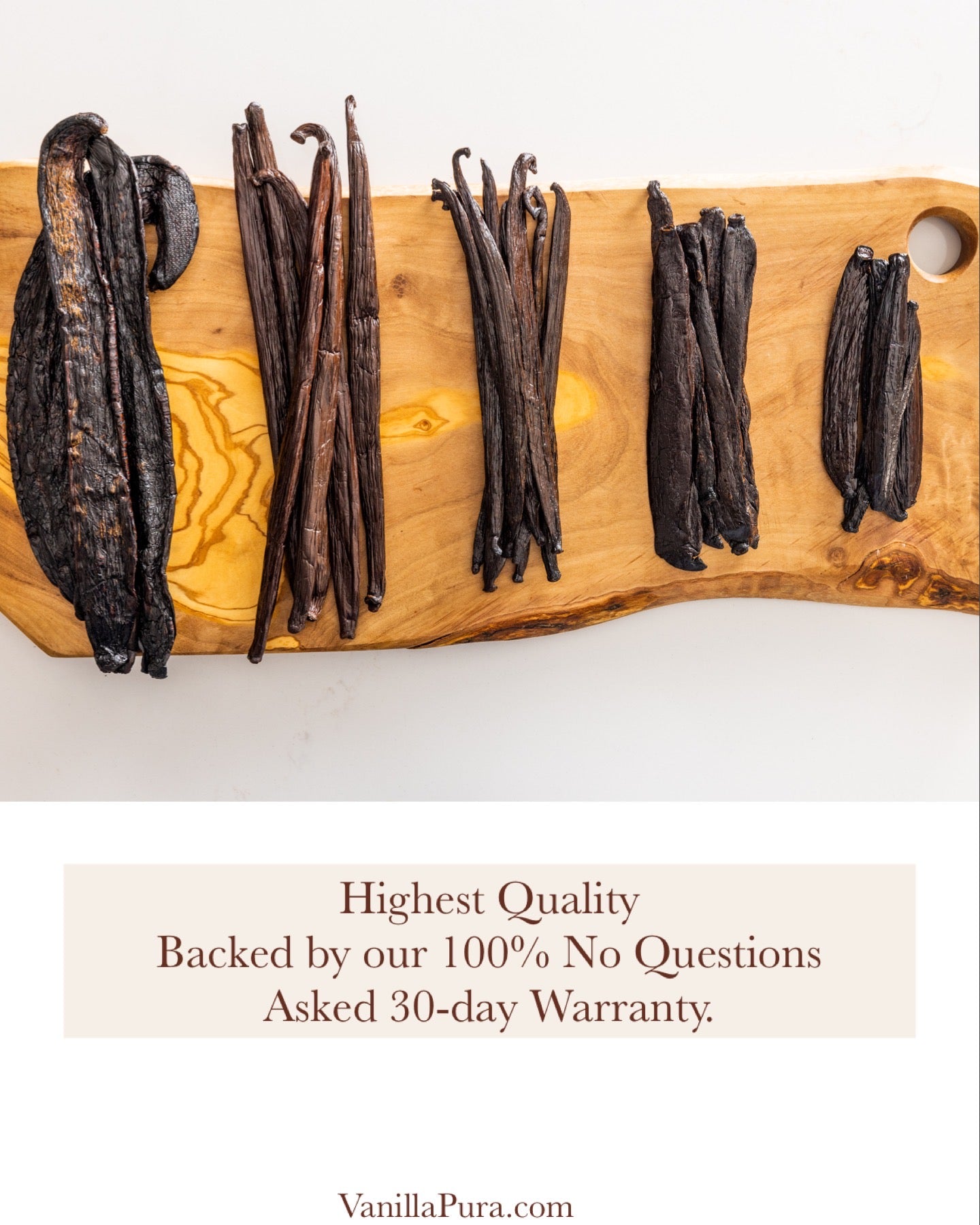
- Visual assessment: Look for a glossy, slightly oily sheen
- Tactile evaluation: Quality beans should feel supple and slightly oily to the touch
- Aroma intensity: Oily beans typically have more pronounced, complex aromas
- Flexibility: The oils help maintain pliability, allowing beans to bend without breaking
The Bottom Line
The antimicrobial oils on well-cured vanilla beans represent one of nature's most elegant preservation systems. These compounds not only protect the beans from spoilage but also contribute to their complex flavor profile and remarkable longevity. When you choose vanilla beans with a rich, oily surface, you're selecting beans that carry their own natural protection—a testament to expert curing and superior quality.
This natural antimicrobial shield is yet another reason why vanilla beans, when properly cured and stored, remain one of the most stable and enduring ingredients in your pantry. It's nature's way of preserving perfection.