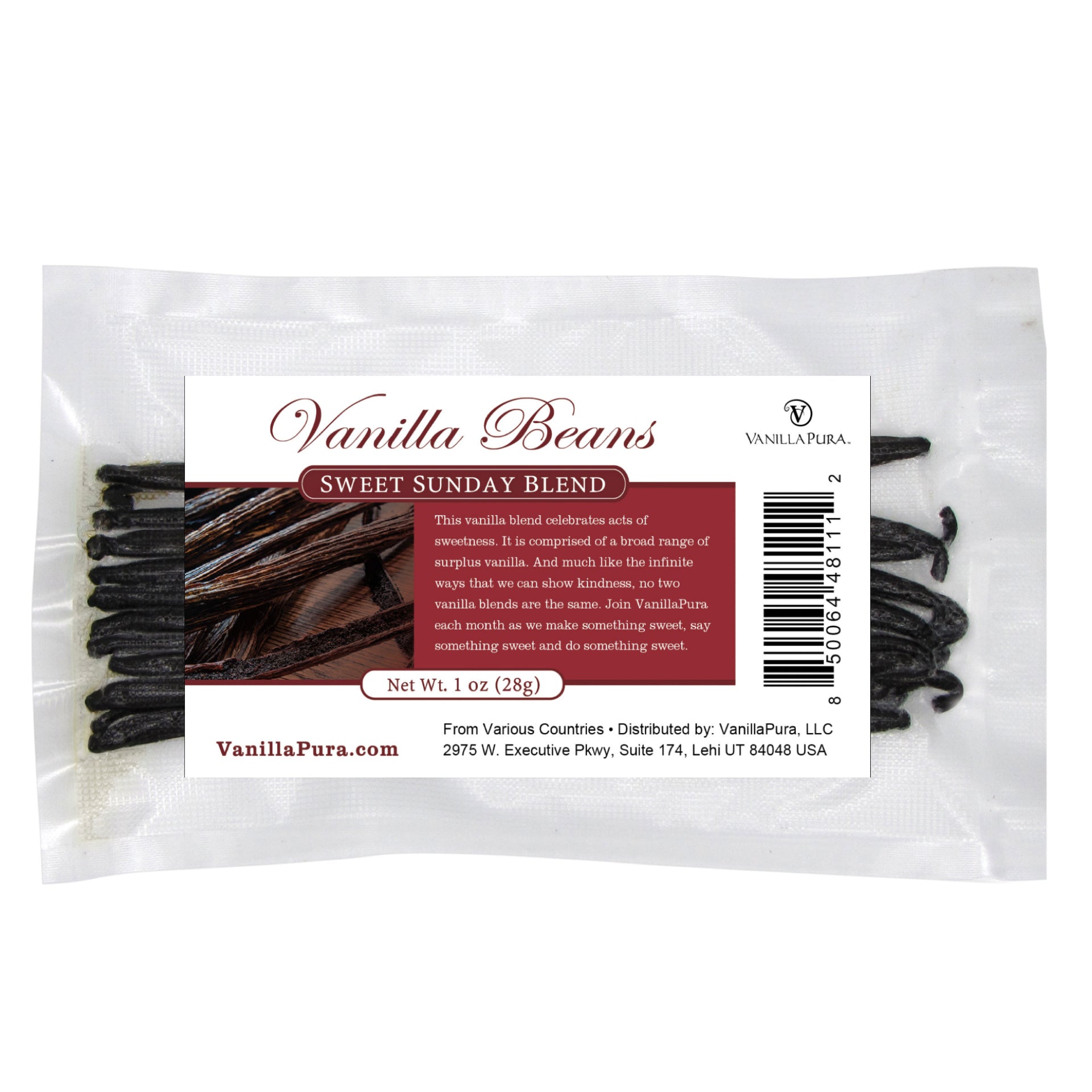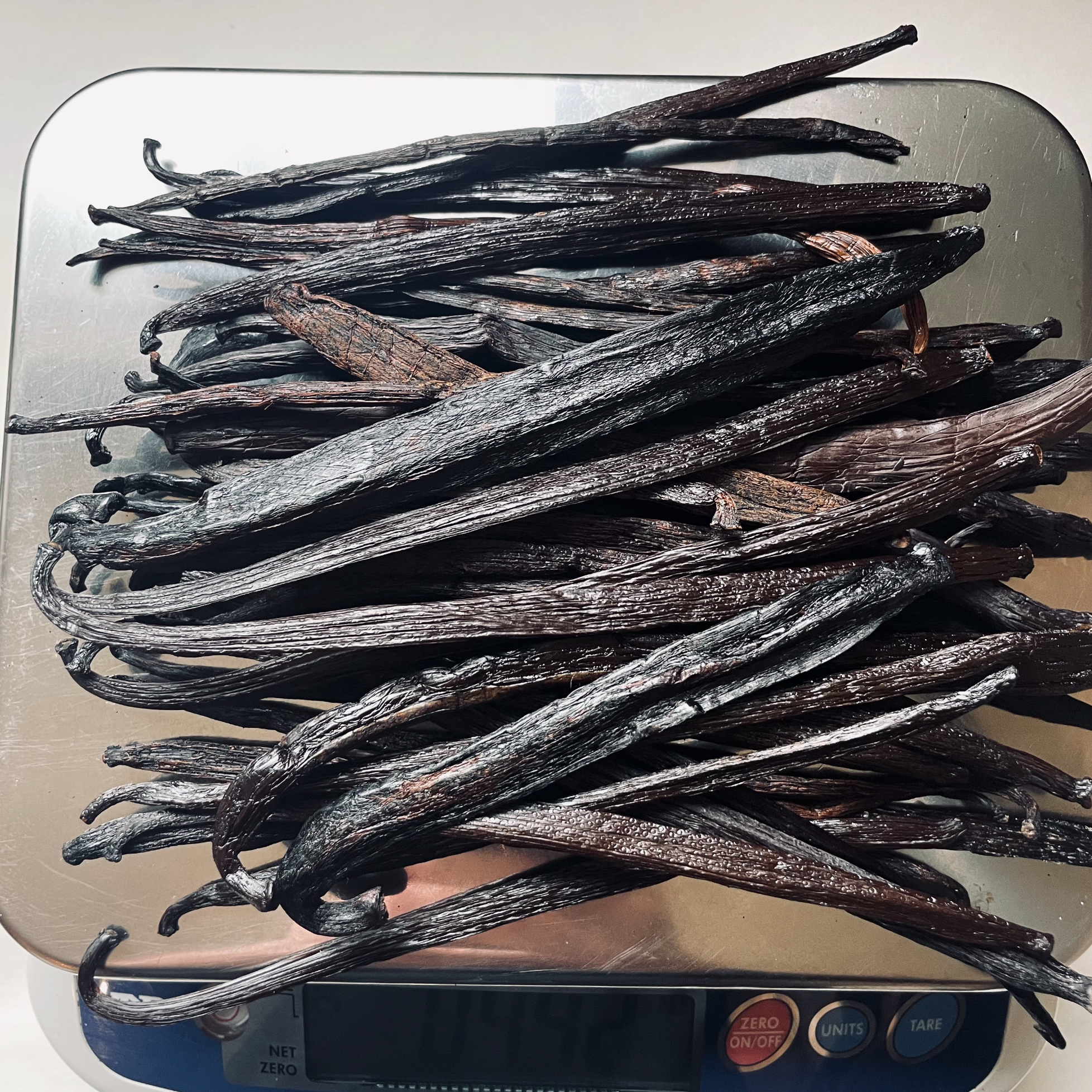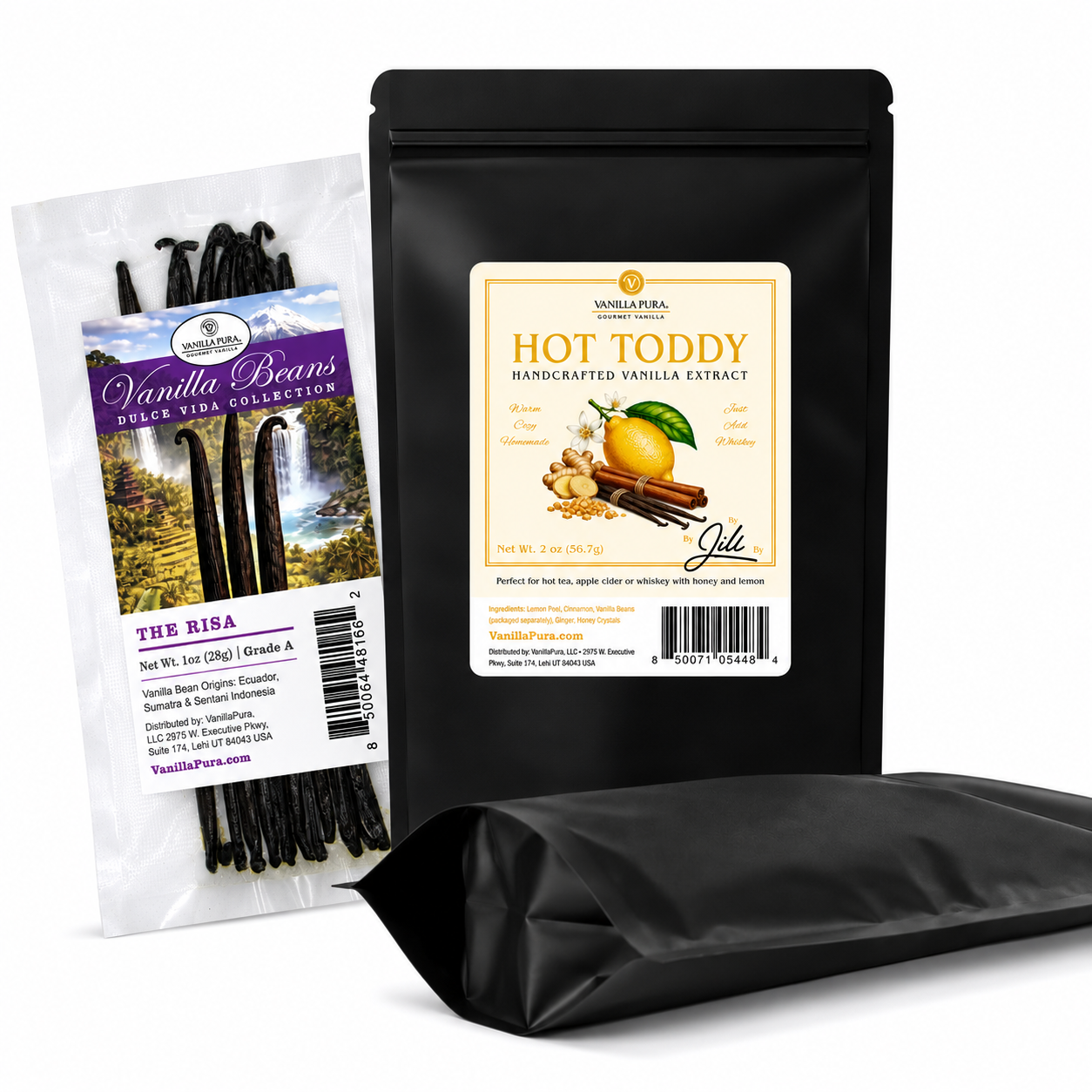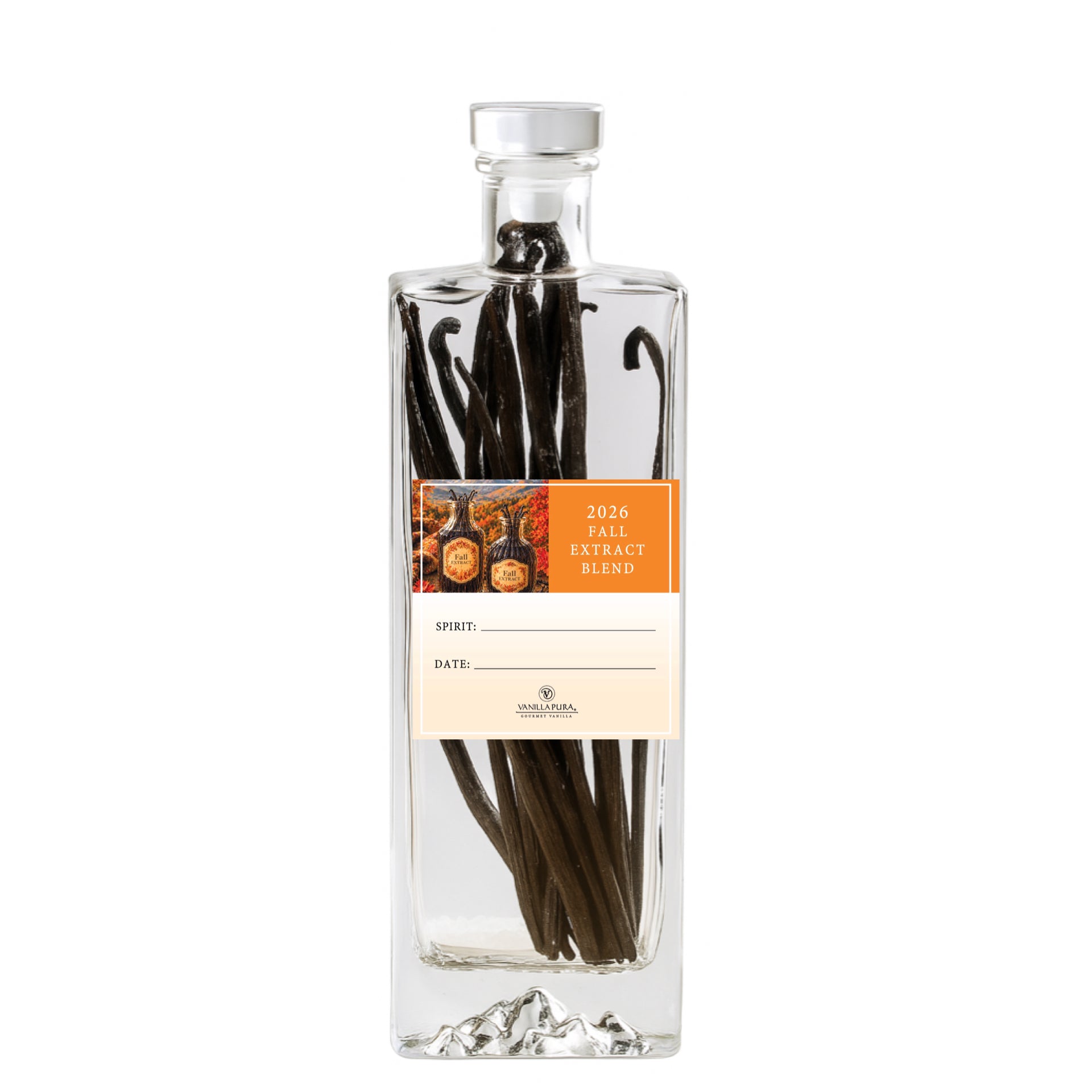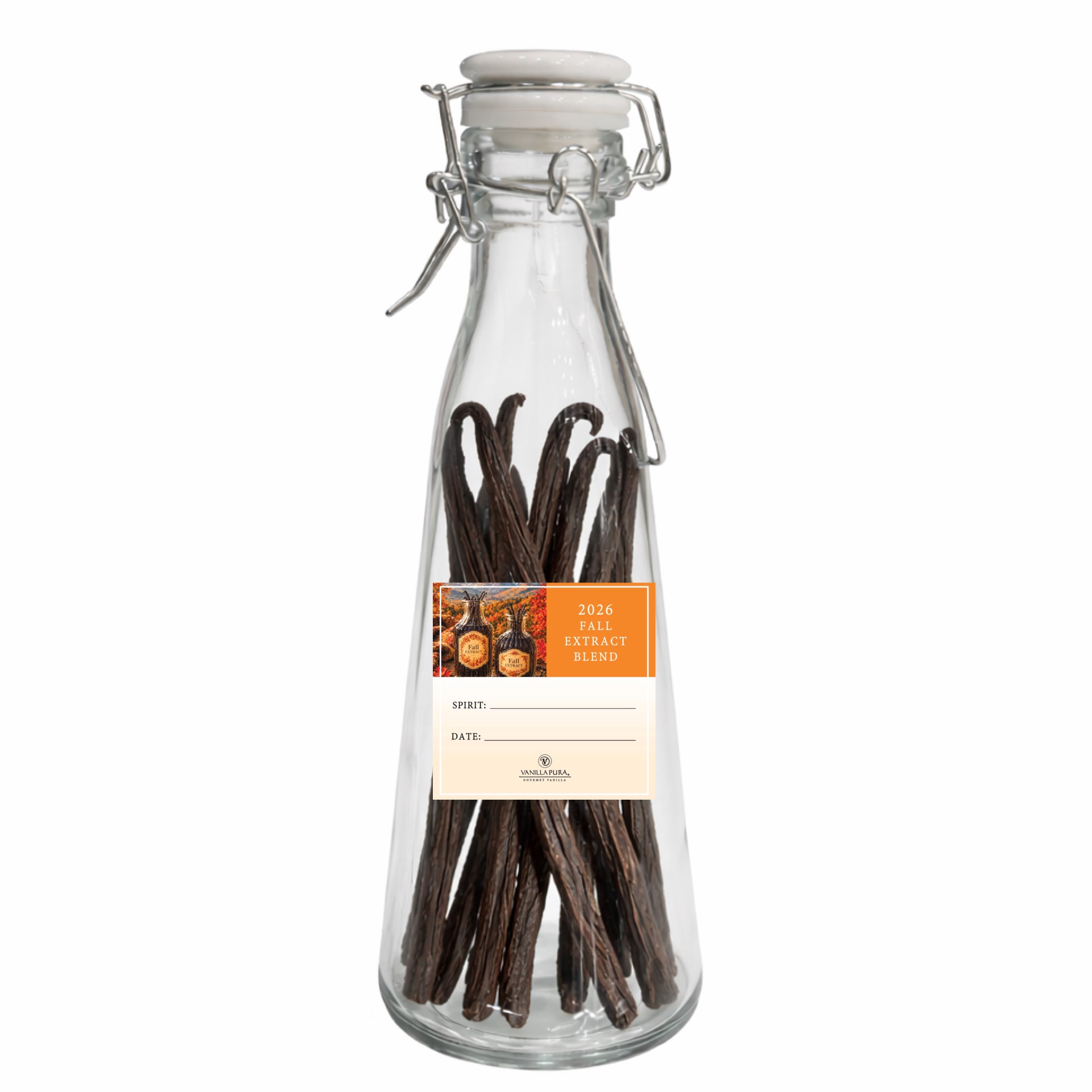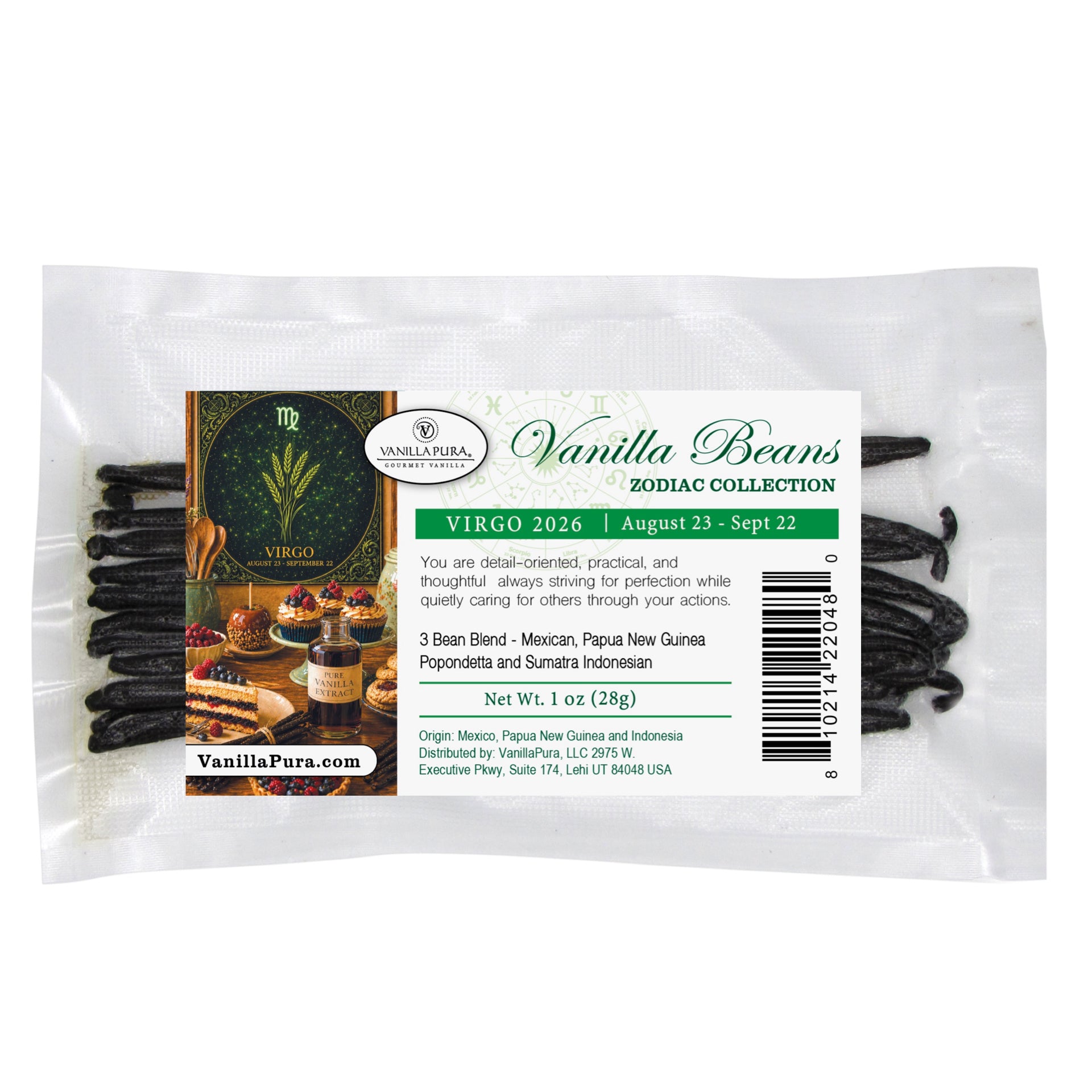

If you've ever noticed that your vanilla beans seem slightly lighter than the labeled weight after removing them from their pouch, you're not imagining things. There's a perfectly good explanation—and even better, there's a delicious way to capture every bit of that "missing" weight and turn it into something wonderful.
Understanding Vanilla Bean Oil Weight
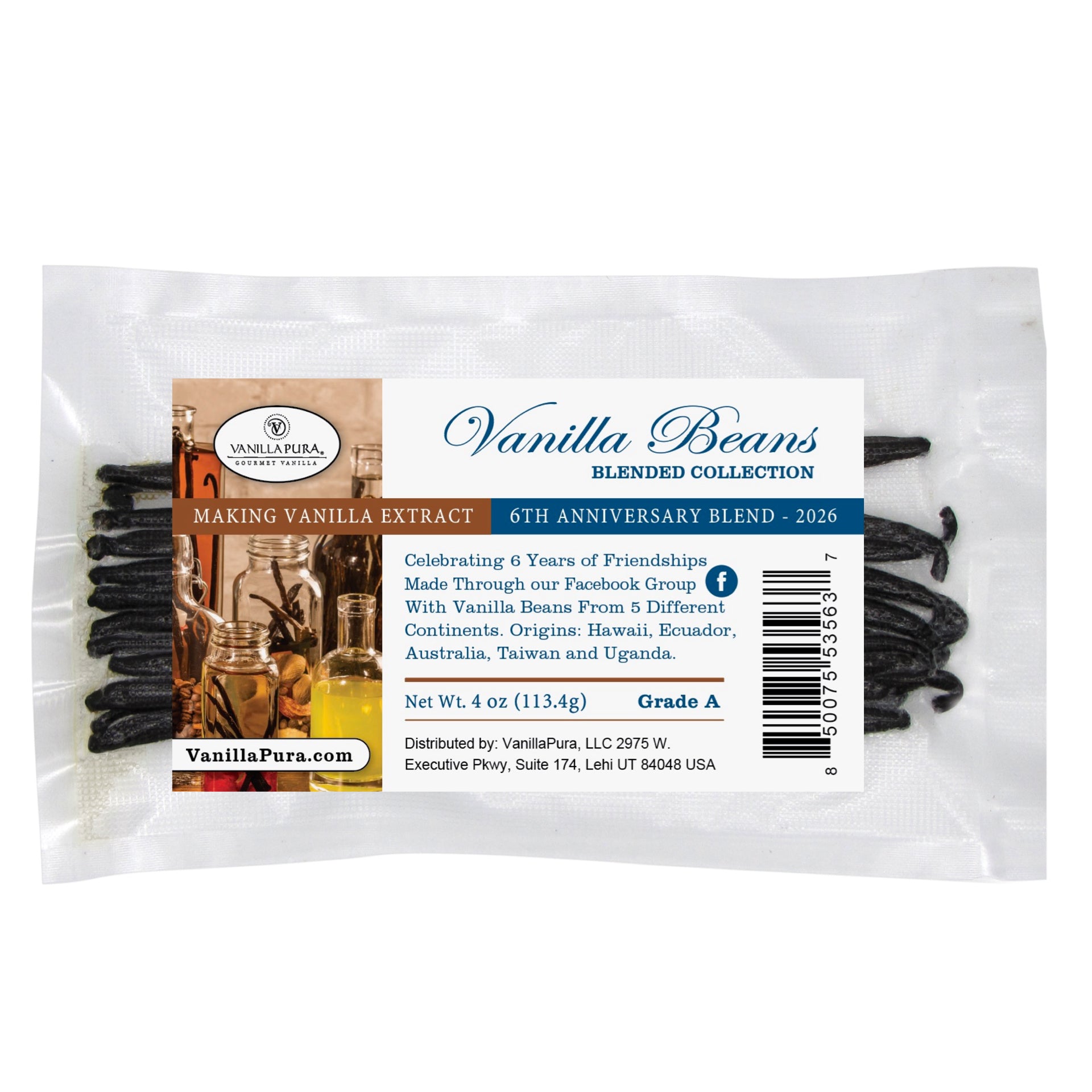
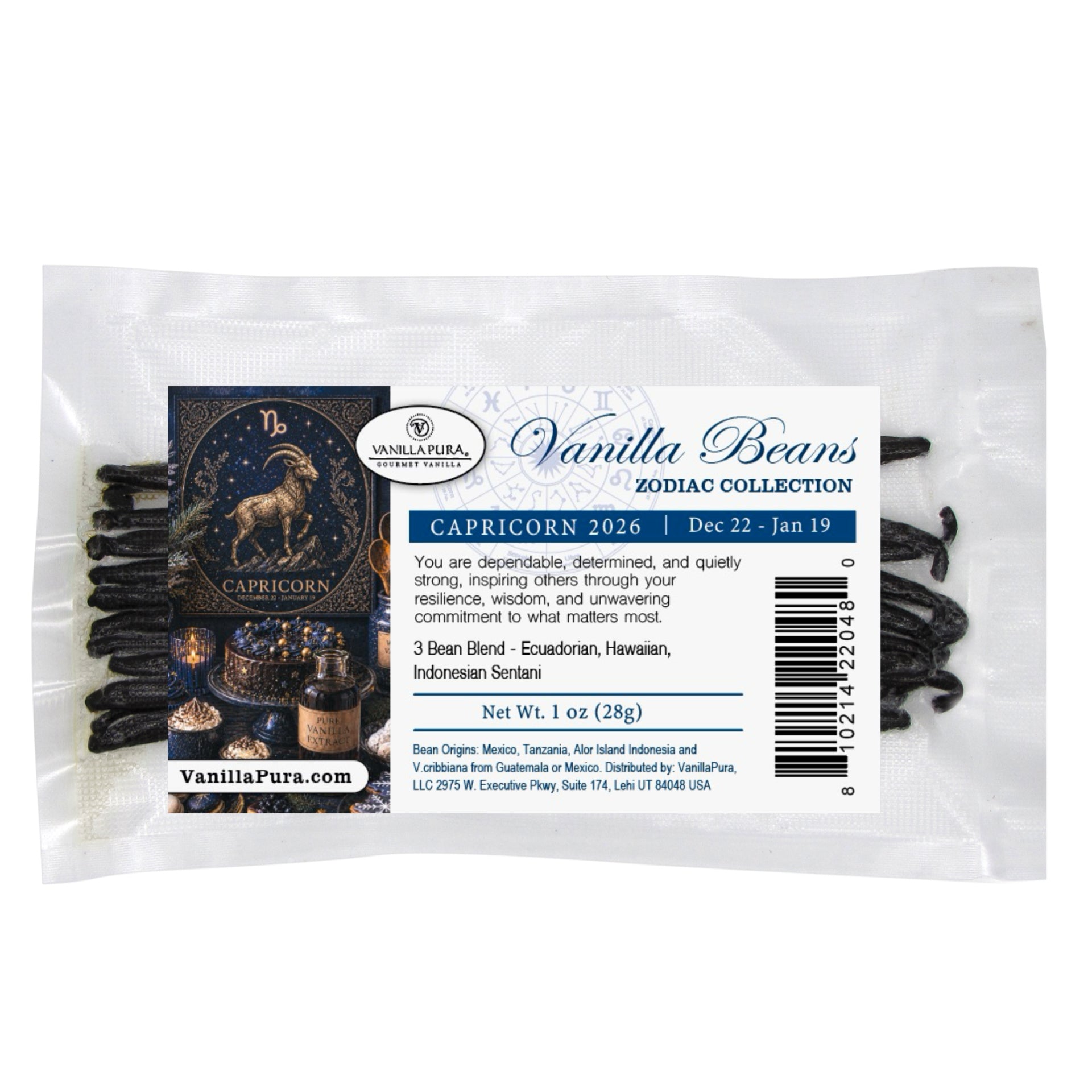
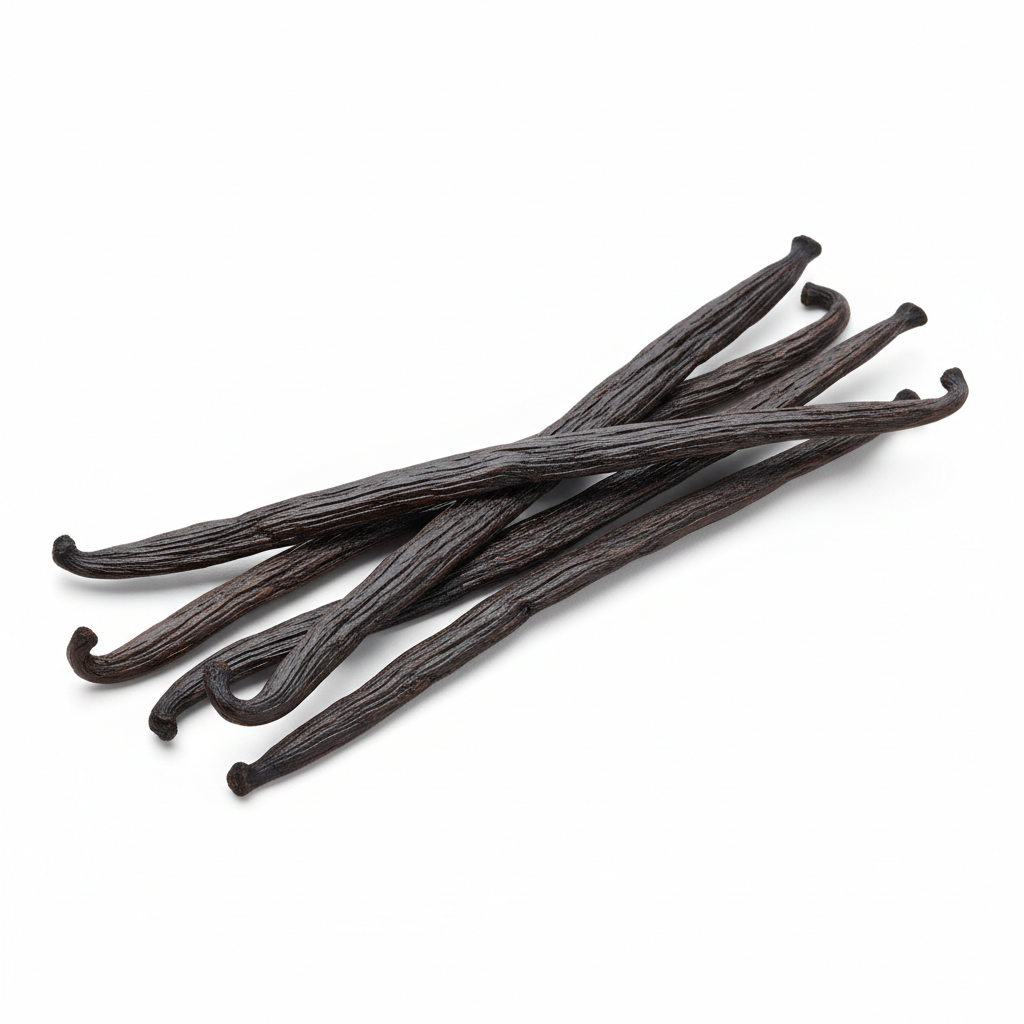
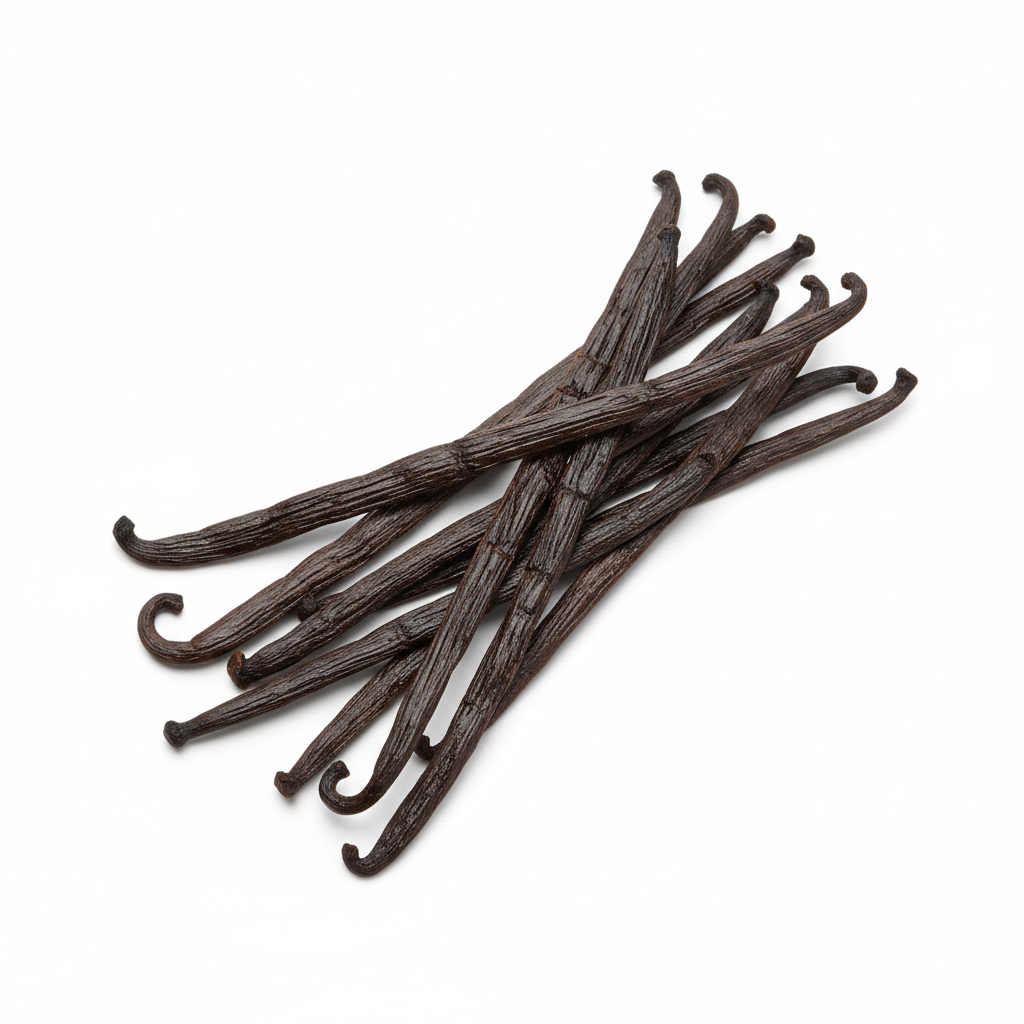
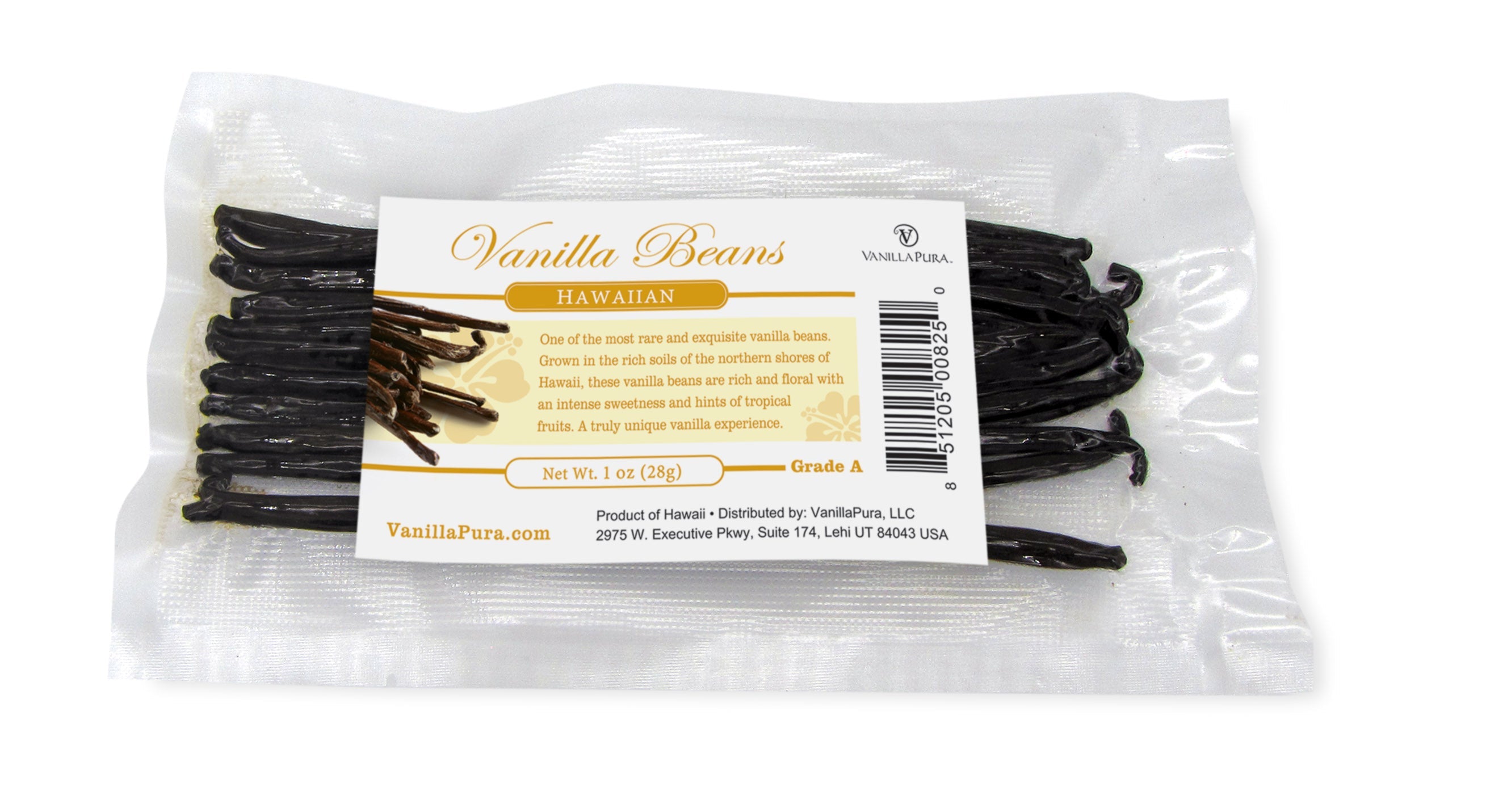
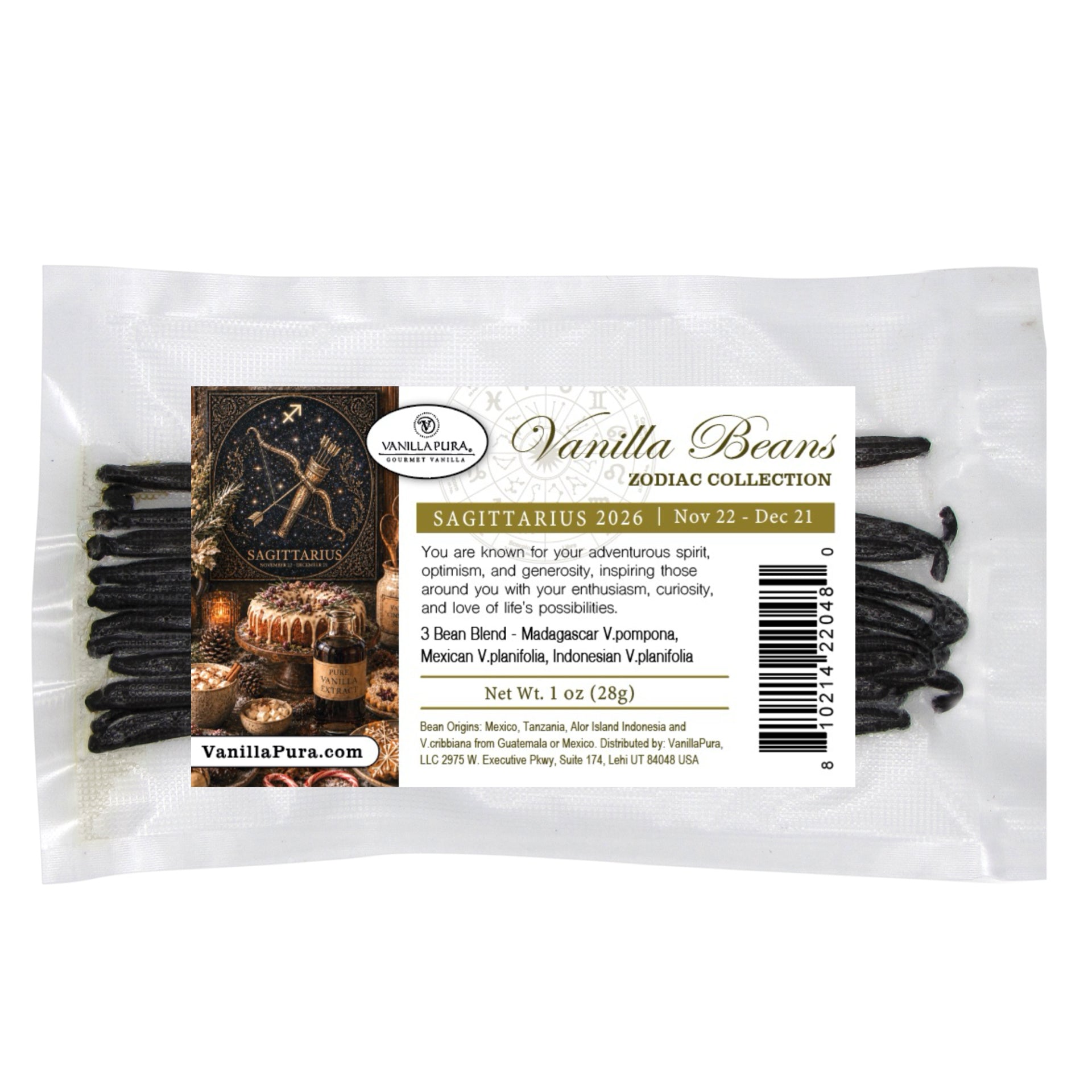
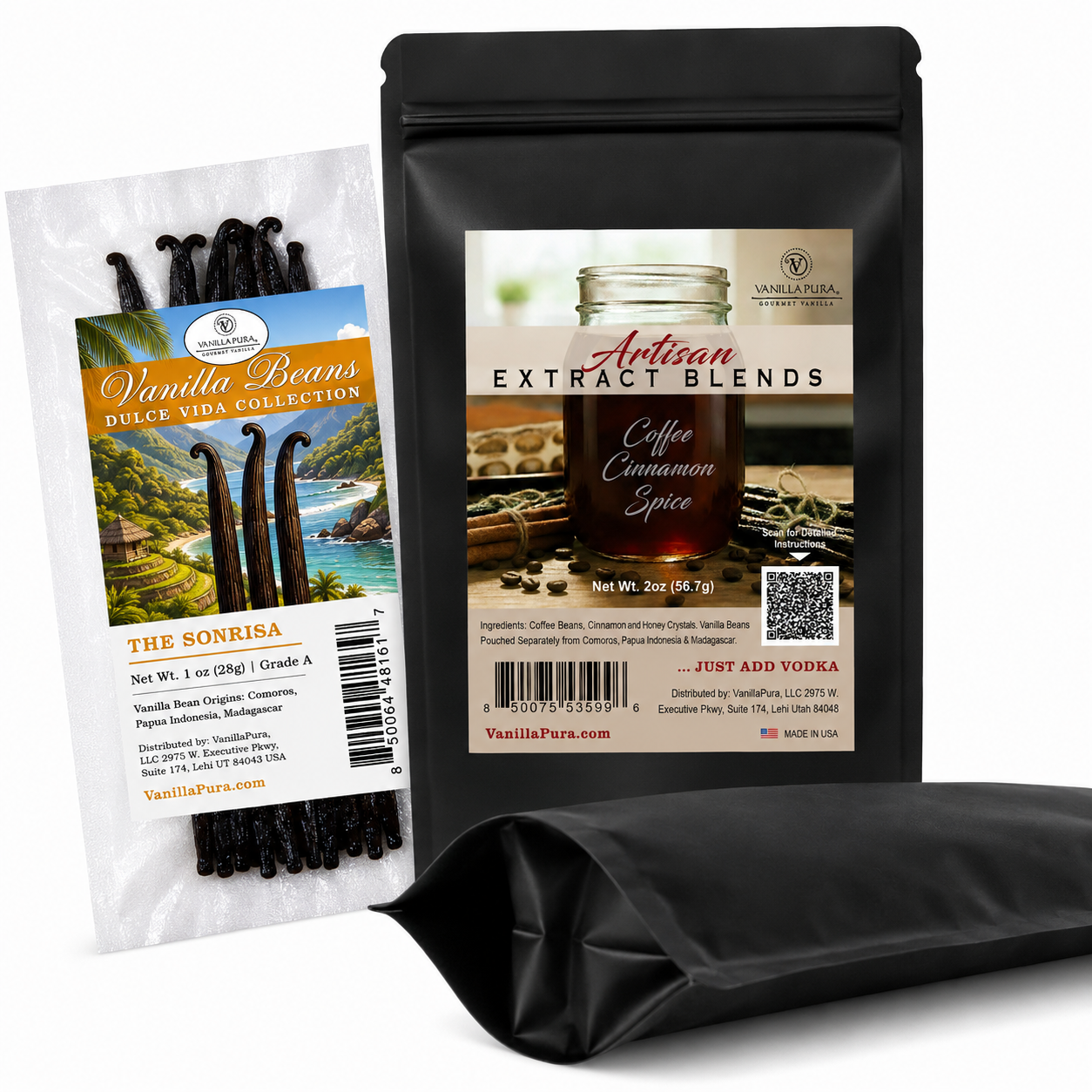
When premium vanilla beans are weighed and pouched, the total weight includes both the beans themselves and the natural oils coating their surface. These oils are part of what makes well-cured vanilla beans so valuable—they contain concentrated flavor compounds and contribute to the beans' overall quality and preservation.
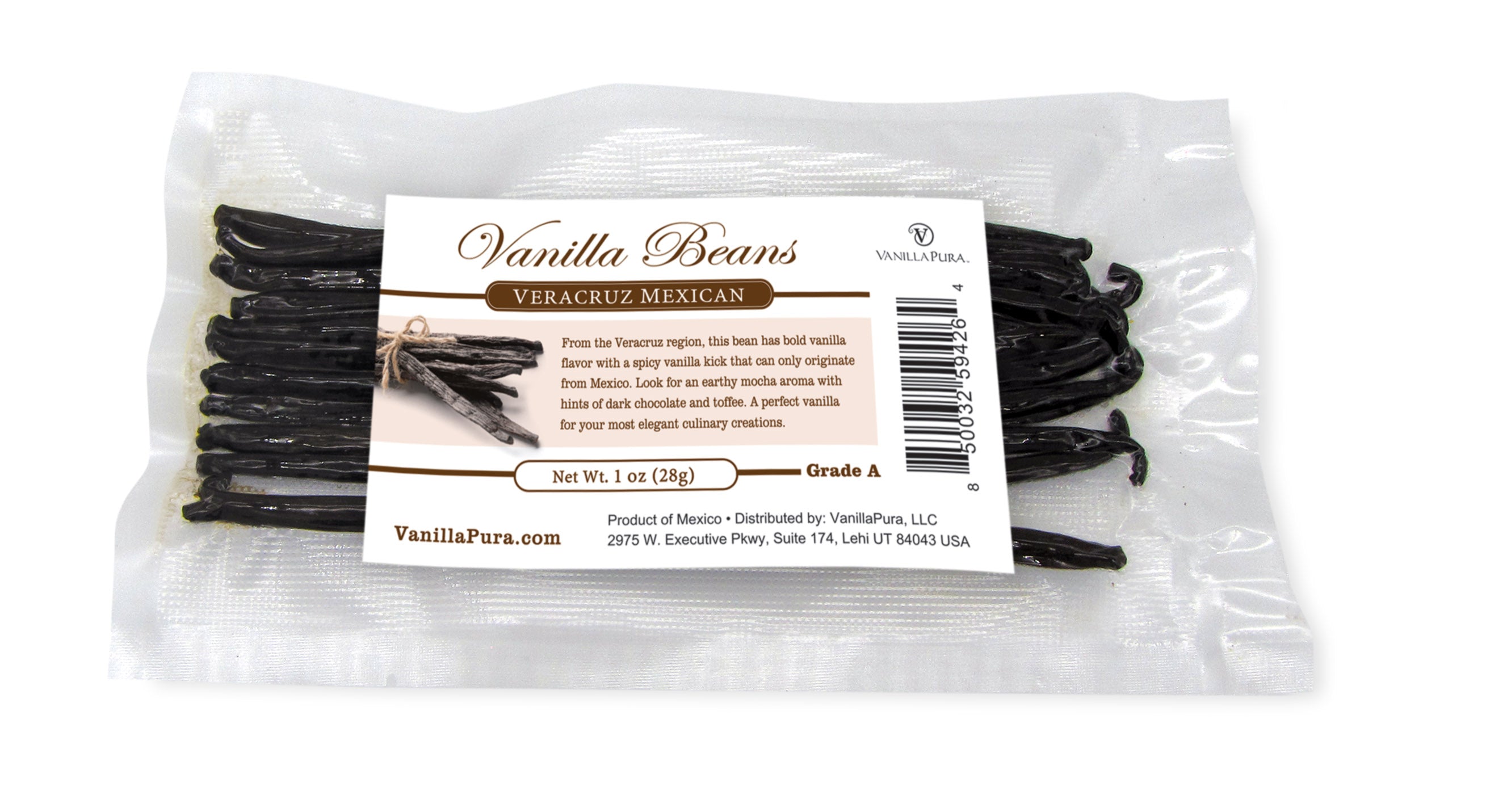
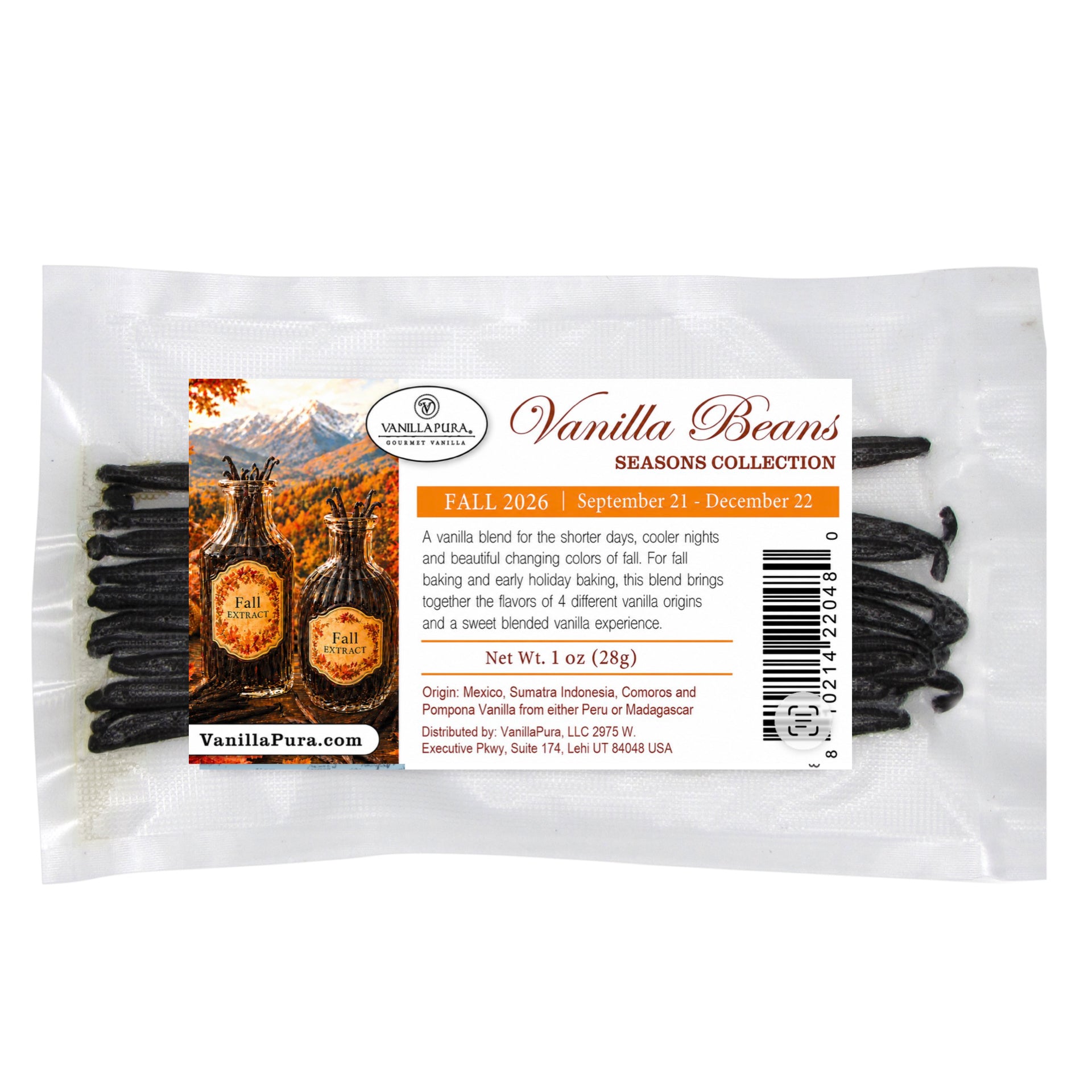
However, when you remove the beans from their pouch, a portion of those precious oils naturally adheres to the packaging. You might notice an oily residue or sheen inside the bag, and your beans may weigh slightly less than the stated amount. This is completely normal and doesn't mean you're getting shortchanged—it means you're getting quality beans with abundant natural oils.
The Extract Recipe Reality Check
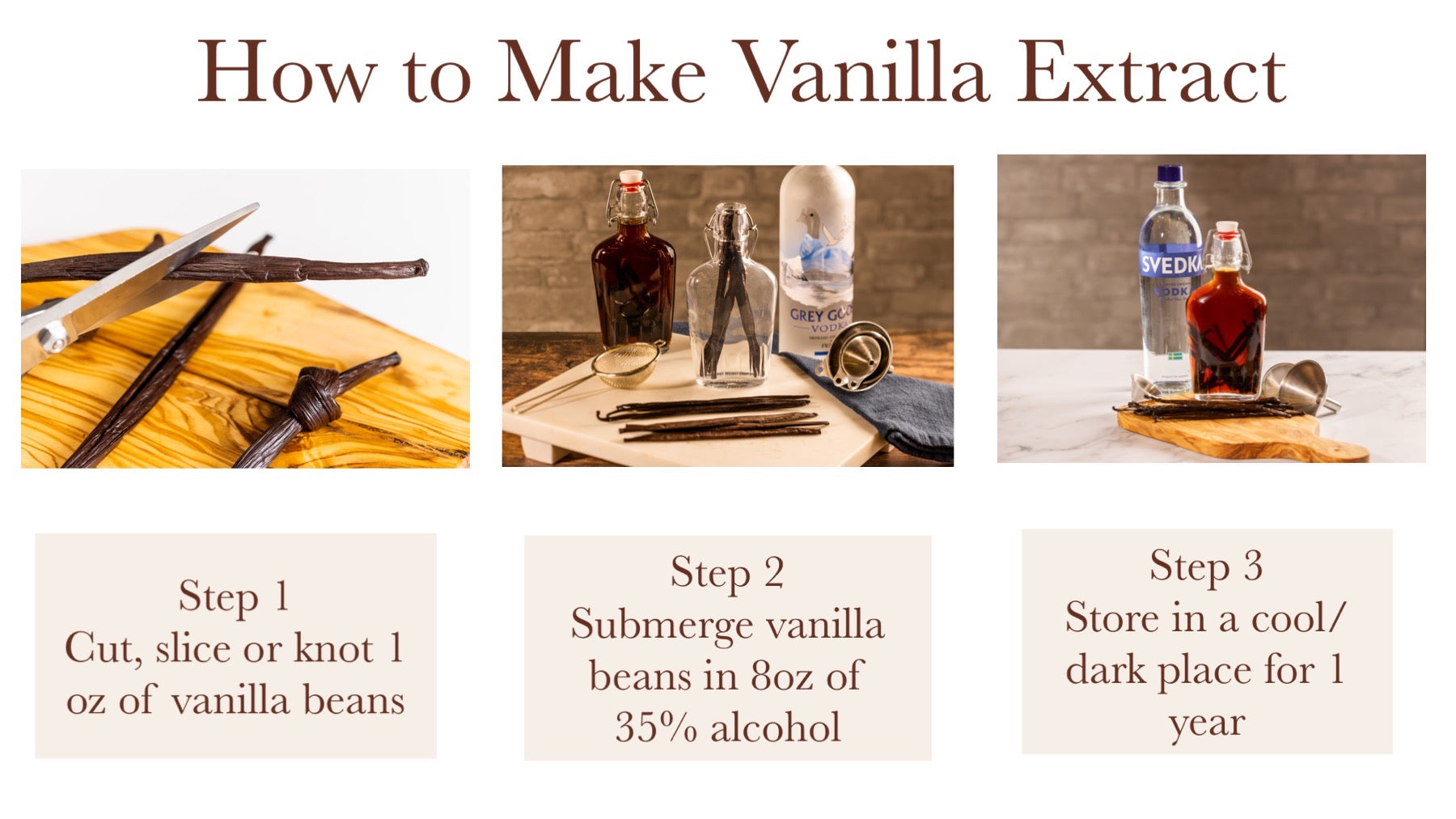
Here's something that might surprise you: while the easy-to-remember vanilla extract recipe is "1 oz of beans to 8 oz of alcohol," the true single-fold extract recipe according to FDA standards is actually 0.83 oz of beans to 8 oz of alcohol.
This means that even if your 1 oz pouch of vanilla beans weighs only 0.9 oz after removing the beans (because 0.1 oz of oils remained in the bag), you still have more than sufficient vanilla to make a proper single-fold extract. In fact, you're still above the minimum requirement!
So rest assured: those oils left in the pouch don't compromise your extract-making plans. You have everything you need for excellent vanilla extract, plus a bonus opportunity to create something extra.
The Vanilla Sugar Solution: Zero Waste, Maximum Flavor
Instead of discarding that oily pouch, you can transform those residual oils into luxurious vanilla sugar. Here's how to capture 100% of the value from your vanilla bean purchase:
How to Make Vanilla Sugar from Residual Bean Oils
- Add sugar to the empty pouch: After removing your vanilla beans, pour granulated sugar directly into the oily pouch (approximately 1-2 cups, depending on pouch size)
- Seal and shake: Close the pouch securely and shake vigorously to coat the sugar with the vanilla oils
- Let it rest: Allow the sugar to sit in the sealed pouch for 2 weeks, shaking occasionally
- Transfer to storage: After 2 weeks, pour the vanilla-infused sugar into an airtight container for long-term storage
- Enjoy: Use your vanilla sugar in all your baking, coffee, tea, and desserts
Why This Works So Well
Sugar is hygroscopic, meaning it readily absorbs moisture and oils. When you add sugar to your oily vanilla bean pouch, the sugar crystals act like tiny sponges, soaking up the vanilla oils and their concentrated flavor compounds. Over the two-week resting period, the vanilla flavor distributes evenly throughout the sugar, creating a beautifully aromatic ingredient.
The result is vanilla sugar that carries the authentic flavor profile of your premium beans—complete with the complex notes and aromatic compounds that make quality vanilla so special.
The Math: 100% Value Utilization
Let's break down the value proposition:
- Purchased weight: 1 oz of vanilla beans (including surface oils)
- Bean weight after removal: ~0.9 oz (still above the 0.83 oz needed for single-fold extract)
- Oil weight in pouch: ~0.1 oz
- Sugar added: 8-16 oz
- Total usable product: 0.9 oz beans for extract + 8-16 oz vanilla sugar = maximum value
You're not just using 100% of the vanilla bean weight you purchased—you're actually multiplying its value by creating an additional premium product from what would otherwise be waste.
Uses for Your Vanilla Sugar
Once you've created vanilla sugar from your pouch oils, the possibilities are endless:
- Baking: Use in cookies, cakes, muffins, and quick breads
- Beverages: Sweeten coffee, tea, hot chocolate, or cocktails
- Breakfast: Sprinkle on oatmeal, yogurt, or French toast
- Desserts: Rim glasses for dessert cocktails, dust on pastries, or mix into whipped cream
- Gifts: Package in small jars as thoughtful homemade gifts
Pro Tips for Maximum Results
- Use fine or superfine sugar: Smaller crystals have more surface area and absorb oils more efficiently
- Shake regularly: Agitate the pouch every few days during the 2-week period to ensure even distribution
- Don't rush it: The full 2-week resting period allows for optimal flavor development
- Store properly: Keep your finished vanilla sugar in an airtight container away from moisture
- Label clearly: Note the origin of your beans on the container—vanilla sugar from Tahitian beans will taste different from Madagascar!
The Bigger Picture: Quality Over Quantity
The presence of residual oils in your vanilla bean pouch is actually a quality indicator. It tells you that:
- Your beans were properly cured with abundant natural oils
- The oils are doing their job protecting and preserving the beans
- You're working with premium-grade vanilla, not dried-out, inferior beans
- You have an opportunity to create two products from one purchase
Beans that leave no residue in the pouch are often over-dried or lower quality. The oils you see aren't waste—they're proof of excellence.
The Bottom Line
Understanding the weight dynamics of vanilla beans and their natural oils helps you appreciate the full value of your purchase. When you buy 1 oz of premium vanilla beans, you're getting everything you need for proper extract-making (and then some), plus the bonus of residual oils that can be transformed into luxurious vanilla sugar.
By using the simple vanilla sugar technique, you're practicing zero-waste vanilla craftsmanship and maximizing every penny of your investment. You're not losing 0.1 oz of beans—you're gaining 8-16 oz of artisanal vanilla sugar.
That's how you utilize 100% of your vanilla bean purchase, plus the weight of the sugar. Nothing wasted, everything delicious.