
Summertime Is Extract Time: Why V. tahitensis Vanilla Beans Are Summer's Secret Ingredient
Every summer has a flavor. For us, it's the light, floral, fruit-kissed sweetness of Vanilla tahitensis — the most distinctive and arguably most beautiful species of vanilla bean in the world. While Vanilla planifolia dominates the extract market with its bold, creamy, spice-forward character, V. tahitensis plays an entirely different game: crisp, aromatic, and unmistakably summery. And summer is exactly the right time to start a batch.
What Makes V. tahitensis Different?
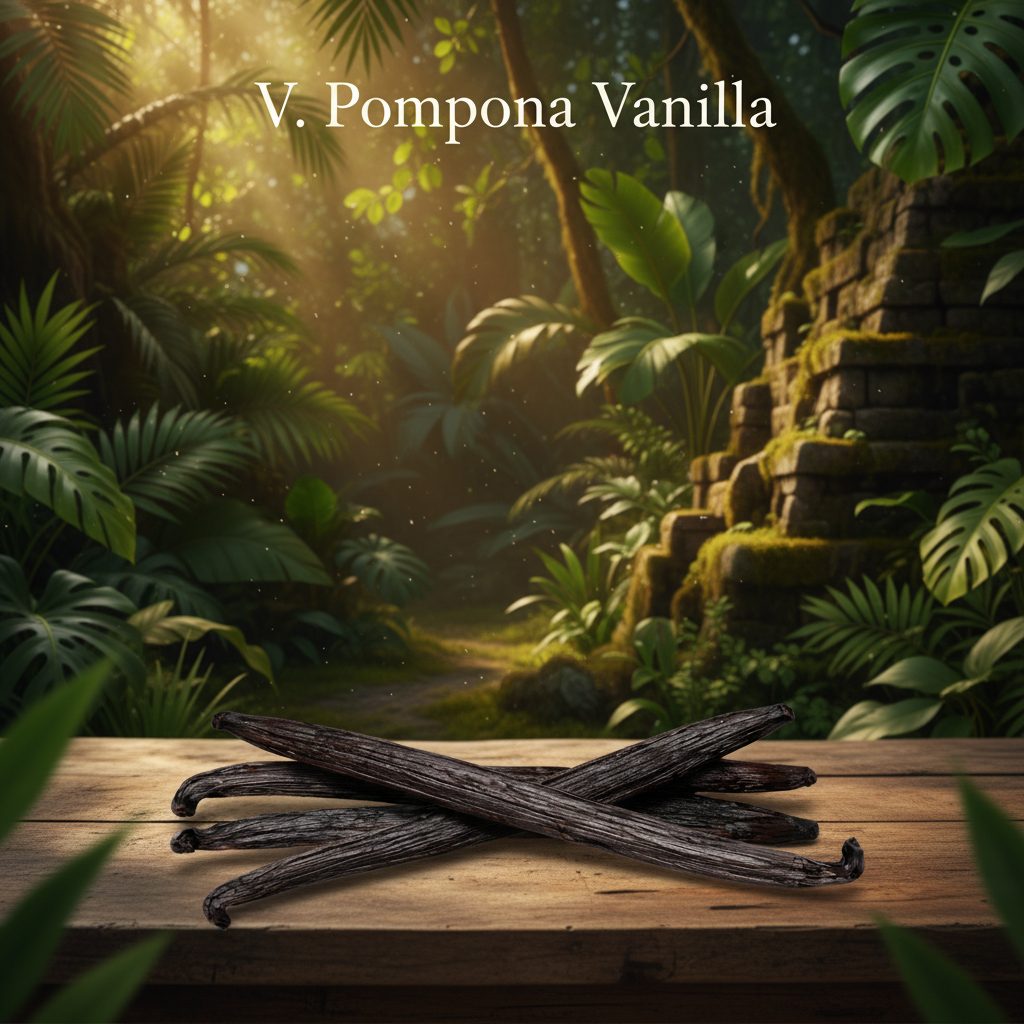
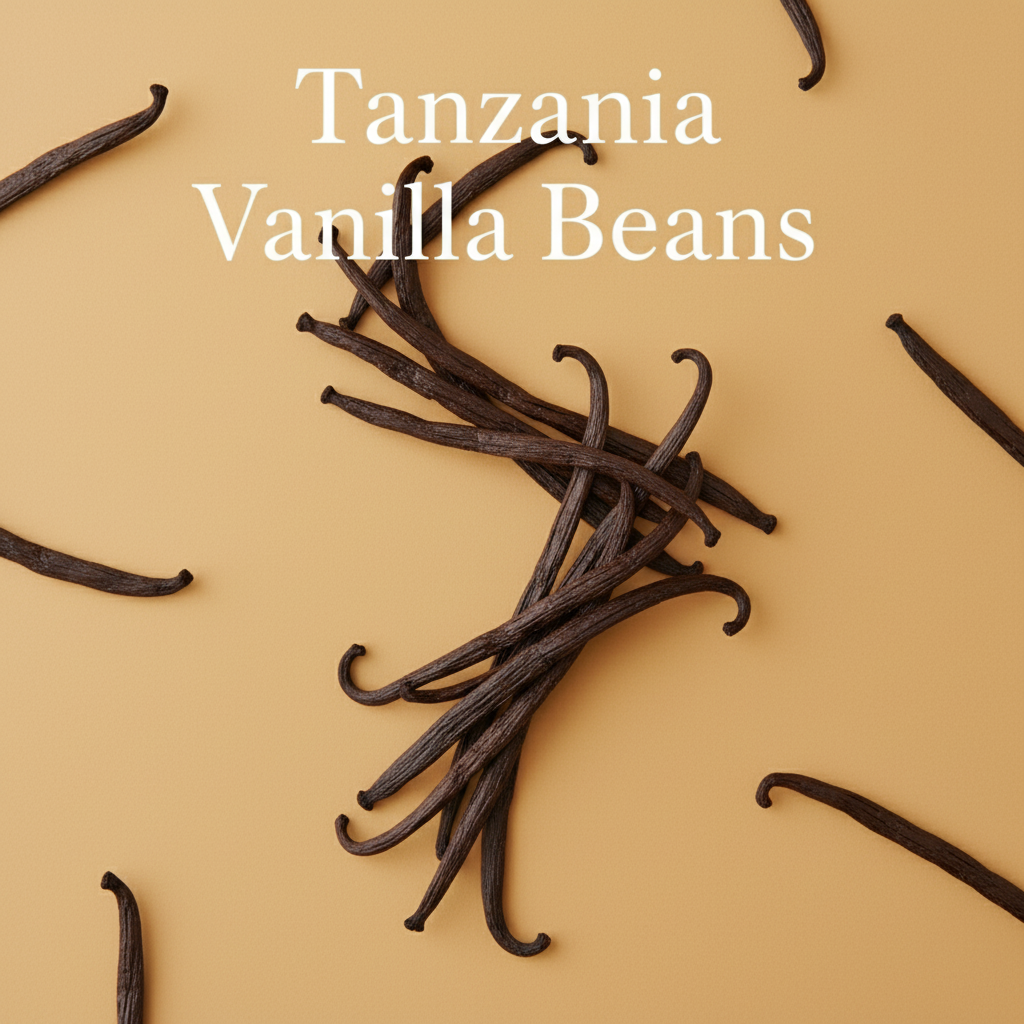
Vanilla tahitensis — commonly called Tahitian vanilla — is a distinct species of vanilla orchid with a flavor profile unlike any other. Where planifolia is rich and warm, tahitensis is bright and floral with a cherry-almond, anise-like, almost powdery sweetness layered over notes of ripe stone fruit, tropical flowers, and fresh fig.
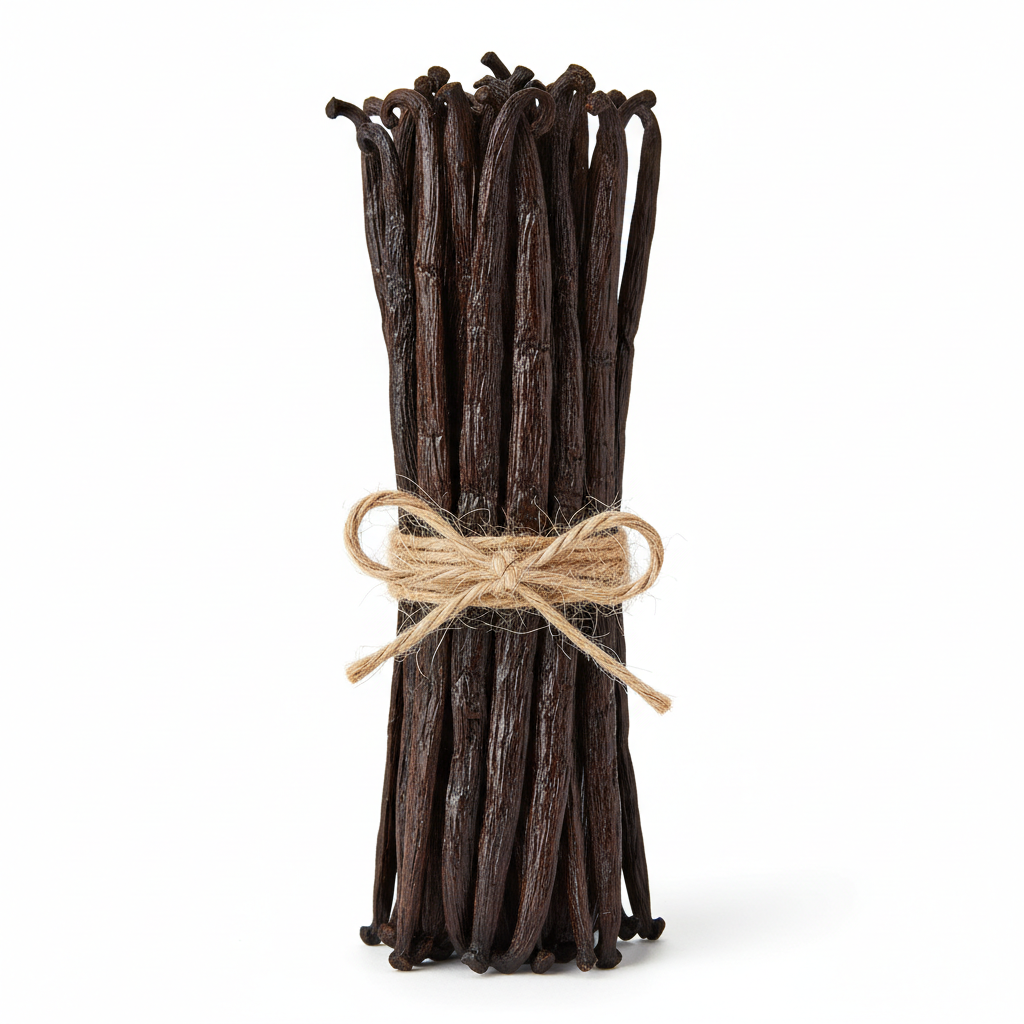
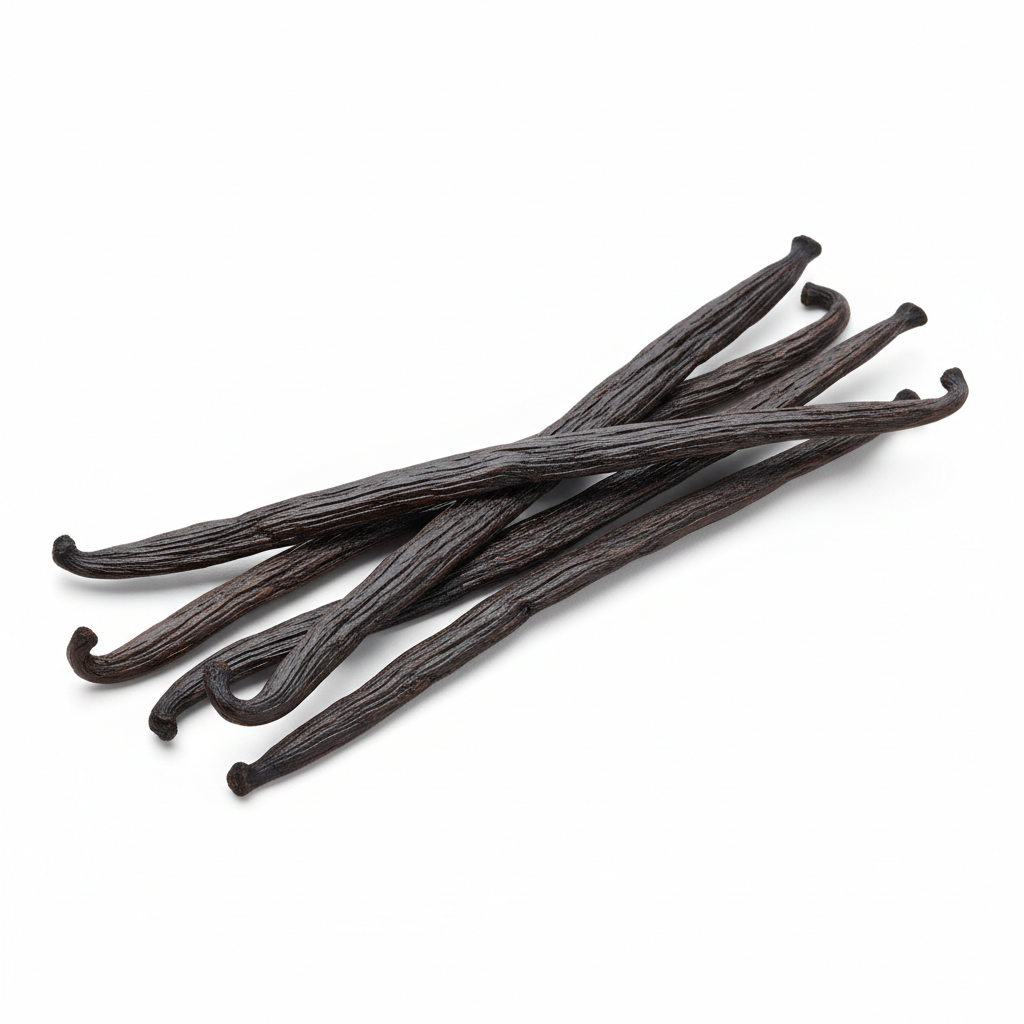
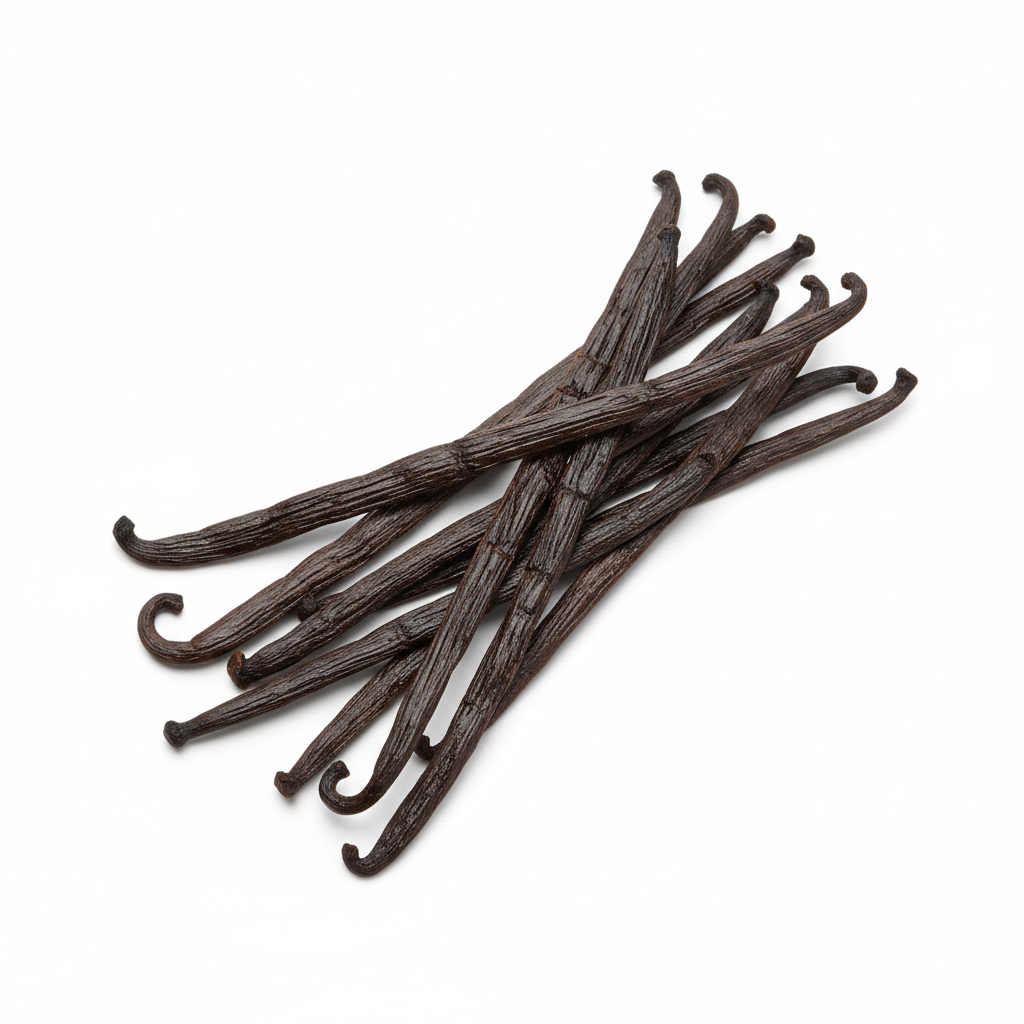
These beans tend to be plumper, moister, and more fragrant than their planifolia counterparts — a joy to work with and a revelation in the jar.
Where V. tahitensis Grows
V. tahitensis is cultivated across a wide arc of tropical growing regions, each imparting subtle terroir-driven nuances to the beans:
- French Polynesia / Tahiti — The origin and gold standard. Tahitian beans are intensely floral and fruity with exceptional moisture content and a heady, perfume-like aroma. Rare and prized.
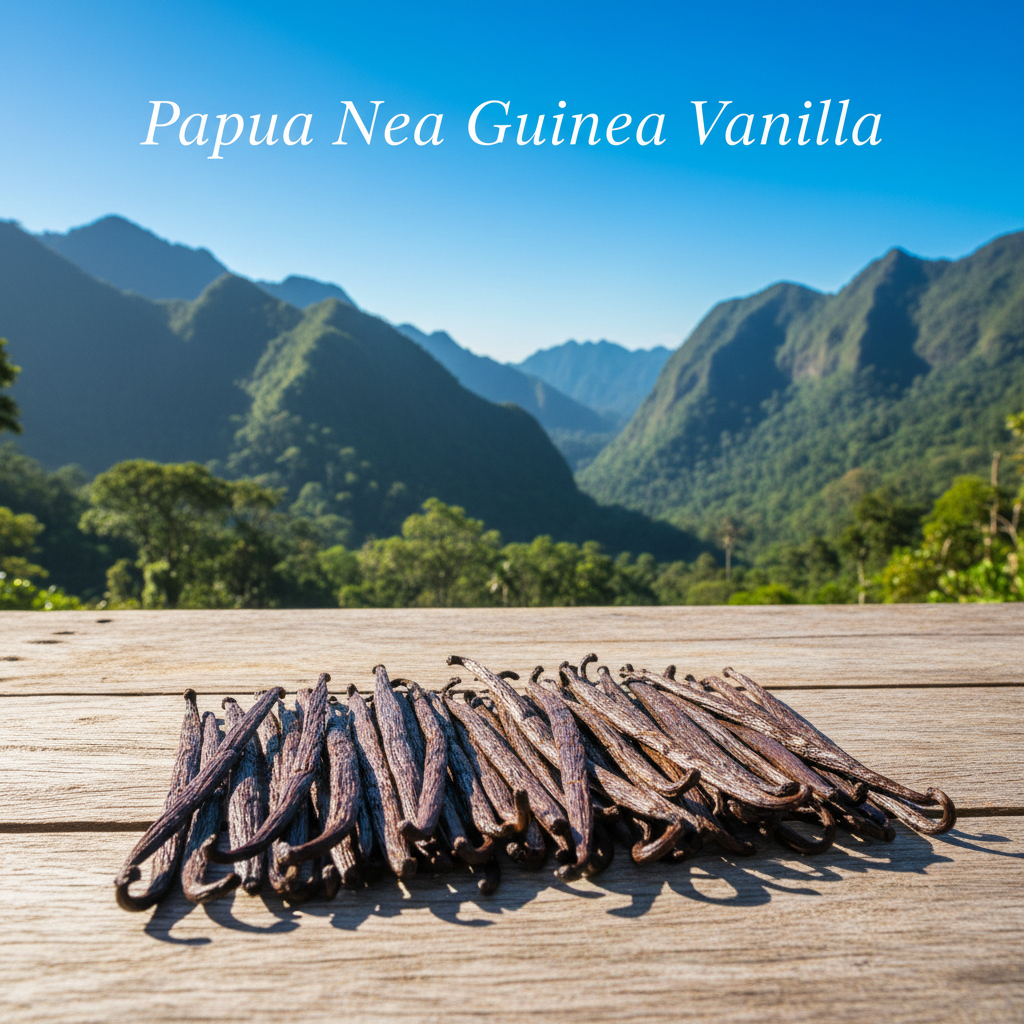
- Papua New Guinea — Bold and fruity with a slightly earthier backbone. PNG tahitensis offers excellent vanillin alongside the characteristic floral notes, making it one of the most well-rounded expressions of the species.
- Indonesia — Indonesian-grown tahitensis tends toward a softer, more subtle floral profile with a clean, light sweetness. A versatile and approachable option.
- Ecuador — Ecuador's unique equatorial climate produces tahitensis beans with a bright, citrus-tinged fruitiness and a crisp aromatic lift that's particularly well-suited to light spirits and cold desserts.
- The South Pacific — Across the broader South Pacific growing belt, tahitensis thrives in volcanic soils and humid tropical air, producing beans with a consistent floral sweetness and excellent moisture.
Each origin is worth exploring. Blending beans from two or more regions in a single extract can produce something genuinely extraordinary.
Why Summer Is the Right Time to Start Your Extract
Here's the thing about a great vanilla extract: it takes time. And that's not a drawback — it's the whole point. When you start a V. tahitensis extract in a light spirit this summer, you're making a gift to your future self. By next summer, that extract will be fully developed, deeply aromatic, and ready to elevate every warm-weather moment you can imagine.
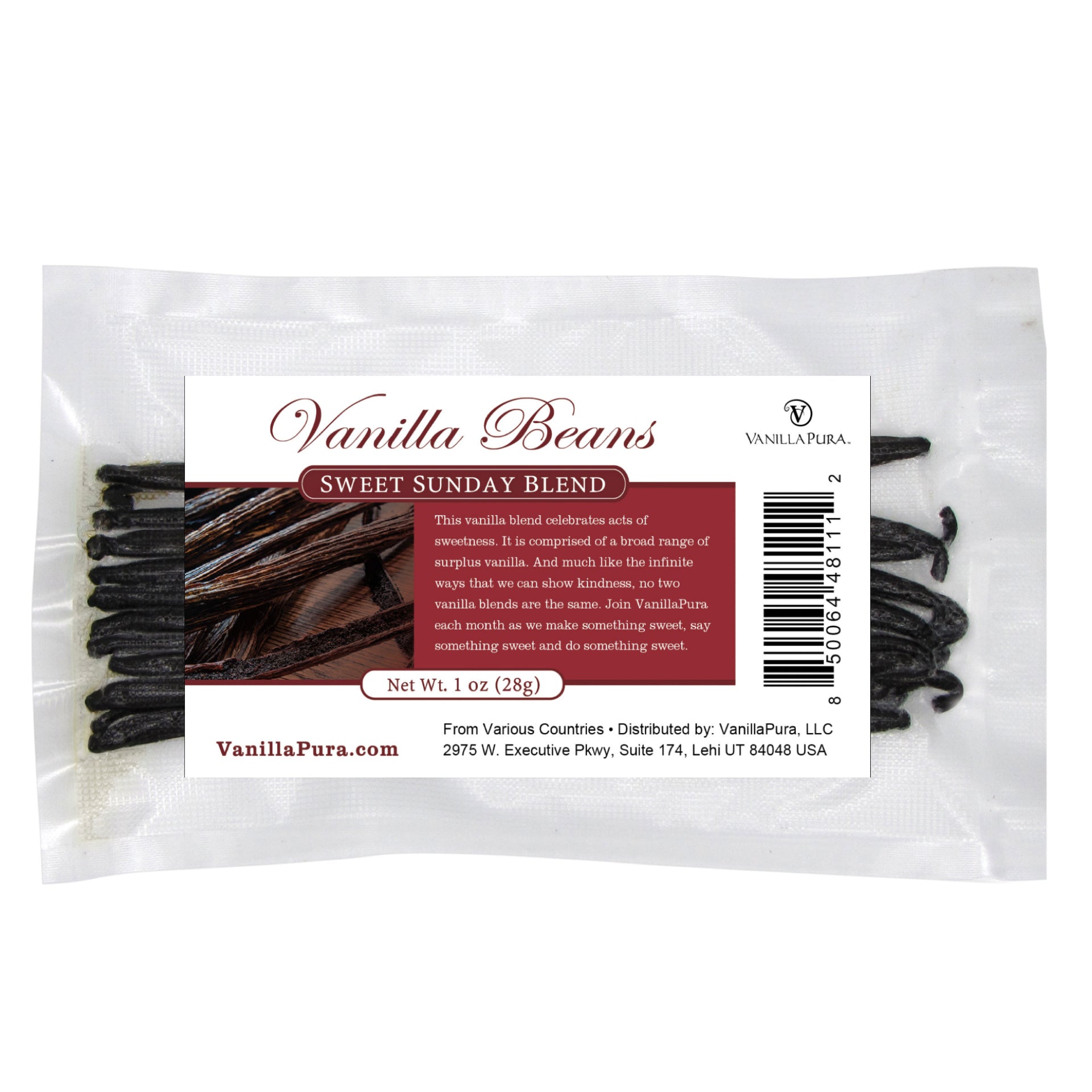
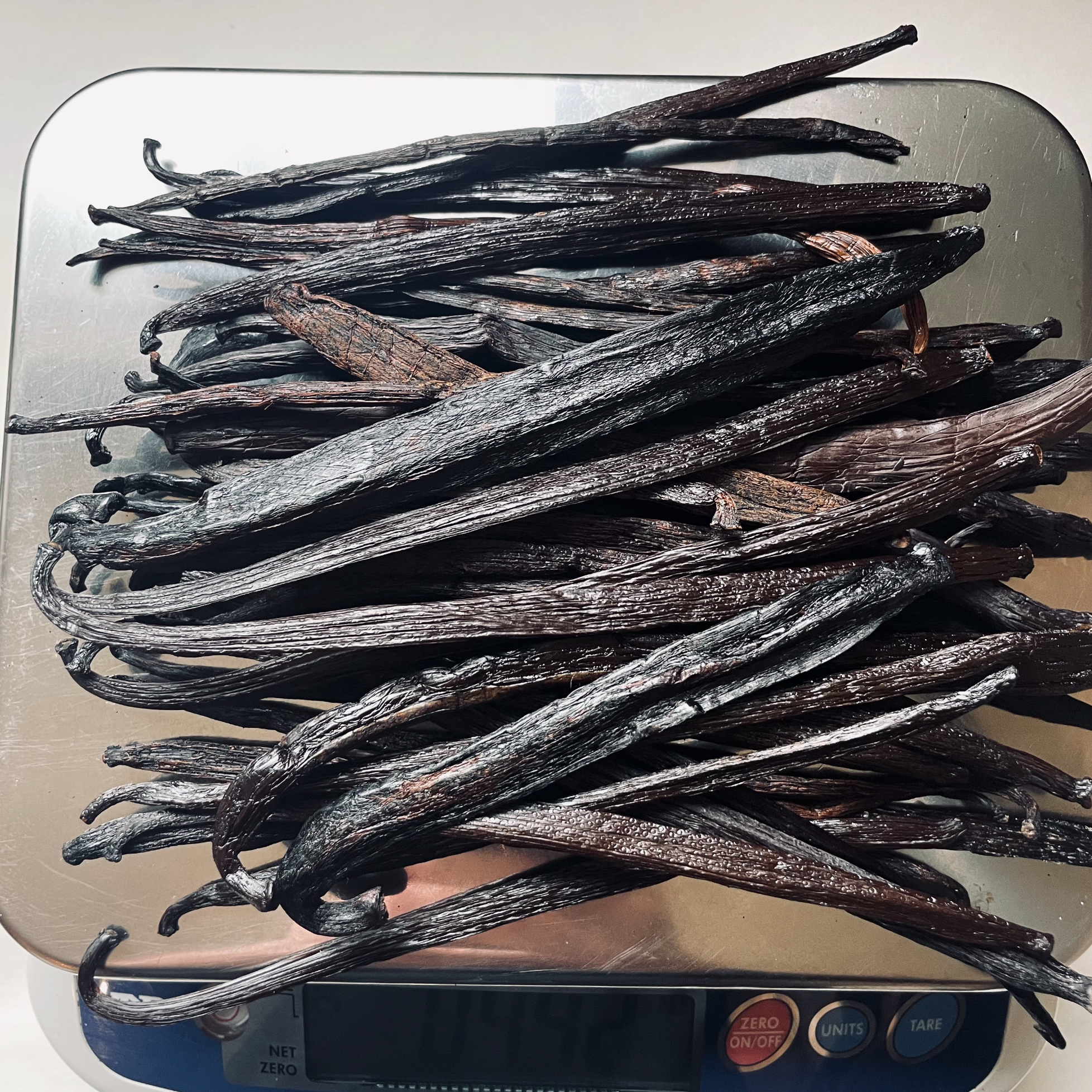
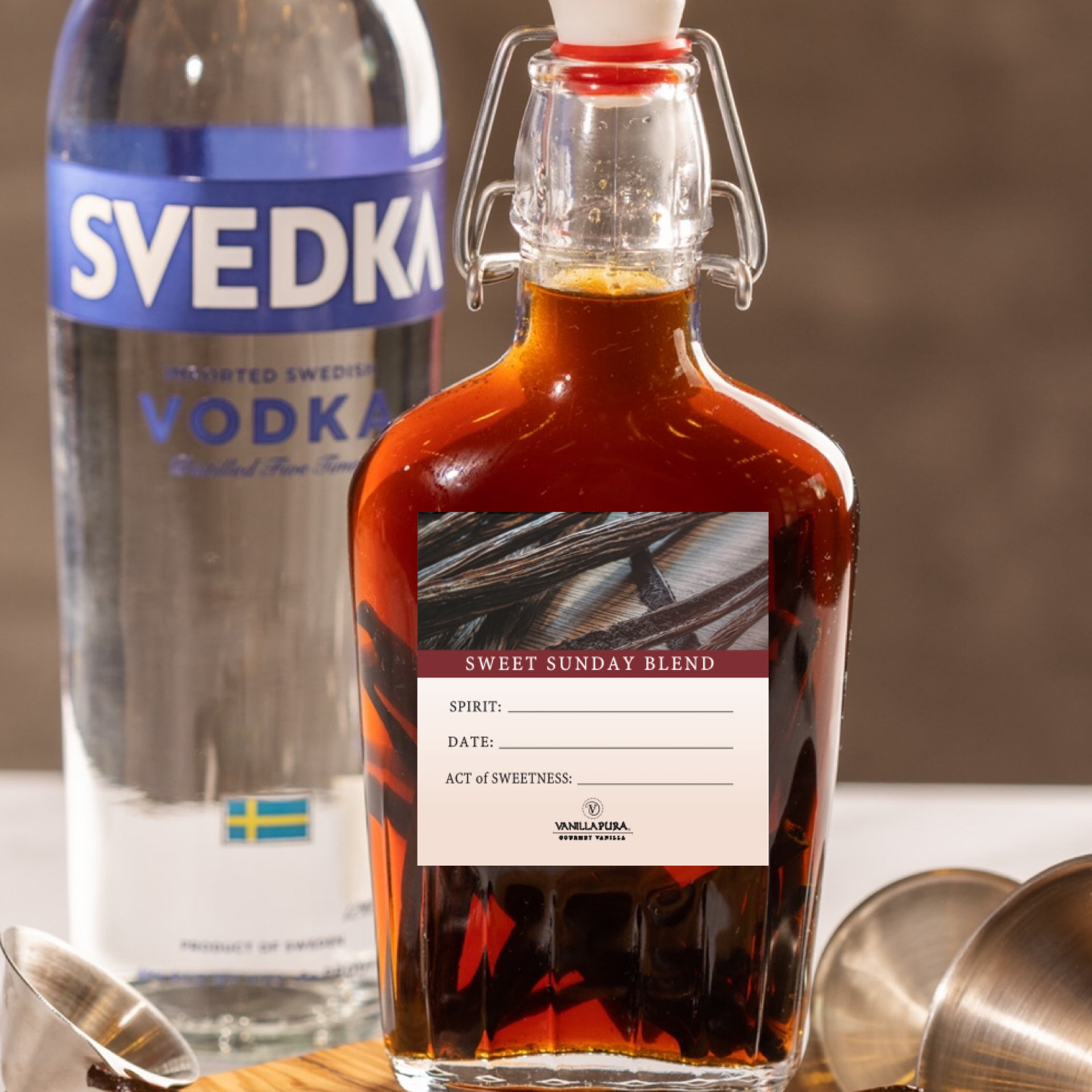
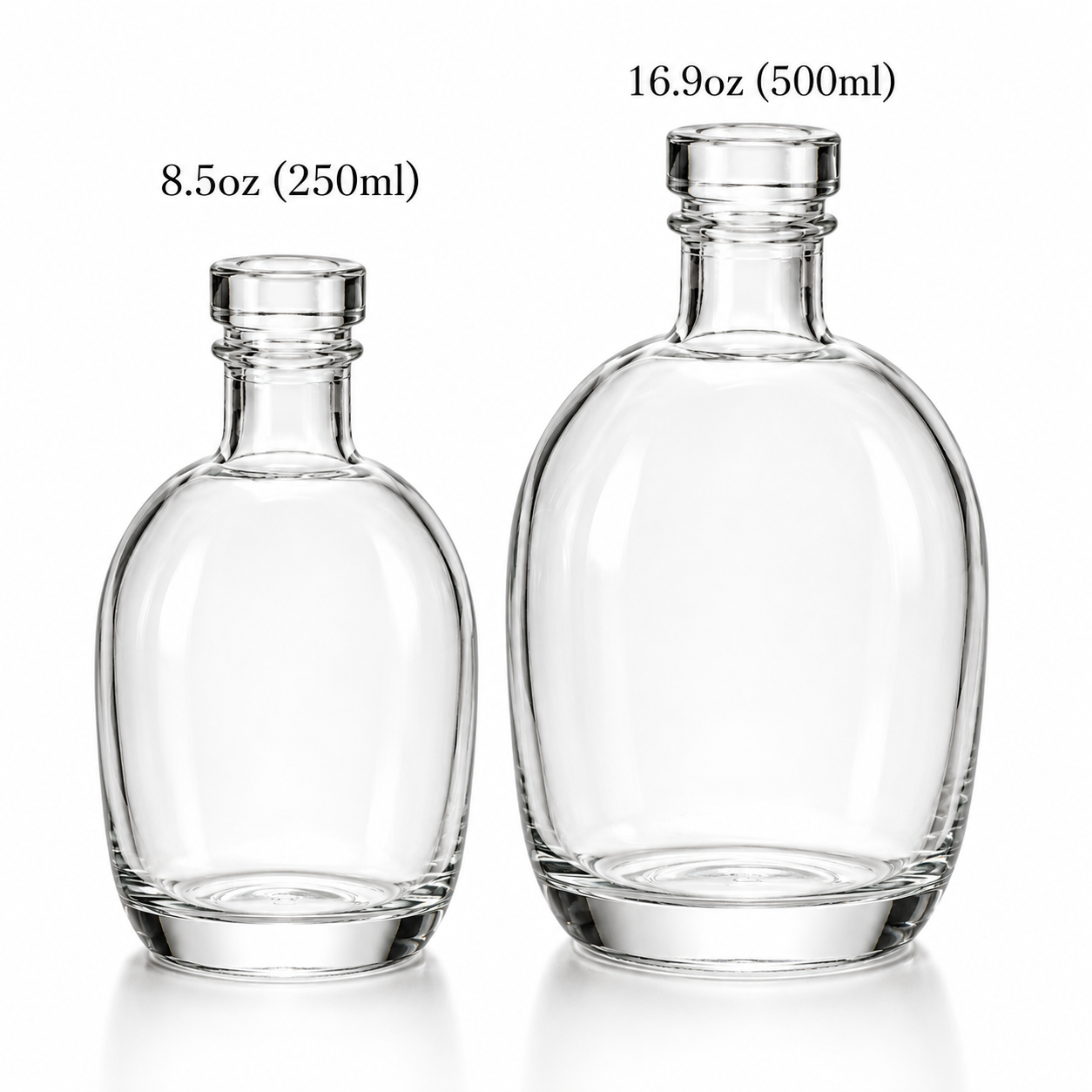
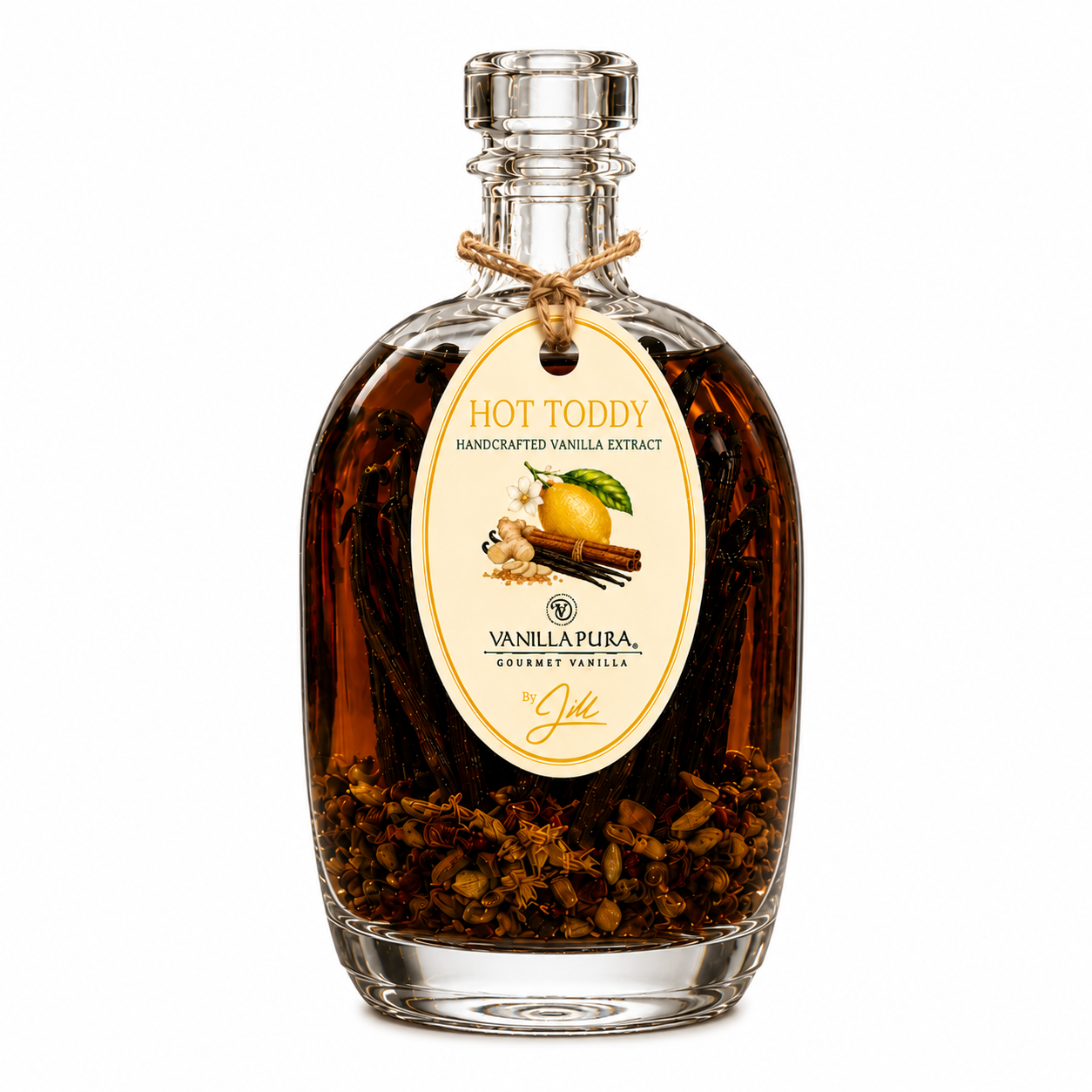
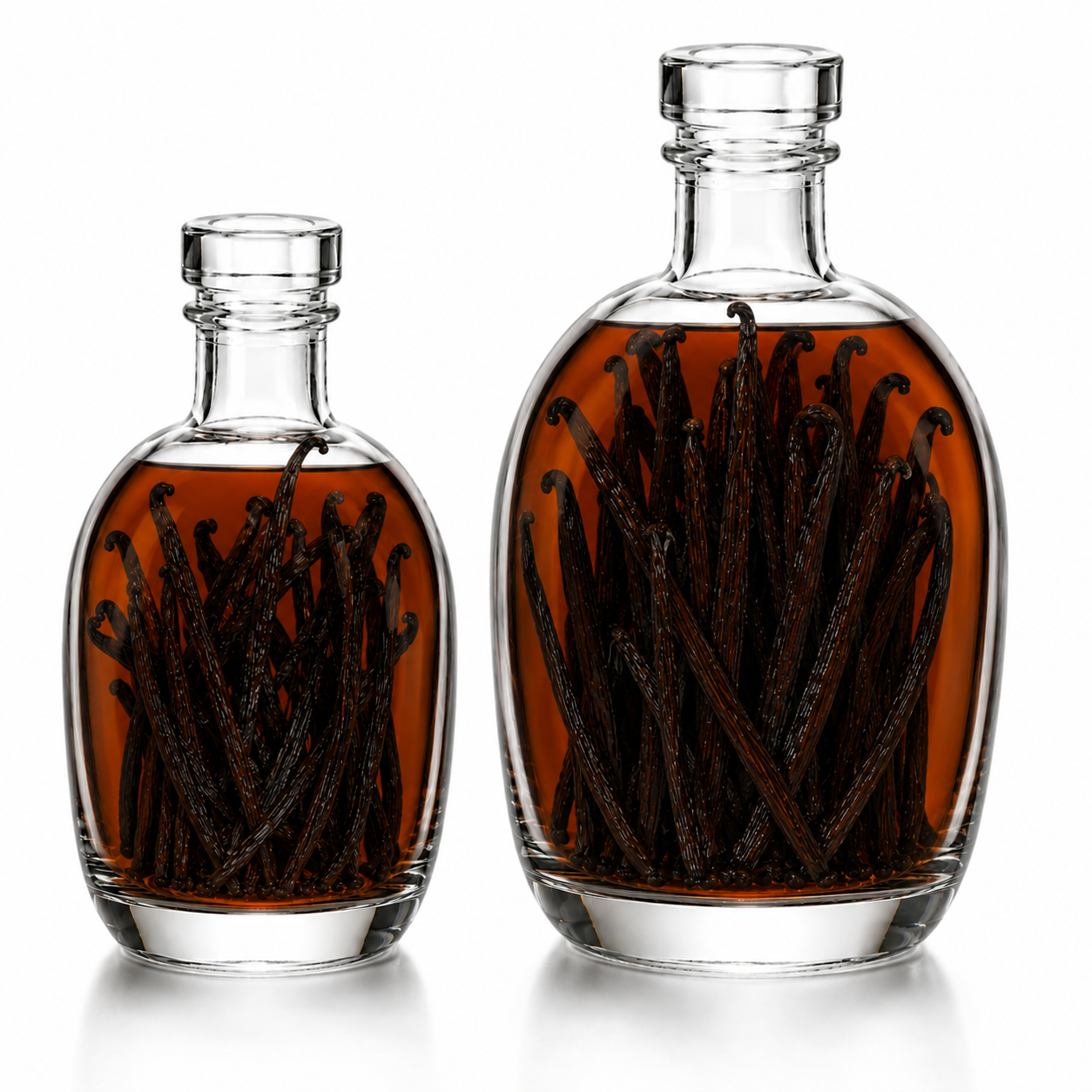
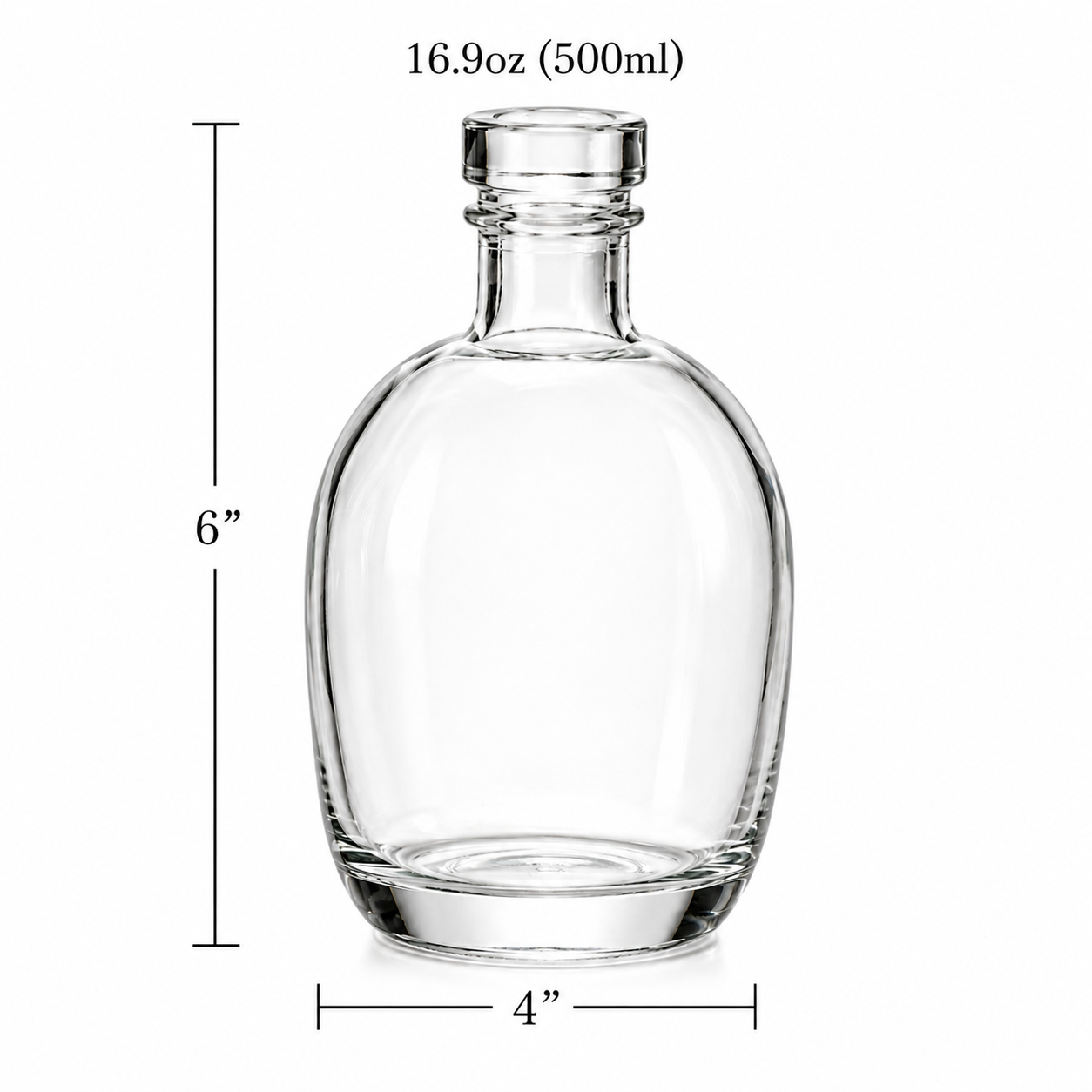
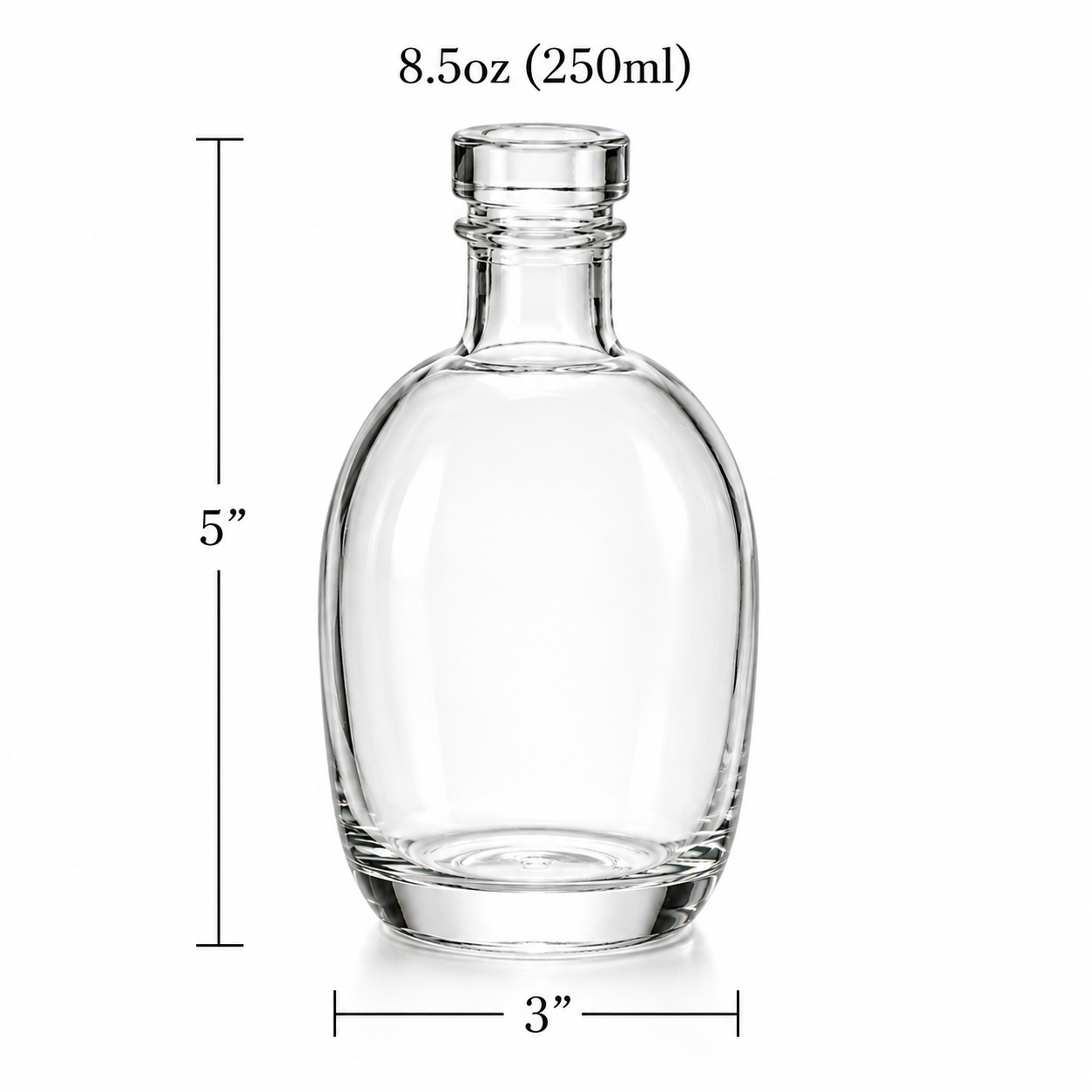
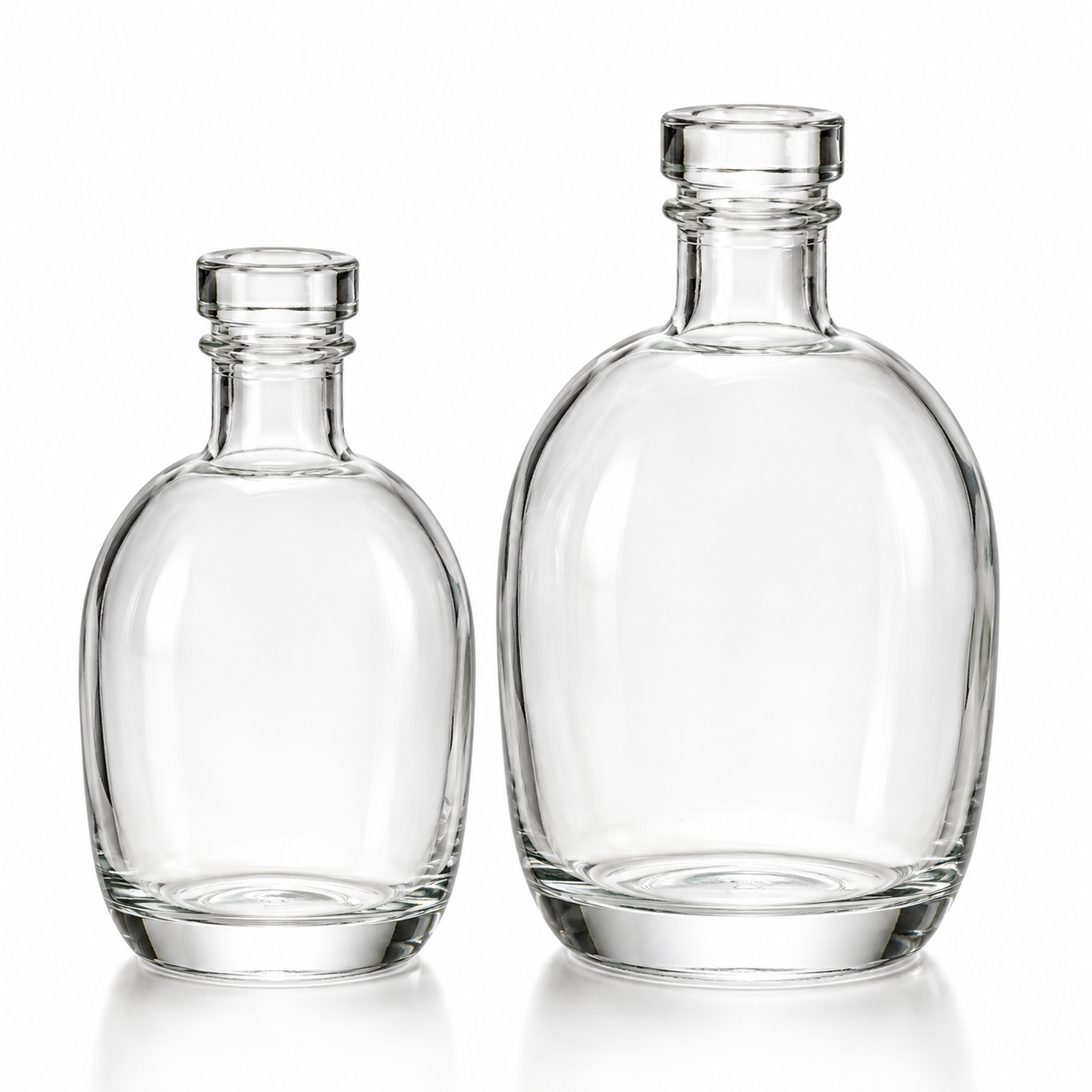
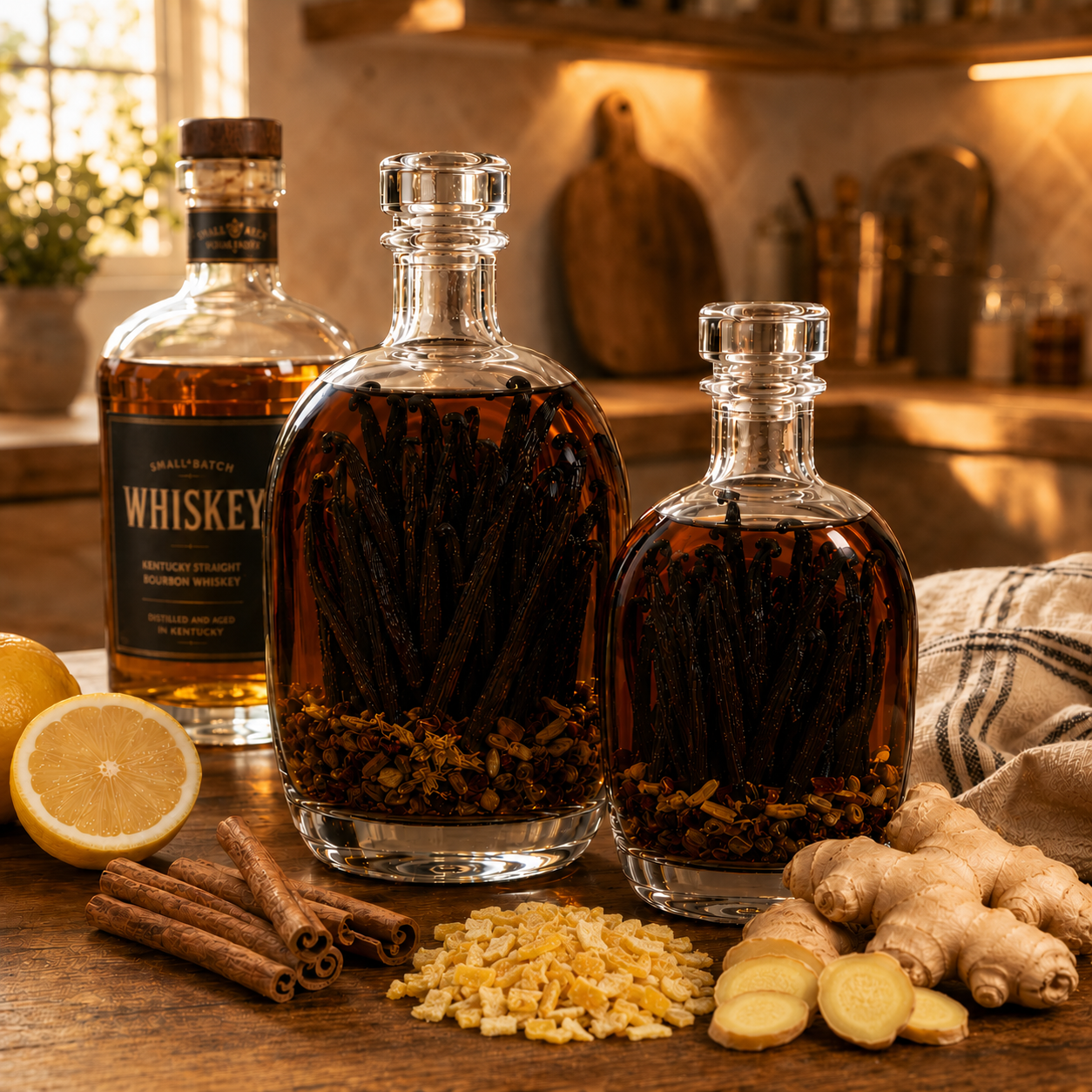
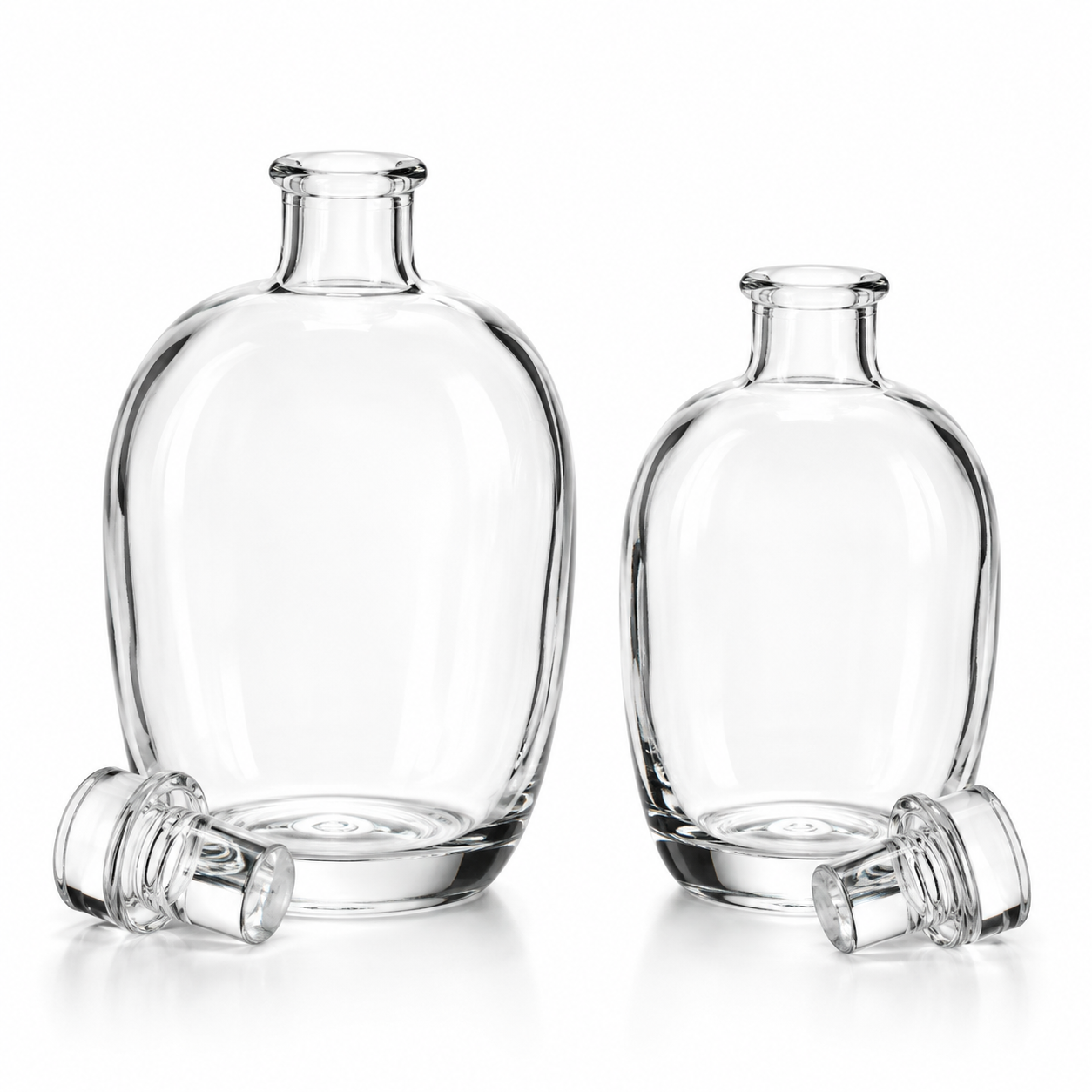
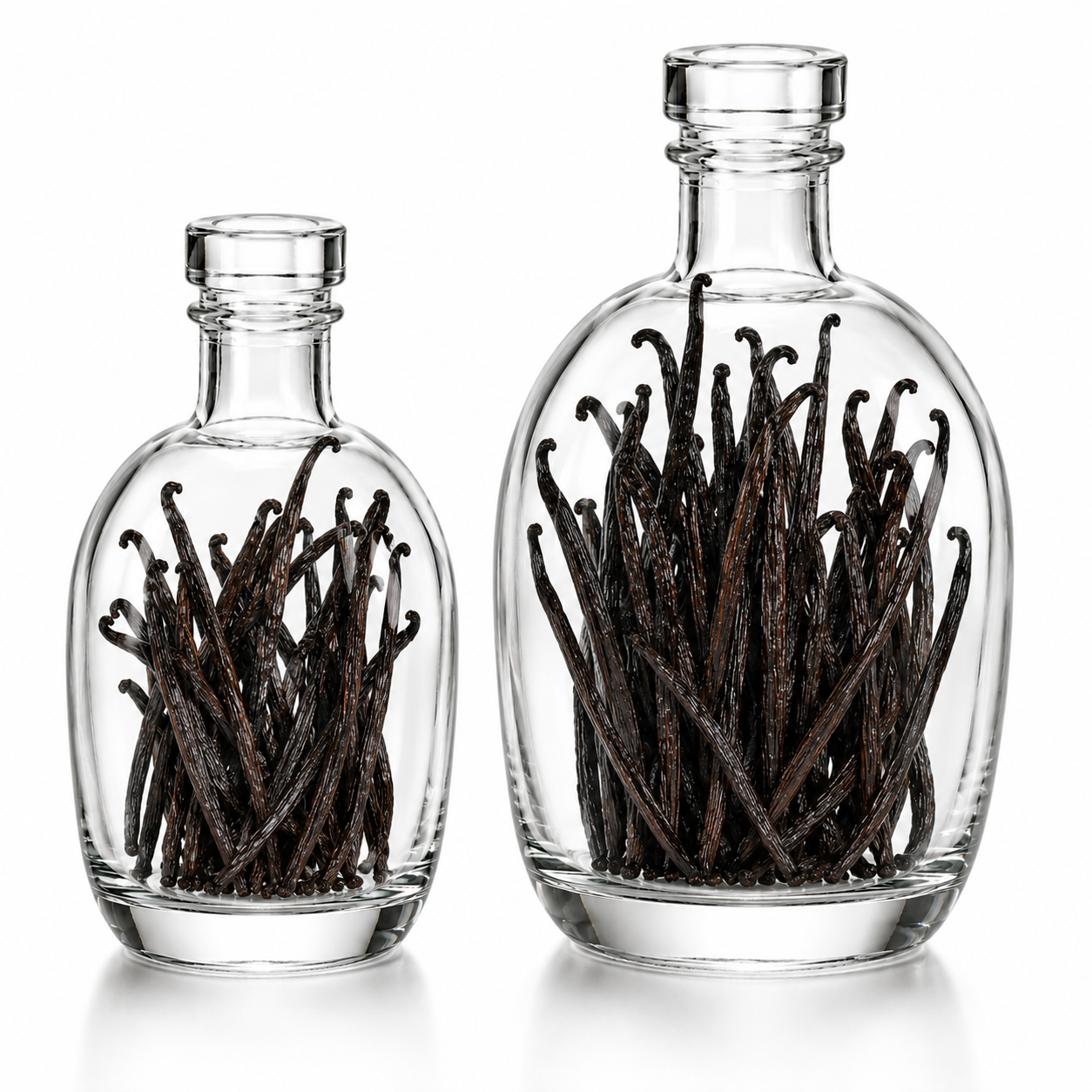
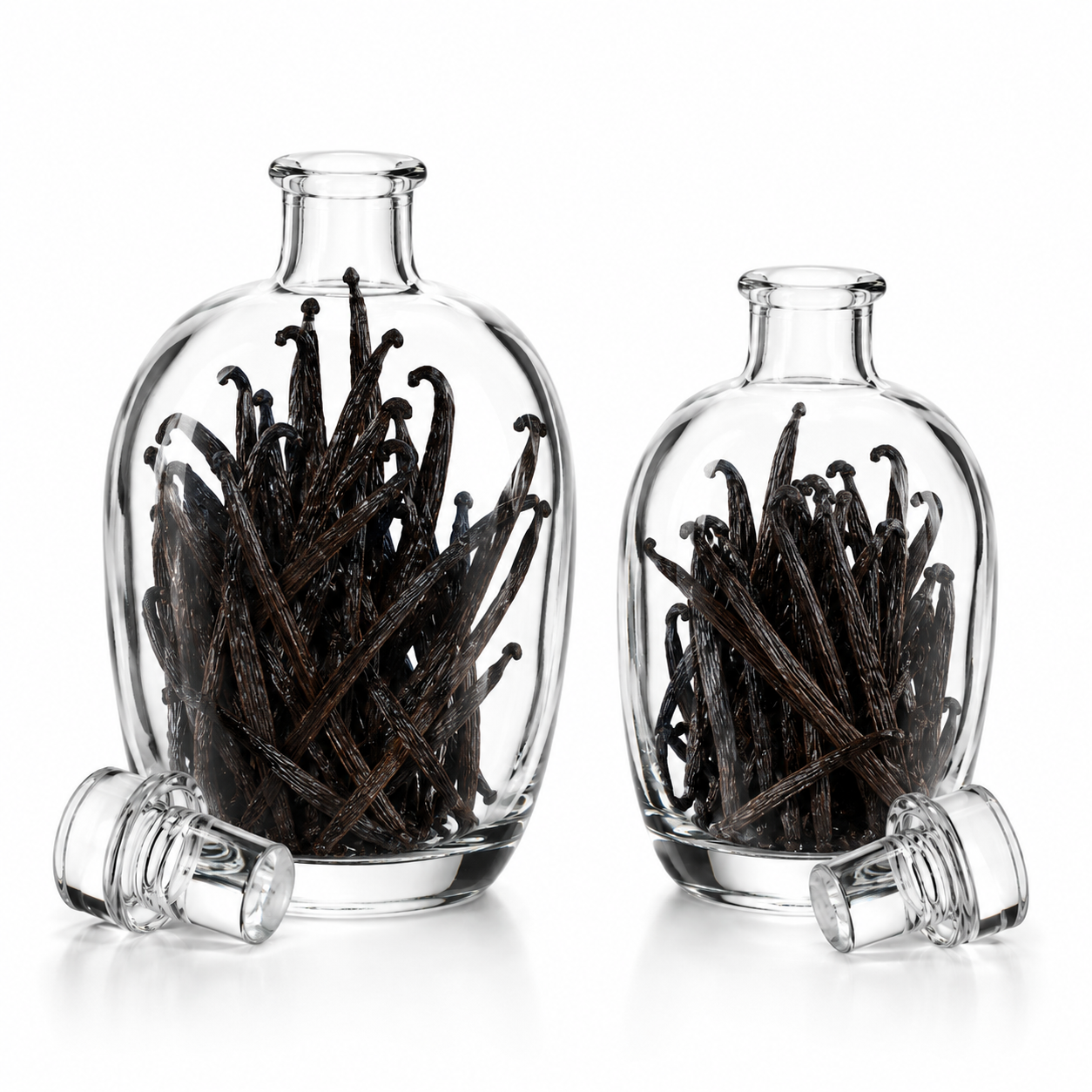
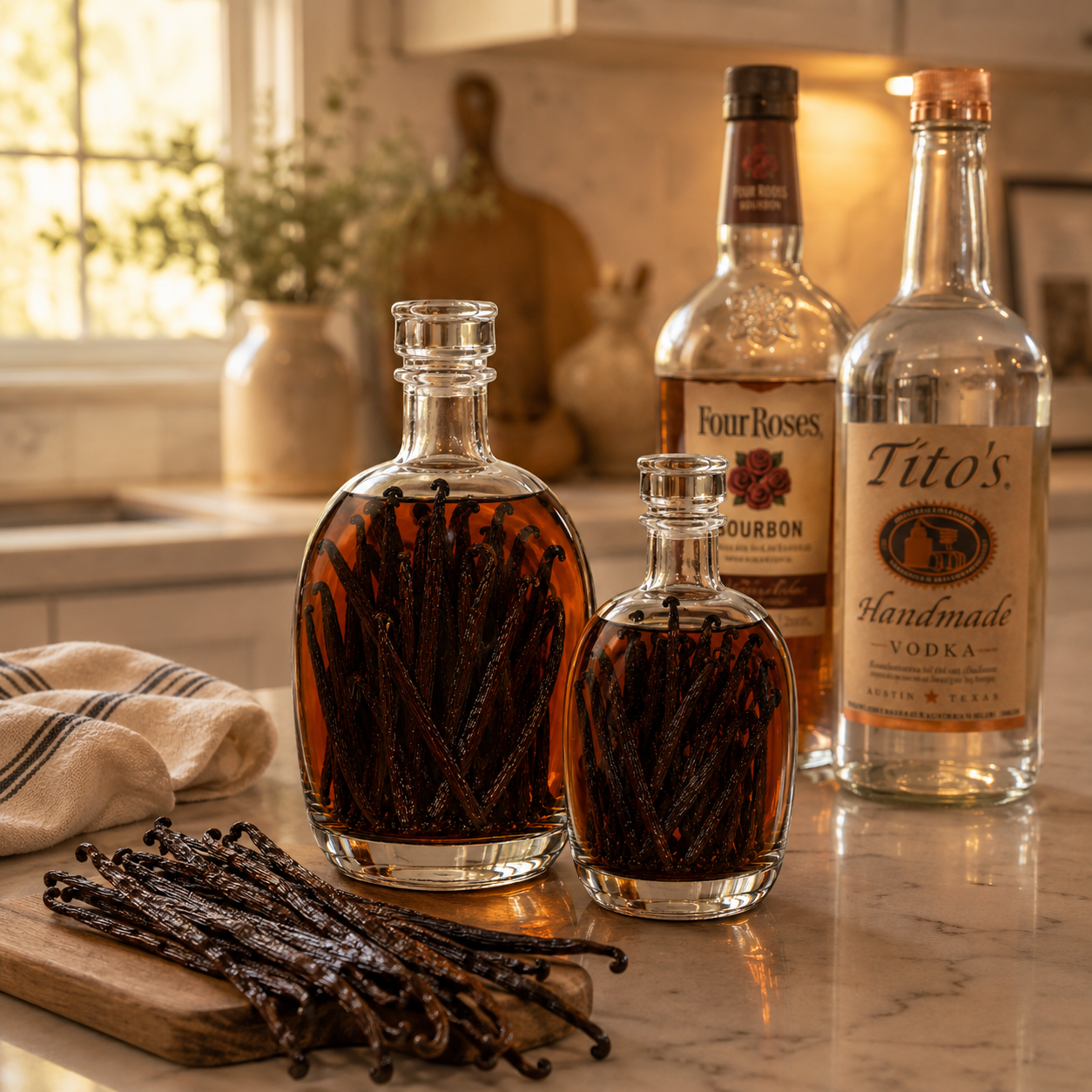
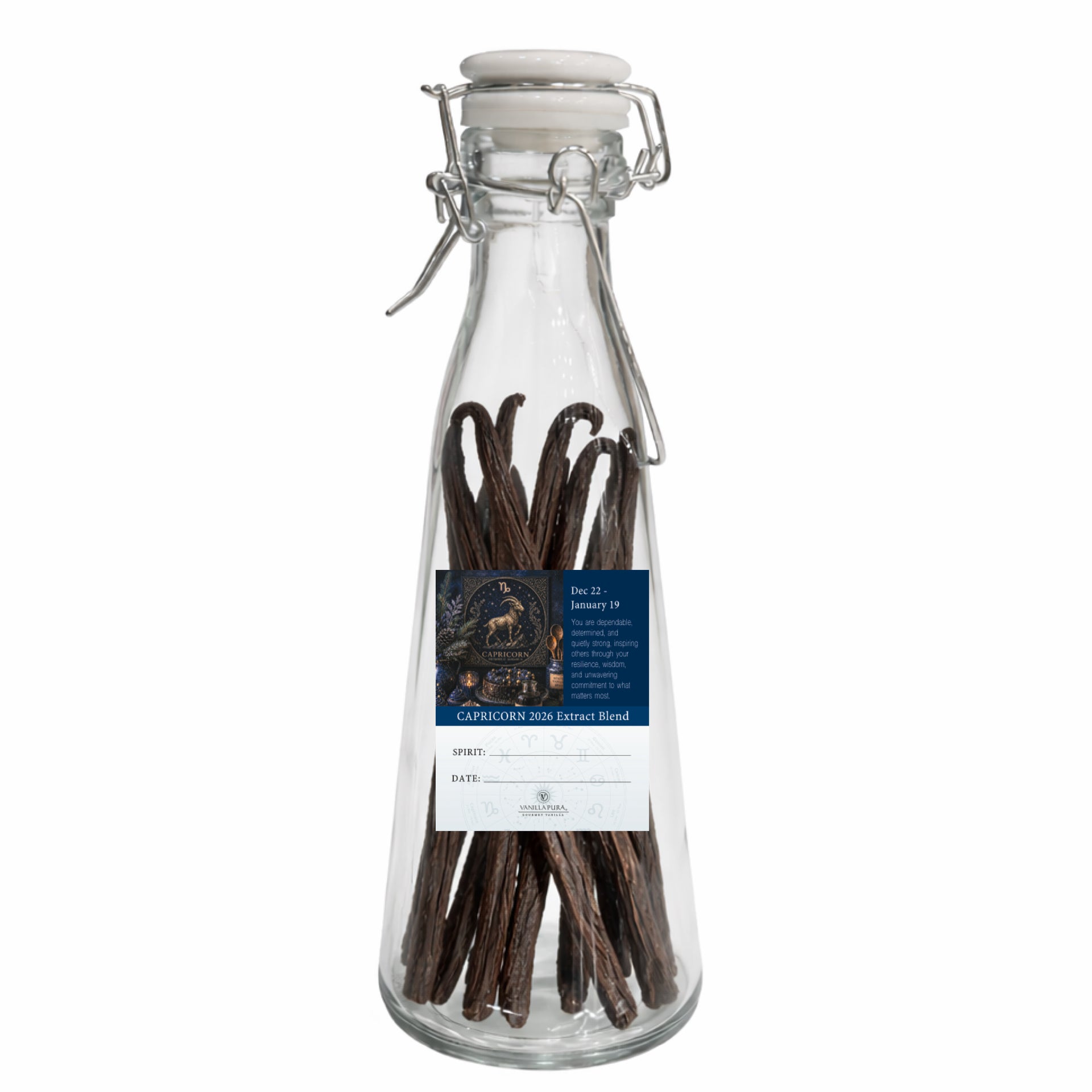
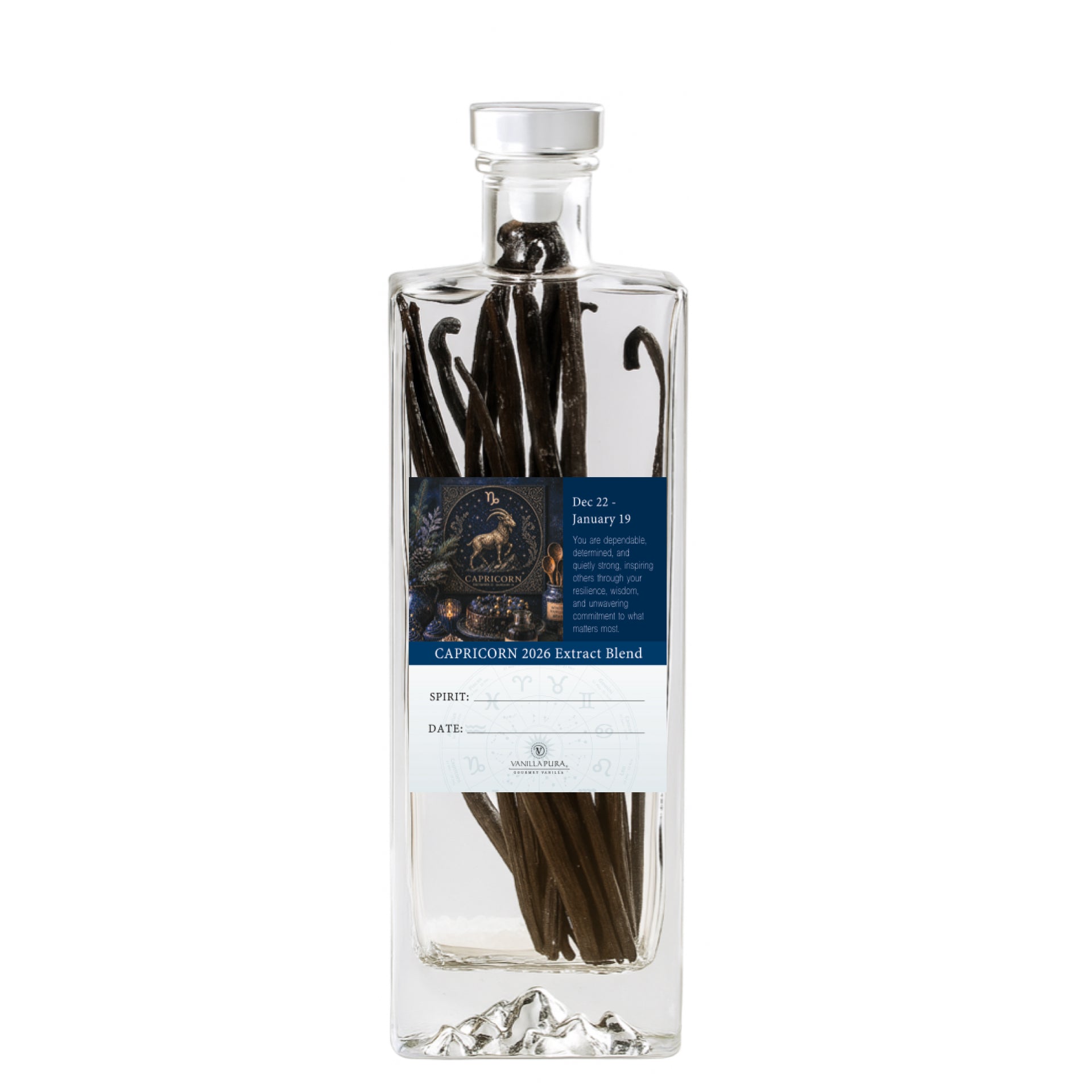
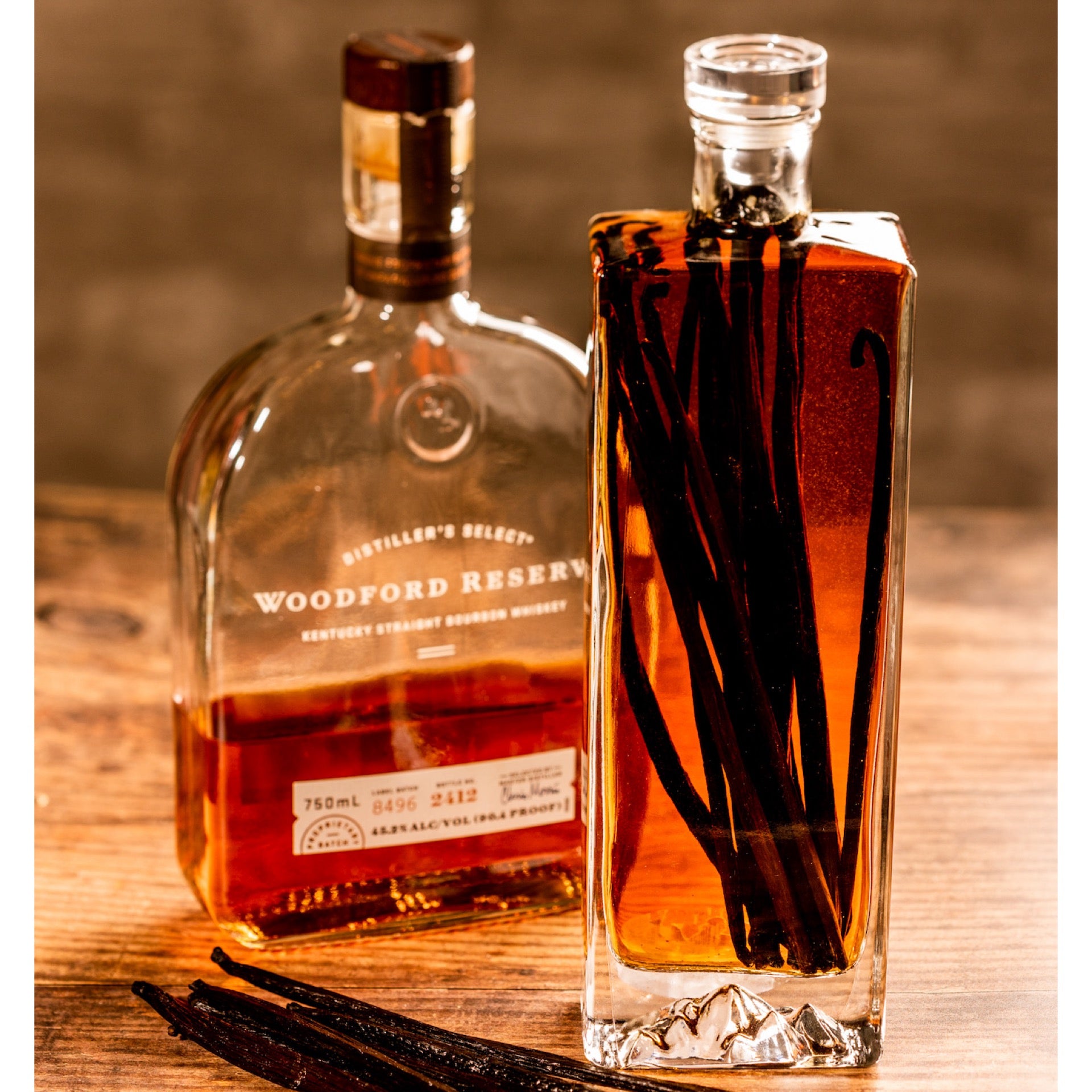
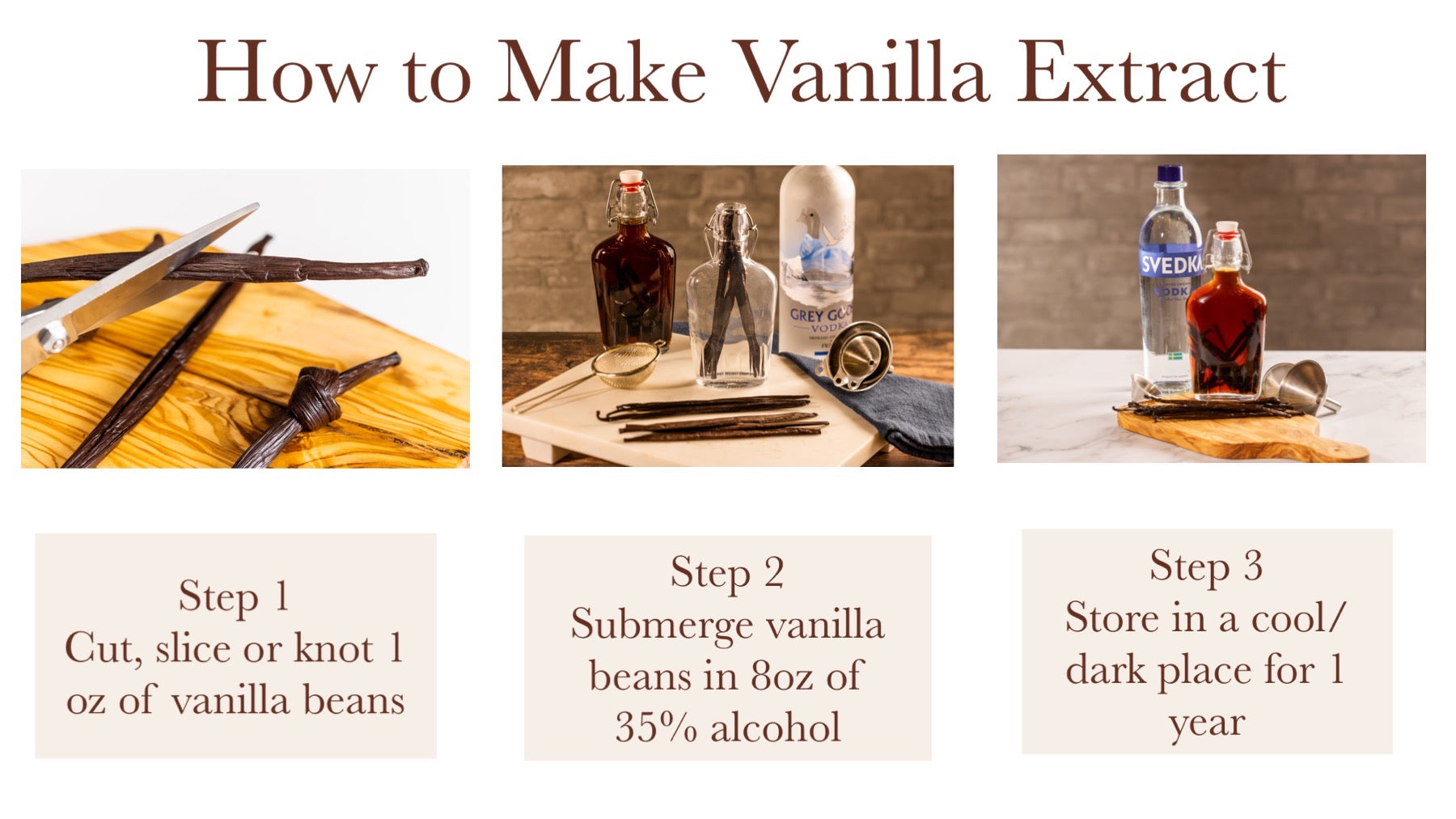
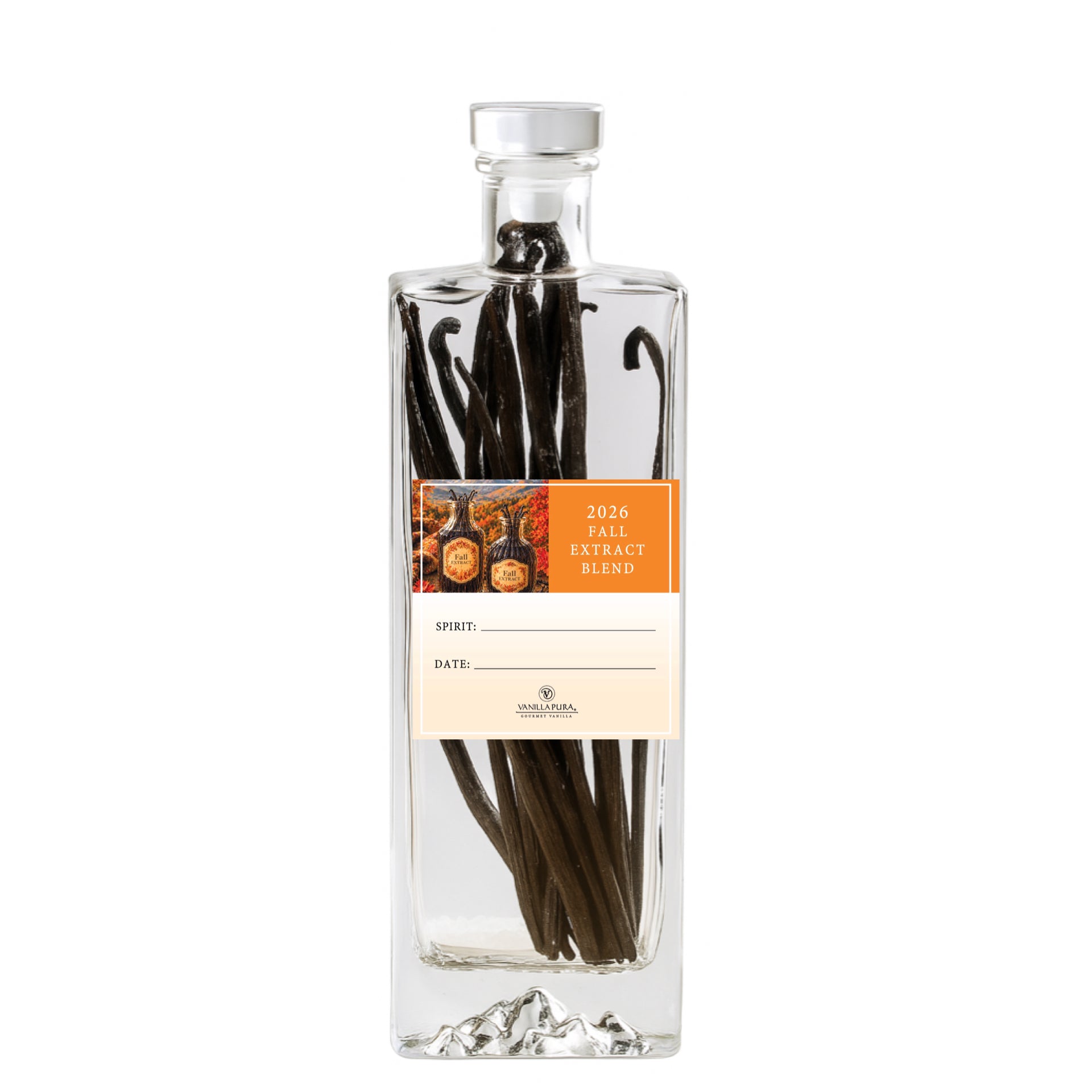
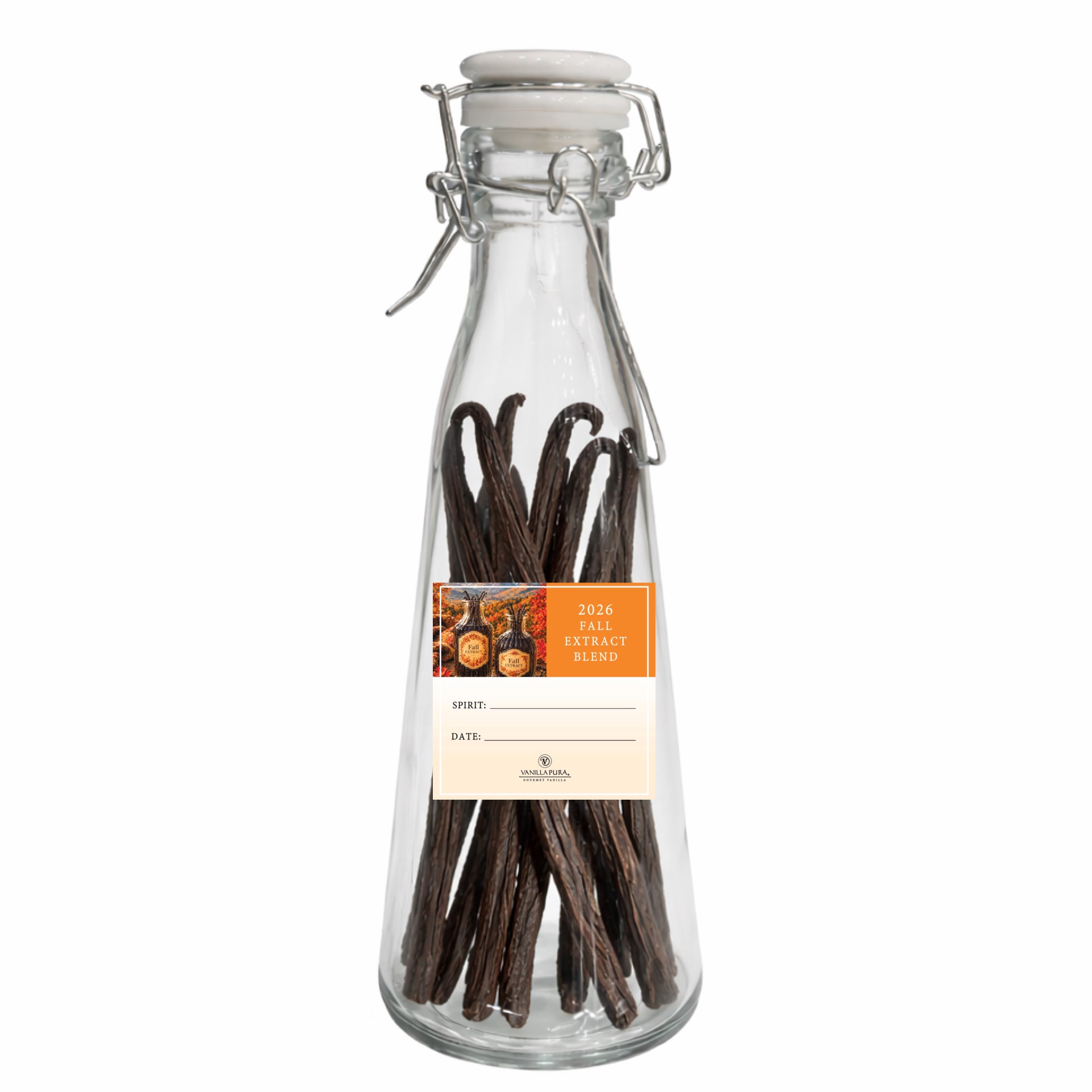
Use 1 oz of V. tahitensis vanilla beans for every 8 oz of your chosen spirit. Split the beans lengthwise, tuck them into a clean glass bottle or jar, cover completely with spirit, seal, and store in a cool dark place. For light spirits, allow up to 1 year of aging for a fully rounded, beautifully expressive extract. Shake gently every week or two and let time do the rest.
Choose Your Spirit: Light, Bright, and Summer-Ready
The floral, fruity character of V. tahitensis is best honored by spirits that complement rather than compete. Light spirits are the natural partners here — they let the bean's delicate complexity lead while adding their own subtle dimension.
Vodka
The purist's choice. A clean, neutral vodka is the clearest window into what V. tahitensis actually tastes like — all that cherry-almond florality, ripe fig sweetness, and anise-kissed brightness with nothing in the way. This is your most versatile extract: seamless in ice cream bases, sorbets, pastry cream, and anywhere you want pure, unadulterated tahitian vanilla flavor.
Gin
This is where things get magical. A good gin — already alive with botanicals like juniper, coriander, citrus peel, and angelica — finds a natural companion in V. tahitensis. The bean's floral and fruity notes weave through the gin's botanical complexity, creating an extract that's aromatic, layered, and genuinely unlike anything else. Use it in cocktails, fruit-forward desserts, or a splash in sparkling water for a sophisticated summer drink.
White Rum
White rum brings a light sugarcane sweetness and a hint of tropical brightness that pairs beautifully with tahitensis's fruity character. The result is a warm, approachable extract with a subtle sweetness that's exceptional in coconut-based desserts, tropical sorbets, rum-spiked whipped cream, and summer fruit tarts. It's the most dessert-friendly of the three and a natural fit for the season.
What to Make With Your V. tahitensis Extract
The light, crisp, fruity sweetness of a V. tahitensis extract opens up a world of summer applications that a bold planifolia extract simply can't match. Here's where it shines:
Cocktails
A few drops of tahitensis extract transforms a summer cocktail. Add it to a gin and tonic, a vodka lemonade, a white rum daiquiri, or a sparkling spritz. The floral vanilla note adds depth and intrigue without sweetness or weight — exactly what a summer drink needs.
Homemade Ice Cream
Tahitian vanilla ice cream is a revelation. The floral, fruity notes bloom in a cold cream base in a way that planifolia simply doesn't. Make a classic vanilla bean ice cream and let the tahitensis extract carry the flavor — you'll never go back to store-bought vanilla again.
Sorbets and Gelatos
In water-based frozen desserts like sorbet, the brightness of V. tahitensis is unmatched. It pairs beautifully with mango, peach, lychee, raspberry, and passion fruit — amplifying the fruit's natural sweetness without muddying it. In gelato, it adds an aromatic lift that makes every flavor more vibrant.
Fruit-Inspired Desserts
Stone fruit galettes, peach cobblers, strawberry shortcake, fig tarts, tropical pavlova — anywhere fresh summer fruit is the star, a tahitensis extract is the perfect supporting player. Its cherry-almond and floral notes echo and amplify the fruit rather than competing with it.
Grilled and Seared Fish
This one surprises people, but it shouldn't. A small splash of V. tahitensis extract in a butter baste, a citrus marinade, or a light cream sauce for grilled halibut, seared scallops, or cedar-planked salmon adds a haunting floral sweetness that elevates the dish into something memorable. The anise and fruit notes in tahitensis are a natural bridge between the ocean's brininess and the brightness of citrus and herbs.
Start This Summer. Enjoy Next Summer.
The most rewarding thing about making your own V. tahitensis vanilla extract is the ritual of it. You start a batch at the beginning of summer — a small, intentional act — and you tuck it away. Over the following months it quietly transforms, deepening and developing while you go about your life. Then, twelve months later, you open that bottle on a warm evening and it's ready: floral, fruity, complex, and entirely yours.
Use 1 oz of premium V. tahitensis beans for every 8 oz of vodka, gin, or white rum. Age for up to 1 year. Store in a cool, dark place and shake gently every week or two.
Start your extract this summer. Your future self — standing in the kitchen next July, reaching for that bottle — will thank you.