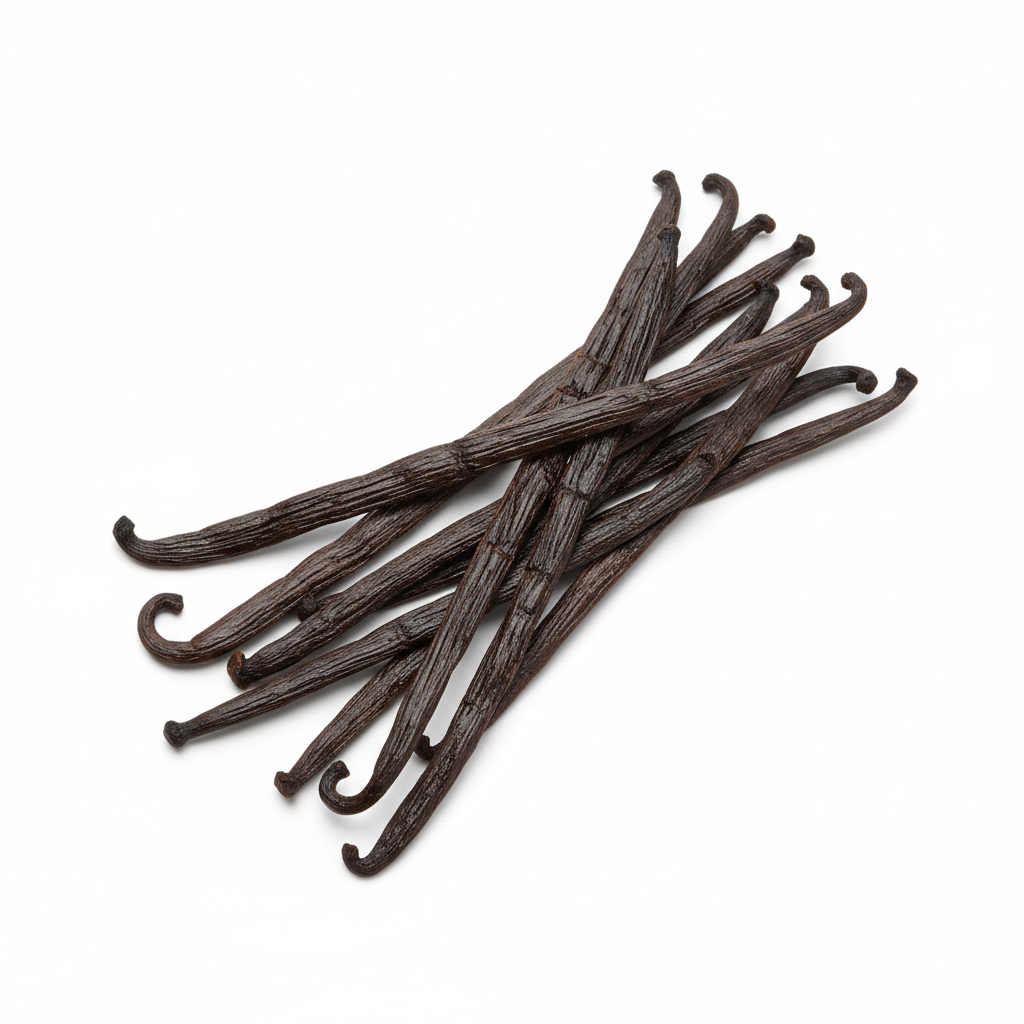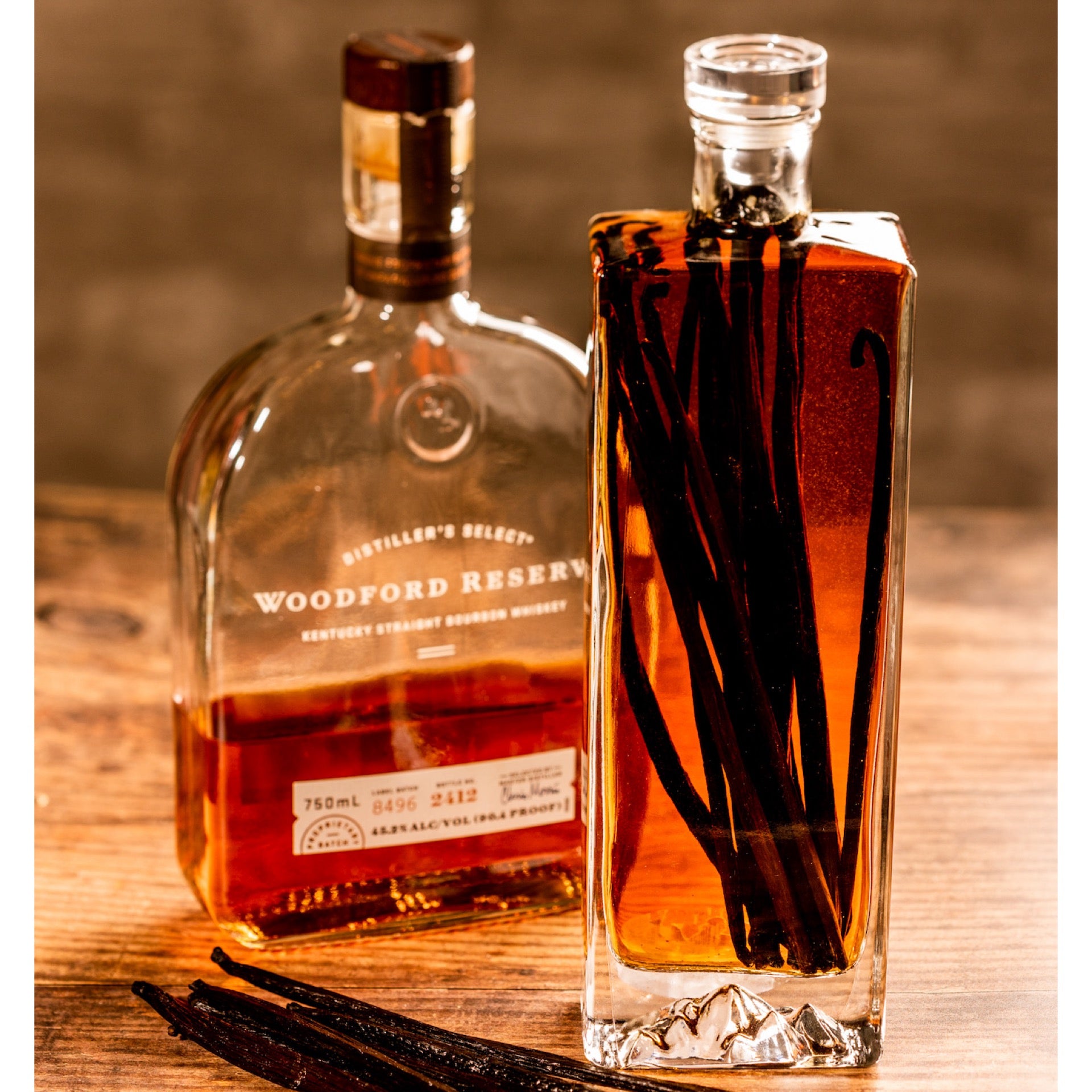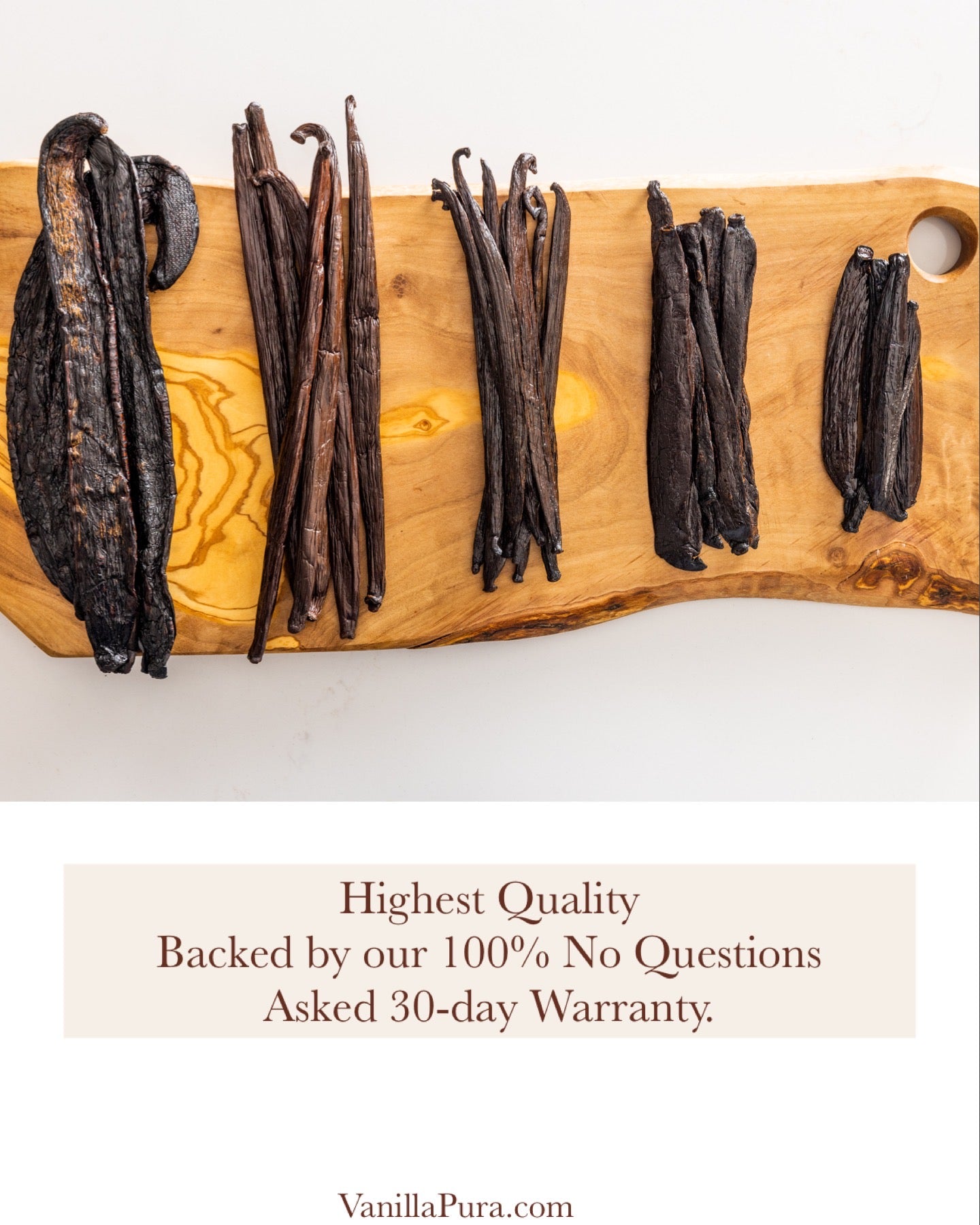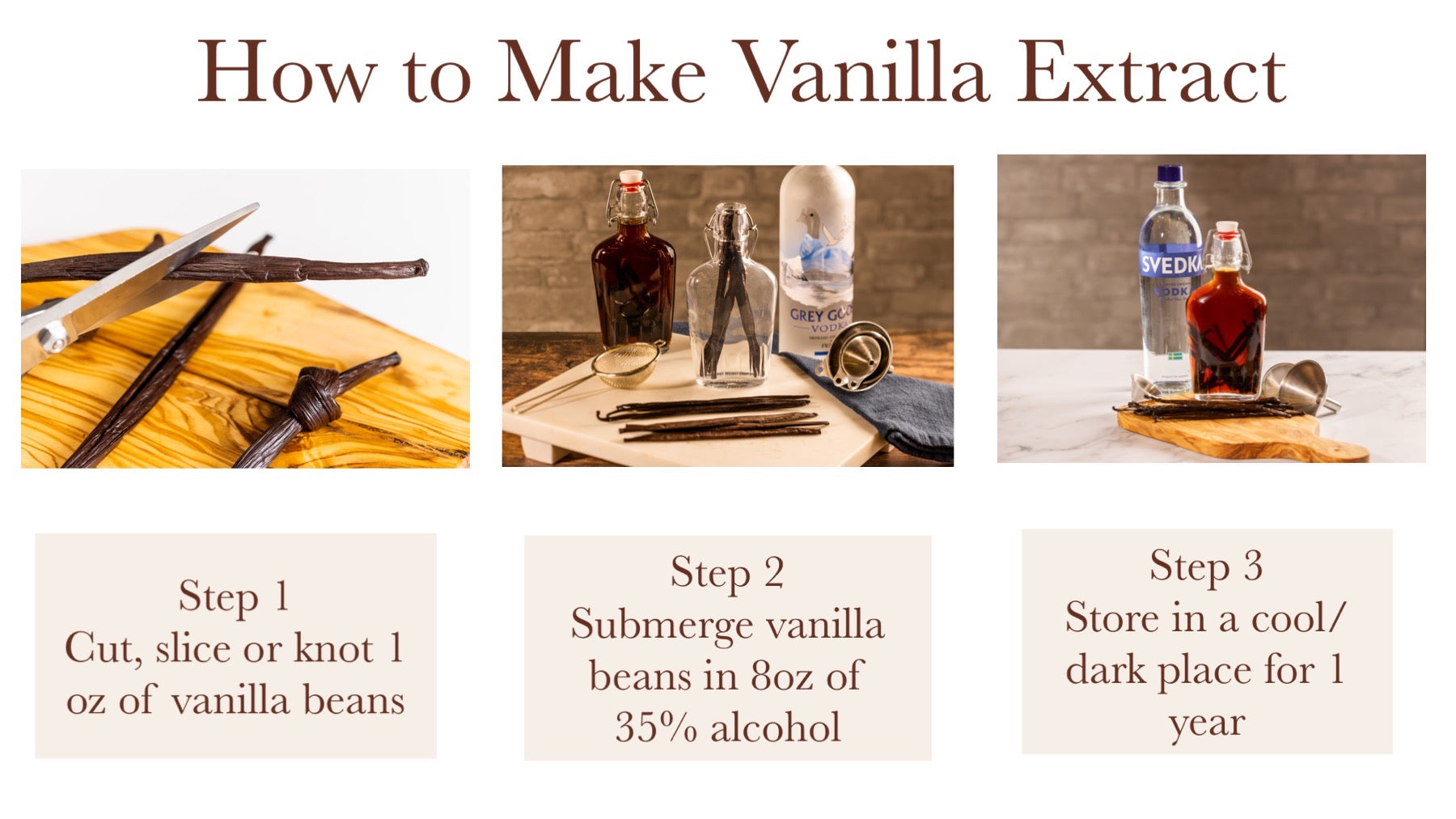

When we think of vanilla's global journey, our minds often travel to Madagascar, Tahiti, or Indonesia. But there's an entire continent whose vanilla story remains largely untold—a continent where vanilla isn't just grown, but where multiple species thrive in wildly different terroirs, creating a flavor diversity as rich as the cultures themselves. Welcome to South America, vanilla's ancestral home and perhaps its most exciting frontier.
A Continent of Vanilla Species
South America isn't just growing vanilla—it's cultivating vanilla biodiversity. From the massive Vanilla pompona pods of Peru to the delicate V. tahitensis of Ecuador and Colombia, from Brazil's dual cultivation of V. planifolia and the rare V. bahiana to French Guiana's V. planifolia, this continent showcases vanilla in all its botanical glory.
The rich soils, diverse climates, and varying elevations across South America create growing conditions that allow each species to express itself uniquely, resulting in a region filled with vanilla flavors as diverse as its cultures.
Peru: Home of the Giant V. pompona
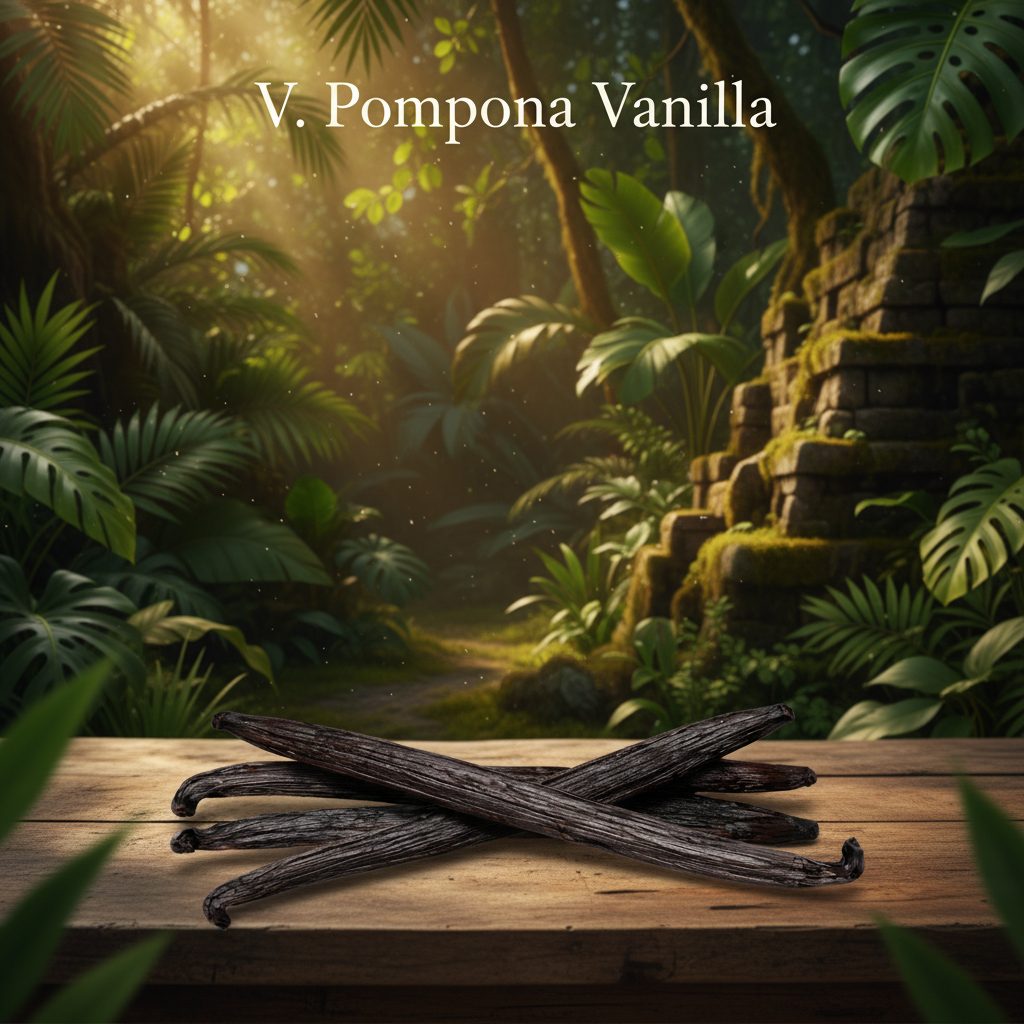
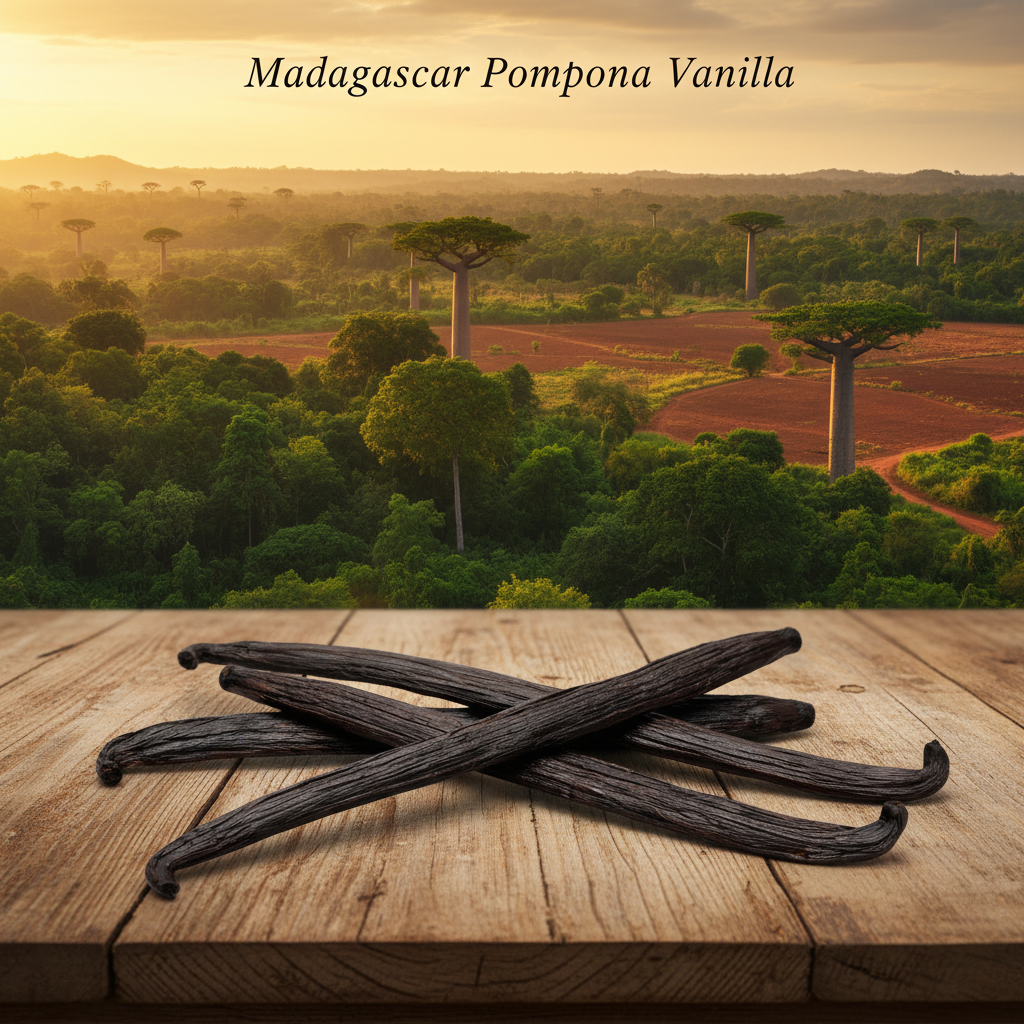
In Peru, vanilla takes on impressive proportions with Vanilla pompona, sometimes called "vanillón" due to its notably larger pods compared to other vanilla species. These substantial beans can grow significantly bigger than their V. planifolia cousins, and they bring a distinctly different flavor profile to the table.
Peruvian V. pompona is known for its bold, almost savory characteristics, with some describing notes of tobacco, leather, and deep spice alongside the sweet vanilla undertones. The beans often exhibit a more robust, less delicate flavor than traditional vanilla, making them fascinating for adventurous culinary applications and craft spirits.
Ecuador: Tahitian Vanilla with an Andean Twist
Ecuador's cultivation of Vanilla tahitensis brings the floral, fruity characteristics of Tahitian vanilla to South American soil—with remarkable results. The country's unique position straddling the equator, combined with its diverse microclimates from coastal regions to Andean foothills, creates growing conditions that produce V. tahitensis with its own distinct personality.
Ecuadorian Tahitian vanilla often showcases pronounced floral notes with hints of cherry, prune, and sometimes even wine-like characteristics. The beans tend to be plump and aromatic, with the fruity-floral profile that makes Tahitian vanilla so beloved, but with an earthiness that speaks to its South American terroir.
Colombia: Tahitian Vanilla in the Coffee Lands
Colombia, famous for its coffee, is also cultivating exceptional Vanilla tahitensis. The same rich volcanic soils and ideal growing conditions that make Colombian coffee world-renowned also nurture vanilla beans with remarkable depth and complexity.
Colombian V. tahitensis often exhibits a beautiful balance between floral sweetness and subtle spice notes. Some producers report hints of anise, cherry, and even chocolate undertones in their beans—a testament to the terroir and the careful cultivation practices employed in the region.
Brazil: A Dual Vanilla Heritage
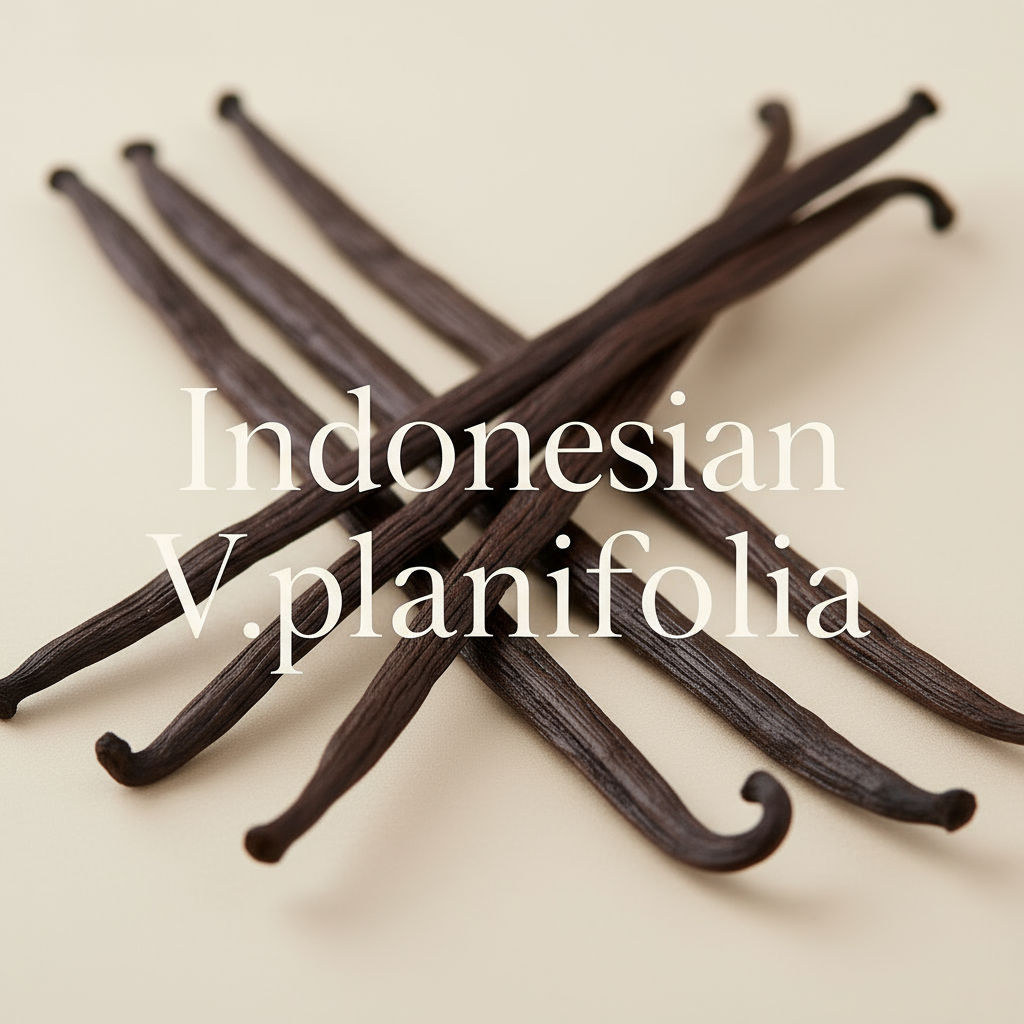
Brazil's vanilla story is particularly fascinating because it encompasses both Vanilla planifolia—the world's most common vanilla species—and Vanilla bahiana, a rare species native to Brazil's Atlantic Forest region.
V. planifolia grown in Brazil benefits from the country's tropical climate and rich soils, producing beans with the classic vanilla profile but often with a slightly fruitier, more tropical character than their Madagascar counterparts.
But it's V. bahiana that truly sets Brazil apart. This lesser-known species produces smaller pods with a unique flavor profile that's still being explored by vanilla enthusiasts and researchers. Brazilian V. bahiana represents an important piece of vanilla biodiversity and offers flavors that can't be found anywhere else in the world.
French Guiana: V. planifolia in the Amazon
In French Guiana, Vanilla planifolia grows in the unique conditions of the Amazon basin, where high humidity, rich biodiversity, and pristine growing conditions create beans with exceptional quality. The region's vanilla production, though smaller in scale, is known for producing intensely aromatic beans with complex flavor profiles.
French Guiana's V. planifolia often exhibits the classic vanilla characteristics we know and love, but with added layers of complexity—sometimes showing woody notes, sometimes tropical fruit undertones, always with the depth that comes from growing in such a biodiverse environment.
A Region United by Diversity
What makes South American vanilla so special isn't just the variety of species grown, but how each country's unique terroir—its soil composition, climate, elevation, and ecosystem—shapes the flavor of its beans. From Peru's bold V. pompona to Brazil's rare V. bahiana, from Ecuador and Colombia's floral V. tahitensis to French Guiana's complex V. planifolia, South America offers a vanilla experience as diverse as the continent itself.
For vanilla enthusiasts looking to explore beyond the familiar, South American vanilla represents an exciting frontier. These beans tell stories of biodiversity, terroir, and cultural heritage—flavors as diverse as the cultures that cultivate them, grown in soils as rich as the continent's history.
The next time you reach for vanilla, consider exploring South America's offerings. You might discover that vanilla's ancestral home still has plenty of delicious secrets to share.