
If you've spent any time in extract-making groups, you've probably heard someone say:
"Don't forget to burp your jars."
But what exactly does that mean?
And more importantly...
Do your extracts actually need it?
The answer depends on what kind of extract you're making.
What Does "Burping" Mean?
Burping simply means opening a jar briefly to release any pressure that may have built up inside.
Some extract makers do it regularly.
Others rarely open their jars until it's time for a taste test.
Neither approach is necessarily right or wrong.
The question isn't whether burping is good or bad.
The question is:
What's in the jar?
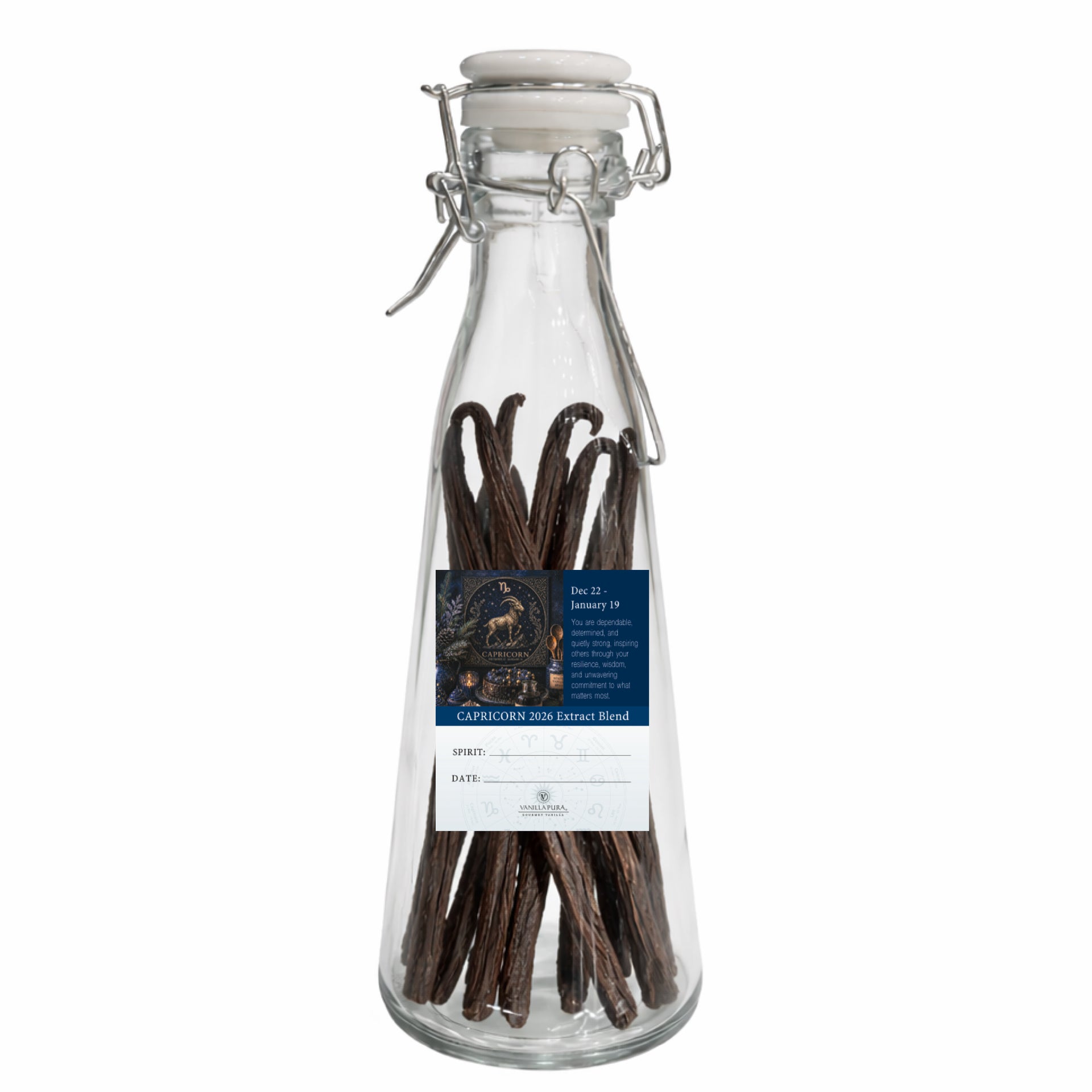
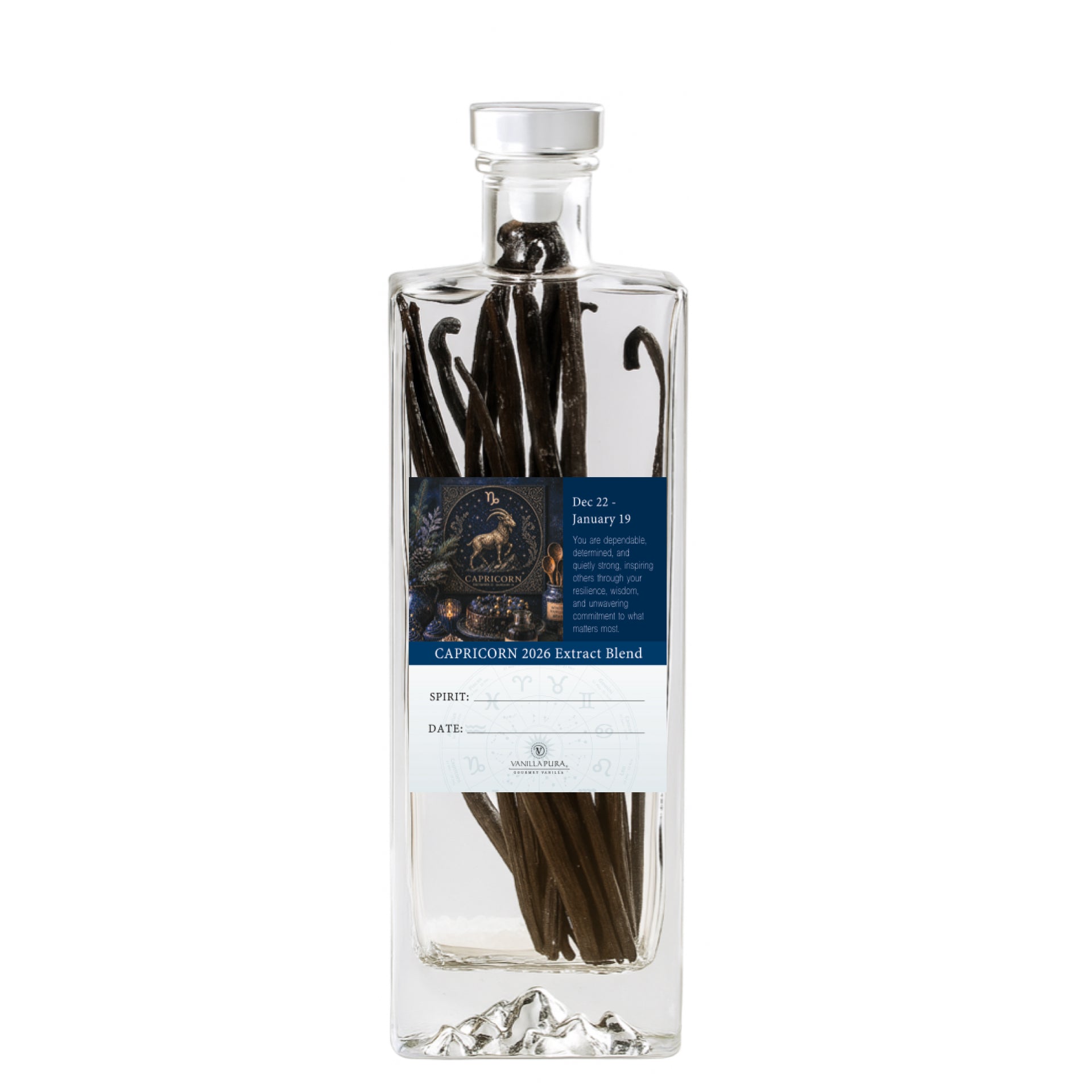
A traditional vanilla extract made with vanilla beans and alcohol behaves very differently than an extract made with fresh fruit, coffee, cacao, herbs, spices, or sweet ingredients.
Understanding the ingredients you're working with will help you decide whether burping makes sense for your particular extract.
Traditional Vanilla Extracts
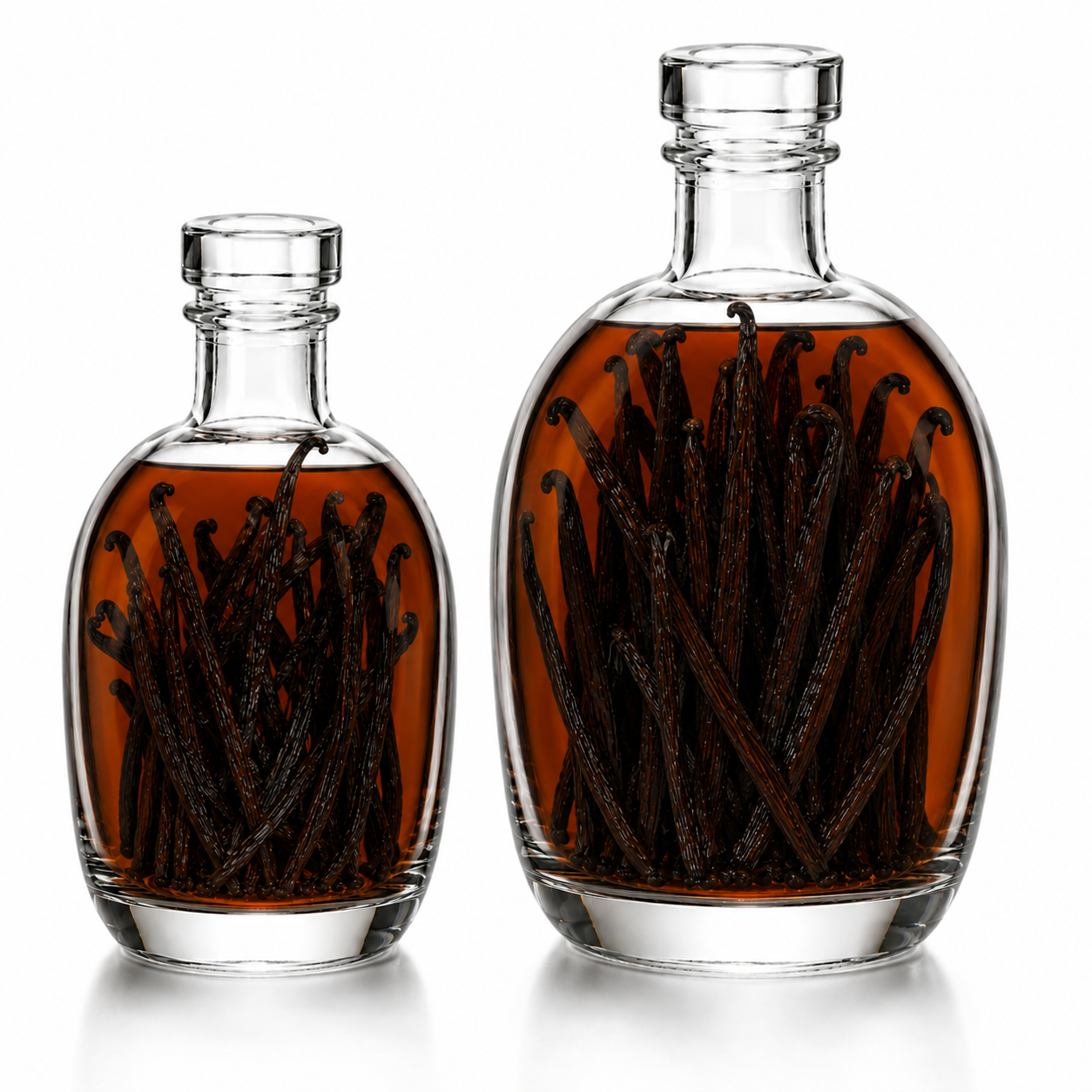
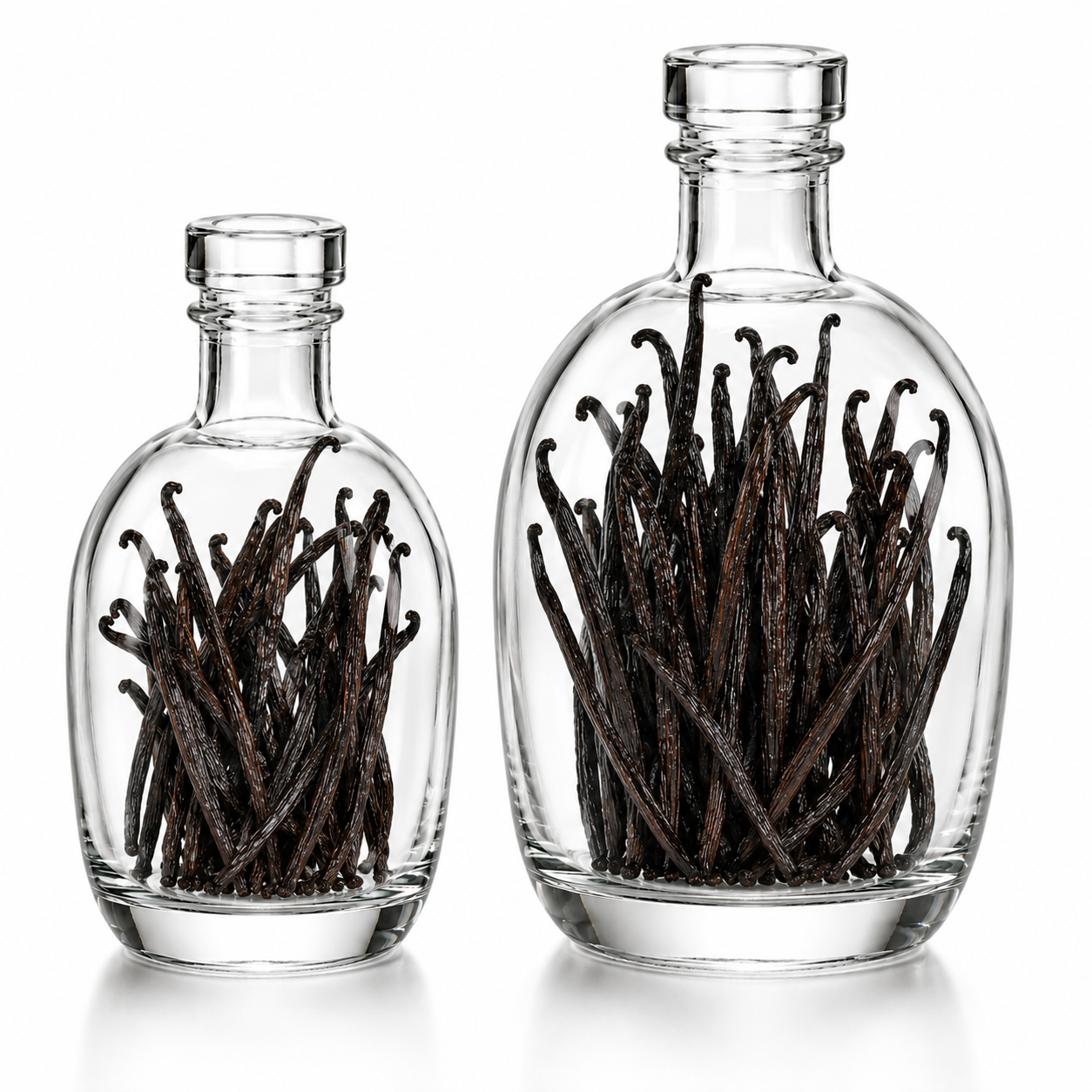
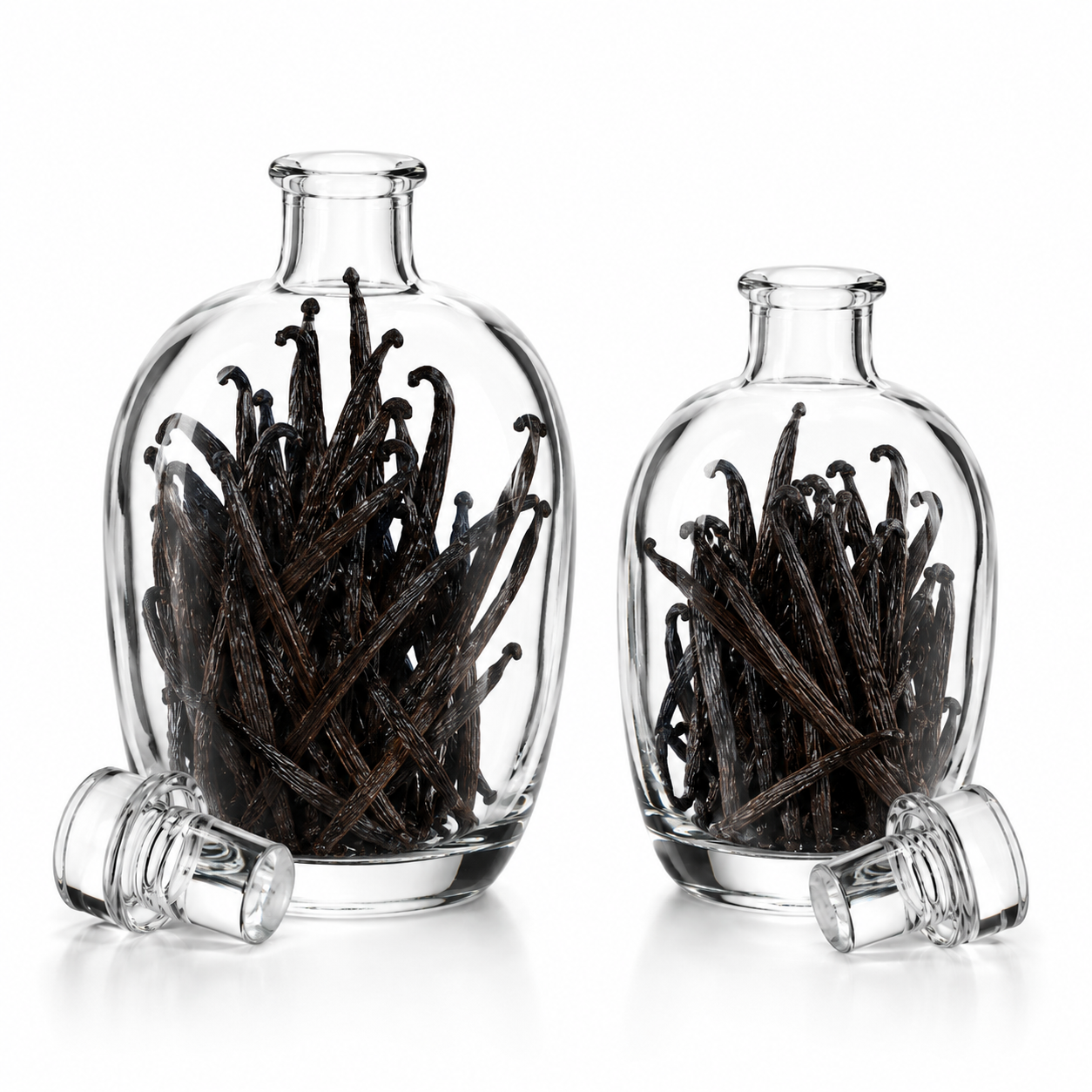
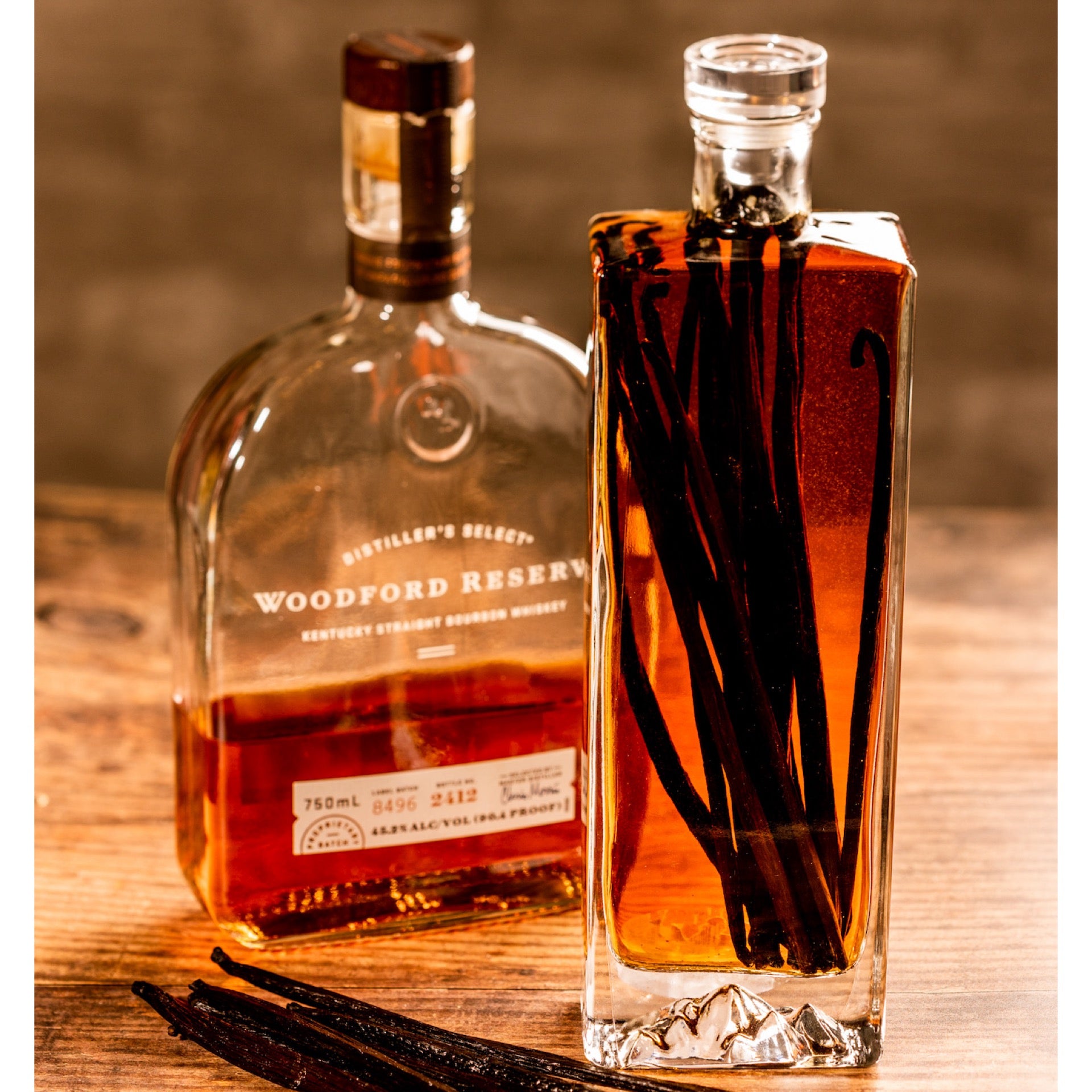
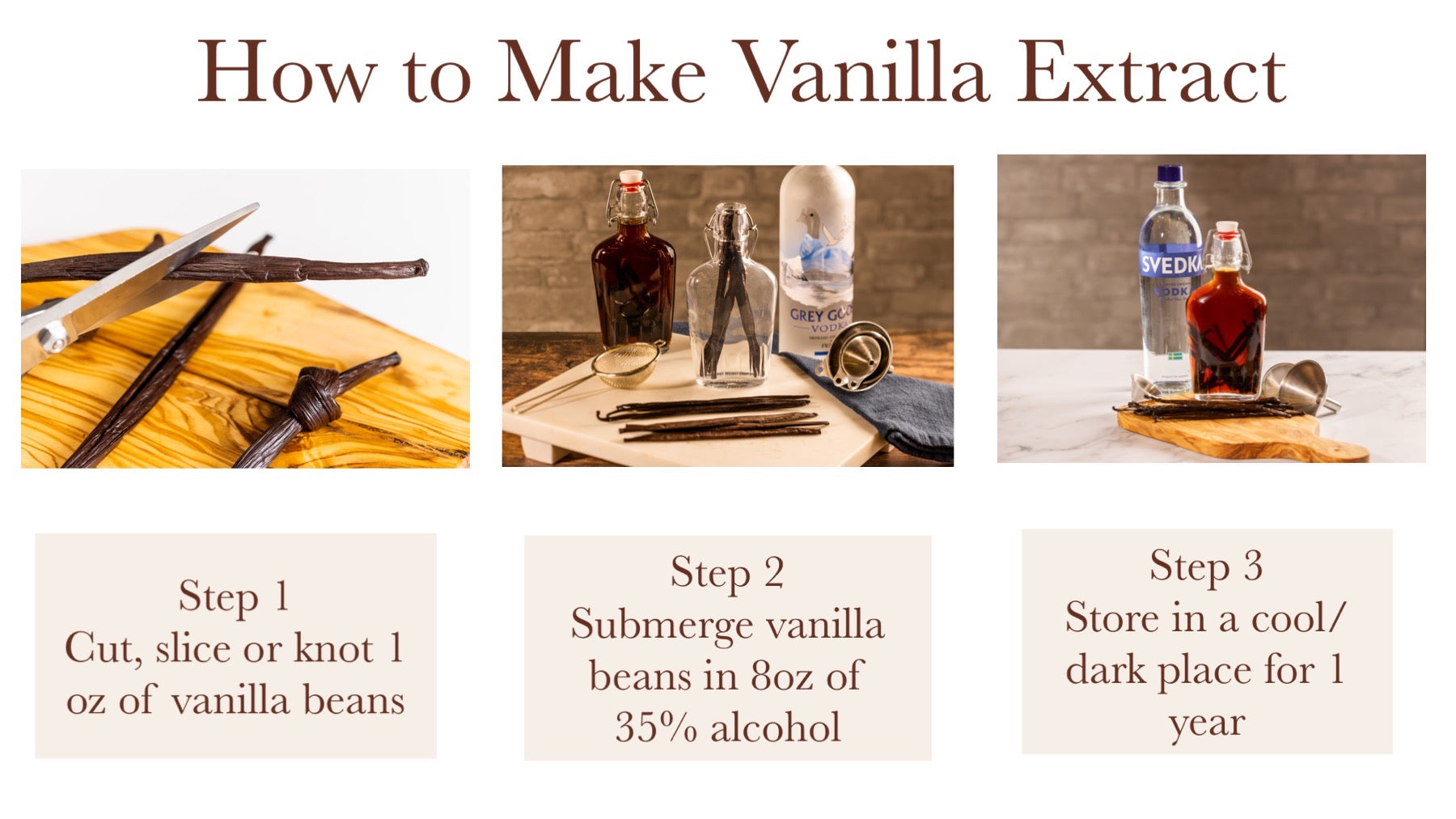
A traditional vanilla extract is beautifully simple:
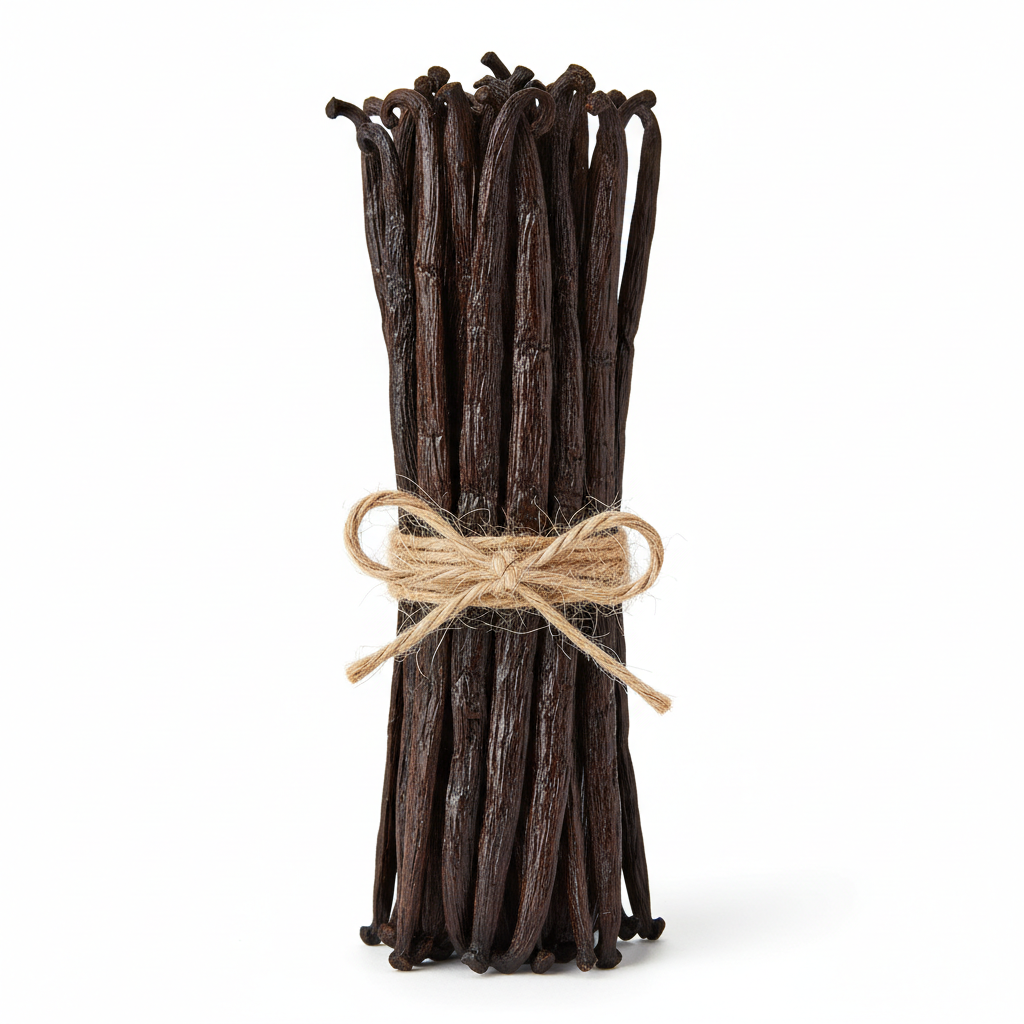
- Vanilla beans
- Alcohol
- Time
In most cases, these jars aren't producing pressure.
The alcohol content is high enough that fermentation isn't occurring, and vanilla beans themselves don't typically create gases during extraction.
For many vanilla extracts, routine burping simply isn't necessary.
Store them in a cool, dark place and let time do the work.
Fresh Fruit Extracts Are Different
Fresh fruit changes the conversation.
Fruit naturally contains:
- Water
- Sugar
- Wild yeasts
Under certain conditions, those ingredients can create fermentation activity.
This is one reason fresh-fruit extractions often require much higher-proof alcohol than a traditional vanilla extract. The higher alcohol content helps offset the water introduced by the fruit and discourages unwanted fermentation.
If you're working with fresh fruit, it may be wise to pay a little closer attention to your jar, especially during the early stages of extraction.
Signs a Jar May Need Attention
If you notice:
- Bubbling
- A hissing sound when opened
- A lid that feels unusually tight
- Cloudiness
- A sour or wine-like aroma
It's worth taking a closer look.
These signs don't automatically mean something is wrong, but they may indicate that more than simple extraction is occurring.
What About Coffee, Cacao, Spices, and Herbs?
Most dried ingredients are unlikely to create pressure.
Extracts made with:
- Cacao nibs
- Coffee
- Cinnamon
- Cloves
- Dried citrus
- Dried herbs
typically don't require routine burping.
That said, every ingredient is different and every kitchen environment is different.
A quick visual check from time to time is usually all that's needed.
What About Sugar and Caramel?
This question comes up often.
Many extracts contain ingredients that naturally contain sugars. Fresh fruit is the most obvious example.
Some makers also experiment with caramel, sweeteners, or other additions.
Sugar by itself isn't necessarily a problem. The bigger consideration is whether enough water is present to support fermentation activity.
A small amount of caramel flavoring in a finished product is very different from introducing a large amount of sugar and water into an active extraction.
When working with sweet ingredients, simply pay closer attention to how the jar behaves.
Let the Ingredients Guide You
One of the things we love about homemade extracts is that there are very few hard-and-fast rules.
Different ingredients behave differently.
Different alcohols behave differently.
And every extract maker brings their own creativity to the process.
A vanilla extract may never need burping.
A fresh-fruit extract may deserve a little more observation.
A coffee extract may sit quietly in the cupboard for months without needing any attention at all.
Use your senses.
Look at the jar.
Smell the extract.
Taste test when appropriate.
Most importantly, understand what you're extracting and let that guide your decisions.
The Bottom Line
There is no universal "burp every week" rule.
Whether you burp an extract depends largely on what ingredients are in the jar and how those ingredients behave during extraction.
Some extracts may benefit from an occasional opening.
Many won't need it at all.
The best approach is to understand your ingredients, pay attention to your jar, and use good judgment.
Sometimes the smartest thing you can do for an extract is exactly what makes extract making so rewarding:
Put it away, be patient, and let time work its magic.
We'd Love to Hear From You
Have you ever opened a jar and heard a hiss?
Had a fruit extract become unexpectedly active?
Or are you firmly in the "leave it alone and let it extract" camp?
Share your experiences with the VanillaPura community. One of the best ways we learn is from each other's jars, experiments, successes, and occasional surprises.
Happy Extracting!