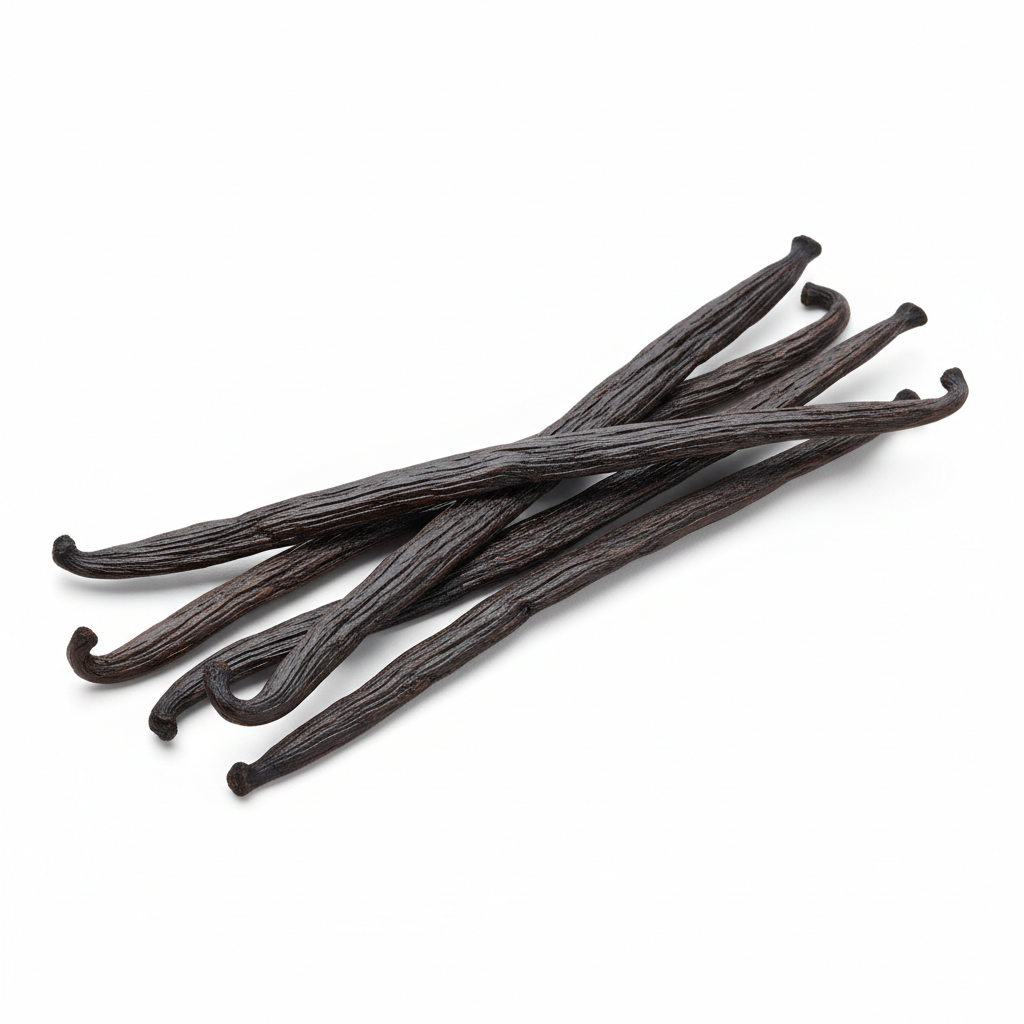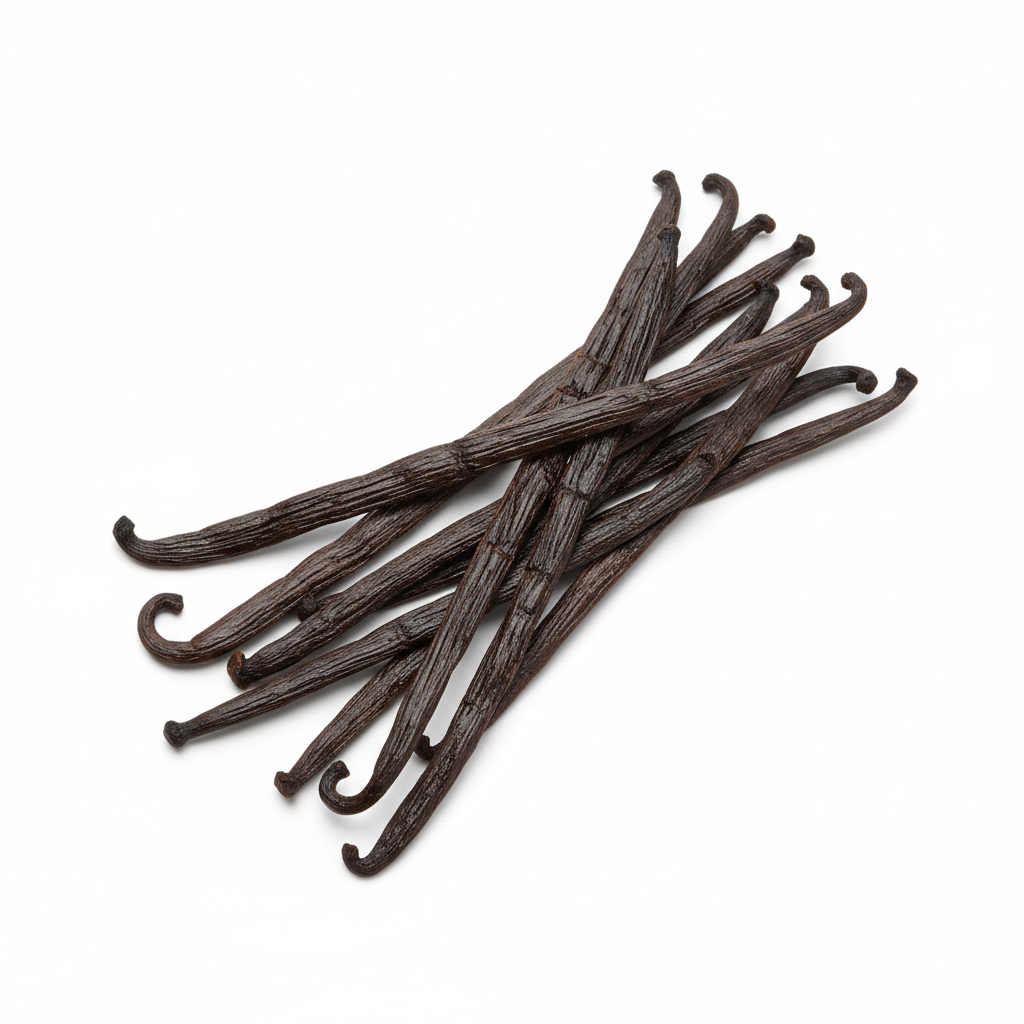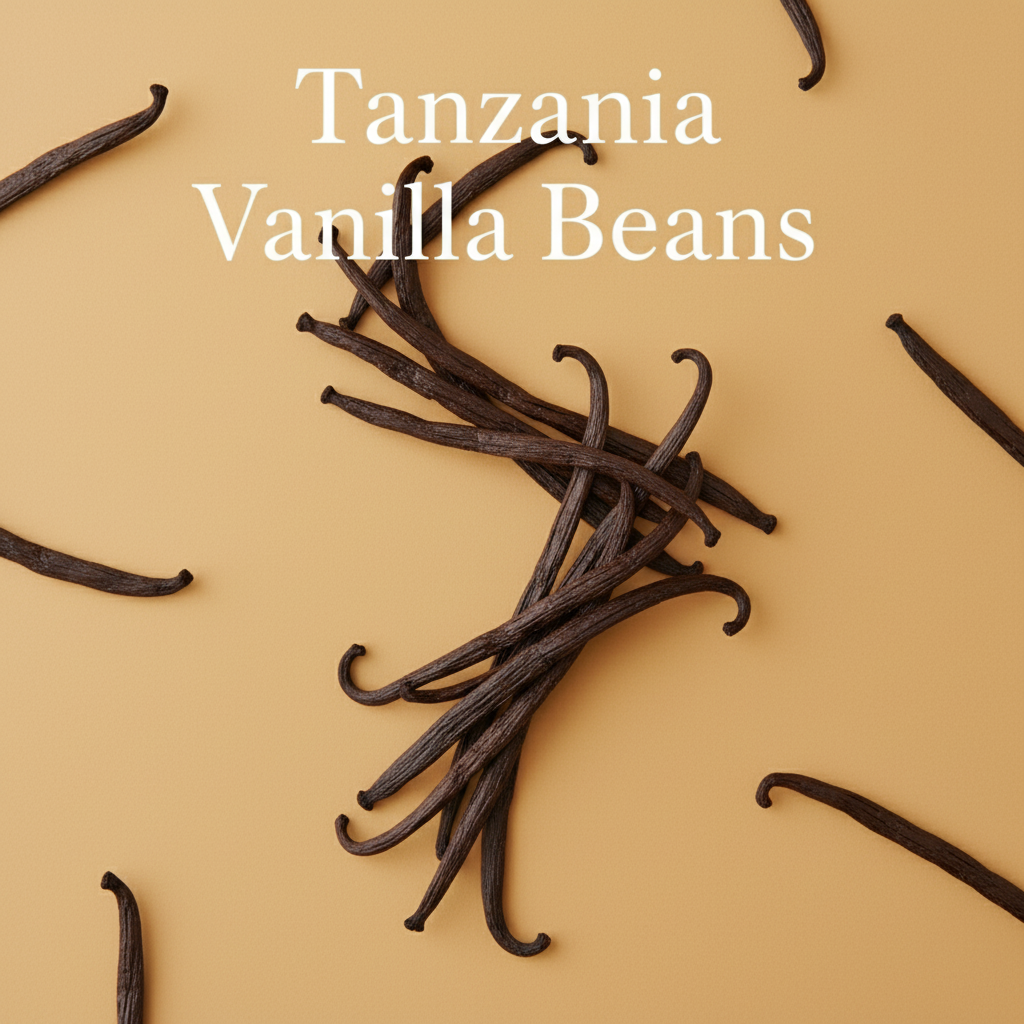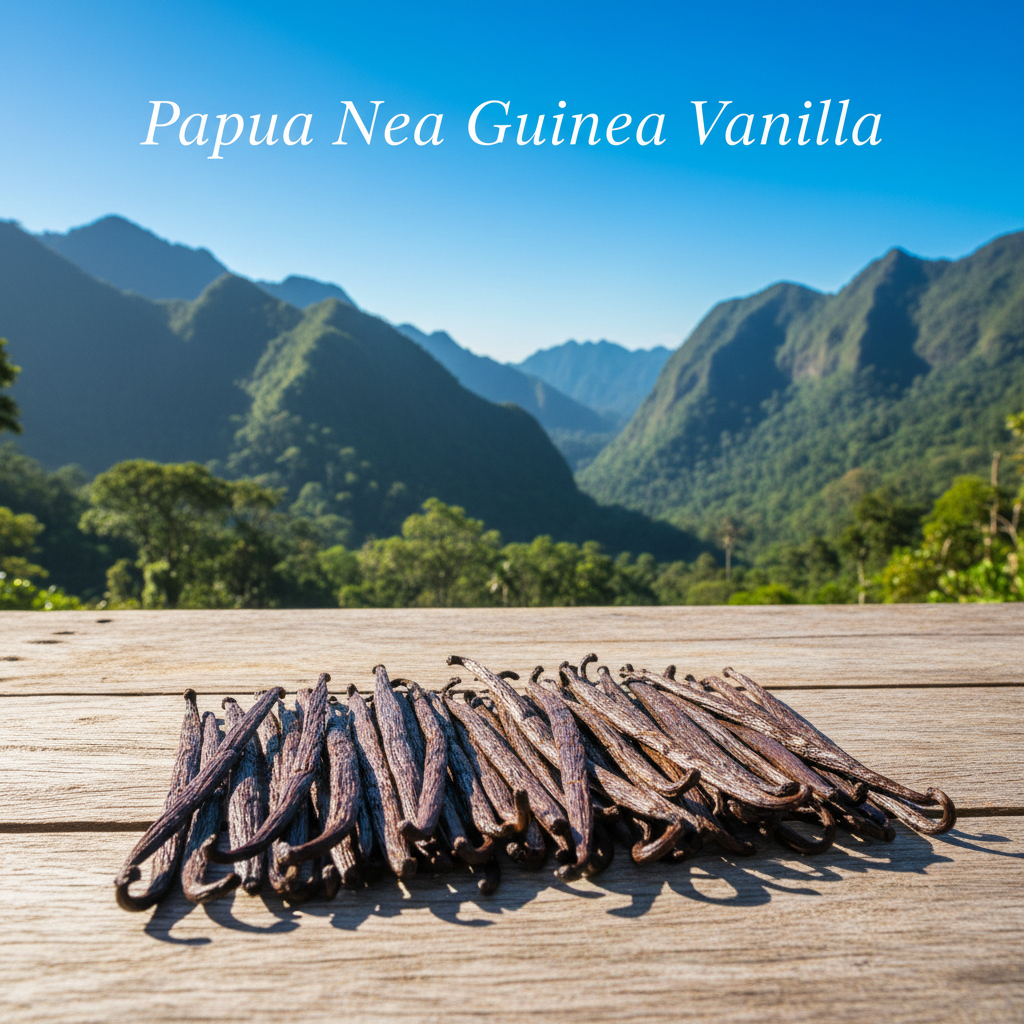

Both grow in the sun-drenched tropics of the Pacific Ocean. Both are hand-pollinated, hand-harvested, and cured with extraordinary care. But Vanilla tahitensis from the Marquesas Islands and Vanilla planifolia from Hawaii are two entirely different vanilla experiences — different species, different flavor profiles, and different culinary personalities.
If you've ever wondered what separates these two Pacific vanilla powerhouses, this guide is for you.
The Species: A Tale of Two Vines
Vanilla tahitensis — commonly called Tahitian vanilla — is a distinct species believed to be a natural hybrid, likely descended from V. planifolia and V. odorata. It produces a plump, fleshy bean with thin skin and a notably lower vanillin content than its planifolia cousin. What it lacks in vanillin, it more than compensates for with a complex bouquet of aromatic compounds — most notably heliotropin (piperonal), which gives Tahitian vanilla its signature floral, cherry-like, and anise-forward character.
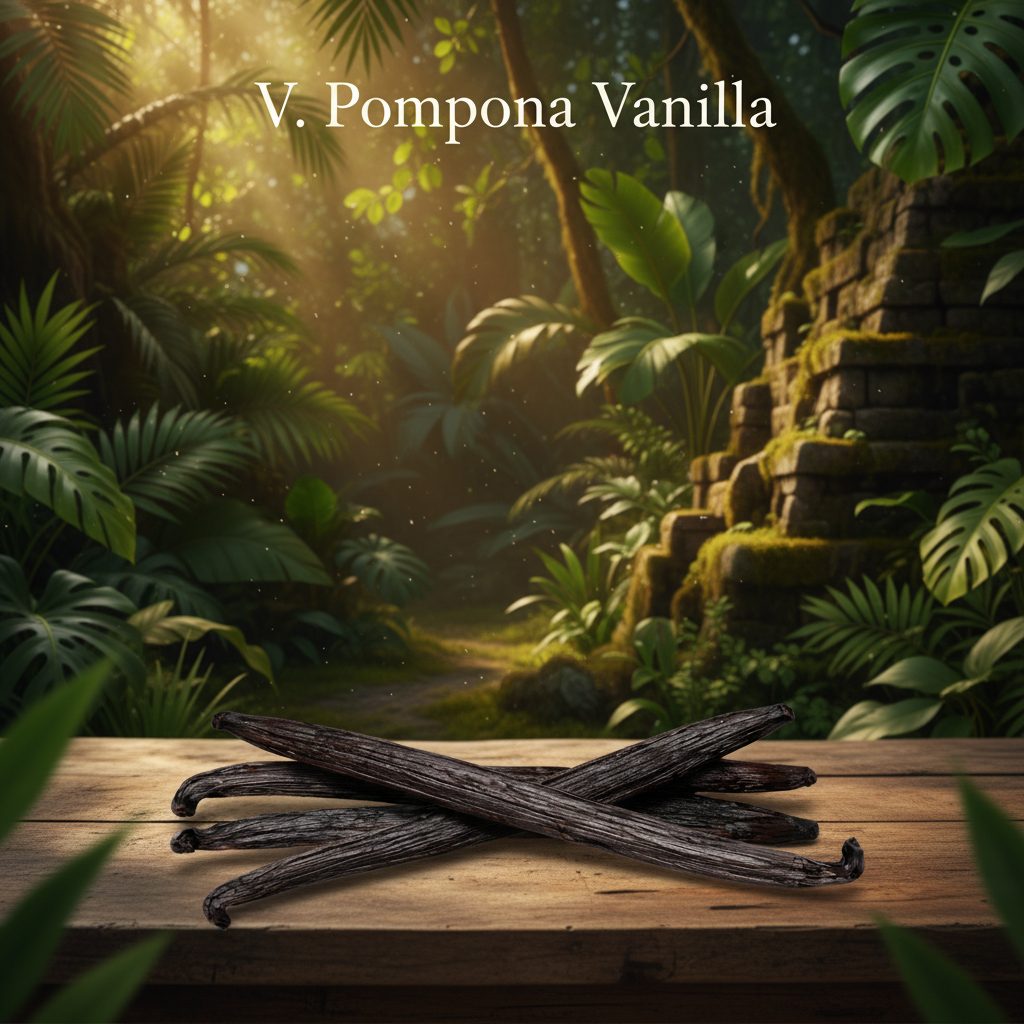
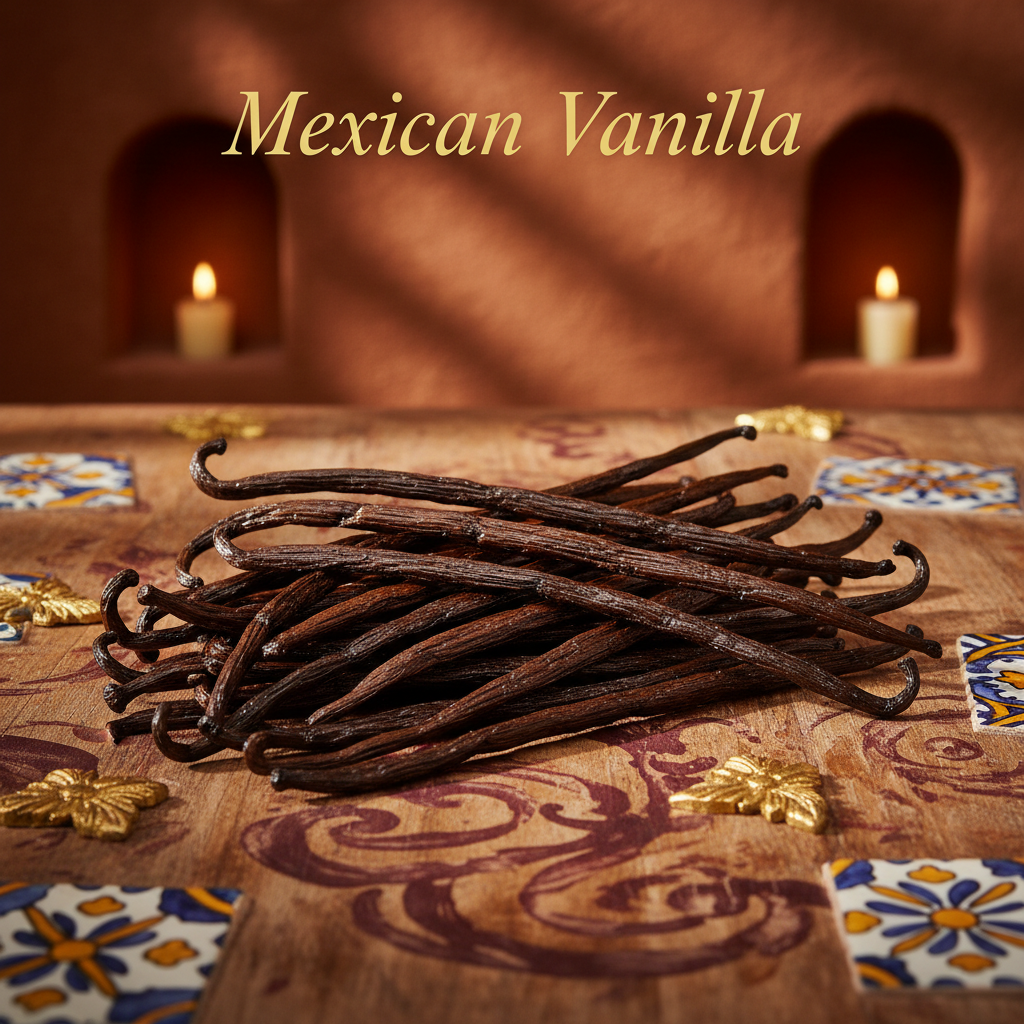
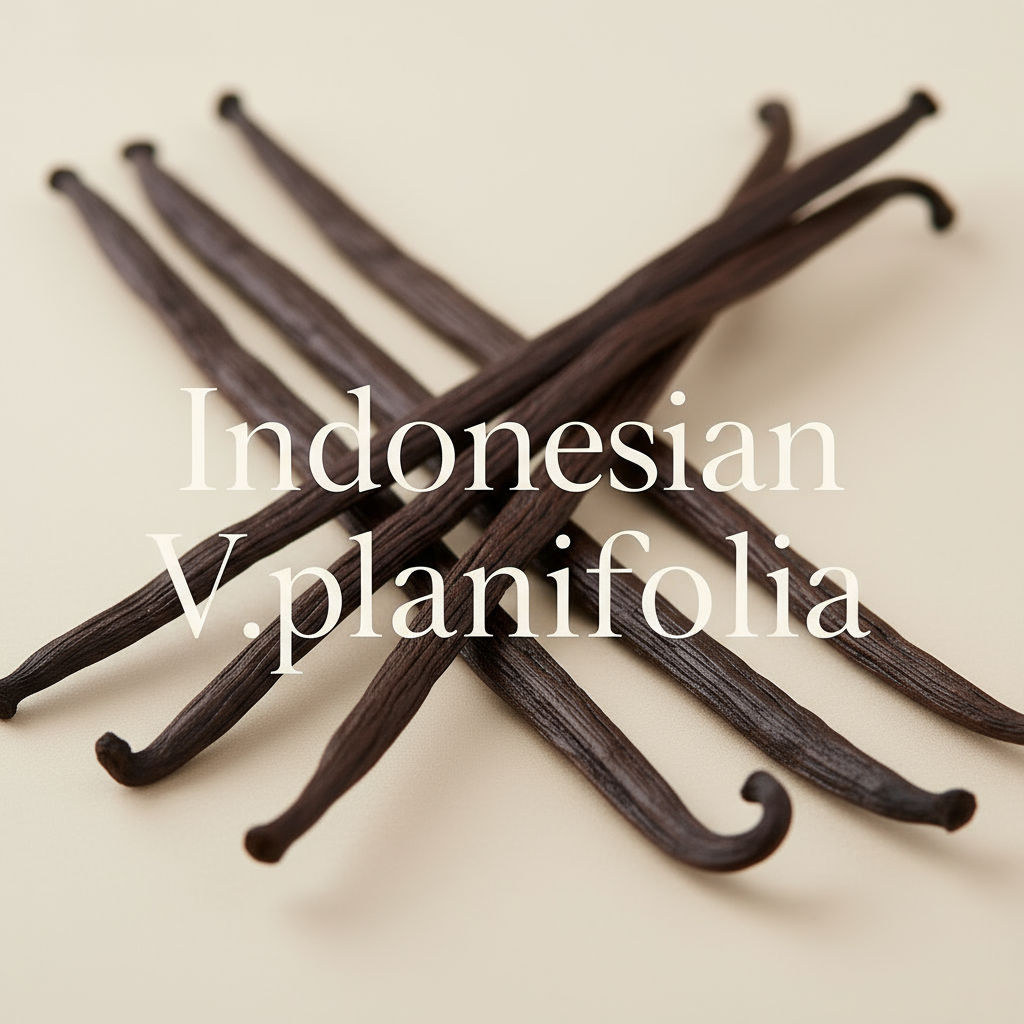
Vanilla planifolia is the world's dominant vanilla species — the source of Madagascar Bourbon, Mexican, Indonesian, and yes, Hawaiian vanilla. It produces a longer, leaner bean with a higher vanillin concentration, delivering the deep, rich, creamy vanilla flavor most people recognize as "classic vanilla."
The Origins: Marquesas Islands vs. Hawaii
Marquesas Islands (French Polynesia)
The Marquesas archipelago — remote, rugged, and volcanic — sits at the far eastern edge of French Polynesia, roughly 1,400 kilometers northeast of Tahiti. This is the heartland of V. tahitensis cultivation. The islands' rich volcanic soil, high humidity, and consistent tropical climate create ideal conditions for the Tahitian vine. Marquesas beans are among the most prized in the world: plump, moist, and intensely aromatic, with a complexity that sets them apart from Tahitian beans grown elsewhere in French Polynesia.
Hawaii (USA)
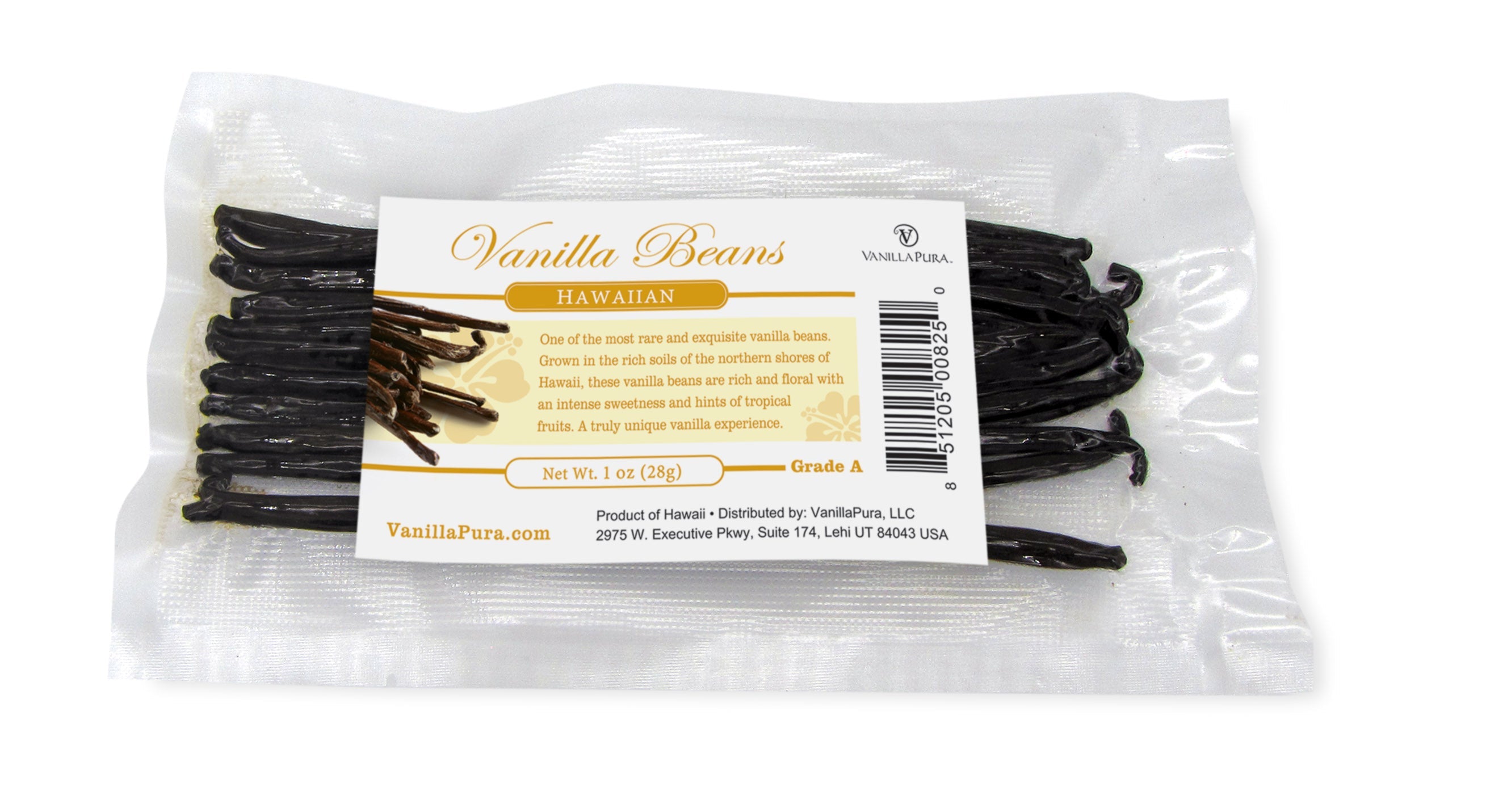
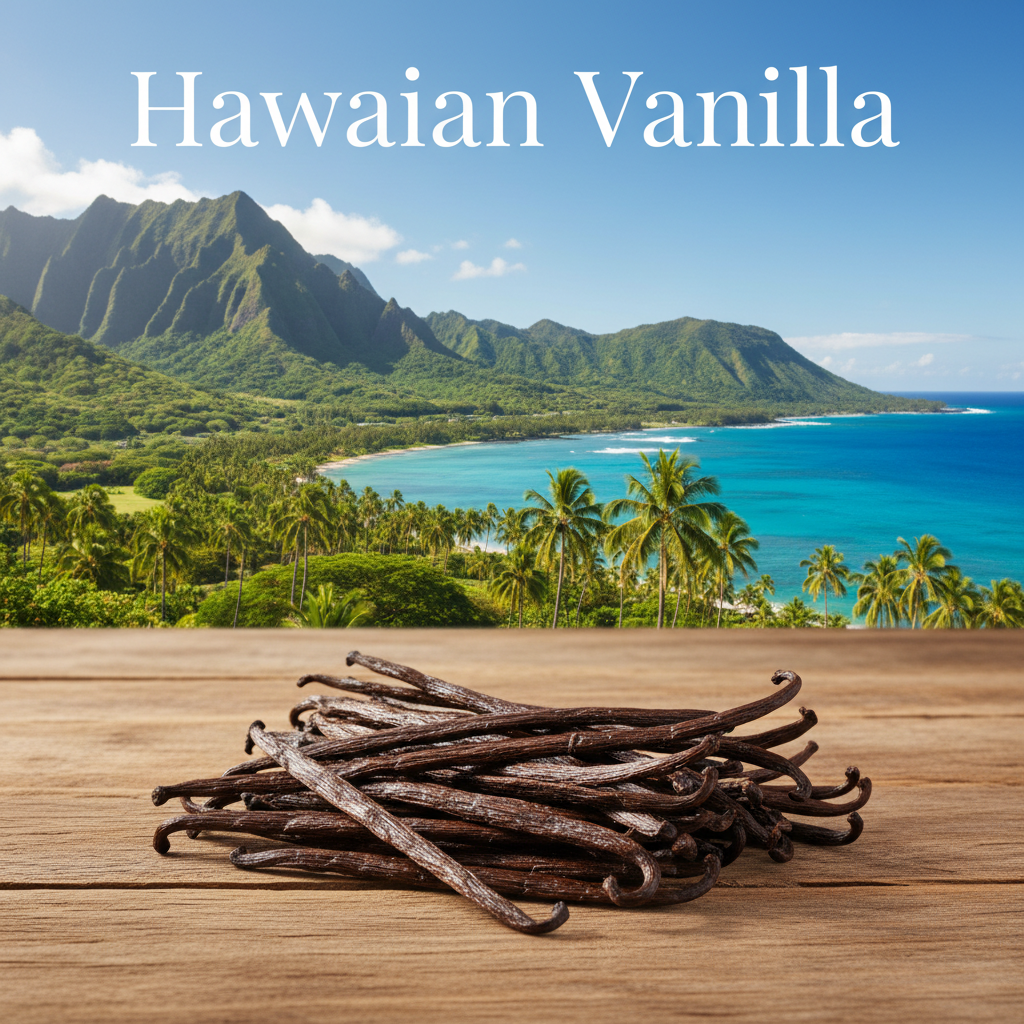
Hawaii is the only U.S. state where vanilla is commercially grown — and one of the rarest, most expensive vanillas on the planet. Hawaiian V. planifolia is cultivated primarily on the Big Island, where volcanic soil, tropical rainfall, and careful small-farm stewardship produce beans of exceptional quality. Because of Hawaii's high labor costs and small-scale production, Hawaiian vanilla commands a significant price premium — but the result is a clean, rich, creamy planifolia experience with a distinctly pure finish.
Flavor Profile Comparison
| Marquesas Tahitian (V. tahitensis) | Hawaiian (V. planifolia) | |
|---|---|---|
| Primary Notes | Floral, cherry, anise, licorice | Creamy, rich, classic vanilla, buttery |
| Secondary Notes | Stone fruit, caramel, wine-like | Warm spice, light caramel, clean finish |
| Vanillin Content | Lower (~1.5–2%) | Higher (~2–3%) |
| Aroma Intensity | Highly aromatic, complex | Rich, warm, straightforward |
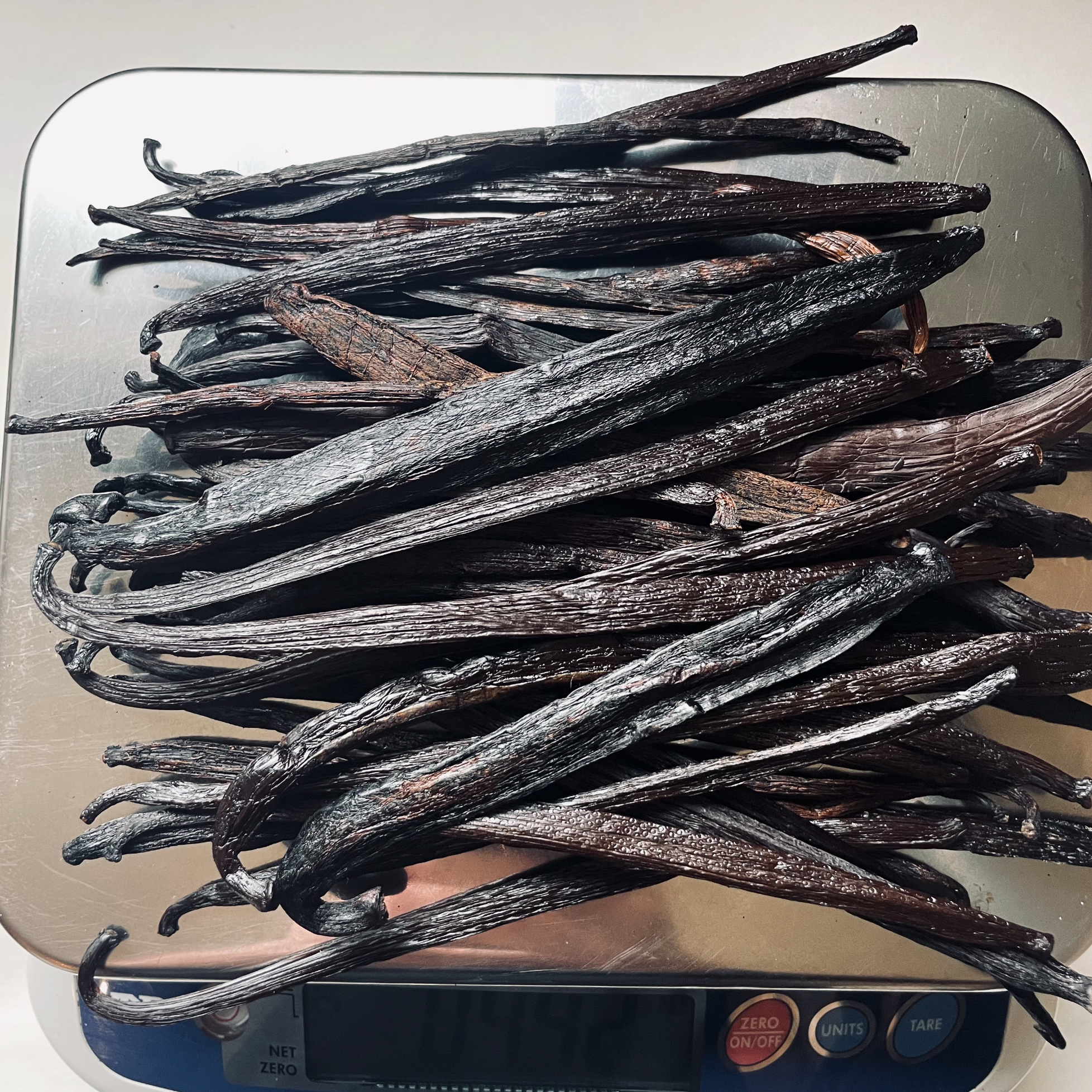
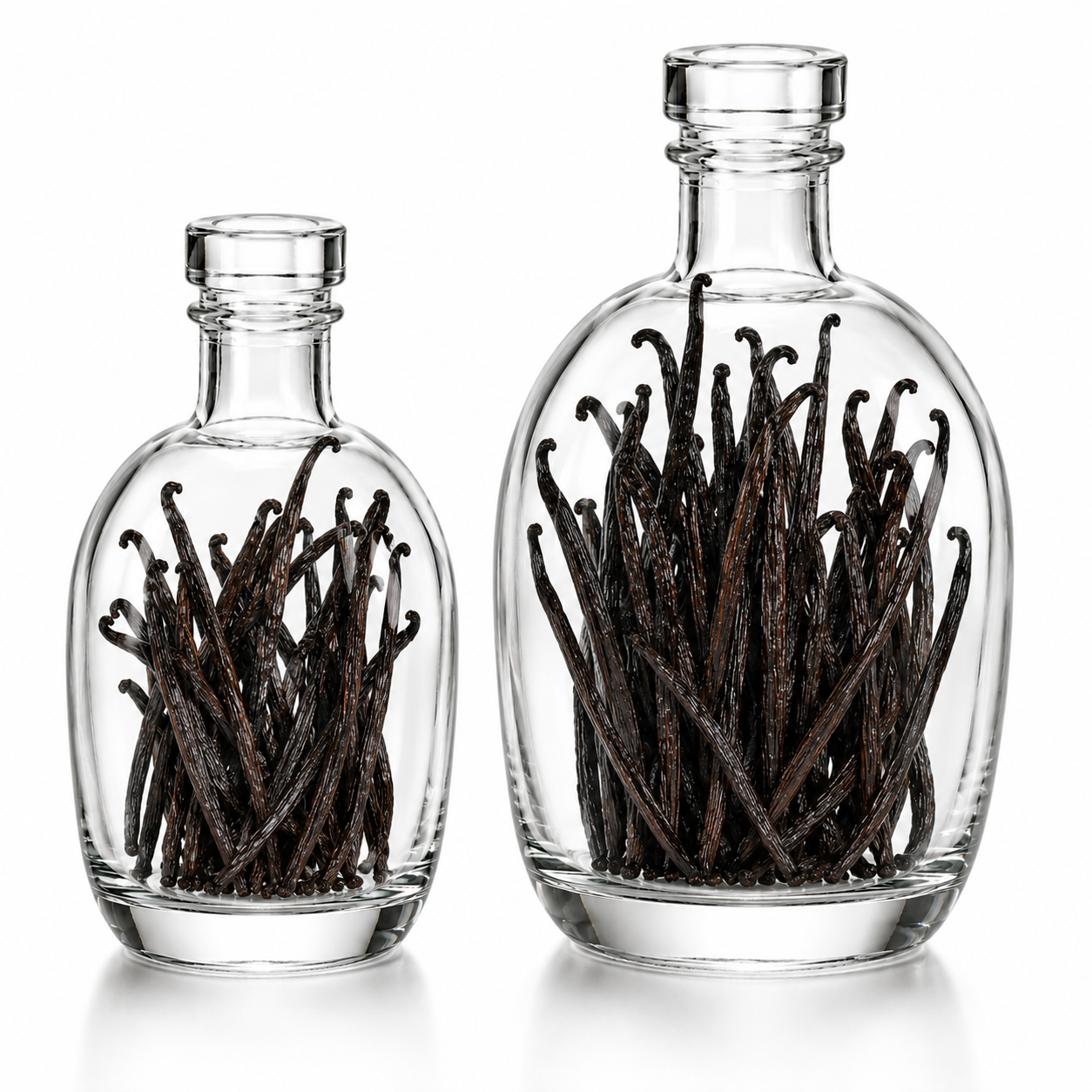
| Bean Appearance | Plump, fleshy, moist, shorter | Long, lean, dark, oily |
| Moisture Content | Higher (~35–38%) | Moderate (~25–30%) |
Culinary Applications
Marquesas Tahitian: The Pastry Chef's Secret Weapon
The floral, fruity complexity of Marquesas V. tahitensis shines in applications where vanilla is the star — not just a background note. Think:
- Crème brûlée and panna cotta
- Fruit-forward desserts (peach, cherry, raspberry pairings)
- Ice cream and gelato
- Whipped cream and pastry creams
- Perfume-inspired cocktails and mocktails
- Cold-process or low-heat applications where delicate aromatics are preserved
Because heliotropin is more volatile than vanillin, Tahitian vanilla is best used in no-bake or low-heat applications to preserve its signature floral character.
Hawaiian Planifolia: The Classic Performer
Hawaiian V. planifolia delivers the bold, familiar vanilla warmth that holds up beautifully under heat. It's the right choice for:
- Baked goods — cookies, cakes, muffins, quick breads
- Custards and puddings
- Vanilla extract making
- Chocolate pairings
- Savory applications (vanilla butter, glazes, marinades)
- Any recipe where you want a clean, unmistakable vanilla backbone
Making Extract: What to Expect
Both beans make exceptional vanilla extract — but the results are distinctly different.
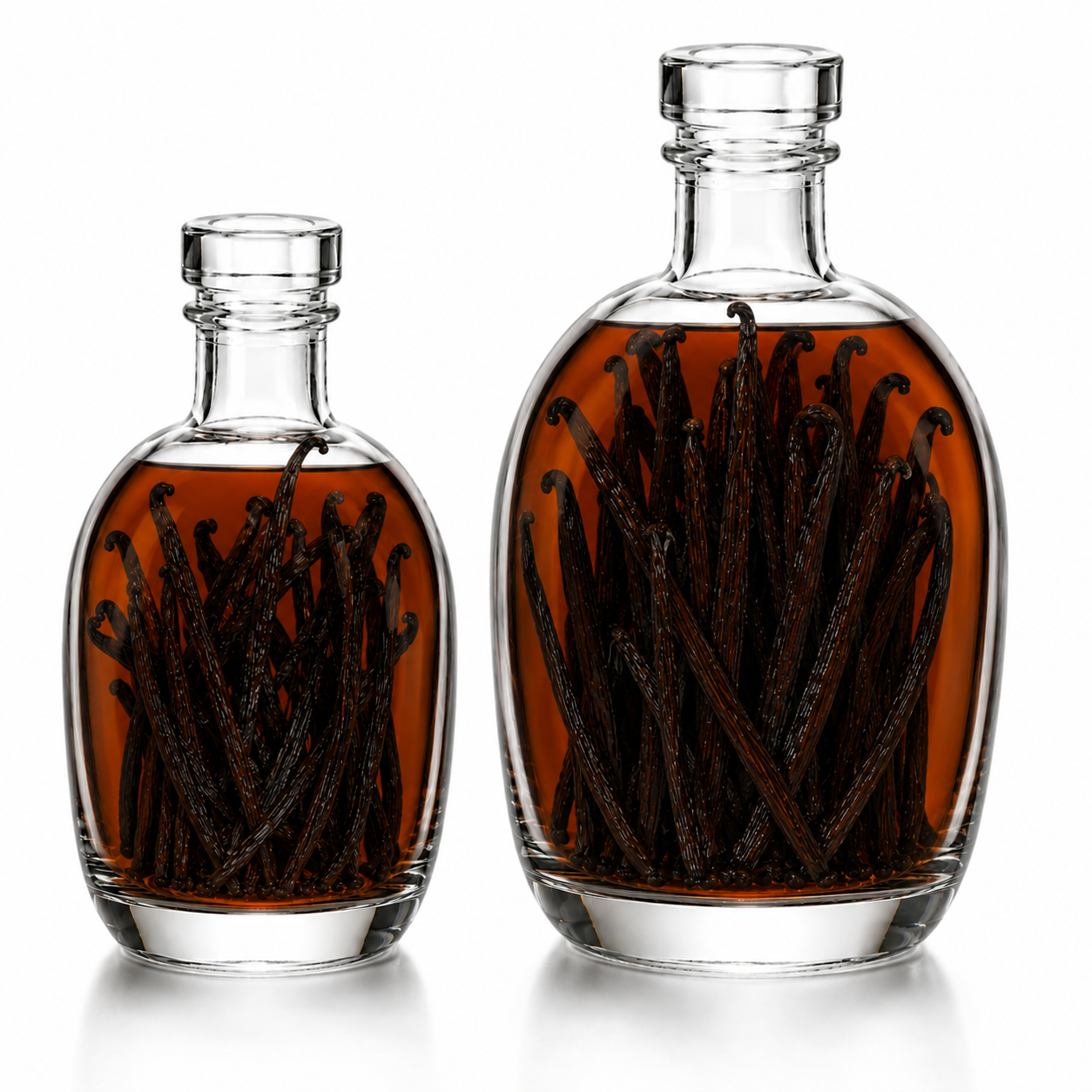
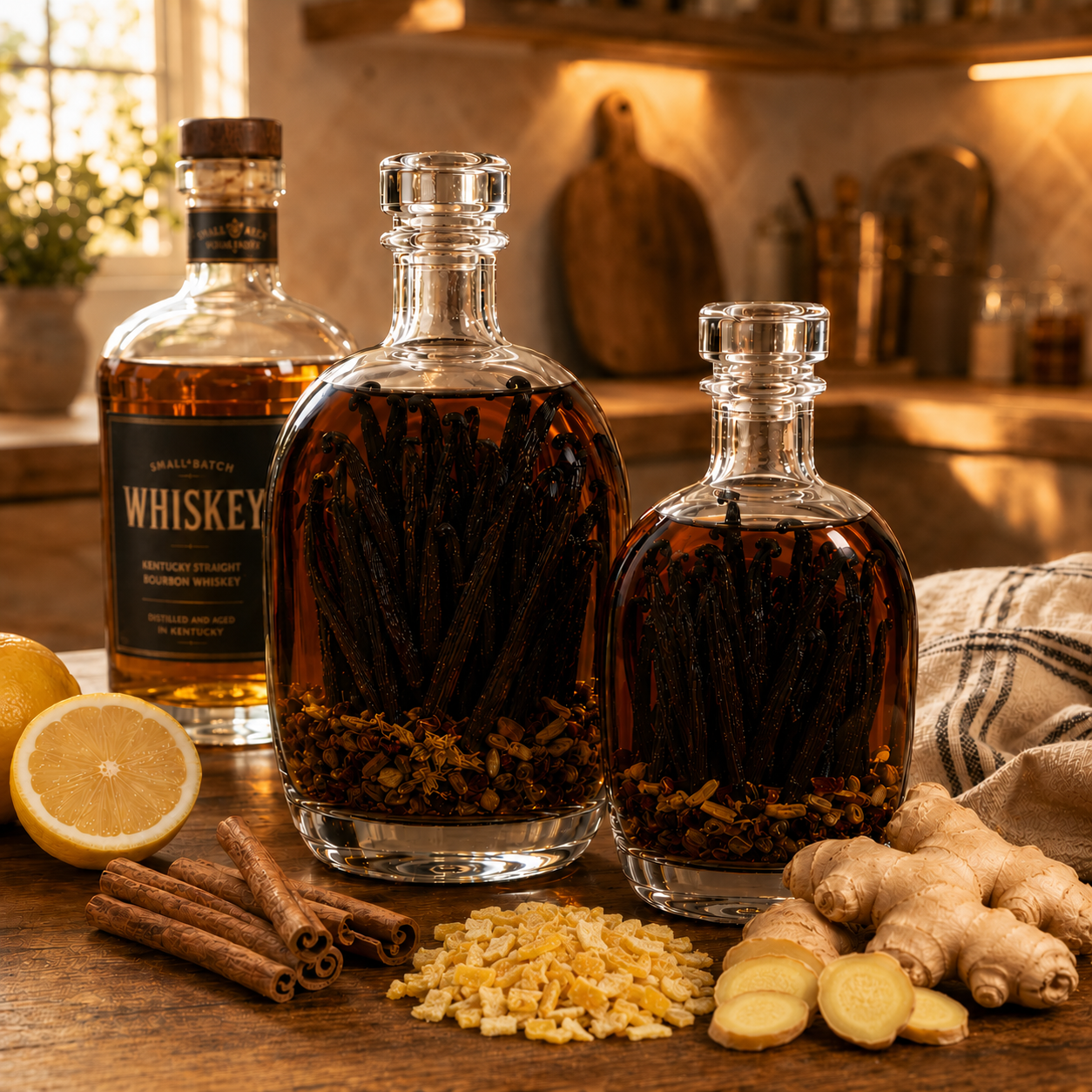
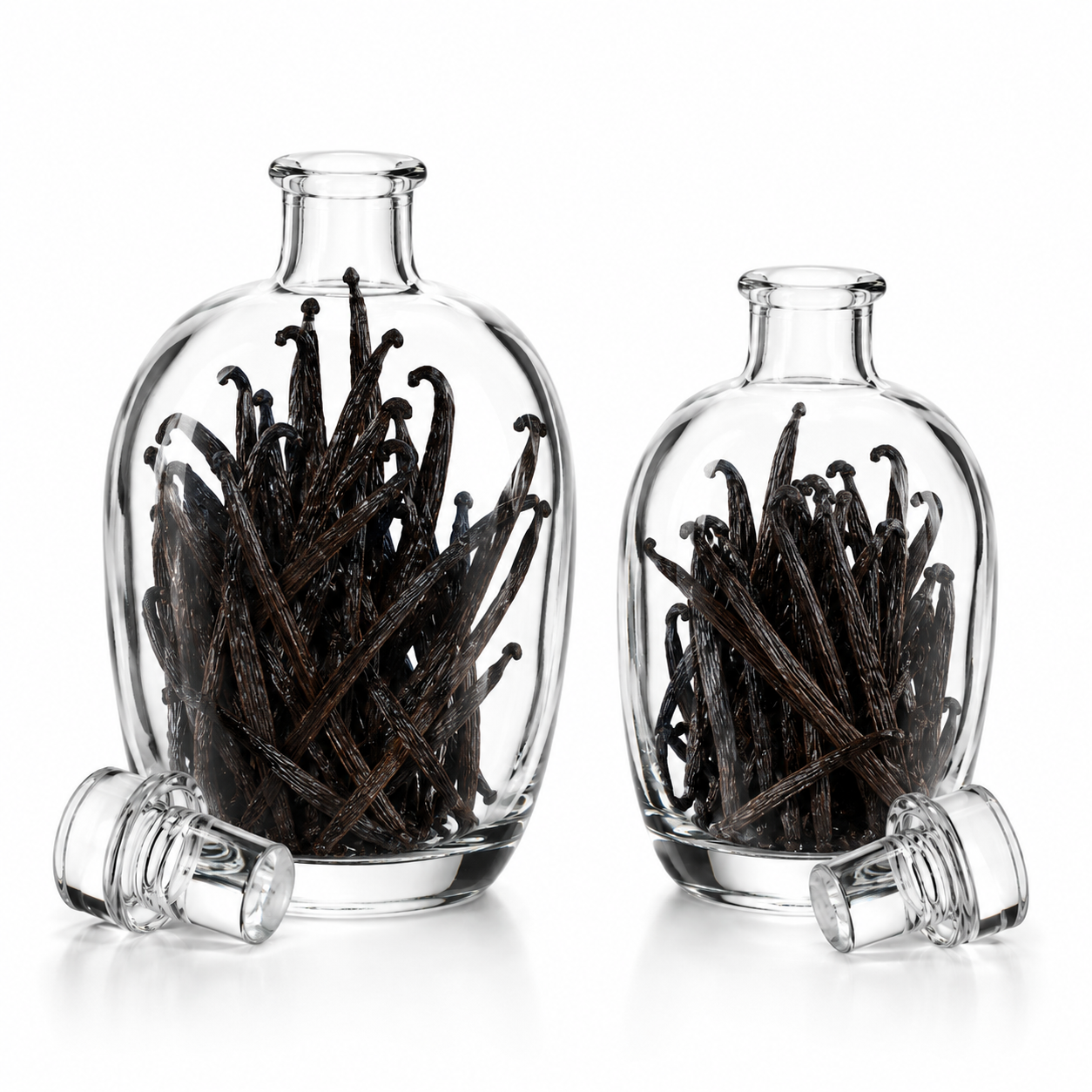
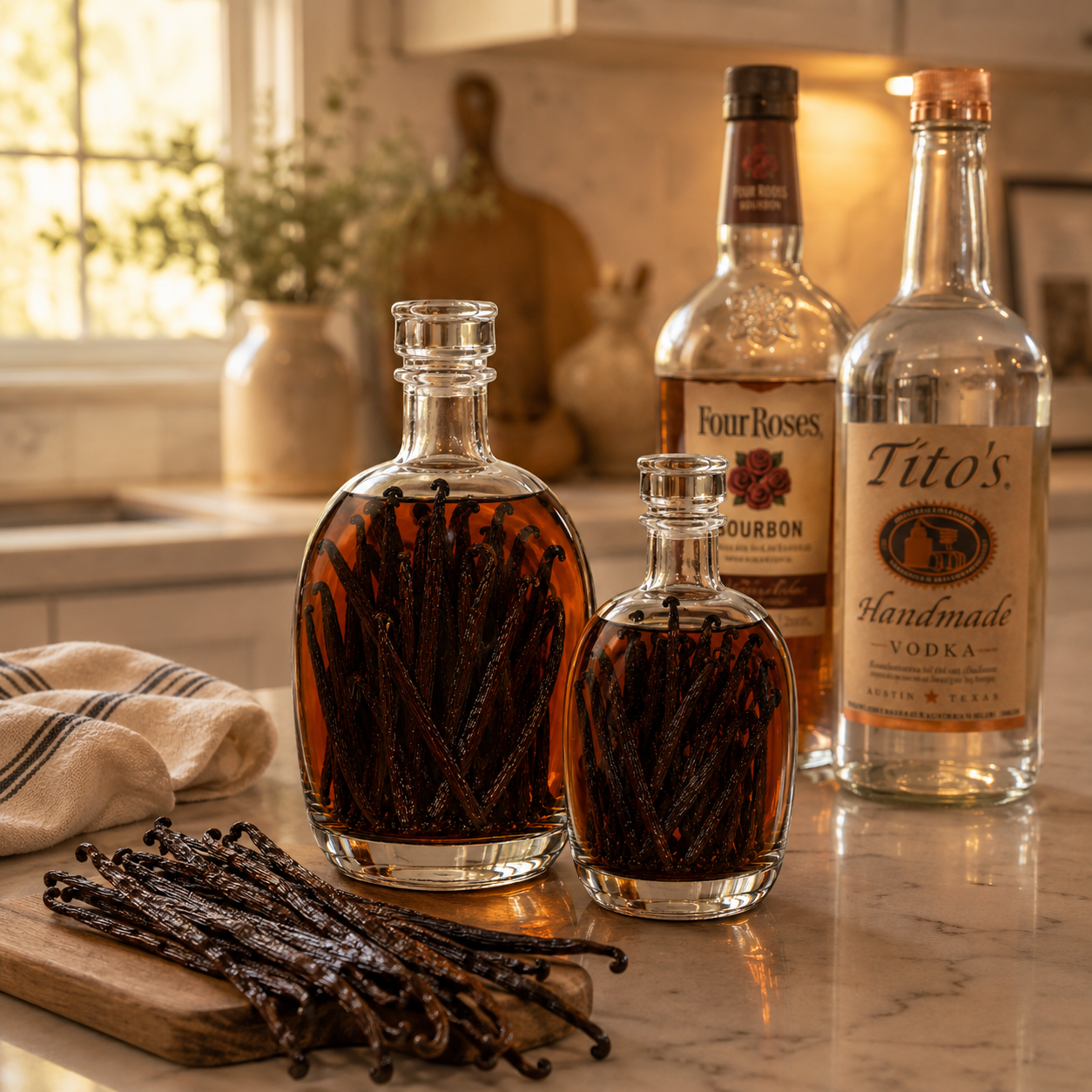
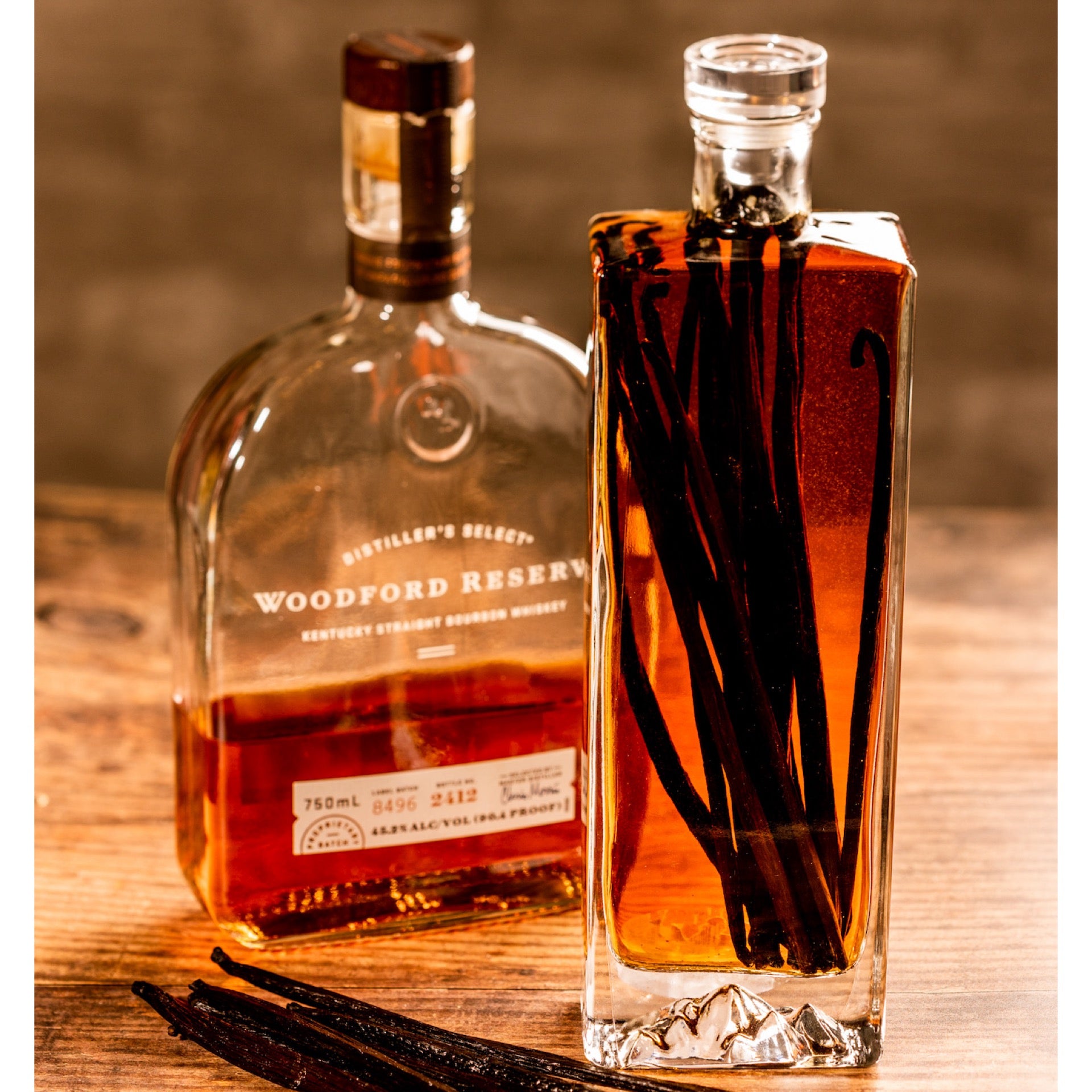
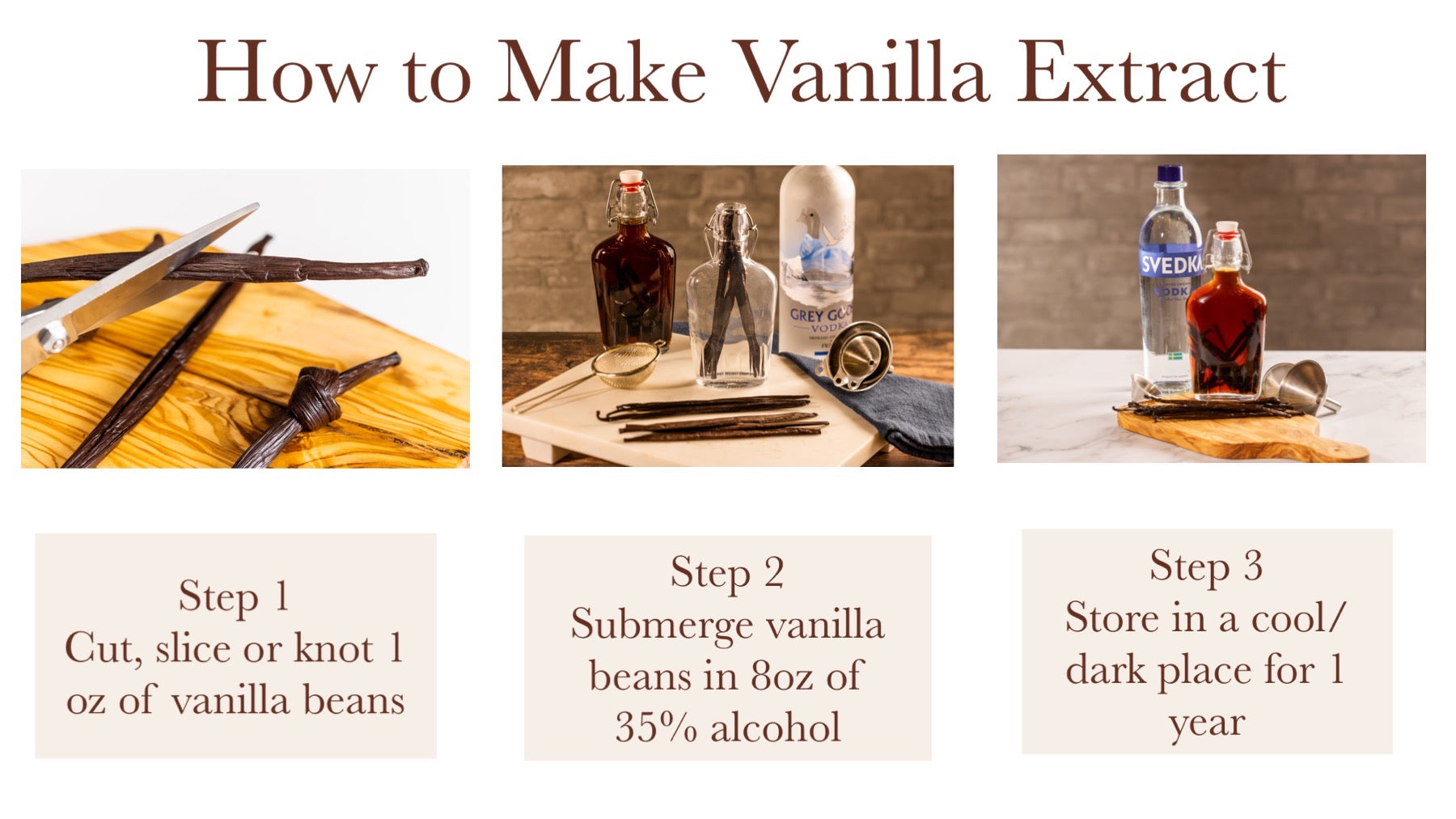
Marquesas Tahitian extract will be lighter in color and more floral and fruity in character — a beautiful extract for pastry applications and anywhere you want vanilla to add a perfumed, aromatic lift. Use a ratio of 1oz of beans for every 8oz of alcohol. For best results, allow it to age up to 1 year in light spirits like vodka, white rum, or gin — the extended aging allows the complex aromatic compounds to fully develop.
Hawaiian planifolia extract will be darker, richer, and more classically vanilla — a workhorse extract that performs beautifully in virtually any application. Use the same 1oz of beans per 8oz of alcohol ratio. For dark spirits like bourbon, dark rum, or brandy, allow 18 months to 2 years of aging to fully extract the deep, complex vanillin and complementary flavor compounds from the bean.
Rarity and Value
Marquesas Tahitian beans are produced in limited quantities on remote islands with no industrial agriculture. The curing process is labor-intensive and the supply chain is small. Authentic Marquesas beans — as opposed to beans simply labeled "Tahitian" — represent a specific terroir that is genuinely rare.
Hawaiian vanilla is arguably the rarest commercially available vanilla in the world. With only a handful of farms producing it and U.S. labor costs making every step of production expensive, Hawaiian vanilla is produced in tiny quantities. It's a collector's vanilla — and a point of pride for American culinary culture.
Which Should You Choose?
The honest answer: both deserve a place in a serious vanilla collection.
Choose Marquesas Tahitian when you want floral complexity, fruit-forward aromatics, and a vanilla experience that surprises and delights. It's the bean for adventurous bakers, pastry professionals, and anyone who wants vanilla to be the conversation. Shop The Oave Marquesas Vanilla Beans →
Choose Hawaiian planifolia when you want the purest, most refined expression of classic vanilla — grown in American soil, crafted with extraordinary care, and delivering the rich, creamy warmth that defines vanilla at its best. Shop Hawaiian Vanilla Beans →
Both are Pacific. Both are premium. Both are worth experiencing.