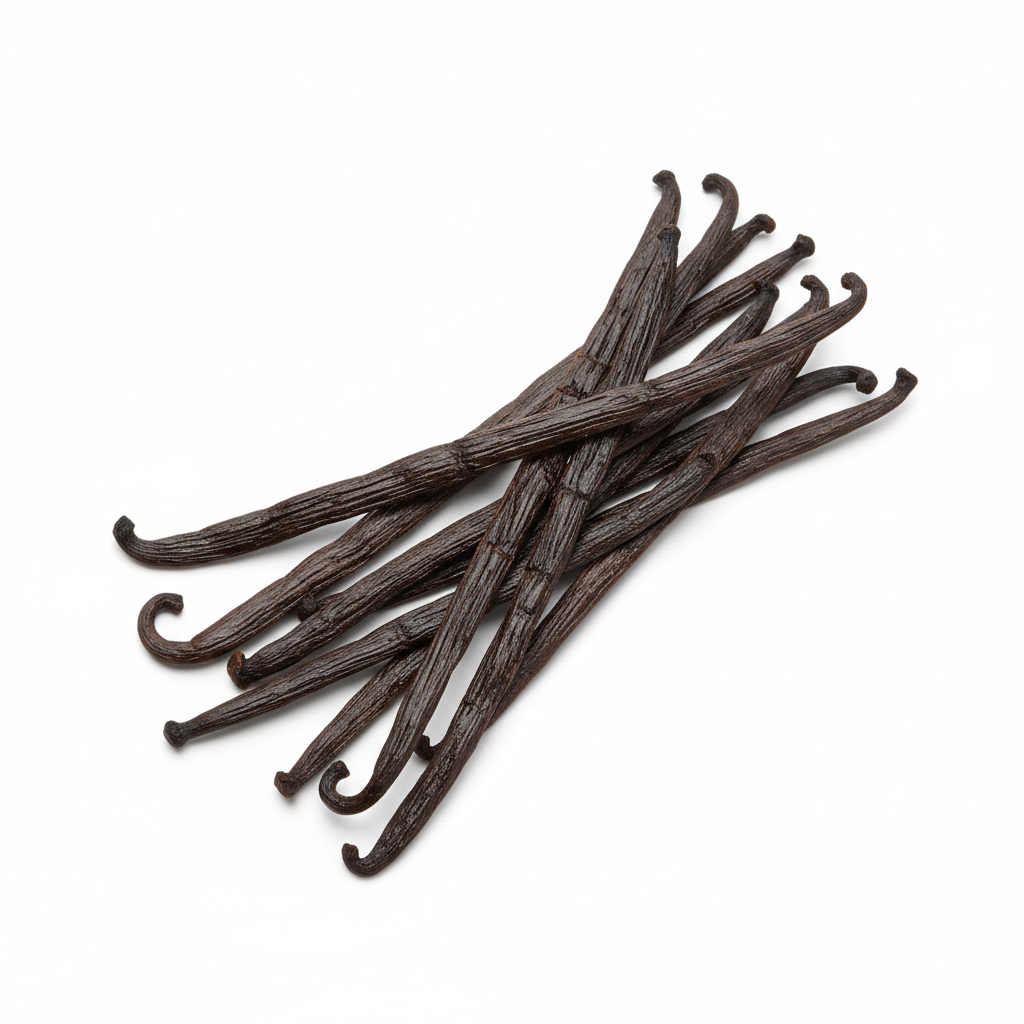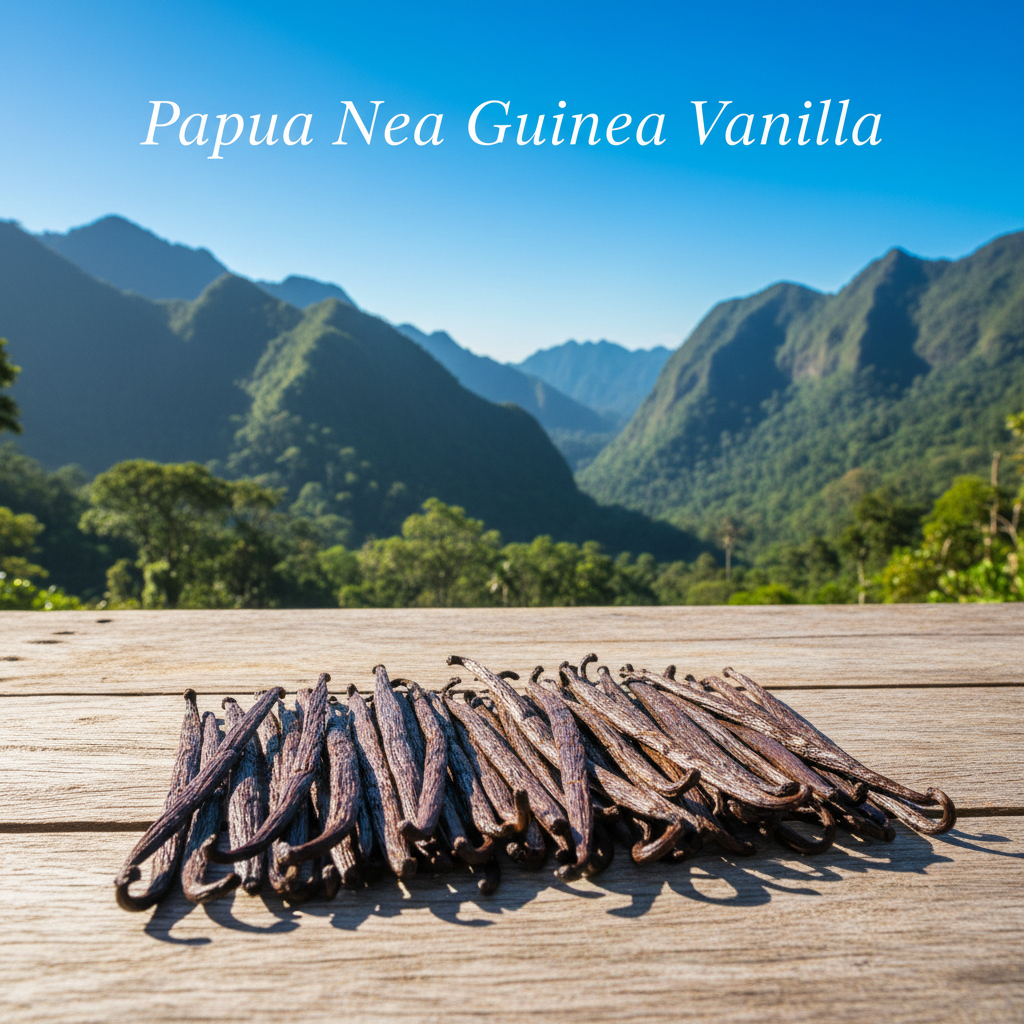

When most people think of vanilla beans, they picture the long, slender Vanilla planifolia from Madagascar or Mexico. But there's a second species — older, rarer, and arguably more complex — that deserves far more attention: Vanilla pompona. And within that species, two of the most fascinating expressions come from opposite ends of the Americas: the Peruvian Pompona and the Mexican Pompona.
Same species. Very different beans.
What Is V. Pompona?
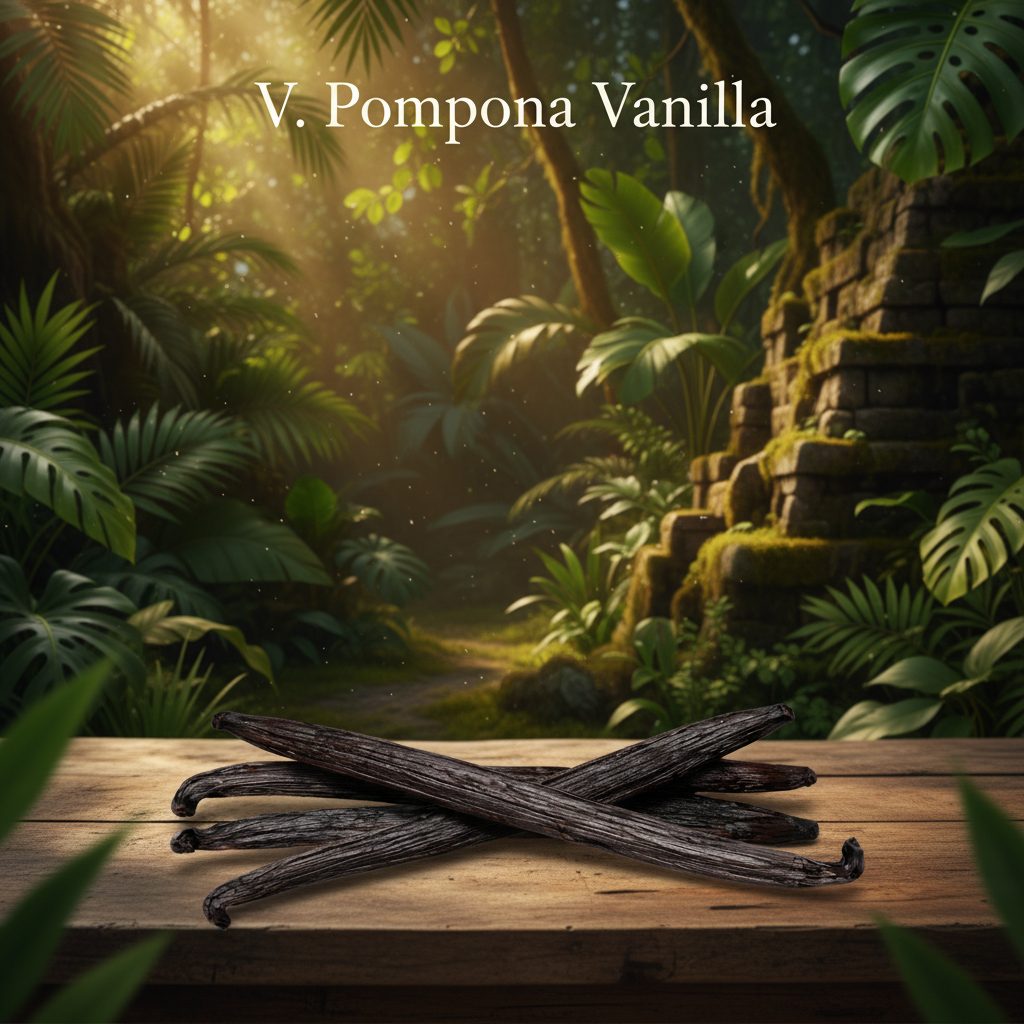
Vanilla pompona is widely considered to be the world's first vanilla bean species — the ancestral vanilla that predates the commercially dominant Planifolia. Unlike Planifolia, Pompona has never spread far beyond its native growing regions, which stretch from Southern Mexico down through the northern regions of South America. It's rarer, harder to cultivate in quantity, and produces fewer orchids per plant. But what it lacks in yield, it more than makes up for in character.
One of the most distinctive traits of the Pompona species is its size — these are large beans, large enough that they are often still pollinated naturally by bees, since the orchids are big enough for a bee to move around inside. That alone makes them unlike any other vanilla on the market.
The Rioja — Peruvian V. Pompona
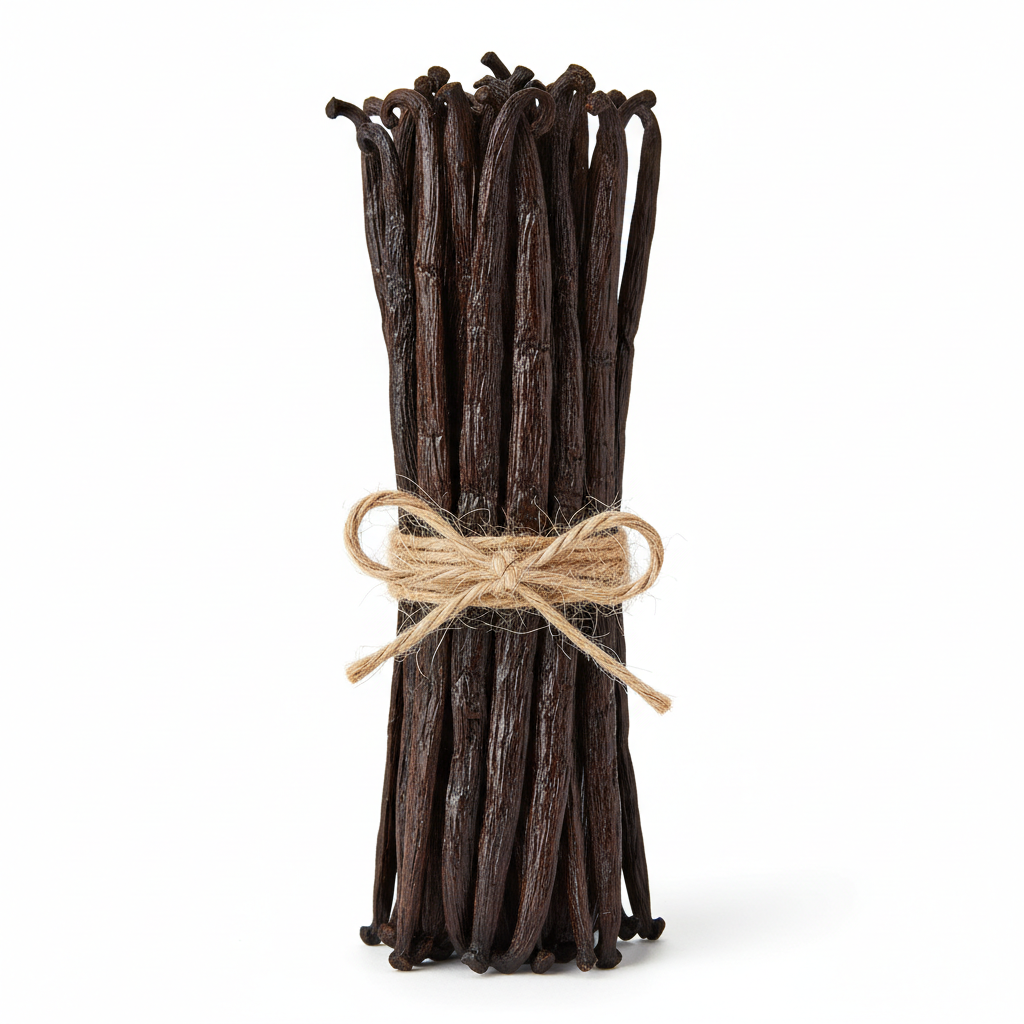
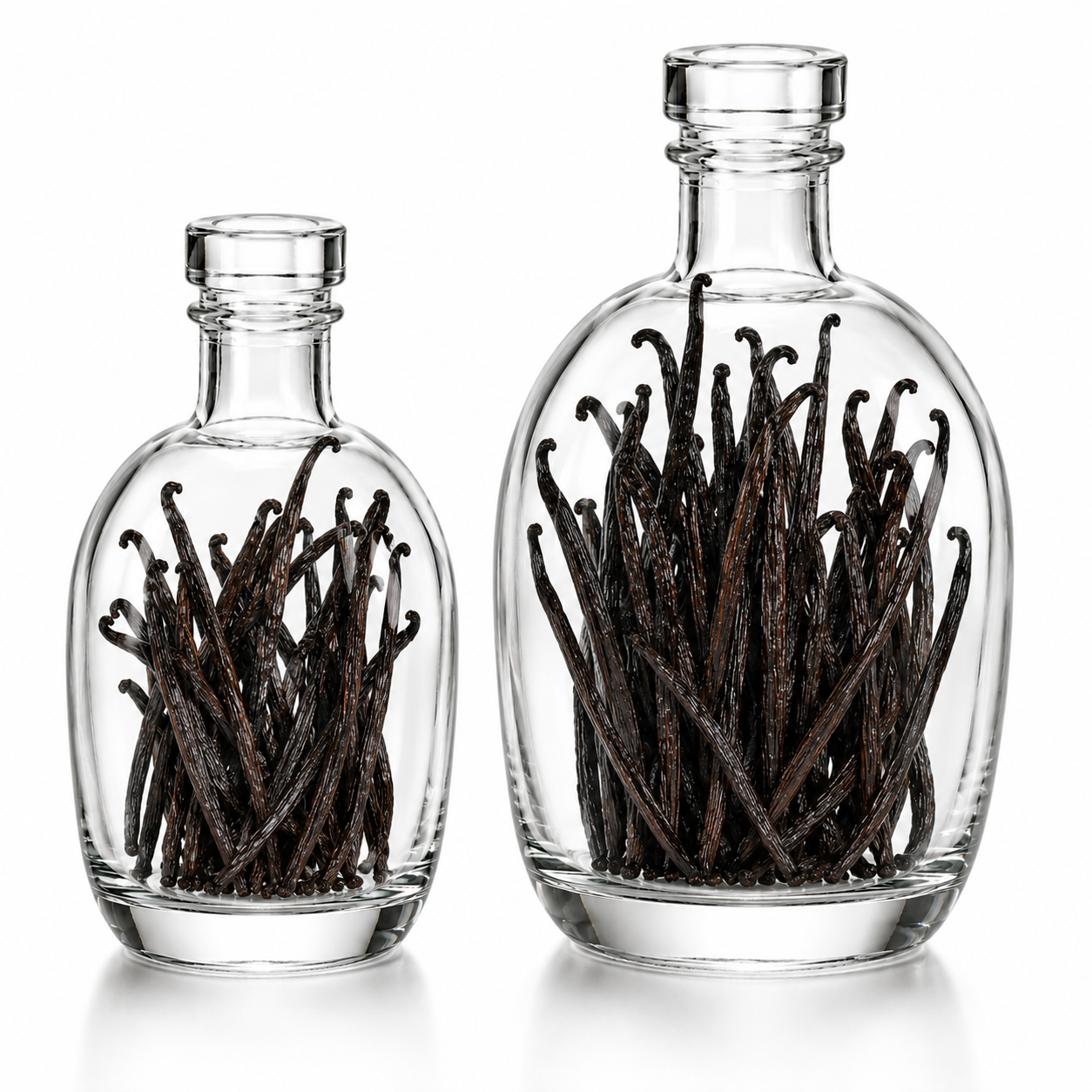
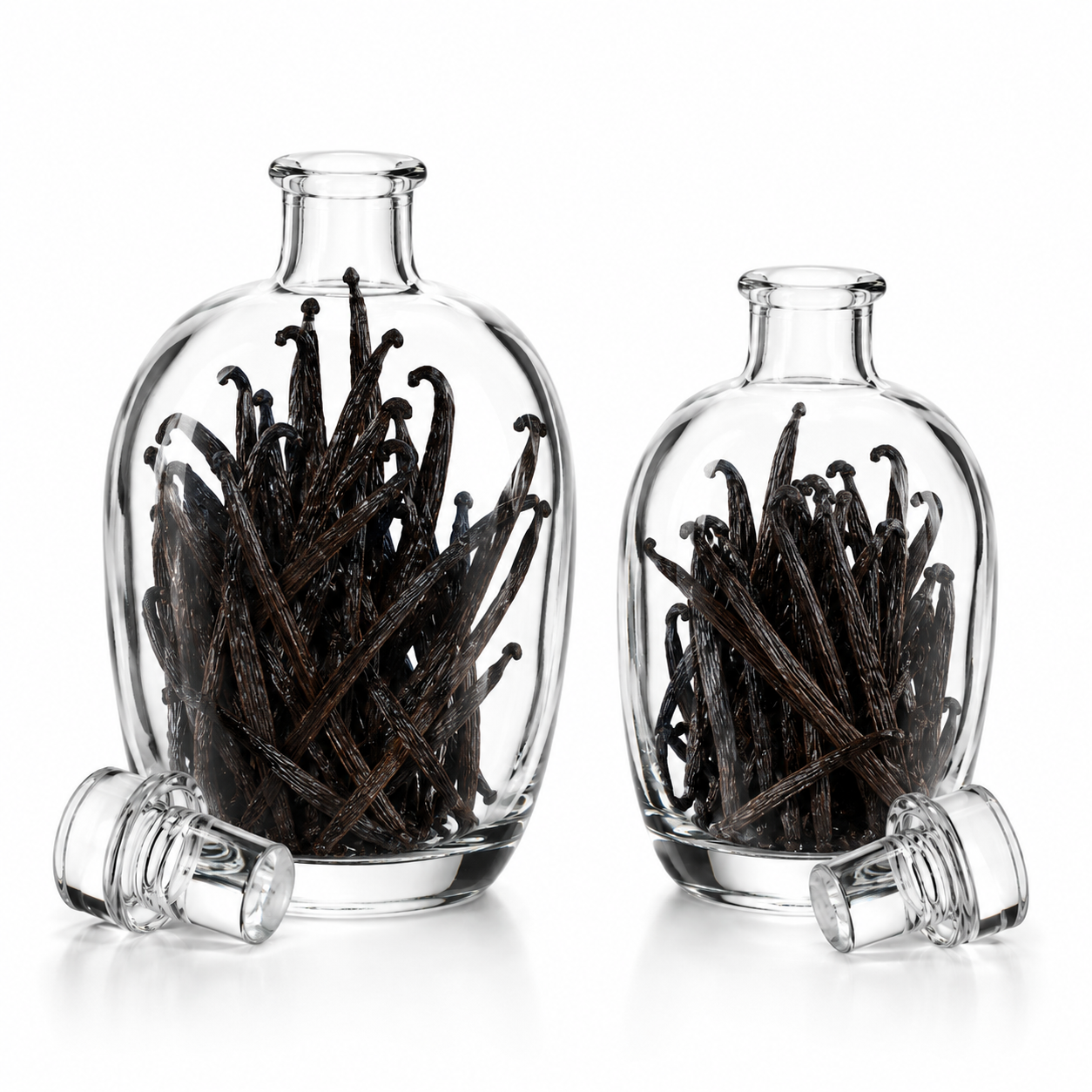
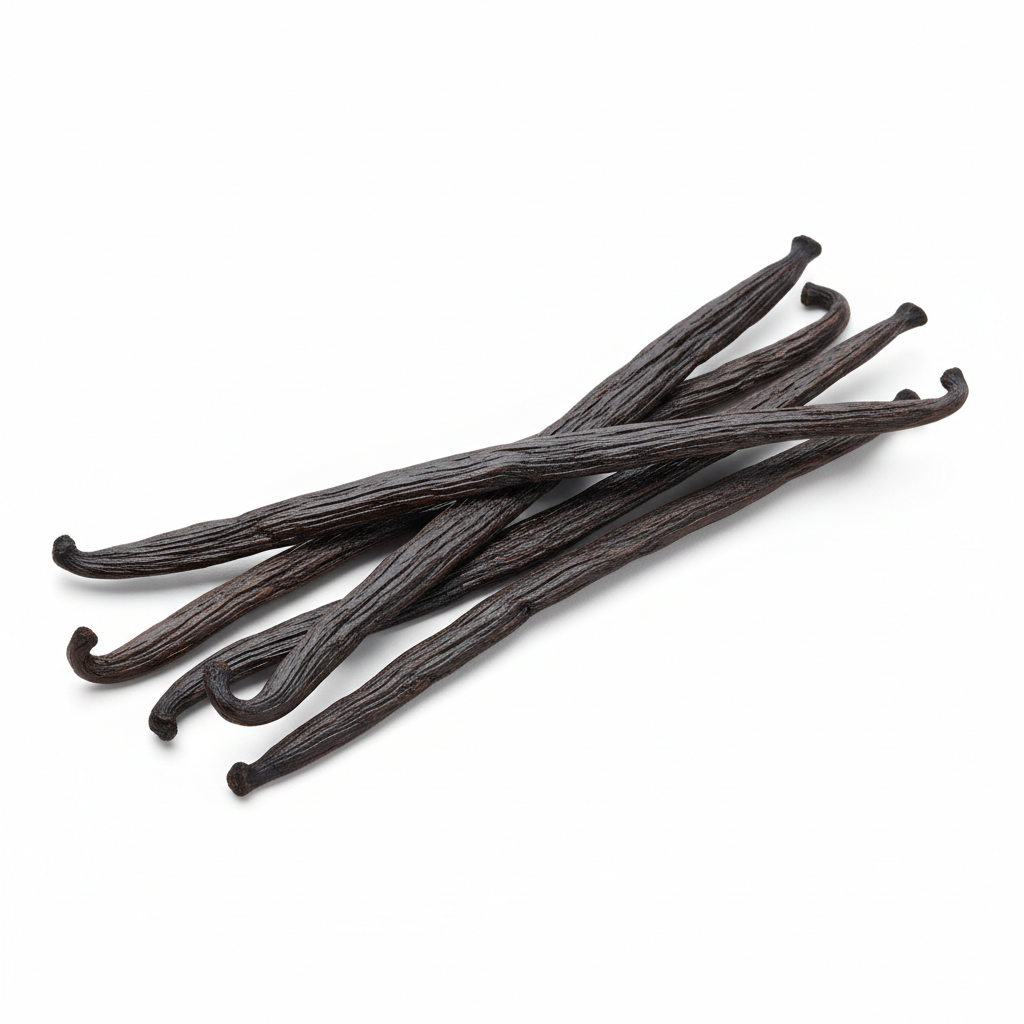
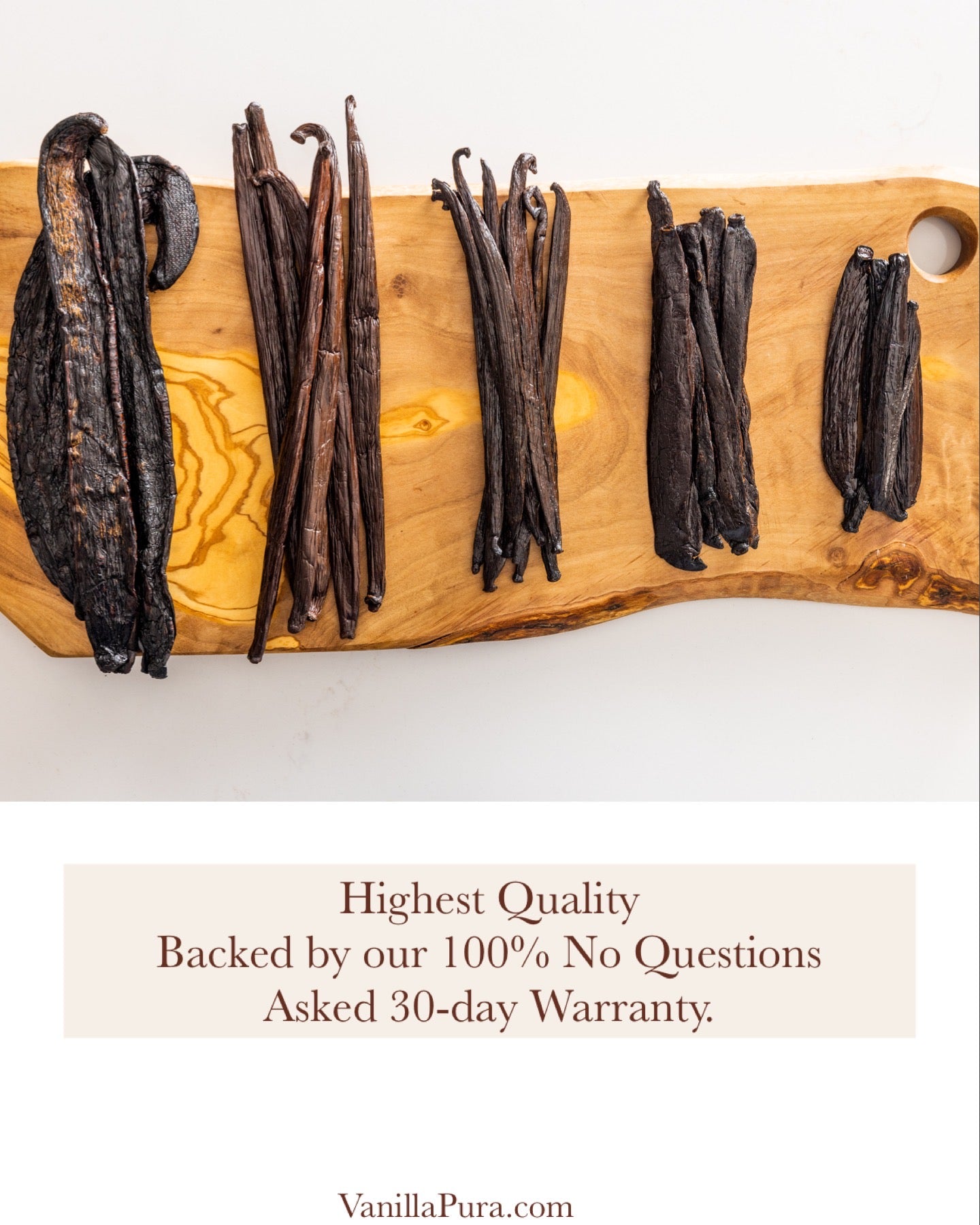
Named after the tiny, remote town of Rioja in Northern Peru, The Rioja is the larger of the two beans — and that's saying something. These Grade-A beans typically run 5" to 8" inches long, with just 2–3 beans per ounce. In rare cases, a single bean can weigh a full ounce on its own. They are deeply oily, rich with vanillin, and dark brown in color.
The aroma is bold and immediately recognizable as vanilla, but with a complexity that sets it apart: dried fruit, figs, raisins, a whisper of banana, molasses, caramel, and a subtle coffee/mocha undertone. In extract form, The Rioja develops into something dark and earthy — rich caramel, deep vanilla, and fruity undertones that make it exceptional in pies, tarts, banana bread, zucchini bread, pumpkin spice, and anywhere you want a bold, complex vanilla presence.
The Oaxaca — Mexican V. Pompona
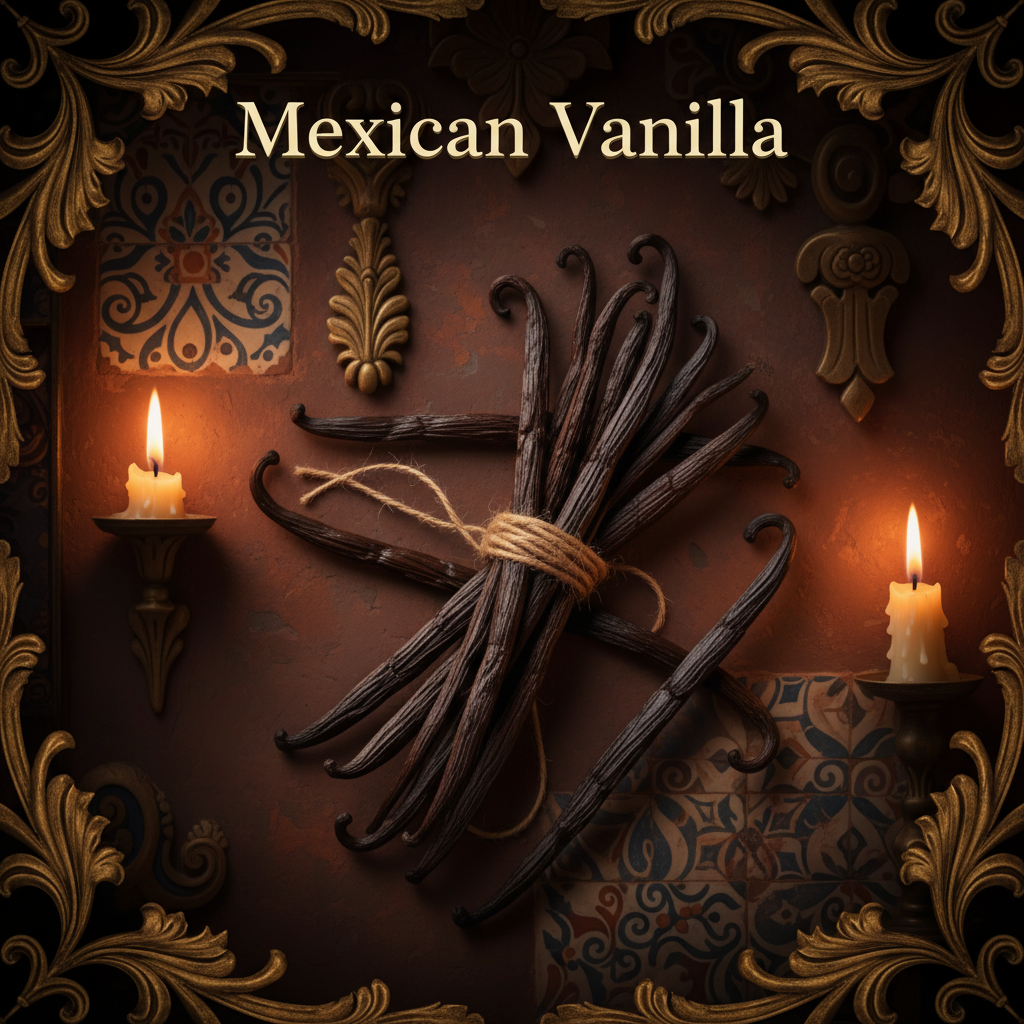
Named after the beautiful city in Southern Mexico (pronounced waa-haa-kuh), The Oaxaca is a different expression of the same species. Where The Rioja is long, The Oaxaca is short and wide — typically 4" to 5" inches long, but plump and very full-bodied, with 3–4 beans per ounce. It's a stocky, dense bean with the same deep oiliness and dark color characteristic of Grade-A Pompona.
The flavor profile shares the Pompona DNA — bold vanilla base, dried fruit, figs, molasses, caramel — but The Oaxaca adds something distinctly Mexican: a vanilla spice kick that echoes the character found in traditional Mexican Planifolia beans. The finished extract is described as dark vanilla with rich caramel and vanilla spice, making it a beautiful bridge between the wild complexity of Pompona and the familiar warmth of Mexican vanilla.
Side-by-Side: How They Compare
| The Rioja (Peru) | The Oaxaca (Mexico) | |
|---|---|---|
| Species | V. pompona | V. pompona |
| Size | 5"–12" long, very slender | 4"–5" long, short & wide |
| Beans per oz | 2–3 (sometimes 1) | 3–4 |
| Aroma | Bold vanilla, figs, molasses, mocha | Bold vanilla, figs, molasses, vanilla spice |
| Extract Taste | Dark, earthy vanilla, rich caramel, fruity undertones | Dark vanilla, rich caramel, vanilla spice |
| Defining Character | Deep, earthy, fruit-forward | Bold, warm, spice-forward |
Which Spirit Should You Use?
Both beans are bold enough to hold their own against spirits with strong character. Here are our top recommendations:
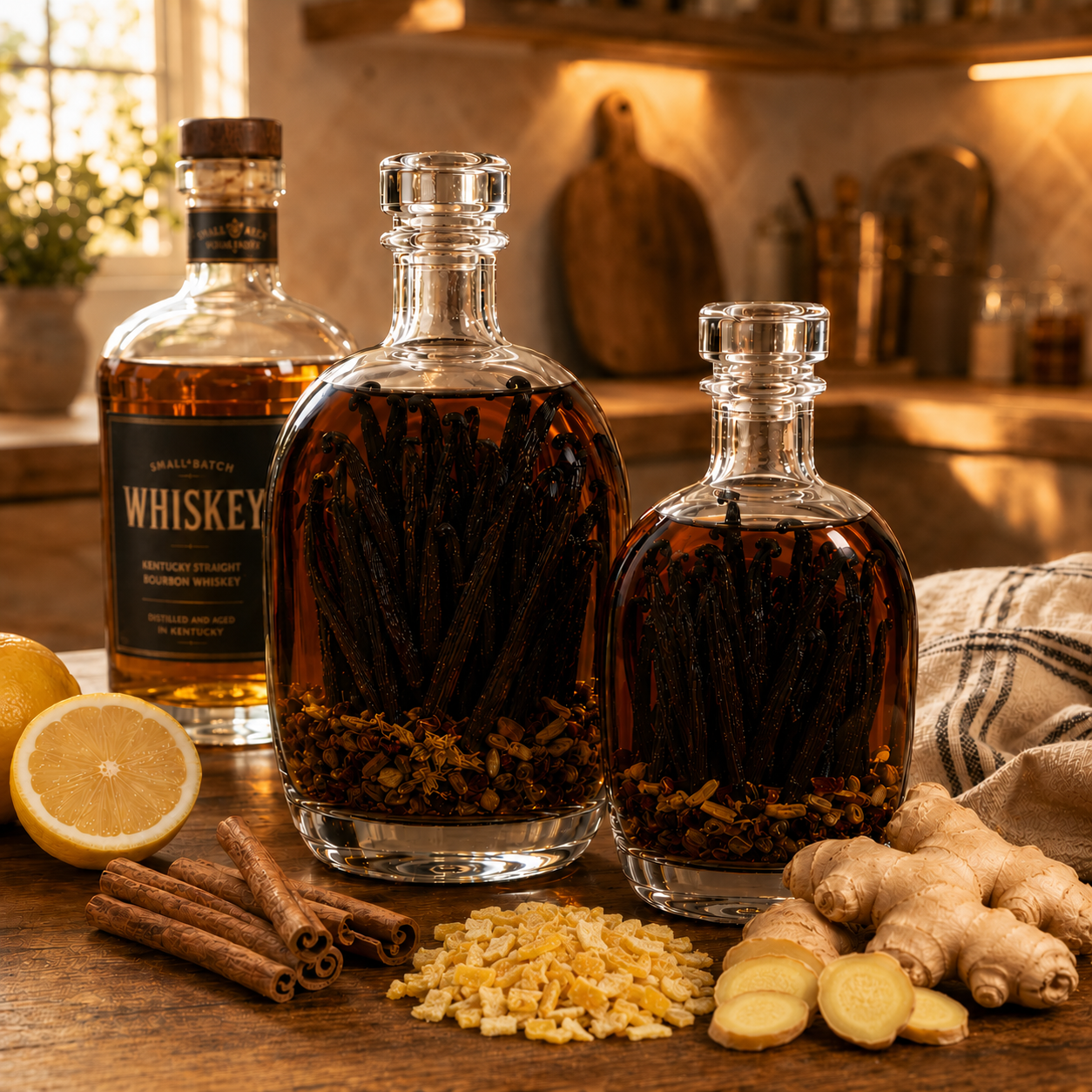
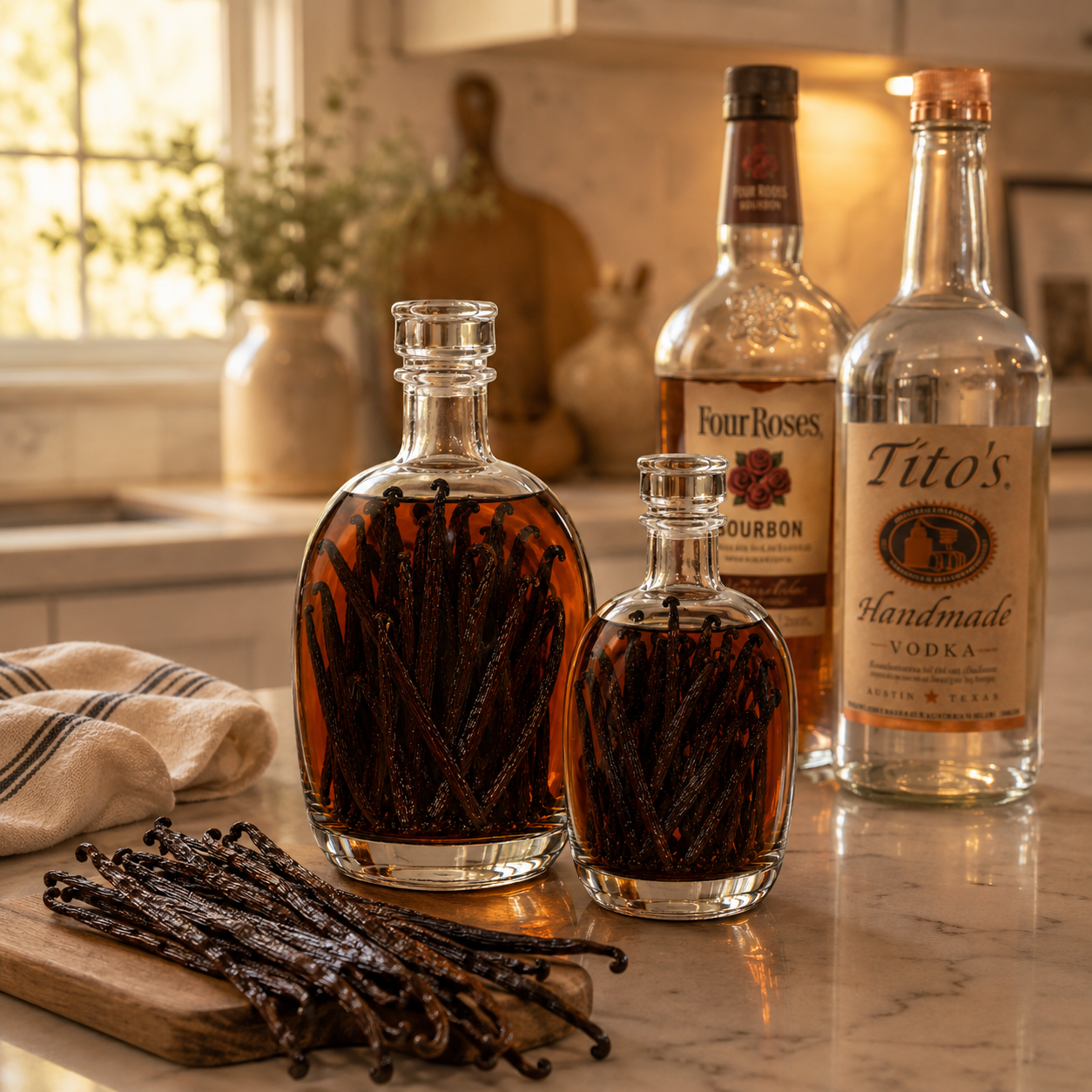
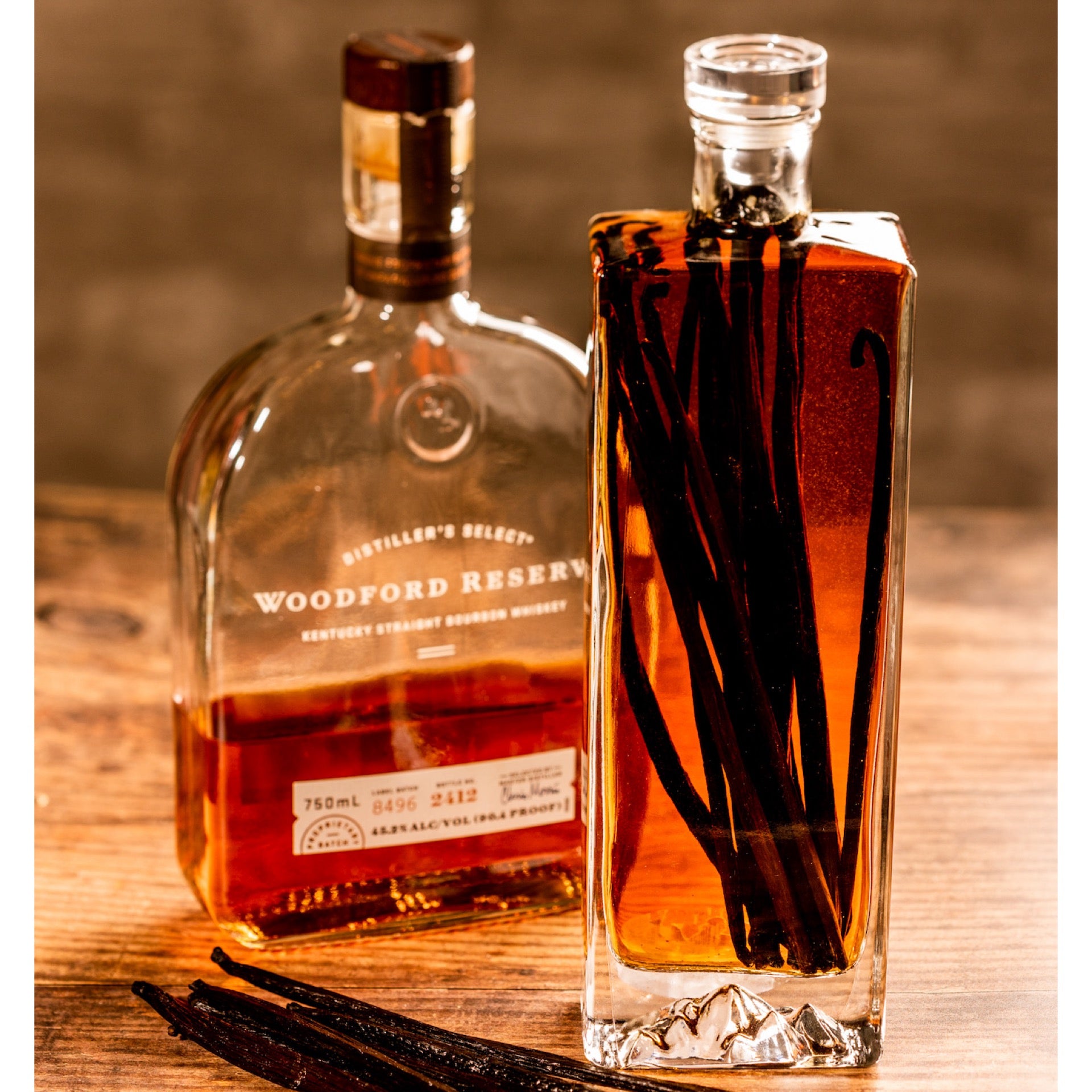
For The Rioja (Peruvian Pompona): The earthy, fruit-forward depth of this bean pairs beautifully with dark rum and bourbon. The molasses and caramel notes in the bean harmonize with the barrel-aged sweetness of both spirits, creating an extract that is rich, complex, and deeply satisfying. Brandy is another excellent choice, amplifying the dried fruit character.
For The Oaxaca (Mexican Pompona): The vanilla spice kick in this bean makes it a natural match for bourbon and dark rum as well, but it also shines with spiced rum, where the spice notes in both the bean and the spirit create a layered, warming extract. For a cleaner expression of the spice character, vodka lets the bean speak for itself without competition.
Because both are dark, bold Pompona beans, we generally recommend avoiding very light or delicate spirits — the beans will overpower them. Stick to spirits with body and character, and allow up to 1 year for light spirits (vodka, white rum, gin) and 18 months to 2 years for dark spirits (bourbon, dark rum, brandy) to let the full complexity develop.
Ready to Make Your Own Extract?
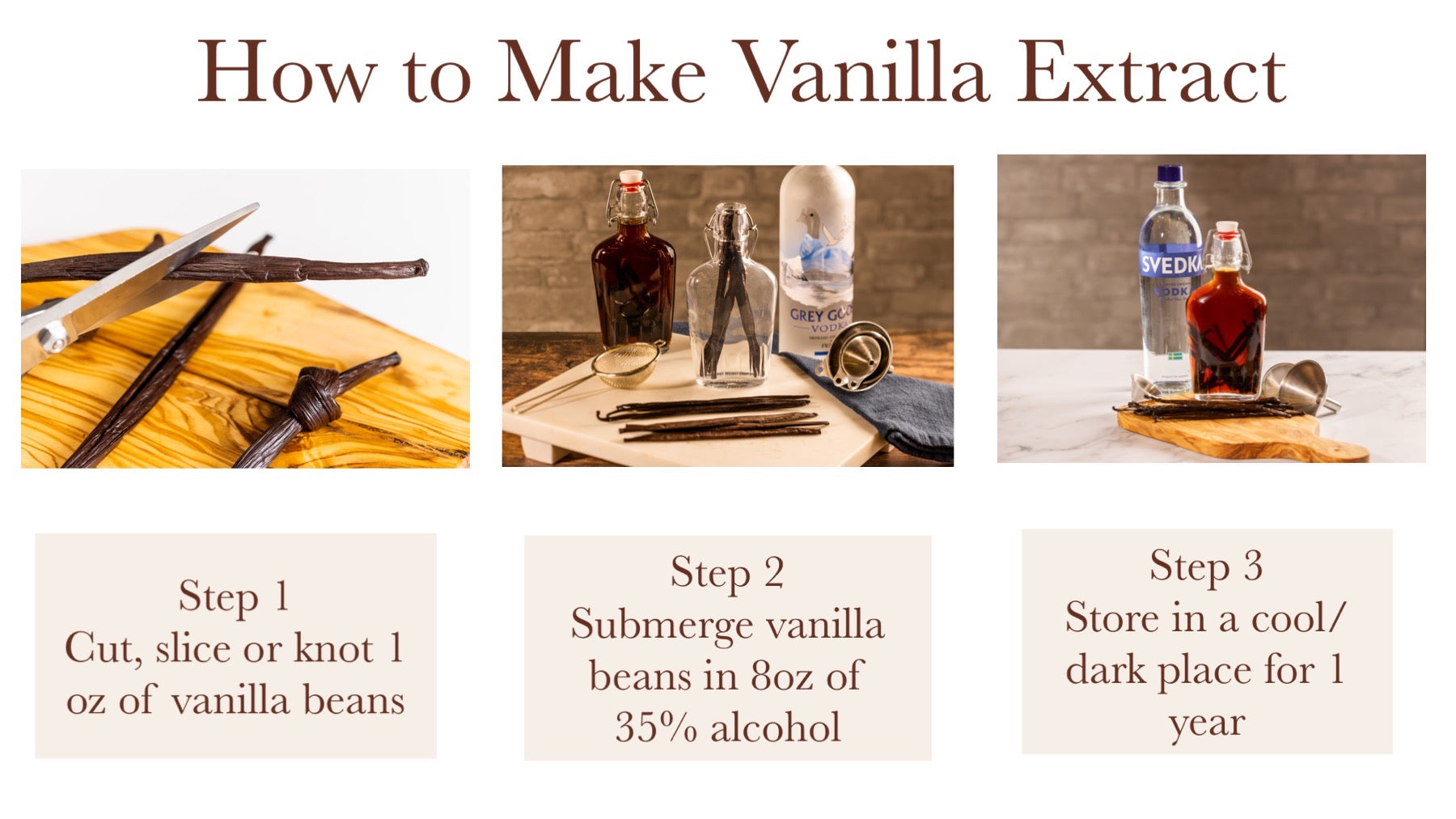
Whether you start with The Rioja, The Oaxaca, or both, making your own Pompona vanilla extract is one of the most rewarding things you can do in the kitchen. Head over to our Vanilla Extract Making Guide Center for everything you need — from selecting your beans and alcohol to jar selection, preparation, and troubleshooting. Step-by-step guides, calculators, recipes, and more are all waiting for you there.
The rabbit hole is deep. We promise it's worth it.