
Africa is home to some of the world's most compelling vanilla. Two of our favorites — The Kintampo from Ghana and The Lindi from Tanzania — share the same species (Vanilla planifolia) and the same continent, yet they express themselves in beautifully different ways. If you've ever wondered which African bean is right for your extract or baking project, this guide is for you.
Same Species, Different Stories
Both beans are V. planifolia — the same species responsible for the world's most beloved vanilla flavor. But just as a Burgundy Pinot Noir tastes nothing like an Oregon Pinot Noir, terroir, climate, and regional curing traditions shape each bean into something uniquely its own.
Ghana sits on the west coast of Africa, a country of tropical forests and rich agricultural heritage. Tanzania anchors the east coast, stretching from the Serengeti plains to a lush tropical coastline near Zanzibar. These are very different growing environments, and you can taste the difference.
The Kintampo — Ghana's Bold, Buttery Bean
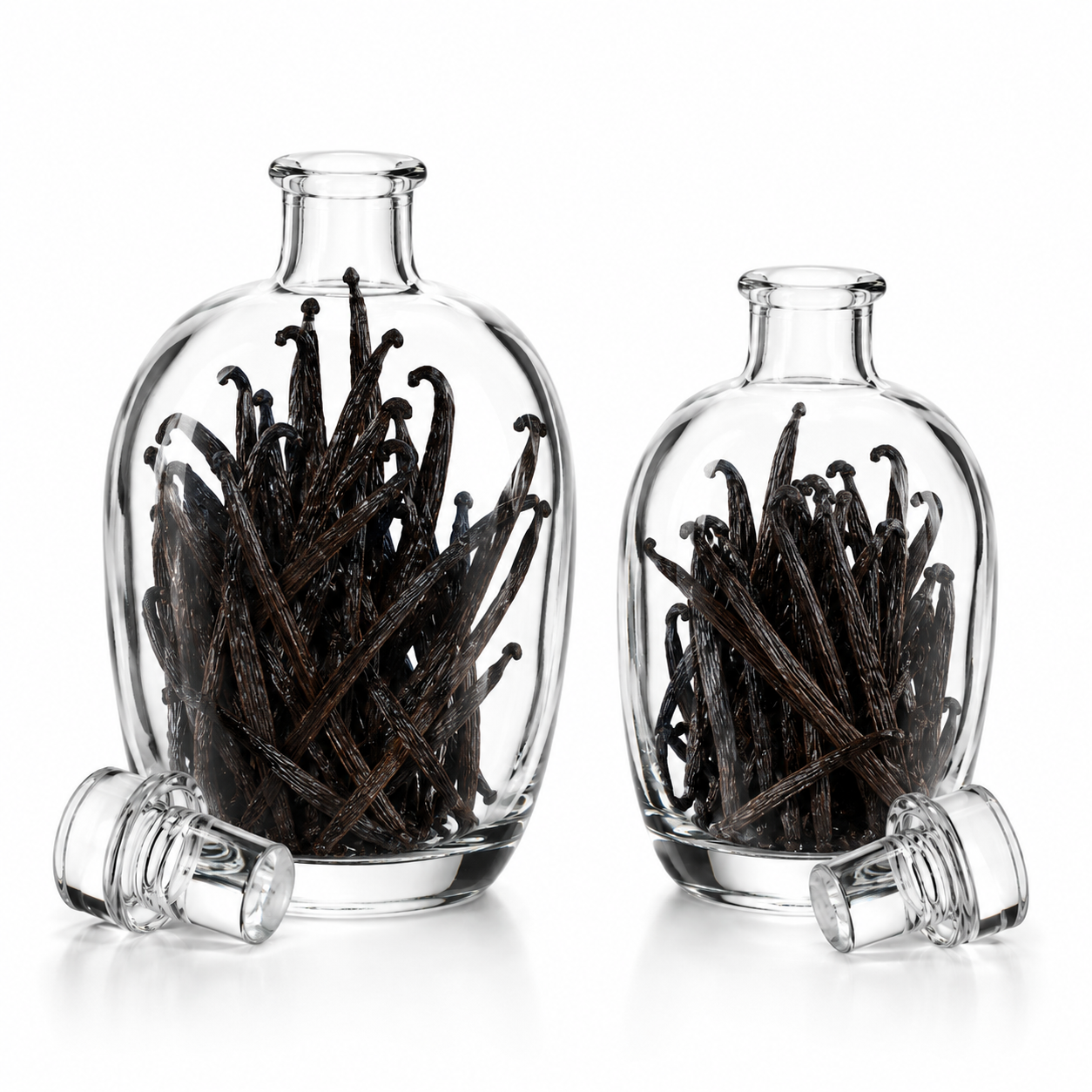
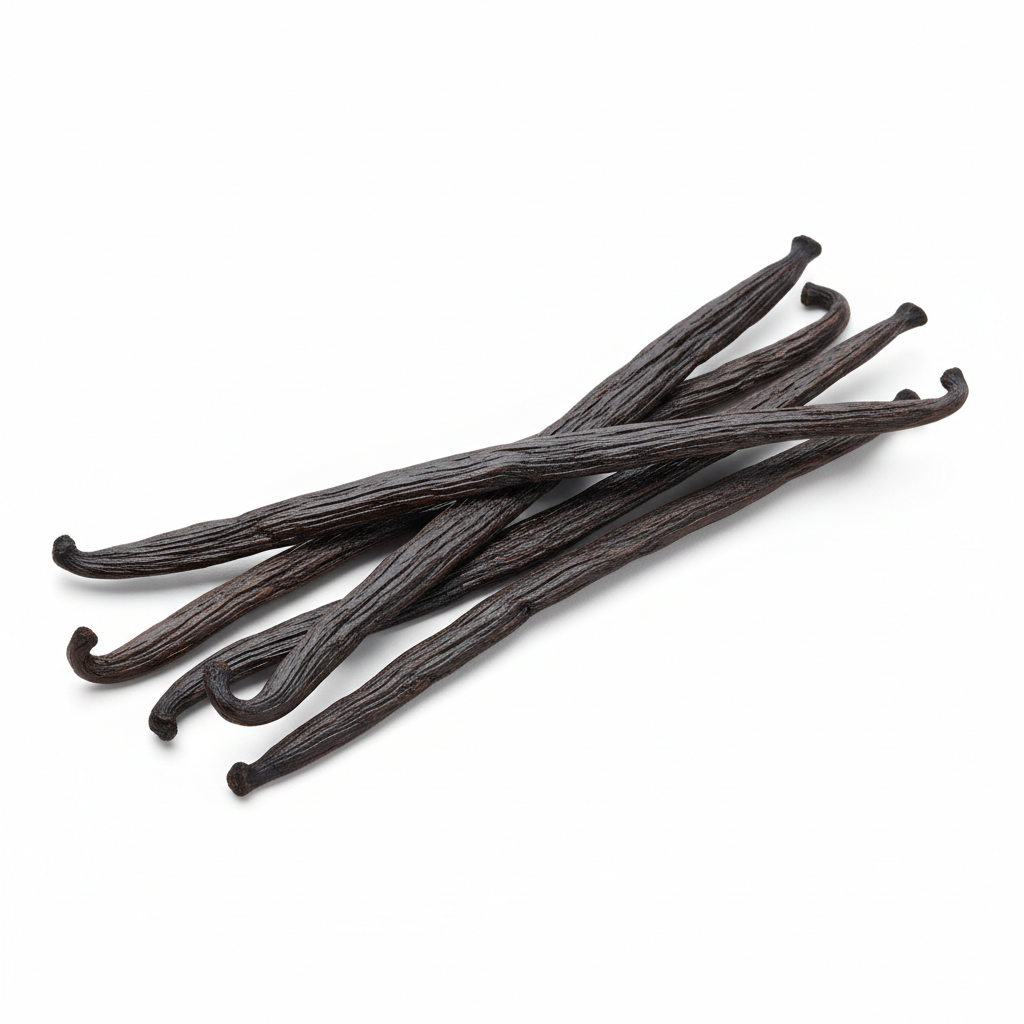
Ghana Vanilla Beans - The Kintampo - Grade A
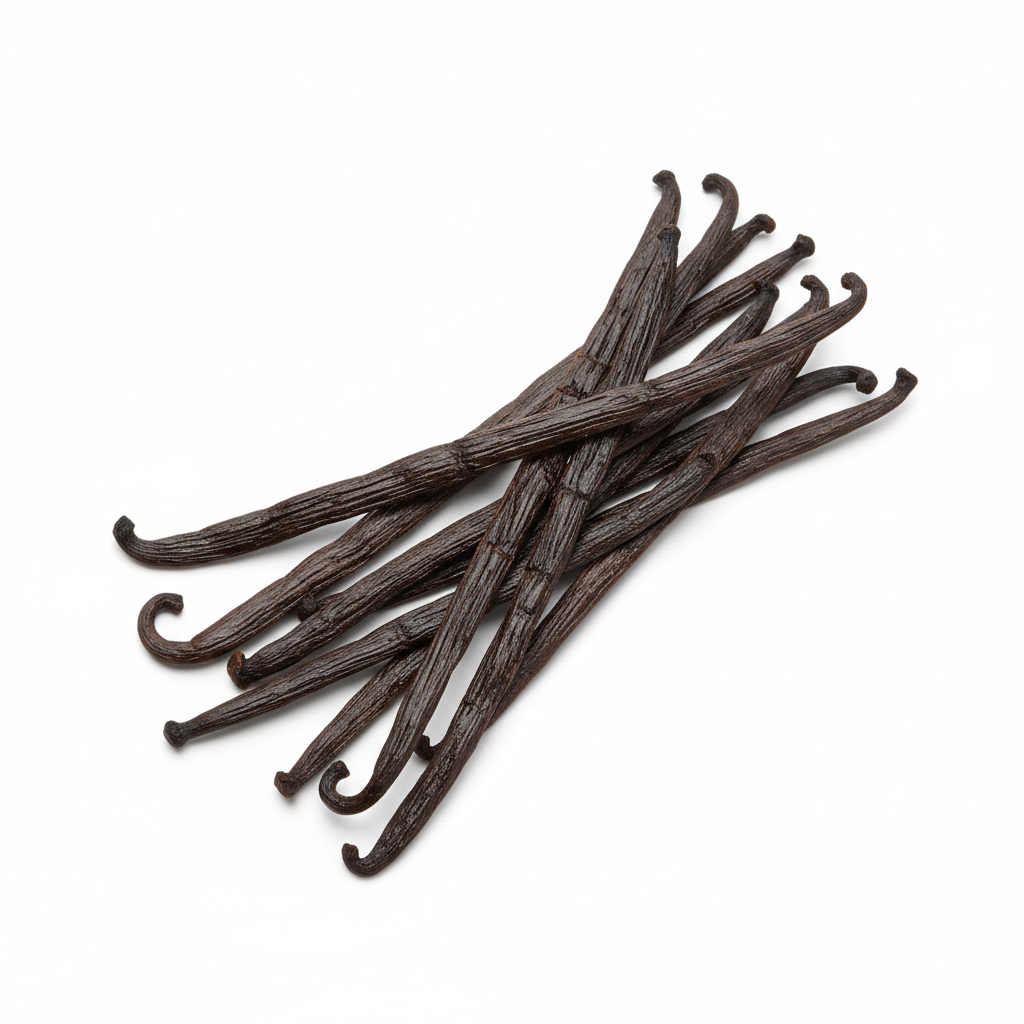
Named after the Kintampo region of Ghana, this bean leads with a classic, full-bodied vanilla aroma layered with unmistakable notes of toffee, butterscotch, and cacao. It's warm, indulgent, and deeply familiar — the kind of vanilla that makes a kitchen smell like a bakery.
In the bottle, The Kintampo produces a sweet, buttery extract with soft mocha notes and toffee undertones that deepen beautifully over time. It's a crowd-pleaser with real complexity underneath.
Flavor profile: Buttery vanilla · Toffee · Butterscotch · Cacao · Soft mocha
The Lindi — Tanzania's Creamy, Classic Bean
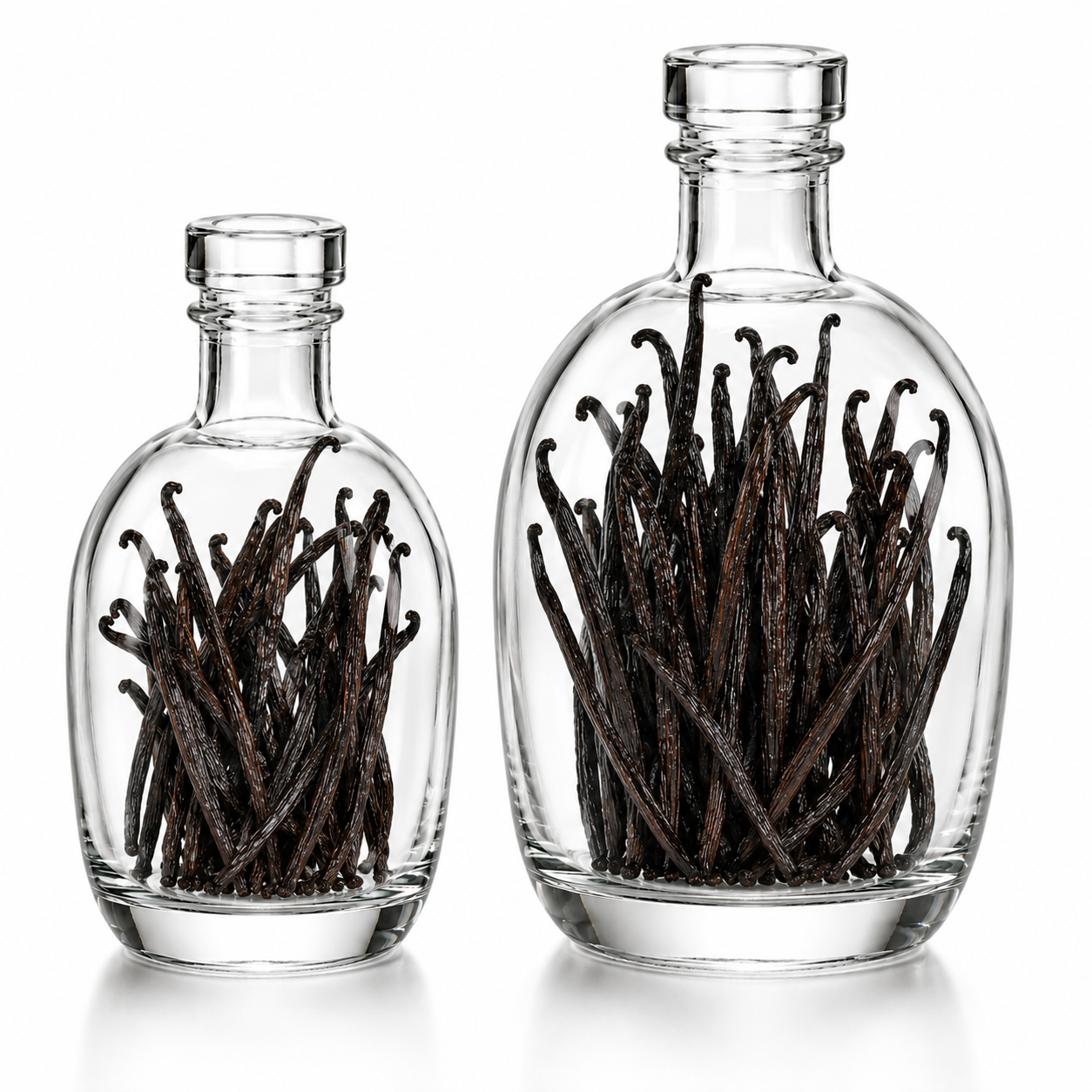
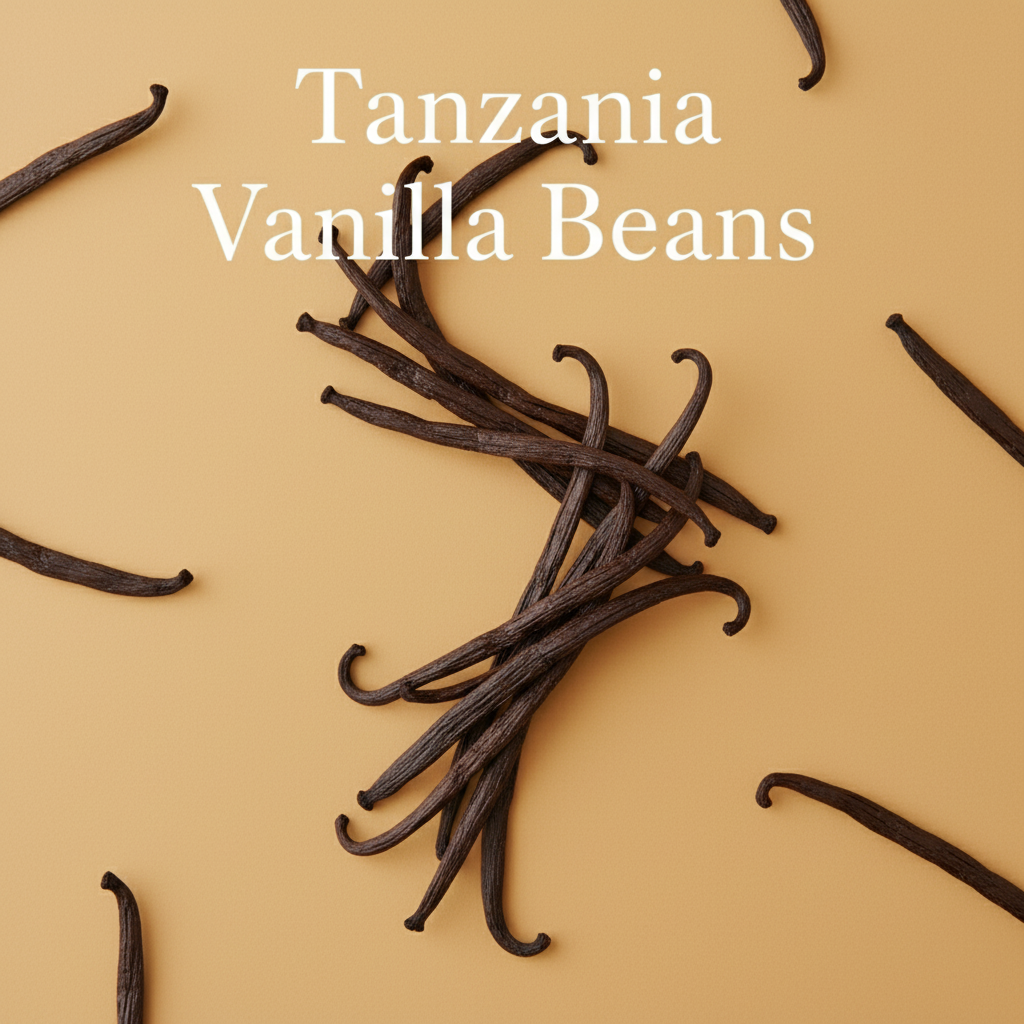
The Lindi - Tanzania Vanilla Beans - Grade A
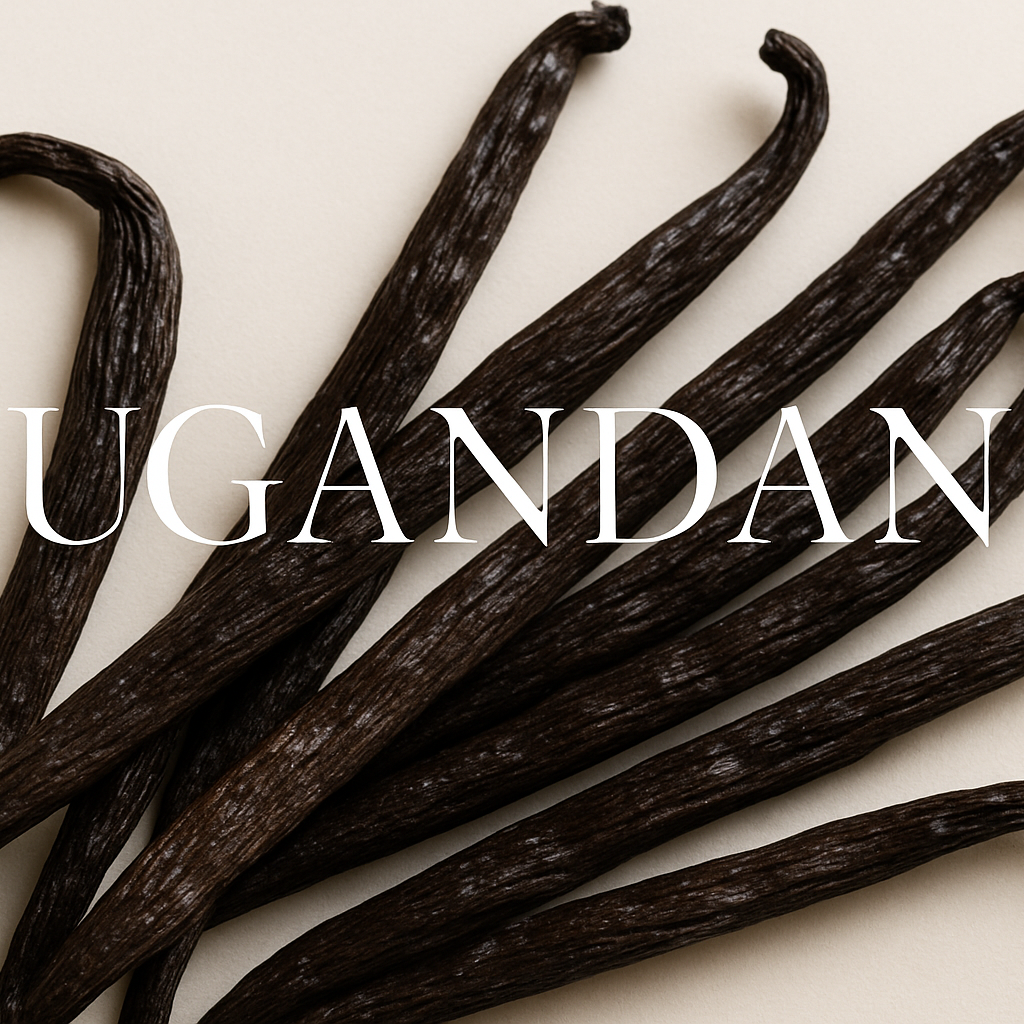
Named after the coastal city of Lindi on Tanzania's southern shore, this bean is exceptionally creamy and smooth. Where Ghana leans into toffee and butterscotch warmth, Tanzania delivers pure, concentrated vanilla sweetness with a subtle cacao note and a silky, almost dairy-like creaminess.
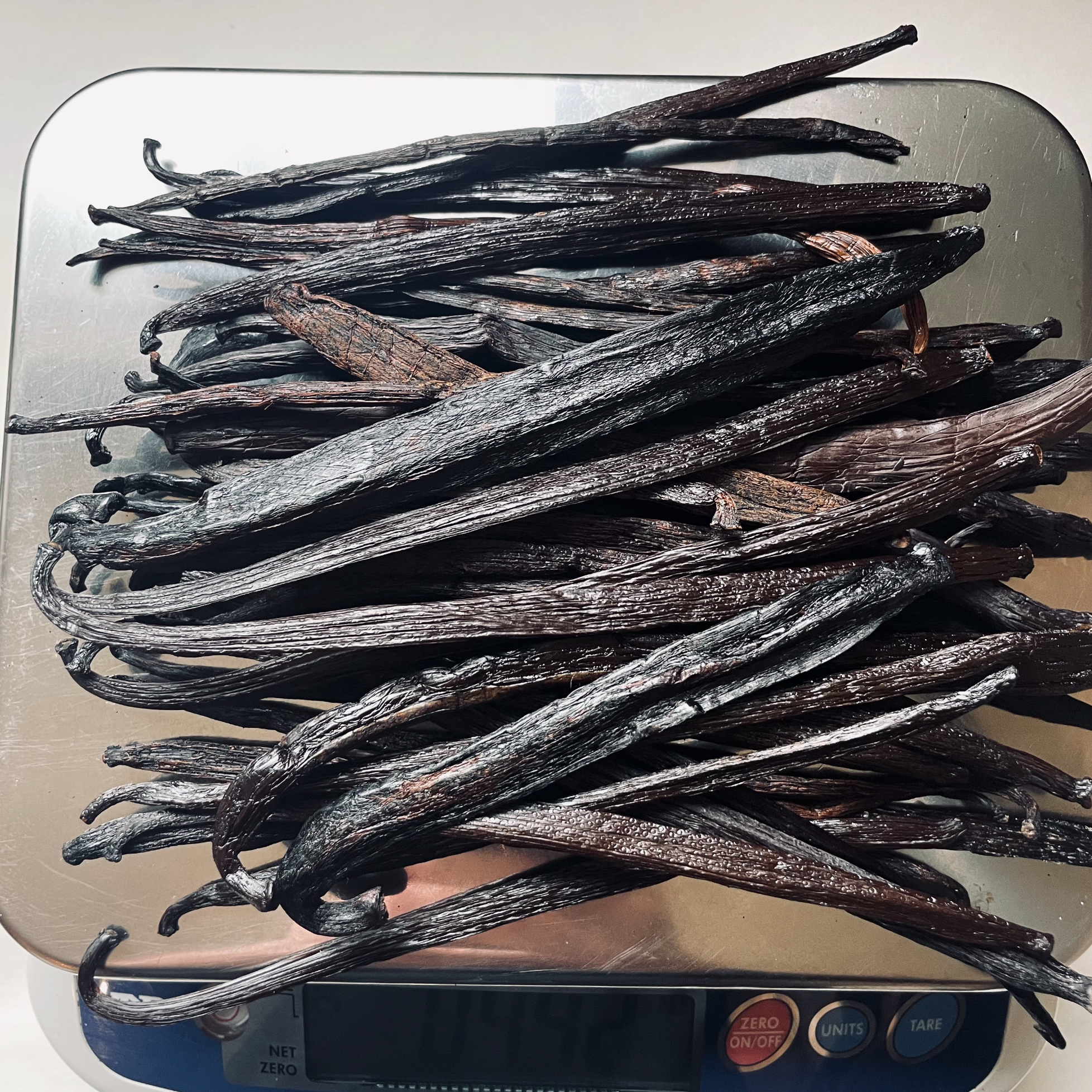
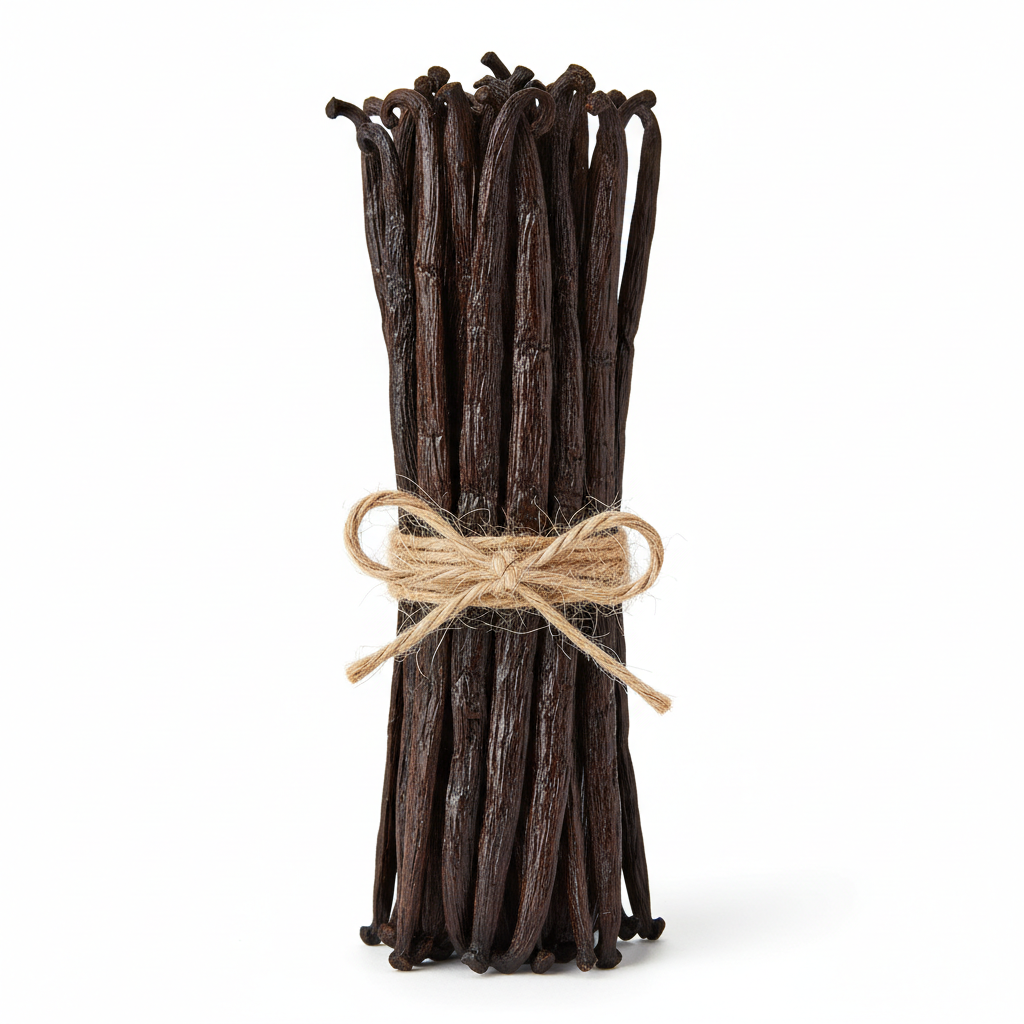
The Lindi beans are notably oily and rich in vanillin — 4 to 7 inches long, dark brown, and plump. In extract, they produce a classic, traditional vanilla that becomes richer and more concentrated the longer it ages. After a full year or more, the result is a deeply sweet, creamy extract that is vanilla in its most essential form.
It's worth noting that The Lindi is a rare, limited-quantity bean — it's often out of stock for much of the year. When it's available, it's worth stocking up.
Flavor profile: Sweet vanilla · Creamy · Smooth · Subtle cacao · Buttery · Trace of mocha
Side-by-Side Comparison
| The Kintampo (Ghana) | The Lindi (Tanzania) | |
|---|---|---|
| Region | West Africa | East Africa |
| Species | V. planifolia | V. planifolia |
| Grade | A | A |
| Aroma | Classic vanilla, toffee, butterscotch, cacao | Traditional, creamy, cacao |
| Extract character | Buttery, sweet, soft mocha, toffee undertones | Creamy, smooth, concentrated vanilla, subtle cacao |
| Distinguishing note | Butterscotch warmth | Silky creaminess |
| Availability | Limited - often sells out | Available most of the year |
Which One Should You Choose?
If you want a bold, warm extract with caramel-adjacent depth — reach for The Kintampo. It's exceptional in baked goods, custards, and dark-spirit extracts where you want that toffee-butterscotch backbone to come through.
If you want the purest, most classic vanilla expression — creamy, smooth, and deeply sweet — The Lindi is your bean. It's the one to use when vanilla is the star of the show and you want nothing to compete with it.
Can't decide? Both are V. planifolia, which means they blend beautifully. A 50/50 split gives you the creaminess of Tanzania with the warm depth of Ghana — a combination that's hard to beat.
Spirit Pairings for Extract
The good news: both The Kintampo and The Lindi are versatile and pair beautifully with the most popular extract spirits. Here's how each one expresses itself by spirit:
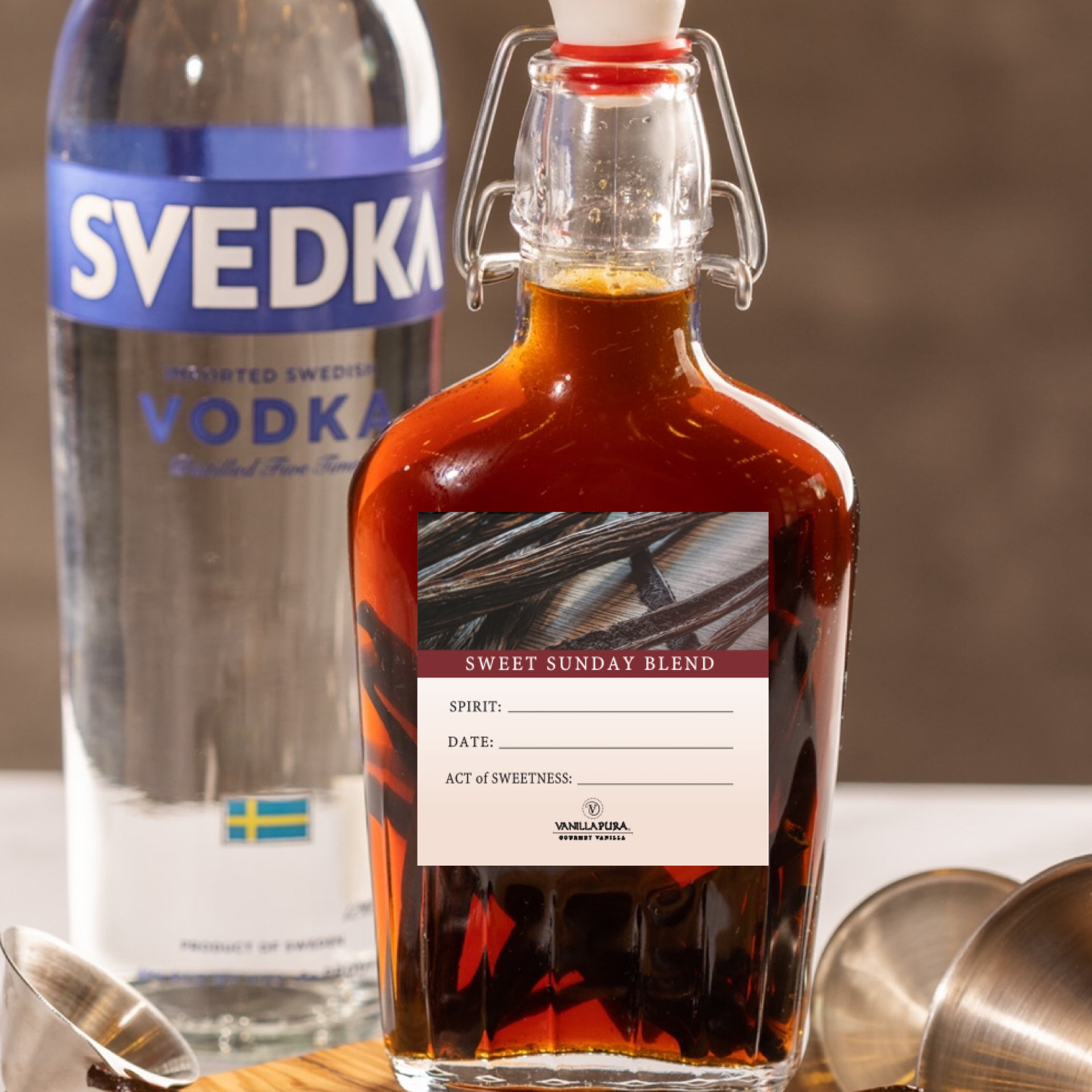
Vodka — The go-to for a clean, neutral base. With The Kintampo, vodka lets the buttery vanilla and toffee notes take center stage without interference. With The Lindi, it produces a pure, creamy extract that is classic vanilla at its most essential. Both are excellent choices for an all-purpose extract.
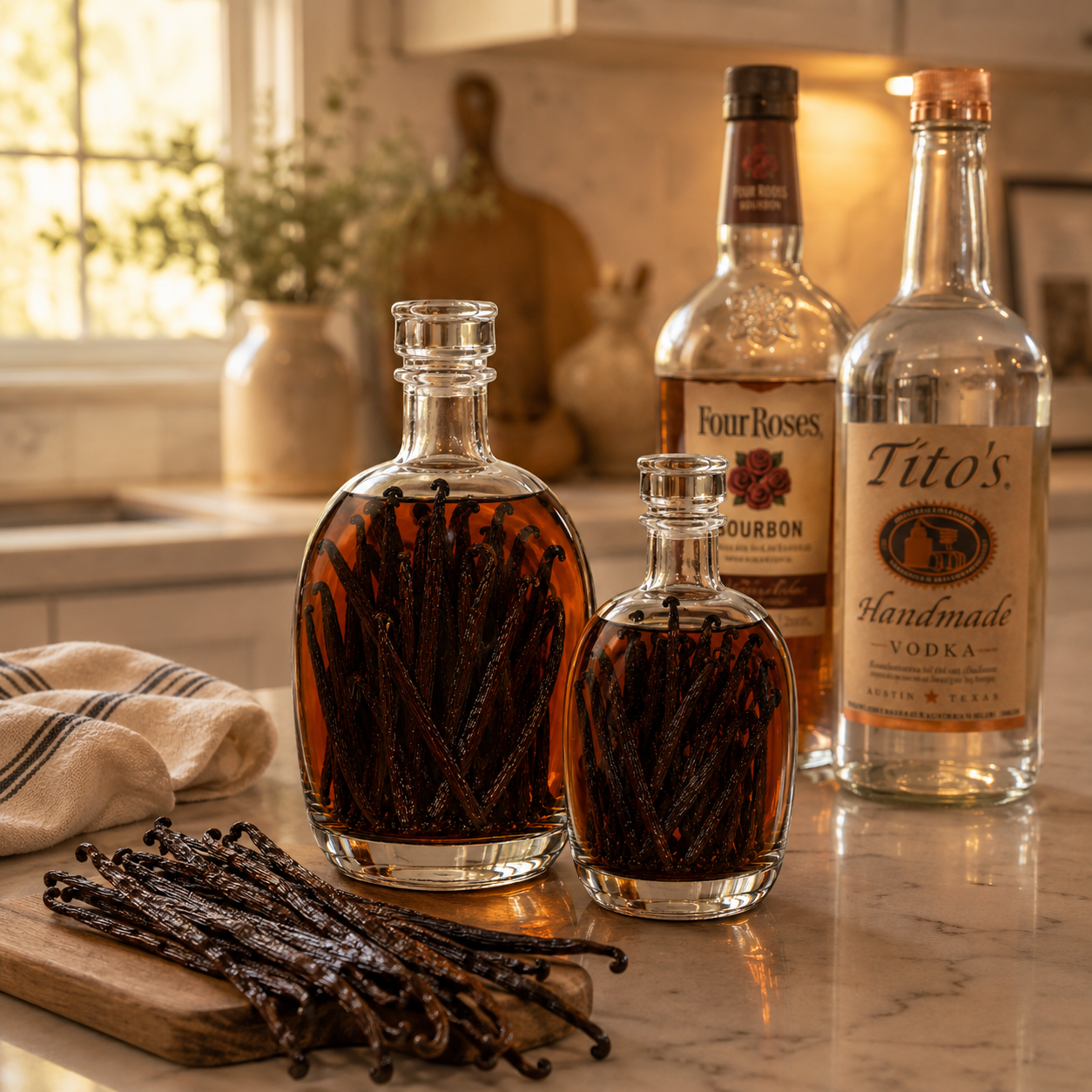
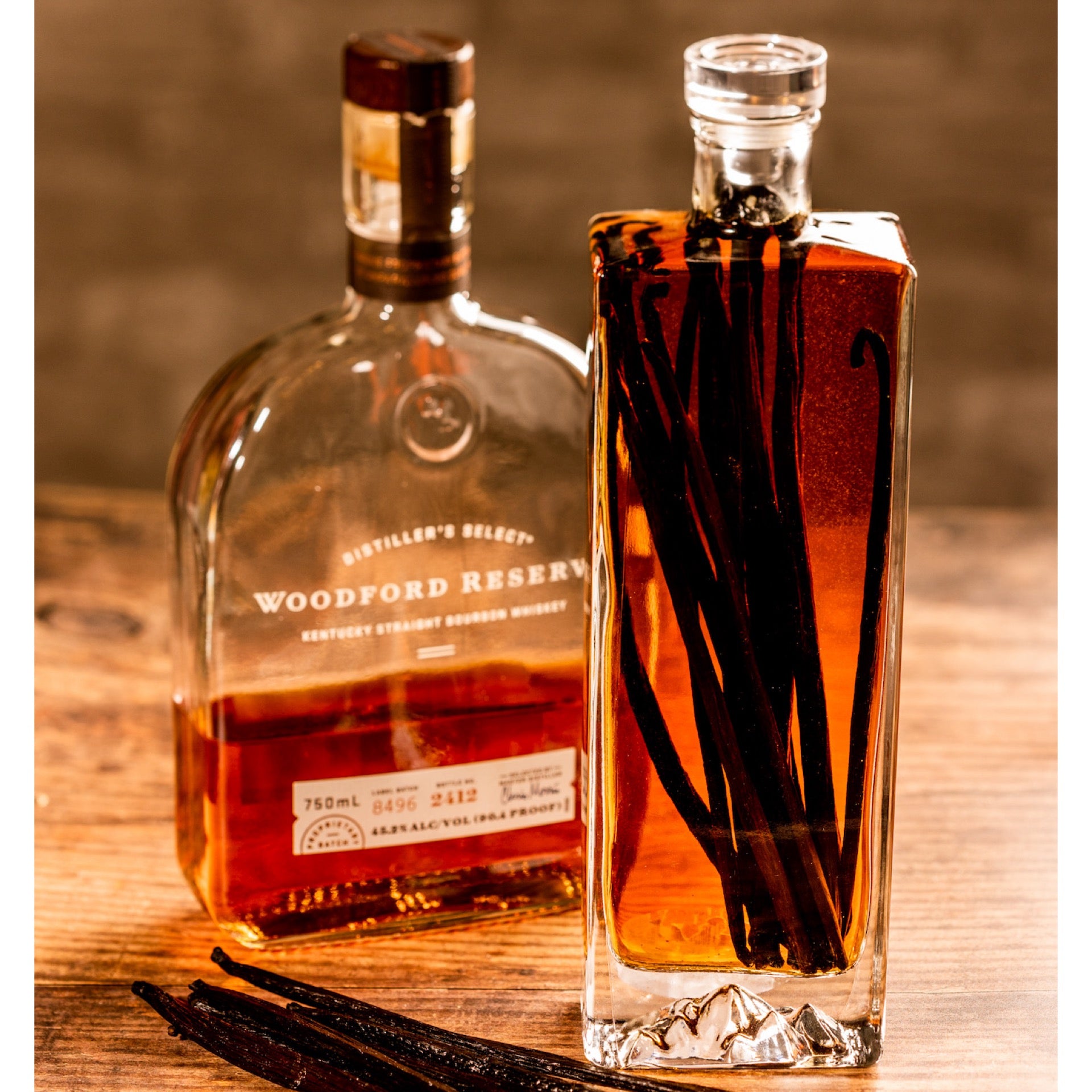
Bourbon — A natural pairing for both African beans. The Kintampo's butterscotch and mocha notes harmonize beautifully with bourbon's oak and caramel character, creating a deeply layered, complex extract. The Lindi's creaminess softens bourbon's edges, producing a smooth, rich extract with a warm vanilla finish. Either way, bourbon elevates the depth of an African-origin extract considerably.
Rum — Dark rum is a standout pairing for both. The Kintampo's toffee and cacao notes amplify rum's natural sweetness into something almost dessert-like. The Lindi with dark rum produces a silky, concentrated extract with a tropical warmth underneath the vanilla. For a lighter profile, white rum works well with The Lindi's clean creaminess.
A Note on Aging
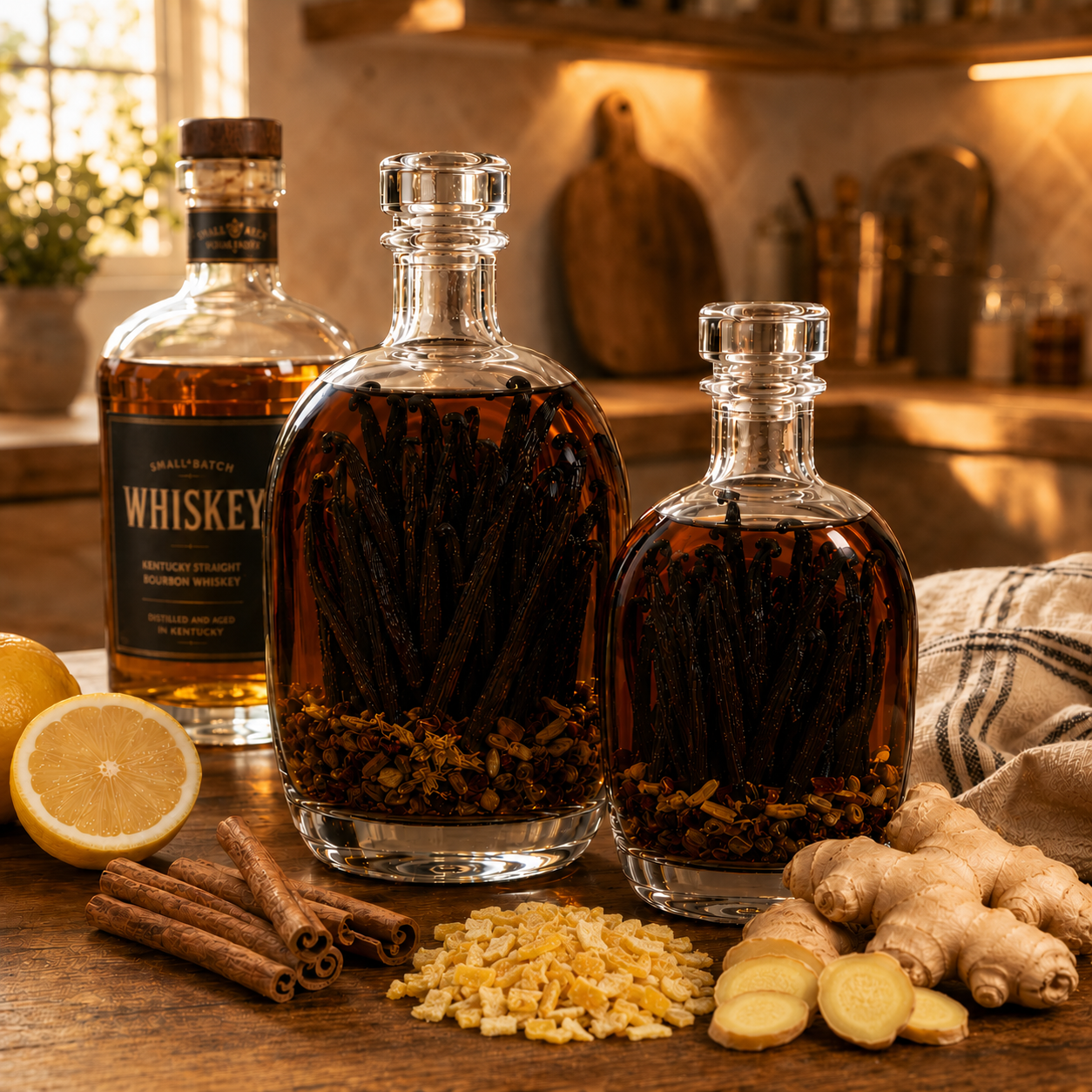
For both beans, patience pays off. Use 1oz of beans for every 8oz of alcohol, and allow your extract to age up to 1 year for light spirits like vodka, white rum, or gin — and 18 months to 2 years for dark spirits like bourbon, dark rum, or brandy. The longer you wait, the more the origin character of each bean reveals itself.
Two continents. One species. Endless nuance. That's the magic of African vanilla.
Ready to start your own extract? Visit our Vanilla Extract Making How-To Guides to learn everything you need to know about making extract at home.