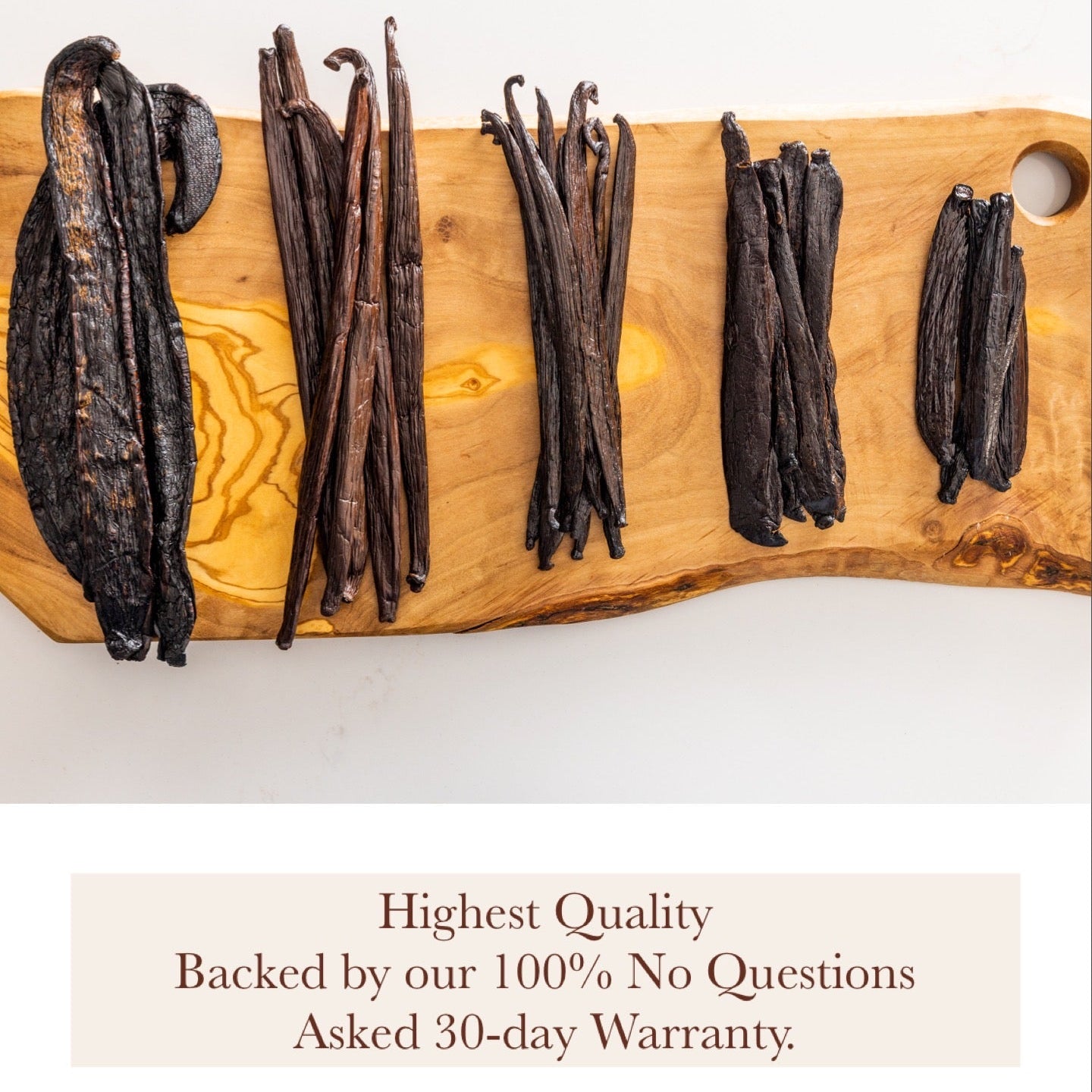

Meet the Giant of the Vanilla World
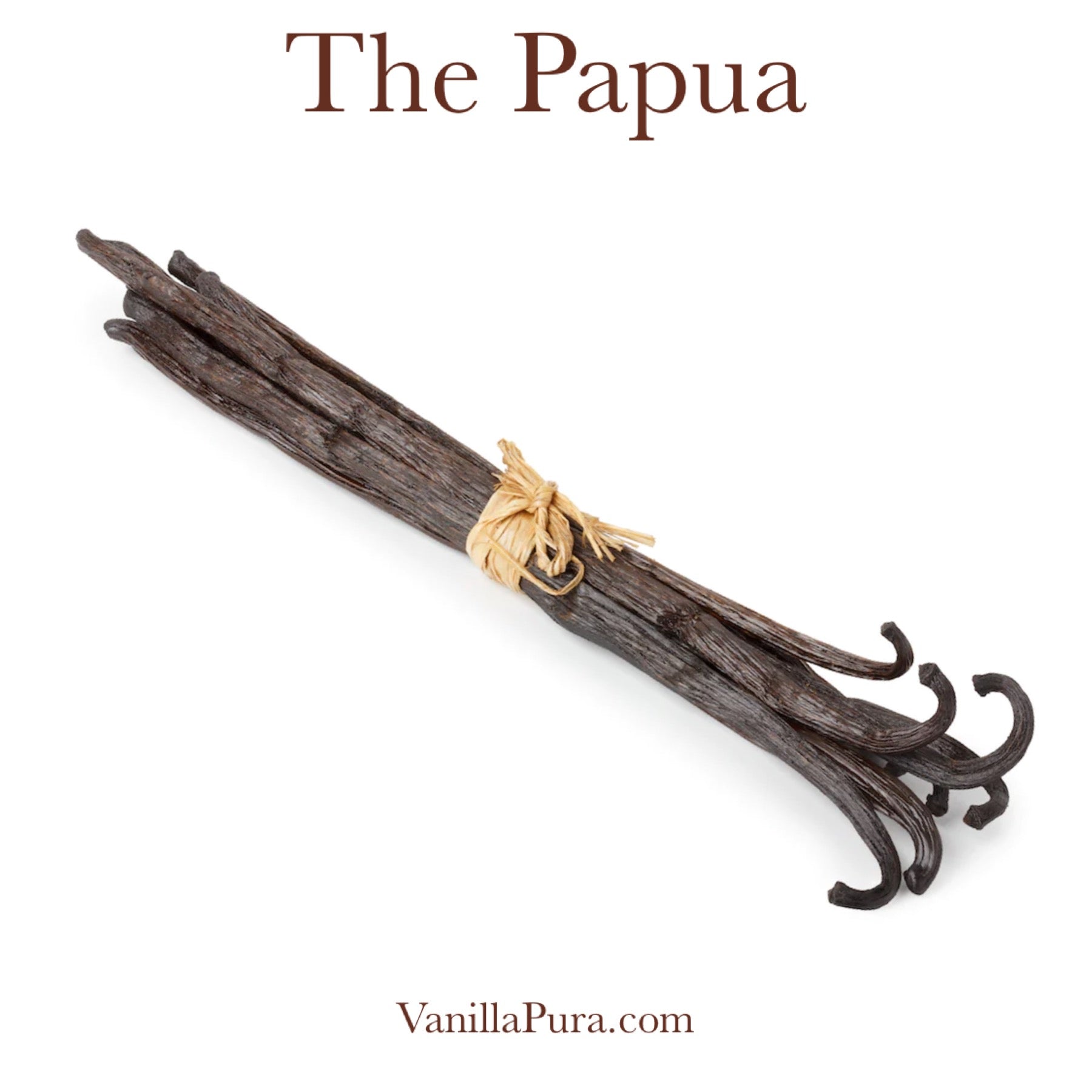
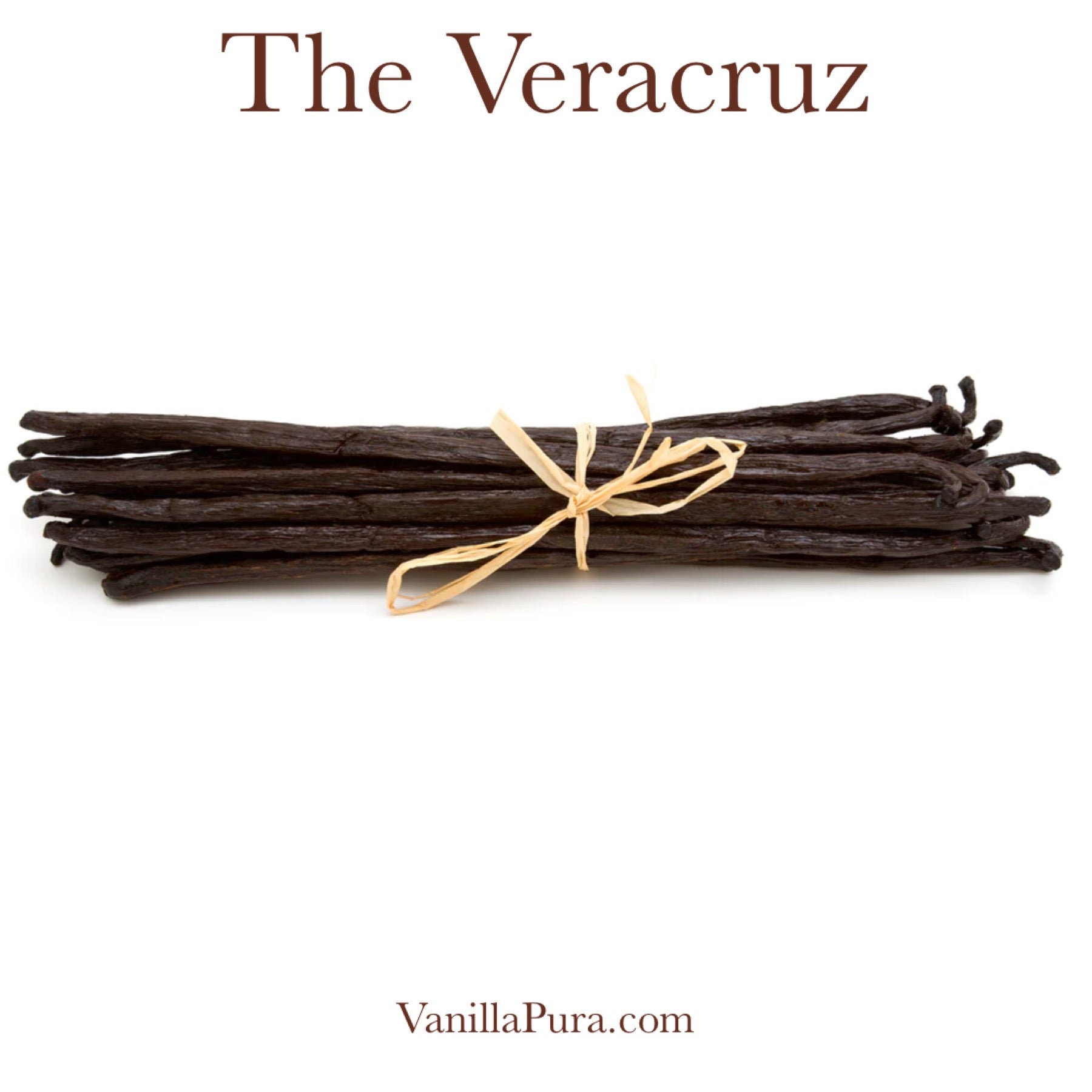
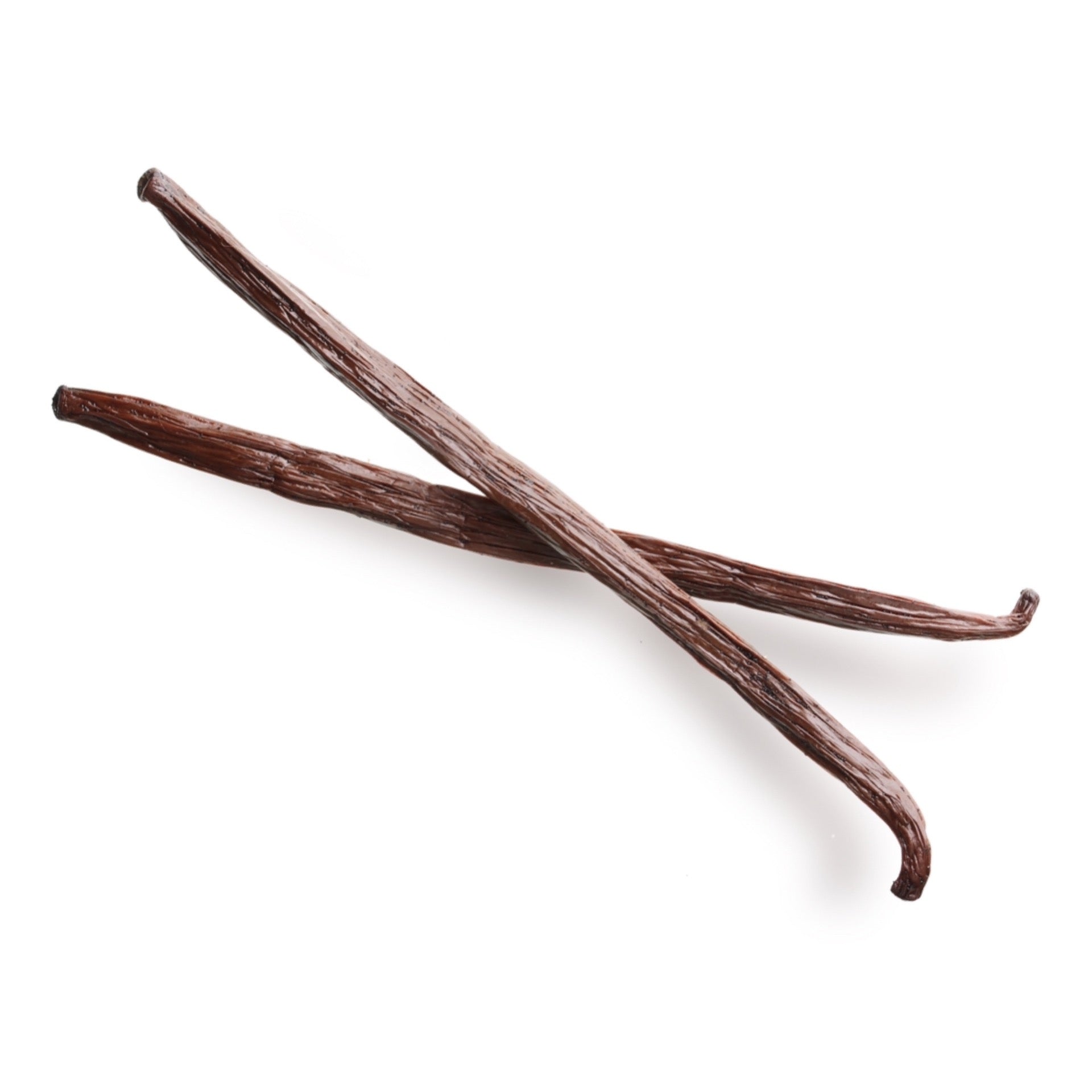
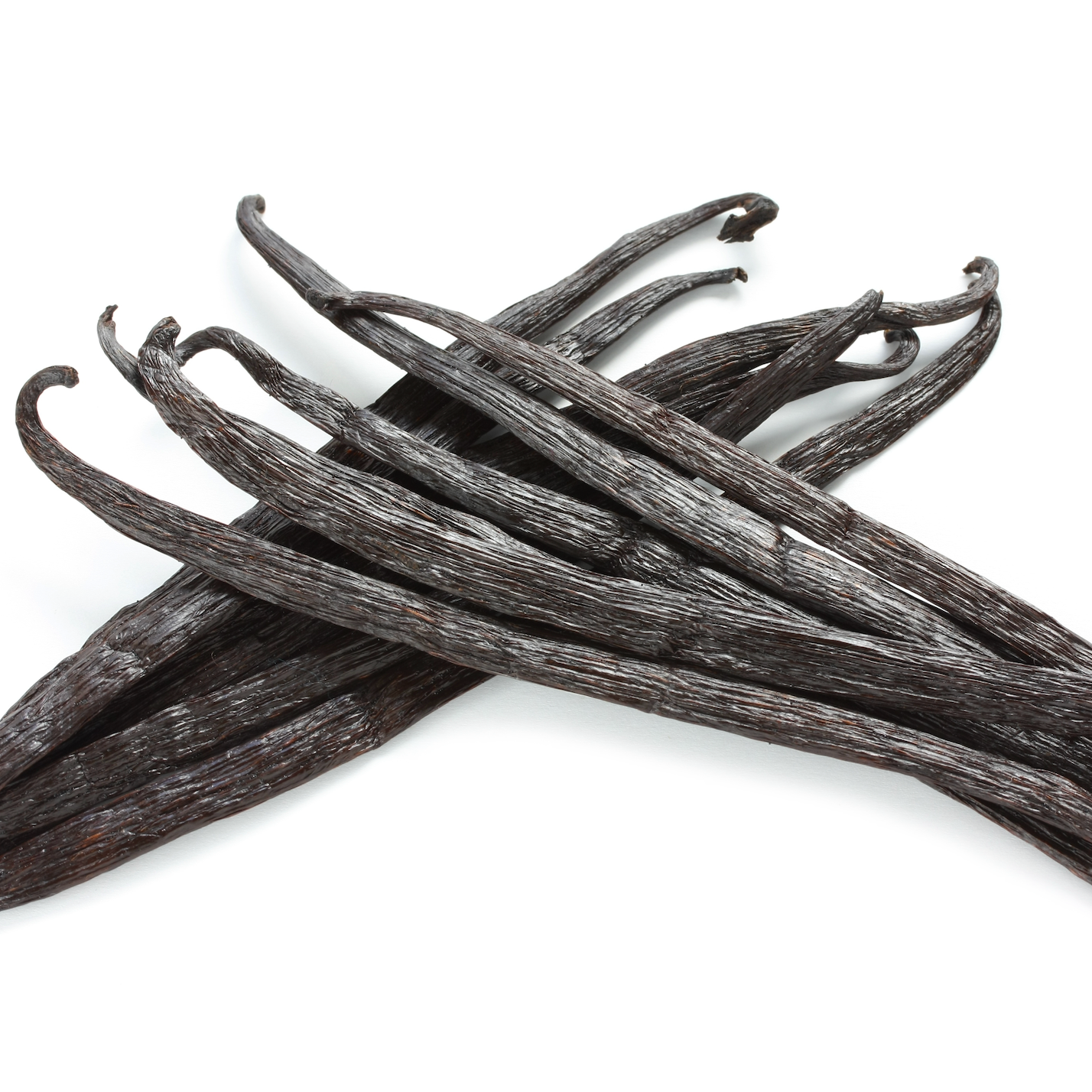
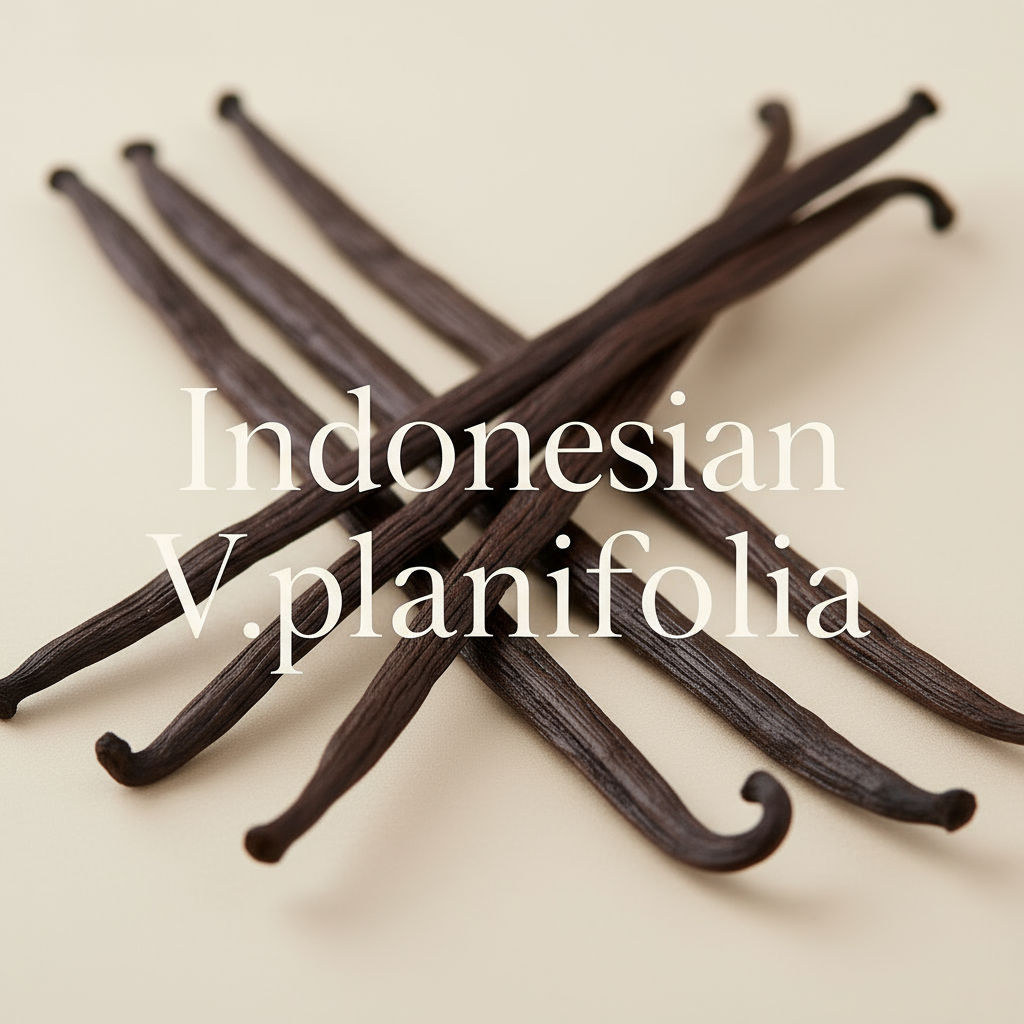
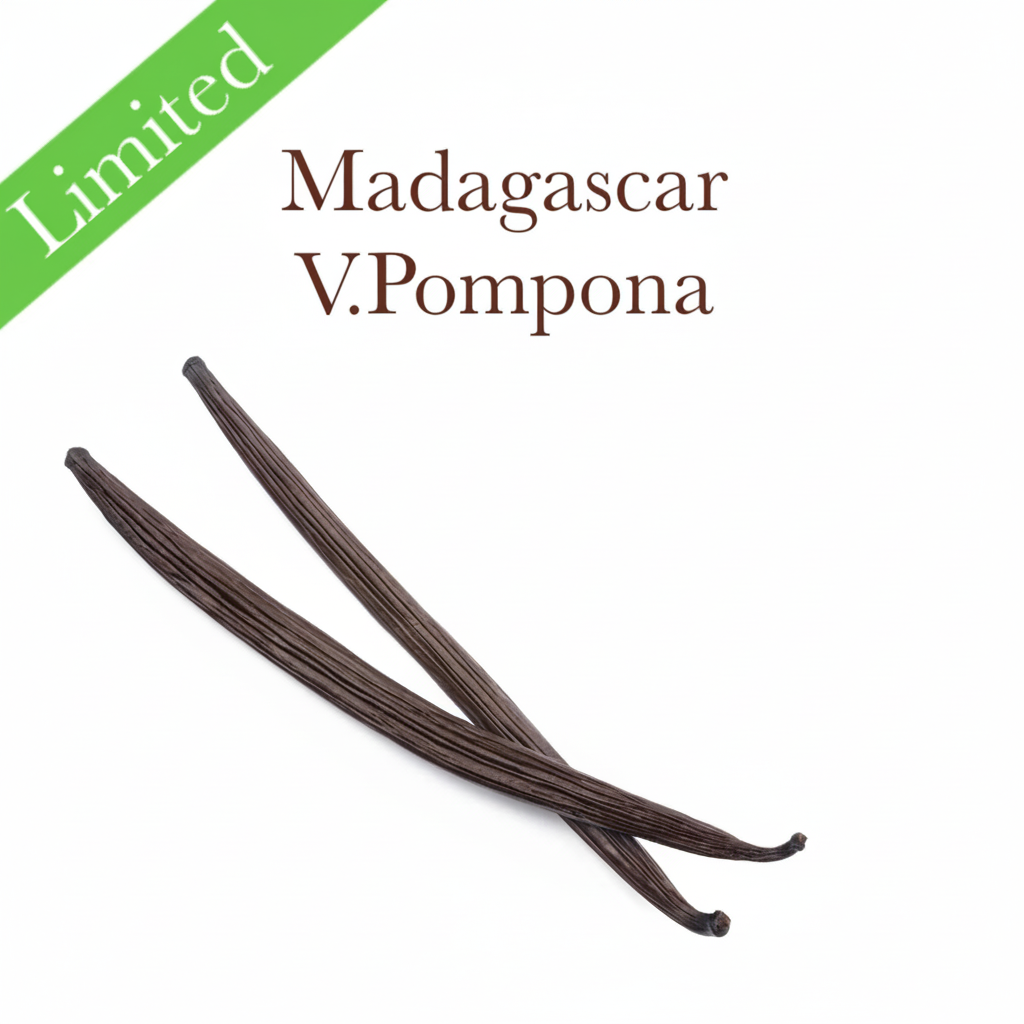
While most vanilla enthusiasts are familiar with Vanilla planifolia (Madagascar and Mexican vanilla) and Vanilla tahitensis (Tahitian, Ecuadorian and some Indonesian vanilla), there's a lesser-known species that deserves attention: Vanilla pompona. This remarkable orchid produces some of the largest vanilla beans in the world and offers a unique flavor profile that's gaining recognition among adventurous bakers and culinary professionals.
What Makes Vanilla Pompona Special?
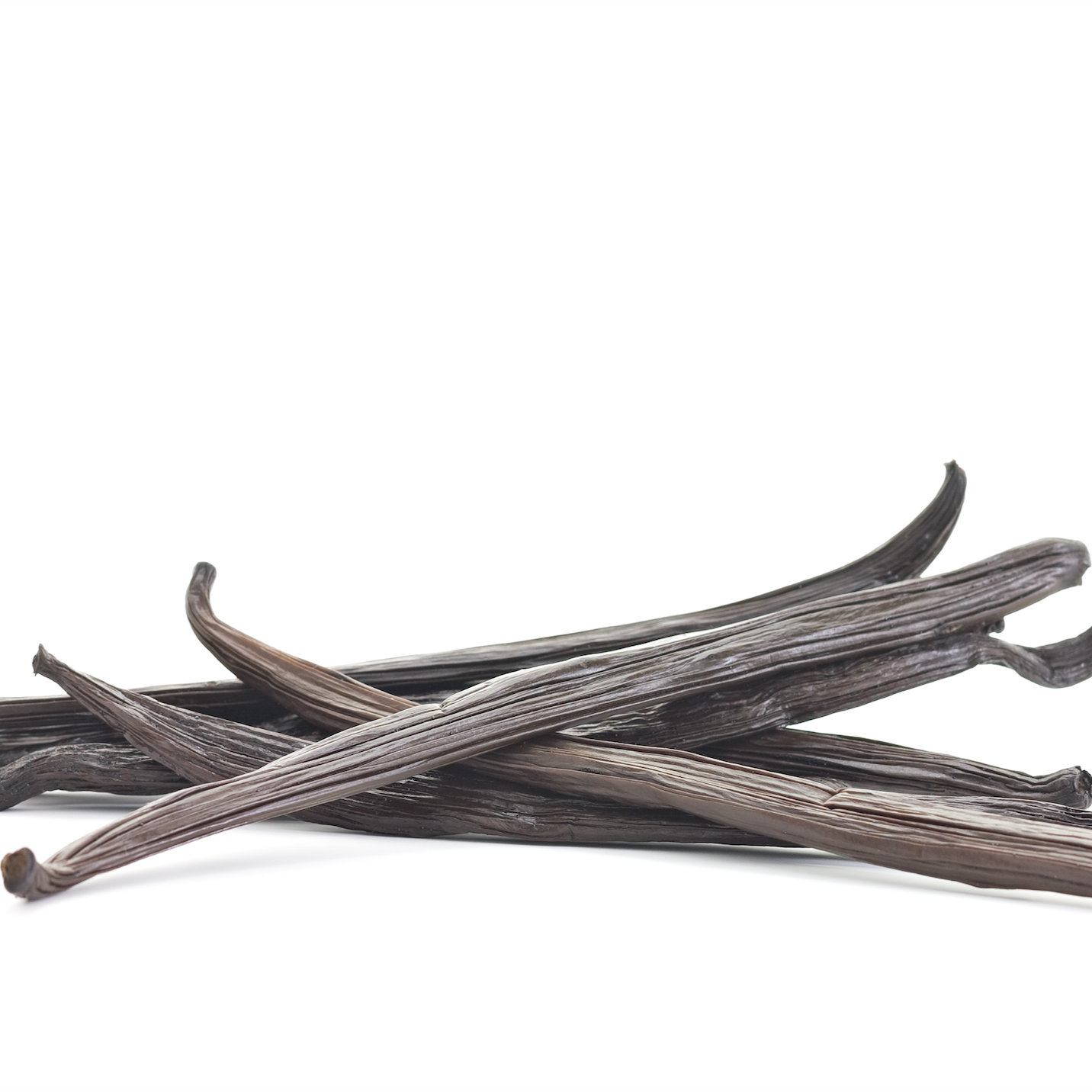
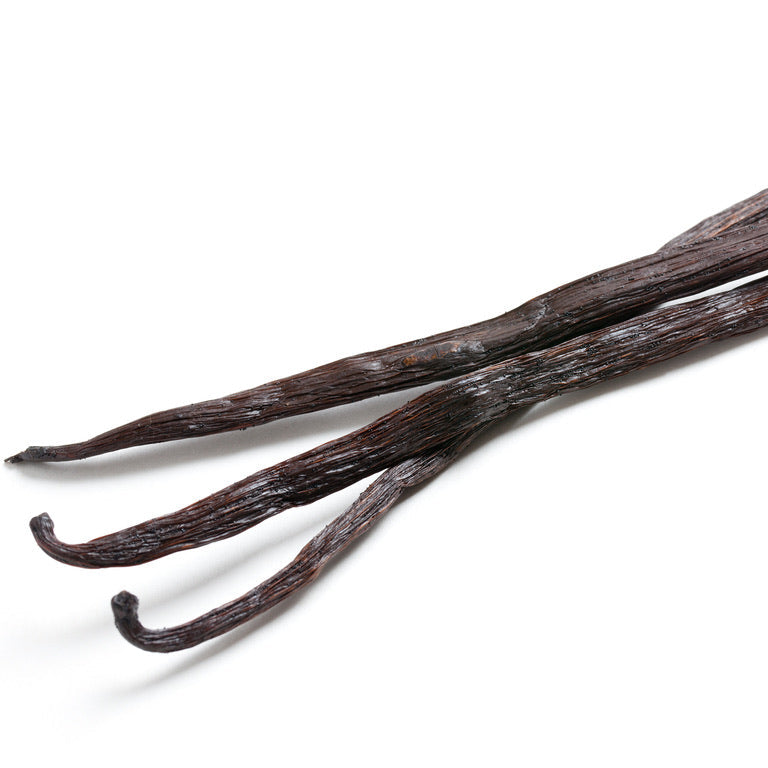
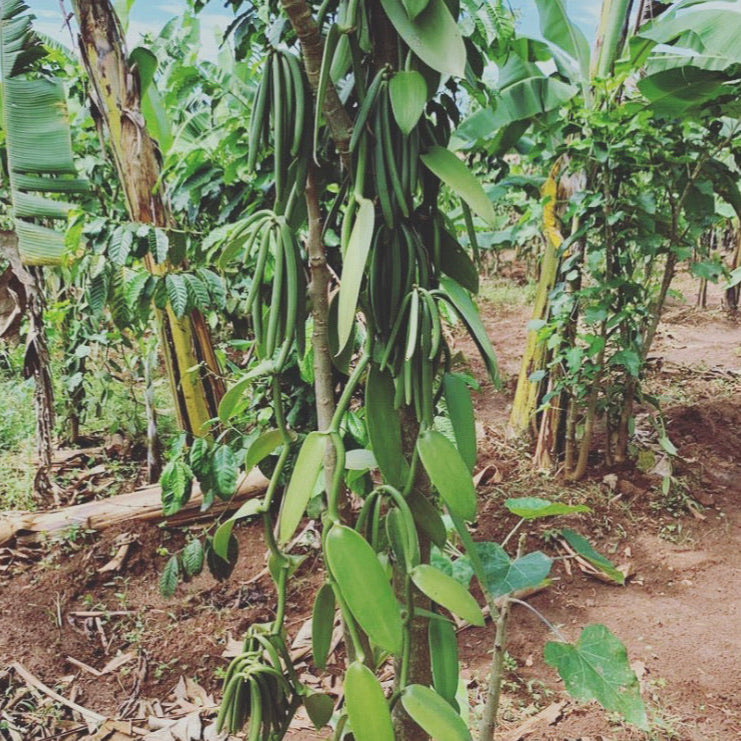
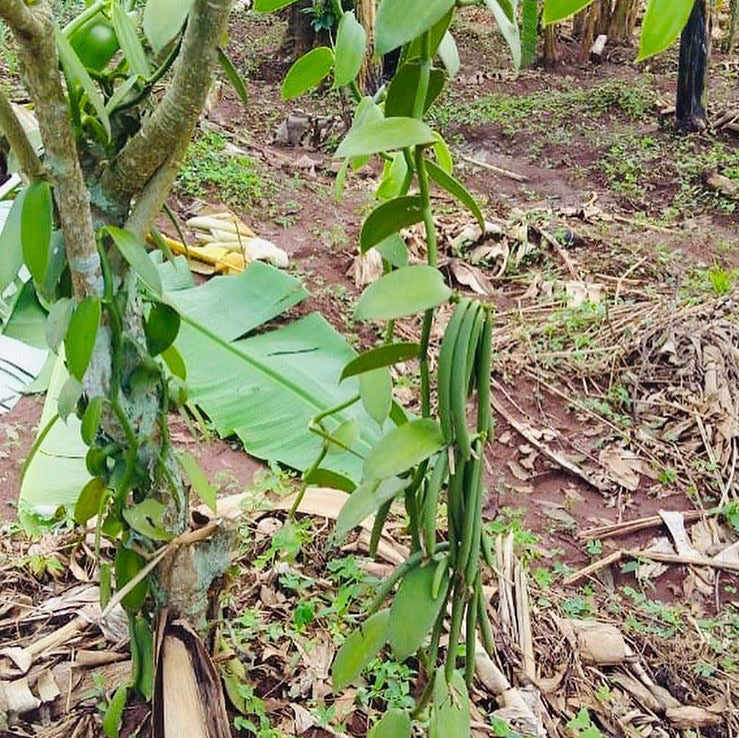
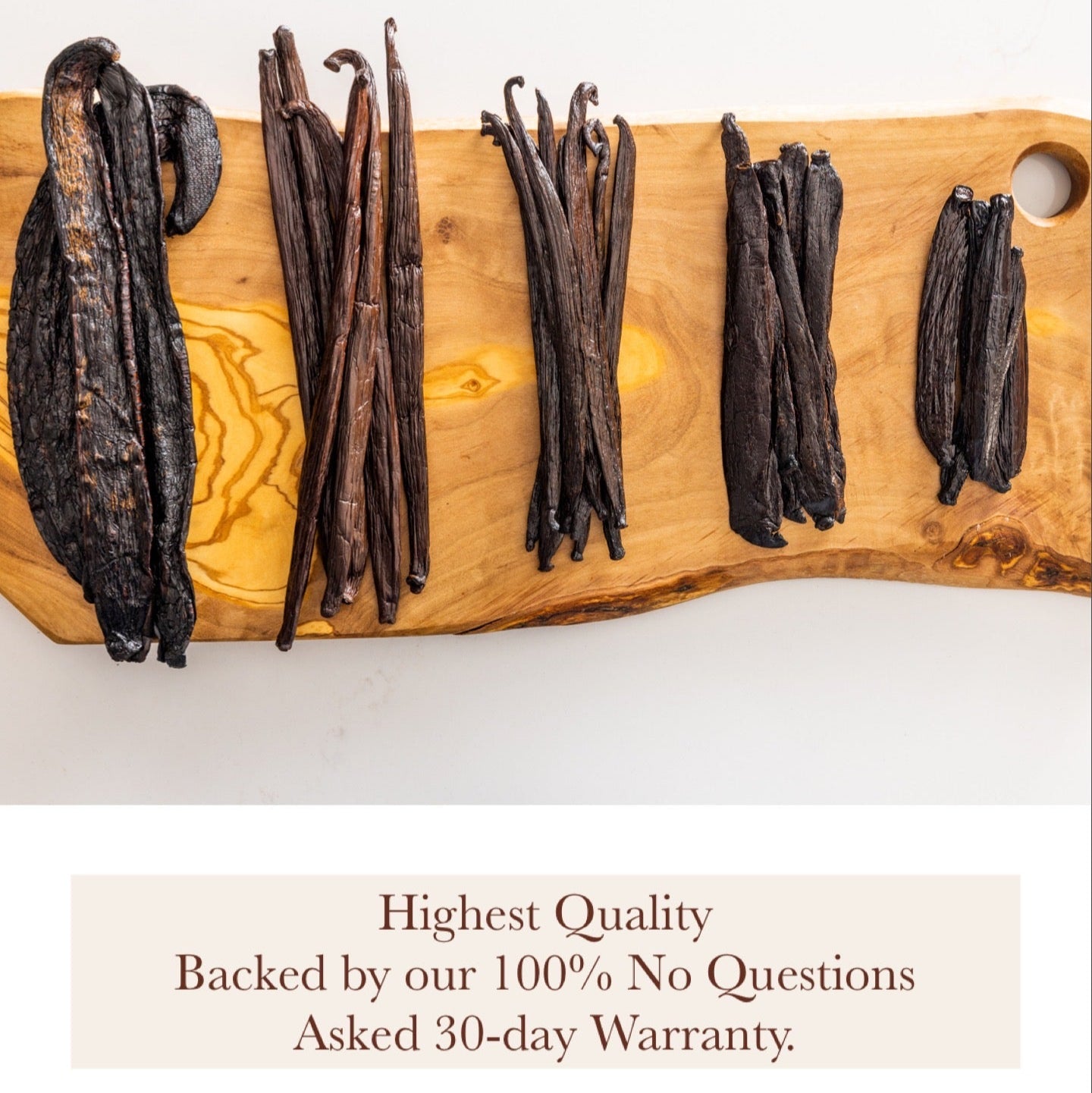
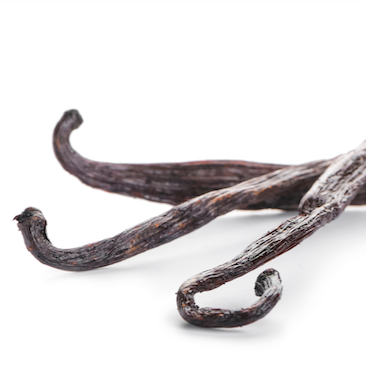
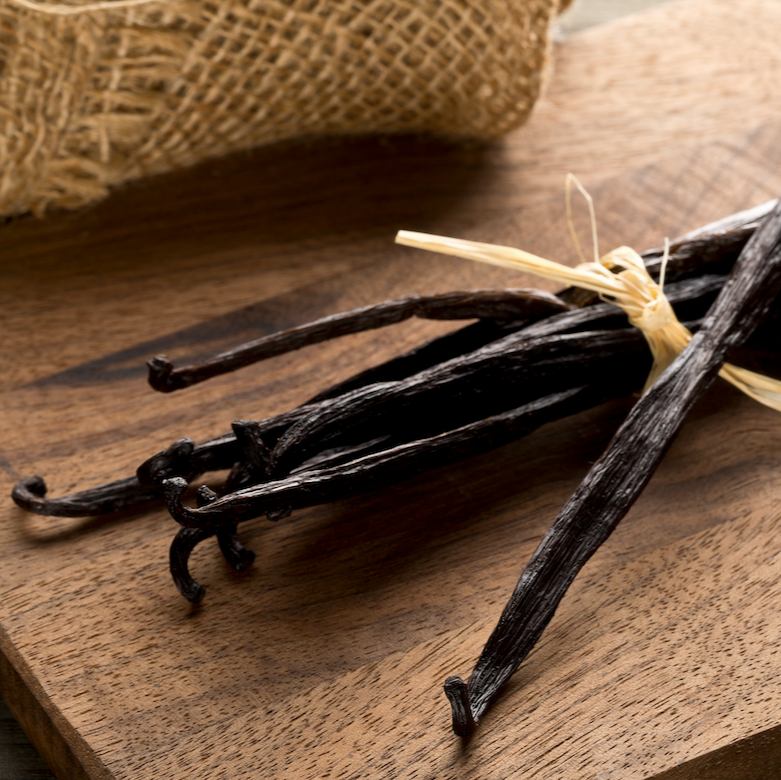
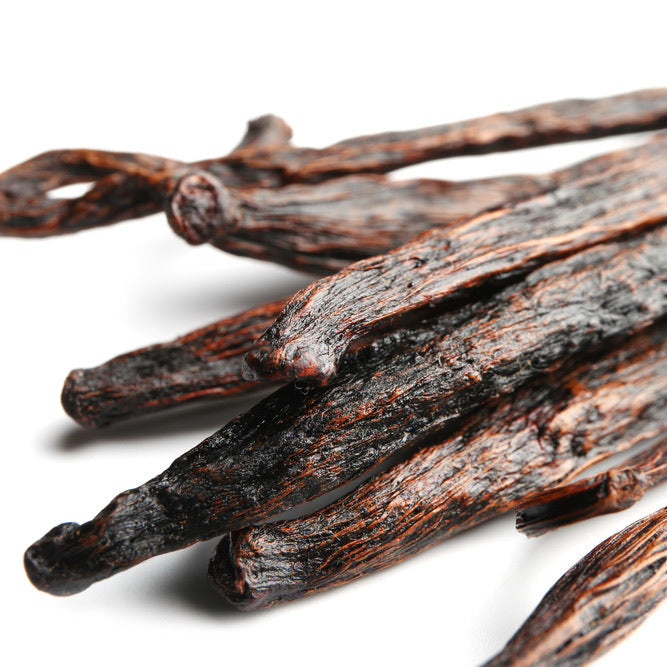
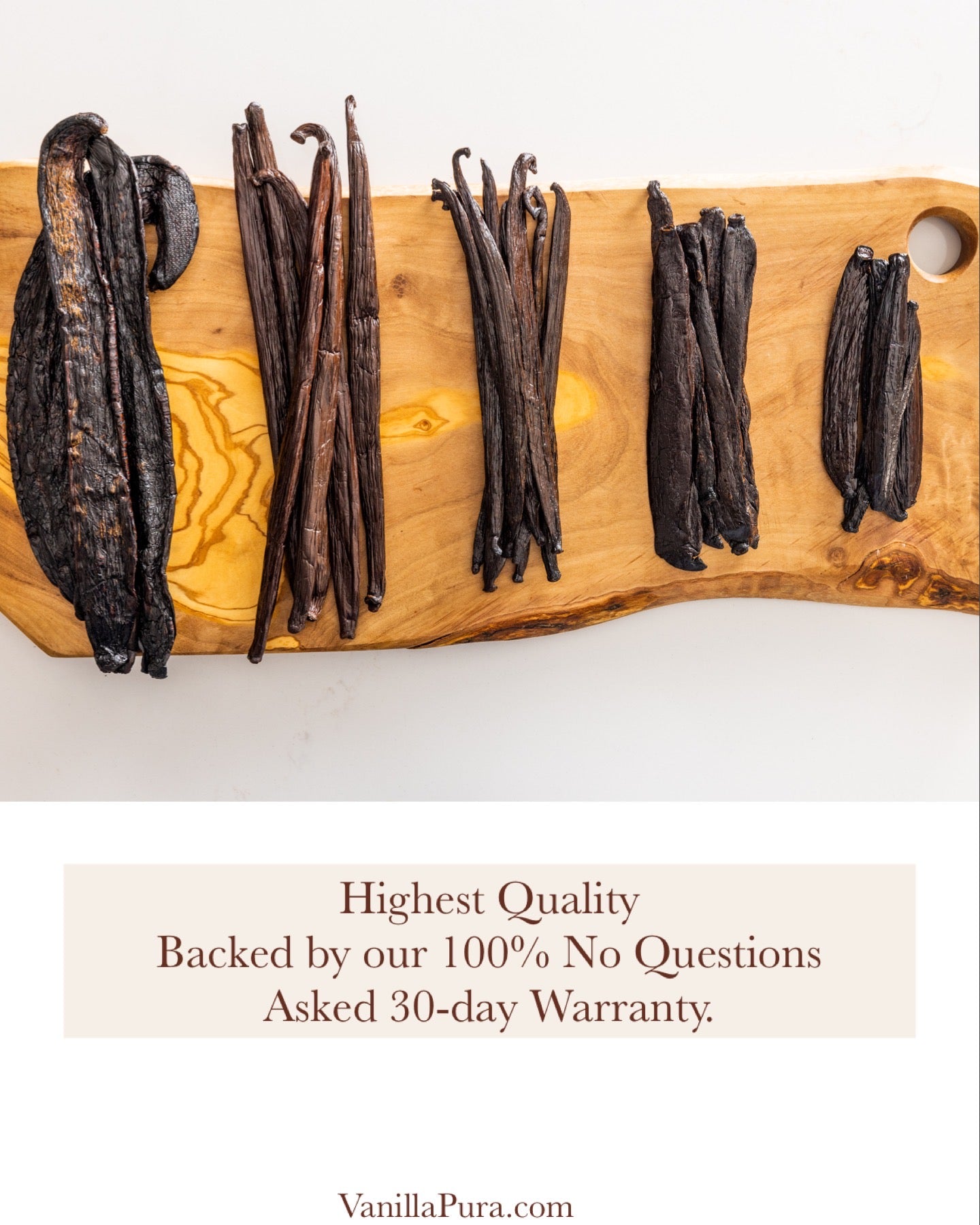
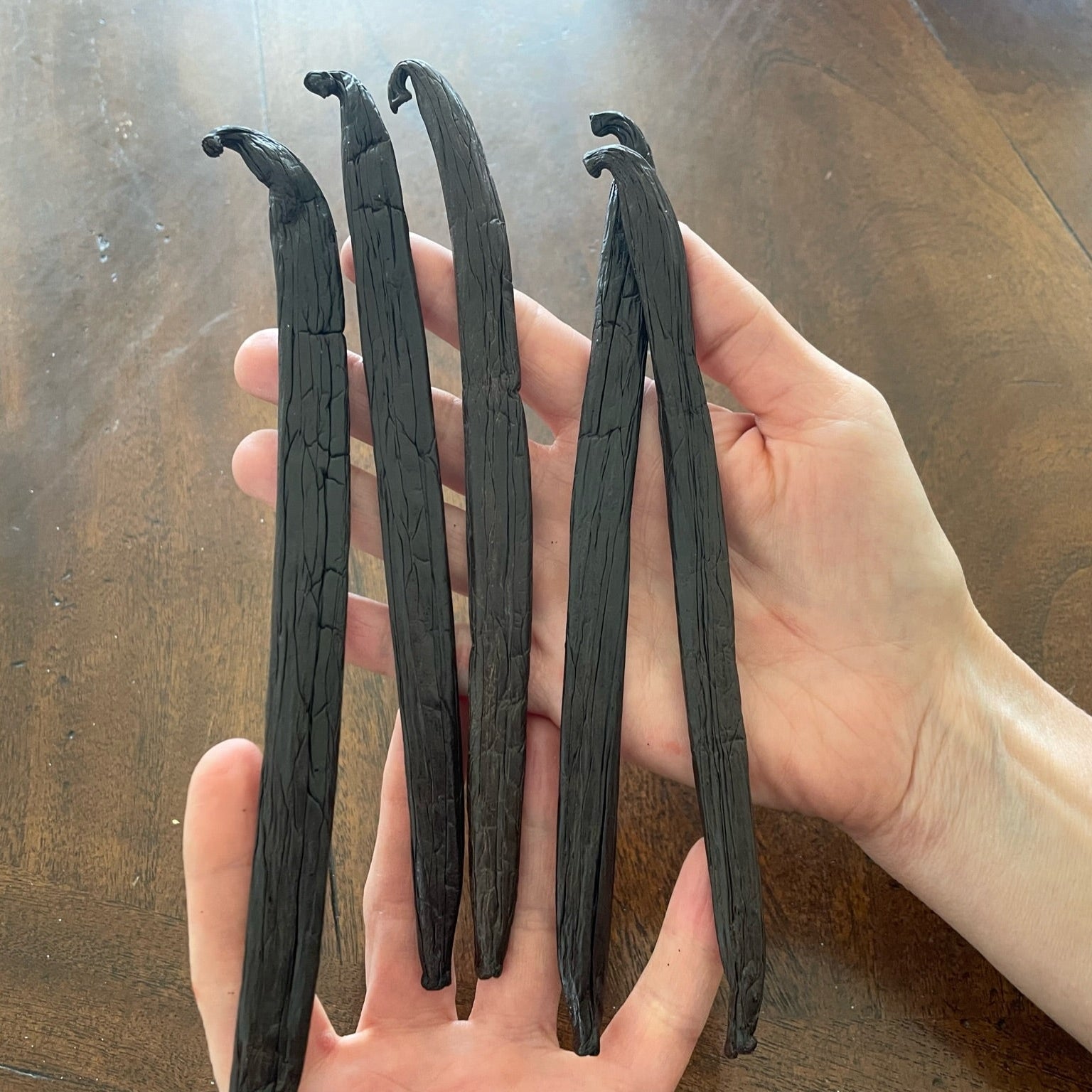
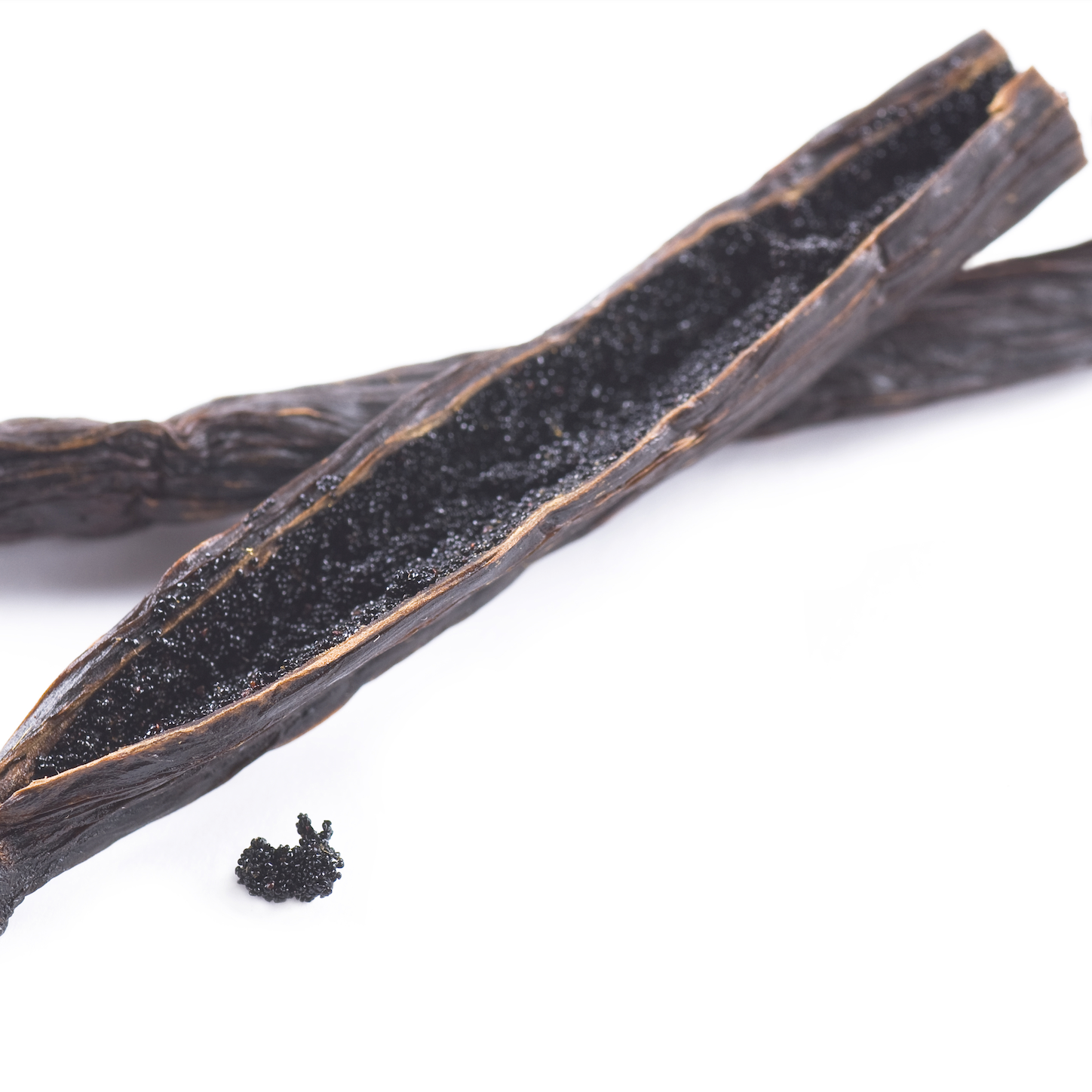
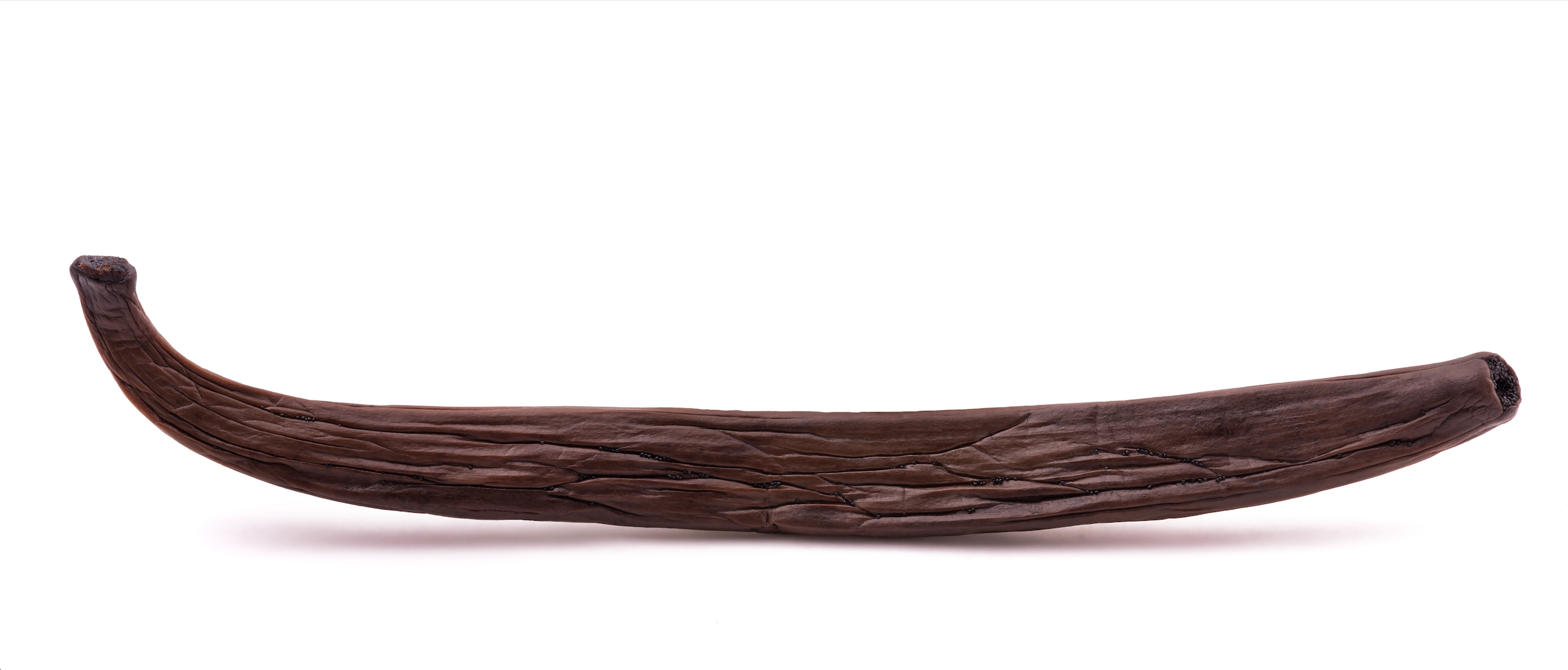
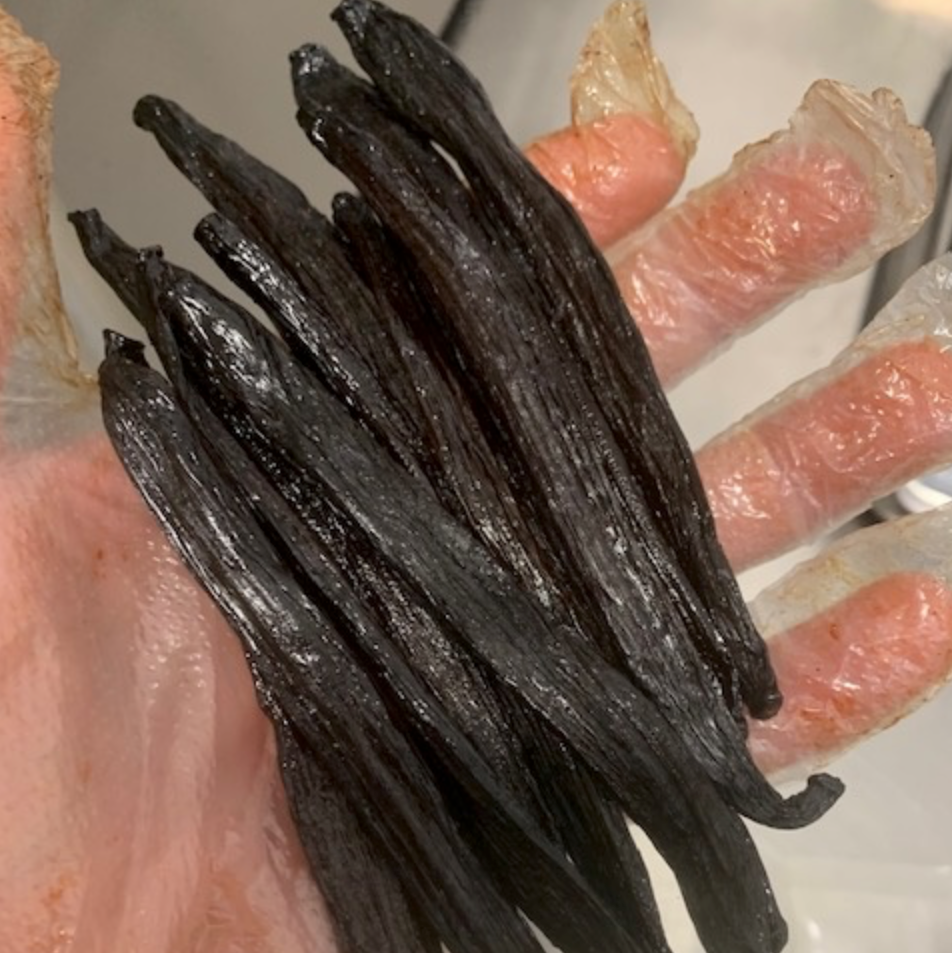
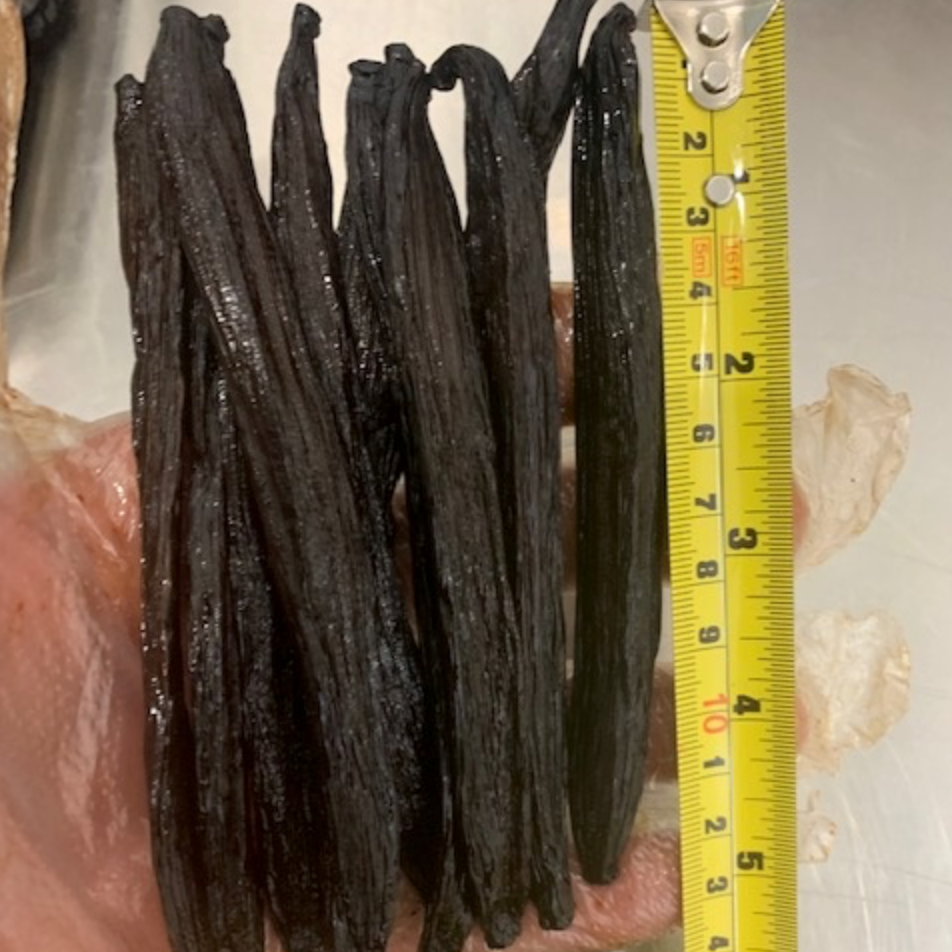
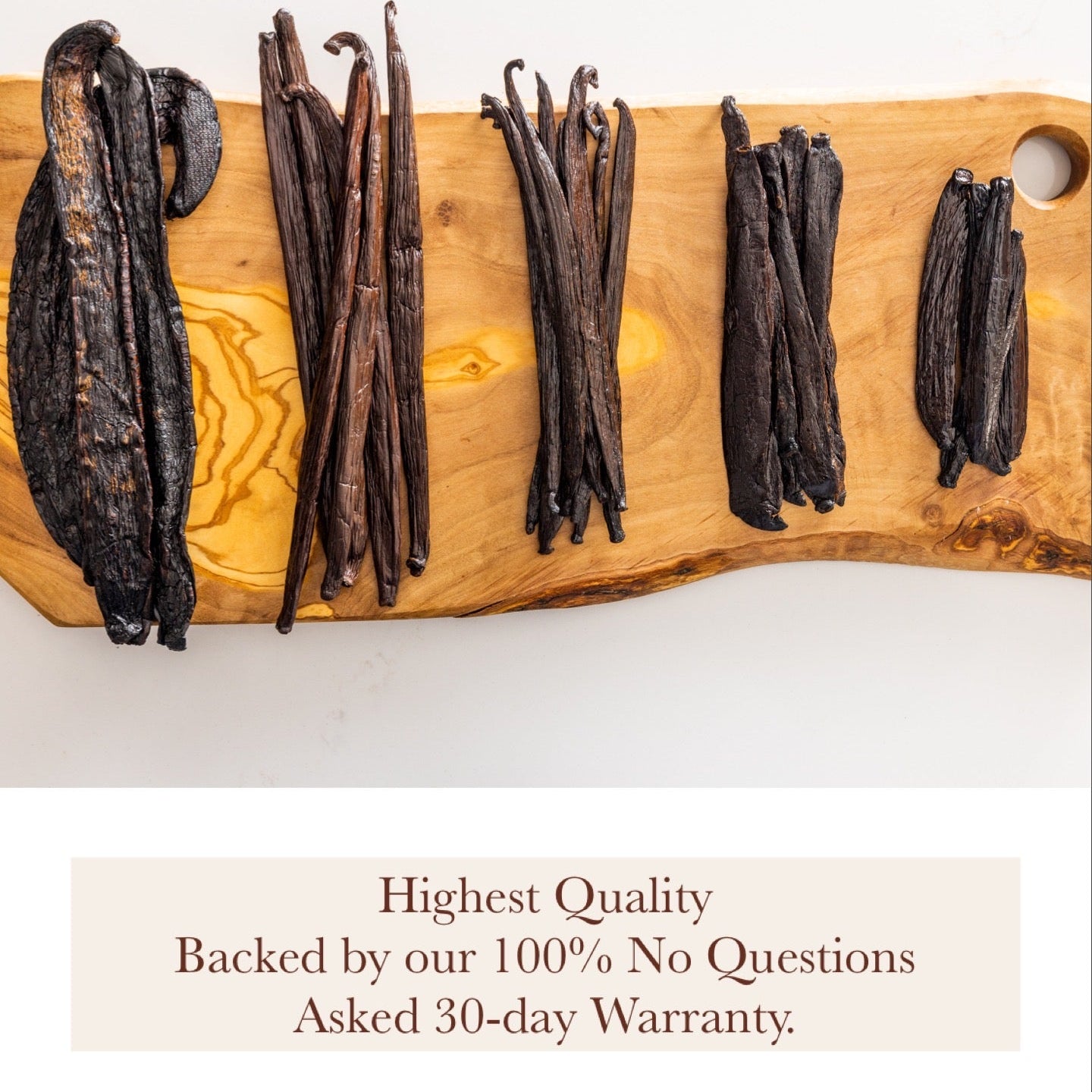
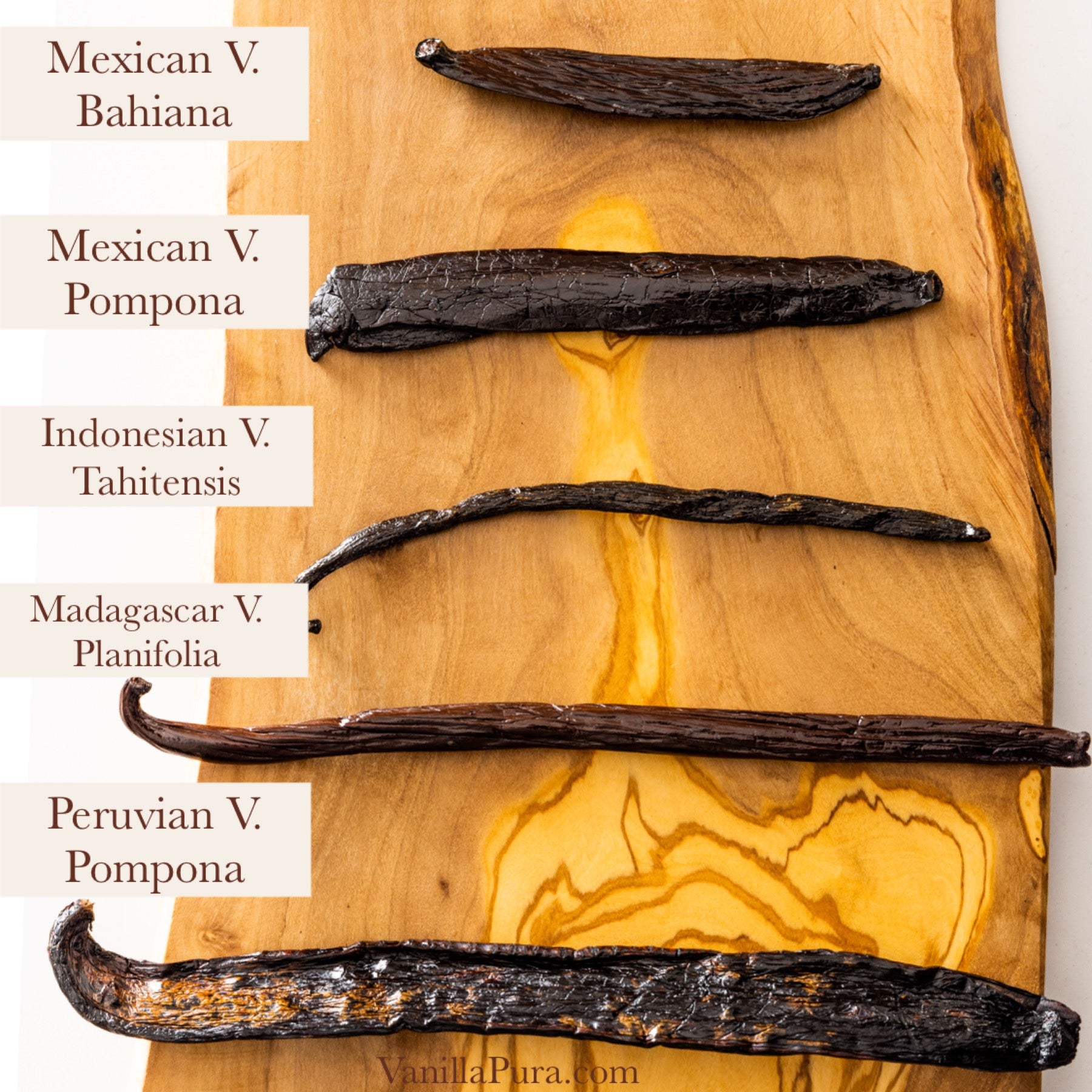
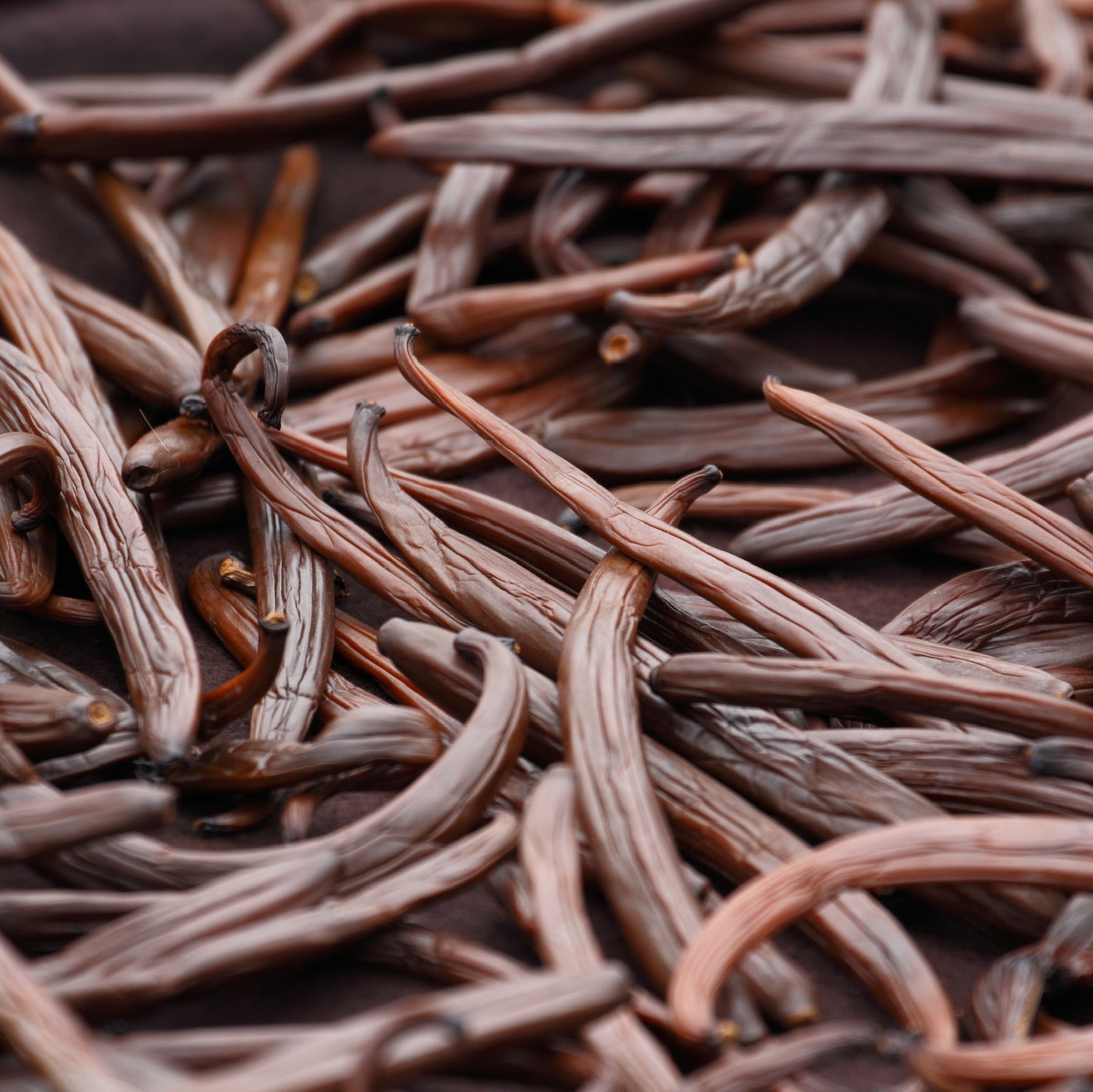
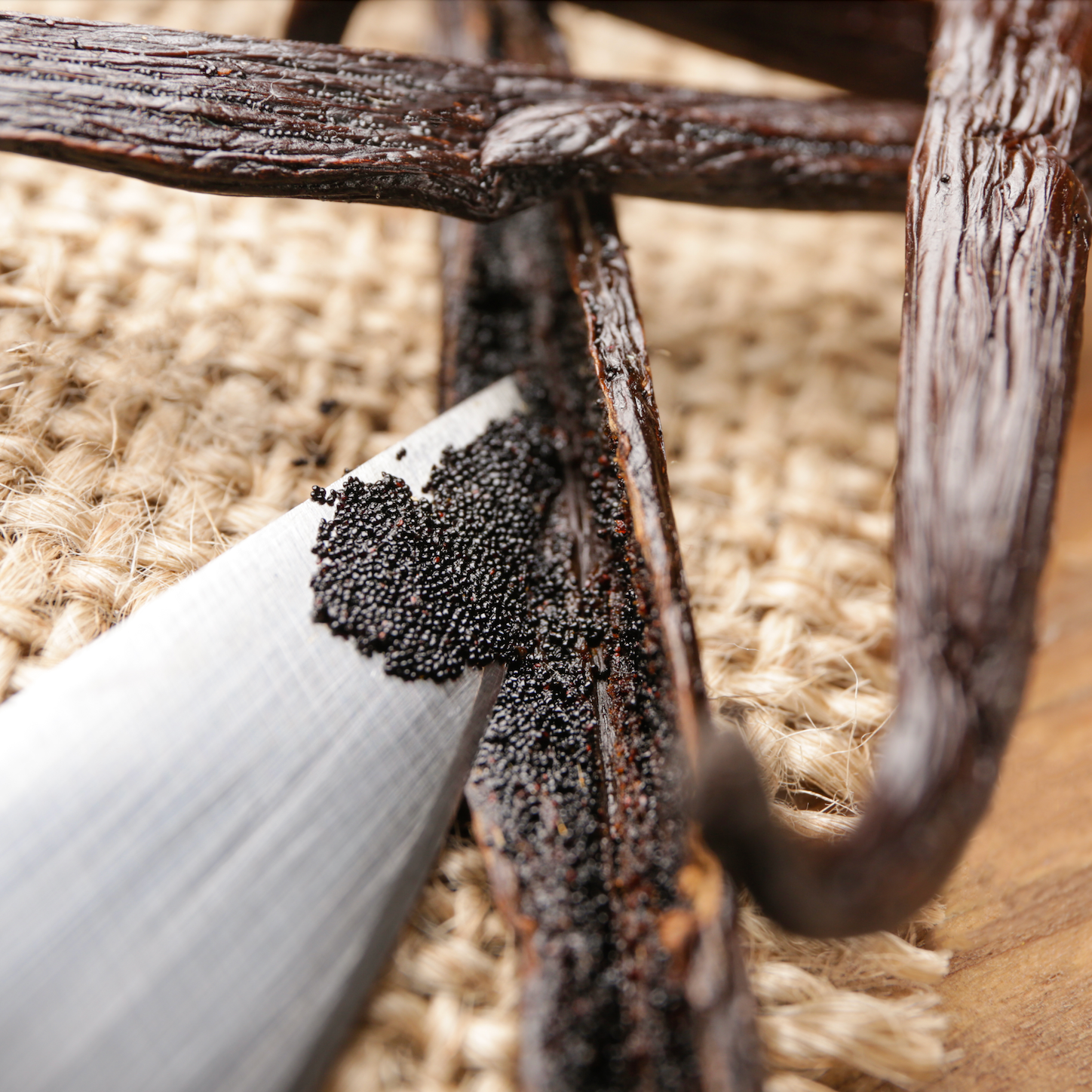
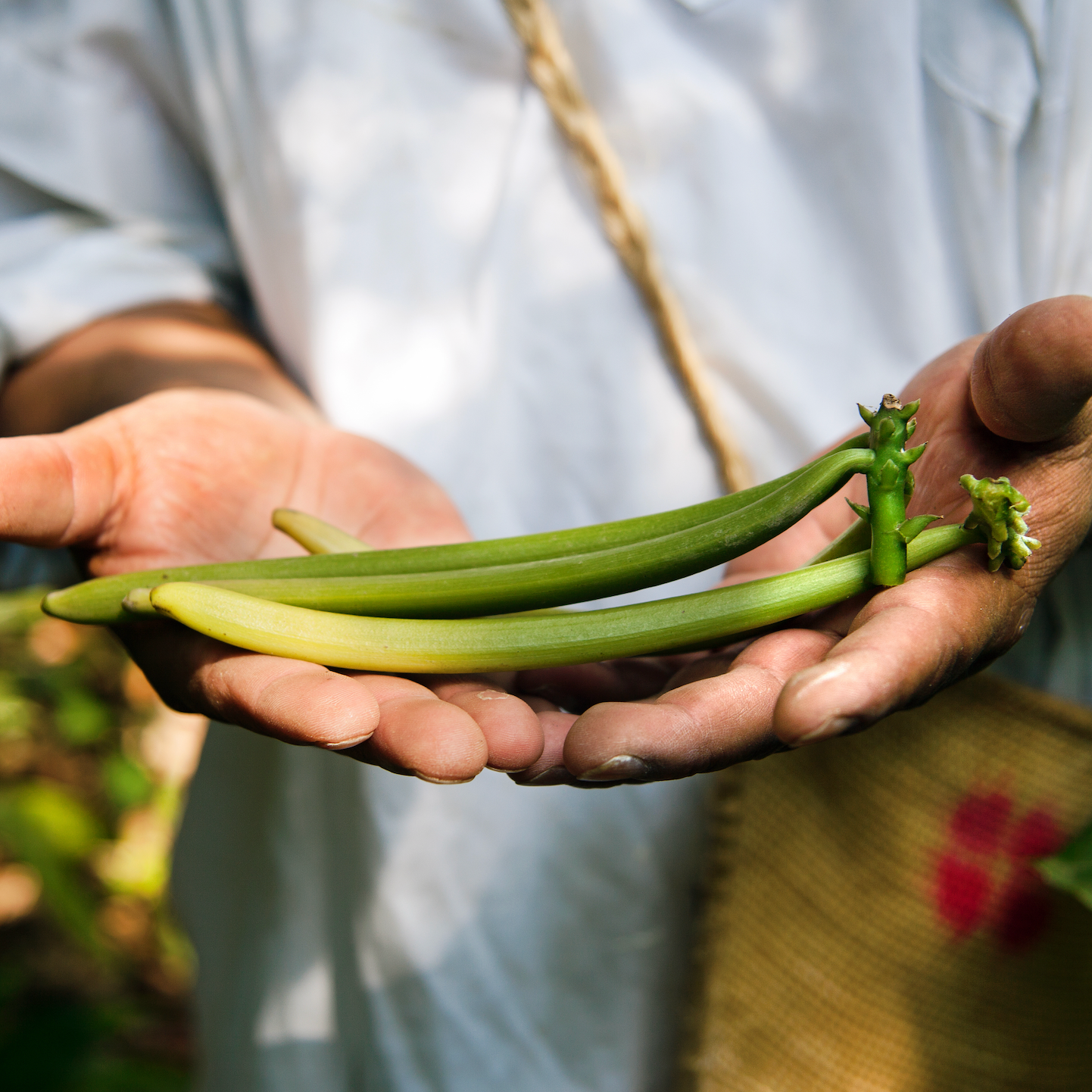
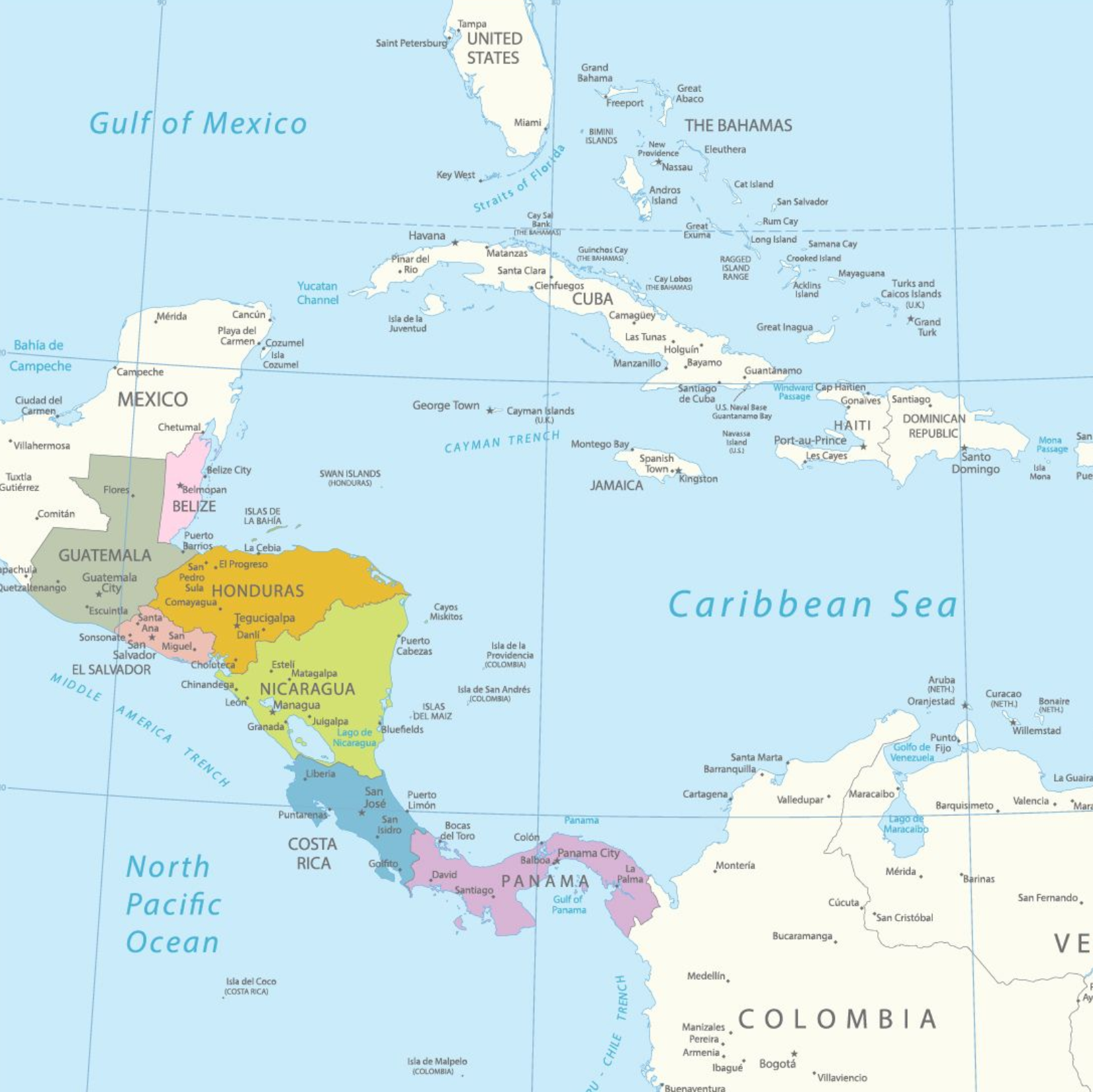
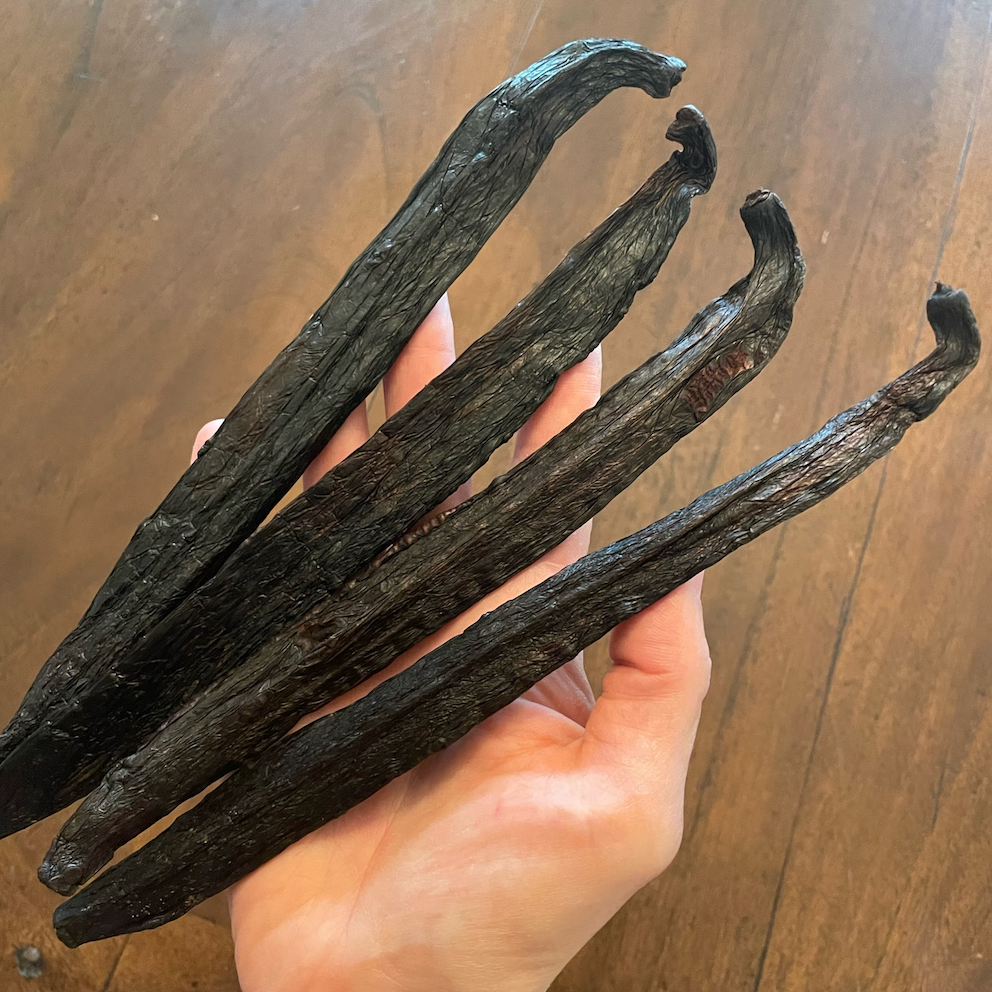
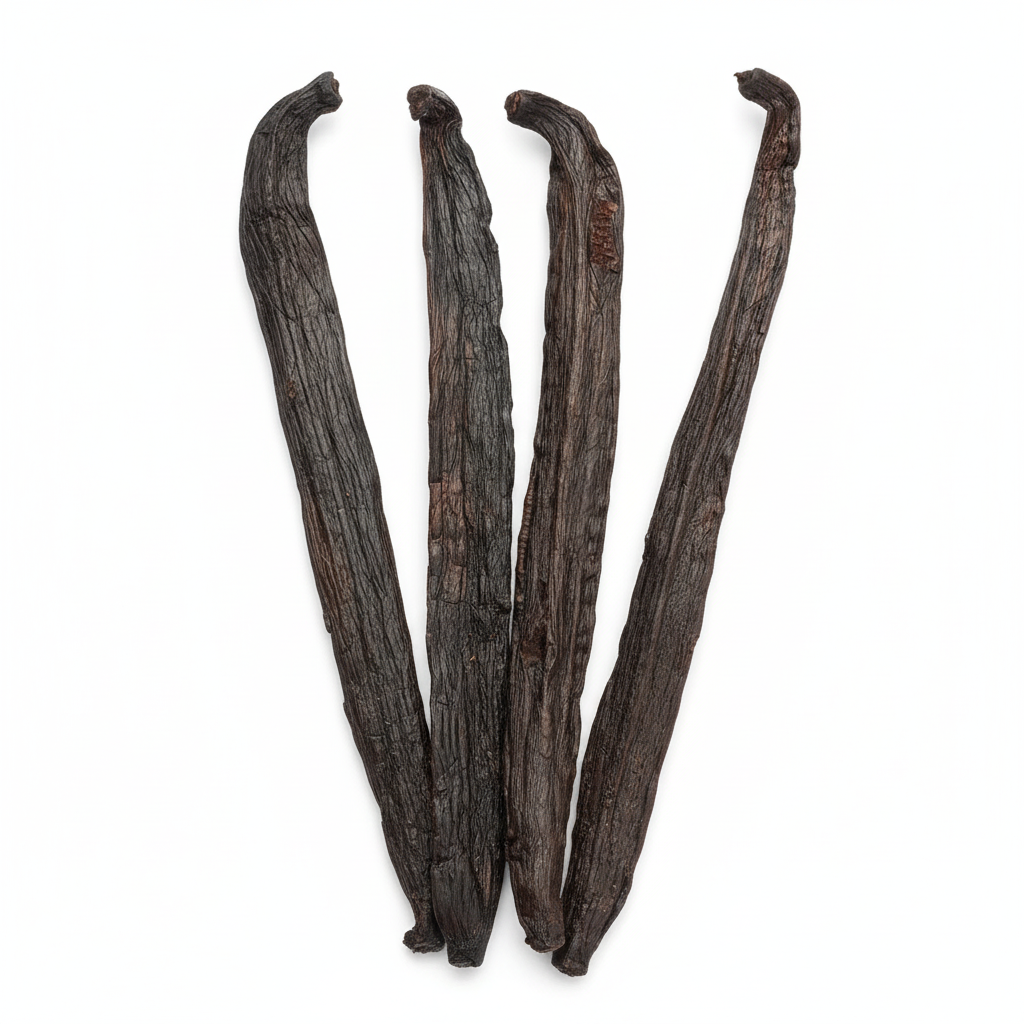
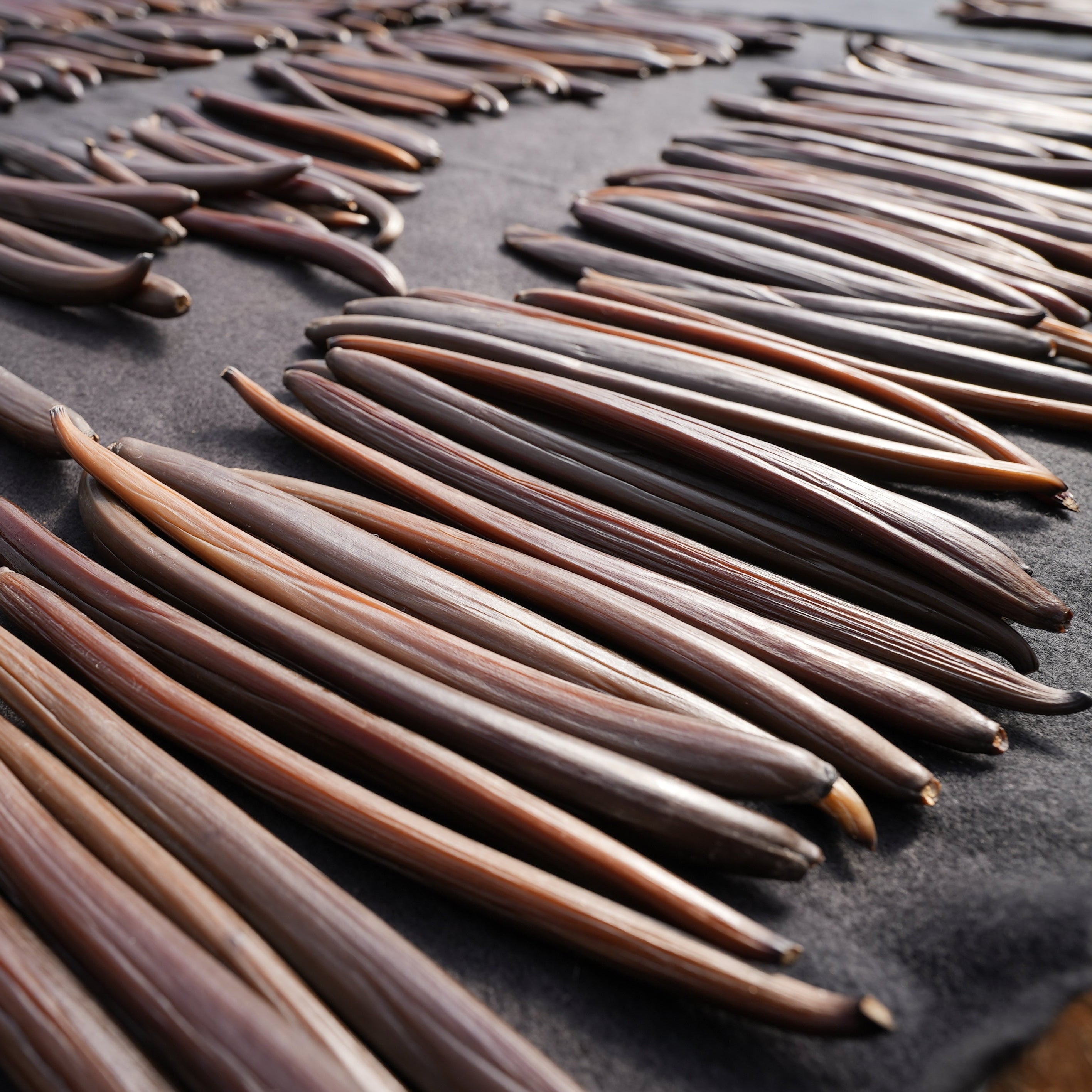
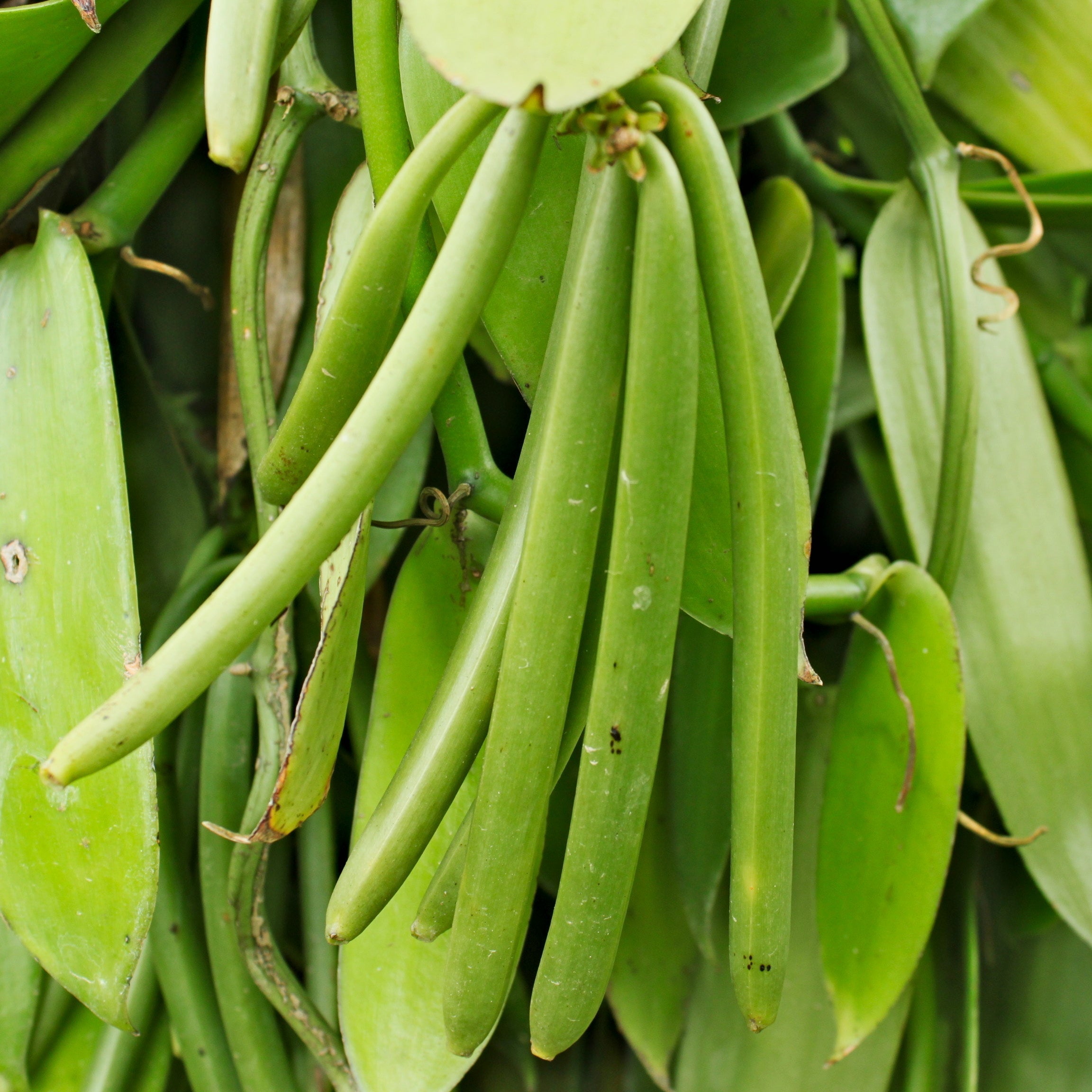
Vanilla pompona is native to Central and South America, particularly thriving in regions from Mexico through the Caribbean and down to Brazil and in Peru near the Amazon river. The most striking characteristic of this species is its size—pompona beans can grow up to 10-12 inches long and are notably thicker than their planifolia cousins, sometimes reaching nearly an inch in diameter. These impressive beans have earned the nickname "Vanillon," meaning "big vanilla" in Spanish.
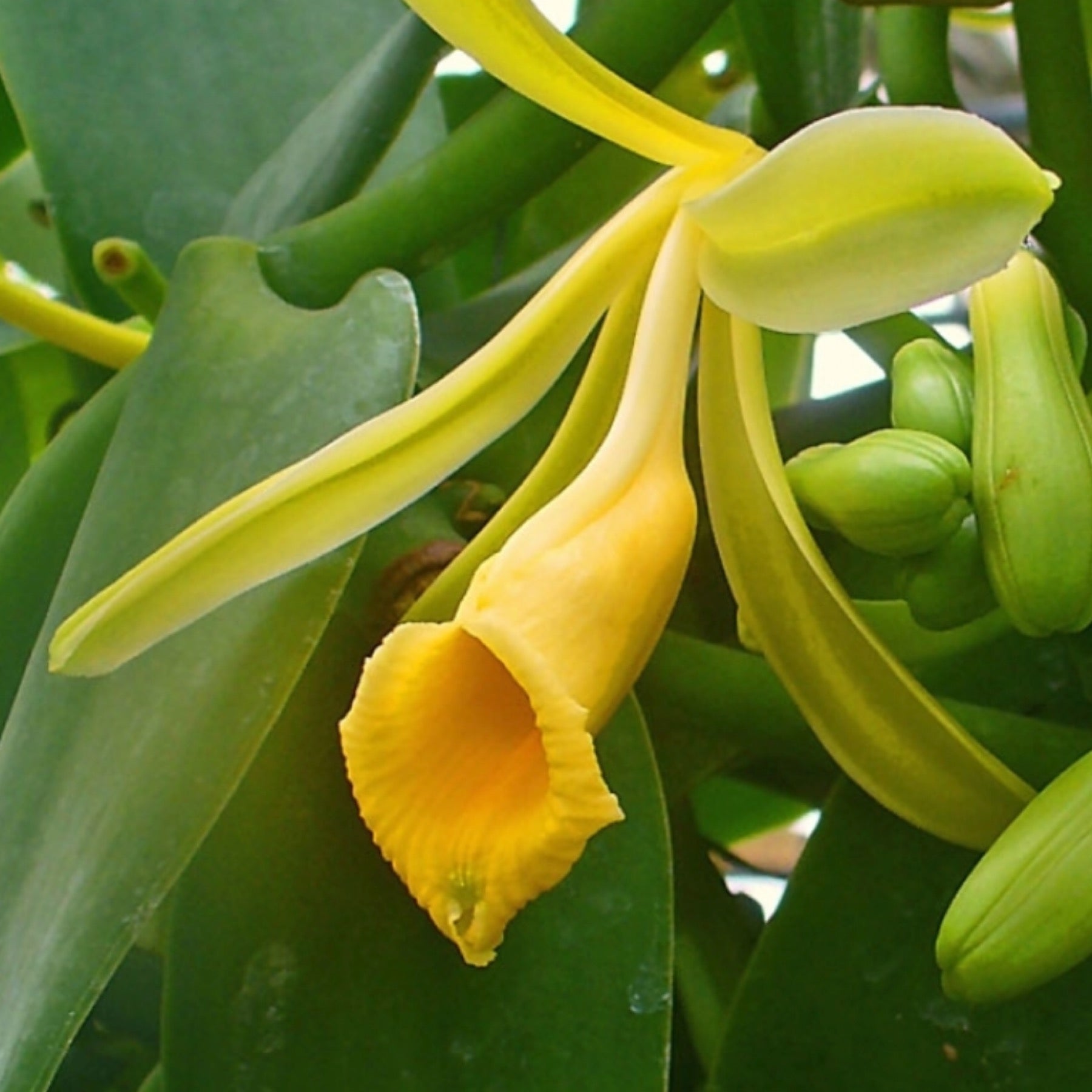
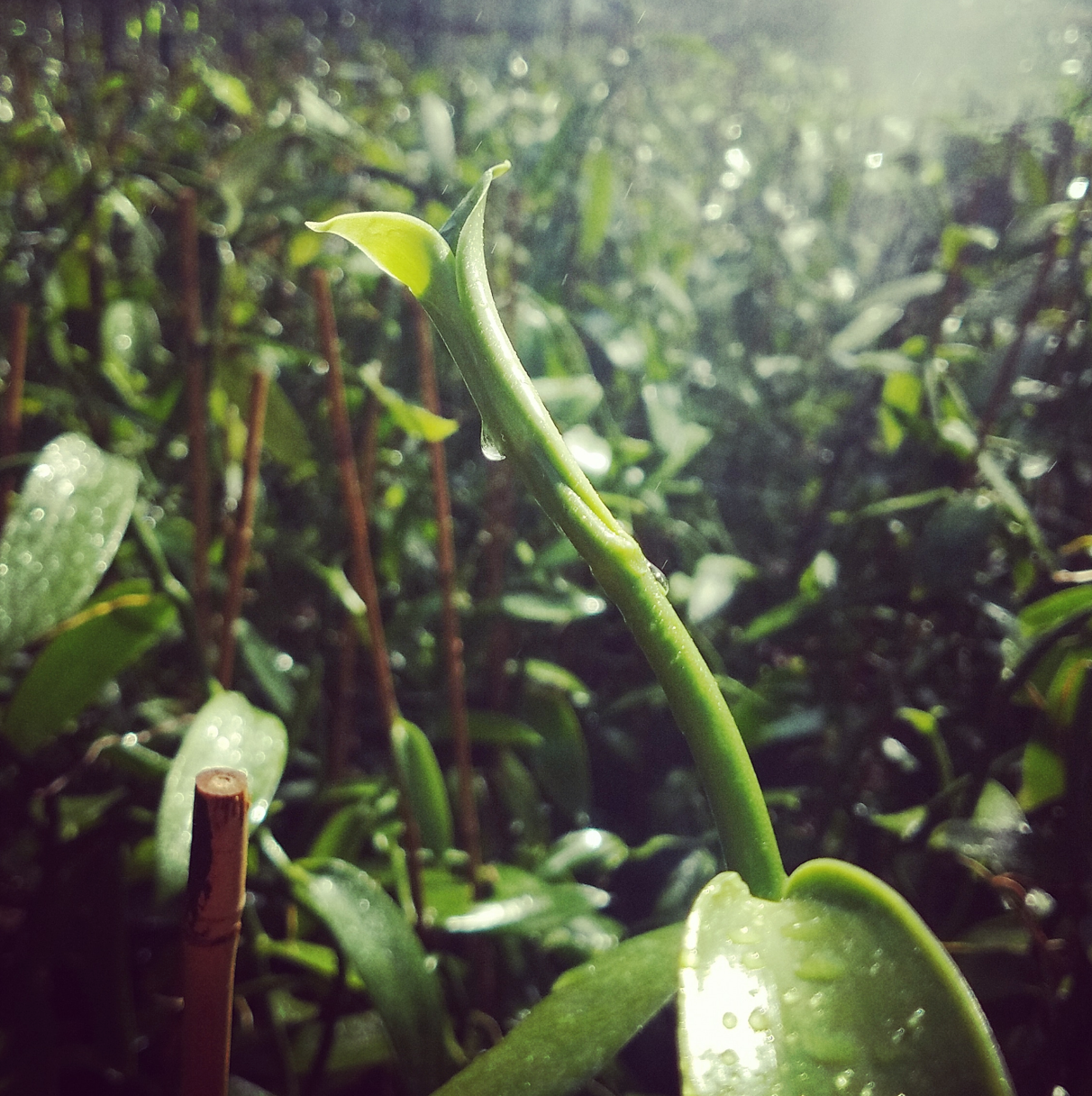
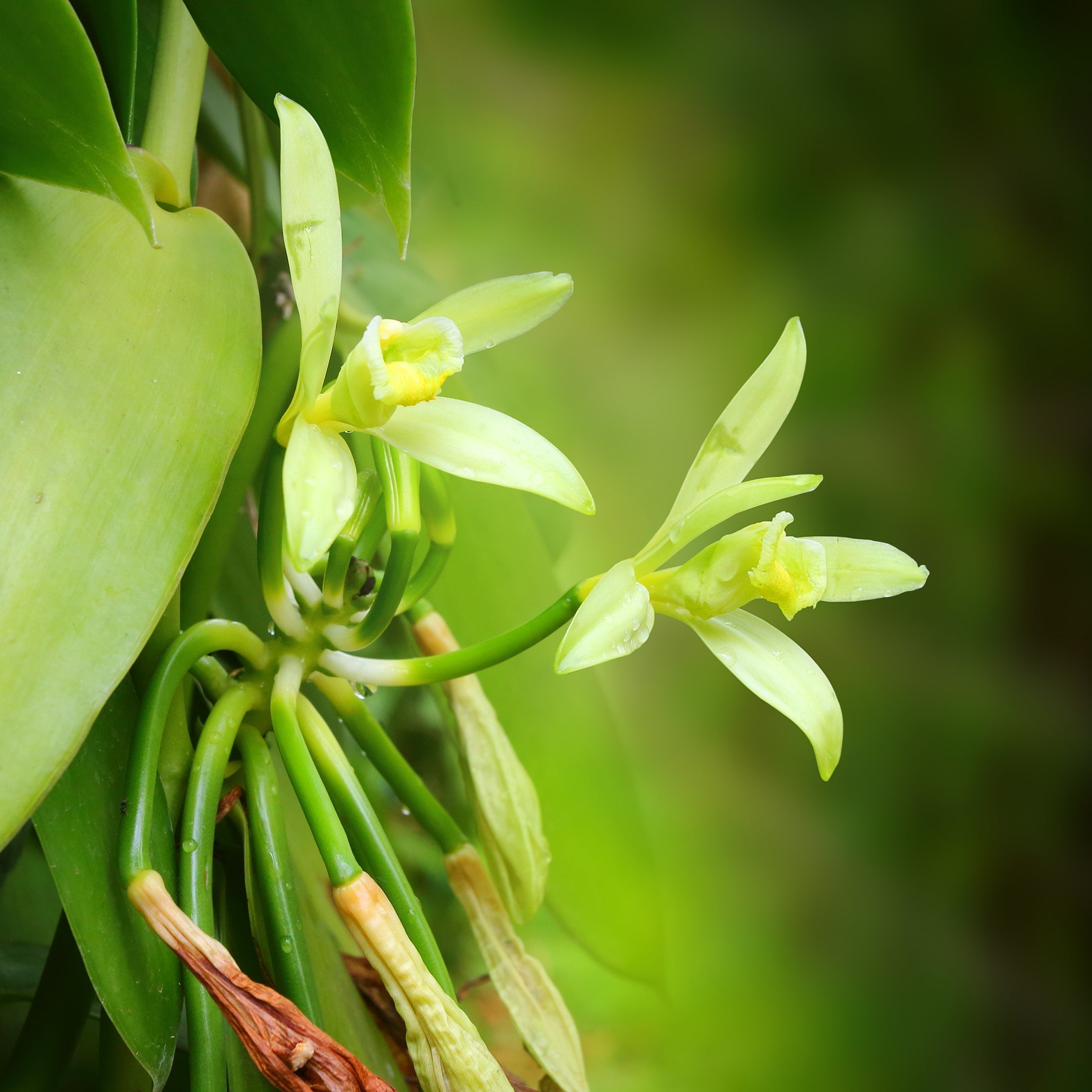
The plant itself is equally robust, with larger leaves and flowers than V. planifolia. The flowers are typically cream-colored with purple or red markings, and like all vanilla orchids, they must be hand-pollinated to produce beans.
The Distinctive Flavor Profile
Vanilla pompona offers a flavor experience quite different from the vanilla you might be accustomed to. While V. planifolia is prized for its rich, creamy, classic vanilla flavor with high vanillin content (1.5-3%), pompona beans often contain less vanillin (0.5-1%) but compensate with a complex array of other aromatic compounds.
The flavor profile is often described as:
- Earthy and woody with deep, grounding base notes
- Floral and slightly fruity, with hints of cherry, anise, or even tobacco
- Spicy and warm, sometimes with cinnamon or clove undertones
- Less sweet than Madagascar vanilla, with a more savory character
This unique profile makes pompona beans particularly interesting for applications where you want vanilla's aromatic complexity without overwhelming sweetness.
Uses in Baking and Culinary Applications
Where Vanilla Pompona Shines
Savory Dishes: The earthy, less-sweet character of pompona makes it exceptional in savory applications. Try it in:
- Cream sauces for seafood or poultry
- Glazes for roasted vegetables or meats
- Savory custards and soufflés
- Compound butters for finishing dishes
Spice-Forward Baking: Pompona's warm, spicy notes complement:
- Gingerbread and spice cakes
- Chai-spiced desserts
- Pumpkin or sweet potato pies
- Cardamom or cinnamon rolls
Chocolate Desserts: The woody, slightly bitter notes pair beautifully with dark chocolate, enhancing complexity in:
- Dark chocolate ganache
- Chocolate mousse or pots de crème
- Brownies made with high-cacao chocolate
- Chocolate truffles
Fruit-Based Desserts: The floral and fruity undertones work wonderfully with:
- Stone fruit tarts (peach, plum, cherry)
- Poached pears or apples
- Berry compotes
- Fruit-forward ice creams and sorbets
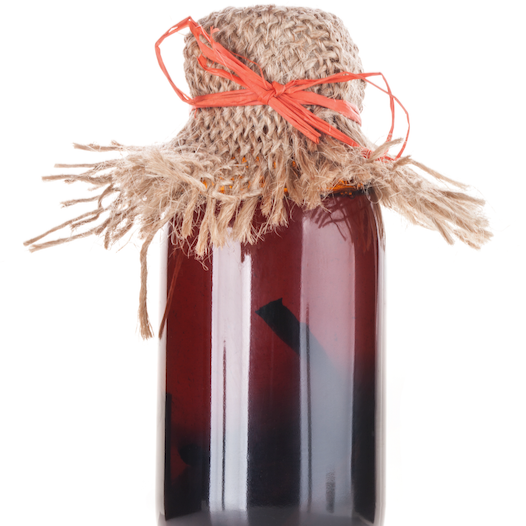
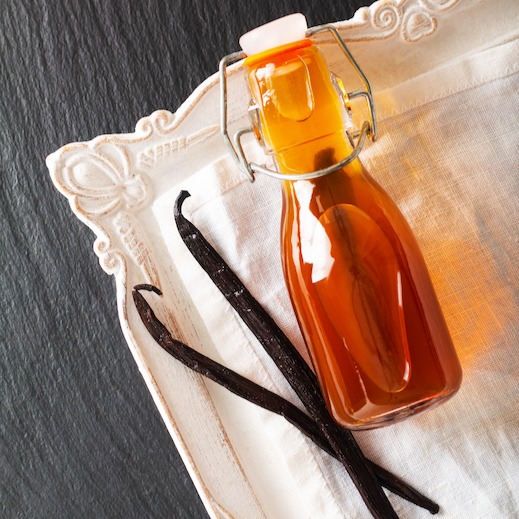
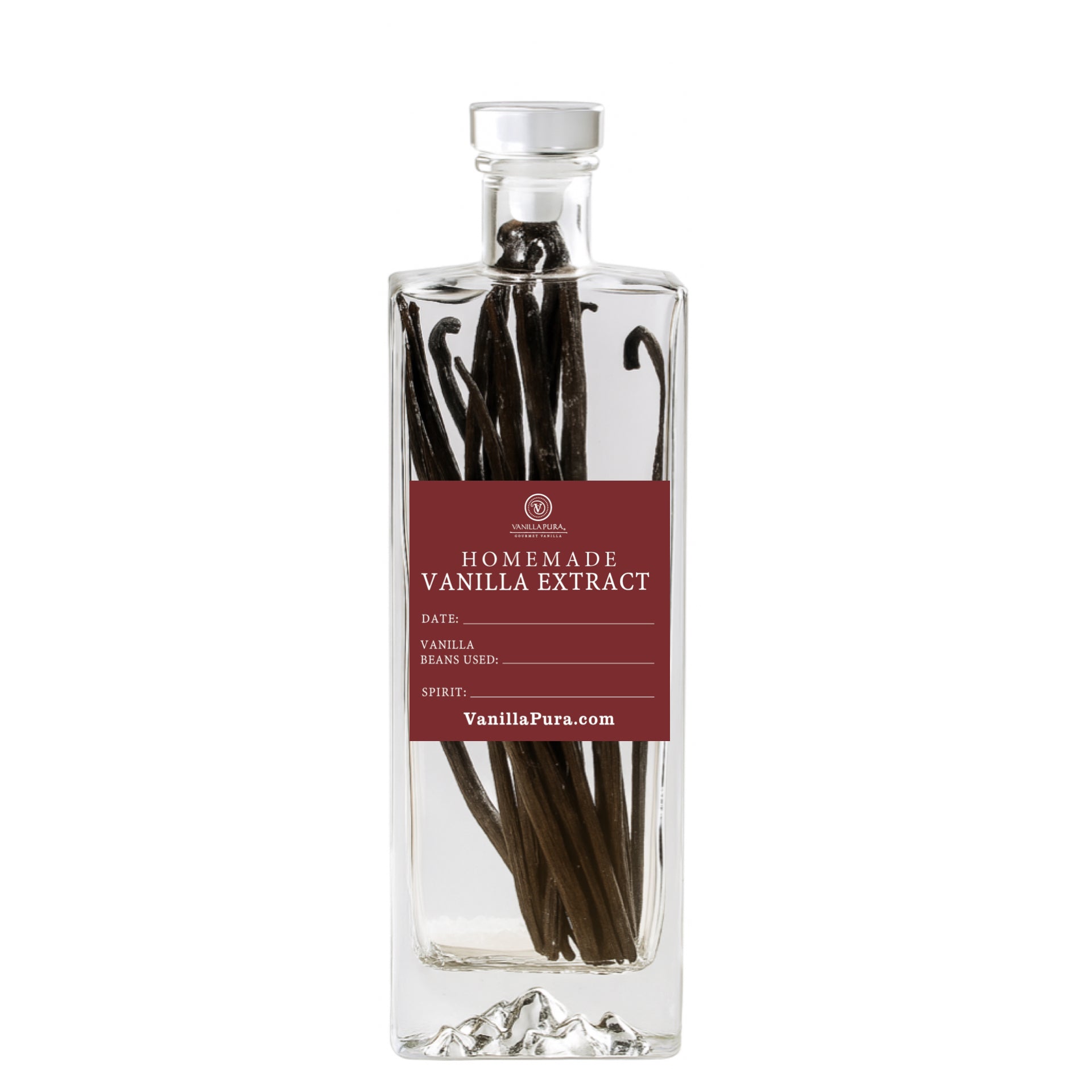
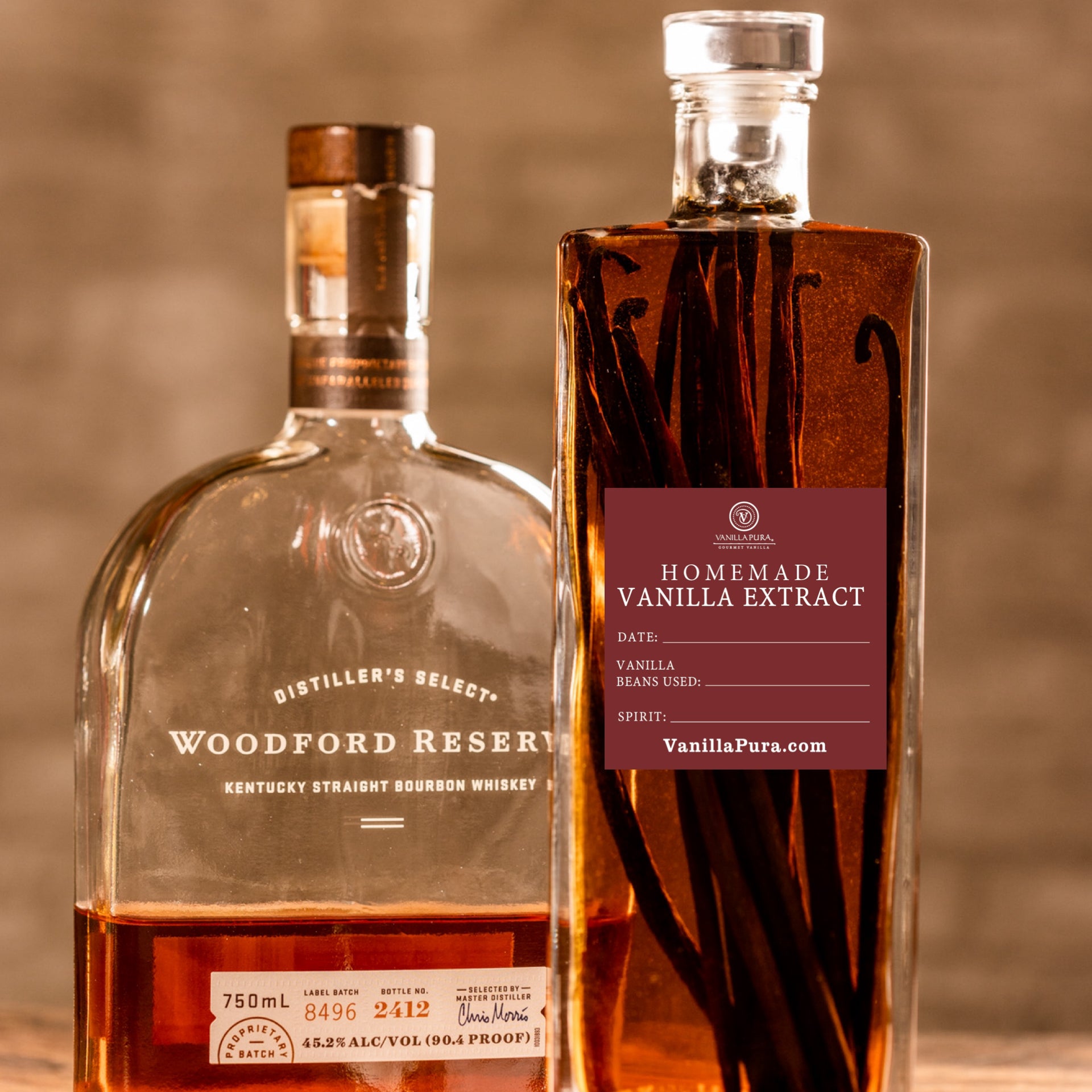
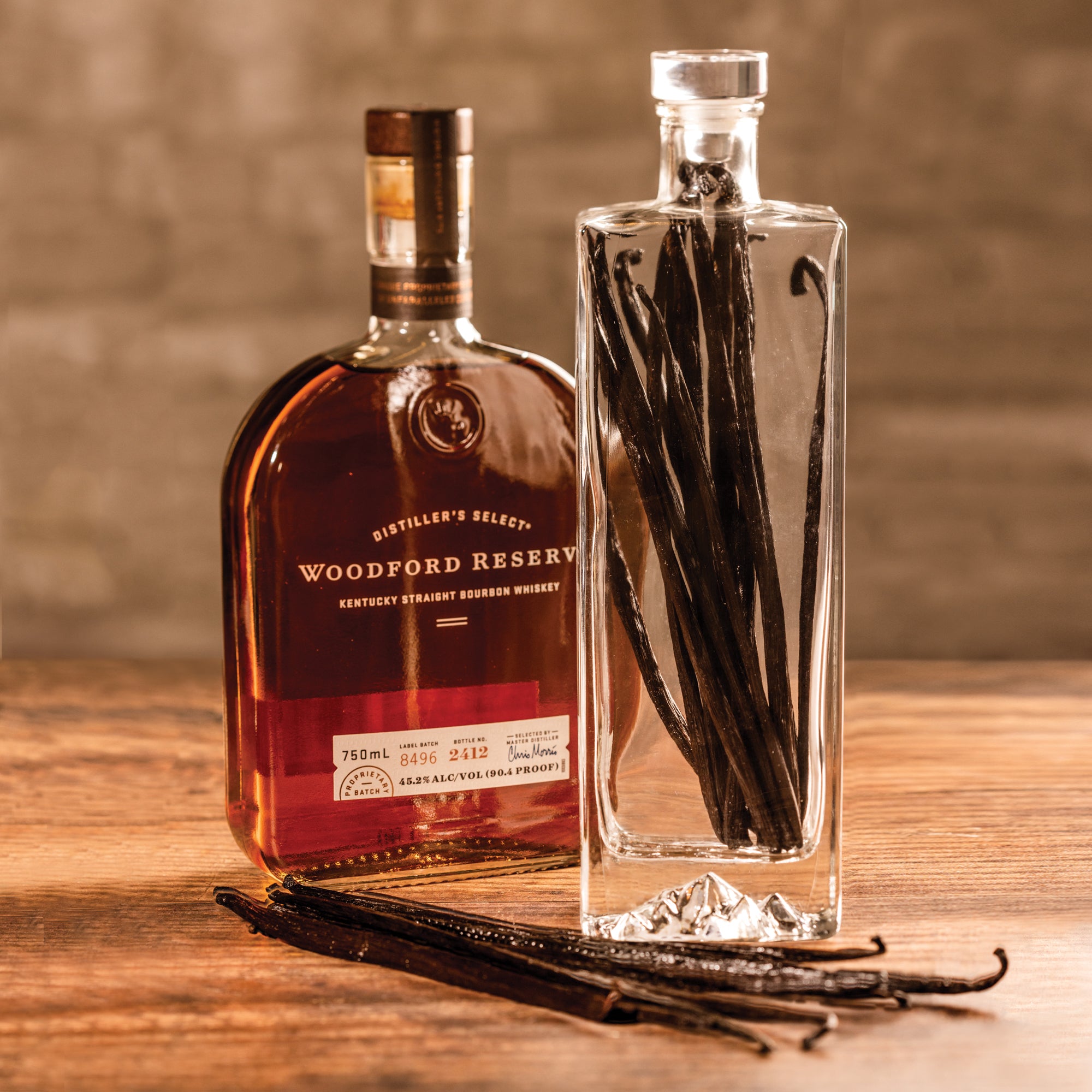
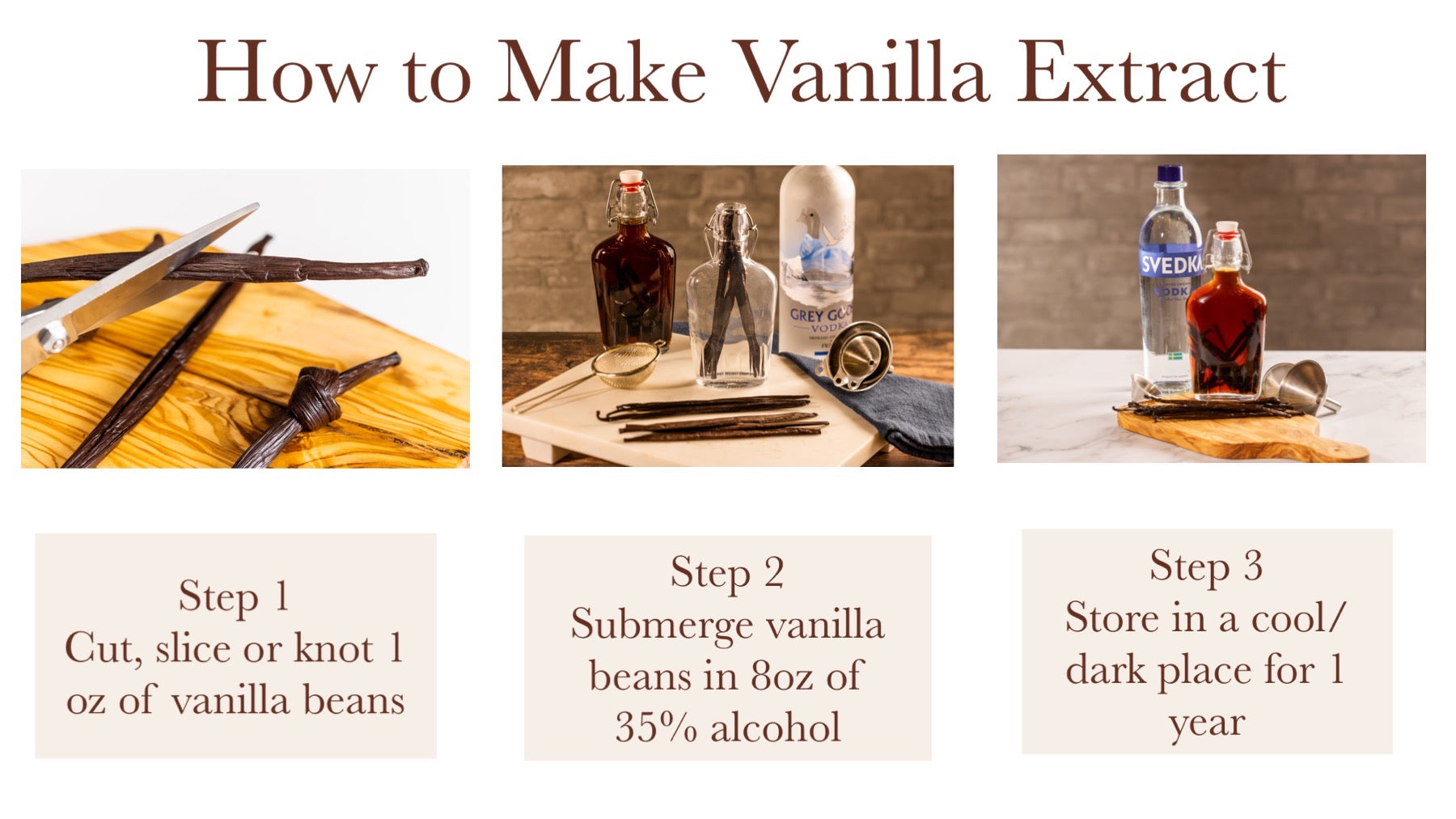
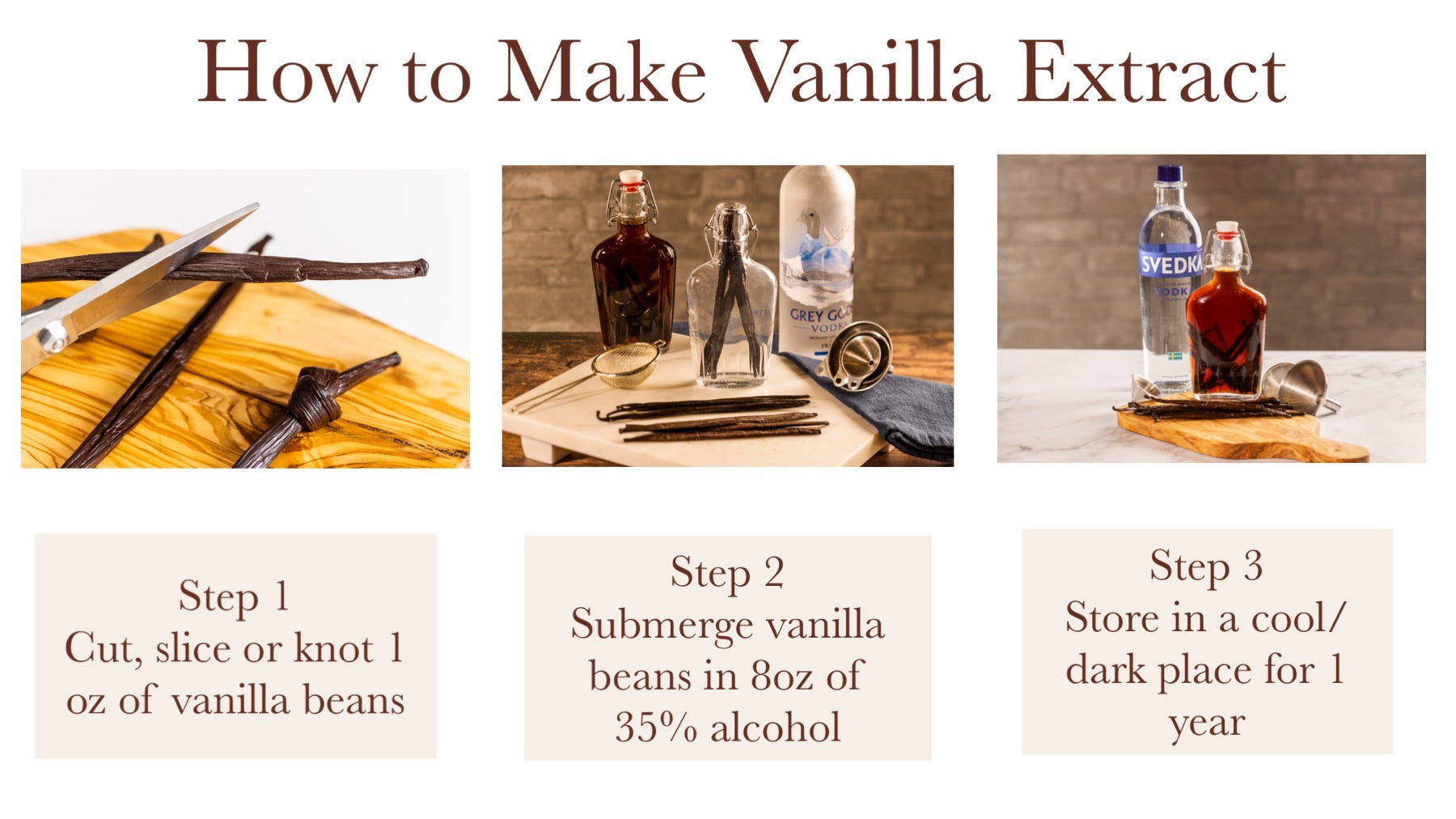
Making Extract with Pompona Beans
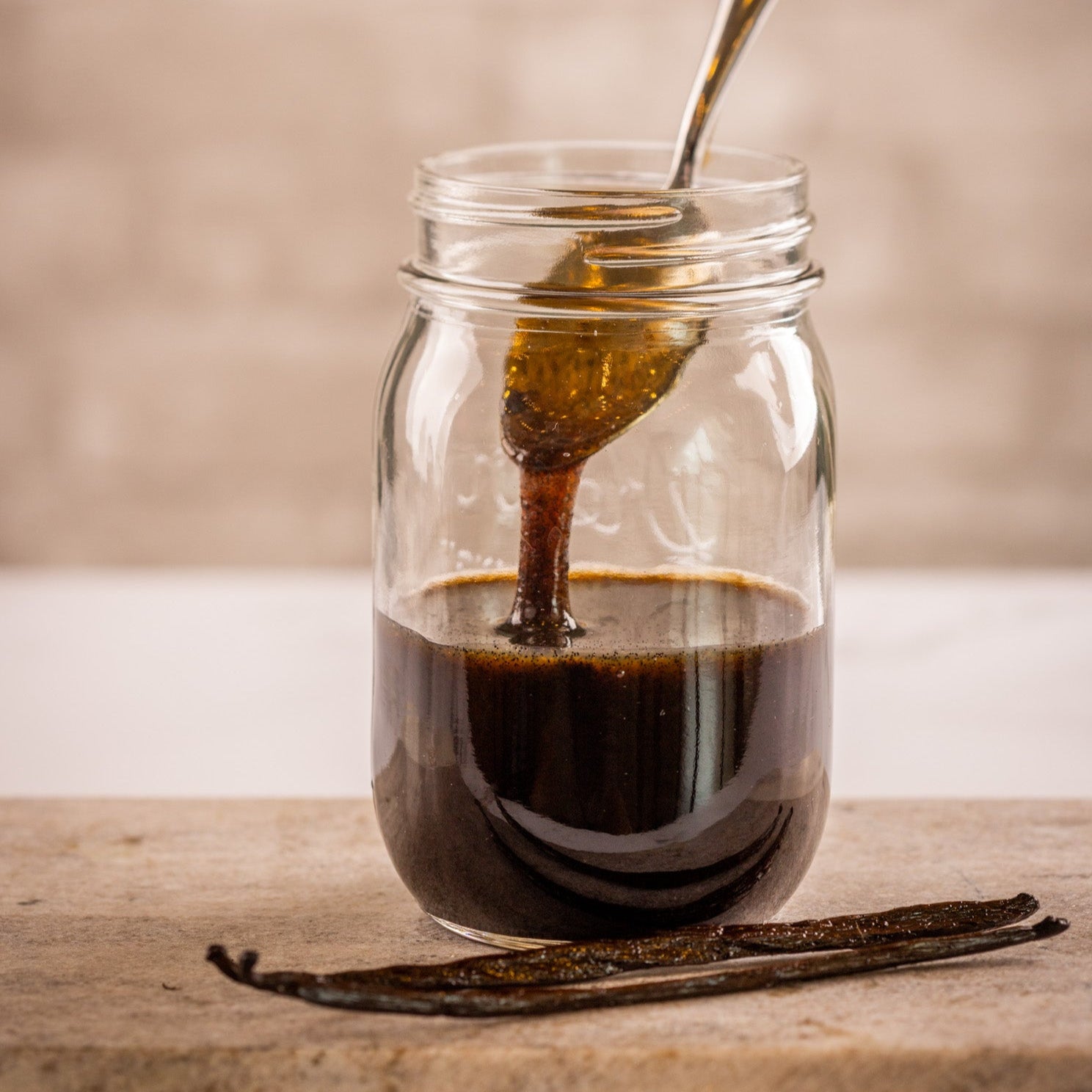
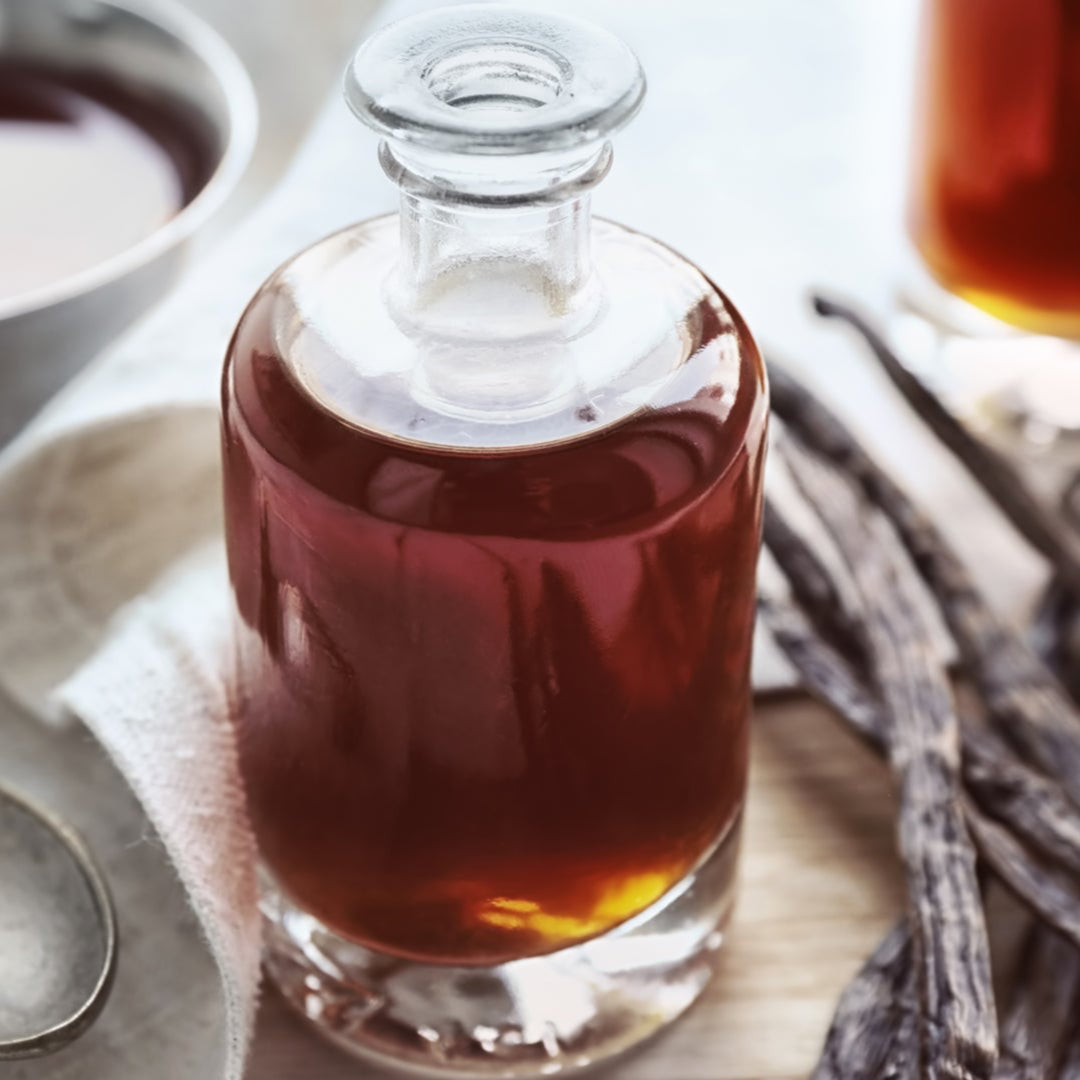
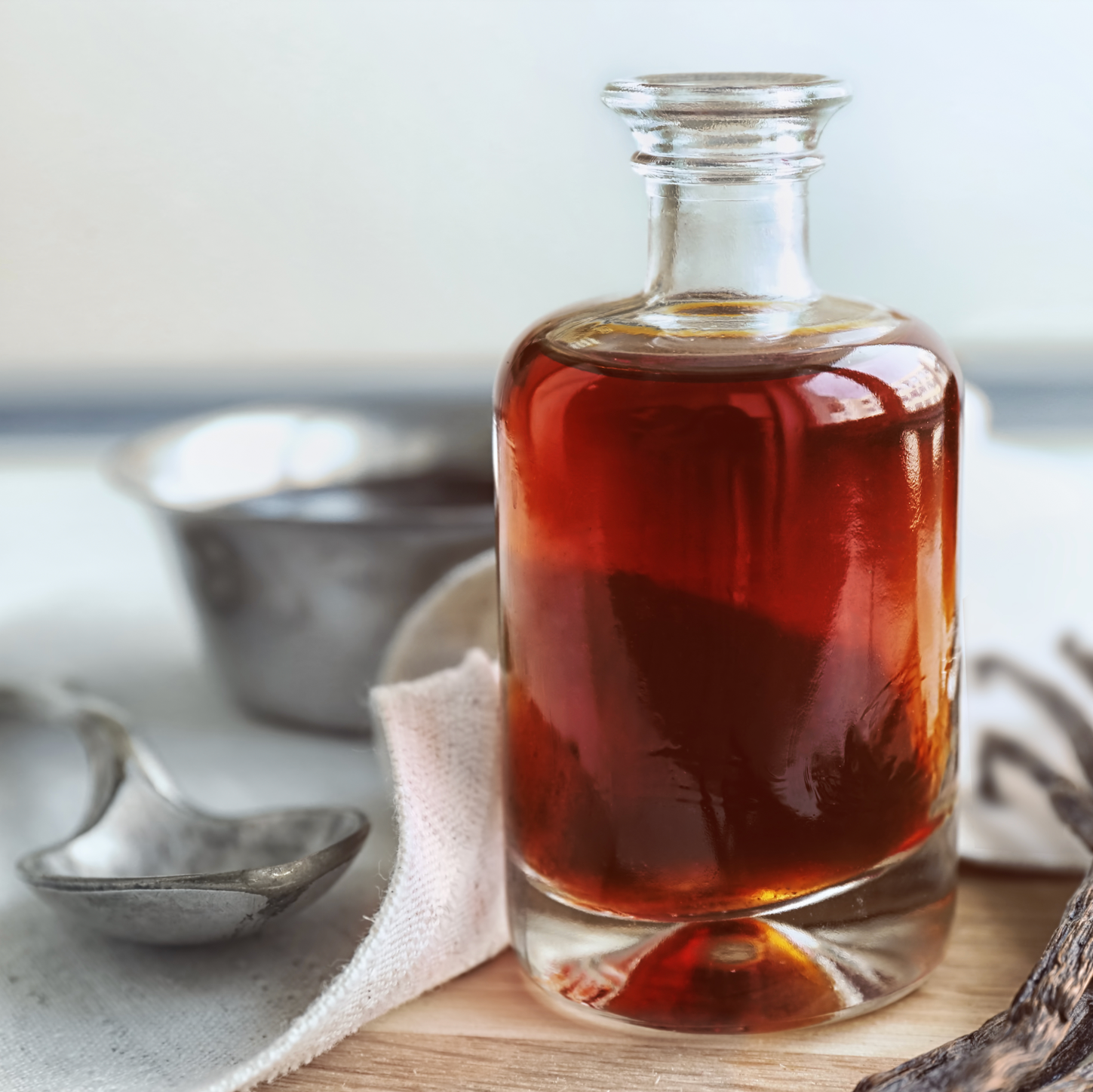
Due to their large size and lower vanillin content, you'll want to adjust your extract-making ratios when using pompona beans. Consider using:
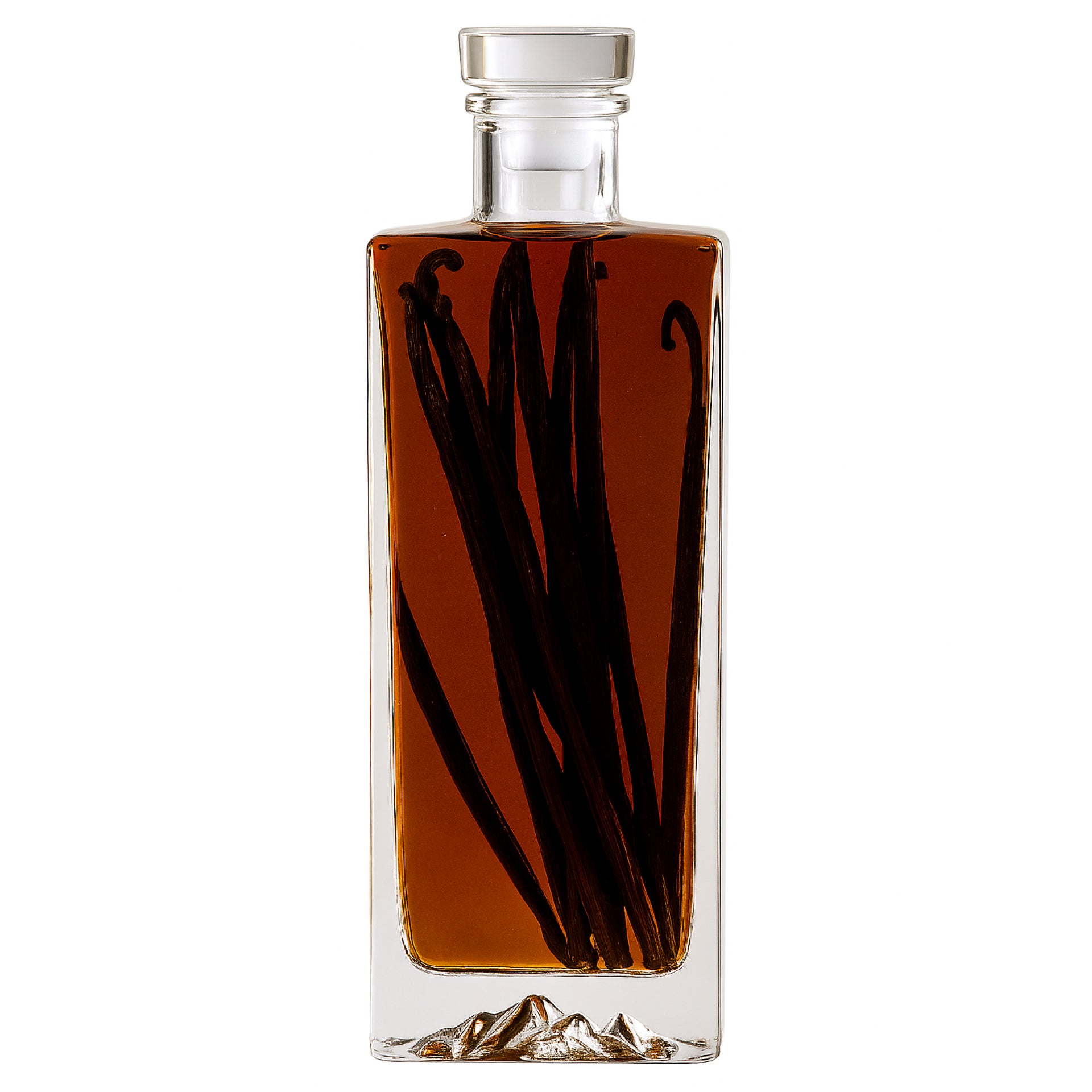
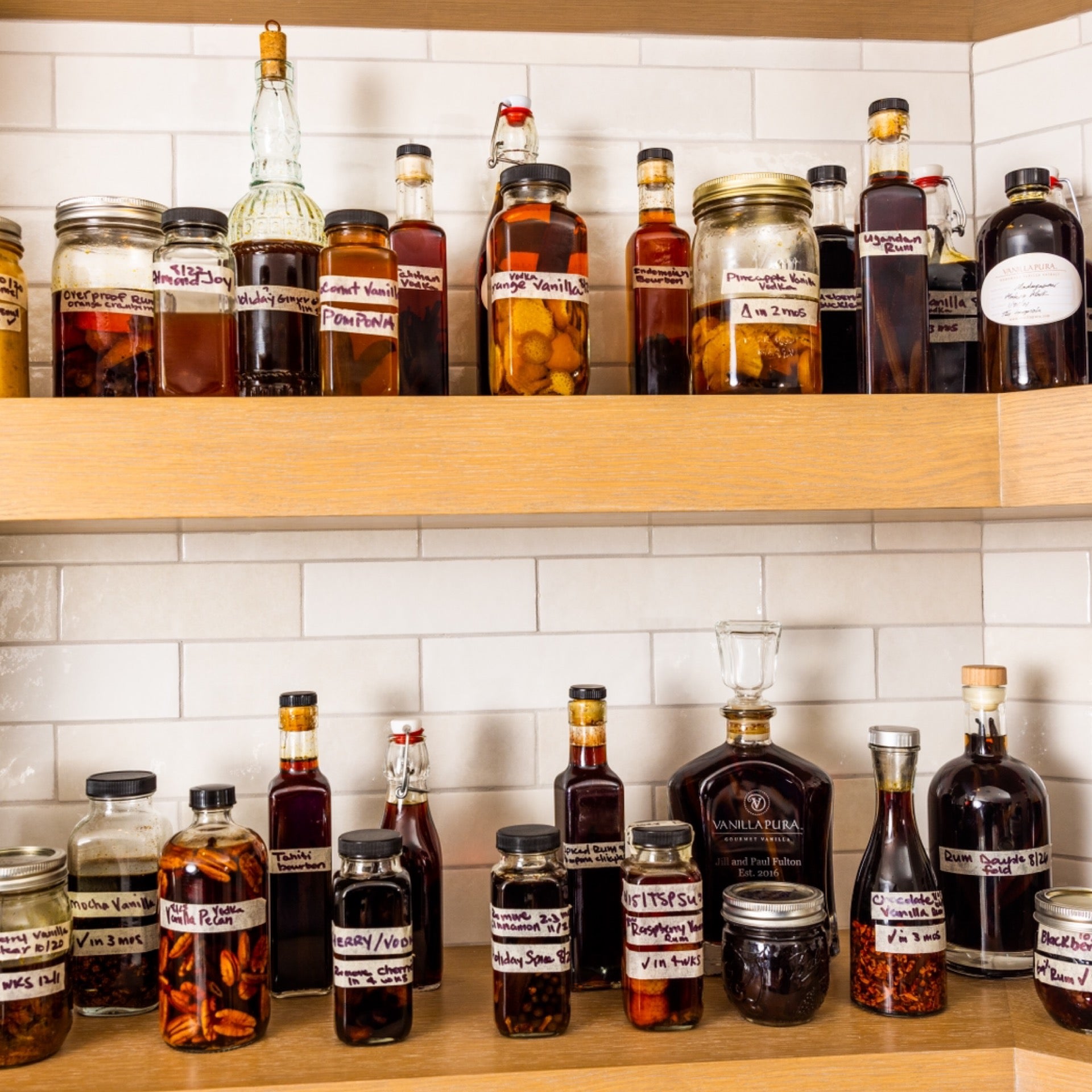
- A slightly higher bean-to-alcohol ratio (at least 1 full ounce of vanilla to 8oz of alcohol, vs. the FDA single fold standard of .83oz of vanilla to 8oz of alcohol.)
- A longer extraction time (12+ months for optimal flavor development)
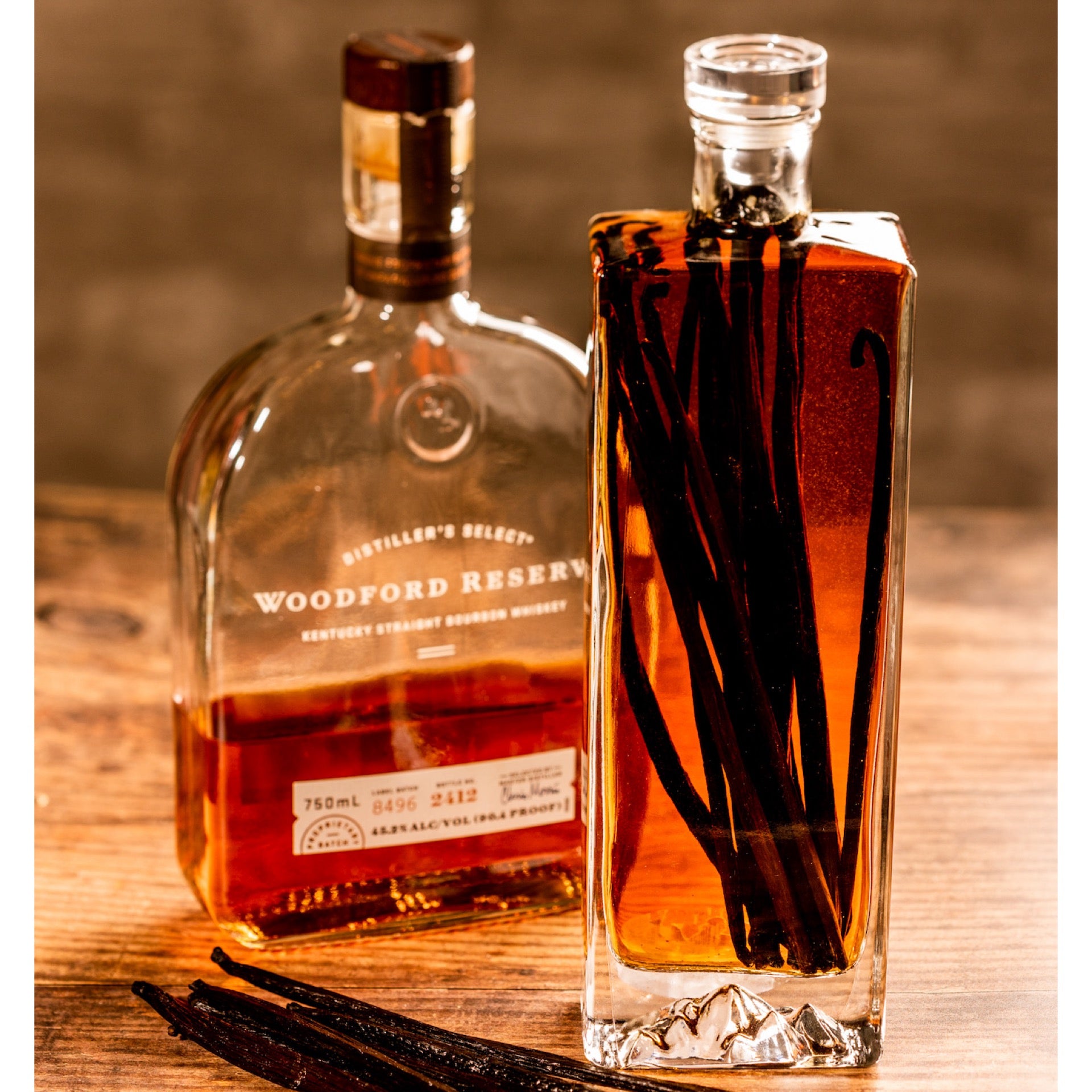
- Rum or brandy as your alcohol base to complement the earthy, complex notes
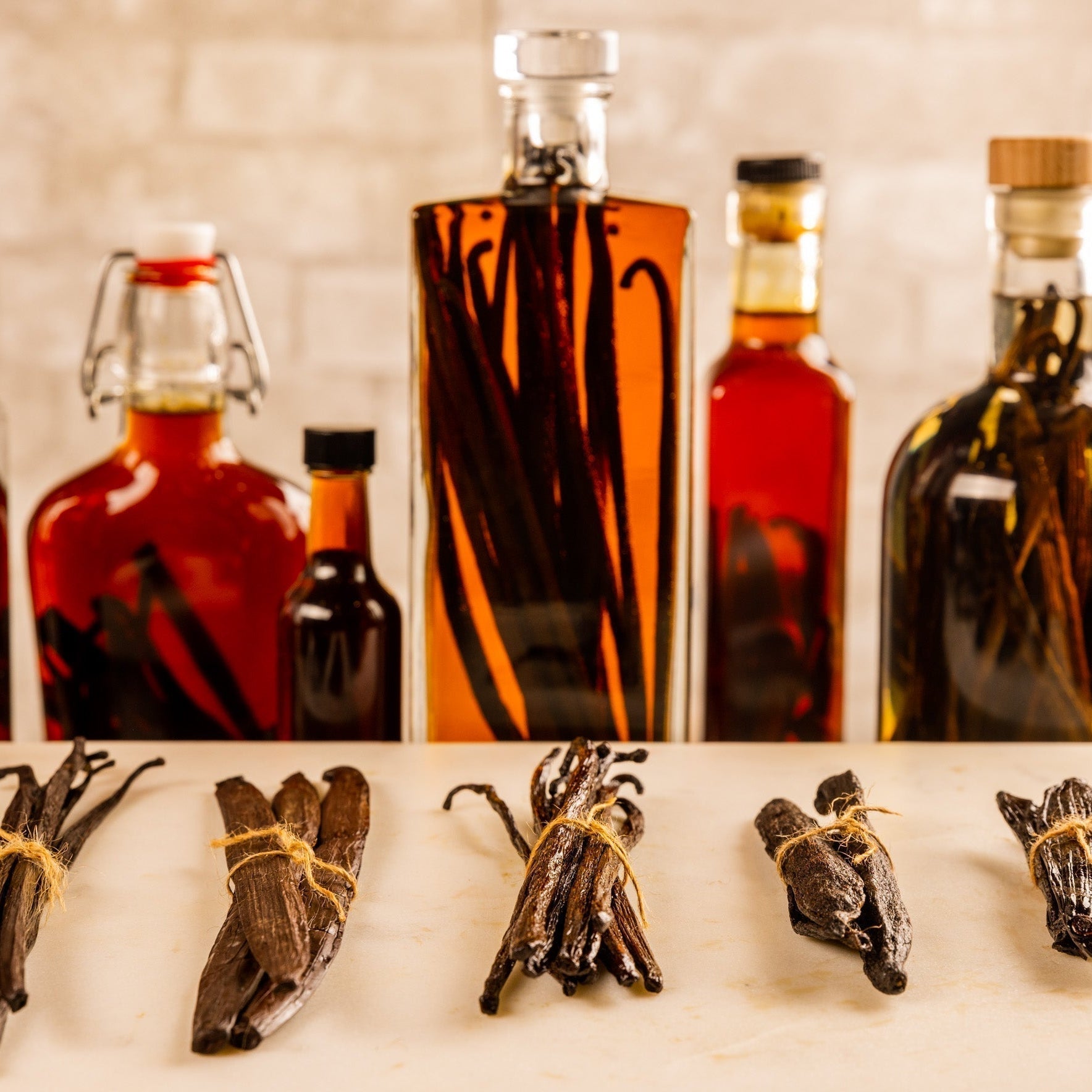
The resulting extract will be less intensely "vanilla" than planifolia extract but will offer incredible depth and complexity for creative baking projects.
Blending Pompona with Other Vanilla Species
One of the most exciting ways to use pompona beans is in combination with other vanilla species. Try creating custom blends:
- 70% Madagascar + 30% Pompona: Adds depth and earthiness to classic vanilla flavor
- 50% Tahitian + 50% Pompona: Creates a floral, fruity, complex profile perfect for delicate pastries
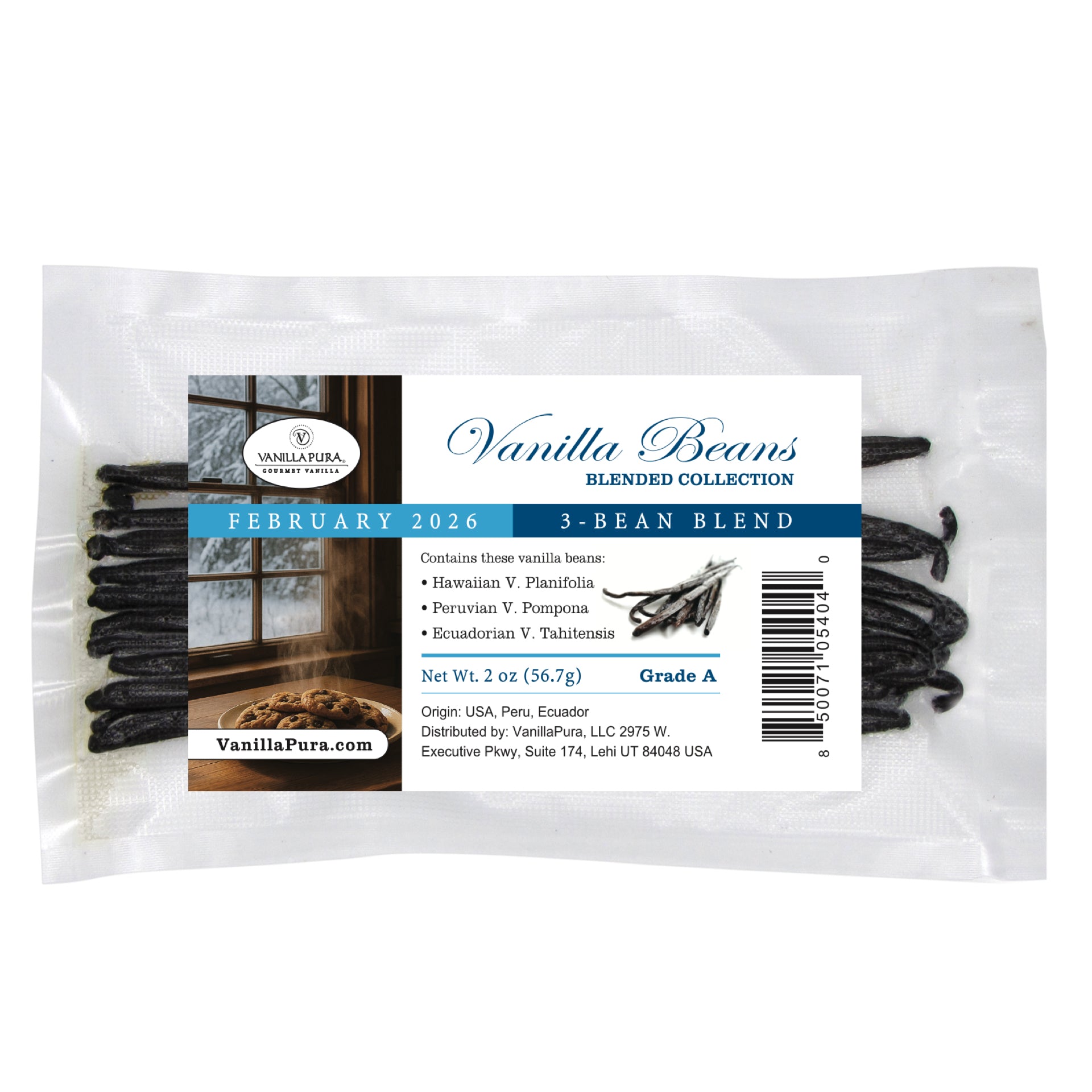
- Equal parts Mexican, Tahitian, and Pompona: A "world blend" offering incredible complexity
Sourcing and Availability
Vanilla pompona is less commercially cultivated than planifolia or tahitensis, making it rarer and sometimes more expensive. The beans are primarily grown in:
- Guadeloupe and Martinique in the Caribbean
- Parts of Central America
- Northern South America (Peru, Colombia, Venezuela, Brazil)
- Some regions of Mexico
When purchasing pompona beans, look for the same quality indicators as other vanilla: pliability, oily sheen, and strong aroma.
Expanding Your Vanilla Horizons
While Vanilla pompona may never replace the beloved Madagascar or Tahitian varieties in your pantry, it deserves a place alongside them for adventurous baking and cooking. Its unique flavor profile opens up new possibilities for both sweet and savory applications, and its impressive size makes it a conversation starter in any kitchen.
Whether you're a professional pastry chef looking to add complexity to your creations or a home baker eager to explore beyond traditional vanilla, pompona beans offer an exciting journey into the diverse world of vanilla species. The next time you're planning a recipe with warm spices, dark chocolate, or savory elements, consider reaching for these giant beans and discover what makes Vanillon so special.