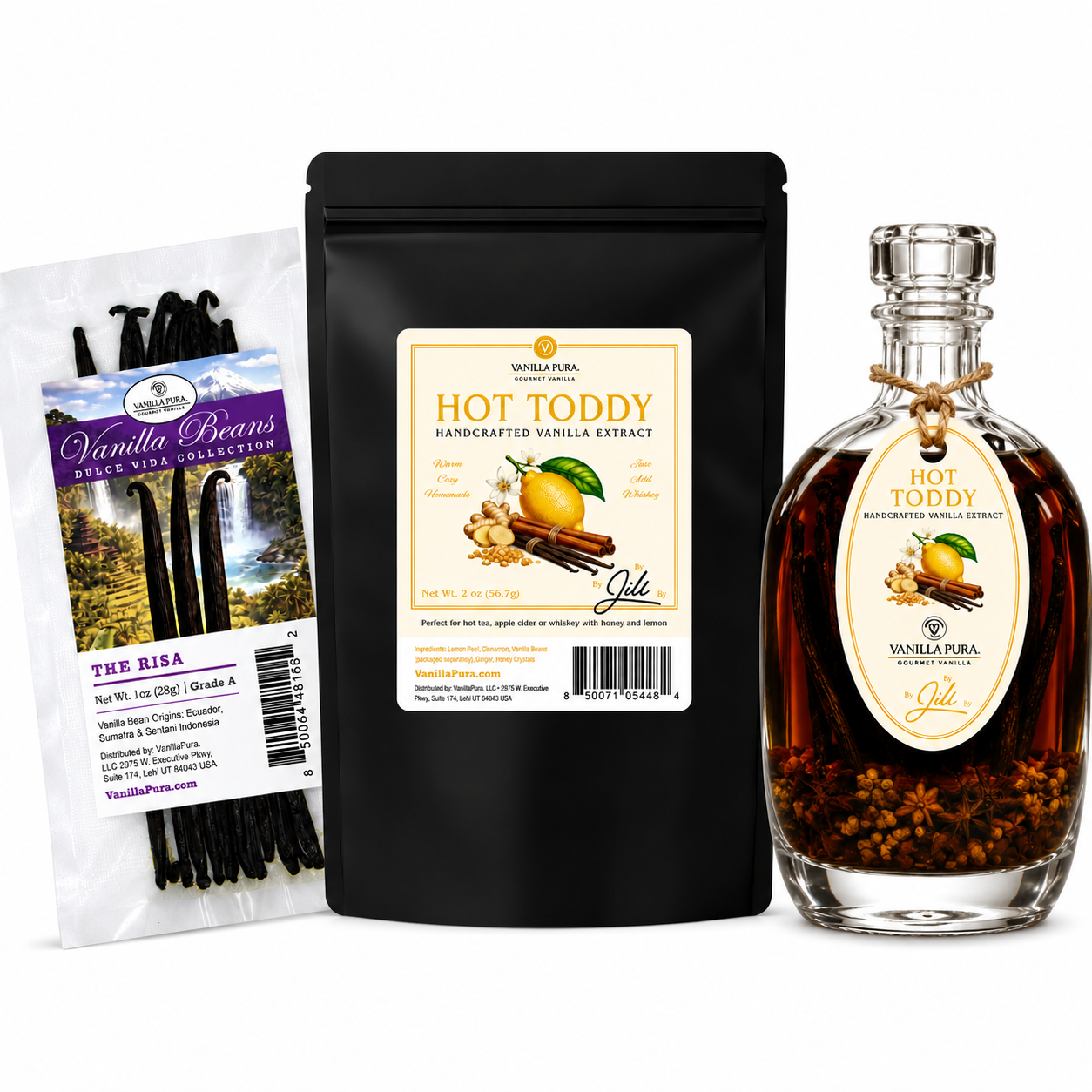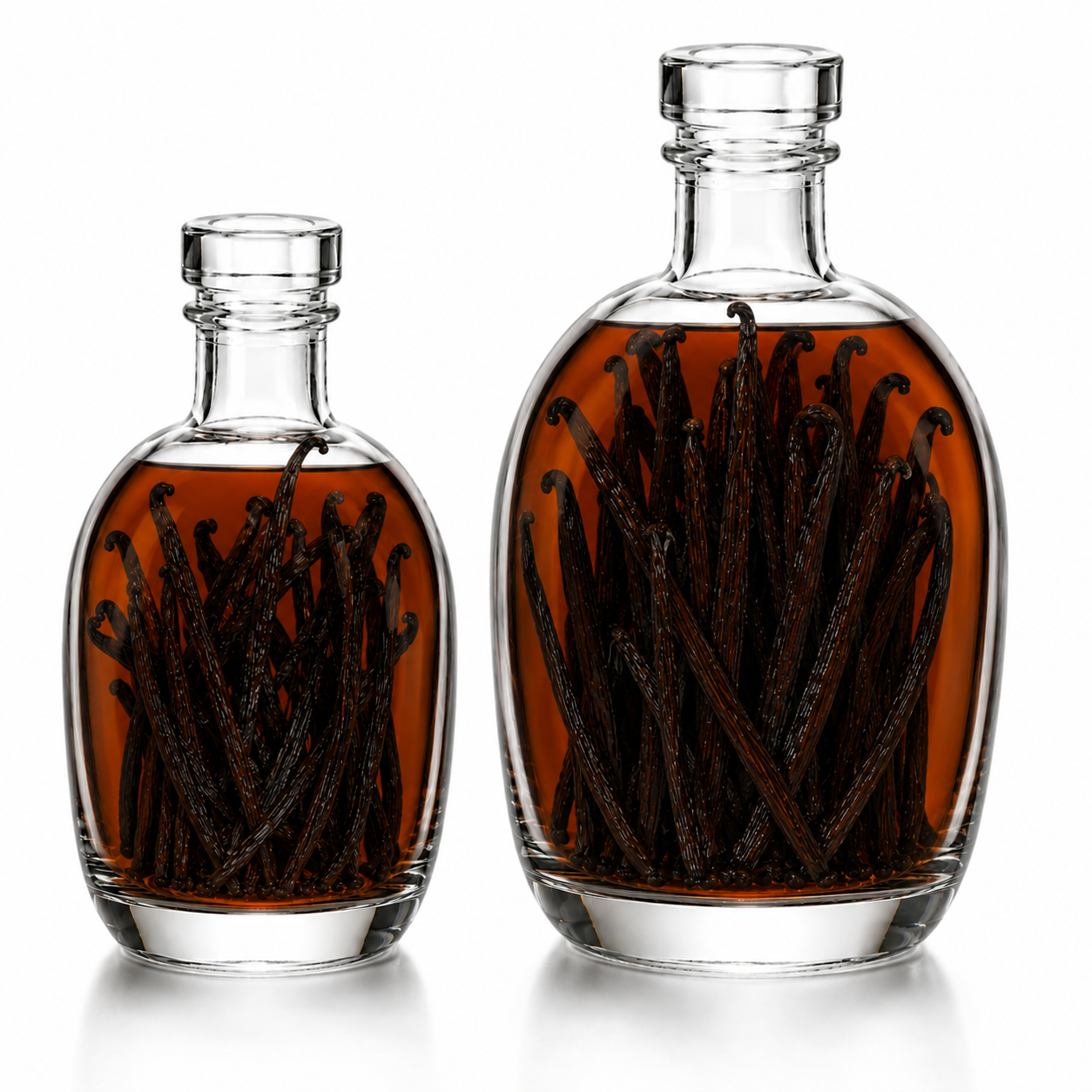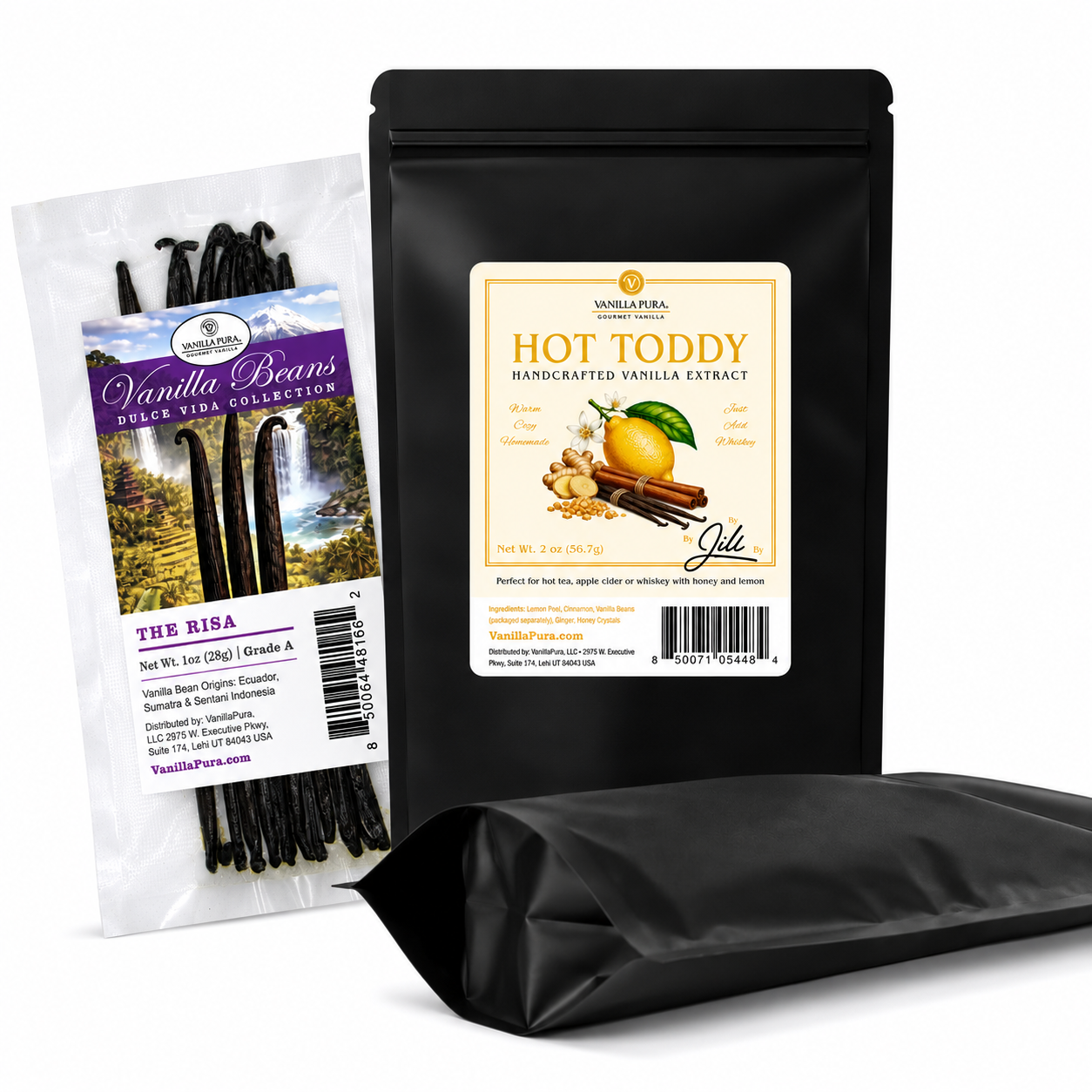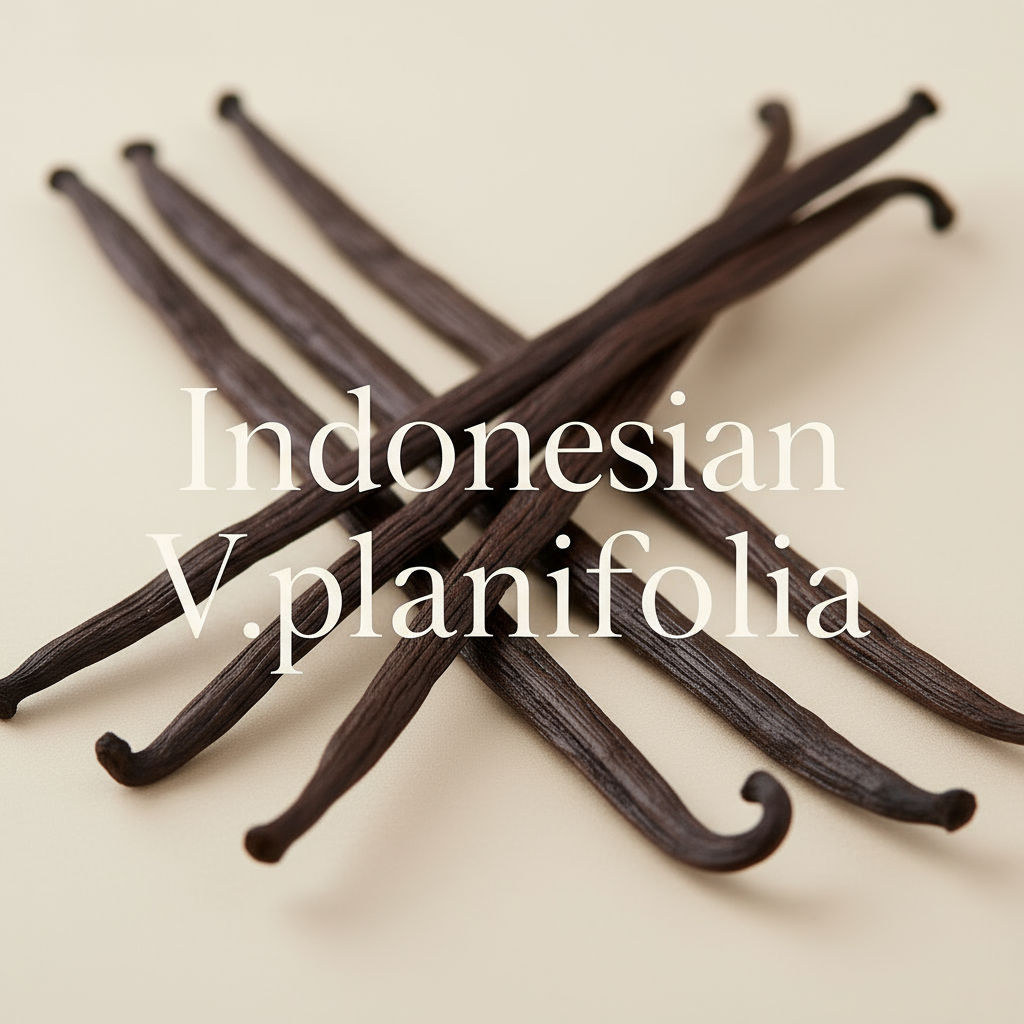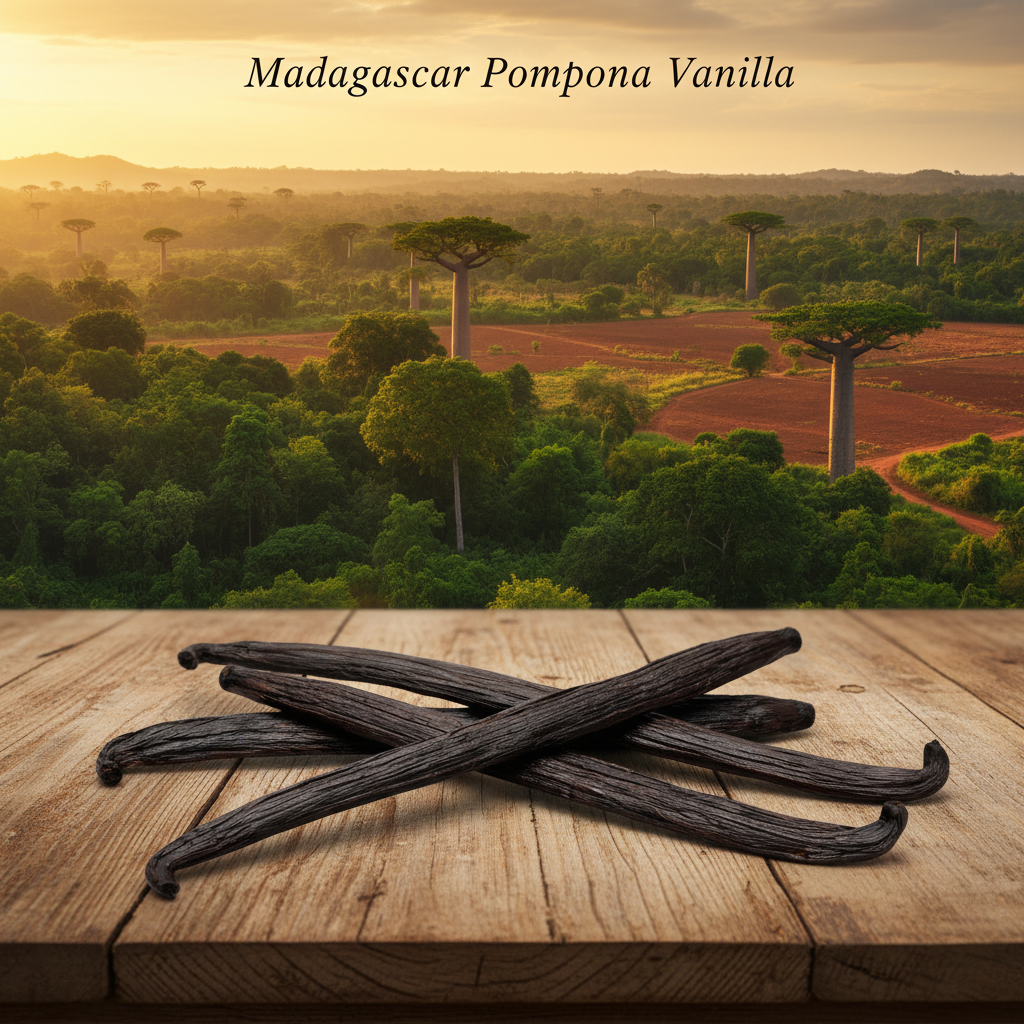

Have you ever wondered why vanilla is the world's second most expensive spice after saffron? Or why some vanilla extracts cost ten times more than others? The answer lies in the fascinating science of vanilla flavor - a complex symphony of over 250 chemical compounds that work together to create the taste we know and love.
The Chemistry of Vanilla: More Than Just Vanillin
Most people think vanilla flavor comes from a single compound called vanillin, but that's only part of the story. While vanillin (4-hydroxy-3-methoxybenzaldehyde) is indeed the primary flavor compound, making up about 1-2% of a vanilla bean's weight, it's the supporting cast of hundreds of other compounds that creates vanilla's signature complexity.
These include:
- Vanillic acid: Adds depth and slight tartness
- 4-Hydroxybenzaldehyde: Contributes sweet, almond-like notes
- Guaiacol: Provides smoky, phenolic undertones
- Anisyl compounds: Add licorice-like sweetness
- Eugenol: Brings warm, clove-like spiciness
Why Vanilla Beans Are So Expensive: The Curing Process
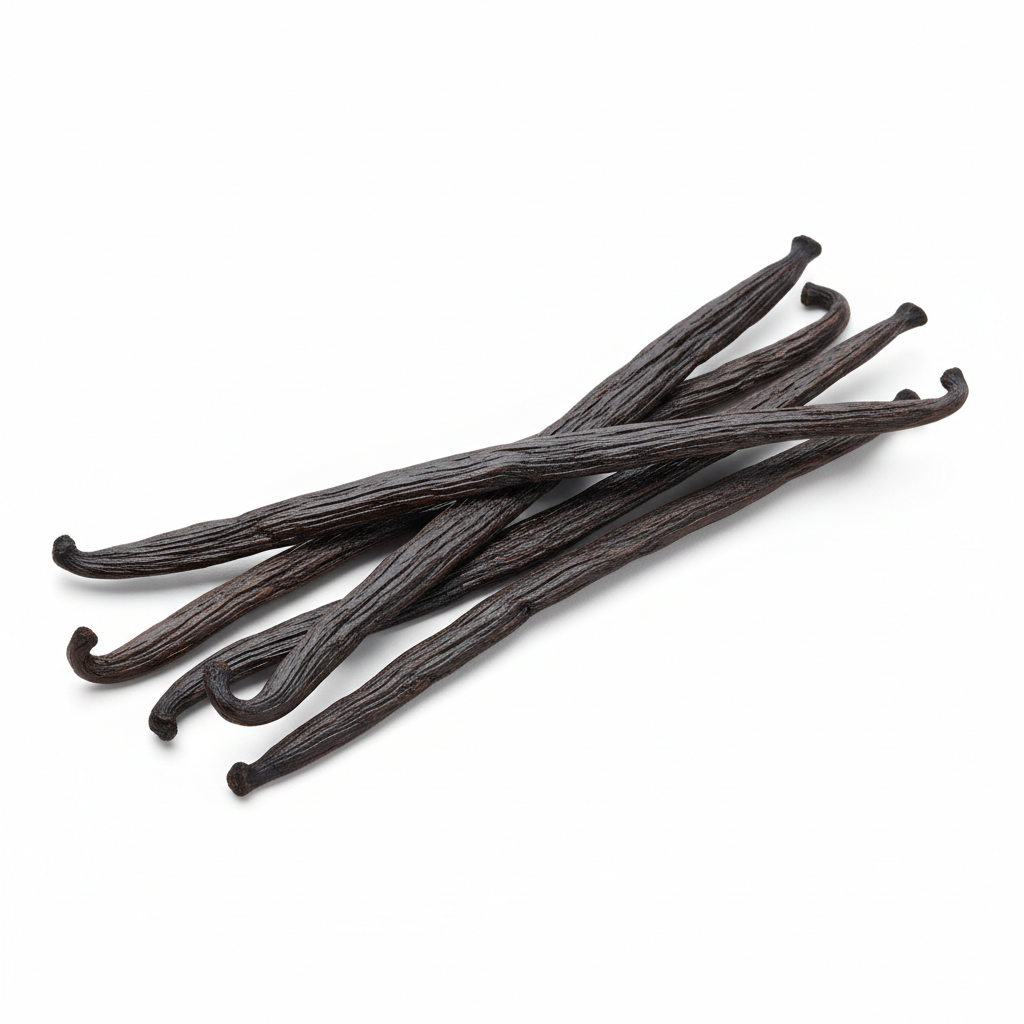
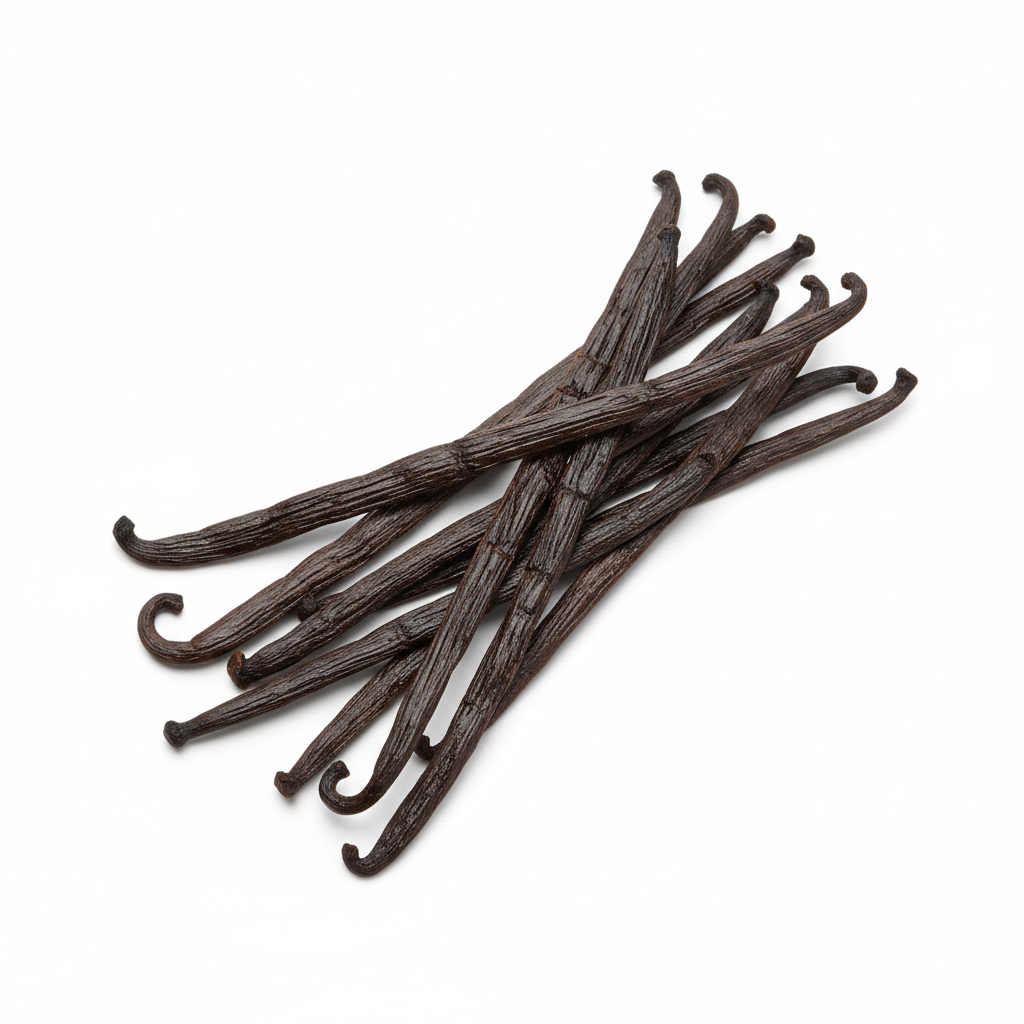
Fresh vanilla beans actually have no vanilla flavor at all. The magic happens during the curing process, where enzymes break down glucovanillin (a flavorless precursor) into vanillin and other flavor compounds. This process takes 6-9 months and requires precise temperature and humidity control.
During curing, several chemical reactions occur:
- Enzymatic hydrolysis: Converts glucovanillin to vanillin
- Maillard reactions: Create complex flavor compounds through amino acid and sugar interactions
- Oxidation: Develops the characteristic brown color and deepens flavors
How Extraction Method Affects Flavor Science
The way vanilla flavor compounds are extracted from beans dramatically impacts the final product's complexity and quality.
Traditional Alcohol Extraction
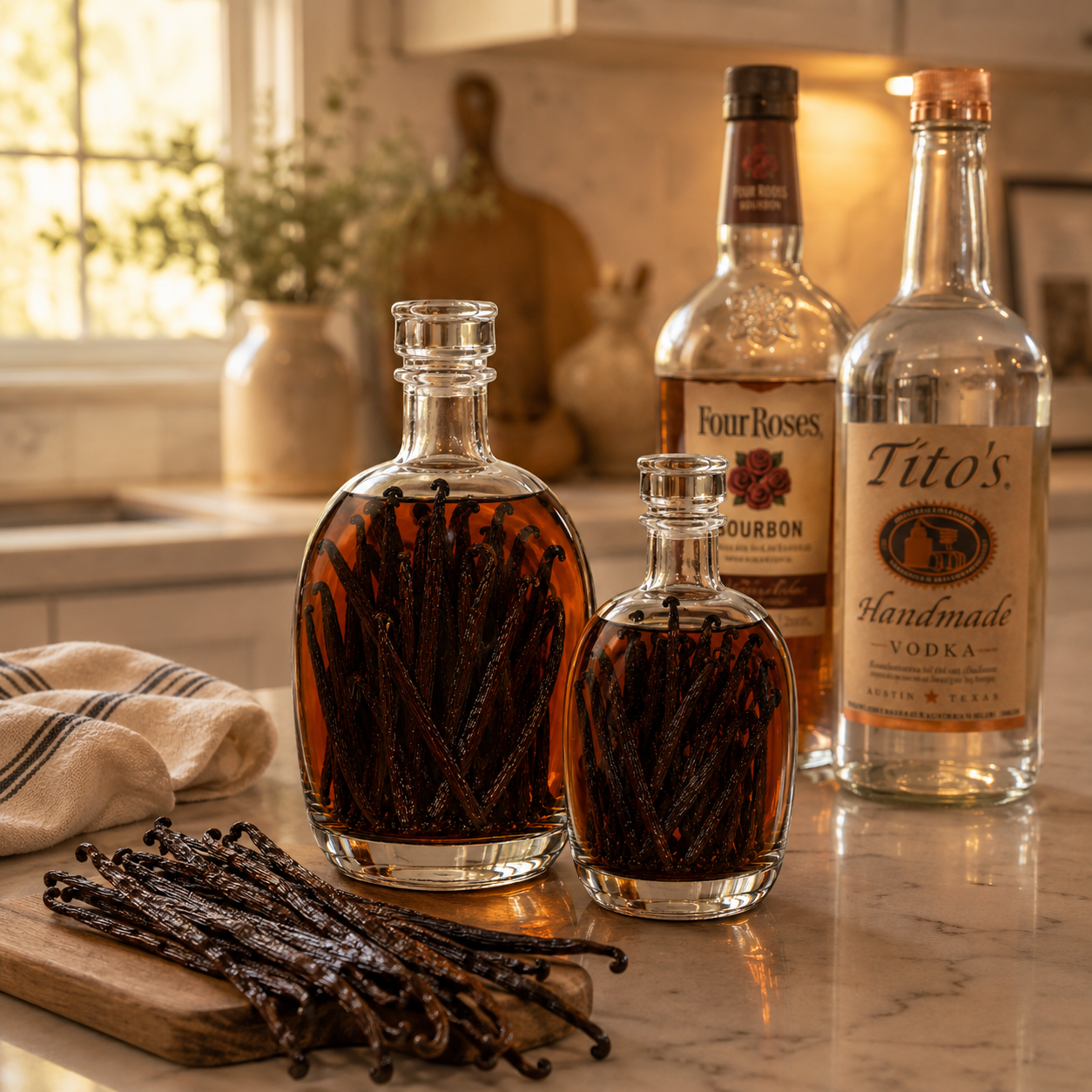
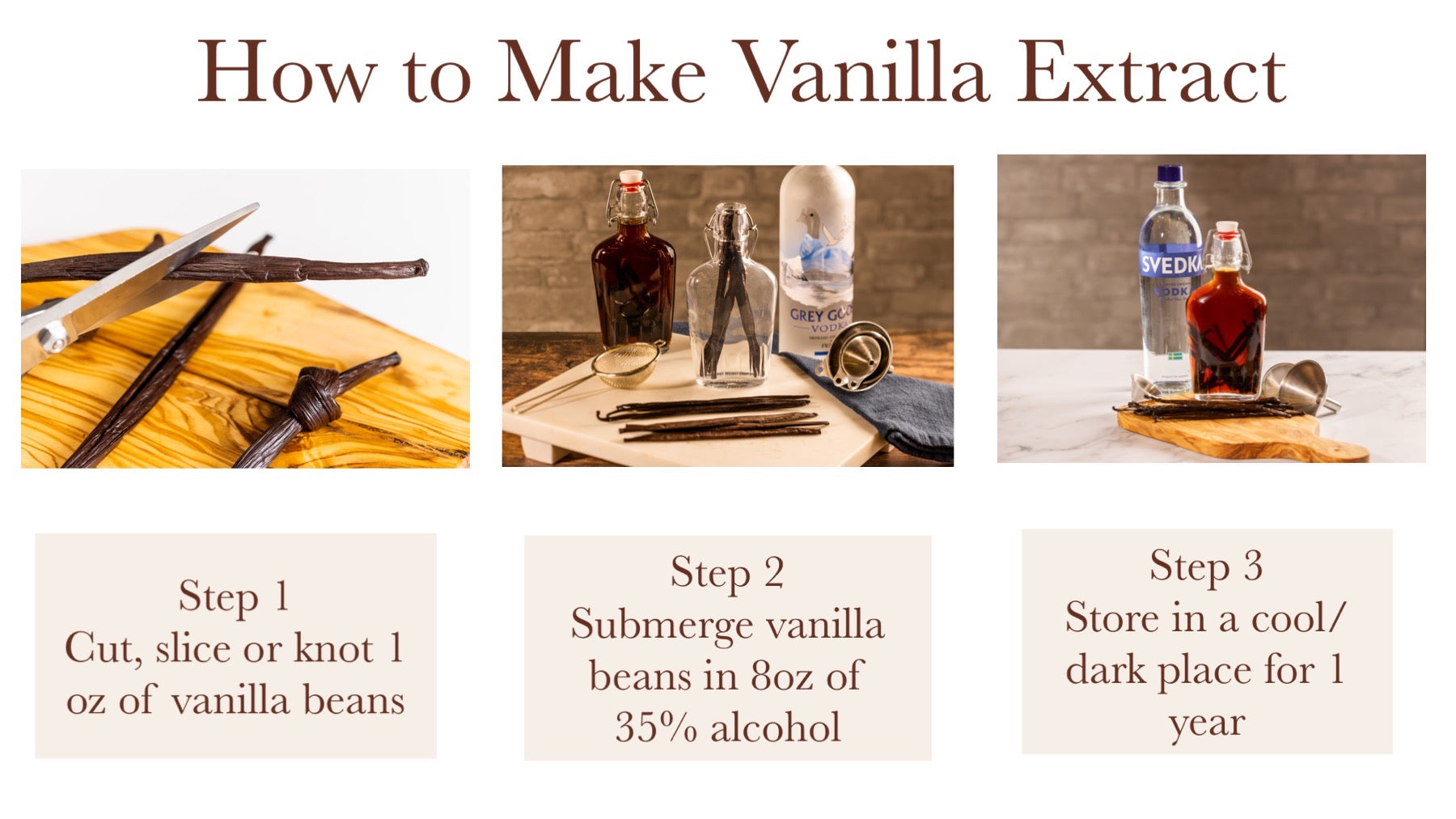
Alcohol is an excellent solvent for vanilla's flavor compounds because it can extract both water-soluble and alcohol-soluble components. The FDA requires pure vanilla extract to contain at least 35% alcohol, which isn't just for preservation - it's crucial for proper extraction and flavor delivery.
Cold vs. Hot Extraction
Cold extraction preserves delicate volatile compounds that can be damaged by heat, while hot extraction can speed the process but may alter some flavor molecules. Premium vanilla extracts often use cold extraction methods that take months but preserve the full flavor spectrum.
The Science of Vanilla in Baking
Understanding vanilla's chemistry explains why quality matters so much in baking applications.
Heat Stability of Flavor Compounds
Different vanilla compounds react differently to heat:
- Vanillin: Relatively heat-stable, survives most baking temperatures
- Volatile esters: Evaporate quickly, providing immediate aroma
- Phenolic compounds: Can break down at high temperatures, altering flavor
Fat vs. Water Solubility
Vanilla's flavor compounds have varying solubilities, which is why vanilla performs differently in different recipes:
- Water-soluble compounds work well in lean batters and custards
- Alcohol-soluble compounds integrate better with butter and oil-based recipes
- This is why vanilla extract (containing both water and alcohol) is so versatile
Why Synthetic Vanillin Falls Short
Synthetic vanillin, while chemically identical to natural vanillin, lacks the supporting compounds that create vanilla's complexity. It's like hearing a single instrument instead of a full orchestra. This is why synthetic vanilla often tastes flat or one-dimensional compared to pure vanilla extract.
The Terroir Effect: How Growing Conditions Affect Flavor
Just like wine grapes, vanilla beans develop different flavor profiles based on their growing conditions:
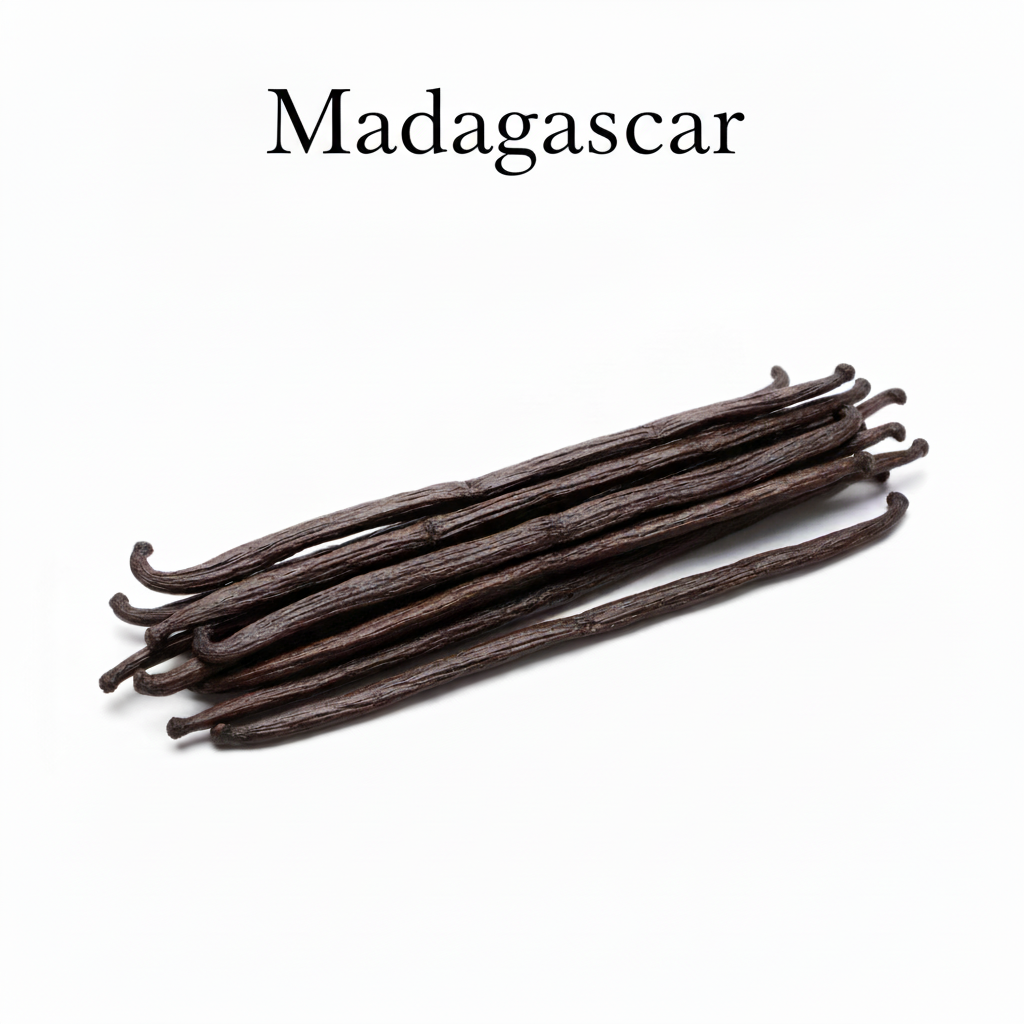
- Madagascar vanilla: High vanillin content, creamy and sweet
- Tahitian vanilla: Lower vanillin, higher in floral compounds like anisyl alcohol
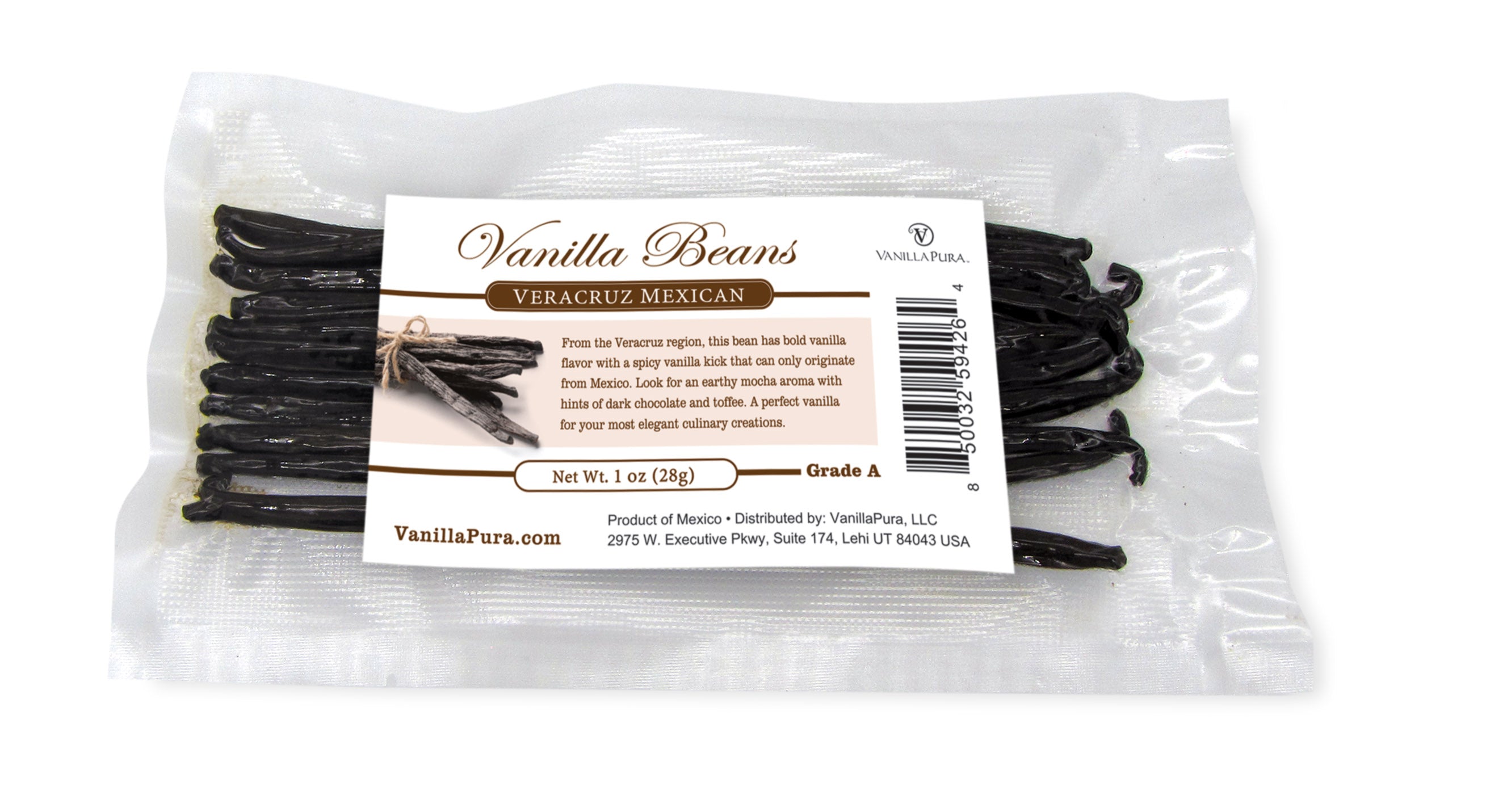
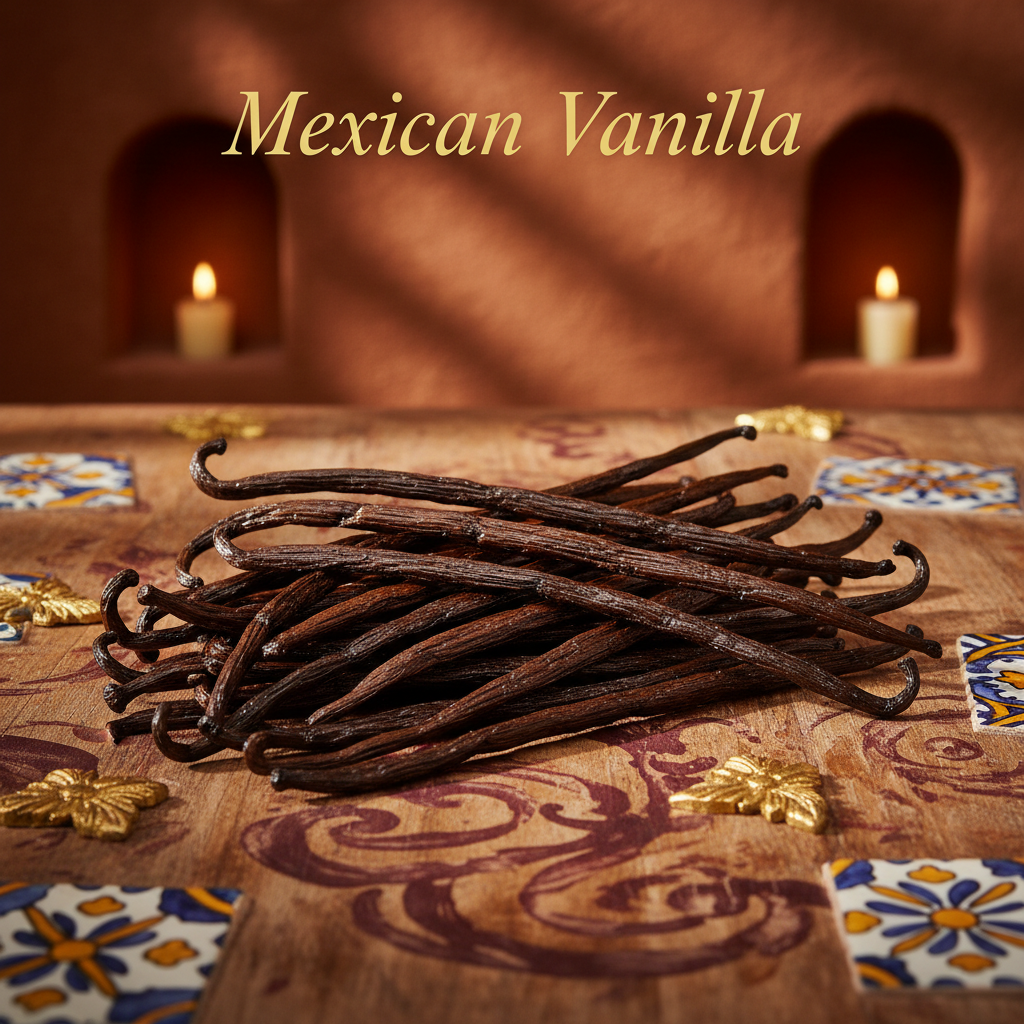
- Mexican vanilla: Spicy notes from higher eugenol content
How to Maximize Vanilla's Scientific Potential in Your Baking
Temperature Considerations
Add vanilla extract after removing baked goods from heat when possible to preserve volatile compounds. For custards and ice creams, this timing is crucial for maximum flavor impact.
pH Interactions
Vanilla compounds can be affected by pH levels. In very alkaline batters (like some chocolate cakes), vanilla's flavor can be muted. This is why recipes sometimes call for extra vanilla in chocolate applications.
Storage Science
Vanilla's flavor compounds are sensitive to light and heat. UV light can break down vanillin and other compounds, while heat accelerates evaporation of volatile elements.
The Future of Vanilla Science
Researchers continue to discover new compounds in vanilla and better understand how they interact. Recent studies have identified over 250 different compounds in vanilla beans, and scientists are still finding new ones that contribute to vanilla's unique flavor profile.
Why Quality Vanilla Extract Is Worth the Investment
Understanding the science behind vanilla flavor makes it clear why quality matters. Premium vanilla extracts contain the full spectrum of flavor compounds that create vanilla's beloved complexity. When you choose quality vanilla extract, you're not just buying vanillin - you're investing in centuries of agricultural knowledge, months of careful curing, and the complete orchestra of compounds that make vanilla truly special.
At VanillaPura, we respect the science behind vanilla flavor. Our extraction methods are designed to capture and preserve the full range of compounds that make vanilla extraordinary, ensuring that every drop delivers the complex, nuanced flavor that only comes from understanding and honoring vanilla's remarkable chemistry.