
You've probably experienced it: you're baking, you catch a whiff of that intoxicating vanilla aroma, and you think, "This smells amazing—I wonder what it tastes like?" You dip your finger in or take a tiny sip, and... it's awful. Bitter, harsh, burning, nothing like the sweet vanilla flavor you expected. What's going on?
The truth is, vanilla extract is never meant to be consumed straight. Here's why that innocent taste test turns into an unpleasant surprise.
1. It's Mostly Alcohol
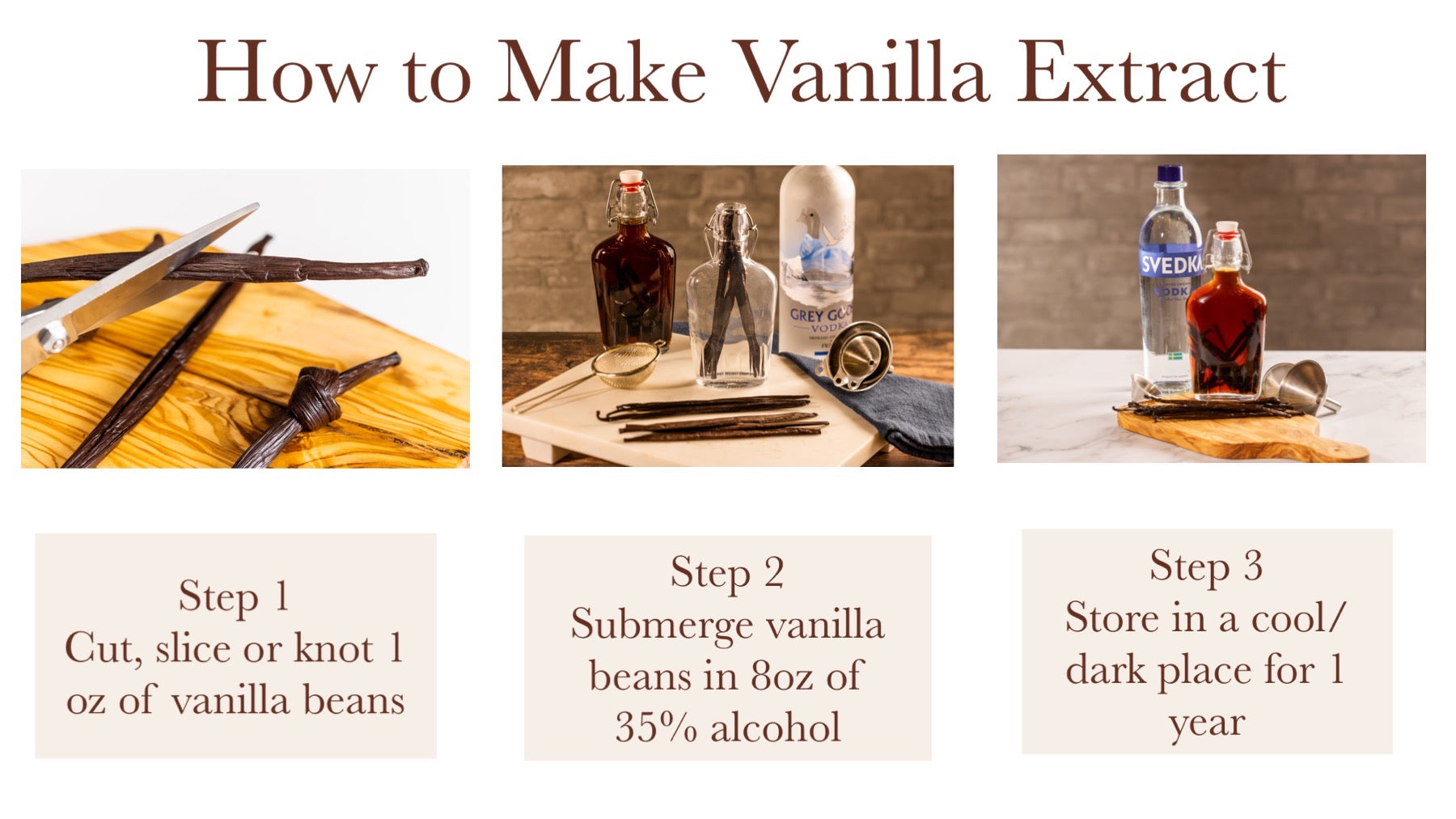
The most obvious reason vanilla extract tastes bad on its own is that it's primarily alcohol. Pure vanilla extract is typically 35% alcohol by volume (70 proof)—the same alcohol content as many spirits like vodka or rum.
When you sip vanilla extract straight:
- The alcohol hits your tongue with an immediate burning sensation
- Your taste buds are overwhelmed by the ethanol before they can detect subtle vanilla notes
- The alcohol evaporates quickly in your mouth, creating a cooling effect that further masks flavor
- Your brain registers "alcohol" first and "vanilla" a distant second
Just like you wouldn't sip vodka and expect it to taste like the cocktail it's destined for, vanilla extract needs dilution and context to shine.
2. Concentrated Flavor Compounds Are Bitter
Vanilla extract contains highly concentrated flavor compounds—vanillin, vanillic acid, and over 250 other aromatic molecules. In their concentrated form, many of these compounds taste bitter or astringent rather than sweet.
Think of it like coffee grounds or cocoa powder: the raw ingredients are bitter, but when properly diluted and combined with other ingredients, they create delicious flavors. Vanilla extract works the same way.
When you taste extract straight:
- Vanillin in high concentration tastes medicinal and bitter
- Phenolic compounds contribute harsh, astringent notes
- Organic acids add sourness that's unpleasant without balance
- The concentration is simply too intense for your taste buds to process pleasantly
3. There's No Sugar to Balance the Flavor
When you smell vanilla extract, your brain associates that aroma with sweet treats—cookies, cakes, ice cream. But pure vanilla extract contains no sugar. The sweetness you expect simply isn't there.
In baking and cooking, vanilla extract is always combined with sugar or other sweeteners. The sugar:
- Balances the bitter notes from concentrated vanilla compounds
- Rounds out the flavor profile
- Allows the aromatic qualities to shine without harshness
- Creates the familiar "vanilla flavor" your brain expects
Without sugar, you're tasting the raw, unbalanced reality of vanilla extract—and it's not pleasant.
4. Your Nose Is Tricking You
Here's a fascinating aspect of sensory science: what you smell and what you taste are processed differently by your brain.
When you smell vanilla extract:
- Volatile aromatic compounds travel through your nose to your olfactory receptors
- Your brain interprets these as pleasant, sweet, comforting scents
- The alcohol evaporates quickly, carrying vanilla aromatics with it
- You're smelling the "best" parts of vanilla without the harsh components
When you taste vanilla extract:
- Your taste buds detect bitter, sour, and alcohol burn
- The concentrated compounds overwhelm your palate
- The pleasant aromatics are masked by the intense taste sensations
- Your brain experiences cognitive dissonance—the smell promised sweetness, but the taste delivers bitterness
This disconnect between expectation (sweet, based on smell) and reality (bitter, based on taste) makes the experience even more unpleasant.
5. It's Designed to Be Diluted
Vanilla extract is formulated to be used in small amounts—typically 1-2 teaspoons per recipe. At this dilution:
- The alcohol content becomes negligible (and mostly evaporates during baking)
- The vanilla compounds are present at optimal concentrations for flavor
- Other ingredients (sugar, fat, flour) balance and carry the vanilla flavor
- The extract enhances rather than dominates
When you taste it straight, you're experiencing a 100x or 1000x overdose of what's meant to be a subtle flavoring agent.
What Happens When You Bake With It
The magic of vanilla extract happens during cooking and baking:
- Alcohol evaporates: Heat drives off most of the ethanol, leaving behind the flavor compounds
- Dilution occurs: The extract disperses throughout the batter or dough
- Sugar balances: Sweeteners in the recipe complement the vanilla
- Fat carries flavor: Butter, oil, or cream help distribute and mellow the vanilla
- Heat transforms: Some compounds develop new flavors through Maillard reactions
- Integration happens: Vanilla melds with other ingredients to create a harmonious whole
The result is the warm, sweet, comforting vanilla flavor you know and love—nothing like the harsh liquid you tasted from the bottle.
Imitation Vanilla: Even Worse
If you think pure vanilla extract tastes bad straight, imitation vanilla is even harsher. Synthetic vanillin lacks the complexity of real vanilla and often has chemical, medicinal off-notes that are even more pronounced when tasted undiluted.
At least pure vanilla extract has 250+ compounds that provide some depth. Imitation vanilla is typically just synthetic vanillin, alcohol, and sometimes caramel coloring—there's nothing to soften the blow.
The Exception: Vanilla Paste and Vanilla Sugar
Interestingly, vanilla paste and vanilla sugar taste much better on their own because:
- Vanilla paste contains sugar, thickeners, and vanilla seeds, which balance the flavor
- Vanilla sugar is literally sugar infused with vanilla, so sweetness is built in
These products are designed to be more versatile and can be used in no-bake applications where the vanilla flavor needs to be pleasant without cooking.
The Bottom Line
Vanilla extract tastes terrible when you sip it or dip your finger in because:
- It's 35% alcohol, which burns and overwhelms your palate
- Concentrated vanilla compounds are bitter without dilution
- There's no sugar to balance the harsh notes
- Your nose creates false expectations of sweetness
- It's formulated to be used in tiny amounts, not consumed straight
So the next time you're tempted to taste your vanilla extract, remember: it's not meant to be enjoyed that way. Trust the process, add it to your recipe, and let the magic happen in the oven. The transformation from harsh liquid to heavenly flavor is one of the beautiful mysteries of baking.
At VanillaPura, we craft premium vanilla extract that smells incredible and tastes perfect—when used as intended. Save the sipping for your finished cookies, cakes, and custards. That's where vanilla extract truly shines.