
Can Cold Weather Damage Vanilla Beans During Shipping?
As temperatures drop during the winter months, many vanilla extract makers worry about ordering vanilla beans online. A common concern we hear is: "Won't the cold weather damage my beans during shipping?" The short answer is no—cold temperatures during shipping will not harm your vanilla beans.
Understanding the Difference: Short-Term Cold vs. Long-Term Storage
There's an important distinction to make between temporary exposure to cold during shipping and long-term refrigerated storage. While we don't recommend storing vanilla beans or extracts in the refrigerator for extended periods, brief exposure to cold temperatures during transit is completely different.
Why We Don't Recommend Refrigerator Storage
Refrigerators create a low-humidity environment that can dry out vanilla beans over time. Additionally, the constant temperature cycling from opening and closing the refrigerator door, combined with moisture condensation, can promote mold growth and degrade the beans' quality during long-term storage. For vanilla extract, cold temperatures can cause the vanillin and other flavor compounds to crystallize or separate, affecting the extract's consistency.
Why Shipping Cold Is Different
During winter shipping, vanilla beans experience temporary cold exposure—typically just a few days. This brief period doesn't create the same moisture and humidity issues that occur with long-term refrigeration. Think of it like this: your beans are simply taking a short, cold journey before arriving at their proper storage destination.
What Happens When Vanilla Beans Get Very Cold?
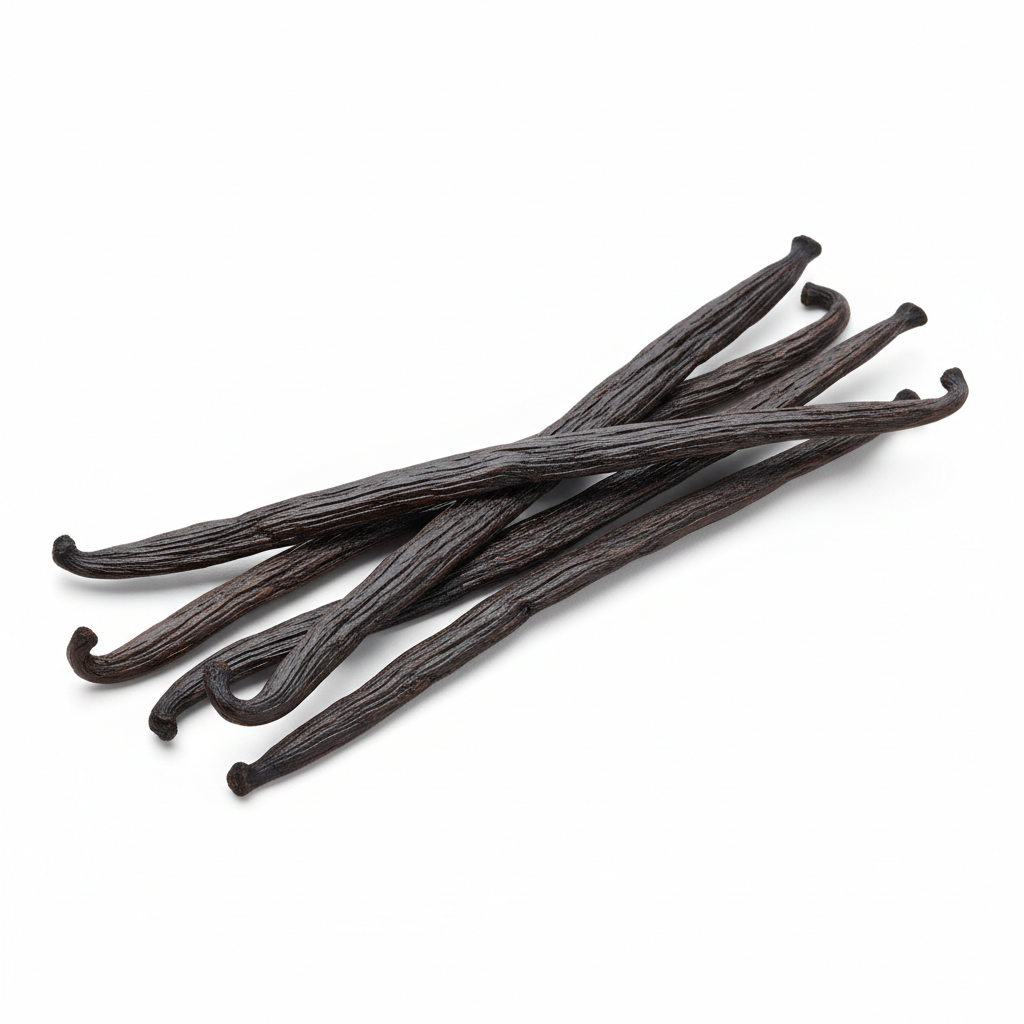
When vanilla beans are exposed to very cold temperatures during shipping, you might notice something interesting when you open your package: the beans may appear frosted or have a white, crystalline coating. Don't worry—this is completely normal and harmless!
The Science Behind the Frost
Vanilla beans contain natural oils and moisture, including vanillin (the primary flavor compound) and other aromatic compounds dissolved in these oils. When temperatures drop significantly, these oils can become very viscous or even semi-solid, and moisture within the beans can form tiny ice crystals on the surface. This creates the frosted appearance you might see.
This phenomenon is similar to what happens when you take cold butter out of the refrigerator—it's solid and hard, but once it warms to room temperature, it returns to its normal, pliable state. The same principle applies to vanilla beans.
What to Do When Your Cold Vanilla Beans Arrive
If your vanilla beans arrive cold or frosted, follow these simple steps:
- Let them warm naturally: Allow the beans to sit at room temperature for several hours or overnight. Don't try to speed up the process with heat, as this can damage the delicate flavor compounds.
- Check for condensation: As the beans warm, you may notice some condensation. This is normal—just pat them dry gently with a clean towel if needed.
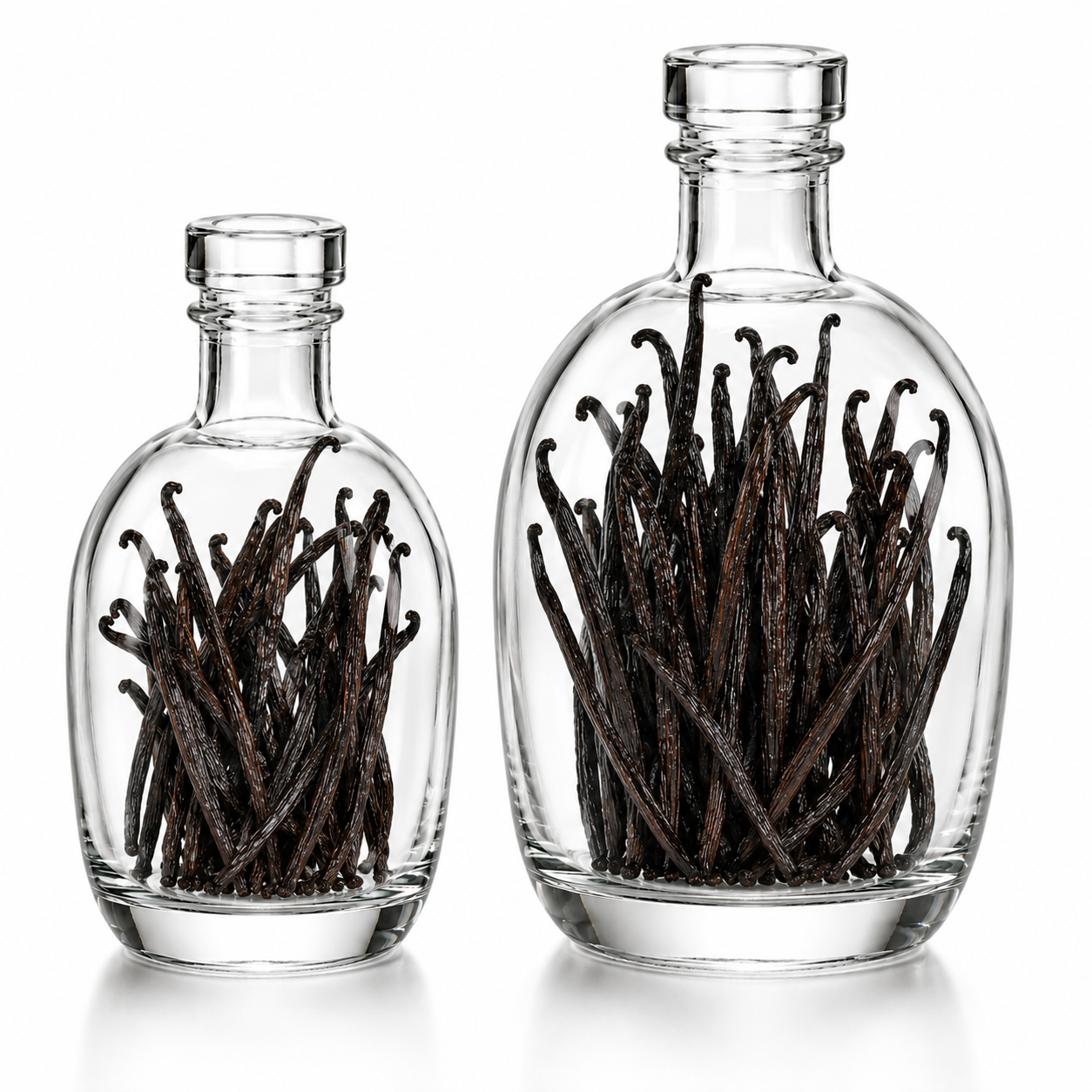
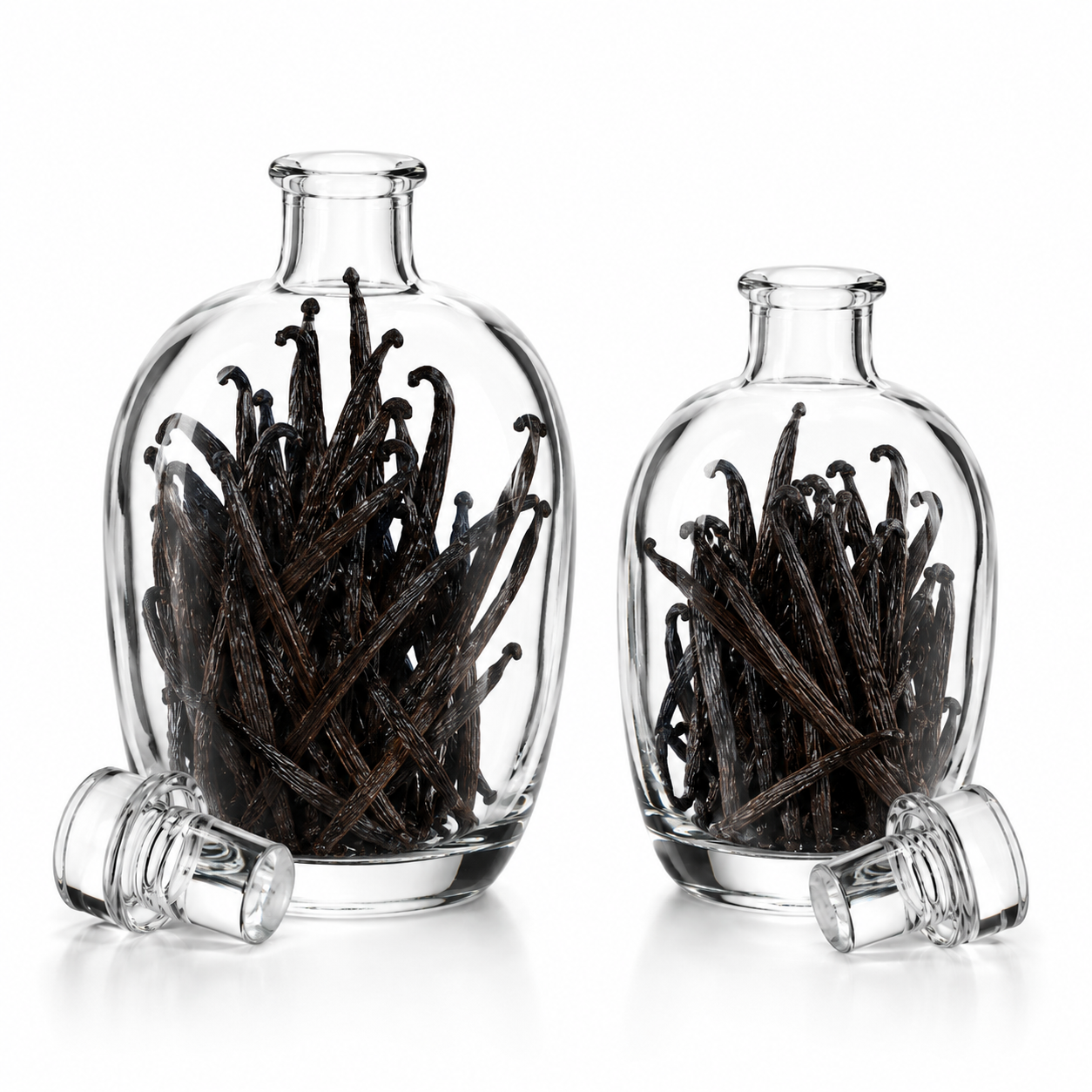
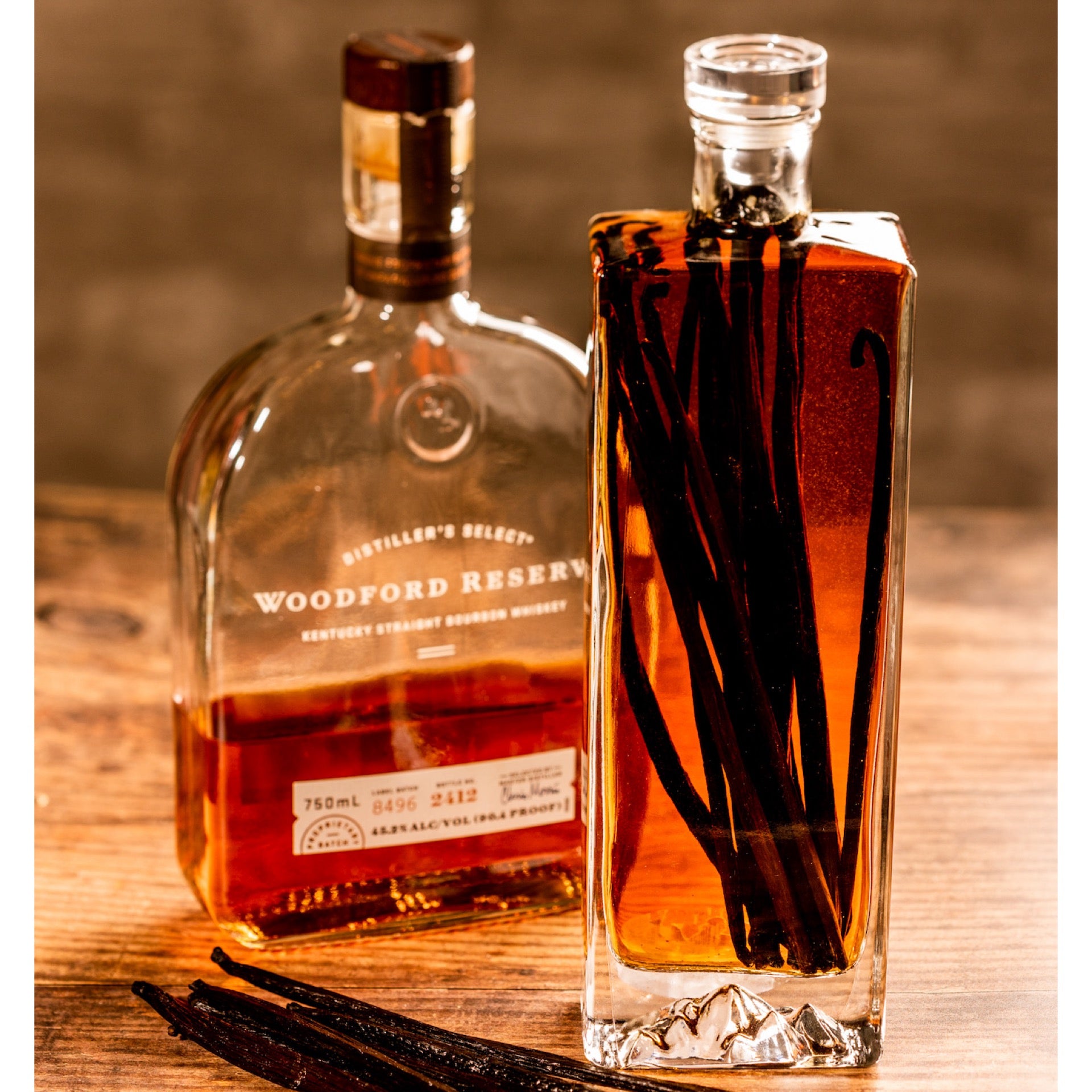
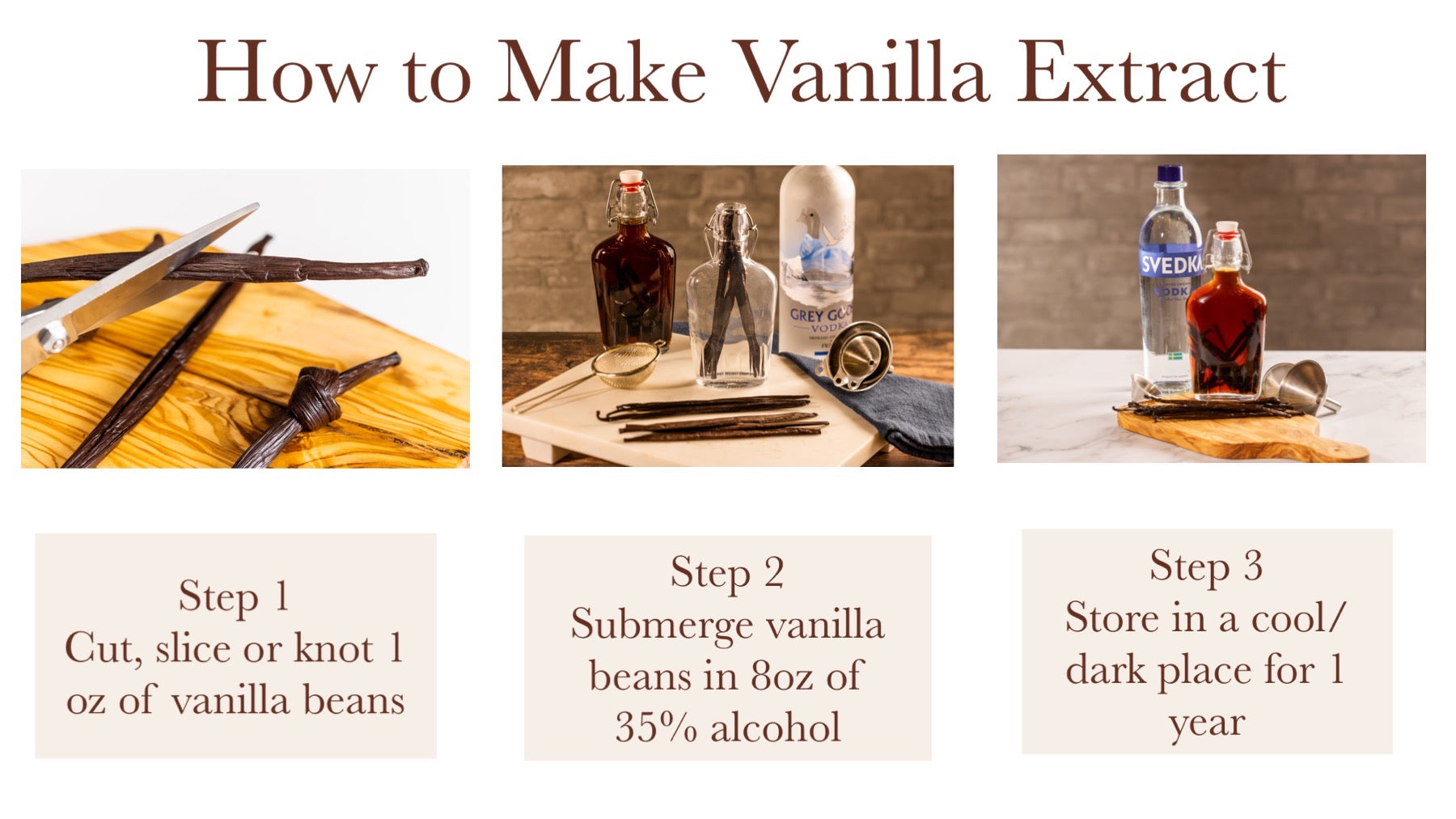
- Proceed with extract making: Once the beans have reached room temperature and any frost has disappeared, they're ready to use. Get them into your alcohol for vanilla extract making as planned.
- Store properly: After opening, store unused beans in an airtight container in a cool, dark place—not in the refrigerator.
The Science of Vanillin and Temperature
Vanillin, the primary flavor compound in vanilla beans, has a melting point of approximately 81-83°C (178-181°F). This means it remains stable in solid form at all temperatures you'd encounter during winter shipping. The compound doesn't degrade or break down due to cold—it simply becomes less volatile, meaning it releases less aroma until it warms up again.
Other important flavor compounds in vanilla beans, including vanillic acid, p-hydroxybenzaldehyde, and various esters and phenols, are also stable at cold temperatures. These compounds are what give vanilla its complex flavor profile beyond just vanillin, and they're all perfectly preserved during cold weather shipping.
Why This Matters for Extract Makers
For those making vanilla extract, understanding this science is reassuring. Your beans arrive with their full complement of flavor compounds intact, ready to infuse into alcohol. The temporary cold exposure during shipping doesn't diminish the quality, potency, or flavor of your vanilla beans in any way.
In fact, some extract makers report that beans shipped in colder months seem to have more concentrated flavors—though this is likely due to the beans being from fresh harvests rather than any benefit from the cold itself.
Bottom Line: Order with Confidence Year-Round
Don't let winter weather stop you from ordering vanilla beans for your extract-making projects. Cold temperatures during shipping are temporary and harmless. Whether your beans arrive in July or January, they'll be just as high-quality and ready to create delicious vanilla extract.
Just remember: let cold beans warm to room temperature naturally before using them, and always store your beans and extracts properly at room temperature in a cool, dark place—never in the refrigerator for long-term storage.
Happy extracting, no matter the season!