

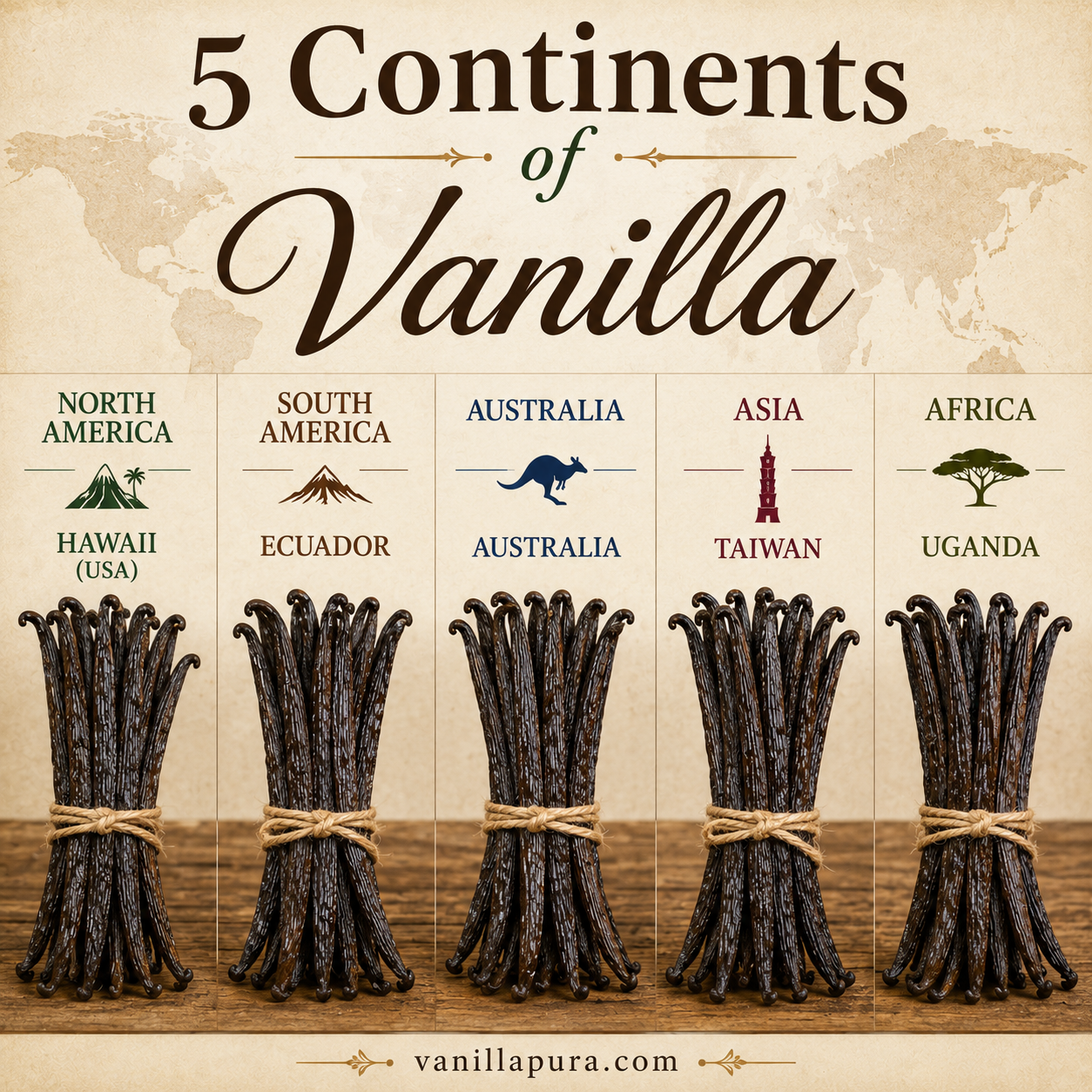
Africa is home to some of the most exciting vanilla growing regions in the world. While Madagascar dominates the headlines, two of its continental neighbors — Uganda and Tanzania — produce Vanilla planifolia beans that are genuinely world-class and fascinatingly distinct from one another. Same species. Same continent. Completely different personalities.
If you've ever wondered which African vanilla is right for your extract, this guide will help you decide — or convince you to make both.
What They Have in Common
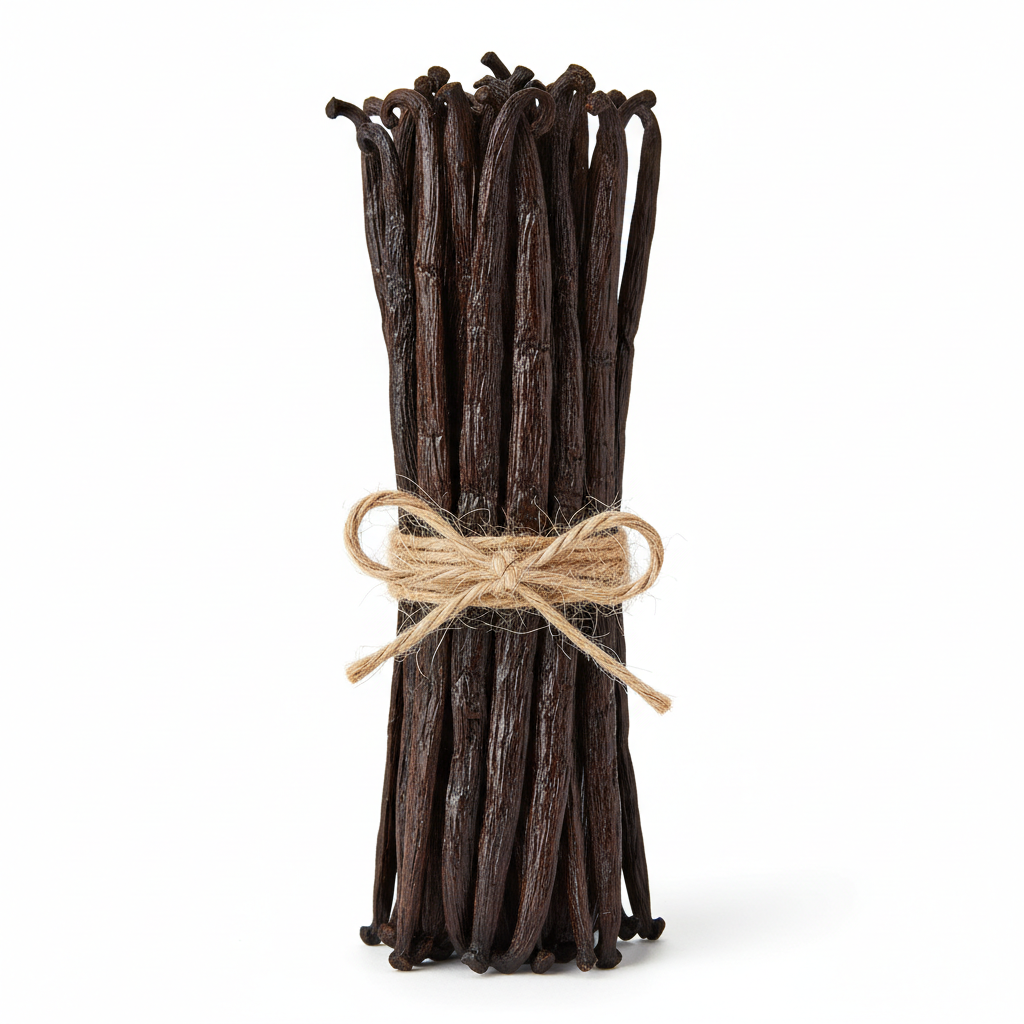
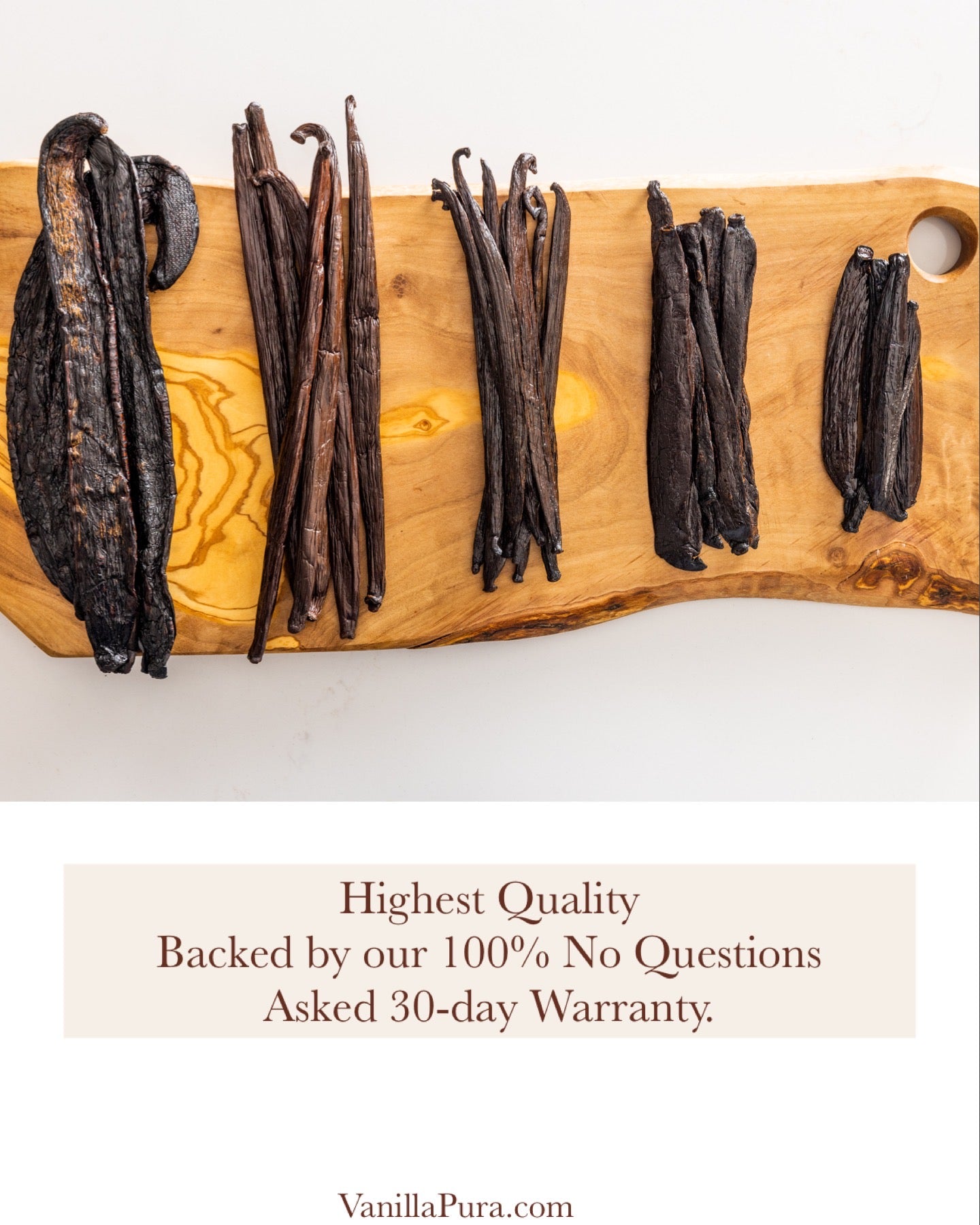
Both Ugandan and Tanzanian vanilla beans are Vanilla planifolia — the same species as Madagascar and Mexican vanilla, and the most widely cultivated vanilla in the world. Both are grown in East Africa, hand-pollinated, and carefully cured to develop their flavor. Both produce Grade A beans with a rich, dark appearance and a high vanillin content that makes them excellent for extract making and baking.
But that's largely where the similarities end.
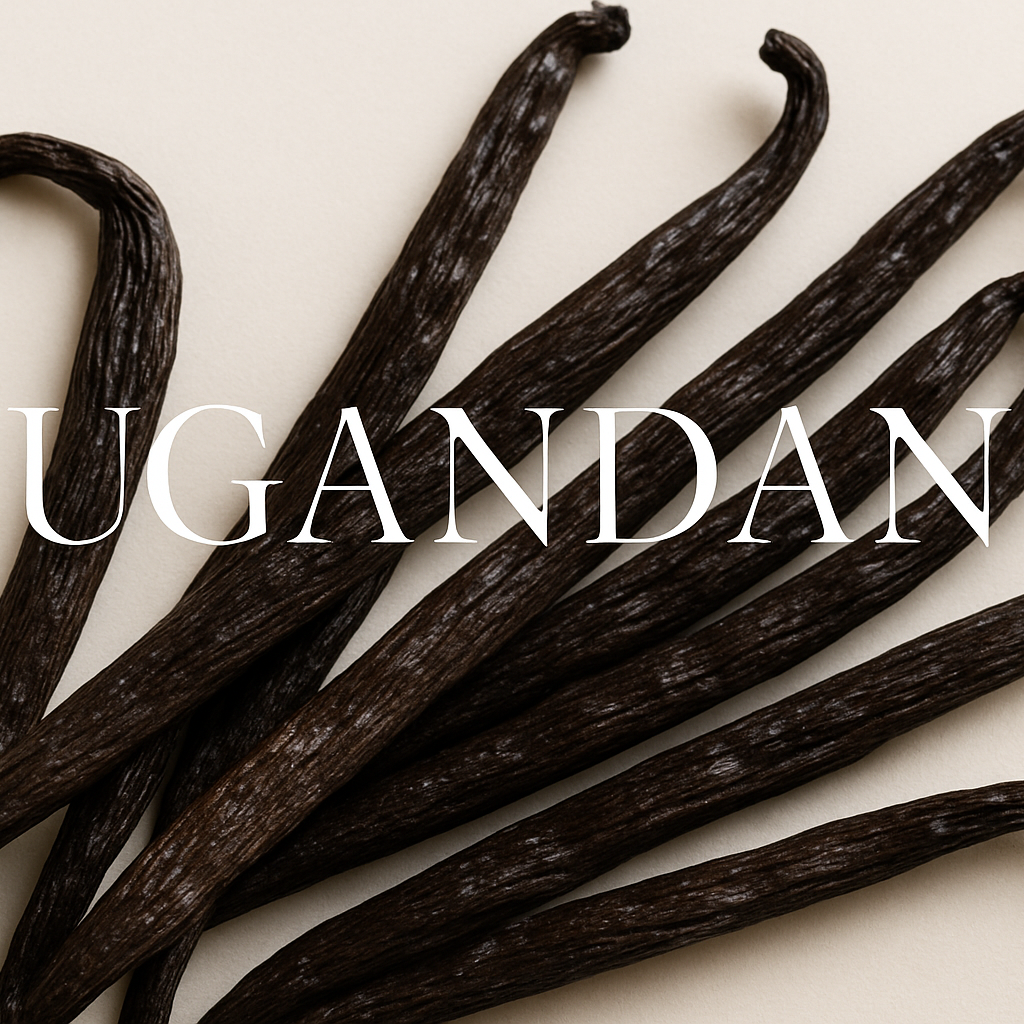
Ugandan Vanilla Beans: Bold, Creamy & Classically Rich
Uganda sits on the equator, with volcanic soils, high altitude growing regions, and a climate that produces some of the most consistently high-quality vanilla beans in the world. Ugandan vanilla is known for its exceptionally high vanillin content — often among the highest of any origin — which translates into a bold, intensely aromatic extract.
Flavor Profile
- Rich and creamy with a deep, classic vanilla character
- Sweet and full-bodied, with notes of butter, caramel, and milk chocolate
- Smooth and rounded, without sharp or bitter edges
- Long-lasting finish that lingers warmly on the palate
Best Uses
Ugandan vanilla is a powerhouse in classic baking applications. It shines in vanilla custards, buttercream frostings, shortbread, pound cake, and anything where vanilla is the star of the show. Its bold, creamy character also makes it exceptional in ice cream and crème brûlée.
Best Spirits for Ugandan Vanilla Extract
The richness of Ugandan beans pairs beautifully with spirits that have their own depth and sweetness:
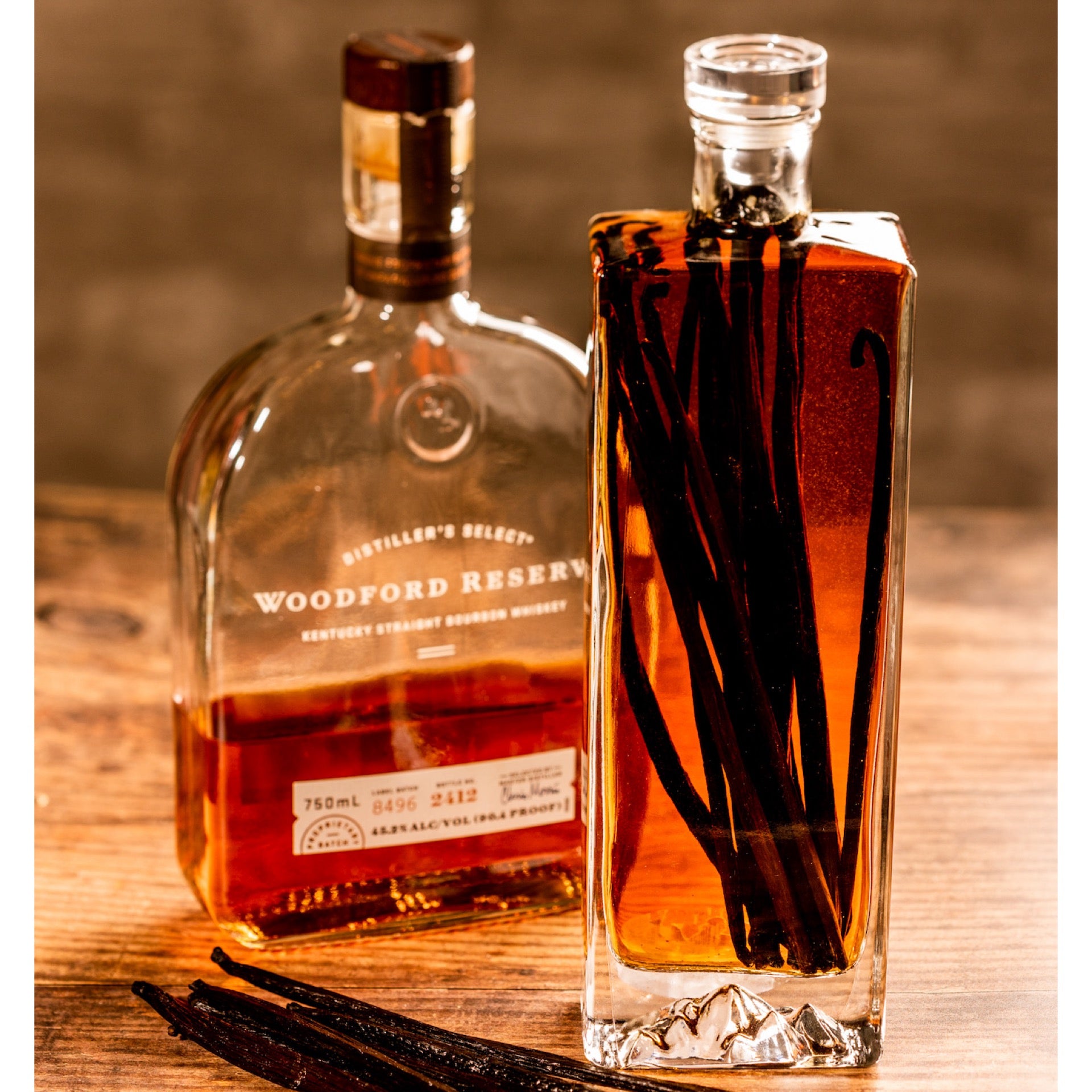
- Bourbon — the caramel and oak notes of bourbon amplify the creamy sweetness of Ugandan vanilla for a deeply indulgent extract
- Dark rum — molasses-forward and warm, dark rum complements the full-bodied character of these beans perfectly
- Vodka — for a clean, pure expression that lets the high vanillin content speak entirely for itself
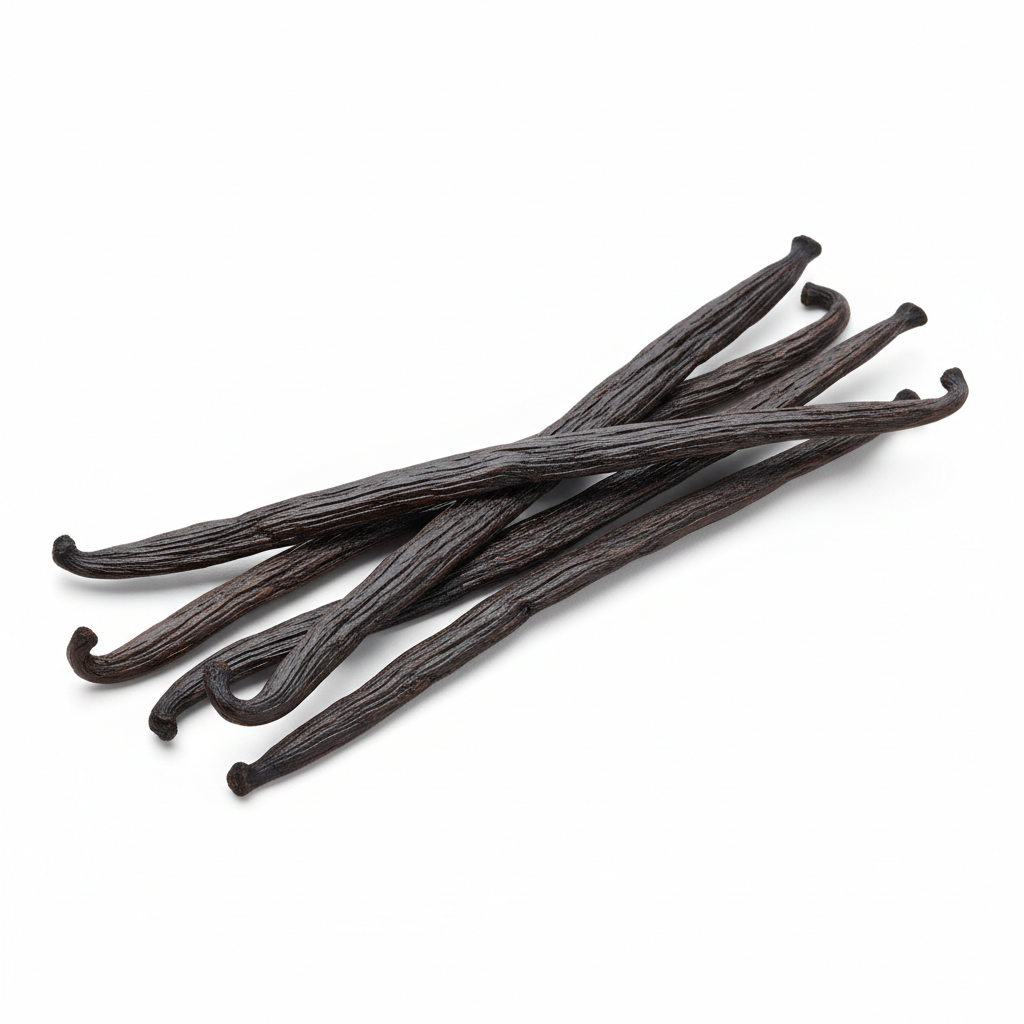
Shop Ugandan Vanilla Beans — Grade A
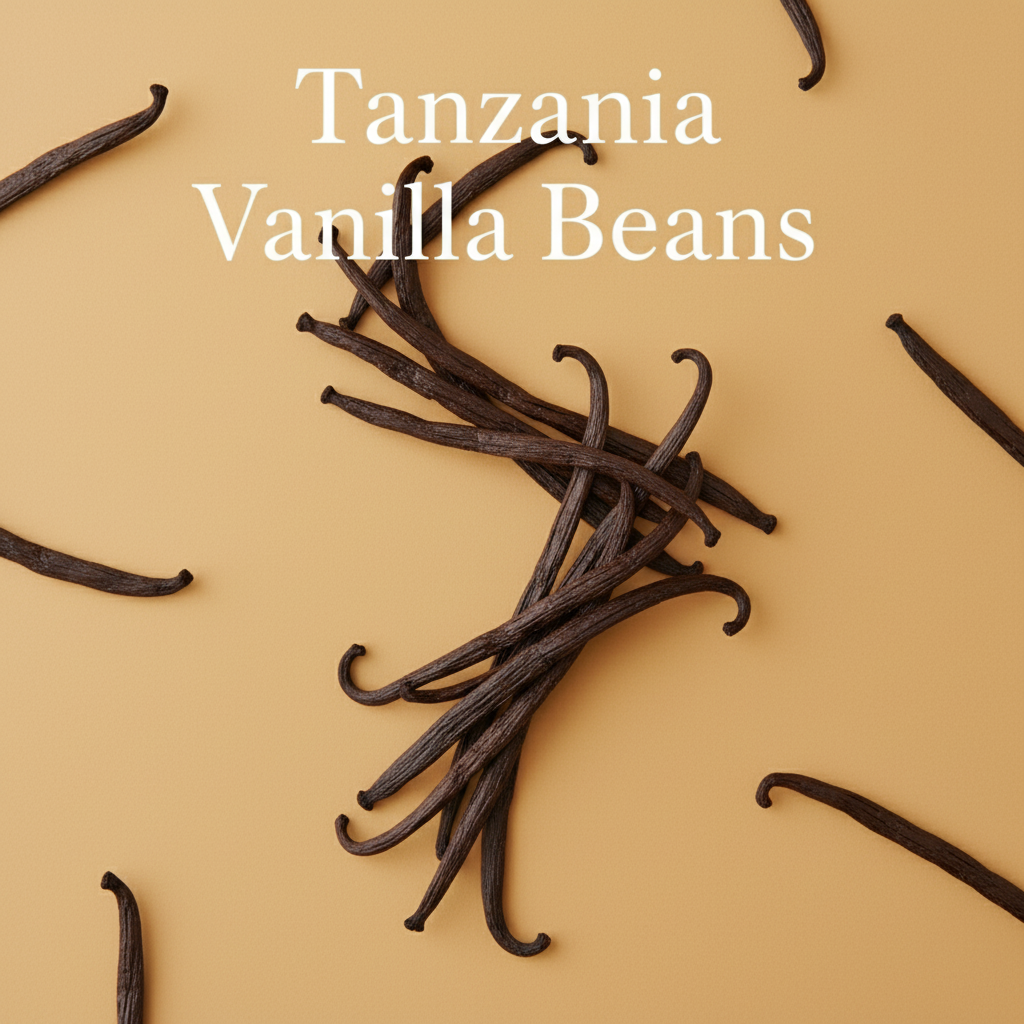
Tanzanian Vanilla Beans — The Lindi: Dark, Fudgy & Complexly Earthy
Tanzania's Lindi region, in the country's southern coastal belt, produces vanilla with a character that's immediately distinct from anything else in the African vanilla world. Where Ugandan vanilla is smooth and creamy, Tanzanian vanilla is darker, denser, and more complex — with a depth that rewards slow extraction and patient bakers.
Flavor Profile
- Dark and fudgy with rich cocoa and brownie-like undertones
- Earthy and woody, with a grounding, almost smoky depth
- Slightly fruity, with hints of dried fig or dark cherry in the background
- Bold and lingering, with a complexity that evolves as the extract ages
Best Uses
Tanzanian vanilla is a natural partner for chocolate in all its forms — dark chocolate ganache, chocolate mousse, fudgy brownies, and chocolate truffles. Its earthy depth also makes it exceptional in spice-forward baking like gingerbread, chai-spiced cakes, and pumpkin pie. It's the vanilla for bakers who want complexity, not just sweetness.
Best Spirits for Tanzanian Vanilla Extract
The dark, earthy character of Tanzanian beans calls for spirits with their own boldness and depth:
- Bourbon or rye whiskey — the spice and oak of whiskey echo the earthy, woody notes of Tanzanian vanilla for a remarkably complex extract
- Dark rum — rich and molasses-forward, dark rum deepens the fudgy, cocoa-like character of these beans
- Brandy — the fruit-forward warmth of brandy draws out the subtle dried fruit notes hiding beneath the earthiness
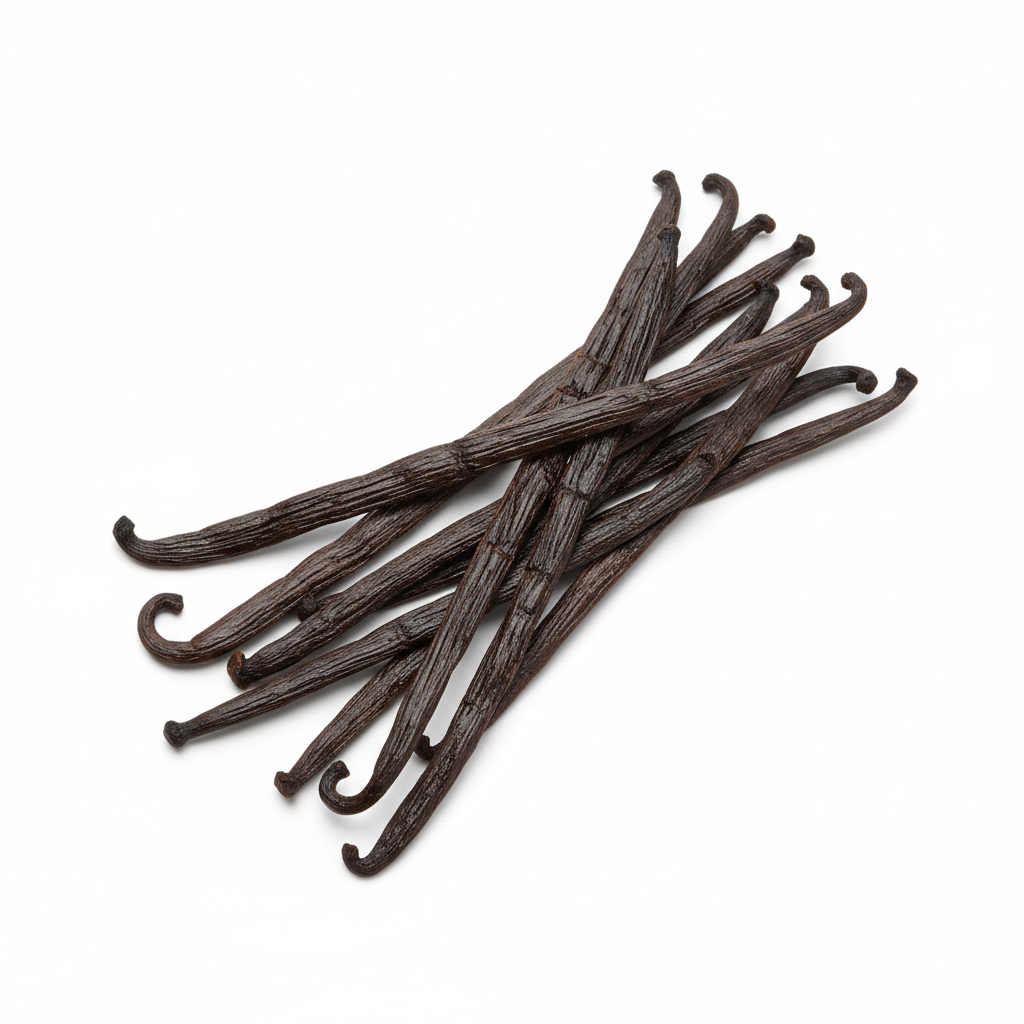
Shop Tanzanian Vanilla Beans — The Lindi, Grade A
Side by Side: Uganda vs. Tanzania
Still deciding? Here's a quick comparison to help you choose — or make the case for making both:
- If you want bold, classic, creamy vanilla — go Ugandan
- If you want dark, complex, chocolate-forward depth — go Tanzanian
- If you want the most versatile everyday extract — Ugandan is your workhorse
- If you want something that will surprise and impress — Tanzanian will do it every time
- If you can't decide — make one of each and do a taste test. You won't regret it.
Ready to Make Your African Vanilla Extract?
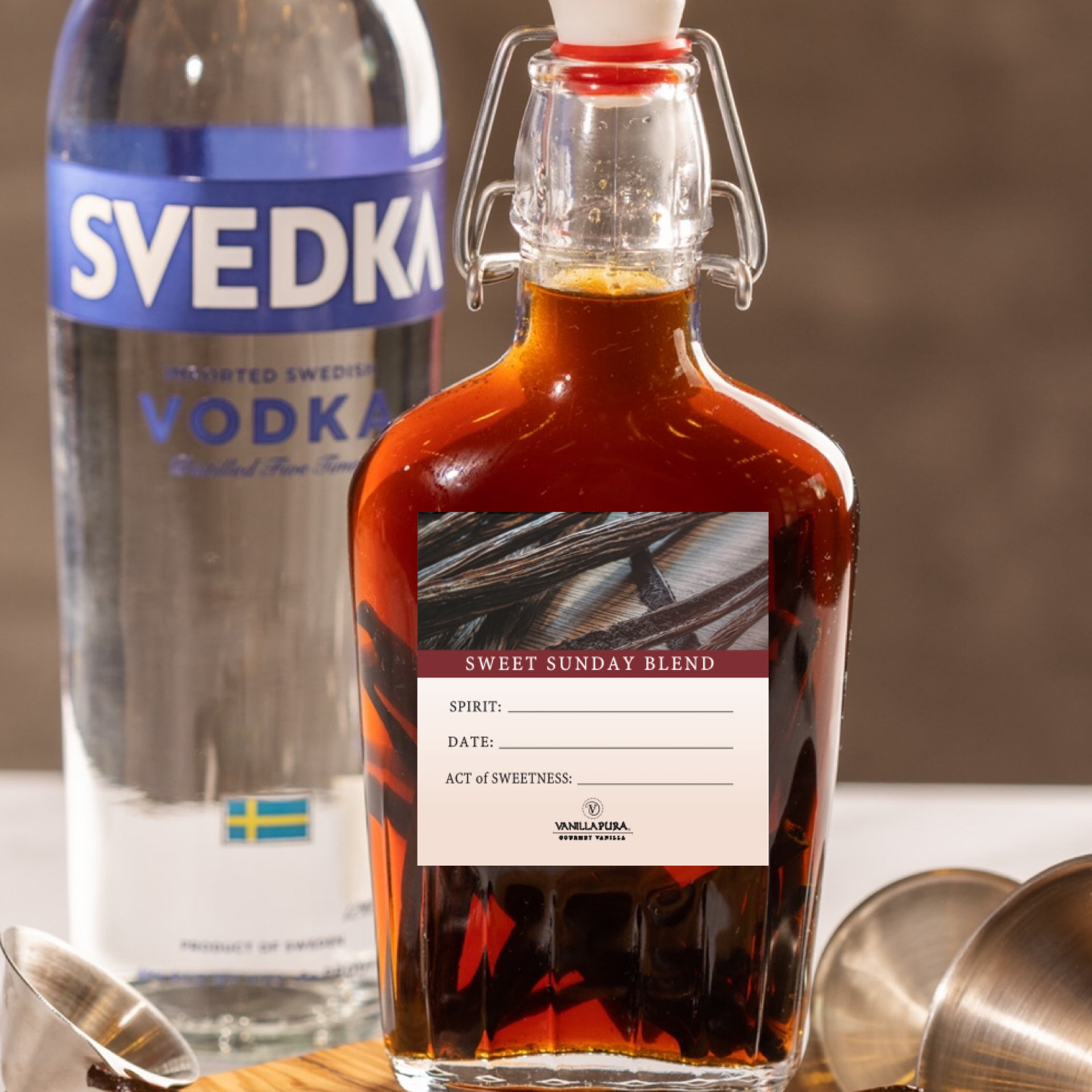
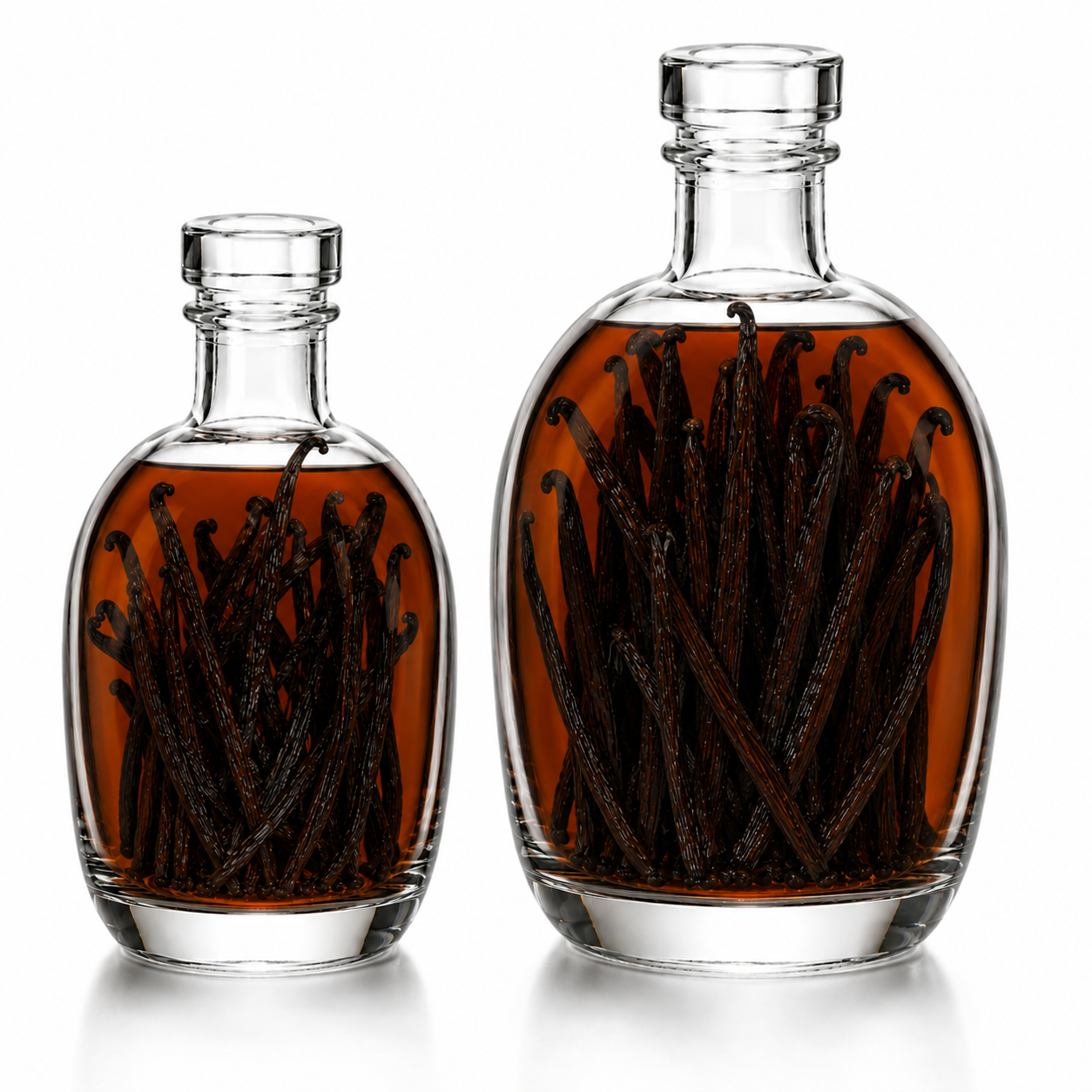
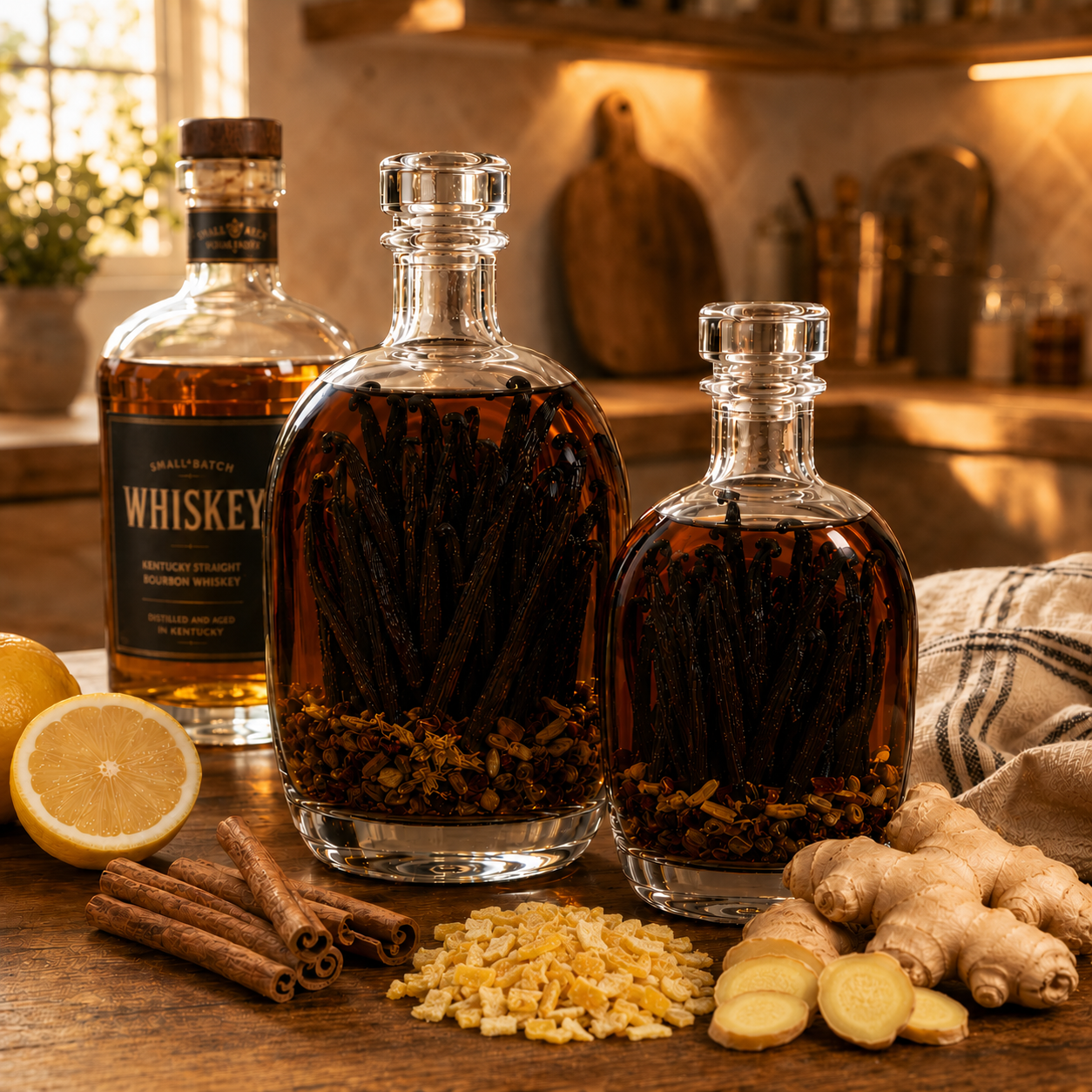
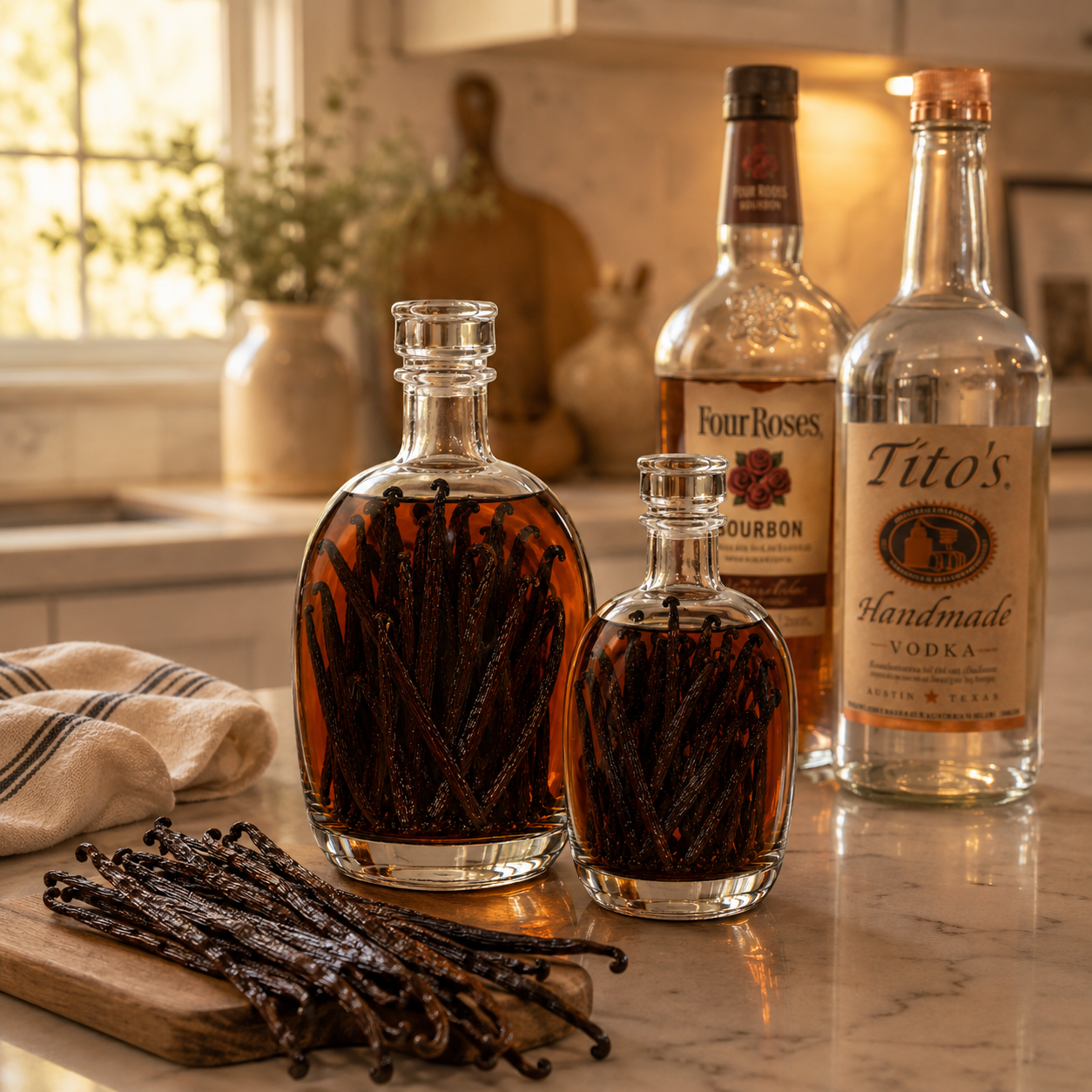
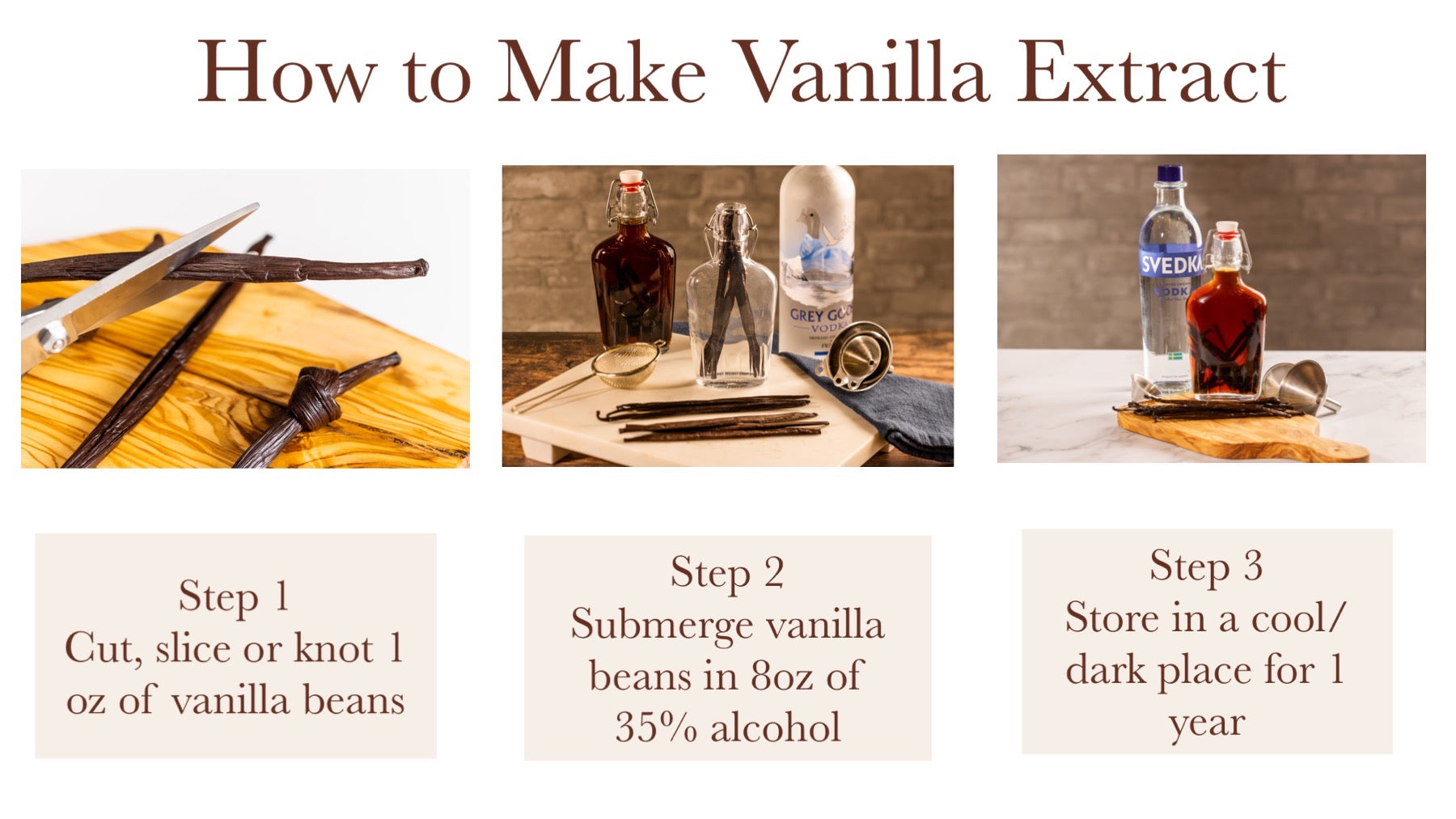
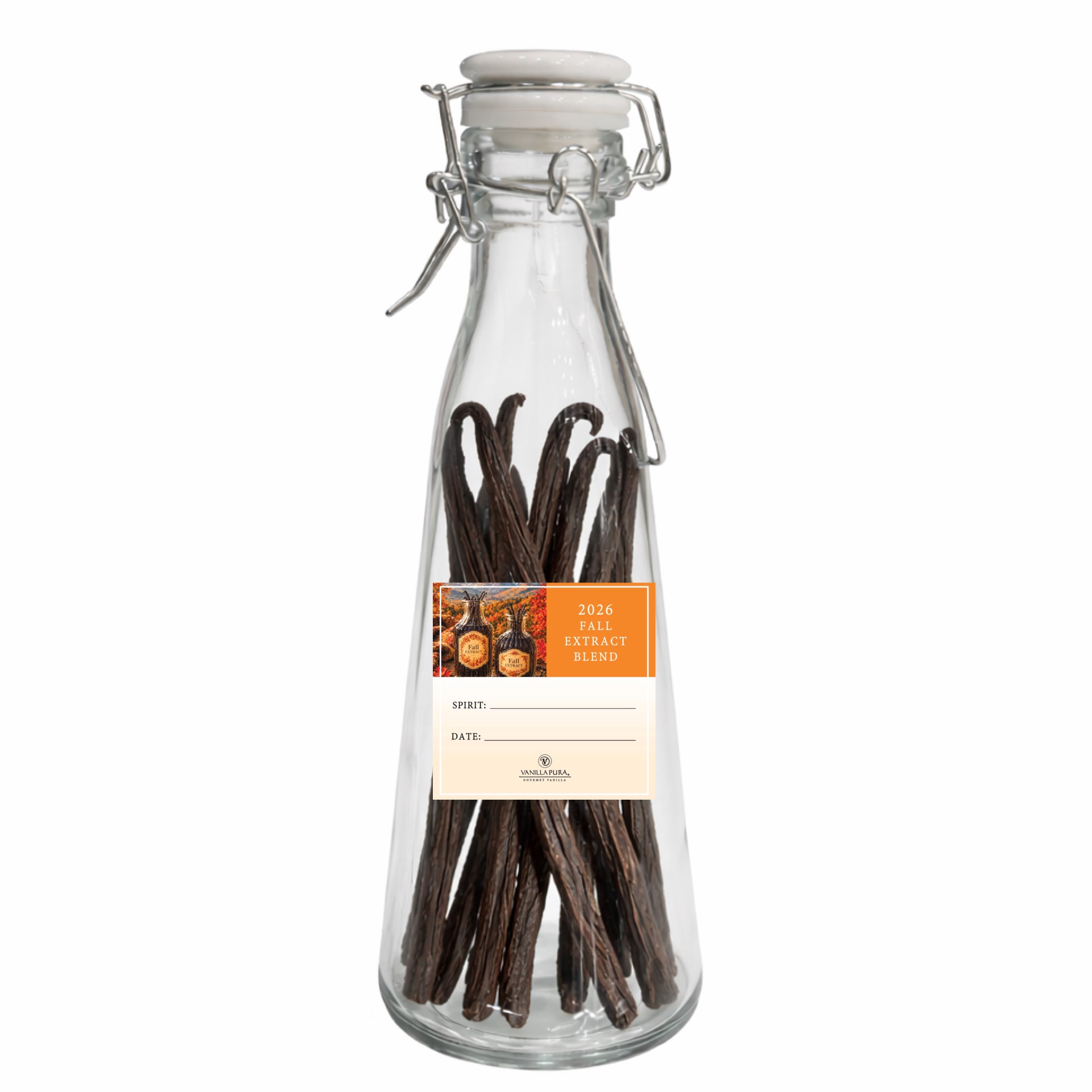
Whether you go Ugandan, Tanzanian, or both, the process is the same: 1oz of beans for every 8oz of alcohol, up to a year for light spirits, and 18 months to 2 years for dark spirits like bourbon, rum, or brandy. The patience is always worth it.
Visit our Vanilla Extract Making How-To Guides for complete step-by-step instructions — from selecting and preparing your beans to bottling, labeling, and knowing exactly when your extract is ready.
Two countries. Two flavor worlds. One incredible extract-making journey.



































Commentaires
I just love these tidbits of information.