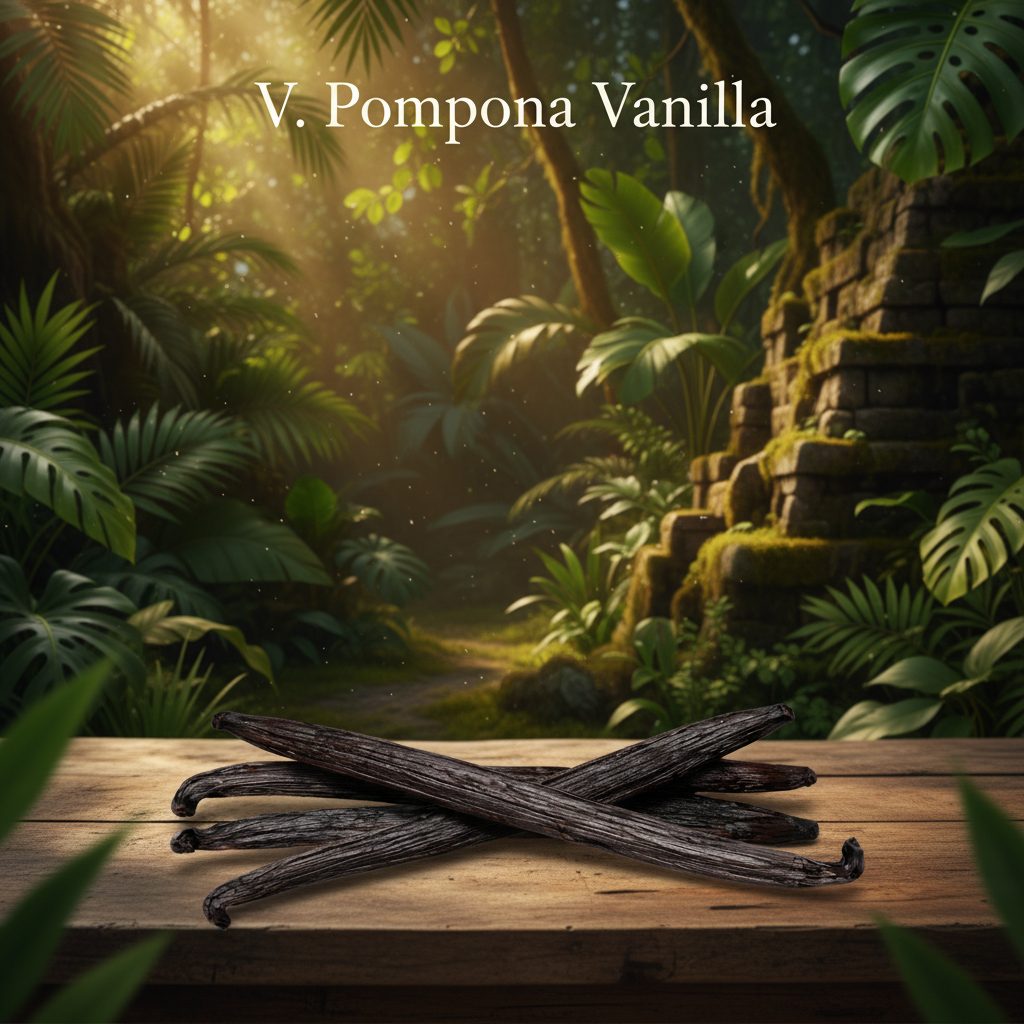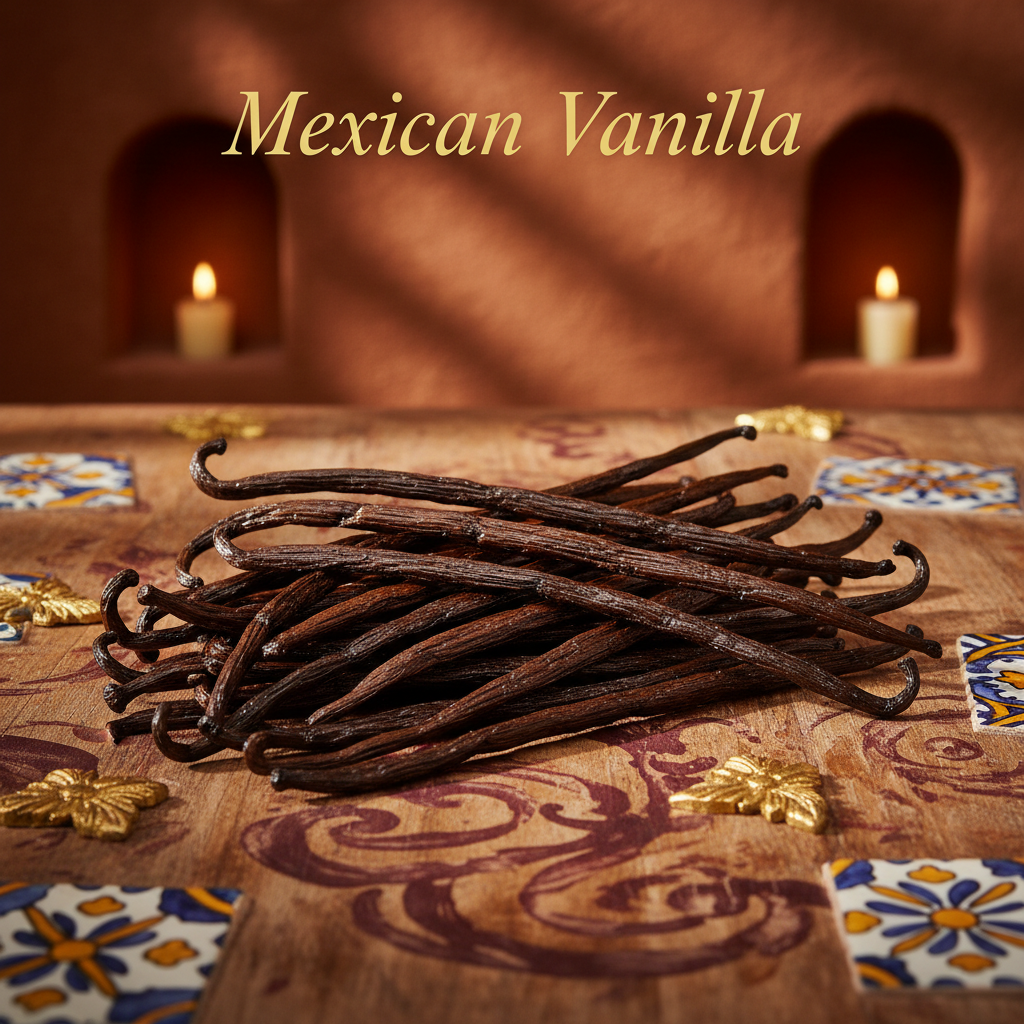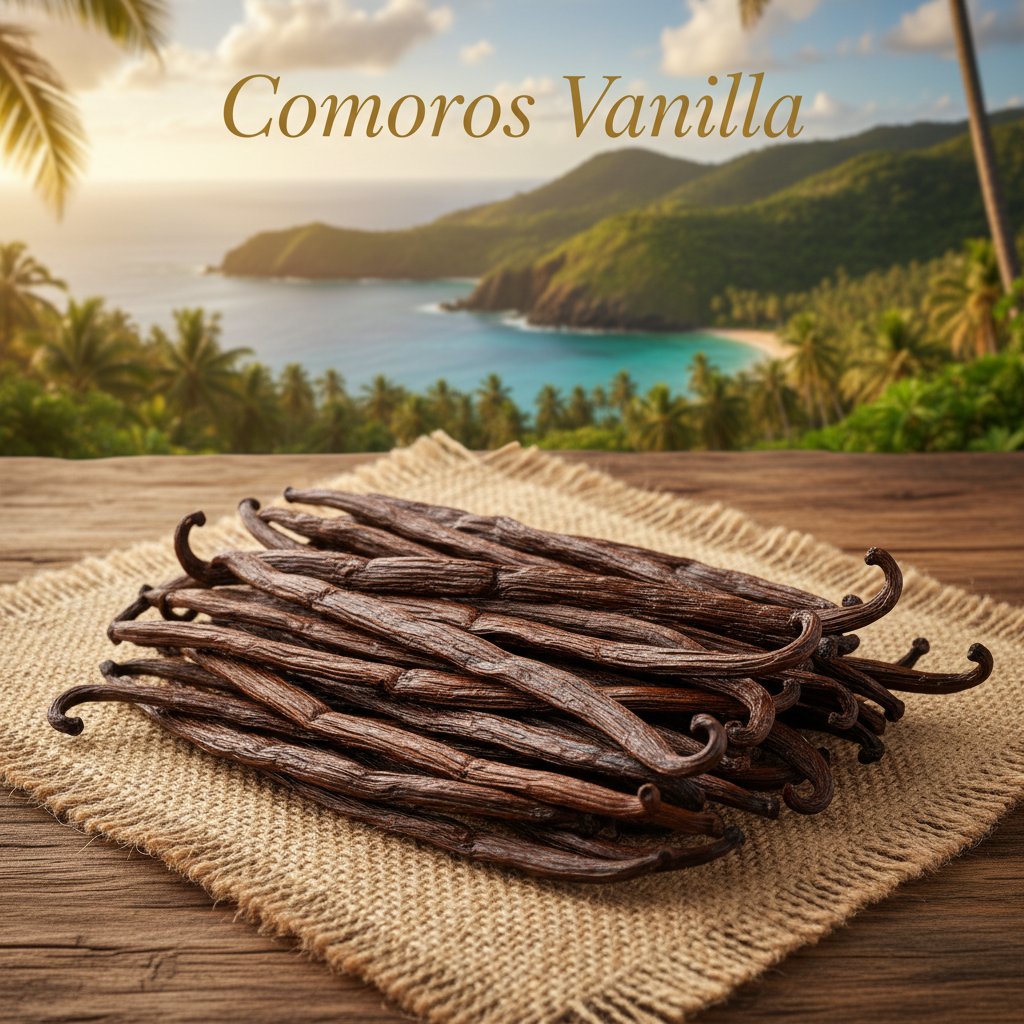

When most people think of vanilla, they picture the slender, dark pods of Vanilla planifolia — the workhorse of the vanilla world. But there's a second species that deserves far more attention: Vanilla pompona. Representing less than 1% of global vanilla production, V. pompona is extraordinarily rare, and the two most distinctive expressions of it — Mexican and Madagascar — offer a fascinating study in contrast.
They share a species name, but that's nearly where the similarities end.
Visual Differences: Short & Stout vs. Long & Lean
The first thing you'll notice when comparing these two pomponas side by side is their appearance.
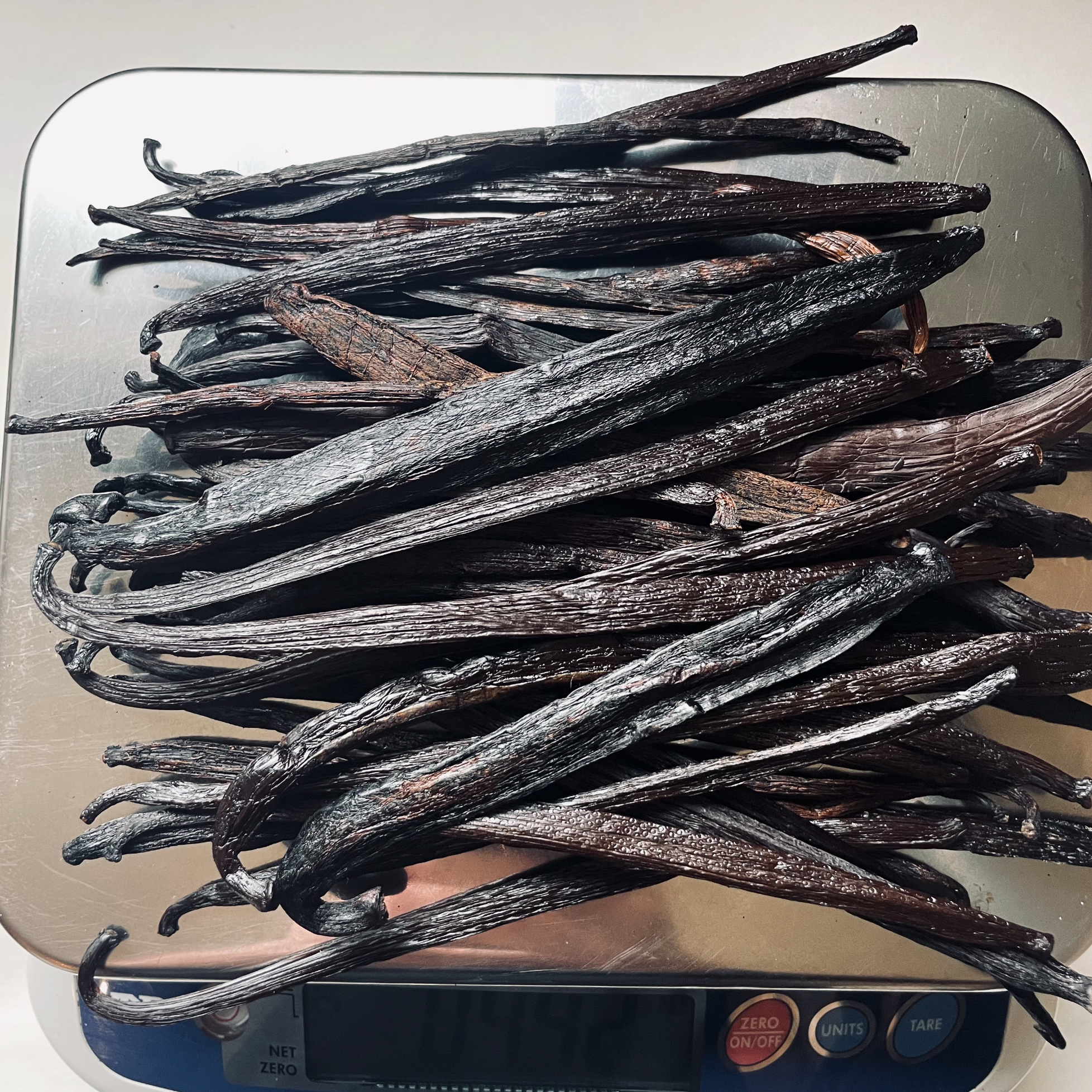
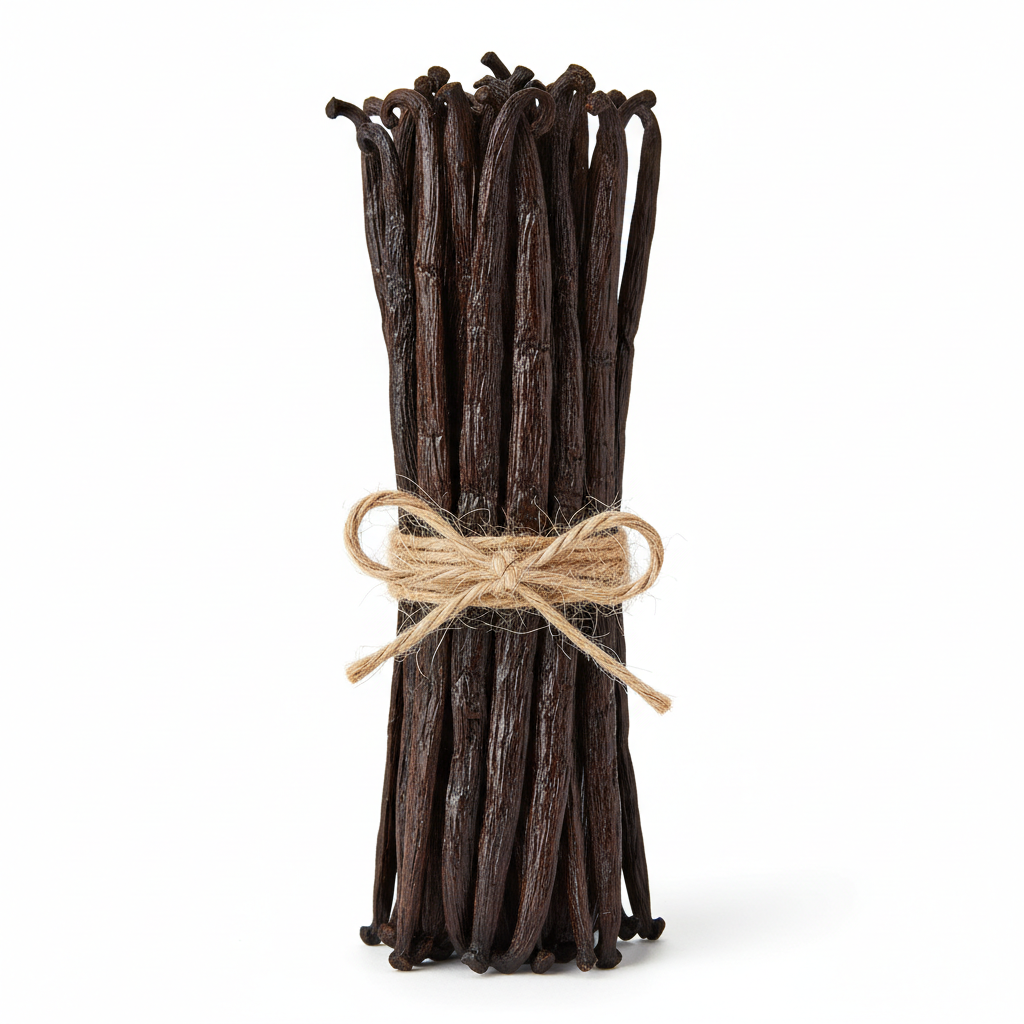
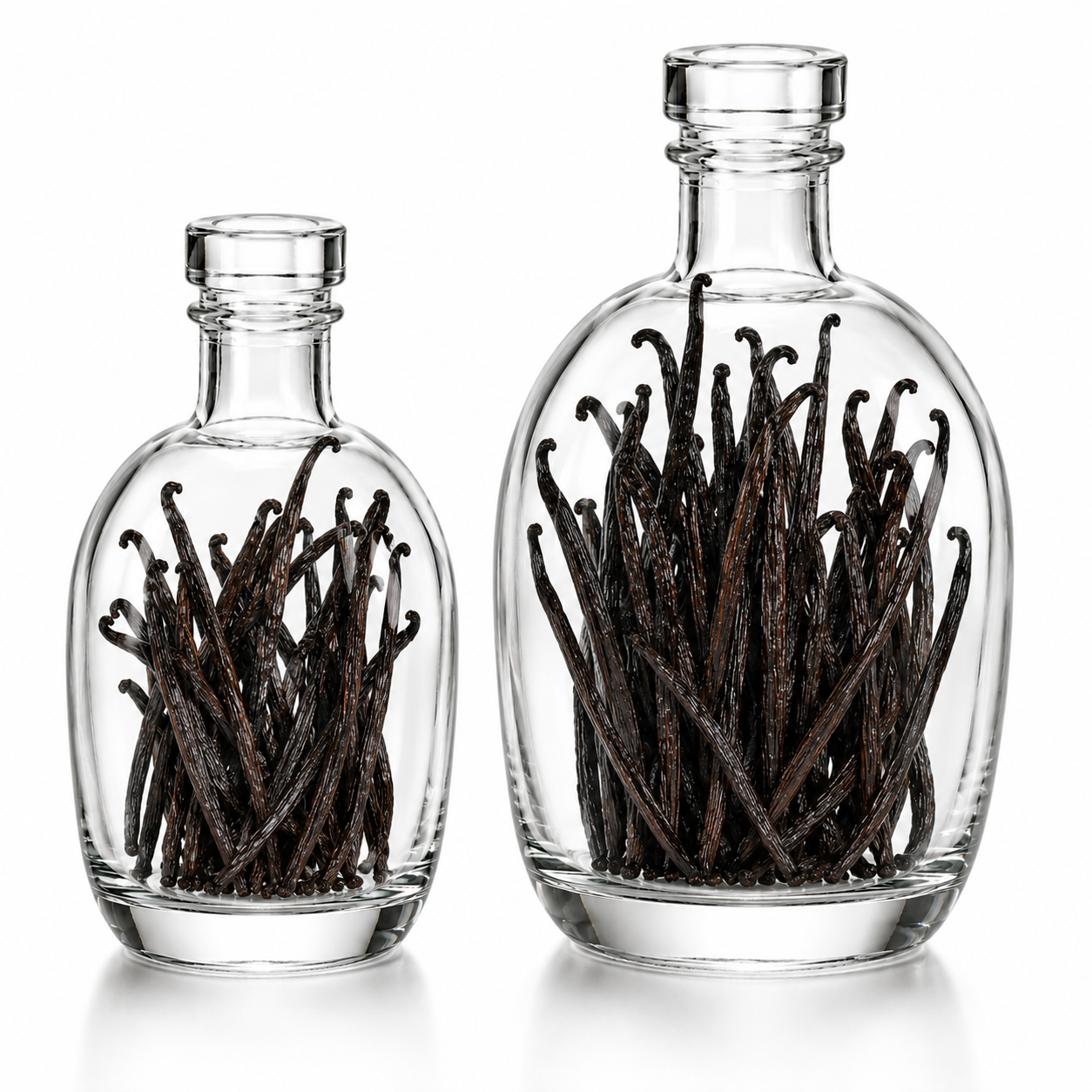
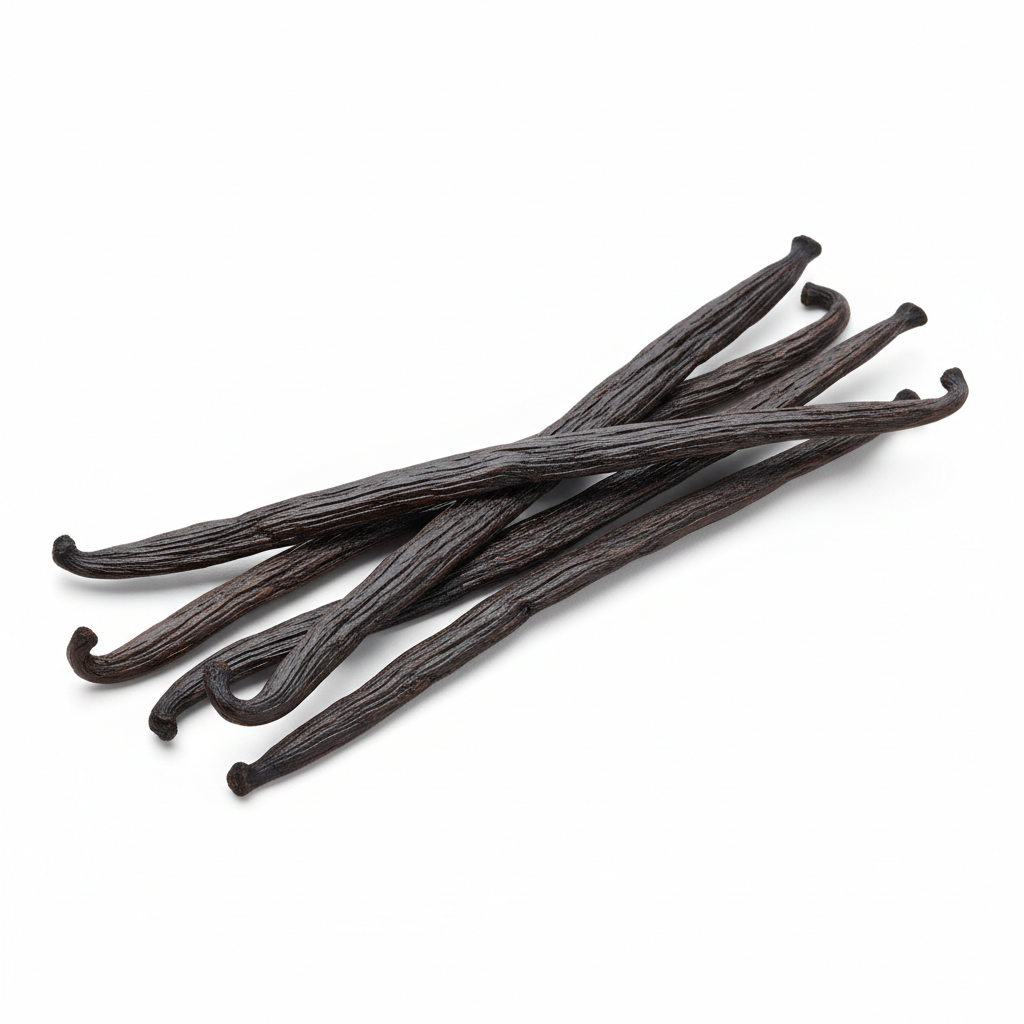
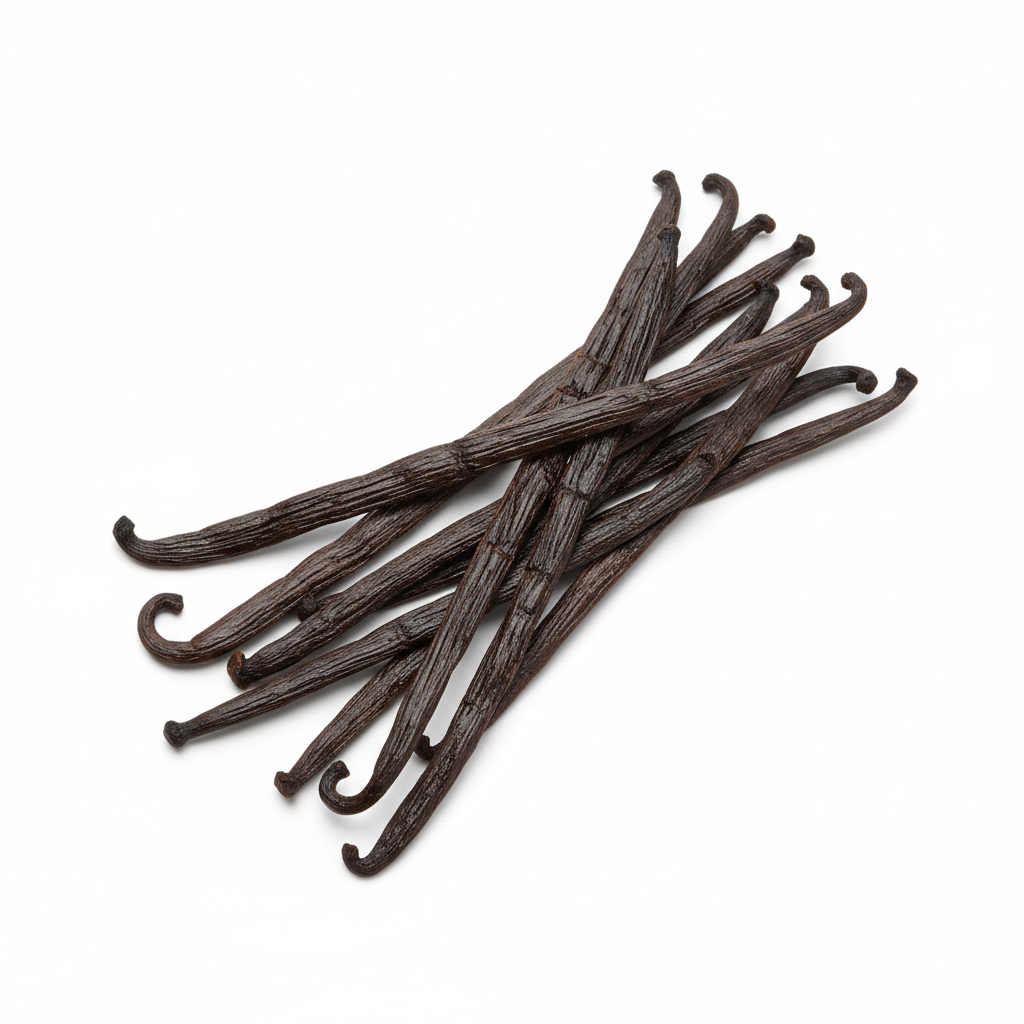
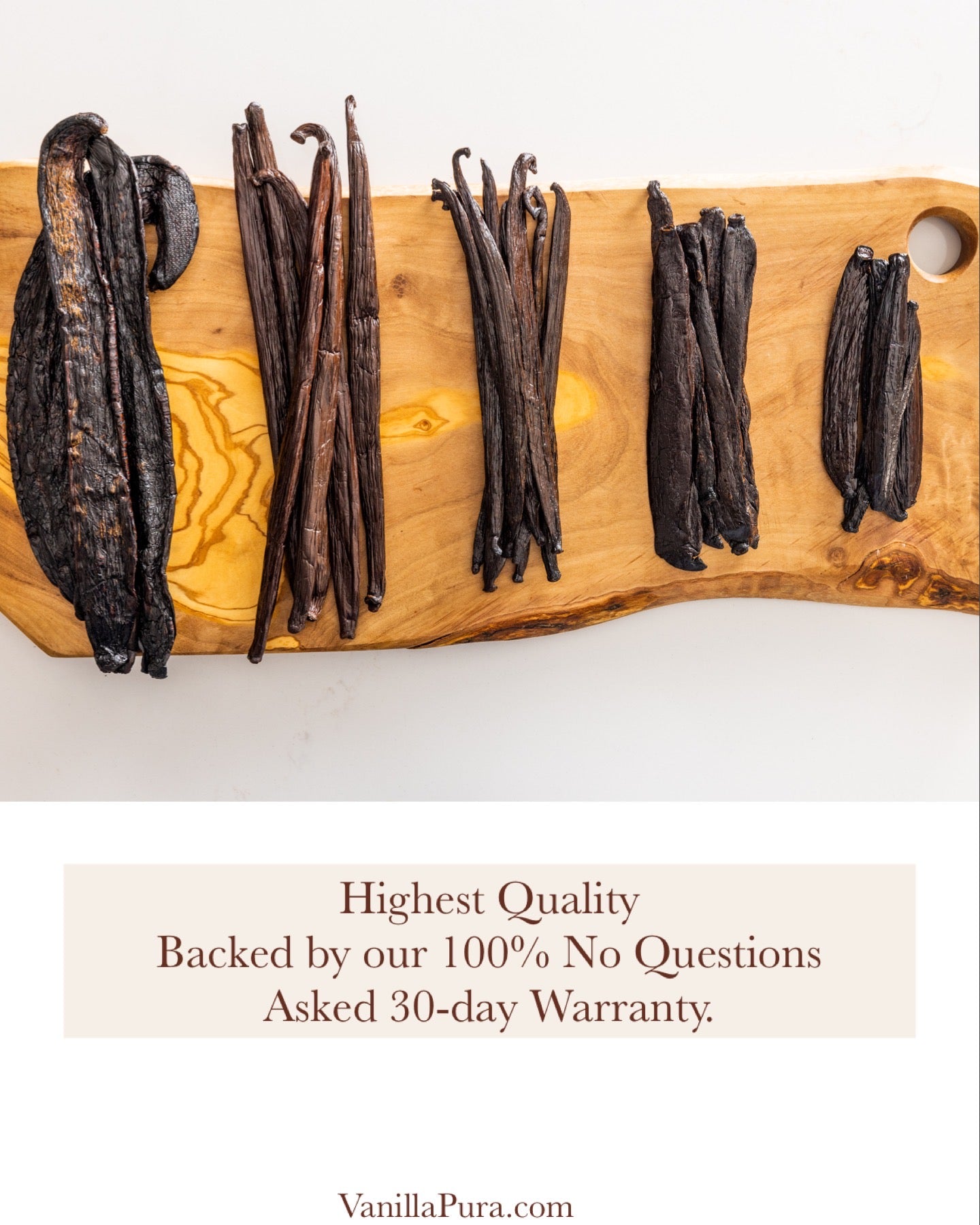
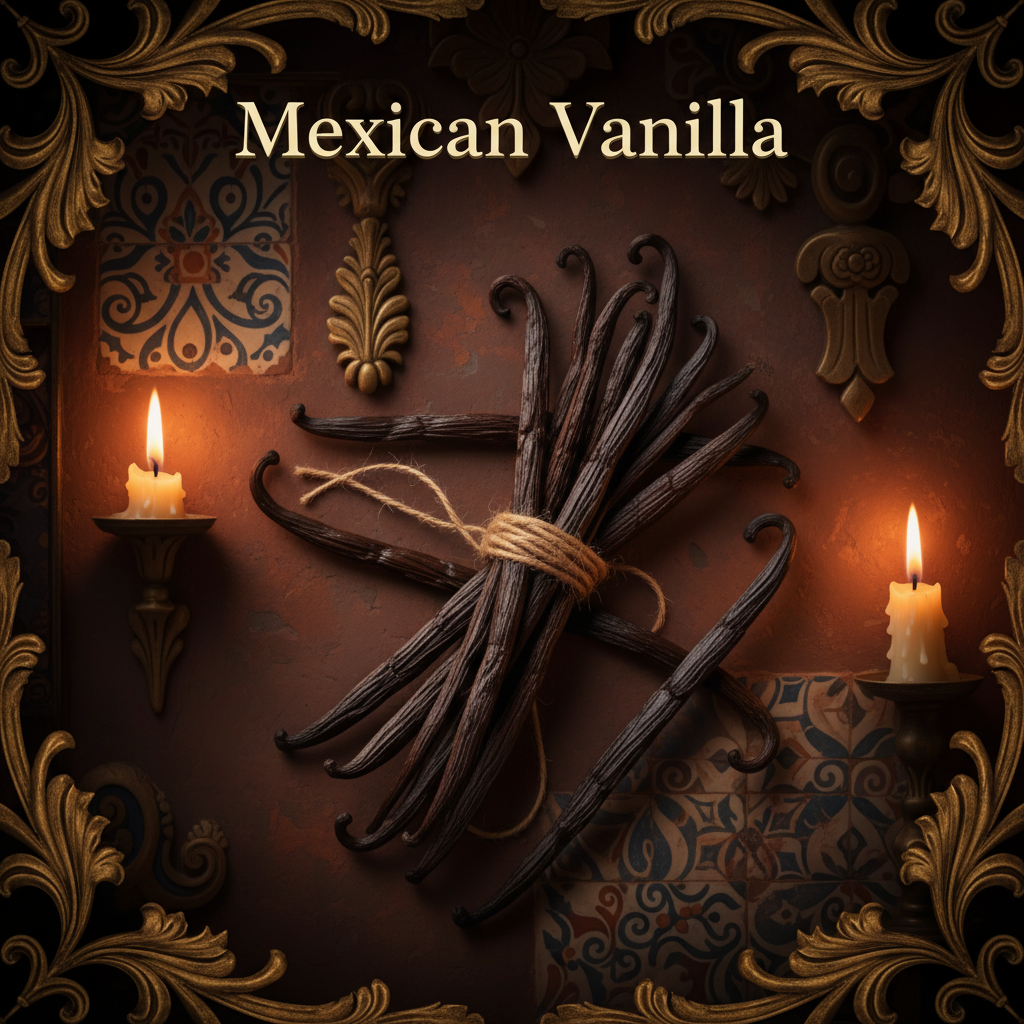
Mexican V. pompona — The Oaxaca is true to the pompona type: short, wide, and plump. At 4–5 inches long and yielding just 3–4 beans per ounce, these pods have a distinctly stocky silhouette. Their dark brown exterior and naturally bee-pollinated origin give them an ancient, almost prehistoric character — and rightly so, as V. pompona is believed to be among the world's first vanilla species.
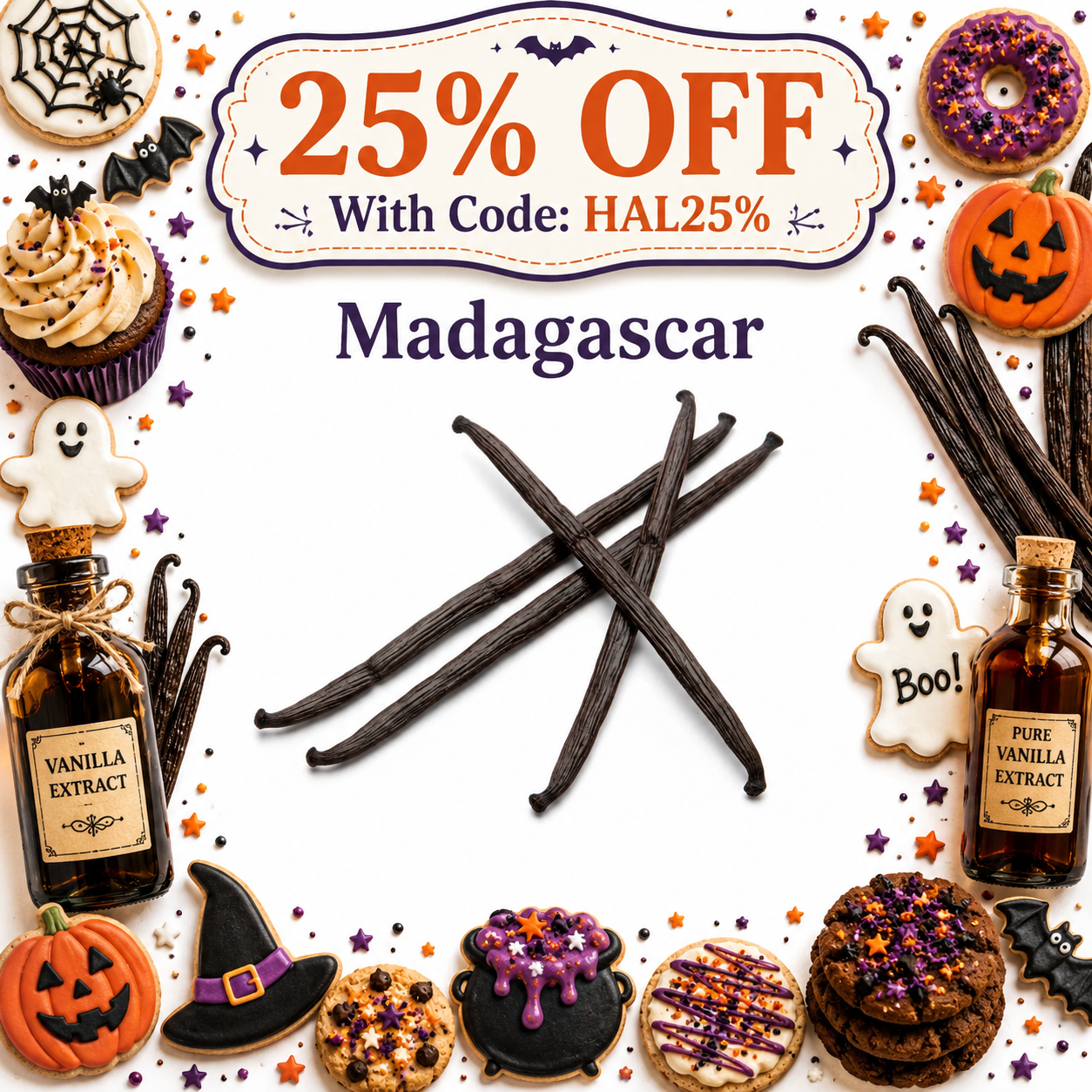
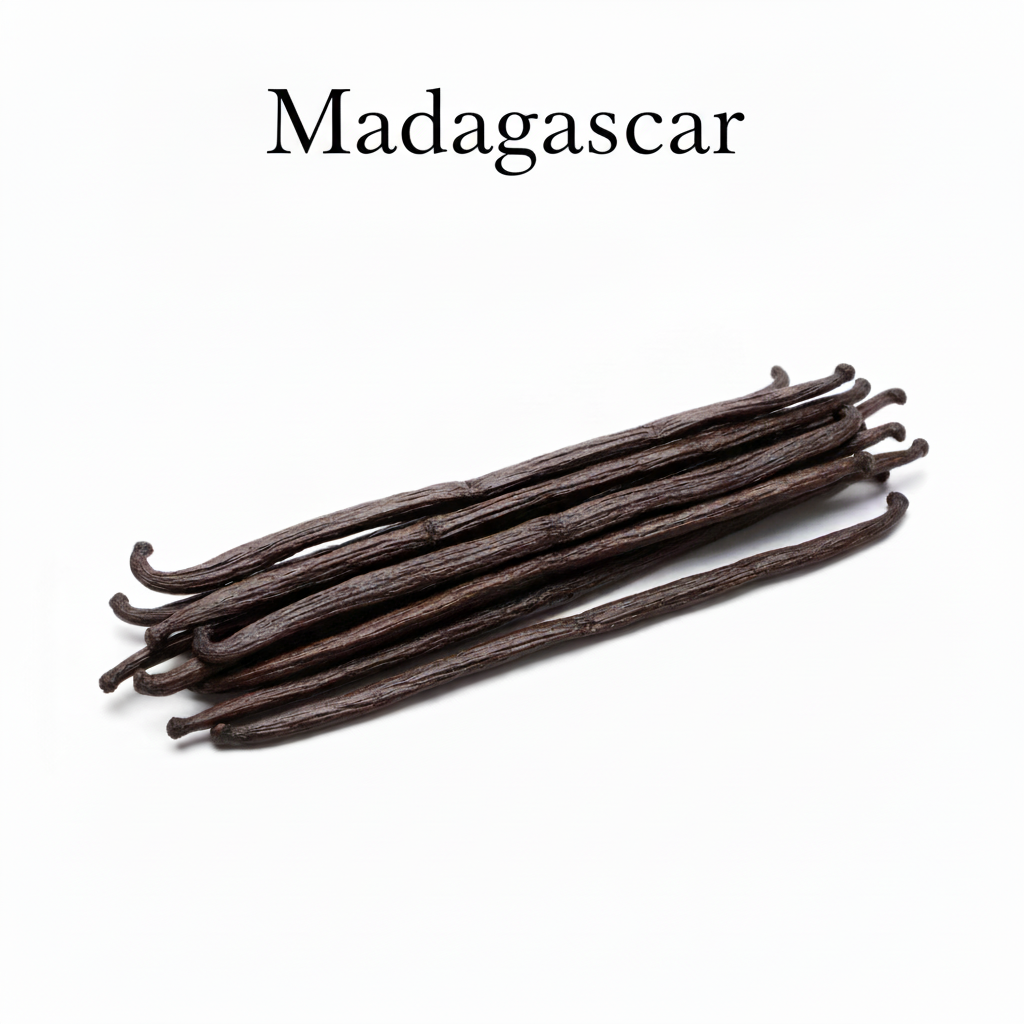
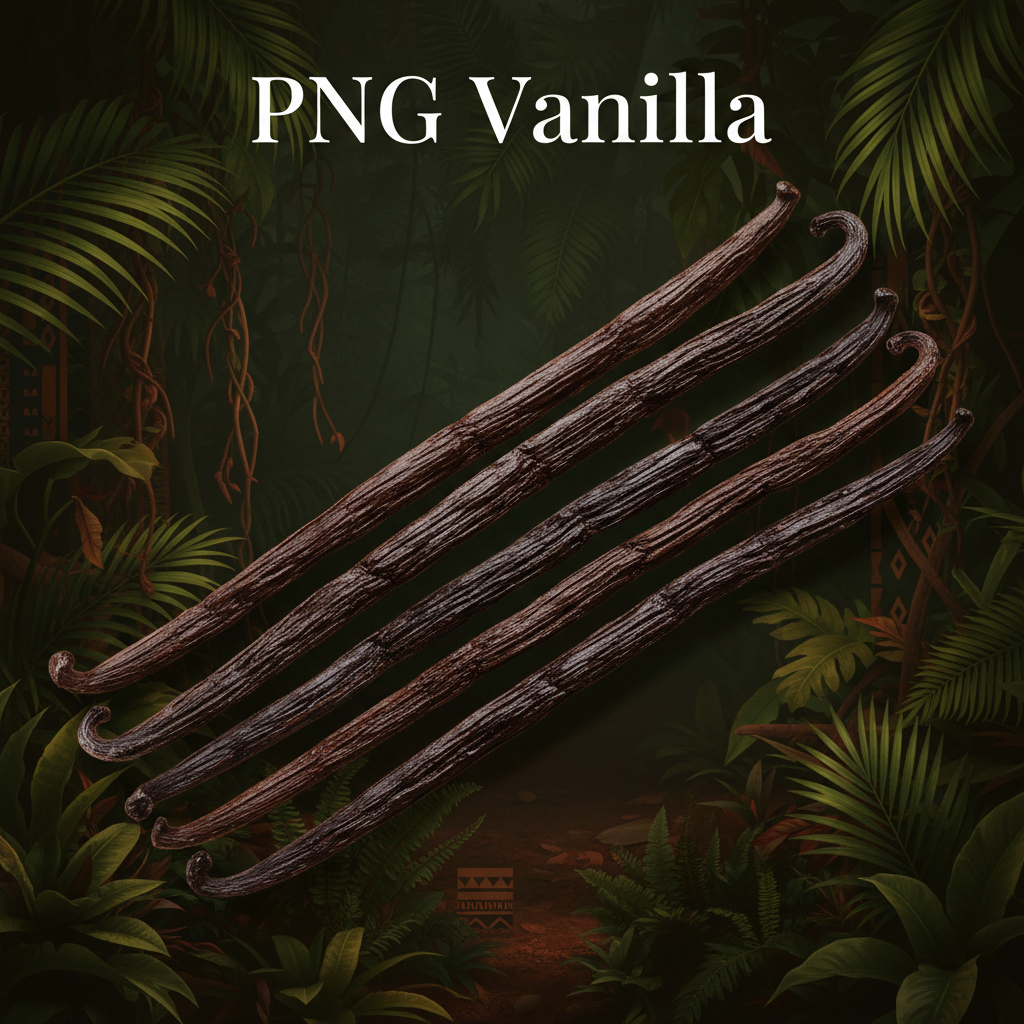
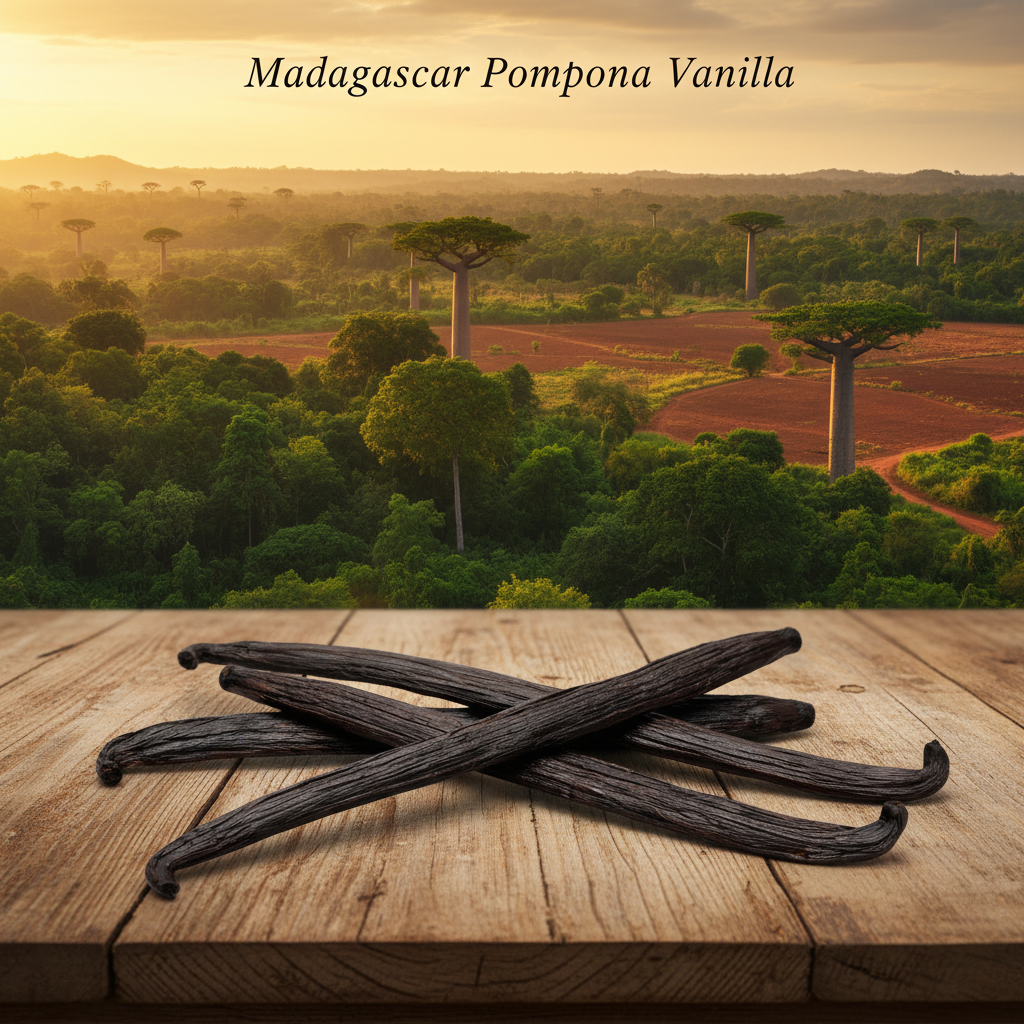
Madagascar V. pompona — The Ambilobe can be a bit of a visual surprise. Unlike the classic pompona shape, Madagascar pompona pods often grow long and lean — sometimes resembling a large V. planifolia, and occasionally rivaling the impressive size of a Peruvian pompona. If you didn't know what you were looking at, you might mistake it for a very large planifolia bean. Don't be fooled: the flavor tells a completely different story.
Flavor Profiles: Where They Truly Diverge
This is where the two pomponas go their separate ways entirely.
Mexican Pompona — The Oaxaca
The Oaxaca delivers a bold, dark, and richly complex vanilla. Its flavor profile is built around:
- Deep, dark vanilla as the foundation
- Rich caramel and vanilla spice
- Dried fruit, figs, and molasses undertones
- An earthy, robust character with strong aromatic presence
After extraction, the aroma is powerful — earthy and rich, with unmistakable undertones of molasses, figs, and dried fruit, and a lingering hint of vanilla spice. This is a bold, assertive extract that commands attention in whatever it's added to.
Madagascar Pompona — The Ambilobe
The Ambilobe takes a dramatically different direction. Where the Oaxaca is dark and earthy, the Ambilobe is bright, fruity, and tropical:
- A rich vanilla foundation with distinctive banana undertones
- Pronounced tropical fruit notes — banana forward, with broader tropical complexity
- Creamy, smooth complexity that sets it apart from any planifolia
- Sweet vanilla aroma with pronounced banana and tropical fruit on the nose
This is a genuinely unique flavor profile — there is nothing quite like it in the vanilla world. The banana note isn't subtle; it's a defining characteristic that makes the Ambilobe instantly recognizable and unlike any other vanilla you've worked with.
Spirit Pairings: Extracting the Best from Each
Because these two pomponas have such different flavor profiles, they respond best to different spirits. Choosing the right base alcohol isn't just a technicality — it's the difference between a good extract and an exceptional one.
Best Spirits for Mexican Pompona — The Oaxaca
The Oaxaca's bold, dark, molasses-driven profile pairs beautifully with spirits that have their own depth and character. The goal is to complement and amplify its richness:
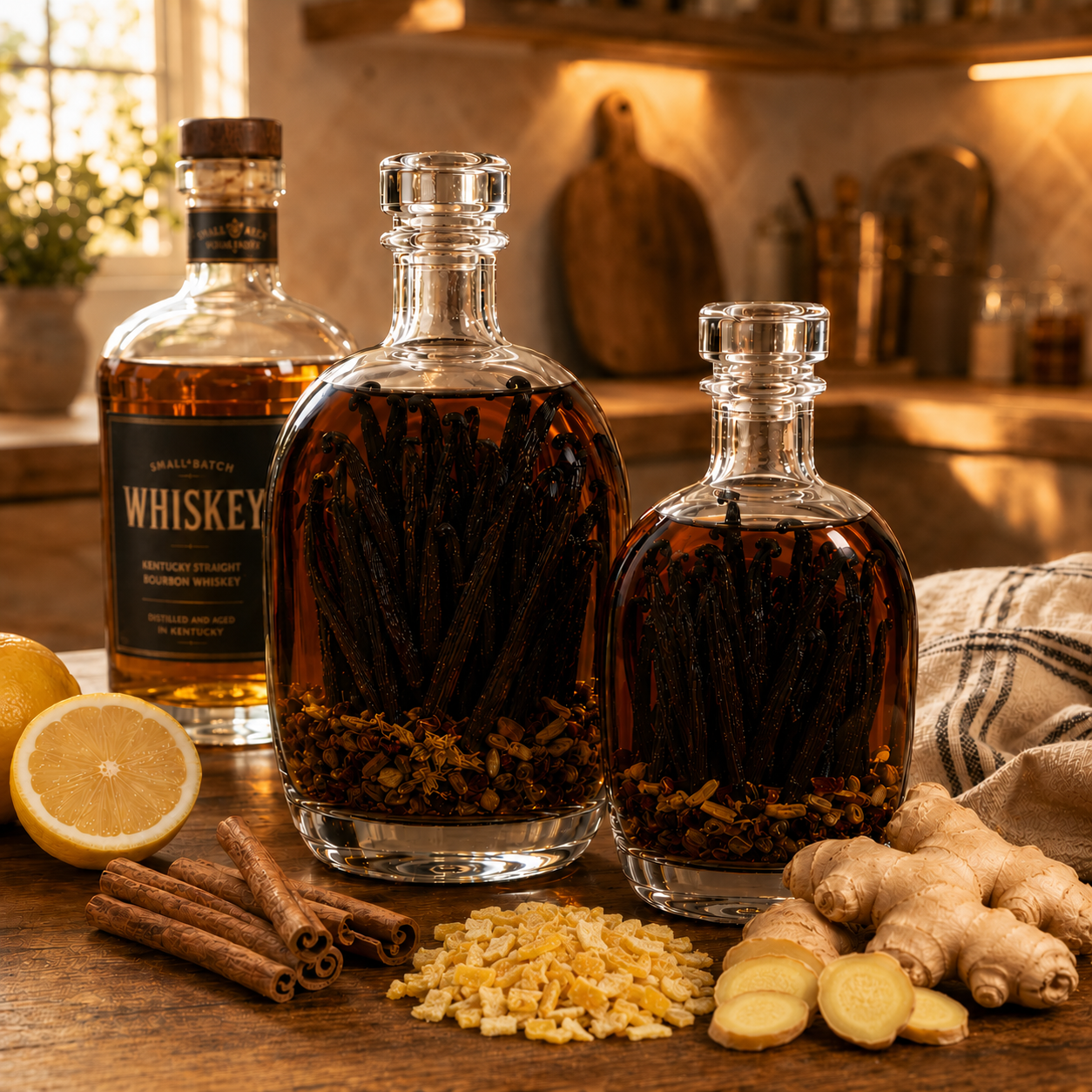
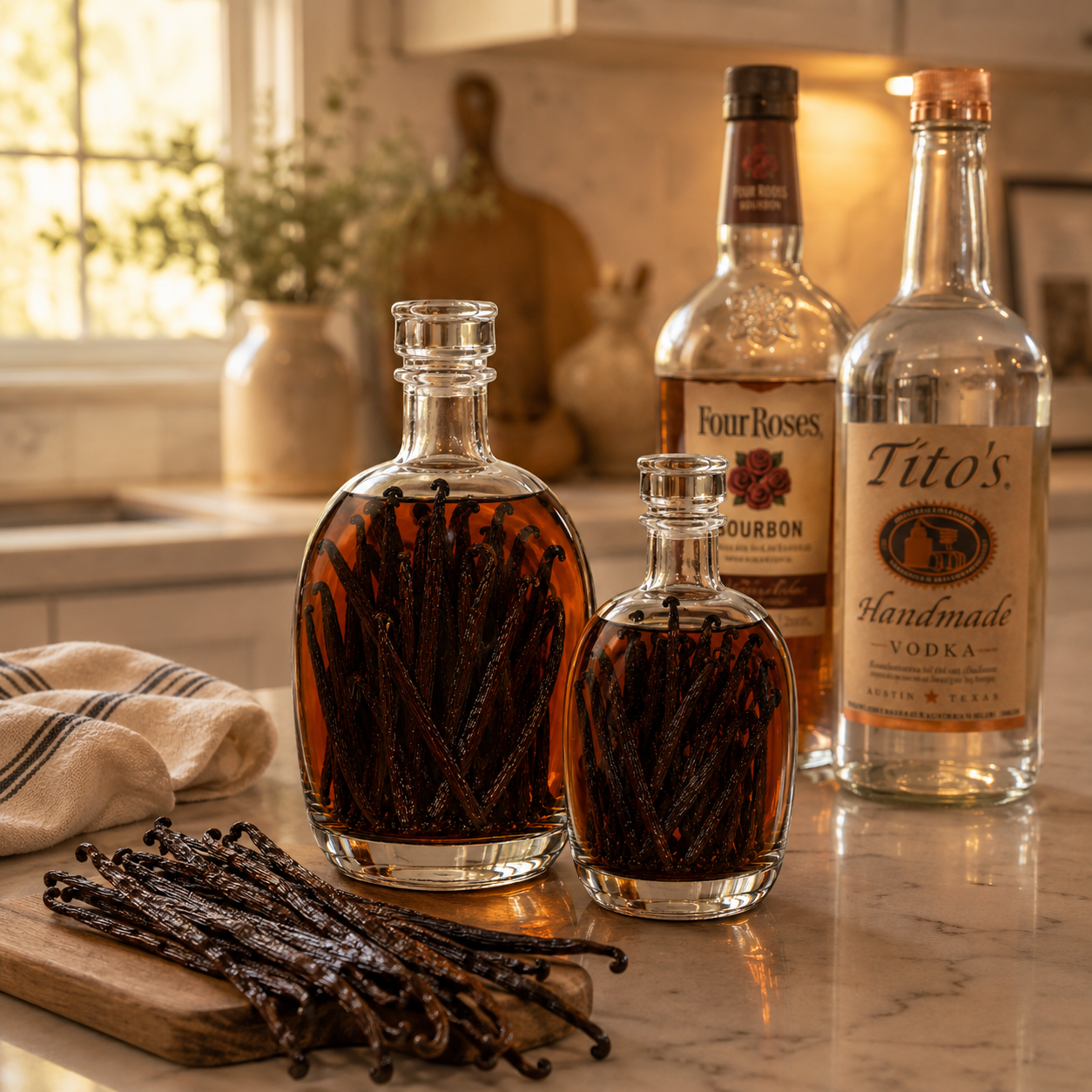
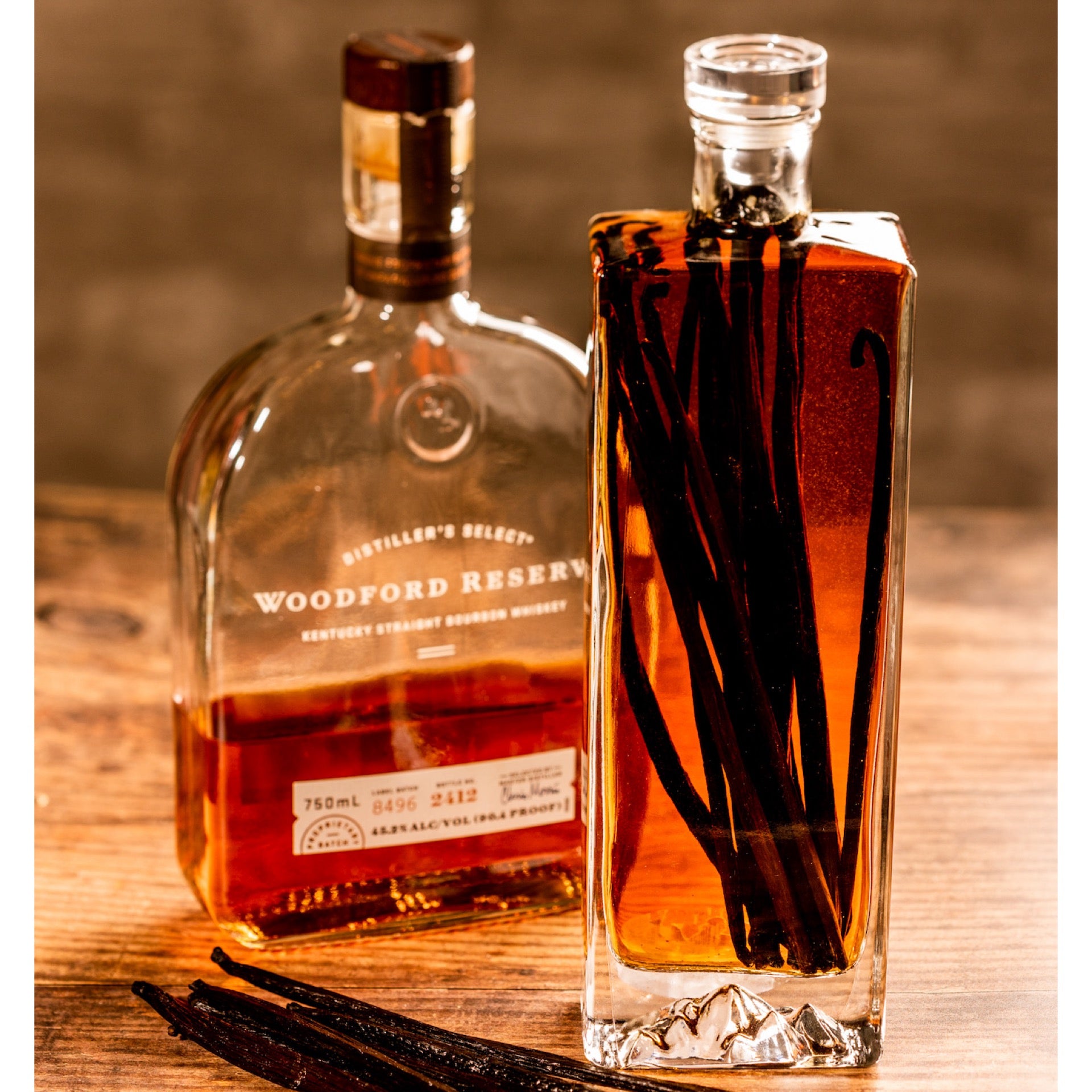
- Bourbon — The caramel and oak notes in bourbon are a natural match for the Oaxaca's caramel and vanilla spice profile. This is arguably the ideal pairing.
- Dark Rum — The molasses backbone of dark rum echoes the Oaxaca's own molasses and dried fruit notes, creating a deeply layered extract.
- Brandy or Cognac — The dried fruit complexity of brandy harmonizes with the fig and dried fruit notes in the Oaxaca for a sophisticated, nuanced result.
Light spirits like vodka will work, but they won't do the Oaxaca justice — this bean was made for dark spirits.
Best Spirits for Madagascar Pompona — The Ambilobe
The Ambilobe's tropical, banana-forward profile calls for spirits that won't overpower its delicate fruity complexity. You want a base that lets those distinctive notes shine:
- Bourbon — Works well here too, adding warmth and structure without masking the banana and tropical notes.
- Dark Rum — A particularly inspired pairing: dark rum's natural tropical and molasses character plays beautifully alongside the Ambilobe's banana and fruit notes, creating an almost dessert-like extract.
- Brandy or Cognac — The fruit-forward nature of brandy complements the tropical complexity of the Ambilobe without competing with it.
- Premium Vodka — If you want the Ambilobe's banana and tropical notes to be the undisputed star, a clean, neutral vodka lets every nuance come through with clarity.
Which One Is Right for You?
If you're drawn to bold, dark, earthy vanilla with rich caramel depth and a complex spice finish — the kind of extract that anchors a pumpkin pie or a molasses cookie — The Oaxaca Mexican Pompona is your bean.
If you're after something genuinely unlike anything else — a bright, tropical, banana-kissed vanilla that transforms banana bread, tropical desserts, and dark rum extracts into something extraordinary — The Ambilobe Madagascar Pompona is a must-try.
Both are exceptionally rare. Both are Grade A. And both represent the extraordinary range that a single vanilla species can express across different growing regions and terroirs.
Shop both pomponas:
- The Oaxaca — Mexican V. pompona Vanilla Beans (Grade A)
- The Ambilobe — Madagascar V. pompona Vanilla Beans (Grade A)
Ready to Make Your Own Vanilla Extract?
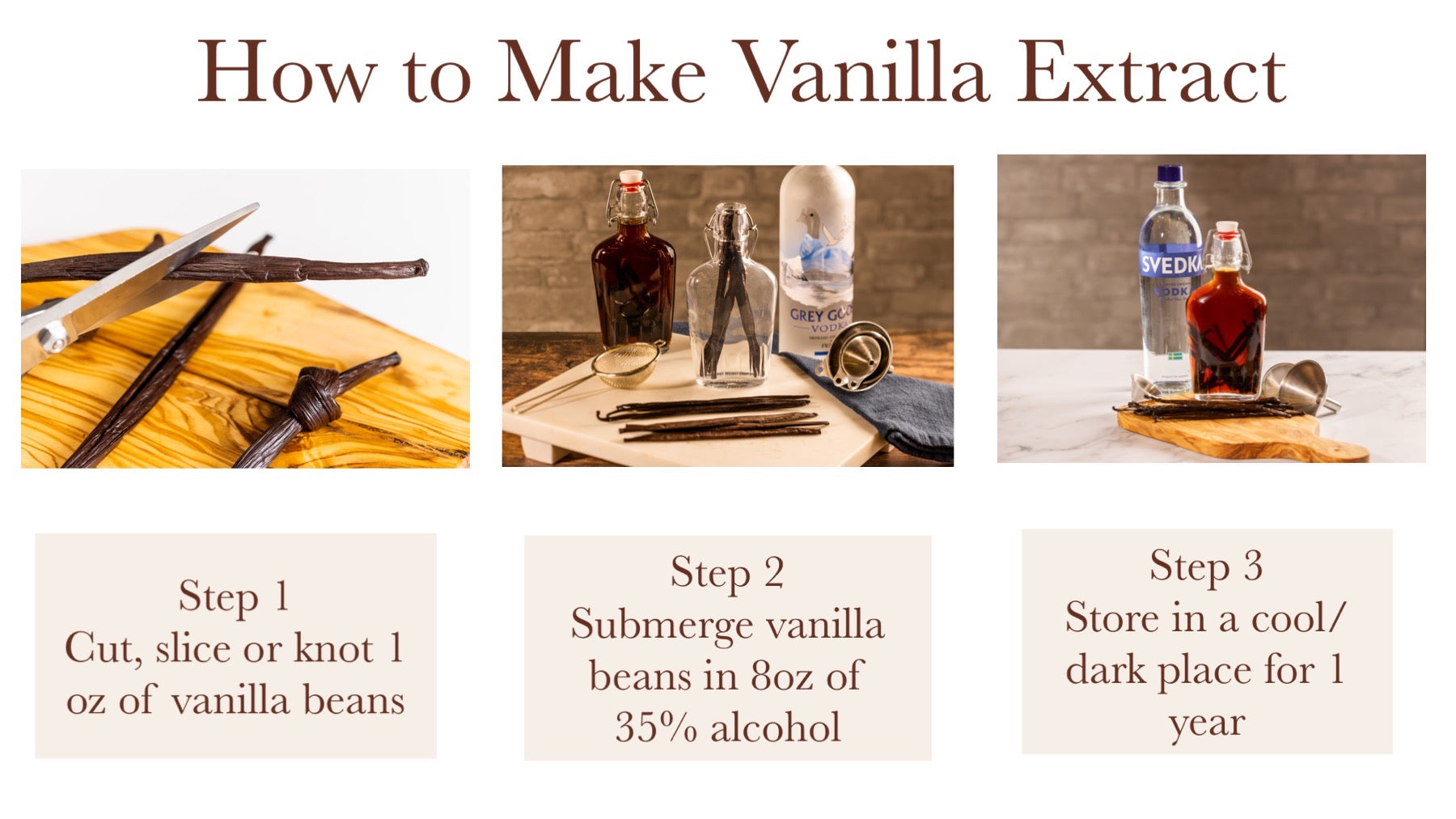
If this article has you thinking about making your own extract with V. pompona beans, we've put together a complete library of how-to guides to walk you through every step — from choosing your beans and spirit to bottling and aging your finished extract.
Browse the VanillaPura Vanilla Extract Making How-To Guides →