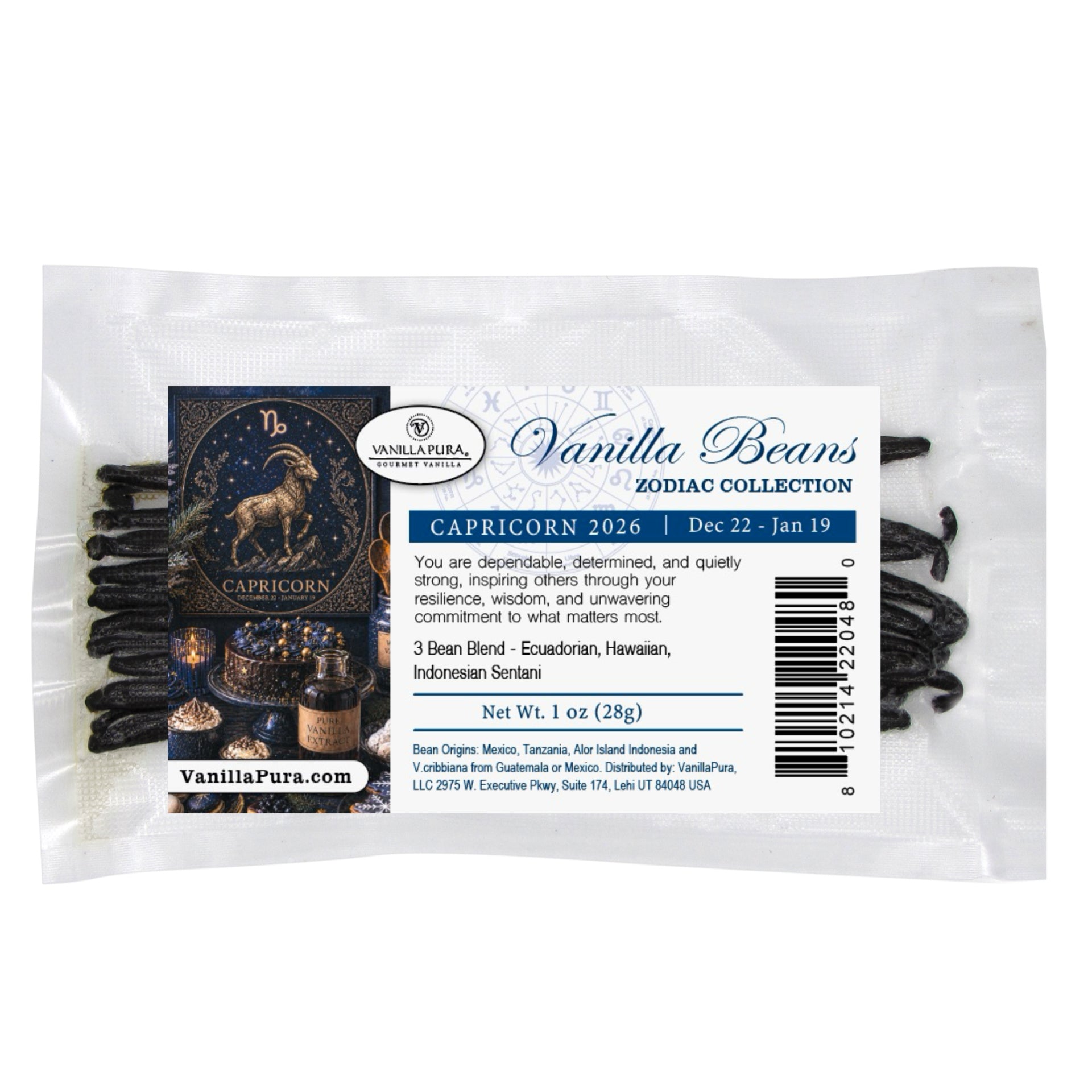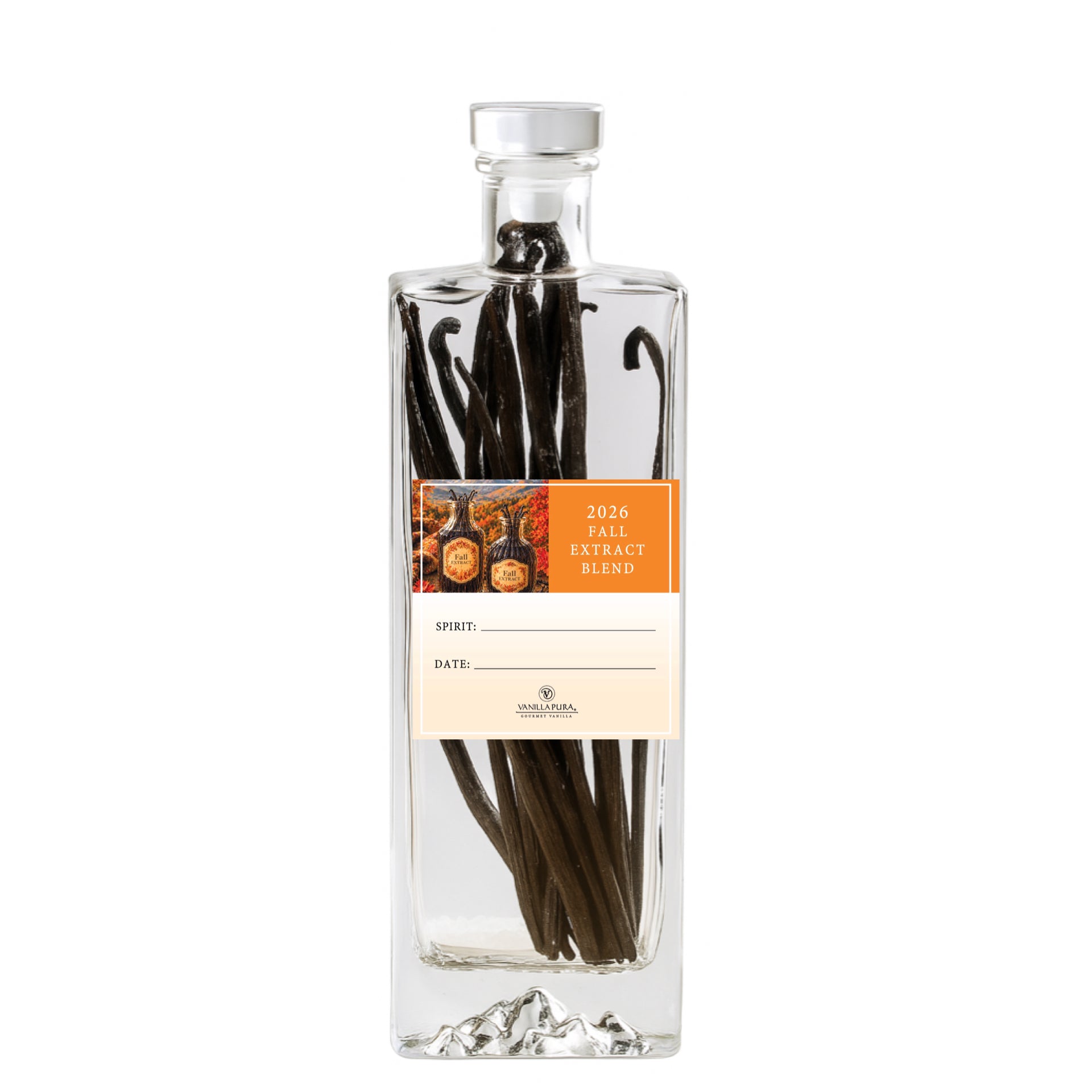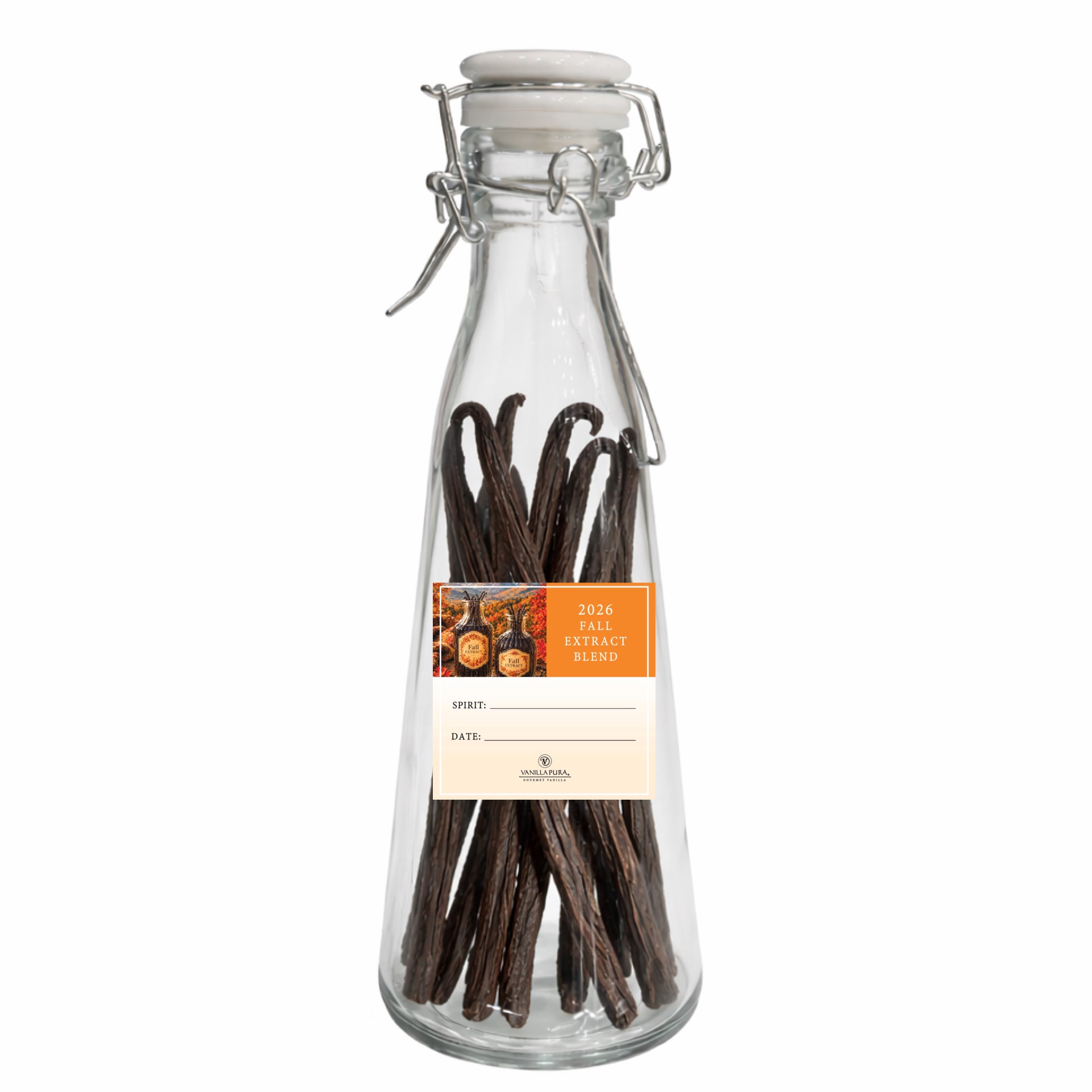

If you've ever noticed tiny, white, frost-like crystals on your vanilla beans and wondered if something was wrong—rest assured, you've actually discovered one of the most prized indicators of exceptional vanilla quality. These delicate crystals are vanillin, and they're the ultimate sign of curing perfection.
What Are Vanillin Crystals?
Vanillin crystals, sometimes called "givre" (French for "frost") or "vanilla frost," are naturally occurring crystalline formations of vanillin—the primary flavor compound that gives vanilla its signature aroma and taste. These sparkling deposits appear on the surface of premium vanilla beans as a result of meticulous curing and aging processes.
When you see these white, needle-like crystals glistening on your beans, you're witnessing pure vanillin that has migrated to the surface and crystallized. This is a natural phenomenon that occurs only in beans with high vanillin content that have been properly cured and aged.
Why Vanillin Crystals Form
The formation of vanillin crystals is the result of several factors coming together:
- Superior curing: The beans have undergone a slow, careful curing process that allows vanillin to develop and concentrate
- Proper aging: Extended aging periods allow vanillin molecules to migrate through the bean's cellular structure
- Optimal moisture levels: The right balance of moisture content enables crystallization without compromising the bean
- High vanillin content: Only beans with naturally elevated vanillin levels will produce visible crystals
- Temperature fluctuations: Gentle temperature changes during storage can encourage crystal formation
Not Mold: How to Tell the Difference
It's crucial to distinguish vanillin crystals from mold, as they can initially appear similar to the untrained eye. Here's how to identify genuine vanillin crystals:
Vanillin Crystals:
- Appear as white, sparkling, frost-like formations
- Have a crystalline, geometric structure when viewed closely
- Are odorless or smell pleasantly of vanilla
- Feel dry and slightly gritty to the touch
- Can be wiped away easily and may reappear over time
- Typically appear on well-cured, oily, pliable beans
Mold:
- Appears fuzzy, powdery, or has irregular patches
- May be white, green, blue, or gray in color
- Has a musty, unpleasant odor
- Feels soft or damp
- Spreads and grows over time
- Often appears on beans that are improperly stored
A Mark of Premium Quality
In the vanilla industry, vanillin crystals are considered a hallmark of excellence. They indicate:
- Expert curing: The beans have been handled by skilled curers who understand the delicate balance required
- Patience: Proper aging takes months, and crystals often appear on beans that have been aged longer than standard commercial beans
- High flavor potential: Beans with visible crystals typically have robust, complex flavor profiles
- Artisanal quality: Mass-produced beans rarely develop crystals due to rushed curing processes
What to Do When You See Crystals
When you receive vanilla beans with vanillin crystals, celebrate! You have exceptional beans. Here's how to handle them:
- Don't remove them: The crystals are pure flavor and can be used along with the bean
- Use as normal: Split, scrape, and use the beans in your recipes—the crystals will dissolve in your extract or preparation
- Store properly: Keep beans in an airtight container in a cool, dark place to preserve quality
- Appreciate the quality: Know that you're working with some of the finest vanilla available
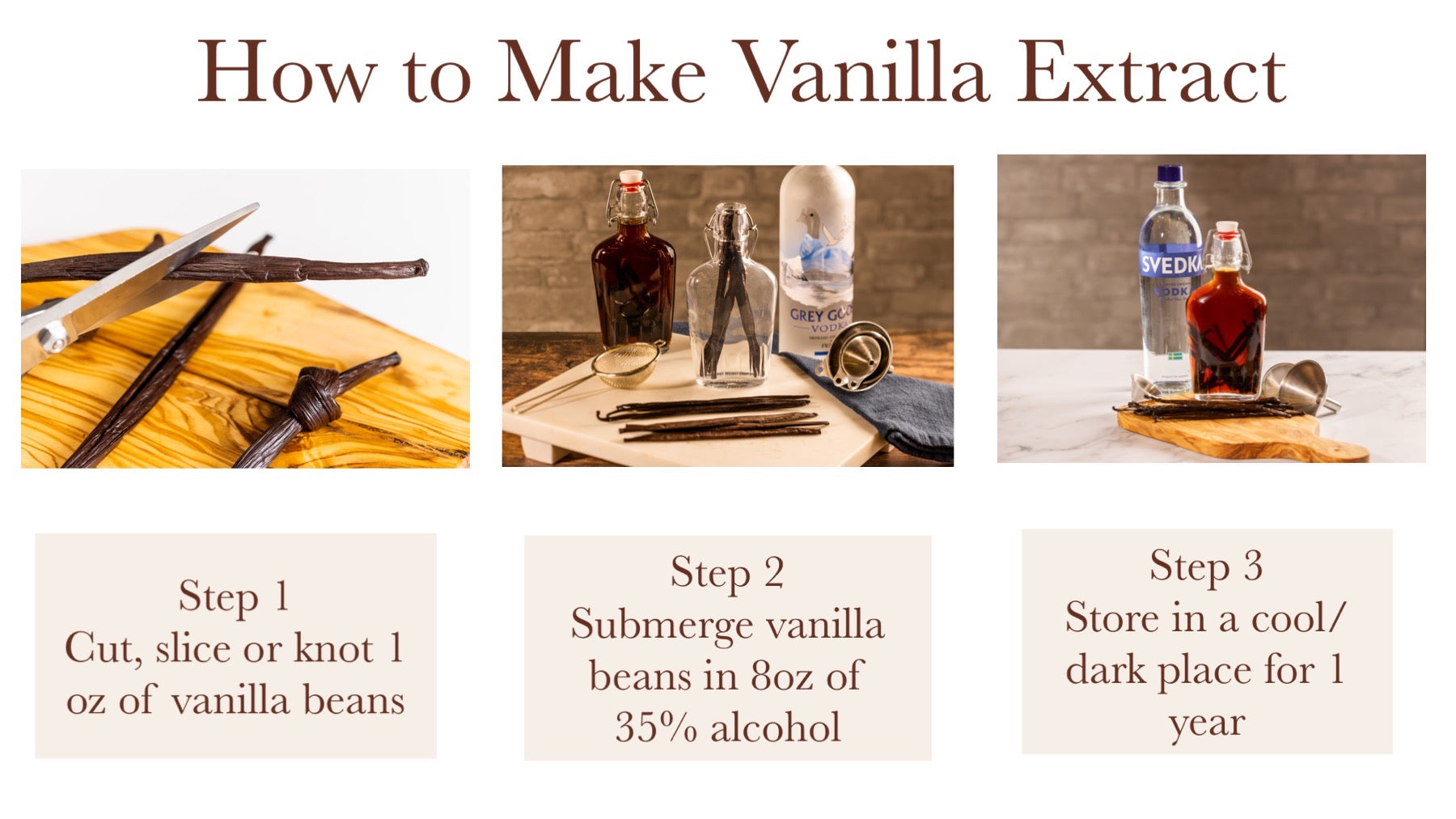
Vanillin Crystals in Extract Making
For extract makers, beans with vanillin crystals are particularly prized. The high vanillin content means:
- Faster extraction times
- More robust flavor development
- Higher concentration of desirable compounds
- Superior finished extract quality
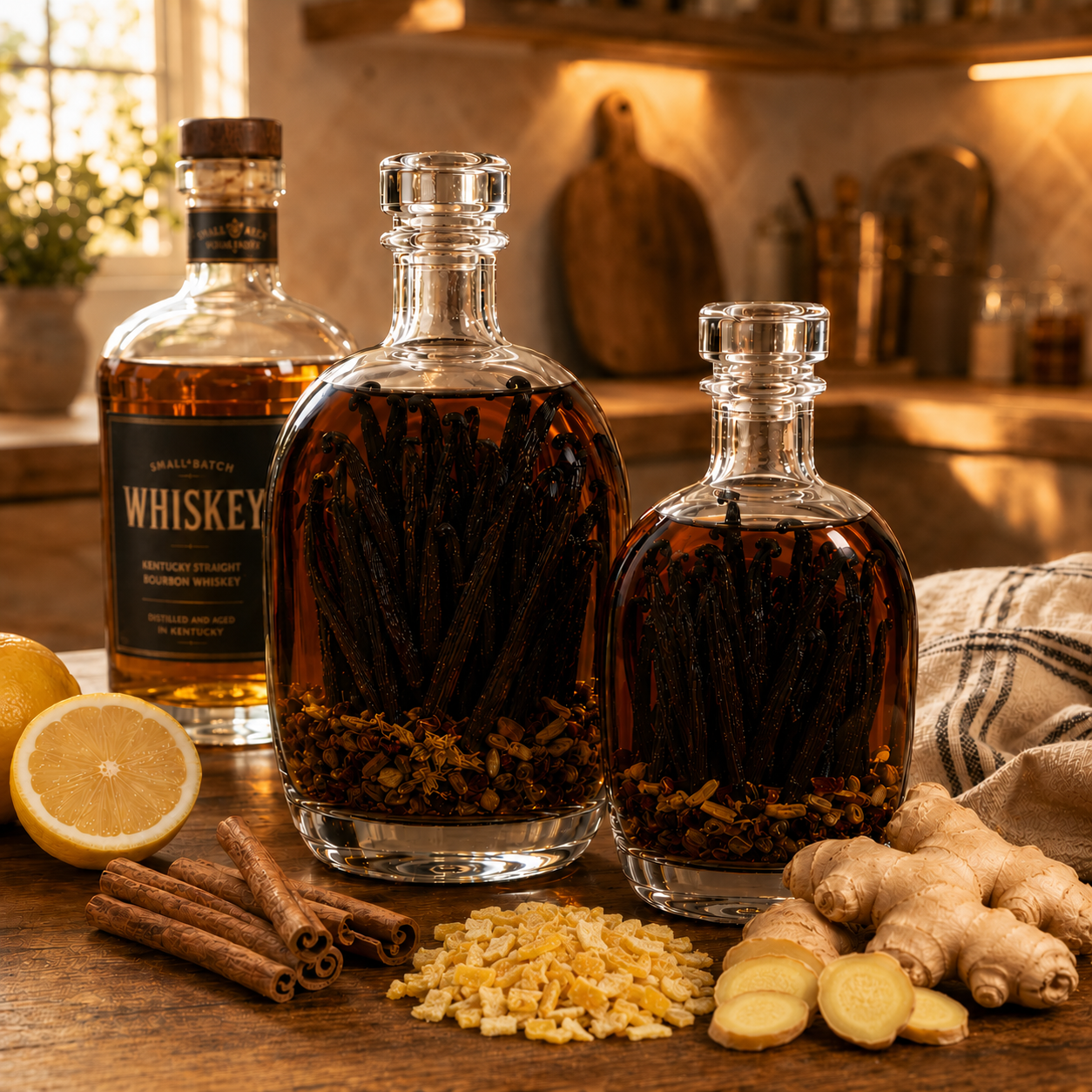
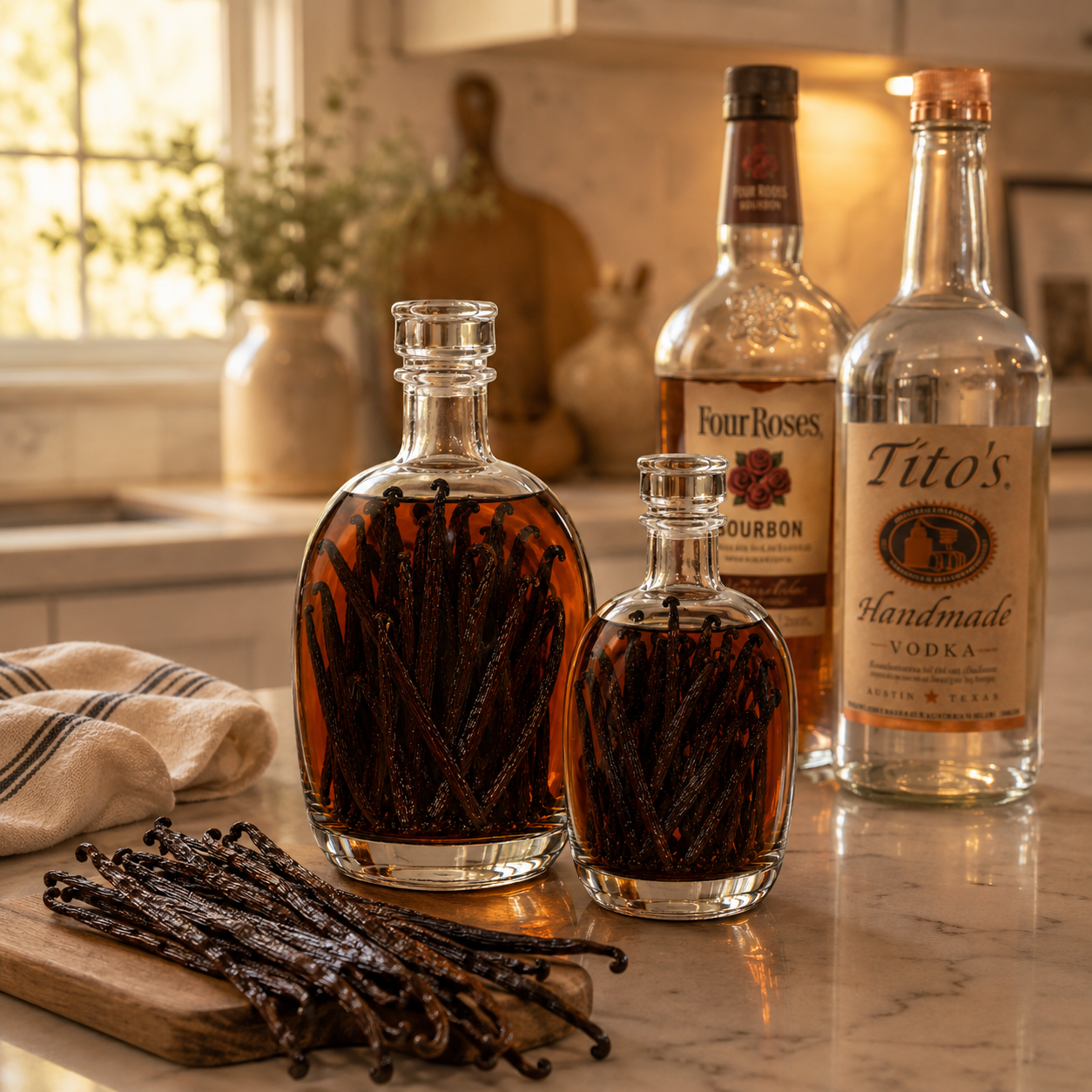
When you add crystallized beans to your alcohol, those crystals dissolve readily, contributing immediately to your extract's flavor profile.
The Bottom Line
Vanillin crystals are nature's way of showing you that your vanilla beans are exceptional. They're the result of careful cultivation, expert curing, and patient aging—a trifecta of quality that produces vanilla at its finest. Far from being a defect, these sparkling formations are a badge of honor, indicating that you're working with beans that have been treated with the care and respect they deserve.
The next time you unwrap your vanilla beans and see that telltale frost, smile. You're holding curing perfection in your hands.