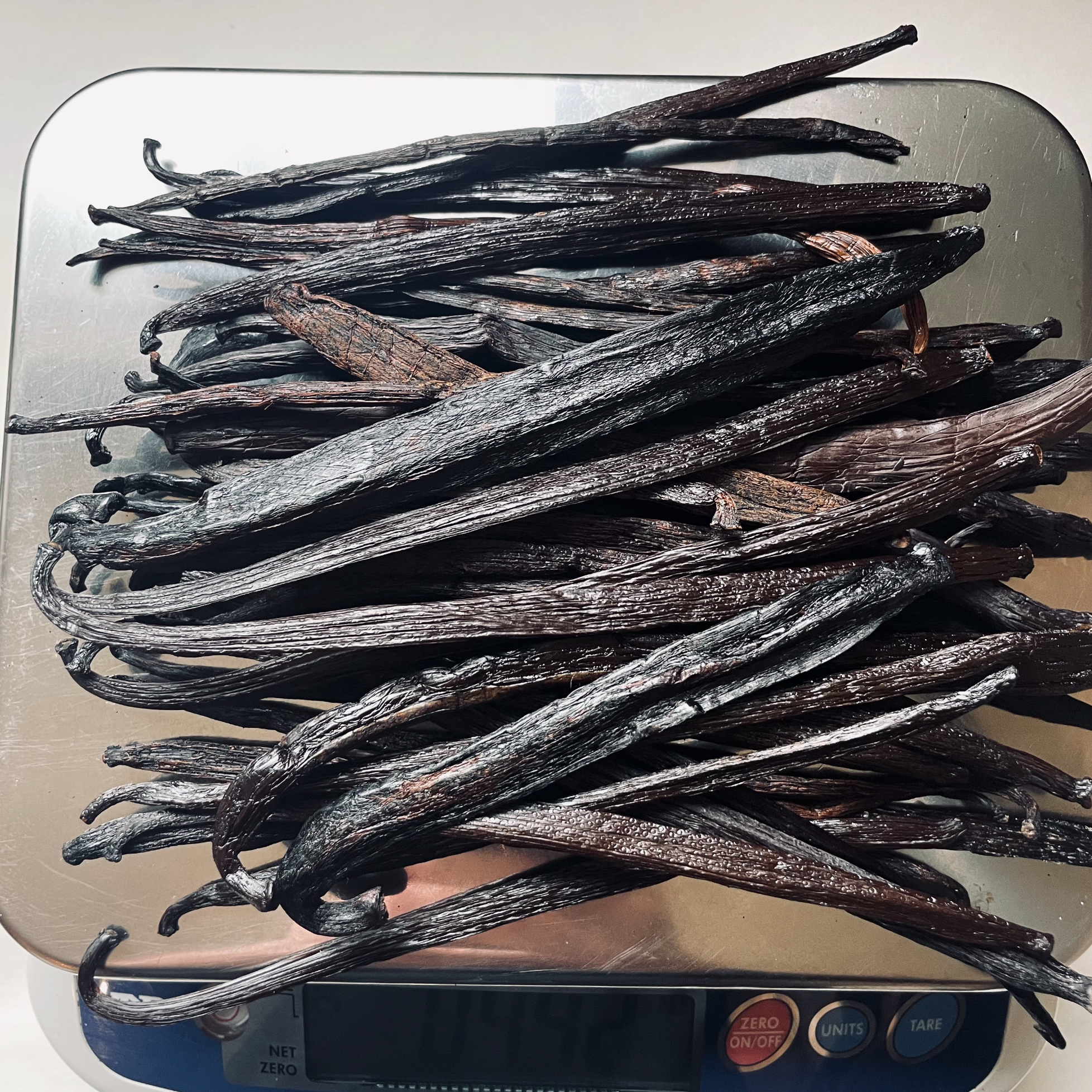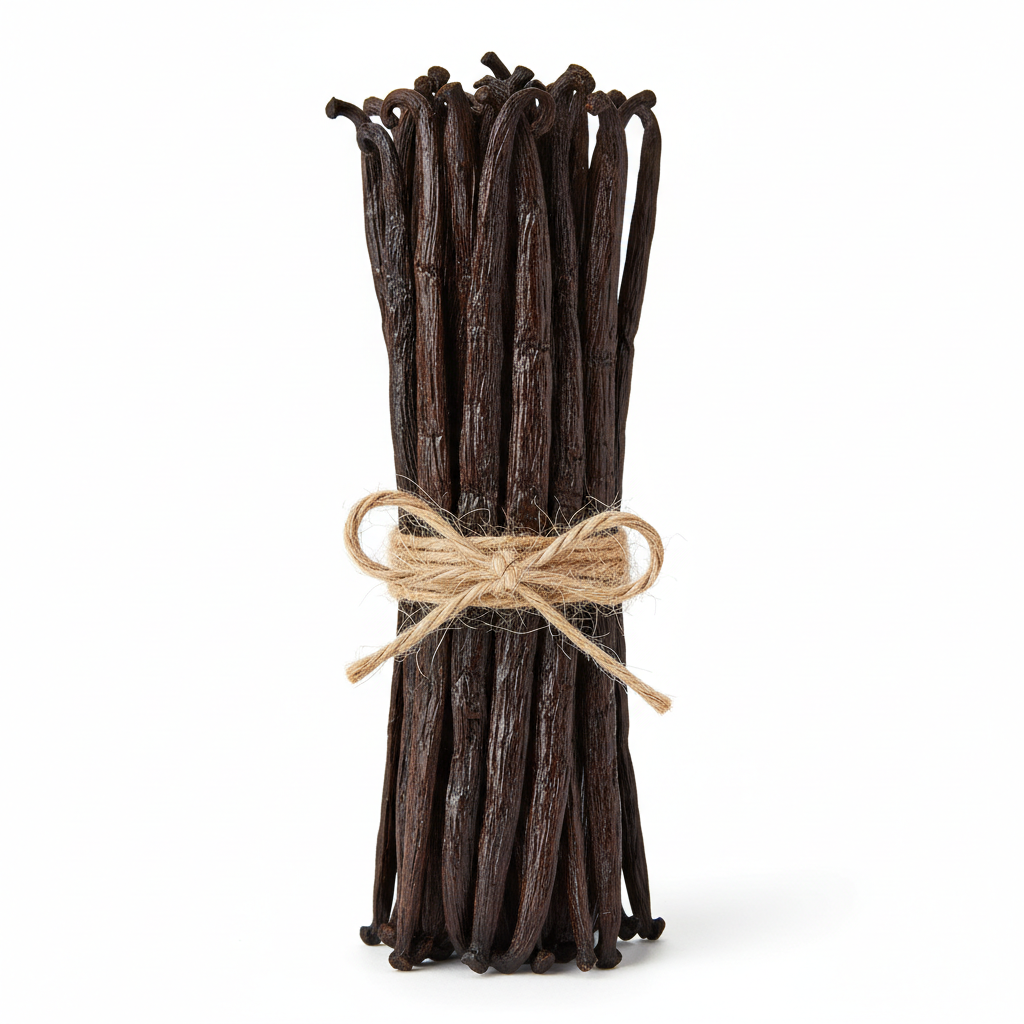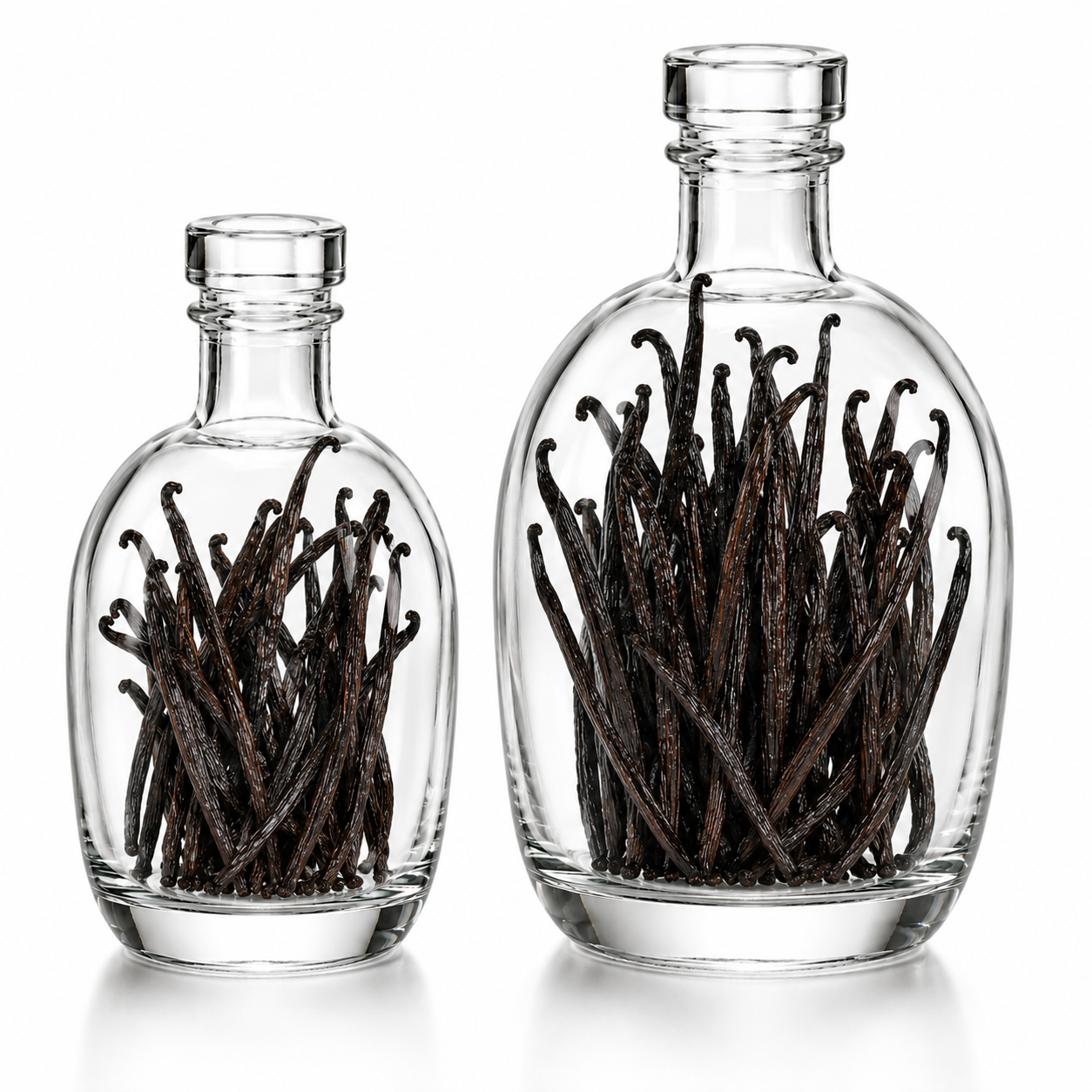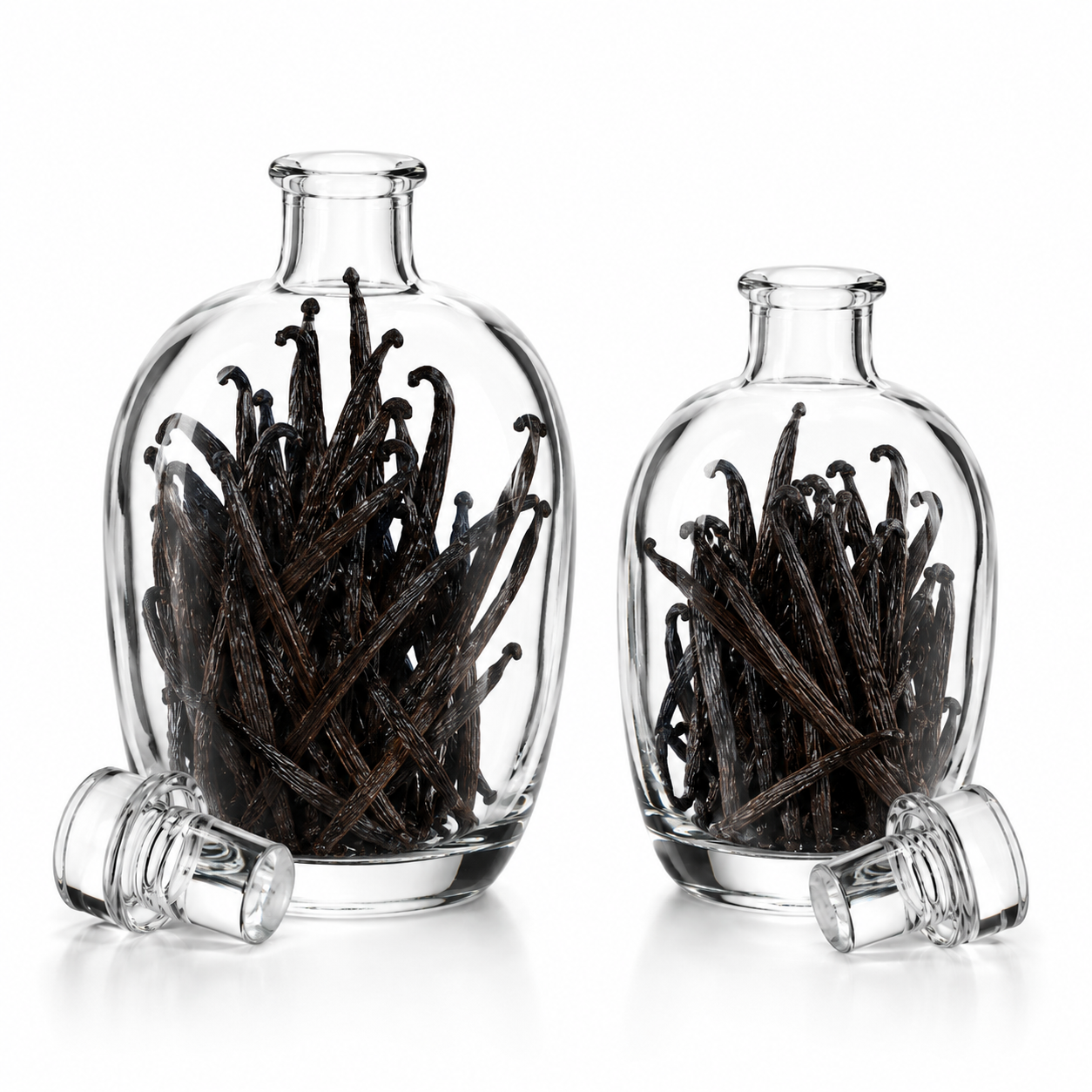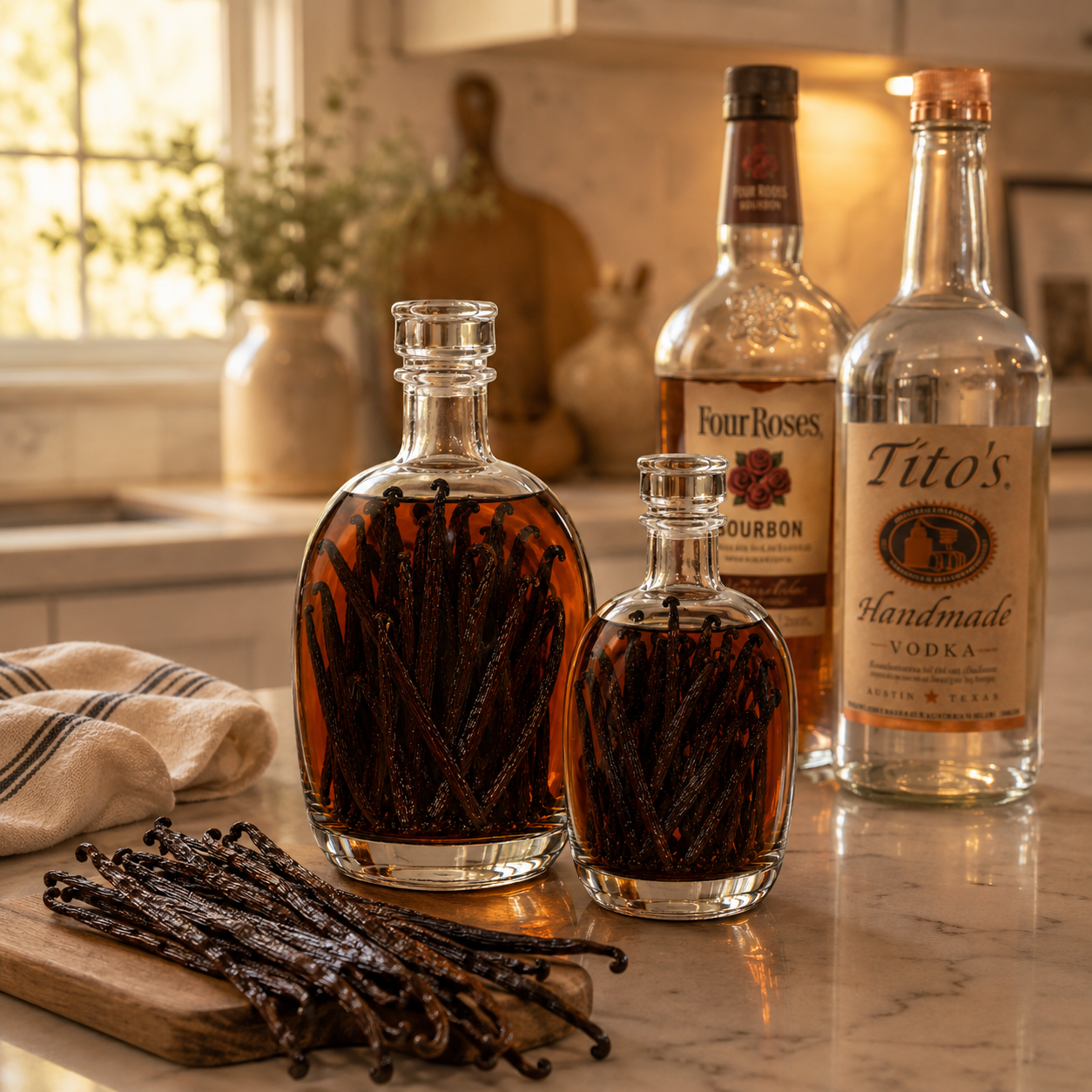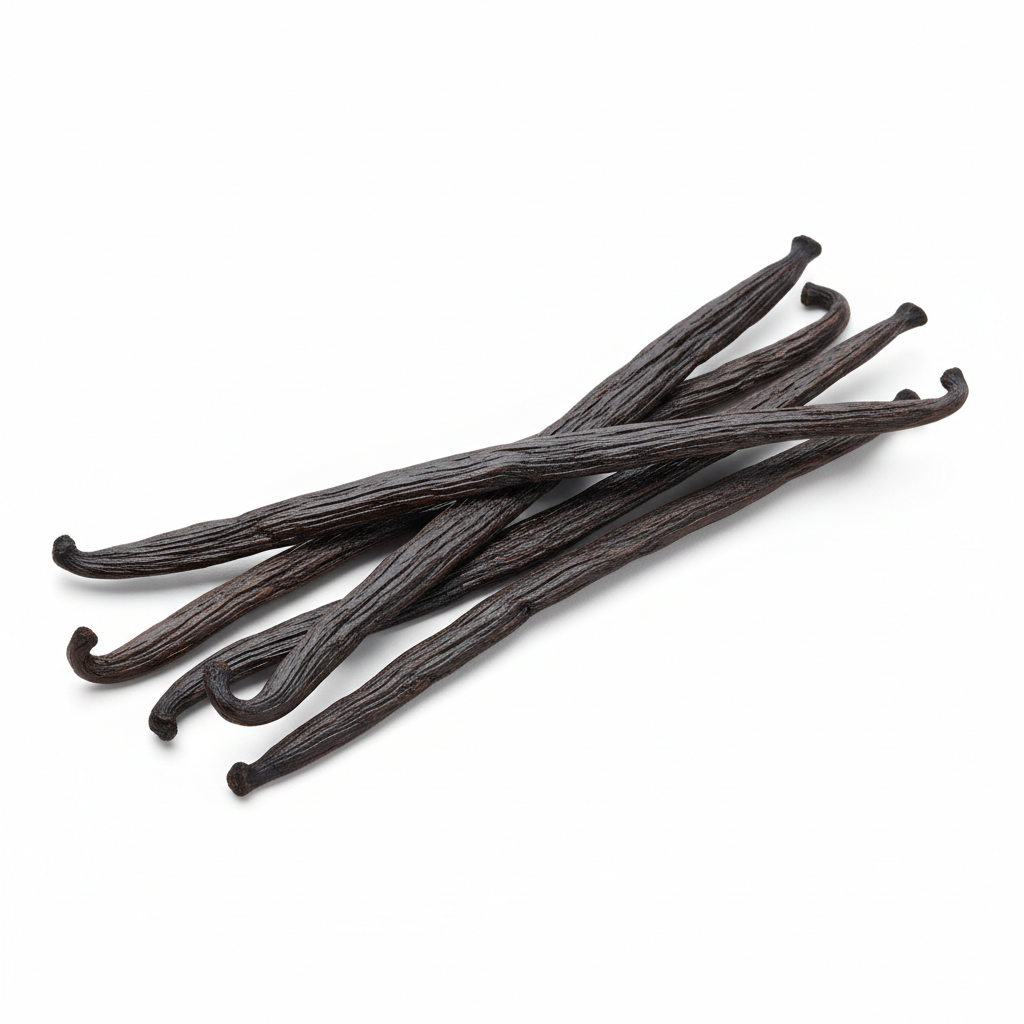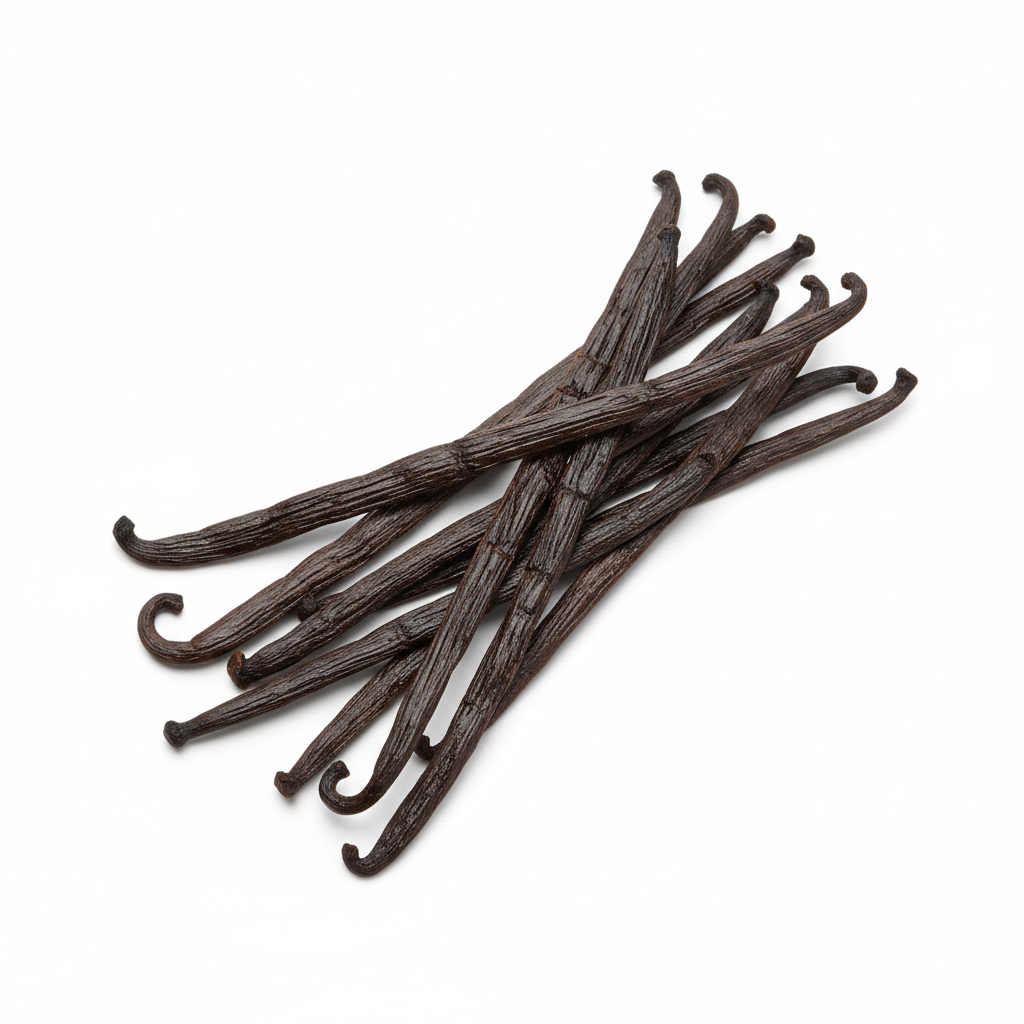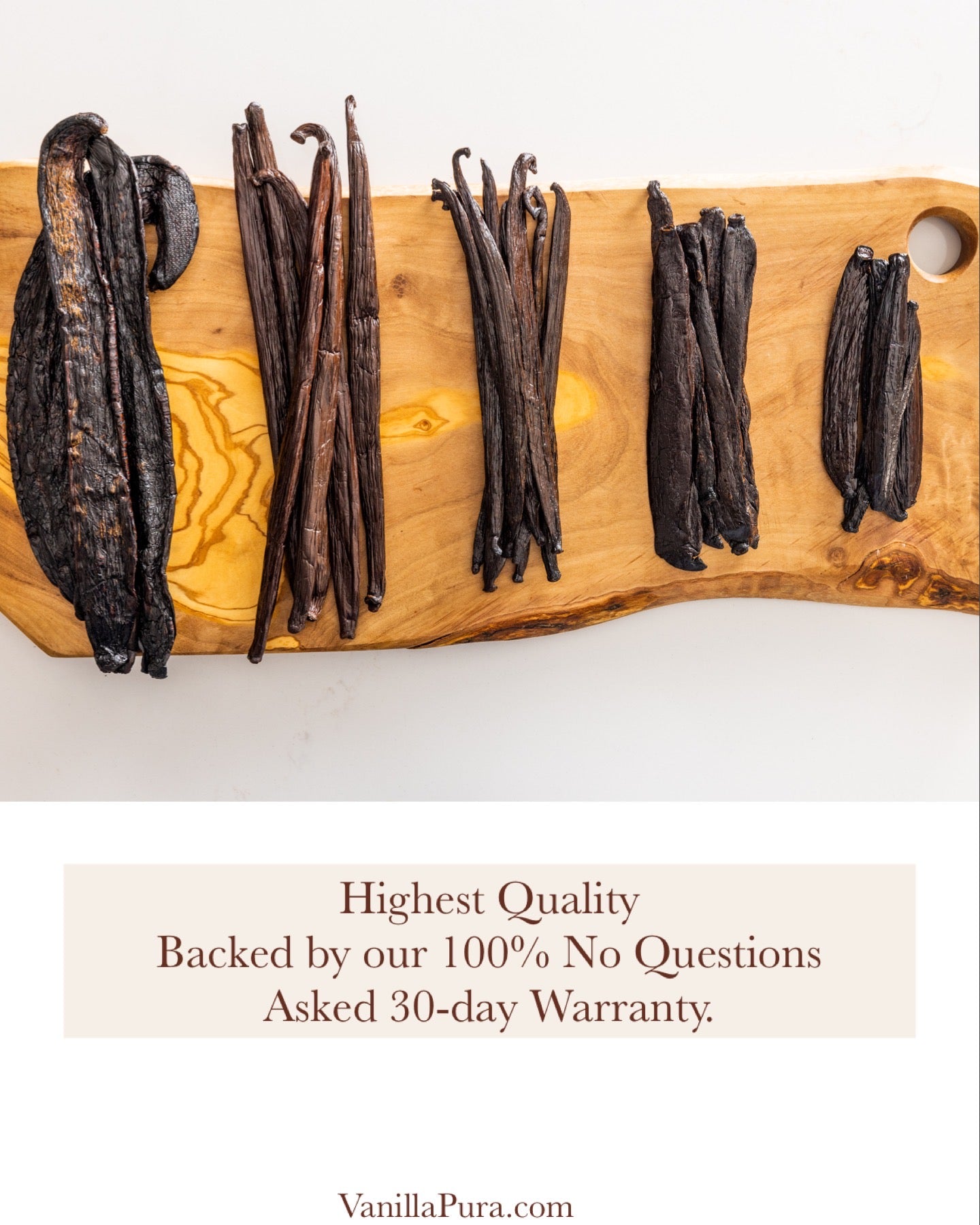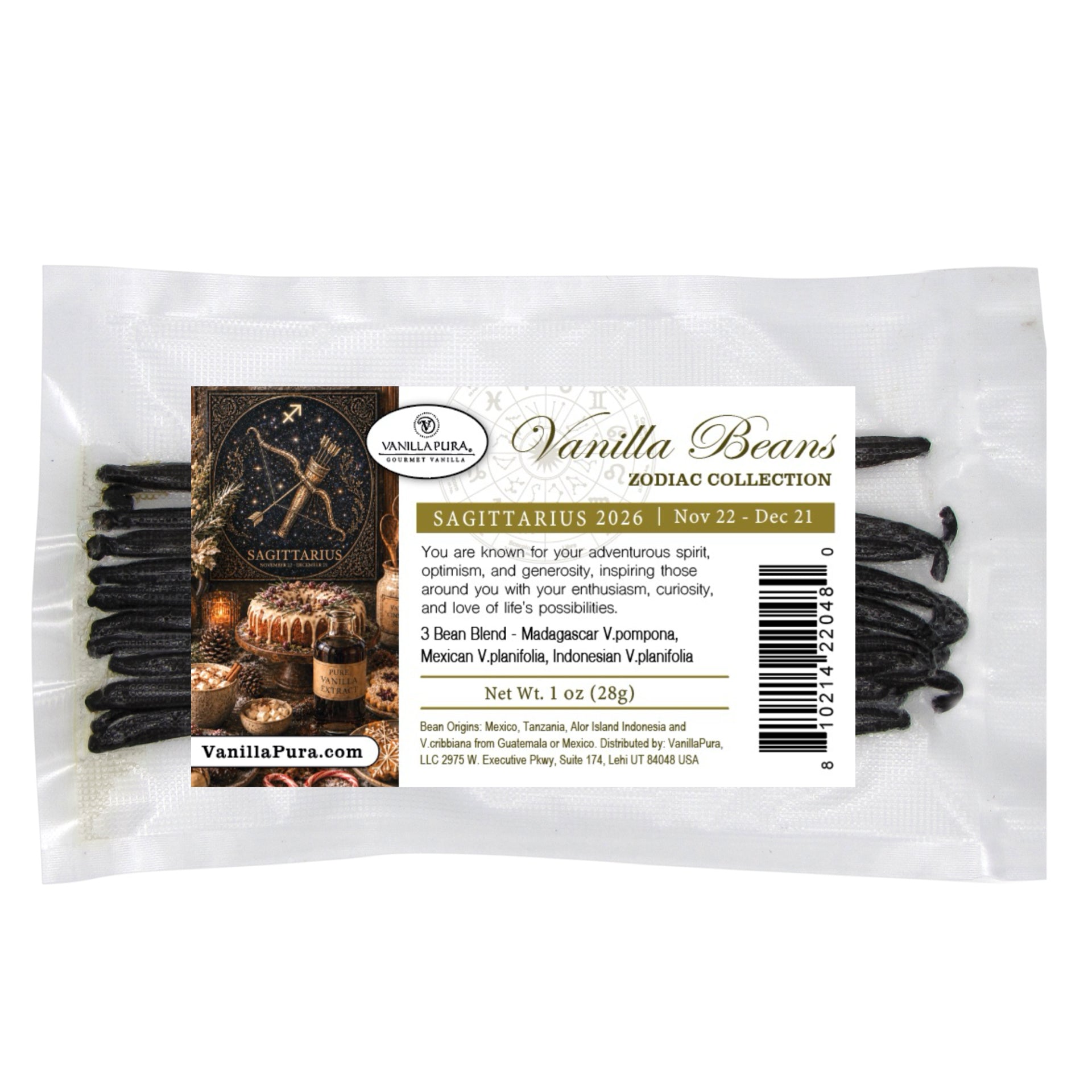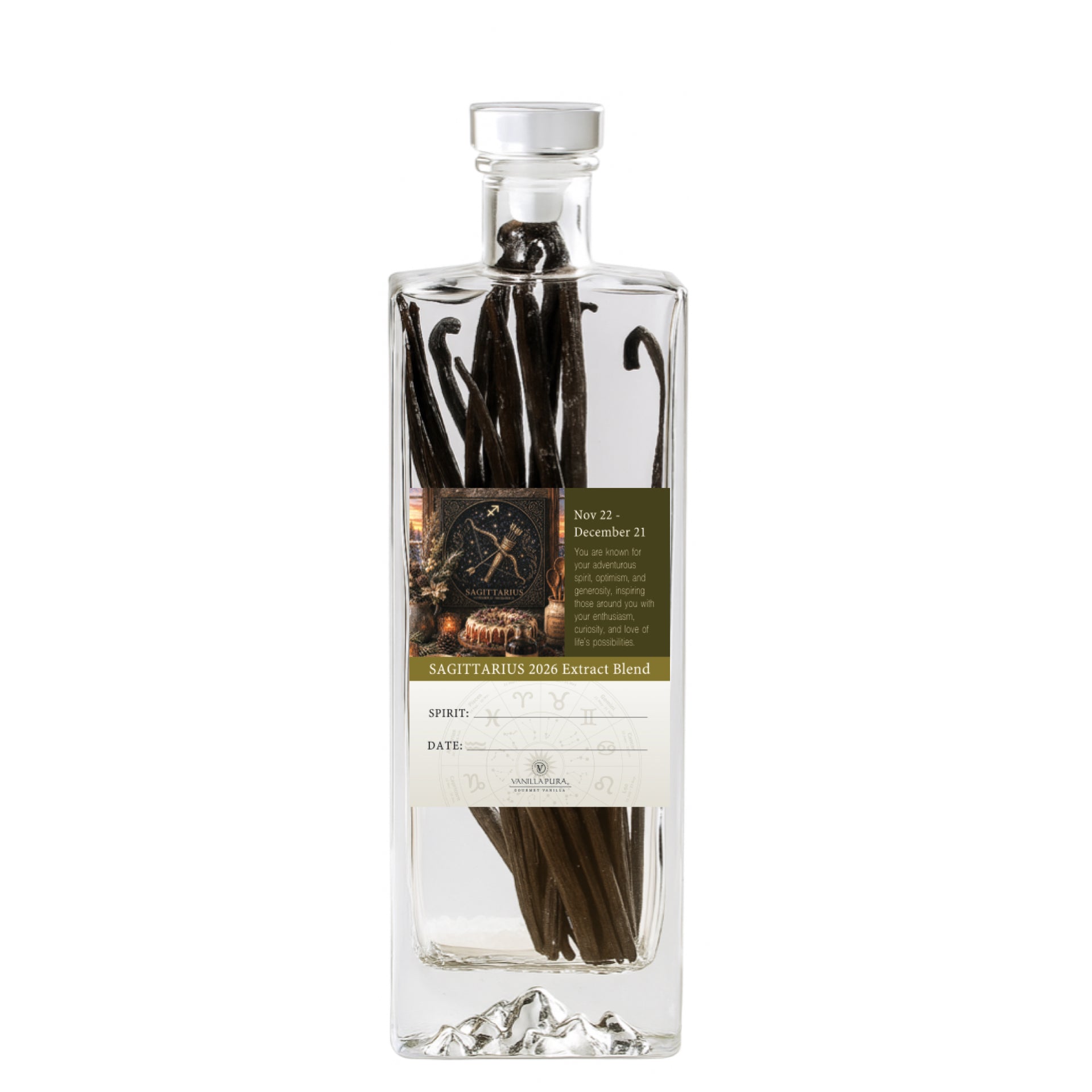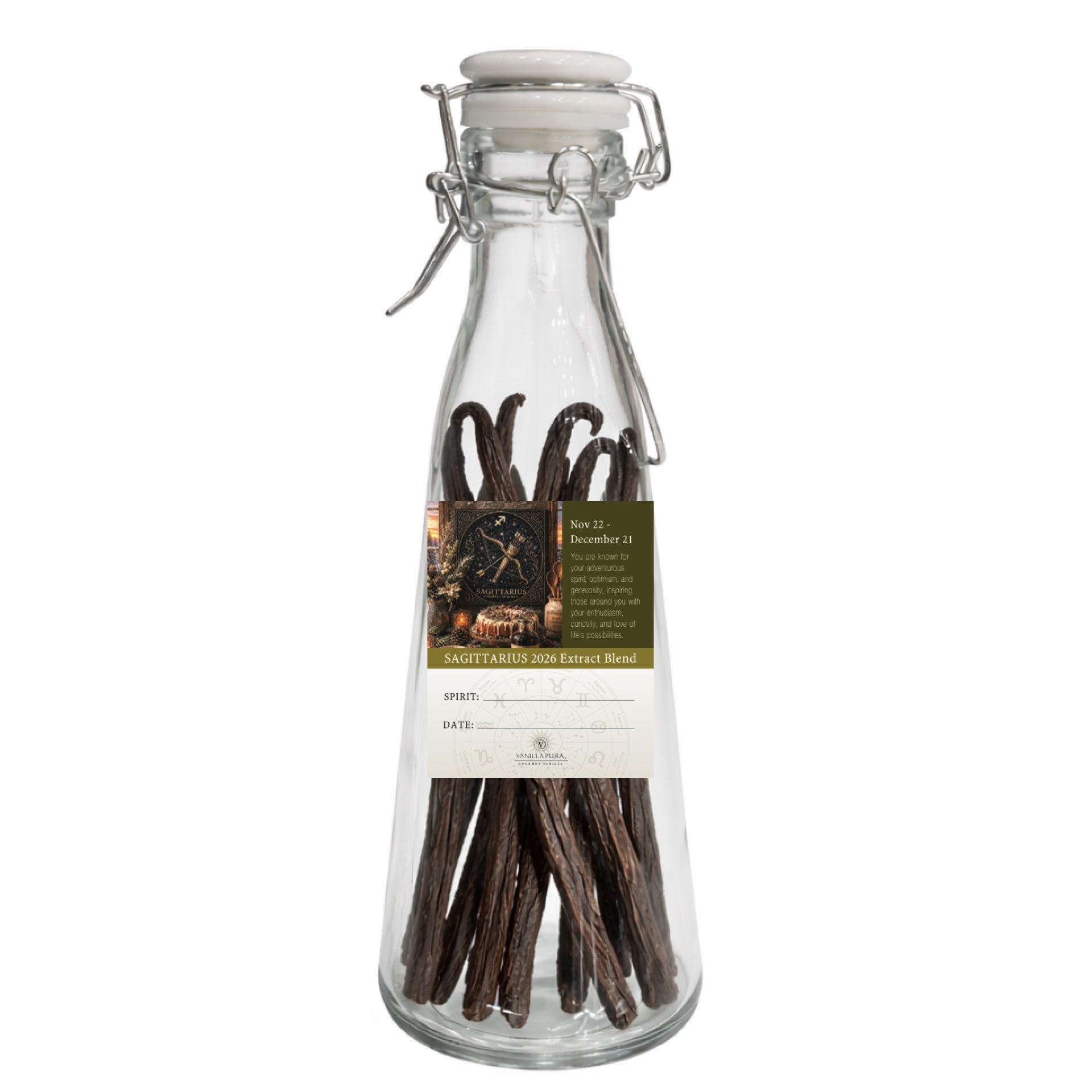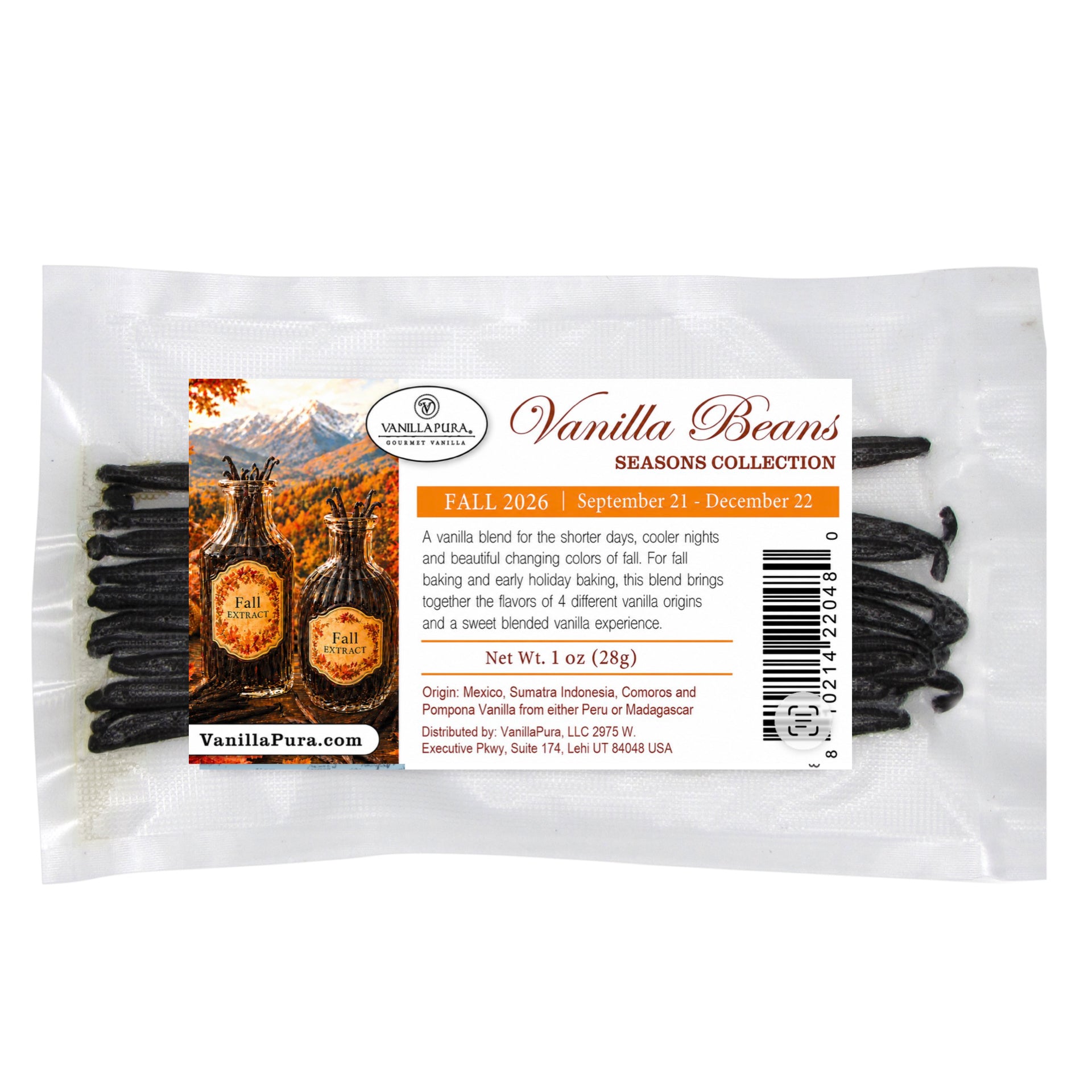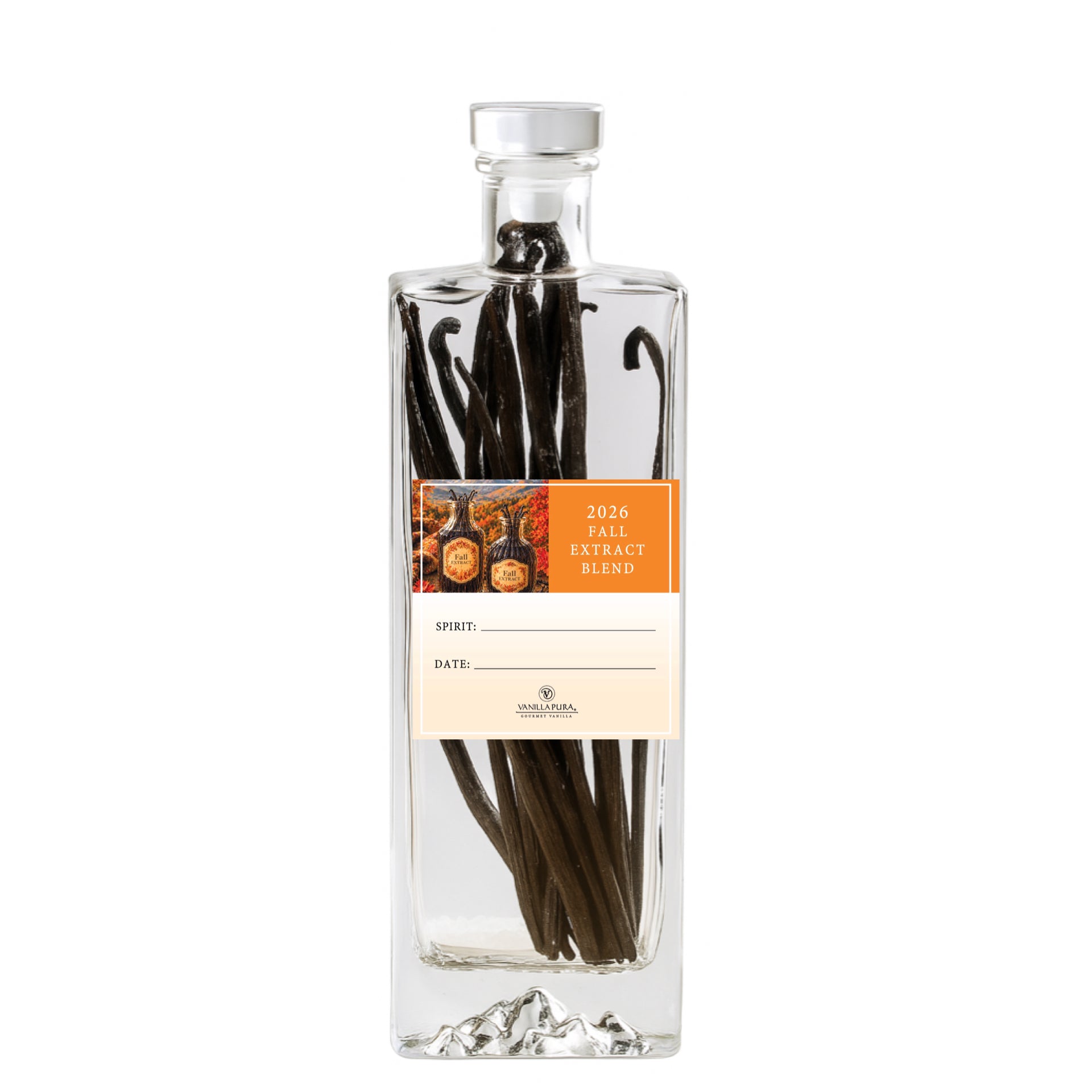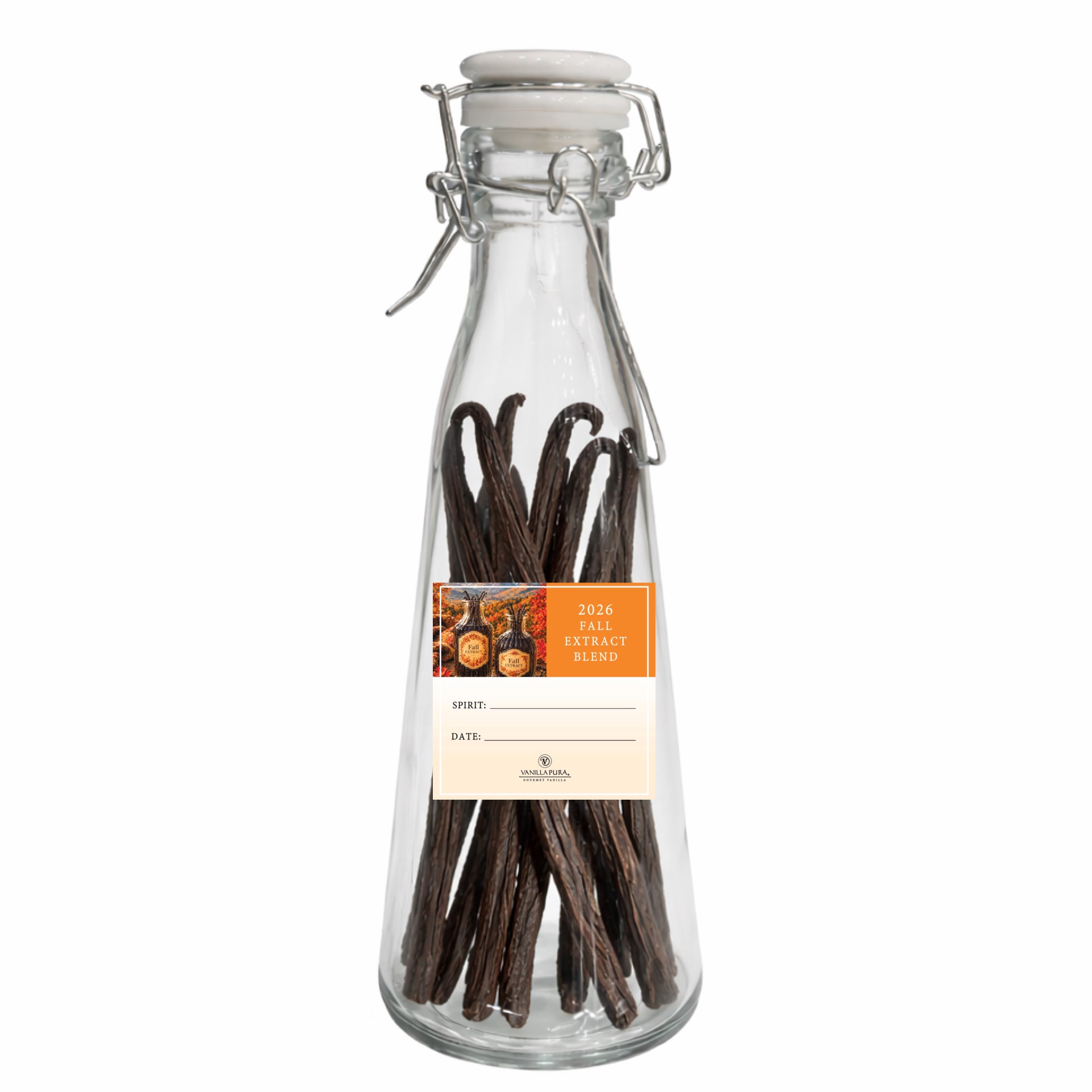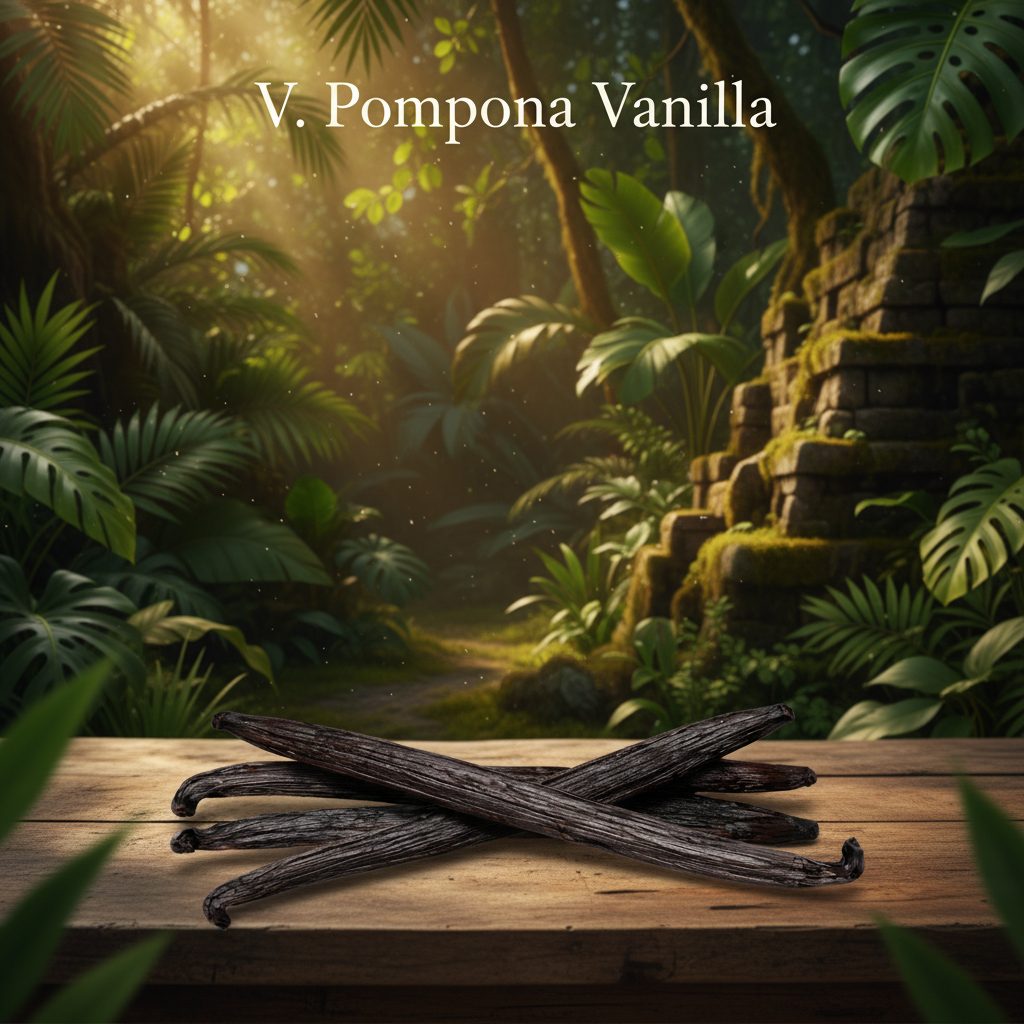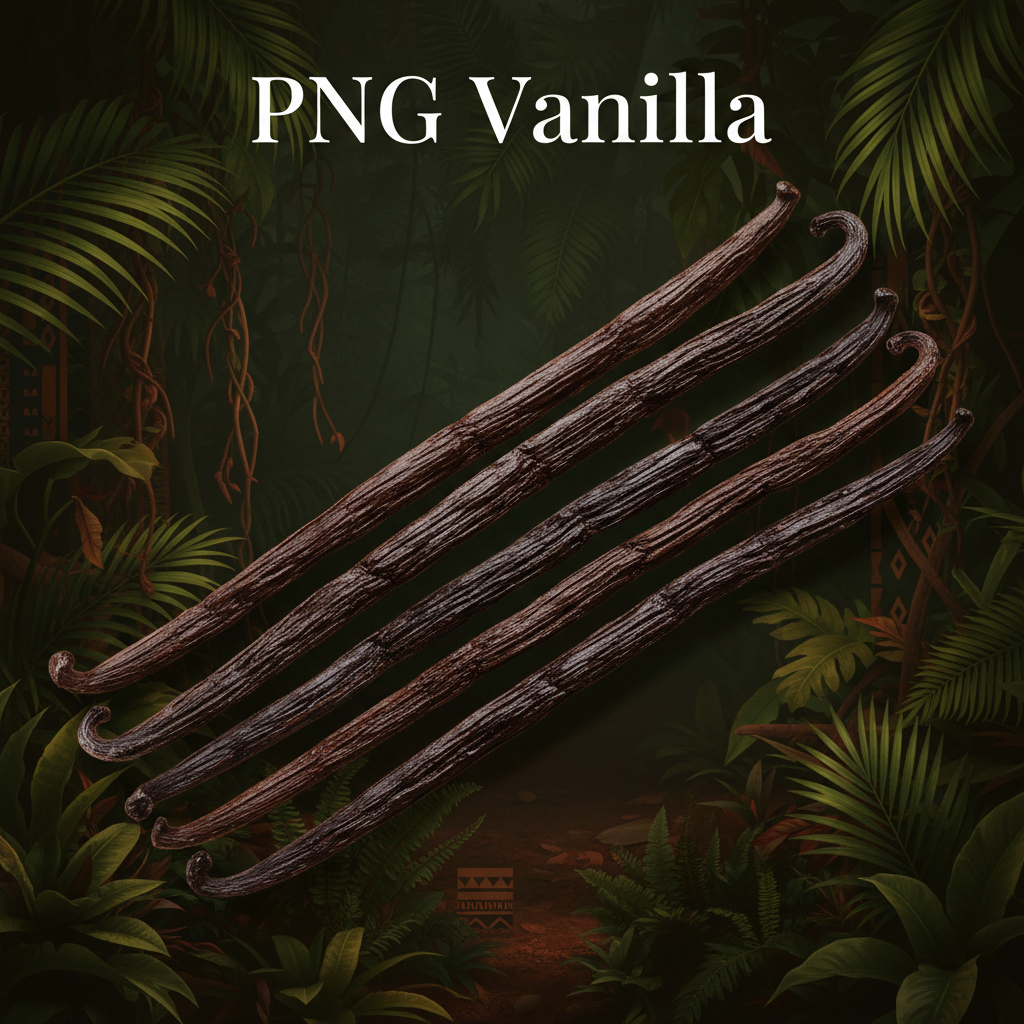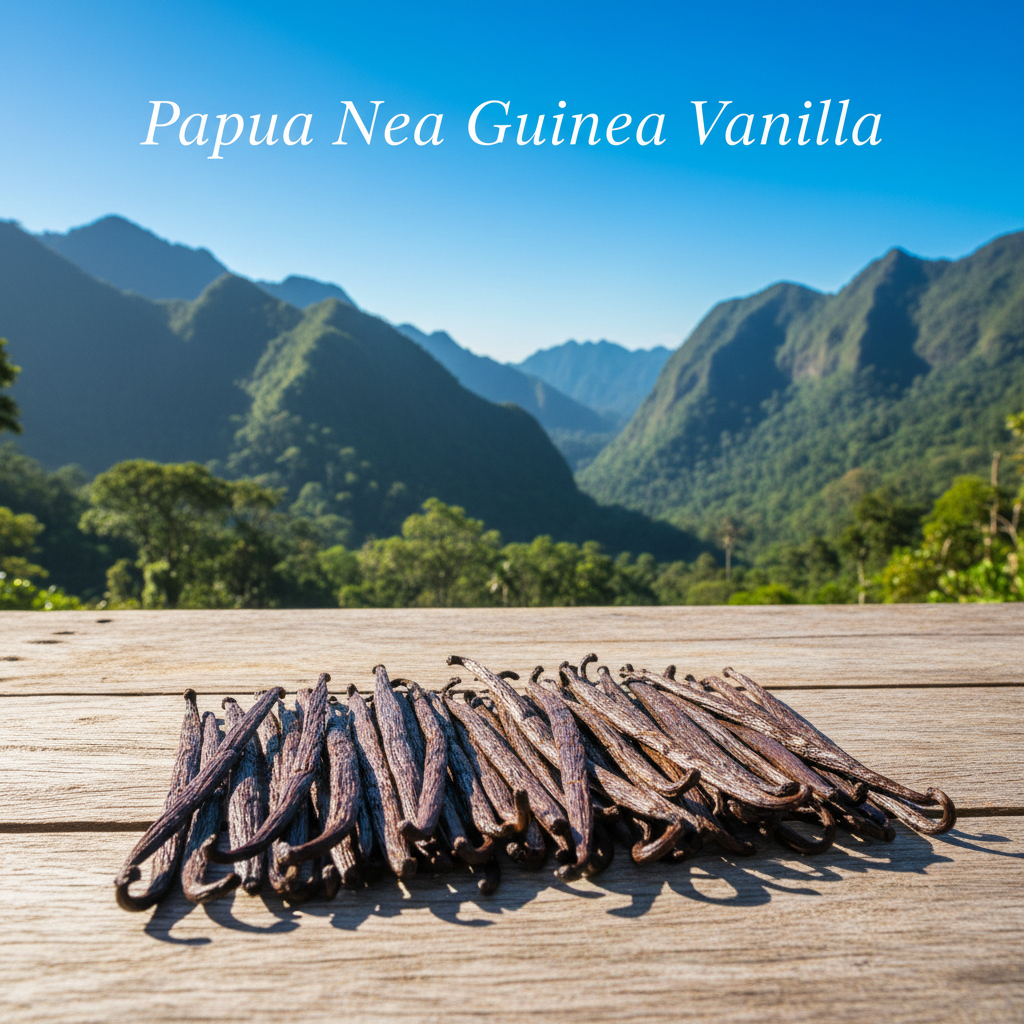

Among the world's vanilla species, Vanilla pompona stands out as the giant of the vanilla family. Known as West Indian vanilla or pompona vanilla, this remarkable species produces some of the largest vanilla beans in the world, with unique flavor characteristics that create exceptionally beautiful and complex vanilla extracts.
Origins and Natural Habitat
Geographic Distribution
Vanilla pompona is native to the tropical regions of Central and South America, with natural populations found in:
- Costa Rica and Panama
- Colombia and Venezuela
- Guyana, Suriname, and French Guiana
- Mexico, in the Southern regions
- Northern Brazil
- Peru, where some of the largest are grown.
- Trinidad and Tobago
- Parts of the Caribbean islands
Natural Growing Environment
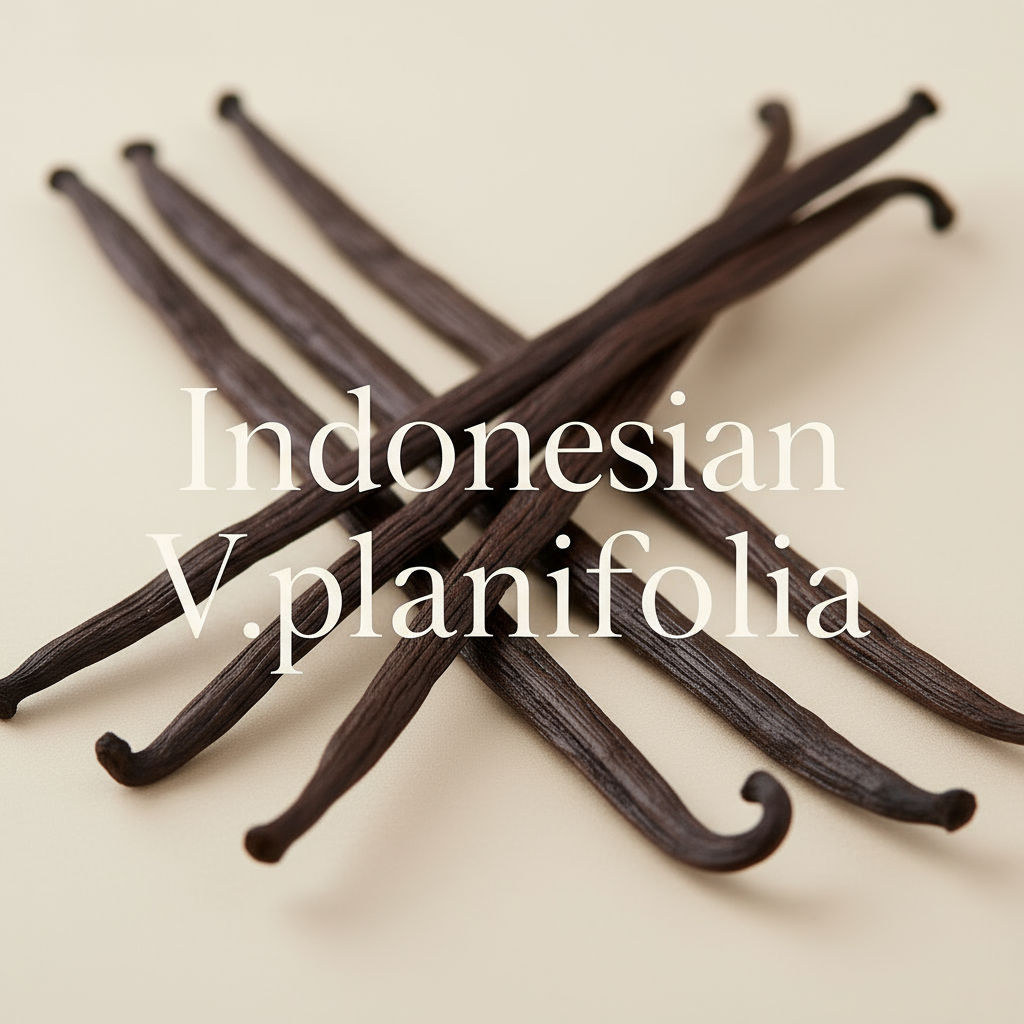
Unlike its more famous cousin V. planifolia, V. pompona thrives in the humid rainforests of the Americas, where it grows as an epiphytic orchid, climbing high into the forest canopy. This species has adapted to the diverse microclimates of tropical rainforests, making it remarkably resilient and unique in its flavor development.
The Impressive Size of V. pompona
Physical Characteristics
What immediately sets V. pompona apart is its extraordinary size:
- Length: 20-35 cm (8-14 inches) - significantly longer than most vanilla species
- Width: 15-25 mm - notably broader and more robust
- Weight: Individual beans can weigh 3-5 times more than V. planifolia
- Appearance: Thick, substantial pods with a commanding presence
- Color: Deep chocolate brown to nearly black when properly cured
Why Are They So Large?
The impressive size of V. pompona beans results from several evolutionary factors:
- Genetic adaptation: Evolved in competitive rainforest environments
- Seed dispersal strategy: Larger pods attract bigger animals for seed distribution
- Nutrient storage: Bigger pods store more nutrients for seed development
- Environmental response: Adaptation to varied rainforest microclimates
Distinctive Flavor Profile
Taste Characteristics
V. pompona offers a flavor profile that's distinctly different from V. planifolia:
- Primary notes: Rich, deep, and complex
- Secondary flavors: Smoky, woody, fruity, fig-like undertones
- Aromatic qualities: Earthy, with hints of tobacco and leather
- Sweetness level: Less sweet than Madagascar vanilla
- Finish: Long, lingering, and sophisticated
Chemical Composition
The unique flavor comes from V. pompona's distinct chemical makeup:
- Vanillin content: Moderate levels (1-2%)
- Unique compounds: Higher concentrations of piperonal and benzyl compounds
- Phenolic compounds: Elevated levels contributing to complexity
- Aromatic esters: Different profile than other vanilla species
Key Differences from V. planifolia
Size and Appearance
| Characteristic | V. planifolia | V. pompona |
|---|---|---|
| Length | 15-25 cm | 20-35 cm |
| Width | 8-15 mm | 15-25 mm |
| Weight | 2-4 grams | 8-15 grams |
| Shape | Slender, elegant | Robust, substantial |
Flavor Differences
- V. planifolia: Sweet, creamy, classic vanilla flavor
- V. pompona: Complex, smoky, earthy with woody undertones
Growing Conditions
- V. planifolia: Requires specific tropical conditions, hand-pollination
- V. pompona: More adaptable, naturally pollinated in native habitat
Commercial Availability
- V. planifolia: Widely cultivated, readily available
- V. pompona: Limited cultivation, rare and specialty item
Why V. pompona Makes Beautiful Vanilla Extracts
Extract Quality Advantages
V. pompona beans create exceptional vanilla extracts for several reasons:
1. High Yield Potential
- Larger bean size means more vanilla per pod
- Higher extraction efficiency due to size
- Better value despite higher initial cost
2. Complex Flavor Development
- Unique compound profile creates multi-layered extracts
- Develops beautifully over time during extraction
- Adds sophistication to finished extracts
3. Visual Appeal
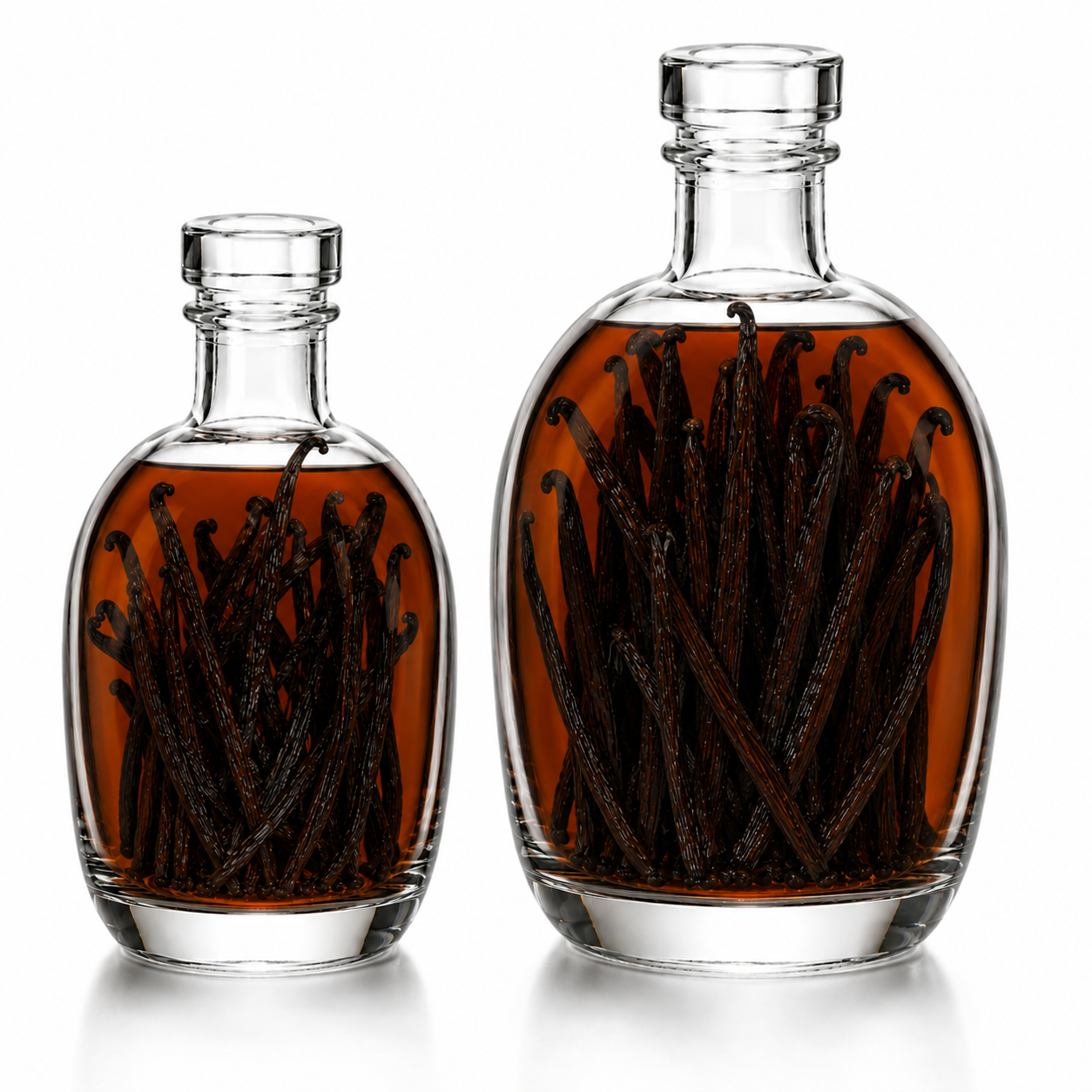
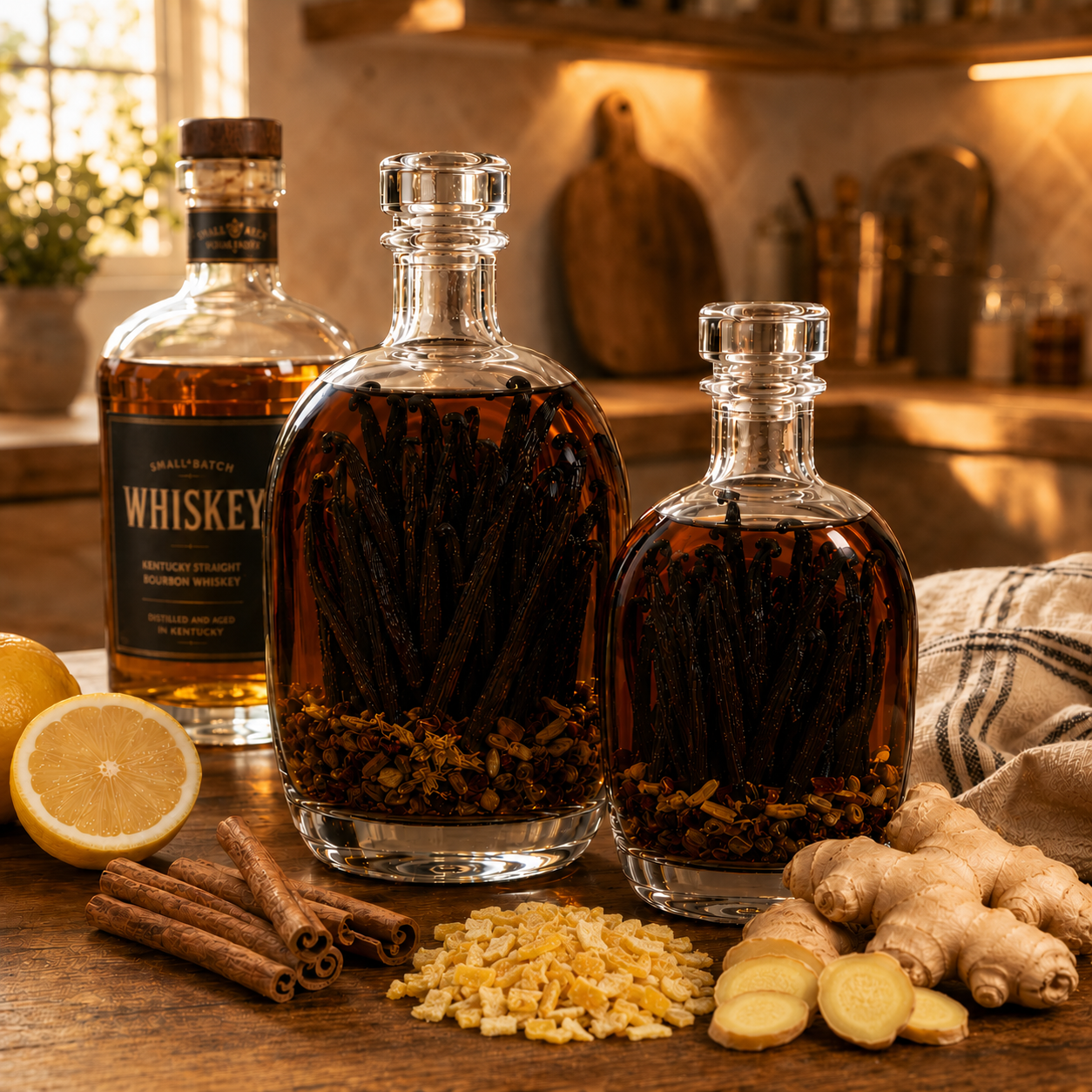
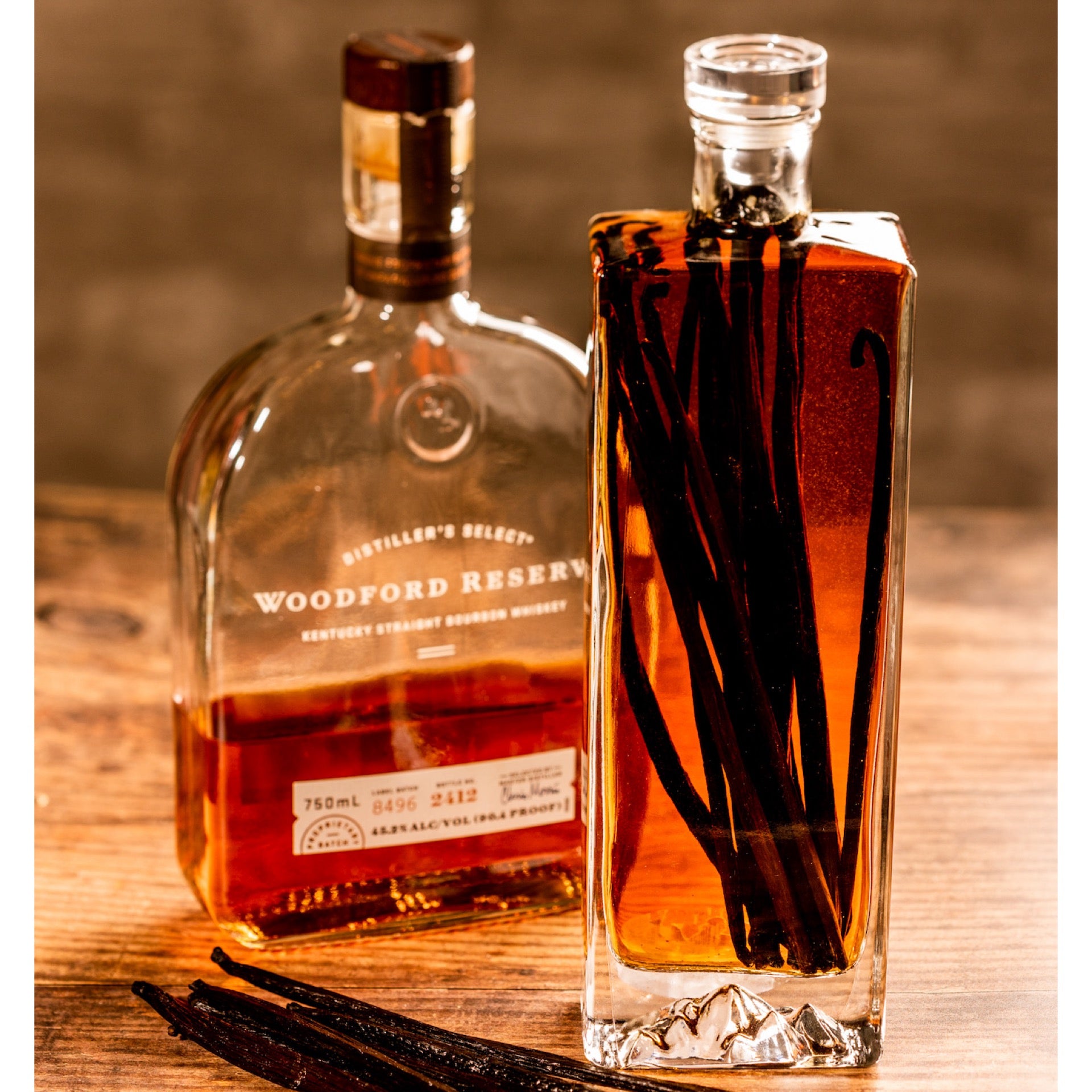
- Large beans create impressive visual presentation
- Abundant vanilla caviar (seeds) in extracts
- Rich, dark color development
4. Blending Potential
- Excellent for creating complex extract blends
- Adds depth to Madagascar vanilla extracts
- Creates unique signature flavor profiles
Extract-Making Recommendations
Single-Bean Extracts
For pure V. pompona extracts:
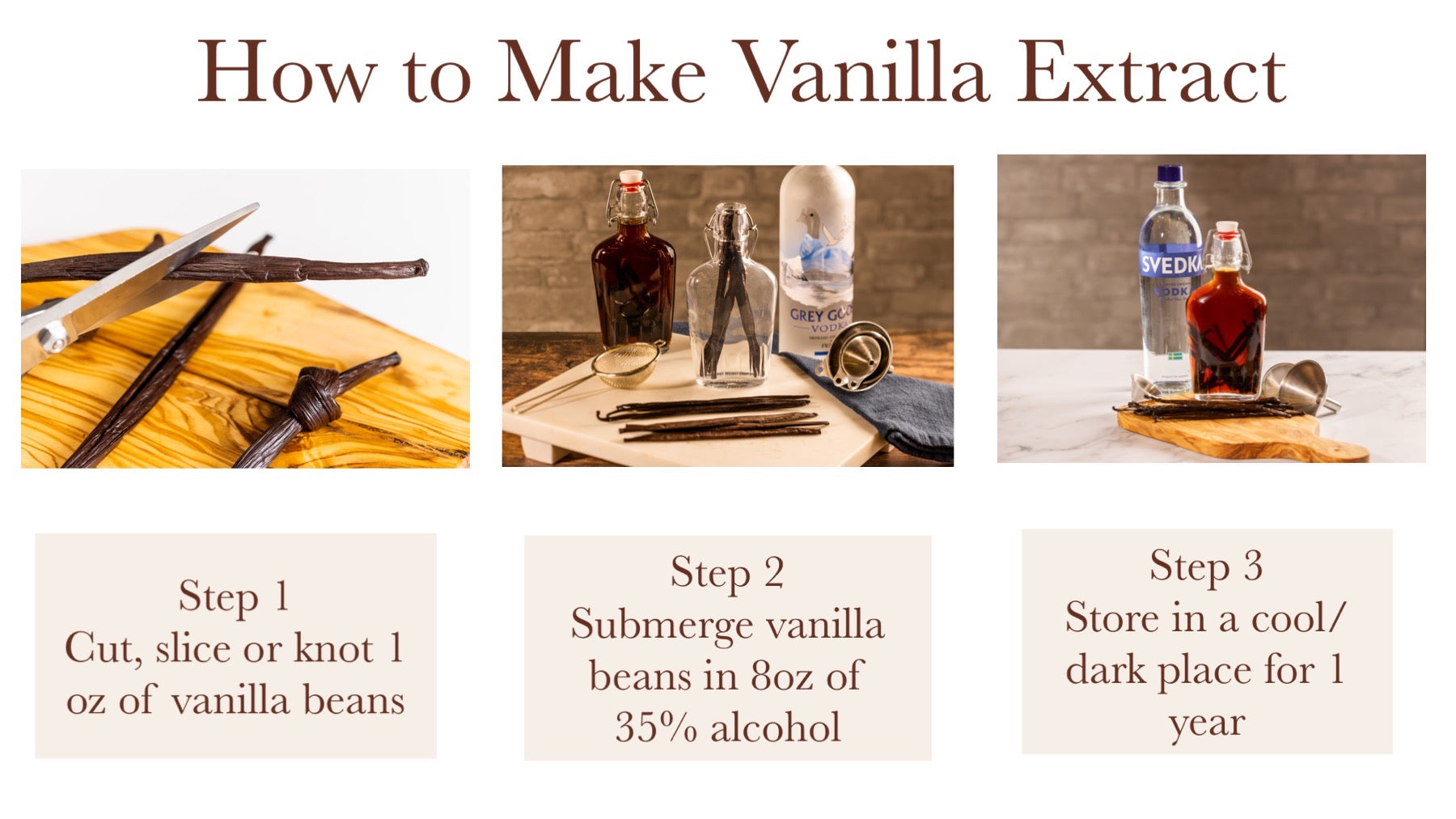
- Ratio: 1 ounce beans per 8 ounces alcohol (due to larger size)
- Alcohol: 40-50% ABV for optimal extraction
- Time: Minimum 6 months, optimal at 12+ months
- Method: Split beans lengthwise, submerge completely
Blend Recommendations
For complex blended extracts:
- 70% V. planifolia + 30% V. pompona: Adds complexity to classic vanilla
- 50/50 blend: Creates balanced, sophisticated extract
- V. pompona base: Use as foundation, add other species for nuance
Cultivation and Sustainability
Current Cultivation Status
V. pompona remains largely wild-harvested, with limited commercial cultivation:
- Small-scale farming in Central America
- Sustainable wild harvesting programs
- Conservation efforts in native habitats
- Research into commercial viability
Sustainability Considerations
- Supporting indigenous communities in harvest regions
- Promoting sustainable harvesting practices
- Encouraging cultivation to reduce wild harvesting pressure
- Preserving genetic diversity of vanilla species
Culinary Applications
Best Uses for V. pompona
- Premium extracts: Artisanal and craft extract making
- Sophisticated desserts: Where complex vanilla flavor is desired
- Chocolate applications: Complements dark chocolate beautifully
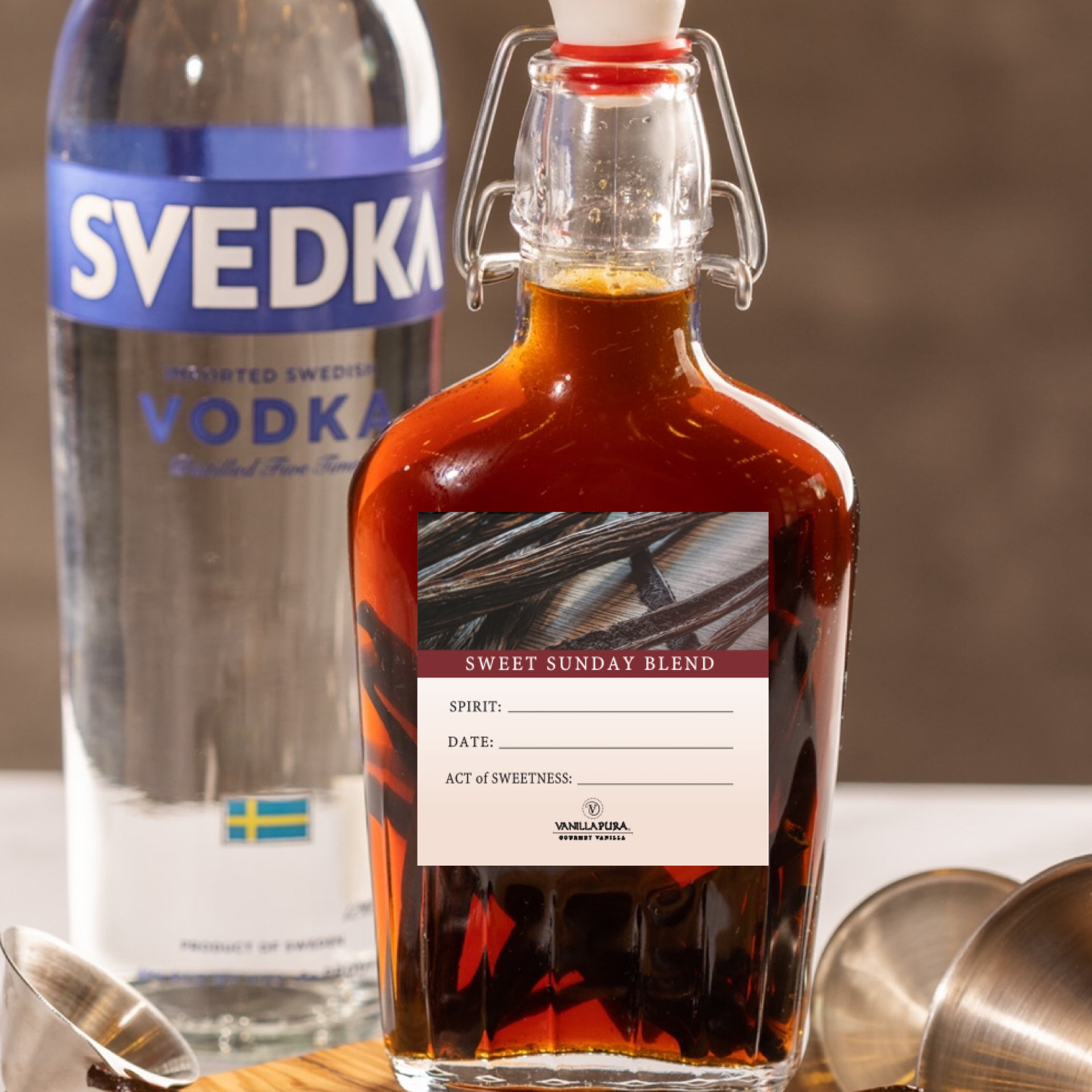
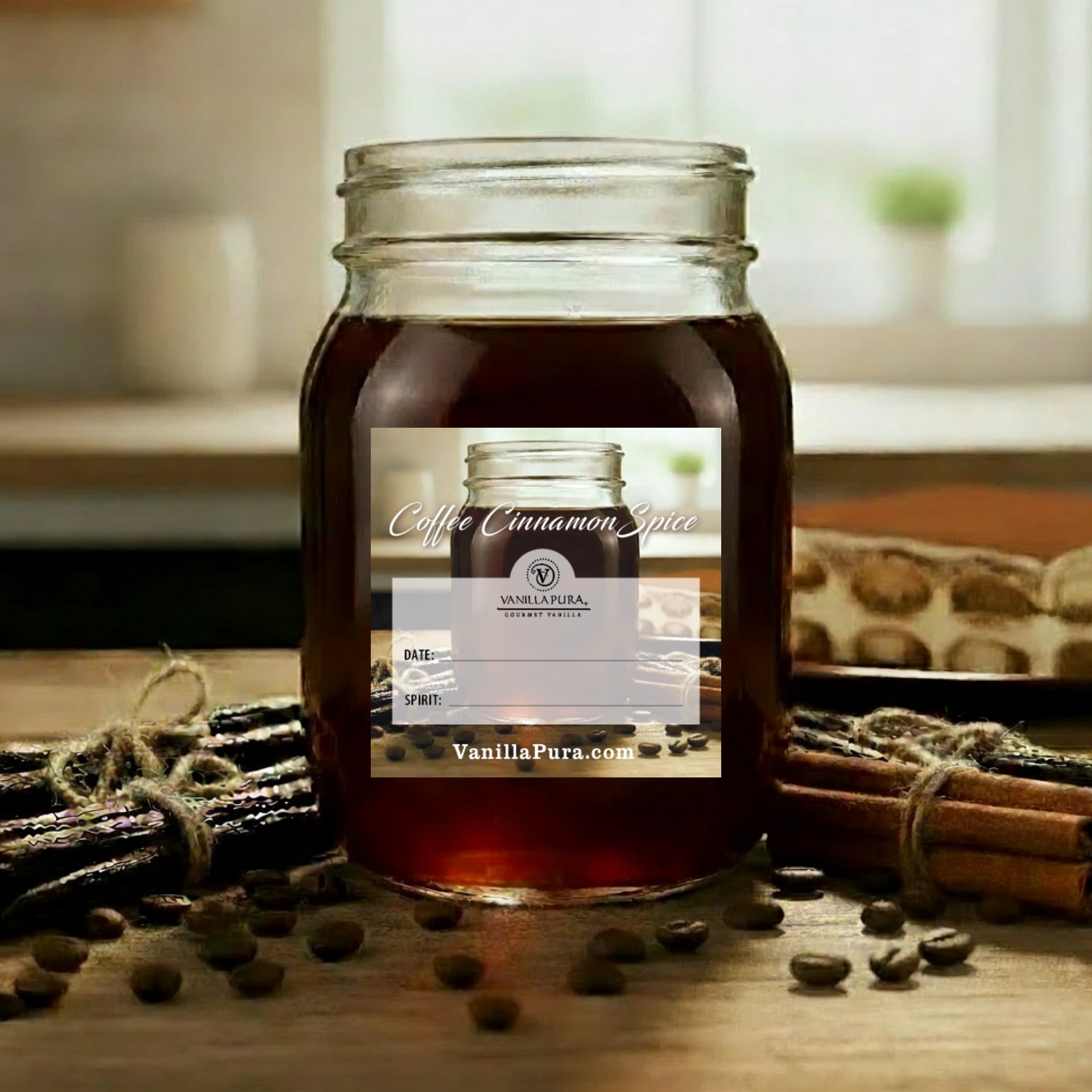
- Spirits and liqueurs: Adds depth to vanilla-infused alcohols
- Gourmet baking: When unique vanilla character is the goal
Pairing Suggestions
The complex flavor of V. pompona pairs exceptionally well with:
- Dark chocolate and cocoa
- Coffee and espresso
- Caramel and toffee
- Nuts, especially almonds and hazelnuts
- Aged spirits like rum and bourbon
Sourcing and Quality
What to Look For
When sourcing V. pompona beans:
- Size: Should be noticeably larger than other vanilla species
- Flexibility: Properly cured beans should be pliable
- Aroma: Complex, earthy scent with vanilla undertones
- Appearance: Dark, oily surface without mold or damage
- Origin: Verify authentic Central/South American source
Storage and Handling
- Store in airtight containers away from light
- Maintain consistent temperature and humidity
- Handle gently due to size and value
- Use within 2-3 years for optimal quality
The Future of V. pompona
As vanilla enthusiasts and extract makers seek unique and complex flavors, V. pompona represents an exciting frontier in vanilla appreciation. Its impressive size, distinctive flavor profile, and exceptional extract-making potential make it a prized ingredient for those seeking to create truly extraordinary vanilla products.
While V. pompona may never achieve the commercial scale of V. planifolia, its role as a specialty ingredient for premium extracts and gourmet applications continues to grow. For extract makers and vanilla connoisseurs, V. pompona offers an opportunity to explore the full spectrum of vanilla's complexity and create products that stand apart in both flavor and character.
The giant beans of V. pompona remind us that vanilla is far more diverse and complex than many realize, offering flavors and experiences that extend well beyond the familiar sweetness of Madagascar vanilla into realms of sophistication and complexity that can transform any culinary creation.