
Sri Lanka vs. Congo Vanilla: Two Expressions of V. planifolia and the Perfect Spirit for Each
Vanilla planifolia is the world's most widely cultivated vanilla species — the backbone of the global vanilla industry and the bean behind the vast majority of extracts, pastes, and powders on the market. But to treat all planifolia as interchangeable is to miss one of the most fascinating dimensions of working with real vanilla: terroir.
Just as a Burgundy pinot noir and an Oregon pinot noir share a grape but tell entirely different stories, V. planifolia grown in Sri Lanka and V. planifolia grown in the Democratic Republic of Congo are distinct expressions of the same species — shaped by soil, climate, altitude, curing tradition, and the hands that tend them. Understanding those differences is the first step to making an extract that's truly exceptional.
Sri Lankan V. planifolia: Delicate, Creamy, and Refined
Sri Lanka is not the first origin that comes to mind when most people think of vanilla, but it is one of the most quietly impressive. Grown in the island's humid, tropical interior — often in the shade of spice gardens alongside cinnamon, cardamom, and pepper — Sri Lankan V. planifolia develops in a uniquely aromatic environment that leaves its mark on the bean.
Flavor Profile
Sri Lankan vanilla is characterized by a soft, creamy sweetness with a smooth, almost milky vanilla center. The spice notes present in many other planifolia origins are more restrained here — instead, you get a gentle warmth, subtle floral undertones, and a clean, refined finish. Some tasters detect hints of coconut, light caramel, and sweet cream, with an overall profile that is elegant rather than assertive.
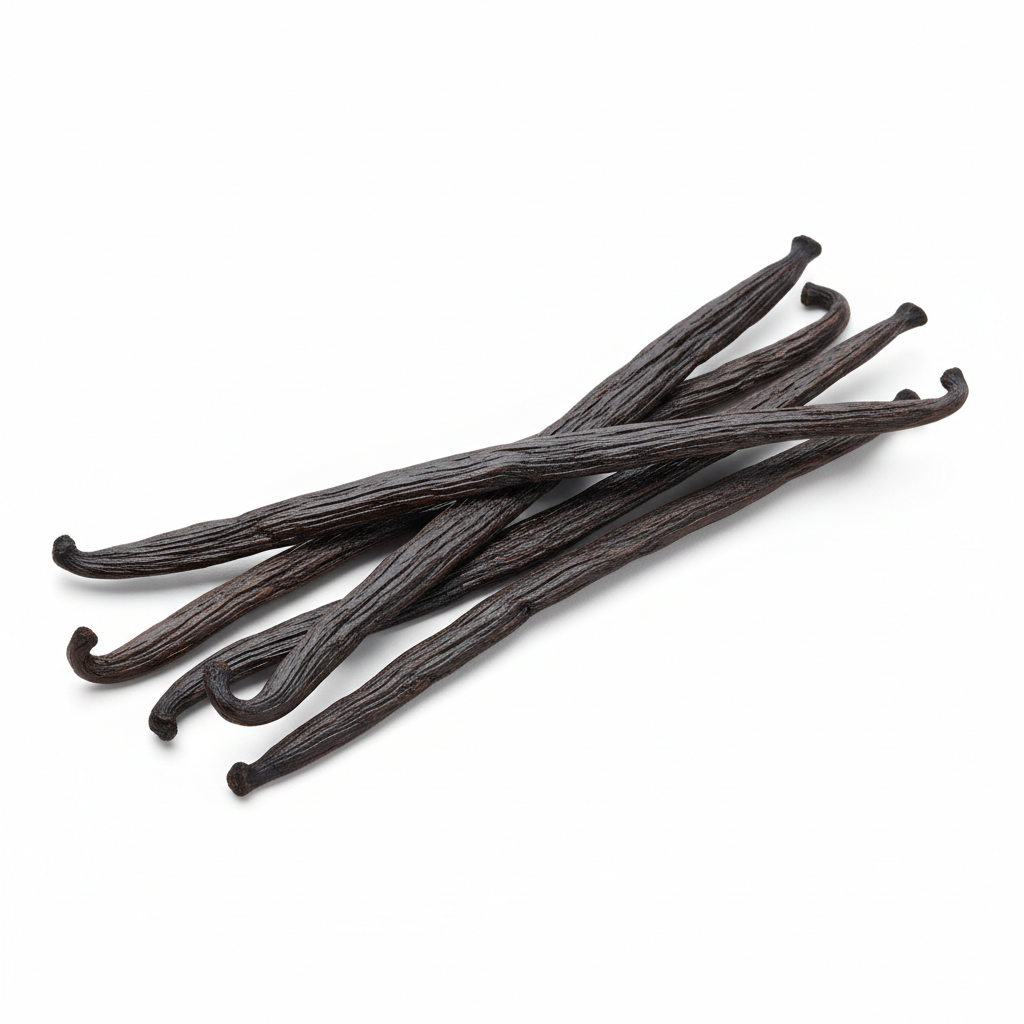
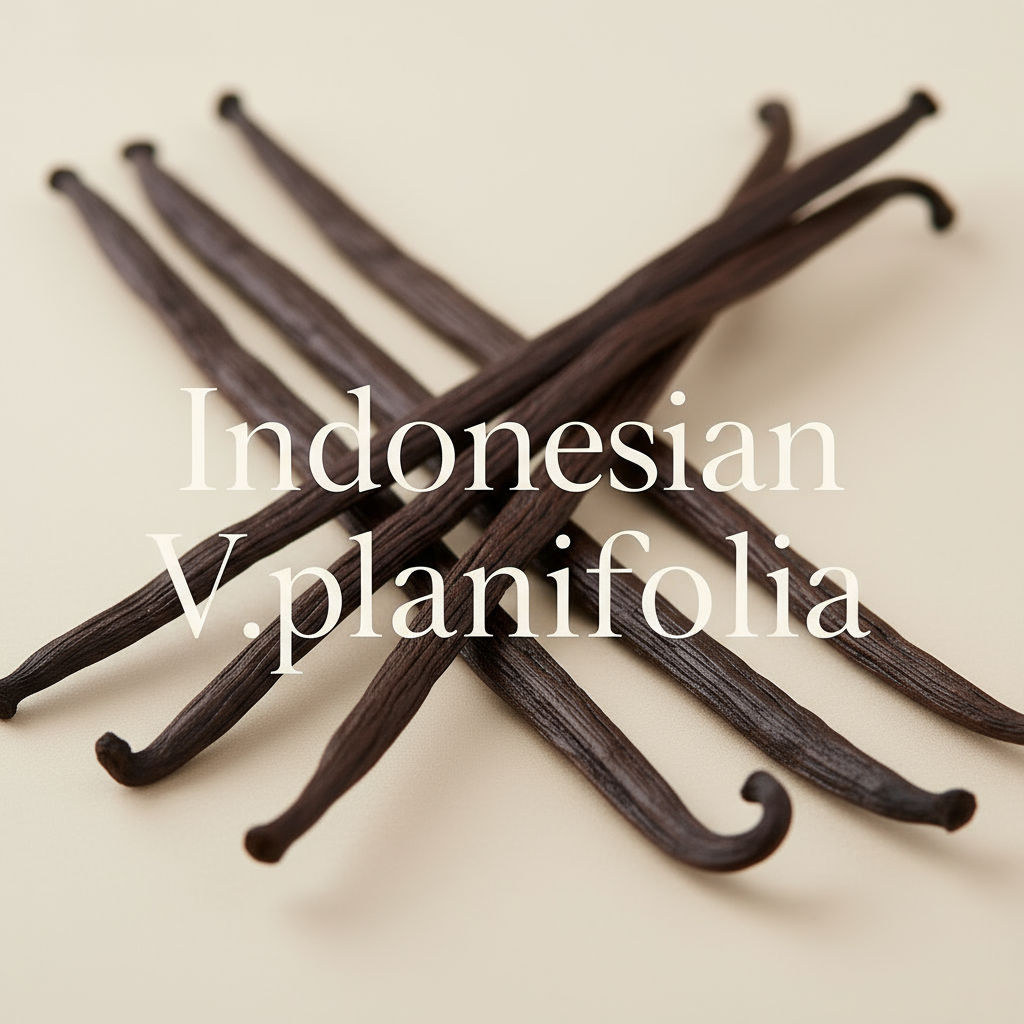
The vanillin content is solid, and the beans tend to be well-cured with a supple, oily exterior. The aroma is inviting and approachable — the kind of vanilla that makes a room smell like a bakery without announcing itself too loudly.
Best Uses
Sri Lankan vanilla's delicate, creamy character makes it ideal for applications where subtlety is a virtue: white chocolate, panna cotta, crème caramel, shortbread, vanilla buttercream, and light custards. It's also a beautiful complement to dairy-forward recipes where you want vanilla to support rather than dominate.
Spirit Recommendations for Sri Lankan Extract
The goal with Sri Lankan vanilla is to honor its refinement. Choose spirits that are smooth and complementary rather than bold or assertive.
- Vodka — The ideal base. A high-quality, neutral vodka lets Sri Lanka's creamy, milky sweetness come through with perfect clarity. The result is a clean, elegant extract that's endlessly versatile. Age up to 1 year.
- White Rum — The light sugarcane sweetness of white rum echoes Sri Lanka's soft caramel notes beautifully, adding just enough warmth to round out the extract without overpowering it. Exceptional in custards, rice pudding, and tropical-leaning desserts. Age up to 1 year.
- Brandy — A lighter, fruit-forward brandy adds a gentle dried-fruit complexity that lifts Sri Lanka's floral undertones and creates a sophisticated, layered extract. Ideal for classic European pastry applications. Age 18 months to 2 years.
Congolese V. planifolia: Bold, Earthy, and Deeply Complex
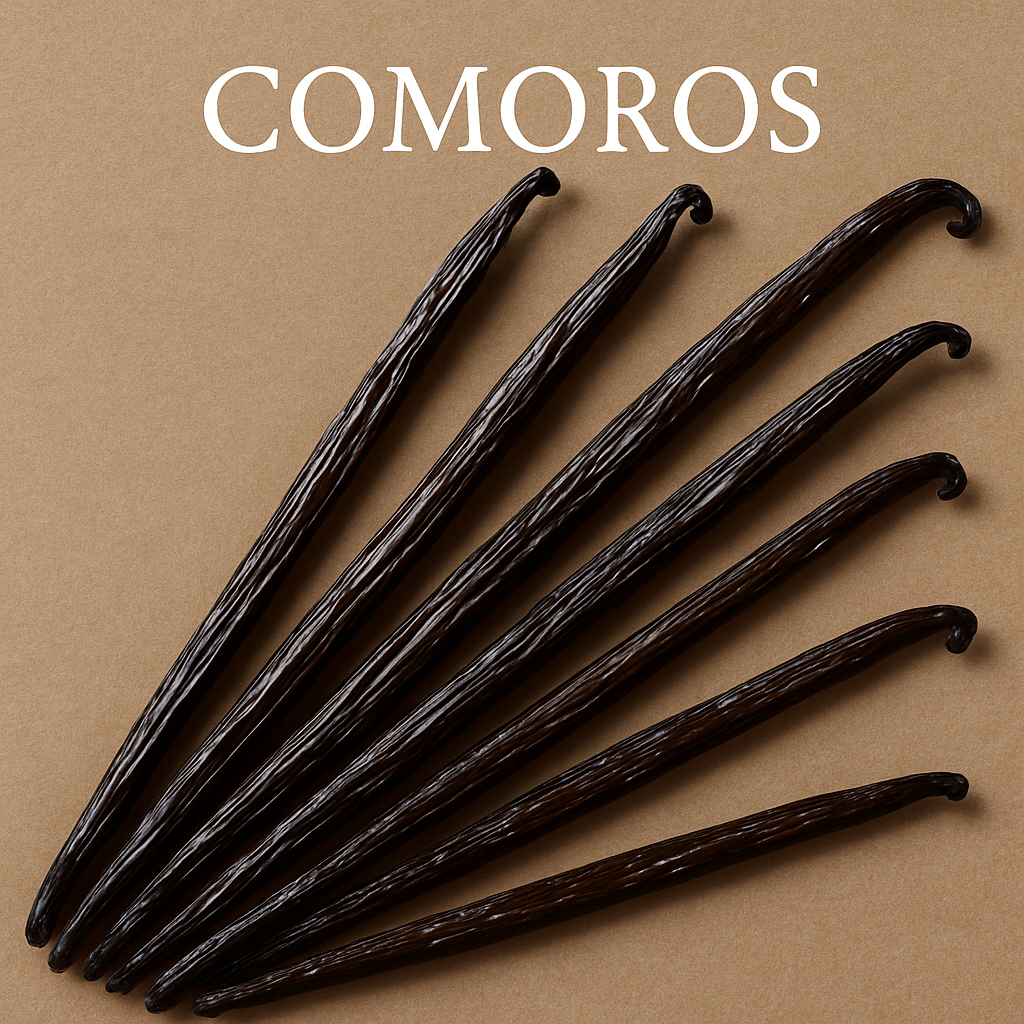
The Democratic Republic of Congo has emerged as one of the most exciting vanilla origins in the world over the past decade. Grown in the country's equatorial rainforest regions — rich volcanic soils, high humidity, and dense forest canopy — Congolese V. planifolia (The Virunga) is a bean shaped by one of the most biodiverse and mineral-rich environments on earth.
Flavor Profile
Congo vanilla is bold, dark, and deeply complex. Where Sri Lanka is creamy and refined, Congo is earthy and assertive. The vanillin content is typically high, producing a strong, classic vanilla punch, but it's the supporting notes that make Congolese beans so compelling: dark chocolate, dried fruit, tobacco, forest floor, and a faint smoky depth that lingers on the palate long after the initial sweetness fades.
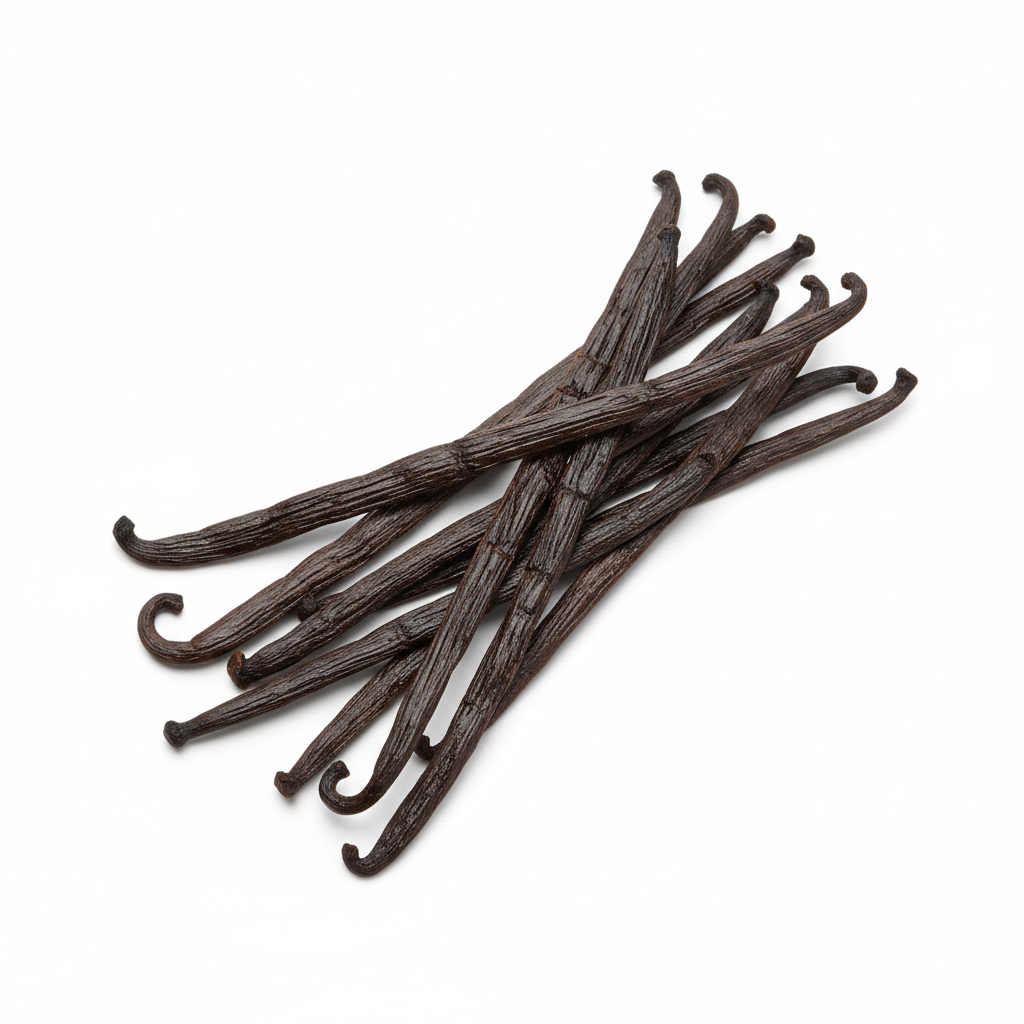
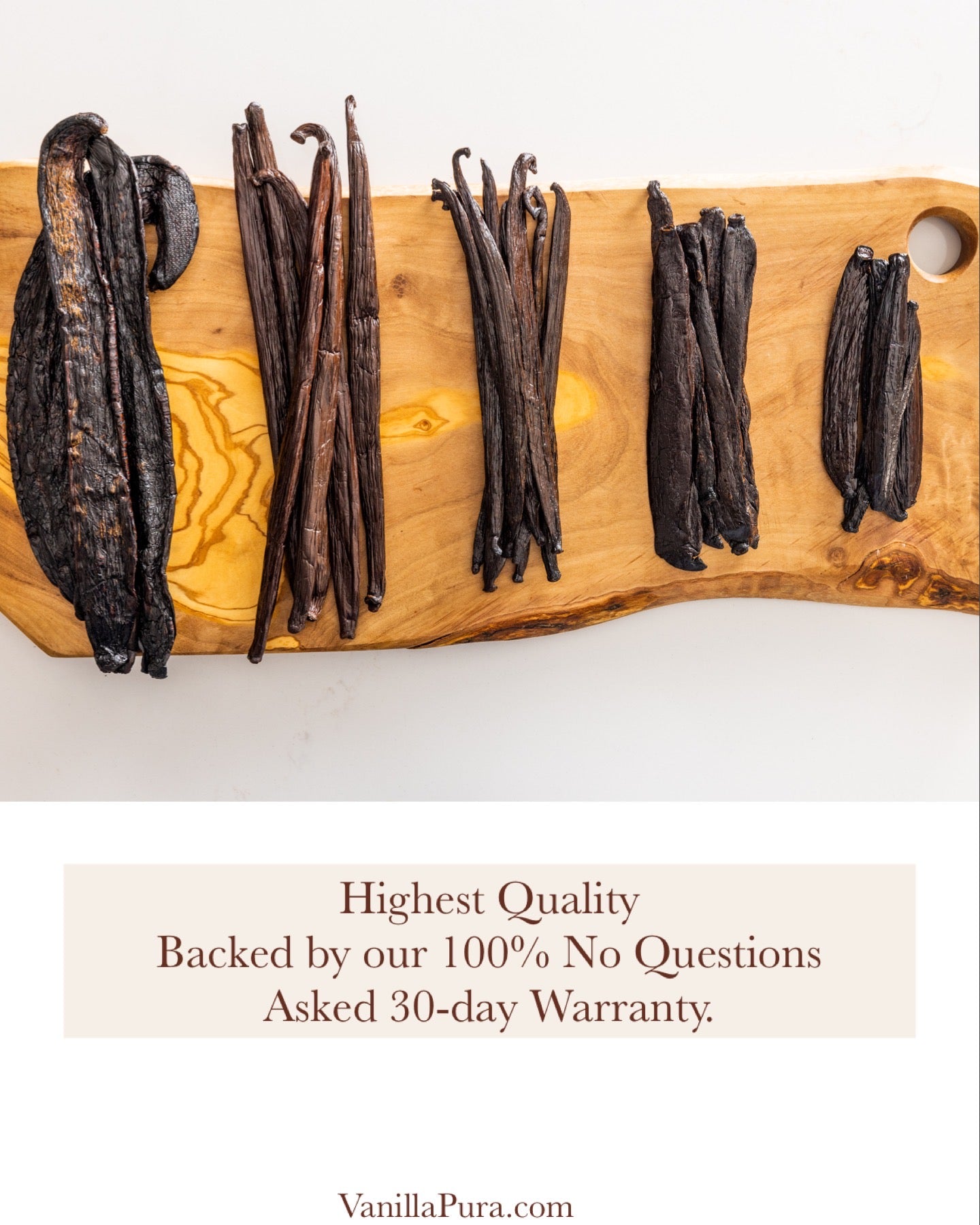
The spice notes are more pronounced than in Sri Lankan beans — there's a warmth and intensity here that commands attention. Congolese vanilla doesn't whisper; it speaks with authority. The beans are often large, dark, and intensely aromatic, with a rich, almost resinous oiliness that signals exceptional curing.
Best Uses
Congo vanilla is built for bold applications: dark chocolate desserts, espresso-based recipes, spiced cakes, pecan and walnut confections, BBQ sauces, and anything where vanilla needs to hold its own against strong competing flavors. It's also extraordinary in savory applications — a vanilla-forward pan sauce for duck or lamb, or a dark extract stirred into a mole.
Spirit Recommendations for Congolese Extract
The Virunga's intensity calls for spirits with depth and character — partners that can match the bean's boldness and amplify its dark, complex notes.
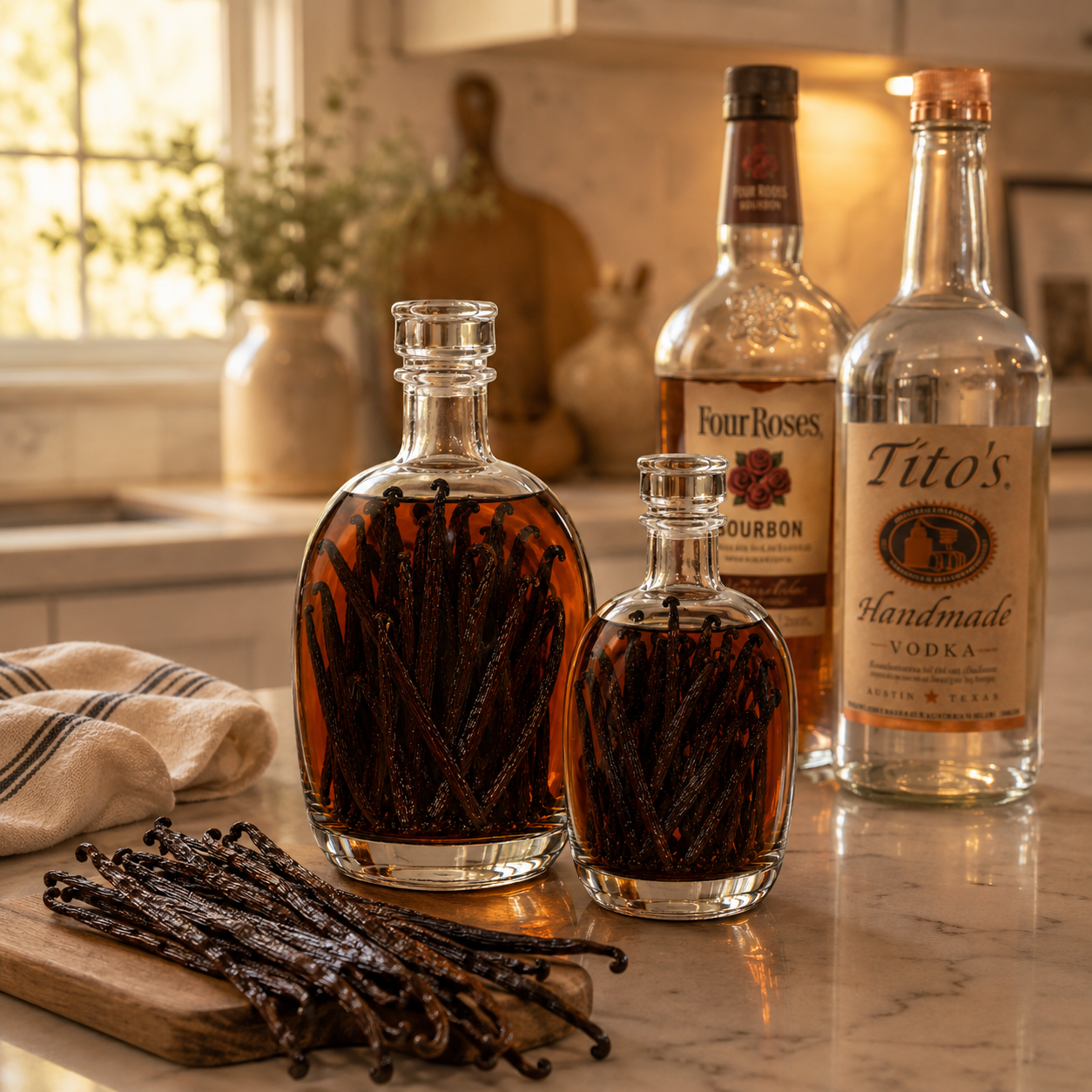
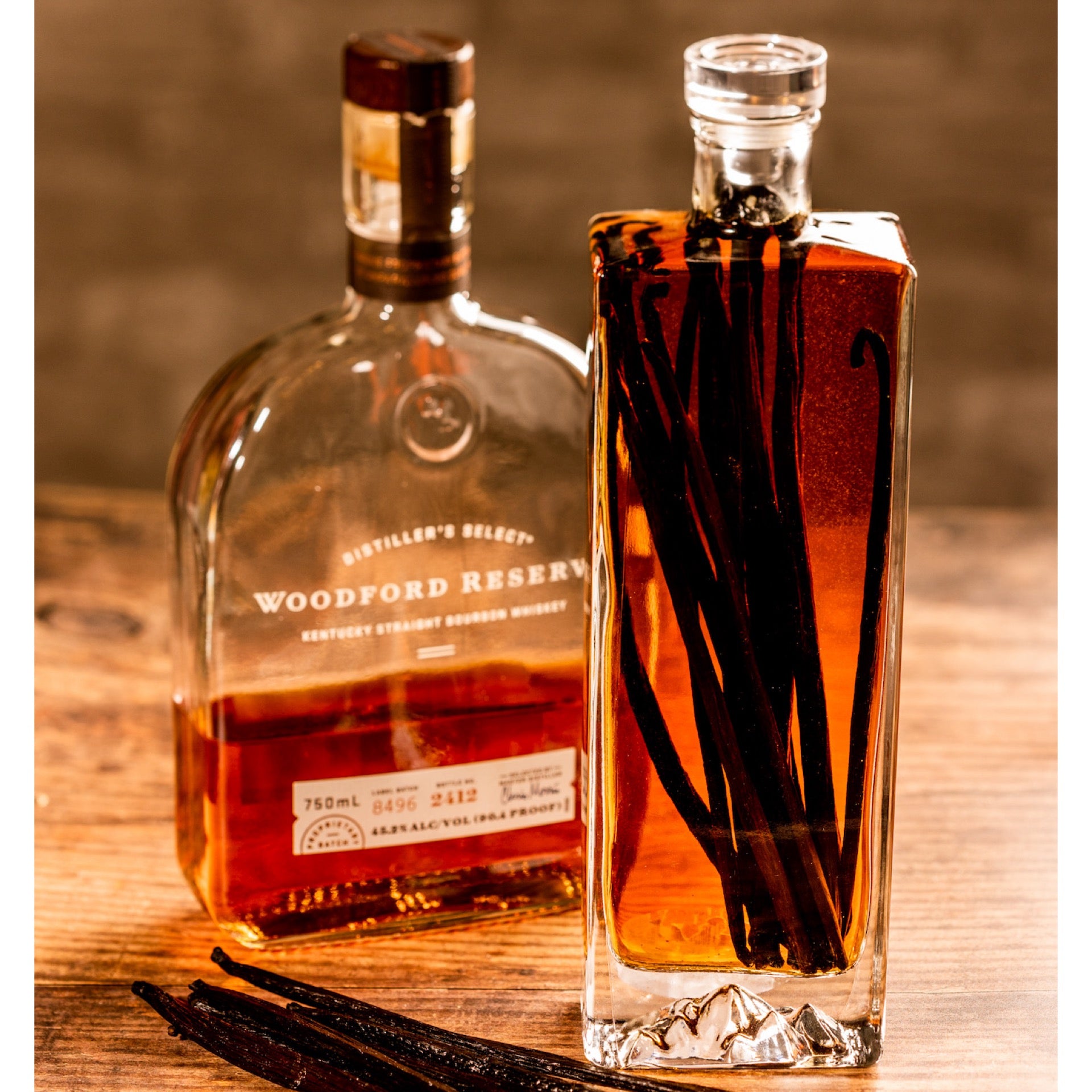
- Bourbon — The definitive pairing. Bourbon's caramel, oak, and vanilla backbone aligns perfectly with Congo's dark chocolate and dried fruit notes, creating an extract of extraordinary depth and richness. This is a combination that rewards patience: age 18 months to 2 years and the result is something genuinely special. Use in chocolate desserts, pecan pie, and anything with brown butter or caramel.
- Dark Rum — Molasses-rich dark rum and Congolese vanilla are a natural match. The rum's tropical fruit and deep caramel notes weave through the bean's earthy complexity, producing an extract that's lush, warming, and full-bodied. Age 18 months to 2 years. Exceptional in chocolate cake, banana bread, and rum-based confections.
- Cognac — For the most sophisticated expression of Congolese vanilla, cognac is unmatched. The spirit's dried apricot, oak, and spice notes find a natural counterpart in Congo's tobacco and dark fruit character, resulting in an extract of remarkable elegance and complexity. Age 18 months to 2 years and reserve it for your finest recipes. A few drops in a dark chocolate ganache or a vanilla-cognac crème brûlée is an experience unto itself.
- Rye Whiskey — Rye's assertive pepper and grain spice cuts through Congo's richness and adds a bold, almost savory dimension to the extract. This is a pairing for adventurous makers — use the resulting extract in spiced cookies, dark fruit cakes, or a vanilla old fashioned cocktail. Age 18 months to 2 years.
Side by Side: The Key Differences
At their core, Sri Lankan and Congolese V. planifolia represent two ends of a spectrum within the same species:
- Sri Lanka — Creamy, soft, floral, milky, refined. A vanilla that supports and elevates. Best with light spirits and delicate recipes.
- Congo (The Virunga) — Bold, earthy, dark, complex, assertive. A vanilla that leads and commands. Best with aged, dark spirits and robust recipes.
Neither is better than the other — they are simply different tools for different moments. The most rewarding approach is to keep both on hand: a Sri Lankan vodka extract for your everyday baking and a Congolese bourbon extract for your most ambitious recipes.
Make Both. Compare. Discover.
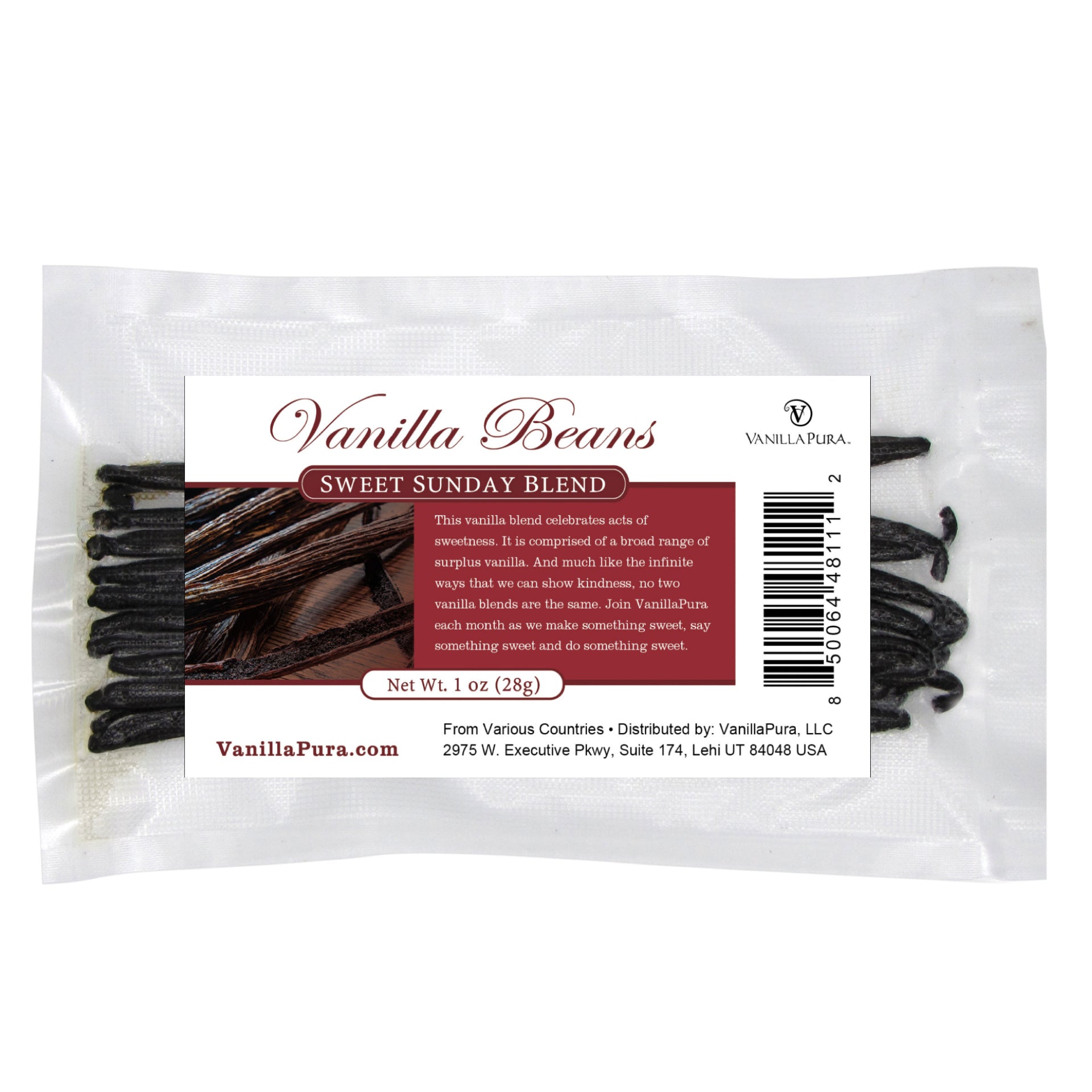
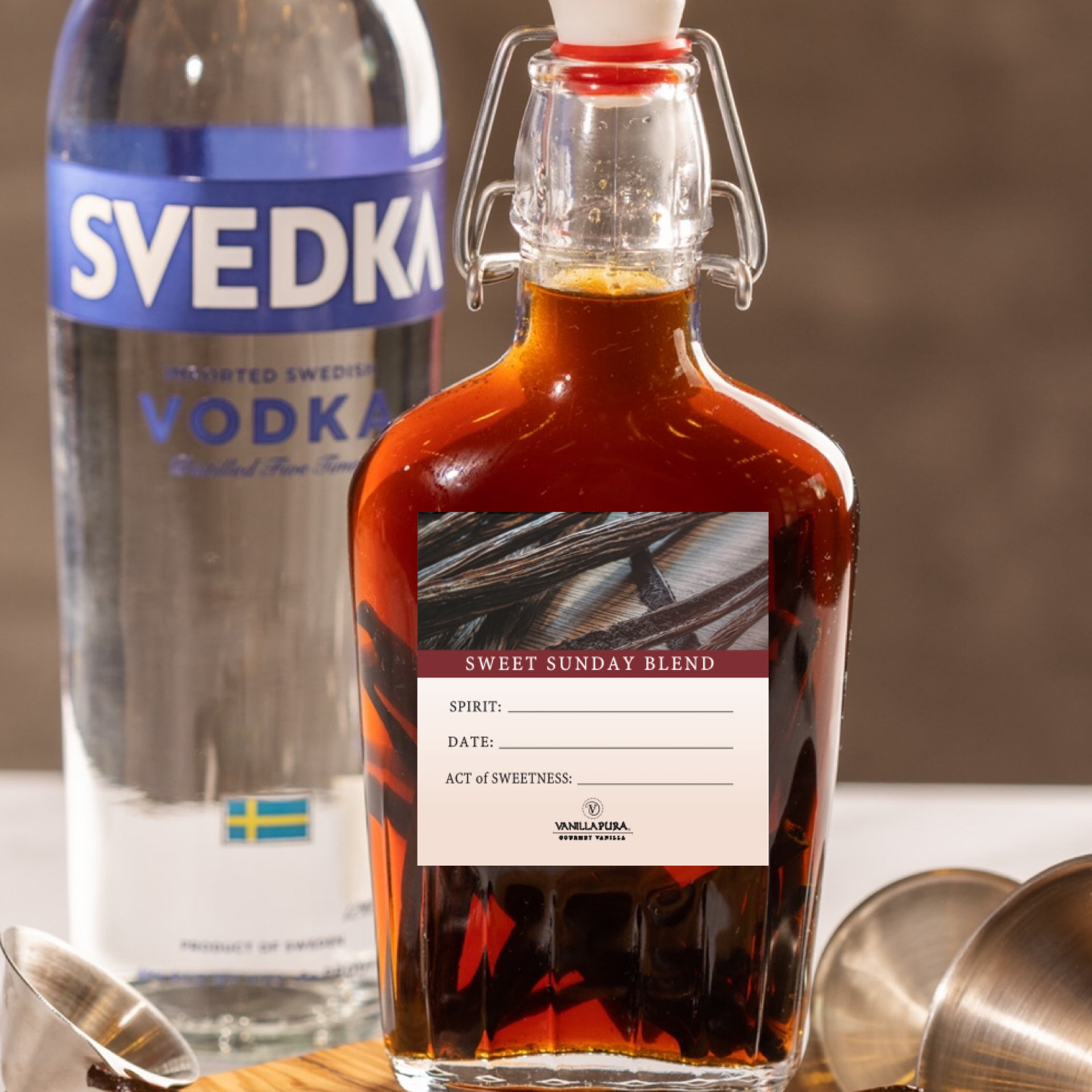
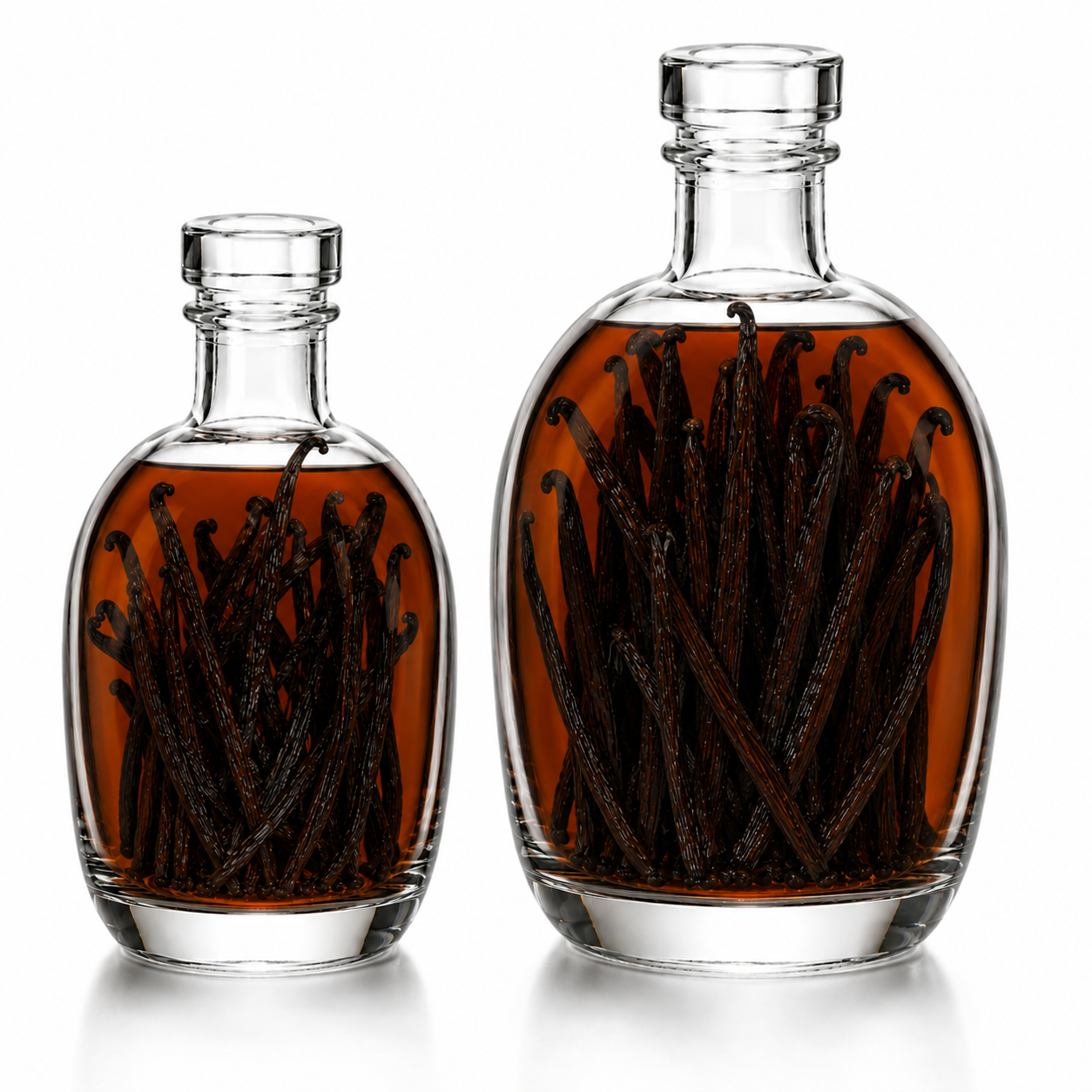
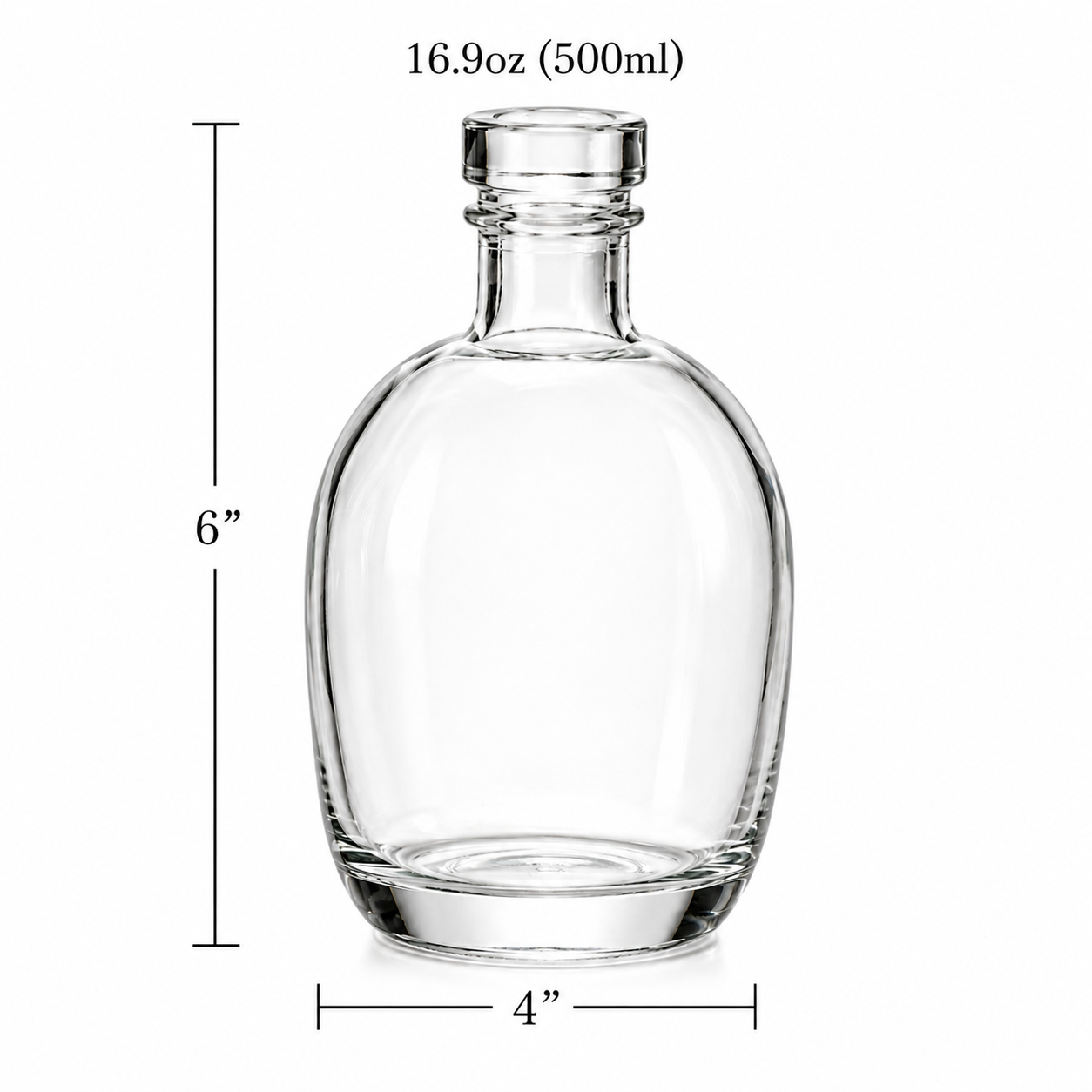
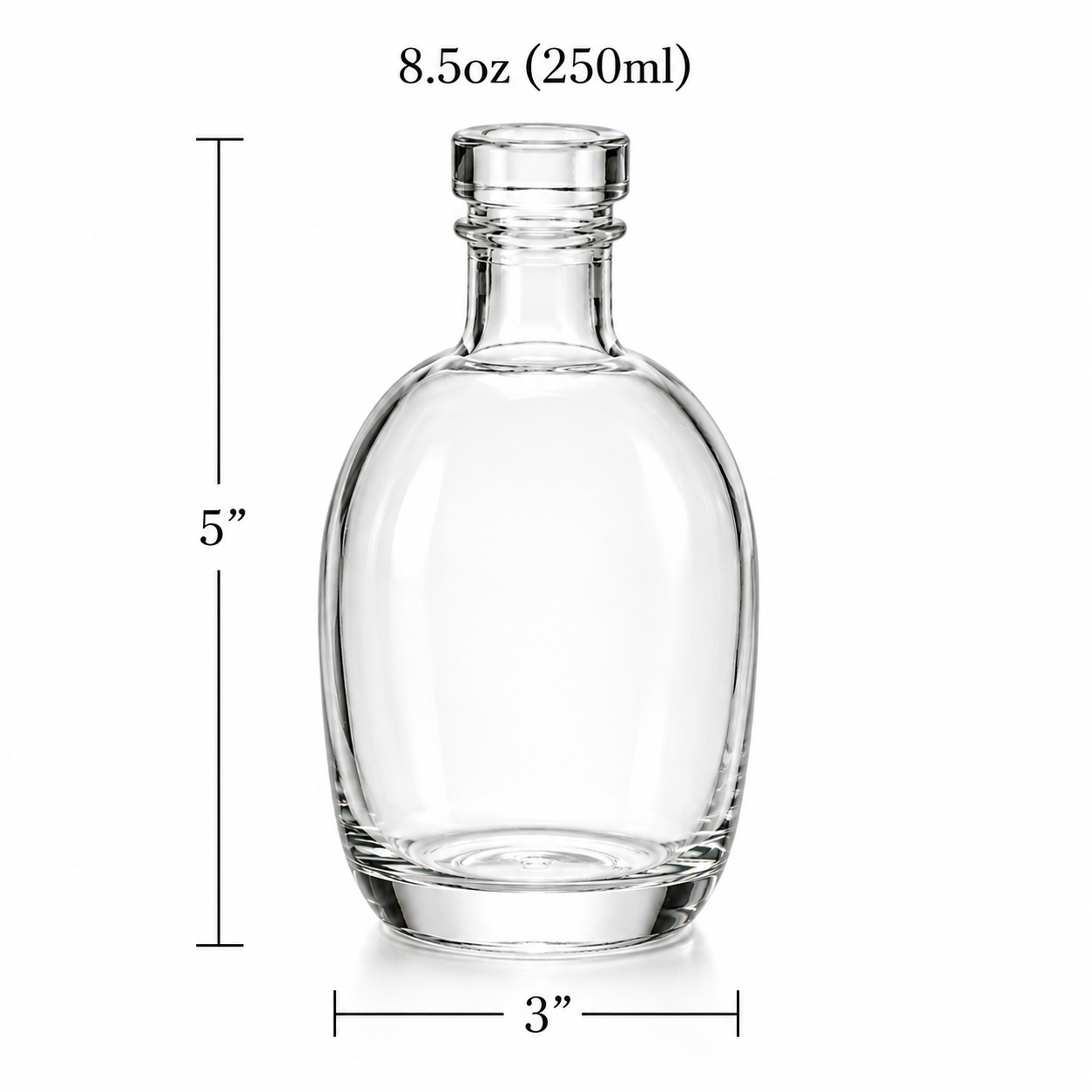
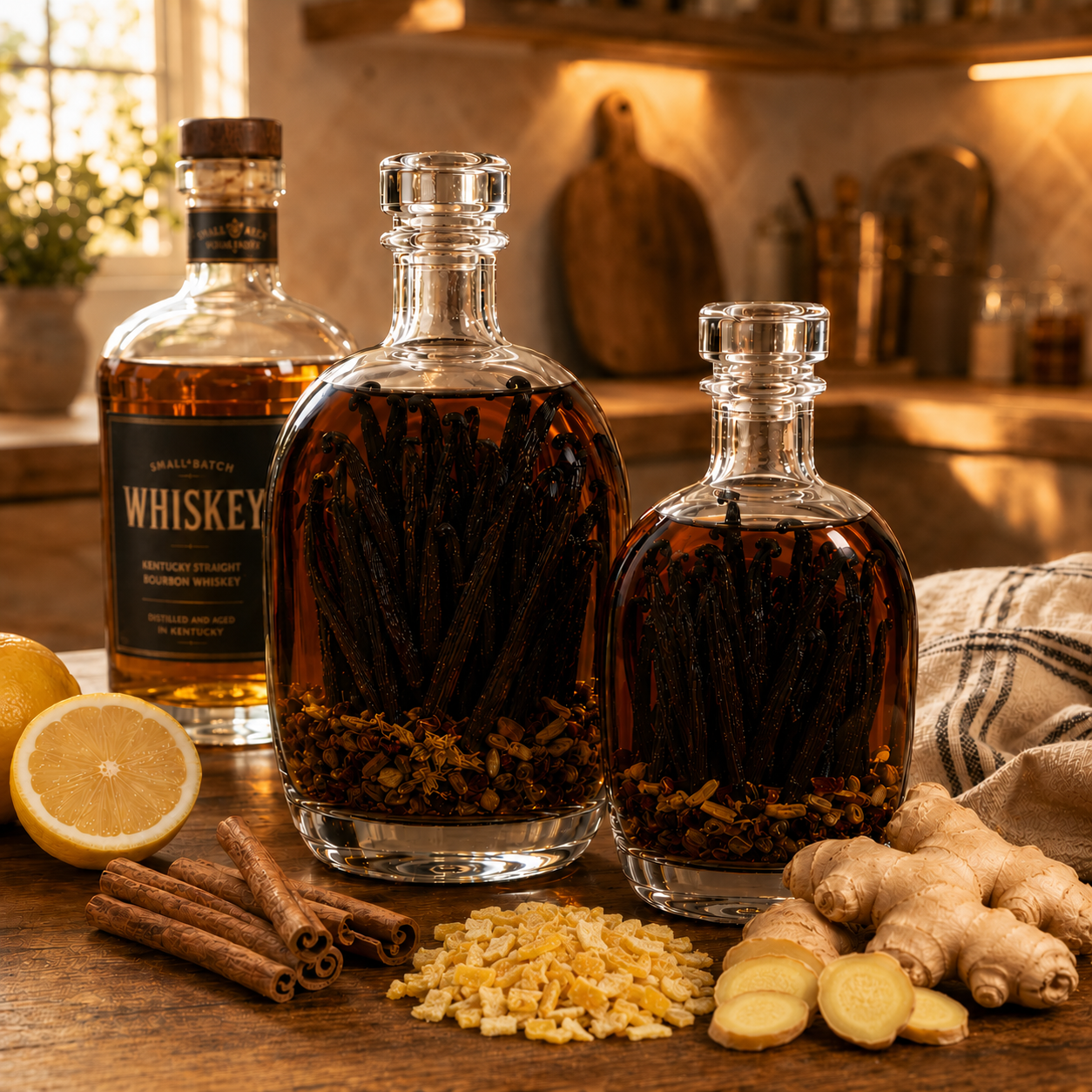
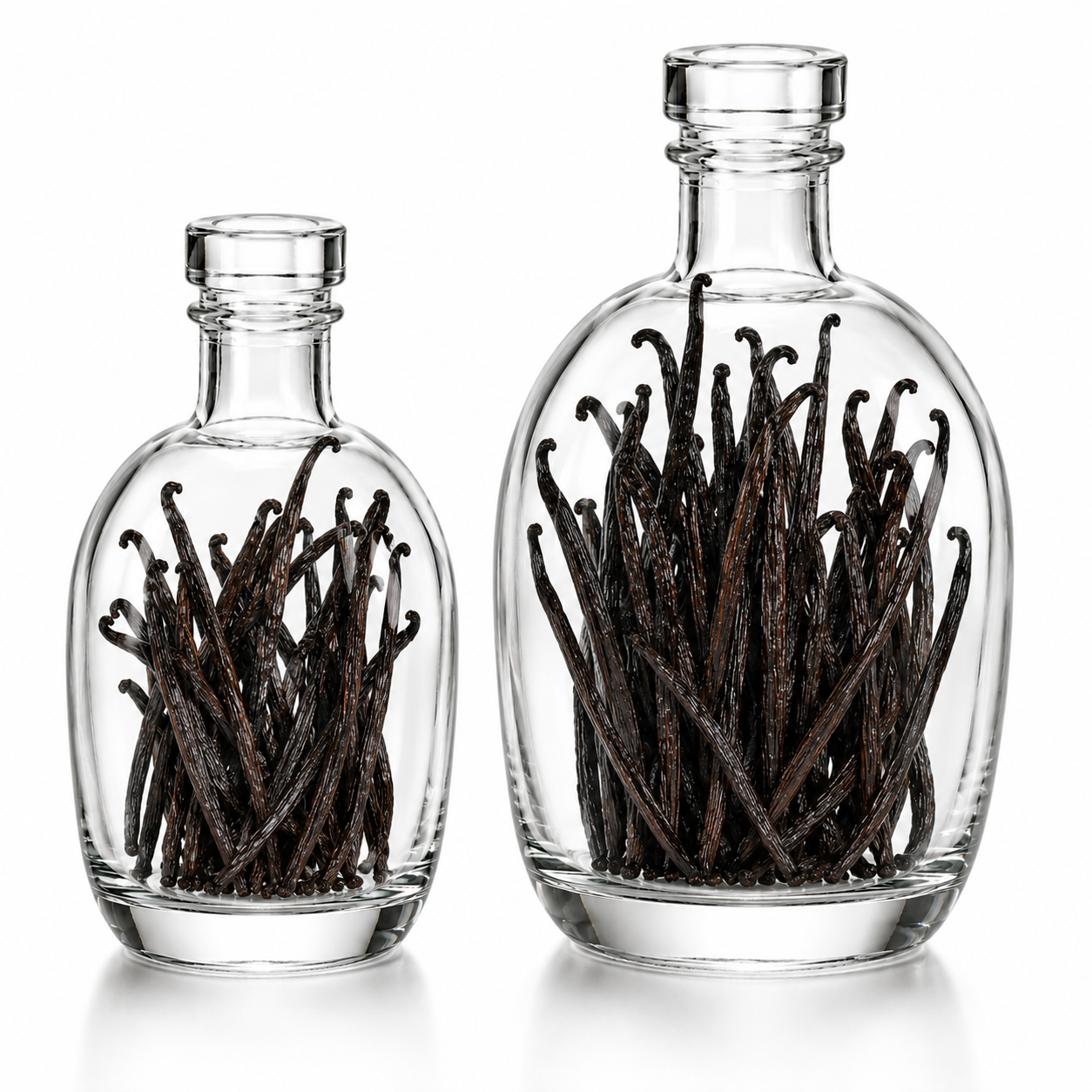
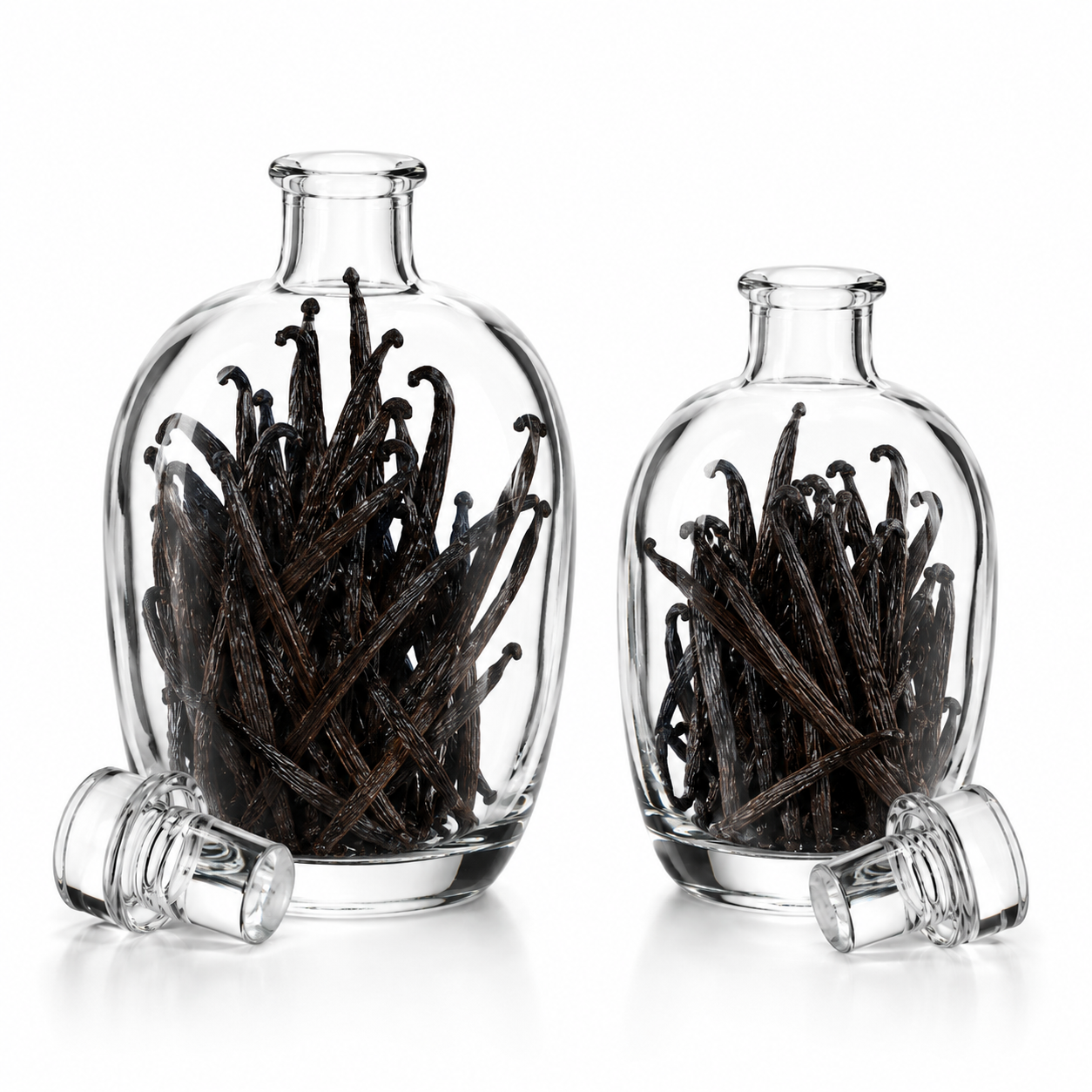
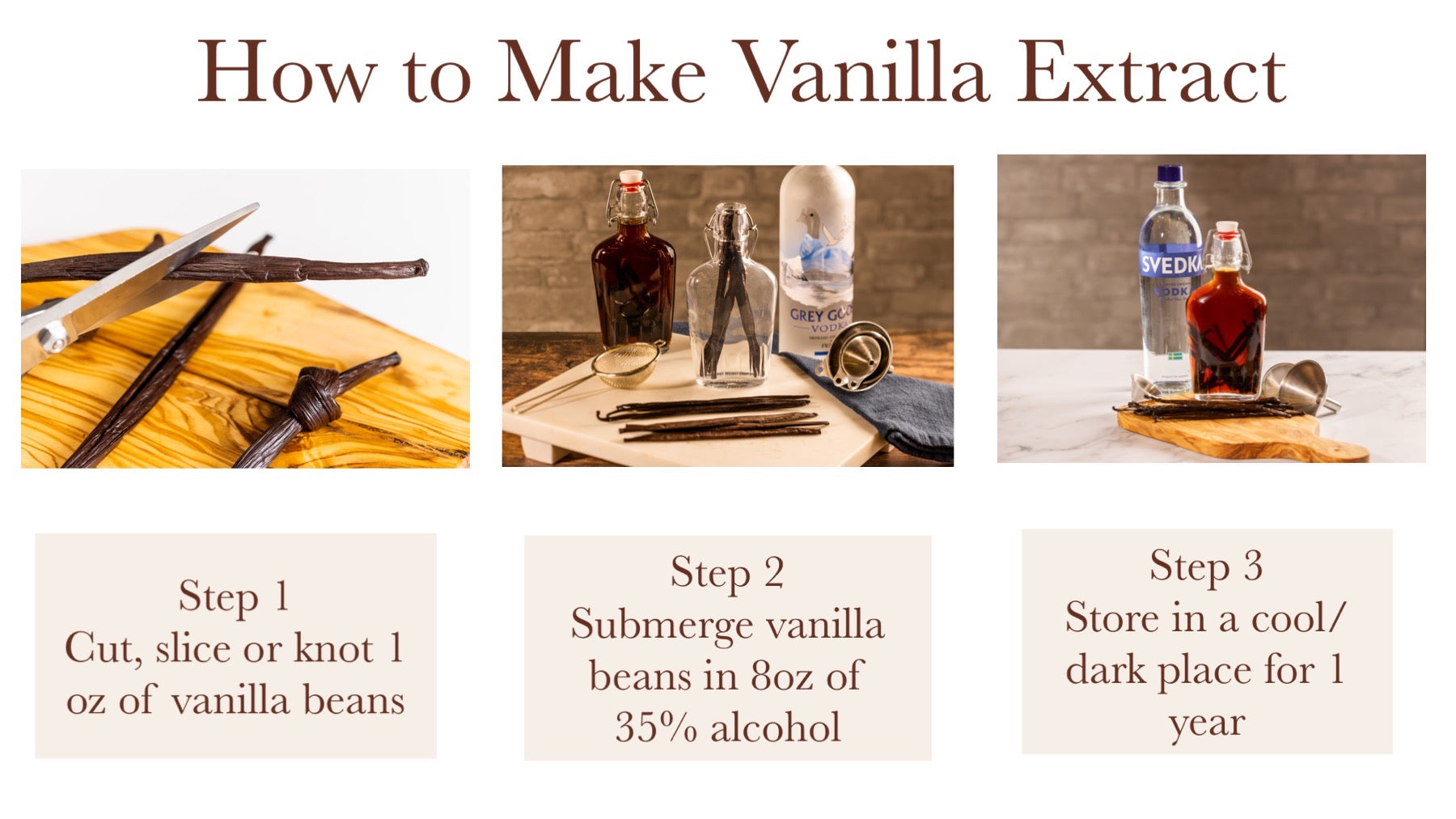
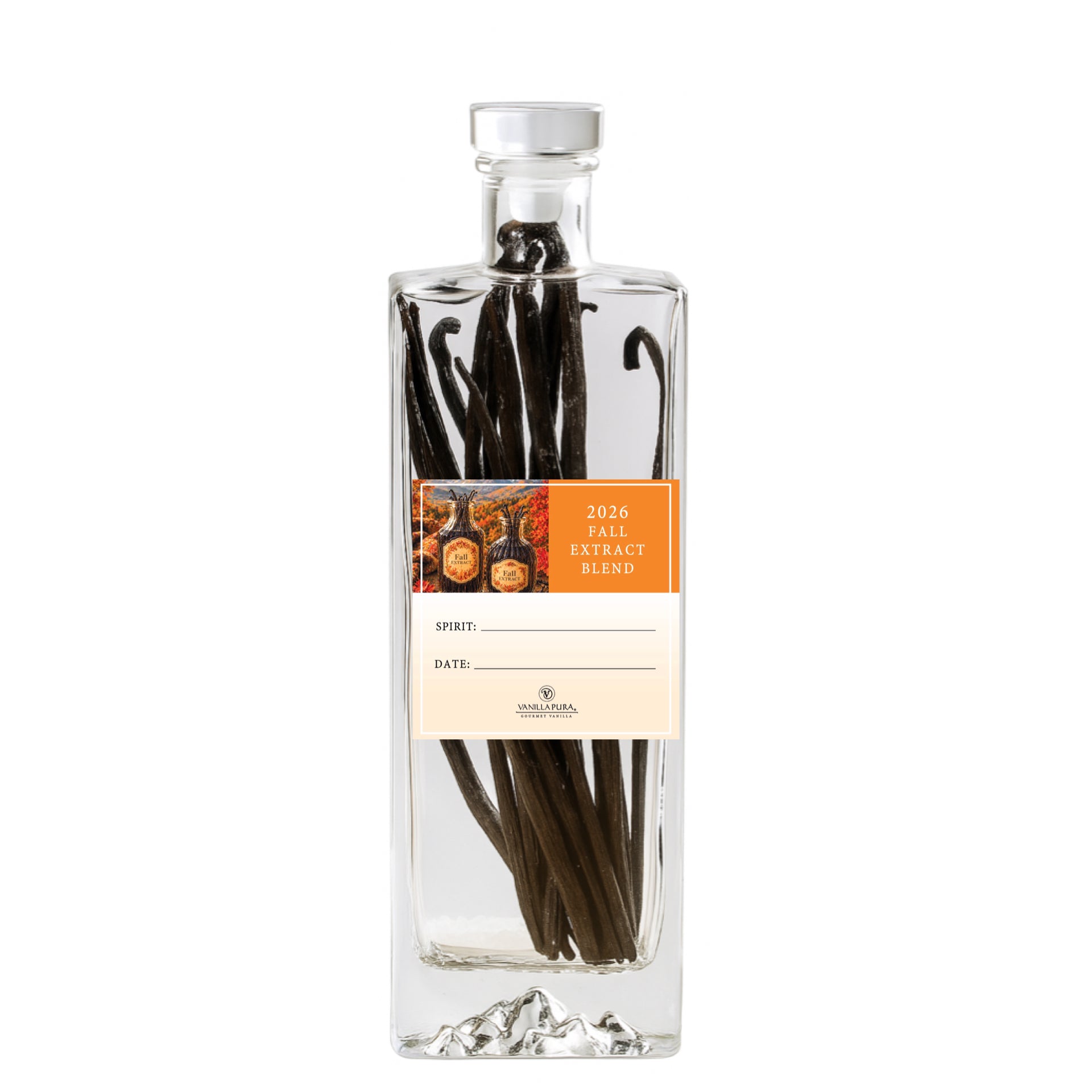
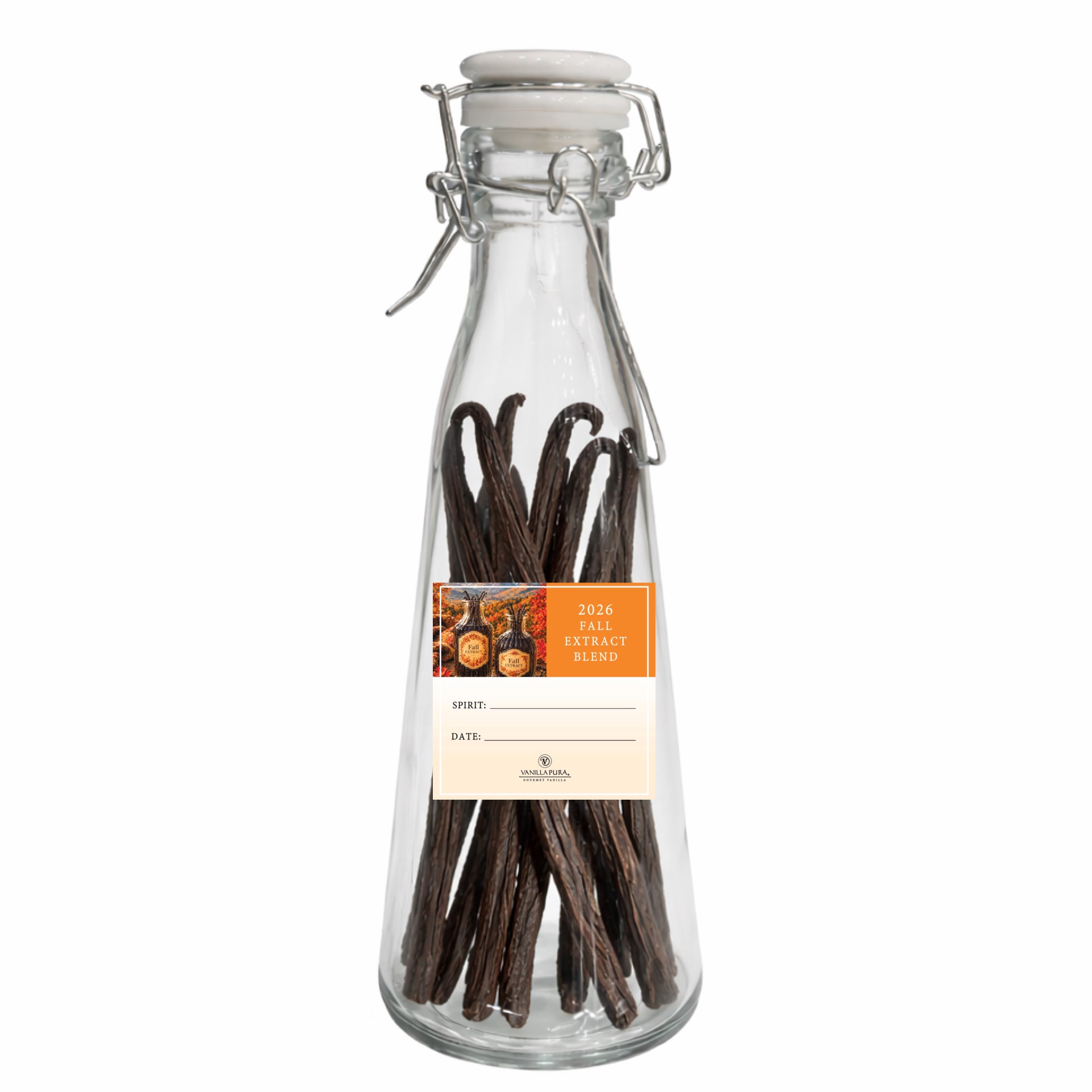
The best way to truly understand the difference between these two origins is to make an extract from each and taste them side by side. Use 1 oz of beans for every 8 oz of your chosen spirit, split the beans lengthwise, seal in a clean glass bottle, and store in a cool dark place. For light spirits, allow up to 1 year of aging. For dark spirits, give it 18 months to 2 years for the full expression to develop.
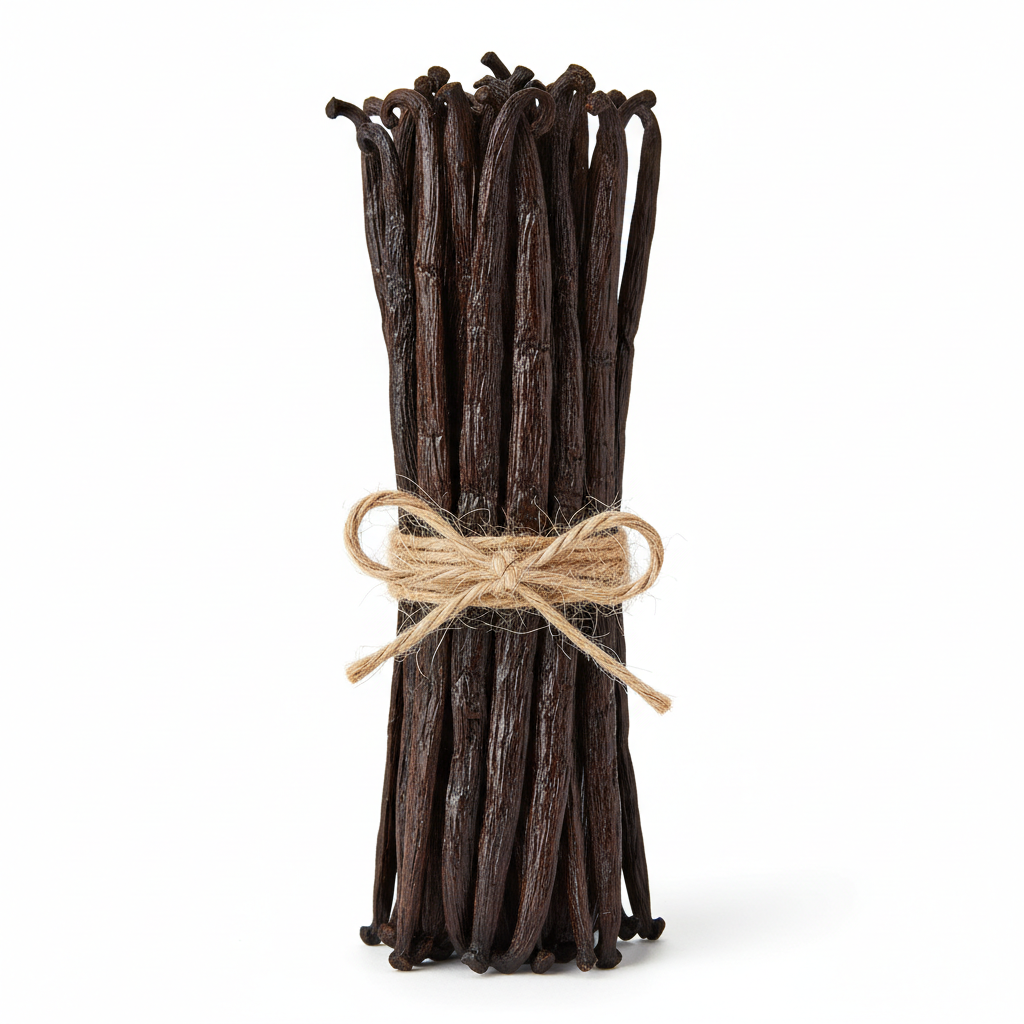
Ready to start? Shop Sri Lankan Vanilla Beans and The Virunga Congo Vanilla Beans and begin both batches today.
Start both batches at the same time. Label them carefully. And when they're ready, open them on the same evening, hold them up to the light, and smell them back to back. Two beans. One species. Two entirely different worlds.
That's the magic of origin. And that's why real vanilla is worth making yourself.