
When you're standing in the baking aisle, faced with bottles of vanilla extract at vastly different price points, you might wonder: what's the real difference between pure and imitation vanilla extract? As passionate vanilla experts, we're here to break down everything you need to know to make the best choice for your baking.
What is Pure Vanilla Extract?
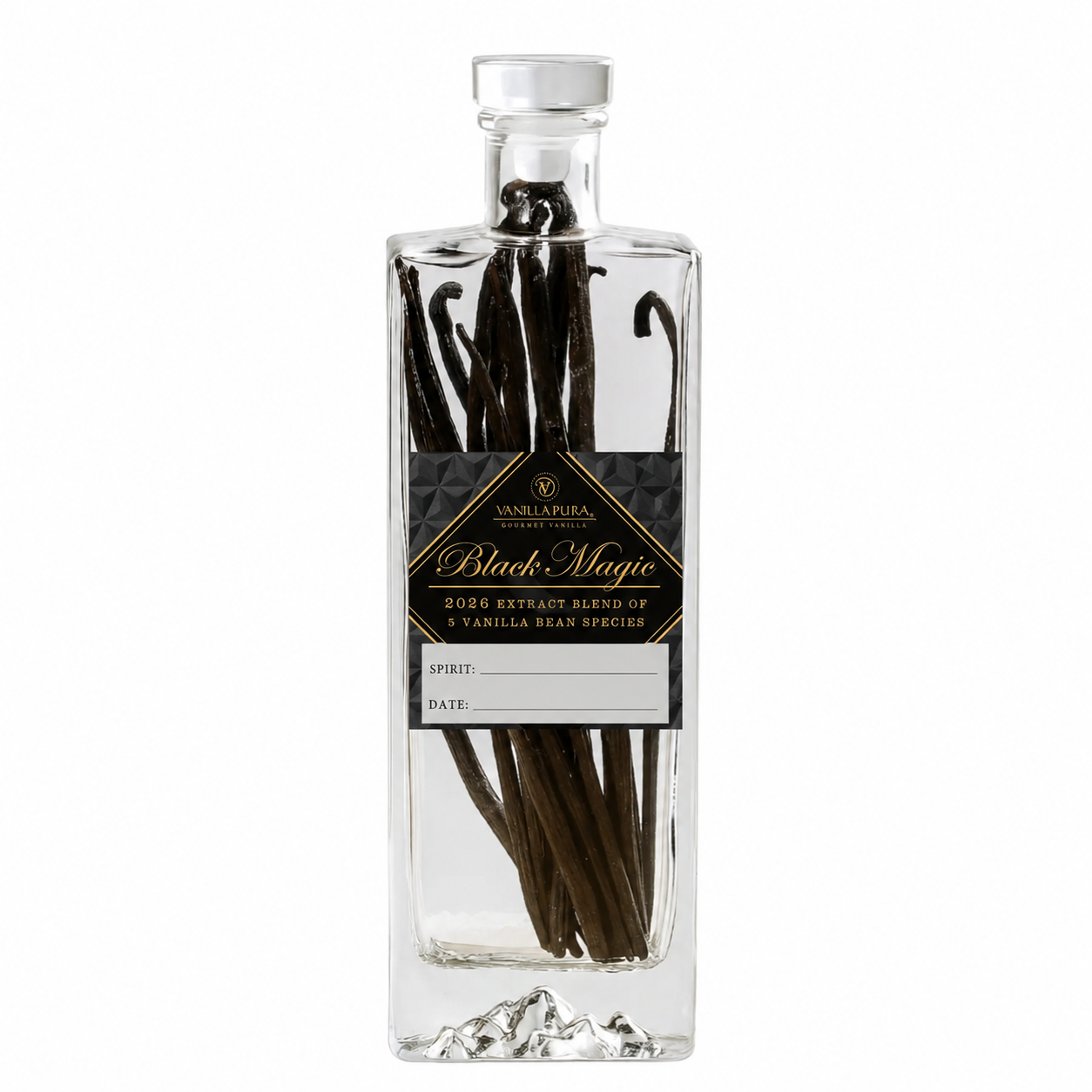
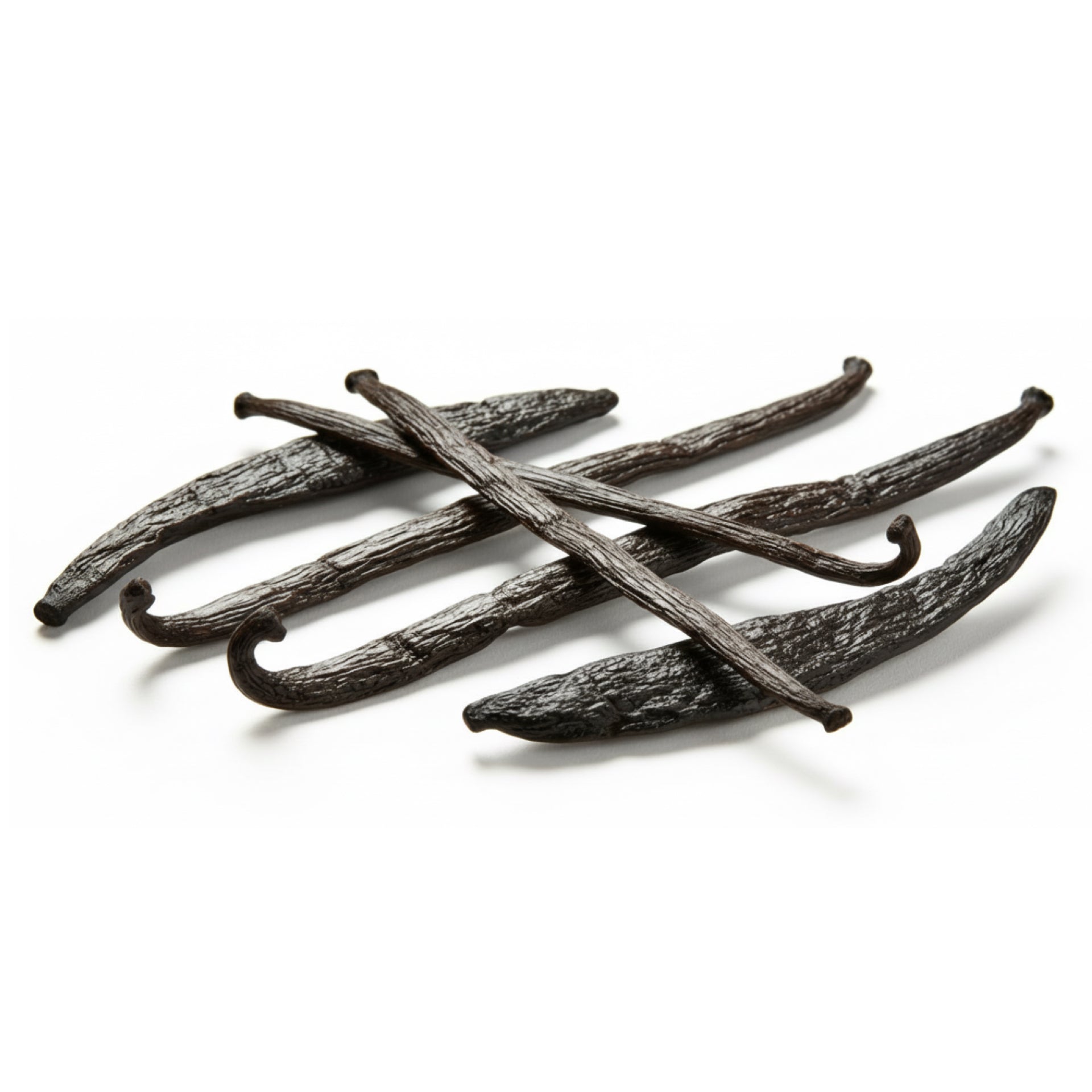
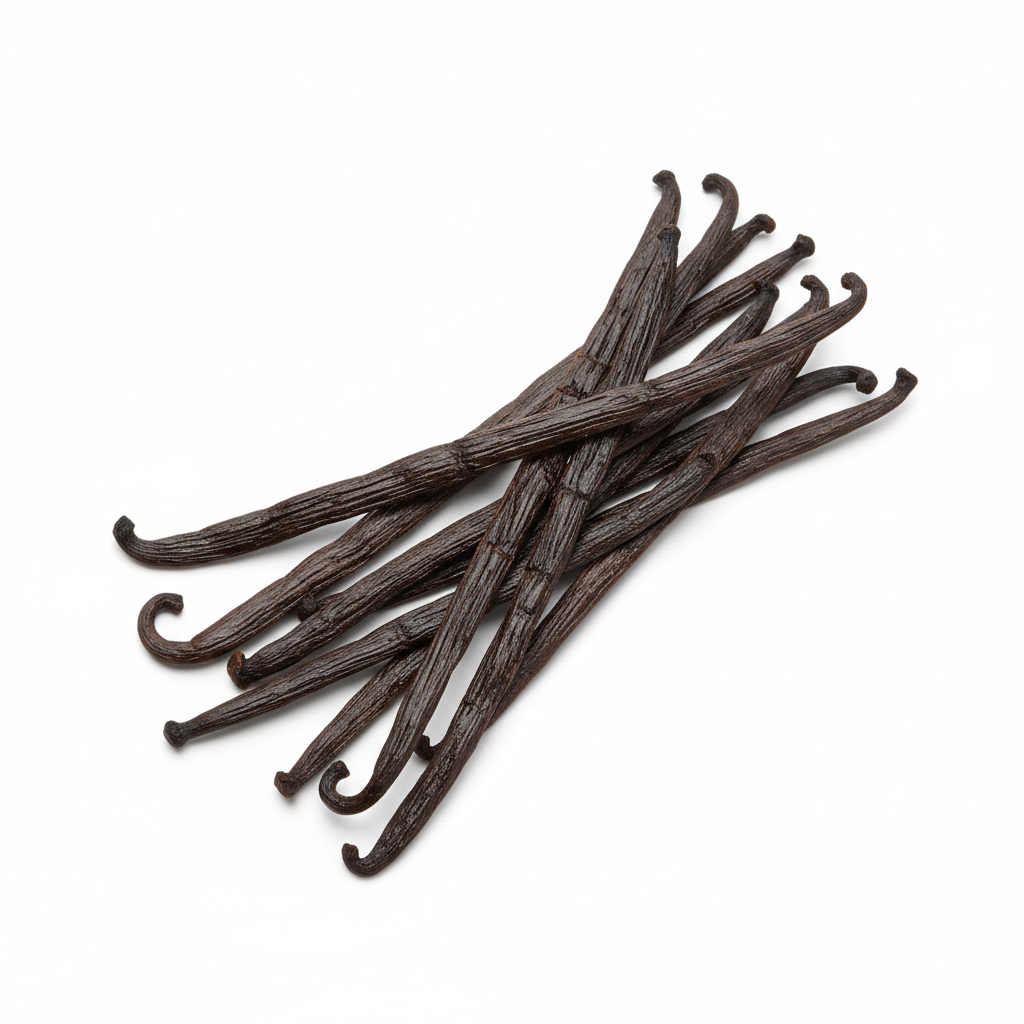
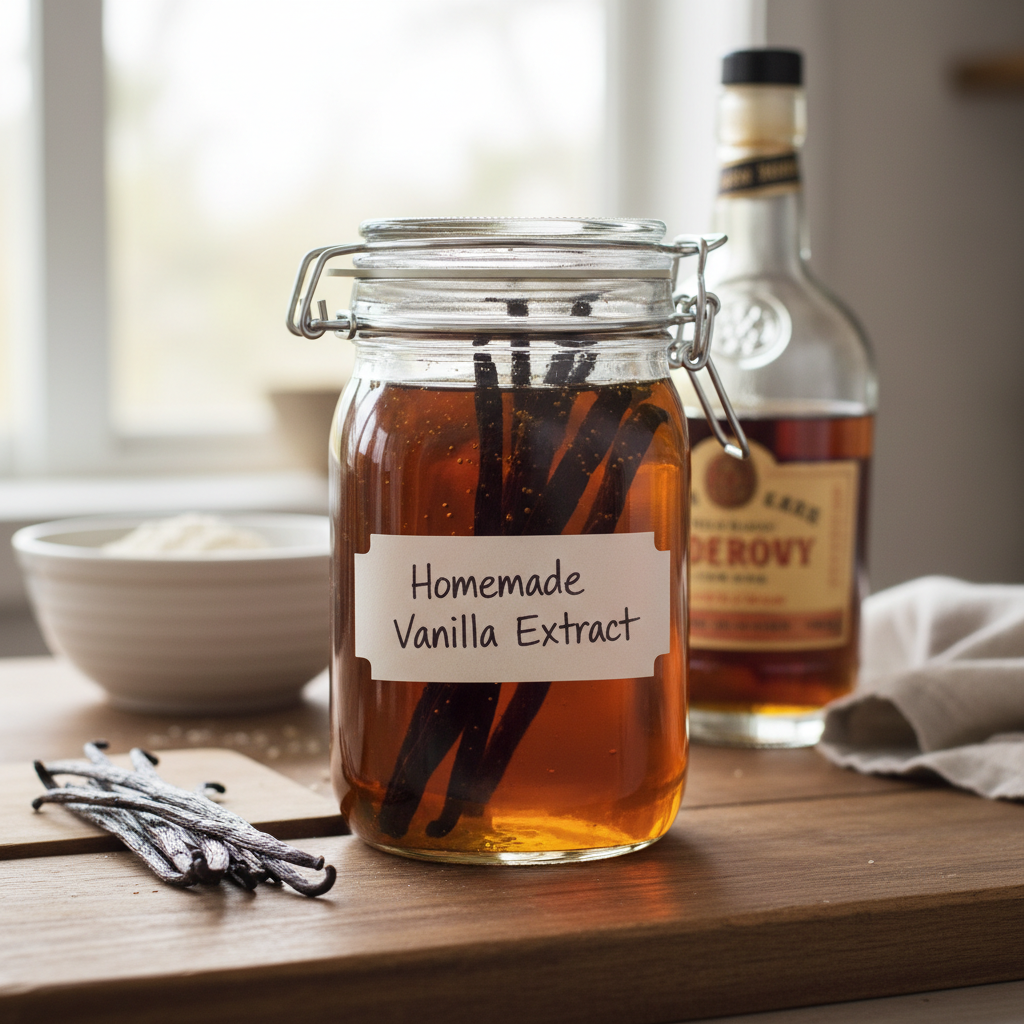
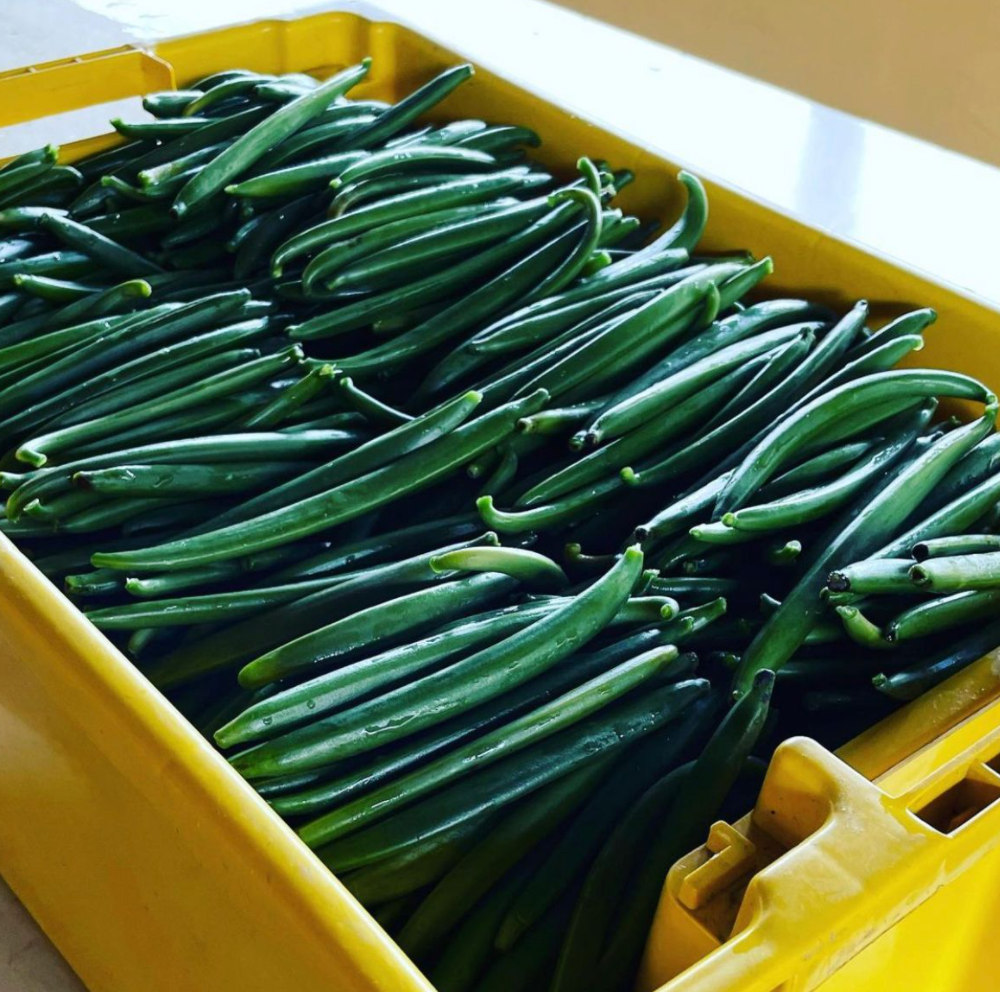
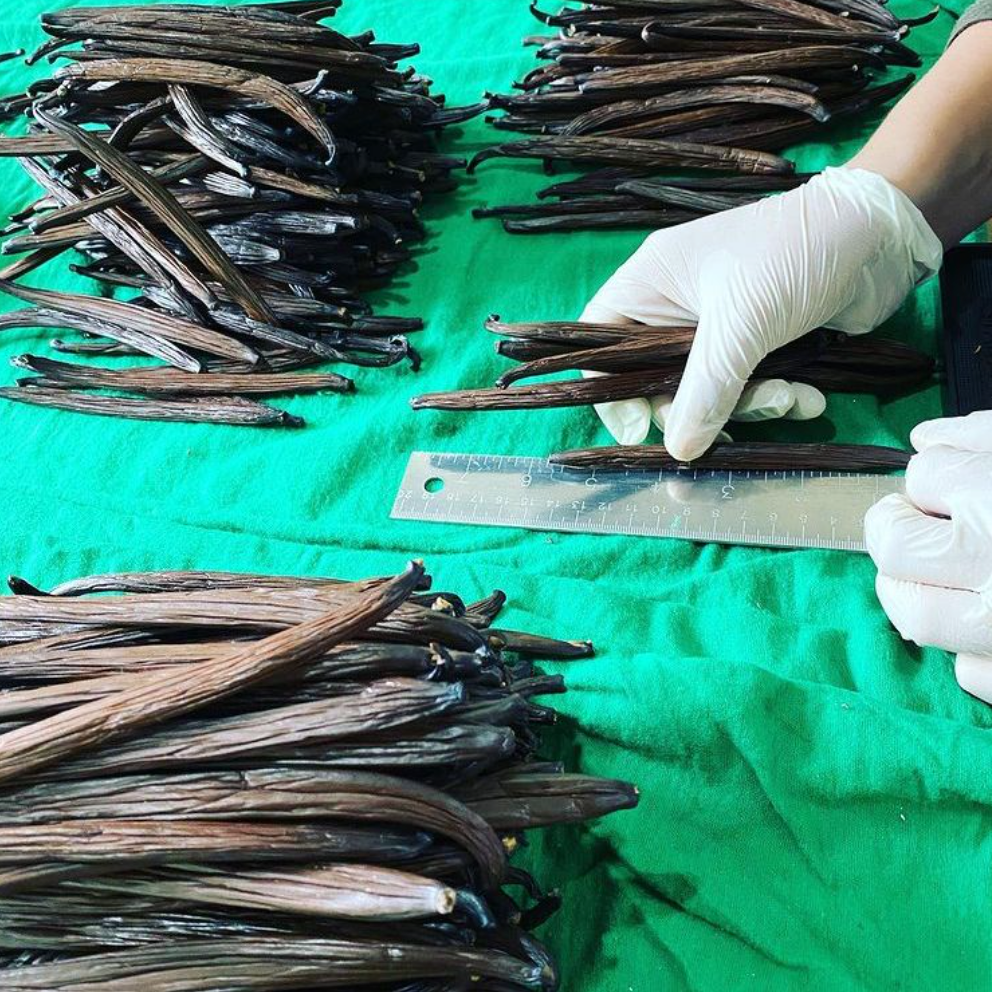
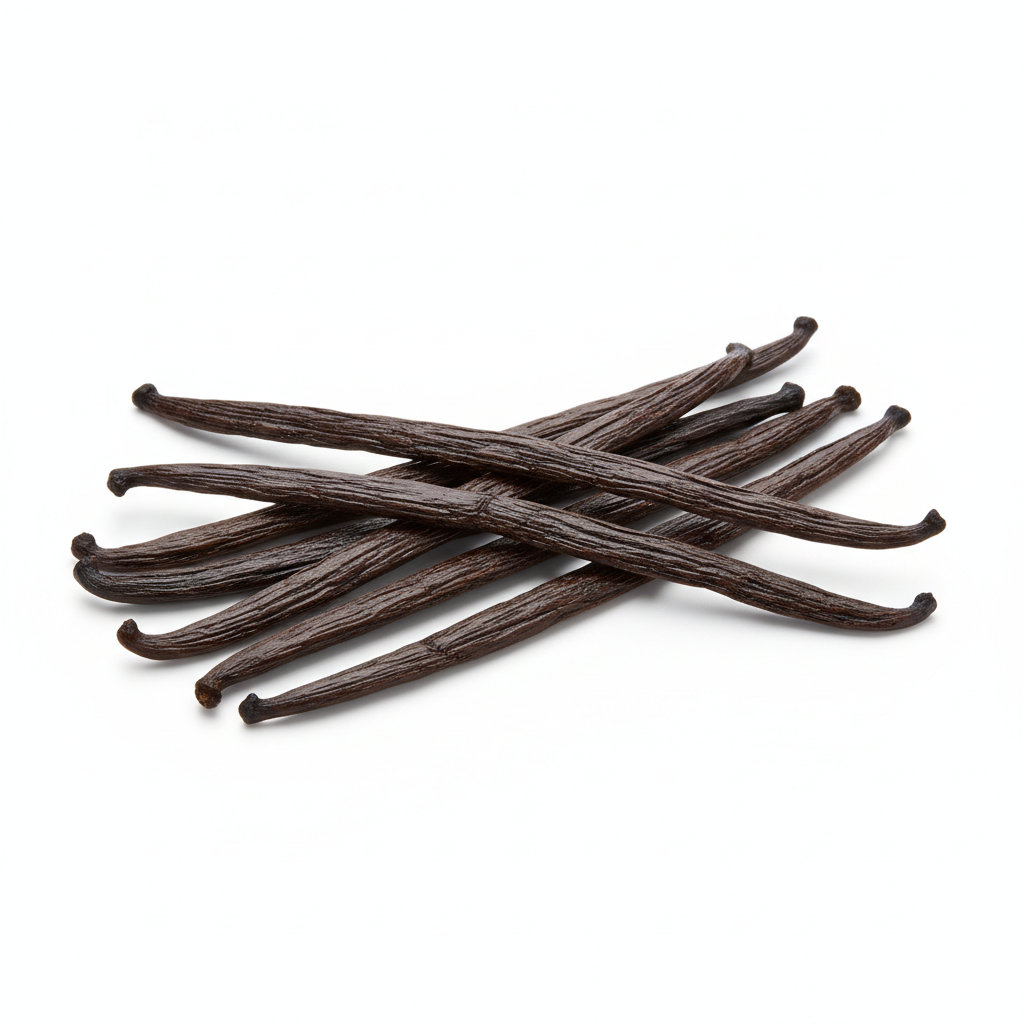
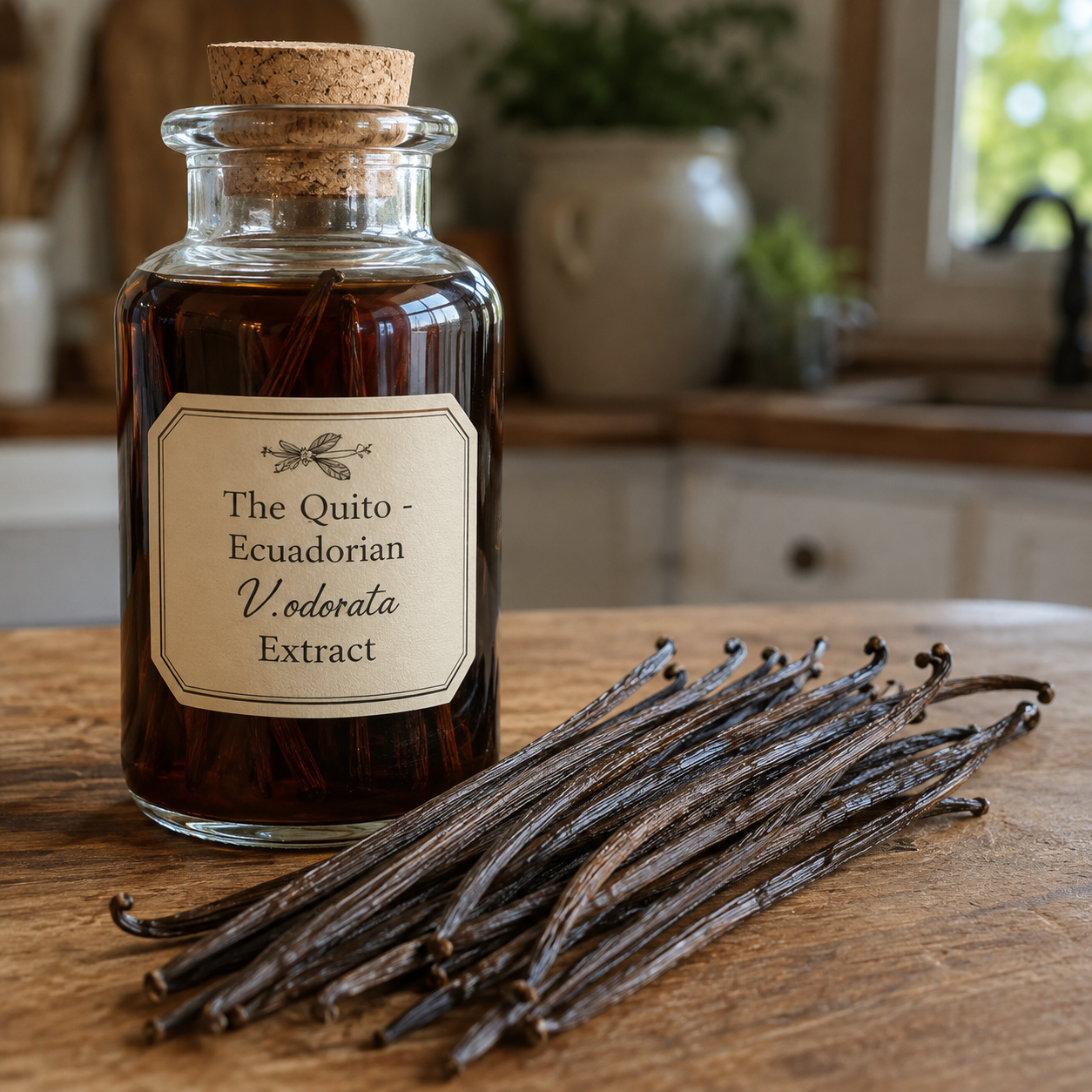
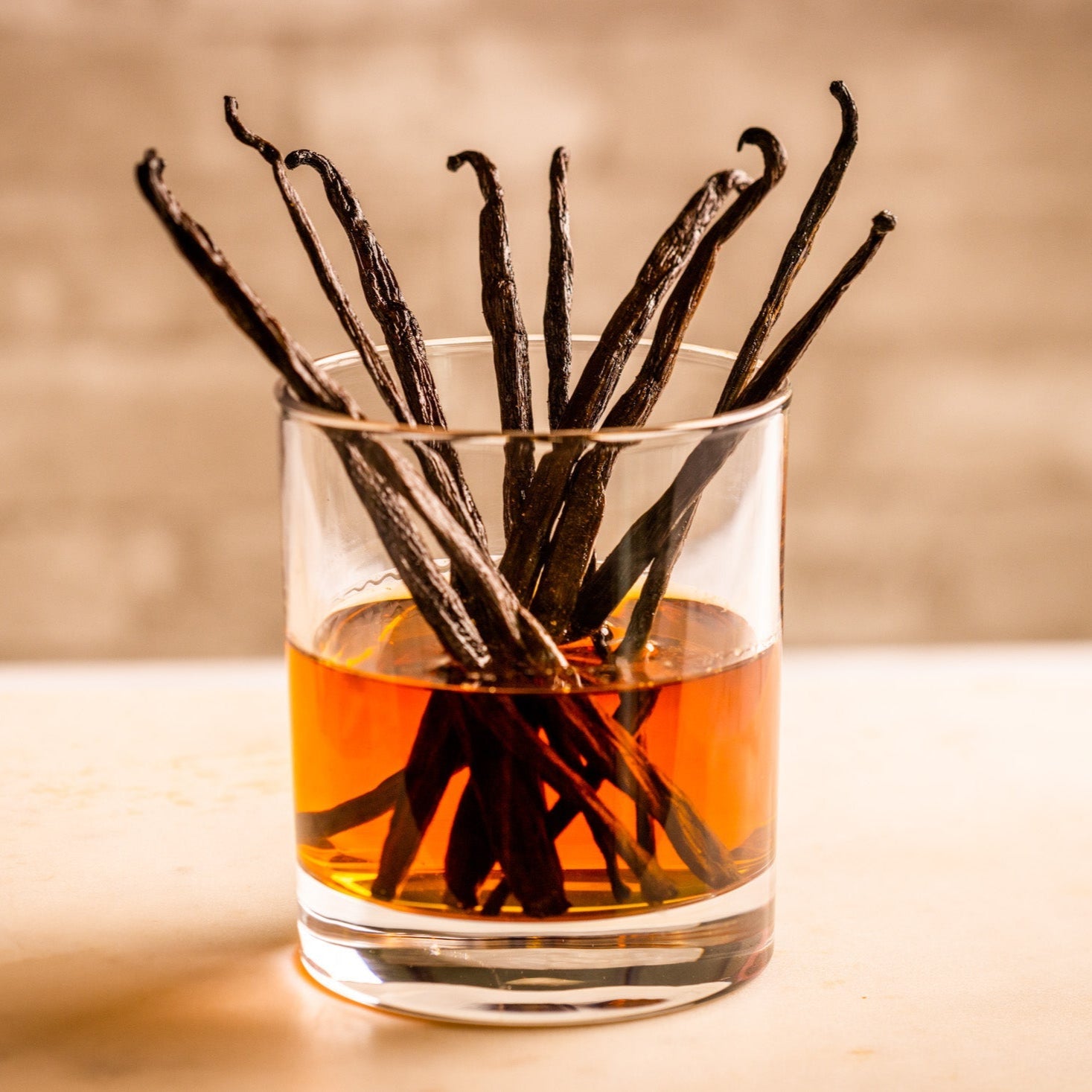
Pure vanilla extract is made from real vanilla beans that have been soaked in alcohol and water. According to FDA standards, pure vanilla extract must contain at least 35% alcohol and 13.35 ounces of vanilla beans per gallon. This natural extraction process captures the complex flavor compounds that make vanilla so beloved in baking.
What is Imitation Vanilla Extract?
Imitation vanilla extract, also called vanilla flavoring, is made primarily from vanillin - a synthetic compound that mimics vanilla's primary flavor note. Most commercial imitation vanilla uses vanillin derived from wood pulp, though some premium versions use vanillin from other sources.
Key Differences: Pure vs. Imitation Vanilla
Flavor Complexity
Pure vanilla extract contains over 250 flavor compounds, creating a rich, complex taste with floral, fruity, and spicy notes. Imitation vanilla contains primarily vanillin, resulting in a one-dimensional, sweet flavor that can taste artificial in delicate applications.
Heat Stability
Here's where it gets interesting: imitation vanilla actually performs better in high-heat applications like cookies and cakes. The synthetic vanillin is more heat-stable than the delicate compounds in pure vanilla. However, pure vanilla shines in no-bake desserts, custards, and ice creams where its complex flavor can truly develop.
Cost Considerations
Pure vanilla extract typically costs 3-4 times more than imitation vanilla. However, you often need less pure vanilla to achieve the same flavor intensity, making the cost difference less significant than it initially appears.
When to Use Pure Vanilla Extract
- Ice cream and frozen desserts
- Custards and puddings
- Buttercream frosting
- No-bake desserts
- Premium baked goods where vanilla is the star flavor
When Imitation Vanilla Works Well
- Chocolate desserts (where vanilla plays a supporting role)
- High-heat baking like cookies and muffins
- Large-batch baking where cost is a concern
- Spiced desserts with strong competing flavors
How to Choose Quality Vanilla Extract
For pure vanilla extract, look for products that list only vanilla beans, alcohol, and water in the ingredients. Avoid products with added sugars or artificial colors. The extract should be dark brown and have a rich, complex aroma.
For imitation vanilla, choose products that specify the source of vanillin and avoid those with artificial colors or excessive additives.
Storage Tips for Maximum Flavor
Both pure and imitation vanilla extract should be stored in a cool, dark place. Pure vanilla extract actually improves with age, while imitation vanilla maintains consistent flavor. Neither type expires, but they may lose potency over time if not stored properly.
The Bottom Line
The choice between pure and imitation vanilla extract depends on your specific baking needs, budget, and taste preferences. For the most versatile baking pantry, consider keeping both on hand - pure vanilla for special occasions and delicate desserts, and imitation vanilla for everyday baking and high-heat applications.
At VanillaPura, we believe in the power of pure, high-quality vanilla to transform your baking. Whether you choose pure or imitation vanilla, understanding these differences will help you make informed decisions that elevate your desserts.