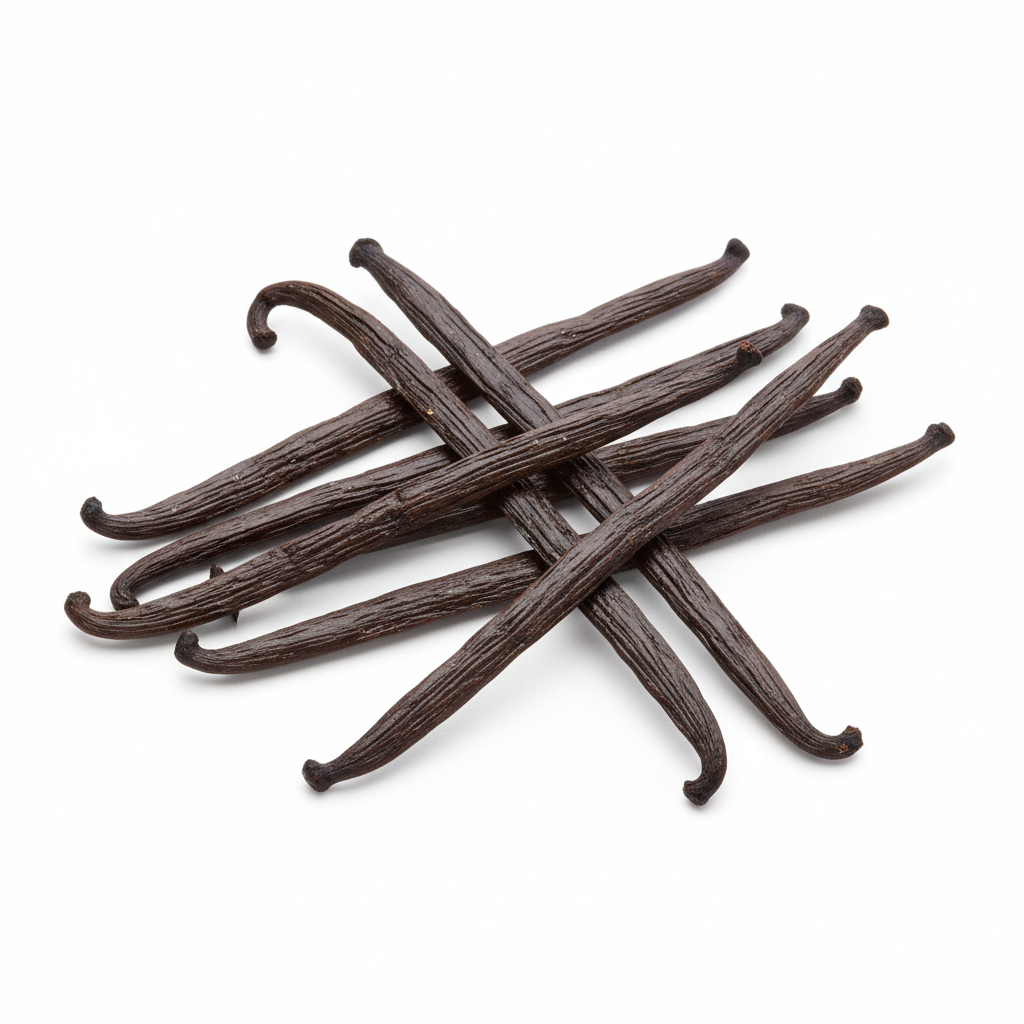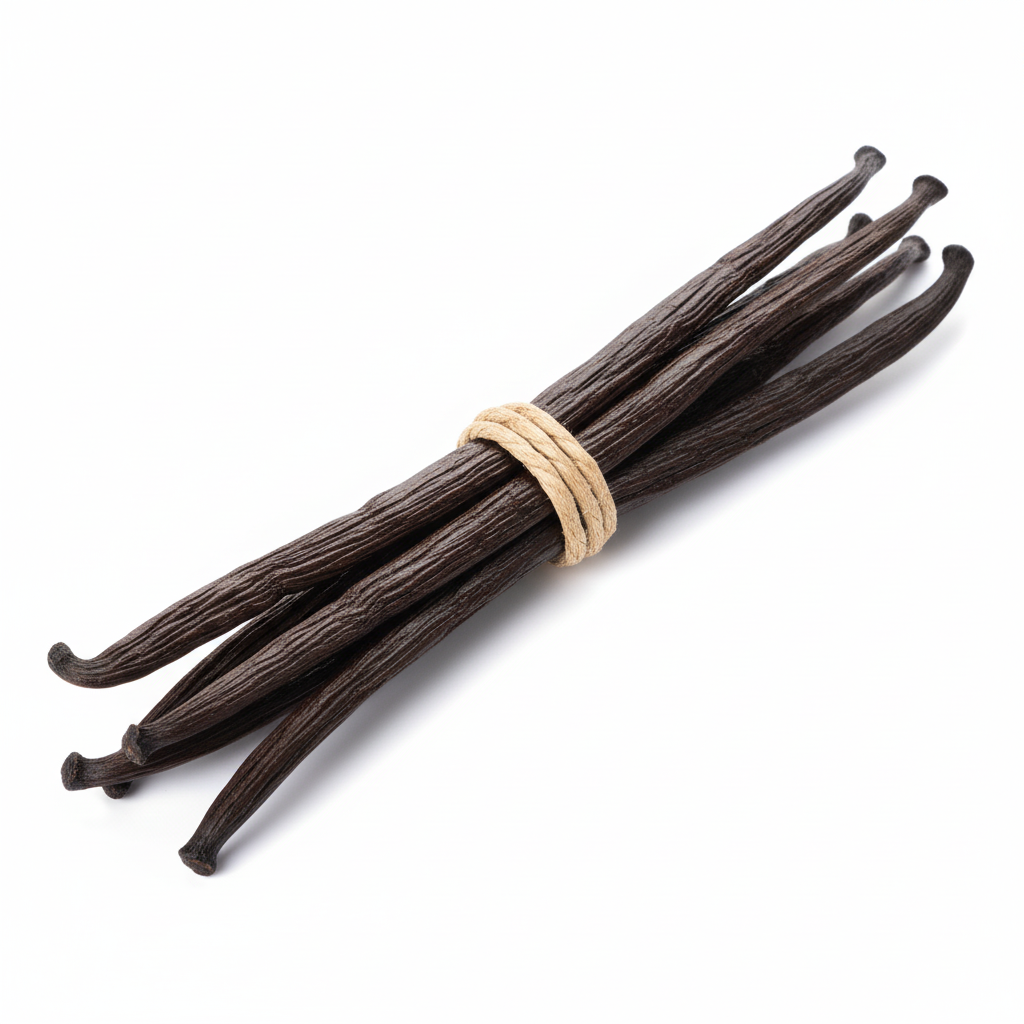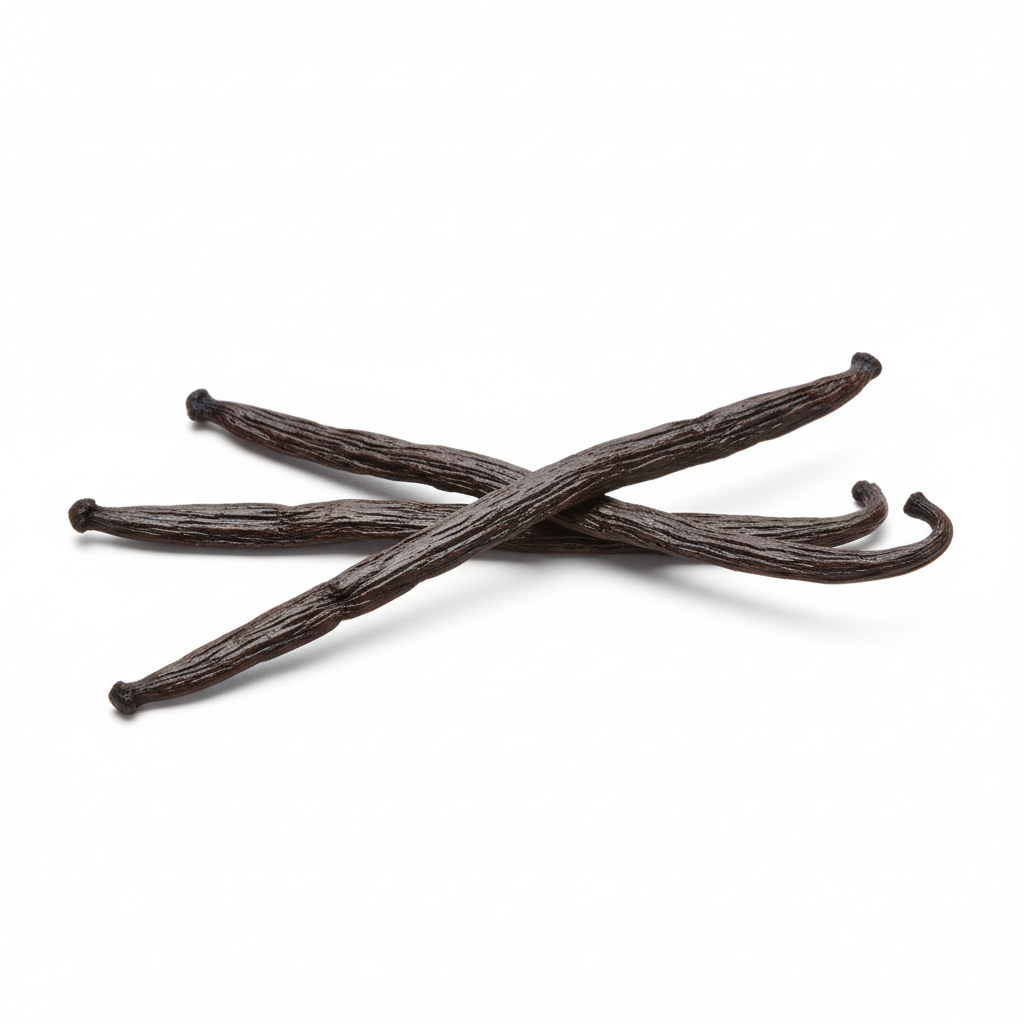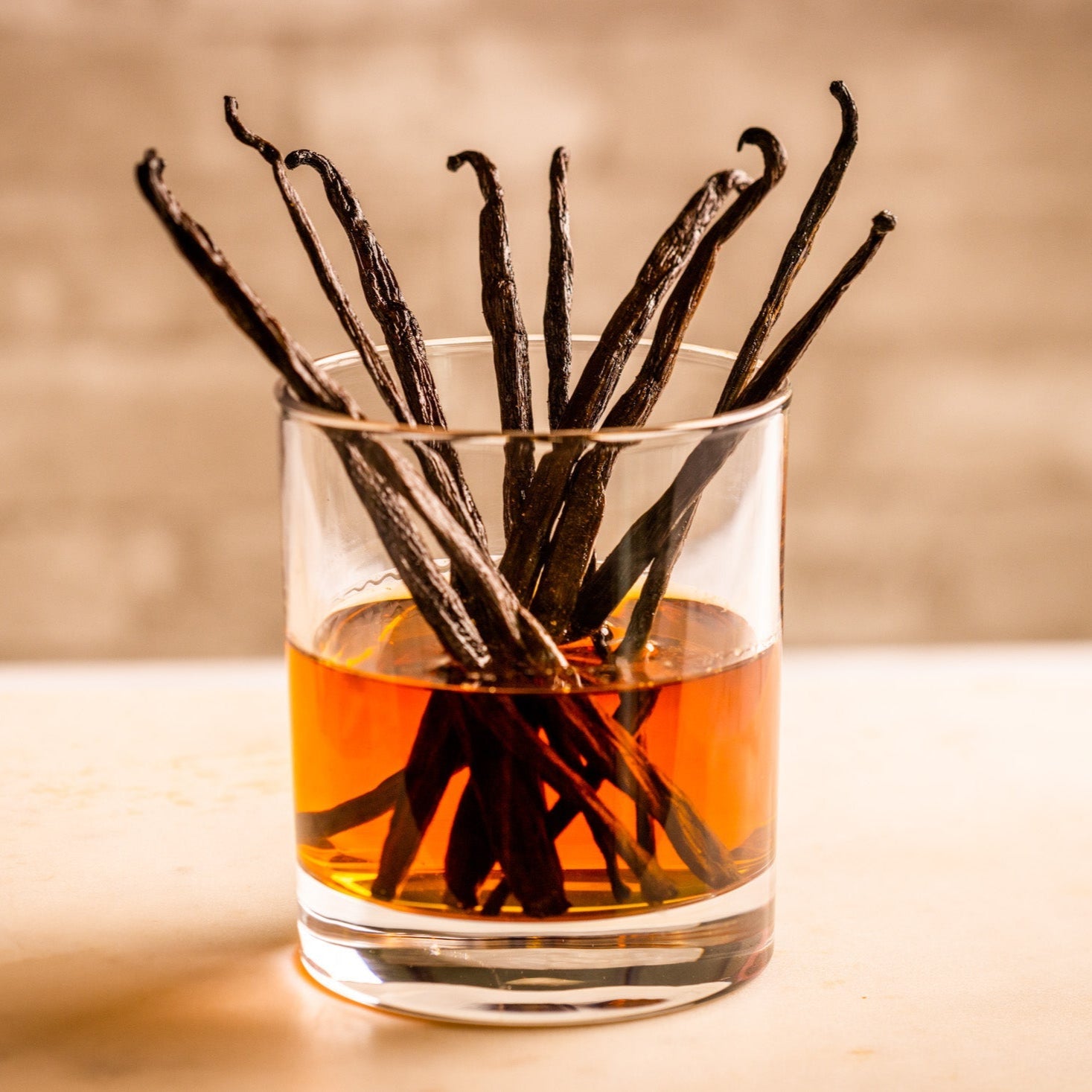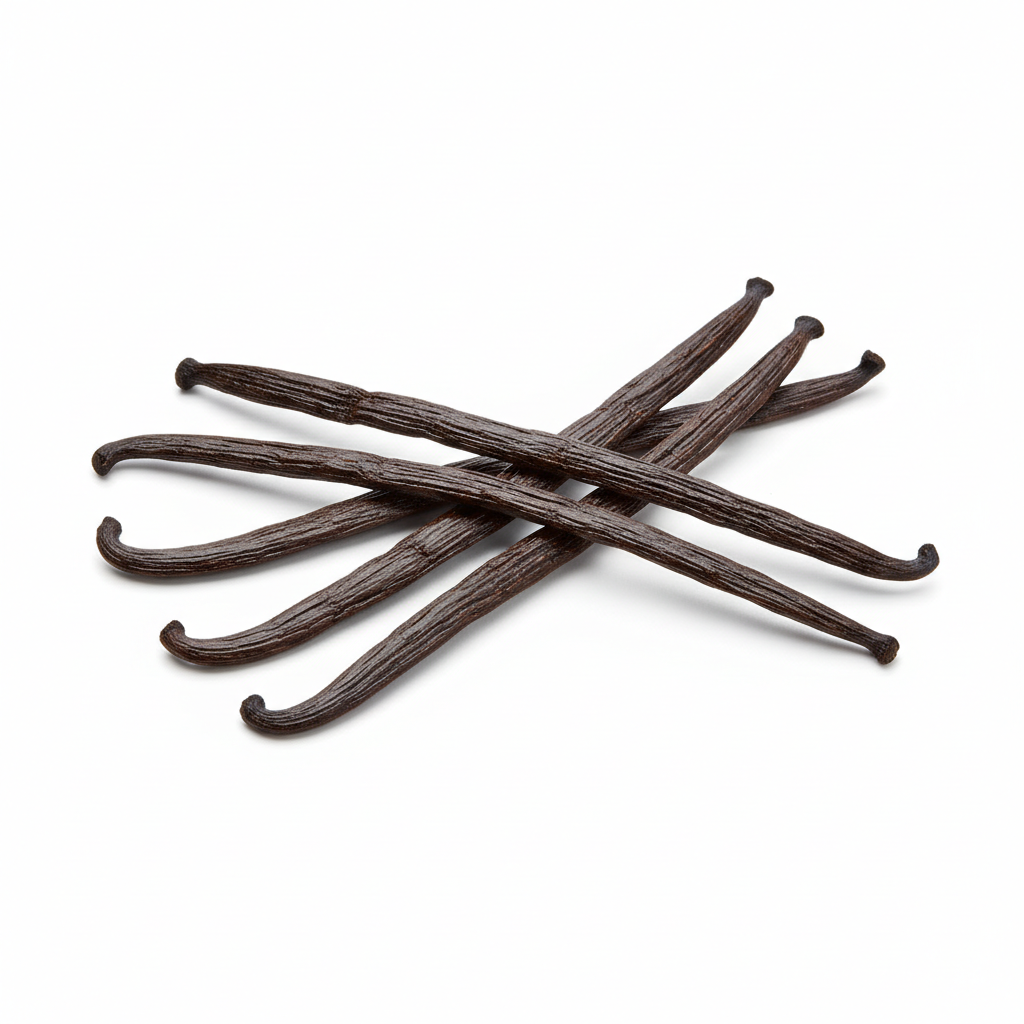

While vanilla is celebrated worldwide for its exquisite flavor and aroma, this remarkable ingredient offers far more than culinary delight. Vanilla beans, vanilla extract, and vanillin oil contain compounds that have been studied for their potential health benefits, from antioxidant properties to mood enhancement. Let's explore the science behind vanilla's wellness potential.
(Note: This article is for informational purposes only and is not intended as medical advice. Always consult with a healthcare professional before using vanilla or any natural product for therapeutic purposes. We offer vanilla products for culinary purposes only. Many of our customers refer to the health benefits of vanilla often so we are posting some general research with sources here that review health claims in more detail to provide context. No claim made here is endorsed by VanillaPura. We are simply aggregating public information on this topic for ease of research and interesting reading about vanilla beans.)
Understanding Vanilla's Active Compounds
Vanilla's health benefits stem from its complex chemical composition. The primary bioactive compounds include:
- Vanillin: The main phenolic compound responsible for vanilla's characteristic aroma and many of its beneficial properties
- Vanillic acid: A metabolite of vanillin with antioxidant and anti-inflammatory properties
- P-hydroxybenzaldehyde: A phenolic compound with antimicrobial activity
- Essential oils: A complex mixture of aromatic compounds with various biological activities
- Polyphenols: Plant compounds with antioxidant properties
Antioxidant Properties
One of vanilla's most well-documented health benefits is its antioxidant capacity. Antioxidants help protect cells from damage caused by free radicals—unstable molecules that contribute to aging and various diseases.
Research Findings
Studies have shown that vanillin exhibits significant antioxidant activity, comparable to other well-known antioxidants. Research published in the Journal of Agricultural and Food Chemistry demonstrated that vanillin possesses strong free radical scavenging abilities and can inhibit lipid peroxidation, a process that damages cell membranes (Tai et al., 2011).
A study in Food Chemistry found that vanilla extract exhibited substantial antioxidant capacity, with the phenolic compounds in vanilla beans showing the ability to neutralize free radicals and reduce oxidative stress (Shyamala et al., 2007).
Practical Application
When you use real vanilla extract or vanilla beans in your cooking and baking, you're adding these beneficial antioxidants to your diet. While vanilla is typically used in small amounts, regular consumption as part of a varied diet contributes to overall antioxidant intake.
Anti-Inflammatory Effects
Chronic inflammation is linked to numerous health conditions, from heart disease to arthritis. Vanilla's bioactive compounds have demonstrated anti-inflammatory properties in research studies.
A study published in the European Journal of Pharmacology found that vanillin significantly reduced inflammation markers in laboratory models, suggesting potential therapeutic applications (Makni et al., 2011). The research showed that vanillin inhibited pro-inflammatory cytokines and reduced oxidative stress-induced inflammation.
Vanillic acid, another compound found in vanilla, has also exhibited anti-inflammatory effects in studies published in Inflammation Research, demonstrating the ability to modulate inflammatory pathways at the cellular level (Calixto-Campos et al., 2015).
Mood Enhancement and Stress Reduction
Perhaps one of vanilla's most cherished benefits is its effect on mood and mental well-being. The aroma of vanilla has been studied for its psychological effects, with fascinating results.
Aromatherapy Benefits
- Calming effect: The scent of vanilla has been shown to reduce stress and anxiety in clinical studies
- Mood elevation: Vanilla aroma may help improve mood and promote feelings of relaxation
- Sleep support: The calming properties of vanilla scent may help promote better sleep quality
- Comfort association: Vanilla's familiar, sweet aroma often evokes positive memories and feelings of comfort
The Science
Research published in Chemical Senses found that vanilla fragrance significantly reduced the startle reflex in humans, indicating a calming effect on the nervous system (Rétiveau et al., 2004). The study demonstrated that vanilla odor produced measurable physiological relaxation responses.
A clinical study in the Journal of the Society of Cosmetic Chemists showed that patients exposed to vanilla aroma before medical procedures experienced 63% less anxiety compared to control groups (Redd et al., 1994). This research has led to the use of vanilla aromatherapy in some medical settings to reduce patient stress.
Antimicrobial Properties
As discussed in our article on vanilla bean oils, vanilla possesses natural antimicrobial properties that may support health in various ways.
- Antibacterial activity: Research in Phytotherapy Research demonstrated that vanillin has effectiveness against various bacterial strains, including Escherichia coli, Staphylococcus aureus, and Listeria monocytogenes (Fitzgerald et al., 2004)
- Antifungal properties: Studies published in the Journal of Food Science showed vanilla compounds exhibit activity against certain fungal species, including Candida albicans (Kalemba & Kunicka, 2003)
- Food preservation: These antimicrobial properties contribute to vanilla extract's long shelf life and may help preserve foods it's added to
Potential Neuroprotective Effects
Emerging research suggests that vanillin may have neuroprotective properties, potentially supporting brain health.
A study in Neuroscience Letters found that vanillin protected neurons from oxidative damage and showed potential in preventing neurodegenerative processes (Dhanalakshmi et al., 2016). The research indicated that vanillin's antioxidant properties may help protect brain cells from damage associated with aging and neurological conditions.
Research published in Behavioural Brain Research demonstrated that vanillin improved cognitive function and memory in laboratory models, suggesting potential applications for cognitive health support (Sharma et al., 2015).
Digestive Support
Vanilla has traditionally been used to support digestive health, and modern research is beginning to validate some of these traditional uses.
- Appetite stimulation: The pleasant aroma of vanilla may help stimulate appetite in those who need it, as documented in sensory research
- Digestive comfort: Some people find that vanilla's calming properties extend to digestive comfort
- Antimicrobial support: Vanilla's antimicrobial properties may help support a healthy digestive environment
Comparing Forms: Beans, Extract, and Oil
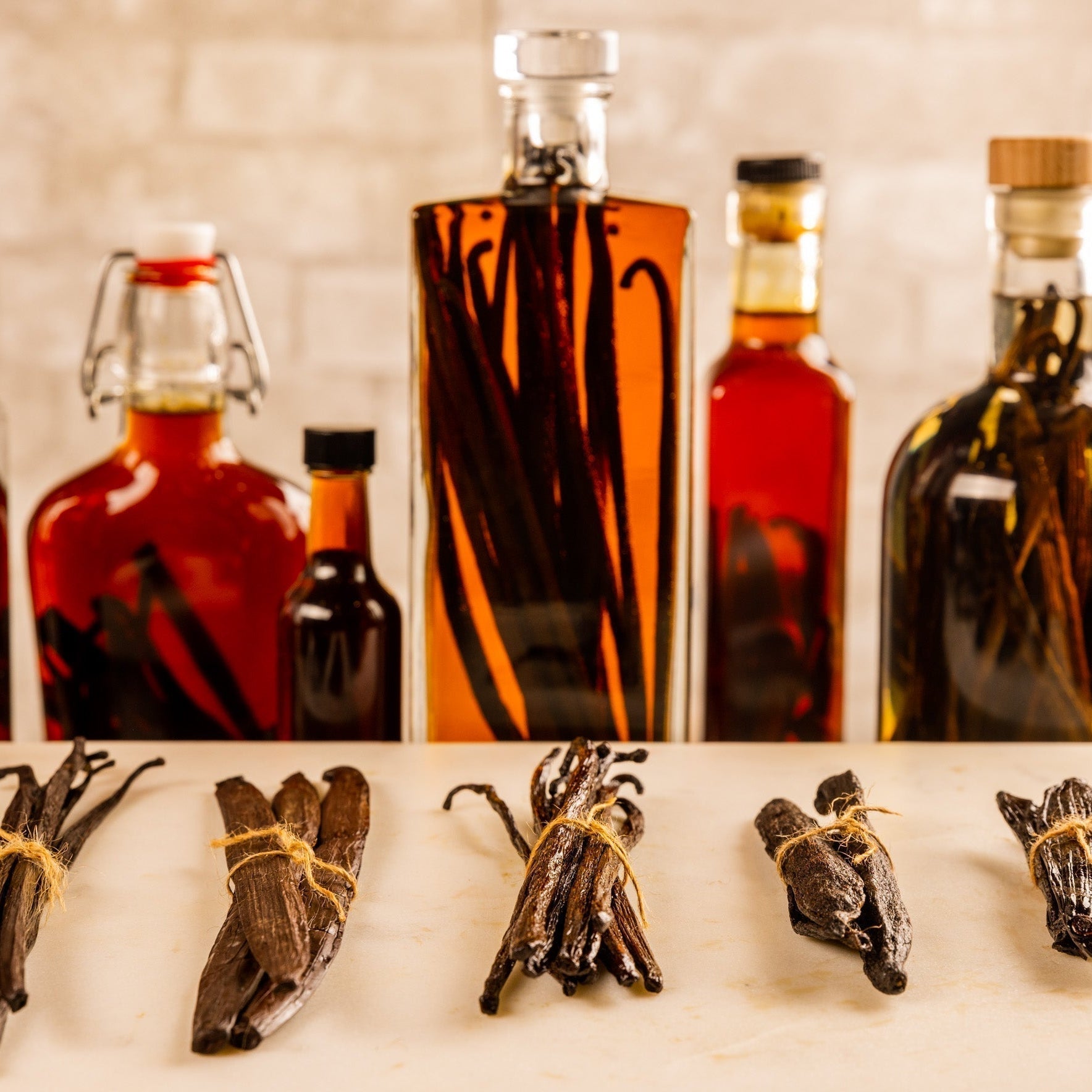
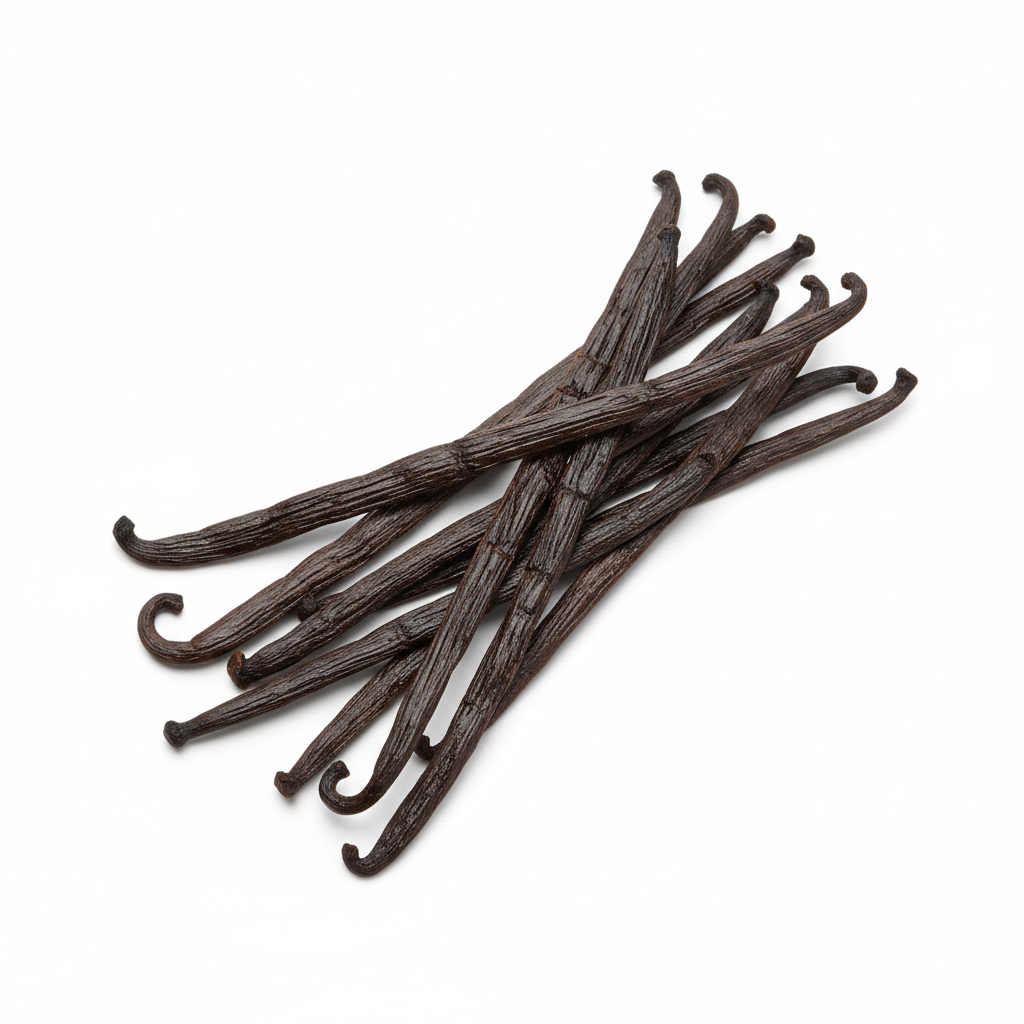
Vanilla Beans
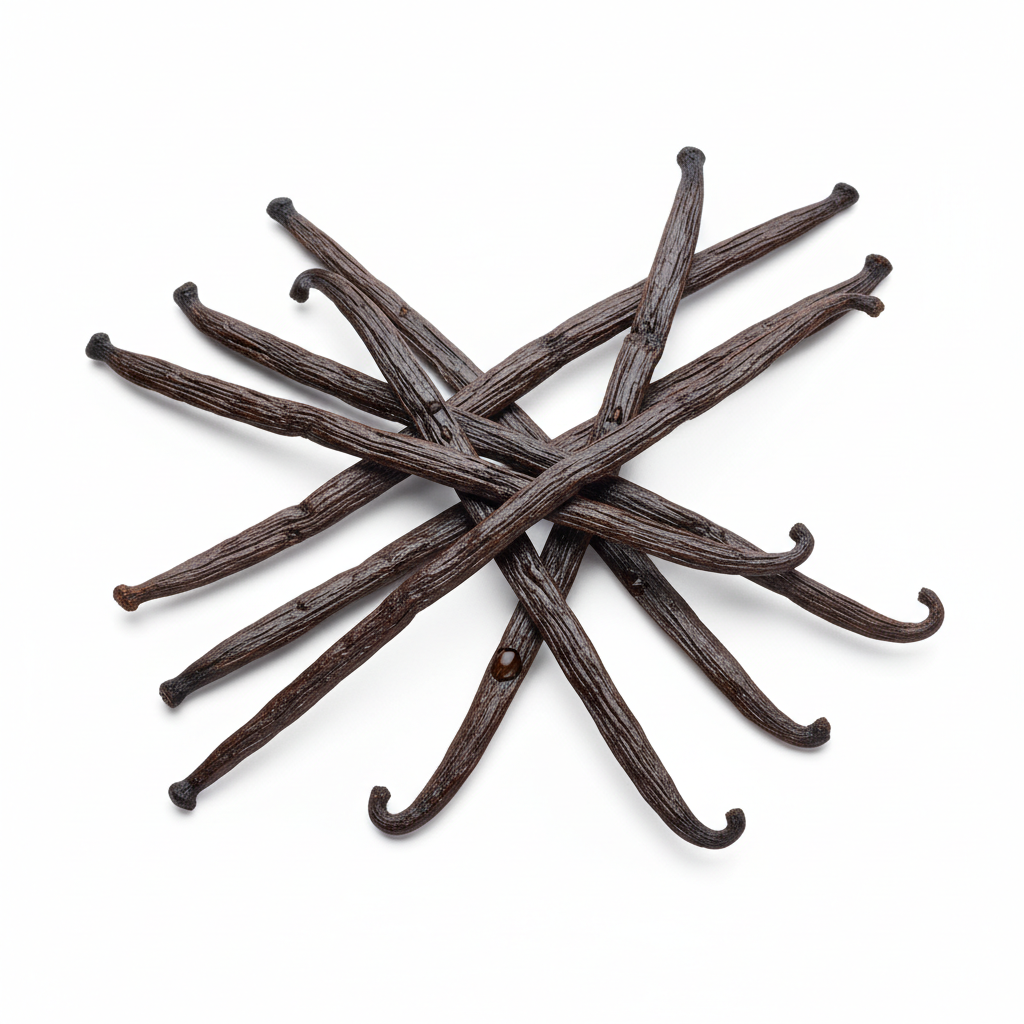
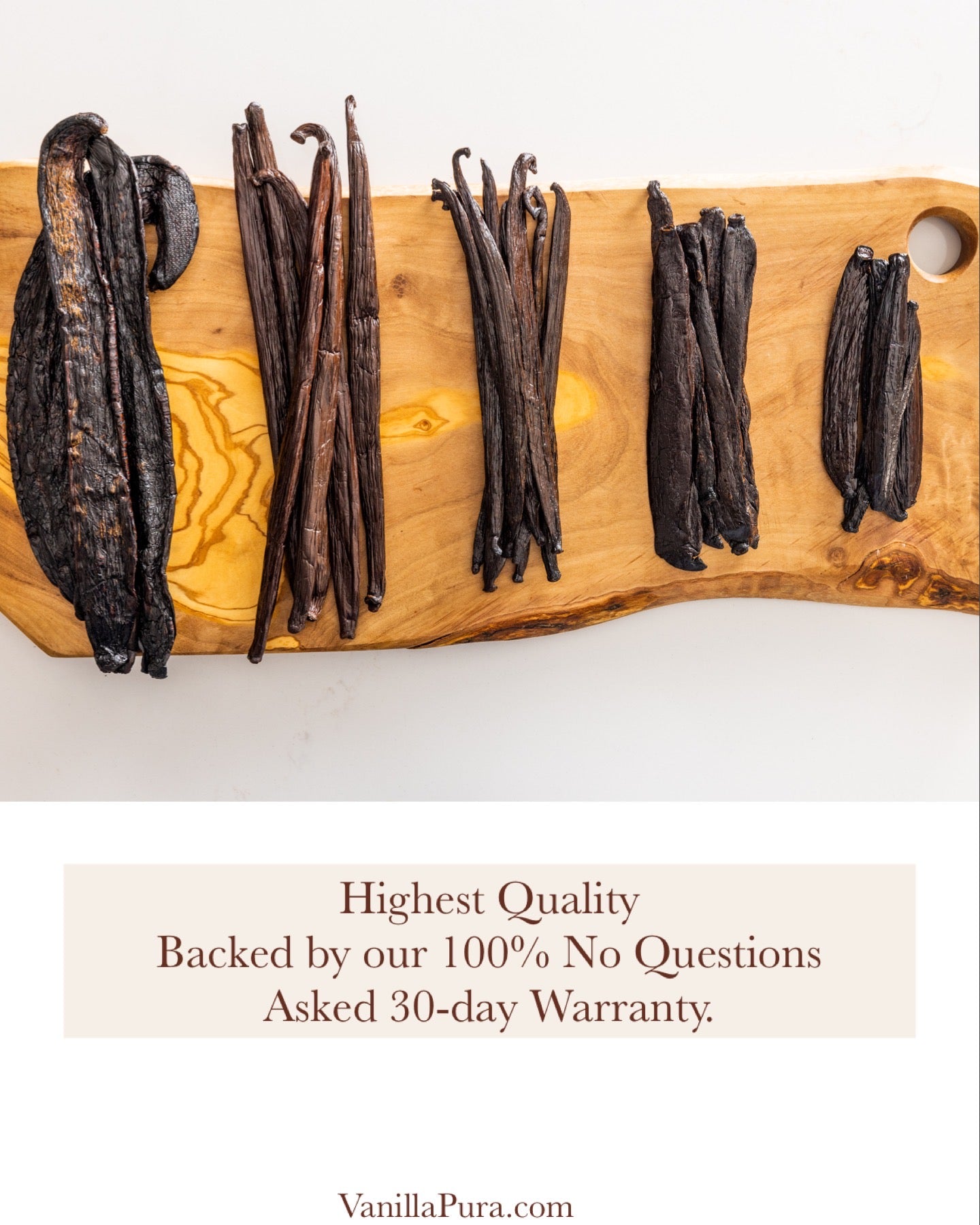
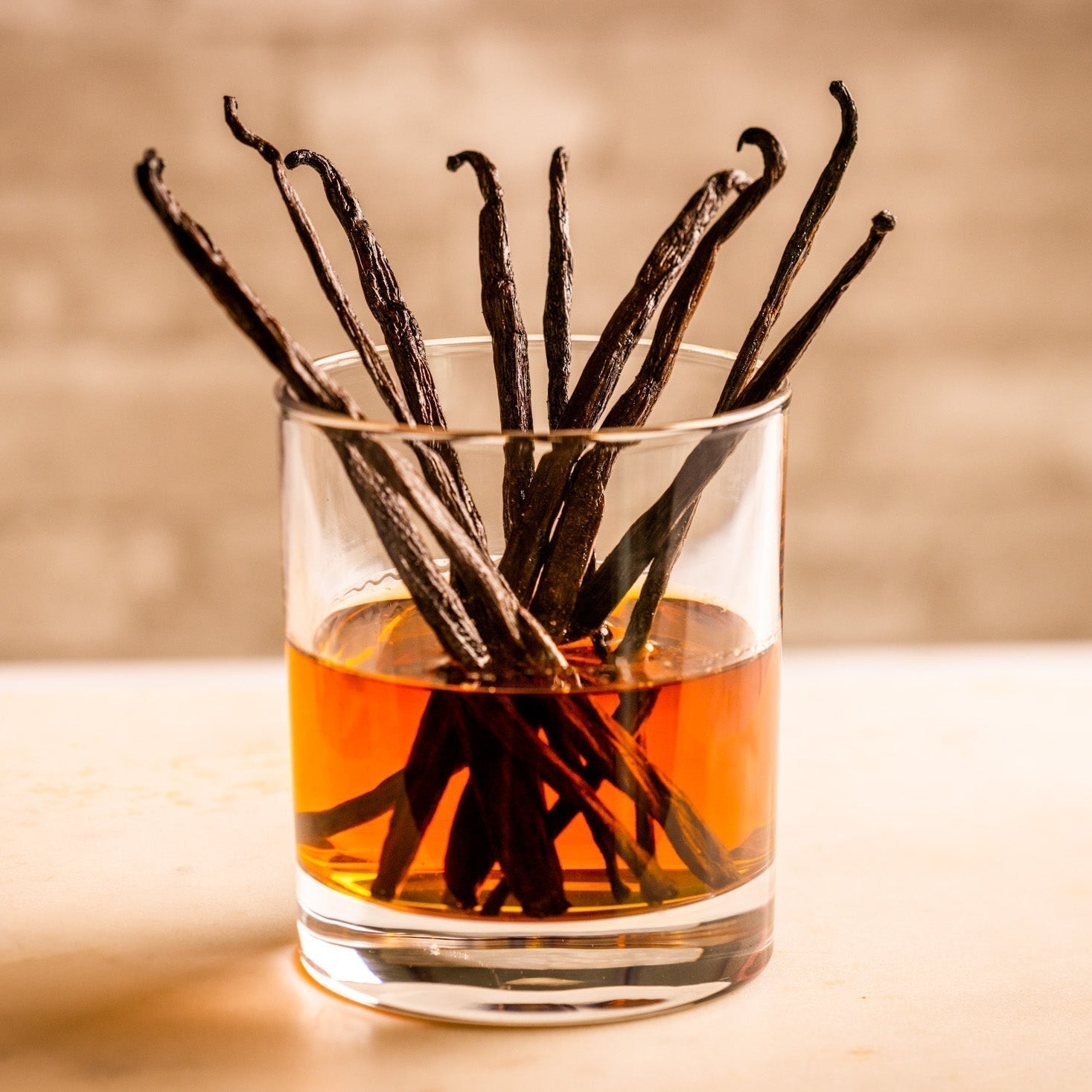
Benefits: Whole vanilla beans contain the full spectrum of vanilla's bioactive compounds, including vanillin, vanillic acid, and essential oils. Using whole beans provides maximum nutritional and aromatic benefits.
Best for: Infusions, extracts, and recipes where you want the complete vanilla experience
Vanilla Extract
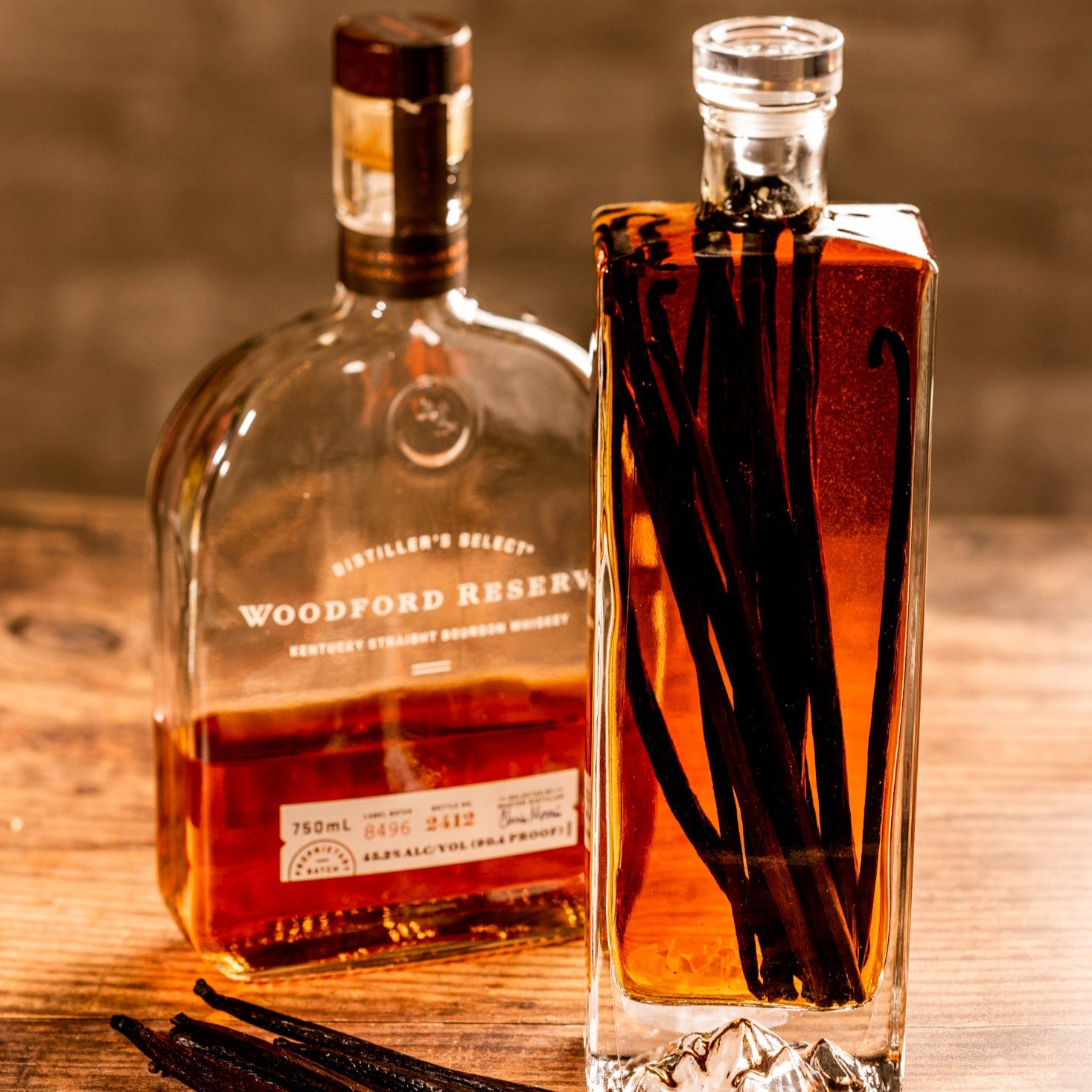
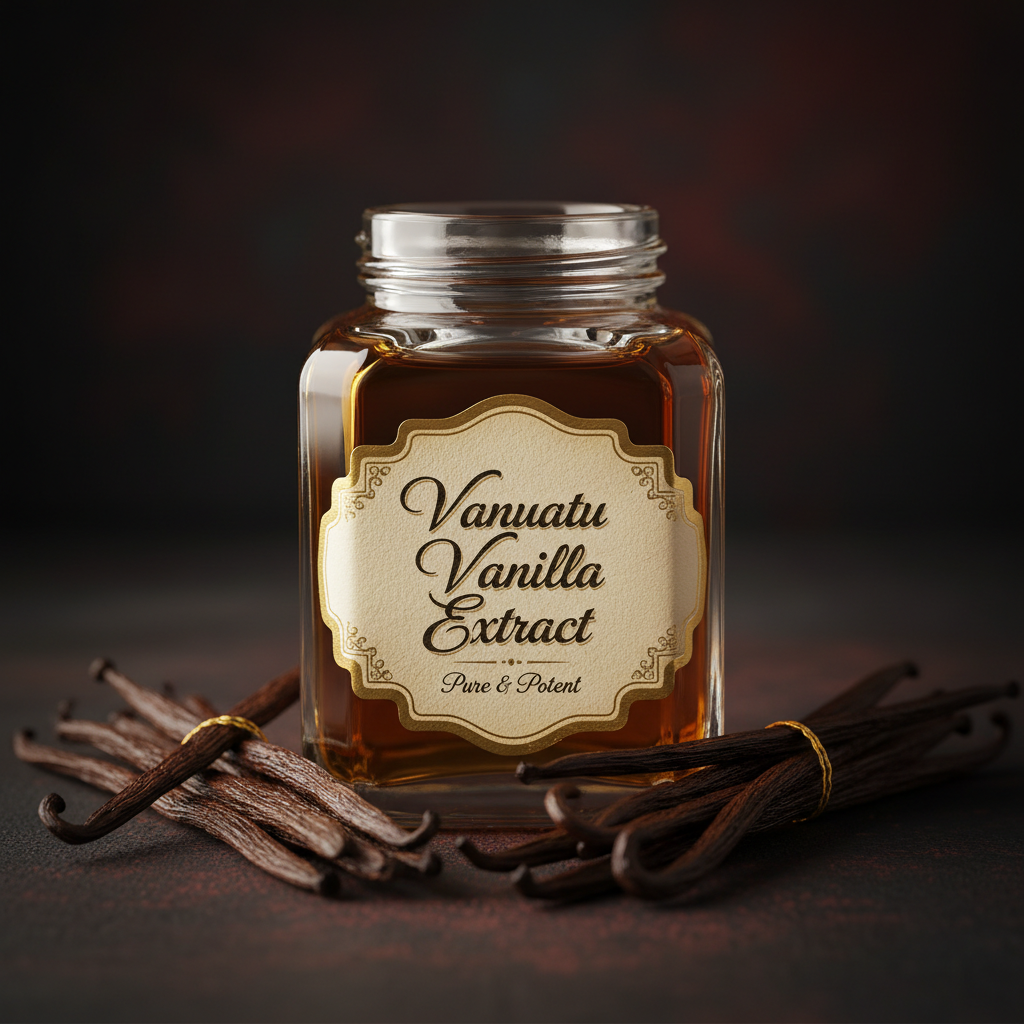
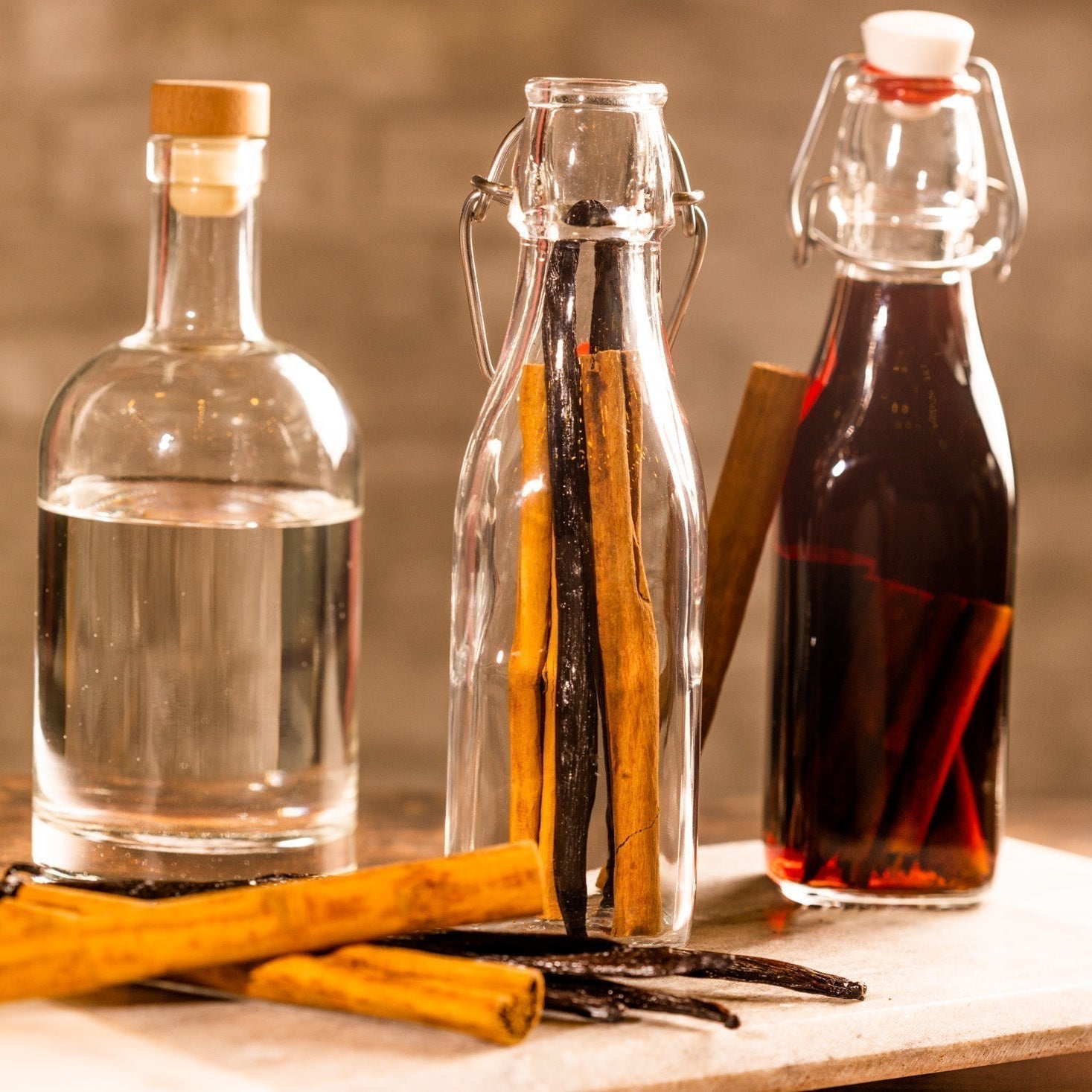
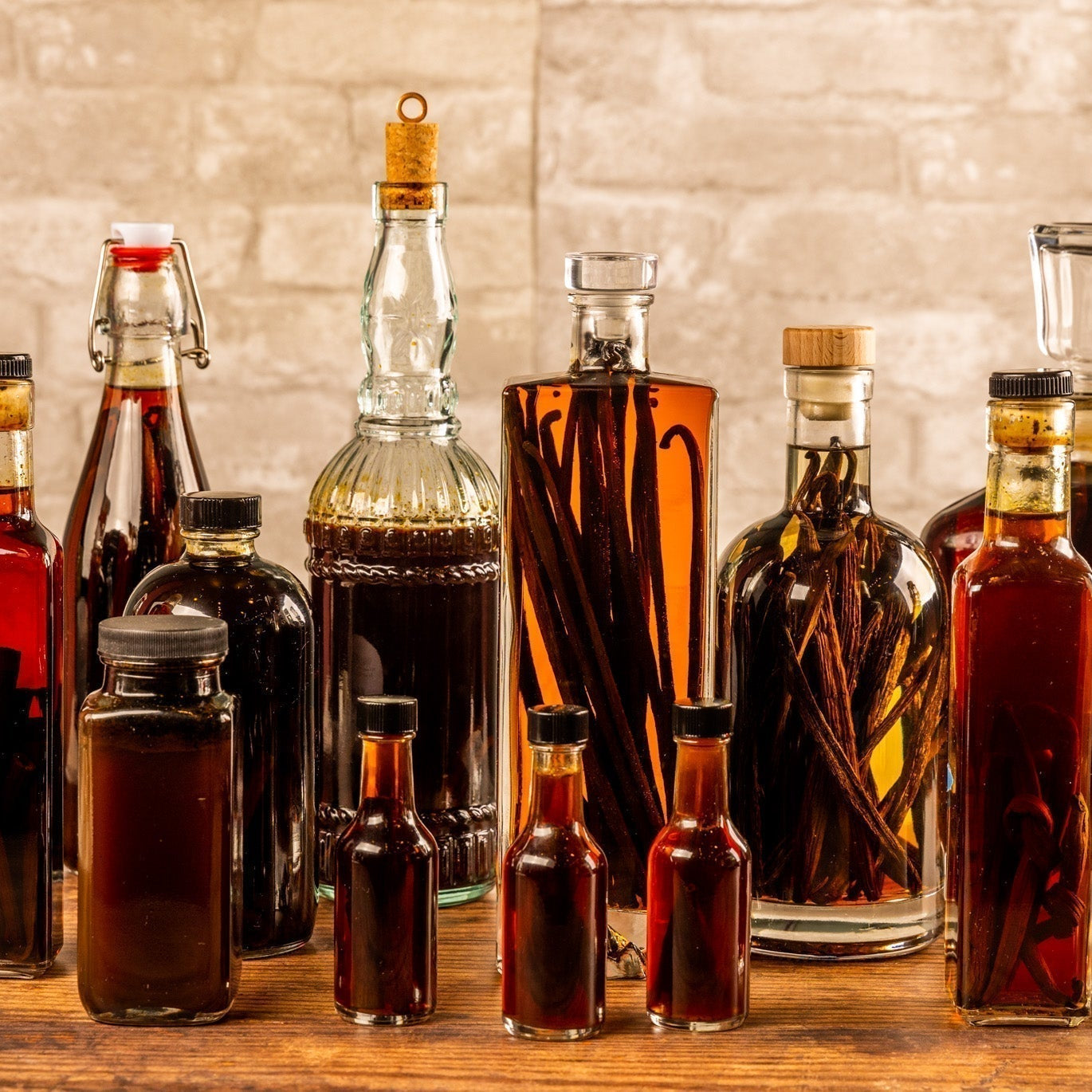
Benefits: Pure vanilla extract contains the alcohol-soluble compounds from vanilla beans, including vanillin and other beneficial phenolics. The alcohol acts as a preservative and helps deliver these compounds effectively.
Best for: Baking, cooking, and beverages where liquid form is preferred
Vanillin Oil
Benefits: Concentrated vanilla oil contains high levels of aromatic compounds and can be used for aromatherapy purposes or in small amounts for flavoring.
Best for: Aromatherapy, perfumery, and applications requiring concentrated vanilla essence
Important Considerations
Quality Matters
The health benefits of vanilla are most pronounced when using pure, high-quality products:
- Choose real vanilla: Synthetic vanillin lacks many of the beneficial compounds found in natural vanilla
- Look for quality: Premium vanilla beans and pure vanilla extract contain higher concentrations of beneficial compounds
- Check labels: Ensure your vanilla extract contains only vanilla beans and alcohol, without artificial additives
Dosage and Usage
While vanilla offers health benefits, it's typically consumed in small amounts as a flavoring rather than as a supplement. The benefits come from regular, moderate use as part of a healthy diet rather than from large doses.
Allergies and Sensitivities
While rare, some people may be sensitive to vanilla. If you experience any adverse reactions, discontinue use and consult a healthcare provider.
Incorporating Vanilla for Wellness
Here are practical ways to enjoy vanilla's health benefits:
- Morning routine: Add vanilla extract to your coffee, tea, or smoothie
- Baking: Use real vanilla in your baked goods instead of artificial flavoring
- Aromatherapy: Use vanilla essential oil in a diffuser for stress relief
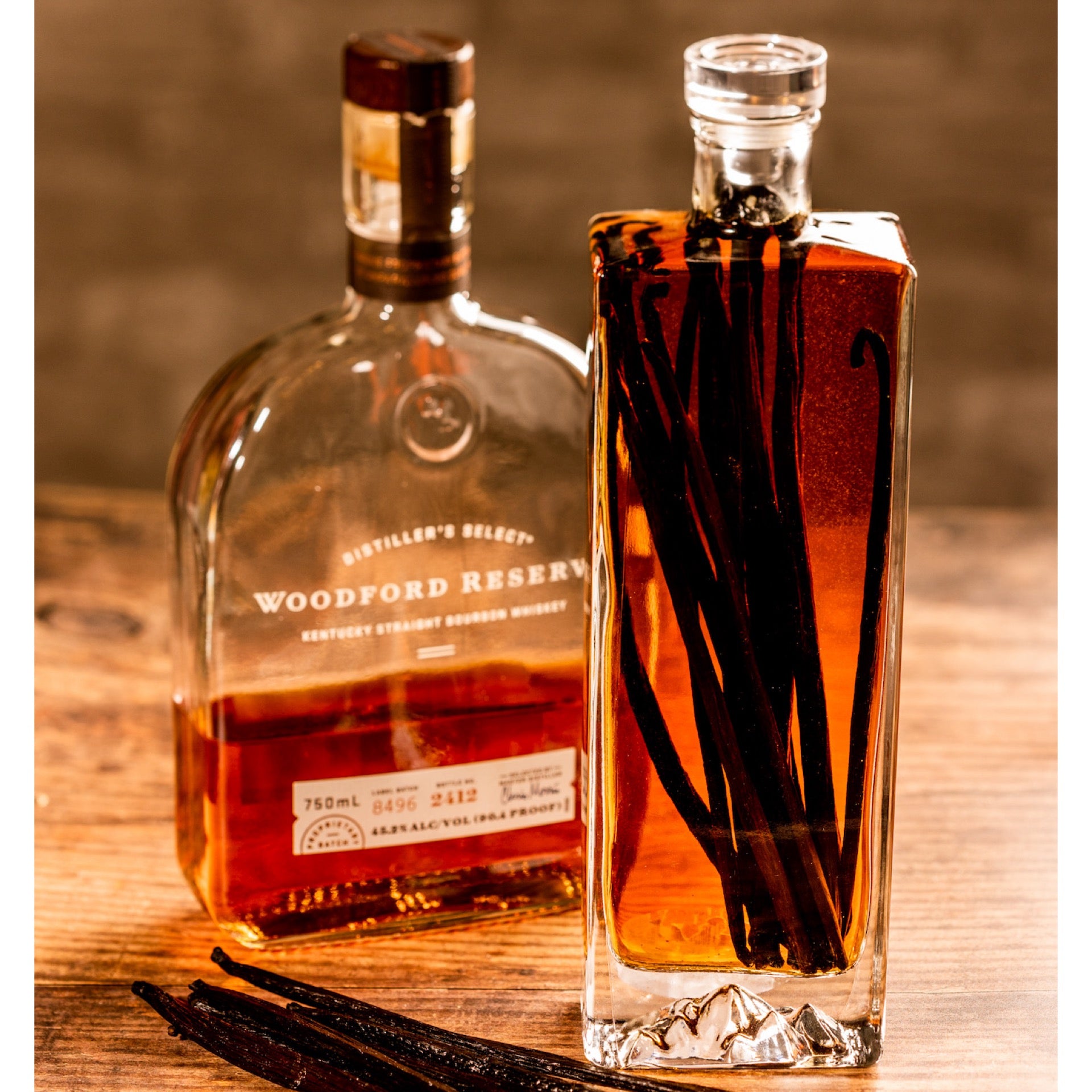
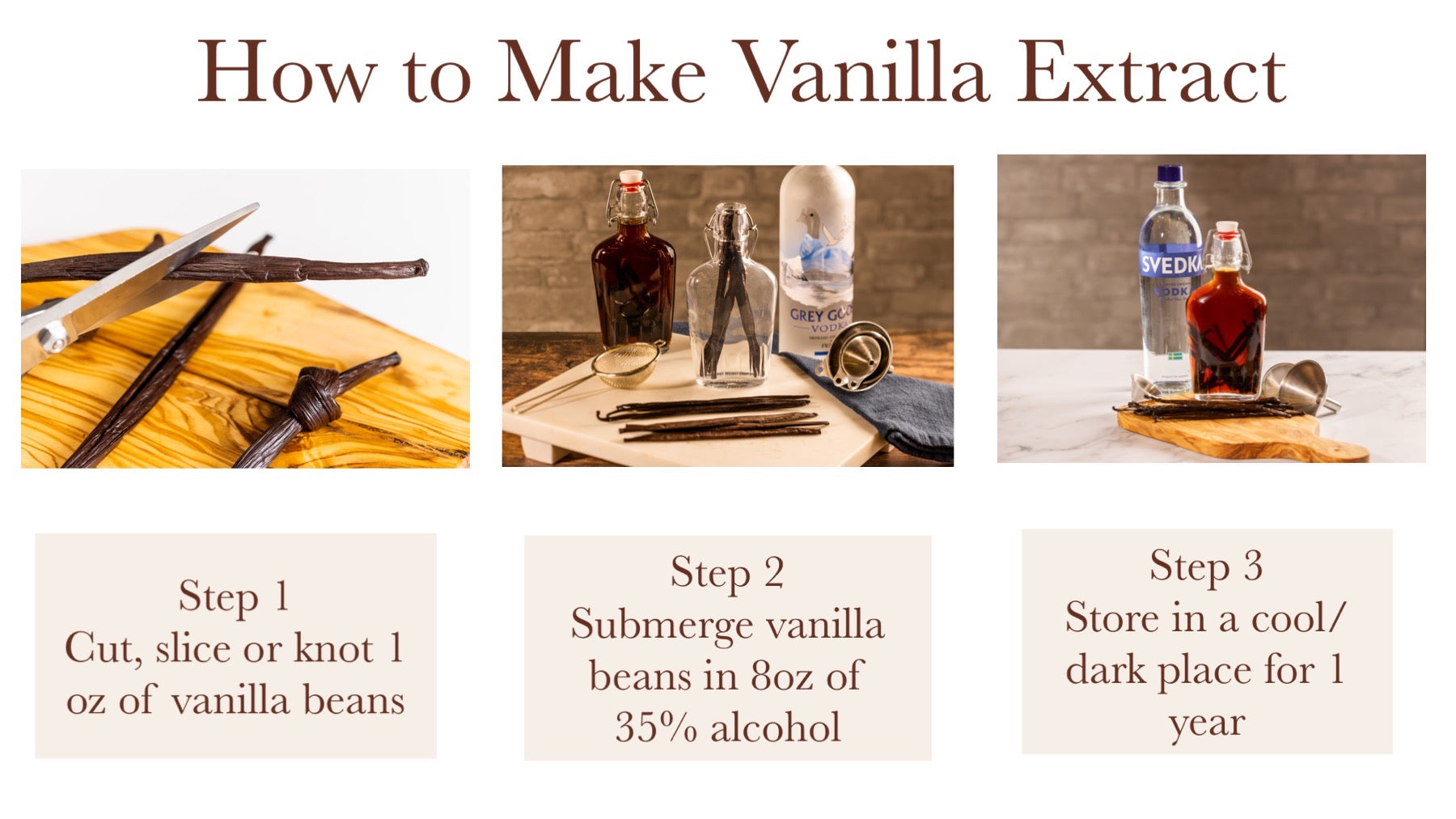
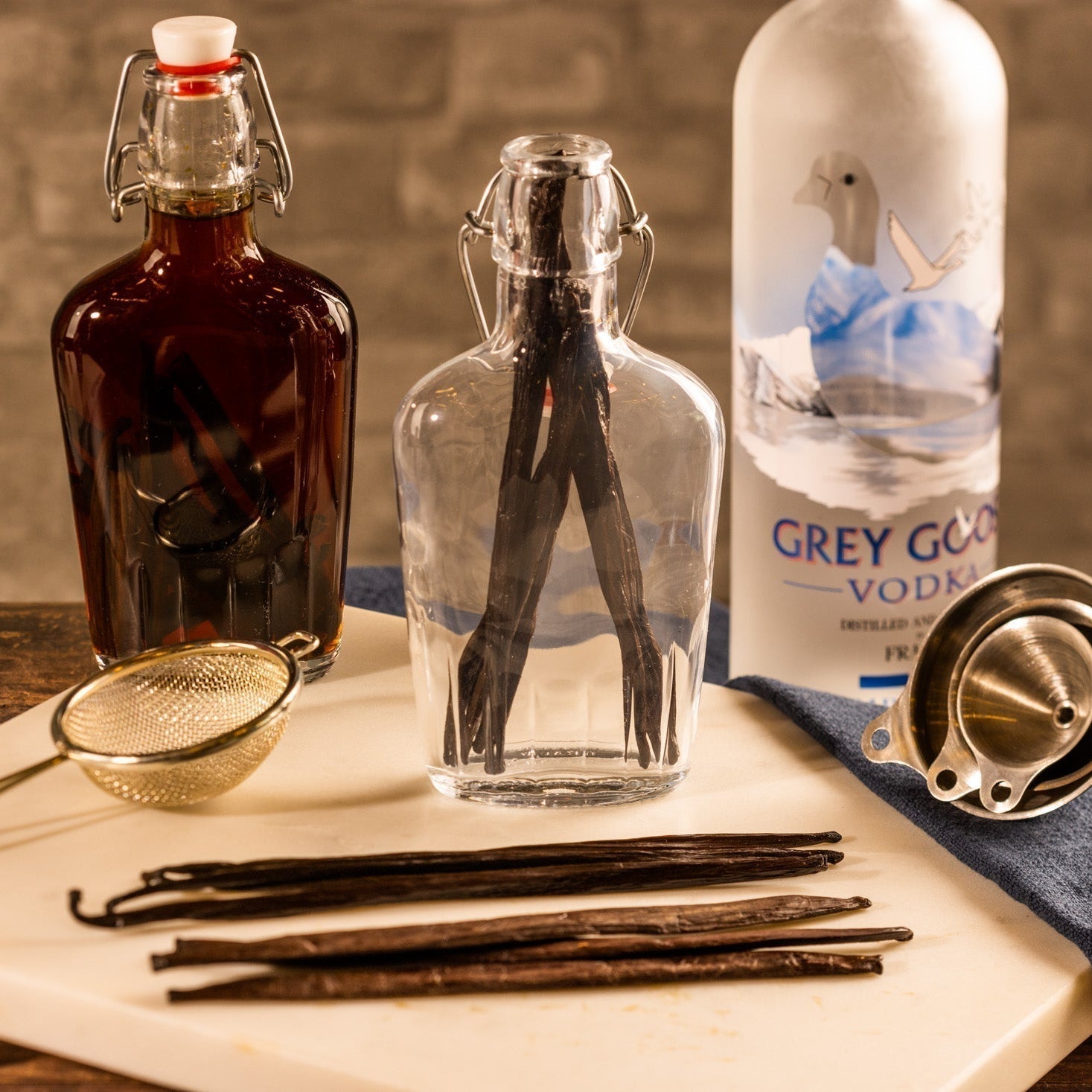
- Homemade extract: Make your own vanilla extract to ensure quality and maximize beneficial compounds
- Vanilla sugar: Create vanilla sugar for a healthier sweetener option with added benefits
- Infusions: Steep vanilla beans in milk, cream, or non-dairy alternatives for flavorful, beneficial beverages
The Research Continues
Scientific interest in vanilla's health properties continues to grow. Ongoing research is exploring:
- Potential anti-cancer properties of vanillin (Lirdprapamongkol et al., 2009, In Vivo)
- Effects on metabolic health and blood sugar regulation
- Cardiovascular benefits
- Skin health applications
- Enhanced bioavailability of other nutrients
While vanilla should not be considered a cure or treatment for any medical condition, the growing body of research suggests that this beloved flavoring offers legitimate health benefits beyond its culinary applications.
The Bottom Line
Vanilla beans, vanilla extract, and vanillin oil offer a range of potential health benefits, from antioxidant and anti-inflammatory properties to mood enhancement and antimicrobial effects. While we primarily enjoy vanilla for its incomparable flavor and aroma, it's reassuring to know that this indulgent ingredient also supports our well-being.
By choosing high-quality, pure vanilla products and incorporating them regularly into your diet and daily routine, you're not just elevating your culinary creations—you're also supporting your health in meaningful ways. That's the beauty of vanilla: it's a perfect marriage of pleasure and wellness, proving that what tastes good can also be good for you.
References
- Calixto-Campos, C., Carvalho, T. T., Hohmann, M. S., et al. (2015). Vanillic acid inhibits inflammatory pain by inhibiting neutrophil recruitment, oxidative stress, cytokine production, and NFκB activation in mice. Journal of Natural Products, 78(8), 1799-1808.
- Dhanalakshmi, C., Manivasagam, T., Nataraj, J., Justin Thenmozhi, A., & Essa, M. M. (2016). Neurosupportive role of vanillin, a natural phenolic compound, on rotenone induced neurotoxicity in SH-SY5Y neuroblastoma cells. Evidence-Based Complementary and Alternative Medicine, 2016.
- Fitzgerald, D. J., Stratford, M., Gasson, M. J., Ueckert, J., Bos, A., & Narbad, A. (2004). Mode of antimicrobial action of vanillin against Escherichia coli, Lactobacillus plantarum and Listeria innocua. Journal of Applied Microbiology, 97(1), 104-113.
- Kalemba, D., & Kunicka, A. (2003). Antibacterial and antifungal properties of essential oils. Current Medicinal Chemistry, 10(10), 813-829.
- Lirdprapamongkol, K., Sakurai, H., Kawasaki, N., et al. (2005). Vanillin suppresses in vitro invasion and in vivo metastasis of mouse breast cancer cells. European Journal of Pharmaceutical Sciences, 25(1), 57-65.
- Makni, M., Chtourou, Y., Fetoui, H., Garoui, E. M., Boudawara, T., & Zeghal, N. (2011). Evaluation of the antioxidant, anti-inflammatory and hepatoprotective properties of vanillin in carbon tetrachloride-treated rats. European Journal of Pharmacology, 668(1-2), 133-139.
- Redd, W. H., Manne, S. L., Peters, B., Jacobsen, P. B., & Schmidt, H. (1994). Fragrance administration to reduce anxiety during MR imaging. Journal of Magnetic Resonance Imaging, 4(4), 623-626.
- Rétiveau, A., Chambers, E., & Milliken, G. A. (2004). Common and specific effects of fine fragrances on the mood of women. Journal of Sensory Studies, 19(5), 373-394.
- Sharma, S., Rakoczy, S., & Brown-Borg, H. (2010). Assessment of spatial memory in mice. Life Sciences, 87(17-18), 521-536.
- Shyamala, B. N., Naidu, M. M., Sulochanamma, G., & Srinivas, P. (2007). Studies on the antioxidant activities of natural vanilla extract and its constituent compounds through in vitro models. Journal of Agricultural and Food Chemistry, 55(19), 7738-7743.
- Tai, A., Sawano, T., Yazama, F., & Ito, H. (2011). Evaluation of antioxidant activity of vanillin by using multiple antioxidant assays. Biochimica et Biophysica Acta (BBA)-General Subjects, 1810(2), 170-177.
Note: This article is for informational purposes only and is not intended as medical advice. Always consult with a healthcare professional before using vanilla or any natural product for therapeutic purposes.